
Aberdeen. Aberdeen guide
Silver granite, two miles of sand and dolphins at the harbour mouth, on the north-east coast.
The four parts of Aberdeen
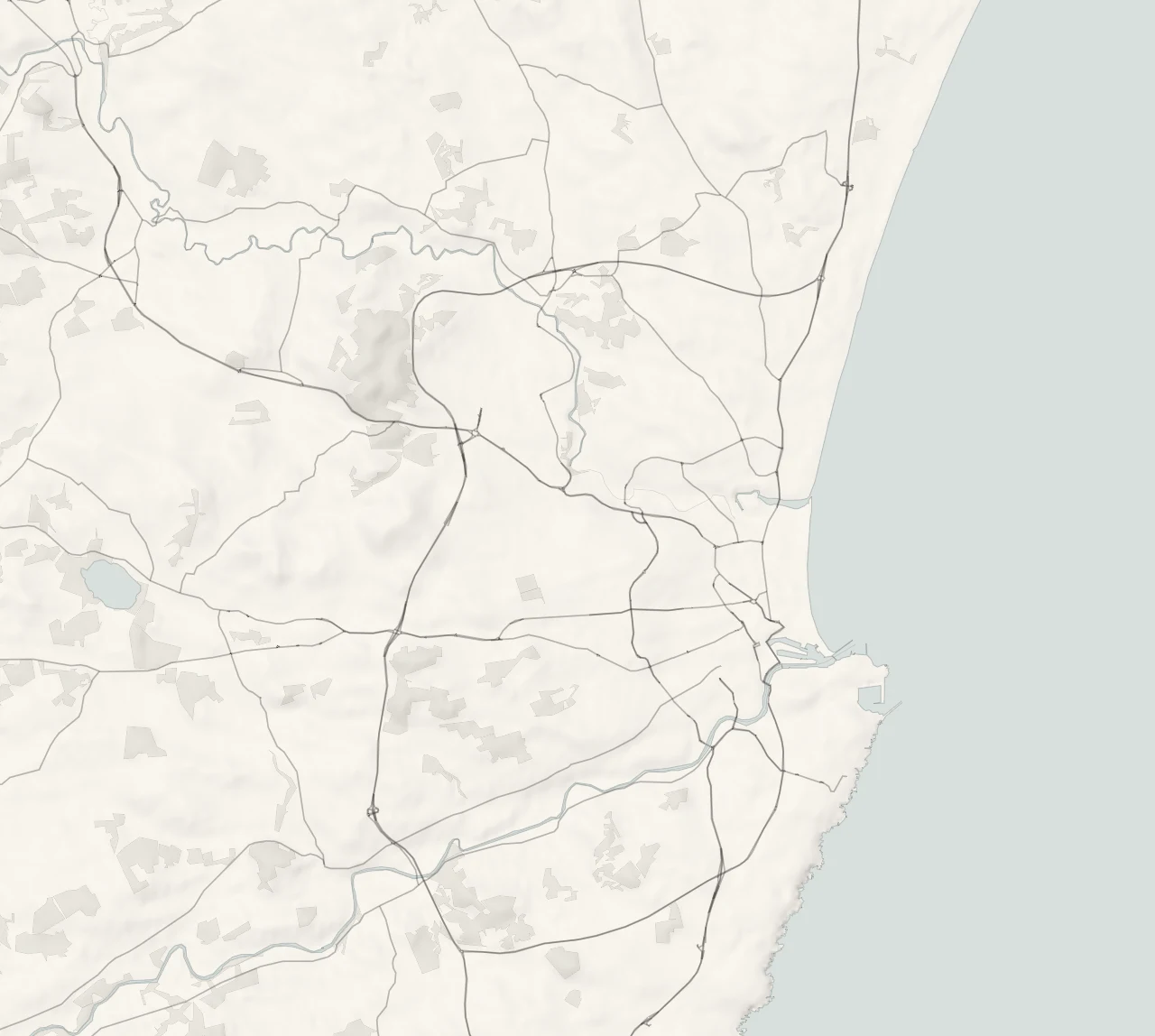
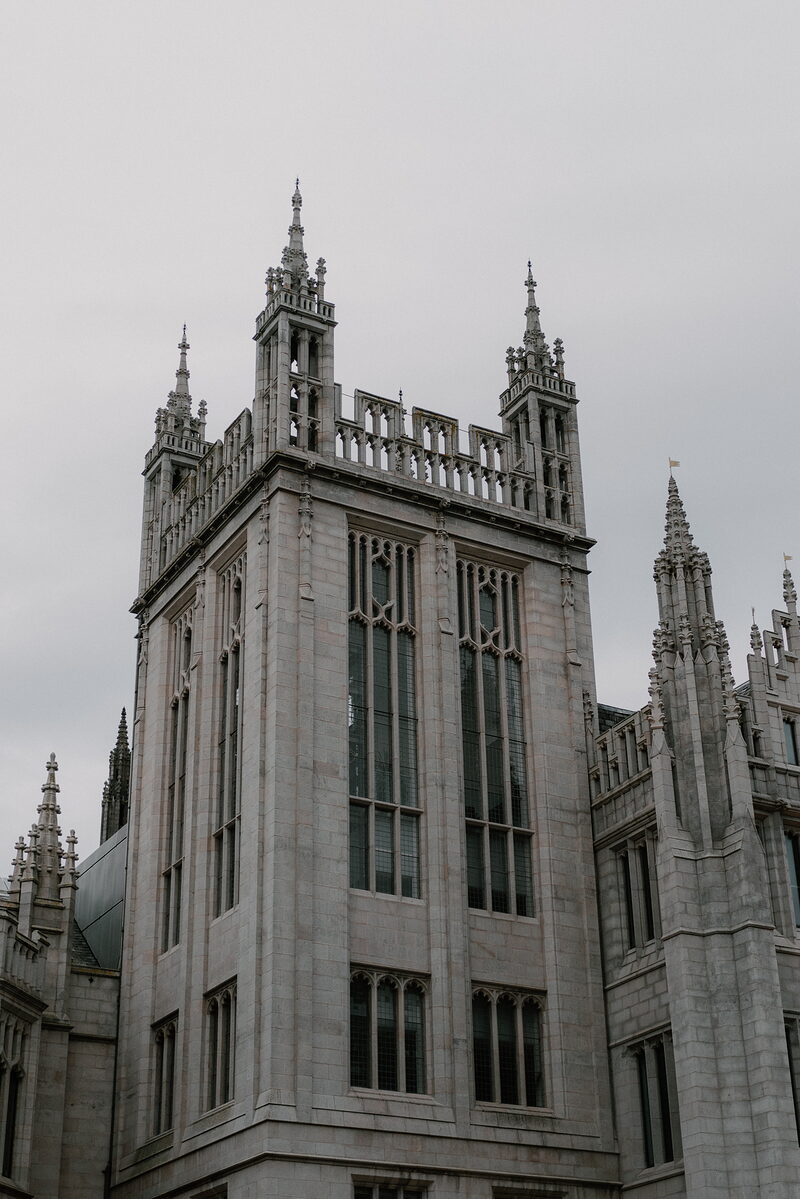
Aberdeen is a city built from its own stone. Silver-grey granite, cut from quarries on the edge of town, runs through everything from the long straight sweep of Union Street to the spires of Marischal College. When the sun comes out after a shower, the mica in the stone glitters, which is why Aberdeen is also called the Silver City. It is Scotland's third biggest city and a working port where the River Dee meets the North Sea, with a long golden beach a short walk from the shops.
The city centre
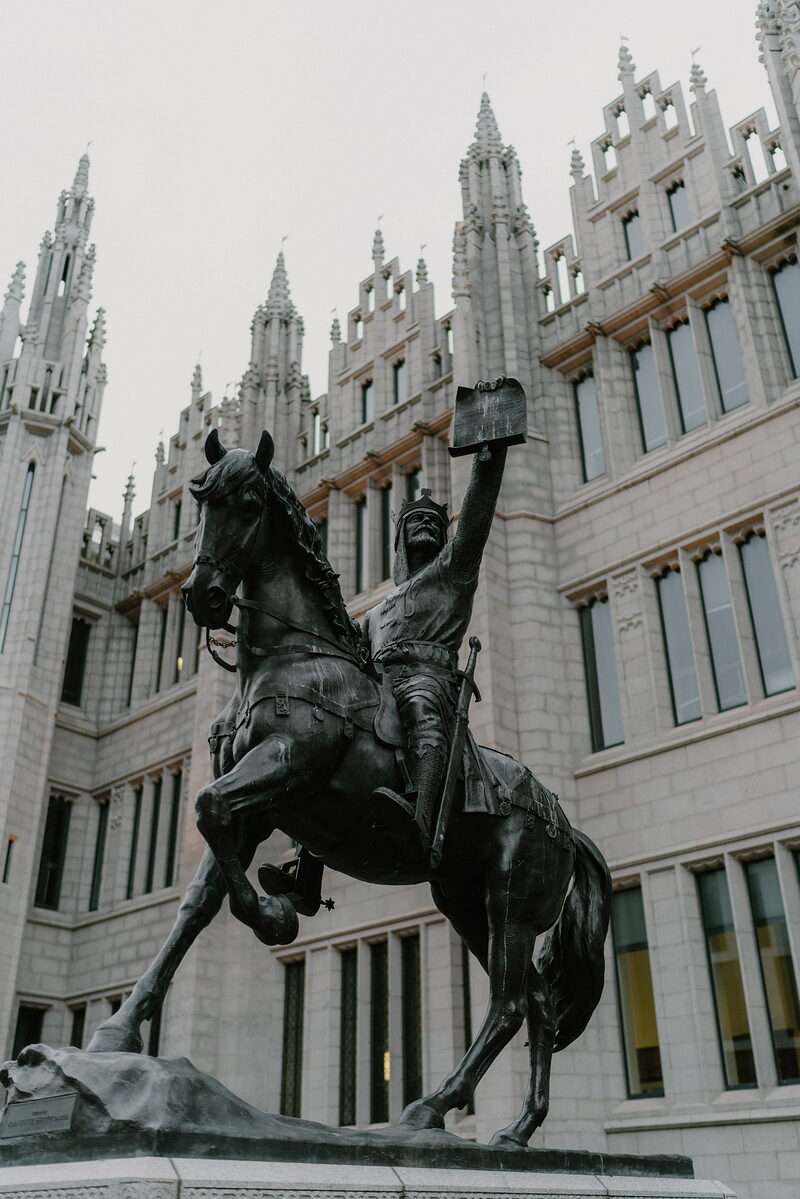
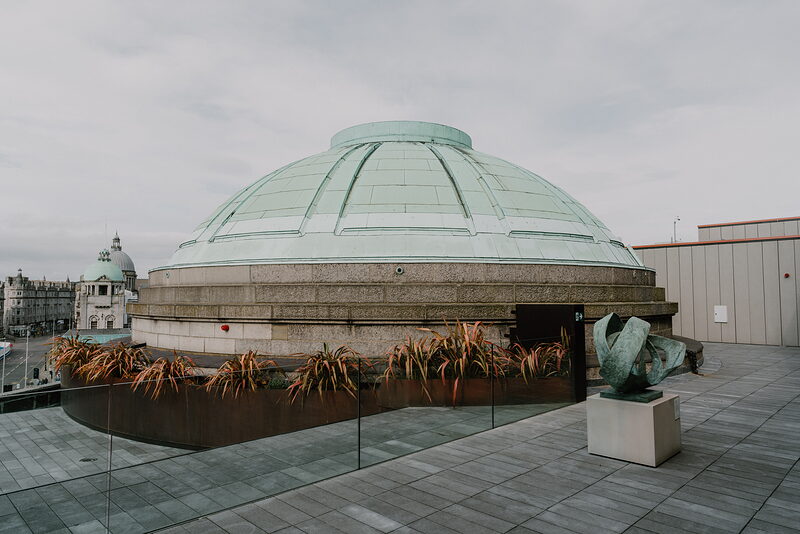
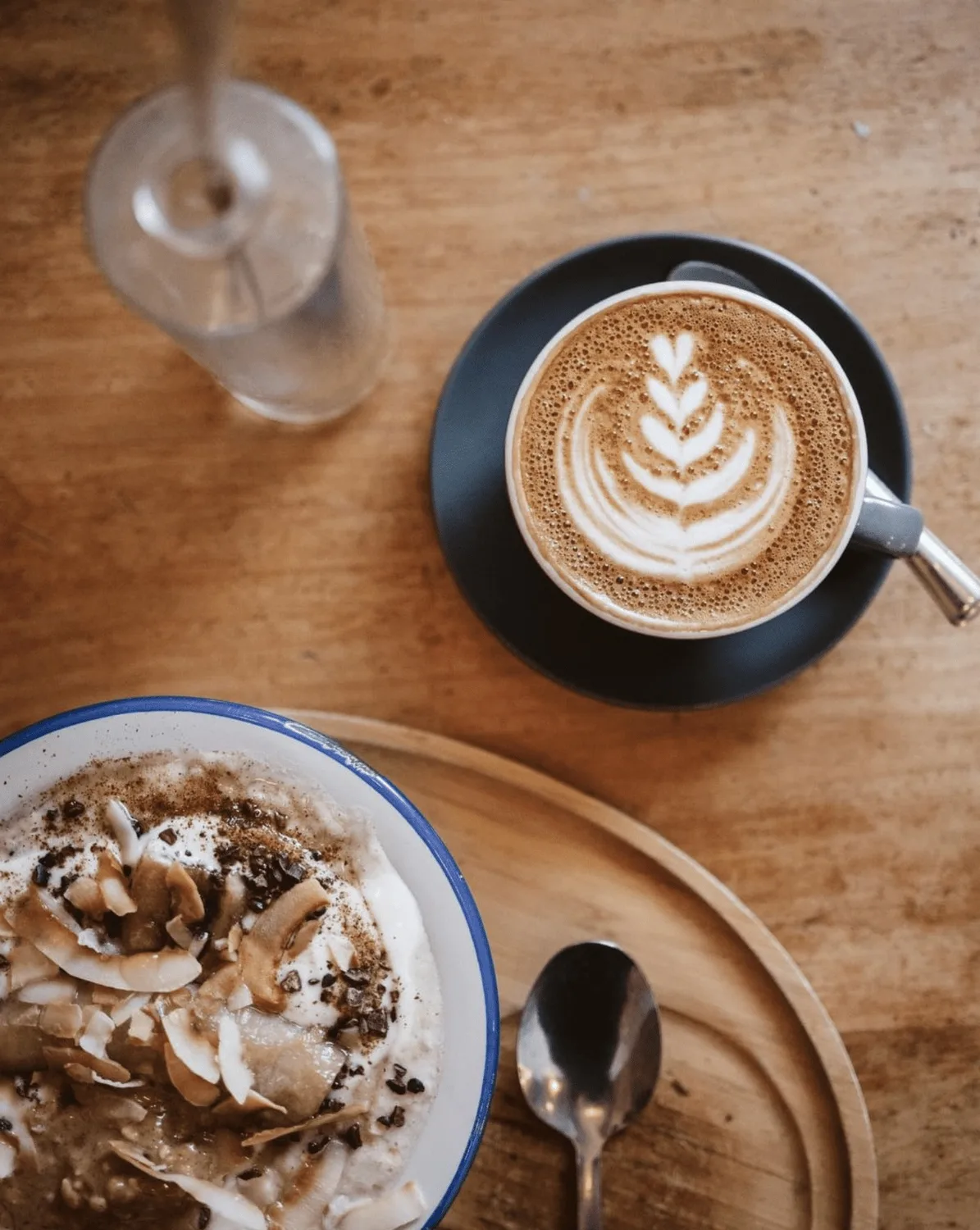
Union Street runs a granite mile west from the Castlegate, where the Mercat Cross still stands. Marischal College fills Broad Street with its Gothic front, the Art Gallery on Schoolhill is free, and the Maritime Museum on Shiprow looks down over the harbour. The cobbled Green and Belmont Street are full of cafés and cellar bars.
Old Aberdeen and the Don
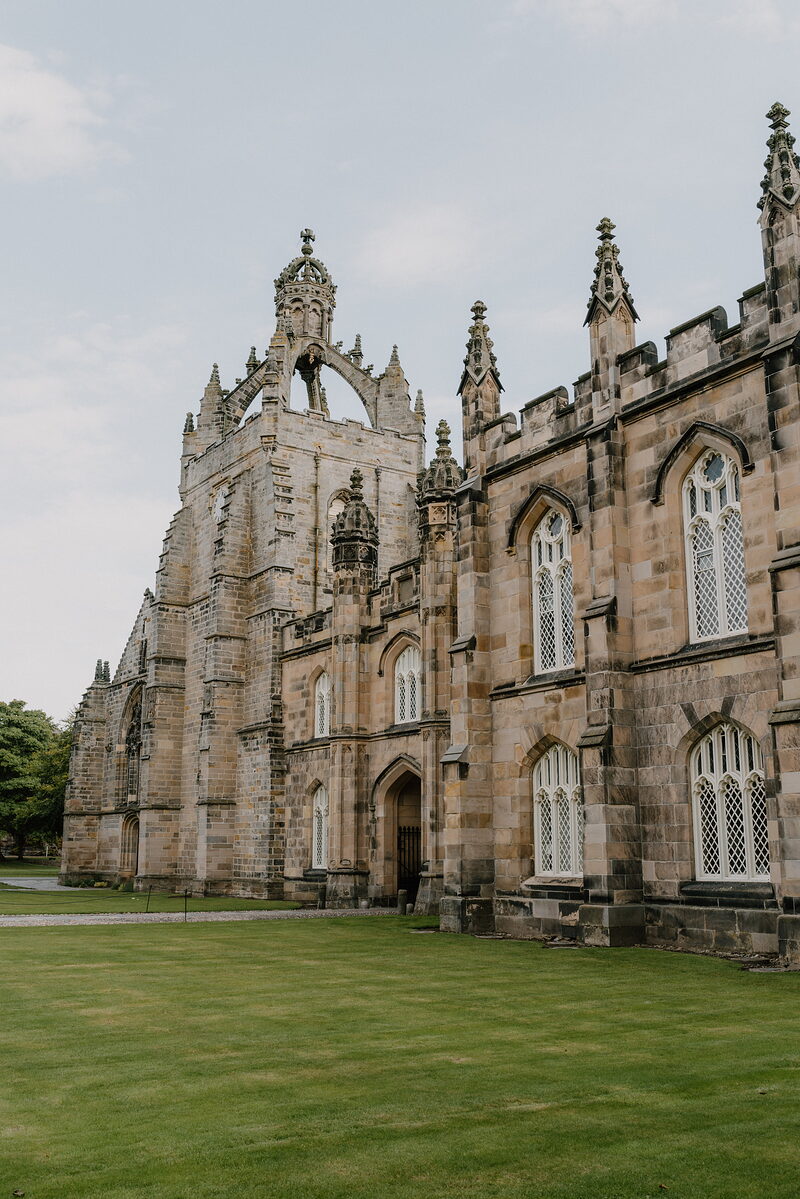
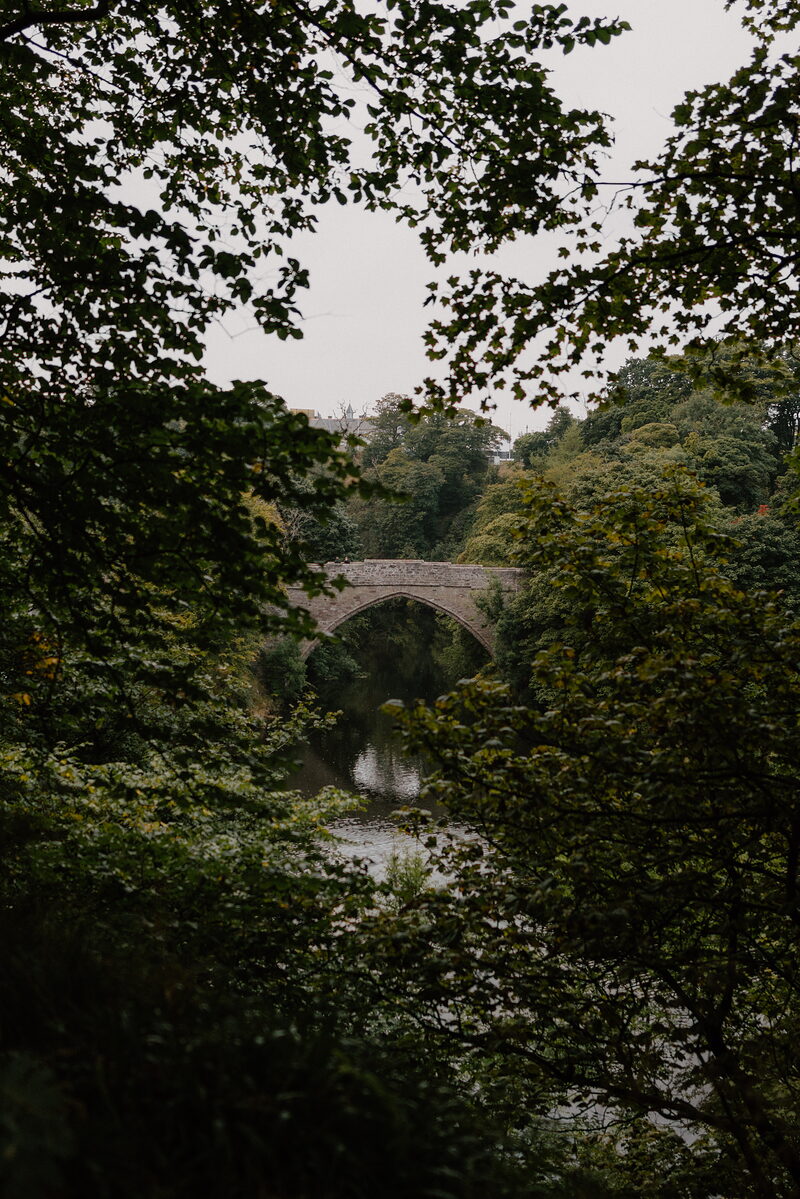
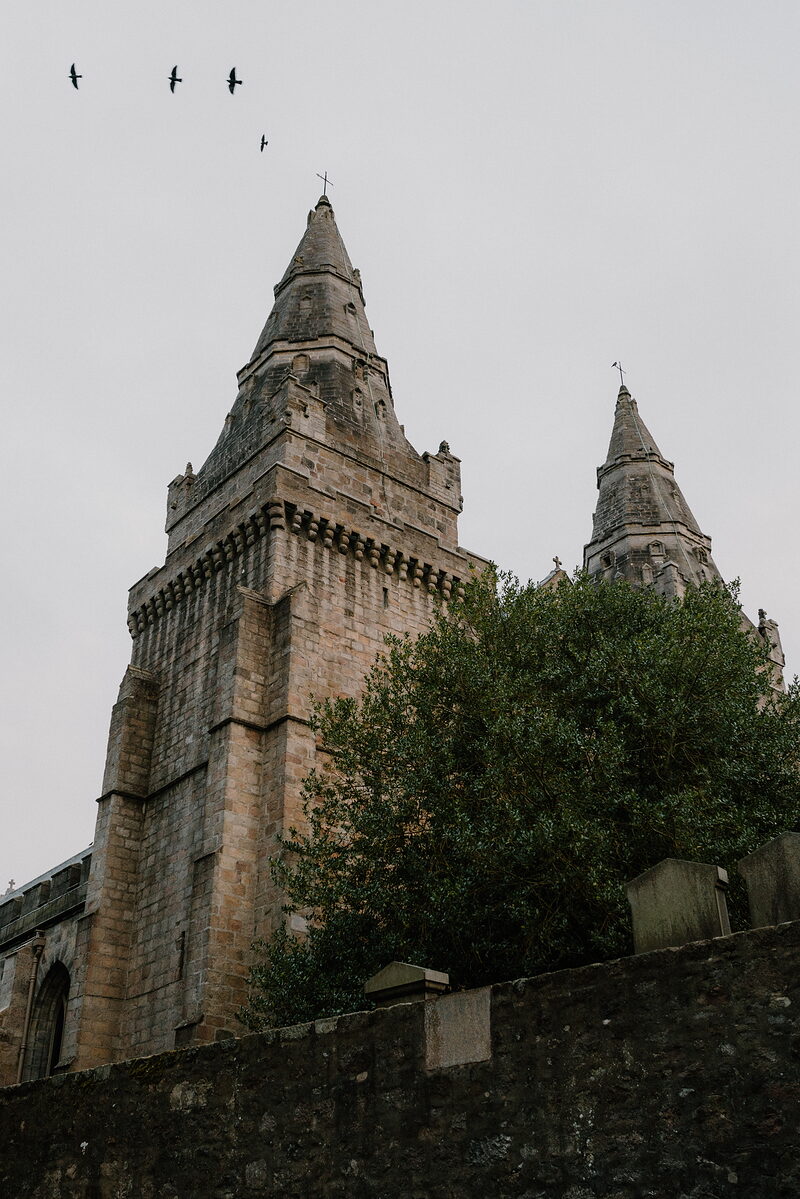
A short bus ride north, the old university town feels like another world, with cobbled lanes, King's College and its crown tower, and the twin spires of St Machar's Cathedral. Seaton Park runs down to the River Don, where the Brig o' Balgownie has carried its single Gothic arch since the early 1300s.
Footdee and the beach
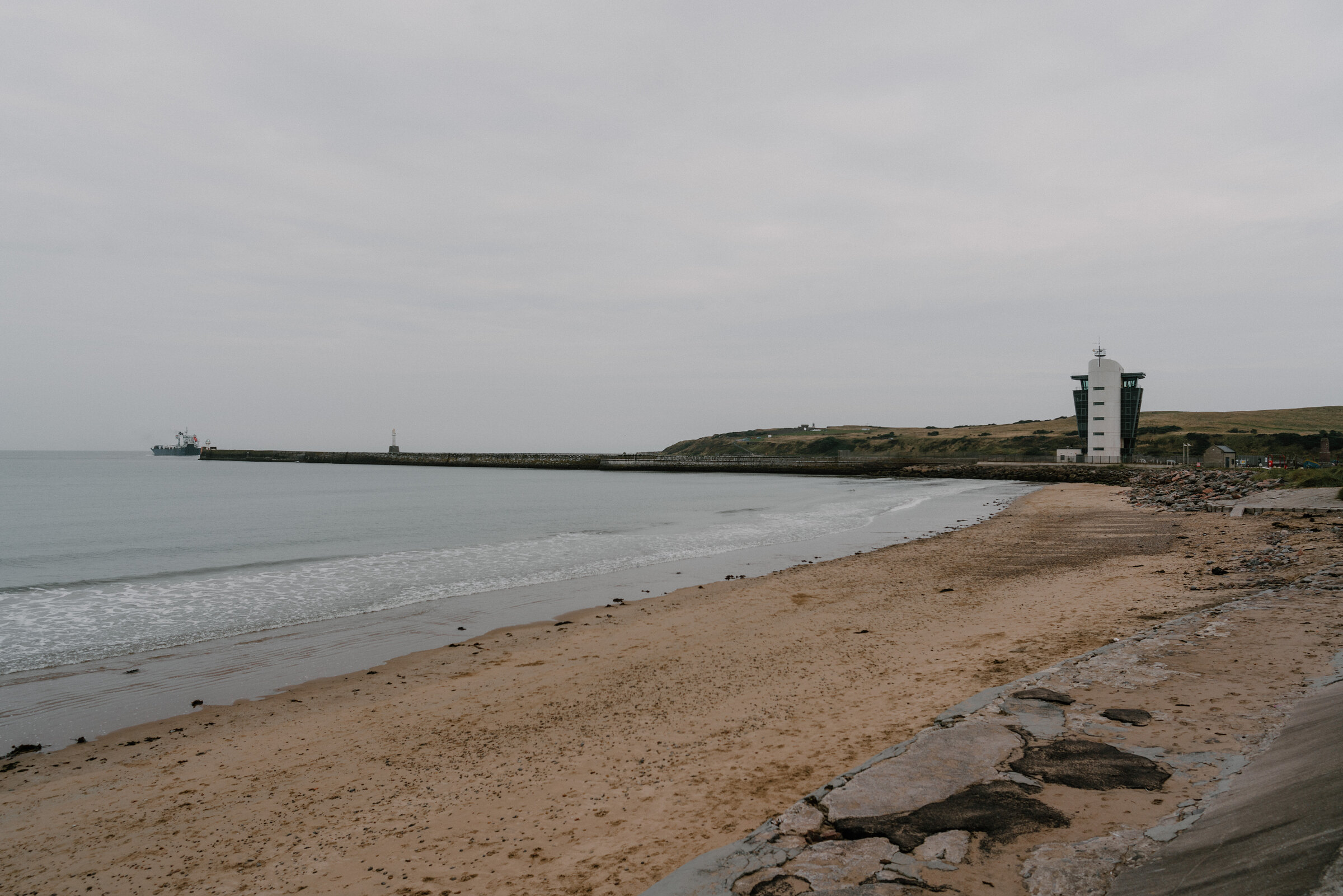
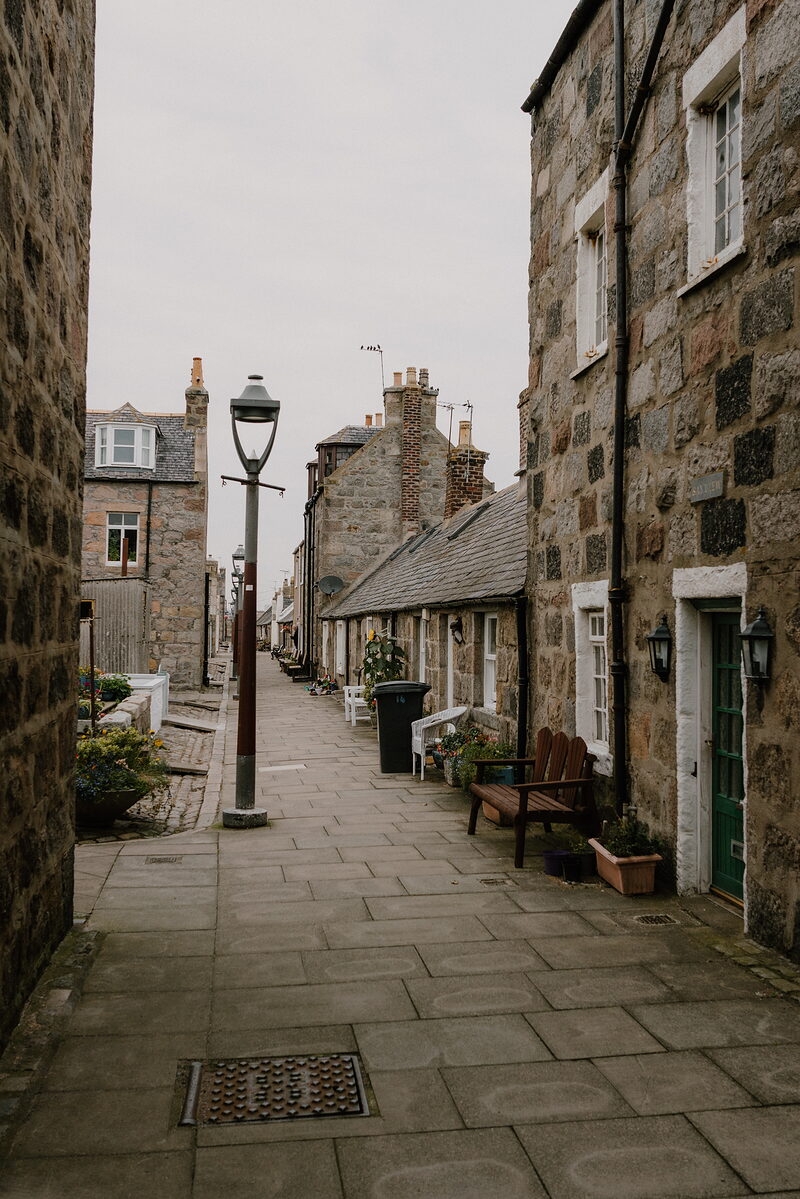
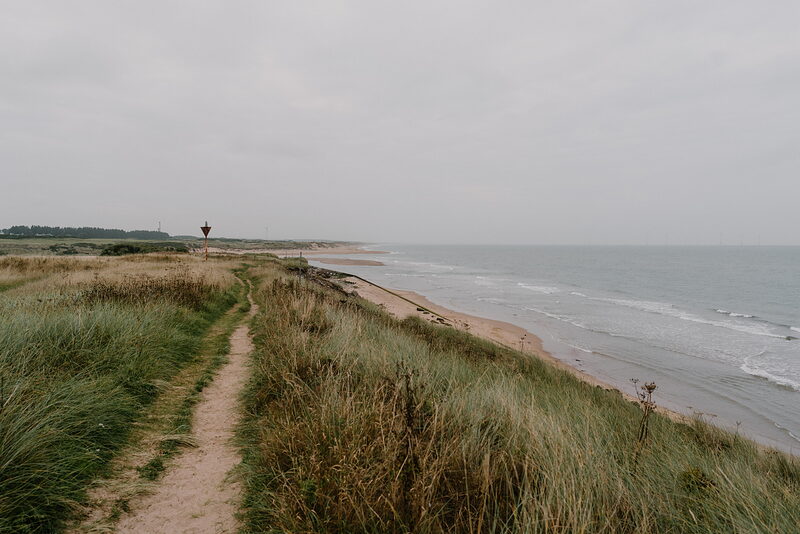
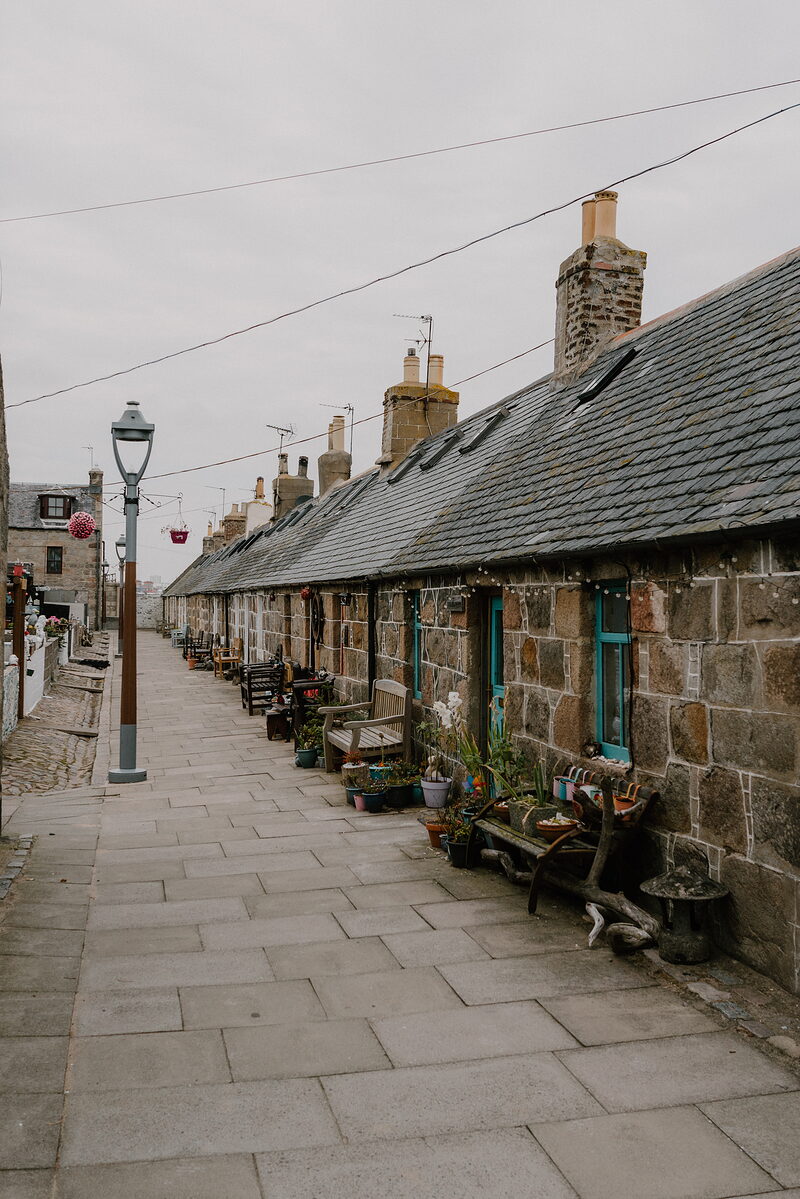
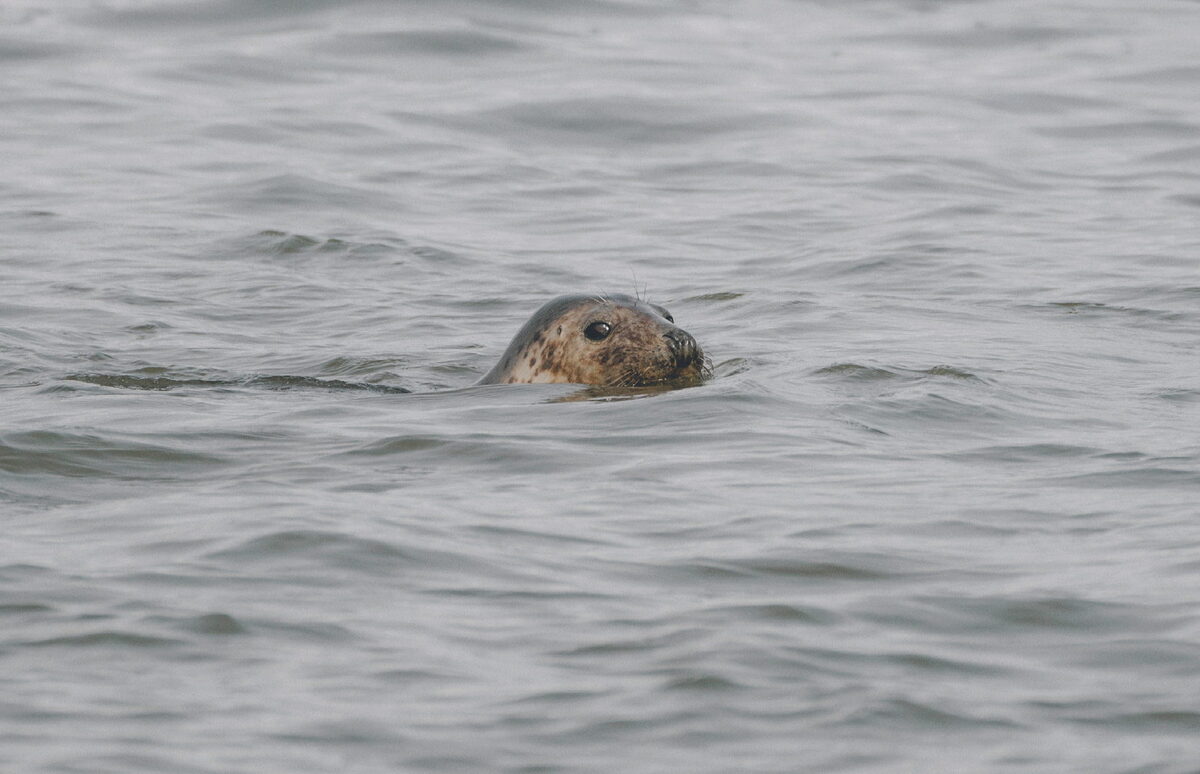
At the harbour mouth, the old fishing village of Footdee keeps its squares of granite cottages and painted sheds. The beach runs north from here for two miles, with the esplanade, the funfair and beach cafés at its back, and across the water in Torry the old battery is the place to watch for dolphins.
The West End
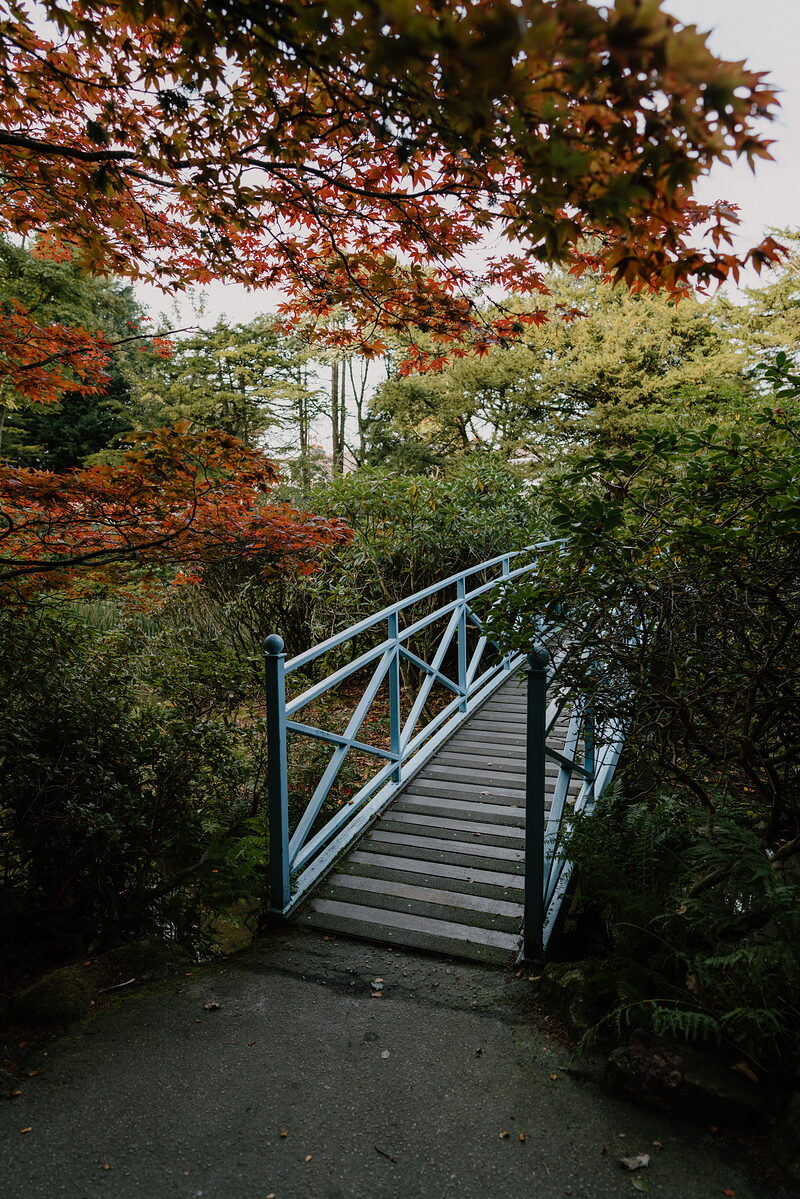
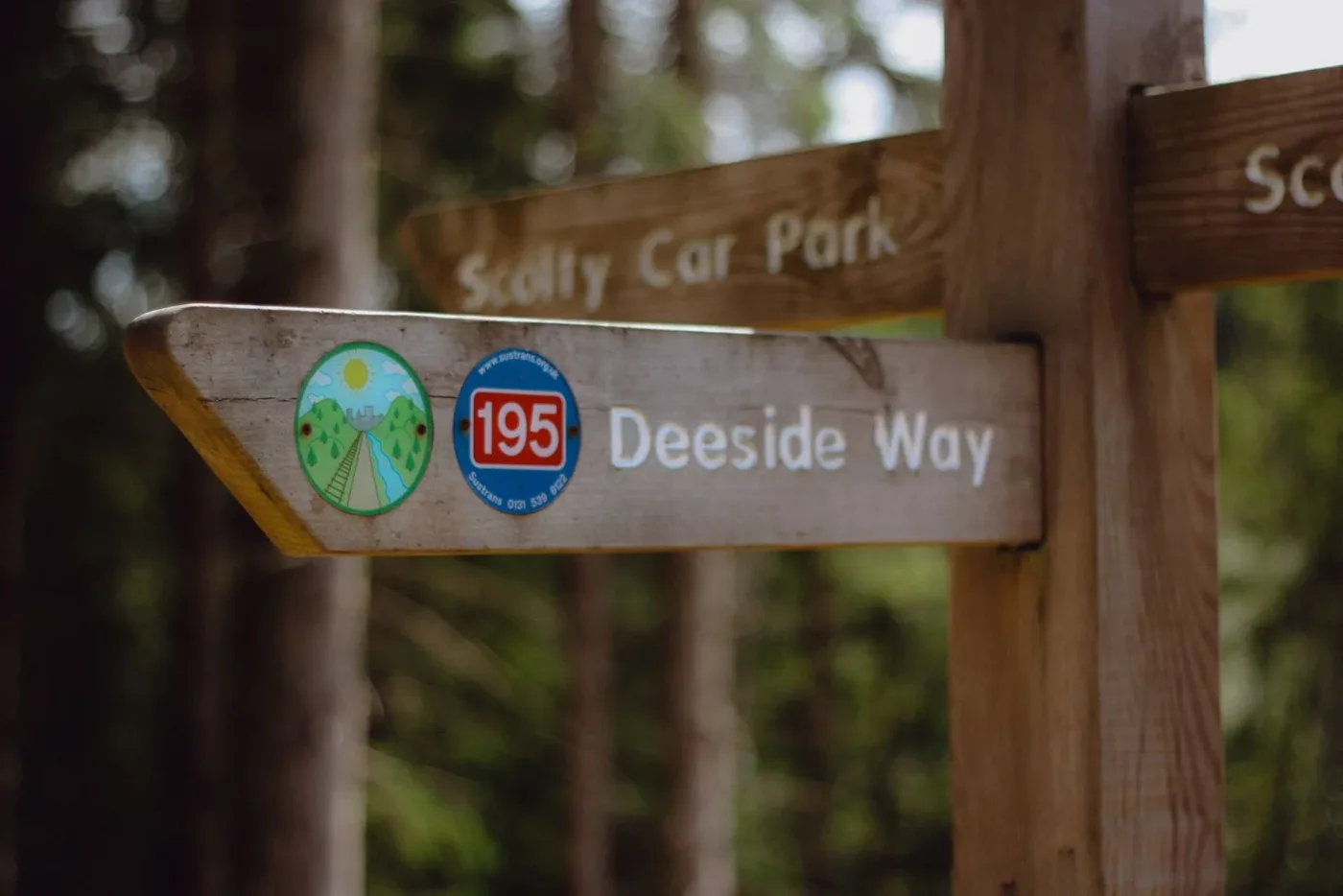
West of the centre, wide granite terraces lead out past Queen's Cross into leafy streets with neighbourhood cafés, the Gordon Highlanders Museum and the ponds and little bridges of Johnston Gardens. Rosemount has its own independent shops, Hazlehead Park has woods and a maze, and the Deeside Way follows the old railway out through Cults.
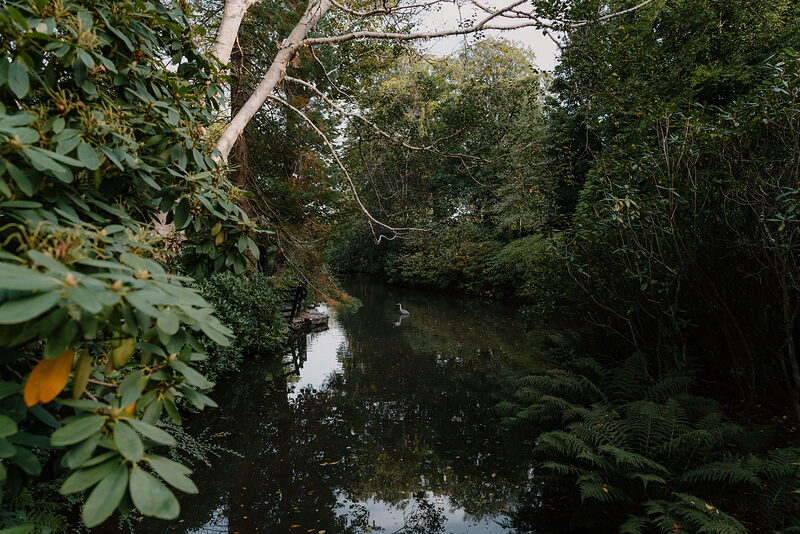
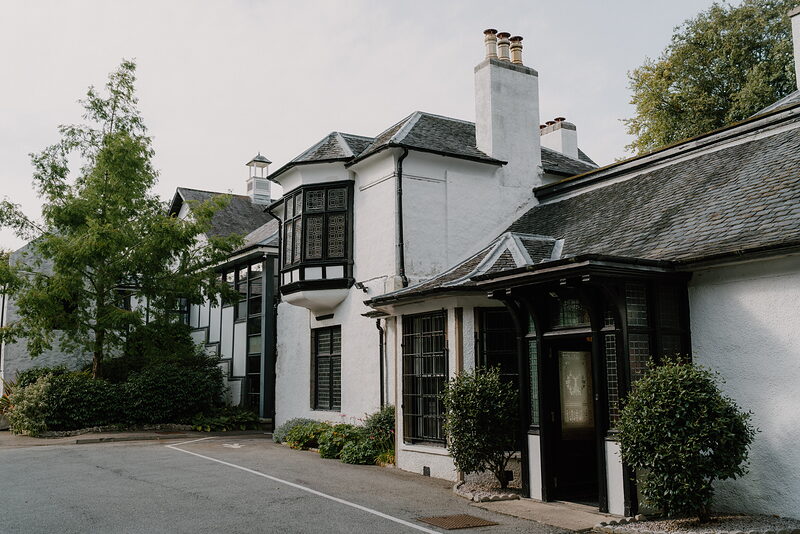
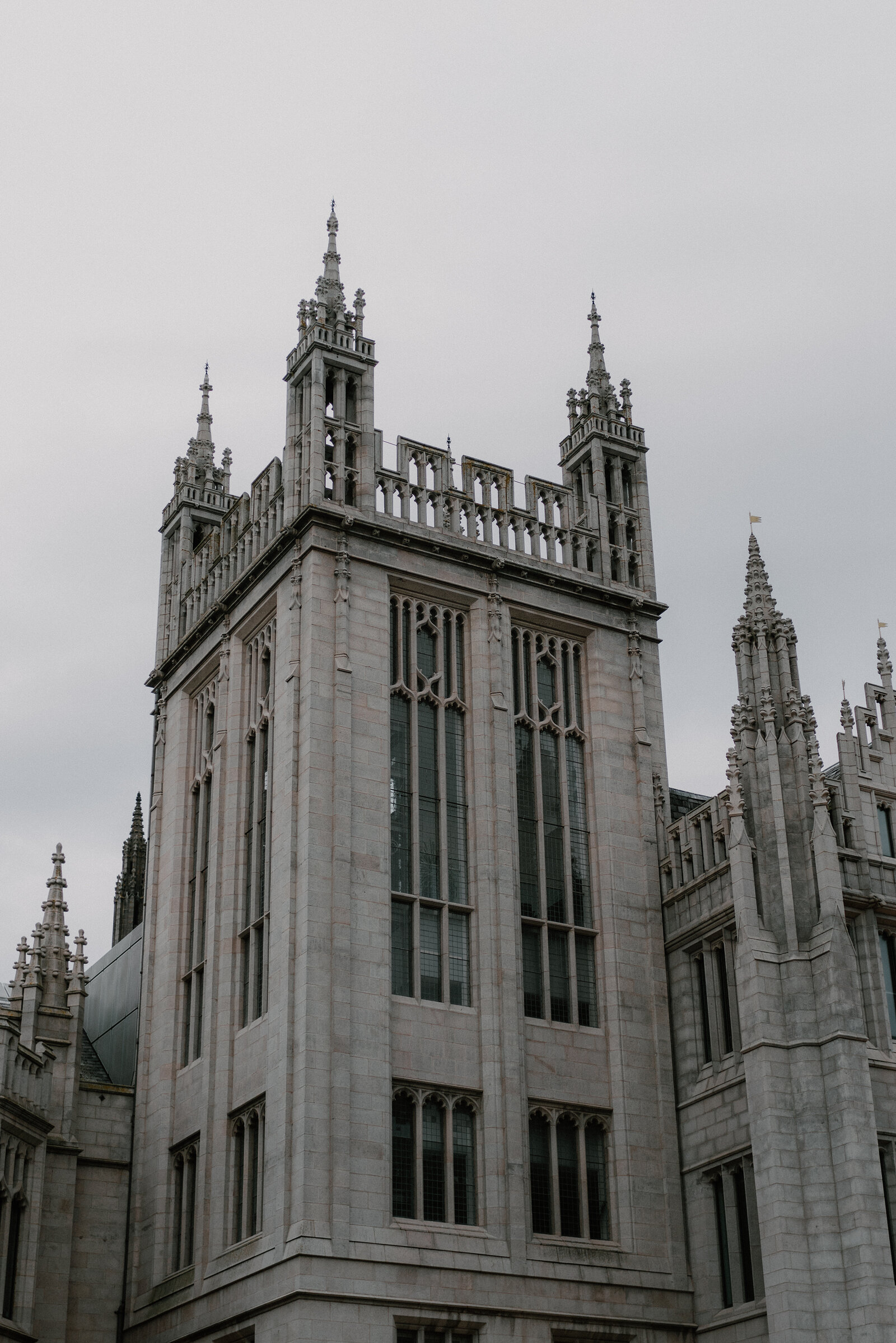
“The Granite City, so nicknamed for the glistening, locally quarried stone that defines much of its grandest architecture, is the country’s third largest city and a place very much of its own making.”
Ben Lerwill
Travel writer, on the city and the shire
Best known for.
Aberdeen is the Granite City, named for the stone that built it and still makes its streets shine. It is a city of the sea too, known for centuries of fishing and shipbuilding, for its fast clipper ships and, since oil was found offshore in 1970, as the home of the North Sea oil industry. Its university was founded in 1495, and Marischal College is the second largest granite building in the world. Locals will tell you about the dolphins at the harbour mouth, and you will hear the Doric spoken across the north-east, where a cheery fit like? means how are you.
More about Aberdeen
The city has two old centres. Down by the harbour is the merchant town, with the Castlegate, the Mercat Cross and the Maritime Museum looking out over the ships. A mile and a half north is Old Aberdeen, a separate burgh until 1891, where cobbled lanes run between the crowned tower of King's College and the twin spires of St Machar's Cathedral. All around them are free museums, Victorian parks, winter gardens full of giant cacti, and a fishing village whose cottages turn their backs to the sea. Since the first Nuart festival in 2017, big murals by street artists from around the world have spread across the walls of the centre too.
Aberdeen is a city to explore on foot. Spend a morning among the paintings on Schoolhill, then follow the esplanade along the beach to Footdee and over to Torry Battery, where bottlenose dolphins often feed in the harbour mouth. In the evening there is French cooking with a place in the Michelin Guide, cocktails in candlelit cellars and fish and chips by the sea. The castles of Aberdeenshire and the hills of Royal Deeside are an easy drive away, but there is more than enough in the city itself to fill a long weekend before you head for them.
What would you like to look at?
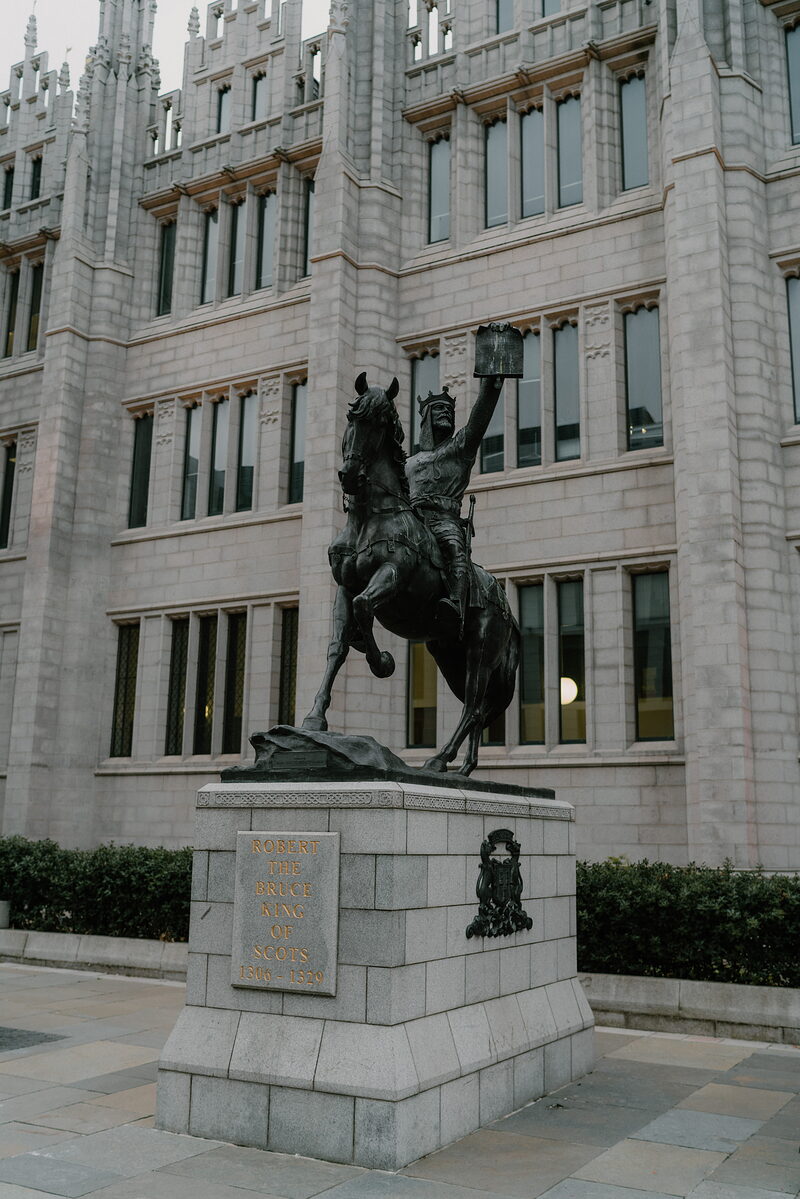 See and doGranite landmarks, a free gallery and Old Aberdeen
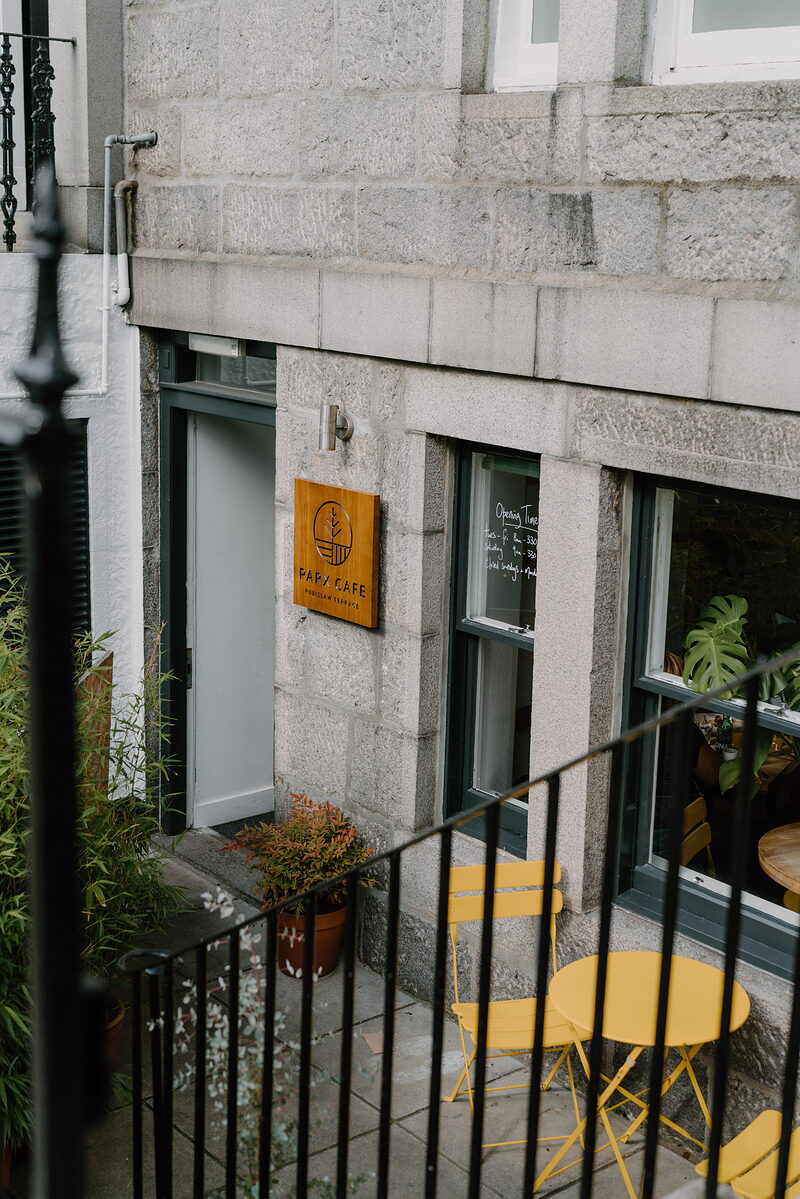 Eat, drink and shopCellar bars, French cooking and good coffeeHistory and storiesBishops, granite, fishing fleets and North Sea oil
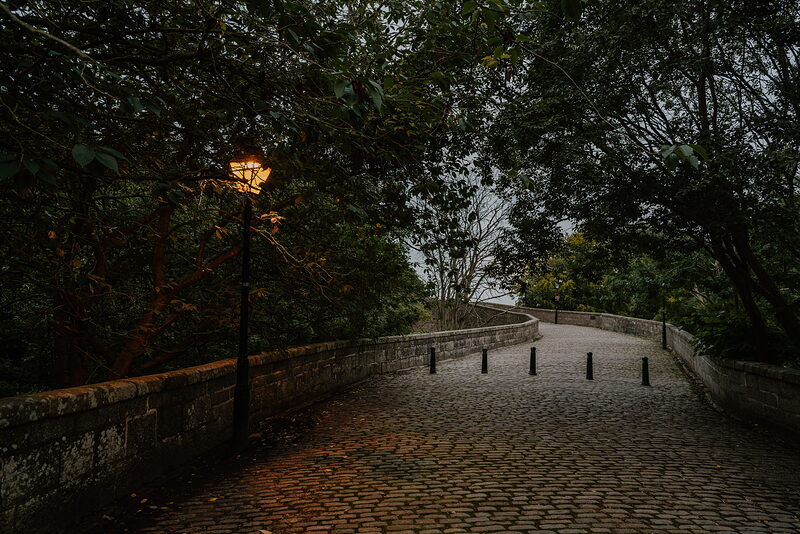 ItinerariesWalks we have done, stop by stop
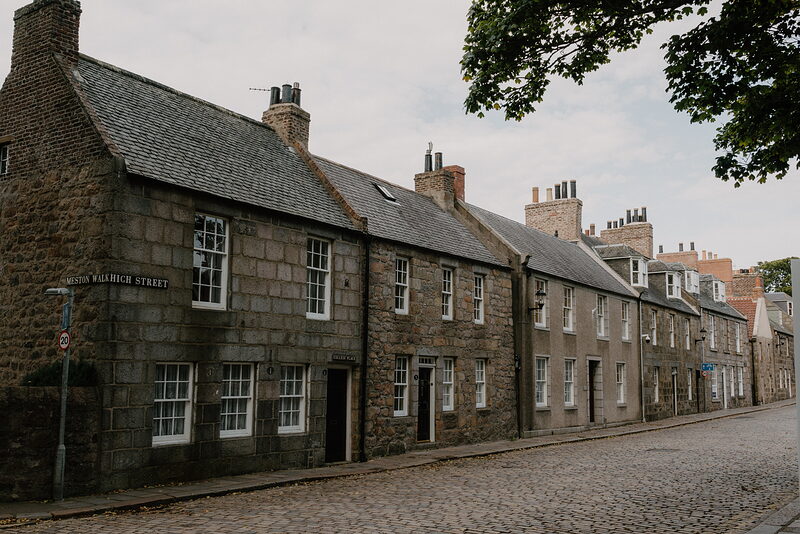 Getting hereThe trains, the flights and the buses
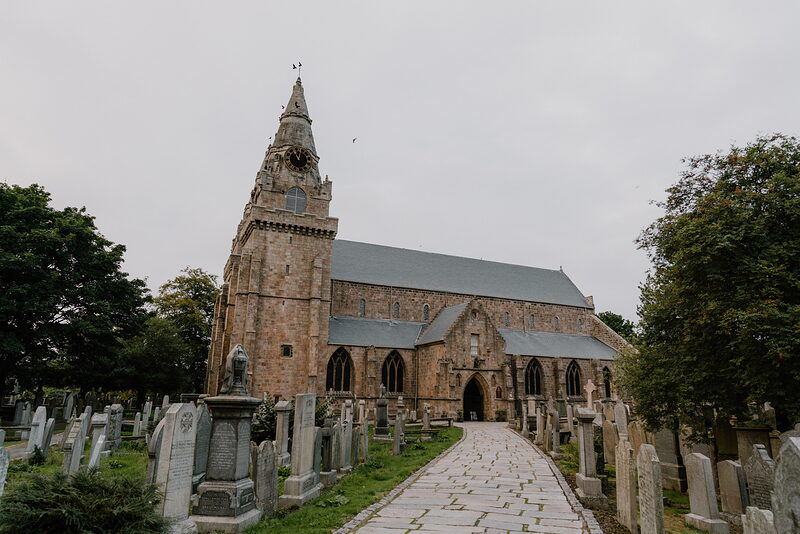 What is on in AberdeenSomething new from the city every day
What is on in Aberdeen
Friday the 16th of October.
Sunrise 07:44, sunset 18:03.
Things you might not know.
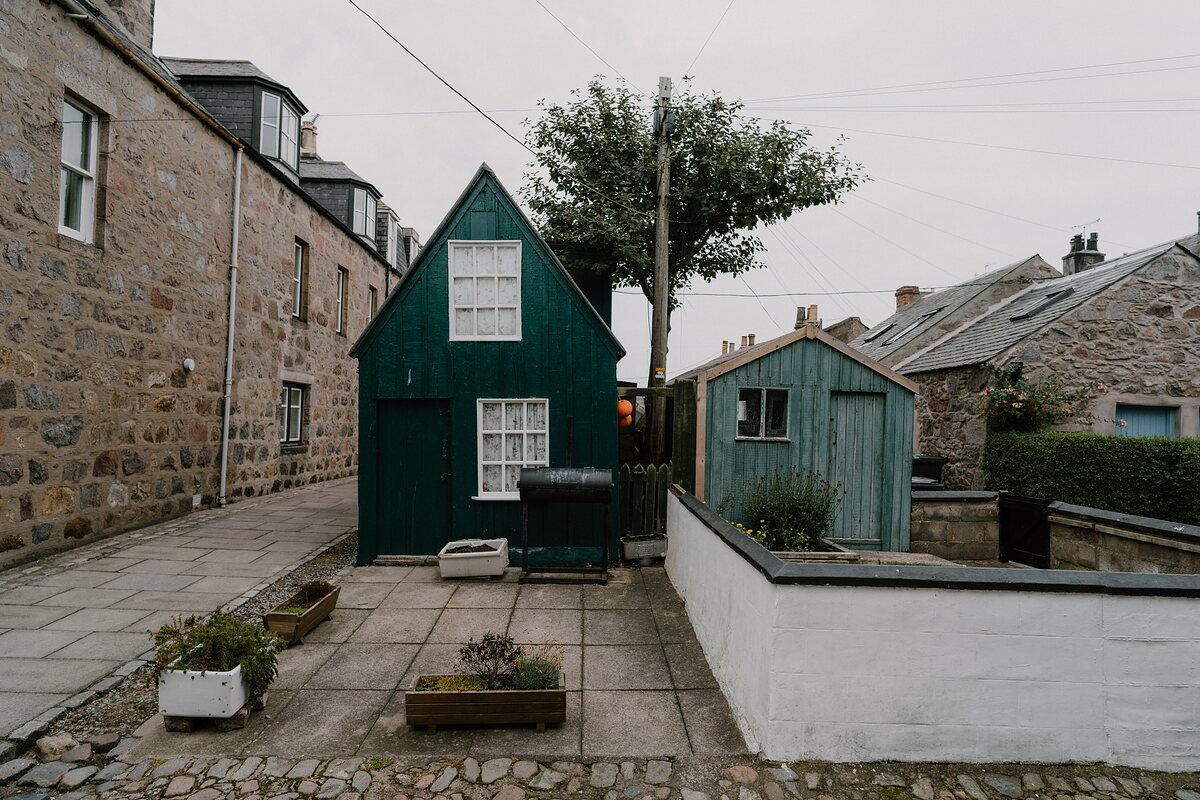
Footdee's neat squares of stone cottages at the harbour mouth were laid out by John Smith, the nineteenth-century architect.
From Discover the Nooks and Crannies of Aberdeen and Shire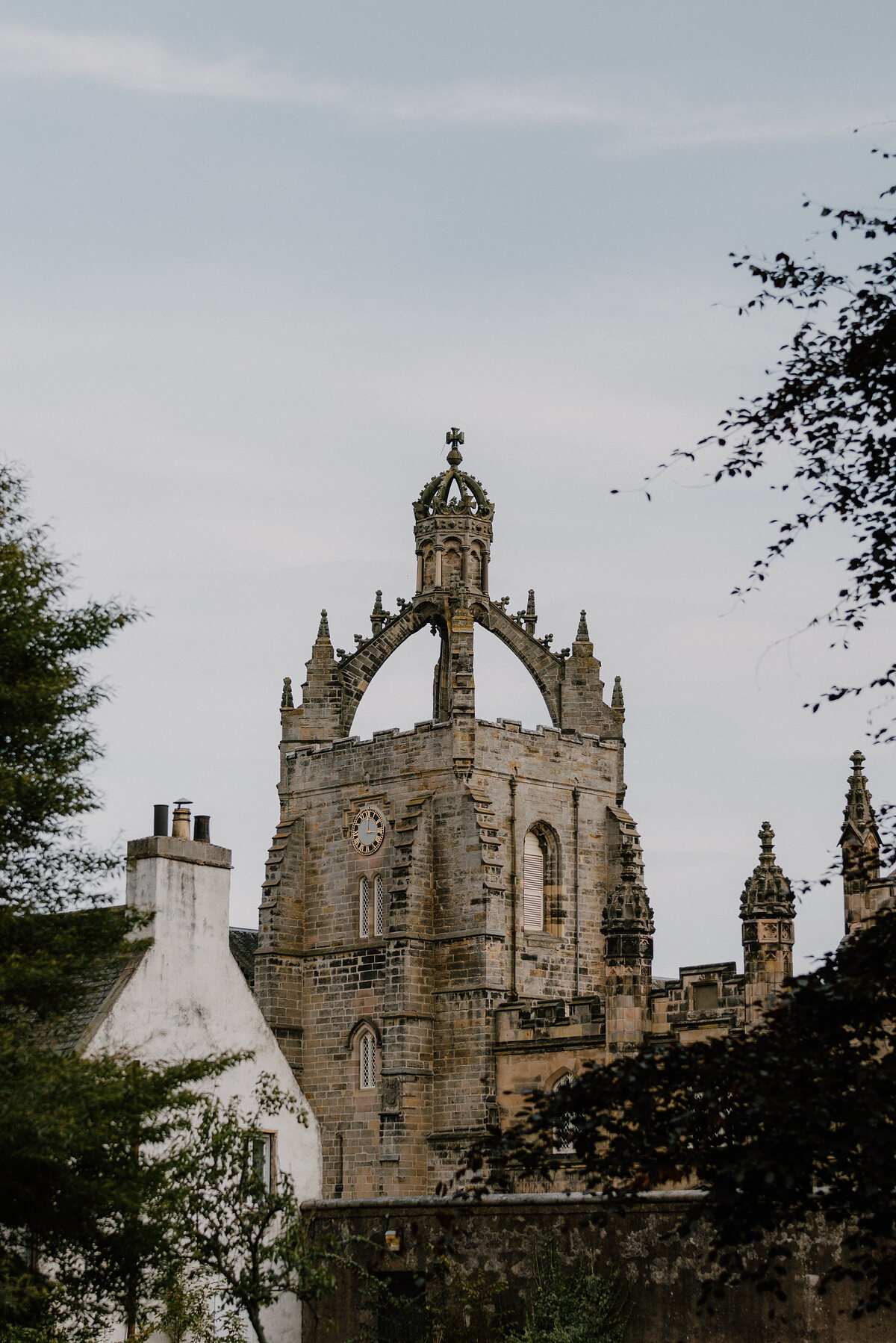
Aberdeen began life as two separate burghs, Old and New Aberdeen, and by 1600 the two of them had a university each.
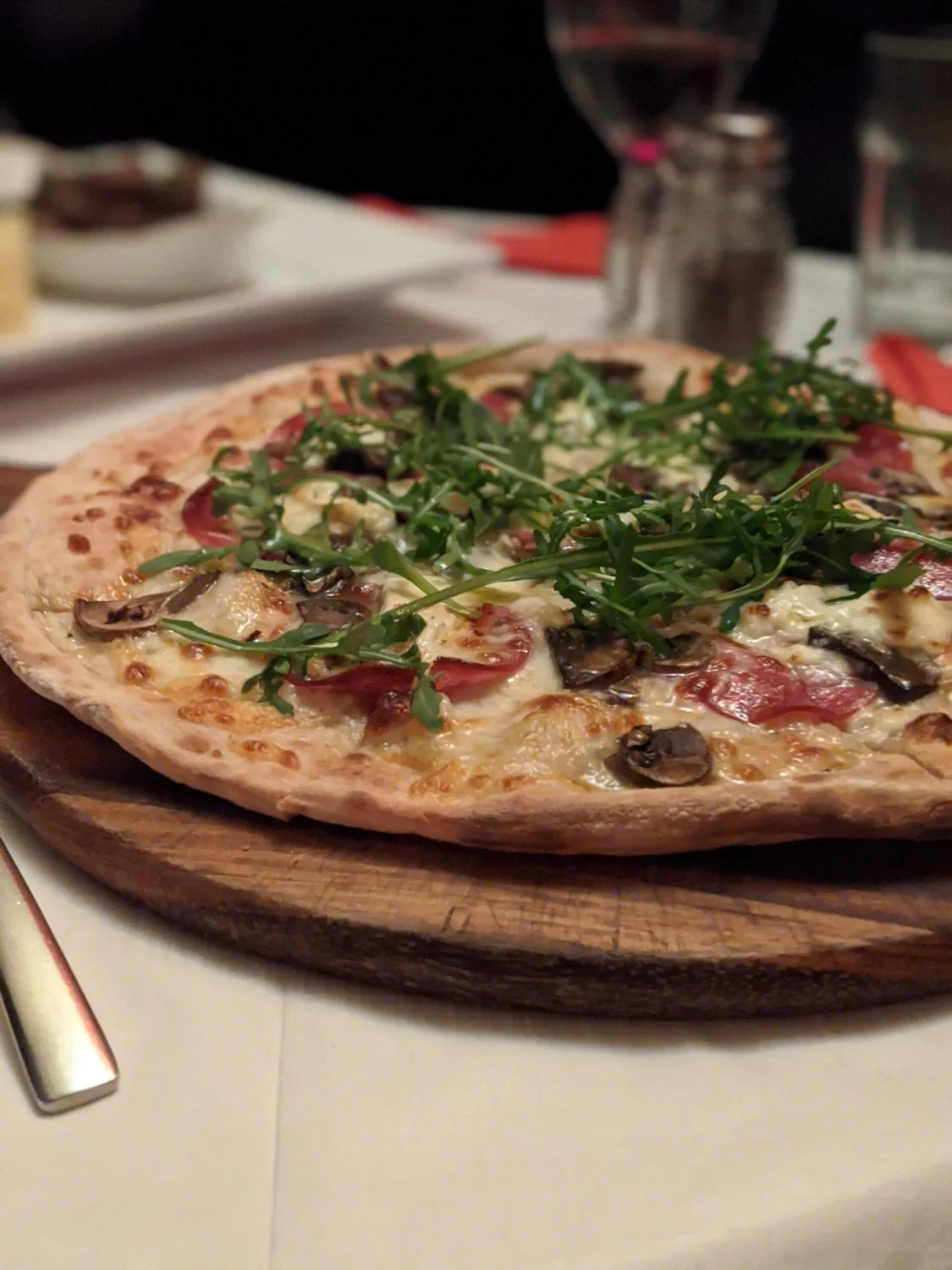
From Discover the Nooks and Crannies of Aberdeen and ShireLa Lombarda has served Italian food by the Castlegate since 1922, through the war, the end of the fishing boom and more than one oil crash, and it is said to be the oldest Italian restaurant in the UK.
From Perfect pizzas in Aberdeen and AberdeenshireFoodstory on Thistle Street was the first vegetarian and vegan café to open in Aberdeen, and it now has a little hut on the beach esplanade too.
From Going vegetarian and vegan in the North-eastNan Shepherd, who wrote The Living Mountain, was born and lived in Aberdeen, and her former home, marked with a plaque, is a few minutes off the Deeside Way.
From Exploring the Deeside Way, the Locals WayAberdeen is Scotland's third largest city, and for decades it was known as the oil capital of Europe.
From Discover the Nooks and Crannies of Aberdeen and ShireRead about Aberdeen.
Photographs by kfcatles and Bill Harrison; Craig Beston and David Currie via Google