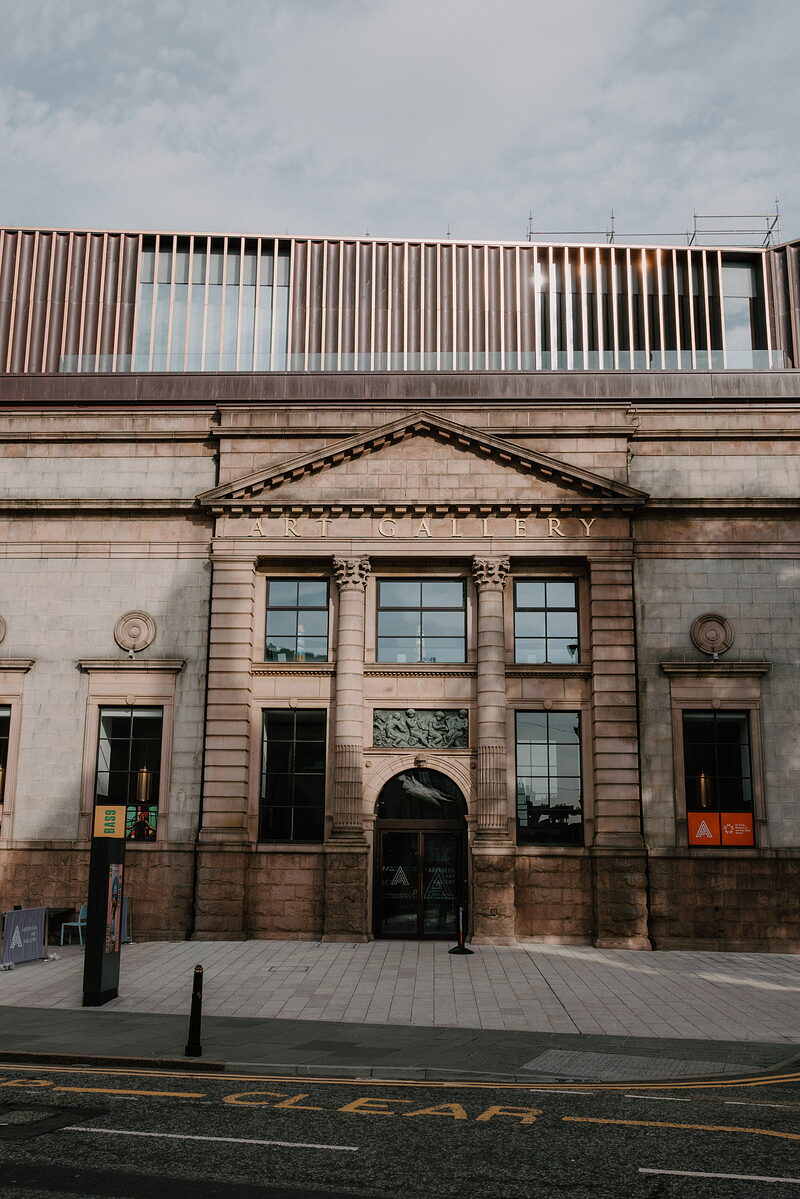
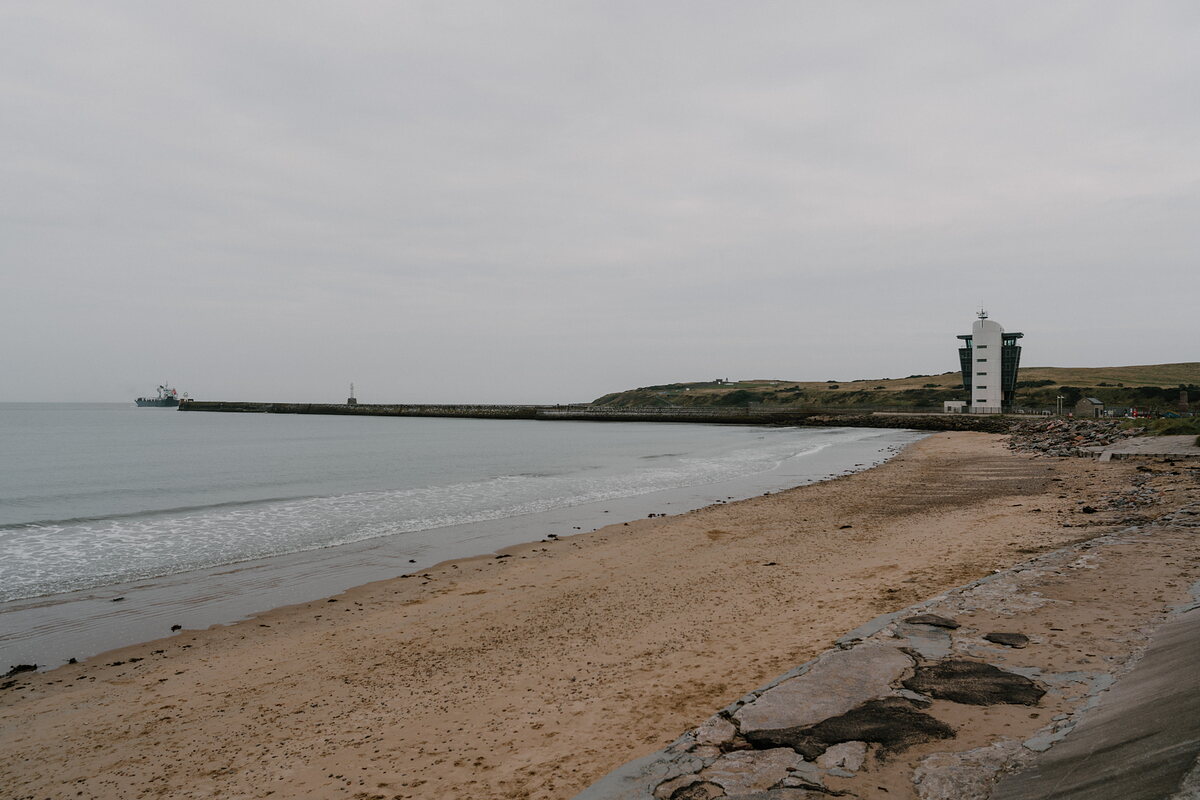
People were working flint on the Green, in the middle of today's city, some eight thousand years ago. Aberdeen grew up as two towns. Old Aberdeen gathered round the cathedral by the Don, while a trading burgh grew at the mouth of the Dee. Its harbour is first recorded in 1136, when King David let the bishops take a tithe from the ships that used it, and William the Lion gave the burgh a charter in 1179. In 1308 Robert the Bruce took Aberdeen Castle from its English garrison and destroyed it, and legend says the city's motto, Bon Accord, was the password used in the attack. The 19th century built the city you see today. Union Street was driven west across hill and valley from around 1800, and architects such as Archibald Simpson and John Smith clothed the new town in granite. Much of it came from Rubislaw quarry, worked from 1740 until 1971, which left a hole 142 metres deep. Aberdeen's shipyards turned out fast clippers such as Thermopylae, and from the 1880s steam trawling made it Scotland's leading fishing port. Then in 1970 oil was found in the Forties field, about 110 miles out to sea, and Aberdeen became the home of the North Sea industry. The 167 men lost on Piper Alpha in 1988 are still remembered here every summer.
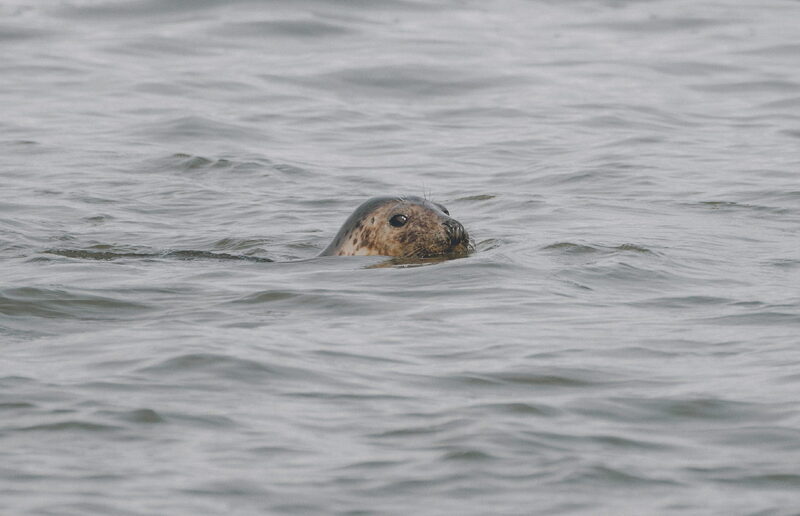
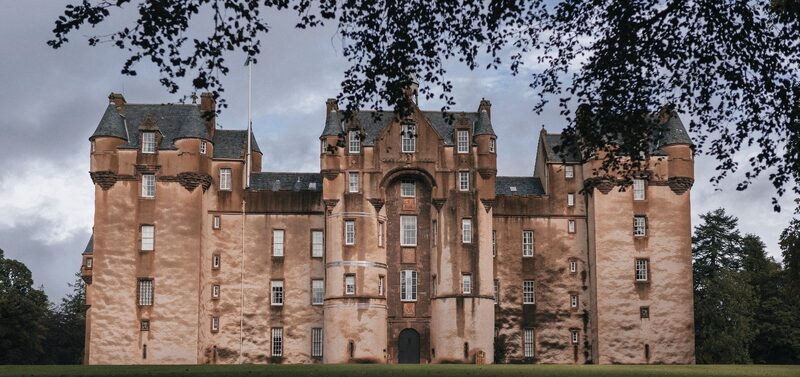 HistoryAberdeenshire's Most Haunted
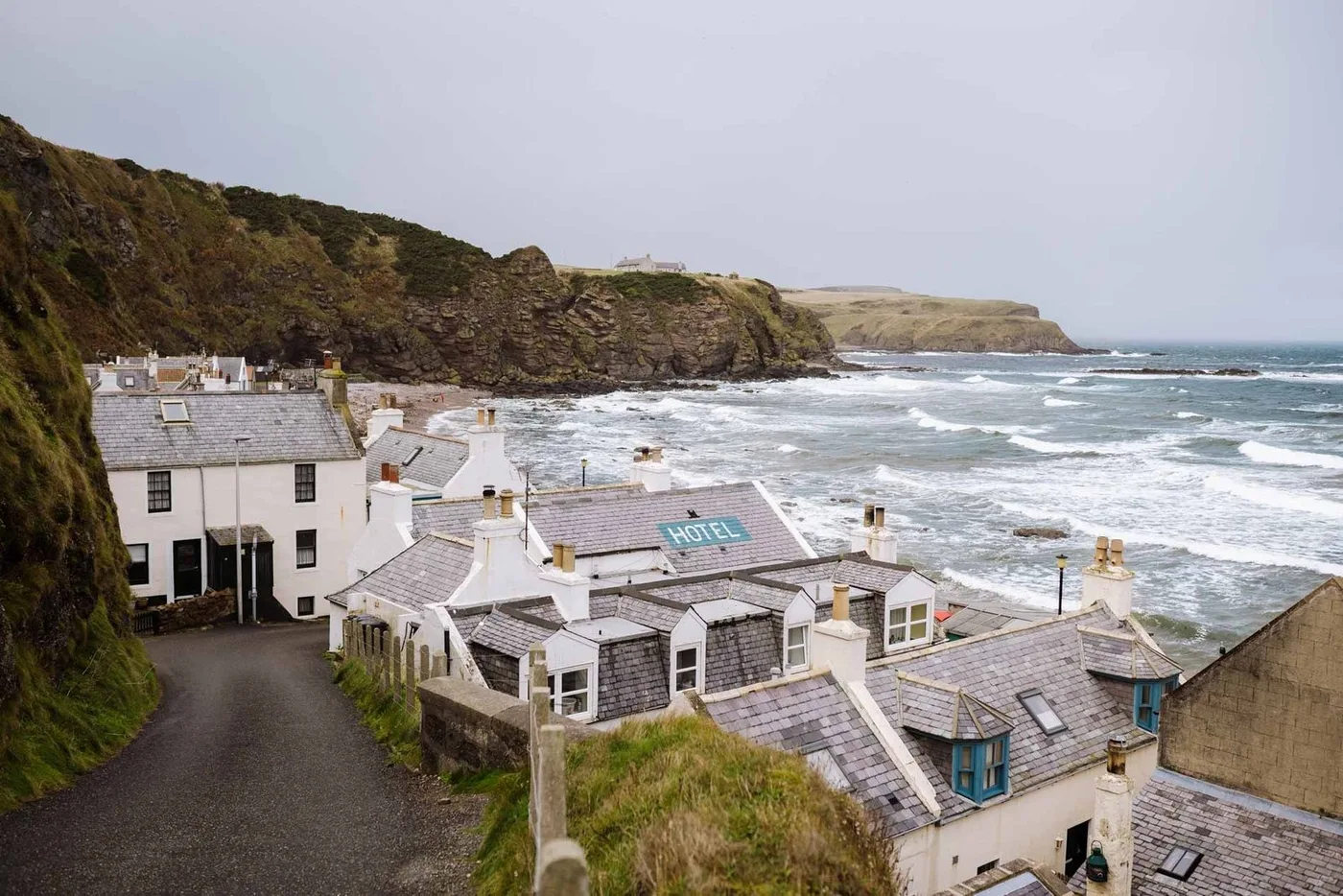
 HistoryDiscover the Nooks and Crannies of Aberdeen and Shire
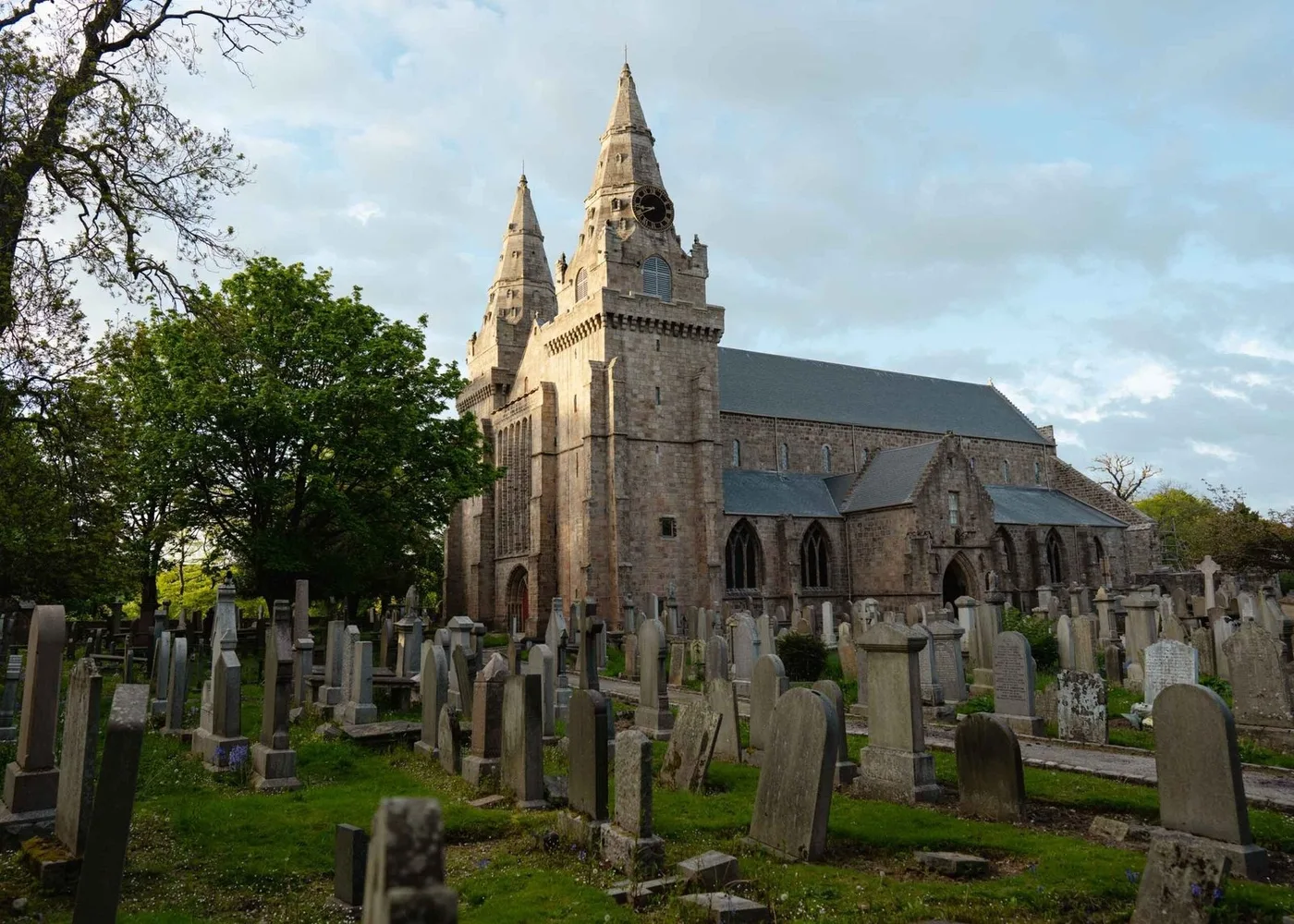
 HistoryAberdeenshire’s Great Escapes
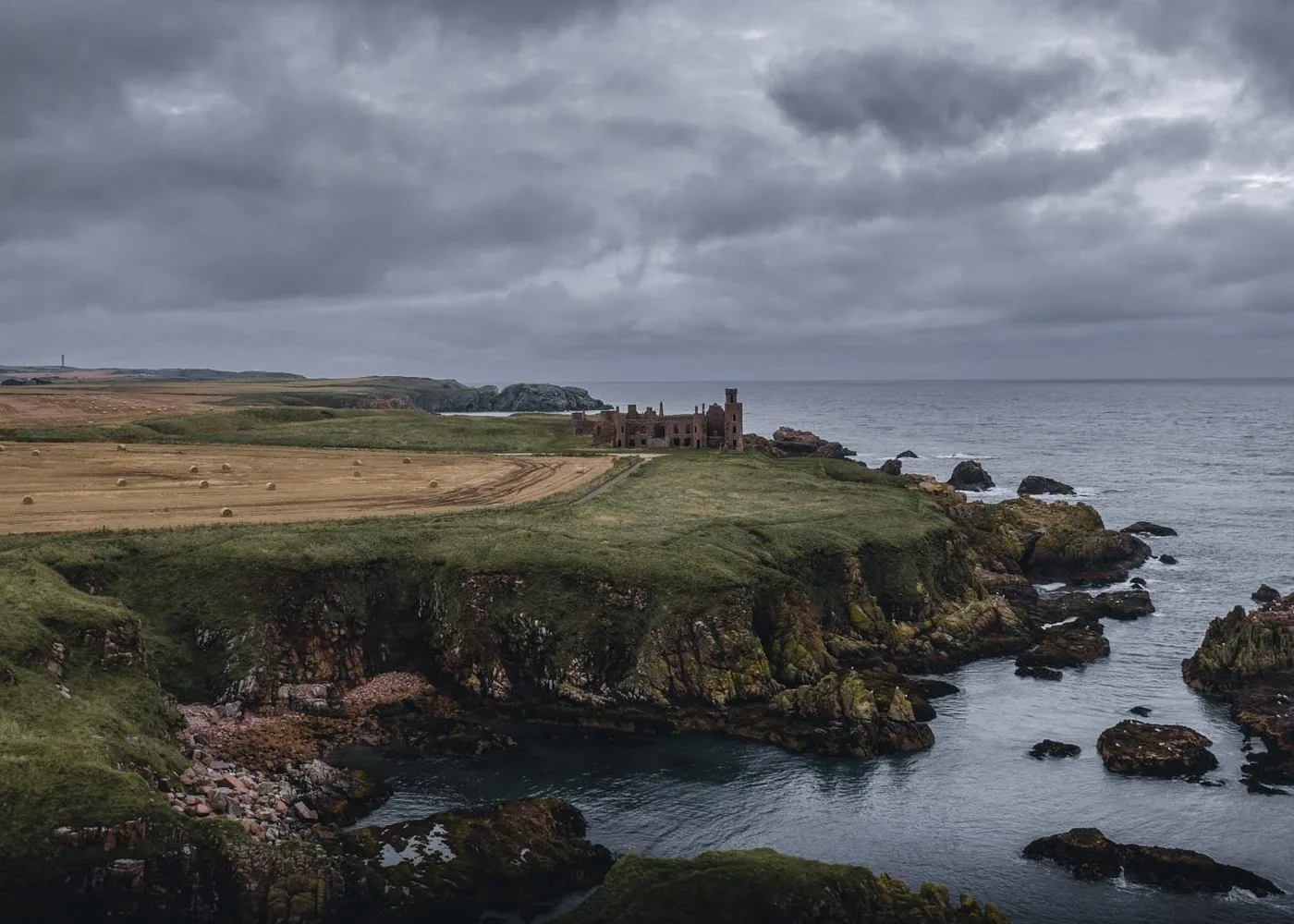
 HistoryThings to See and Do in Aberdeen
 HistoryAberdeenshire Castles
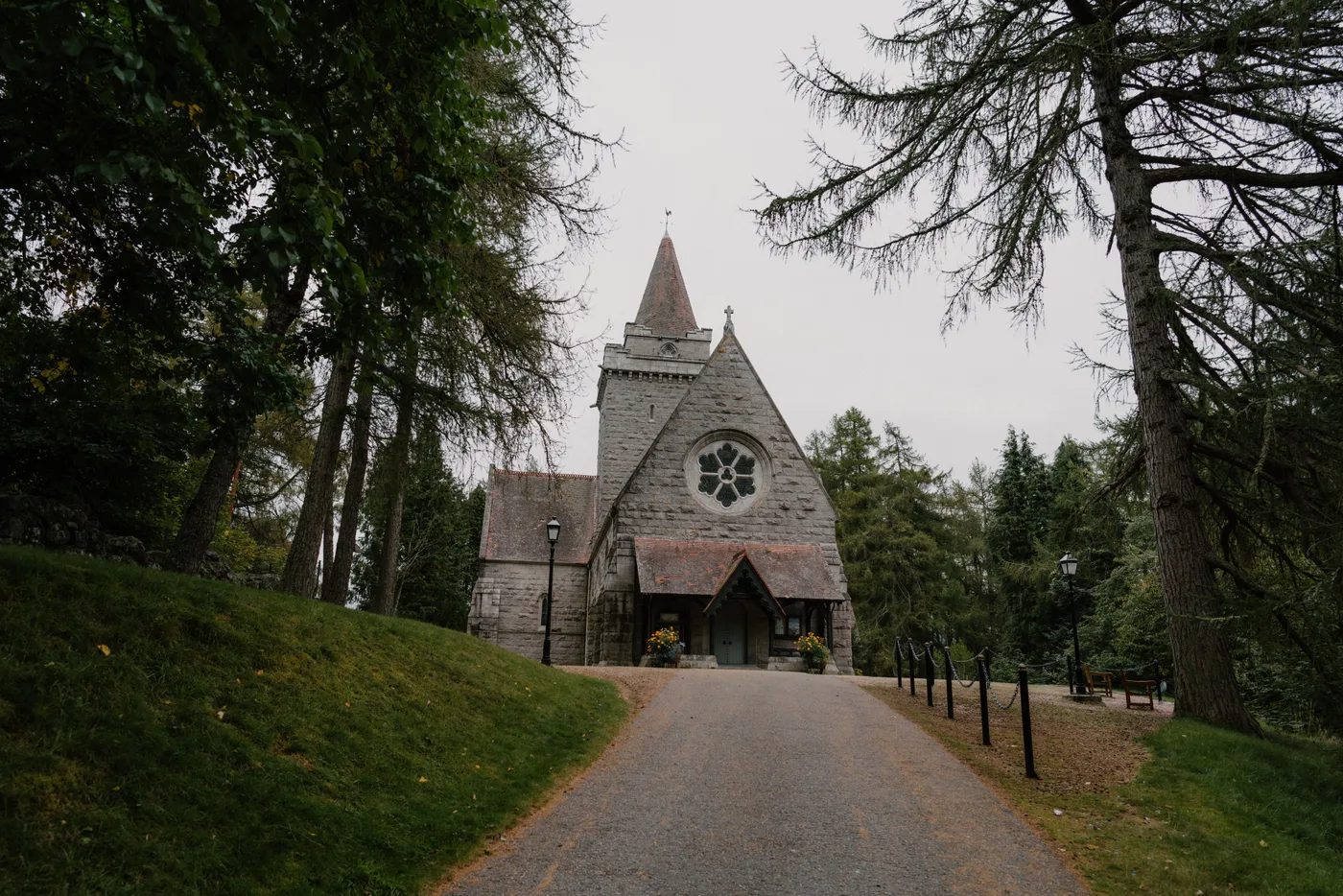 HistoryA Royal Inspired Tour of Aberdeenshire