Getting to Aberdeen and around.
The trains, the flights and the buses
Arriving Aberdeen International Airport (ABZ) is in the suburb of Dyce, about six miles north-west of the city. Regular bus services, including the Jet 727, provide a fast and direct link to the city centre. Aberdeen’s train and bus stations are conveniently located together within the Union Square shopping centre, at the southern end of the city centre.
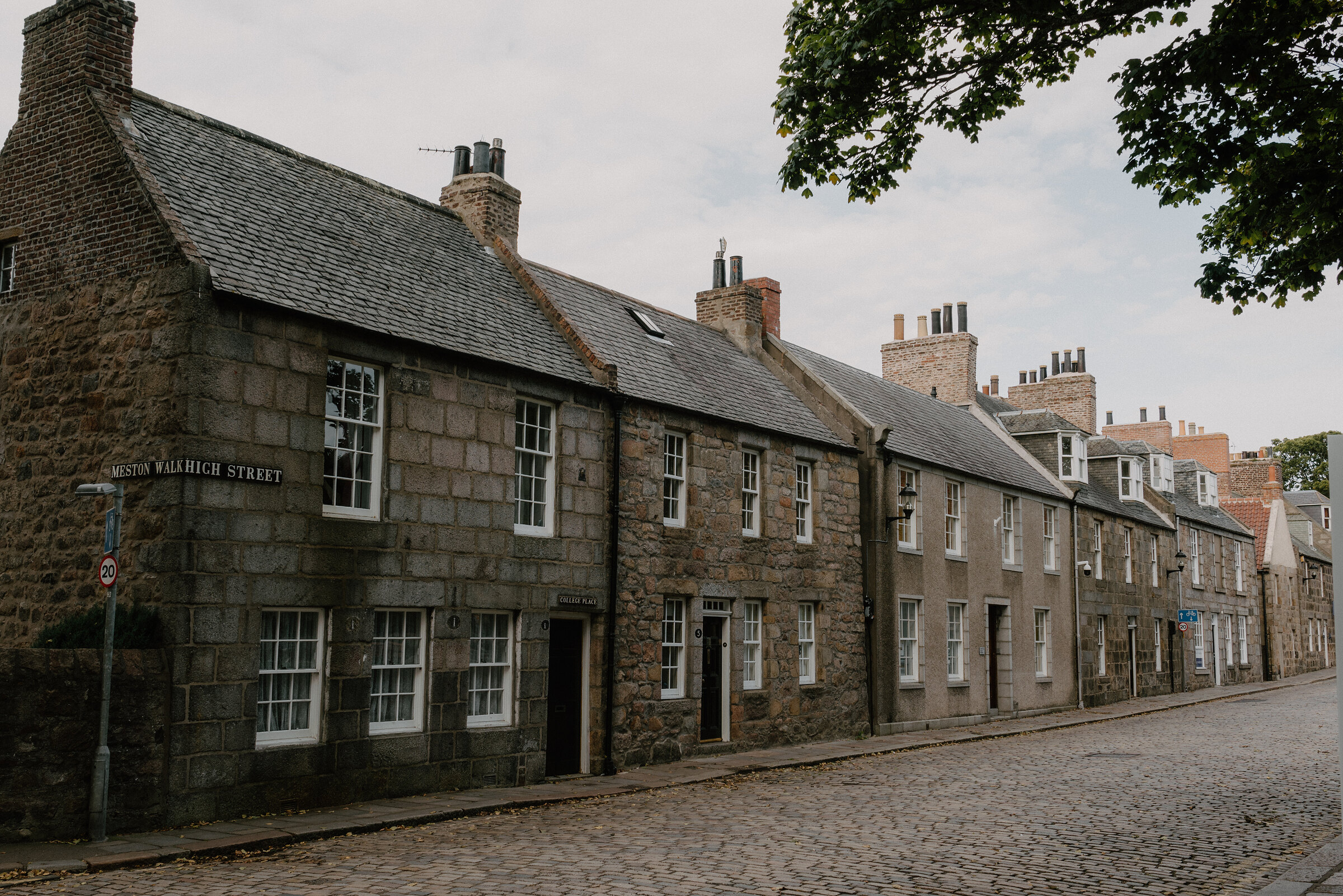
On foot The city centre is very walkable, as is the self-contained area of Old Aberdeen. The walk between the two takes around 20-30 minutes, so many visitors choose to take a short bus ride. The beach and Footdee are also within walking distance from the eastern end of the city centre.
Public transport The main bus operators are First Aberdeen, which covers the majority of city routes, and Stagecoach Bluebird, which runs services to the wider Aberdeenshire area. Buses are frequent and provide good connections between the city centre, Old Aberdeen, the beach, and the university.
Driving & Parking Driving in the city centre can be busy, and on-street parking is limited and paid. There are several large multi-storey car parks, including those at the Union Square, Bon Accord, and Trinity shopping centres. It is advisable not to drive into the very narrow lanes of Footdee.
Electric Vehicle Charging points A network of charging points is available across the city. For a comprehensive map and live availability, visit the ChargePlace Scotland website: chargeplacescotland.org.
By train and coach
Trains run to Aberdeen from Edinburgh, Glasgow and Inverness, and direct services come up the east coast from London, York and Newcastle.
The railway and bus stations sit side by side at Union Square, a short walk from Union Street.
By air and road
Aberdeen Airport is at Dyce, about six miles north-west of the centre, with regular buses into town.
By road, the A90 comes up the coast from Dundee, the A96 runs in from Inverness and the A93 follows the Dee down from Braemar.
Getting around
The centre and Old Aberdeen are both easy on foot, and the walk between them takes around half an hour, or a few minutes on the bus.
The beach and Footdee are an easy walk from the Castlegate, and First Aberdeen buses cover the rest of the city.
The city centre puts you within walking distance of Union Street, the Castlegate and the station. Old Aberdeen is quieter, round the cobbled High Street and King's College, and the West End has the granite townhouses and cafés of Queen's Cross and Rosemount.
Two days is enough for the centre, Old Aberdeen, Footdee and the beach, with time for the art gallery and the Maritime Museum. Add a day or two for Royal Deeside, Dunnottar Castle or the coast north to Collieston.
Aberdeen is cooler than the south of Scotland but often drier and brighter, with long, light evenings in summer. The wind comes straight off the North Sea, so a warm layer is useful on the beach and the harbour walls in any month.
Bottlenose dolphins are often seen at the mouth of the harbour, and Torry Battery, on the hill above it, is the place to watch from. They come in to feed on the tides, so give it an hour and bring binoculars.
Yes. The beach and its esplanade, the Winter Gardens in Duthie Park, Hazlehead Park and the Maritime Museum are all easy days out with children, and most of them are free.
Much of Aberdeen was built from grey granite quarried close by, at Rubislaw and elsewhere. On a sunny day the mica in the stone catches the light, which is why the city can look silver.
Photographs by kfcatles and Bill Harrison; Craig Beston and David Currie via Google