
Kildonan Castle
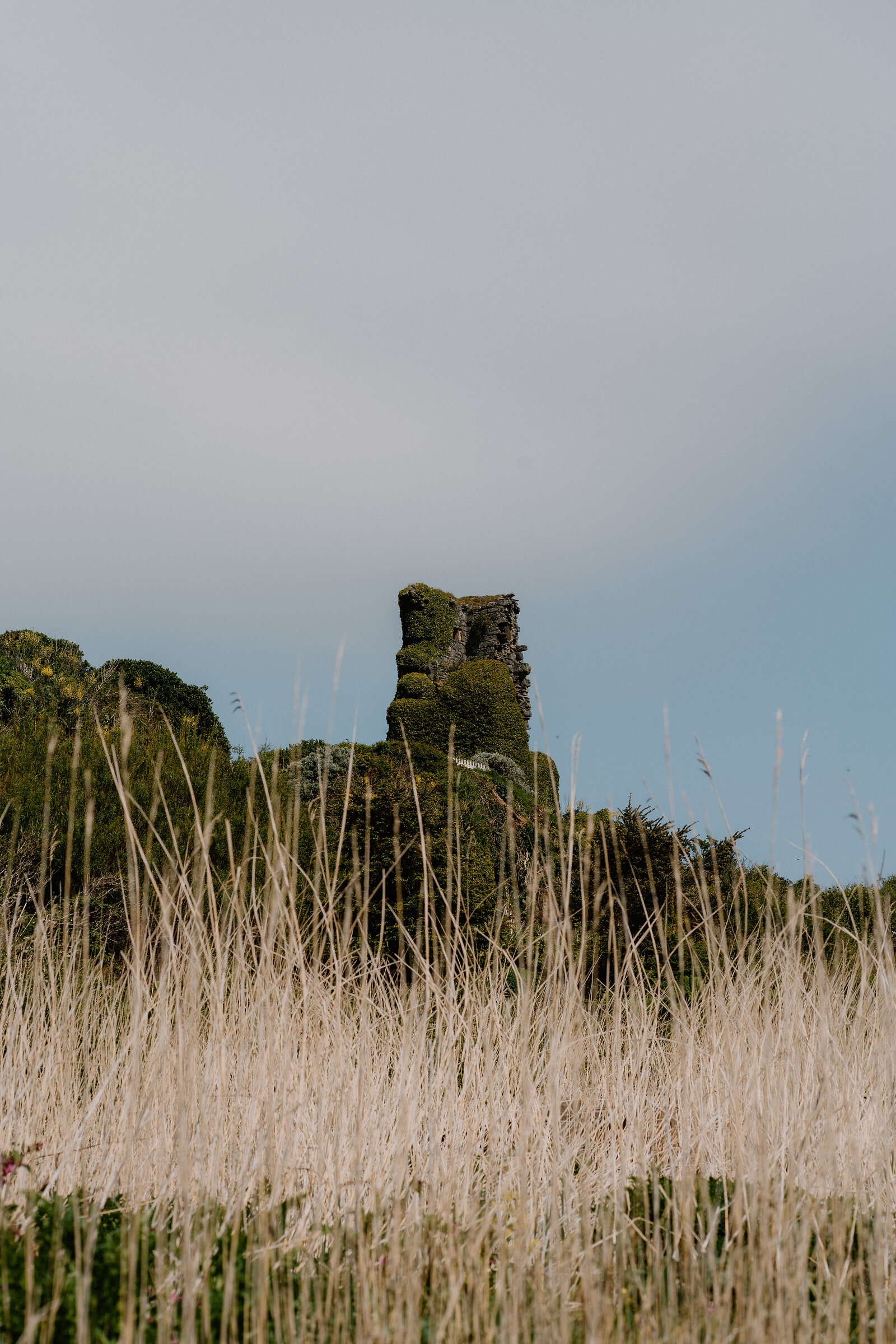
The ruined tower of a 13th-century castle of the Lords of the Isles above the shore at Kildonan, looking out to Pladda and Ailsa Craig.
On the slope above the shore at Kildonan, a single ruined tower wrapped in ivy is all that remains of Kildonan Castle.
It was built in the 13th century by the MacDonald Lords of the Isles, after the Norse were defeated at the Battle of Largs in 1263.
The castle later passed to the Crown, and in 1544 to James Hamilton. In 1558 it was sacked and burned during an English raid, and it was never rebuilt. Both castle and village take their name from St Donan, an Irish missionary of the 7th century, who is said to have been buried here.
The ruin is free to visit: walk down the left-hand side of Castle Croft. The tower is fragile, so please admire it from the ground. From beside it the view runs out over the sea to Pladda and its lighthouse, and on clear days to Ailsa Craig.
The Daily
Arrives at 5am every day.
A free morning email to see what’s on this week, catch up on what’s happening in Scotland and find somewhere new to go.

Free to visit at any time.
Please do not climb on the ruins.
- Built
- 13th century.
- Burned
- 1558.
- Named for
- St Donan.
Been here? Tell others what you know, and the best go on this page with your name.
Add your reviewAbove the shore at Kildonan; walk down the left-hand side of Castle Croft, KA27 8SD.
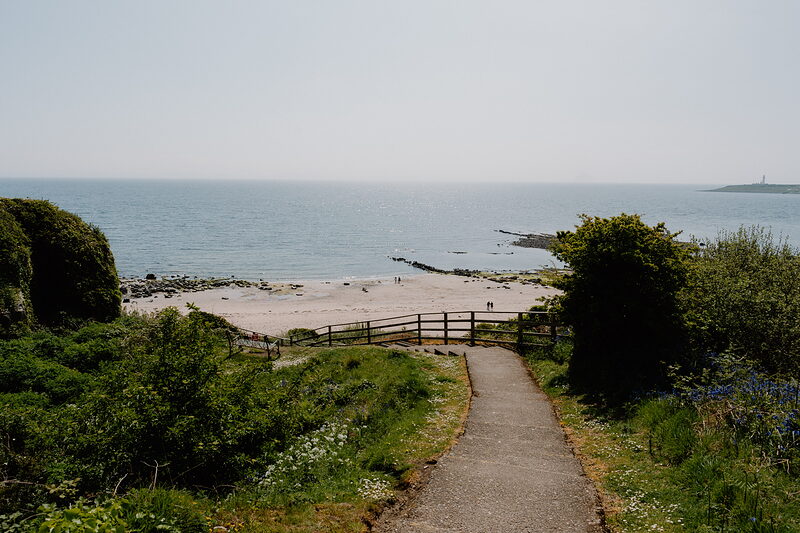 Silver SandsThe beach below.Under a mile 1 min by road
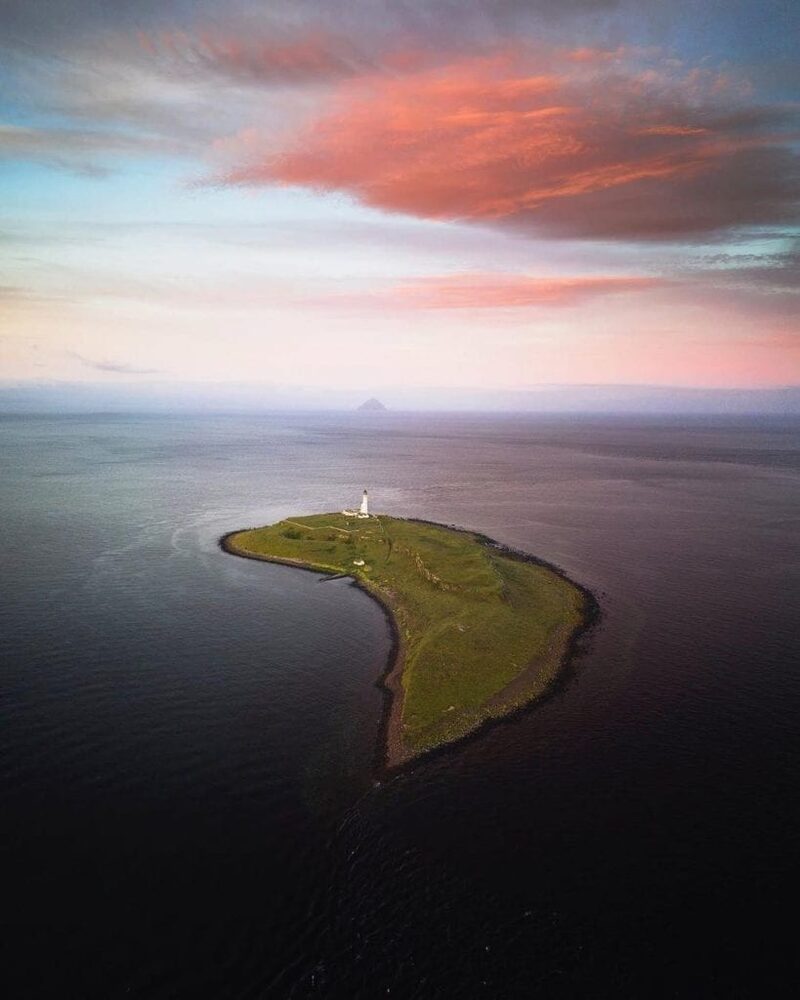
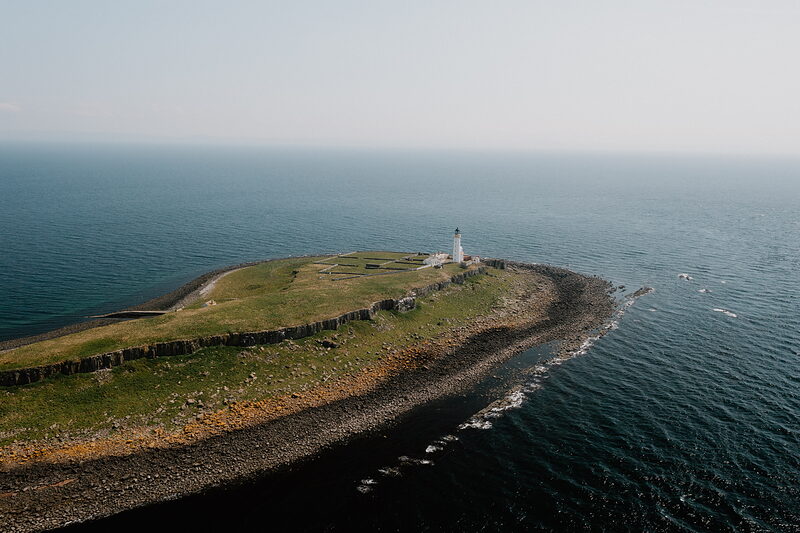 PladdaThe island and lighthouse offshore.Under a mile 2 min by road
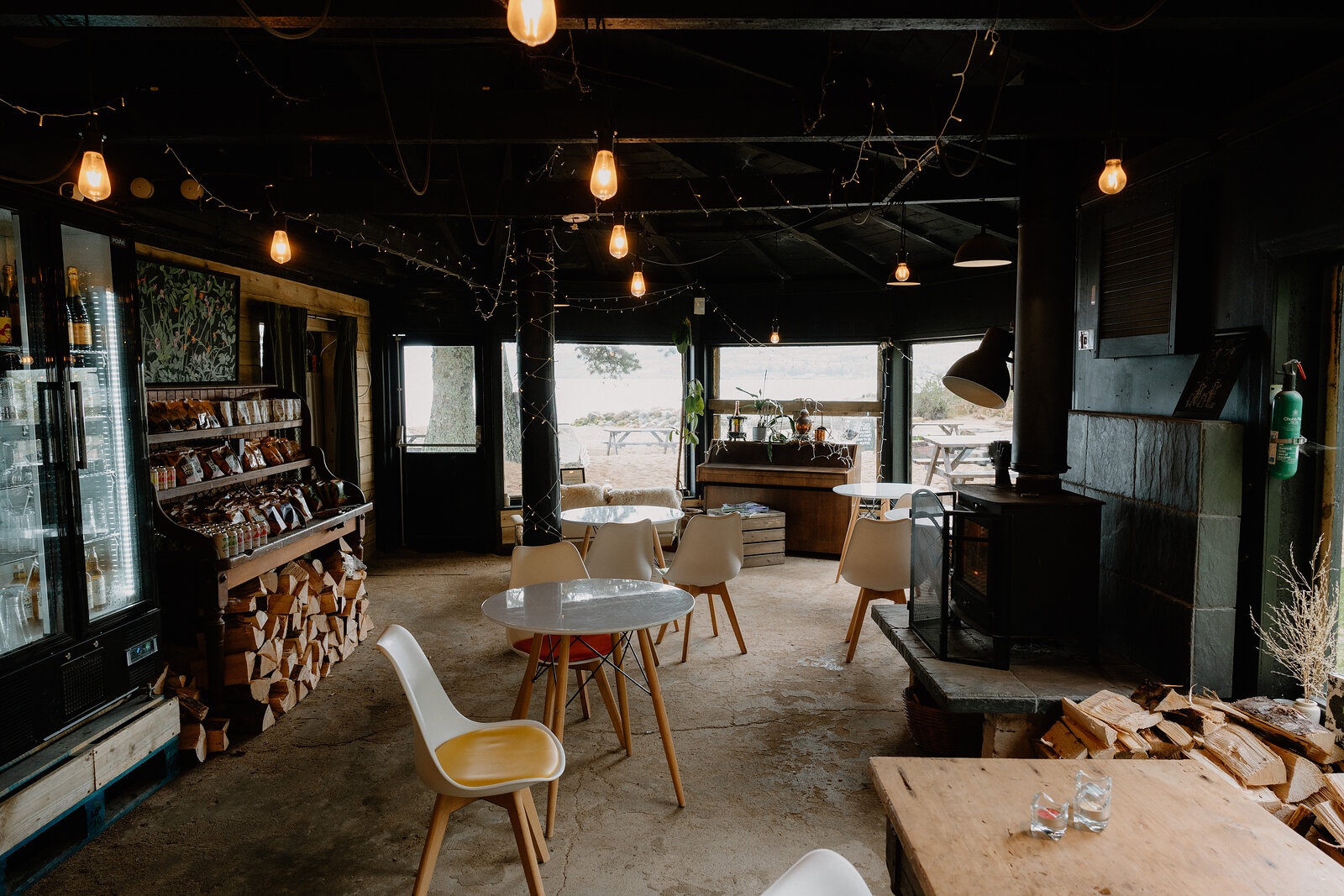
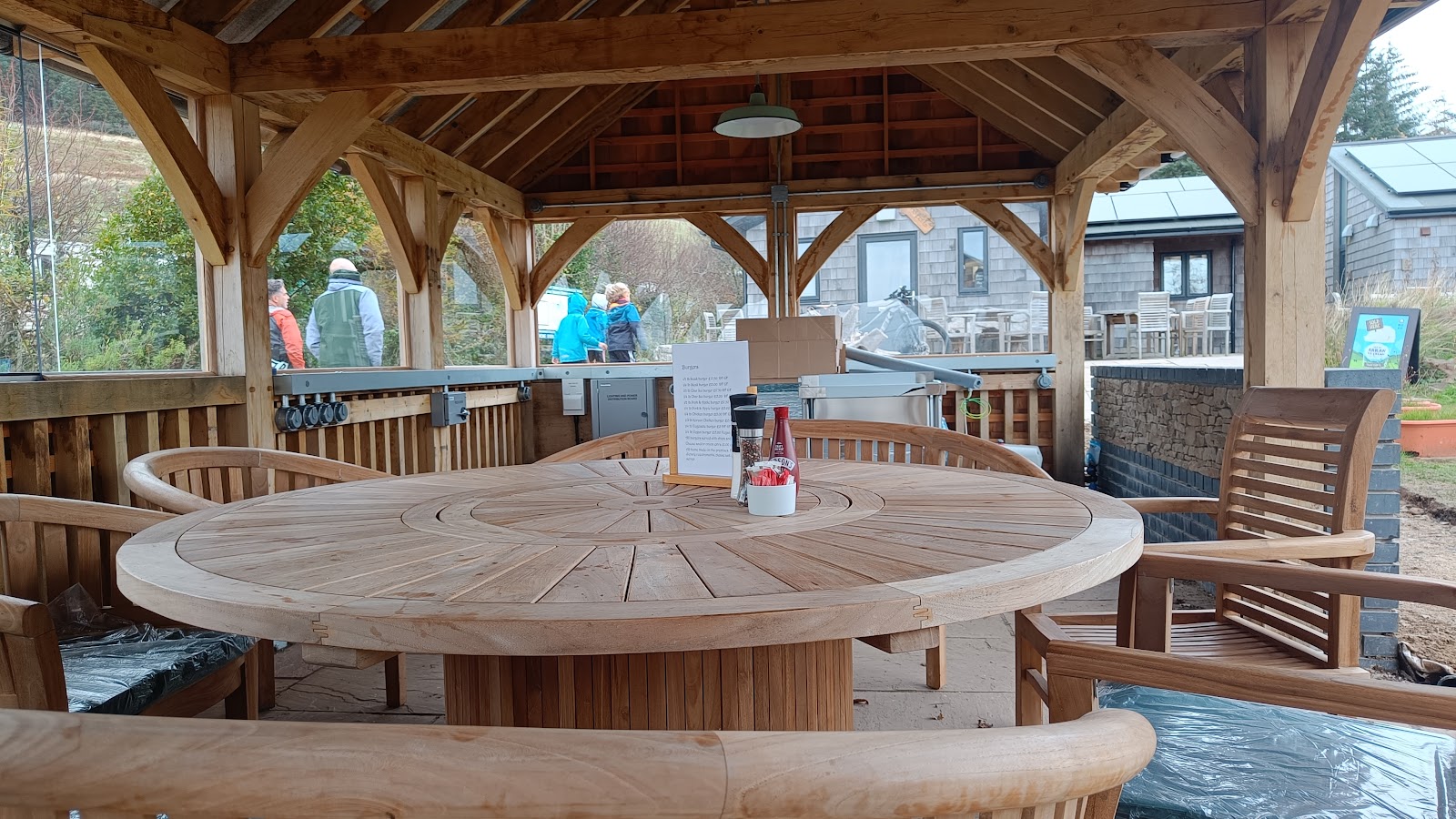 Forest of the Falls Café2 miles 6 min by road
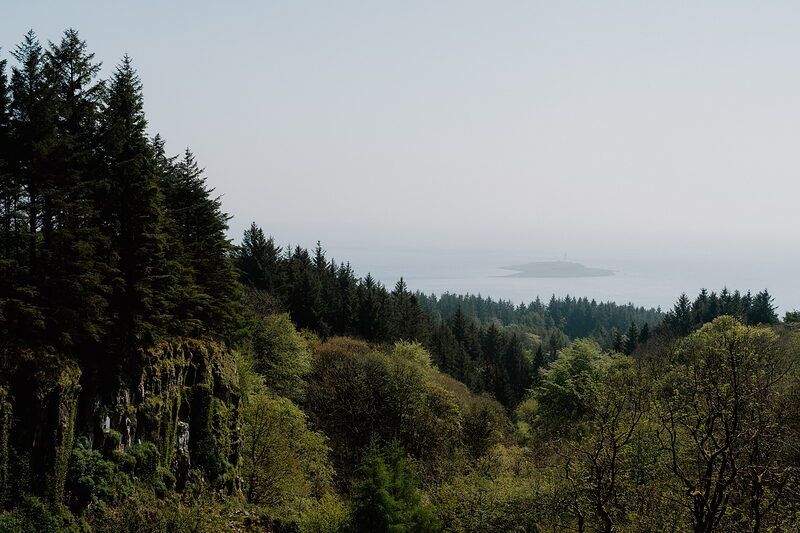 Eas Mor WaterfallA waterfall in the woods above.2 miles 7 min by road
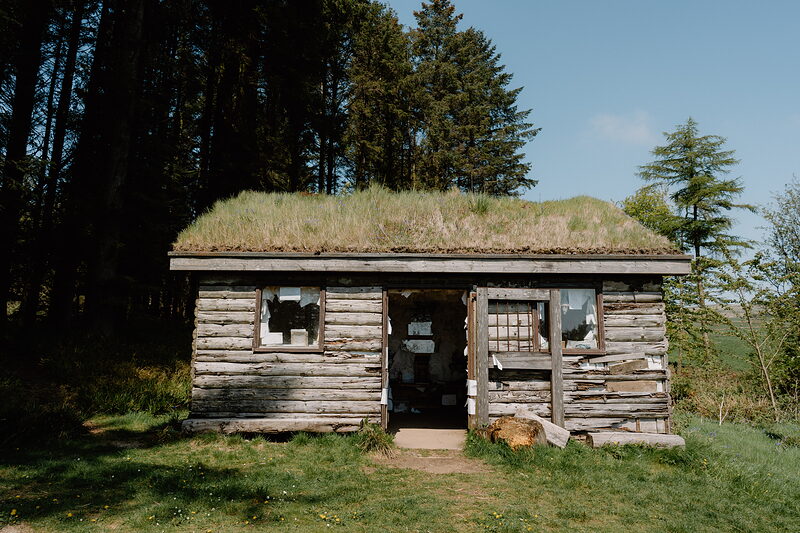 The Library in the WoodsA turf-roofed log cabin in the woods at Eas Mor, its walls and ceiling covered in notes and drawings left by visitors, with books to read.2 miles 7 min by road
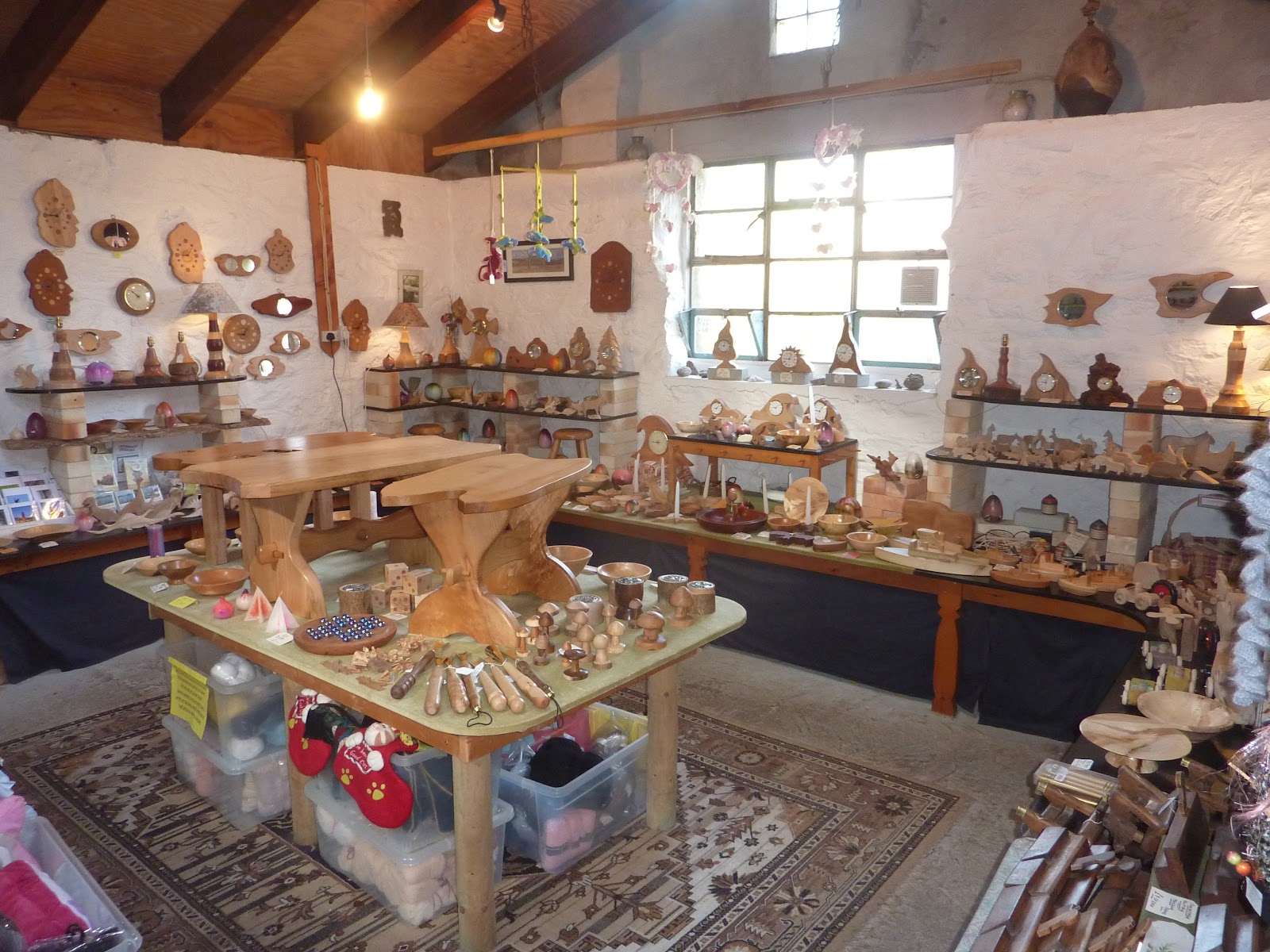 Kilmory WorkshopDave Furze's woodwork showroom at Kilmory, where Arran-grown timber is seasoned and turned into bowls, clocks, toys and furniture.6 miles 18 min by road
Scotland, in print.
We want to show you the best that Scotland has to offer. The makers and the creatives, the enduring experiences, the evocative tales, the concealed corners. The roads less travelled that take you to places that matter. The adventures that gather you up and sweep you away. The blend of the wild and the artistic that makes Scotland what it is. We’d love for you to join us.
What we have written about it and more on Arran.
For further reading, before you go. The details on this page were checked on .