Did you know
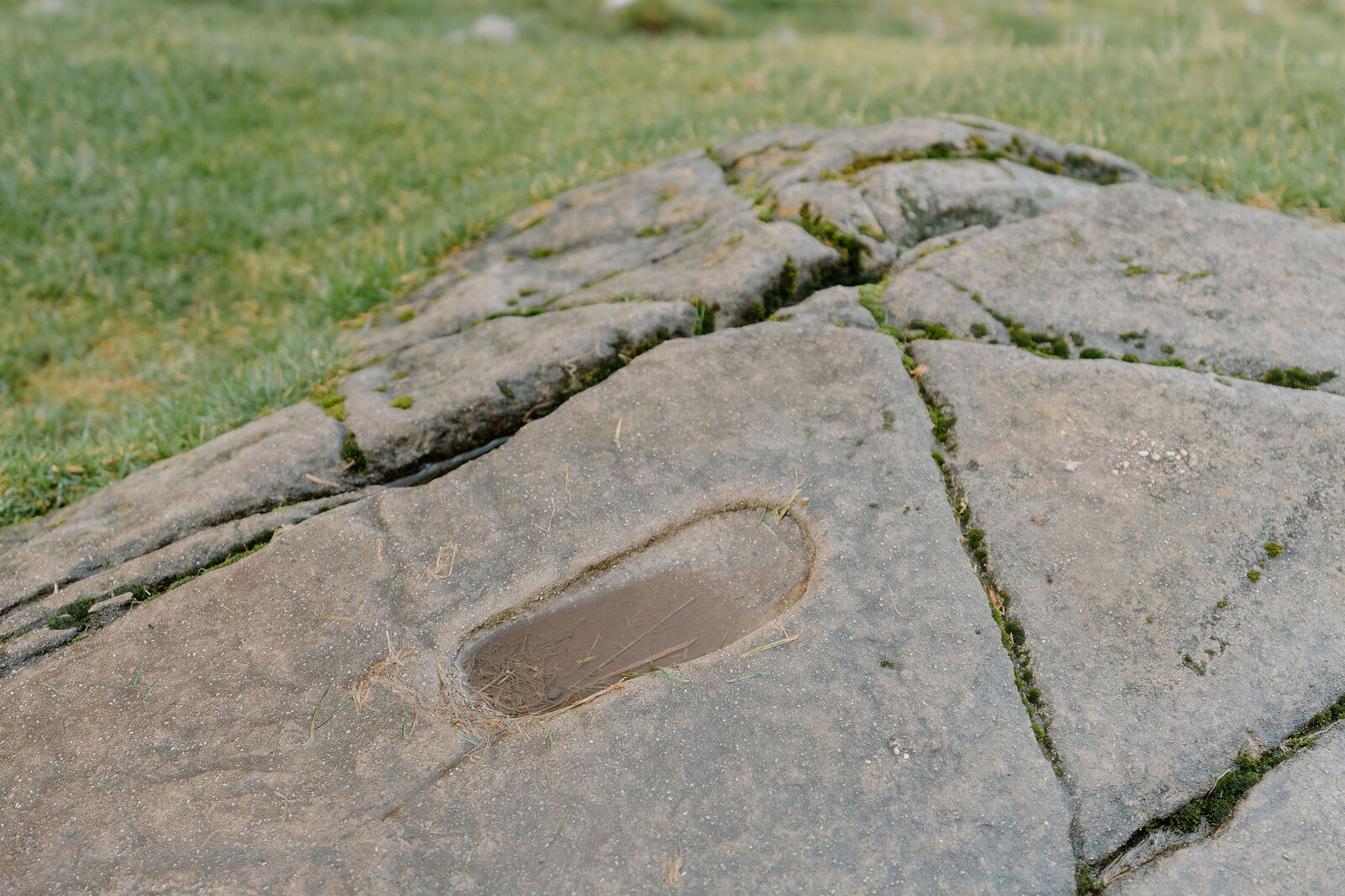
Footprints for a king.
Two human footprints are carved near the summit; new kings may have stood in them at their inauguration.
The rock of the Gaelic kings of Dál Riata in Kilmartin Glen, with footprints carved for the making of kings.
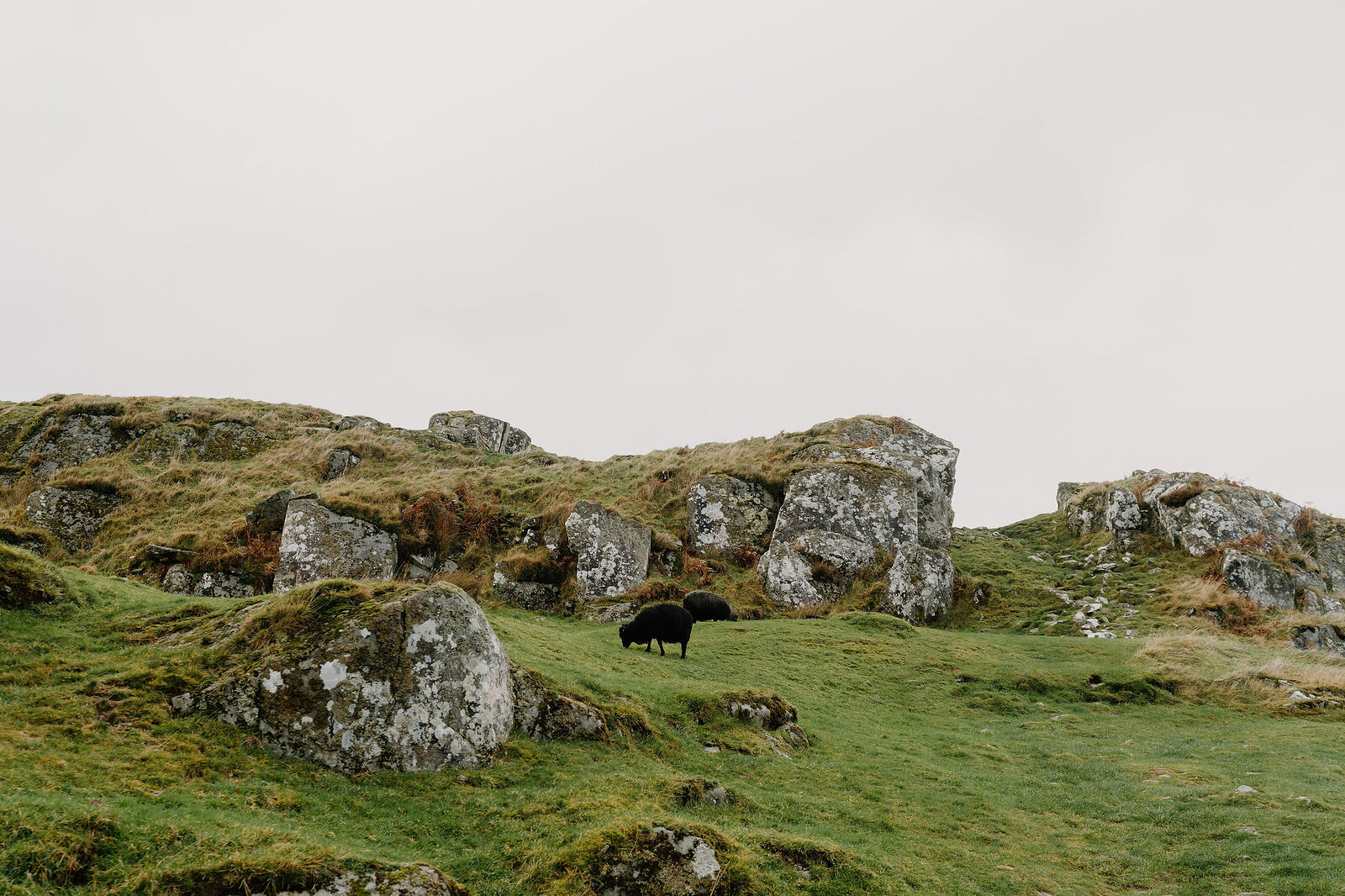
Dunadd is a rocky hill rising out of the flat land at the southern end of Kilmartin Glen, and from about AD 500 to 800 it was a royal power centre of the Gaelic kings of Dál Riata.
Visited and photographed by Simon Hird
It is first mentioned in AD 683, when it was already a major stronghold, but excavations in the 1980s showed it had been a fort more than 2,000 years ago.
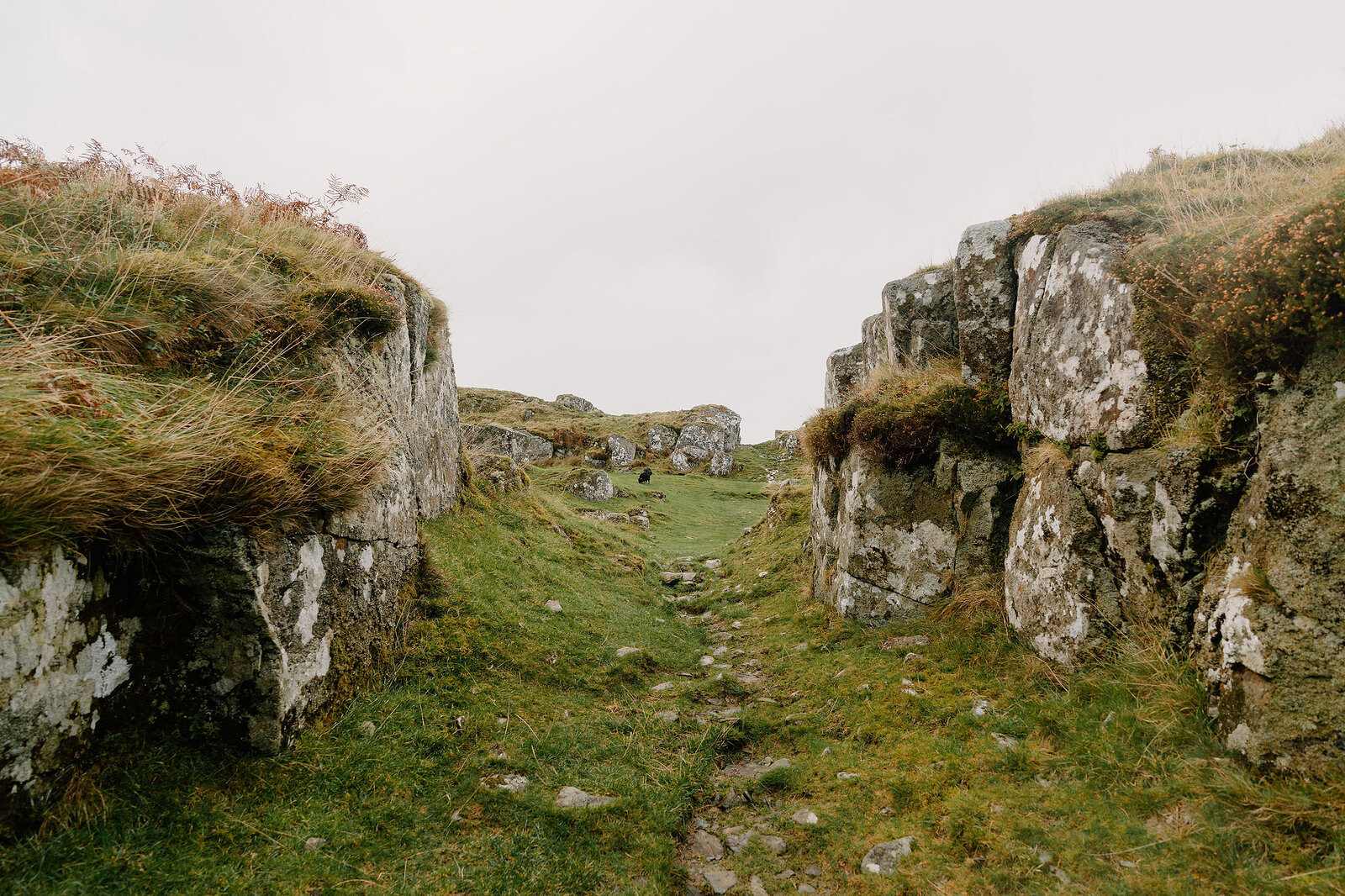
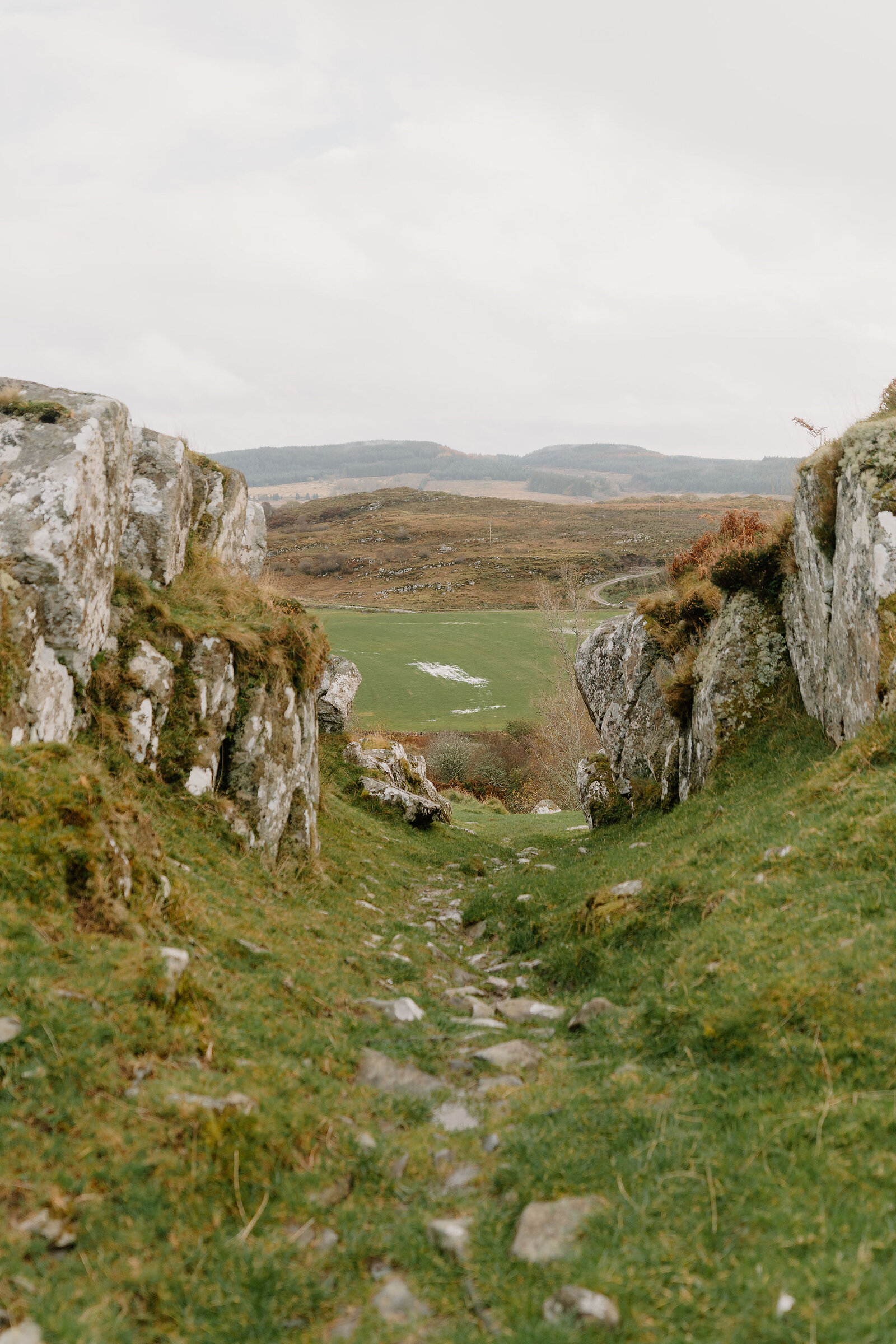
A path winds up through natural gaps in the rock and over the terraces of the old fort to the summit and its wide view over the glen. Near the top are the carvings that make Dunadd famous: a rock basin, the outline of a boar, a line of Ogham script and two human footprints cut into the stone, where new kings may have stood to be inaugurated. The site is looked after by Historic Environment Scotland, and it is open to walk at any time.
The Daily
Arrives at 5am every day.
A free morning email to see what’s on this week, catch up on what’s happening in Scotland and find somewhere new to go.

Dunadd is in the care of Historic Environment Scotland and can be climbed at any time.
The path is short but steep and rocky near the top; the carvings are just below the summit.
Been here? Tell others what you know, and the best go on this page with your name.
Add your reviewTwo human footprints are carved near the summit; new kings may have stood in them at their inauguration.
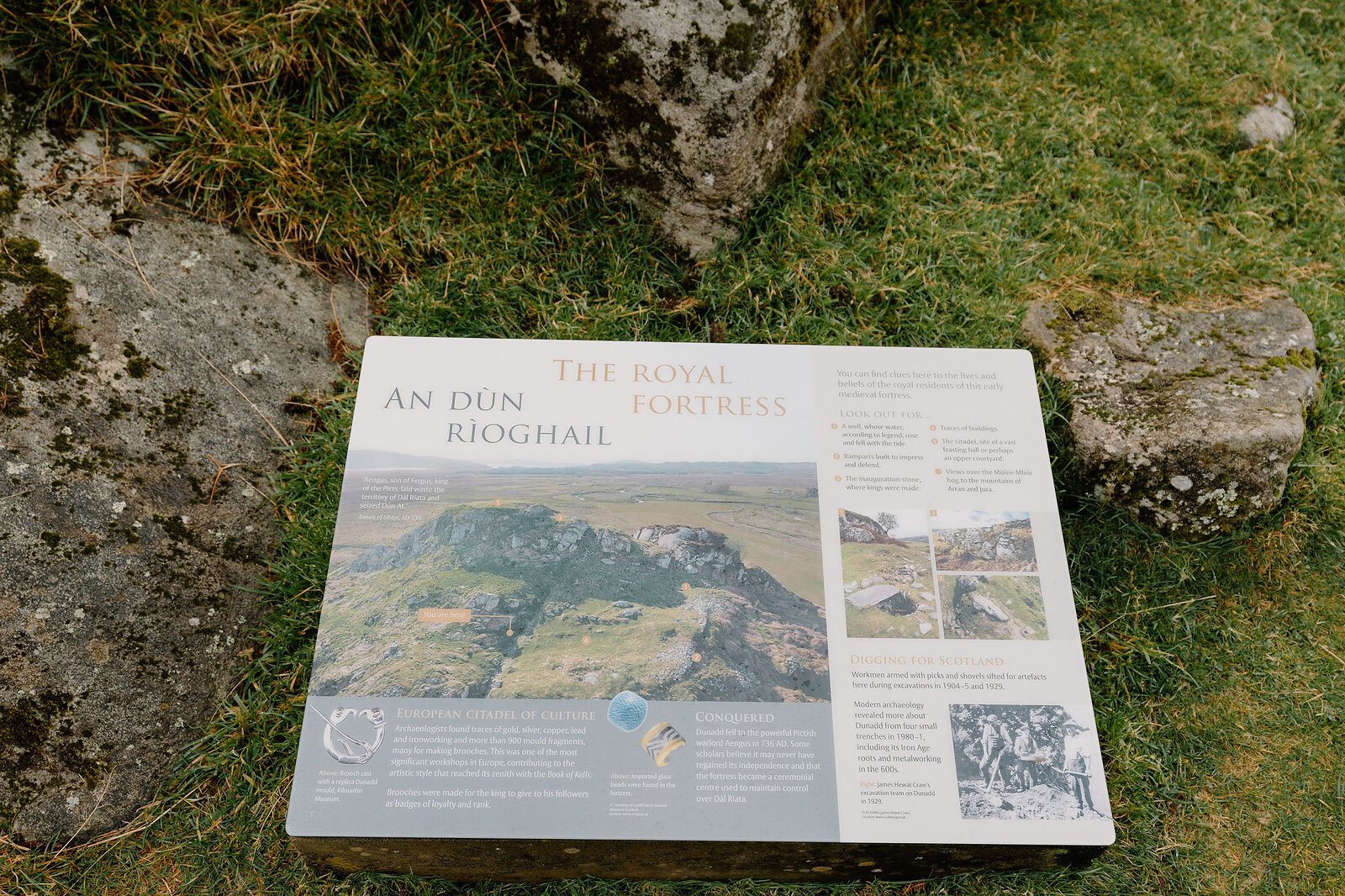
Dunadd is first mentioned in AD 683, when it was already a major stronghold.
Dunadd had one of the most important metalworking workshops in Europe; only one site in Ireland has produced comparable evidence.
It has produced the largest and most varied collection of pottery of any site in north-west Europe.
The hill was already used as a fort more than 2,000 years ago, long before the kings of Dál Riata.
A carved footprint in the rock on Dunadd Hill is believed to have been used during Dalriadan coronations, connecting the new King with those that came before.
Read more
New places, news and stories, as we find them.
What is on in Argyll and ButeKilmartin Glen, Argyll.
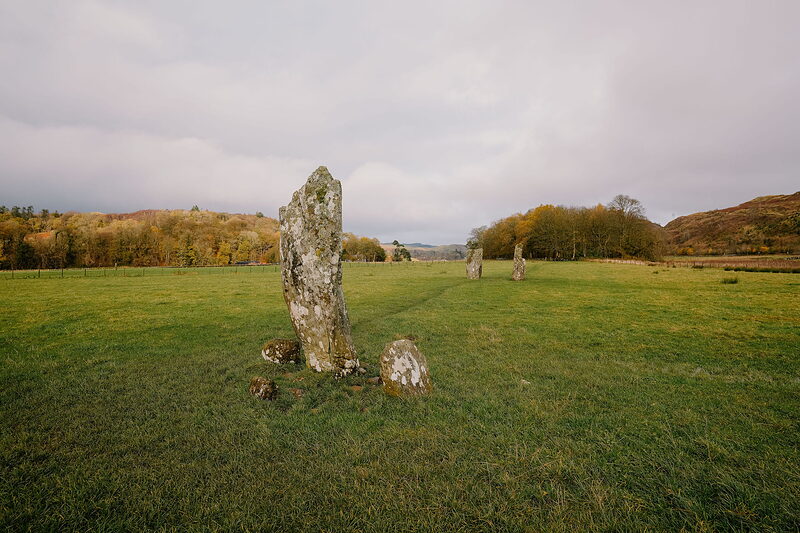 Nether Largie Standing StonesFive tall stones in Kilmartin Glen raised some 3,200 years ago, thought to mark the rising and setting of the moon.3 miles 6 min by road
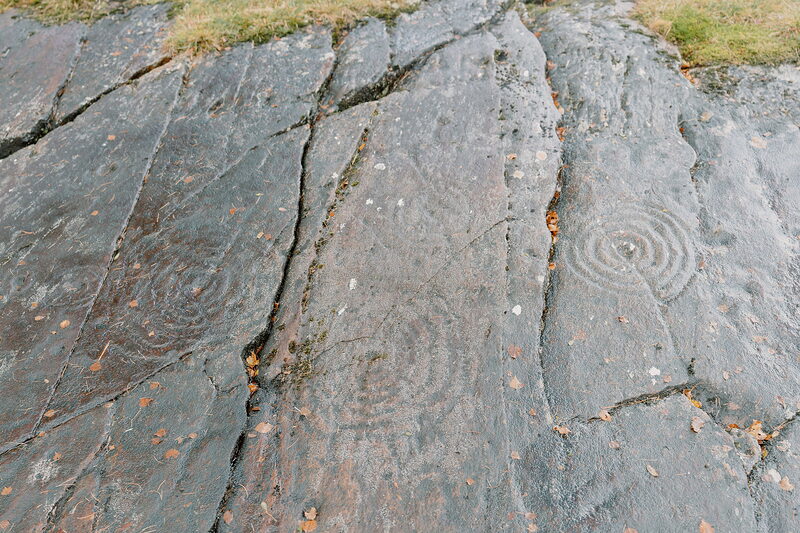 Achnabreck Rock ArtCup and ring marks carved into the rock some 5,000 years ago, among the finest prehistoric rock art in Scotland.4 miles 8 min by road
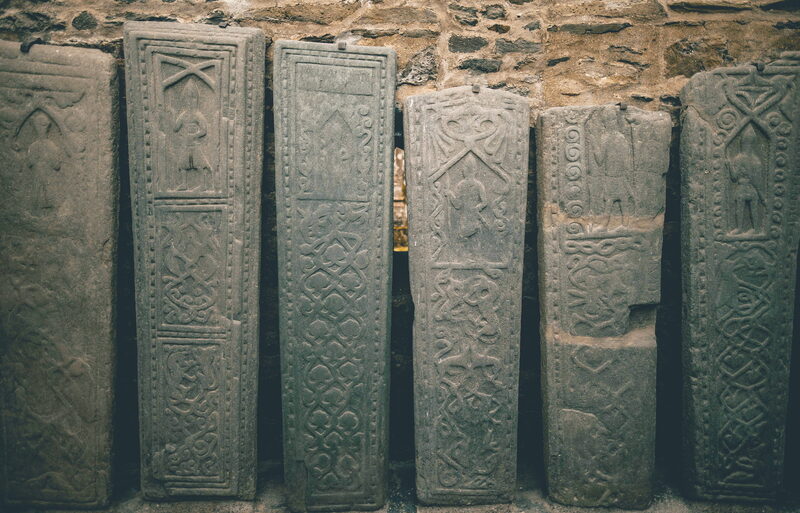
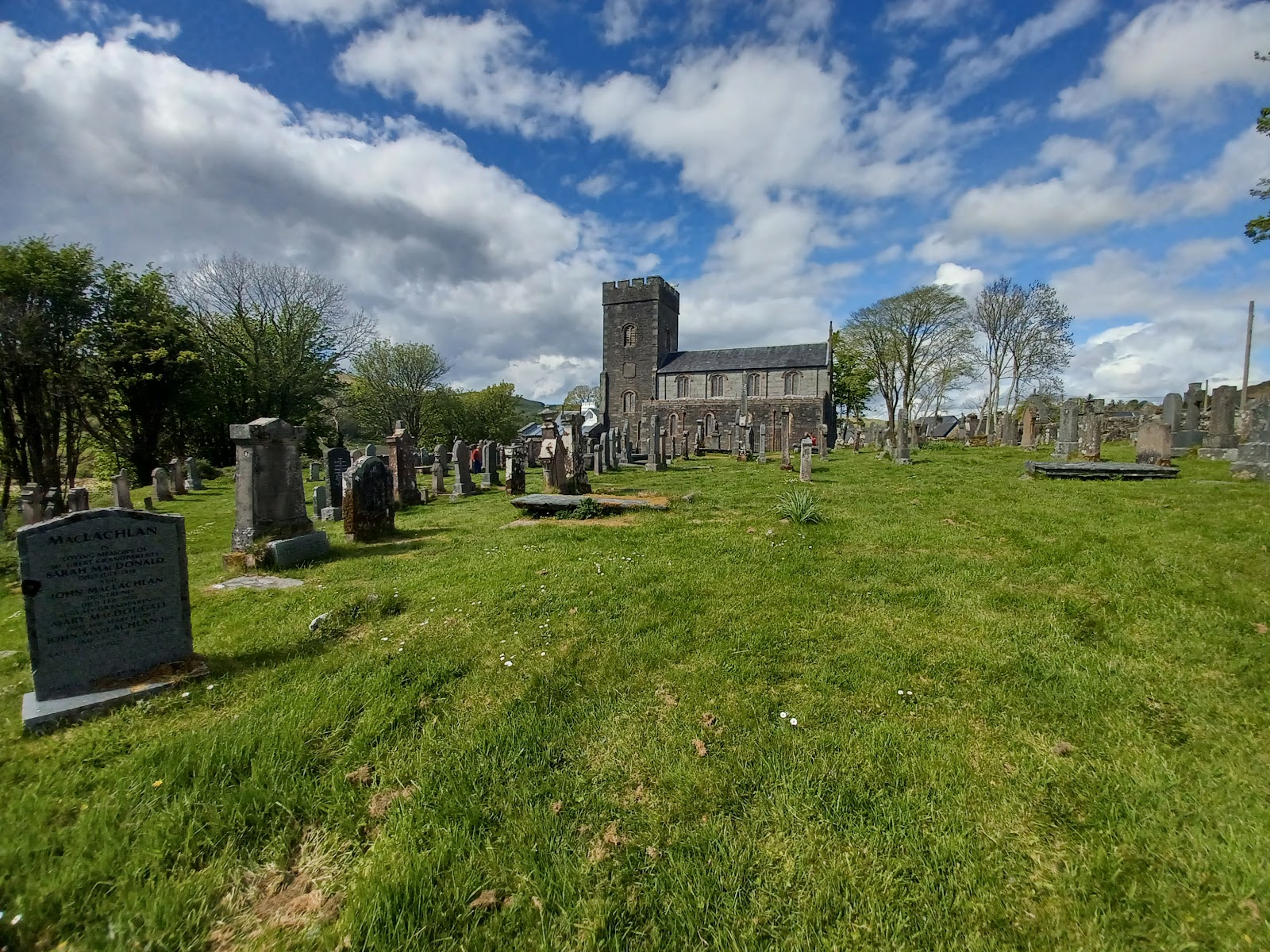 Kilmartin StonesMedieval West Highland grave slabs of warriors, swords and interlace in the churchyard at Kilmartin.4 miles 8 min by road
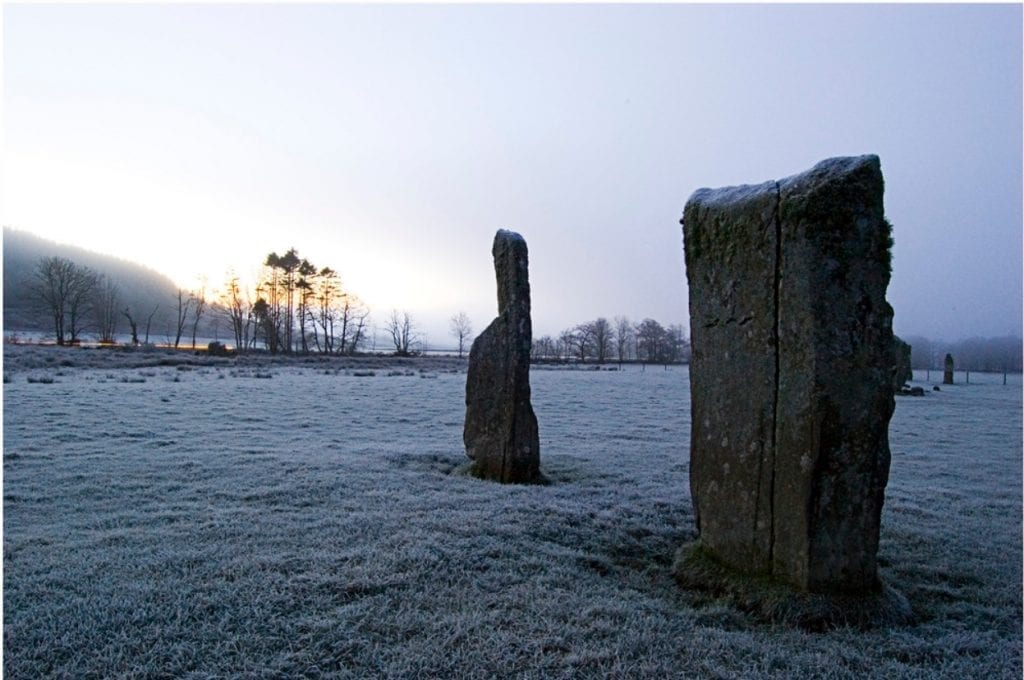 Kilmartin GlenOne of Scotland's richest prehistoric landscapes, with more than 800 monuments within six miles of Kilmartin and a museum to explain them.4 miles 8 min by road
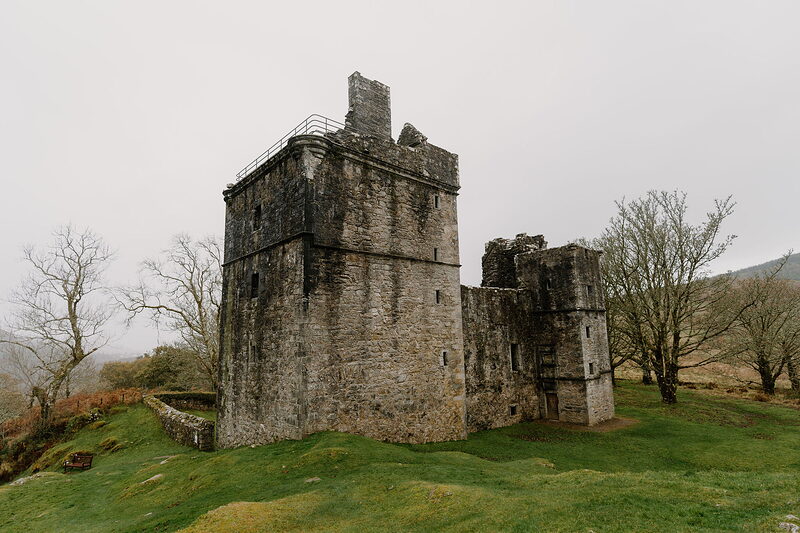 Carnasserie CastleThe Renaissance tower house of John Carswell, first Protestant Bishop of the Isles, at the head of Kilmartin Glen.5 miles 10 min by road
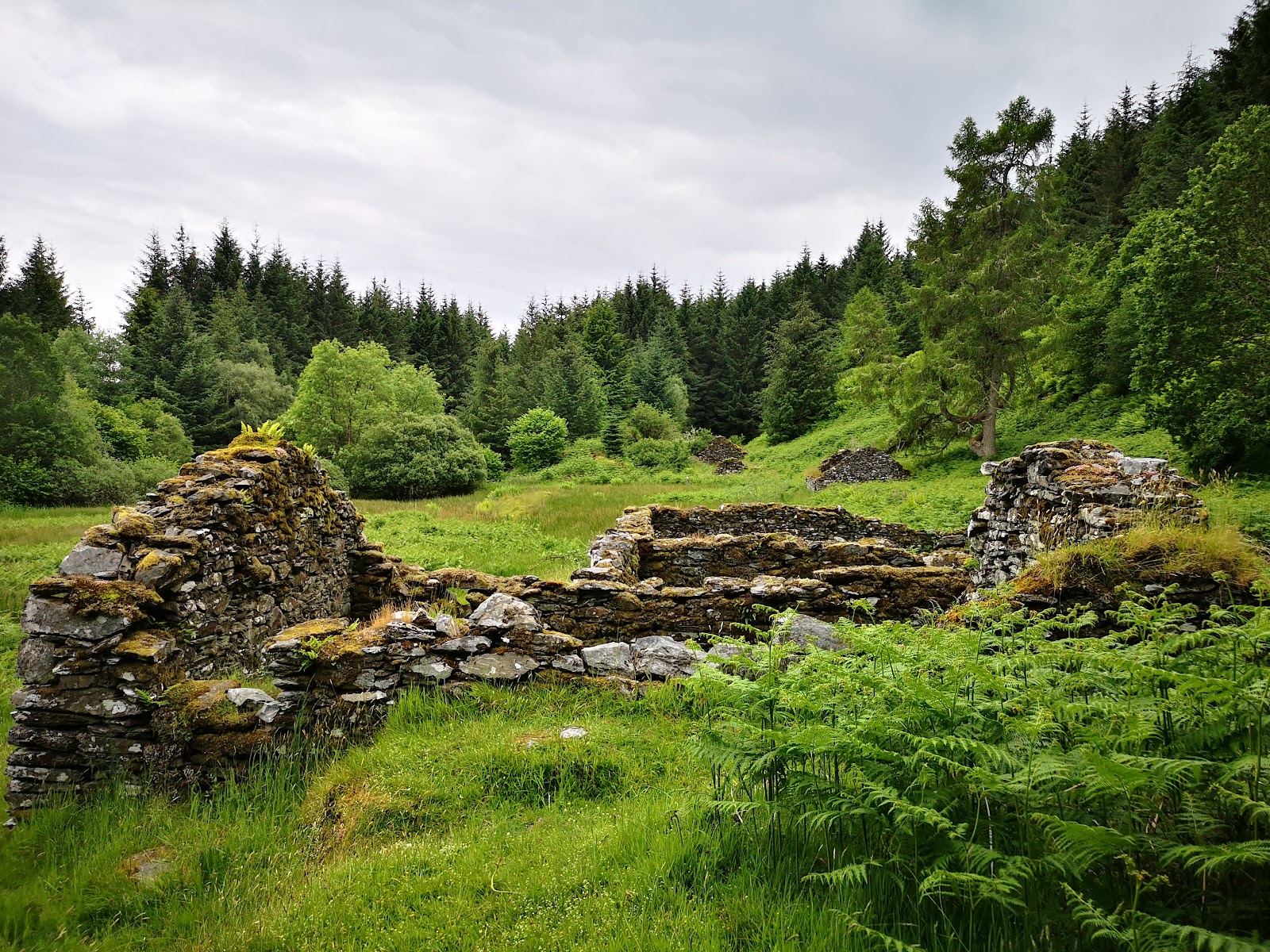 Kilmory Oib TownshipThe ruins of a township of at least seventeen buildings in Knapdale Forest, with an early Christian cross-marked stone.8 miles 14 min by road
Places to stay near the fort, and when each is next free.
We want to show you the best that Scotland has to offer. The makers and the creatives, the enduring experiences, the evocative tales, the concealed corners. The roads less travelled that take you to places that matter. The adventures that gather you up and sweep you away. The blend of the wild and the artistic that makes Scotland what it is. We’d love for you to join us.
What we have written about it and more in Argyll and Bute.
For further reading, before you go. The details on this page were checked on .