
Kilmartin Stones
Medieval West Highland grave slabs of warriors, swords and interlace in the churchyard at Kilmartin.
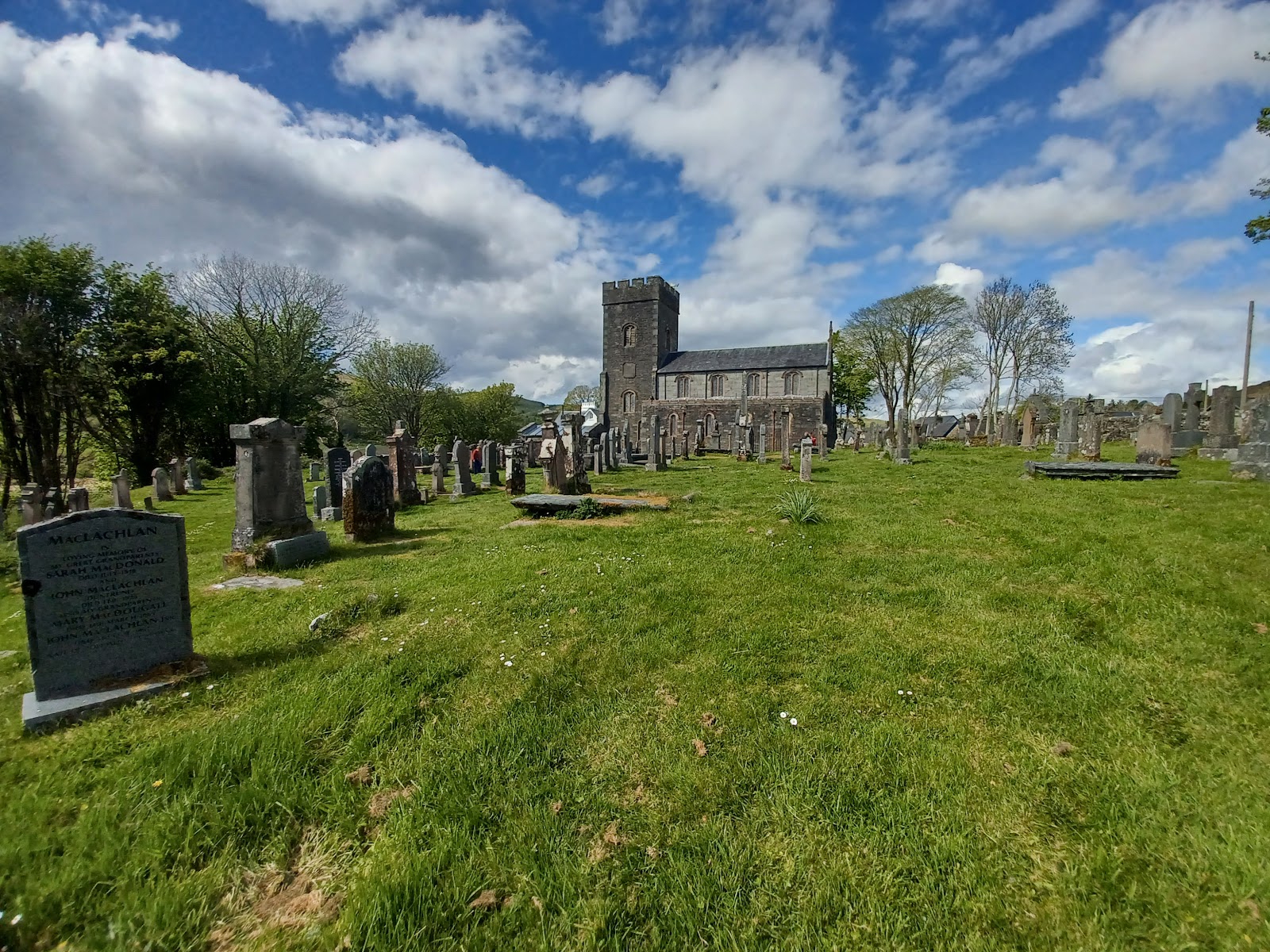
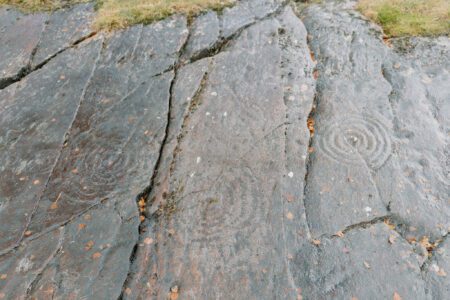
In the churchyard at Kilmartin, behind a Victorian church, is one of the finest collections of carved grave slabs in the West Highlands.
The best of them date from the 1300s and 1400s, carved in a style that belonged to this part of Argyll, most likely from stone quarried around Loch Awe, and they are covered in intricate scrollwork and interlace, figures of warriors and clerics, and elaborate crosses and swords.
The stones are gathered in two places. The largest group stands in the Campbell burial aisle, built for Bishop Neil Campbell, who died in 1627. Seven more lie in the Poltalloch Enclosure, built for the Malcolms of Poltalloch in the 1700s: three West Highland slabs of the 1300s or 1400s, two medieval effigies of warriors with spears and swords, and two tombstones of the 1600s. The collection is in the care of Historic Environment Scotland, and it is free to see.
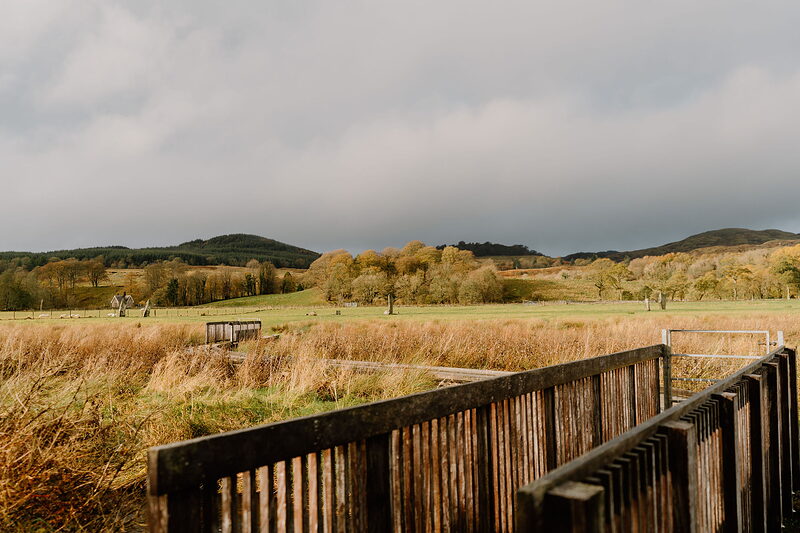
The stones are in Kilmartin churchyard, in the village on the A816.
Entry is free.
- Where
- Kilmartin churchyard, on the A816.
- Entry
- Free.
Kilmartin churchyard.
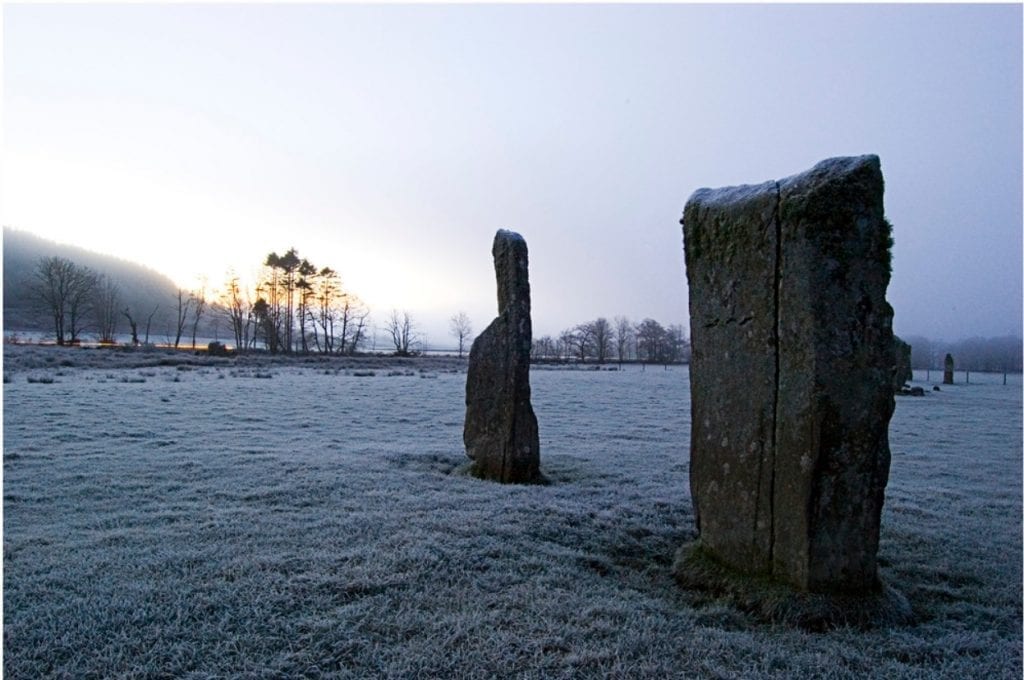
 Nether Largie Standing StonesFive tall stones in Kilmartin Glen raised some 3,200 years ago, thought to mark the rising and setting of the moon.1 mile1 min by road
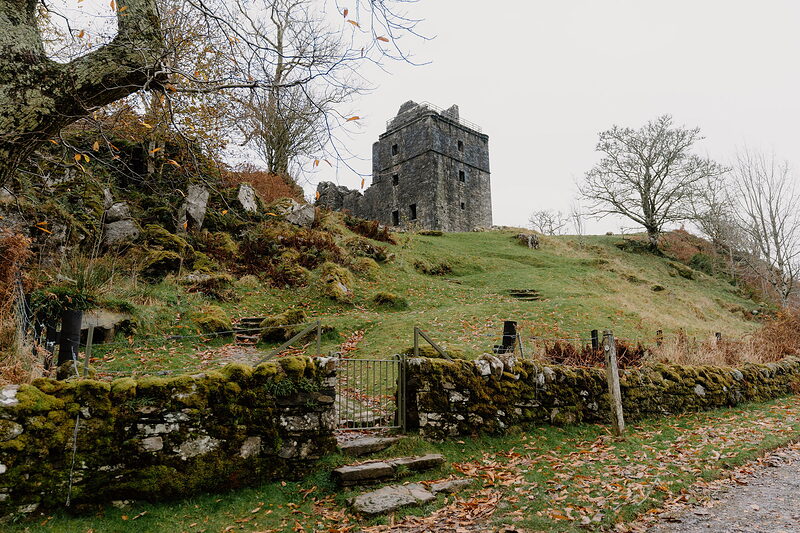 Carnasserie CastleThe Renaissance tower house of John Carswell, first Protestant Bishop of the Isles, at the head of Kilmartin Glen.1 mile2 min by road
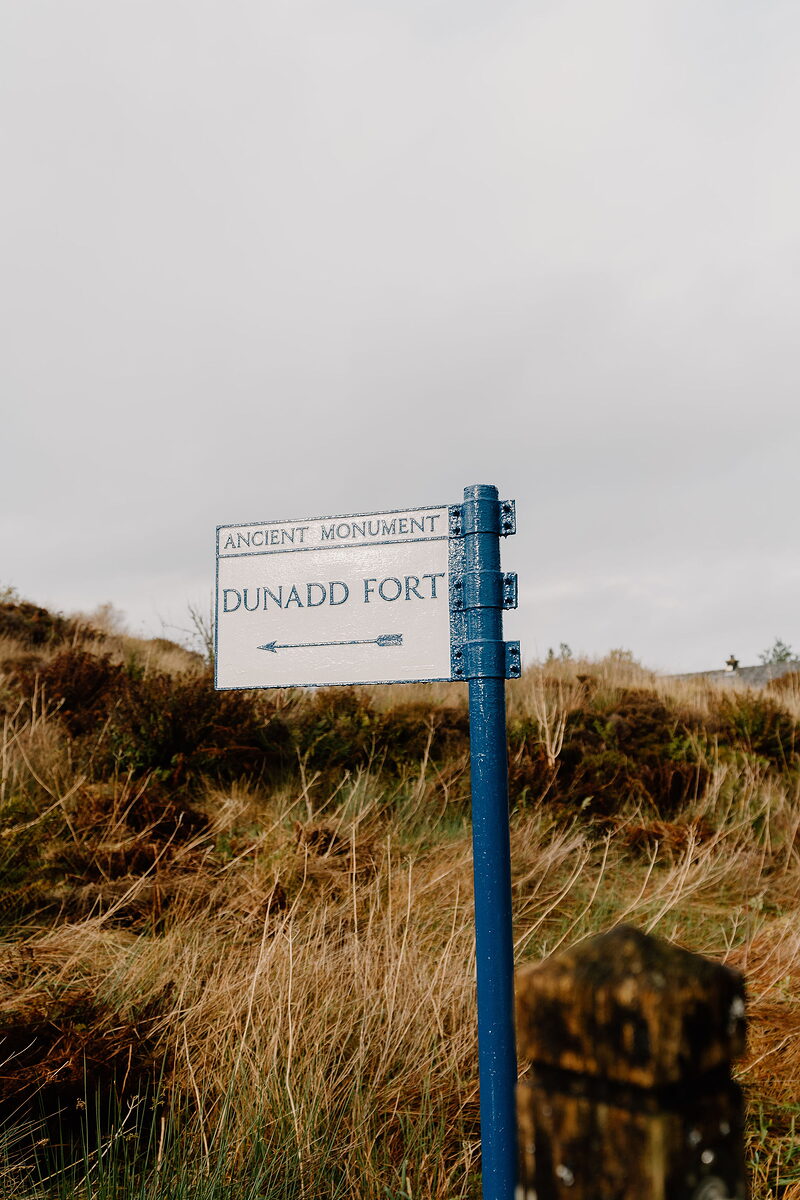 Dunadd FortThe rock of the Gaelic kings of Dál Riata in Kilmartin Glen, with footprints carved for the making of kings.4 miles8 min by road
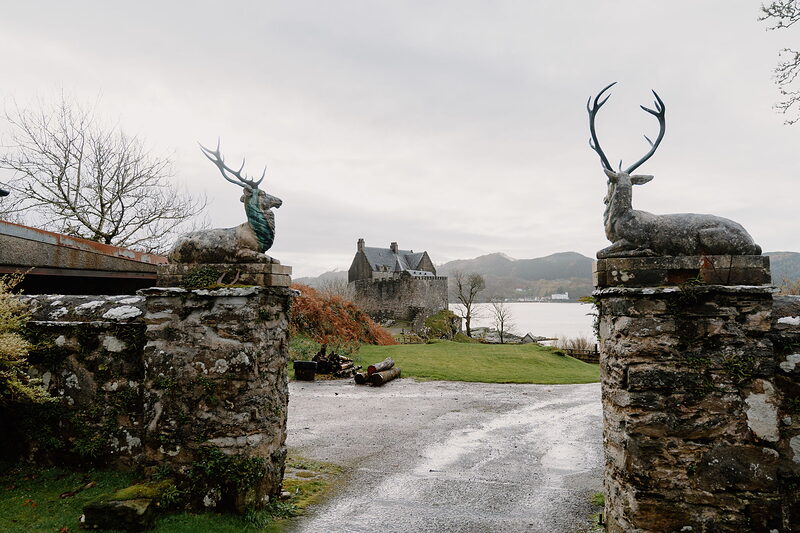 Duntrune CastleThought to be Scotland's oldest continuously occupied castle, on a rock above Loch Crinan, home of the Malcolms since 1792.5 miles14 min by road
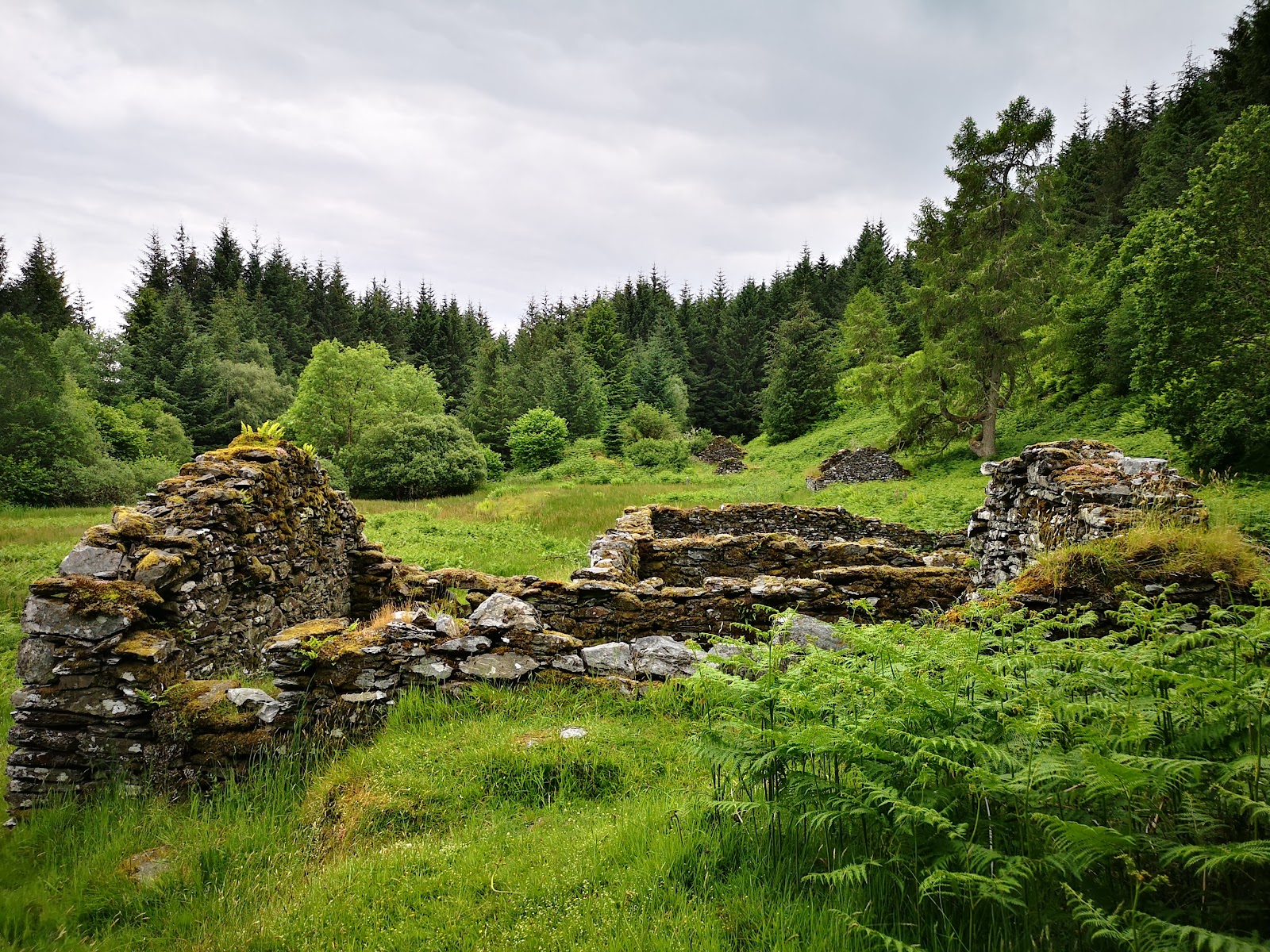 Kilmory Oib TownshipThe ruins of a township of at least seventeen buildings in Knapdale Forest, with an early Christian cross-marked stone.7 miles10 min by road
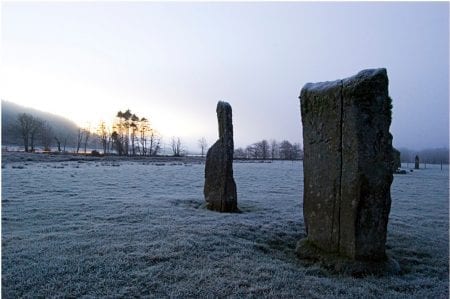
Places to stay near the stones, and when each is next free.
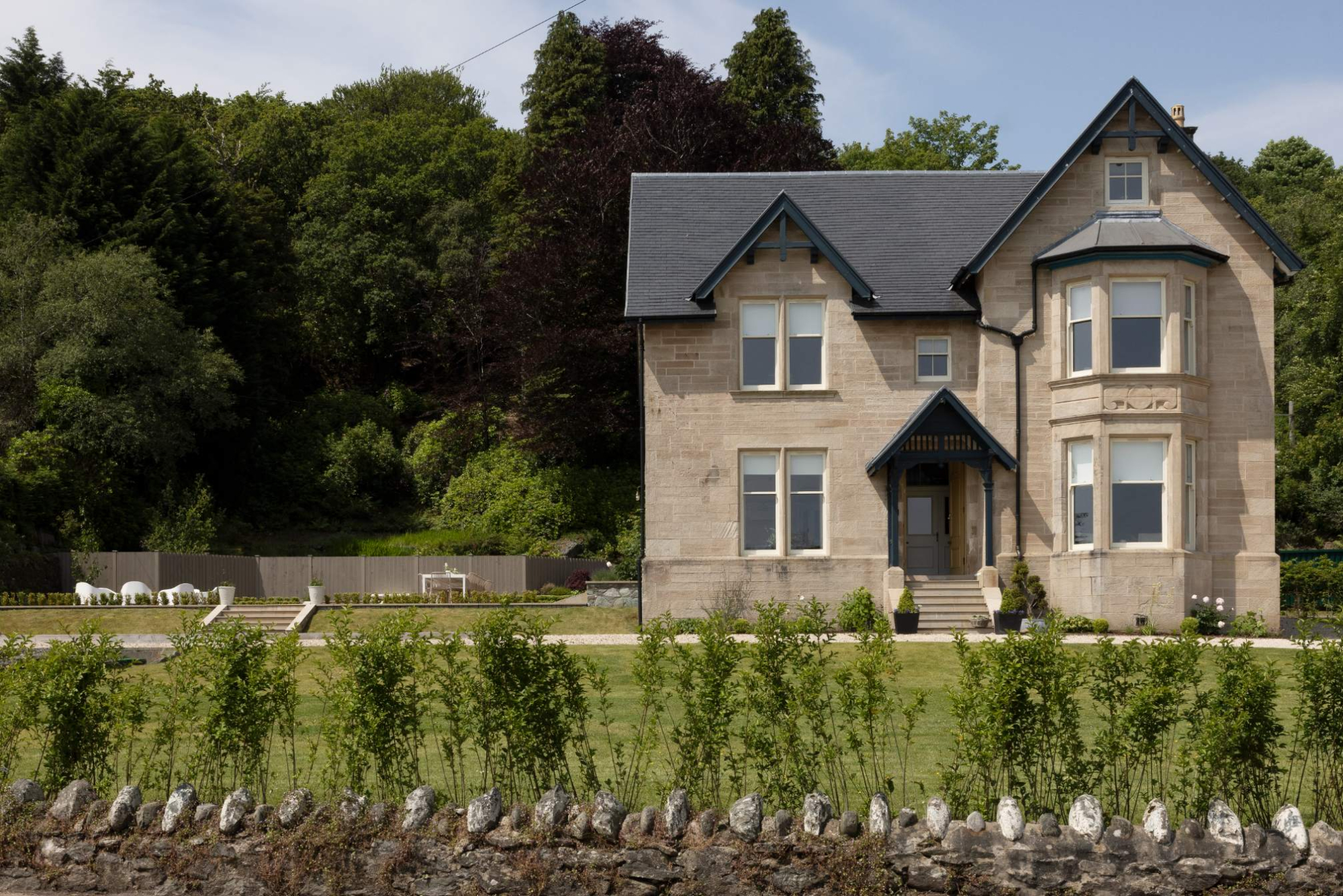 The Hollies
- Sleeps 18
- In Argyll and Bute
- 19 miles from the stones
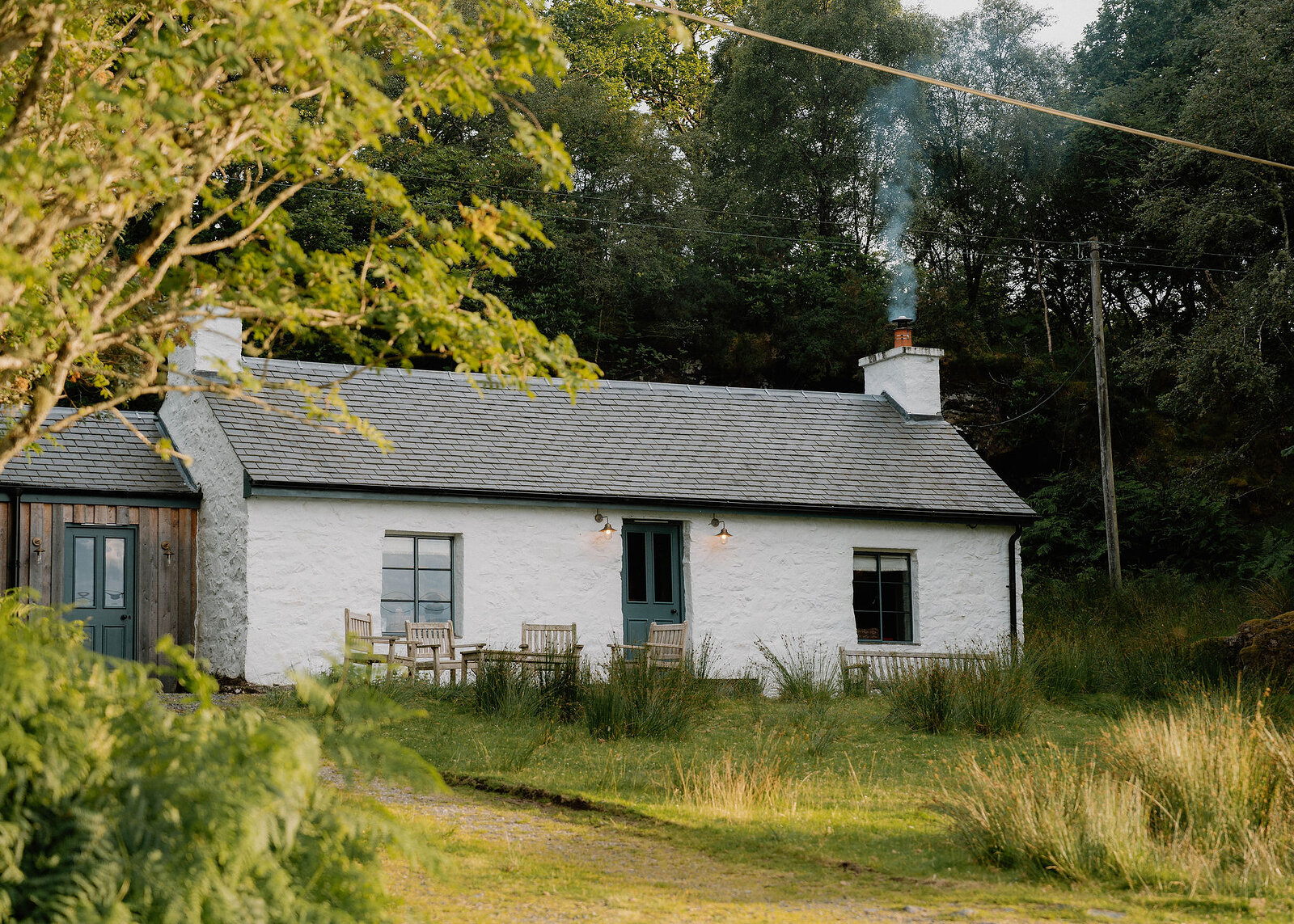 Fern Cottage
- Sleeps 4
- In Croggan
- 19 miles from the stones
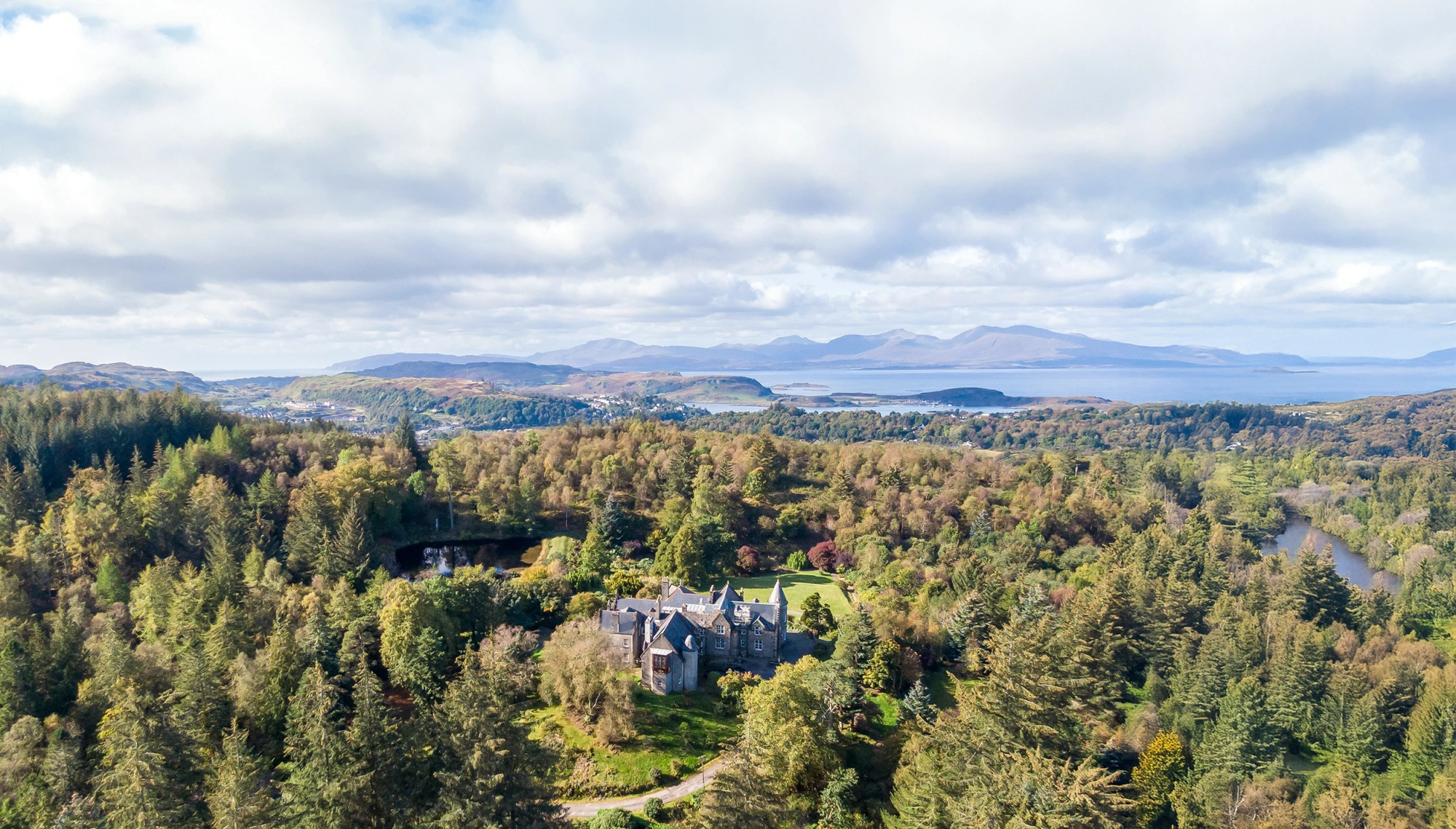 Glencruitten House
- To stay
- In Argyll and Bute
- 19 miles from the stones
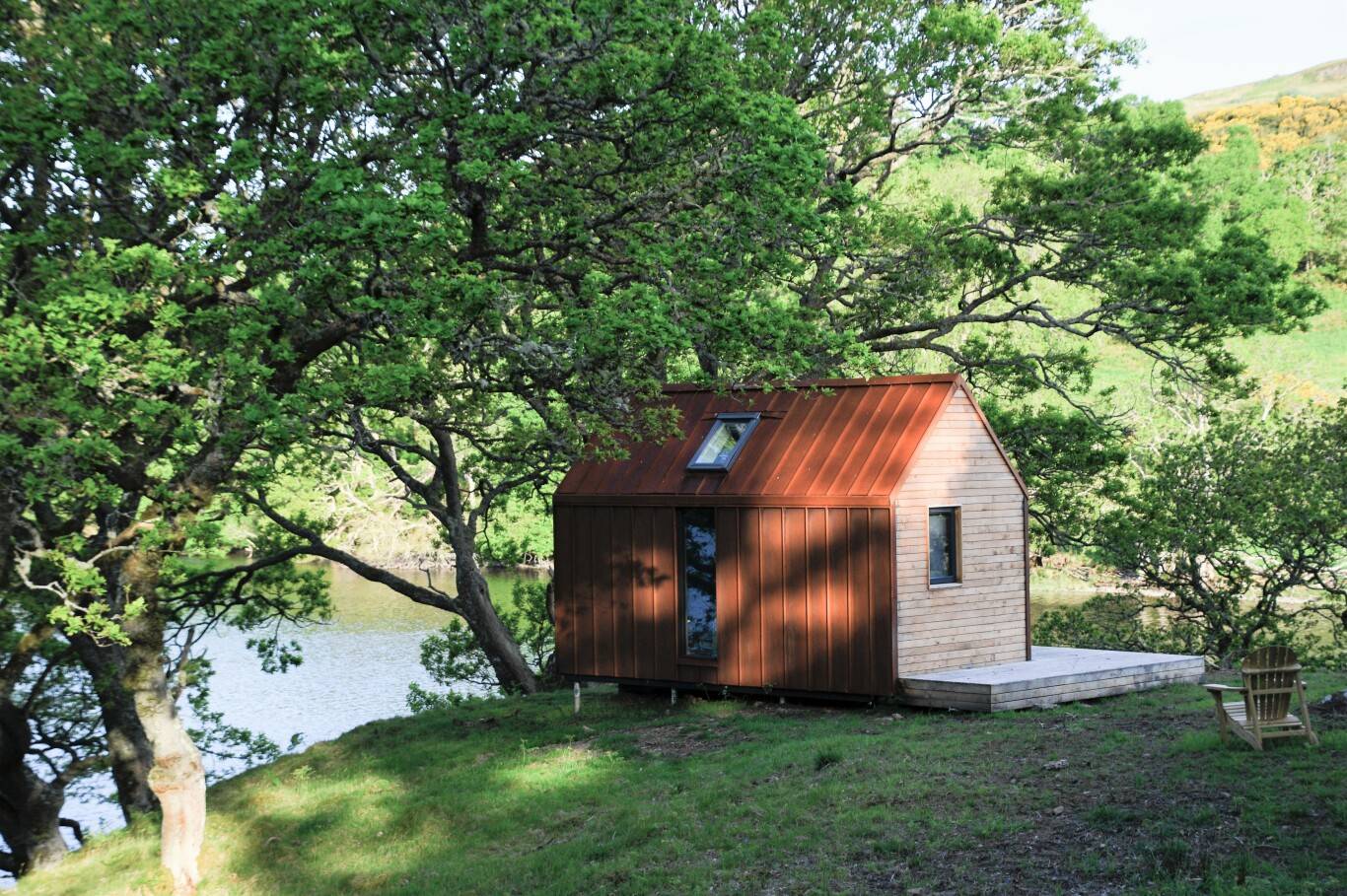 Uisge Bothy
- Sleeps 2
- In Oban
- 19 miles from the stones
Scotland, in print.
Every photograph commissioned, every word written by somebody who went. Printed twice a year, made in Scotland.
For further reading, before you go.