Did you know
The first book in Gaelic.
Carswell's translation of John Knox's Book of Common Order, printed in 1567, was the first book printed in Gaelic.
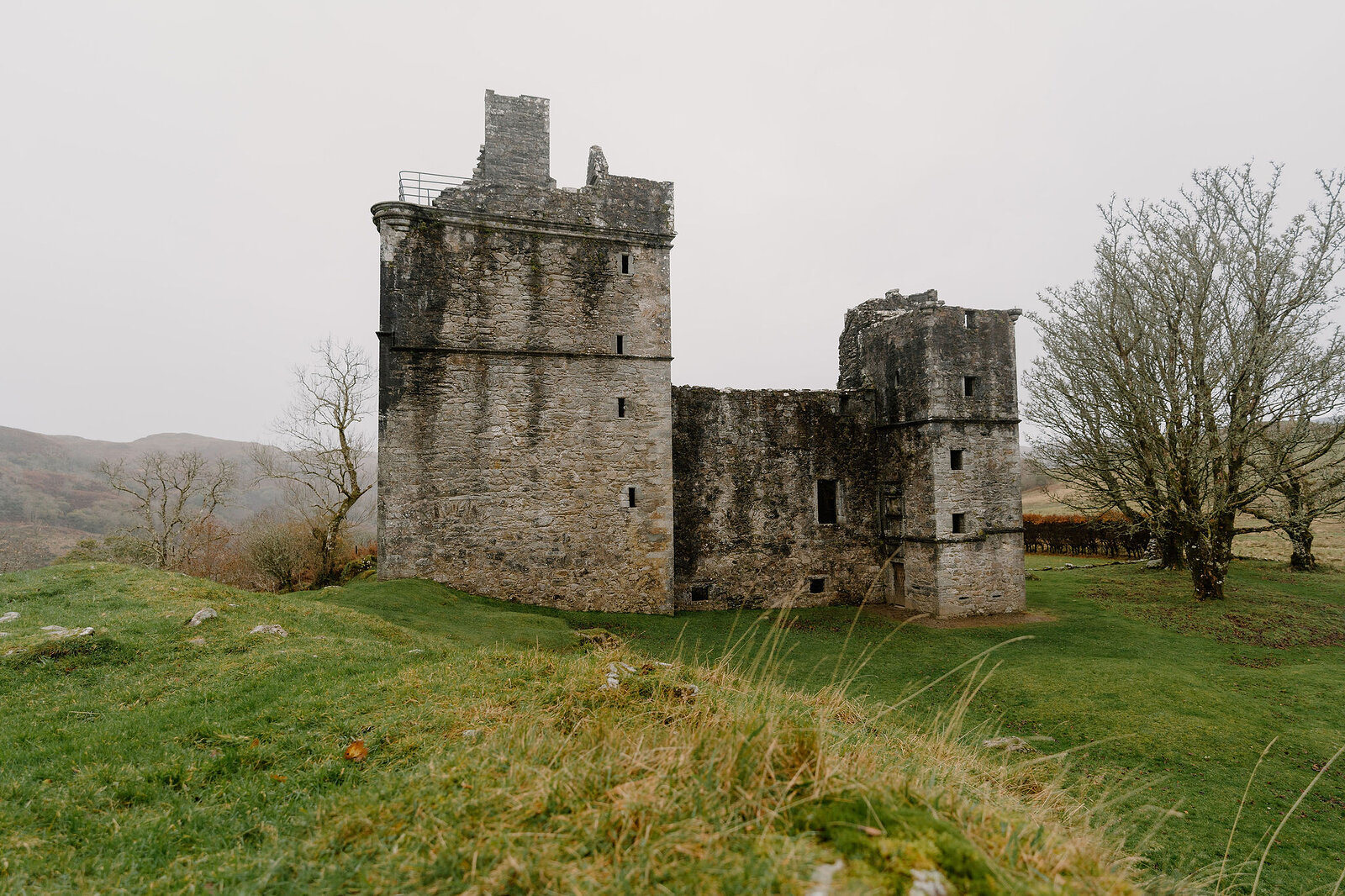
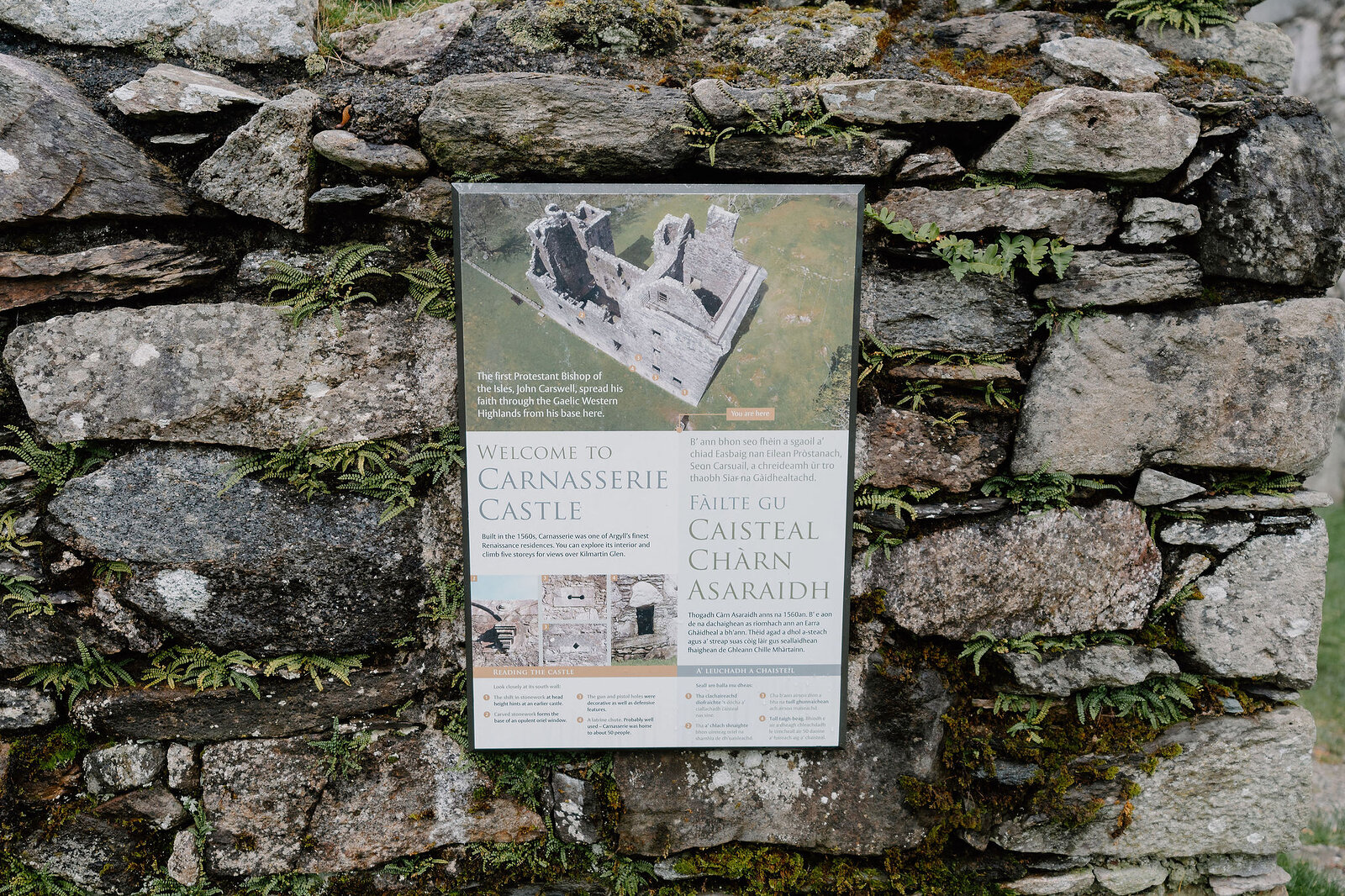
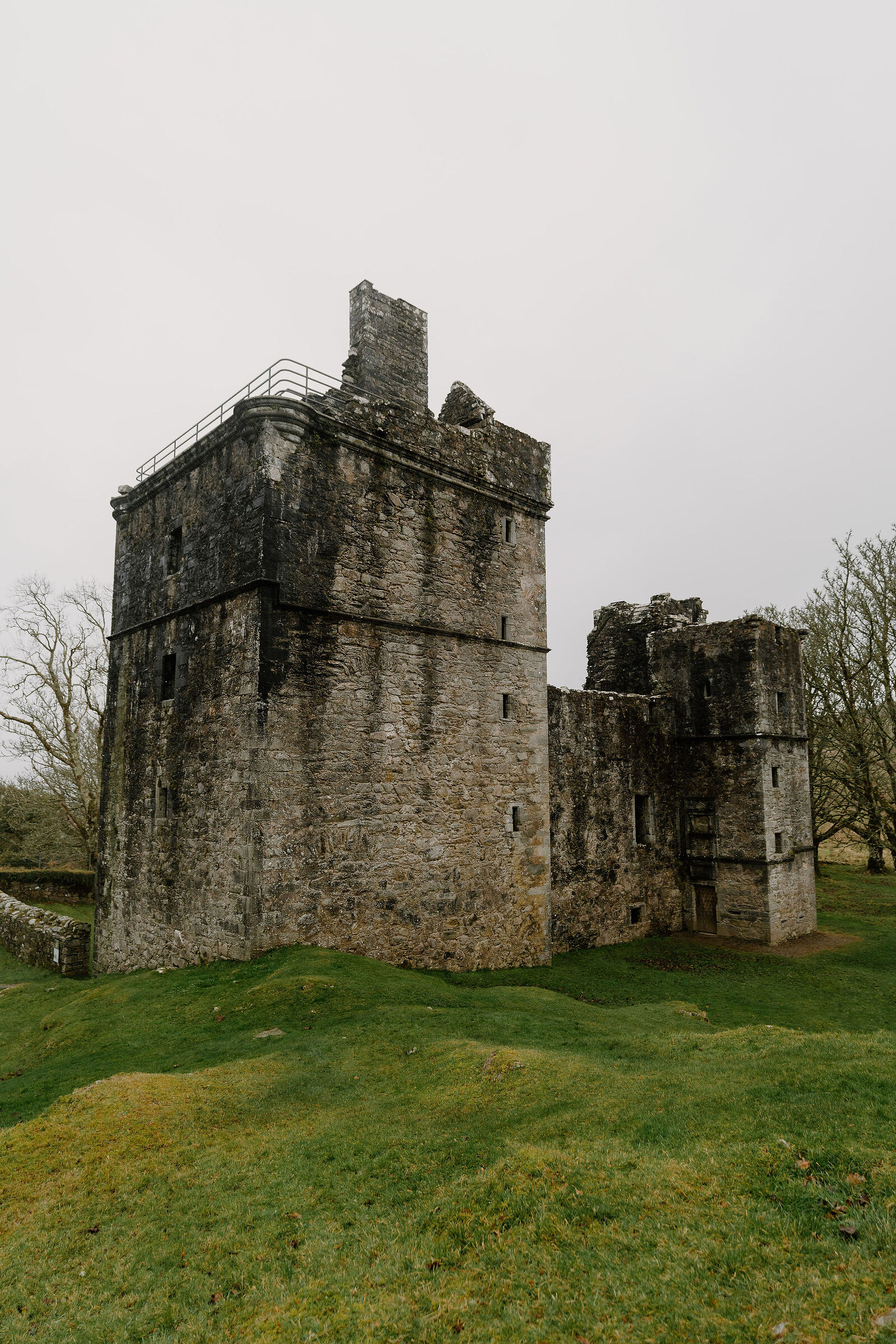
The Renaissance tower house of John Carswell, first Protestant Bishop of the Isles, at the head of Kilmartin Glen.
Carnasserie Castle stands on a rise at the head of Kilmartin Glen, looking down over one of the richest prehistoric landscapes in Scotland, and it was built as the home of John Carswell, the first Protestant Bishop of the Isles.
Visited and photographed by Simon Hird
The Earl of Argyll granted him the lands in 1559, just before the Reformation, and Carswell raised an accomplished house, joining a five-storey tower and a hall range into a single building, with finely carved Renaissance detail and gun-loops for defence.
Carswell made his name with his pen: his translation of John Knox's Book of Common Order, printed in 1567, was the first book printed in Gaelic. Over the door a Gaelic inscription asks God to be with Ó Duibhne, forebear of the Campbells. In 1685, during Argyll's rising against James VII, Royalist forces captured the castle and partly blew it up, and it has stood a roofless ruin ever since. Historic Environment Scotland looks after it, and you can wander freely through the tower and hall.
Carnasserie Castle is in the care of Historic Environment Scotland and is open to visit.
It stands on a rise at the head of Kilmartin Glen.
Been here? Tell others what you know, and the best go on this page with your name.
Add your reviewCarswell's translation of John Knox's Book of Common Order, printed in 1567, was the first book printed in Gaelic.
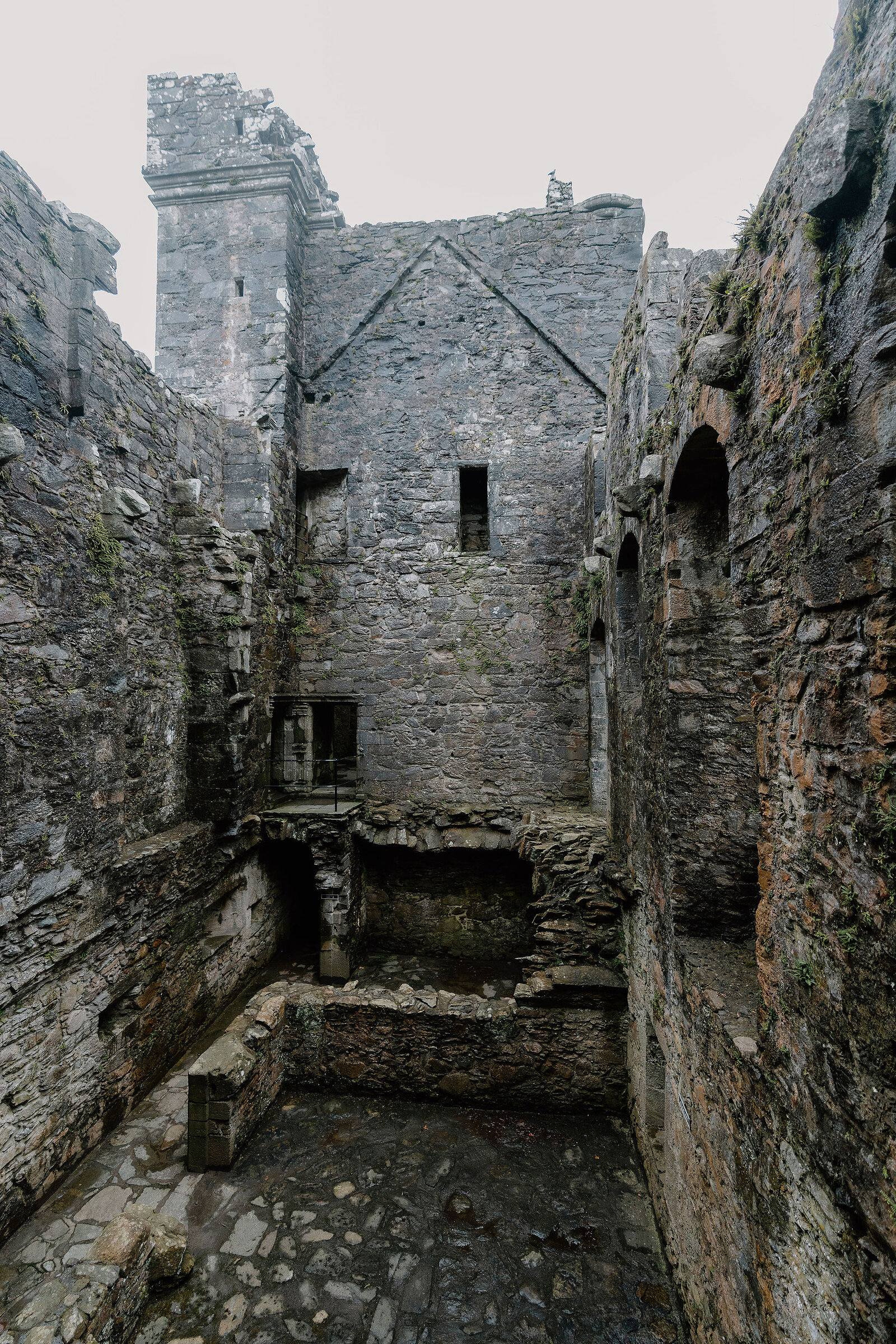
The Earl of Argyll granted the lands to his servant John Carswell, rector of Kilmartin, in 1559, just before the Reformation.
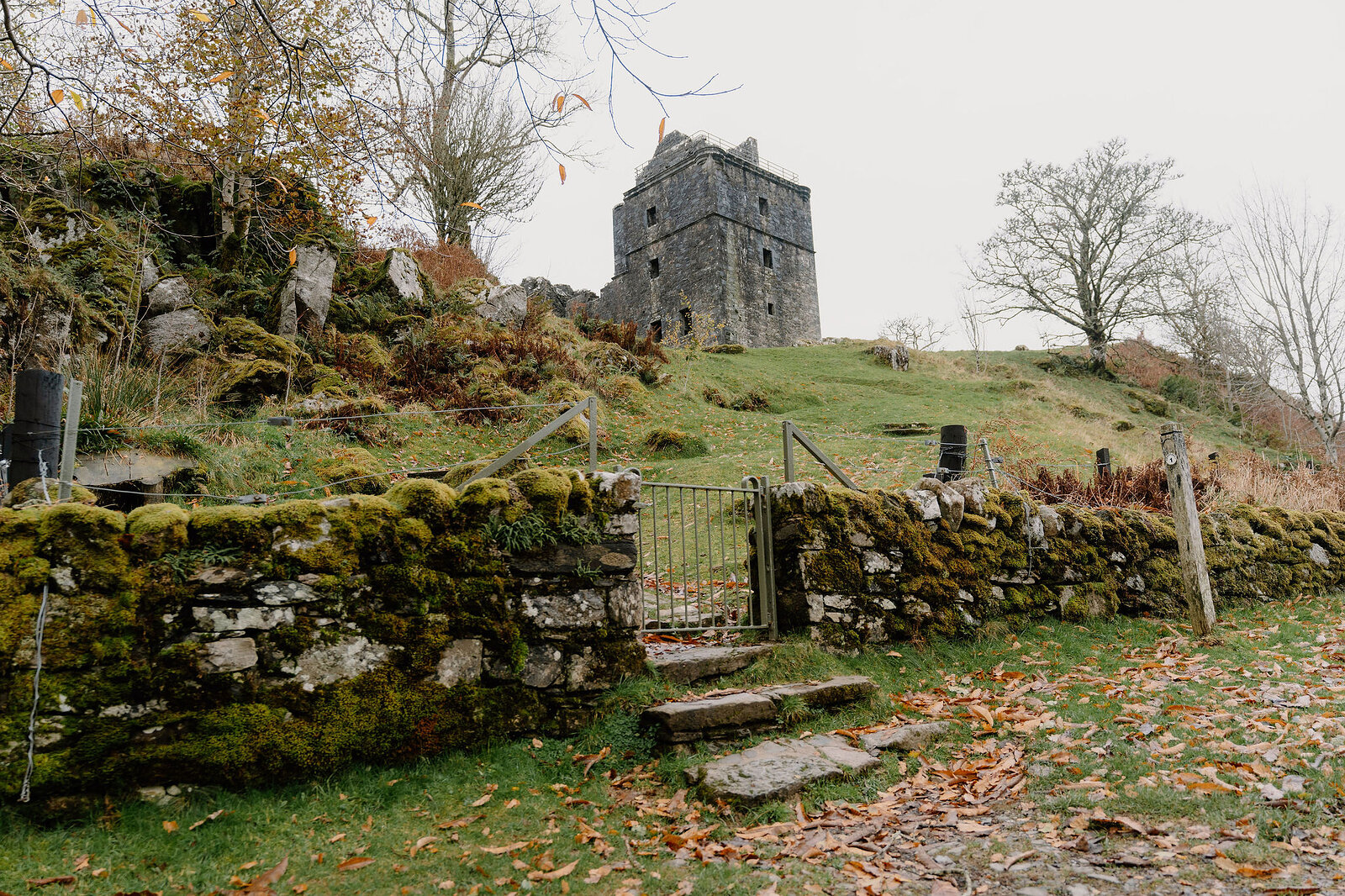
When Carswell died in 1572 he was carried 23 miles to be buried at Ardchattan Priory.
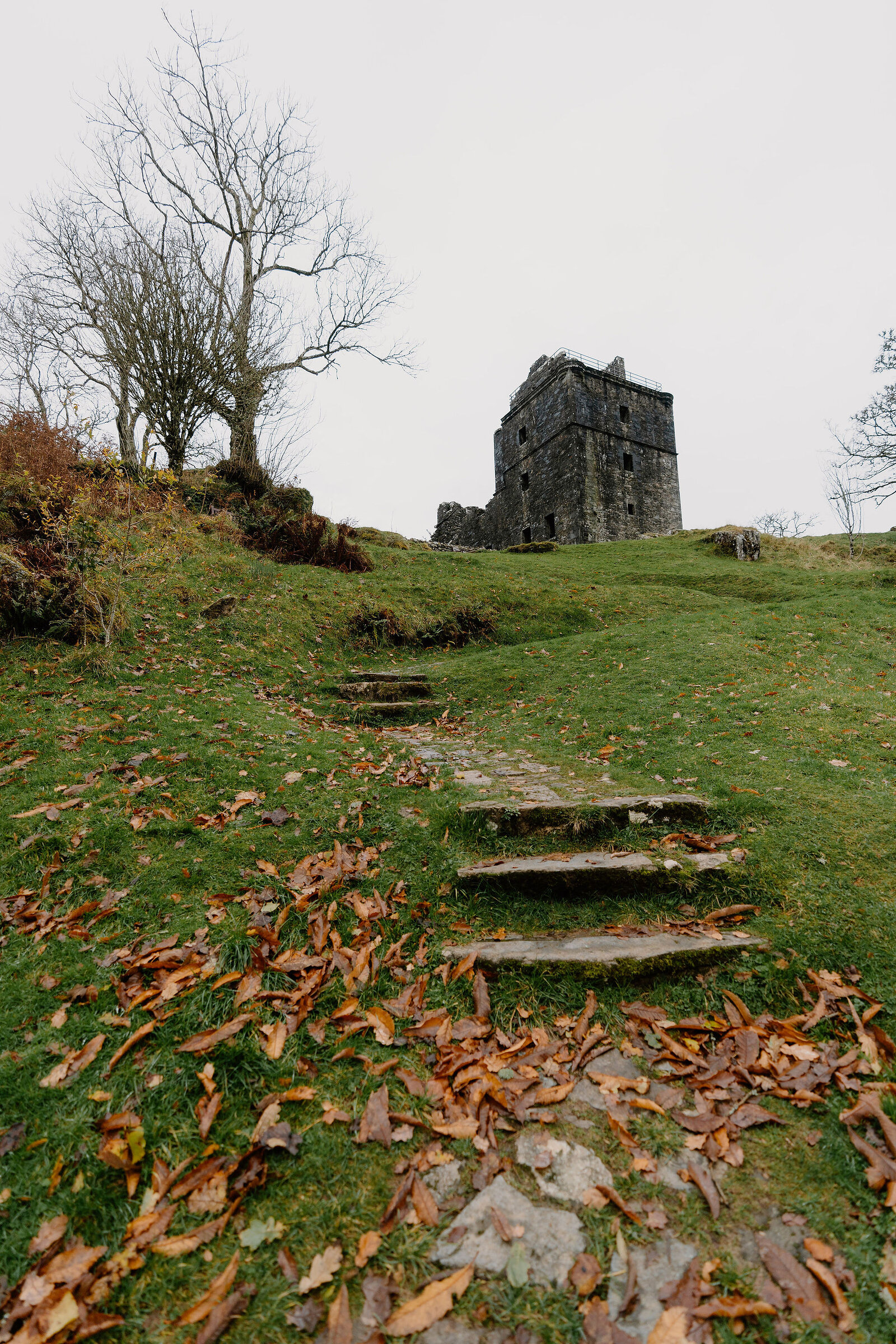
Royalist forces captured the castle and partly blew it up during Argyll's rebellion against James VII.
The Gaelic inscription over the entrance, DIA LE UA NDUIBHNE, asks God to be with Ó Duibhne, forebear of the Campbells.
New places, news and stories, as we find them.
What is on in Argyll and ButeThe head of Kilmartin Glen, Argyll.
 Kilmartin GlenOne of Scotland's richest prehistoric landscapes, with more than 800 monuments within six miles of Kilmartin and a museum to explain them.1 mile 2 min by road
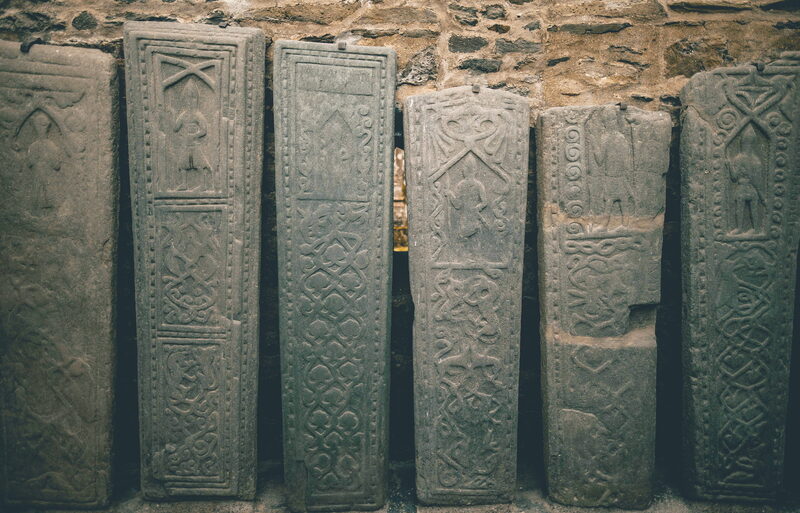
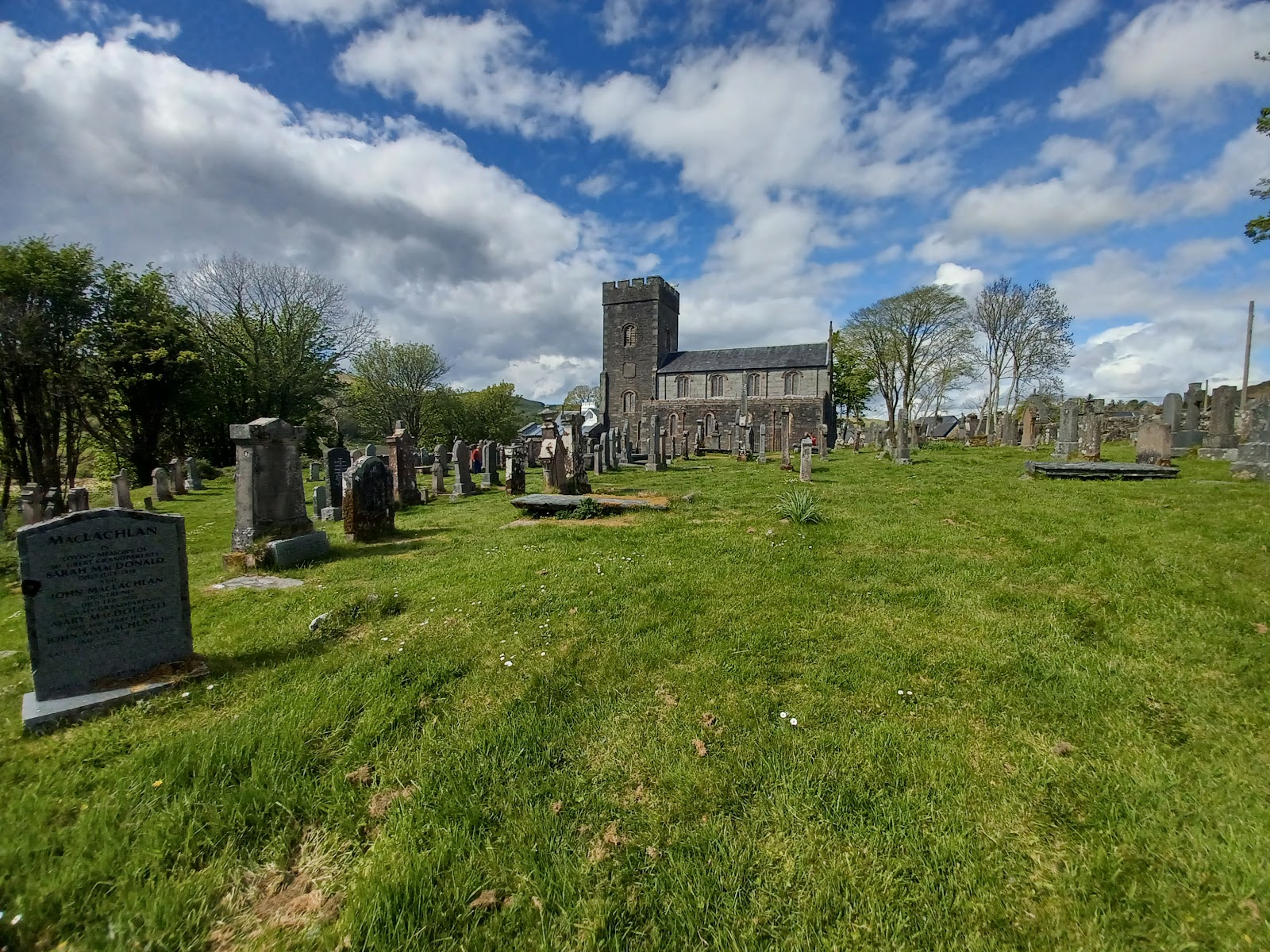 Kilmartin StonesMedieval West Highland grave slabs of warriors, swords and interlace in the churchyard at Kilmartin.1 mile 2 min by road
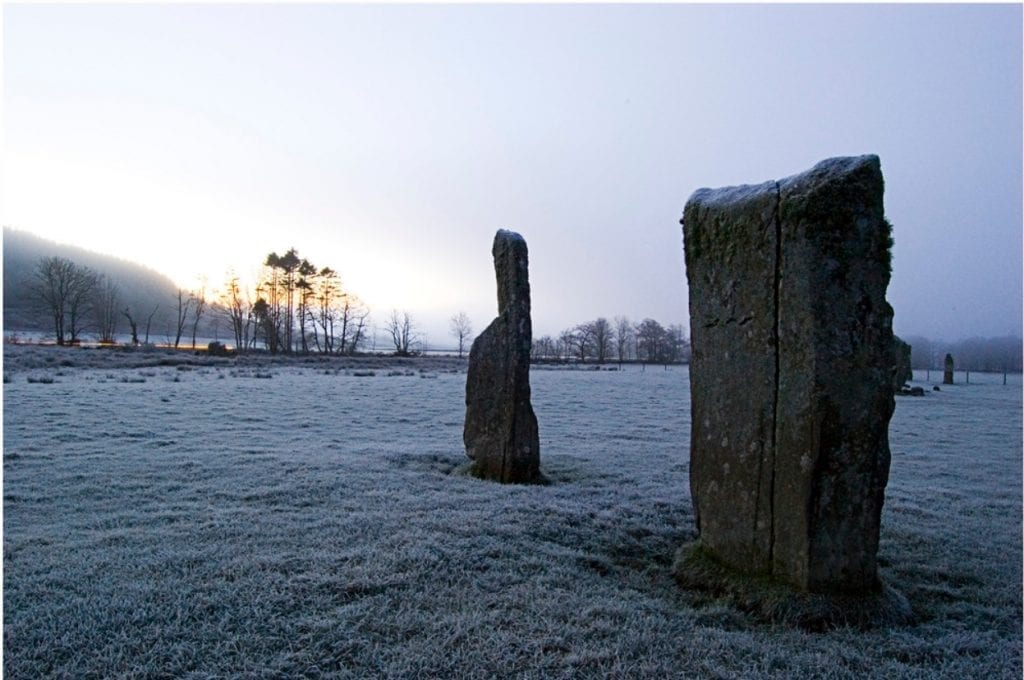
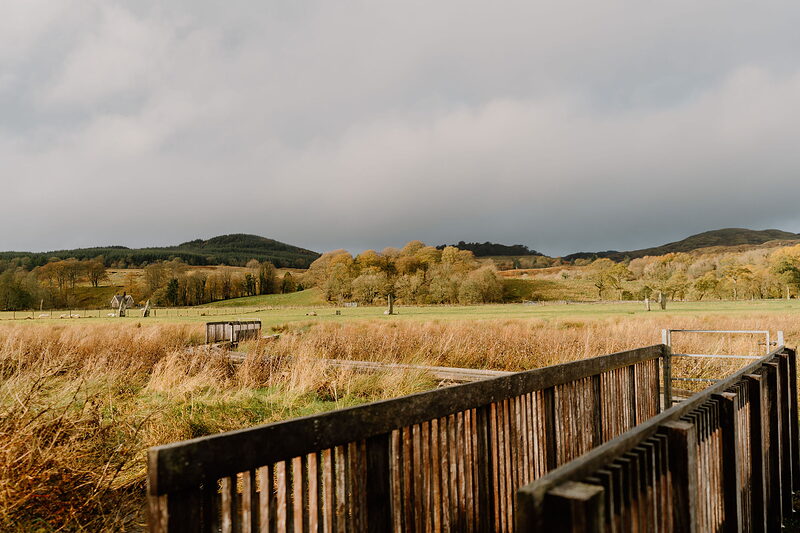 Nether Largie Standing StonesFive tall stones in Kilmartin Glen raised some 3,200 years ago, thought to mark the rising and setting of the moon.2 miles 3 min by road
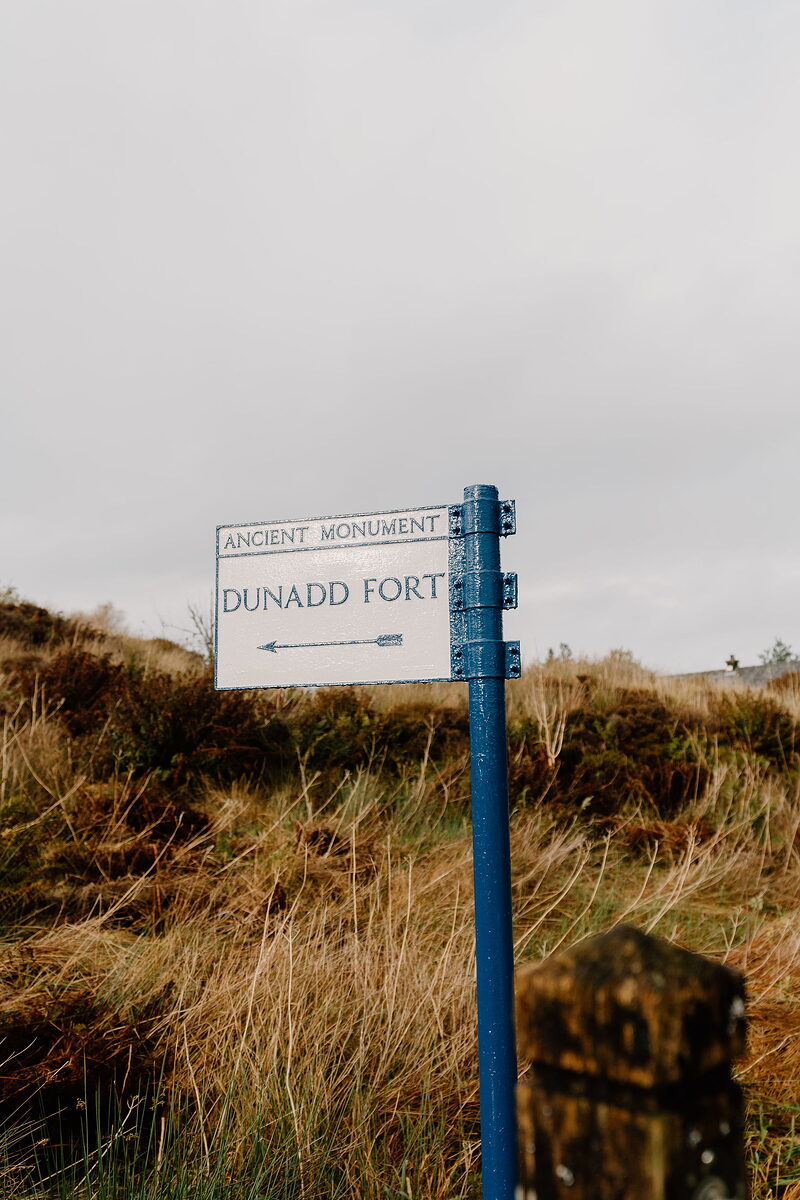 Dunadd FortThe rock of the Gaelic kings of Dál Riata in Kilmartin Glen, with footprints carved for the making of kings.5 miles 10 min by road
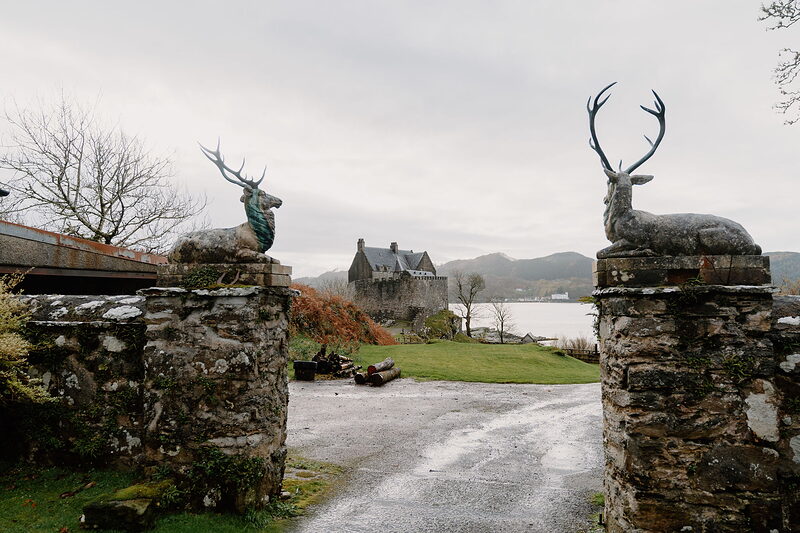 Duntrune CastleThought to be Scotland's oldest continuously occupied castle, on a rock above Loch Crinan, home of the Malcolms since 1792.6 miles 16 min by road
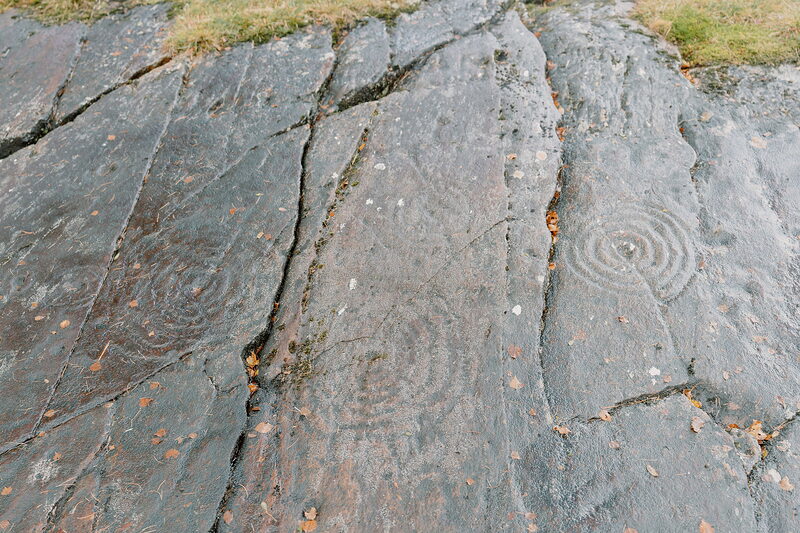 Achnabreck Rock ArtCup and ring marks carved into the rock some 5,000 years ago, among the finest prehistoric rock art in Scotland.8 miles 12 min by road
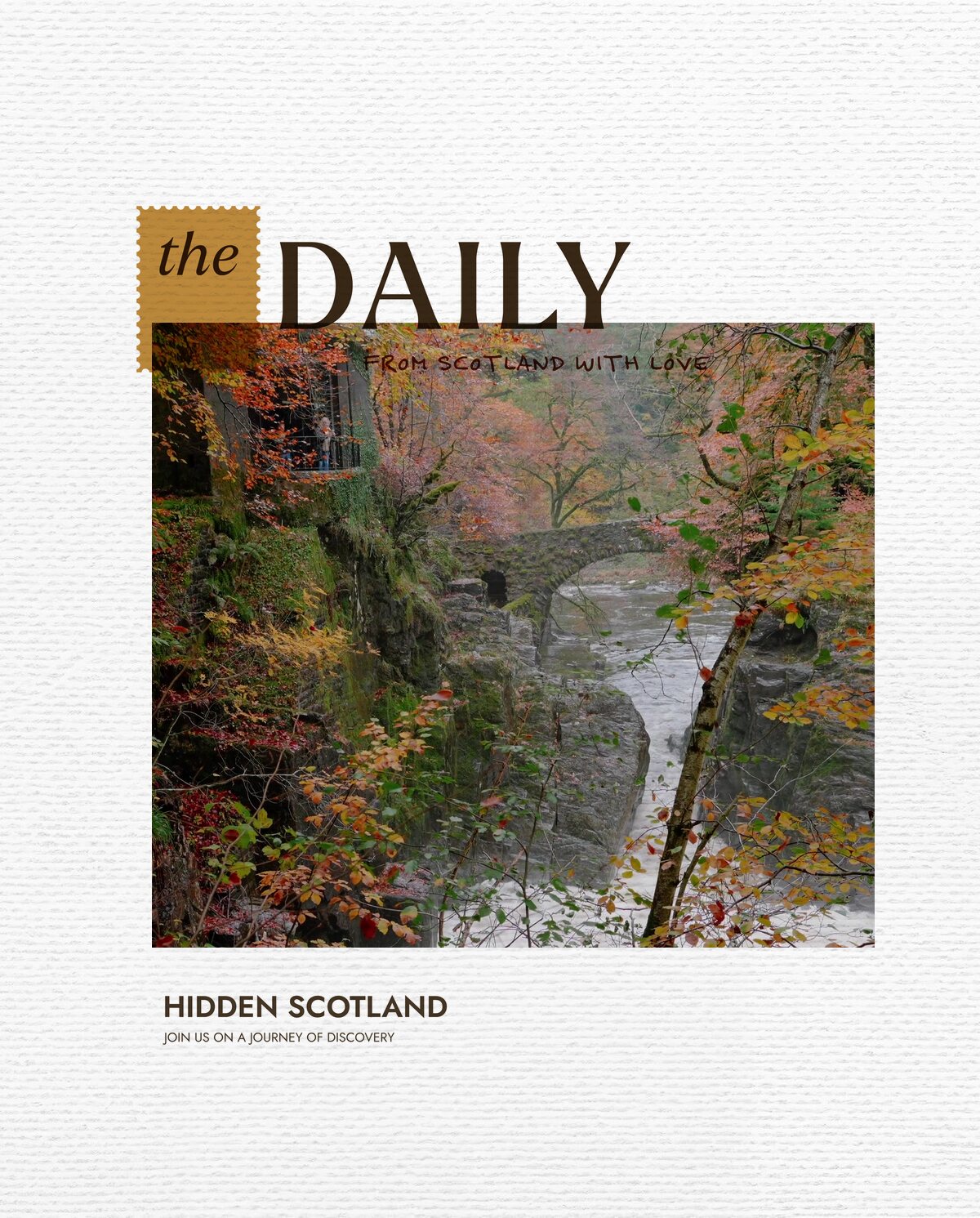
Arrives at 5am every day.
A free morning email to see what’s on this week, catch up on what’s happening in Scotland and find somewhere new to go.
Places to stay near the castle, and when each is next free.
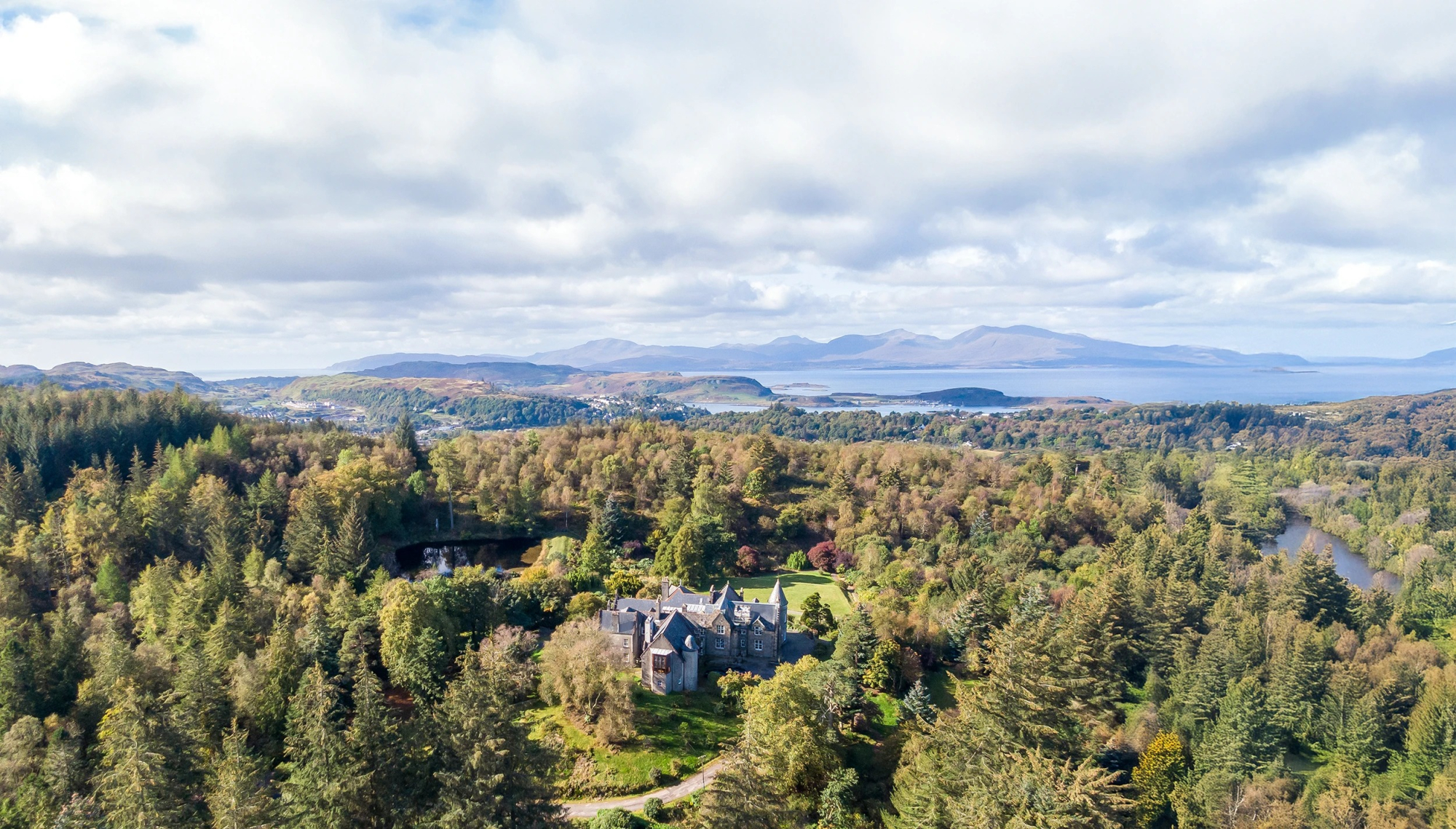 Glencruitten House
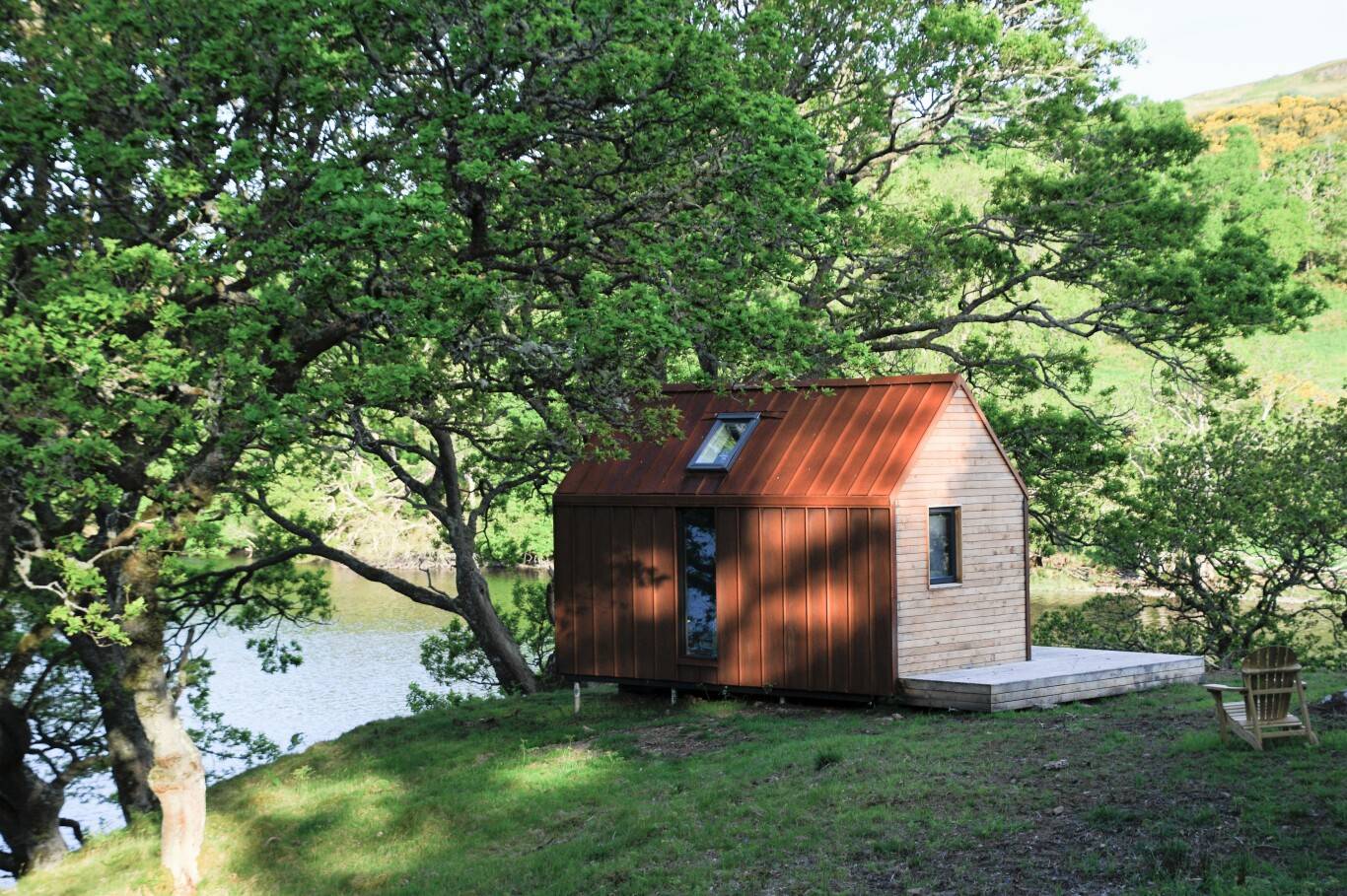 Uisge Bothy
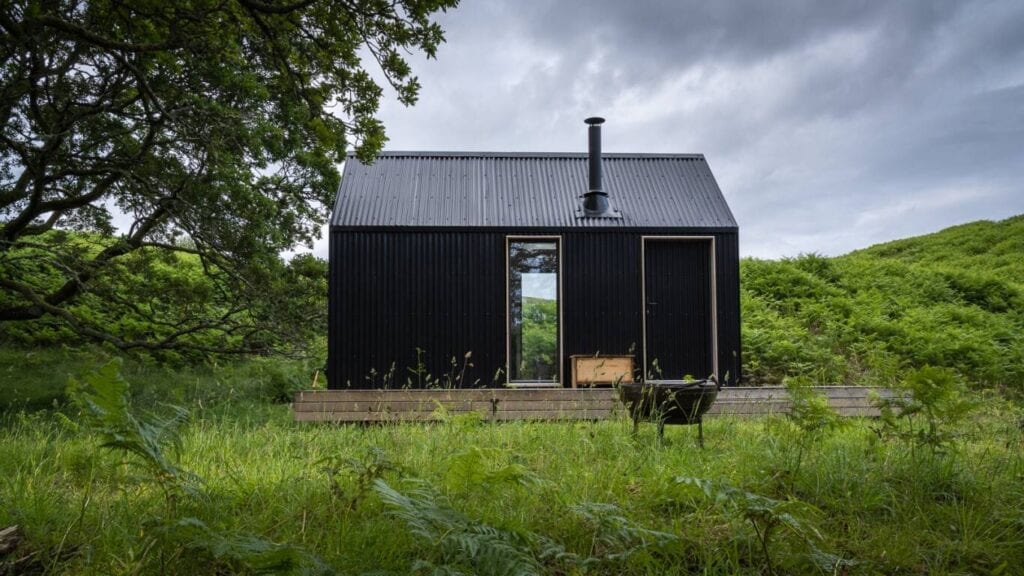 Beatha
 Fern Cottage
We want to show you the best that Scotland has to offer. The makers and the creatives, the enduring experiences, the evocative tales, the concealed corners. The roads less travelled that take you to places that matter. The adventures that gather you up and sweep you away. The blend of the wild and the artistic that makes Scotland what it is. We’d love for you to join us.
What we have written about it and more in Argyll and Bute.
For further reading, before you go. The details on this page were checked on .