Glenmorangie Distillery and Tain: A Highland Day Out

Written by Hidden Scotland
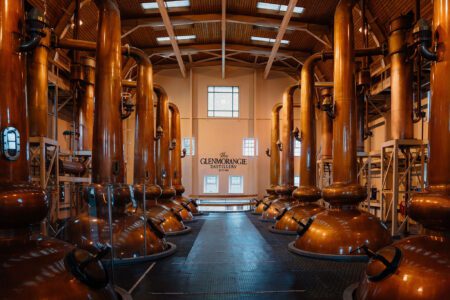
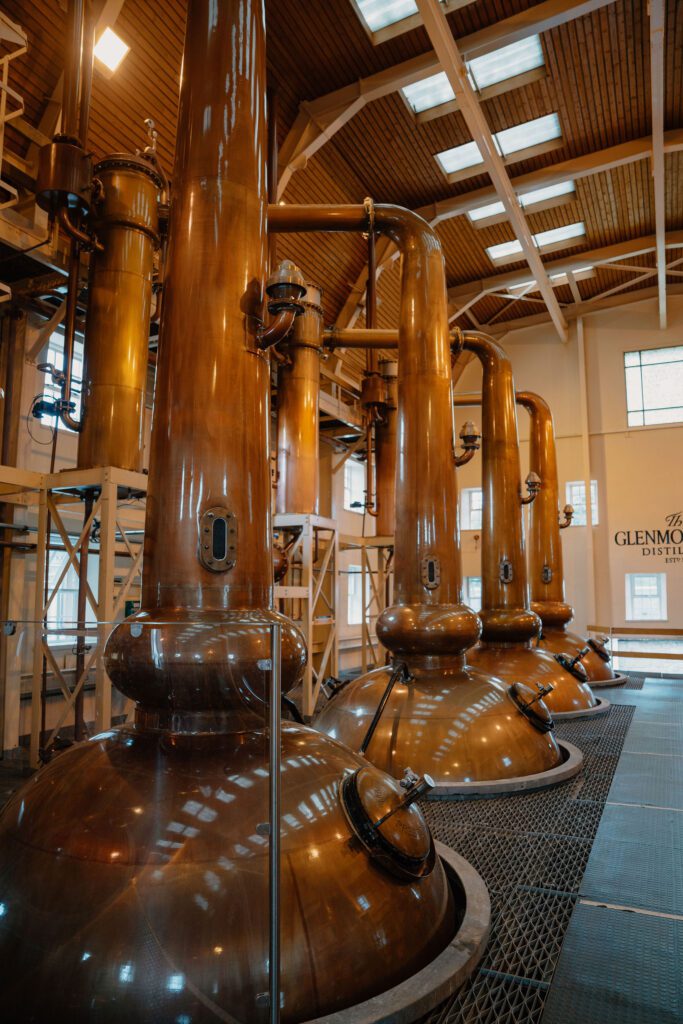
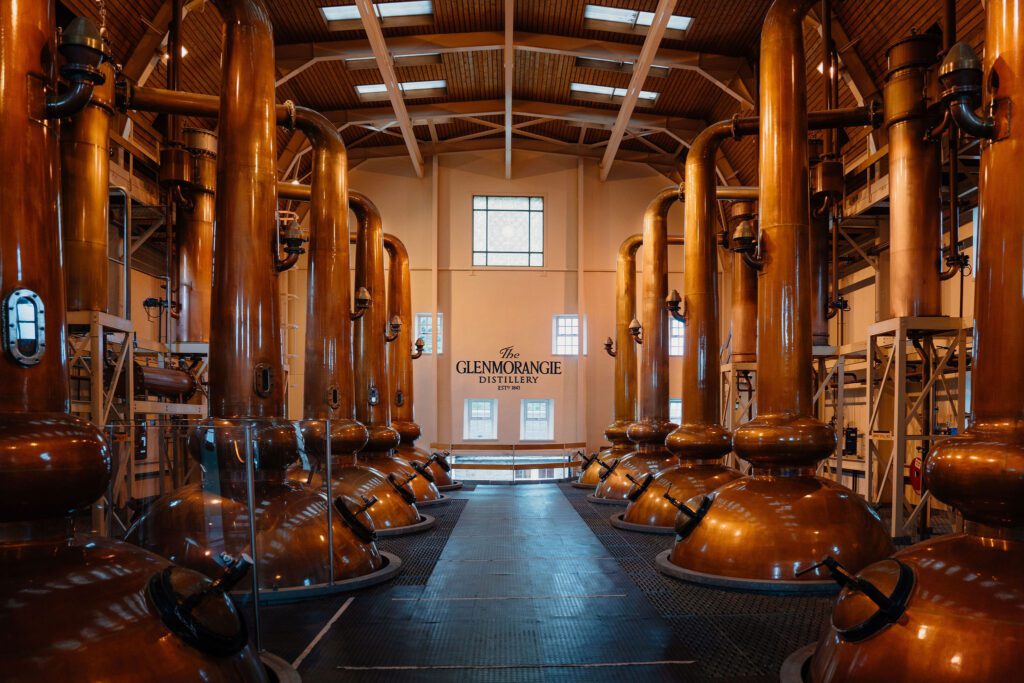
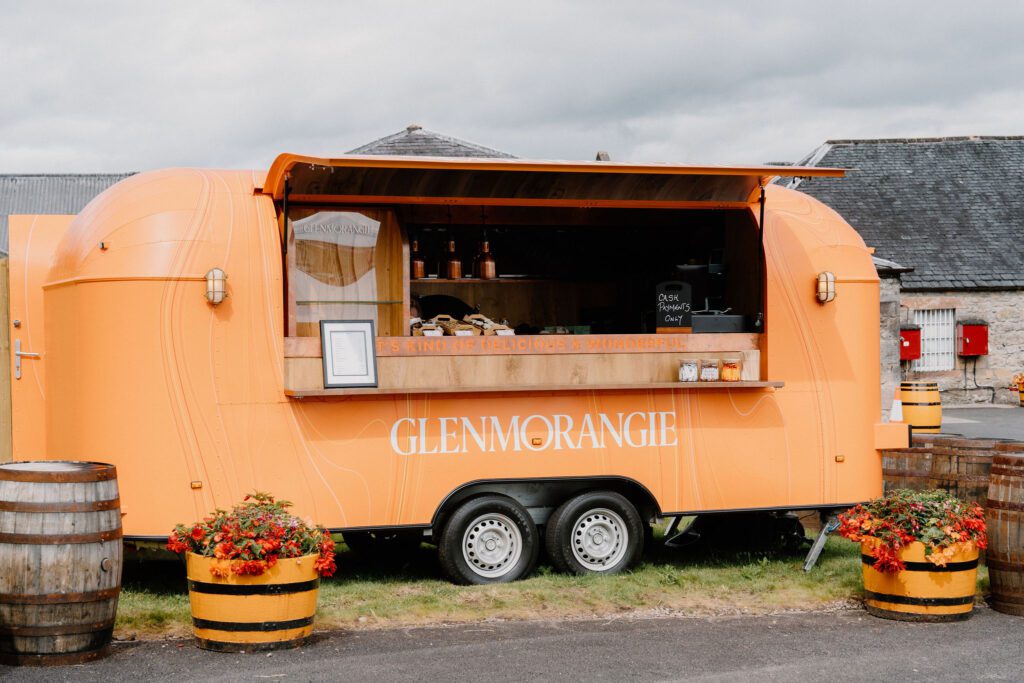
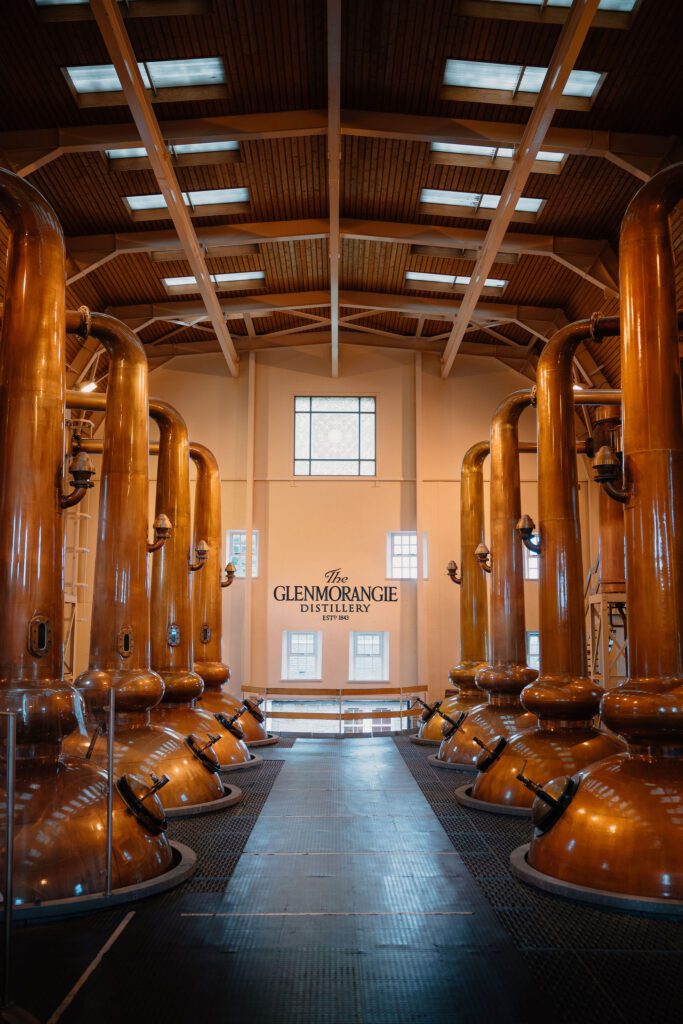
This is a day that ties together whisky, carved stone, and one of Scotland’s oldest towns. From Newhall Mains it is a short drive north, crossing the firth and following the road into Easter Ross. The first stop is Glenmorangie Distillery, where whisky has been made since the 1840s. The still house is striking for its height, with copper stills that rise above the floor and give the spirit its distinct light style. A guided tour explains each stage of the process, and the visit ends with a tasting of whiskies only available on site.
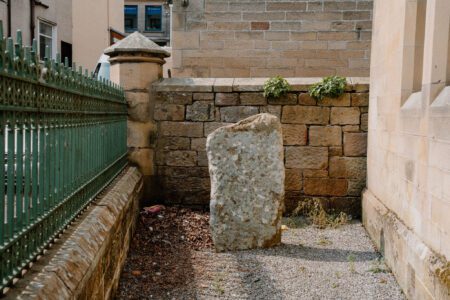
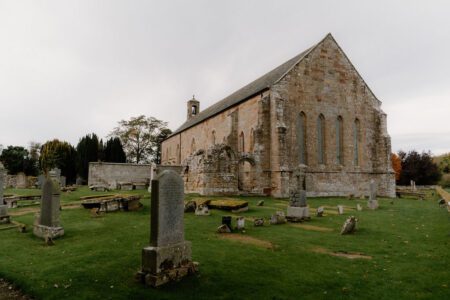
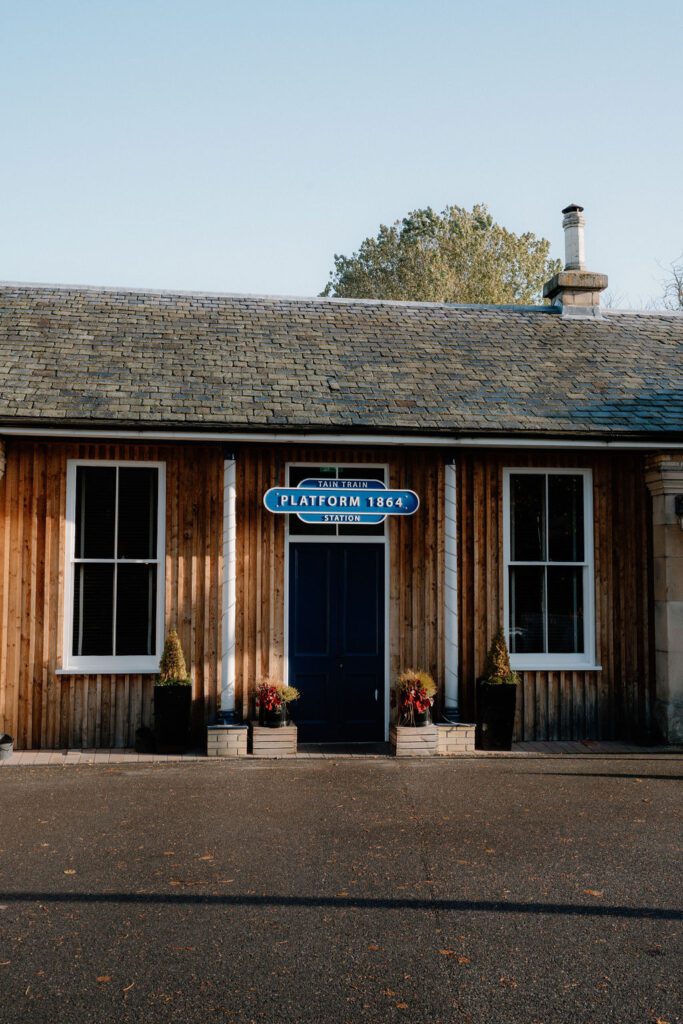
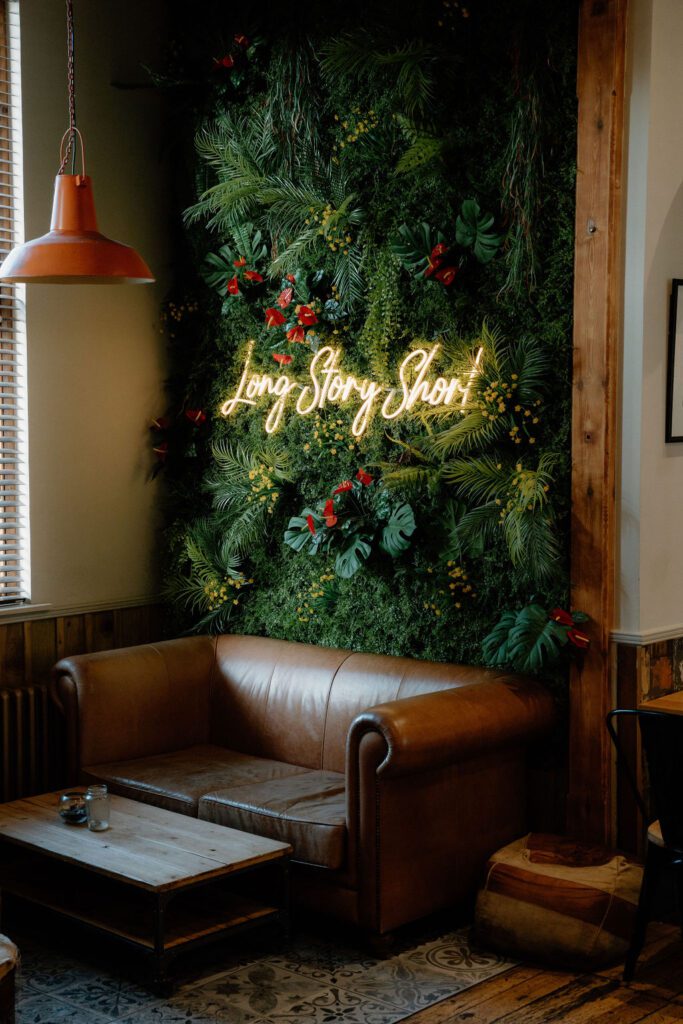
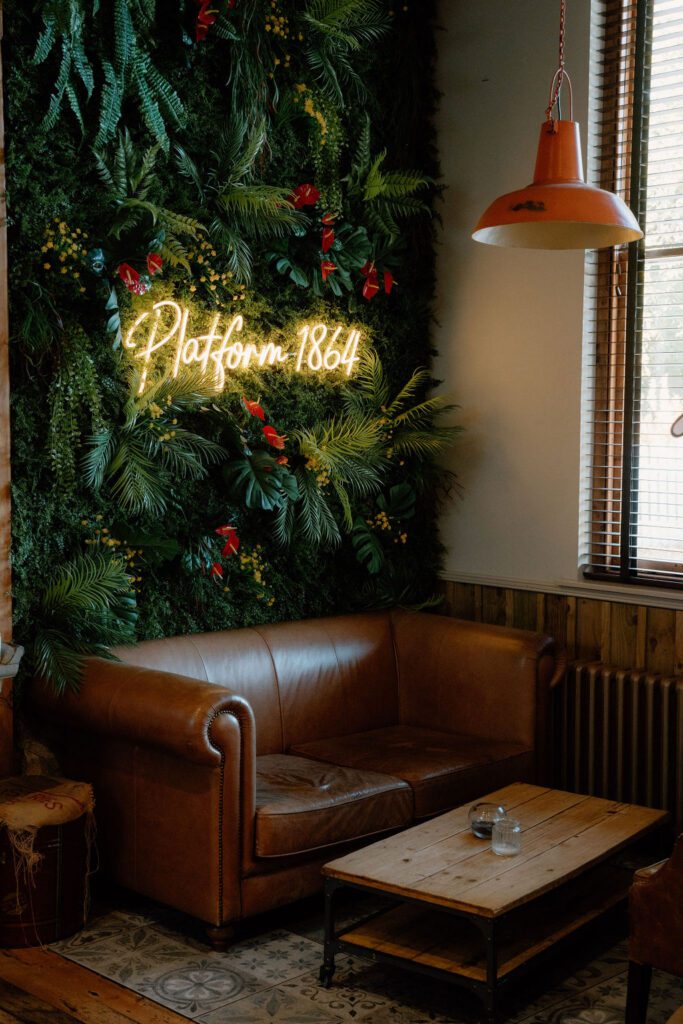
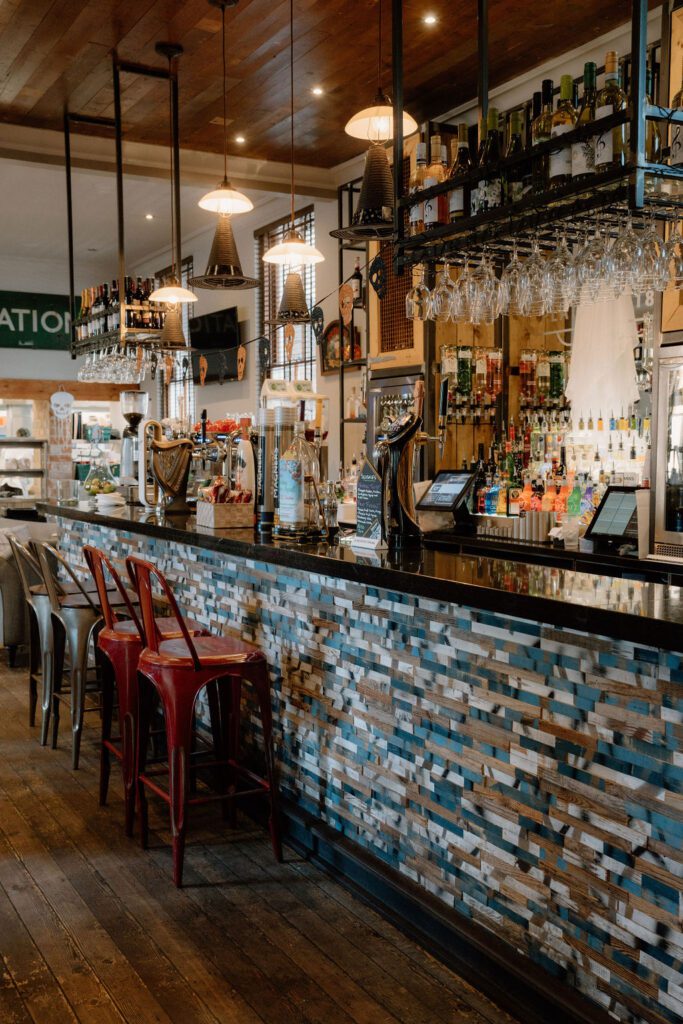
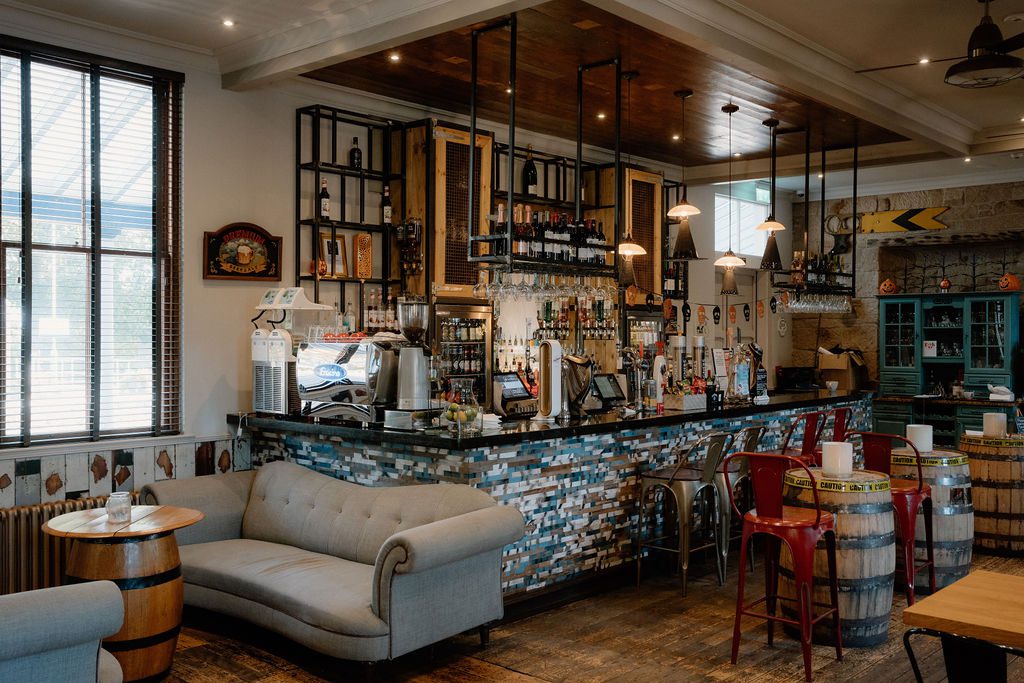
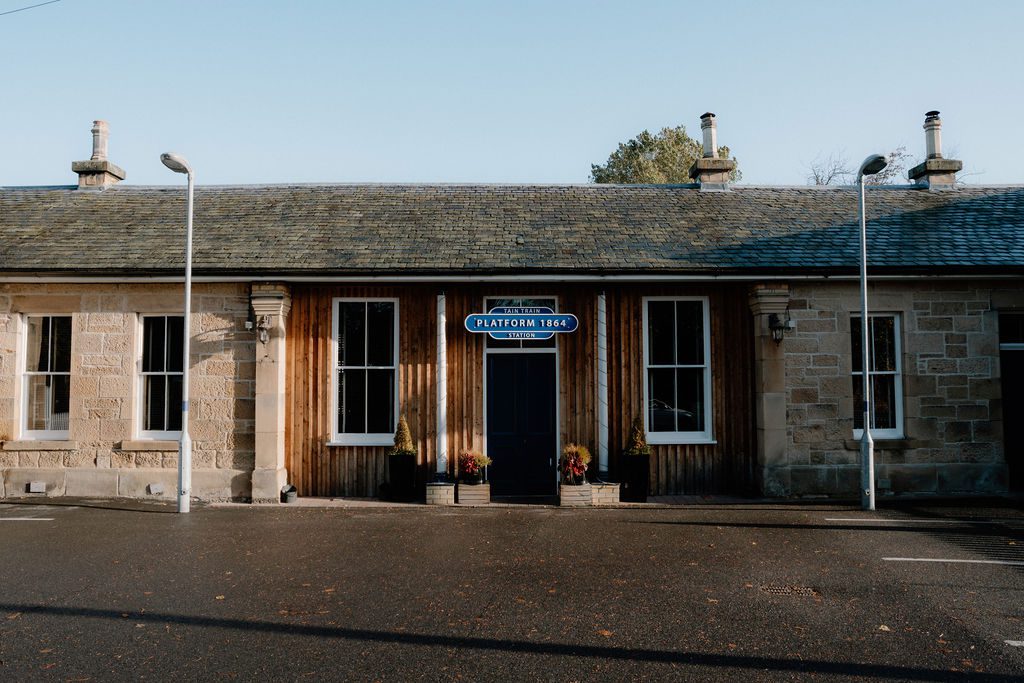
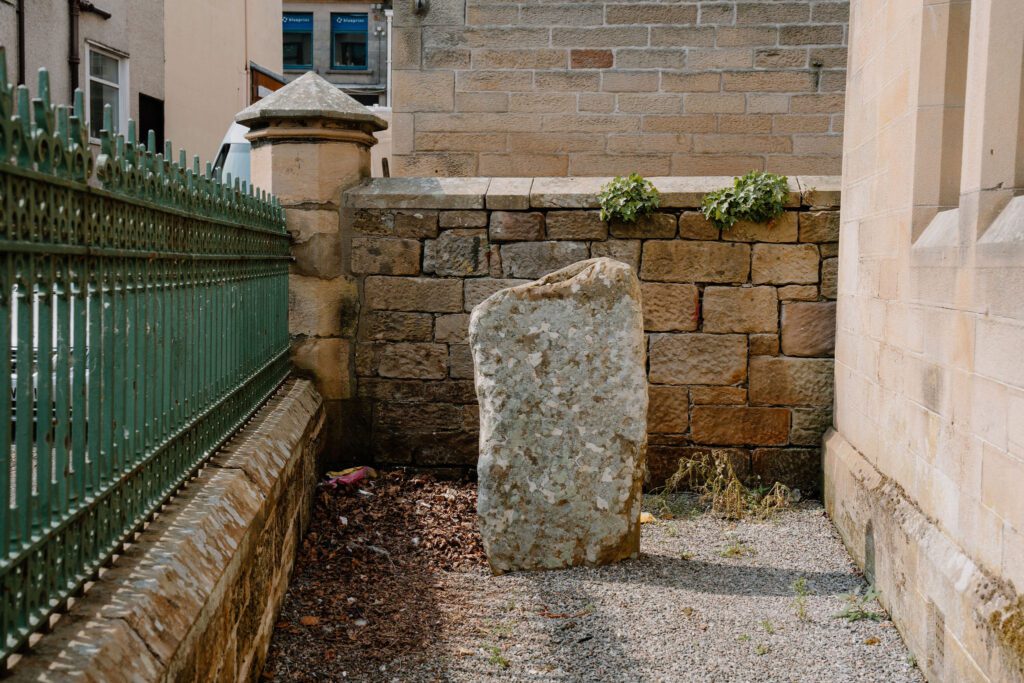
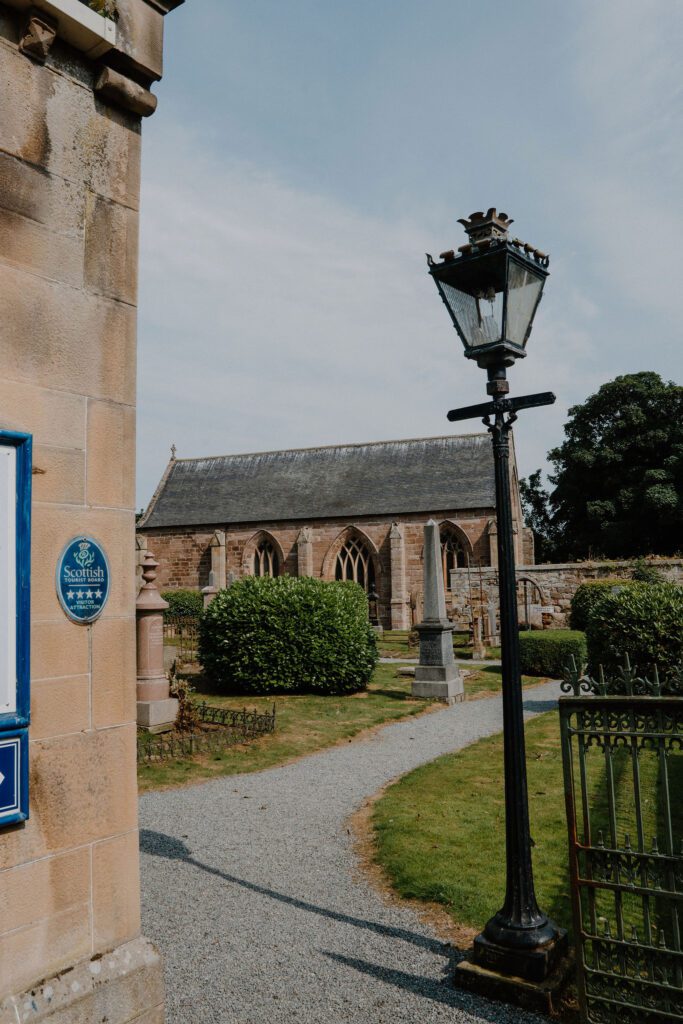
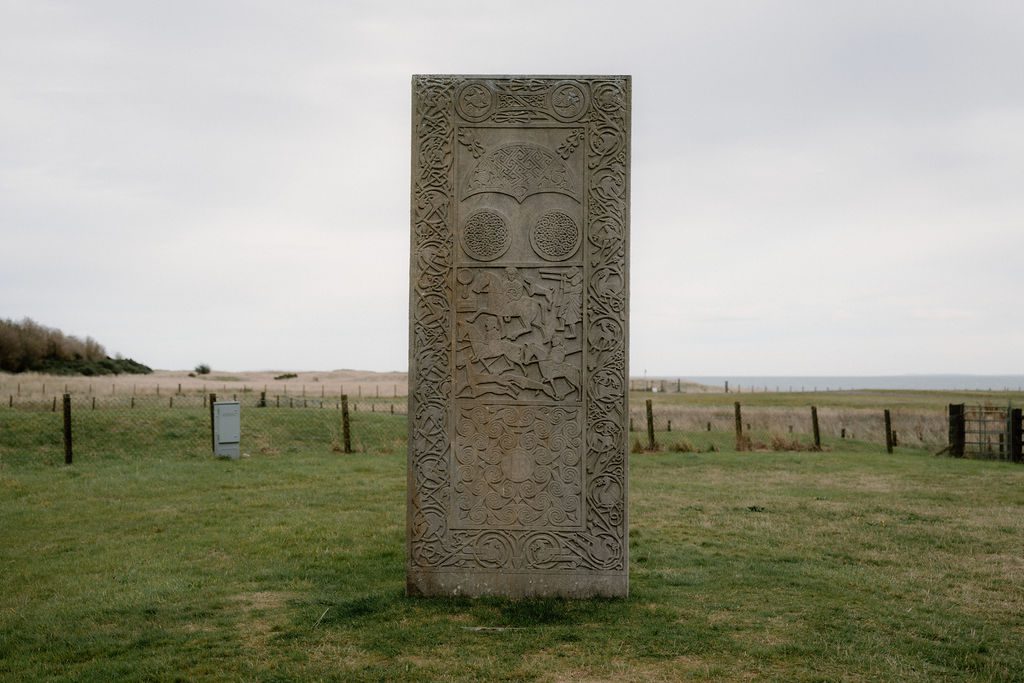
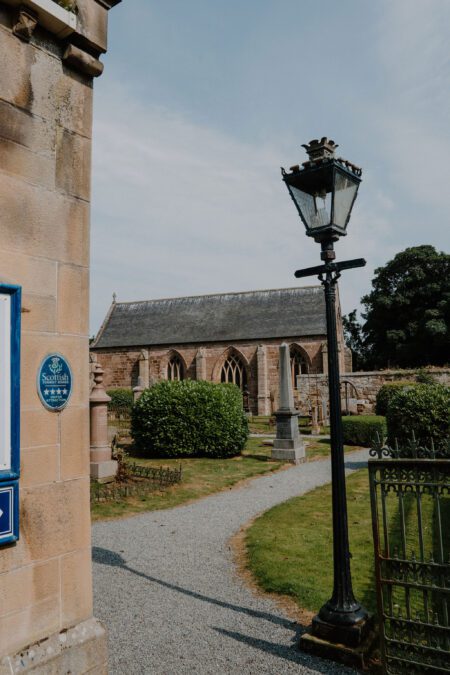
From there the route carries you into Tain, Scotland’s oldest royal burgh. Lunch comes first, either in the restored Platform 1864 railway station or in one of the smaller cafés on the High Street. The town itself is compact, so everything can be reached on foot once you’ve parked. After eating, step into the churchyard to see St Duthac’s Collegiate Church, once a place of pilgrimage for kings, and the Ardjachie Stone with its layered carvings from the Bronze Age and the Pictish period. The Tain Museum, part of the Tain Through Time heritage centre, adds further detail with collections that cover local clans, medieval artefacts, and the wider story of the town.
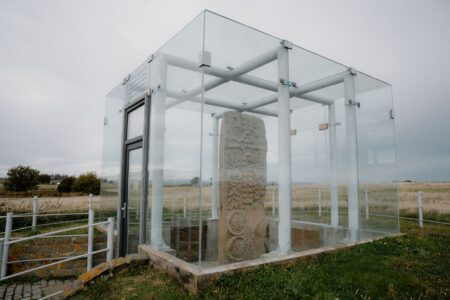
The day finishes at the coast, east of Tain, where the replica of the Hilton of Cadboll Stone stands by chapel ruins above the Moray Firth. It is a reminder of the artistry of the Picts, set against a backdrop of sea and sky before you return to Newhall Mains.
Glenmorangie Distillery
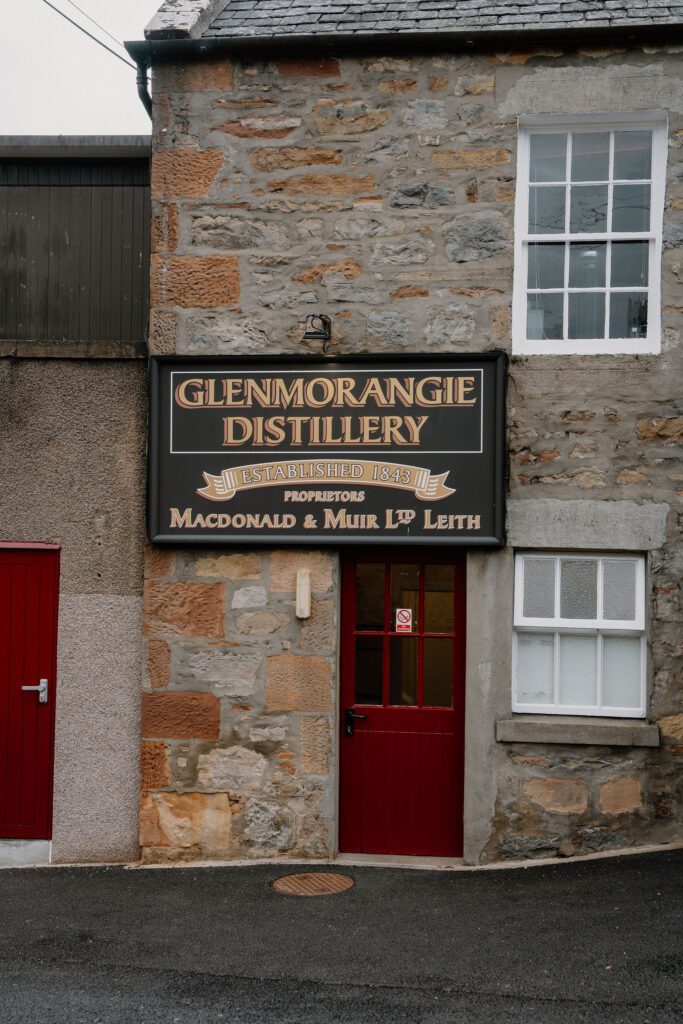
The day begins on the edge of the Dornoch Firth at Glenmorangie Distillery, a name that carries far beyond the Highlands. The site has been in operation since 1843, and the still house here is famous for its height. The copper stills rise tall above the floor, producing a light...
Lunch in Tain
After the morning at Glenmorangie, drive north into Tain for lunch. The town centre has a couple of dependable options within easy reach of the churchyard and museum, so you won’t need to move the car once you’ve parked.
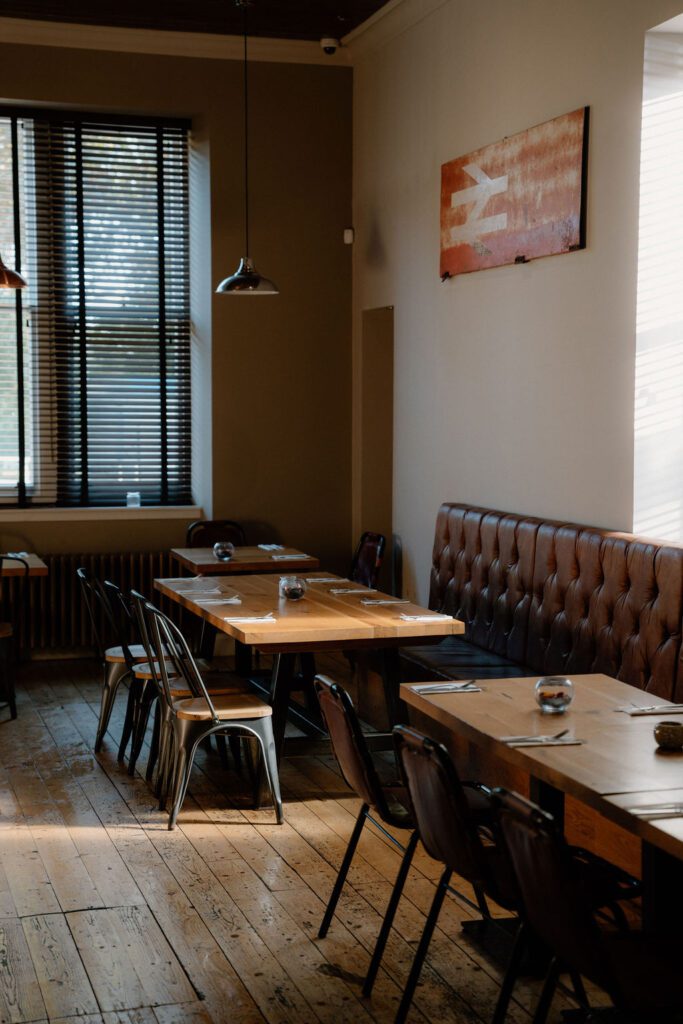
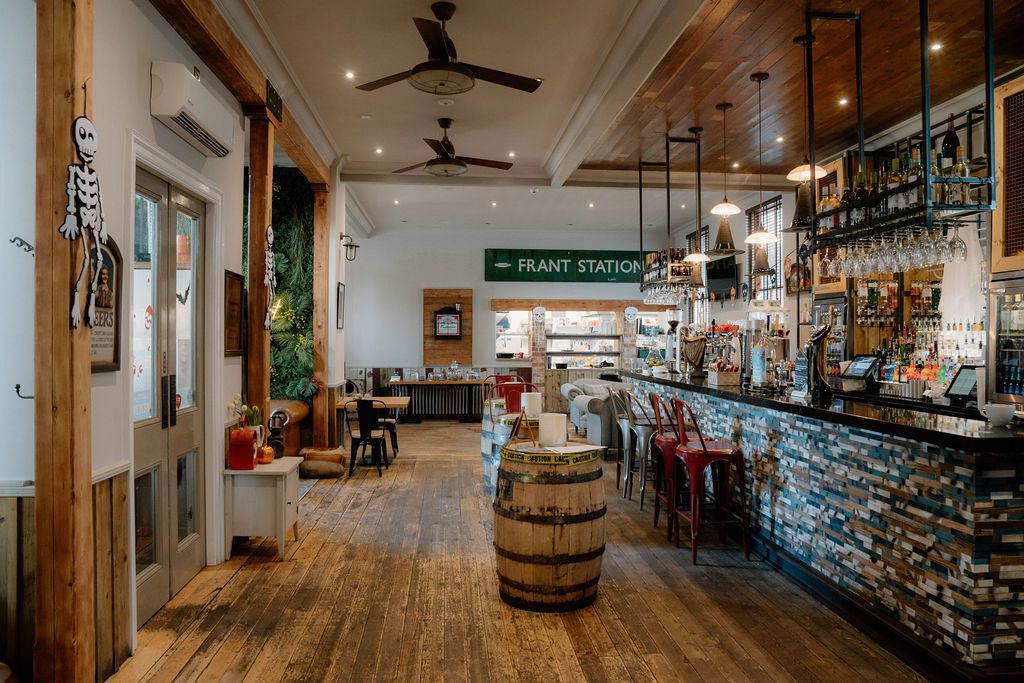
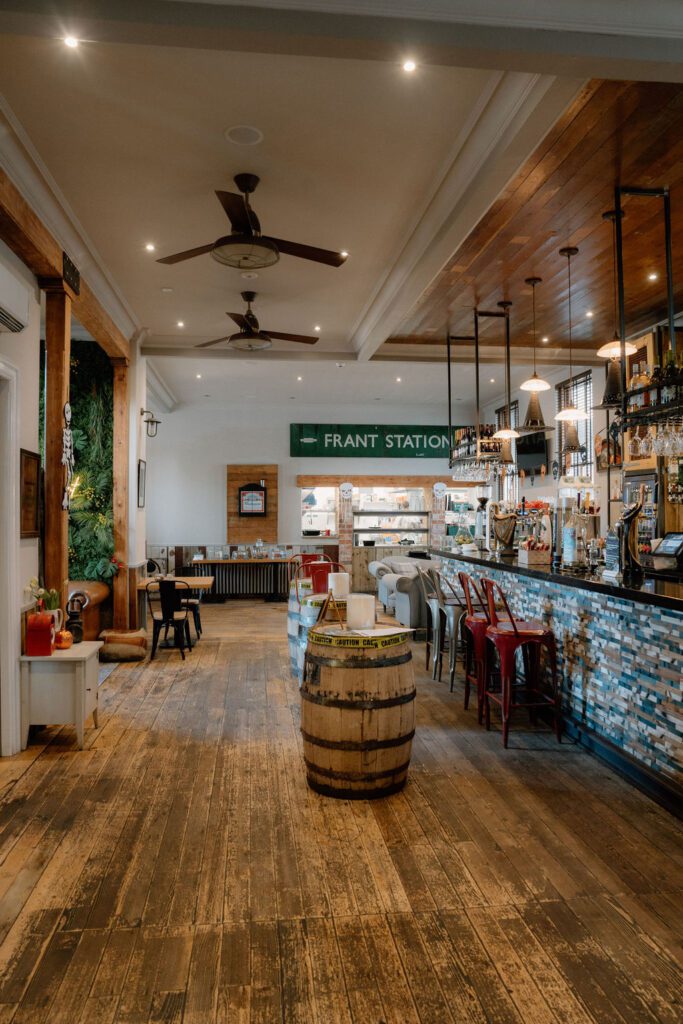
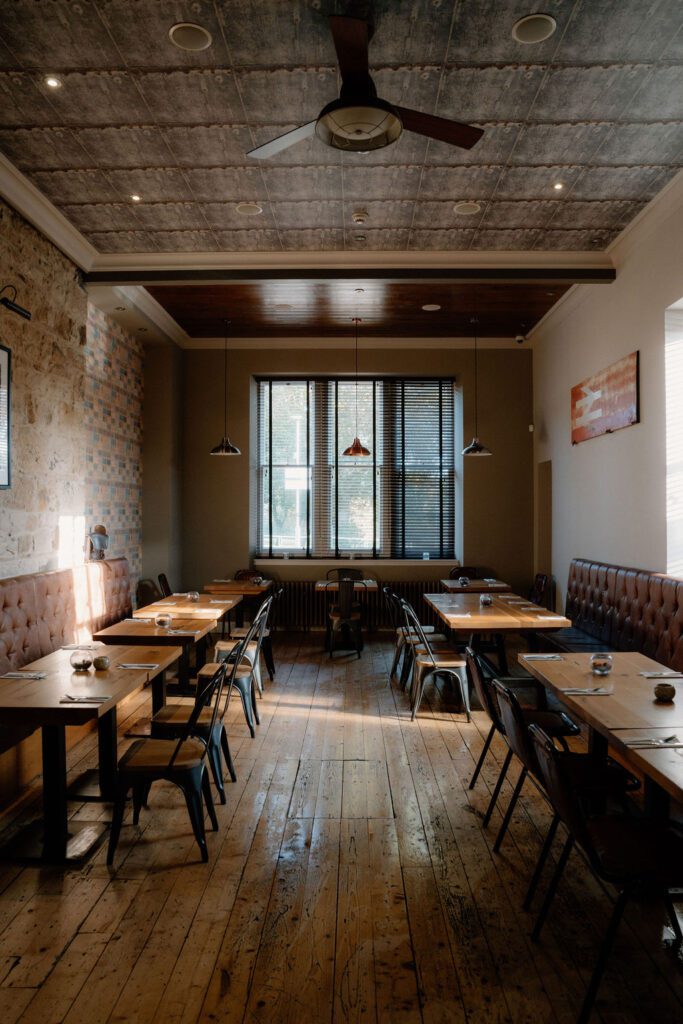
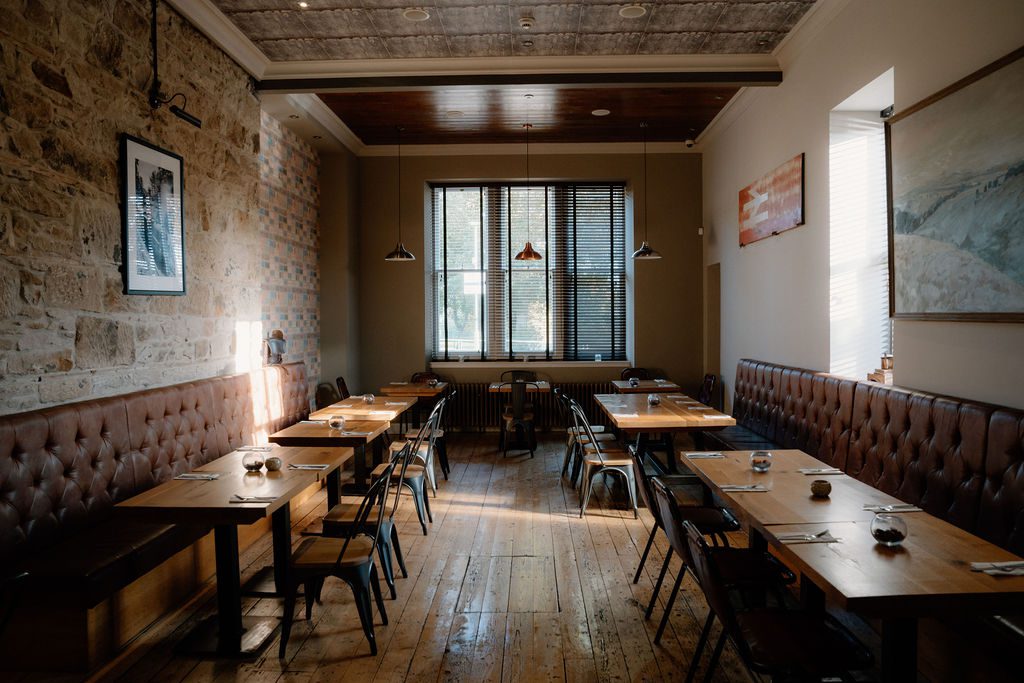
Platform 1864 is the main choice if you want a sit-down meal....
Tain Museum
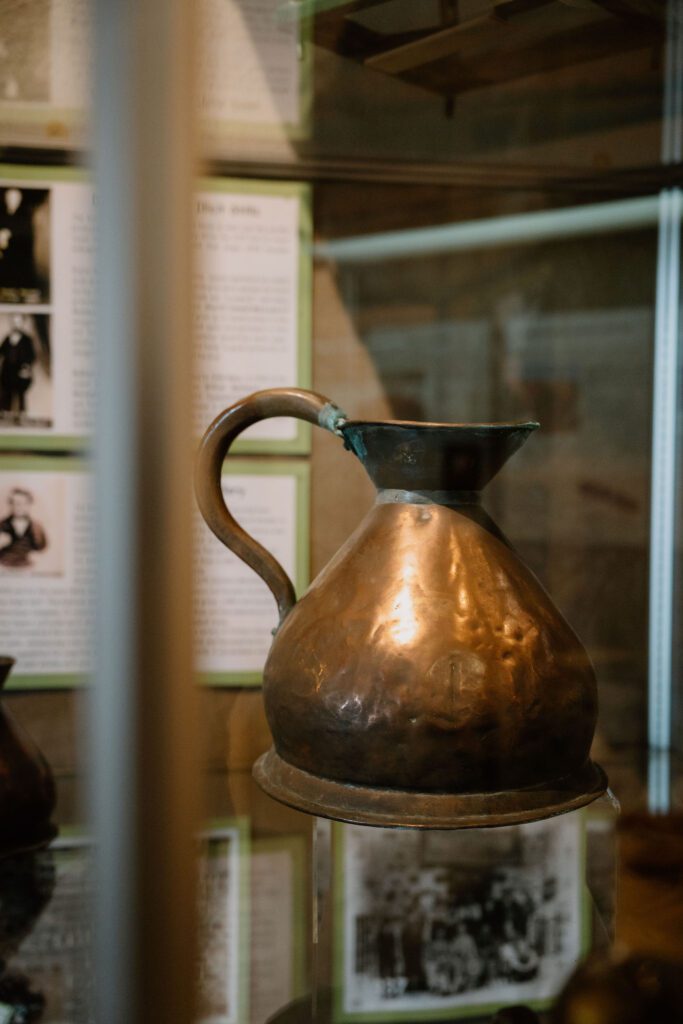
After visiting the churchyard, step inside Tain Museum, part of the broader heritage experience known as Tain Through Time. This small, community-run museum is packed with objects that tell the story of Scotland’s oldest royal burgh. The collection spans Pictish carved stones, medieval relics, Jacobite artefacts, and silverwork that speaks...
Hilton of Cadboll Stone Replica
Leave Tain and drive east to the seaward edge of the village of Hilton of Cadboll. Park near the chapel ruins and follow the short path to the coast. The ground here feels open, with the Moray Firth stretching wide in front of you, and seabirds lifting on the wind.
At...
Restaurants on the route
Shops on the route
Accommodation nearby
Attraction nearby
Glenmorangie Distillery


The day begins on the edge of the Dornoch Firth at Glenmorangie Distillery, a name that carries far beyond the Highlands. The site has been in operation since 1843, and the still house here is famous for its height. The copper stills rise tall above the floor, producing a light and floral spirit that has become the hallmark of Glenmorangie’s style.
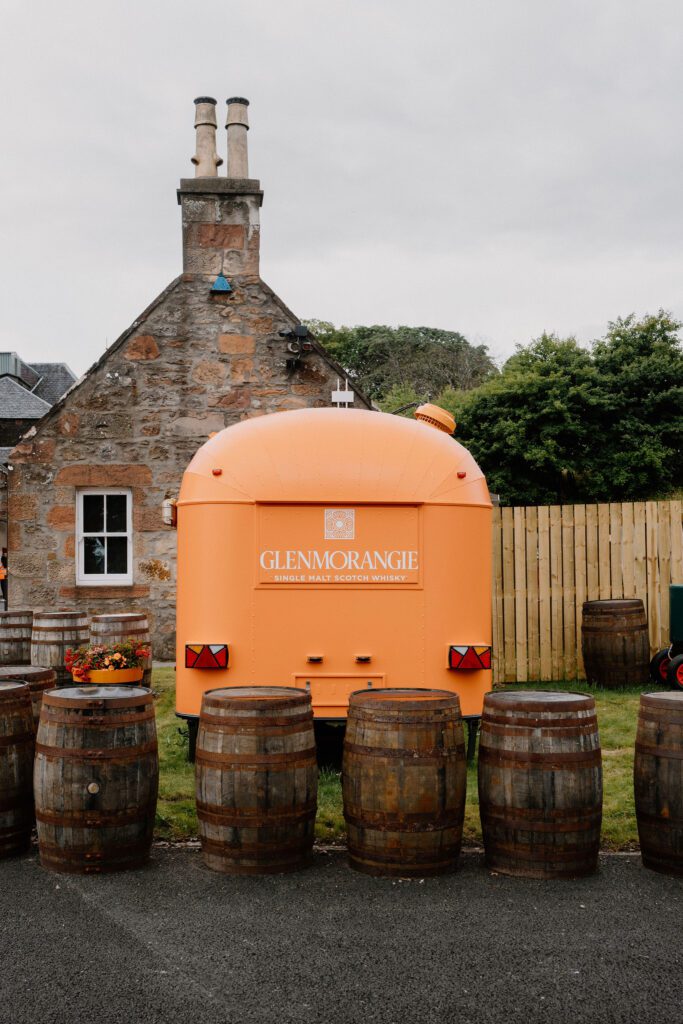
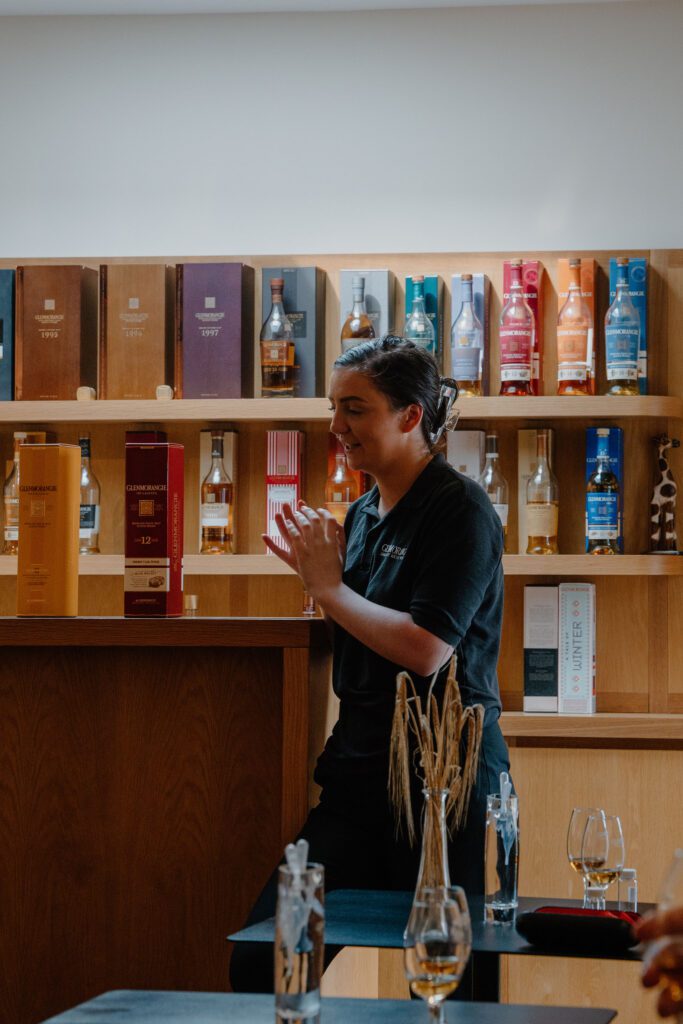
A guided tour leads you through the production process step by step, from the mash tun to the washbacks, before the copper stills take over. The warehouses are quieter but just as memorable, lined with casks slowly shaping the whisky through years of maturation. The tour ends with a tasting in the visitor centre, where you can try some of the core expressions alongside limited bottlings only available on site.
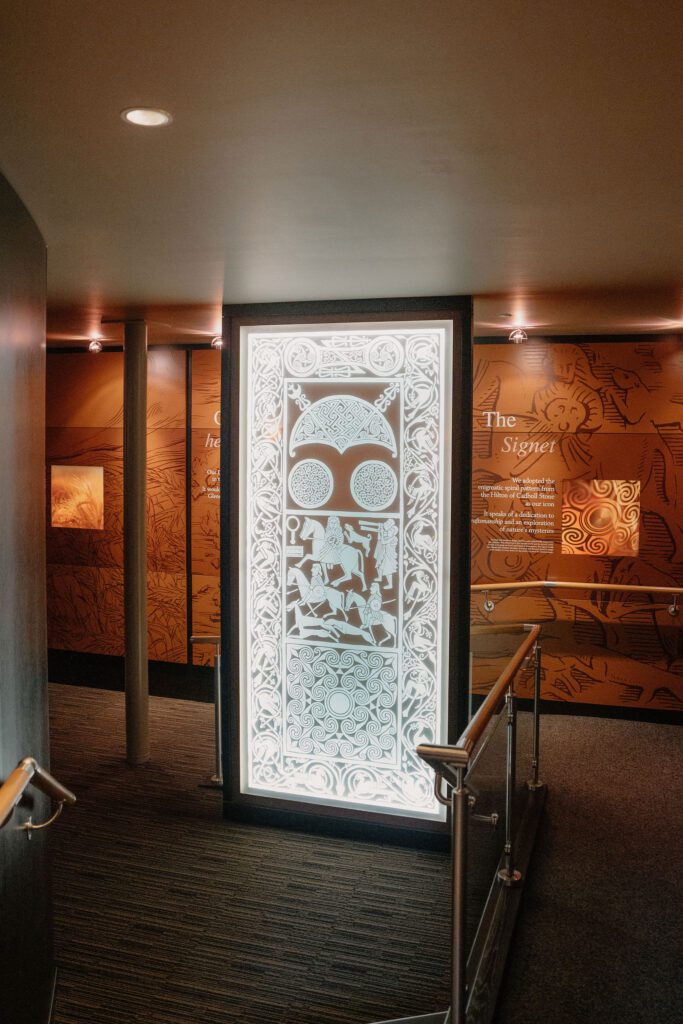
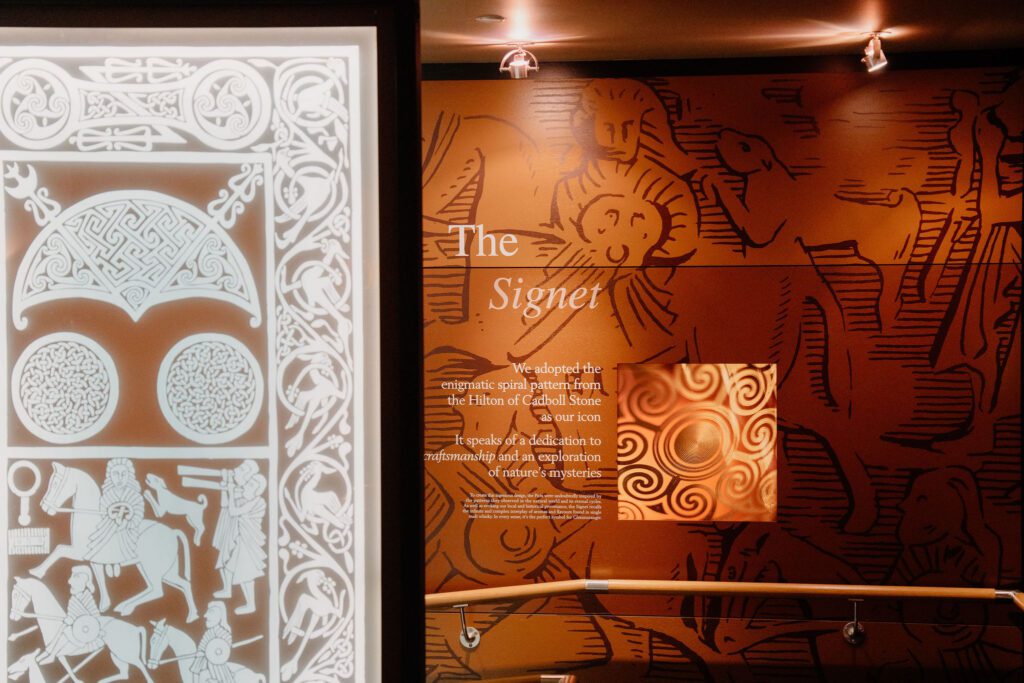
The distillery makes the link between whisky and local history clear. The brand’s emblem is based on the Hilton of Cadboll Stone, a Pictish carving from the 8th century. You’ll see panels explaining this connection, and how the patterns from stone have become part of Glenmorangie’s identity. It’s a reminder that whisky here is tied not just to the land and water, but also to the stories and artistry of the past.
When you leave the visitor centre, the road leads toward Tain. The town’s own carved stone and medieval history will be the next part of the day.


Lunch in Tain


After the morning at Glenmorangie, drive north into Tain for lunch. The town centre has a couple of dependable options within easy reach of the churchyard and museum, so you won’t need to move the car once you’ve parked.
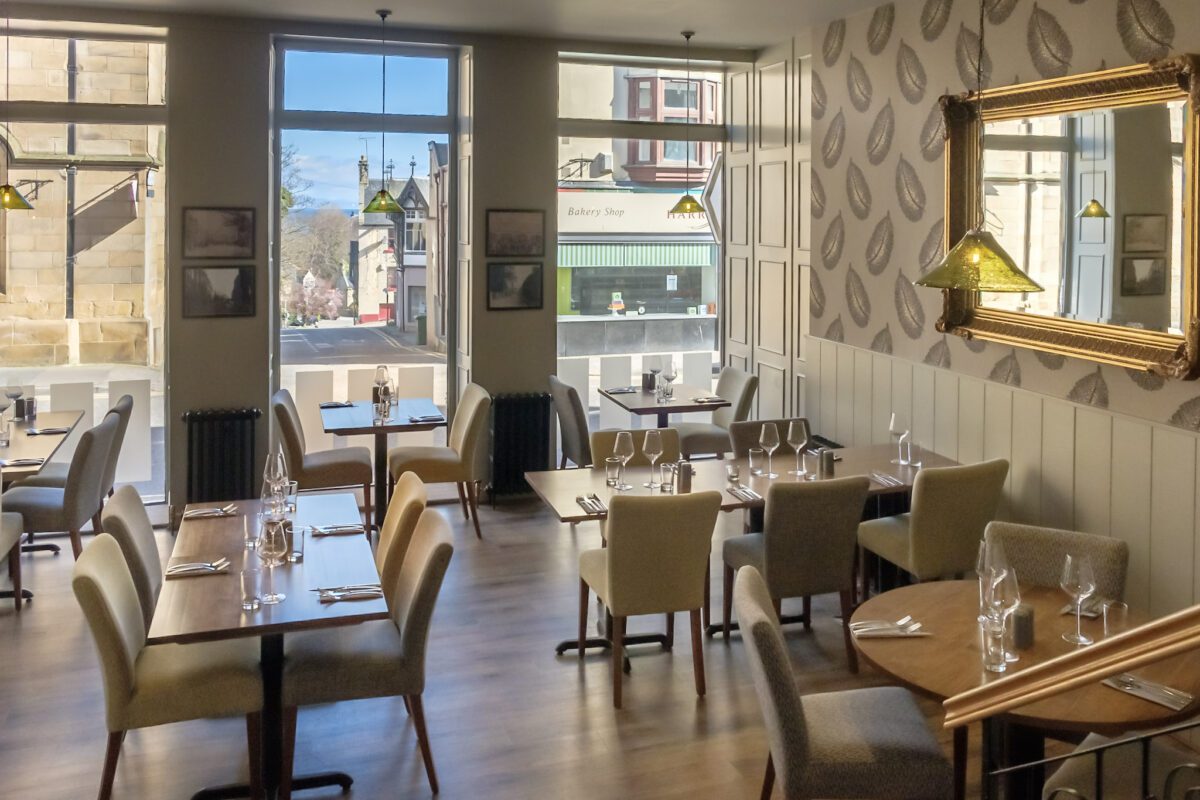
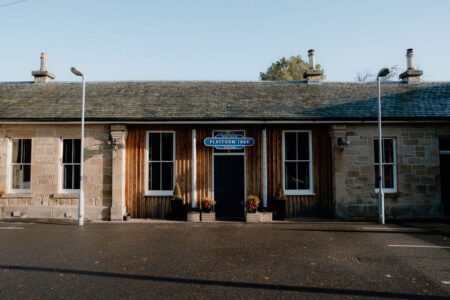
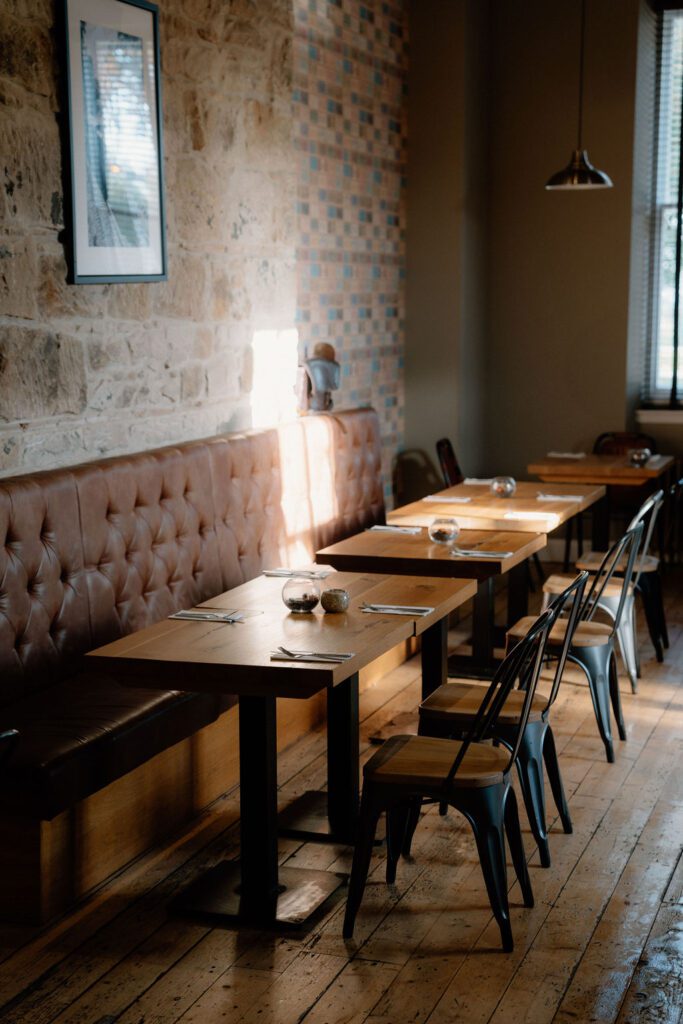
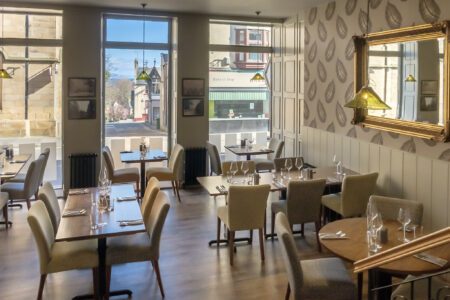
Platform 1864 is the main choice if you want a sit-down meal. The old railway station building has been restored and now serves as a lively restaurant, with a menu that covers hearty classics and seasonal specials. Fish and chips, pies, and local meat dishes are common, alongside lighter options if you’d rather not eat heavy in the middle of the day. The setting adds character, with details from its Victorian past still visible in the structure.
If you prefer something quicker, Greens Café on the High Street is a reliable option. It’s smaller, family-run, and serves homemade soups, sandwiches, and baking. It’s straightforward, inexpensive, and a good stop if you’d rather save time for exploring the town afterwards.
Whichever you choose, both put you within a short walk of St Duthac’s Collegiate Church, which is the next stop on the day’s route.


Tain Museum


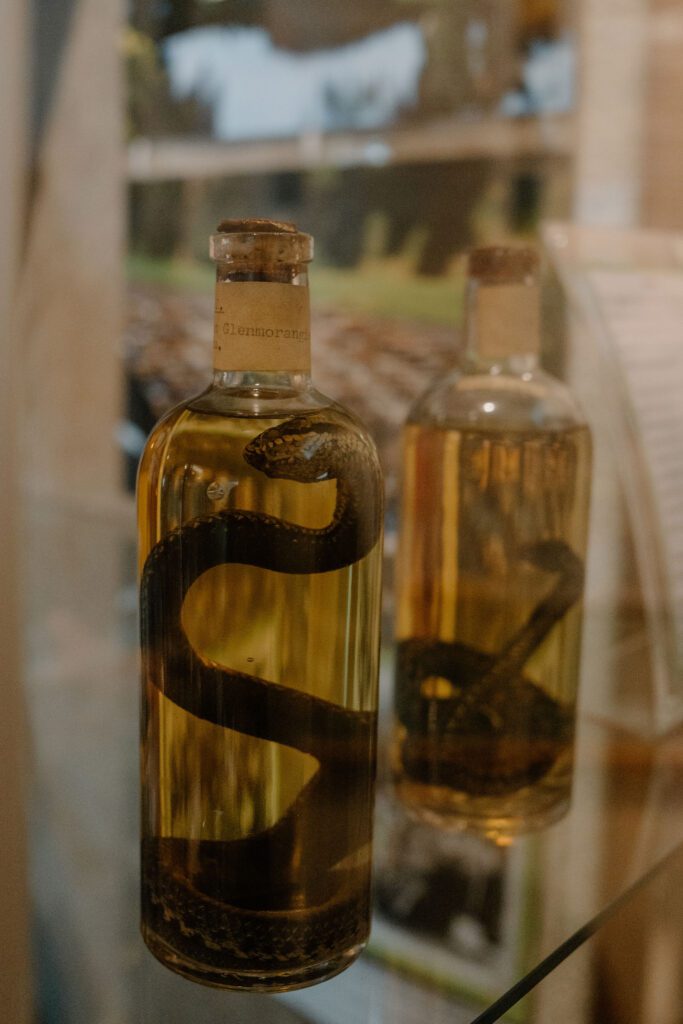
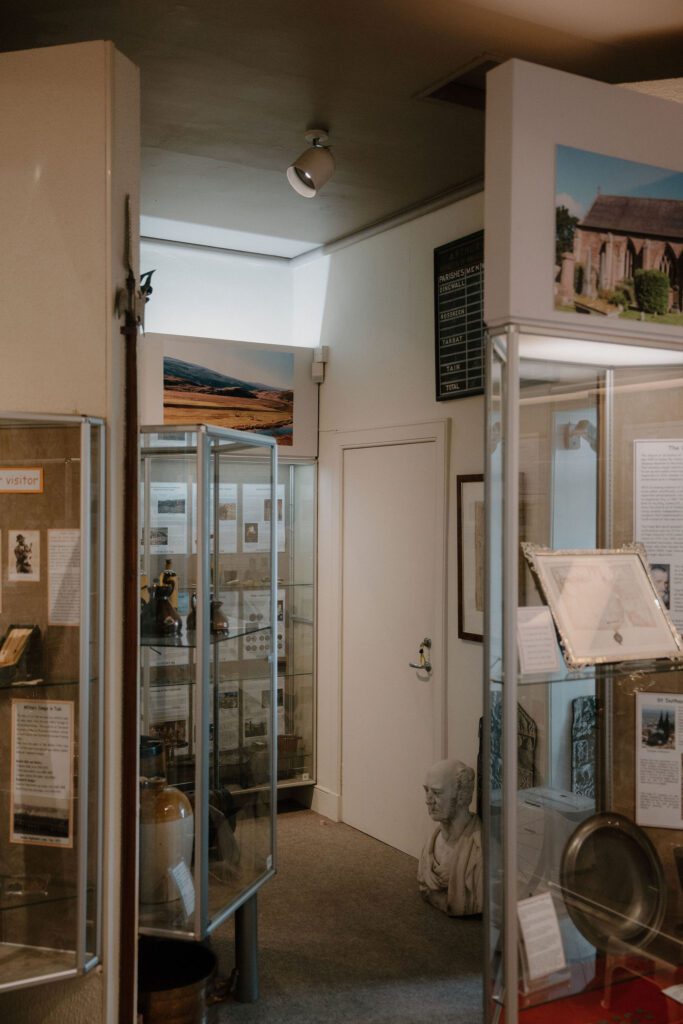
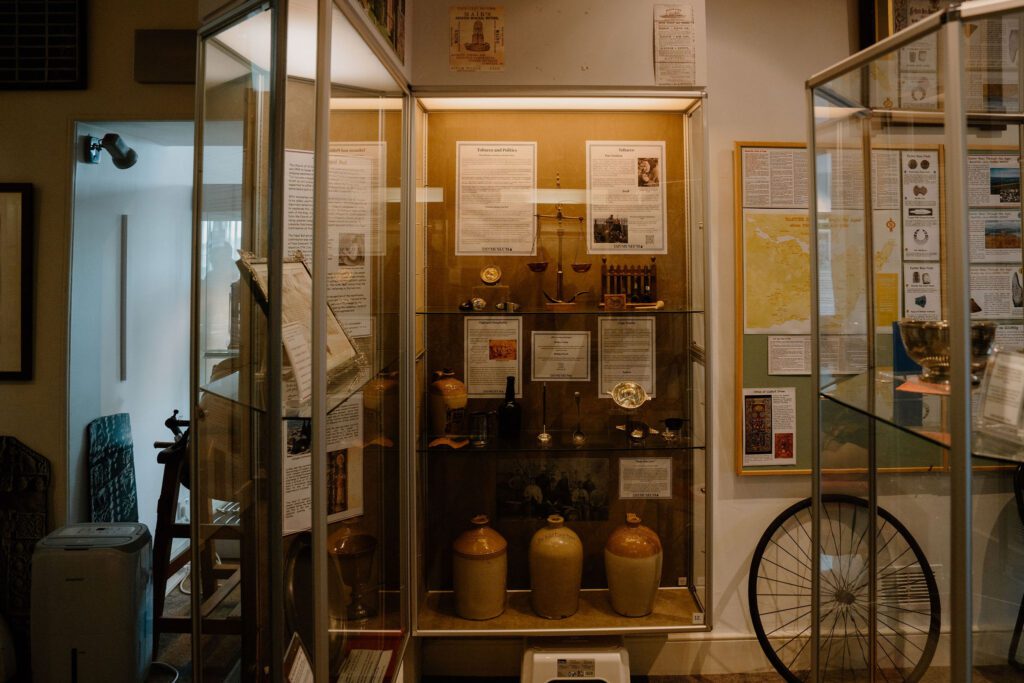
After visiting the churchyard, step inside Tain Museum, part of the broader heritage experience known as Tain Through Time. This small, community-run museum is packed with objects that tell the story of Scotland’s oldest royal burgh. The collection spans Pictish carved stones, medieval relics, Jacobite artefacts, and silverwork that speaks to the town’s long-standing craftsmanship.
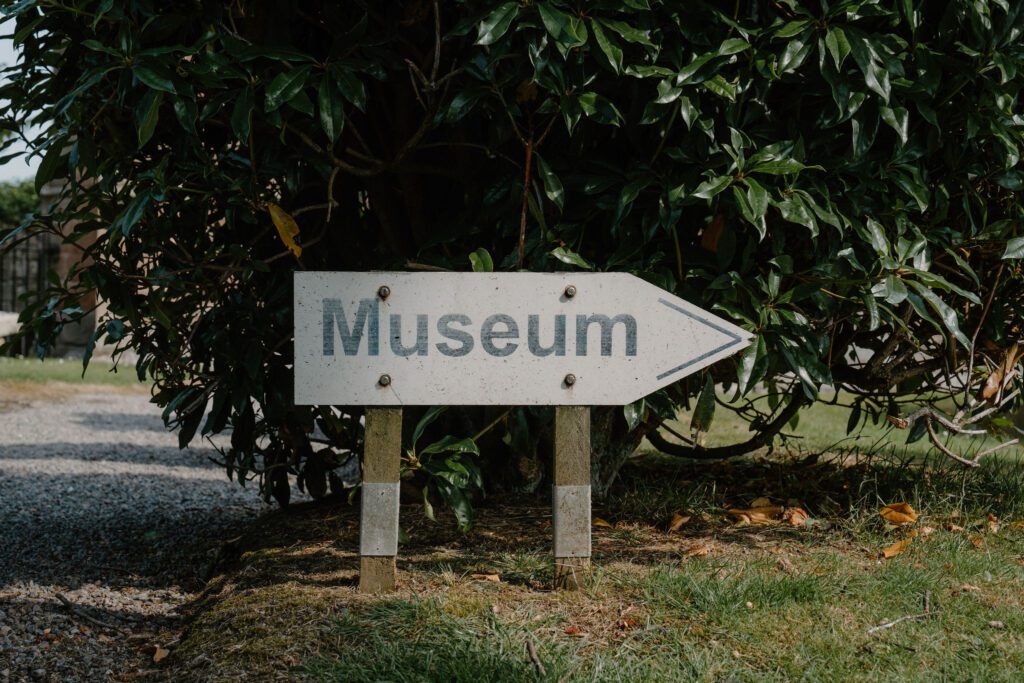
The museum also houses the Clan Ross Centre, giving extra depth to local family connections and the role the area played in Highland history. Displays are simple but full of detail, with labels written to bring out personal stories as much as dates and events. Together with the Collegiate Church and the churchyard outside, it ties the town’s heritage into one continuous narrative.
You don’t need long here, but it’s worth giving at least 30–40 minutes to take it in. It rounds out the morning’s themes of whisky and Pictish stonework by showing how Tain has held its significance across centuries, from sacred shrine to royal burgh.
Once you’re finished, the last stop of the day is a drive east to the Moray Firth coast, where the replica of the Hilton of Cadboll Stone stands in its original setting.


Hilton of Cadboll Stone Replica


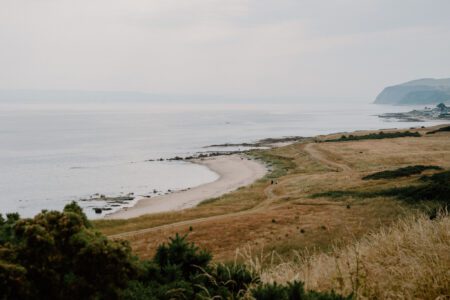
Leave Tain and drive east to the seaward edge of the village of Hilton of Cadboll. Park near the chapel ruins and follow the short path to the coast. The ground here feels open, with the Moray Firth stretching wide in front of you, and seabirds lifting on the wind.
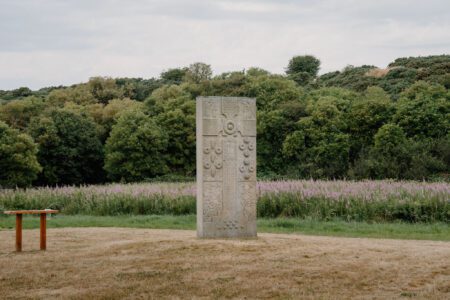
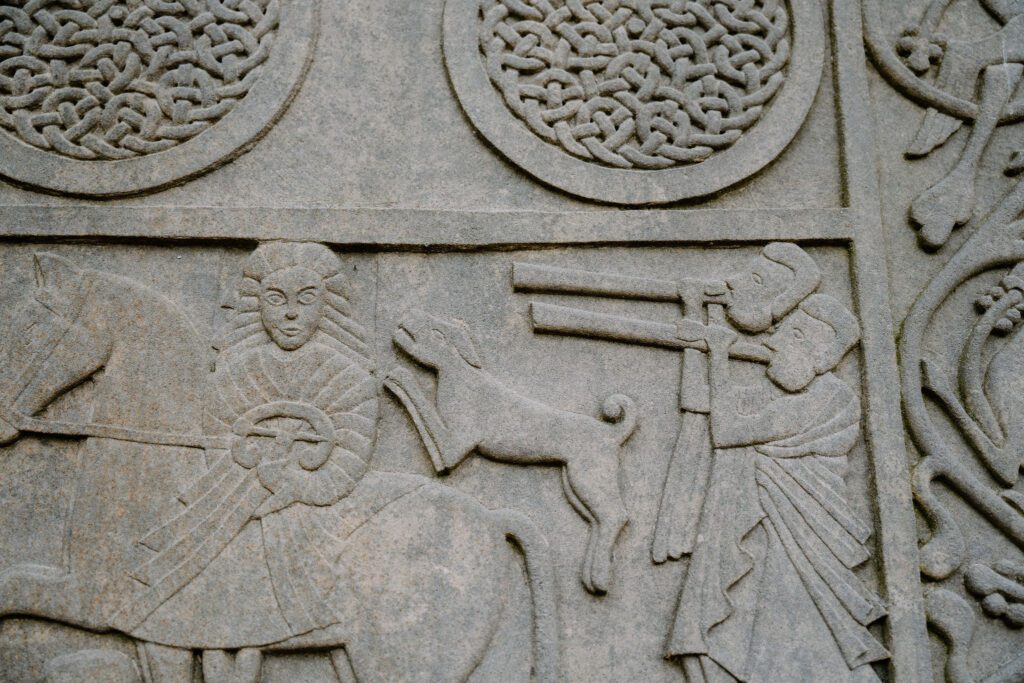
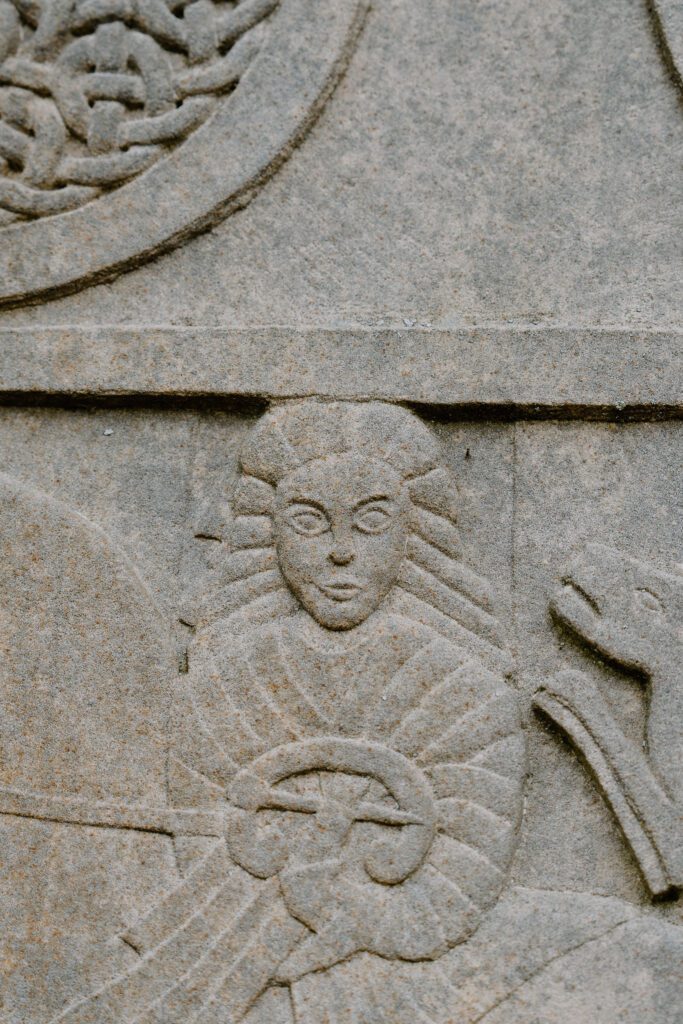
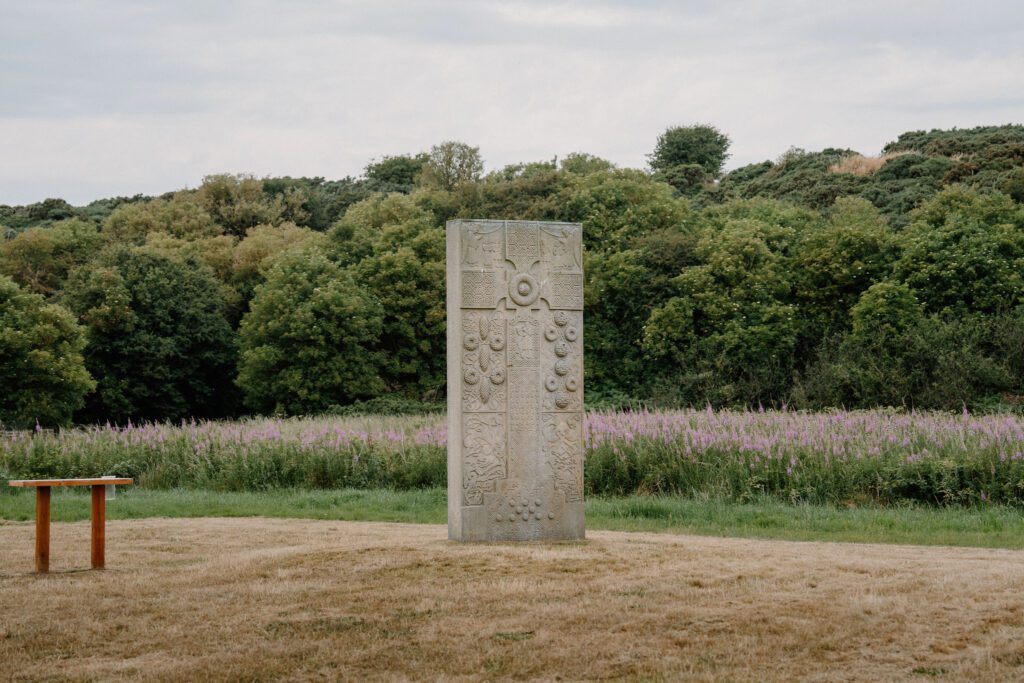
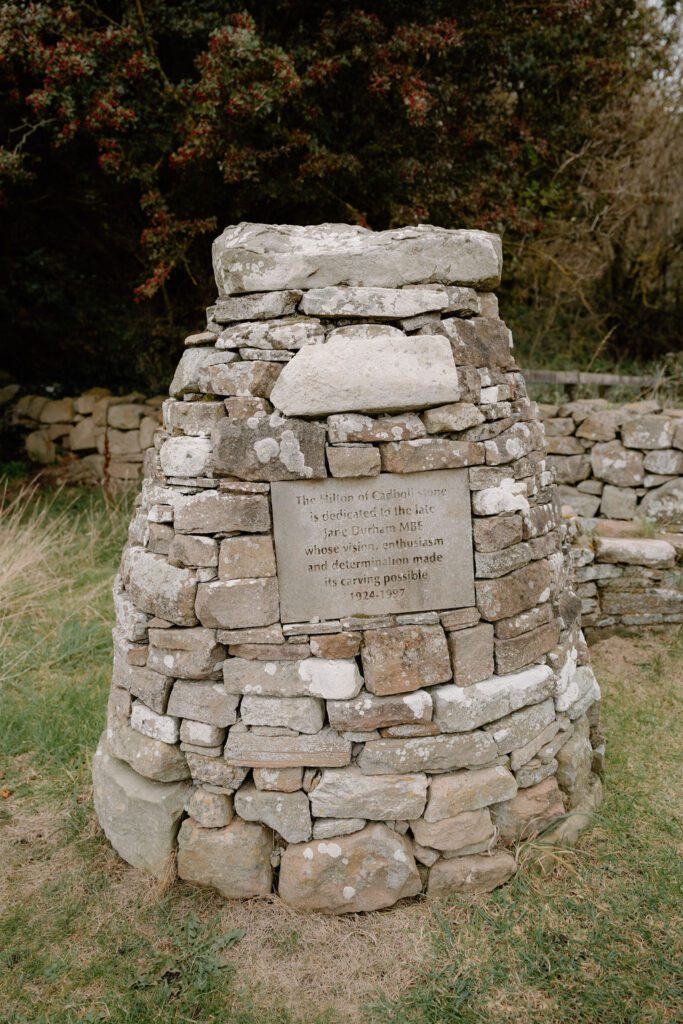
At the centre of the site stands the replica of the Hilton of Cadboll Stone, one of the finest Pictish cross slabs ever carved. The original, dating from the 8th century, is now preserved in the National Museum of Scotland. The copy has been placed here in its original setting so visitors can still see it against the same backdrop of sea and sky.
The stone shows two distinct faces of history. One side carries a Christian cross surrounded by knotwork, while the reverse is filled with secular imagery — hunts, horsemen, and symbols that remain partly mysterious. In the 17th century it was re-cut with a memorial inscription, a reminder of how sites and objects were reused through time. Excavations nearby in 2001 uncovered the missing base, adding to its layered story.
Spend time at the chapel remains as well as the stone. Together they show how faith, memory, and artistry were set into this stretch of coast for more than a millennium. When you’re ready, retrace the road back across the firth and return to Newhall Mains for the evening.


Add to a List
Name your list
Add to a trip
By continuing, you agree to our Terms of Service Read our Privacy Policy
Sign in
By continuing, you agree to our Terms of Service Read our Privacy Policy
Reset Password
By continuing, you agree to our Terms of Service Read our Privacy Policy


Sign in with Google
Sign in with Email