Did you know
A woman at the centre.
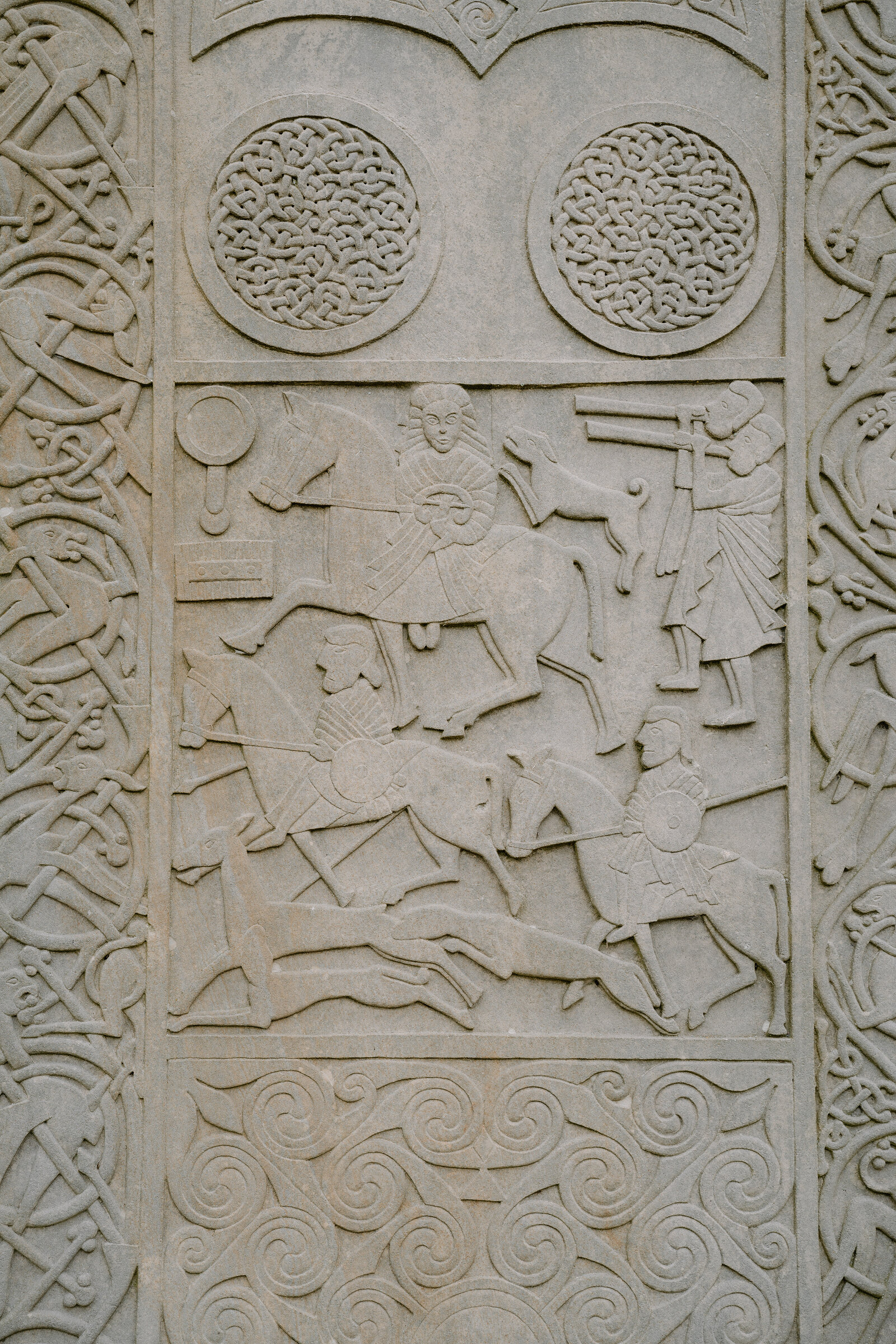
The hunting scene is unusual for having a woman in the central position.
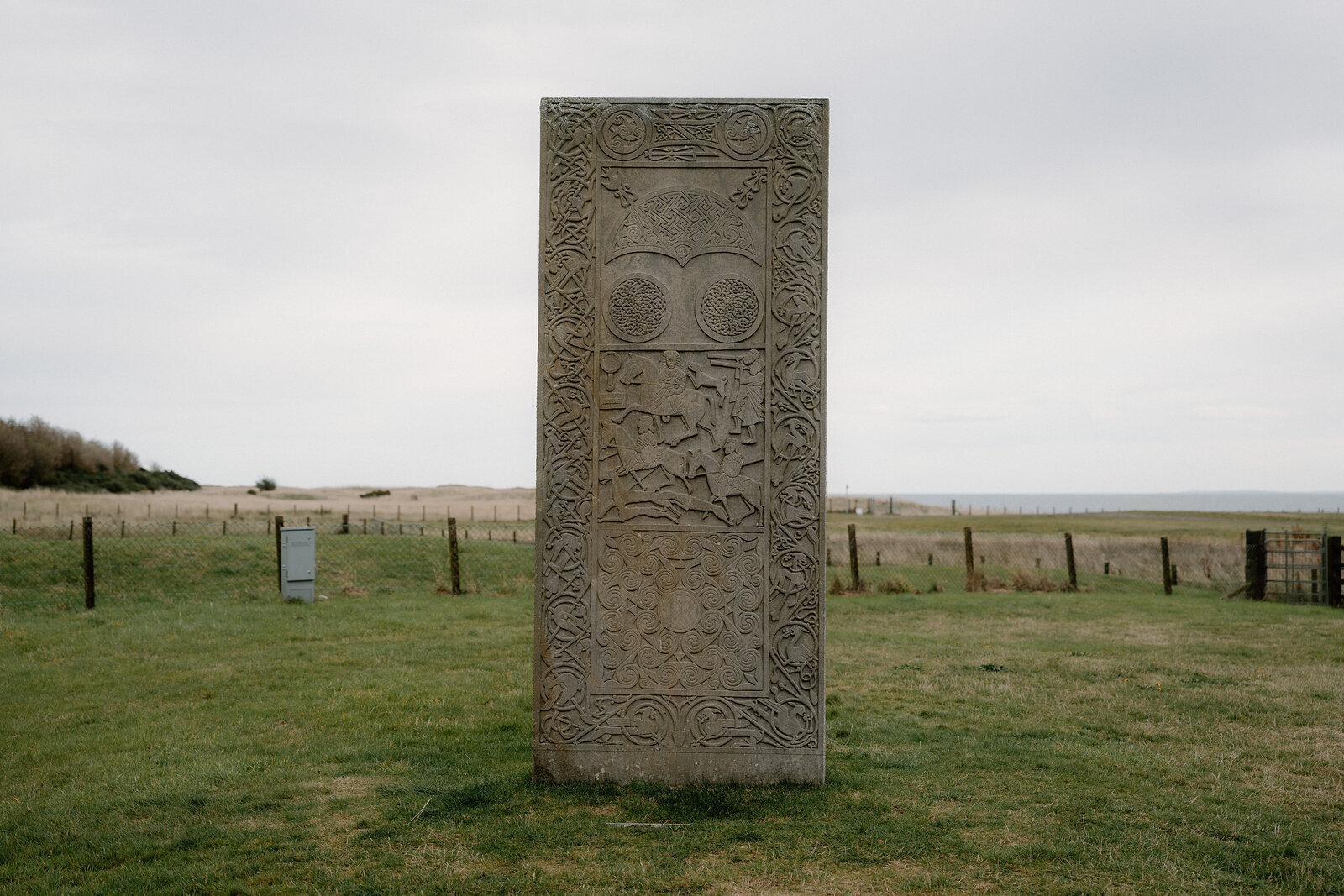
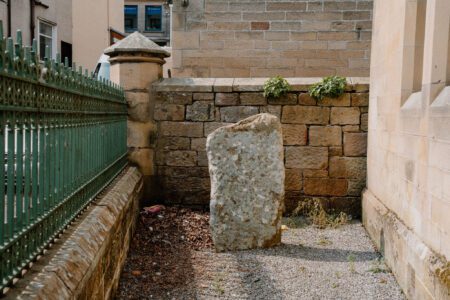
A full-size replica of one of the great Pictish cross-slabs, standing where the original stood by a medieval chapel above the sea at Hilton of Cadboll.
In a field above the sea at Hilton of Cadboll stands a tall slab of pale stone, carved from top to bottom.
It is a replica, set up in 2000 where the original stood for nearly nine hundred years beside a little medieval chapel, of which only turf-covered footings remain.
The original was raised in about 800 AD and is one of the masterpieces of Pictish art. Its great panel shows a hunt, riders and hounds in full cry, and at the centre, unusually, a woman on horseback. Around it runs a border of intricate knotwork and strange beasts. In 1676 the slab was cut off at its base and reused as a gravestone; today the original is in the National Museum of Scotland in Edinburgh.
The replica shows how it must once have looked against the sky. Stop in the lay-by, then walk down to see the carving up close.
The chapel site and the replica stone are open all year and free.
Stop in the lay-by as you near Hilton; a short walk leads down from the viewpoint to the stone.
The hunting scene is unusual for having a woman in the central position.
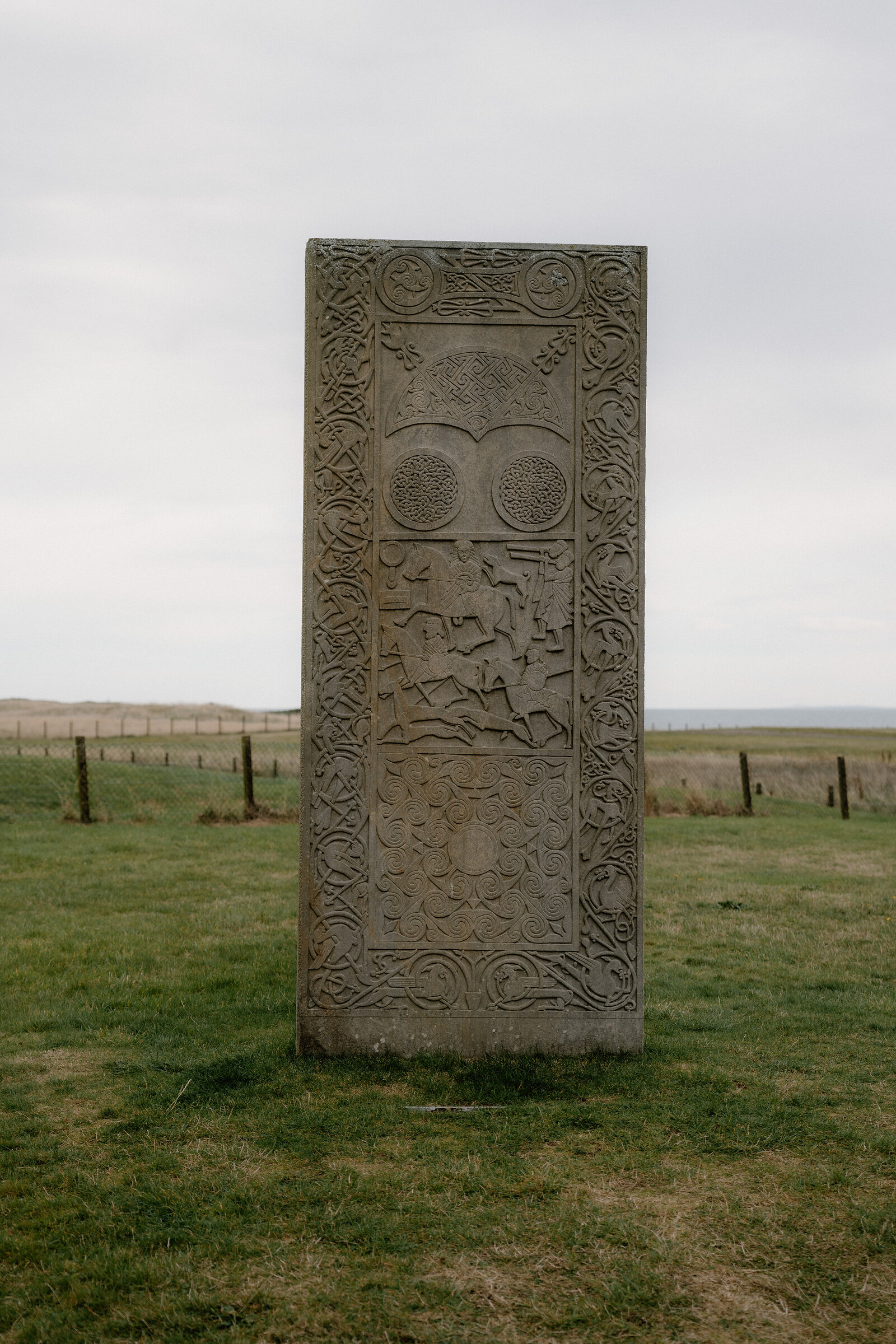
In 1676 the slab was cut off at ground level and reworked as a grave marker.
The real Hilton of Cadboll Stone, carved around 800, is in the National Museum of Scotland in Edinburgh. A full-size copy by the local sculptor Barry Grove now stands where it was found, beside the grassy footings of a little medieval chapel above the sea. Its great panel shows a hunt, with riders and hounds, and in the middle a woman on horseback, a rare sight in Pictish art. Knotwork and curious beasts run all round the border. The lower part of the original was dug up on this spot in 2001. Stop in the lay-by and walk down.
Read moreNew places, news and stories, as we find them.
What is on in Easter RossAt Hilton of Cadboll on the Tarbat peninsula, off the B9165, with a lay-by and a short walk down to the stone.
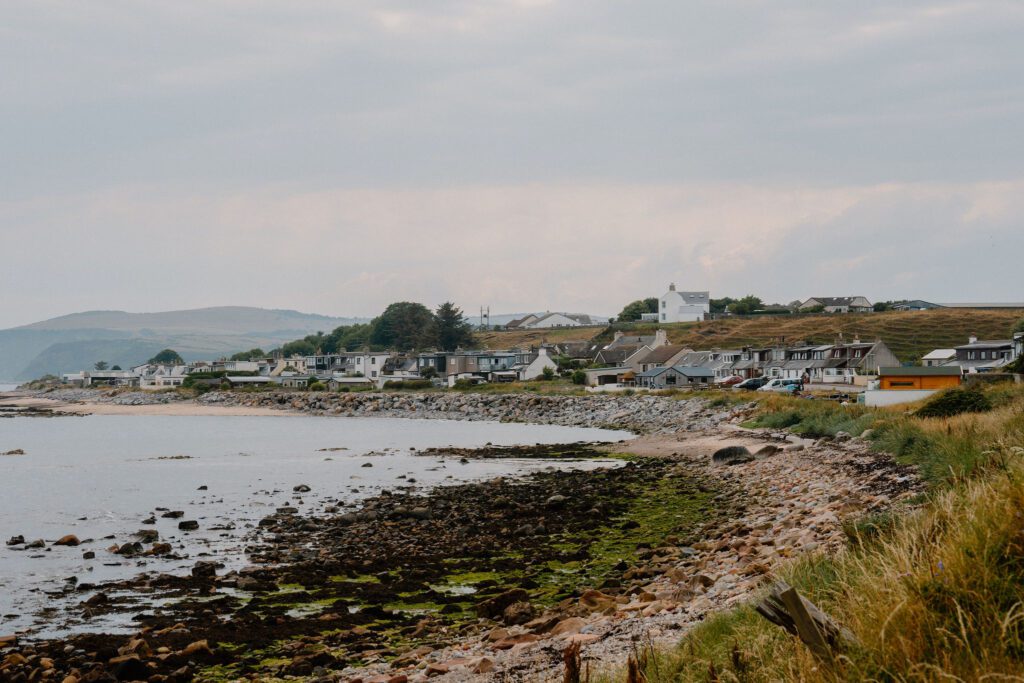 Hilton of CadbollUnder a mile 1 min by road
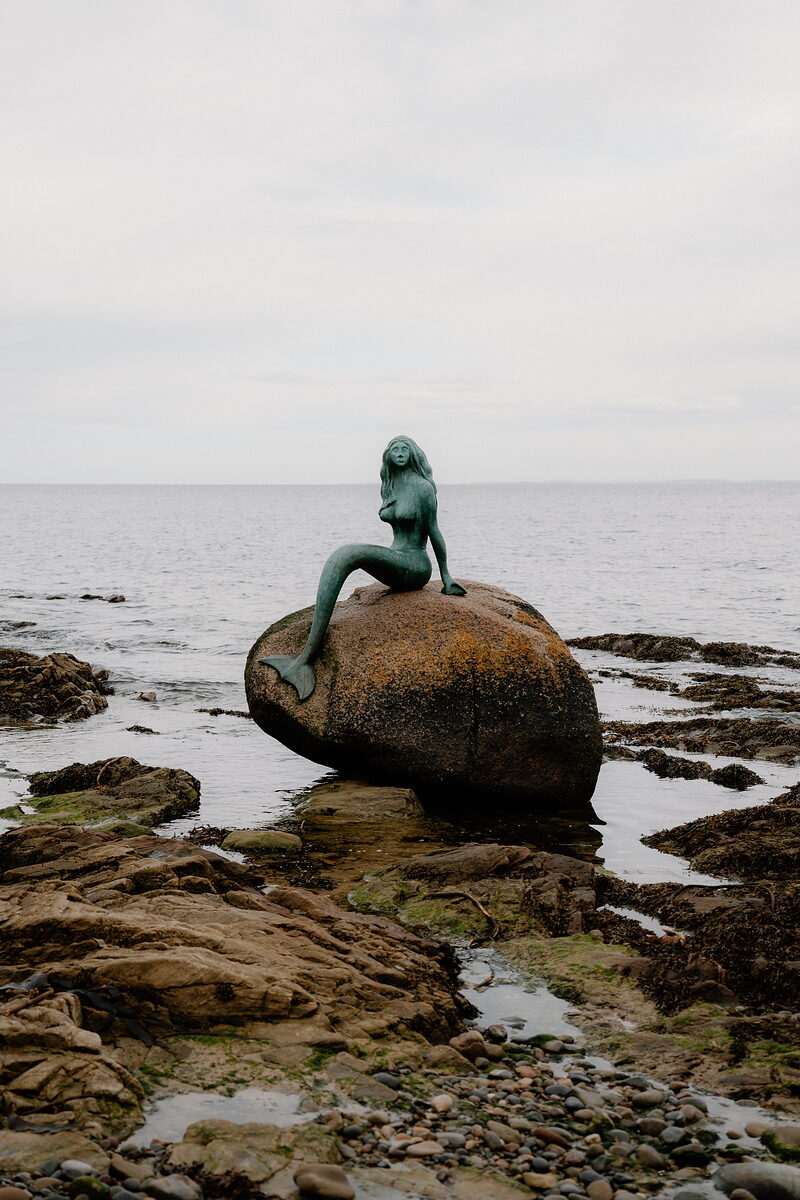 Mermaid of the NorthA ten-foot bronze mermaid sitting on a rock on the shore at Balintore, one of the Seaboard villages, her tail under water at high tide.Under a mile 3 min by road
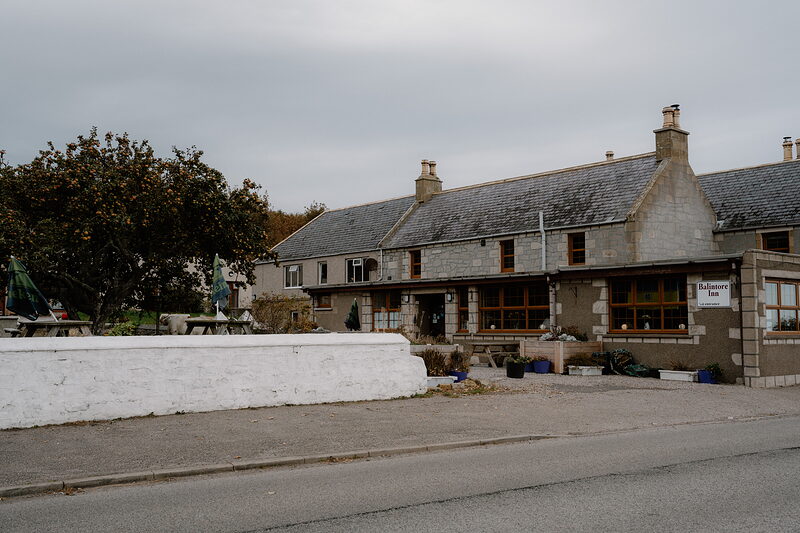 Balintore InnUnder a mile 3 min by road
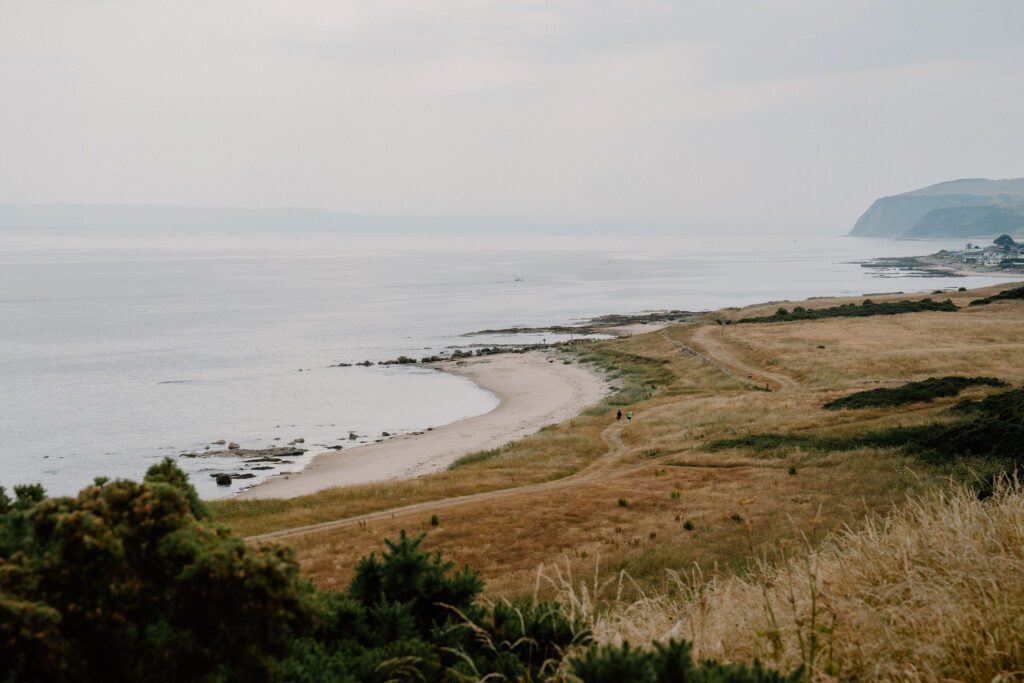 Cadboll PointThe shore path beyond the village.2 miles 8 min by road
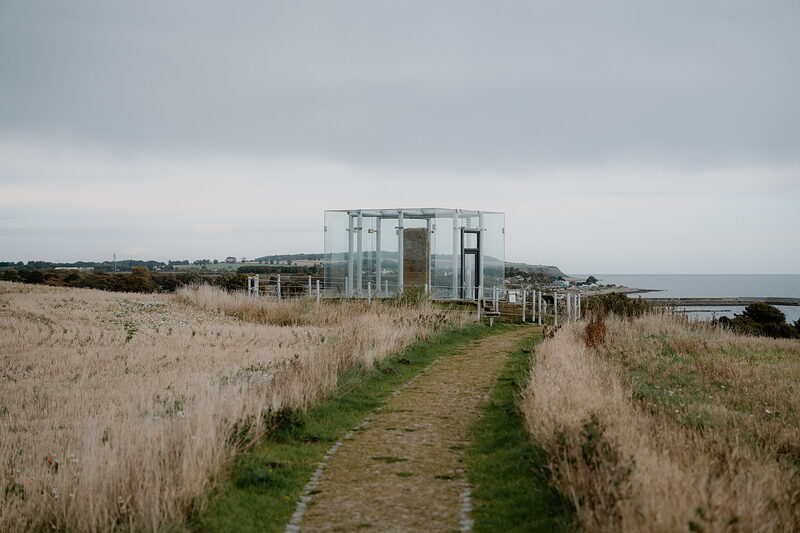 Shandwick StoneAnother great cross-slab, in its glass case down the coast.2 miles 7 min by road
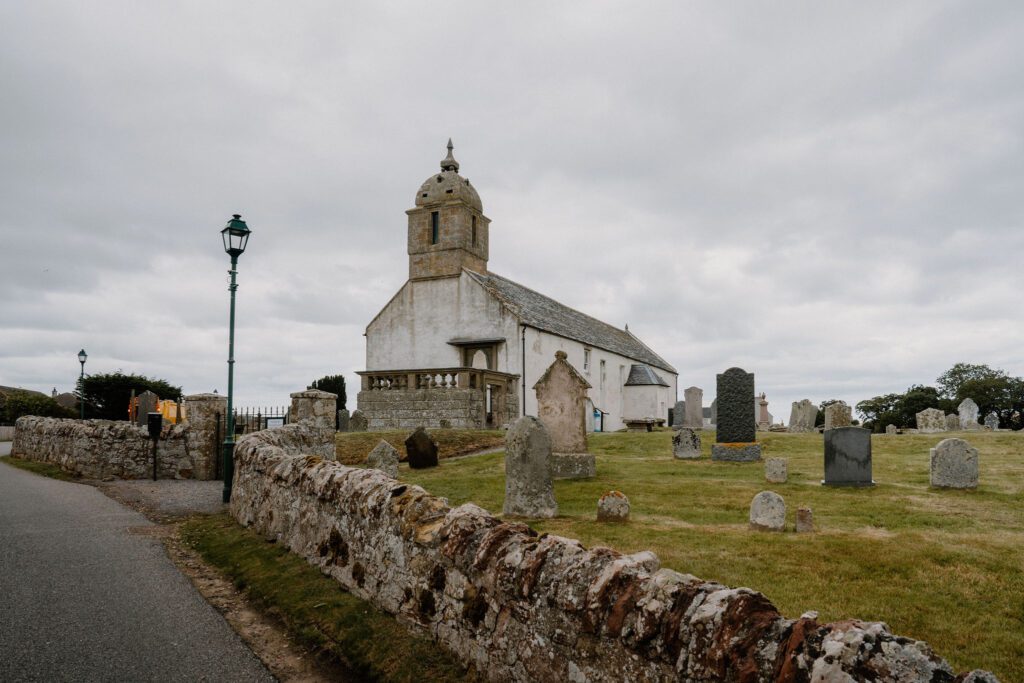 Tarbat Discovery CentreThe Pictish monastery at Portmahomack.7 miles 17 min by road
Arrives at 5am every day.
A free morning email to see what’s on this week, catch up on what’s happening in Scotland and find somewhere new to go.
Places to stay near the stone, and when each is next free.
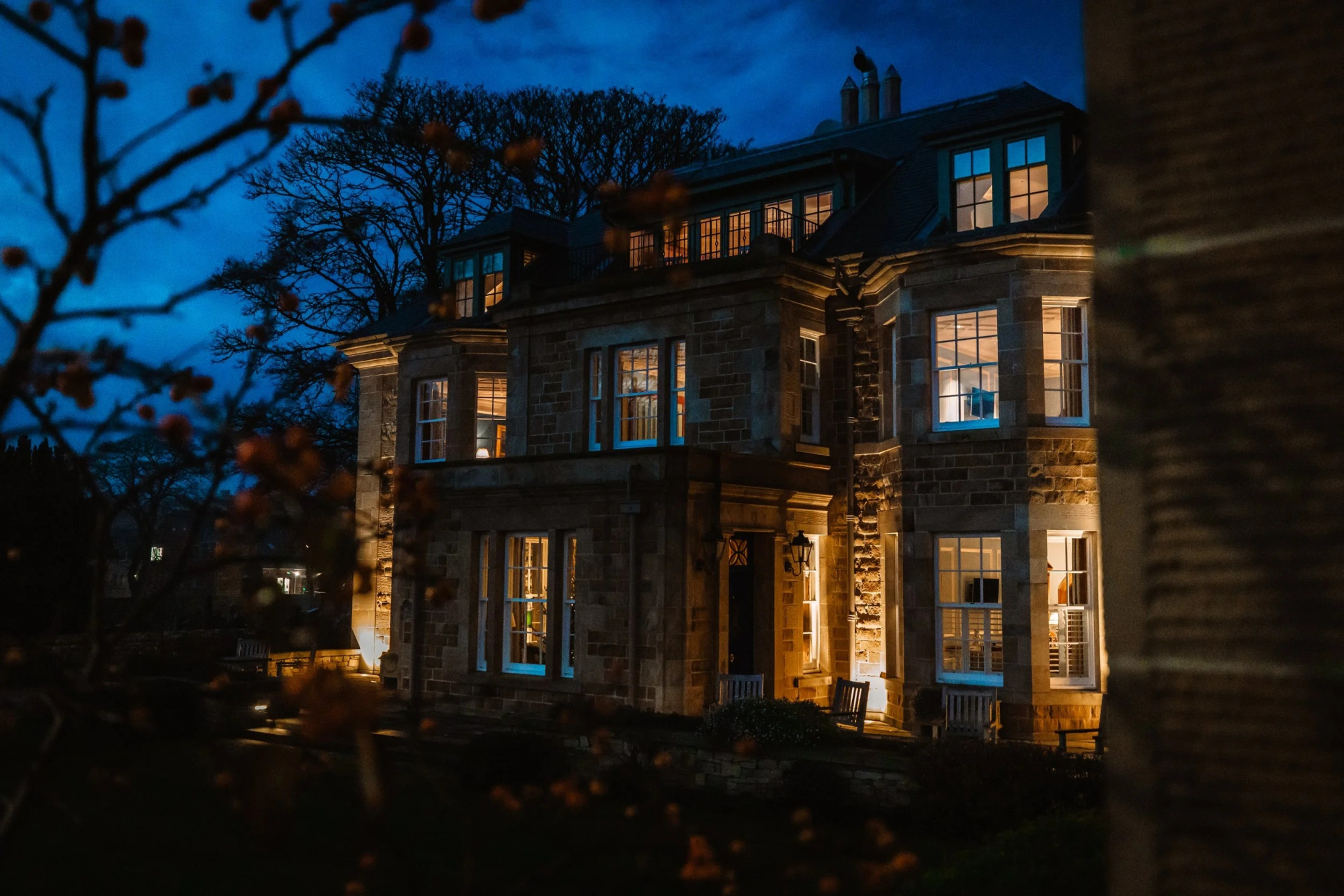 Links House at Royal Dornoch
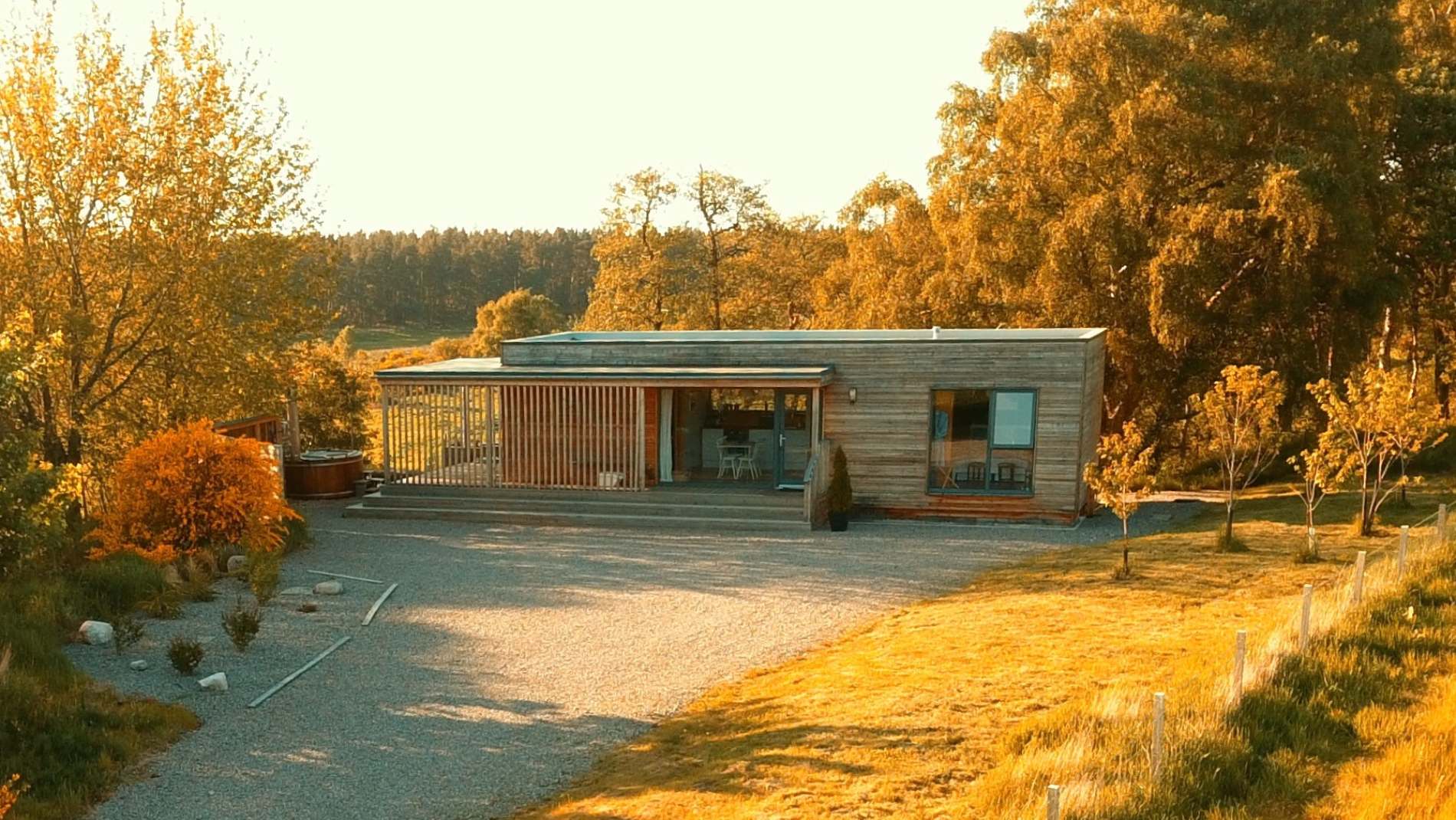 Culbin Edge
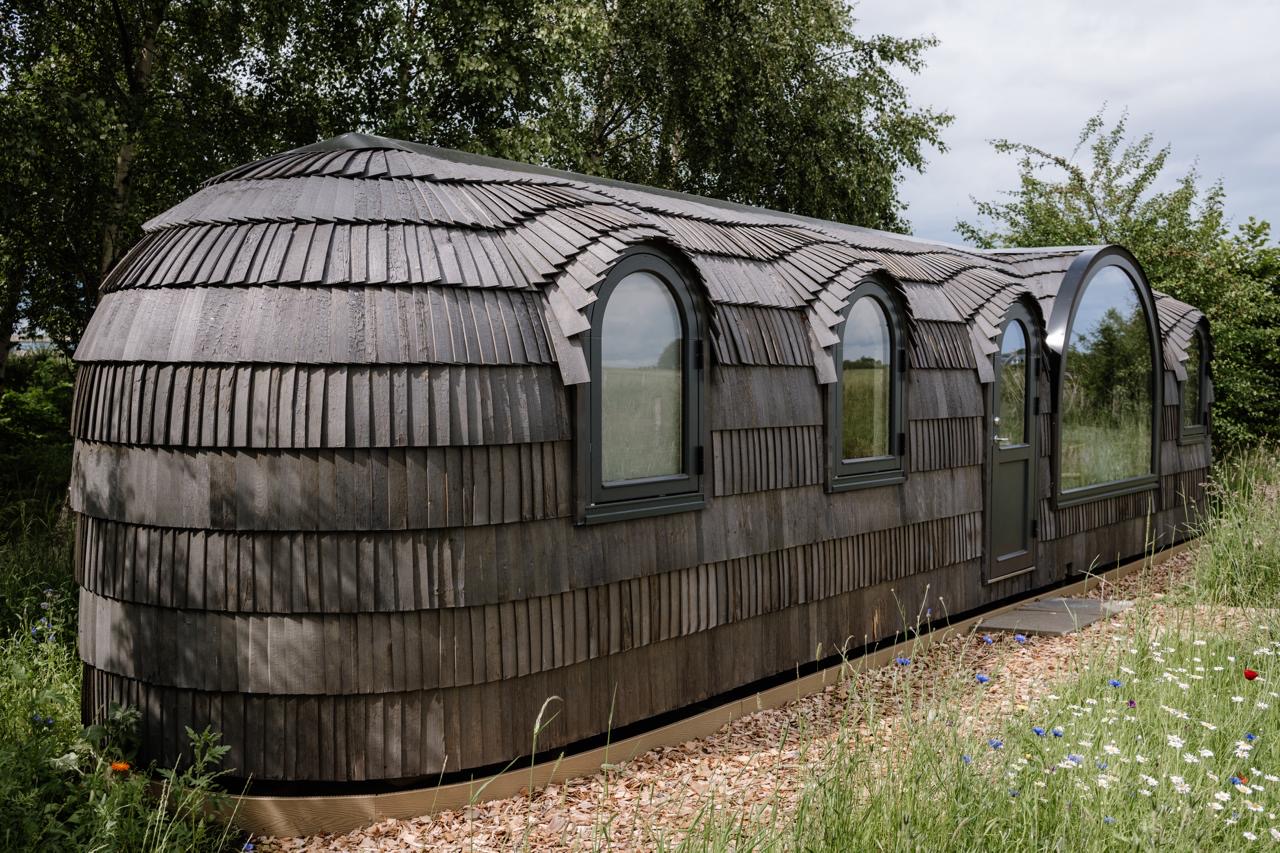 Boath Cabin
We want to show you the best that Scotland has to offer. The makers and the creatives, the enduring experiences, the evocative tales, the concealed corners. The roads less travelled that take you to places that matter. The adventures that gather you up and sweep you away. The blend of the wild and the artistic that makes Scotland what it is. We’d love for you to join us.
For further reading, before you go.