
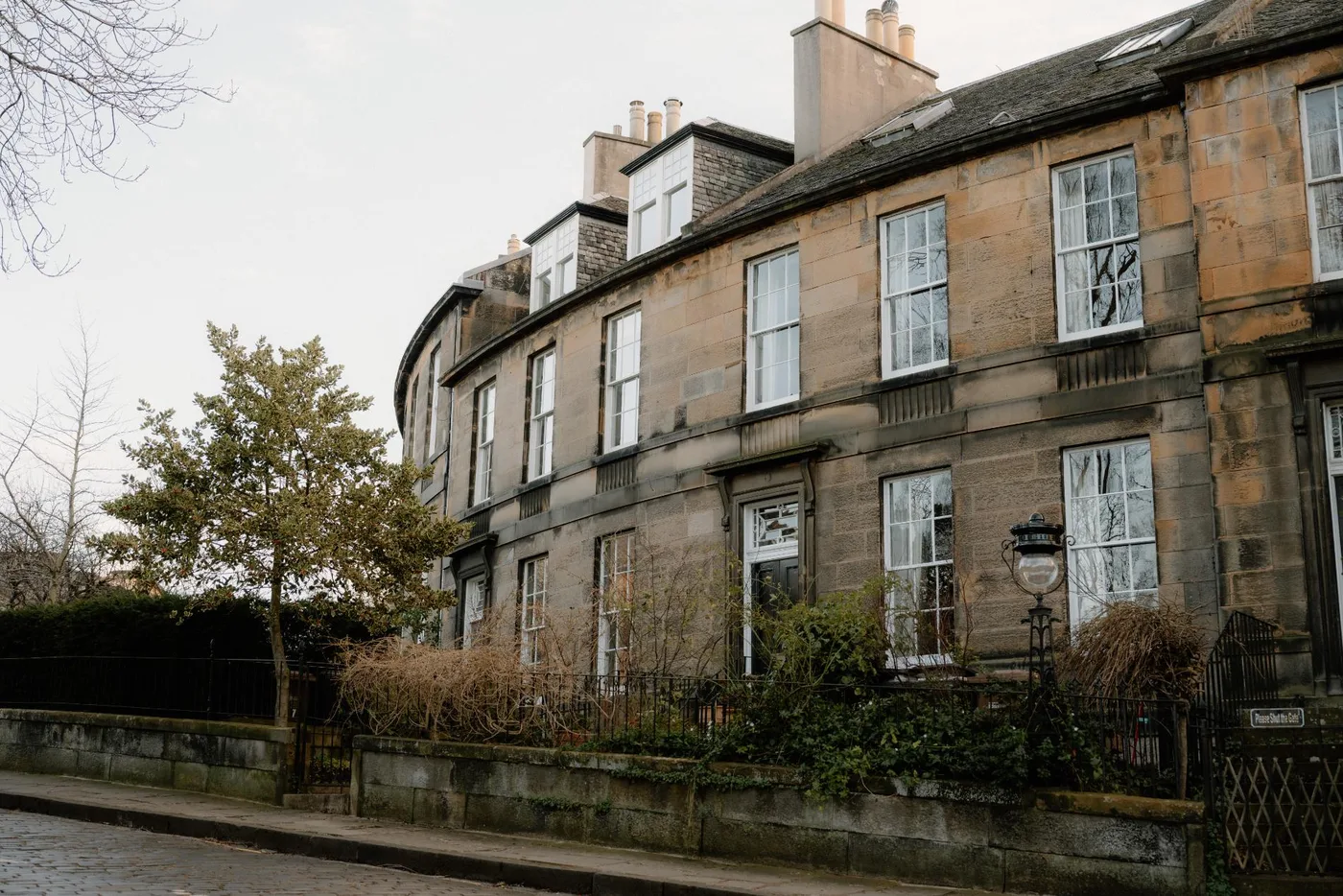
The Stockbridge Colonies
Workers’ homes by the Water of Leith, built by a company seven stonemasons founded.
Words by Hidden Scotland
Sandwiched between the parish church and the Royal Botanic Garden, with the Water of Leith winding its way through the middle, the Stockbridge Colonies are a monument, not only to the rise of the skilled labour market in Edinburgh during the 19th century, but to the power of cooperation to drive social change.
-full-1737113398.jpg)
-full-1749383090.jpg)
Chambers of Death
Between 1811 and 1881, Edinburgh’s population more than doubled to 211,000, fuelled by significant migration to the city as the Industrial Revolution offered new prospects and hope for workers – but at a price. The city had addressed the cramped and diseased living conditions of the Old Town by expanding beyond its medieval walls into the Georgian New Town, but demand rapidly outstripped the available housing stock as Edinburgh’s industries flourished.
By the 1840s, properties in the Old Town were described as ‘chambers of death’. However, due to recession, no new houses were constructed before 1860 to alleviate the problems of unsanitary living conditions, which were said to be the worst of any city in the United Kingdom – a description about which the architects of the Scottish Enlightenment and the New Town would have surely despaired.
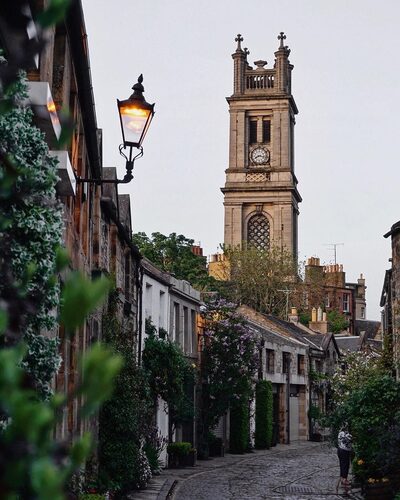
Housing reform was a key issue for improvement, with the Reverend James Begg promoting a scheme by which workers could pool their savings to purchase land and materials, utilising their skills in construction and carpentry to build new homes. Begg was also a strong advocate of the Edinburgh Co-operative Building Company (ECBC), an organisation formed by seven stonemasons following an industrial dispute in the 1860s, in which construction workers were barred from work for striking over the length of their working day.
Having raised £10,000 from the sale of £1 shares in the company, the ECBC commenced work on the first of the Stockbridge Colonies, with homes sold or rented to provide a dividend for shareholders. The purchase price of each house was between £100 and £130, with the balance (after a £5 deposit) to be repaid over a 15 to 20 year period, in an early version of the modern-day mortgage.
As many of the first residents of the Colonies were shareholders in the ECBC, they were able to use their dividends to reduce their debt.
What started as an experiment proved to be a model for other developments, with nine similar projects created in the city by the start of the 20th century. Today, the Stockbridge Colonies are afforded listed status, protecting them as a key element of Edinburgh’s social history.
Not only were more than 7,000 people housed in accommodation that delivered more acceptable living conditions, but the Stockbridge Colonies empowered families from the working classes to enjoy the benefits of private home ownership, showing what a cooperative society could achieve.
Stay near Water of Leith
Our places to stay, nearest by road

(1)-listable-card-1778448486.jpg)
 Out now
Twice a year, to your door
One hundred and sixty pages of Scotland, every photograph commissioned, every word written by someone who went. Members get both issues posted and everything on screen.

 The 900th Anniversary of Stirling
 Kilmartin Glen