
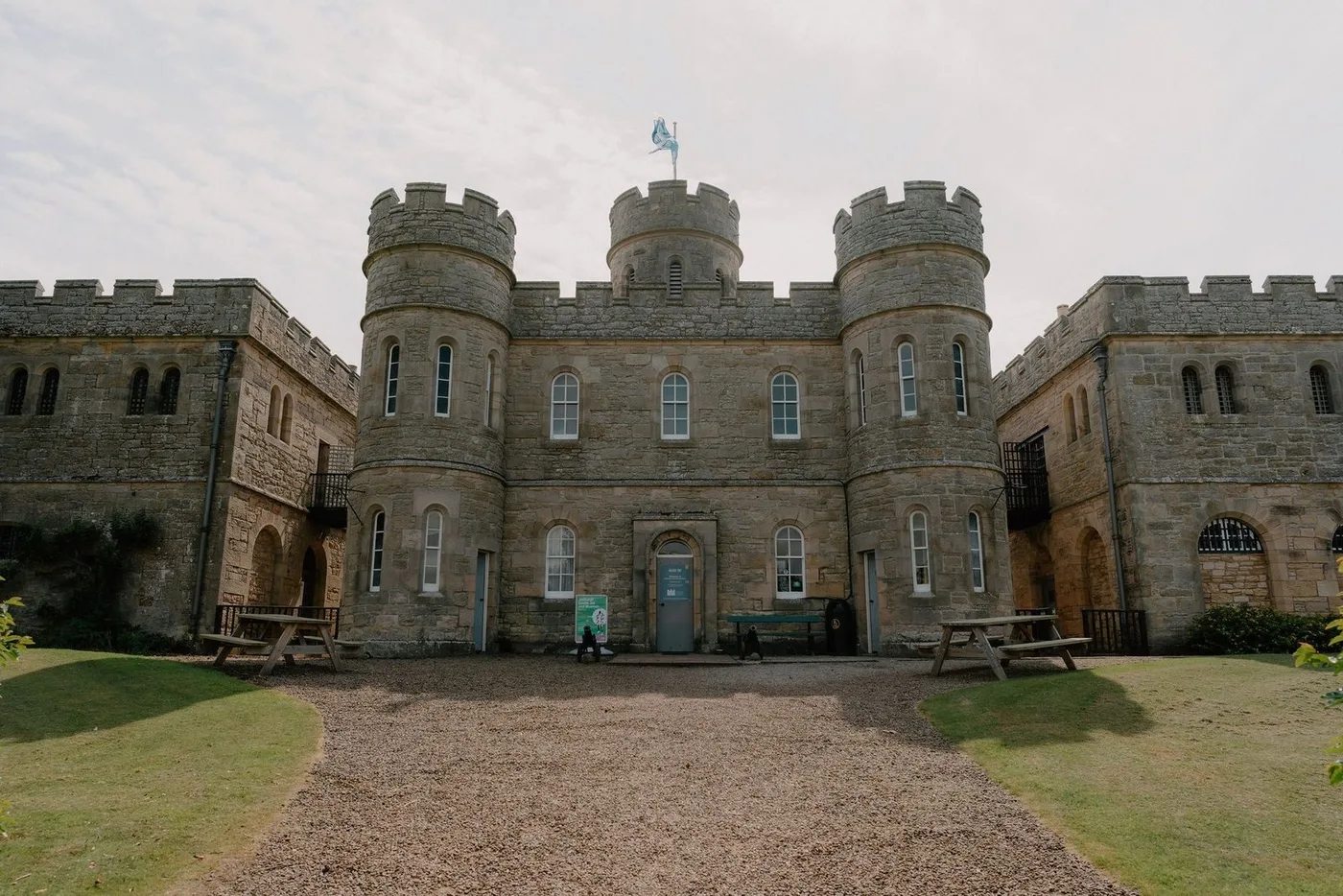
Scotland’s long history has long been intertwined with religion, and though – like much of the UK – the nation is increasingly secular, many of the monuments built in previous centuries remain standing. The abbeys are among the finest of them, each one rich in Scottish history. Here are our favourite picks for incredible abbeys you can visit on your next journey to Scotland.
Melrose Abbey
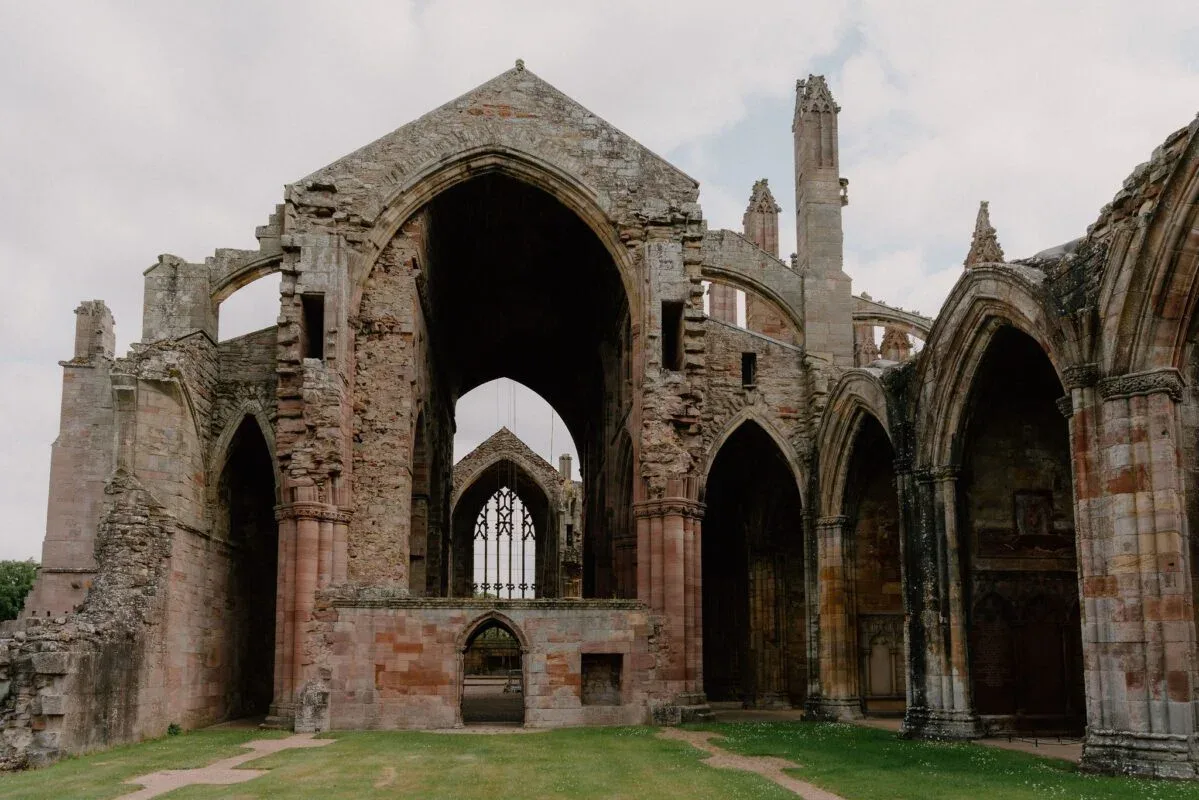
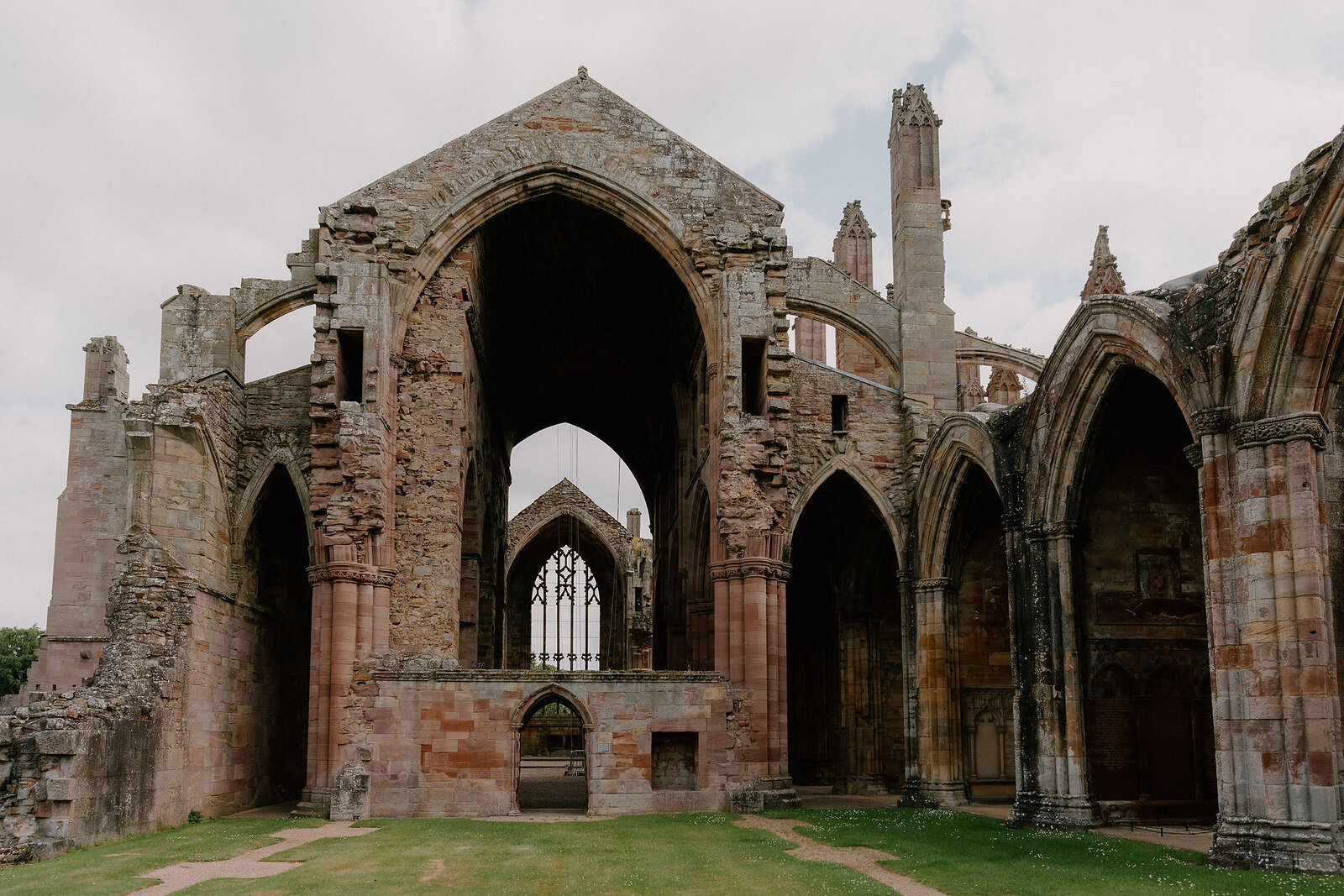
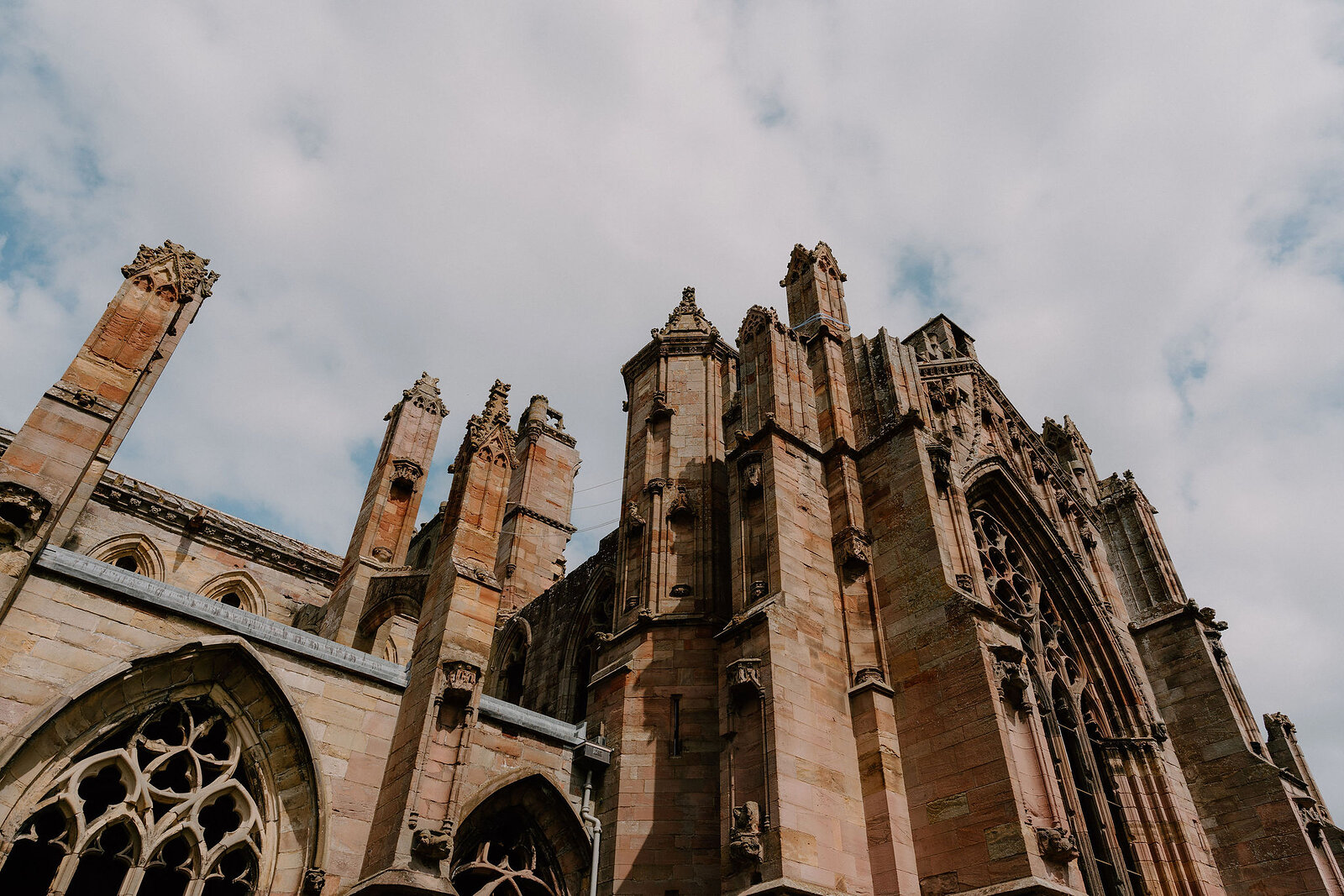
Found in the Scottish Borders, Melrose Abbey is a partially ruined monastery. Founded in 1136 on the request of King David I of Scotland, it took nearly sixty years to complete fully. It is now in the care of Historic Environment Scotland. Alexander II is buried here, and a casket believed to hold the heart of Robert the Bruce lies in the grounds, marked only by a stone plaque. Objects excavated from the site are on show in the Commendator’s House. The abbey is also a stop on the Borders Abbeys Way, which links four Border abbeys.
Kelso Abbey
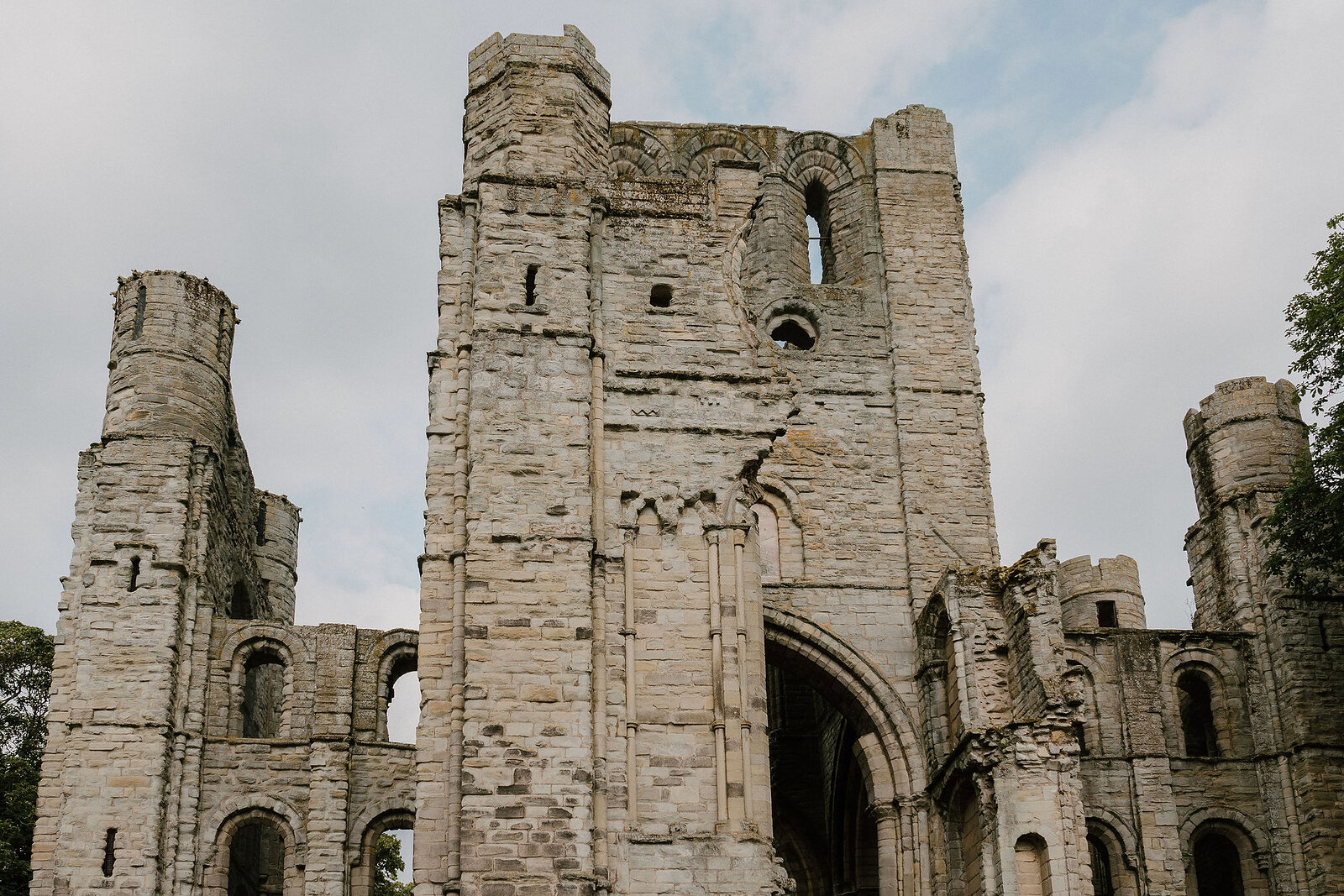
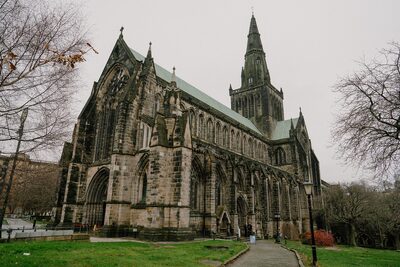
Founded in the 12th century by Tironensian monks, Kelso Abbey is a ruined example of Romanesque architecture. It’s believed the abbey was particularly well-embellished, with towers similar to those found on Glasgow Cathedral. Also a key visit point on the Borders Abbeys Way walk, the abbey was, historically, a volatile place, often finding itself subject to attack by the English. Though significant damage was sustained by the abbey, its ruins are still particularly beautiful to observe.
Jedburgh Abbey
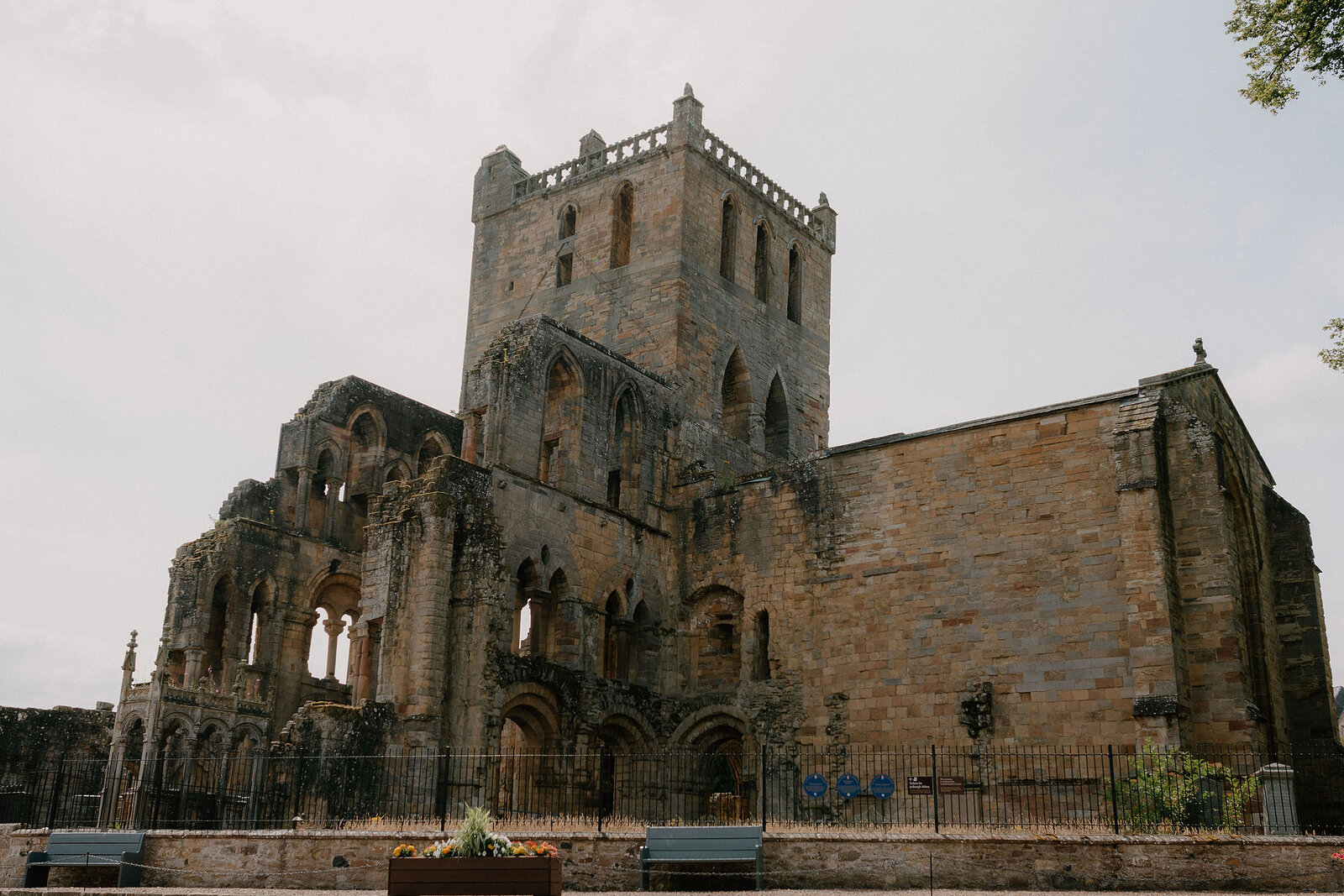
Just ten miles north of the English border, Jedburgh Abbey was also a frequent target for English invaders centuries ago. Though now mostly ruined, it was constructed in an early Gothic and Romanesque style. Individuals continued to worship in the abbey until the 19th century, though work to restore it was abandoned in 1917. Now, the abbey has been preserved and visitors can also explore a visitors’ centre, surrounding herb garden and a nearby stone display.
Dunfermline Abbey
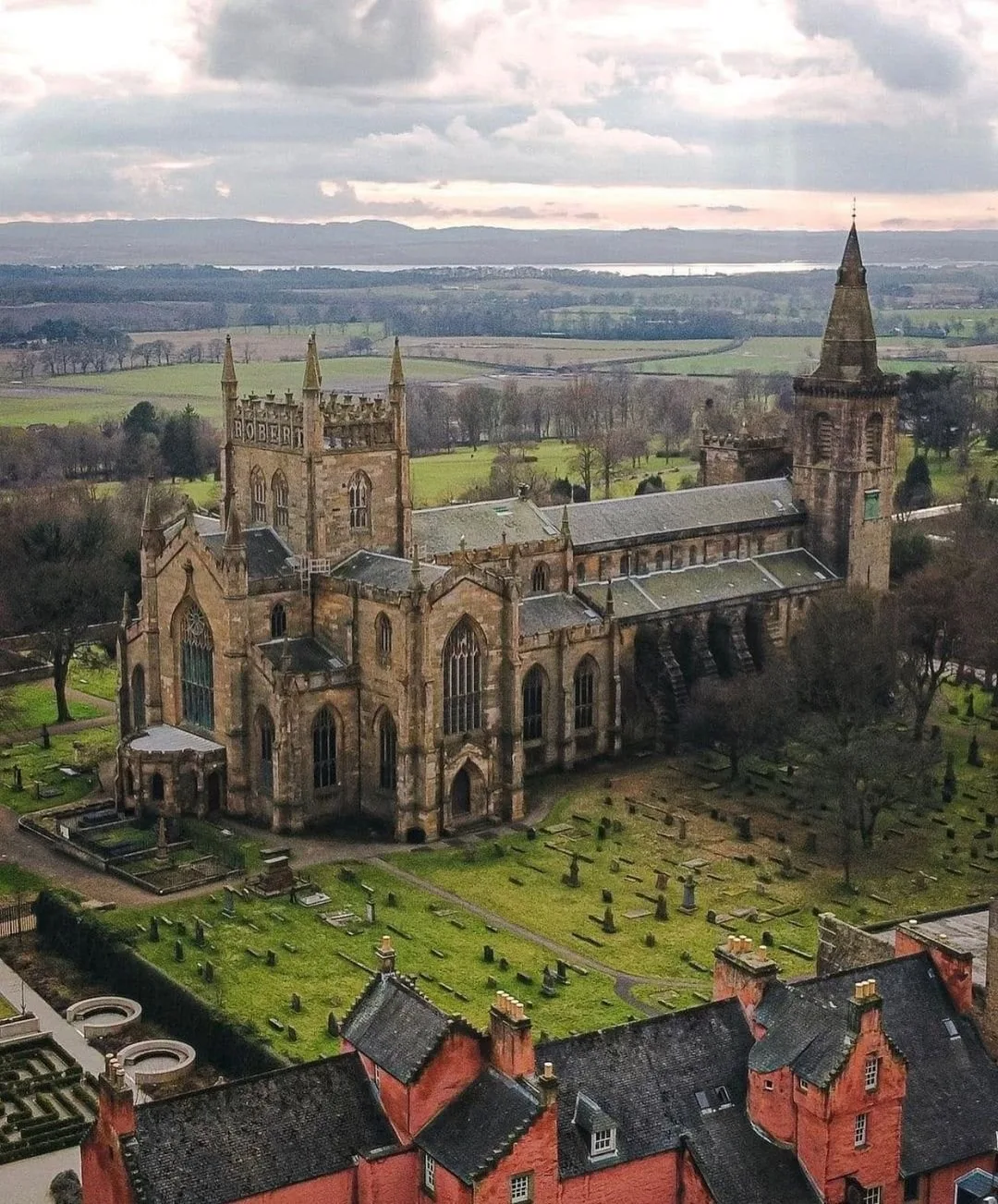
Found in Fife, Dunfermline Abbey is actually the resting place of some of Scotland’s most significant historical figures. A worshipping community that dates back all the way to 1072, part of the abbey remains a place of worship for locals. Made a royal mausoleum after its construction, a palace was also constructed around the abbey during the Protestant reformation – and would later be the birthplace of Charles I; the last British monarch to be born in Scotland. The abbey church was built in a similar style to Durham Cathedral. Robert the Bruce, David I and Alexander I are all buried here.
Arbroath Abbey
Dedicated to the Saint Thomas Becket, Arbroath Abbey is found in the coastal town of Arbroath and was built in 1197. Built from distinctively red coloured sandstones, the abbey was a thriving part of the community before falling out of use. It also struggled as stones were often stolen from the area to build homes in the nearby town. After the Stone of Scone was taken from Westminster Abbey in 1950, it was left here.
Culross Abbey
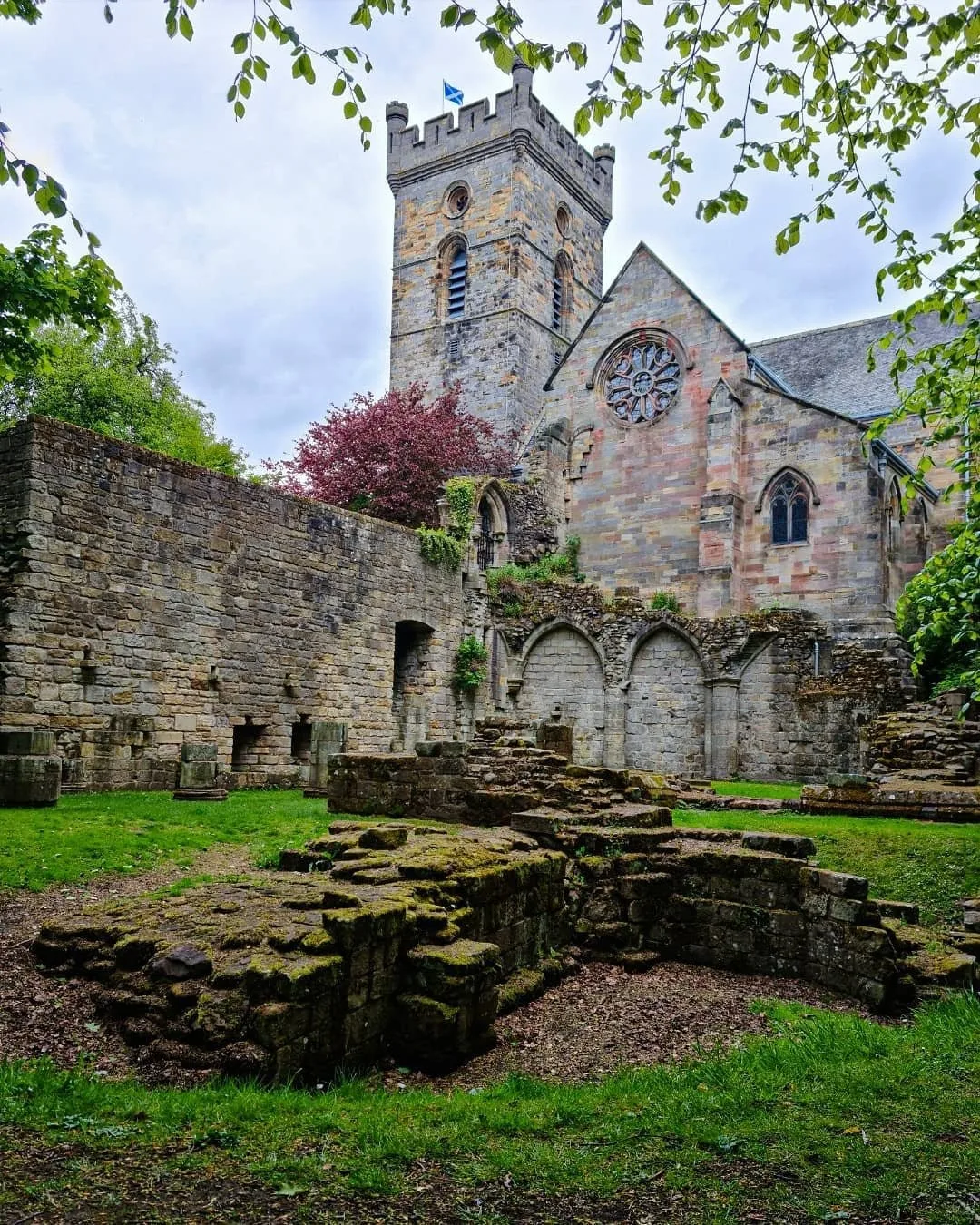
With part of it still used as a parish church to this day, Culross Abbey was founded in 1217. It’s believed the abbey was built here because the town was the birthplace of St Mungo. Set in the picturesque, cobbled village of the same name, the site is a popular location for weddings thanks to the beautiful surrounding site and landscape. Cultural events still take place in the surviving sections of the abbey, though most of it was left to ruin, with only a small section having been renovated in the early 1900s.
Sweetheart Abbey
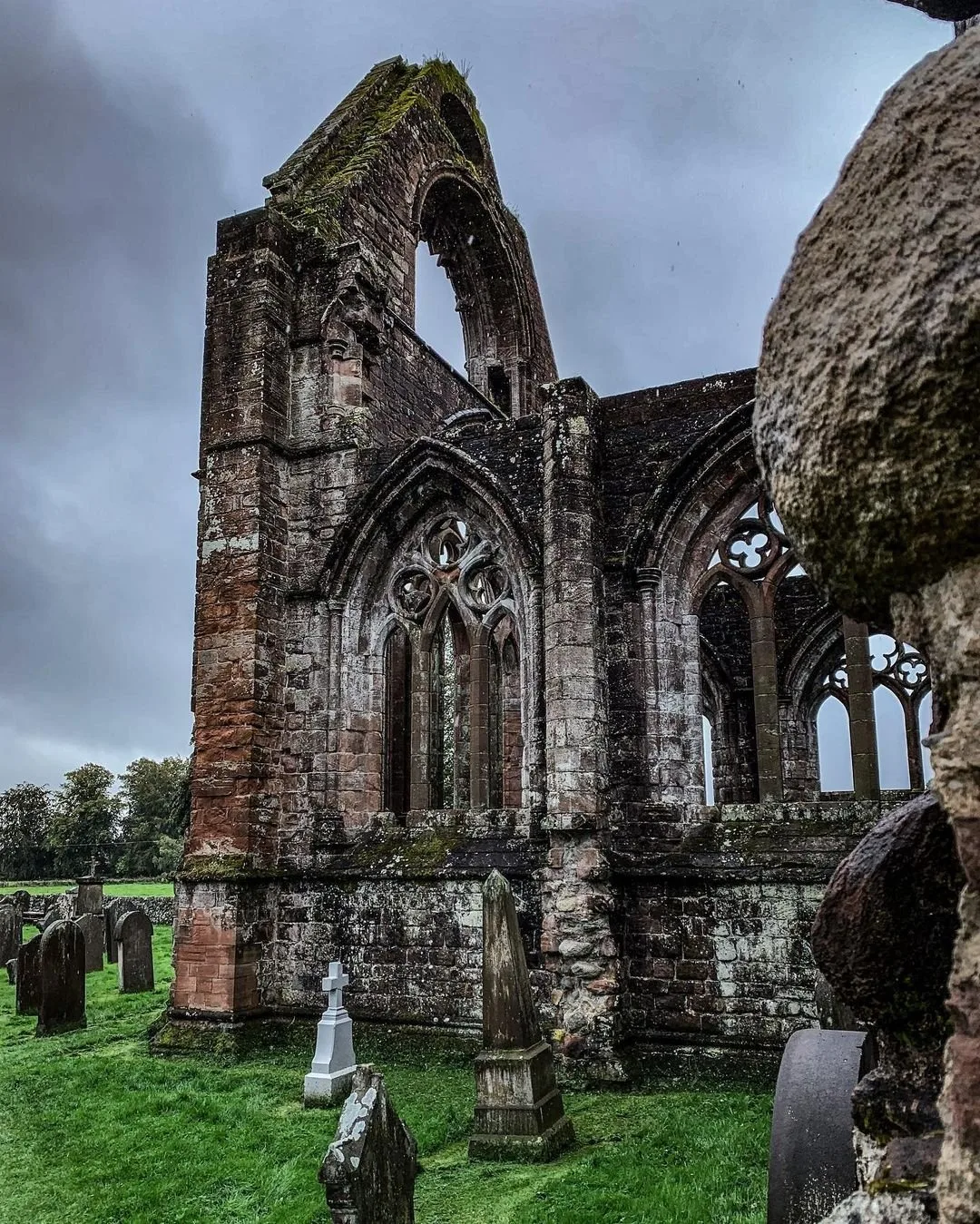
So named as a tribute from a woman to her beloved husband, the Sweetheart Abbey in Dumfries stands tall and proud against the rural village that surrounds it. The abbey was founded by Dervorguilla of Galloway in 1273. After her beloved husband passed away suddenly, she kept his embalmed heart, carrying it everywhere with her in an ivory casket. As a greater tribute to him, she built the abbey in his honour. She named the abbey Dulce Cor – translated to Sweet Heart. Over 700 years old, it welcomes visitors every year to the grand ruins, not unlike those found at St Andrews Cathedral.
Dundrennan Abbey
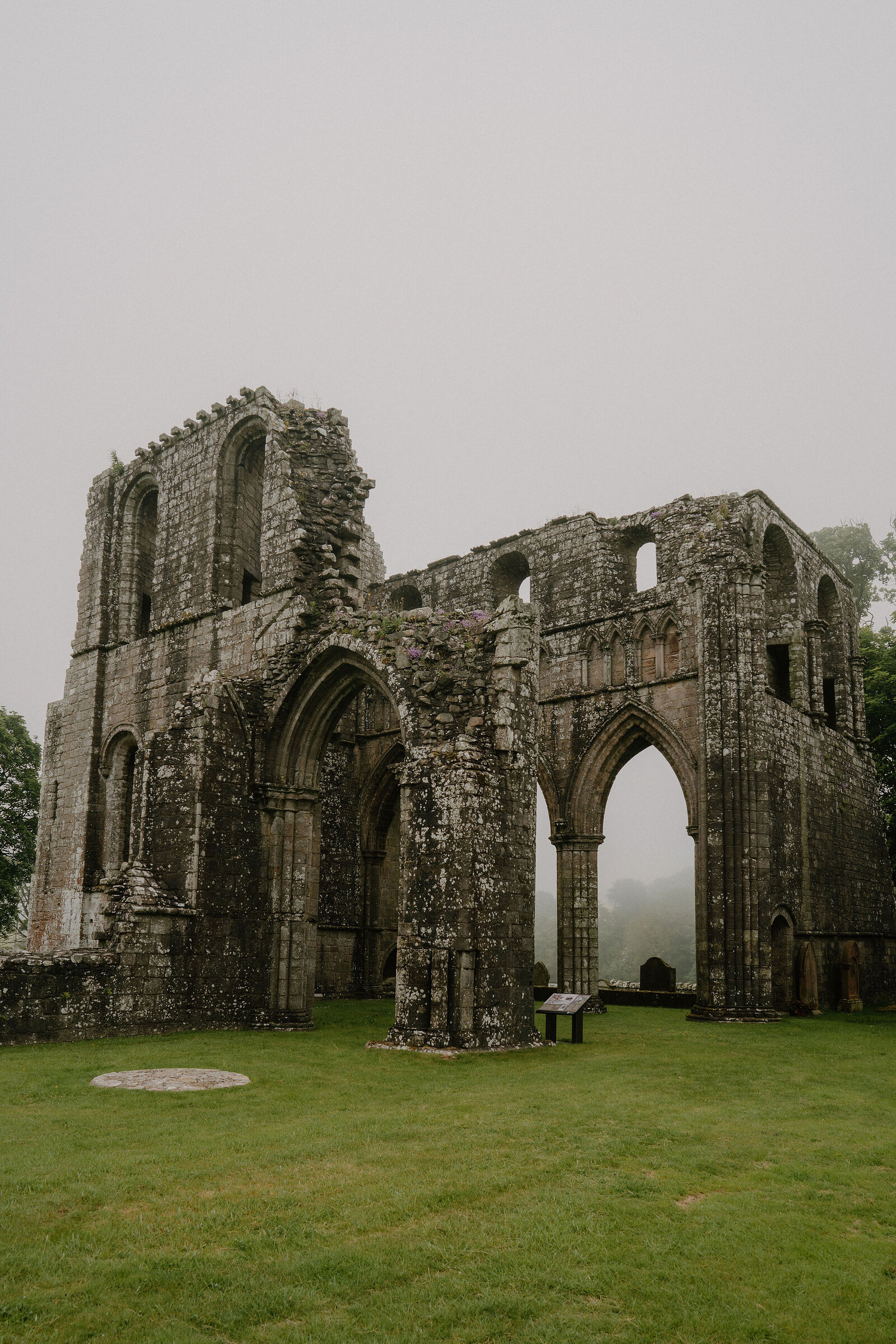
Mary, Queen of Scots spent her last night in Scotland at Dundrennan. Dundrennan Abbey, built in the 12th century under the order of King David I, sits remotely in a secluded valley in Kirkcudbright. Constructed in the gothic style, it is considered one of the most impressive of its kind still standing, with many of its original embellishments and features still available to see. It’s currently protected as a scheduled monument.
Pluscarden Abbey
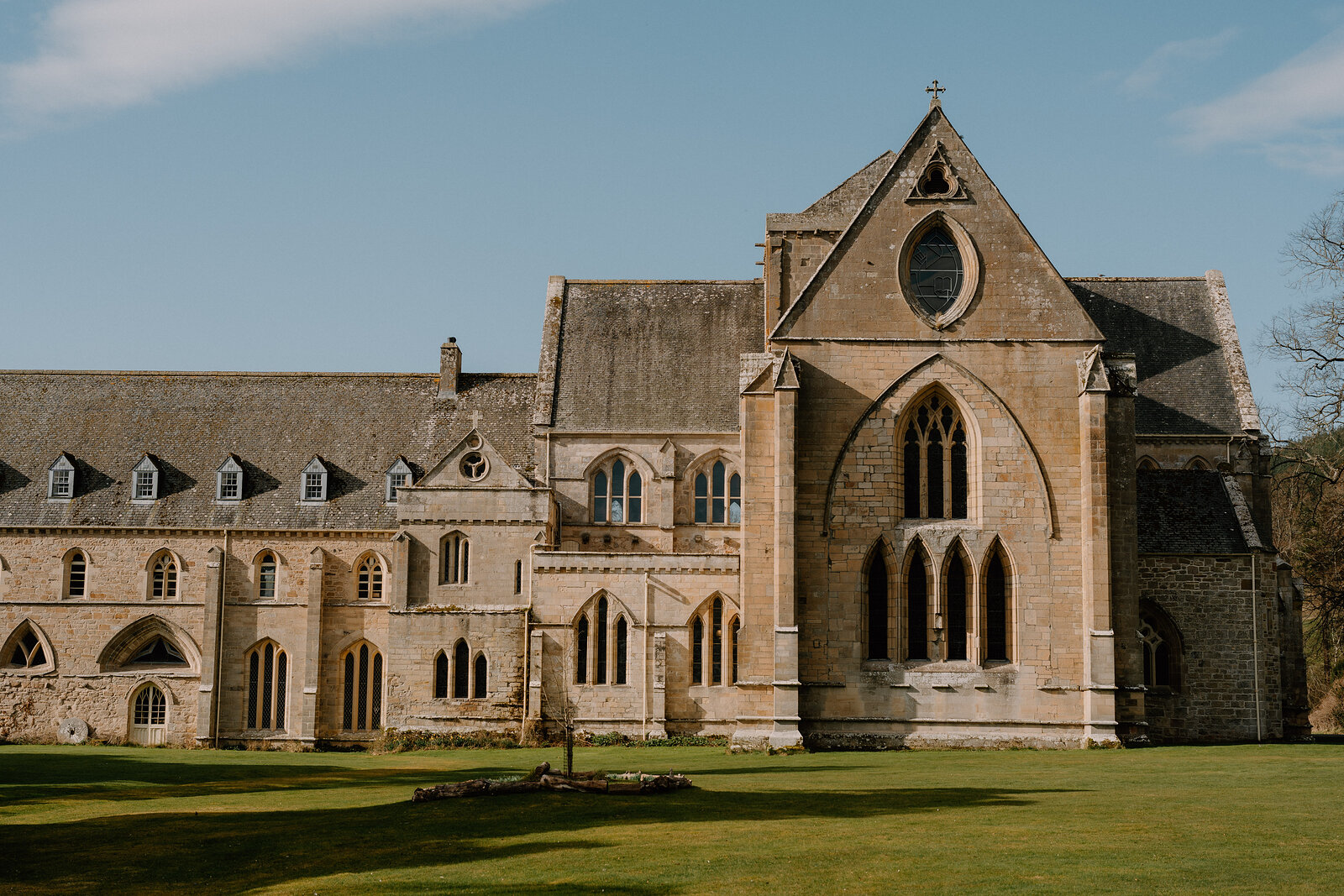
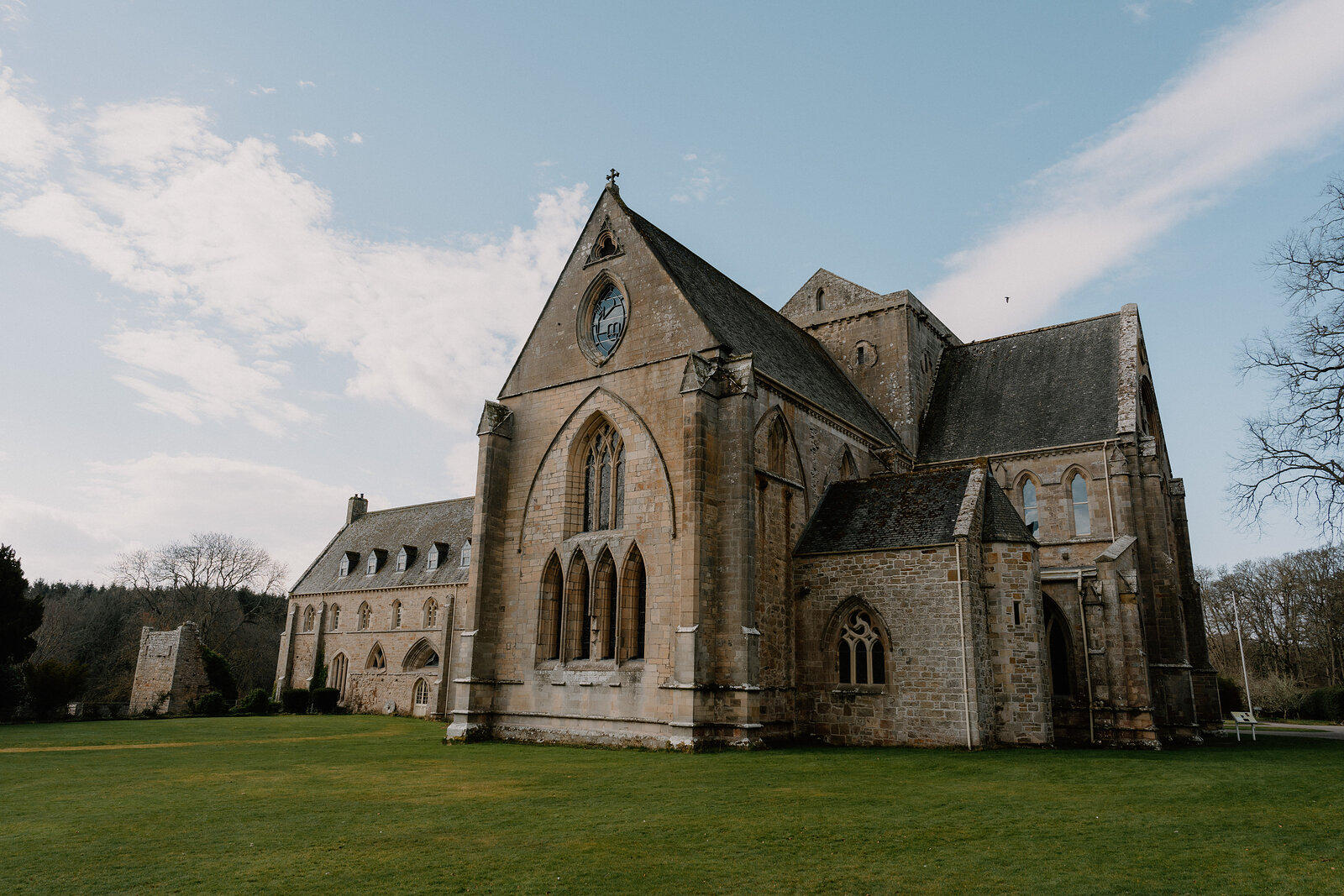
A Catholic abbey – which isn’t common in Scotland today – Pluscarden Abbey is the only medieval monastery in Britain being used for its original purpose. Situated in Moray, a community of Benedictine monks still live and work in the abbey, championing values of reflection, serenity and work. The abbey was first built in the 13th century and still welcomes guests and visitors. People of all faiths are welcomed for space to retreat and reflect in the calm and quiet of the glen in which the abbey sits.
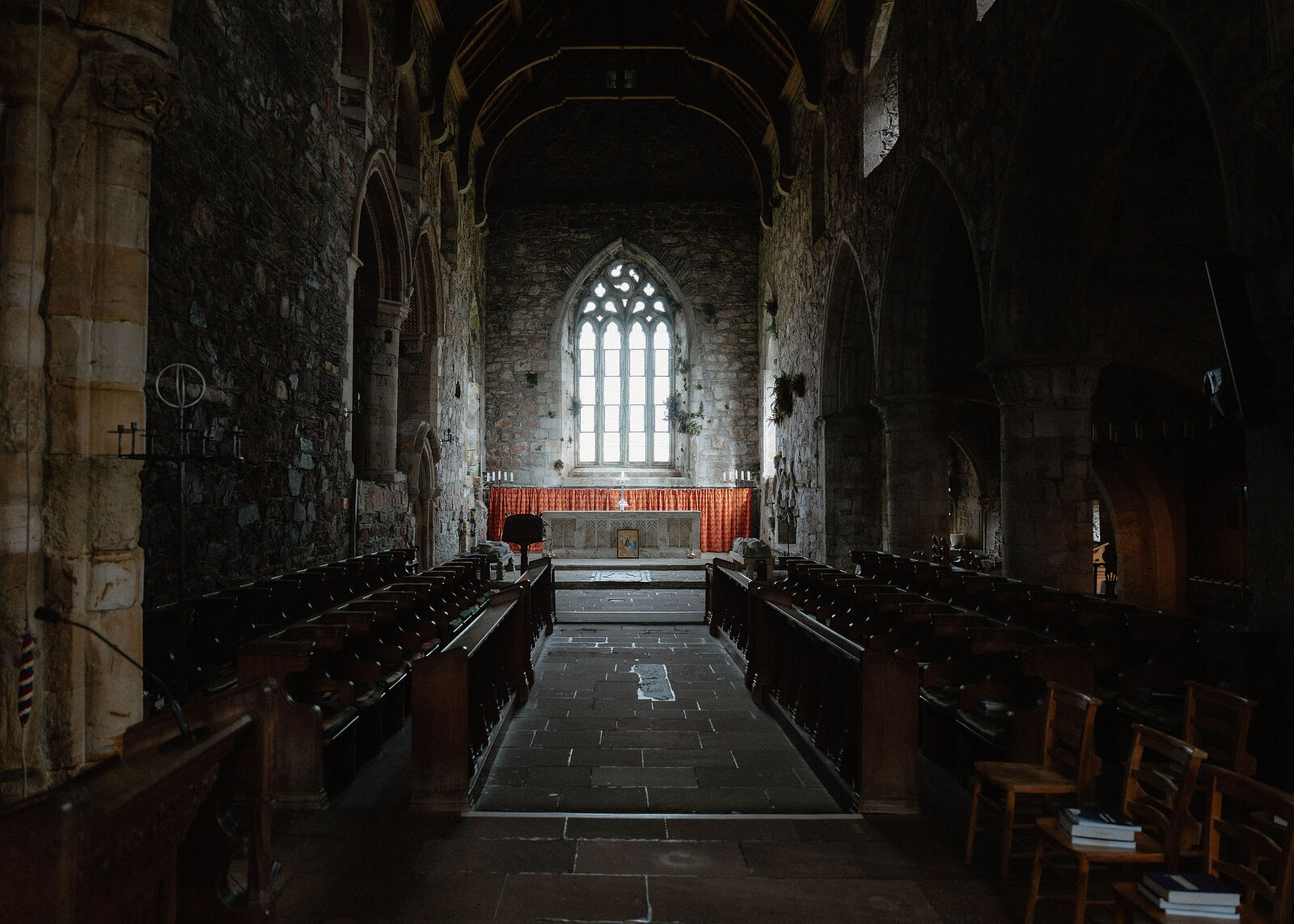
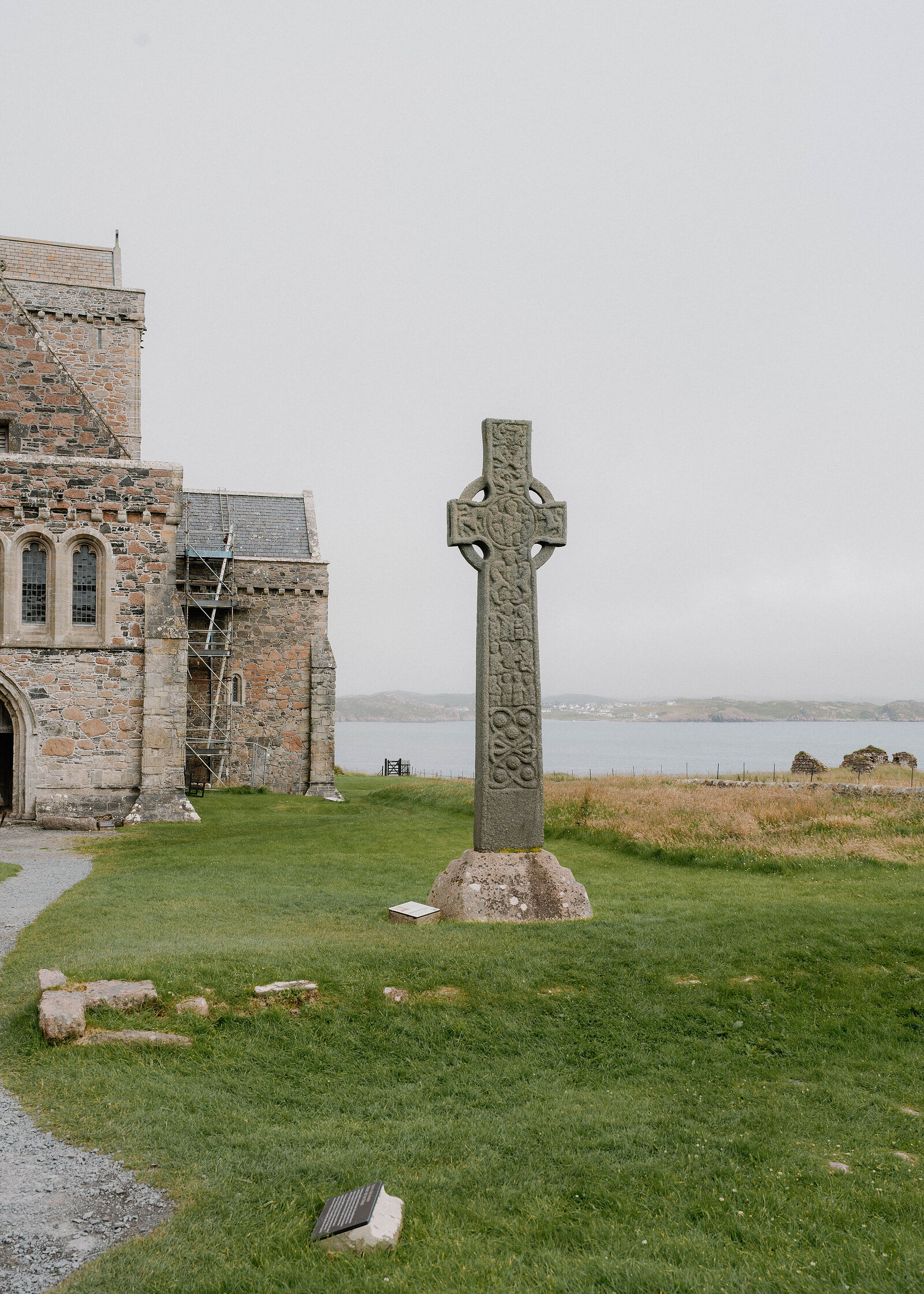
Iona Abbey
Found on the island of Iona on the West coast of Scotland, Iona Abbey is one of the oldest centres of the Christian faith in Western Europe and is considered to be one of the centres that helped spread Christianity throughout Scotland in the early centuries. A popular pilgrimage site for members of the Iona community, a Christian religious order, the abbey was renovated in June 2021 for £3.75 million – which was fundraised by said community. The abbey, now in the care of Historic Environment Scotland, includes high-speed broadband and a system for generating renewable energy.
The Daily
Arrives at 5am every day.
A free morning email to see what’s on this week, catch up on what’s happening in Scotland and find somewhere new to go.
Cambuskenneth Abbey
Considered one of Scotland’s most important abbeys, now only the bell tower remains of Cambuskenneth Abbey near Stirling. Founded in 1147, the Gothic bell tower was preserved in the 1860s, keeping intact its three storeys and vaulted ground floor. Cambuskenneth, famously, was where the first ‘parliament’ of noblemen and clergy swore an oath of faith to David Bruce, the heir to the throne. The abbey is now managed by Historic Environment Scotland, who maintain the extensive graveyard of Scottish royalty, including James III and Margaret of Denmark.
More about Cambuskenneth Abbey
Crossraguel Abbey
Sat near Ayr on the Scottish west coast, the ruins of Crossraguel Abbey still tell a distinctive story about its long history. First founded in 1244, the abbey was initially just a simple chapel for a group of Benedictine monks from the Paisley Abbey near Glasgow, before being transformed into a full-sized abbey. However, after centuries, the abbey fell into disrepair, leaving only the ruins for the modern visitor. Still, elements are preserved, including the pigeon tower (dovecot), cloister and the original chapel that the monks first built on the land.
(1)-full-1749388268.jpg)
Glenluce Abbey
Glenluce Abbey is a particularly well-preserved slice of Scottish history near the Water of Luce. Built in 1190 for Cistercian monks, the abbey welcomed visitors from Robert the Bruce to Mary, Queen of Scots. A scheduled ancient monument, the abbey fell into disuse following the Scottish Reformation and though efforts were made to refurbish it over the last few centuries, the ruins are now all that remains of this once famous abbey.
Inchcolm Abbey
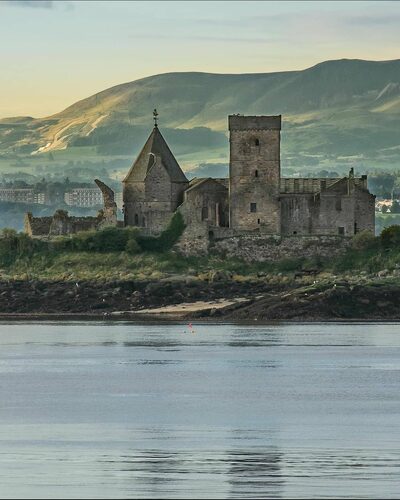
Visit the island of Inchcolm in the Firth of Forth and you’ll find the beautiful Inchcolm Abbey, considered one of the best-preserved ruined abbeys in the country. Built in 1140 by Alexander I – who had sheltered on the island during a storm and found it a charming place – the coastal landscape provides a dramatic backdrop for the ruins. The island is only accessible by ferry, but the island is packed with history – it was used as a coastal defence base in both world wars – and is famous for its wildlife, including seals.
Kilwinning Abbey
Found in the centre of Kilwinning, a town in North Ayrshire, the ruined abbey was established in the 12th century. Standing proudly near the town’s Main Street, the abbey was once one of the most magnificent churches in the country, but like so many religious sites fell into ruin following the Scottish reformation. But the clock tower, which was completely refurbished in 1816 and stands at just over 100 feet tall, remains as a reminder of the abbey that stood there before. Legend also tells that there is treasure hidden in a vault beneath the abbey – though no one has ever discovered whether the legend is really true.
 Out now
Twice a year, to your door
One hundred and sixty pages of Scotland, every photograph commissioned, every word written by someone who went. Members get both issues posted and everything on screen.

 The Last Stop Before Nowhere
 A Weekend Exploring the Isle of Mull
 What's On in Scotland: Autumn and Winter