
The Glendale Riots
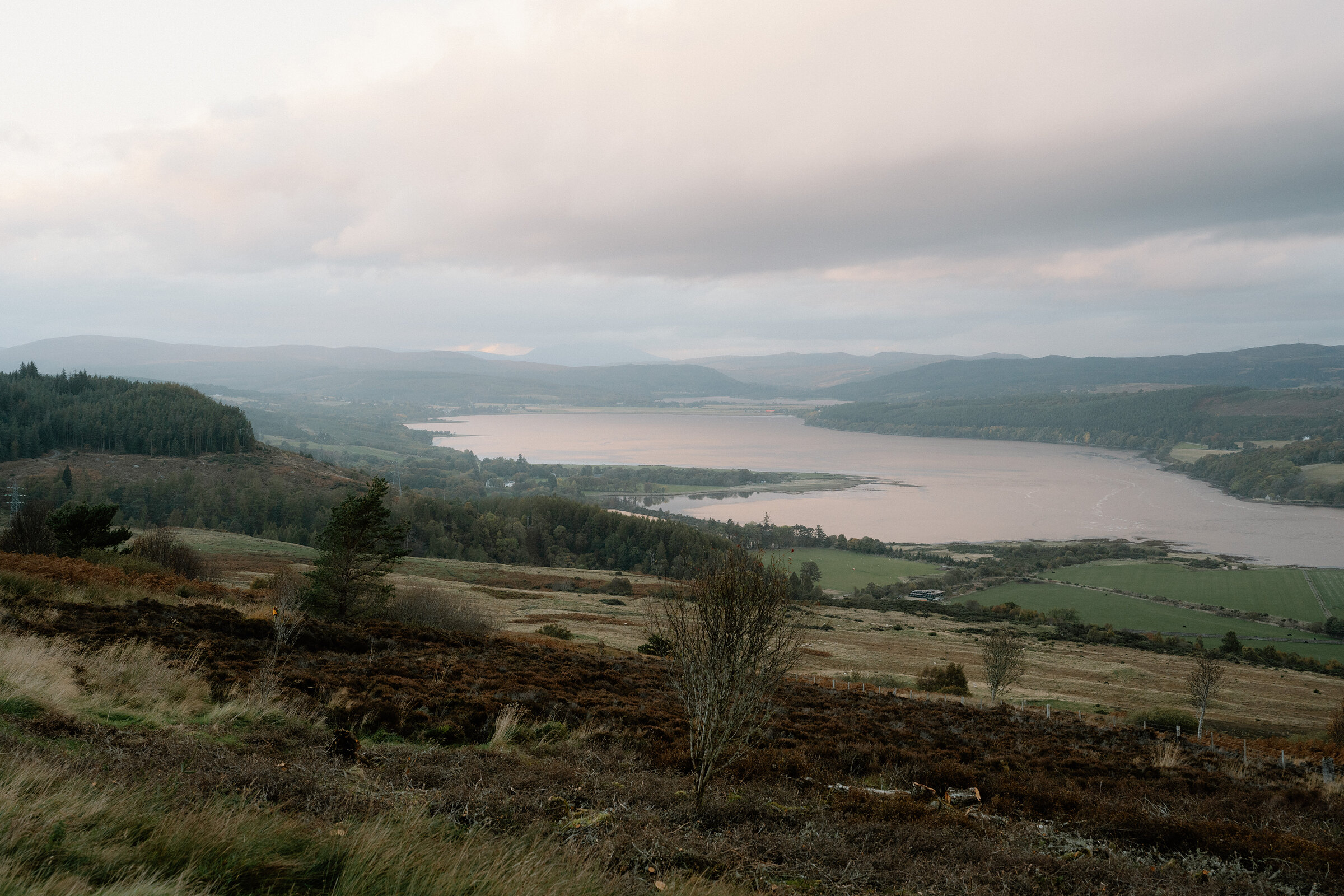
Skye crofters, led by John MacPherson, refusing rent after losing their common grazing in the 1880s.
Words by Hidden Scotland · Photographs by Hidden Scotland
It's easy to assume the Highland Clearances were something that happened back in the 1700s, right after the Battle of Culloden. In truth, it was a long, slow process that was still going on in the 1880s.
On Skye, so many people had been cleared from their ancestral homes and relocated to the same small area, that the crofters were running out of space. Each time a new family arrived, the land had to be divided up into ever smaller patches, but somehow the individual rents never decreased to match.
If that wasn't bad enough, the landowner went even further, taking away use of the common pasture, good grazing land that the crofters of Glendale needed for their cattle.
The islanders had no real alternative. Led by John MacPherson, they refused to abide by the new rules or pay their rent until it was sorted. When an estate worker tried to remove the offending cows, he was roughed up by the crofters and that’s when things began to escalate.
A party of Glasgow policemen were called to arrest the men responsible, but the entire community came together and chased the authorities off the island. It was clear a bigger show of force was needed to handle the people of Glendale.
The authorities went a little overboard. Six military regiments arrived, complete with Navy gunships ready to open fire if required. The soldiers steadily marched up from the shoreline, but MacPherson convinced everybody to remain calm. They would welcome the soldiers as friends to show that they had done nothing wrong.
No matter how peaceful the altercation was, the soldiers couldn’t just leave again without doing anything. An agreement was made for a token number of men including MacPherson to be jailed for common assault.
The crofter’s tactics worked and the way that the people of Glendale didn't rise to the baiting of the soldiers turned public opinion in their favour. A government commission was set up and eventually the Crofters Act 1886 was passed.
It was by no means perfect or all-encompassing, but fair rent was established and no longer could crofters be threatened with sudden evictions. Finally, they had at least some rights along with a measure of control over their land.




 Legends From The Old Man of Storr
 Duntulm Castle – Skye’s Most Haunted Location
 The Magical Waters By The Sligachan Bridge