
Moray. Moray Speyside guide
Whisky country on the Spey, dolphins in the firth and beach huts along a golden coast.
The four parts of Moray
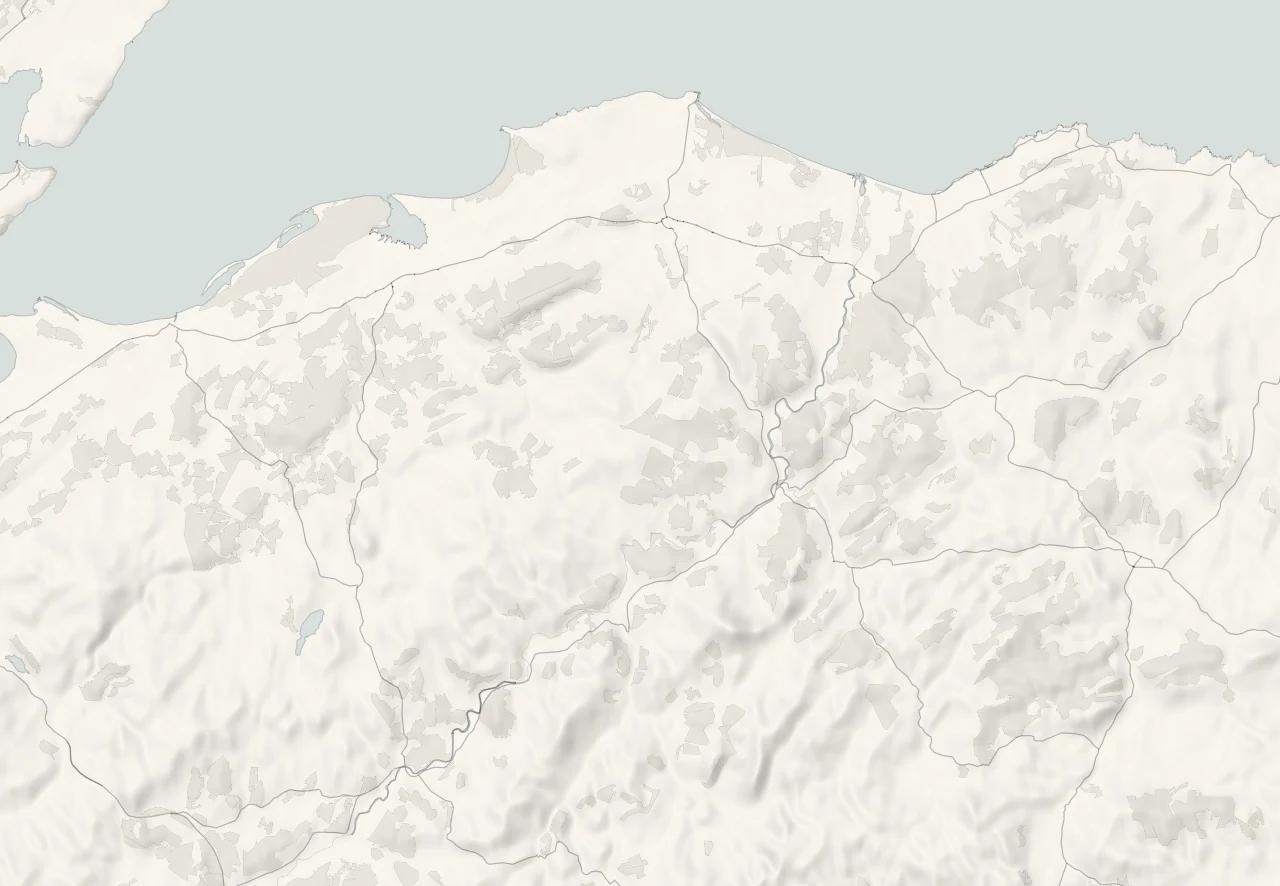
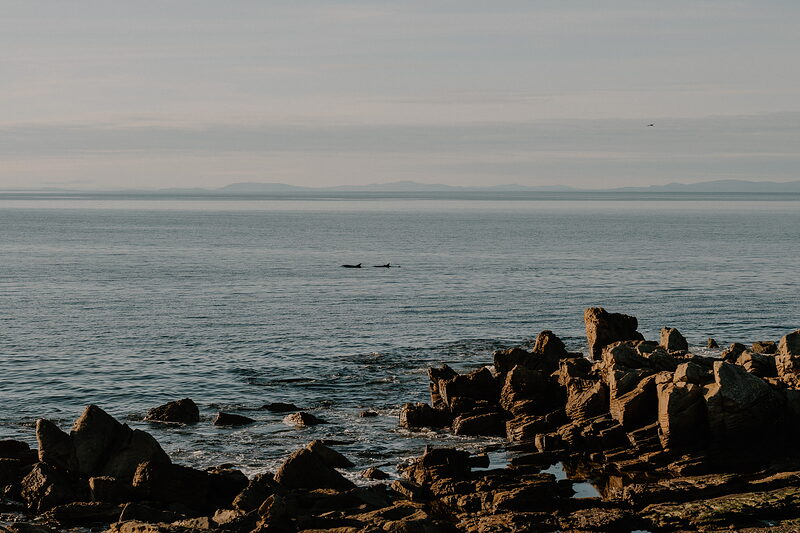
Picture a land of clear rivers and ancient forests. A place with dolphins in the bay and red squirrels in the trees, where historical towns dot the map and centuries-old distilleries produce world-class whisky. Somewhere to stop, look, listen, and breathe. You’d think such a region would be heaving with tour buses, but despite being a wedge of prime-grade Scottish countryside – with the Moray Firth to the north and the Cairngorms to the south – the Moray Speyside area often gets overlooked. A quick tip: don’t do the same.
Forres and Findhorn
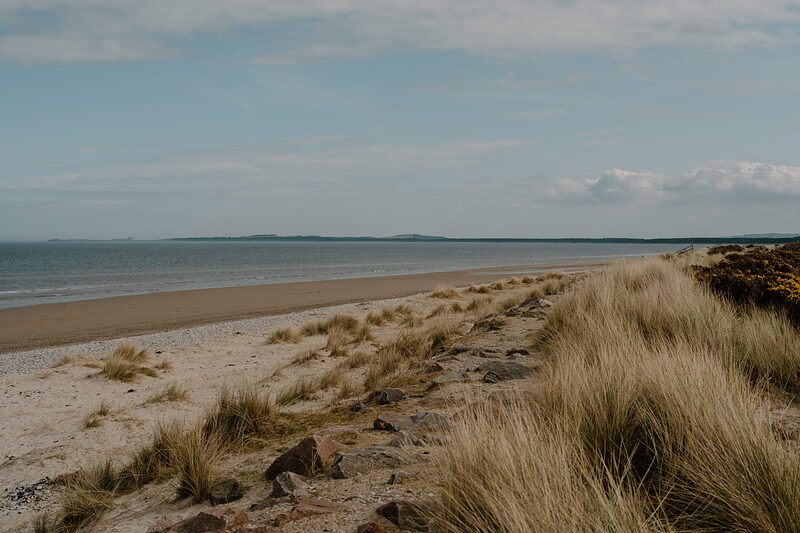
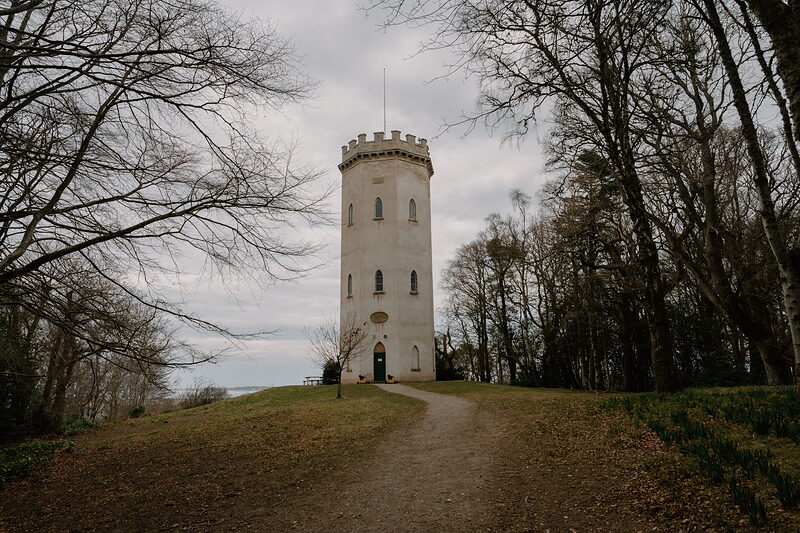
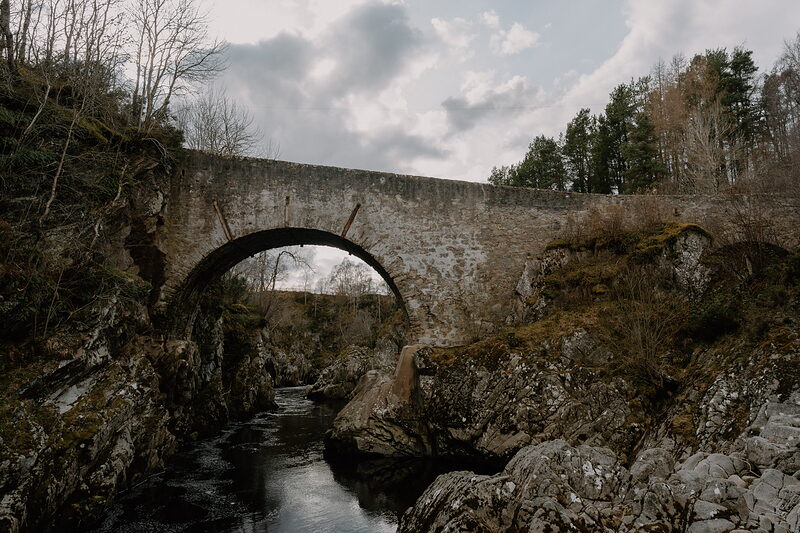
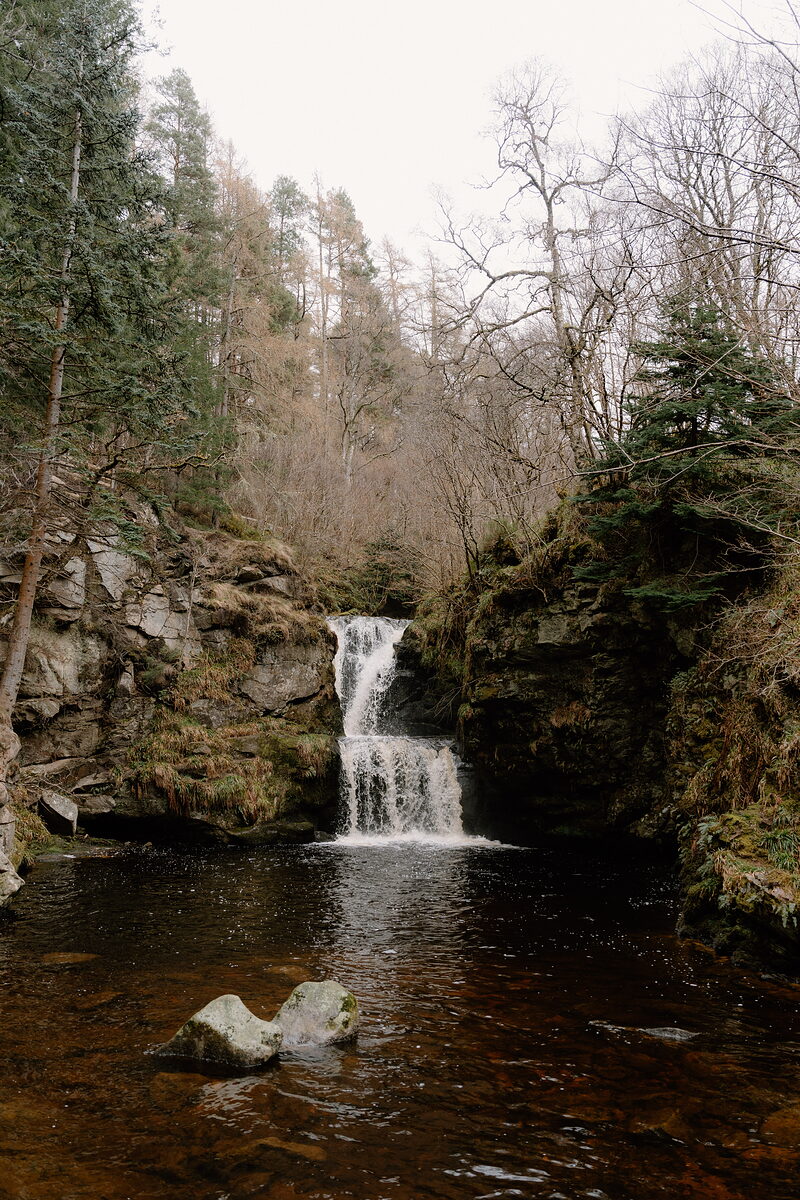
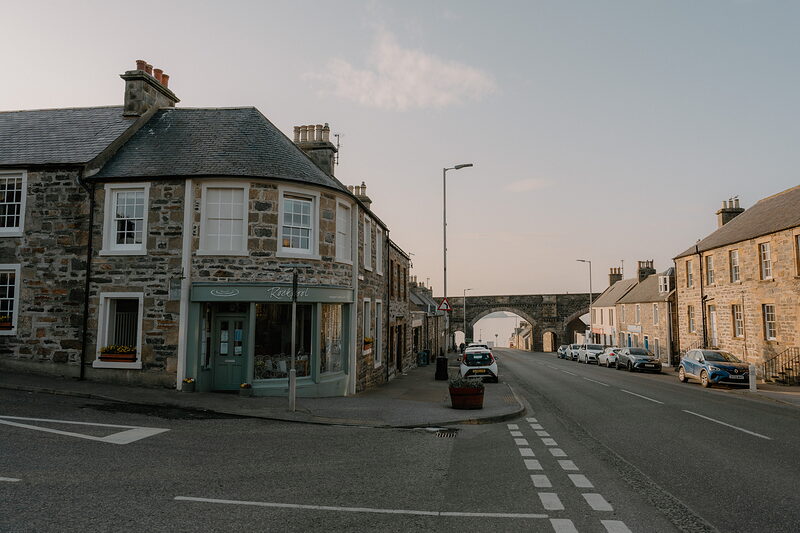
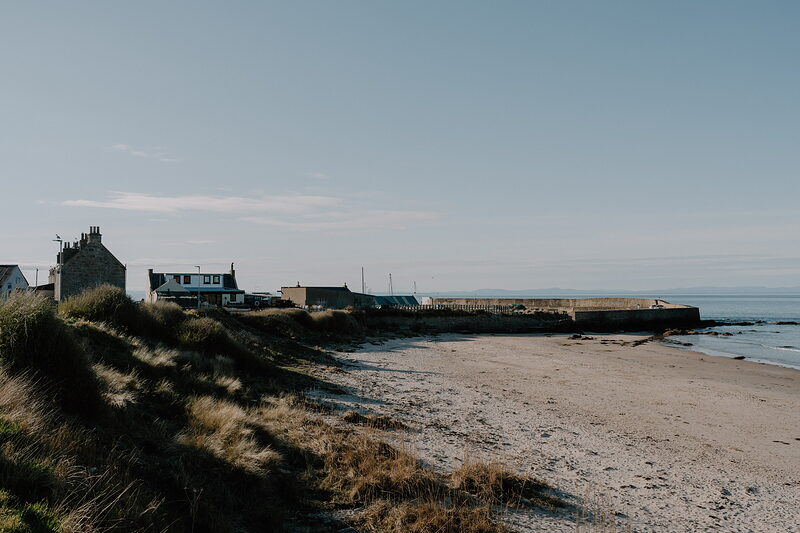
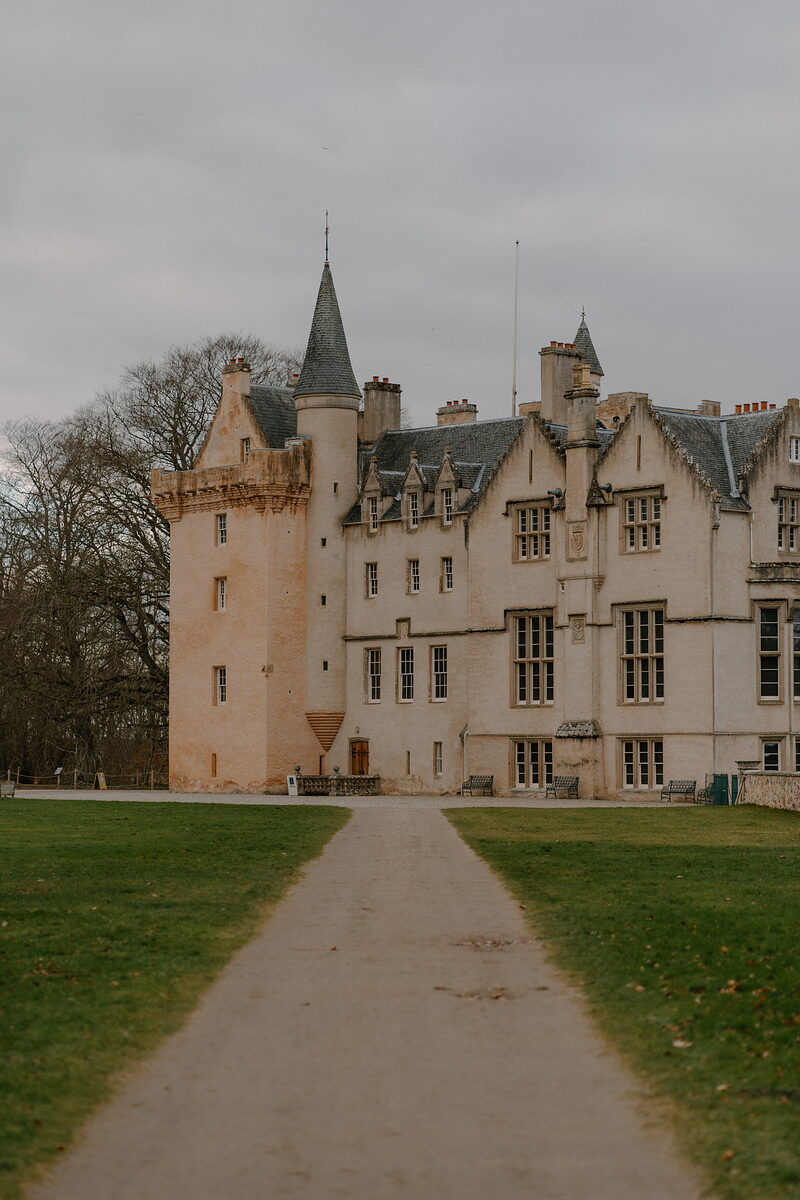
Findhorn is a sailing village on its own sheltered bay, with painted beach huts along miles of sand. Forres has Nelson's Tower on Cluny Hill and Sueno's Stone standing tall at the edge of town, while inland the River Findhorn cuts deep gorges at Randolph's Leap and Dulsie Bridge, and Brodie Castle sits among its daffodils.
Elgin and the coast
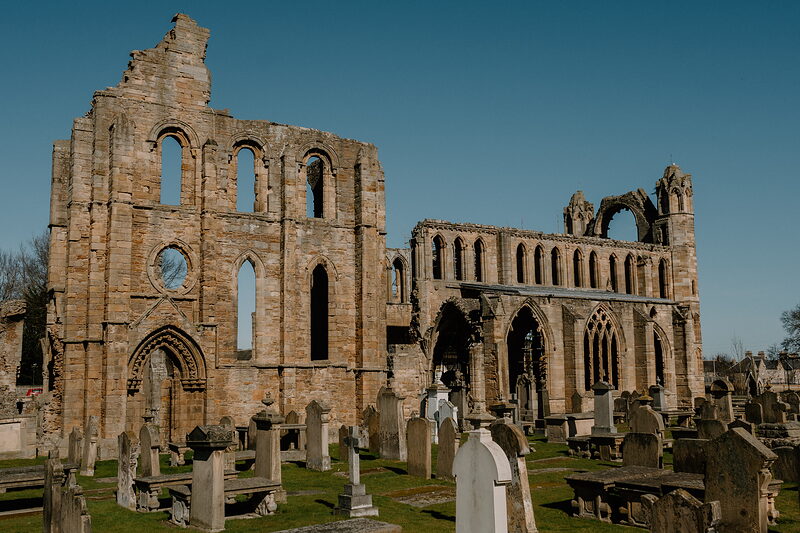
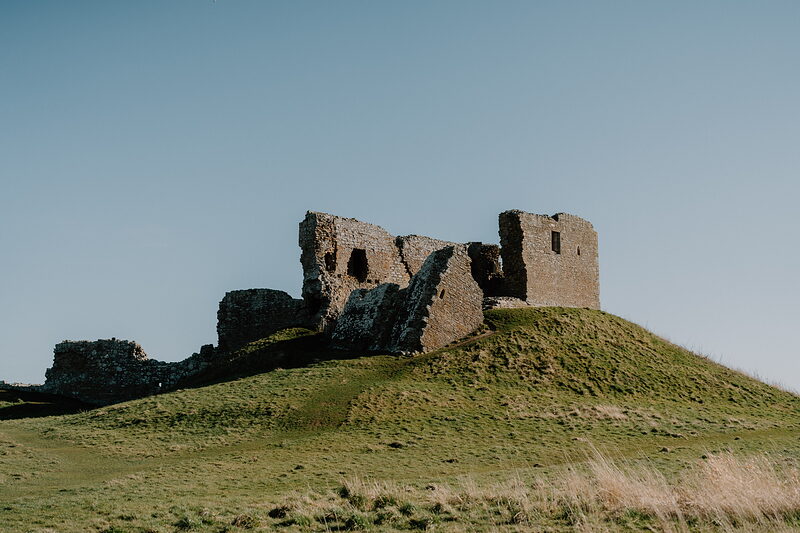
Elgin is the county town, with the great ruined cathedral and a cashmere mill on the Lossie. Around it the flat fields of the Laich of Moray hold Spynie Palace and the keep of Duffus Castle. Along the shore you will find sandy coves at Hopeman, two long beaches at Lossiemouth and a Pictish fort on the headland at Burghead.
Cullen and the east coast
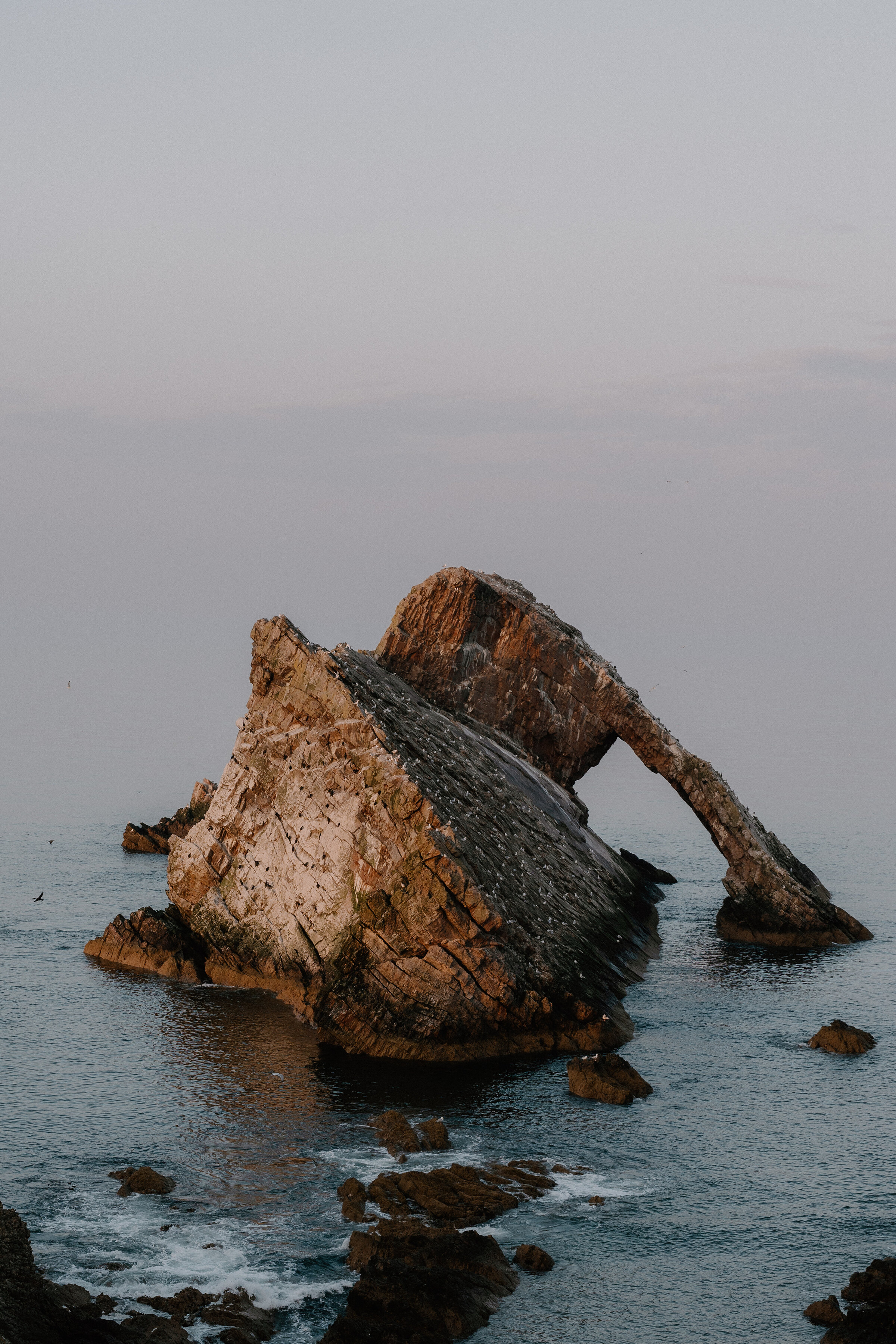
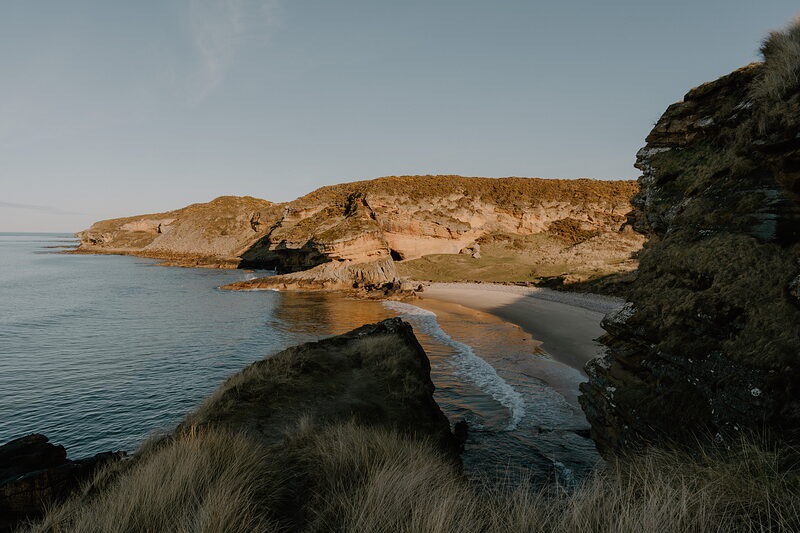
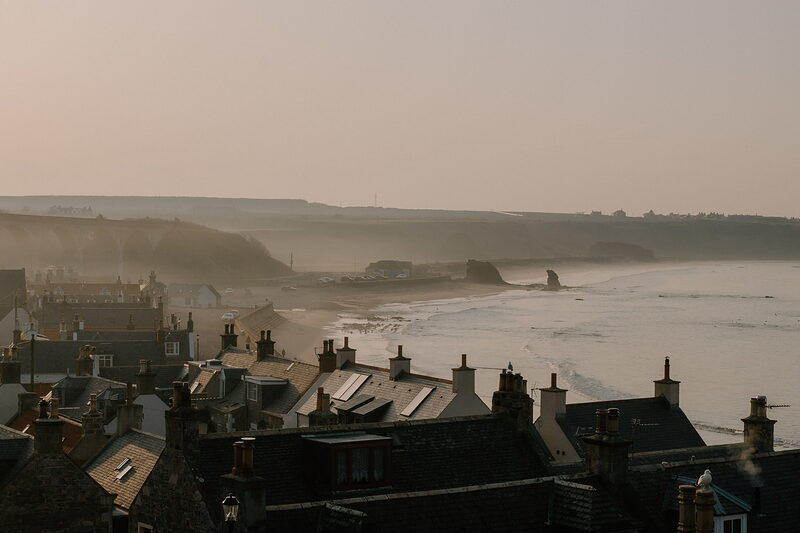
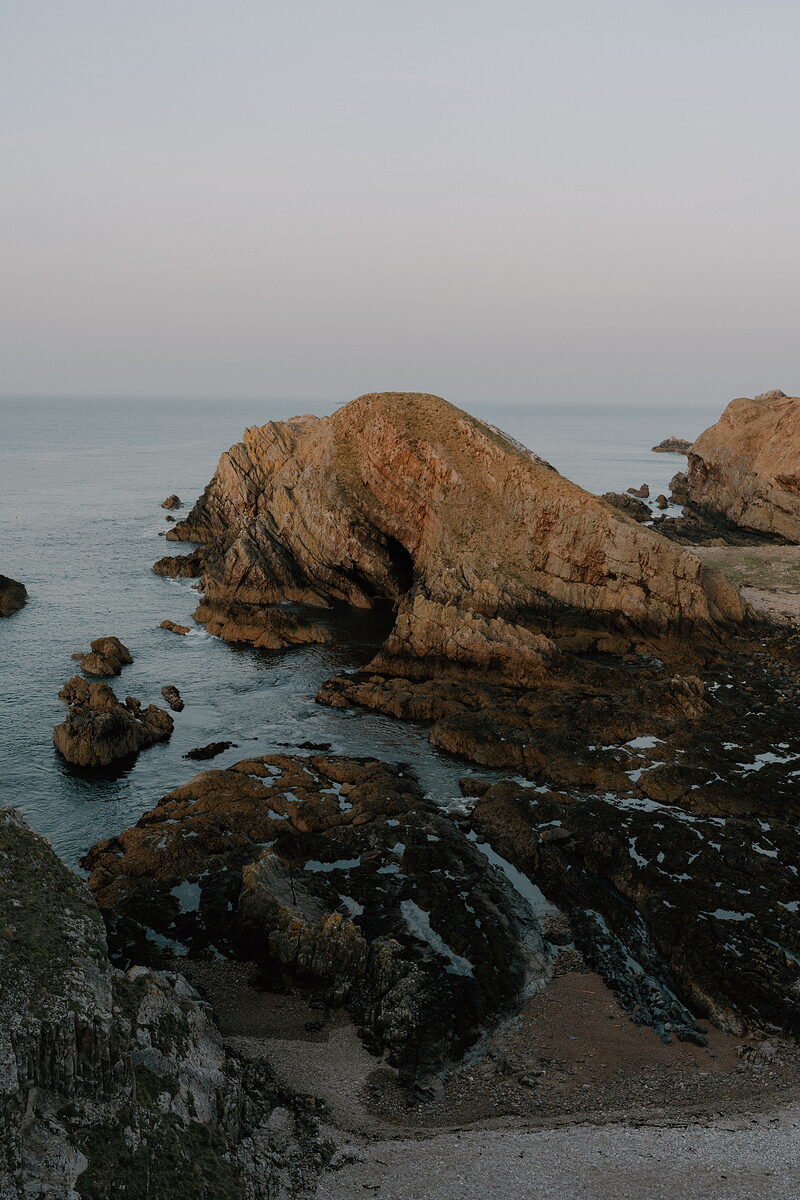
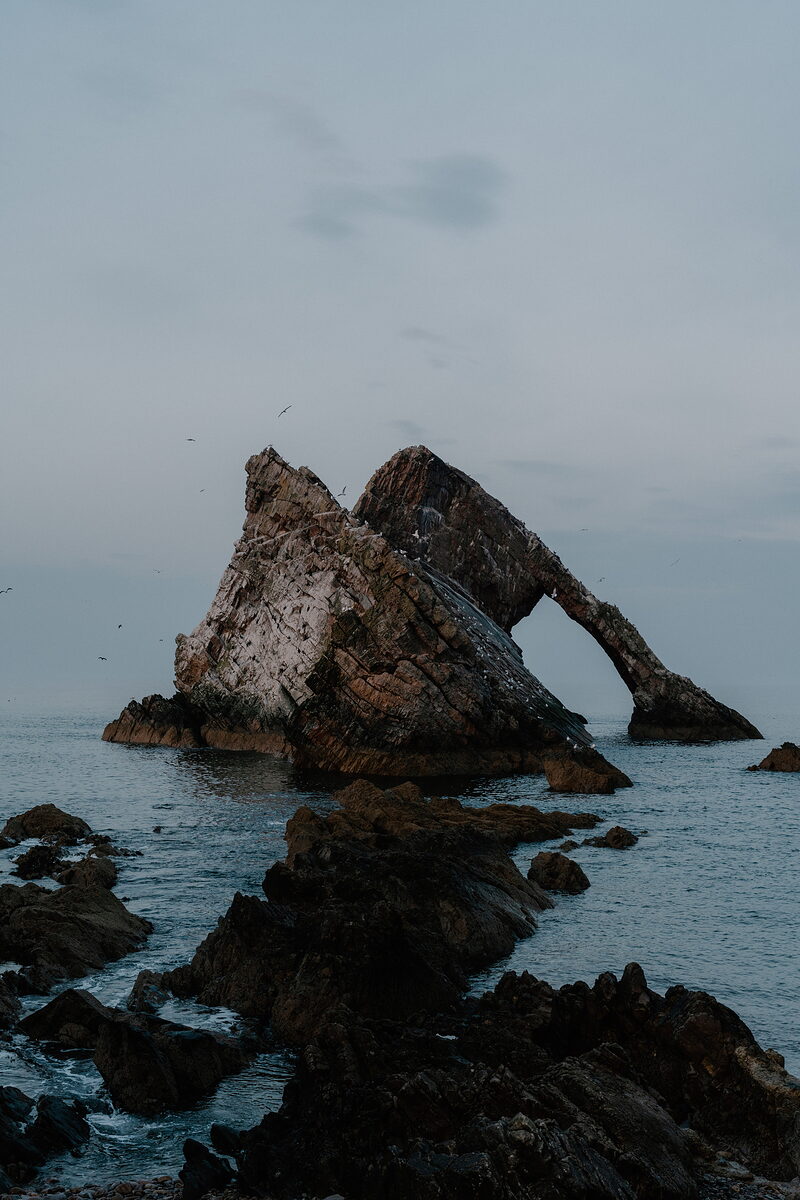
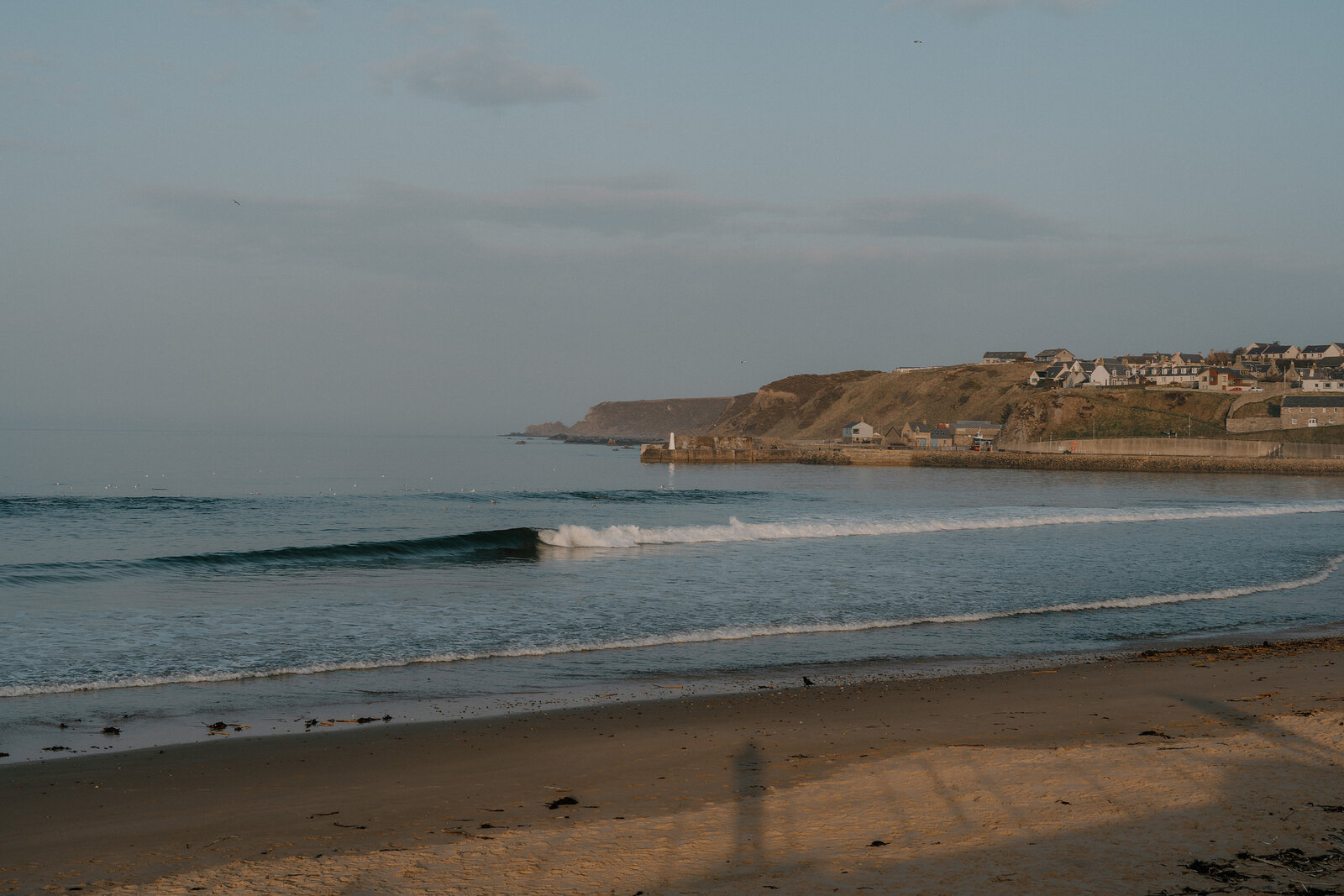
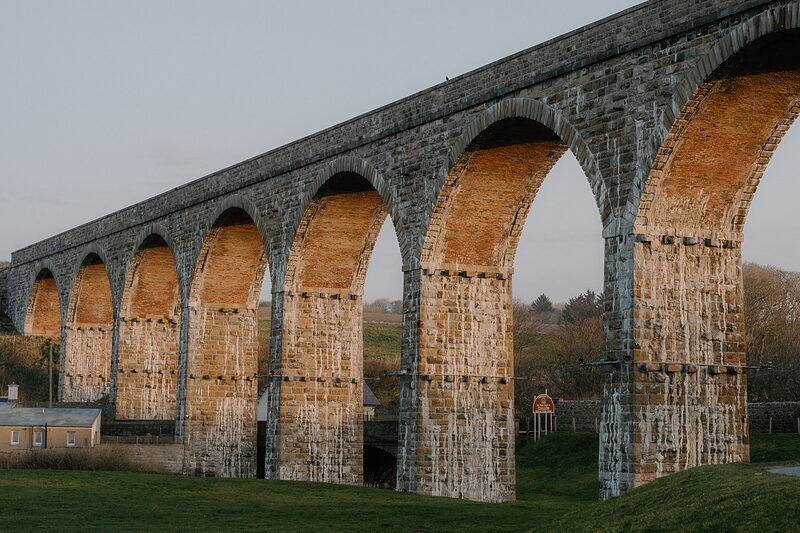
Cullen gave the world Cullen skink, and its sandy bay is watched over by sea stacks and a painted Seatown under the old railway viaducts. Bow Fiddle Rock stands in the sea off Portknockie, the Spey reaches the sea at Spey Bay, and Fochabers sits just inland on the road from Elgin.
Dufftown and Speyside
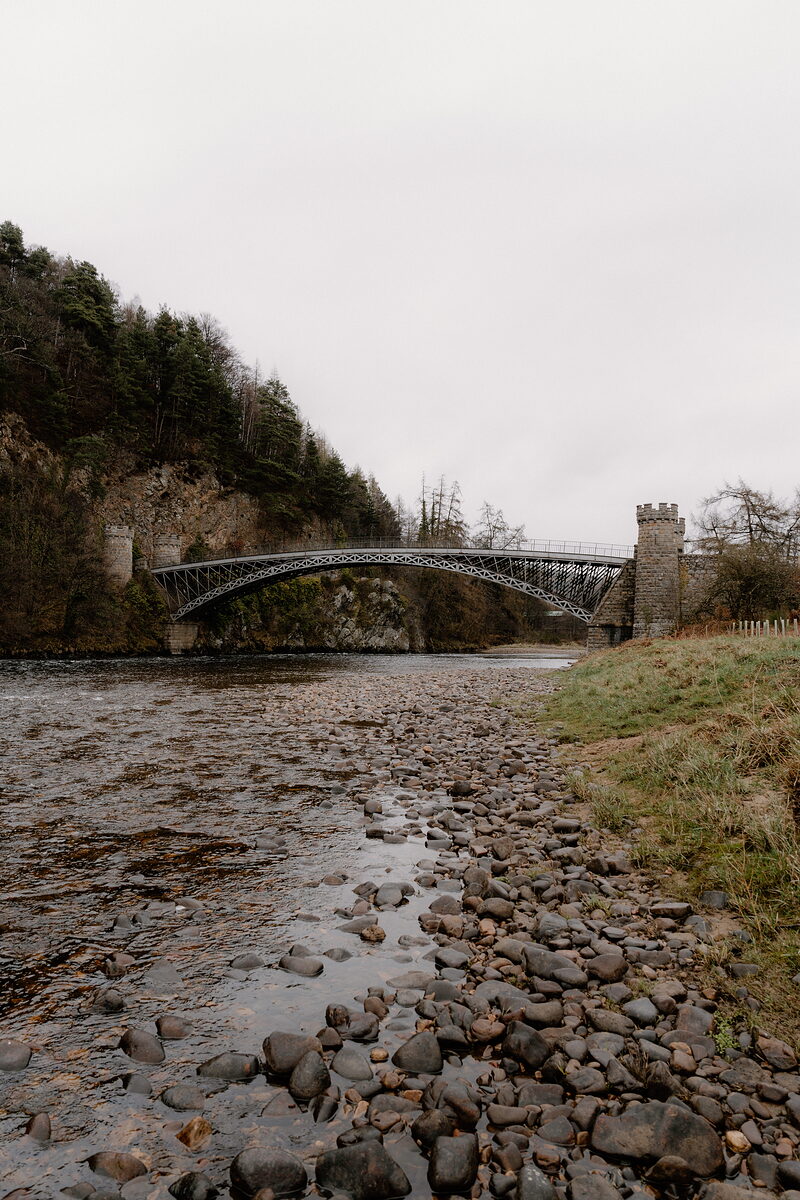
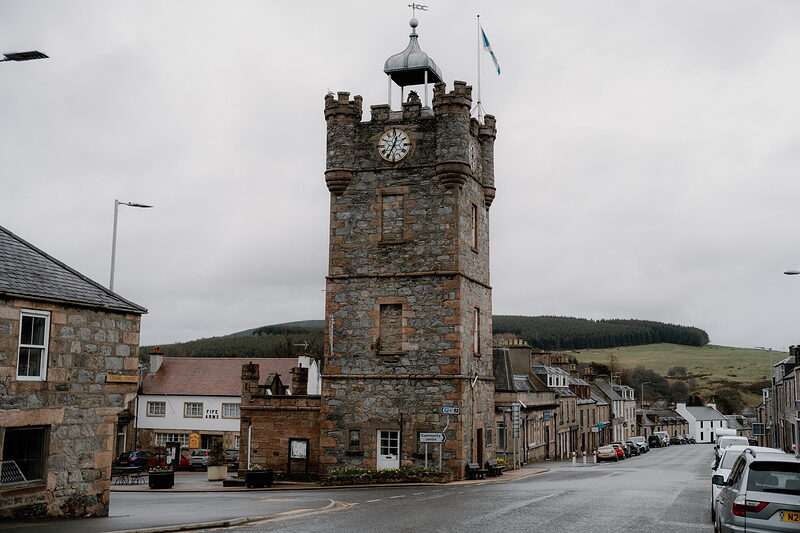
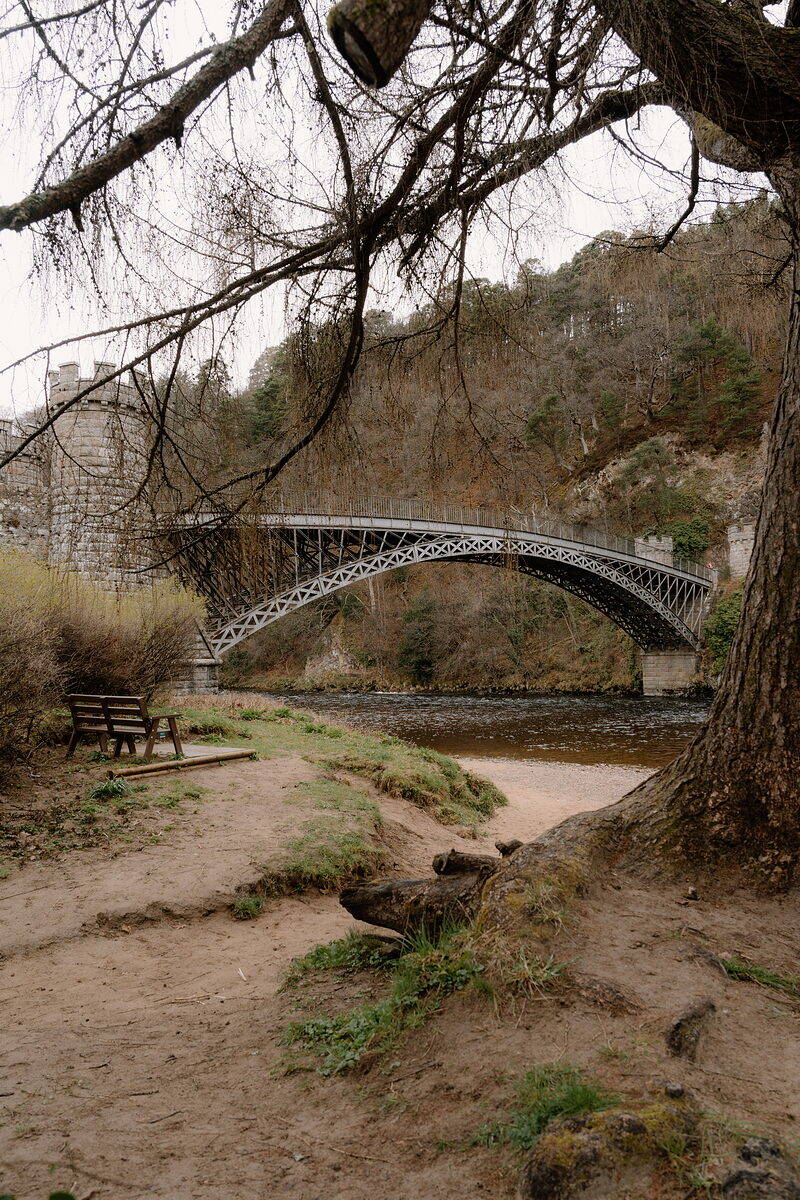
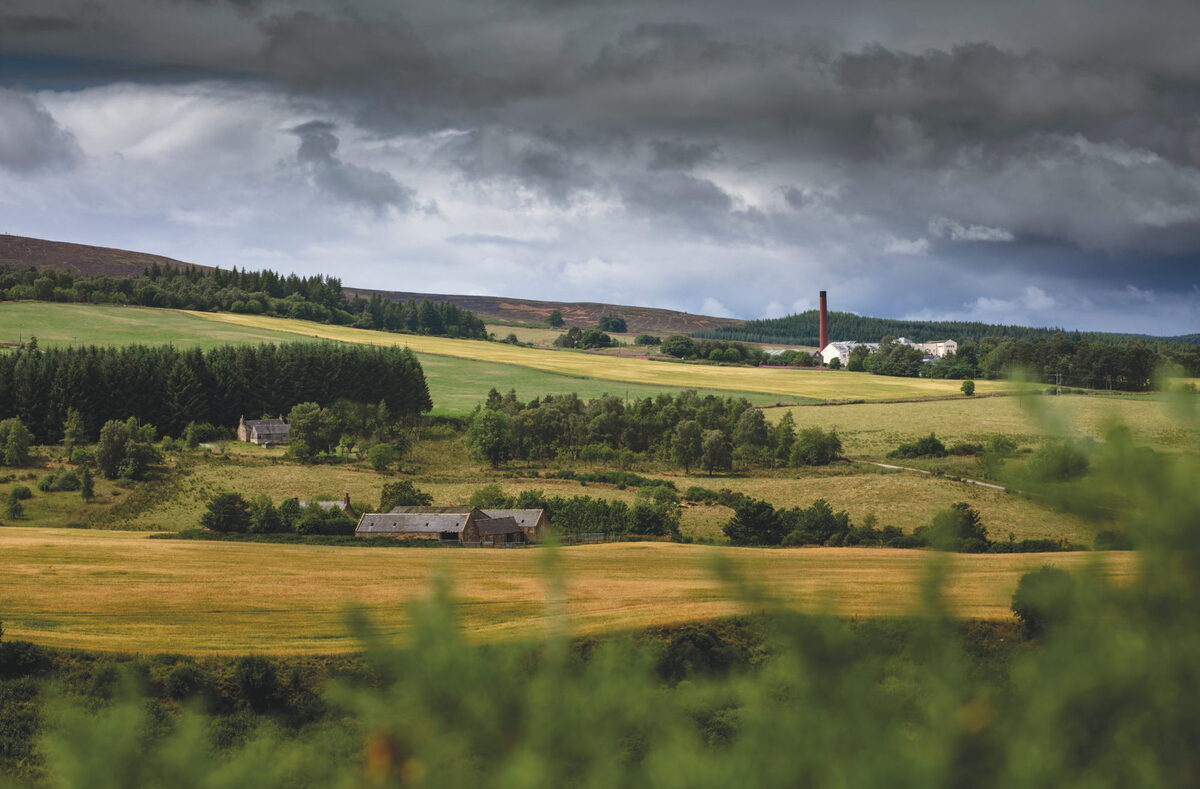
This is whisky country, where the Spey winds between wooded hills past distilleries old and new. Dufftown gathers round its clock tower, Telford's iron bridge crosses the river at Craigellachie, coopers mend casks by hand at the Speyside Cooperage, and a heritage railway runs between Dufftown and Keith, with Ben Rinnes rising over it all.
“It’s an area conducive to the good life, so the best approach is to take your time and enjoy each attraction to the full.”
Ben Lerwill
Travel writer, on Moray Speyside
Best known for.
It’s said that more than half of all distilleries in Scotland are based here in Moray Speyside, meaning that when many people think of the region, they do so through the golden hue of a whisky optic. But a wee (or not so wee) dram is just one part of Moray’s rich appeal, which blends rugged scenery and coastal drama with riverside walks, fishing villages and age-old customs – not to mention a lively contemporary cultural scene.
More about Moray
Travellers who make the journey have serious rewards in store. As well as its celebrated whisky, it has a stunner of a coastline, lined with pale sandy beaches, rampant cliffs and characterful little fishing villages, while the mighty River Spey is an attraction in its own right, flowing and frothing its way from the mountains to the coast, where it empties into the sea-life-rich Spey Bay. Elsewhere you’ll find – among many other things – the farmland plains of the Laich of Moray, the peaks and valleys of the northern Cairngorms, and one of the best Dark Sky Parks in the UK.
This is also an area thick with tradition. Highland Games have had a prominent role in local culture since the days of the clan system, and the local Scots dialect known as Doric – while not in wide use – still has a part to play in Moray’s overall personality. Indeed, when the local MSP was sworn into the Scottish Parliament in 2021, he took his oath in both English and Doric.
What would you like to look at?
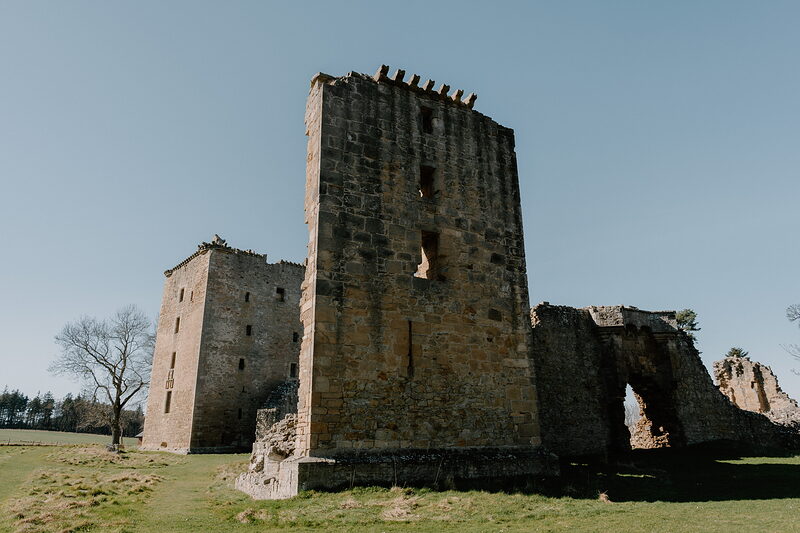 See and doA ruined cathedral, castles and Pictish stones
 Eat, drink and shopCullen skink, seafood and a railway carriage café
 Where to stayEstate houses and a woodland bothy
 History and storiesPicts, Macbeth and the whisky glens
 ItinerariesWhisky country and the Pictish trail, stop by stop
 Getting hereThe trains, the roads and the buses
 What is on in MoraySomething new from the region every day
What is on in Moray
Friday the 16th of October.
Sunrise 07:50, sunset 18:07.
Things you might not know.
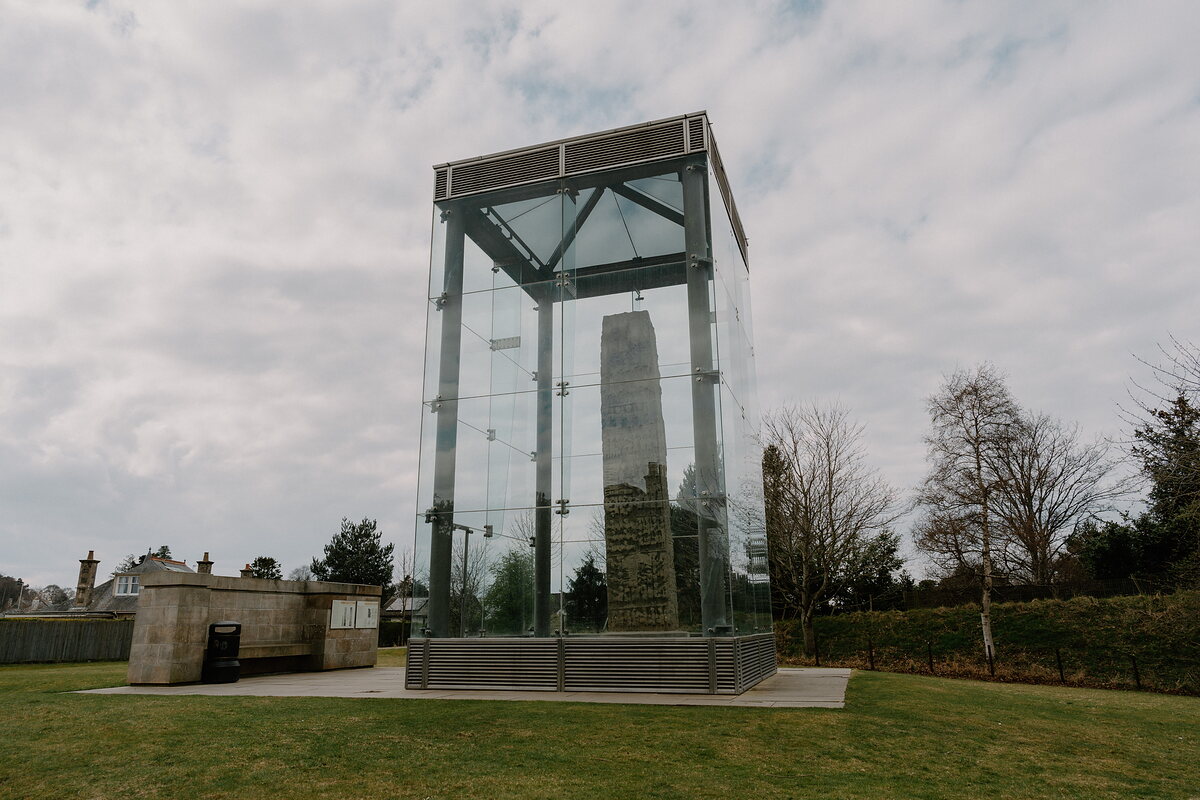
Sueno's Stone near Forres is the tallest surviving carved stone in Scotland, covered in warriors and knotwork, and nobody knows for certain who made it or why.
From Not Quite Pictish, Not Quite Viking: The Puzzle of Sueno's StoneIn 1390 forces under Alexander Stewart, the Wolf of Badenoch, burned Elgin Cathedral, though there is no sign the nickname was used in his lifetime.
From The Wolf of Badenoch and the Burning of Elgin Cathedral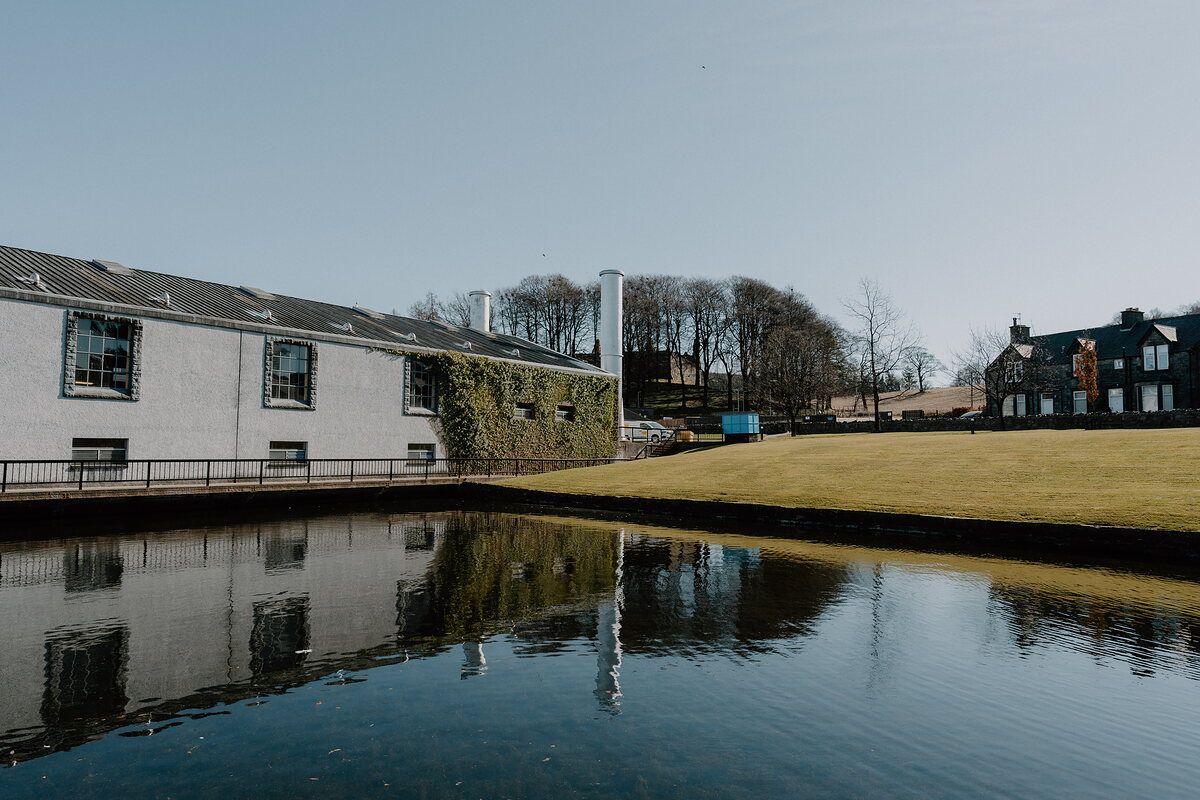
When George IV visited Edinburgh in 1822 he called for glass after glass of Glenlivet, a Speyside whisky that at the time was technically illegal.
From The Story of SpeysideMoray gave Scotland two kings in the 11th century, and one of them was Macbeth.
From Moray: Discovering the Nooks and CranniesThe Spirit of Speyside Whisky Festival, begun in 1999, is the world's largest whisky event, and distilleries usually closed to visitors open their doors for it.
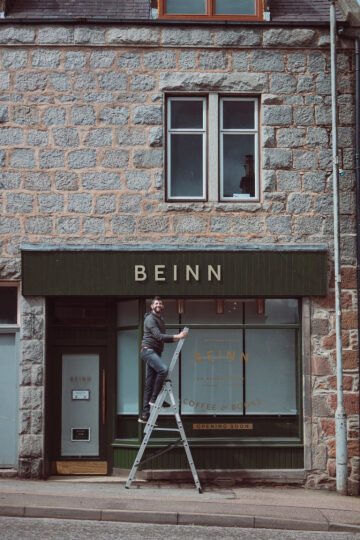
From Spirit of Speyside Whisky FestivalConval Coffee Roasters walk their deliveries up to Beinn in Dufftown in reusable containers, for a coffee supply with no waste.
From Discover Beinn: Dufftown's Cosy Haven for Coffee and Books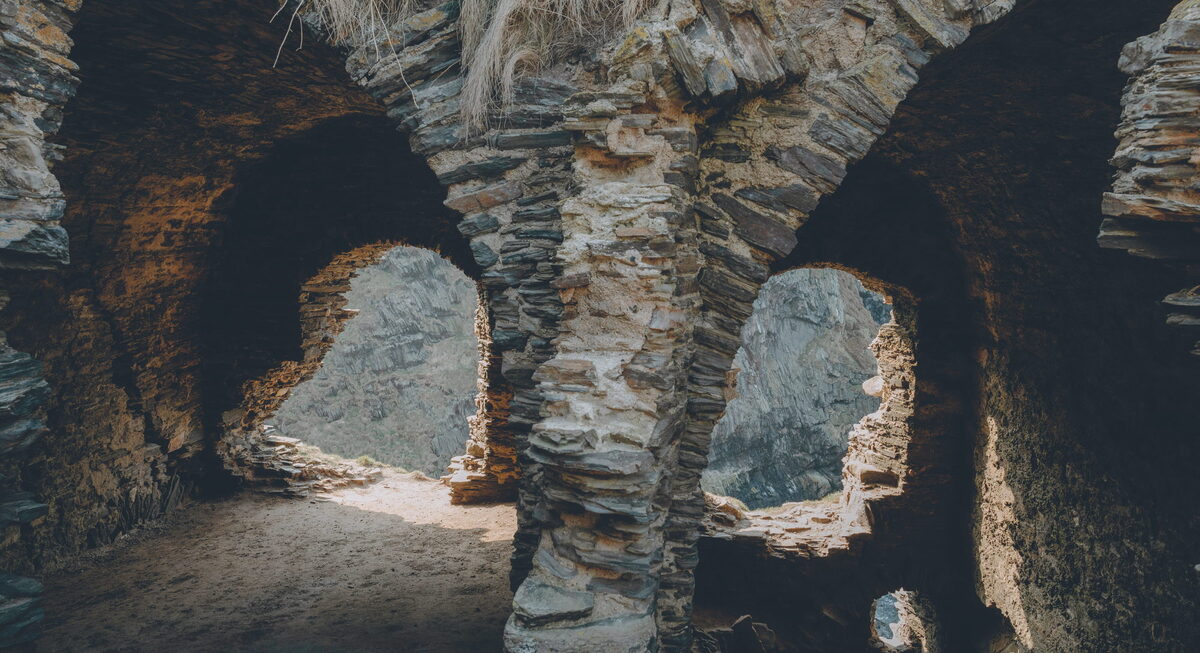

Photographs by Johnstons of Elgin and JohnstonsofElgin; Sue Earp, Annie Slizak, Michael Bartsch (Lichtmichl) and Katinka van der Linden via Google