
The Story of Speyside
Christopher Coates tells the tale of how a northern corner of Scotland became the world’s malt whisky capital
It is a strange quirk of the human condition that gives stories, from the smallest anecdote to the most meandering of epics, a mysterious power over our perception of flavour. It’s well known that the link between aroma and memory is one of the strongest bonds hard-wired in the human mind and what else is a story but a memory, real or imagined, that’s been shared? Much like personal recollections, tales tend to morph with time, distance and each retelling, while, just as a flavour can trigger visions of the past, stories can help guide the senses to new levels of understanding and appreciation. Though this principle applies as much to potatoes as it does Champagne, there’s truly no better place to perceive this mysterious force at work than the world of whisky. It seems like there is a guiding power which encourages curiosity about Scotland’s national drink and compels hundreds of thousands of people to visit distilleries each year. The root of Scotch whisky’s irresistible appeal: the stories.
The phenomena is not a new one. In fact, one oftenrepeated tale changed the fortunes of Scotch whisky forever. In August 1822, King George the IV of Great Britain and Ireland called for glass after glass of ‘Glenlivet’ during his famous trip to Edinburgh, which was the first visit to Scotland by any reigning monarch for nearly two centuries. Though little more than a minor detail in a carefully choreographed pageantry pulled together by the famous Scottish author Sir Walter Scott and his contemporaries, the presence of Highland whisky in the glass of the King throughout the trip was widely noted. Though whisky had been gradually increasing in popularity among all social classes in Scotland during the preceding decades—not least due to increased difficulty in sourcing French wines and brandies on account of the Napoleonic Wars—the story of the King’s enthusiasm for the drink gave its reputation a boost that would, in time, see ‘Glenlivet’ being called for all over Britain. Not bad for a drink which, at the time of the King’s visit, had been technically illegal.
In fact, it was common for Scots of all social classes to drink illegal whisky at that time. This is because, in the 18th and early 19th centuries, distillers did all they could to avoid taxes on malted barley (the core ingredient in single malt whisky), which had been increased in an attempt to replenish the national purse. Later, in an attempt to curb this illicit distilling, an invisible ‘Highland line’ was drawn (roughly from just north of Glasgow to Dundee, though it moved a few times) which created two different sets of tax policies for distillers of the Highlands and Lowlands. The idea was simple: the more prosperous (and in theory more police-able) Lowlanders were to pay more but have full rights to sell their product all over Britain, while the relatively impoverished, remotely located (and thus hard to control) Highlanders paid less. It was a nice idea, but backfired spectacularly.
In order to stop the Highlanders unfairly competing with the Lowlanders, the regulations included a rule prohibiting the sale of Highland whisky south of ‘the line.’ However, it ended up being more profitable to simply pay no tax at all by distilling in a secluded Highland glen, far from the eyes of the excise men; utilise cheaper (due to its overall poorer quality) Highland malted barley; and simply smuggle the produce south of the line to the waiting market in the more populous urban Central Belt, undercutting the Lowland distillers in the process. The story goes that this practice was so commonplace and socially acceptable that it all happened with the tacit agreement of the local landowners, who’d generally receive a cut of both the profits (through rents) and the spirit (for their table). Hence, the illicit Glenlivet whisky wound up in the King’s glass.
Nevertheless, though the rules failed in their intended purpose, what they did do was lay the foundations for the ‘whisky regions’ which, for better or worse, are still used to classify Scotch to this day. A divergence of spirit style already existed due to the smaller stills used by the smugglers and the use of Lowland coal (rather than Highland peat) to run the maltings and fire the larger stills used ‘south of the line’. This meant that Lowland whiskies were lighter and largely free from the smoky flavours characterising Highland whiskies.
Not long after the illicit ‘Glenlivet’ whisky had captured the attention of the King, Parliament passed the Excise Act of 1823, which levelled the playing field and made legal whisky making profitable regardless of location, leading some illicit distilleries in the Highlands to ‘go straight’—Glenlivet was one of them. Such was the power of Glenlivet’s reputation that, as other illicit stills in the vicinity gradually moved into legal production, a great many of them started carrying the suffix ‘-Glenlivet’ after their names. Even as late as the 2000s, one would commonly find distillery names such as Aberlour-Glenlivet (in Charlestown-of-Aberlour), Benromach-Glenlivet (in Forres), Tamdhu-Glenlivet (in Knockando, on the banks of the Spey), and even Macallan-Glenlivet (in Craigellachie) printed on labels. The fact that none of these sites were even close to Glenlivet made no difference and, on account of so many distilleries claiming this borrowed provenance, it has often been joked that the Livet Valley is the ‘longest glen in Scotland.’ Though it makes for an amusing story, in truth it was a significant event: a new whisky ‘region’ had been born. Today we know it as Speyside, home of the world-famous Malt Whisky Trail.
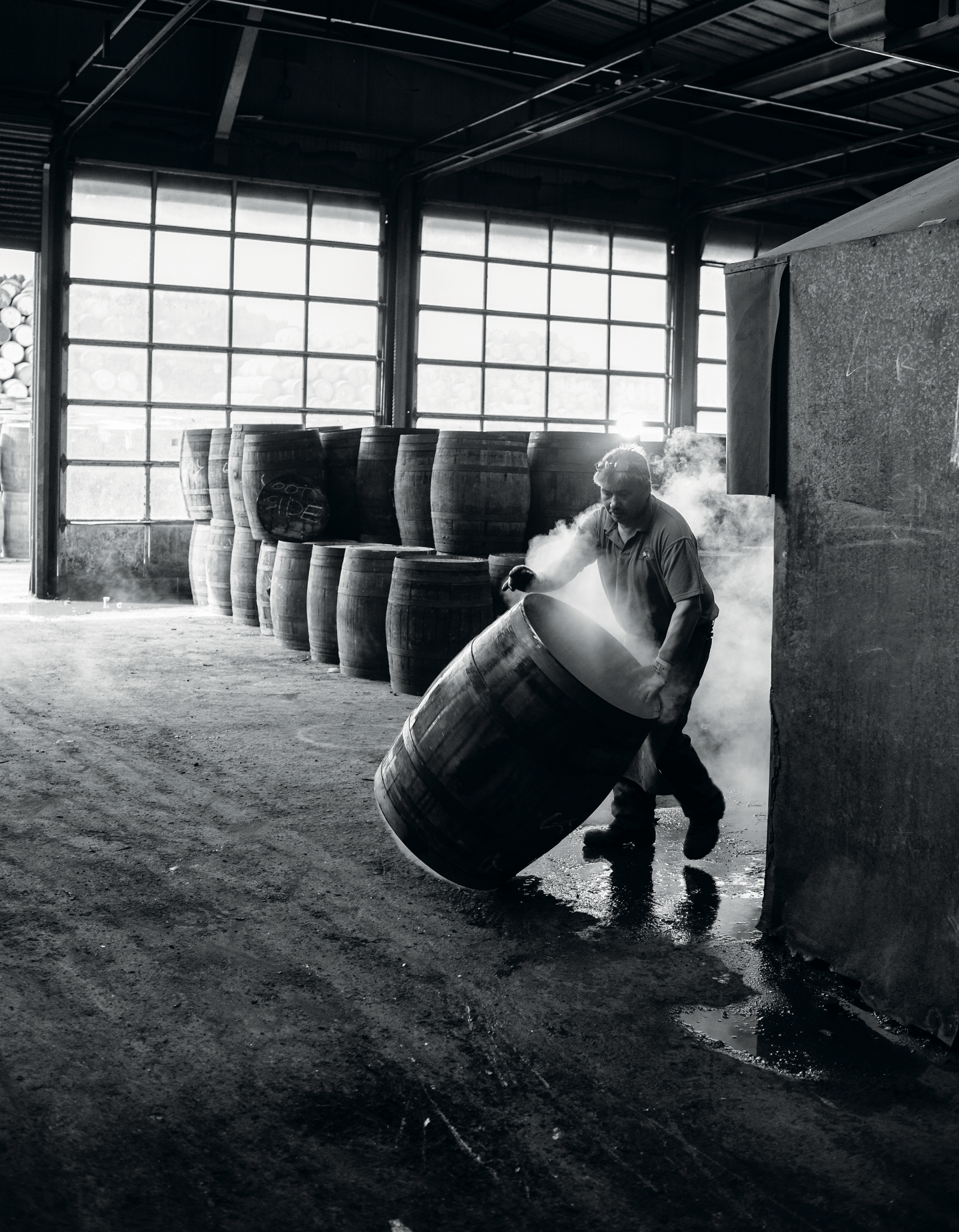
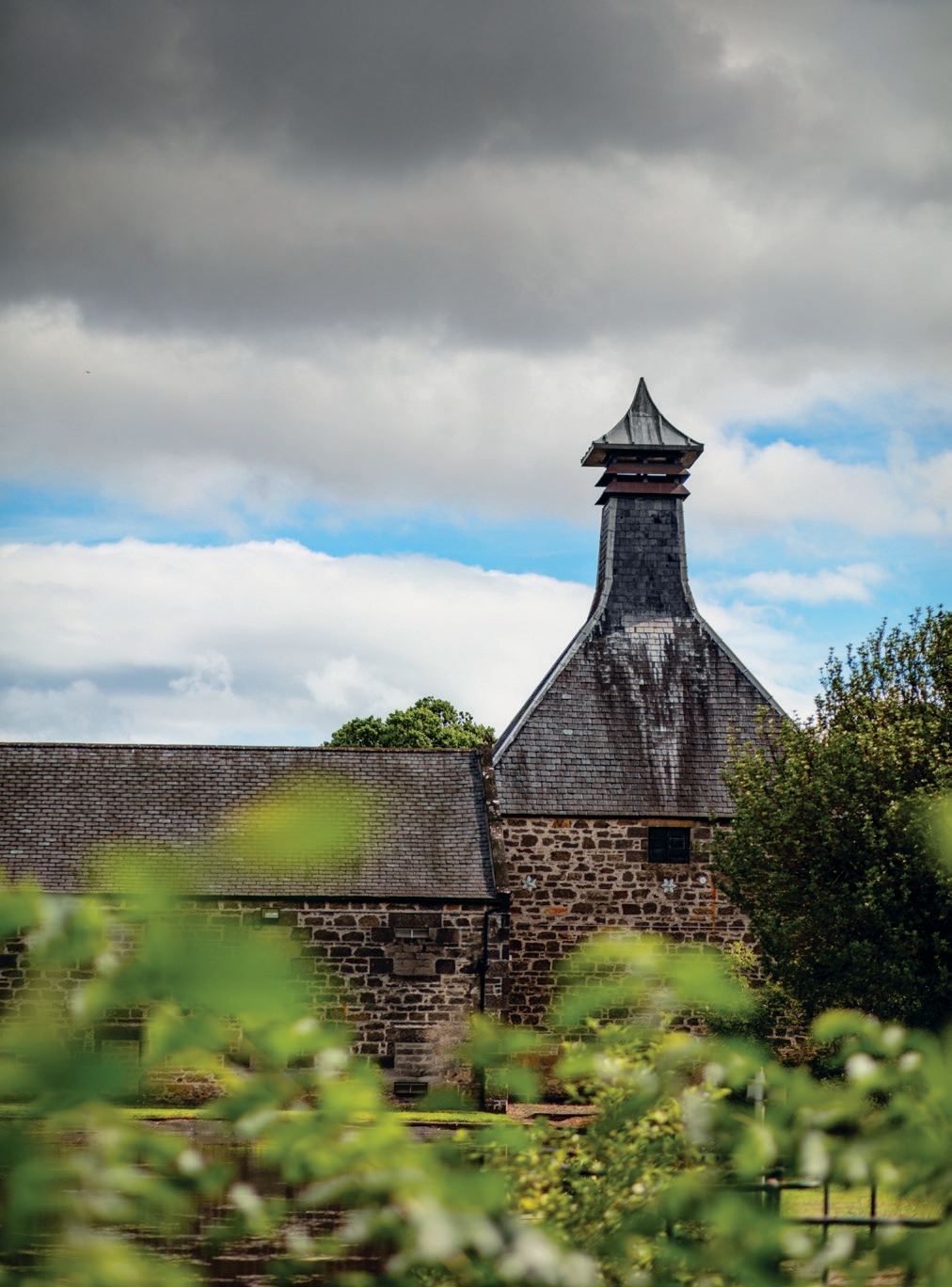
Linkwood Distillery
Though now the world’s most famous whisky-producing area (sorry, Kentucky) and home to the world’s largest concentration of single malt distilleries, it wasn’t until relatively recently that the ‘Speyside’ identity emerged and there are still a few sites, such as the family-owned Glenfarclas Distillery, that don’t use the classification at all and still simply describe themselves as ‘Highland’ whisky. What can’t be denied is that Glenlivet’s popularity—and consequently the popularity of any whisky that carried the name, whether it was ‘The’ Glenlivet or not—led to the area of Scotland centred around the Cairngorms and River Spey becoming Scotland’s undisputed whisky capital. A global icon had been born.
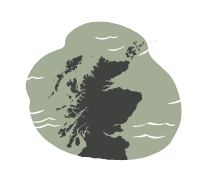
Of course, Speyside didn’t simply spring from a hole in the ground. This region had a rich history long before whisky came along and can roughly be described as making up the territory between the Moray Firth in the north, the Scottish Highland city of Inverness in the west, Aberdeenshire to the east and as far as Newtonmore in the south. Roughly following the basin of the River Spey, it incorporates the historic districts of Moray, Strathspey and Badenoch—the latter of which means ‘the drowned land’, giving an indication as to the abundance of inland water with which the region is blessed. Snow and rain falls in the mountains, filters through granite and flows through peat bogs to provide a continuous water flow for the local rivers (including the Spey, the Avon, the Findhorn, the Fiddich, the Lossie and the Livet), which are surrounded by lush moorland, ferns, and pine forests.
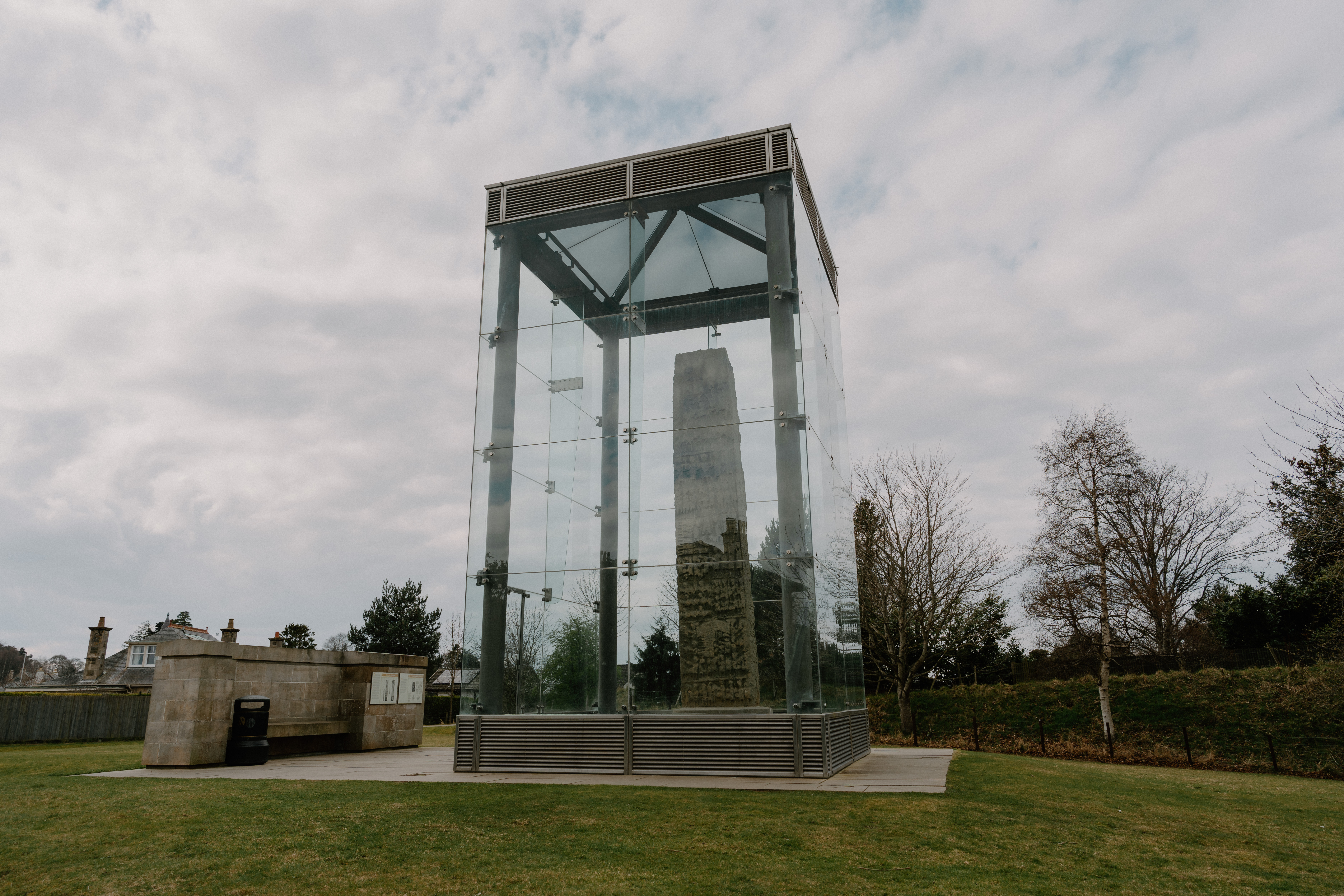
The region is home to a spectacular array of wildlife and travellers in the area may be lucky enough to see red deer, otter, golden eagle, osprey, ptarmigan, mountain hare, snow bunting, dotterel, wagtail, curlew, arctic tern, red breasted merganser and goldeneye duck—among many other fauna and flora. For the historically inclined, sites such as Ruthven Barracks, Ballindalloch and Balvenie castles, Craigellachie Bridge and the Marionburgh standing stones have fascinating histories dating back to long before whisky was considered an ‘industry’. Fishing has always played a large role, too, and today the River Spey is the most famous of Scotland’s salmon rivers. The wooded banks along the river led to the creation of the ‘Spey Cast,’ which differs from the standard fly cast, as it uses two hands, and it was developed during the 1800s to prevent anglers from tangling their line in the woodland along narrow sections of the river.
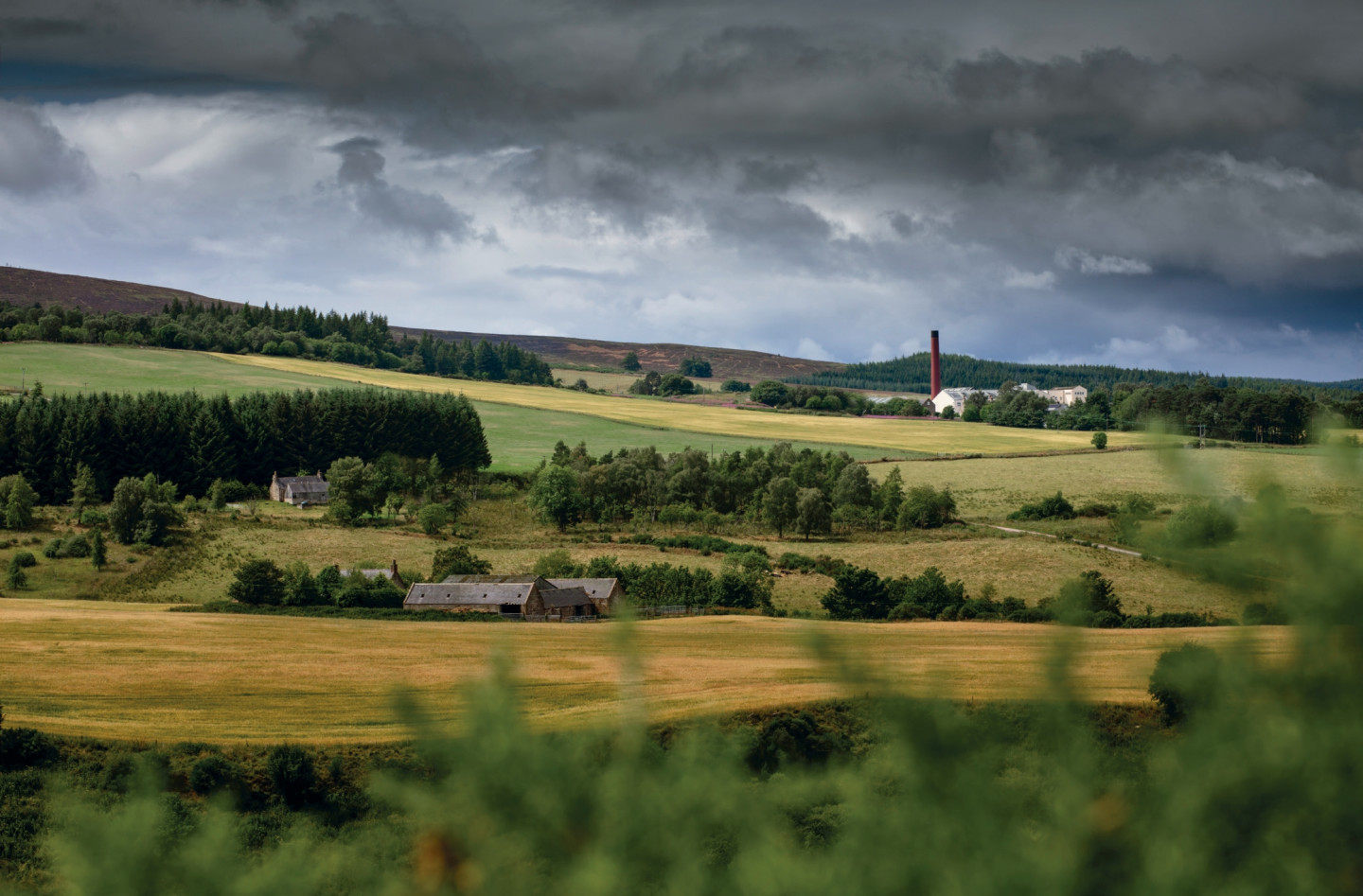
Benrinnes Distillery
The area enjoys something of a microclimate that predisposes it to warmer summers and colder winters than other parts of the country, which makes it especially suitable for whisky maturation. This, combined with a seemingly endless supply of soft water (meaning low mineral content), locally grown barley (which today, due to modern farming techniques, is of good quality) and peat makes whisky making here an attractive proposition for anyone with the means to pursue it. As the decades passed, the great Victorian railways arrived and expanded to create a network which linked most of the region’s distilleries, making it easier than ever before to bring raw materials and empty casks in, and ship filled casks of mature product away south to thirsty customers waiting in the big cities. Sadly, most of these lines were removed in the past few decades, though some locations still show signs of the steam-powered golden age. For example, one can still ride the Keith-Dufftown Heritage Railway and Tamdhu Distillery has a beautifully preserved, whitewashed train station on site that is now used as its visitor centre. Most of the former Strathspey Railway, including the Tamdhu section, has now become part of the Speyside Way longdistance walking route.
As technology progressed, supply-chains became more efficient and distilling technology more advanced, production ramped up and Speyside whisky was shipped to all four corners of the British Empire, often mixed with mass-produced ‘grain whisky’ (made from a mixture of cereal grains and distilled using a ‘continuous still’) to produce blended whiskies. In this way the robust, fruity and (at the time) slightly smoky Speyside whiskies of the past found their way into bottles that went all over the world, bearing names that still appear on shelves today like Johnnie Walker, Chivas Regal, Dewar’s and Ballantine’s. It’s worth noting that, in the early to mid-20th century, production practices changed and Speyside lost its characteristic smoky edge, as peat use gave way to coal (brought in by train), while the malting of barley ceased to be a distillery operation and became centralised. As a result, ‘smoky’ is not a description that can be applied to the spirits of many Speyside distilleries these days, though some do continue to produce varying levels of peated whisky in honour of this historic style—Benromach, Balvenie, Beriach and Glen Moray, to name a few.
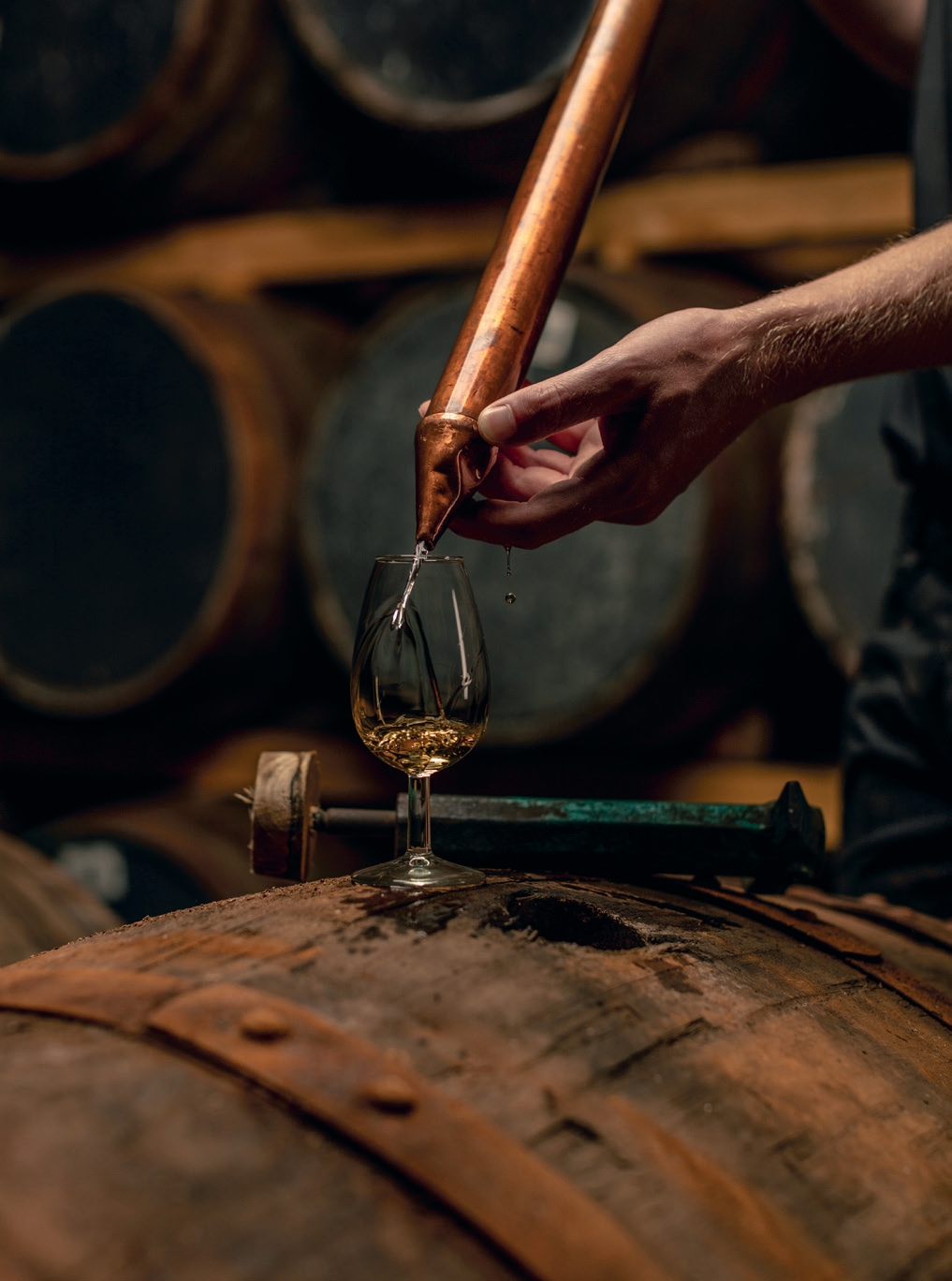
Linkwood Distillery
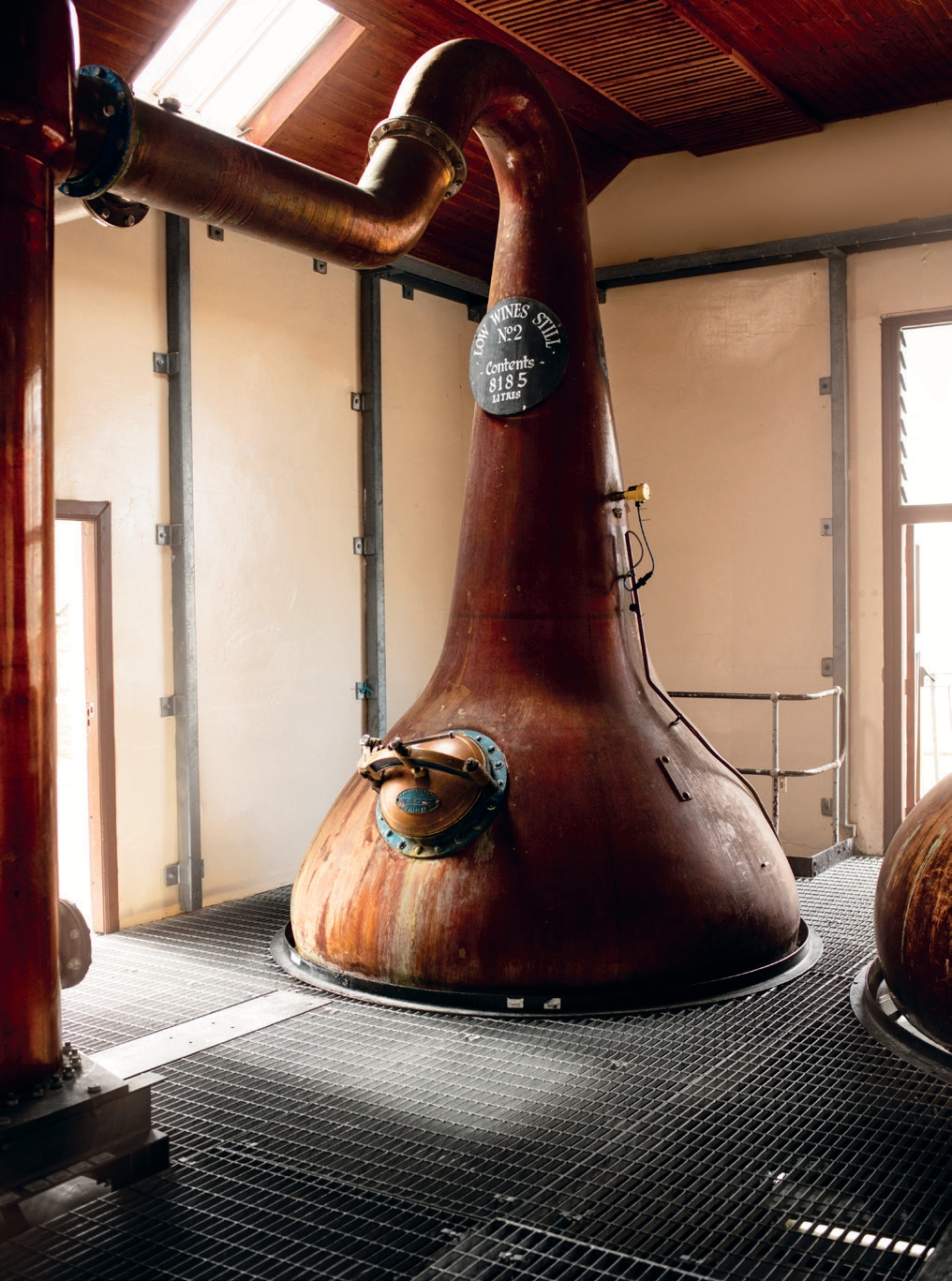
Inchgower Distillery
The official regional capital of Moray is the town of Elgin, which is home to the Glen Moray Distillery (founded 1897) and also the famous family-owned grocer and independent bottler Gordon & MacPhail (G&M). The latter was also historically an importer of sherry in cask and, consequently, many of the local distilleries bought empty sherry butts from G&M in which they would mature their whiskies—a practice so common that demand far outstripped supply. However, though Elgin is the largest settlement, it is Dufftown (formerly known as Mortlach) that’s undoubtedly the beating heart and true capital of the Speyside whisky region. The saying goes that ‘Rome was built on seven hills, Dufftown was built on seven stills’, though one will only find the Glenfiddich, Balvenie, Dufftown, Mortlach, Kininvie, and Glen Dullan distilleries operating today—together they produce around 38 million litres of pure alcohol per year. The fact that so many distilleries can coexist in just one small burgh, with 45 others on the doorstep, goes to show quite how powerful the story of Speyside has become.
Such is the strength of the region that in the 1980s the world’s only Malt Whisky Trail was founded as a way of helping to guide in curious visitors and educate all who’d come about the home of their favourite whiskies. It’s undeniable that, for anyone with even a passing interest in whisky, a trip to Speyside is unforgettable and the first glimpse of a pagoda roof looming up from behind a hill or between some trees is a moment to be treasured equally to taking in the Eiffel Tower, London Bridge, Taj Mahal or Grand Canyon for the first time.
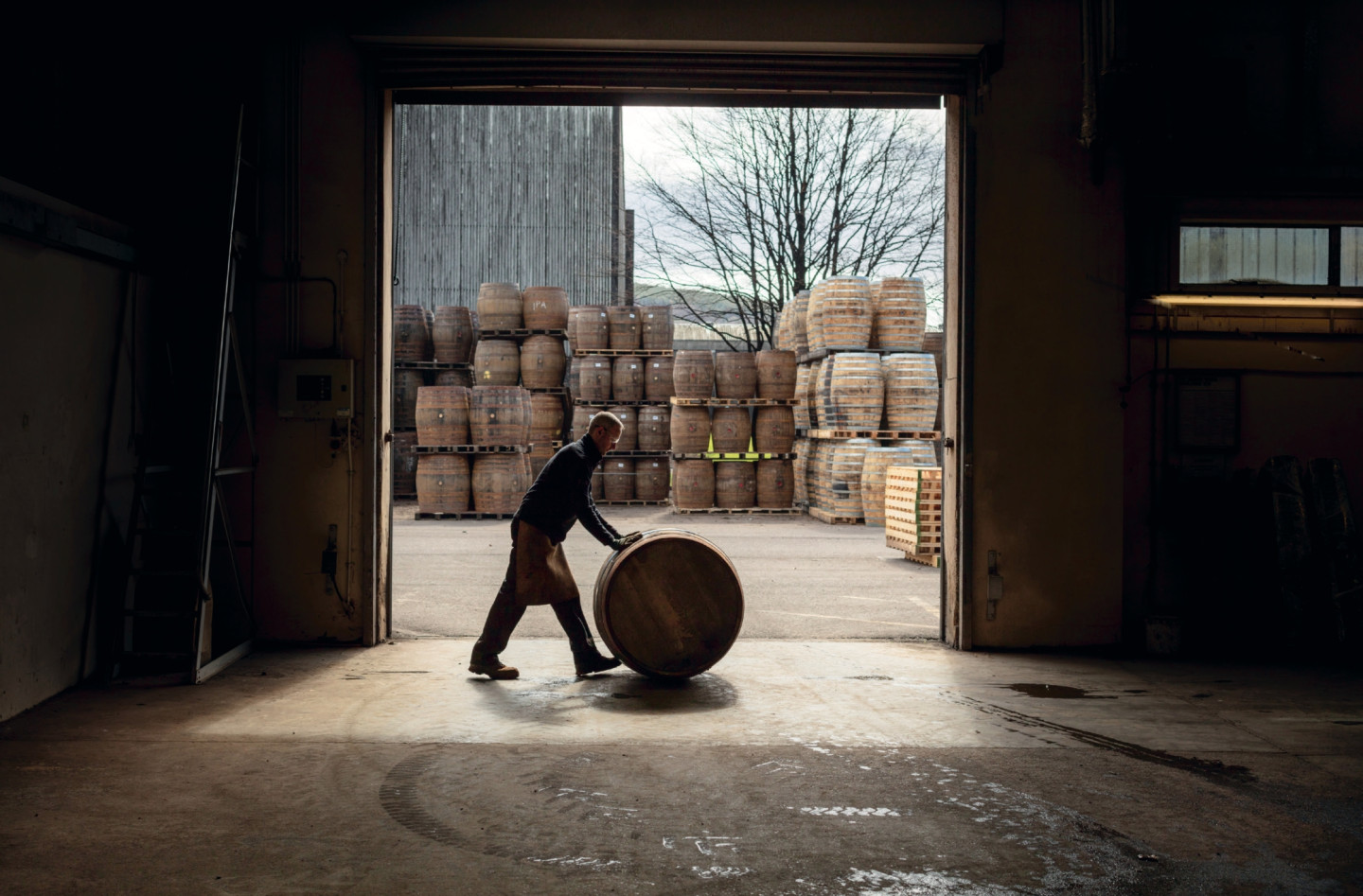
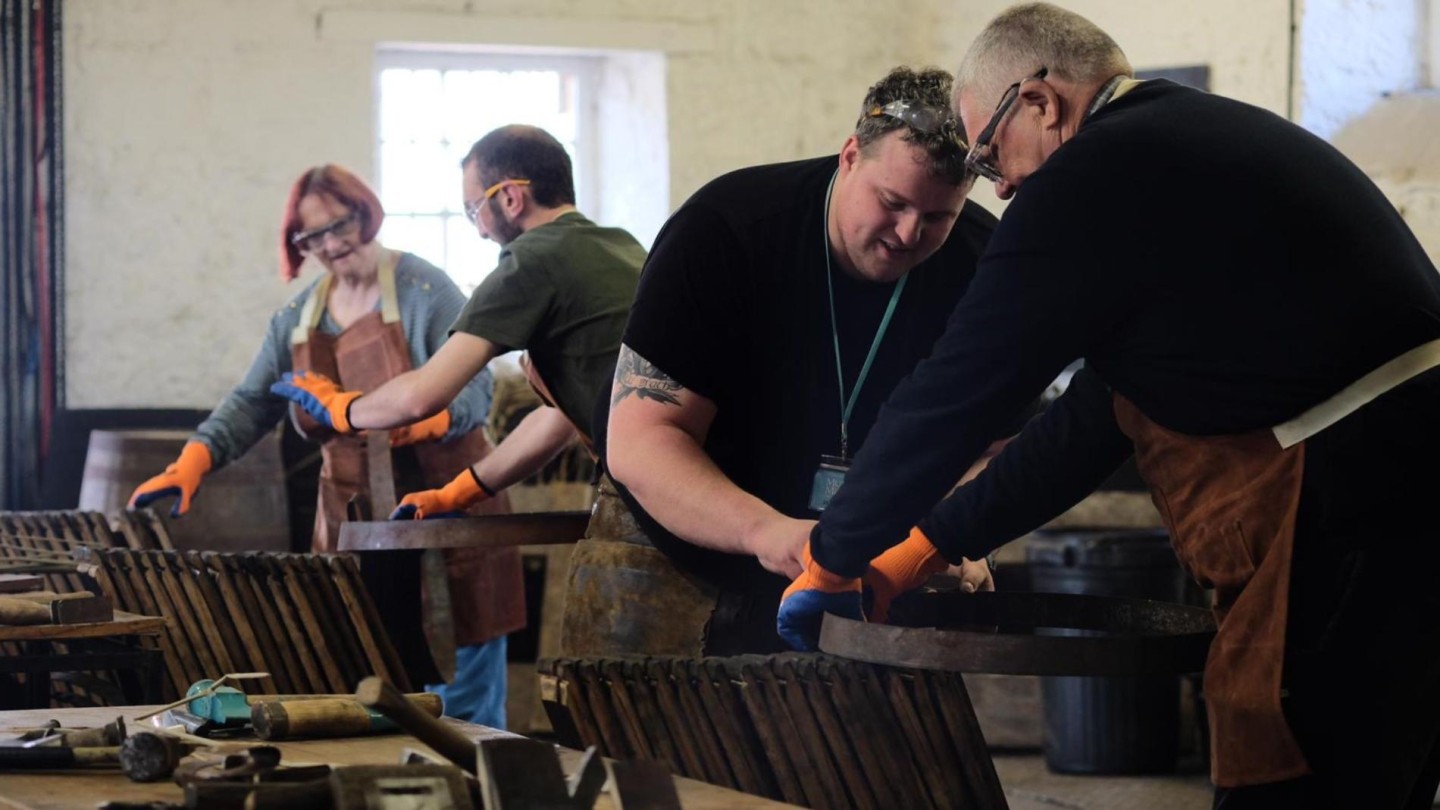
Today, the Trail encompasses Benromach, which produces a distinctly ‘old school’ lightly peated and sherried malt; The Glenlivet, Speyside’s first legal distillery; Cardhu, a heart malt in the Johnnie Walker blend; Dallas Dhu, now a museum of distilling; Glenfiddich, home of the ‘other’ most famous single malt; Glen Grant, a historic distillery with wonderful gardens; Glen Moray, a relaxed distillery offering superb single-cask selections; Strathisla, which many argue is Scotland’s most beautiful distillery; and the Speyside Cooperage visitor centre, a working barrel workshop. Each of these sites offers tours, with the latter giving ticket holders the opportunity to see casks being made first-hand. A visit to any and all of these will yield more whisky stories than anyone could memorise in a lifetime. The popularity of the trail led to increased visitor numbers to the region and, in the late 1990s, an event was created to help further secure Speyside’s status in the minds of whisky lovers worldwide.
Over six days each May (pandemic notwithstanding), the region plays host to the world-famous Spirit of Speyside Whisky Festival. This special week offers a plethora of unique events and tastings that give visitors unrivalled access to the distilleries and whisky personalities they know and love, allowing ticket holders the chance to meet their whisky heroes in the uniquely intimate and relaxed atmosphere of Speyside’s town halls, visitor centres, bars and hotels. Now boasting more than 500 events, the Festival’s steady development has mirrored the rising fortunes of the Scotch whisky industry itself, which has enjoyed an incredible period of growth and development since the late 90s when Spirit of Speyside was founded. Though unable to go ahead in 2020 or 2021, the plan is for it to return next year, when there will be at least one new Speyside distillery opening its doors for visitors to enjoy— this one by the River Spey at Craggan, Grantown-on-Spey.
And so, the story of Speyside continues. From a convenient rural hideaway for illicit distillers to the whisky capital of the world, its tale meanders on like the river at its heart. This narrative, with its thousand tributaries, bends and quiet pools, shows no sign of ending and continues to call out, siren-like, to all who’ll give Scotch whisky a try. Each day, another story like this one is shared and, perhaps, for those who heard it, that next dram of Speyside whisky will taste just a little sweeter and the desire to travel the Malt Whisky Trail will take hold.
words // Christopher Coates - photography // Jo Hanley
Christopher Coates
Instagram: @Quercus_Alba Twitter: @ChrisMCoates
Jo Hanley
johanley.com Instagram: @johanleyphotography
Promoted Post
Eagle Brae
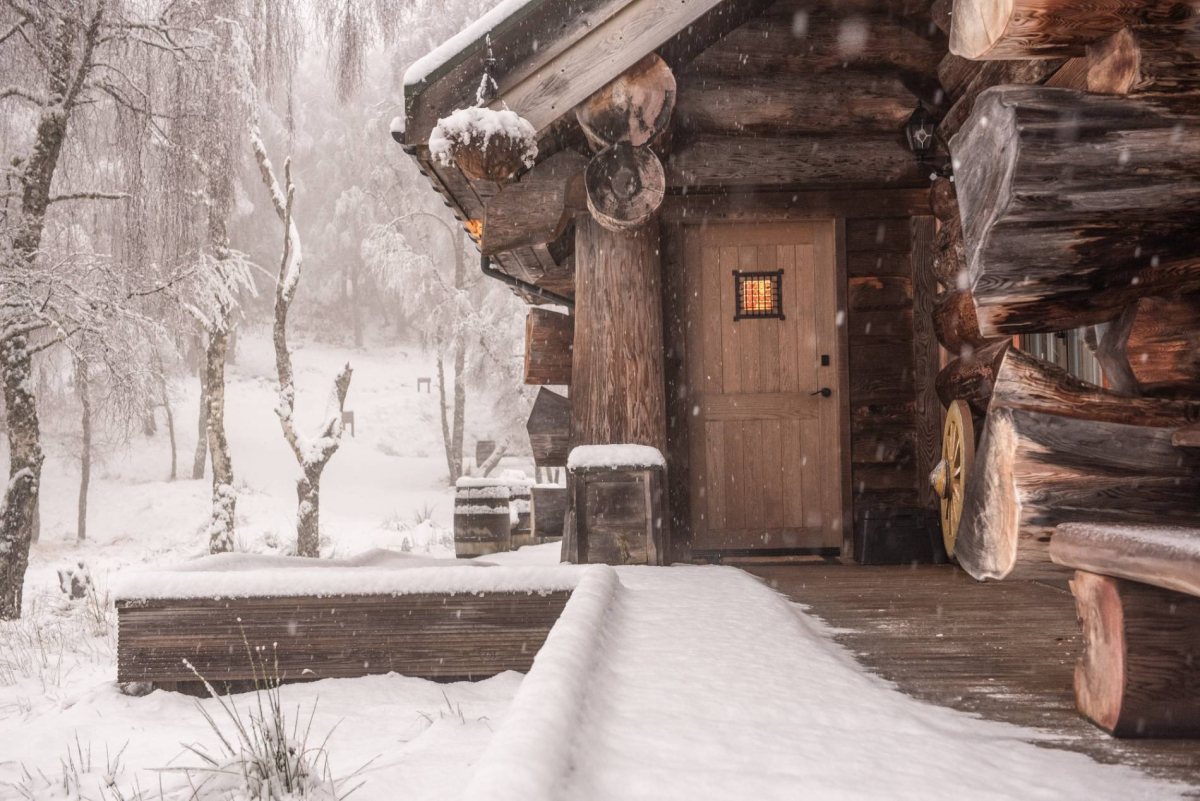
Escape to Eagle Brae, a secluded collection of Highland log cabins near Beauly. Handcrafted cedar, big skies, and deer on the hillside, with a fireside welcome that makes it easy to slow down.
-full-1741120632.jpg)






 Sign in with Google
 Sign in with Email