
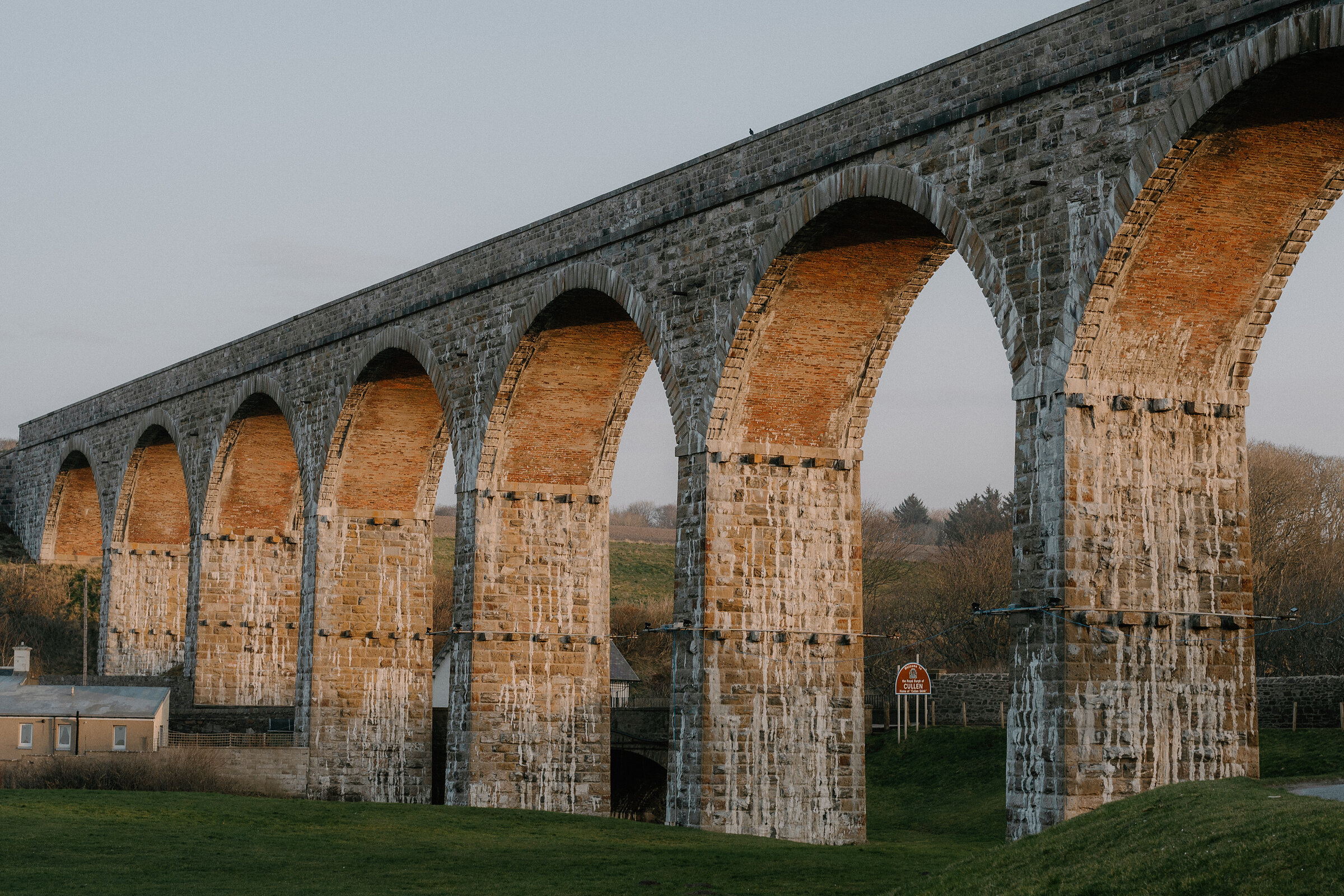
Getting to Moray and around.
The trains, the roads and the buses
Elgin is the main transport hub, with direct rail services to Inverness and Aberdeen. The line passes through Forres and Keith, giving good access to several inland towns. Buses serve the coast and Speyside villages, but connections can be infrequent. Driving is the best way to see the region in full, particularly for visiting distilleries, exploring coastal roads, or accessing walking routes in Glenlivet or the Cabrach. The roads are generally quiet and well maintained. Cycling is possible along the coast and Spey Valley, with parts of the National Cycle Network running through the area. Walking routes include the Moray Coast Trail (50 miles from Forres to Cullen) and the Dava Way, linking Grantown and Forres along an old railway line.
By train
Trains between Inverness and Aberdeen run right across Moray, stopping at Nairn, Forres, Elgin and Keith.
Elgin is the handiest station for the coast, and Keith for Dufftown and Speyside.
By road and air
The A96 runs along the coastal plain through Nairn, Forres, Elgin and Keith, and the A941 and A95 lead up into Speyside.
Inverness Airport is a short drive west of Nairn, and Aberdeen Airport is within easy reach of the east.
Getting around
A car is the easiest way to reach the distilleries and the smaller coves, and the roads are generally quiet.
For walkers, the Speyside Way follows the river from the sea, the Moray Coast Trail runs along the shore and the Dava Way follows an old railway to Forres.
Elgin is the handiest town, with a station and the cathedral, and Forres and Findhorn suit the west. Cullen and the coastal villages are the places for the sea, and Dufftown or Aberlour for the Speyside distilleries.
Three or four days covers the coast, Elgin and a couple of distilleries. Walking part of the Speyside Way or the Moray Coast Trail can easily fill a week.
Speyside has more malt whisky distilleries than anywhere else in Scotland, and many of them run tours. Book ahead, and if you're driving, ask for a driver's dram to take home.
The Moray coast is known for its mild, dry weather, sheltered by the hills to the south. Speyside is cooler, and the higher glens can hold snow well into spring.
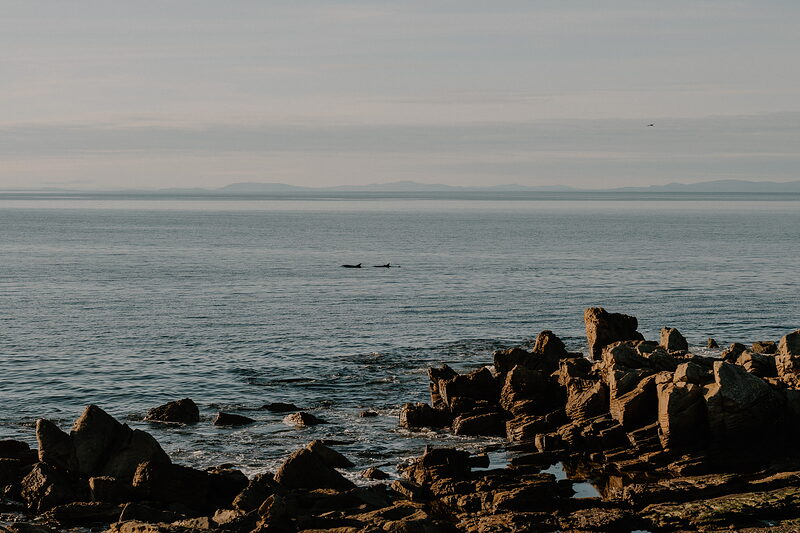
Bottlenose dolphins swim along the Moray Firth, and Burghead, Portknockie and Findhorn are good places to watch for them from the shore.
Yes. Lossiemouth, Findhorn and Cullen have sandy beaches, the Speyside Way has easy, flat stretches by the river, and Elgin Cathedral and the gardens at Brodie Castle have room to explore.
Photographs by Johnstons of Elgin and JohnstonsofElgin; Sue Earp, Annie Slizak, Michael Bartsch (Lichtmichl) and Katinka van der Linden via Google
More of Moray.
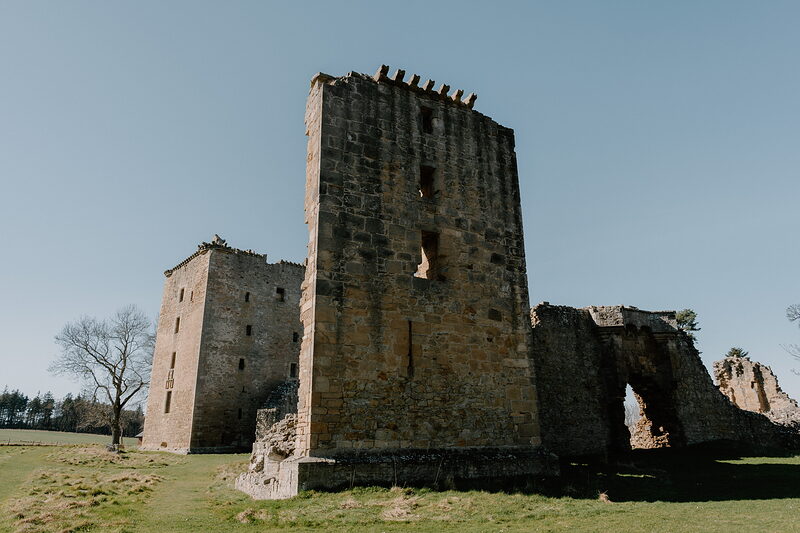 See and doA ruined cathedral, castles and Pictish stones
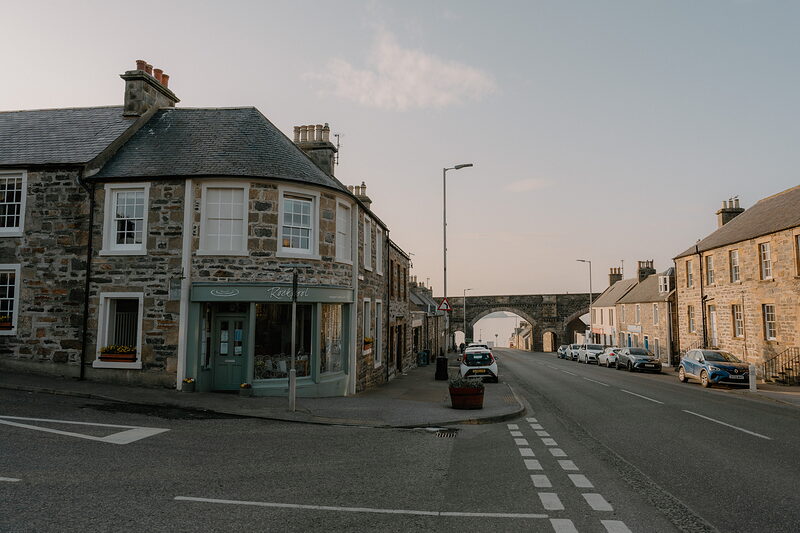 Eat, drink and shopCullen skink, seafood and a railway carriage café
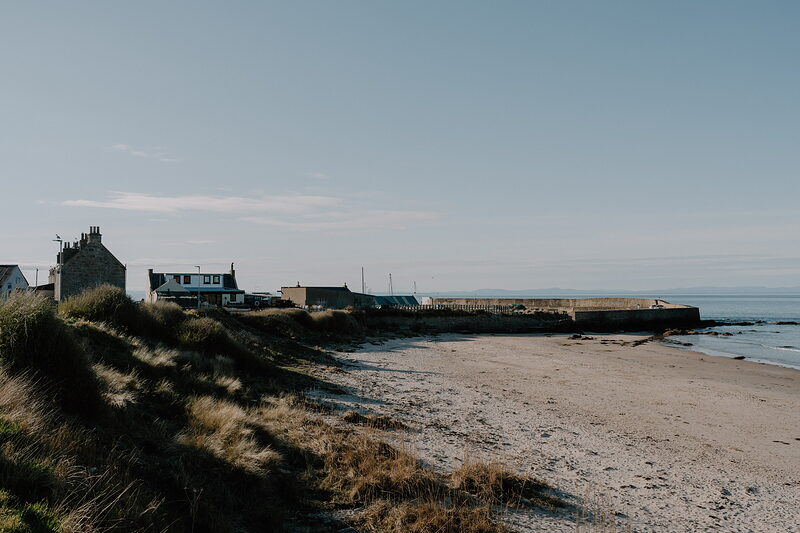 Where to stayEstate houses and a woodland bothy
 History and storiesPicts, Macbeth and the whisky glens
 ItinerariesWhisky country and the Pictish trail, stop by stop
 What is on in MoraySomething new from the region every day