Edinburgh. Edinburgh guide
A castle on its rock, Georgian streets, an old volcano to climb and the Shore at Leith.
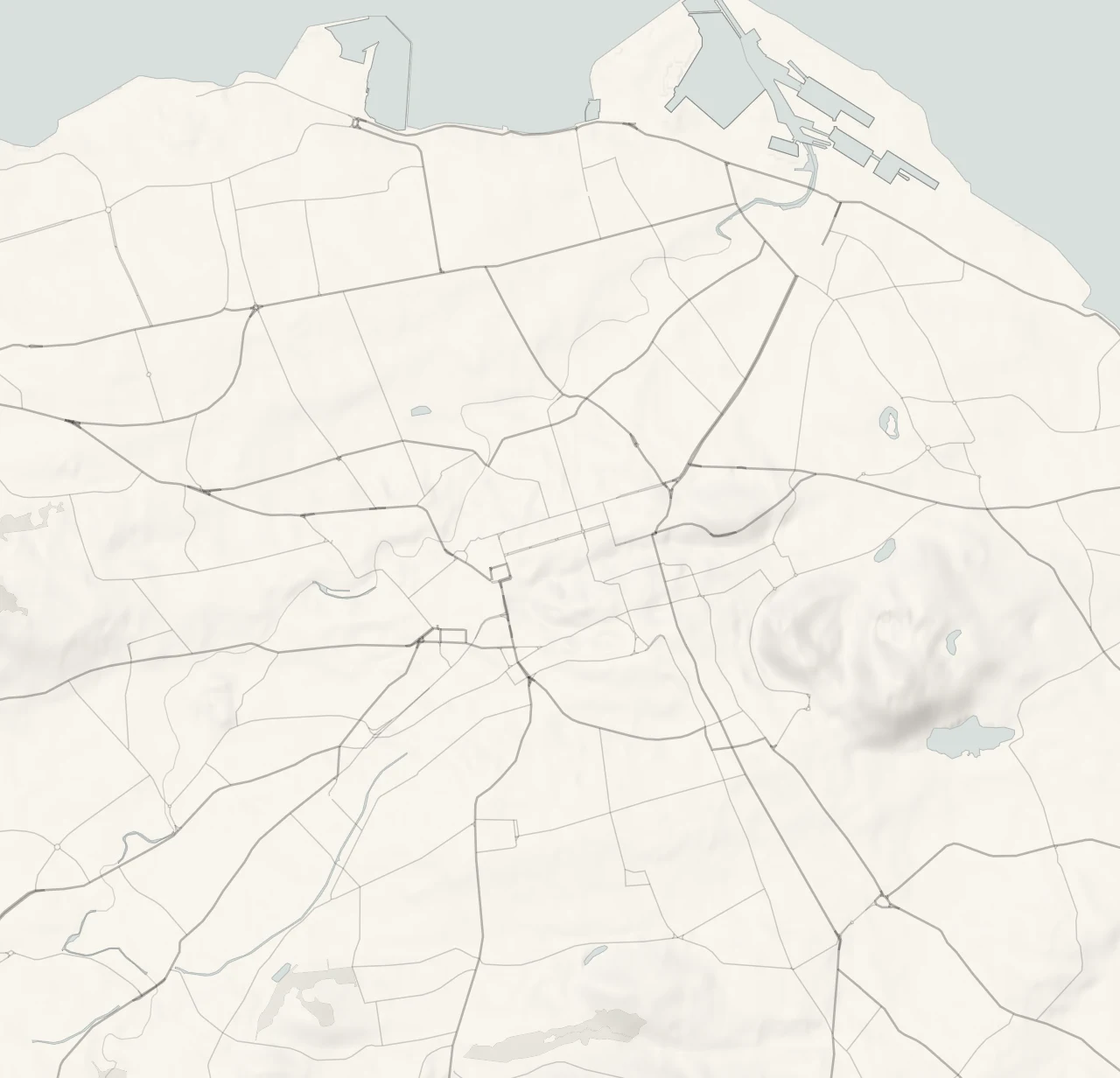
The four parts of Edinburgh
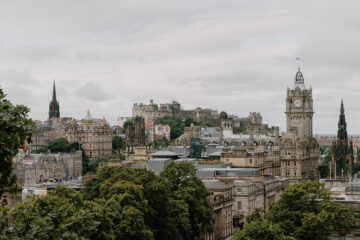
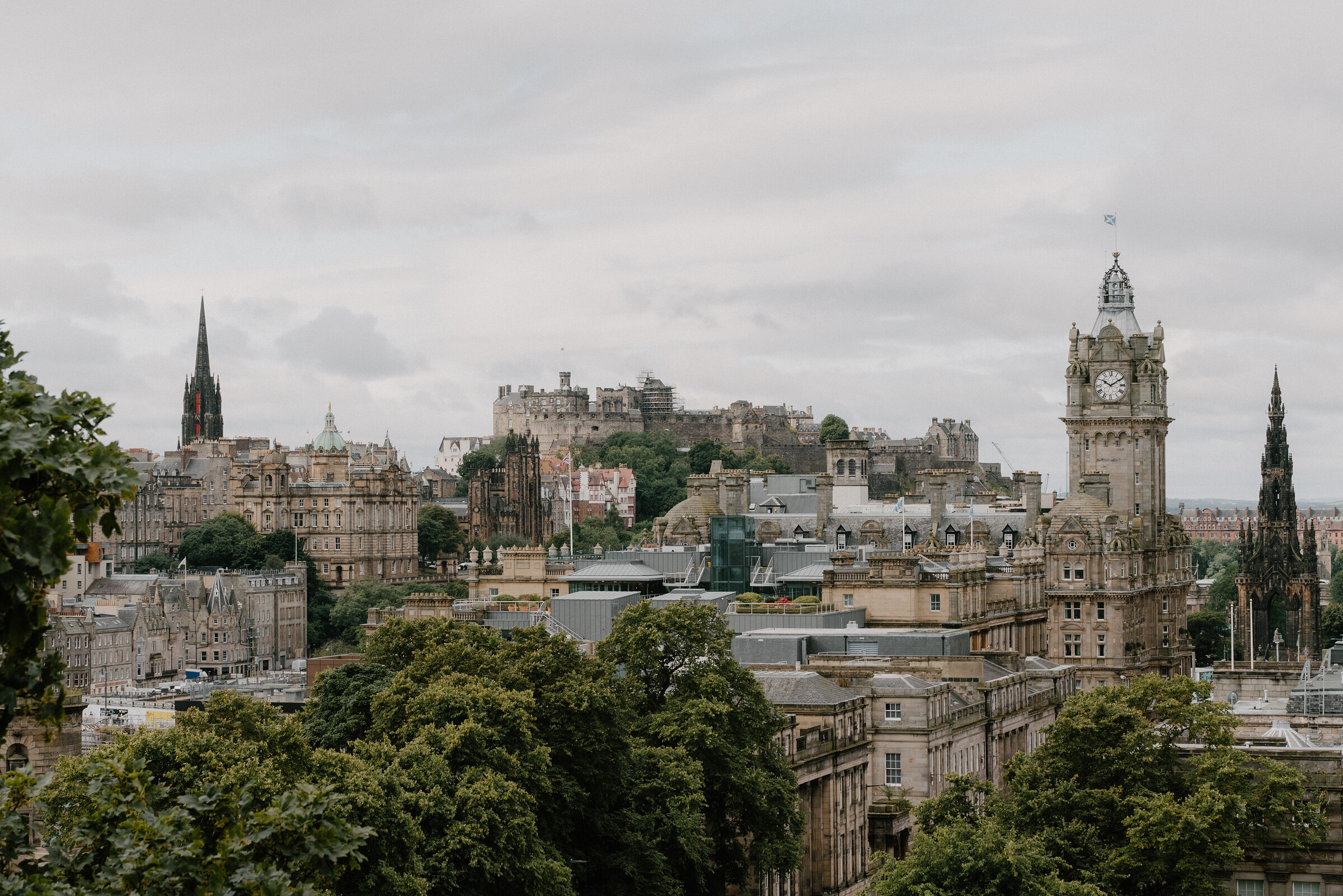
History hangs on Edinburgh like a cloak. Even on a gloomy day, Scotland’s national capital can feel like something from a gilt-edged storybook. It’s a city of taverns and tenements, of steep cobbled streets and ancient hills, of grand townhouses and age-old churches. The whole destination is at once real and unreal: tour guides patrol the pavements just as ghosts flitter in the shadows. That the whole urban scene is topped by a mighty, cliff-perched castle – complete with endless tales of its own – seems only fitting.
The Old Town
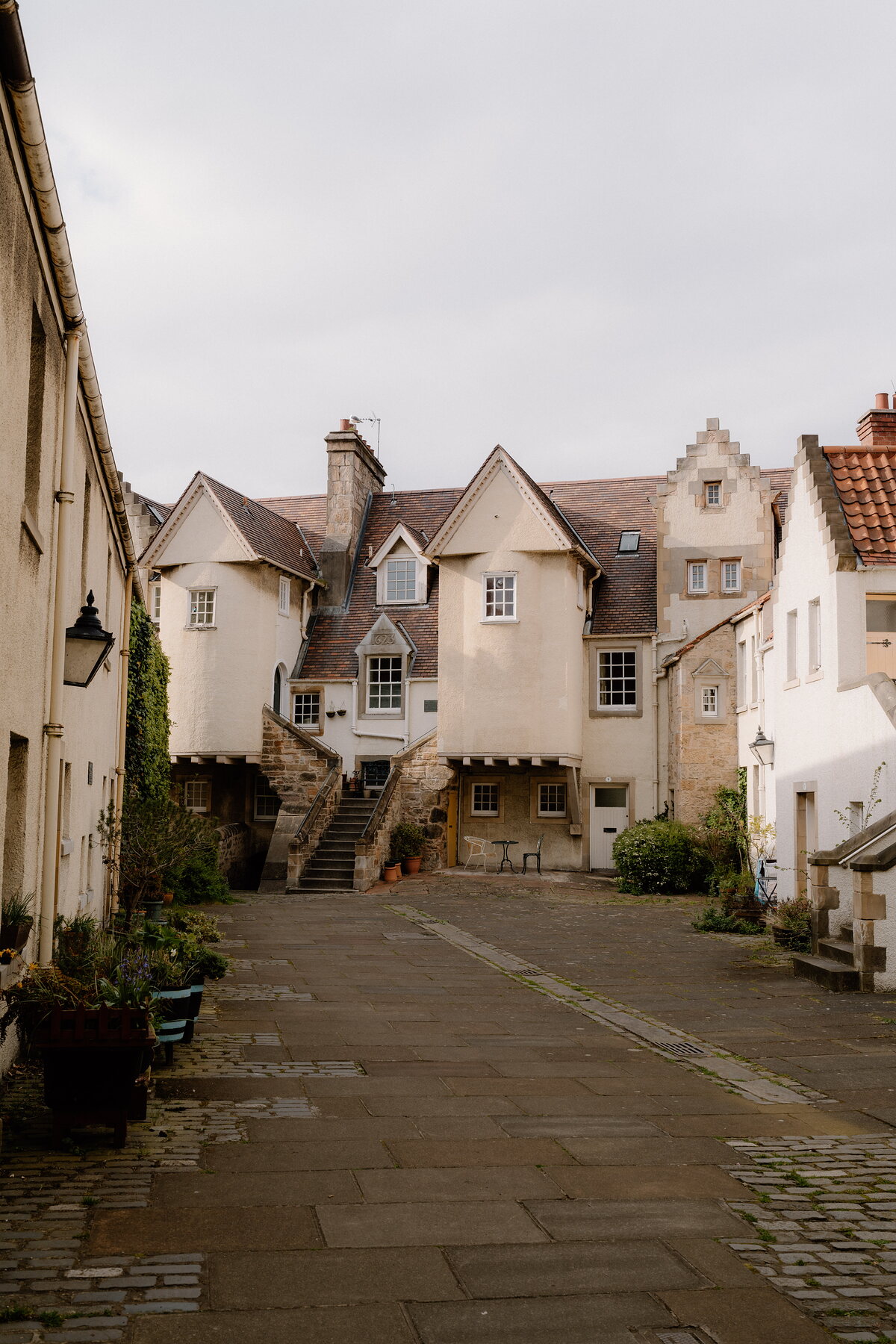
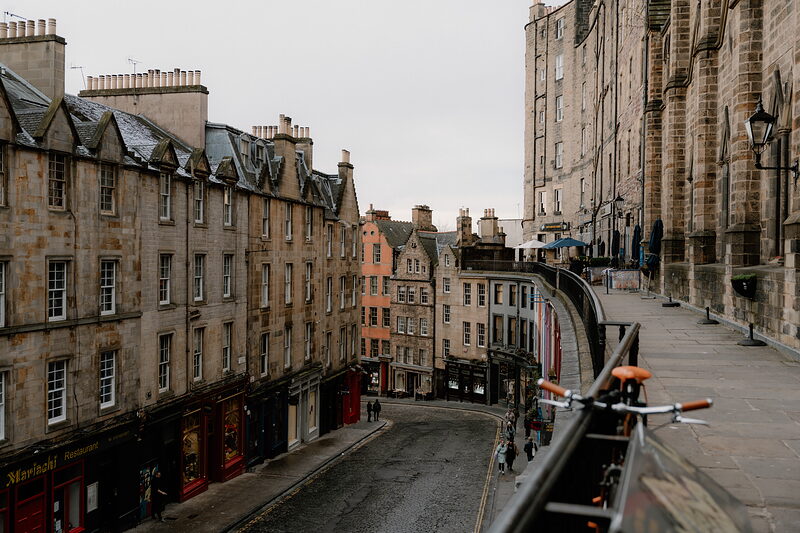
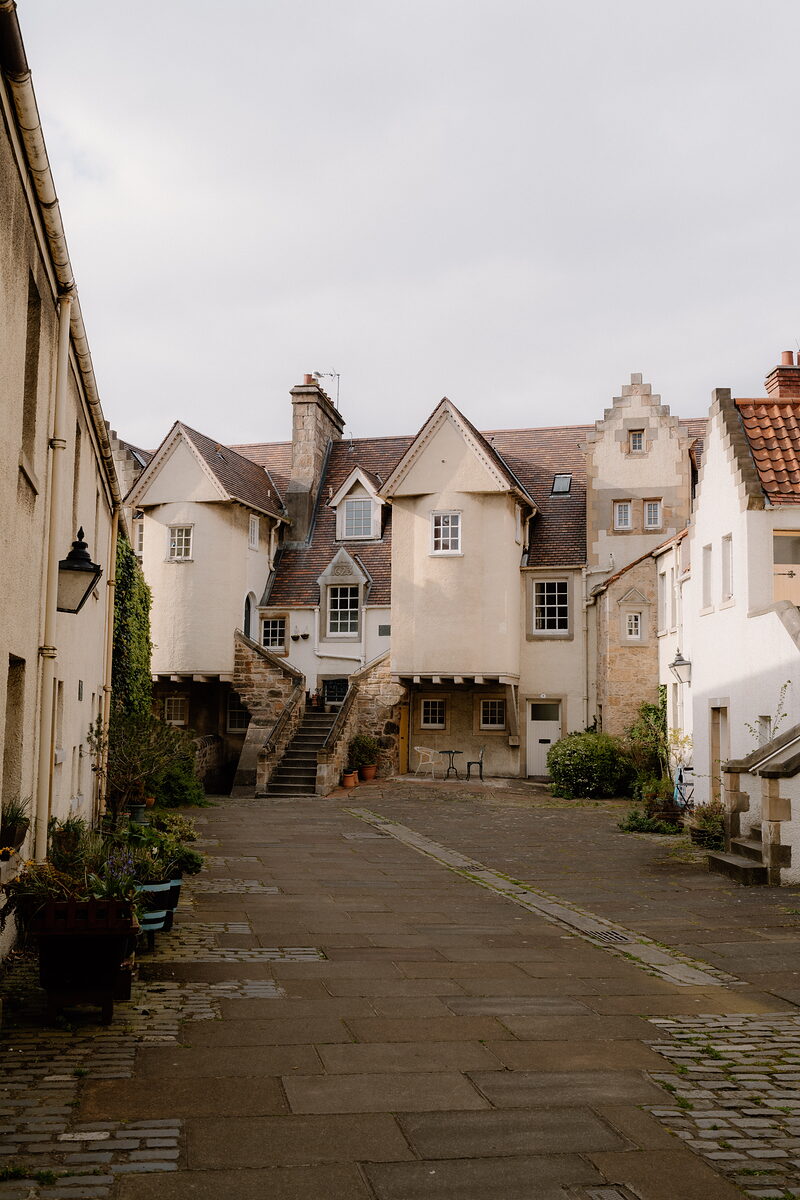
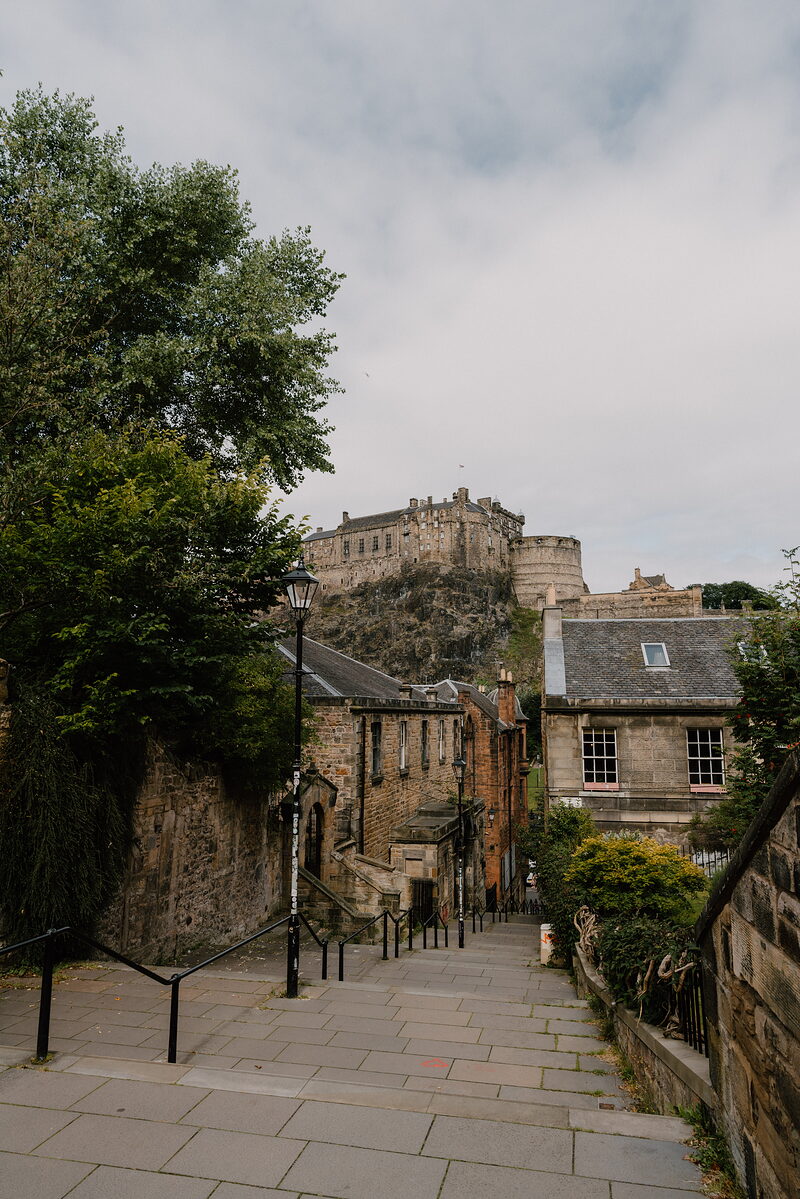
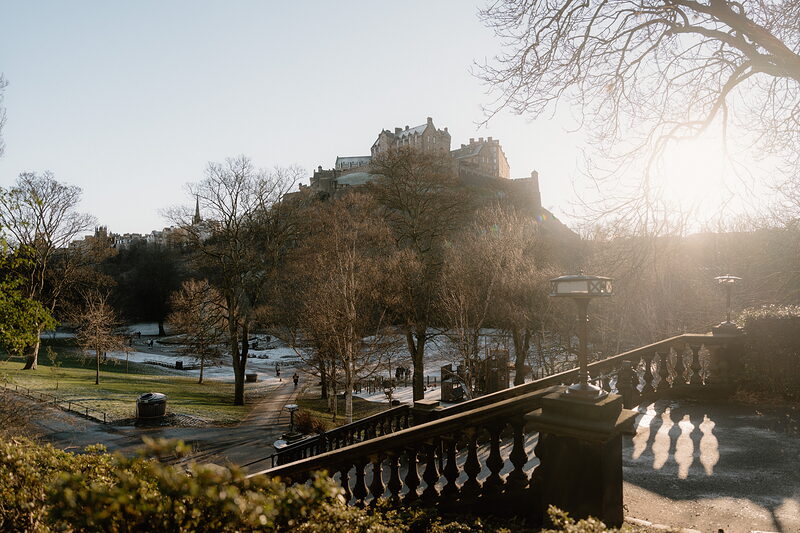
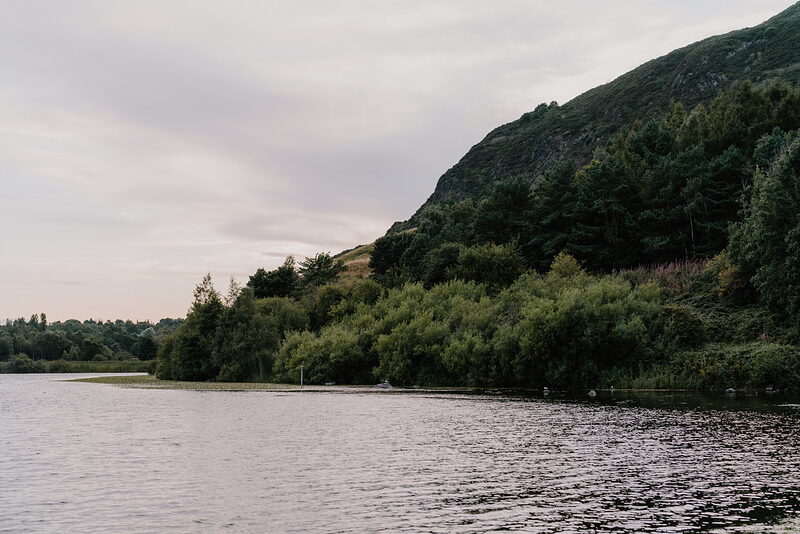
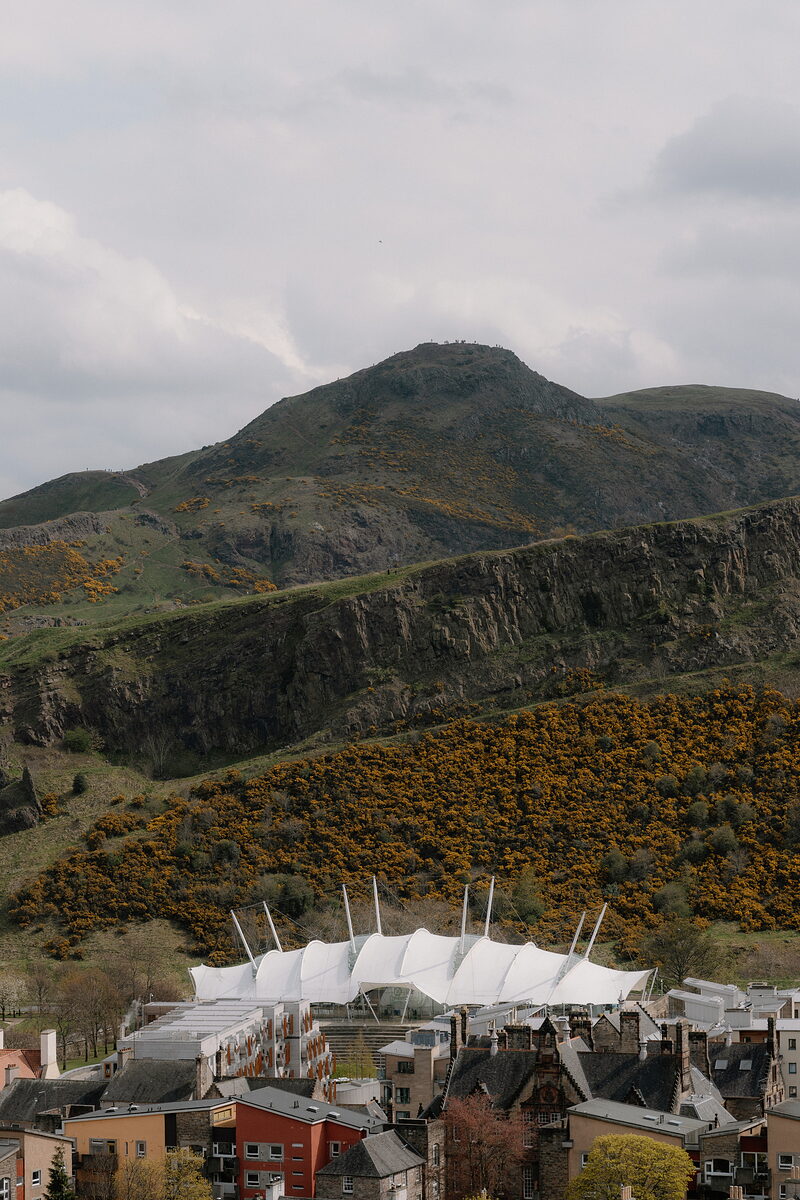
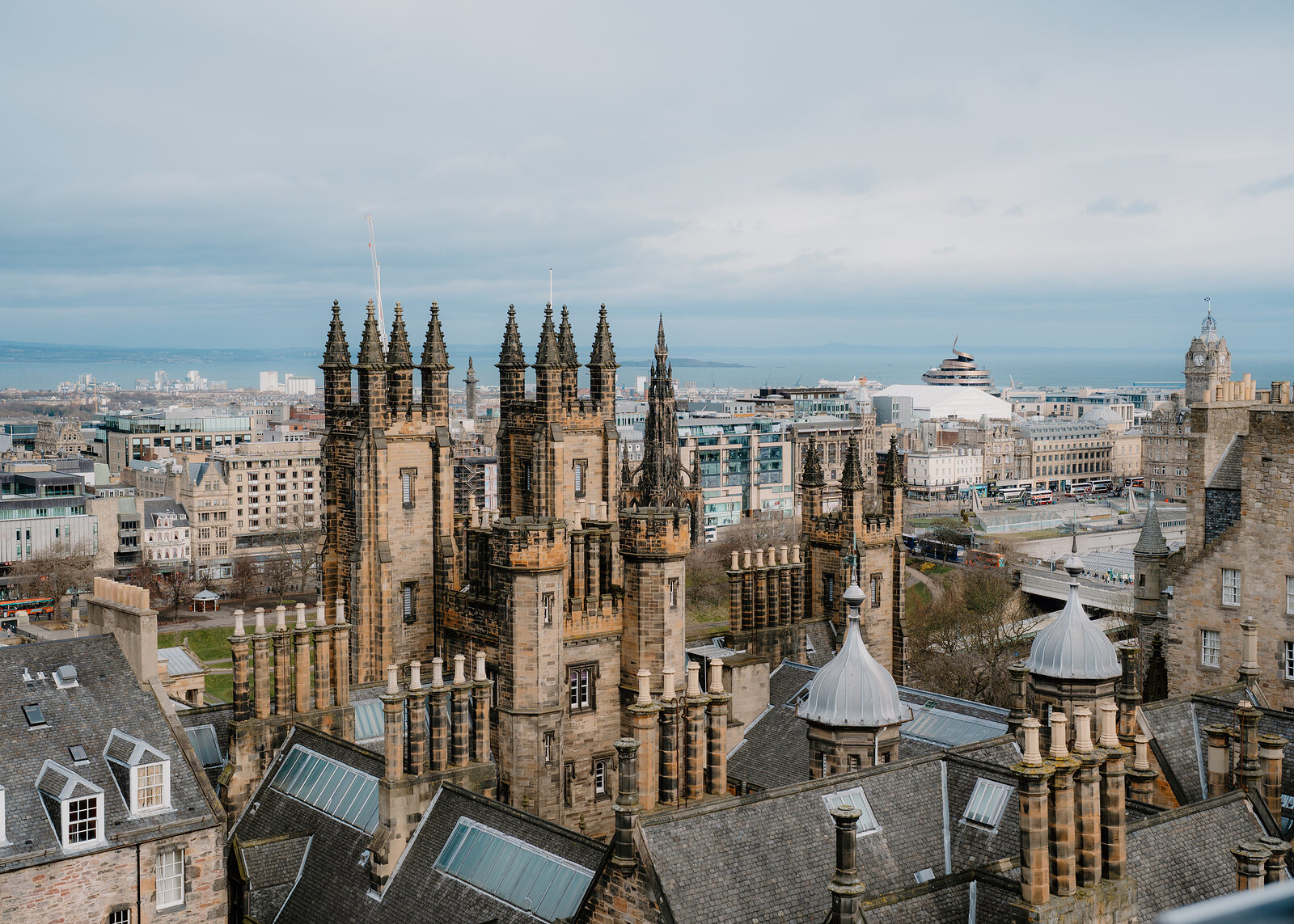
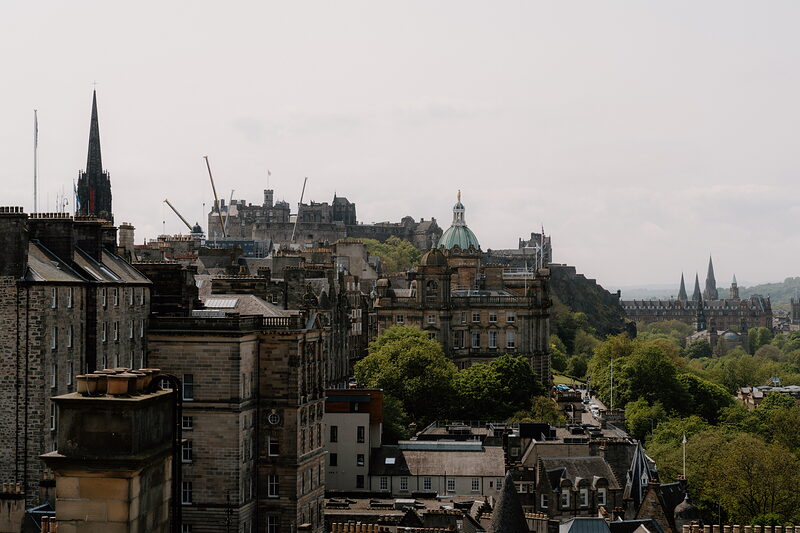
For what is essentially a jumble of buildings on an extinct volcano, the Old Town packs in an astonishing amount. Its lanes, cobbles and tenements hold history and eccentricity at every turn, and the Royal Mile runs down the middle, with the castle at the top and the Palace of Holyroodhouse at the bottom.
The New Town
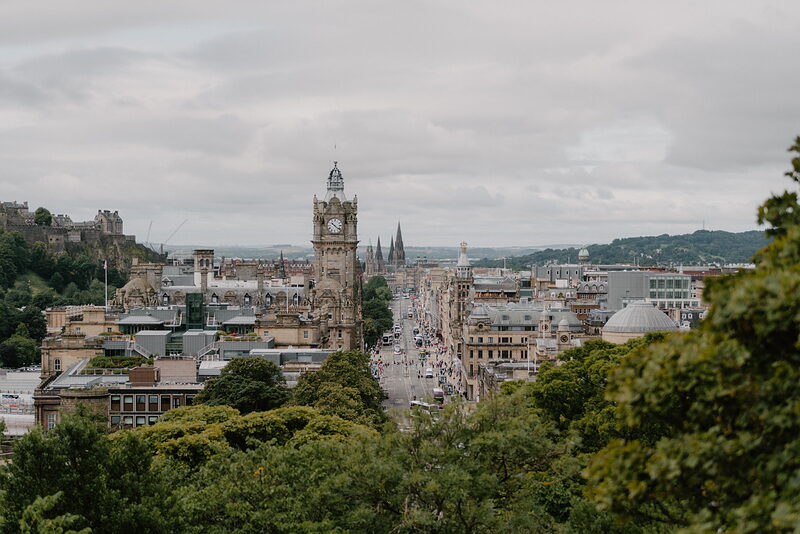
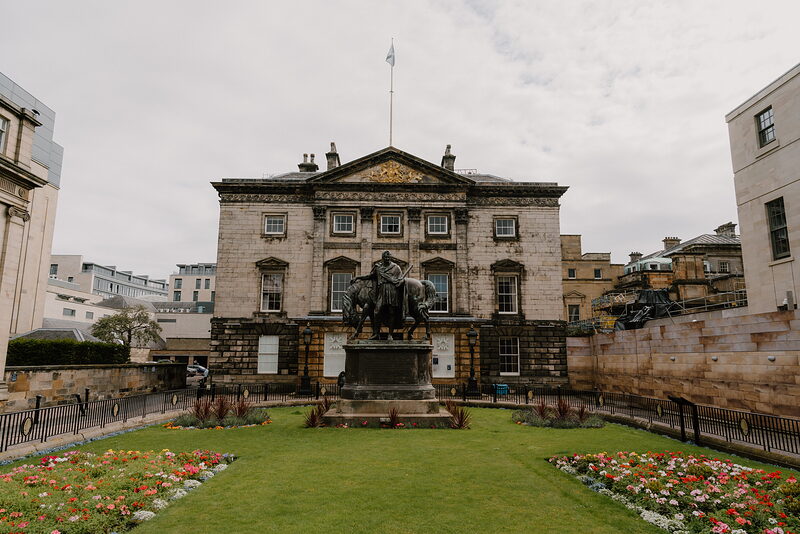
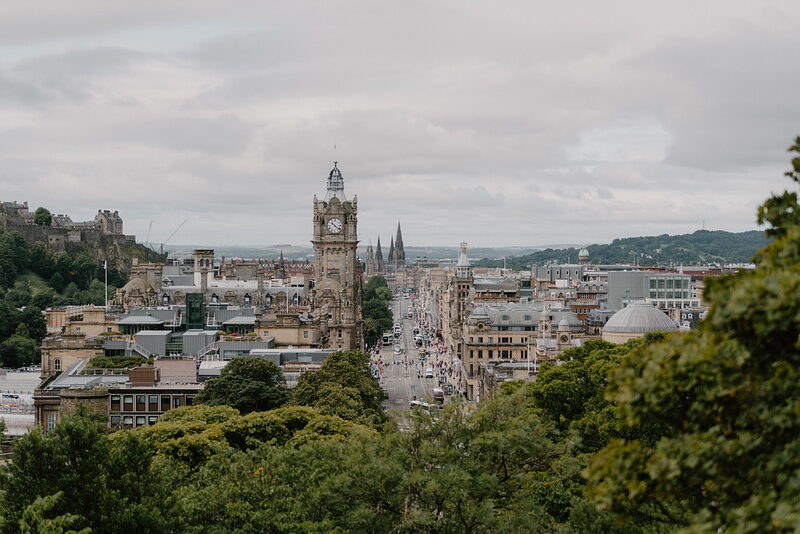
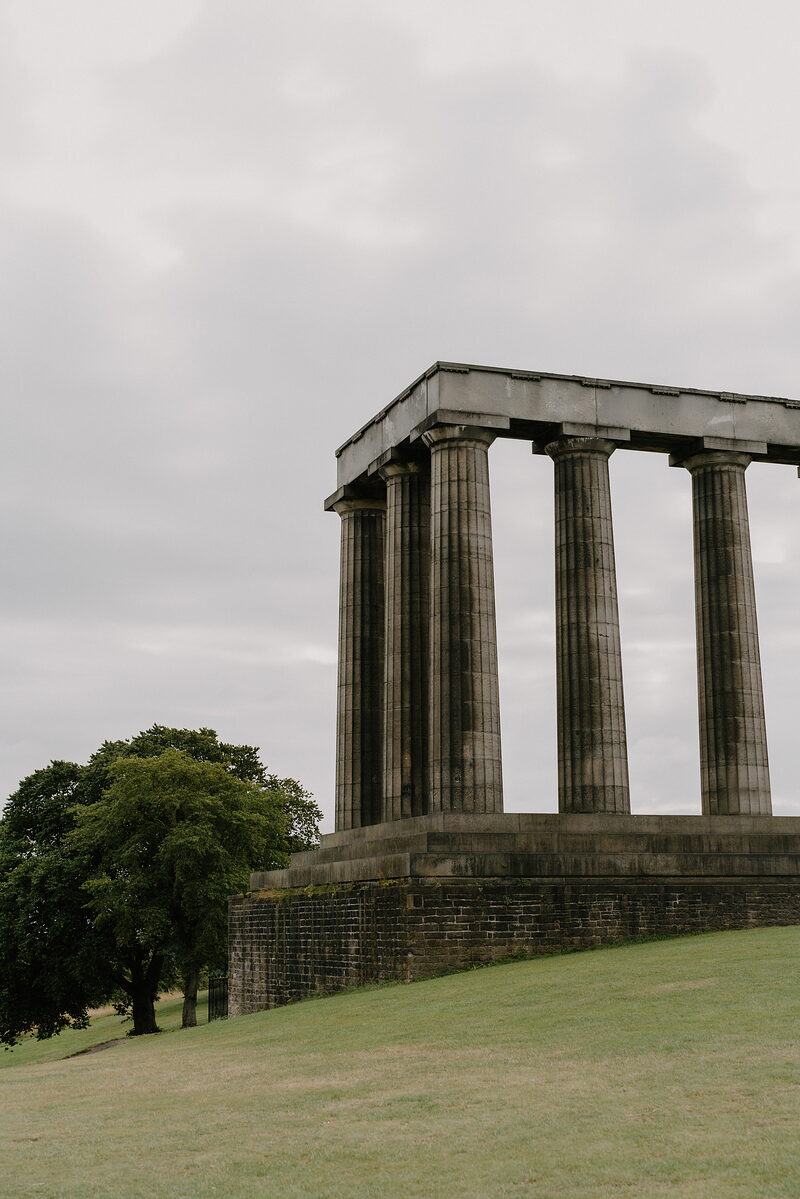
The New Town was built between the 1760s and the 1850s to give wealthier residents somewhere grander than the cramped Old Town. It was laid out on a big scale, and its tall townhouses, open squares and wide streets are all still here, with Calton Hill and its monuments at the east end.
Stockbridge
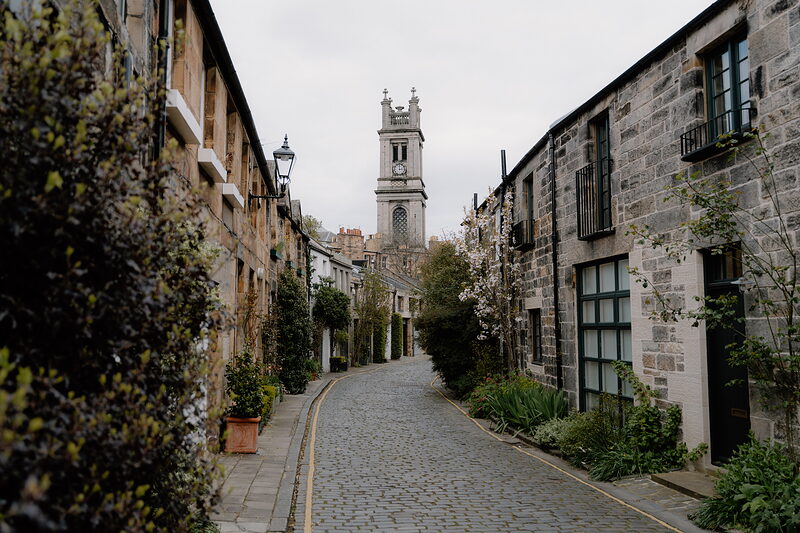
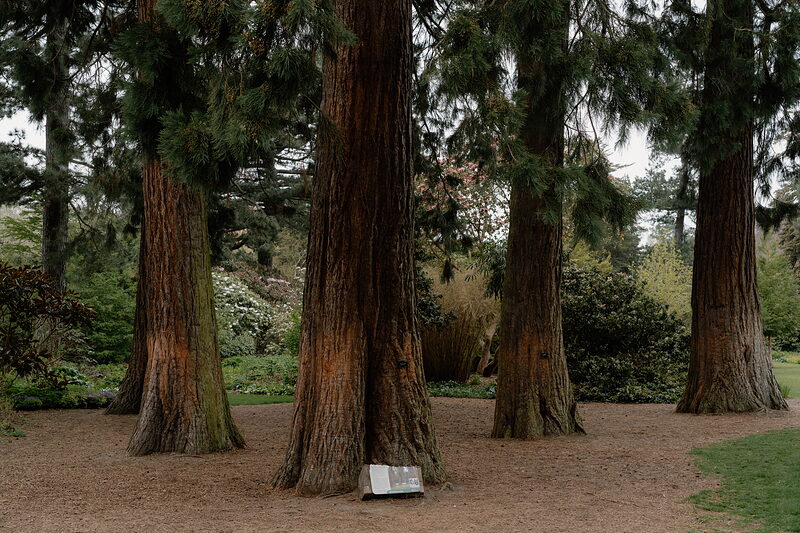
Just north of the New Town, Stockbridge is a pretty quarter of terraced townhouses with the Water of Leith running right through it. The Royal Botanic Garden is its biggest draw, and there are plenty of good places to eat and drink, with a market on a Sunday.
The West End
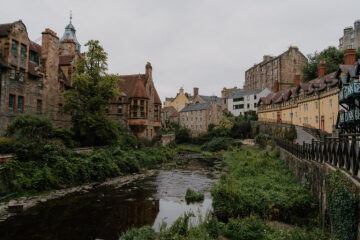
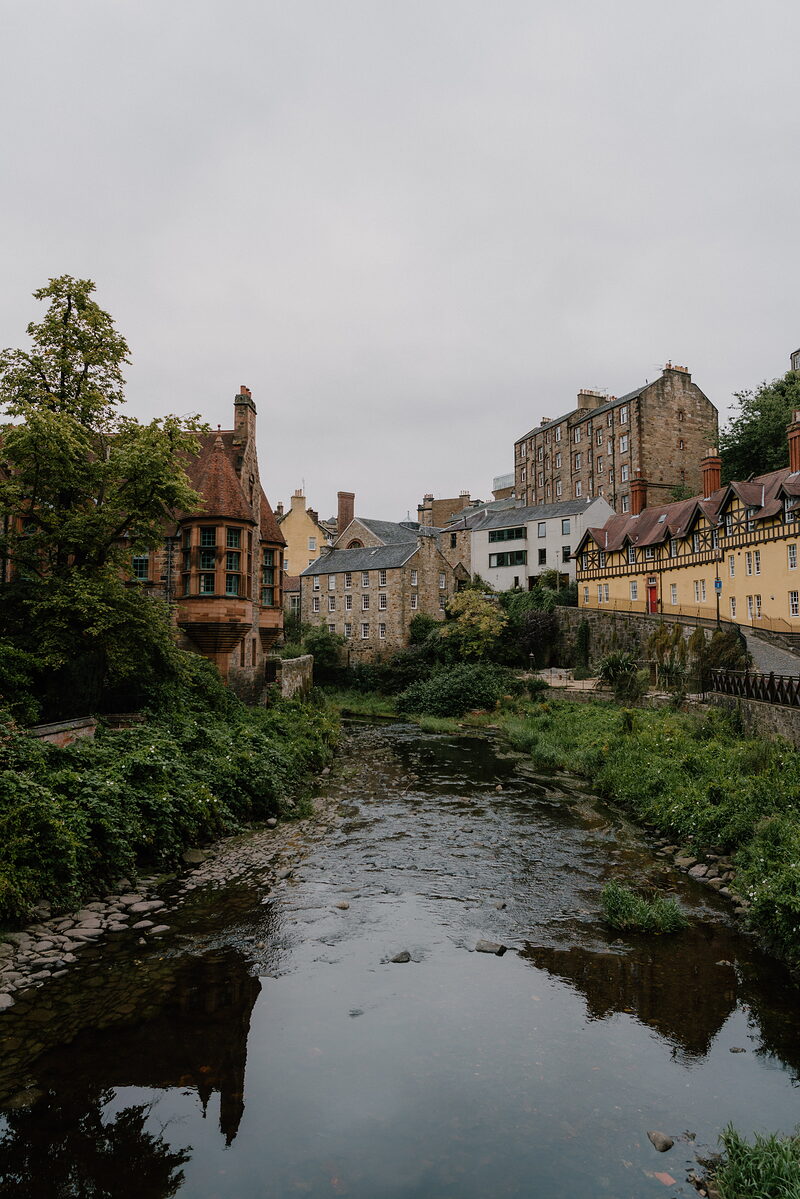
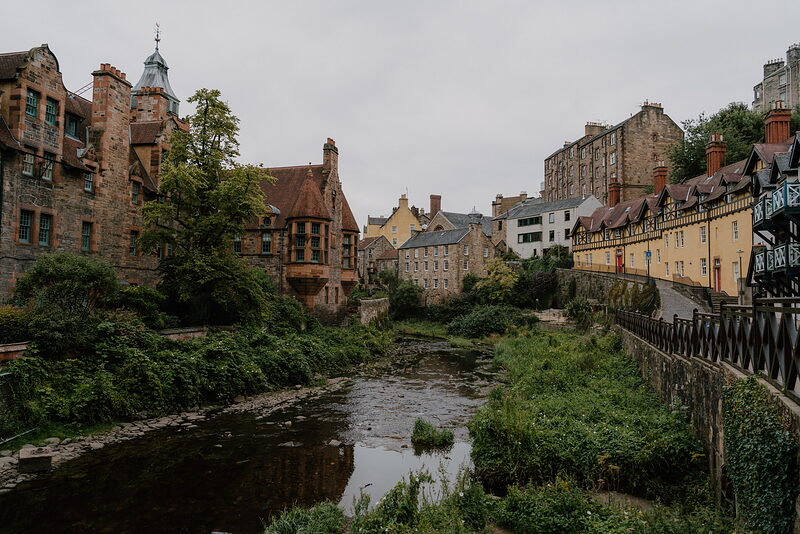
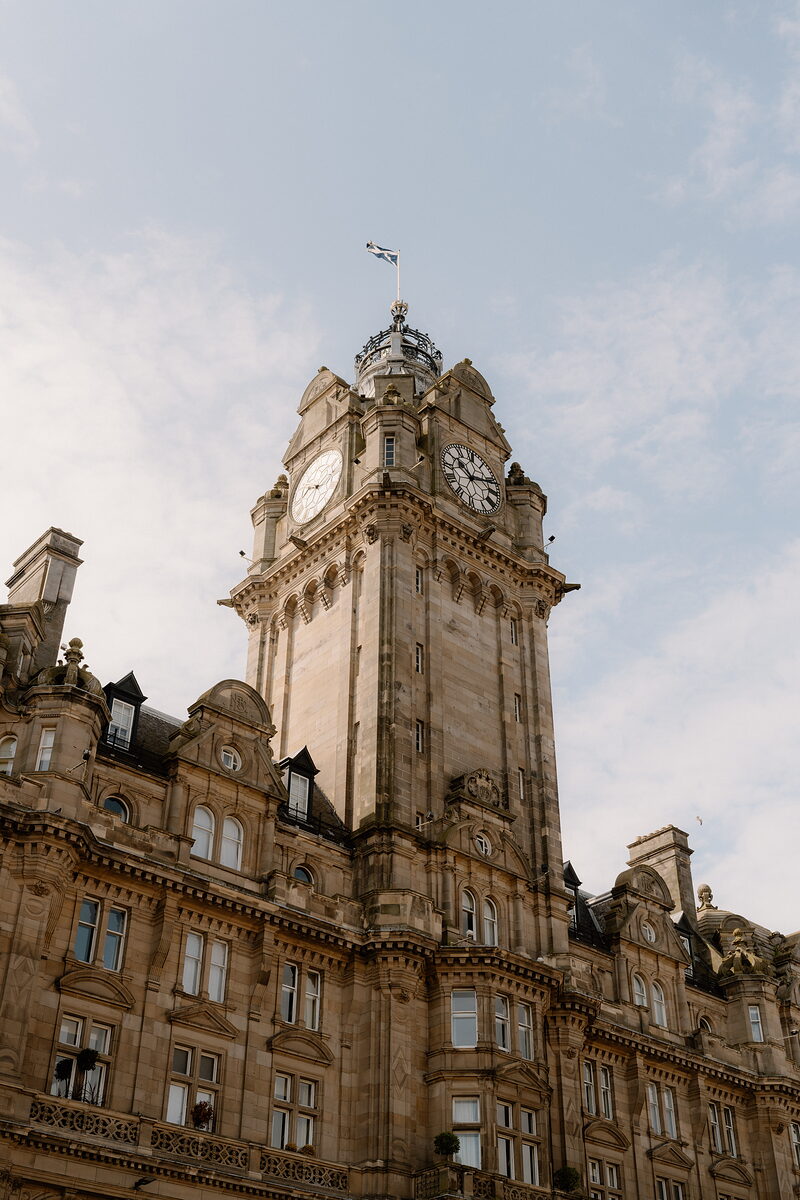
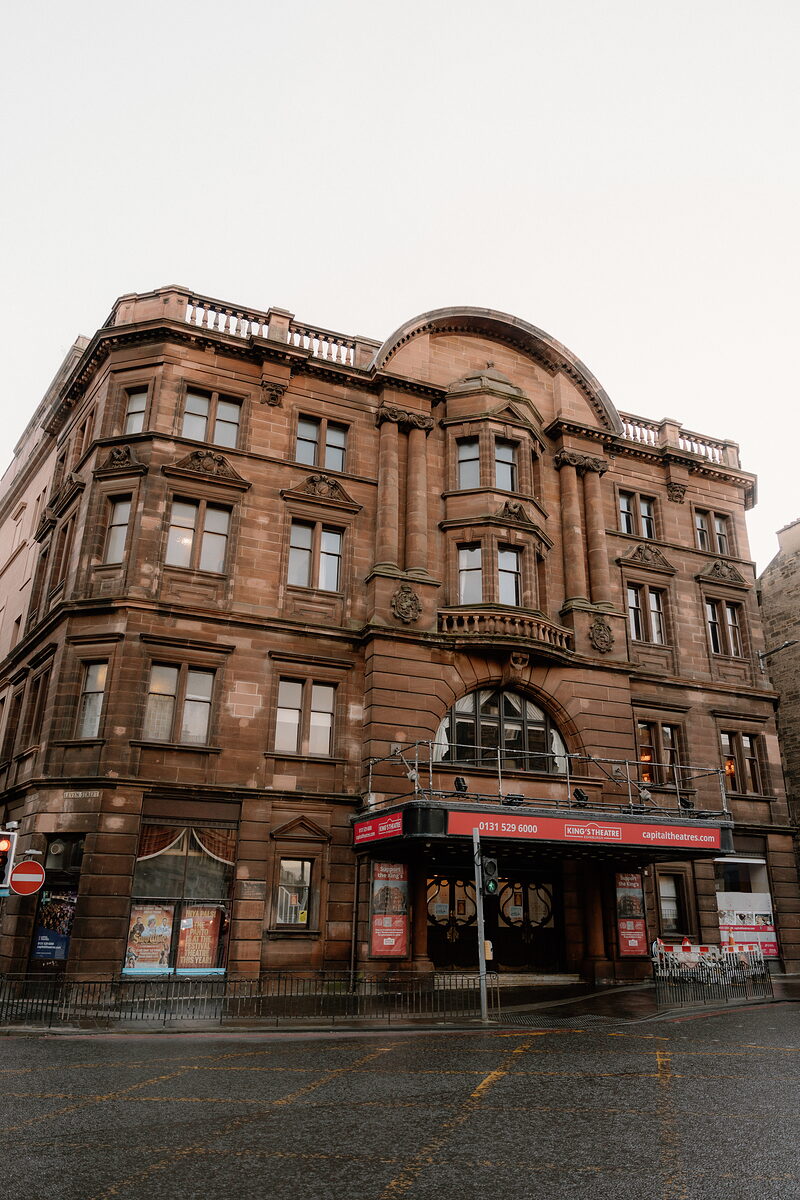
Lying directly west of the New Town, the West End is full of arty venues, independent shops and Georgian terraces. It is one of the smartest parts of the city, with lovely places to shop and stay, and Dean Village tucked into its gorge below.
The Southside
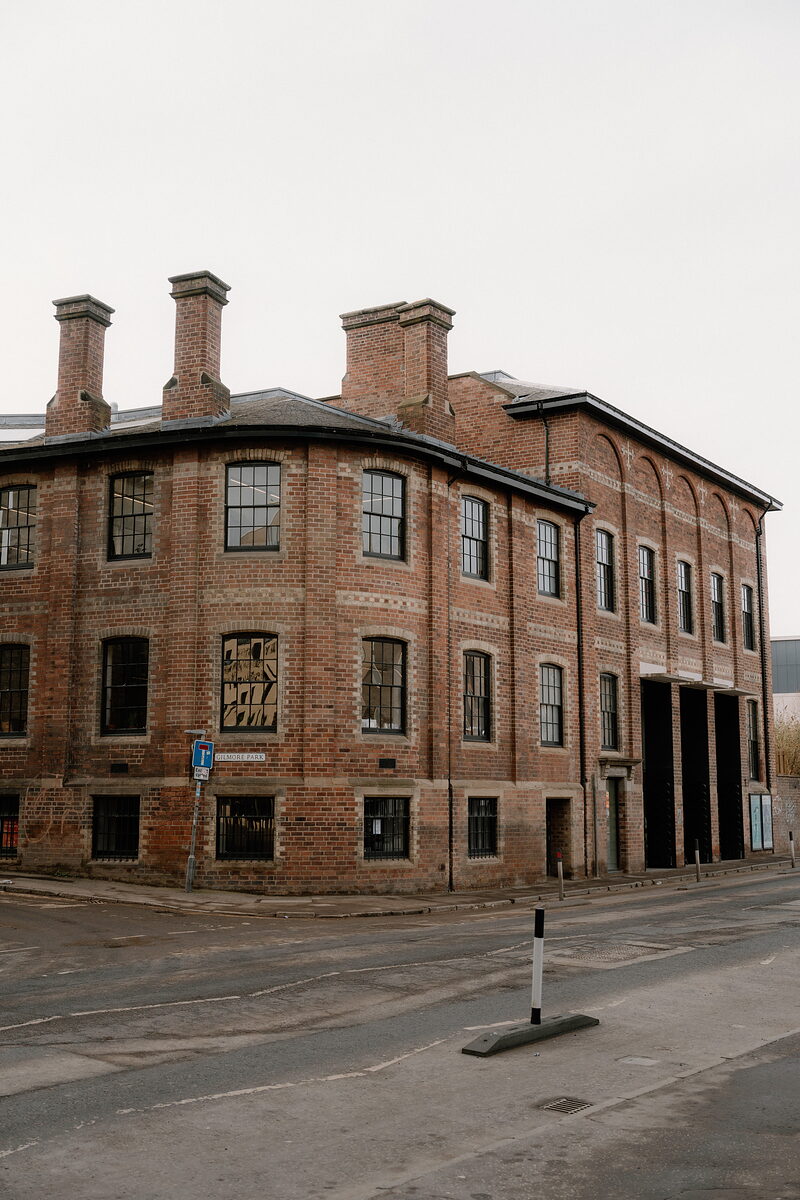
The greener, more relaxed side of the city spreads out south of the Old Town. It has strong university links and no shortage of places to eat and unwind, and the Meadows, one of the best open spaces in Edinburgh, bloom with cherry blossom in April.
Leith
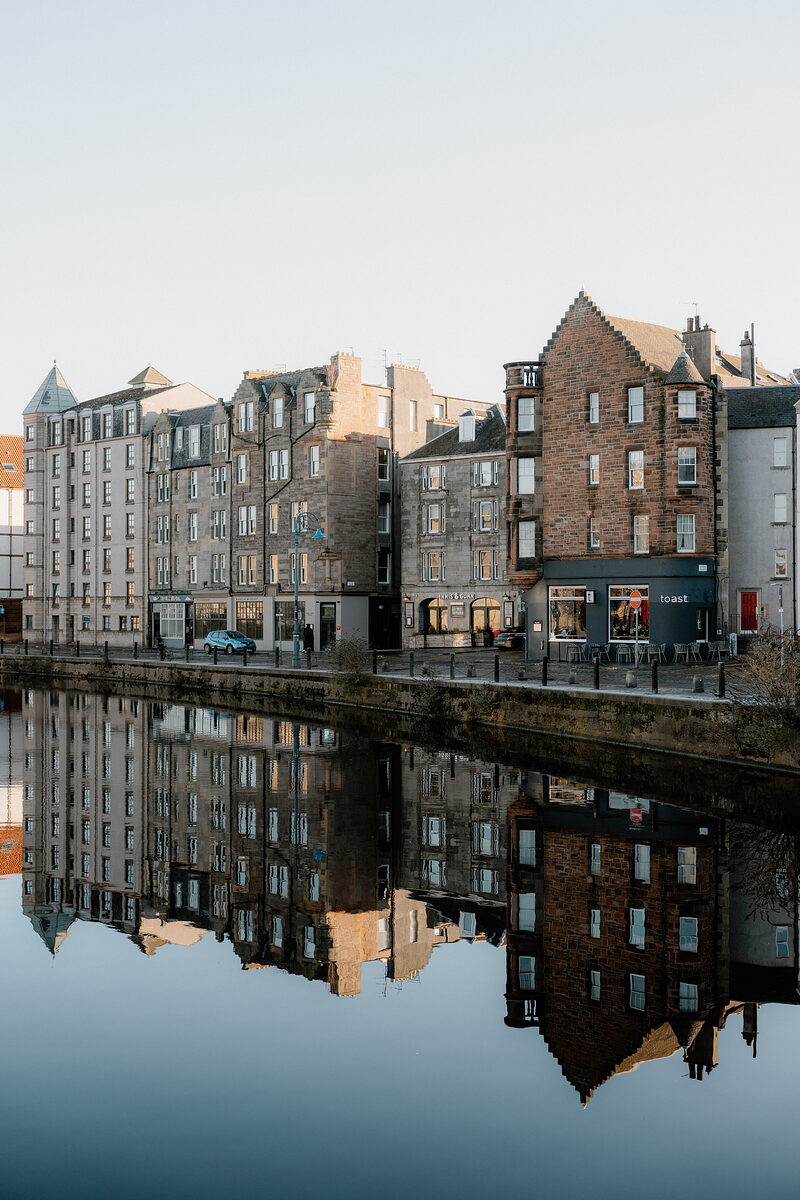
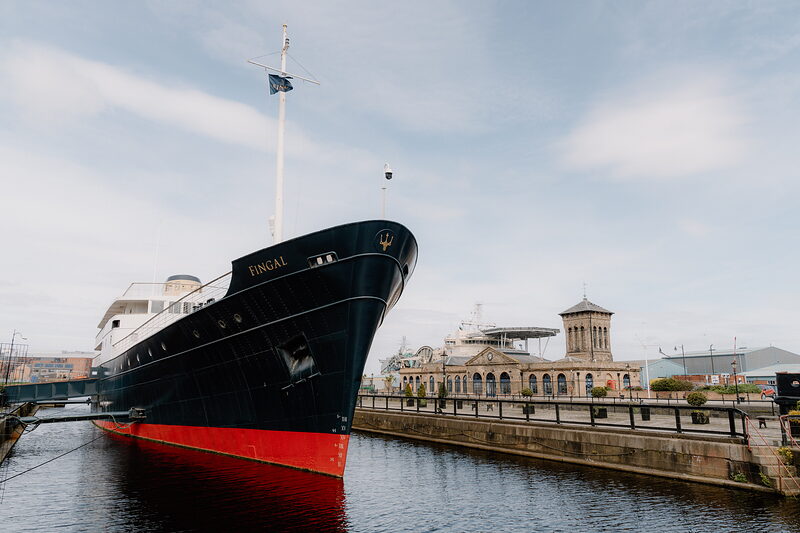
Leith was once a great trading port and then a run-down dockland, and is now a neighbourhood people cross the city for. Head for the Shore, with its cobbled quays and old maritime buildings, and give yourself plenty of time to eat and drink.
“Edinburgh belongs to the world.”
Richard Demarco
Artist and champion of the arts, born in Edinburgh
Best known for.
More about Edinburgh
Best-selling local author Alexander McCall Smith called it “a city of shifting light, of changing skies, of sudden vistas – a city so beautiful it breaks the heart again and again”. But Edinburgh is no mere museum piece. To the half a million or so people who call it home, this is a place of energy and hard graft, a living, sleepless metropolis with a thousand-sided personality and serious culinary and creative pedigree.
The sloping Royal Mile – with the castle at its top and the Palace of Holyroodhouse at its bottom – is the main focal point from a visitor point of view, but the city as a whole is almost brimming over with quality galleries, restaurants, pubs, museums and other diversions. For many visitors, of course, the city is also synonymous with its extraordinary summer festivals – most notably the all-conquering Fringe – when the streets and theatres fizz with crowds and performers.
This pairing of the historic and the dynamic – medieval bulwarks on one hand, cutting-edge arts on the other – is one of the main reasons why the population can at times treble with the influx of visitors. Other cities might have big-name sights, hard-held traditions and world-famous events, but nowhere packages them up in quite the same way as Edinburgh. The pull is perhaps best summed up by a quote from city-born artist Richard DeMarco, a tireless champion of the visual and performing arts. “The Scots think of it as their capital,” he has said. “They’re too possessive. Edinburgh belongs to the world.”
What would you like to look at?
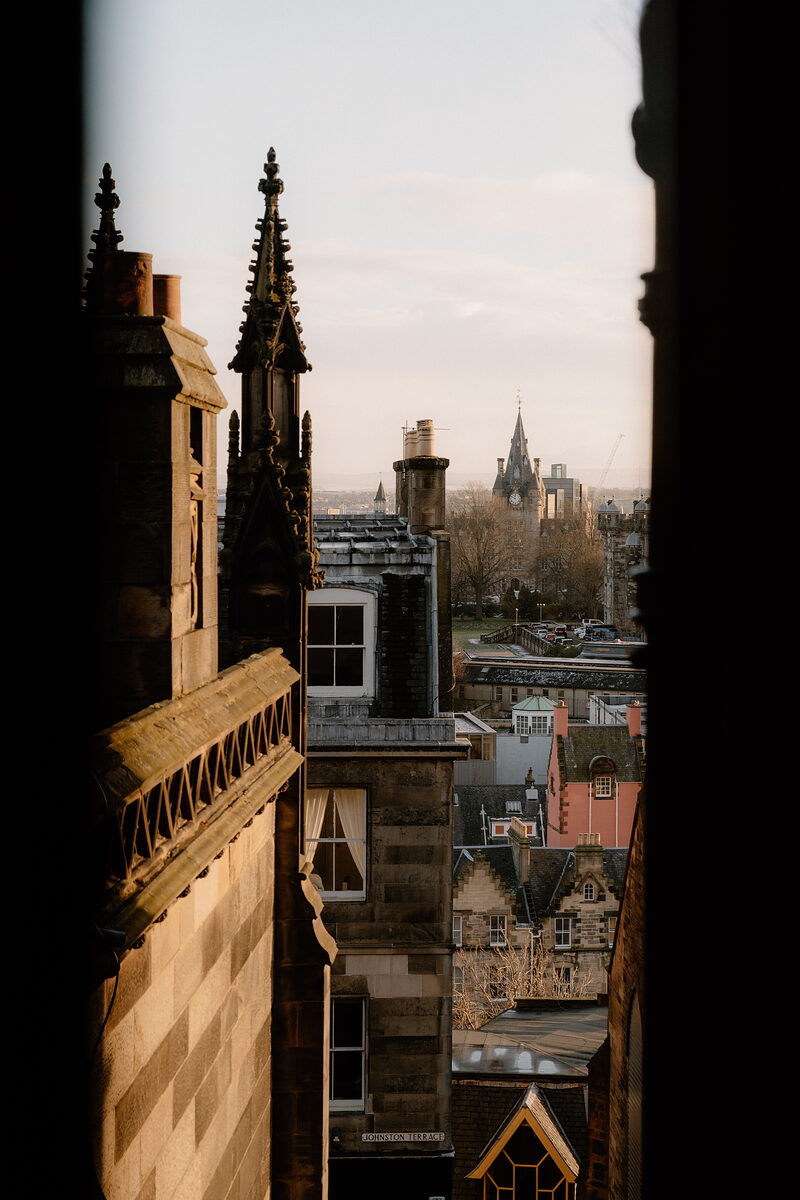
 See and doThe castle, the palace, galleries and closes
 Eat, drink and shopOld pubs, Leith's restaurants and good coffee
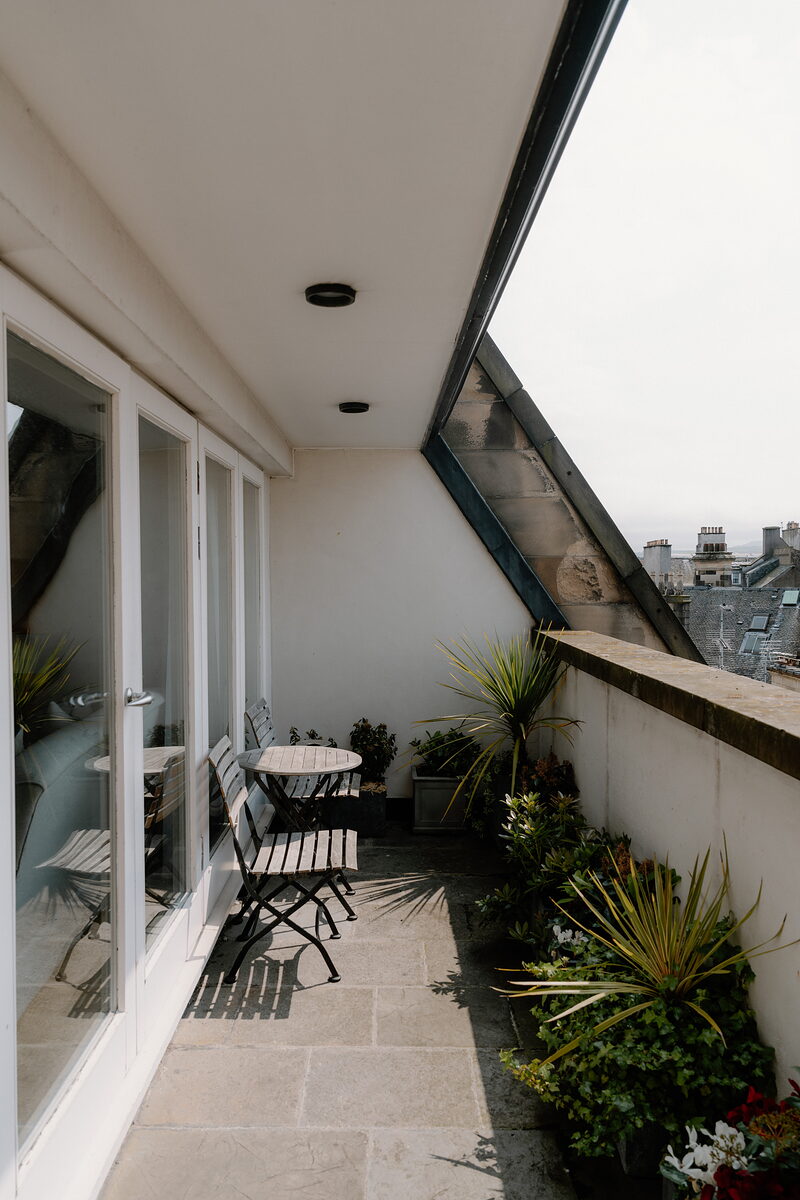 Where to stayRooms on the Royal Mile and beyond
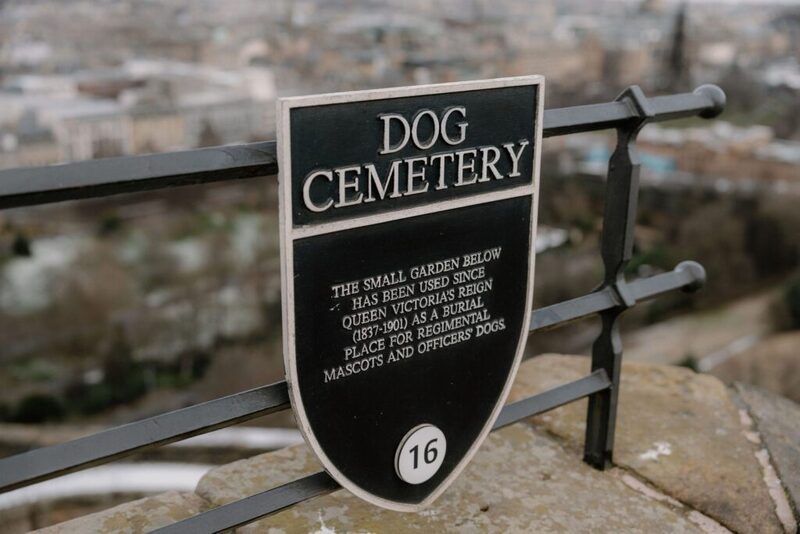 History and storiesCastle Rock, the Old Town and the New
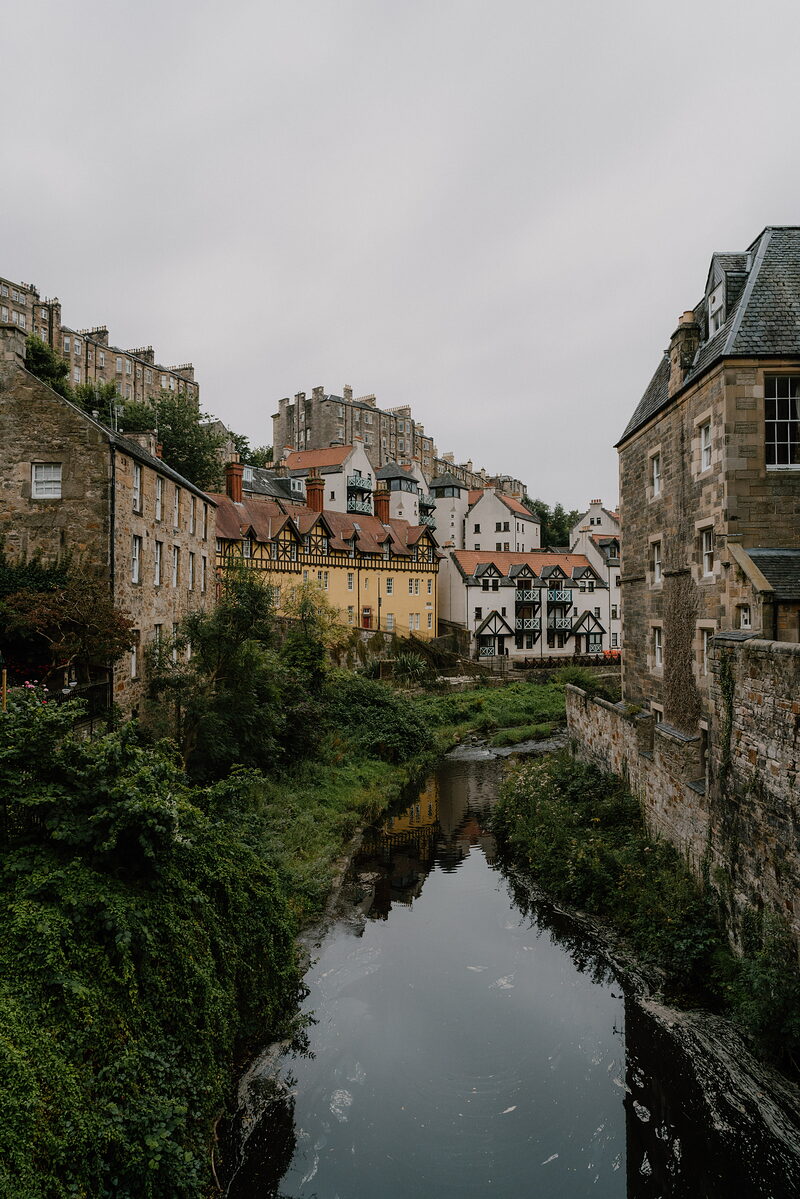 ItinerariesDays we have walked, stop by stop
 Getting hereTrains, the airport, trams and buses
 What is on in EdinburghSomething new from the city every day
What is on in Edinburgh
Friday the 16th of October.
Sunrise 07:46, sunset 18:10.
Coming up in Edinburgh
- Oct16Gladstone's Land Guided TourOn today
- Oct16Welcome to the Library toursOn today
- Oct16The Comedy Cellar, Stand-Up Comedy on Edinburgh’s Royal MileOn today
- Oct16Edinburgh Bar CrawlOn today
- Oct16Blood and Guts: The Twists and Turns of Edinburgh's Medical HistoryOn today
The news in Edinburgh
- Ricks comes back to Frederick Street in Edinburgh on 31 October, after nine years as Rabble.
- The Lyon Public House has opened on George Street in Edinburgh, in a building that was an auction house for more than a century.
- Ottolenghi has opened its first restaurant in Scotland, on George Street in Edinburgh.
- The Palm Houses at the Royal Botanic Garden Edinburgh have reopened after a five-year restoration.
- Ottolenghi opens its first restaurant in Scotland on George Street on 2 October.
Things you might not know.
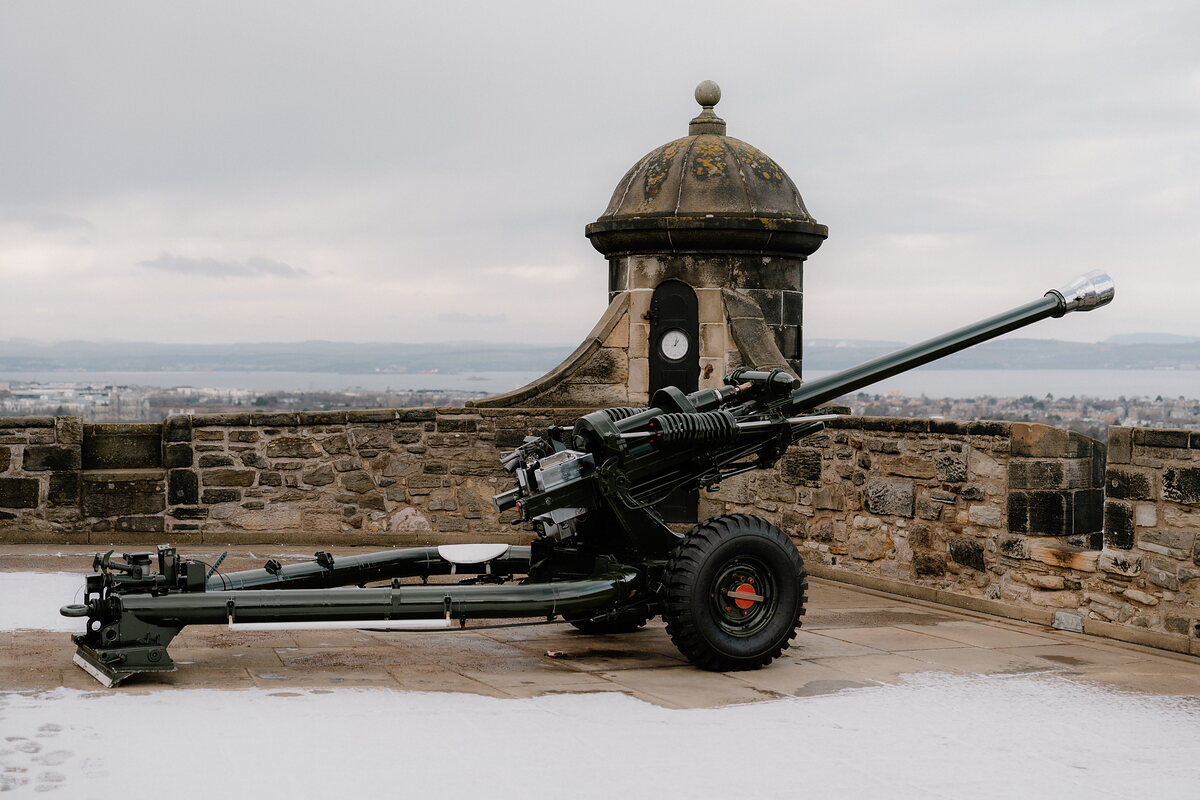
The One O'Clock Gun is fired from Edinburgh Castle every day except Sunday, Good Friday and Christmas Day. It began as a time signal for the ships in Leith to set their clocks.
From A Guide to Edinburgh’s Historic Sites and MuseumsWhen Robert the Bruce destroyed Edinburgh Castle, he left St Margaret's Chapel standing out of respect for her. It is now the oldest intact building in the city.
From A Guide to Edinburgh’s Historic Sites and Museums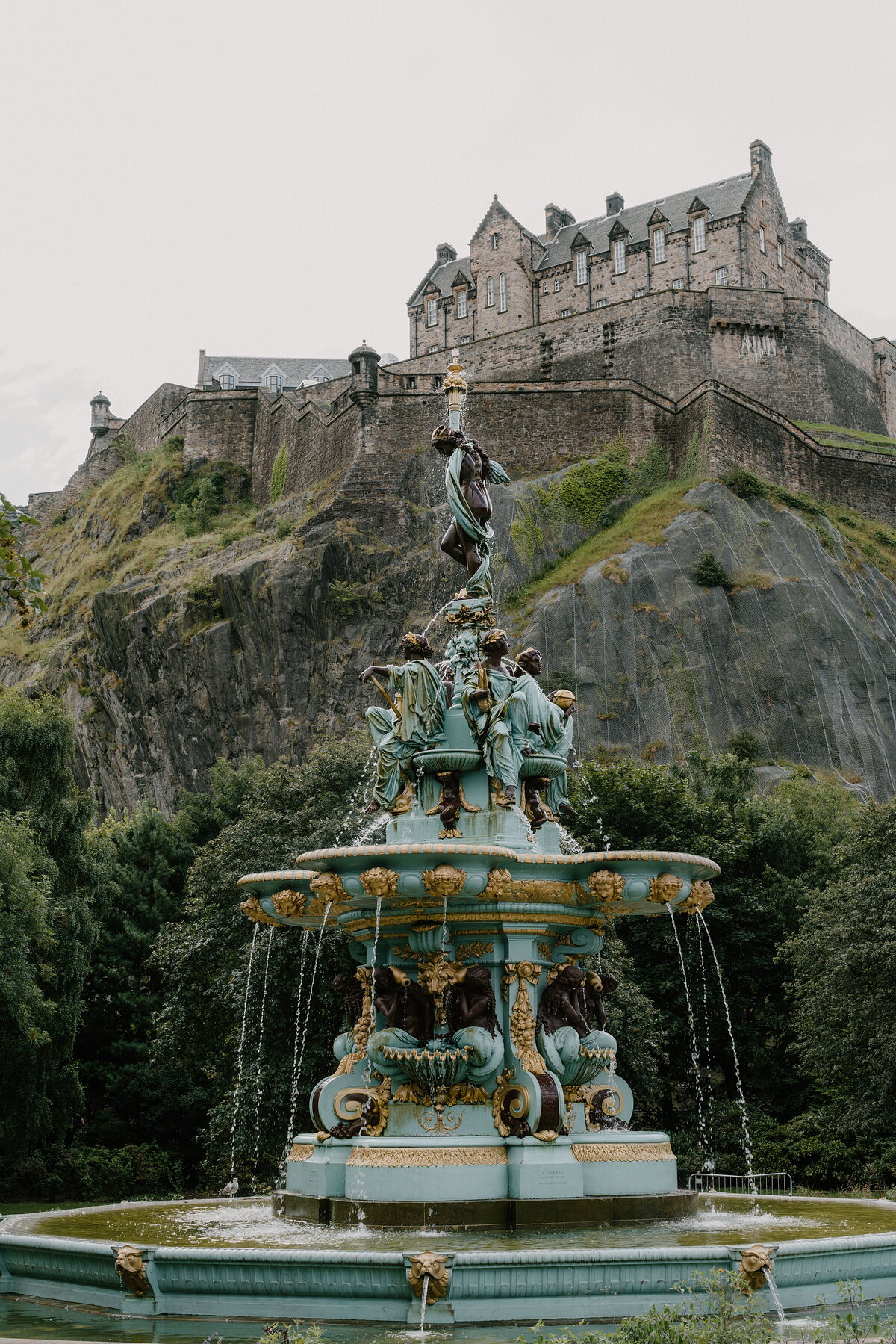
Princes Street Gardens lie where the Nor' Loch used to be. It was made in 1460 to defend the city and later turned foul with the sewage running down from the Royal Mile.
From Unusual & Interesting Things in Edinburgh
Potter, McGonagall, Scrimgeour and Thomas Riddell are all names on the graves in Greyfriars Kirkyard, and JK Rowling is thought to have borrowed some of them for her characters.
From Unusual & Interesting Things in EdinburghThe first municipal fire brigade in the world was formed in Edinburgh, after the Great Fire of 1824.
From Unusual & Interesting Things in EdinburghIn 1705 an Edinburgh baker complained to the town council about the elephant his upstairs neighbour was keeping in the flat.
From Unusual & Interesting Things in Edinburgh