
Did you know
The mermaid's grotto.
Walter Scott visited in 1814 and wrote about the cave in The Lord of the Isles, where it becomes a mermaid's alabaster grot in Strathaird's enchanted cell.
A sea cave on the Strathaird shore near Elgol, reached on foot only around low tide, lined with flowstone and ending in a lake.
The Spar Cave is a sea cave on the east shore of Strathaird, near Elgol, and the walk to it needs forward planning and great care.
Visited and photographed by Simon Hird
It can be visited only for about an hour either side of low tide. A steep path leads down to the shore, and the way on is a scramble over slippery boulders and along a rock ledge into a tall gorge, where the cave lies at its head. Do not try to enter the narrow flooded inlet you pass on the way.
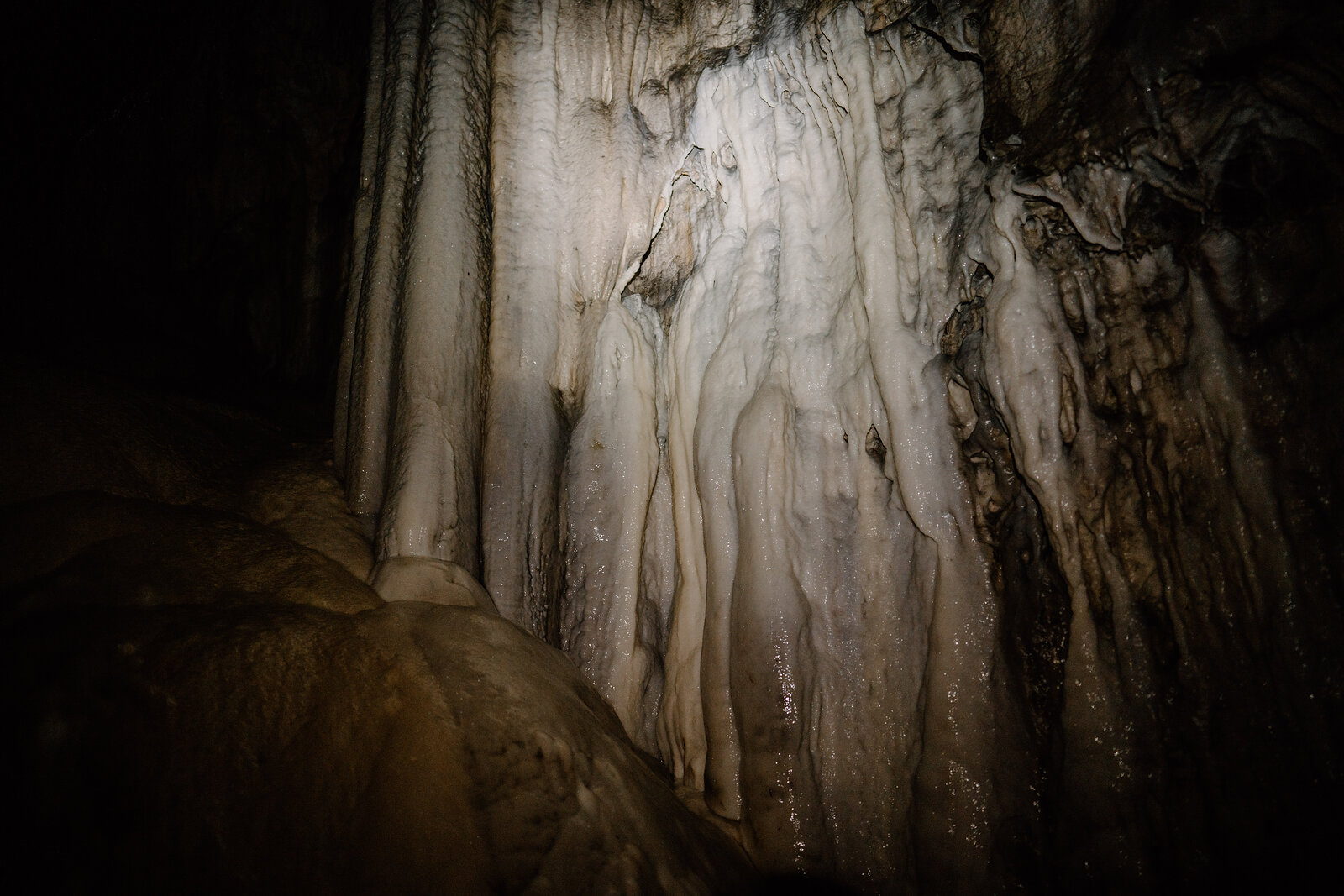
Once the passage turns to the right, the walls, floor and ceiling are covered in flowstone, or spar. The floor rises in a flowstone staircase that looks treacherously slippery but gives reasonable grip and can be climbed with care. Beyond the highest point it drops to a lake. Walter Scott came in 1814 and wrote about the cave in The Lord of the Isles. Take at least two torches, and watch the tide: if it comes in, you will be trapped for twelve hours until the next low tide.
Arrives at 5am every day.
A free morning email to see what’s on this week, catch up on what’s happening in Scotland and find somewhere new to go.
Only for about an hour either side of low tide.
It is quite possible to be stranded: if the tide comes in, you will be trapped in the cave for twelve hours until the next low tide.
Been here? Tell others what you know, and the best go on this page with your name.
Add your reviewWalter Scott visited in 1814 and wrote about the cave in The Lord of the Isles, where it becomes a mermaid's alabaster grot in Strathaird's enchanted cell.
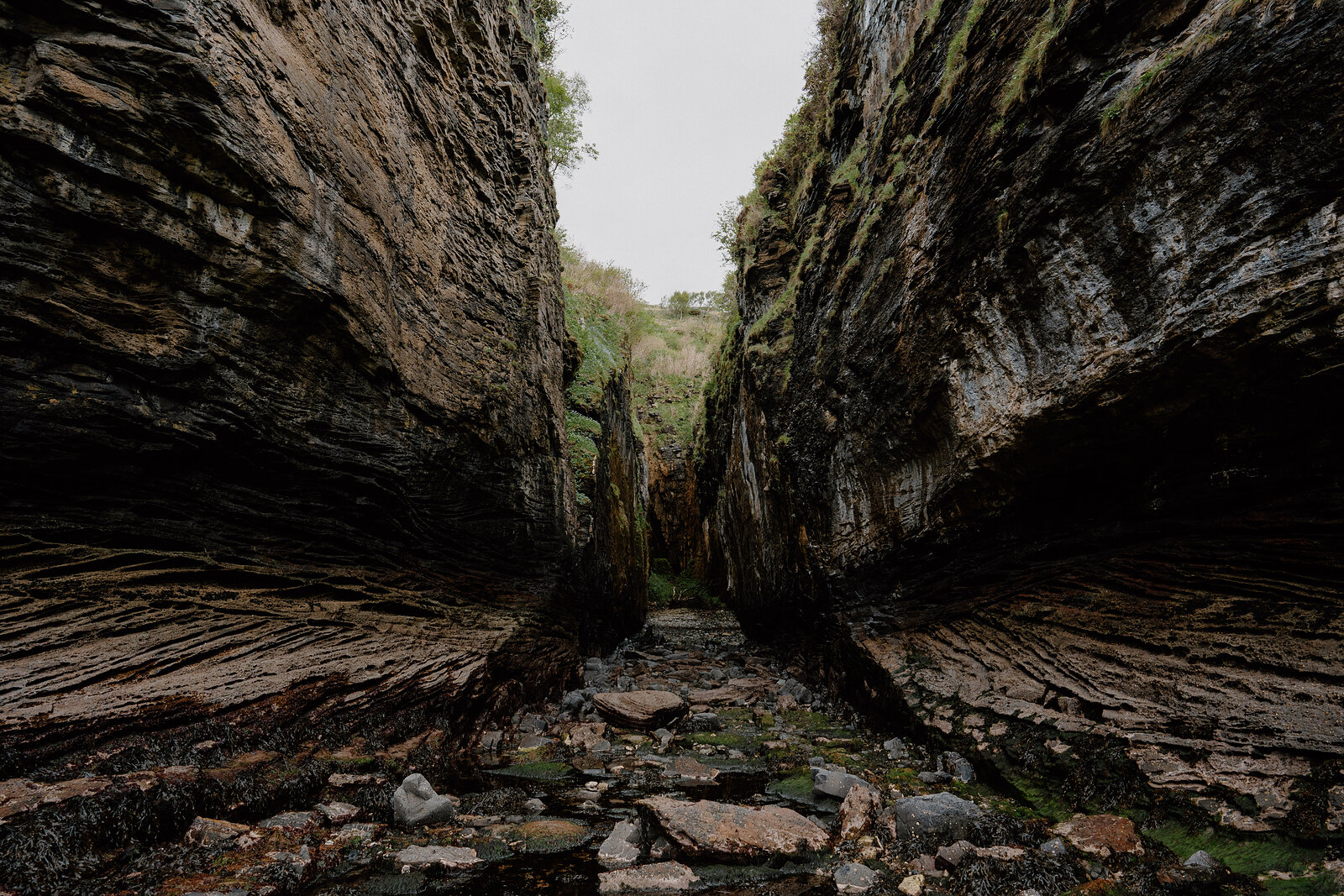
A wall once closed the head of the gorge, and Scott had to climb it on a rope. Later a passing sailor fired a cannon at it and knocked it down.
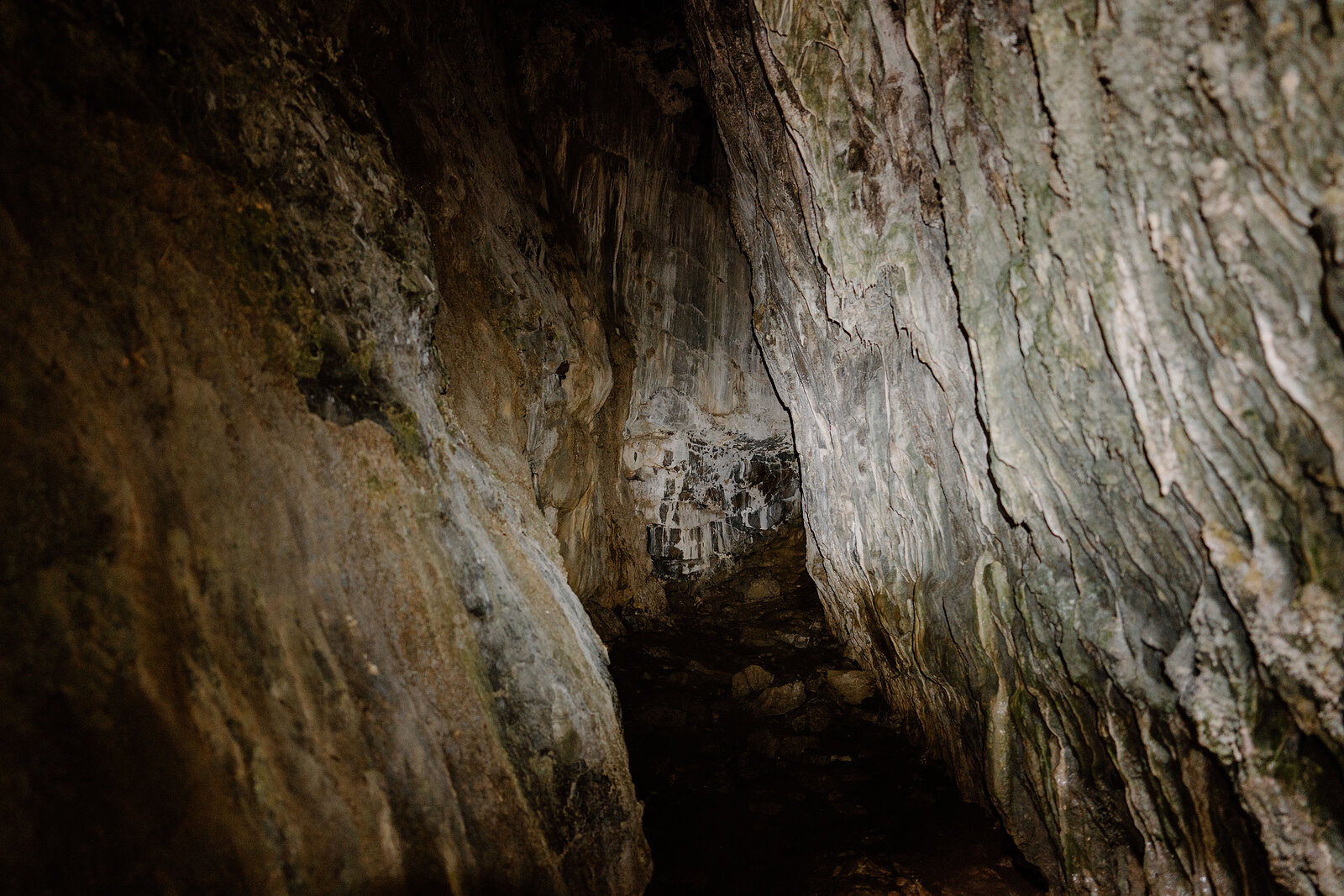
In Gaelic it is Sloc an Altramain, the nursing cave. The story goes that a local princess who had fallen in love with a rival chief's son hid here to protect their baby.
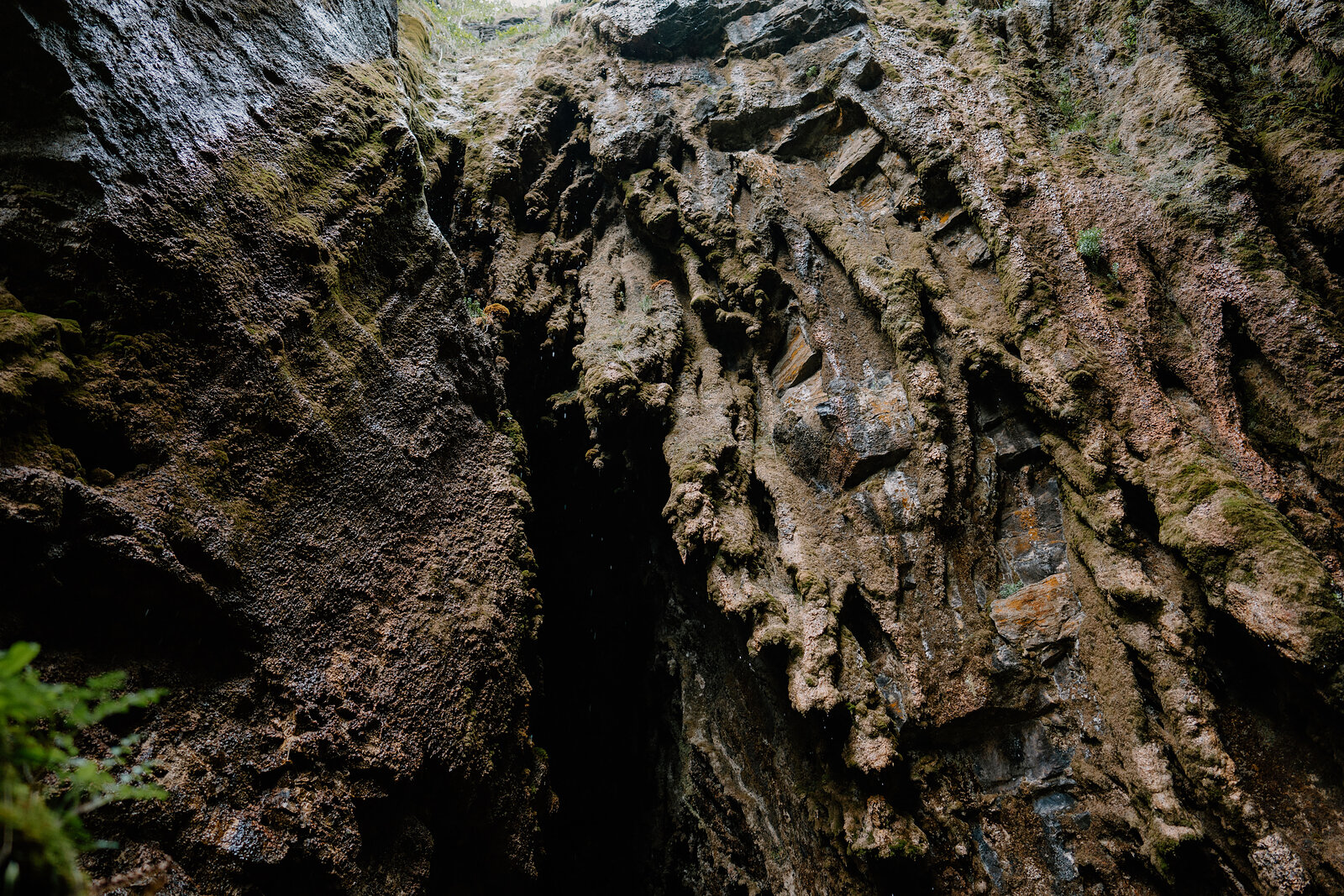
The cave was named after its spars, the calcite crystals that once covered its walls. In Victorian times it was a sort of show cave, visited by many famous travellers.
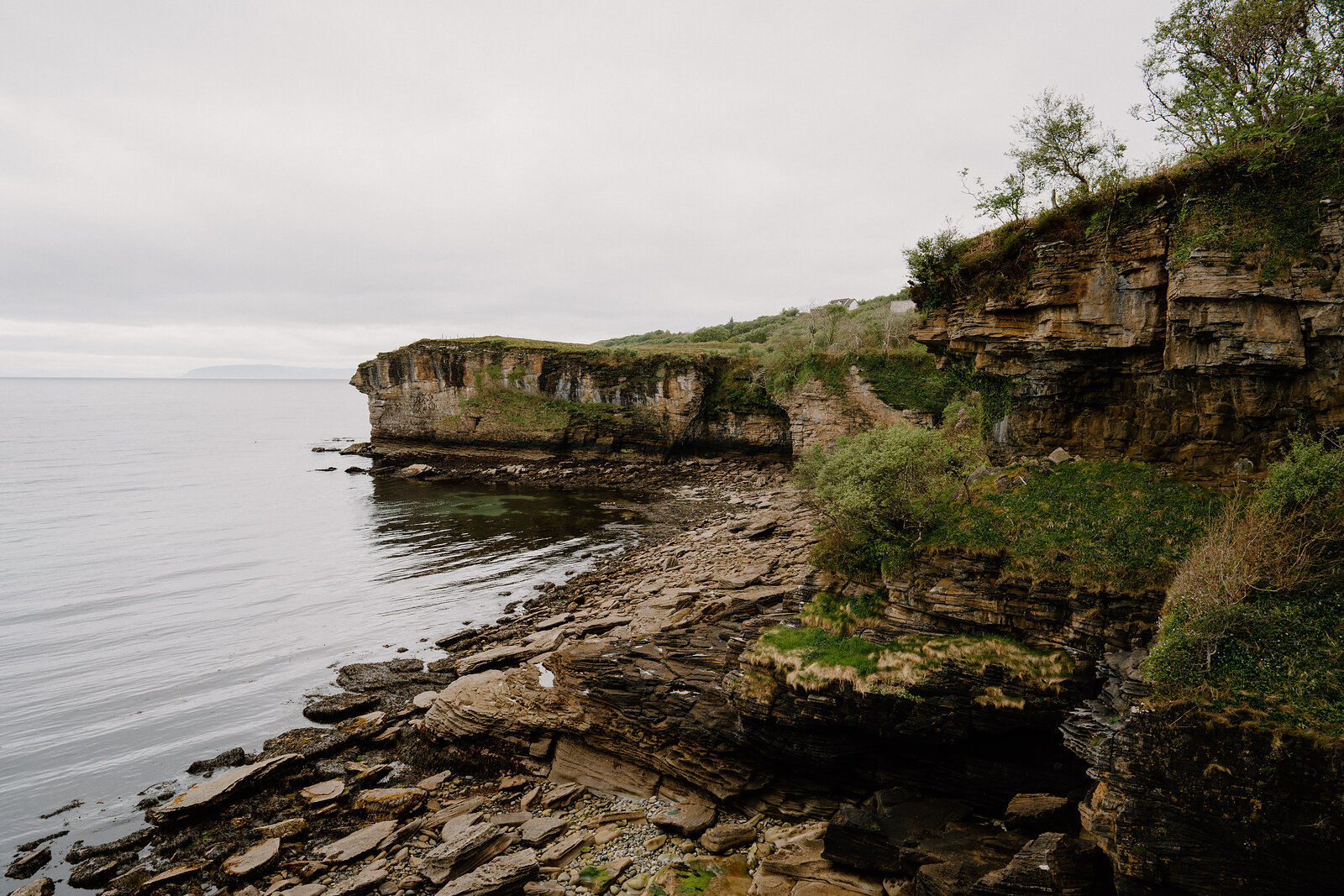
Past the flowstone staircase the floor drops again, down a shorter stairway to a lake. The lake is the limit of exploration.
It’s not straightforward to visit this well-concealed cave – reachable only when low tide allows, and even then requiring a steep descent and a rocky scramble – but it has a magic of its own. History and legend are thick in the air here, and on a more modern note, it’s where Bear Grylls brought an overawed Ben Stiller for his TV show.
Read more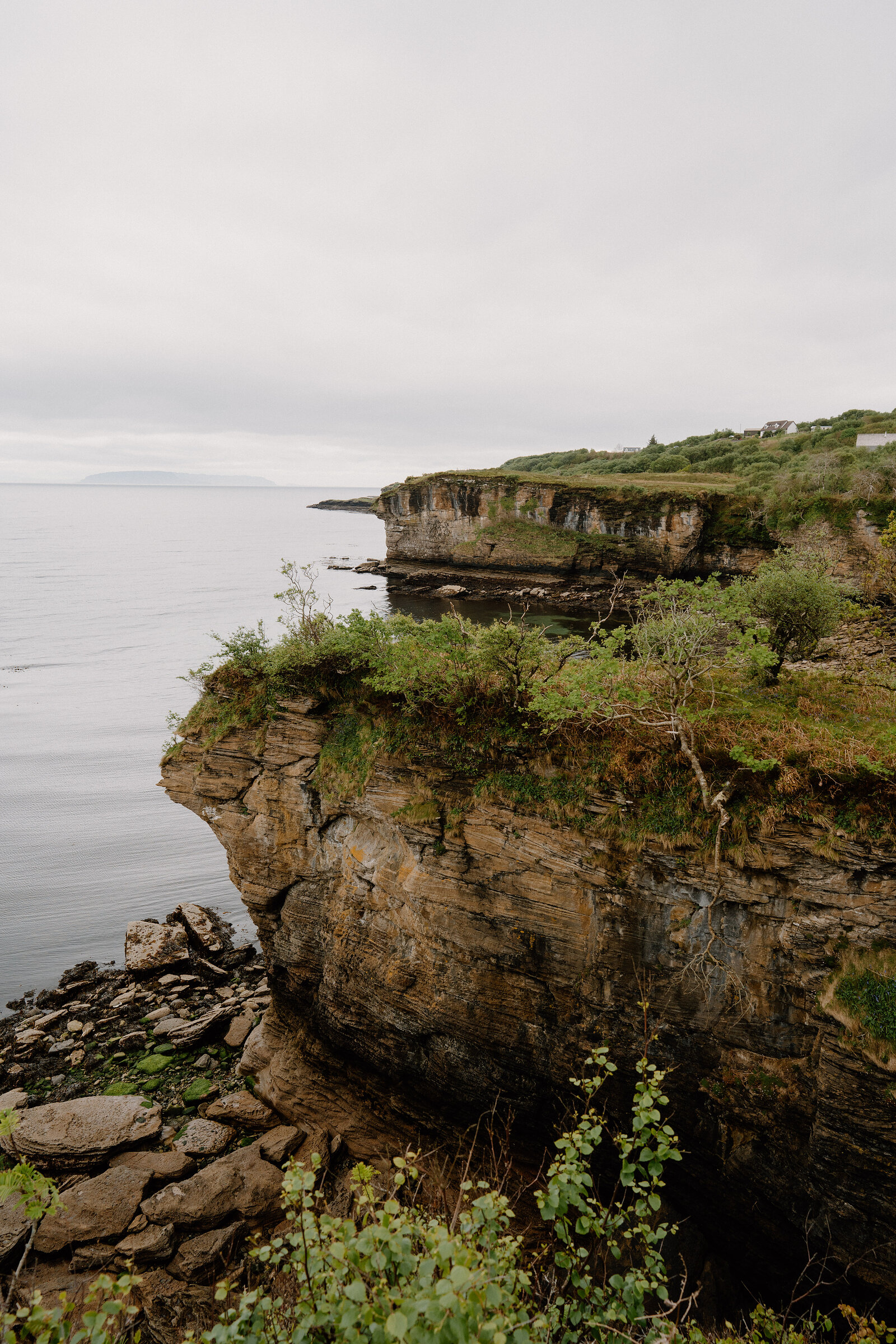
New places, news and stories, as we find them.
What is on in Broadford and SurroundsAt Glasnakille on the east side of Strathaird, a short drive from Elgol; the walk starts just before the cattle grid.
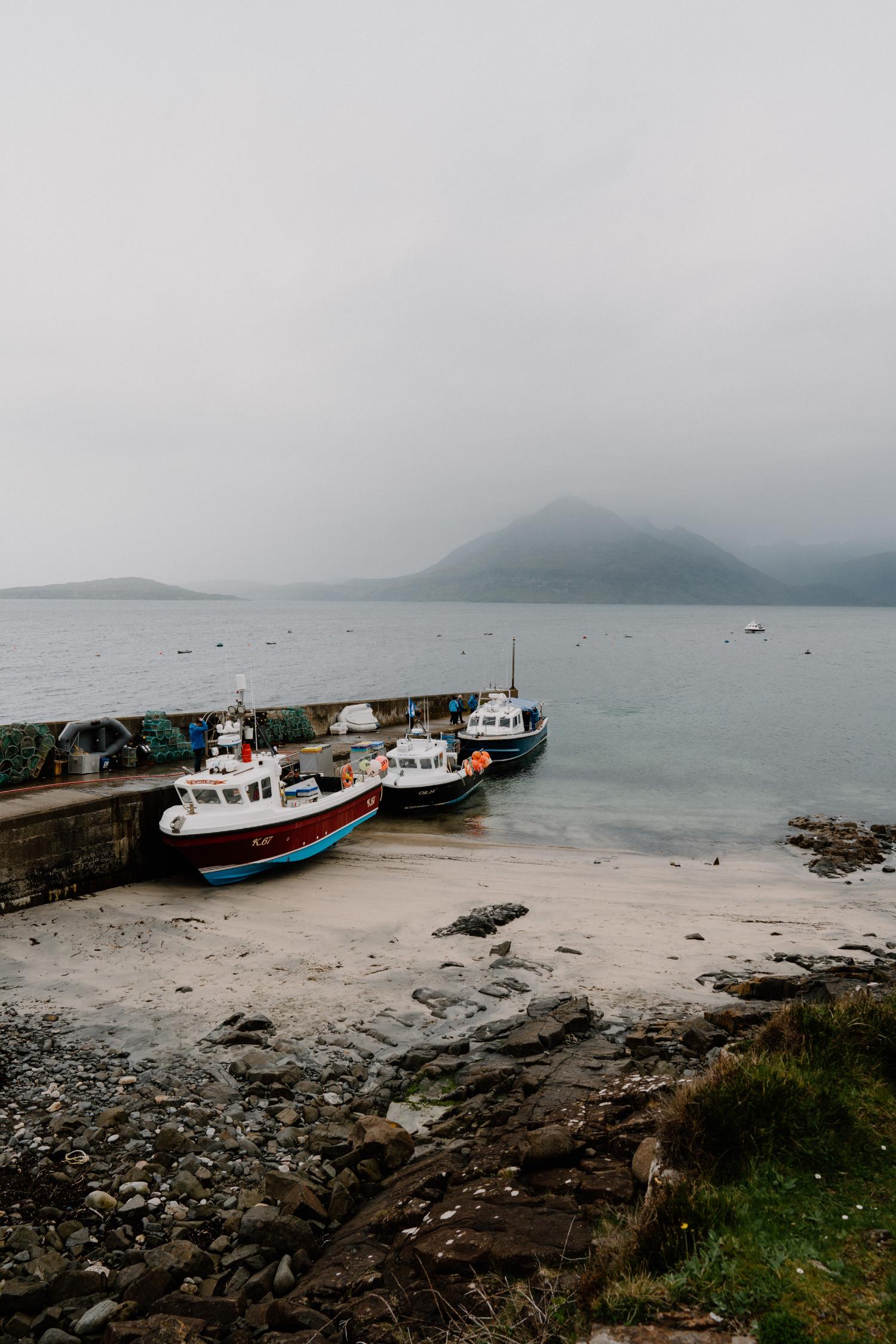 Bella Jane Boat Trips2 miles 3 min by road
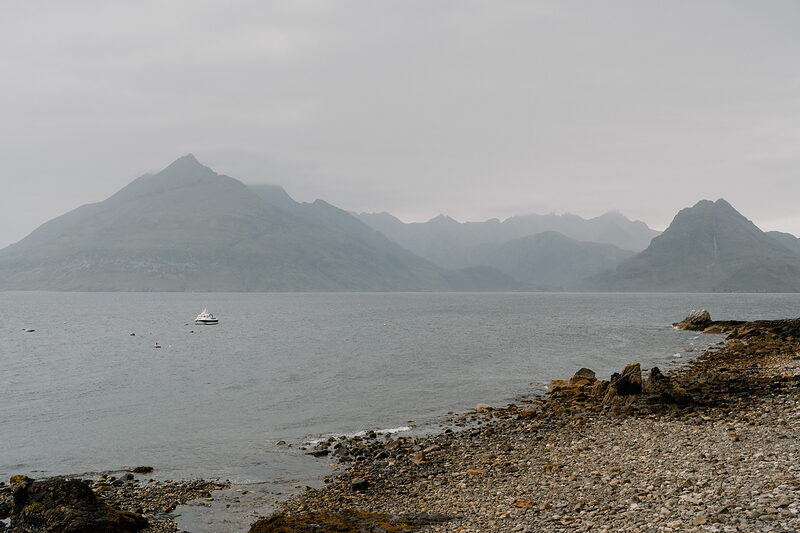 ElgolA crofting village at the end of the road on Strathaird, looking across Loch Scavaig into the heart of the Black Cuillin.2 miles 3 min by road
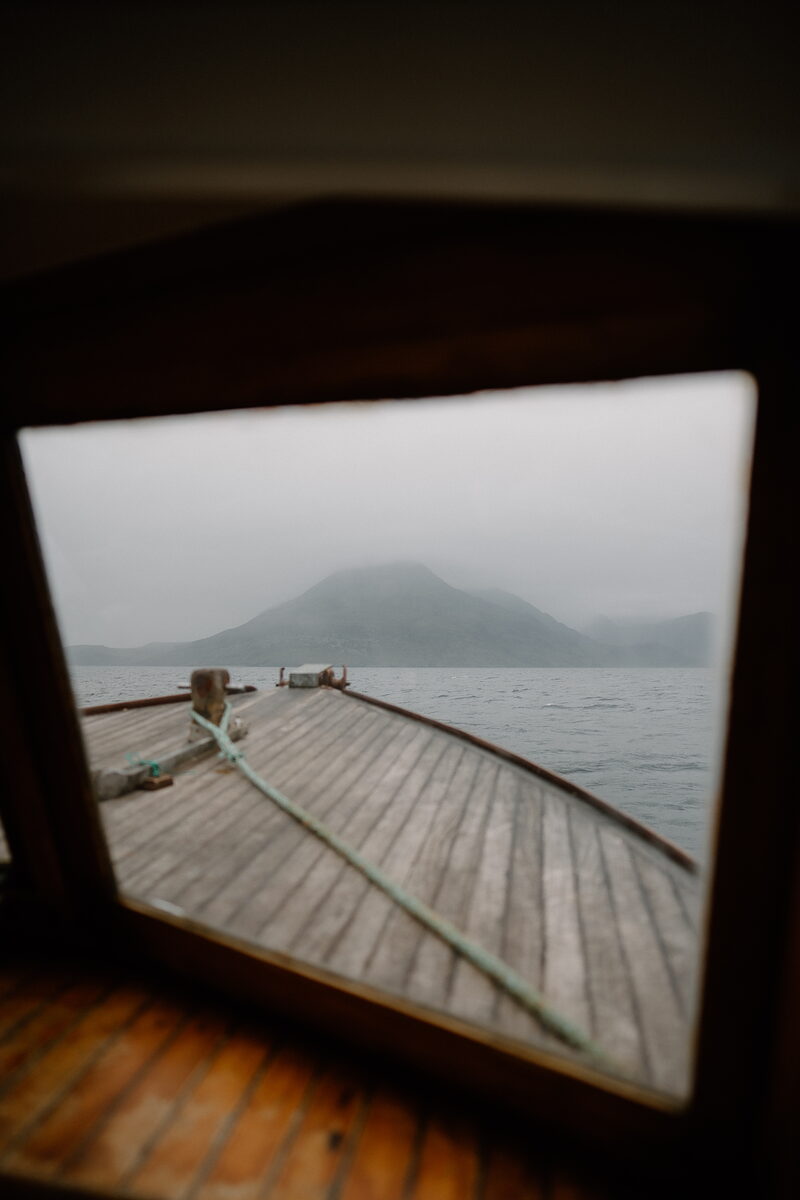 Misty Isle Boat TripsThere’s no better way to experience Skye’s coastline than by boat.2 miles 3 min by road
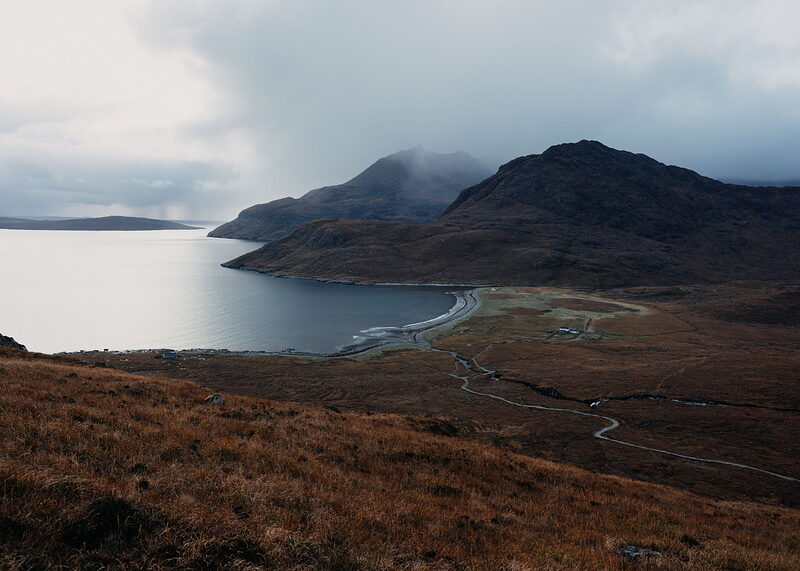 Camasunary BayA bay under Bla Bheinn on the south coast of Skye, with a grass-backed beach and a bothy, and no road to it: 9.2 km there and back from the Elgol road.5 miles 8 min by road
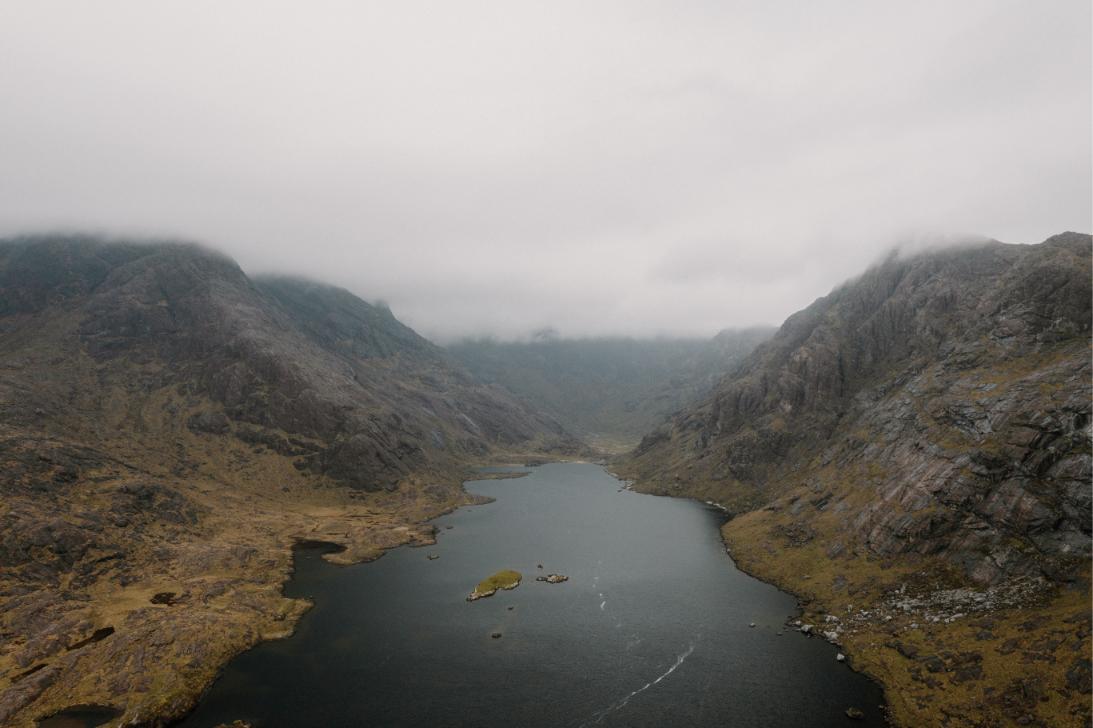 Loch CoruiskA freshwater loch lying in a bowl of black Cuillin gabbro, three quarters of an hour by boat from Elgol and ten minutes on foot from the landing.5 miles 8 min by road
 BroadfordSkye's second village, strung along Broadford Bay under the Red Cuillin, a stop for fuel, food and the road south to Elgol.16 miles 22 min by road
Places to stay near the cave, and when each is next free.
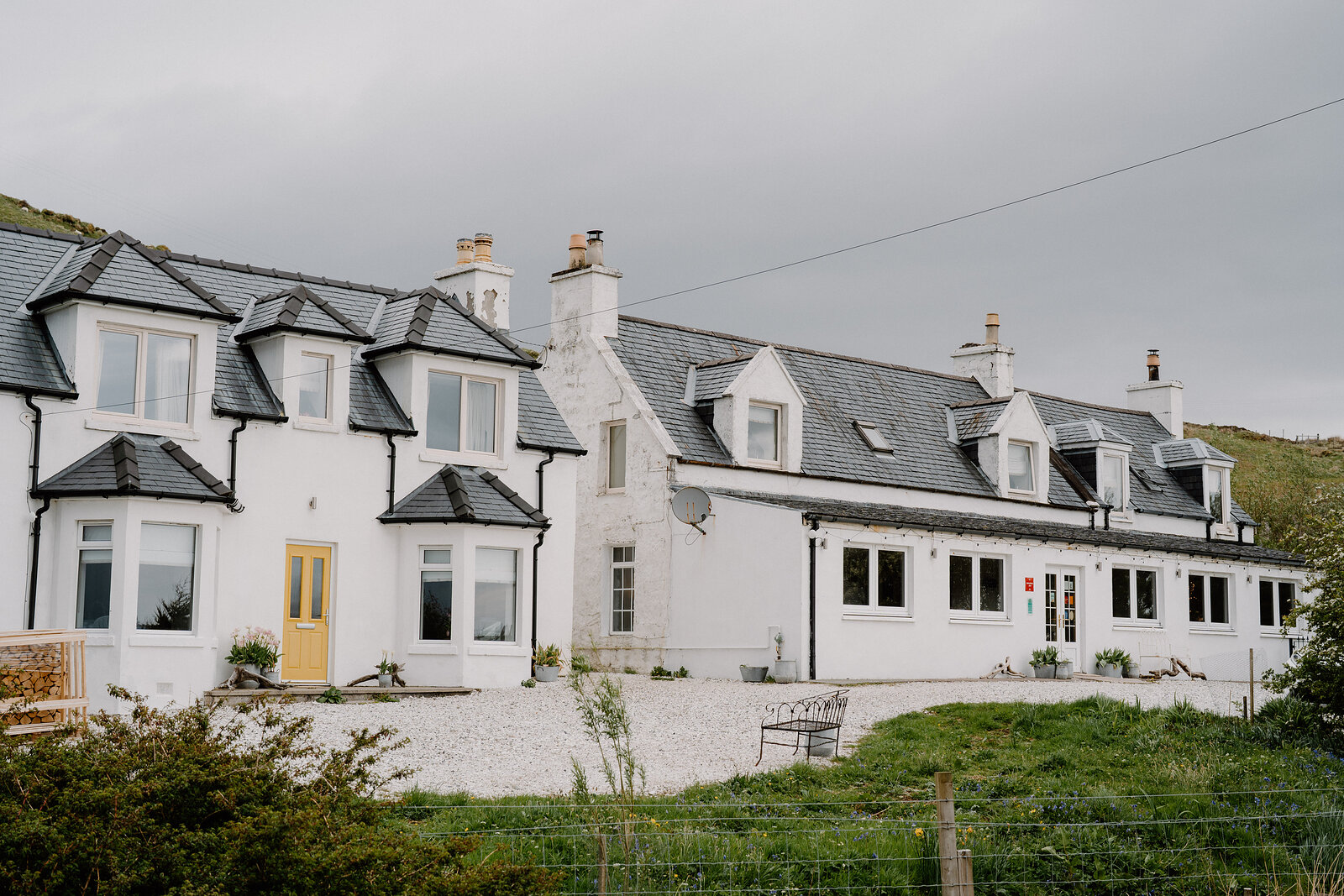 Coruisk House
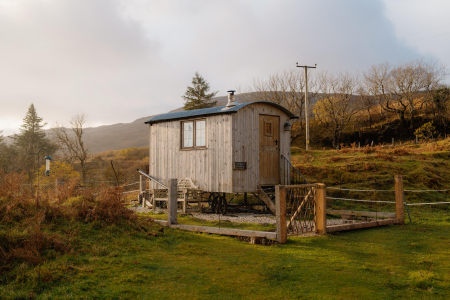
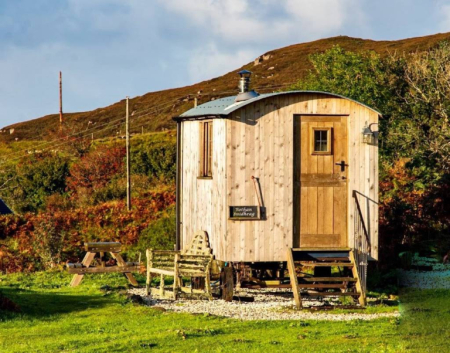
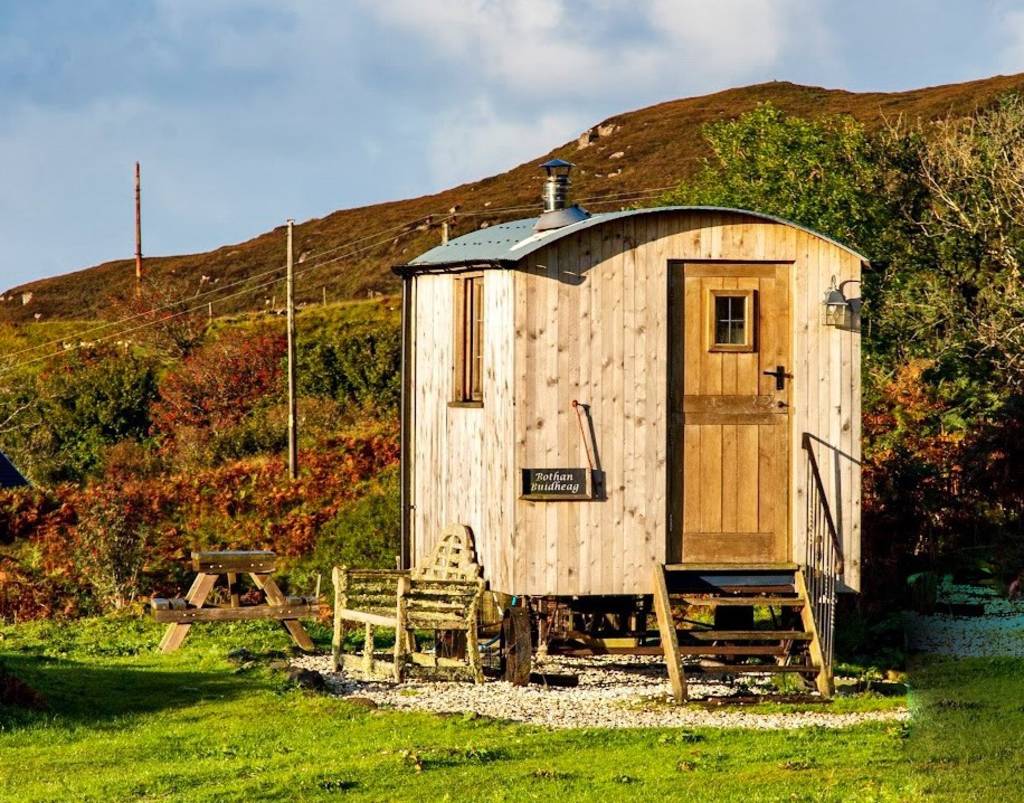 Bothan Buidheag
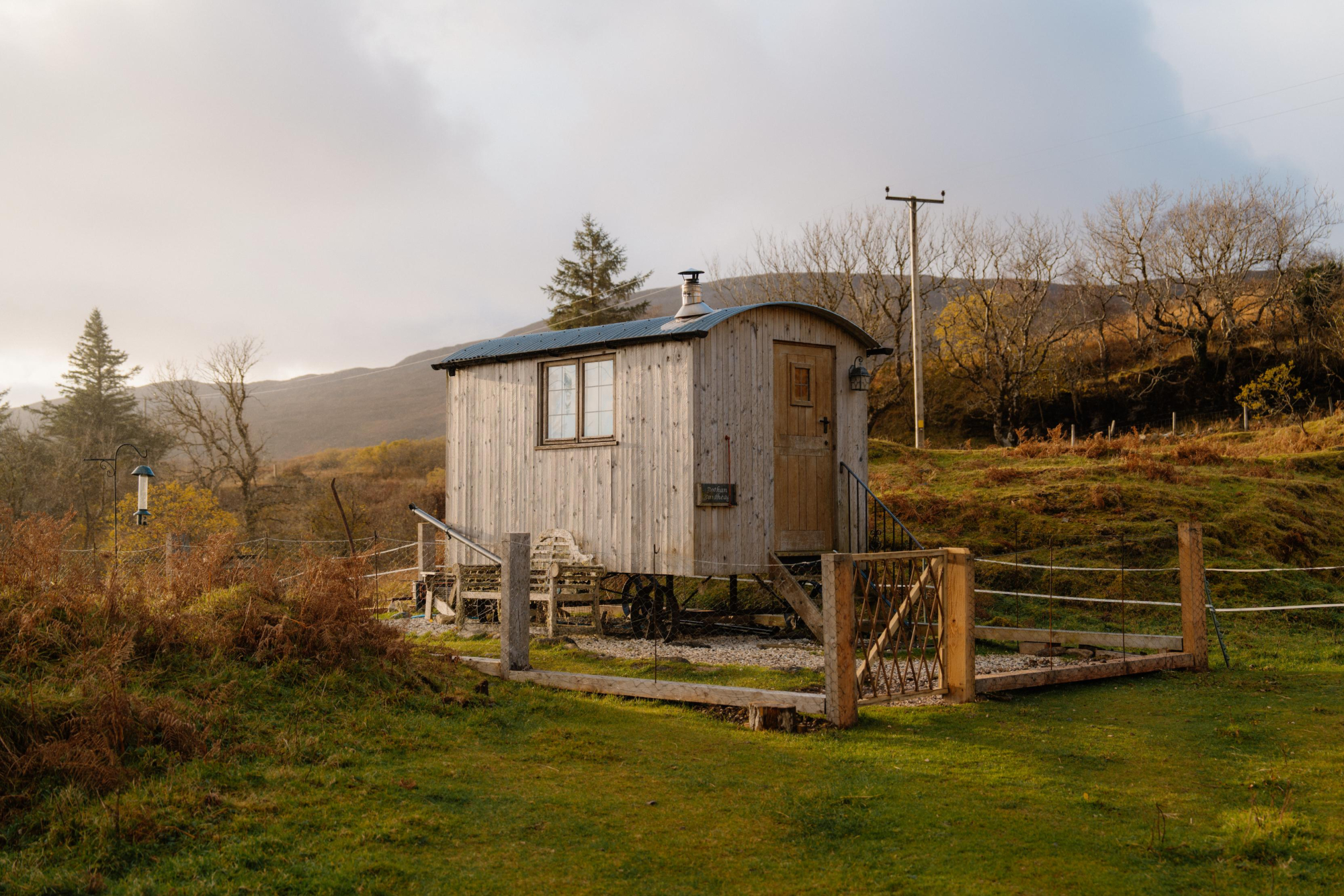 Bothan Beileag
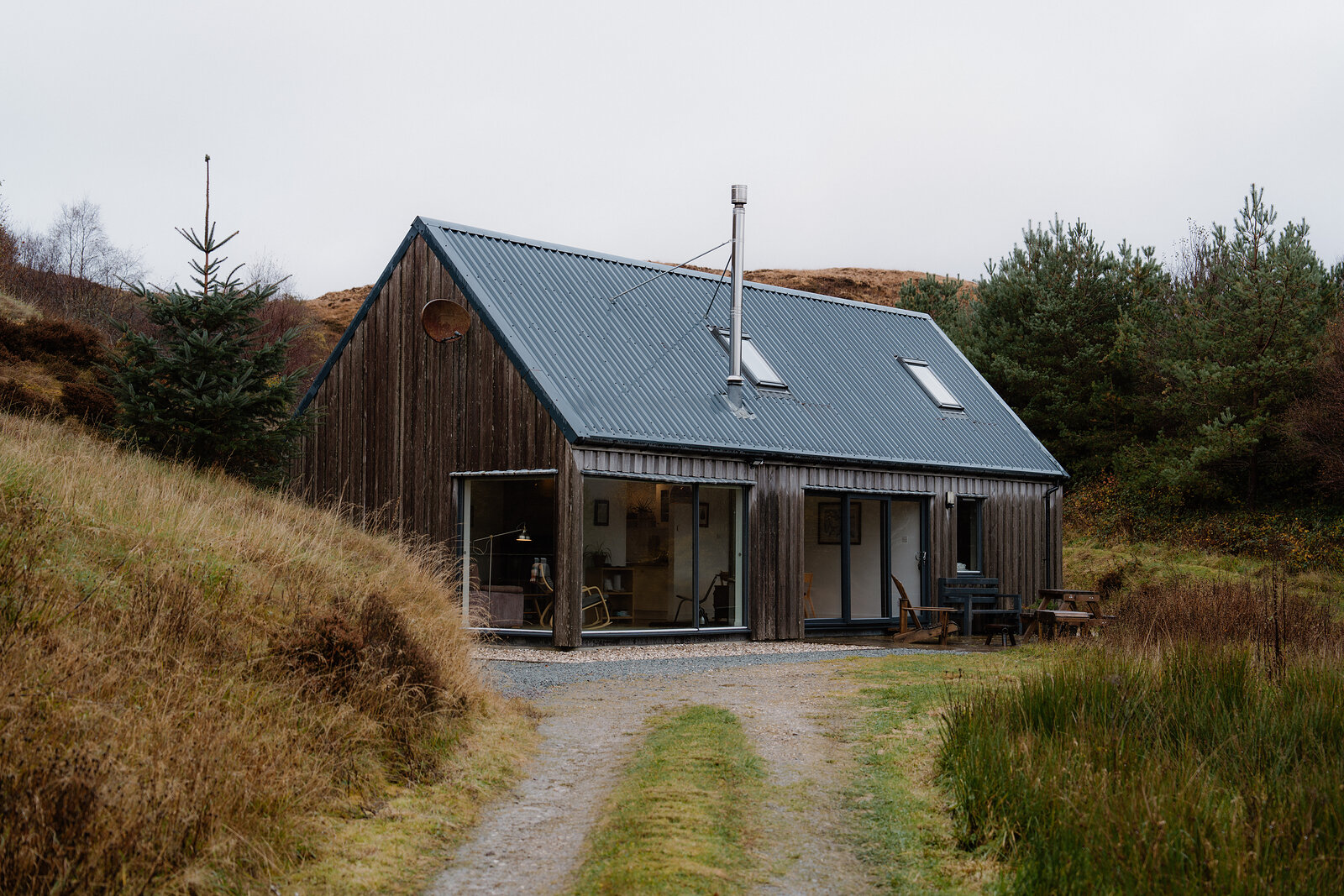 Stonechat Bothy
We want to show you the best that Scotland has to offer. The makers and the creatives, the enduring experiences, the evocative tales, the concealed corners. The roads less travelled that take you to places that matter. The adventures that gather you up and sweep you away. The blend of the wild and the artistic that makes Scotland what it is. We’d love for you to join us.
What we have written about it, the collections it is in and more in Broadford and Surrounds.
For further reading, before you go. The details on this page were checked on .
.jpg)
.jpg)