Did you know
A dog cemetery.
The fort has a cemetery for regimental mascots and officers' pets, one of only two in Scotland.
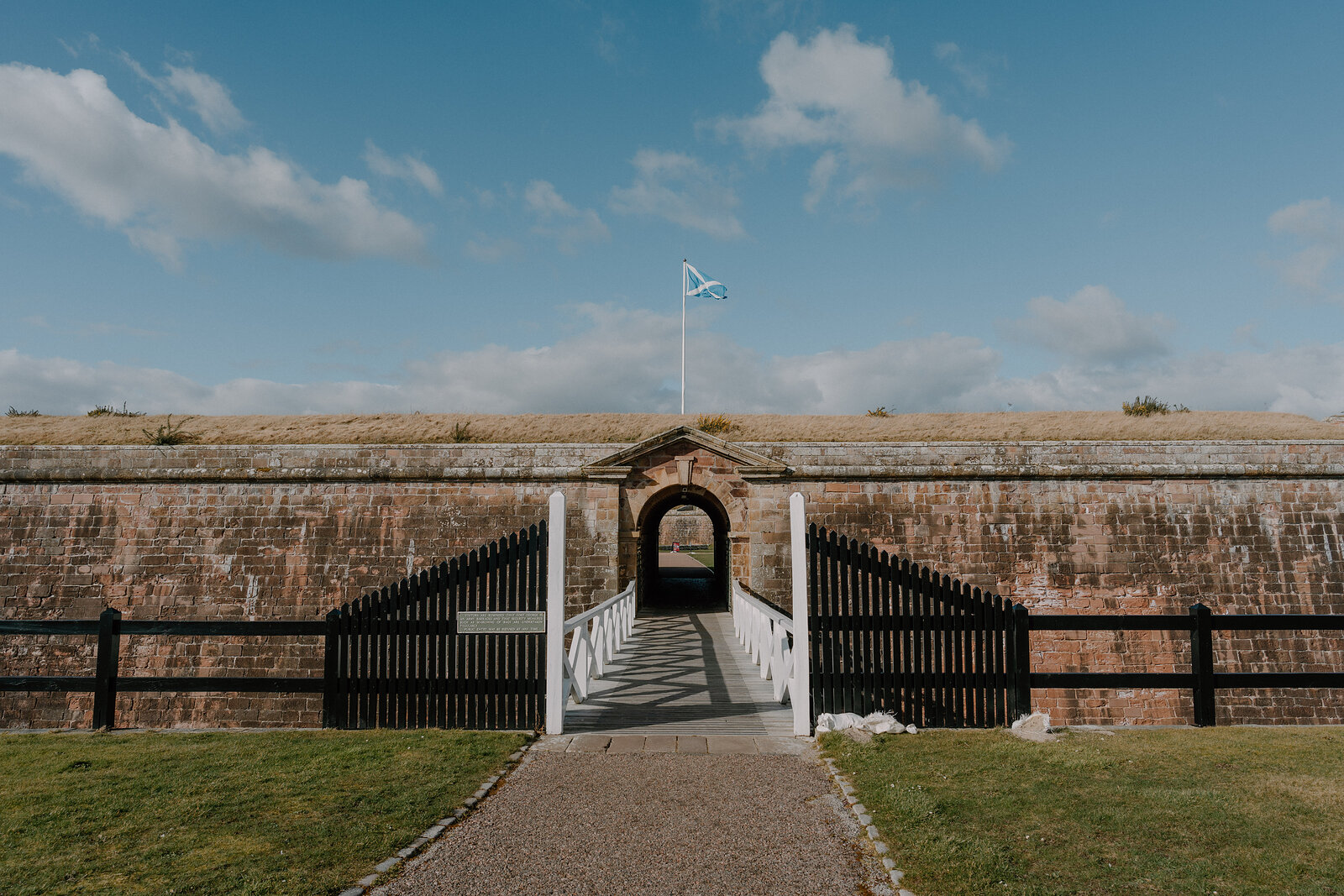
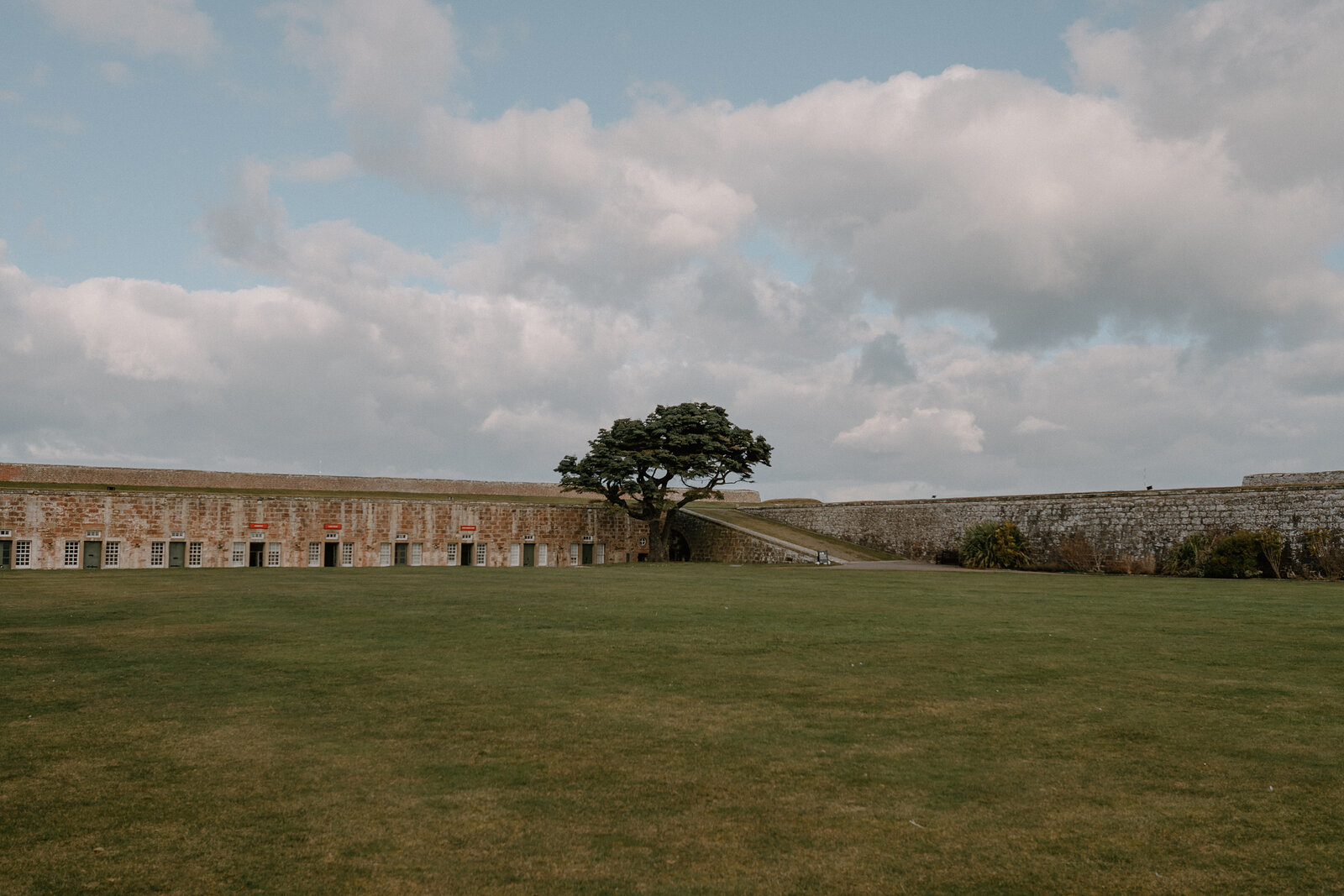
An 18th-century fortress near Ardersier, built after Culloden, with a rampart walk of more than a kilometre and the Highlanders' Museum.
Fort George stands on a promontory jutting into the Moray Firth, near Ardersier.
Visited and photographed by Simon Hird
It was built after the Battle of Culloden as the main garrison fortress in the Highlands, and it took 22 years to finish, by which time the Jacobite threat had subsided. It has served the British Army for almost 250 years since, and it is still a working military base.
You can walk the main rampart, which is more than a kilometre long, and keep an eye out for dolphins off the point. Inside, the Highlanders' Museum tells the story of the Highland regiments, and the grand magazine, built for 2,672 gunpowder barrels, now holds a collection of weapons. Recreated barrack rooms show how soldiers lived. Book ahead online for the best ticket price, and an audio guide comes with it.
The Daily
Arrives at 5am every day.
A free morning email to see what’s on this week, catch up on what’s happening in Scotland and find somewhere new to go.

Open every day, with tickets for a set date and time.
Booking online in advance gives the best price.
Opening hours
Been here? Tell others what you know, and the best go on this page with your name.
Add your reviewThe fort has a cemetery for regimental mascots and officers' pets, one of only two in Scotland.
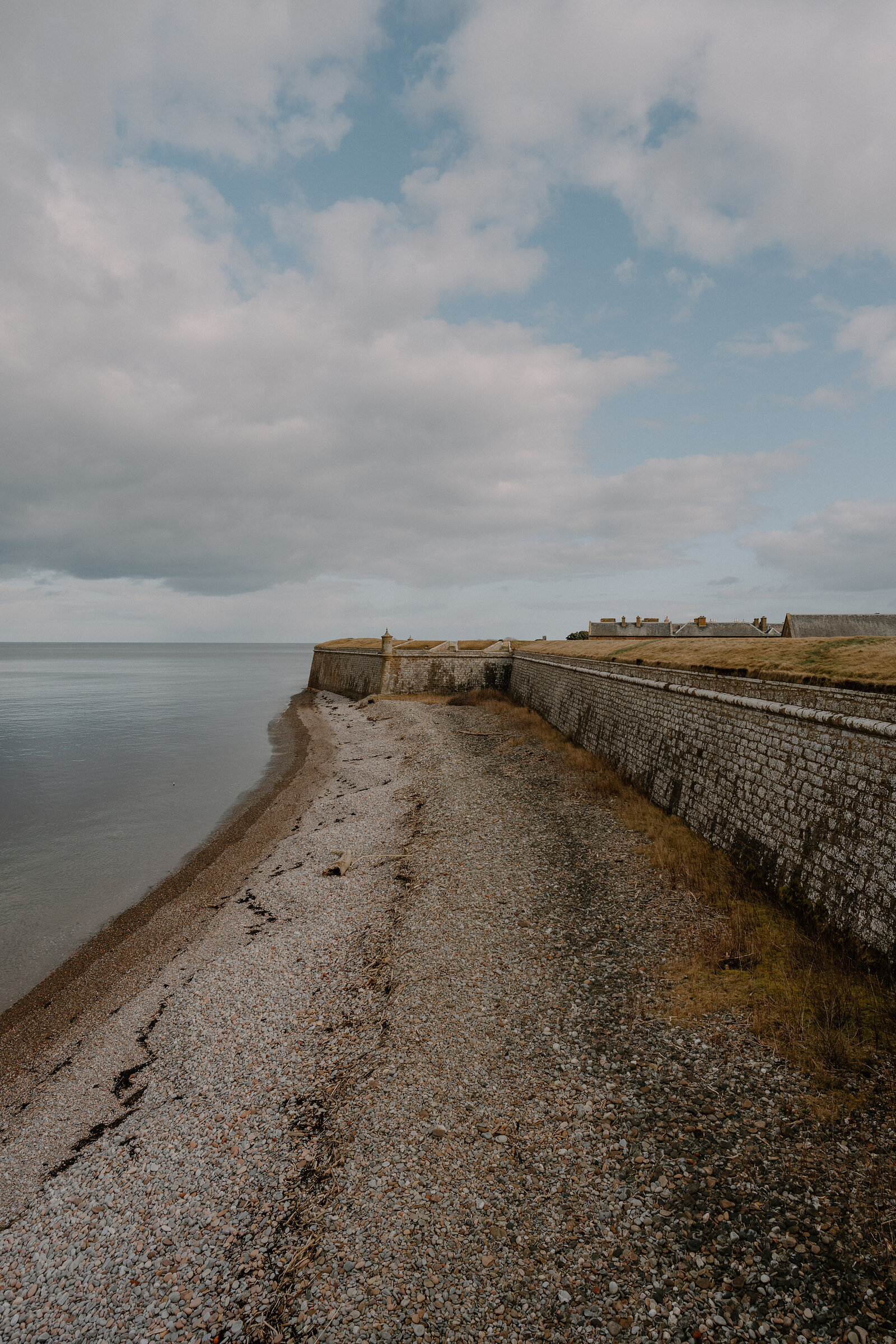
The main rampart is more than a kilometre long and encloses an area the size of five football pitches.
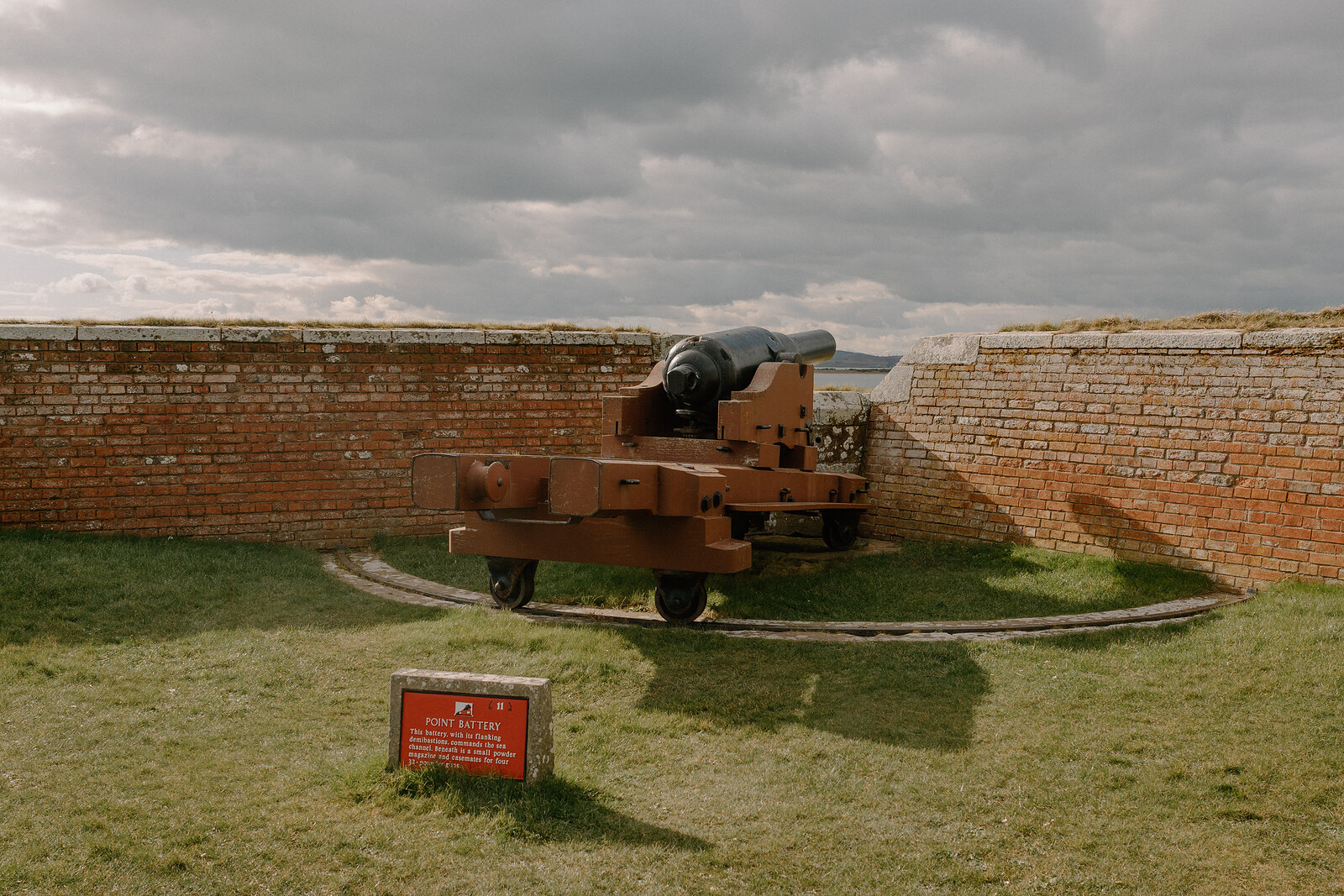
Historic Environment Scotland calls Fort George the finest example of 18th-century military engineering in the British Isles, though the base never fired a shot in anger. It was armed with more than 80 guns.
After Culloden, the government resolved that the Highlands would never rise again, and on a spit of land jutting into the Moray Firth it built a vast fortress. Fort George took more than twenty years to finish, by which time the threat had passed, and it is still a working army base. Cross the wooden bridge over the deep ditch, explore the recreated barrack rooms and the Highlanders' Museum, then walk the ramparts, more than a kilometre round. Watch the water off the point for dolphins, and look for the little cemetery for regimental dogs.
Read moreNew places, news and stories, as we find them.
What is on in InvernessOn a promontory jutting into the Moray Firth near Ardersier, with the fort entrance 200 metres along a path from the car park.
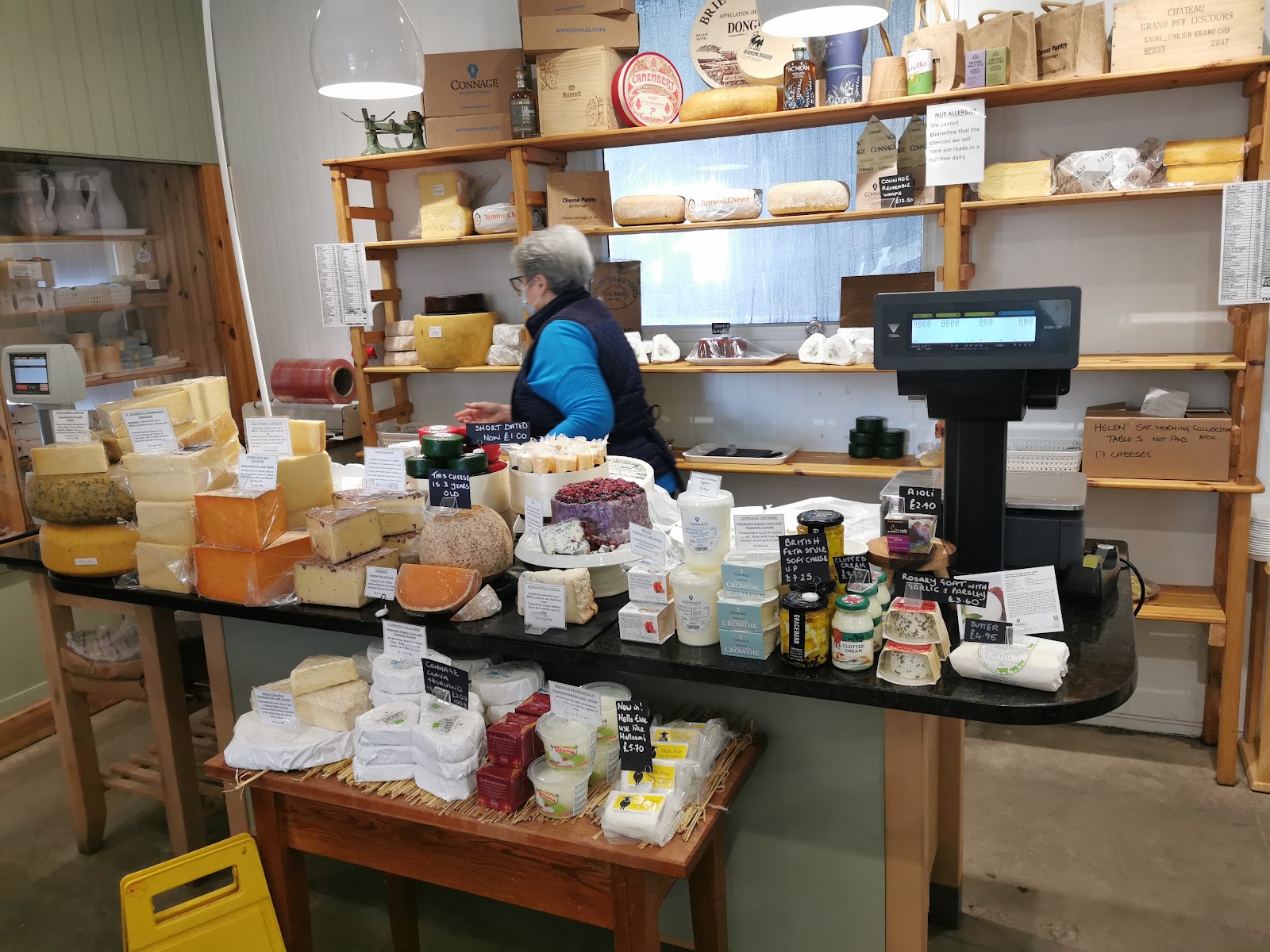 Connage Highland Dairy2 miles as the crow flies
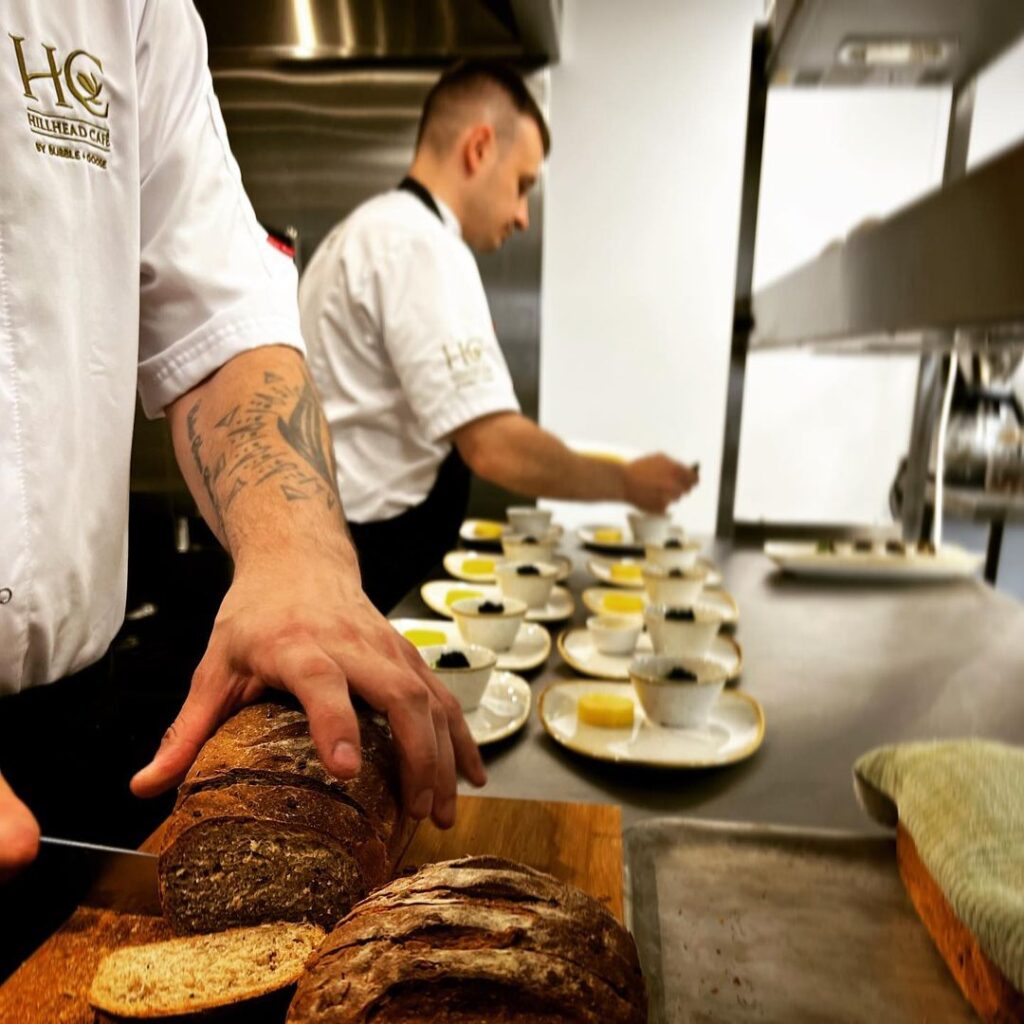 Hillhead CafeA small community café in the new town of Tornagrain, near Inverness airport, with breakfasts, brunch, daily bakes and good coffee.7 miles 13 min by road
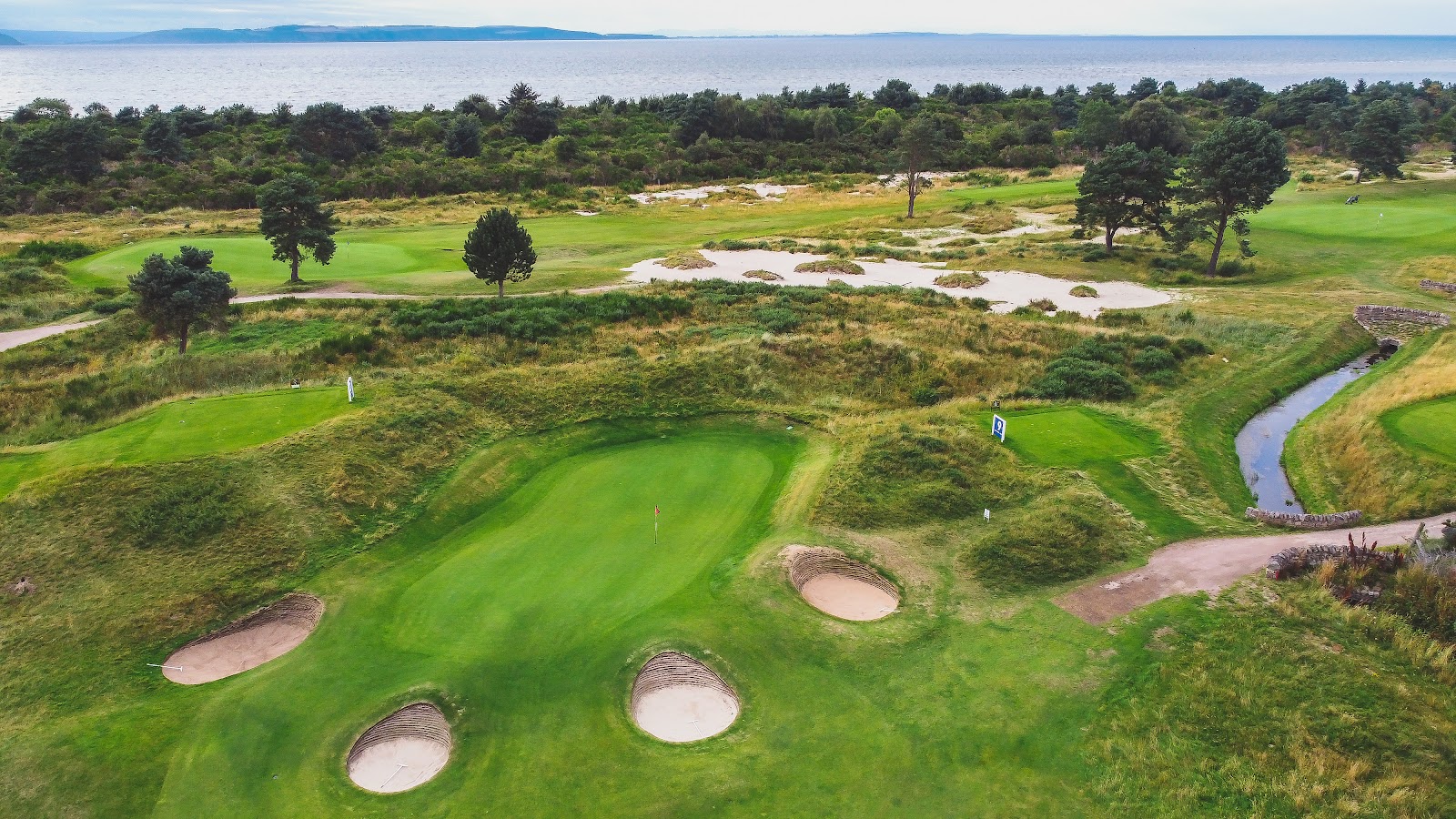
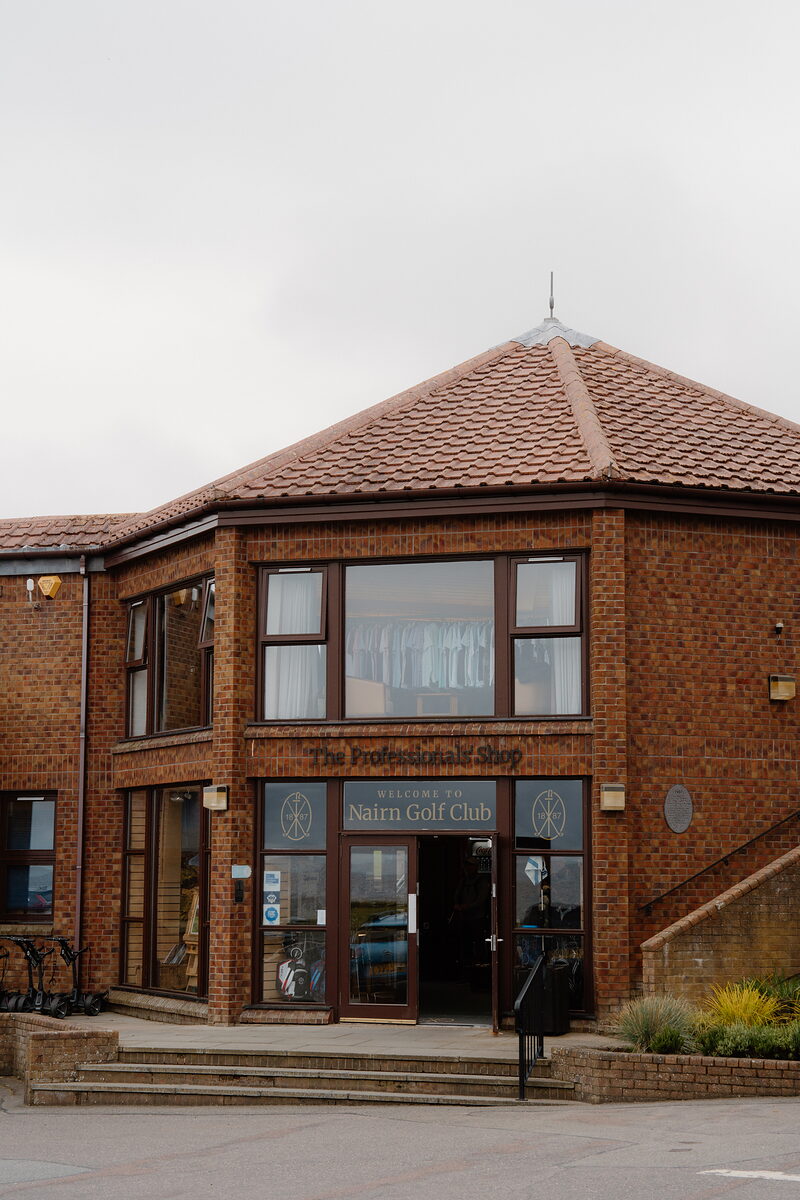 Nairn Golf ClubChampionship links along the Moray Firth at Nairn, with a salmon bothy of 1877 halfway round and the Black Isle across the water.10 miles 21 min by road
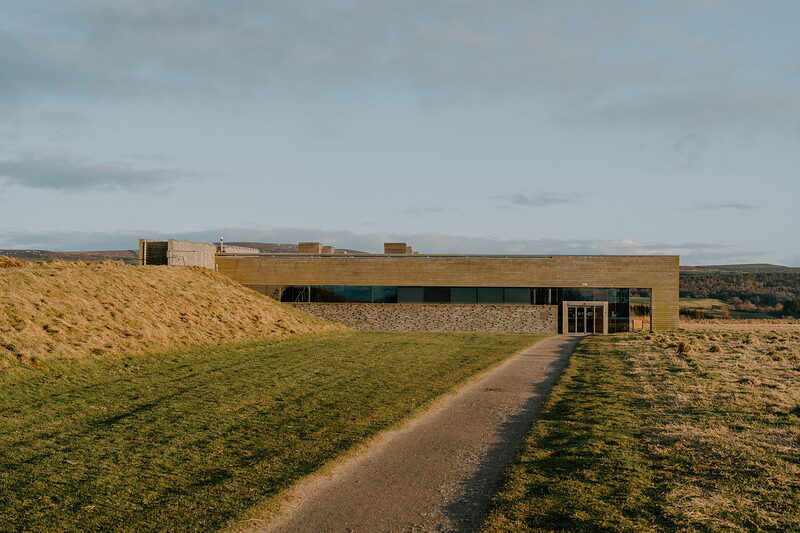 Culloden Visitor CentreThe National Trust for Scotland's visitor centre and battlefield five miles east of Inverness, where the last Jacobite Rising ended in 1746.11 miles 20 min by road
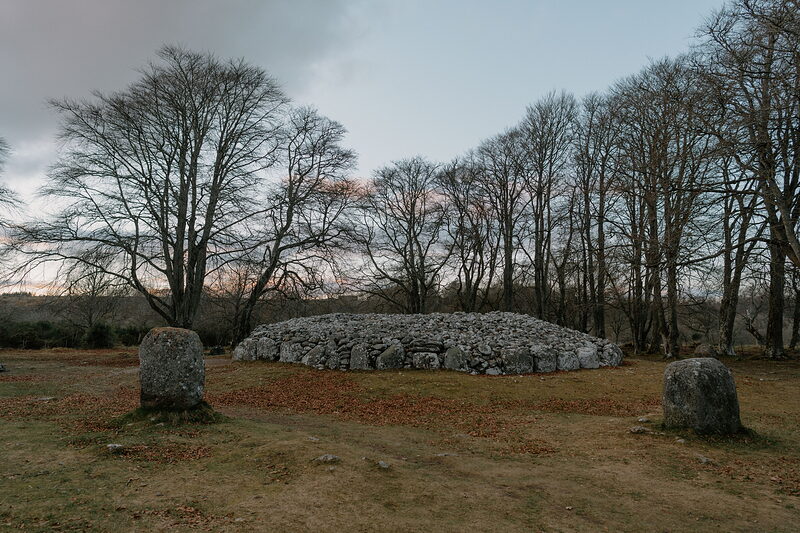 Clava CairnsA cemetery of cairns and standing stones about 4,000 years old, in a small wood on a terrace above the River Nairn near Inverness.12 miles 20 min by road
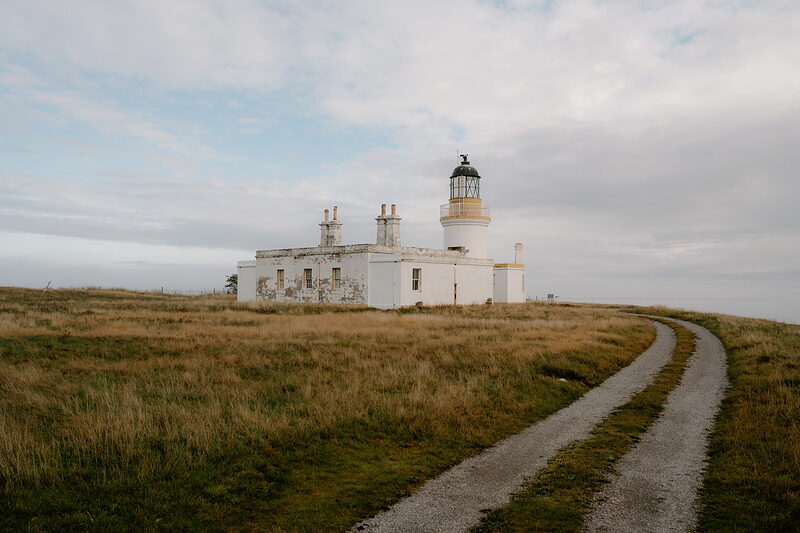 Chanonry PointThe tip of a long spit on the Black Isle, with a Stevenson lighthouse, and one of the best places in Scotland to watch bottlenose dolphins from the shore.26 miles 45 min by road
Places to stay near the fort, and when each is next free.
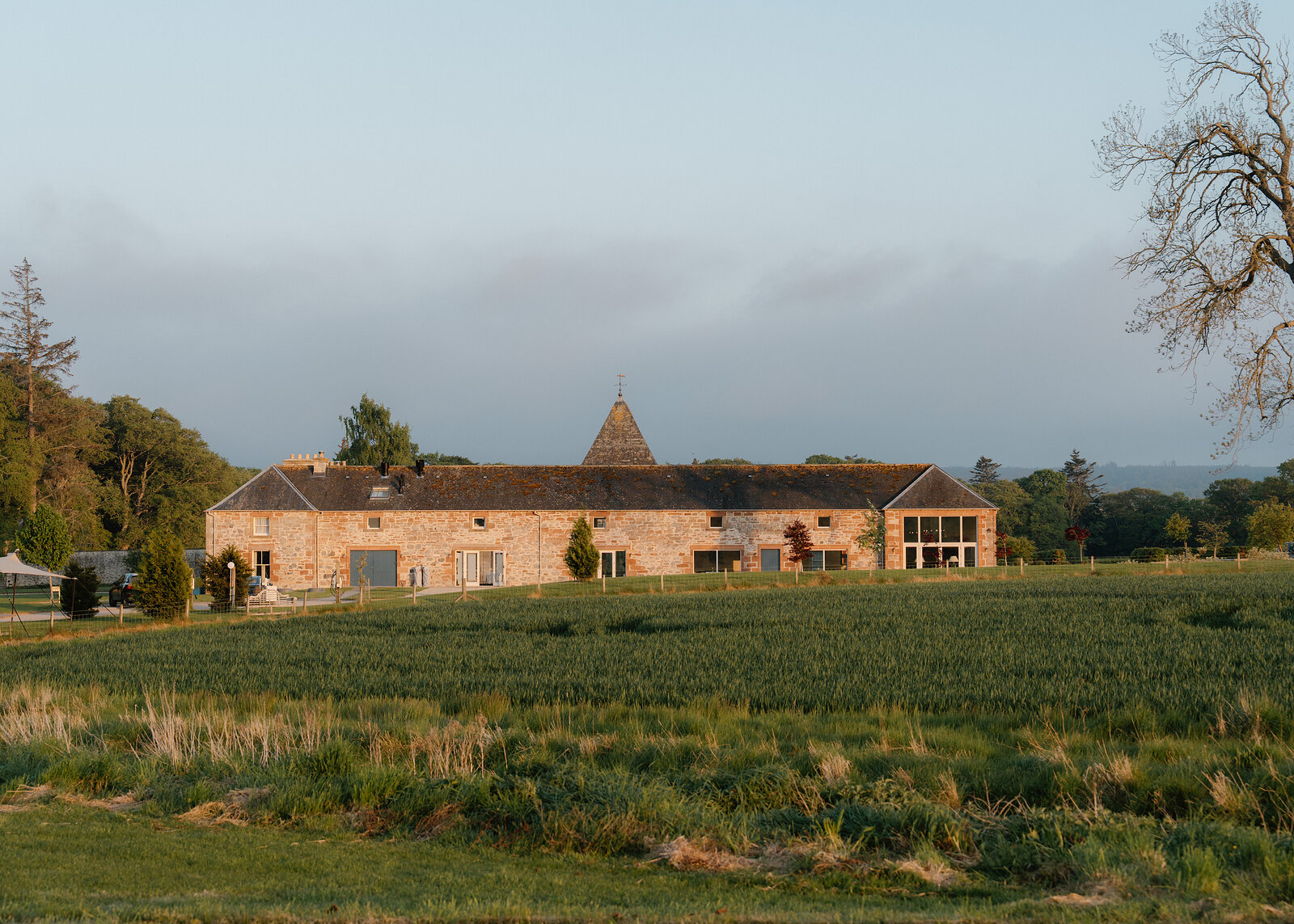 Newhall Mains
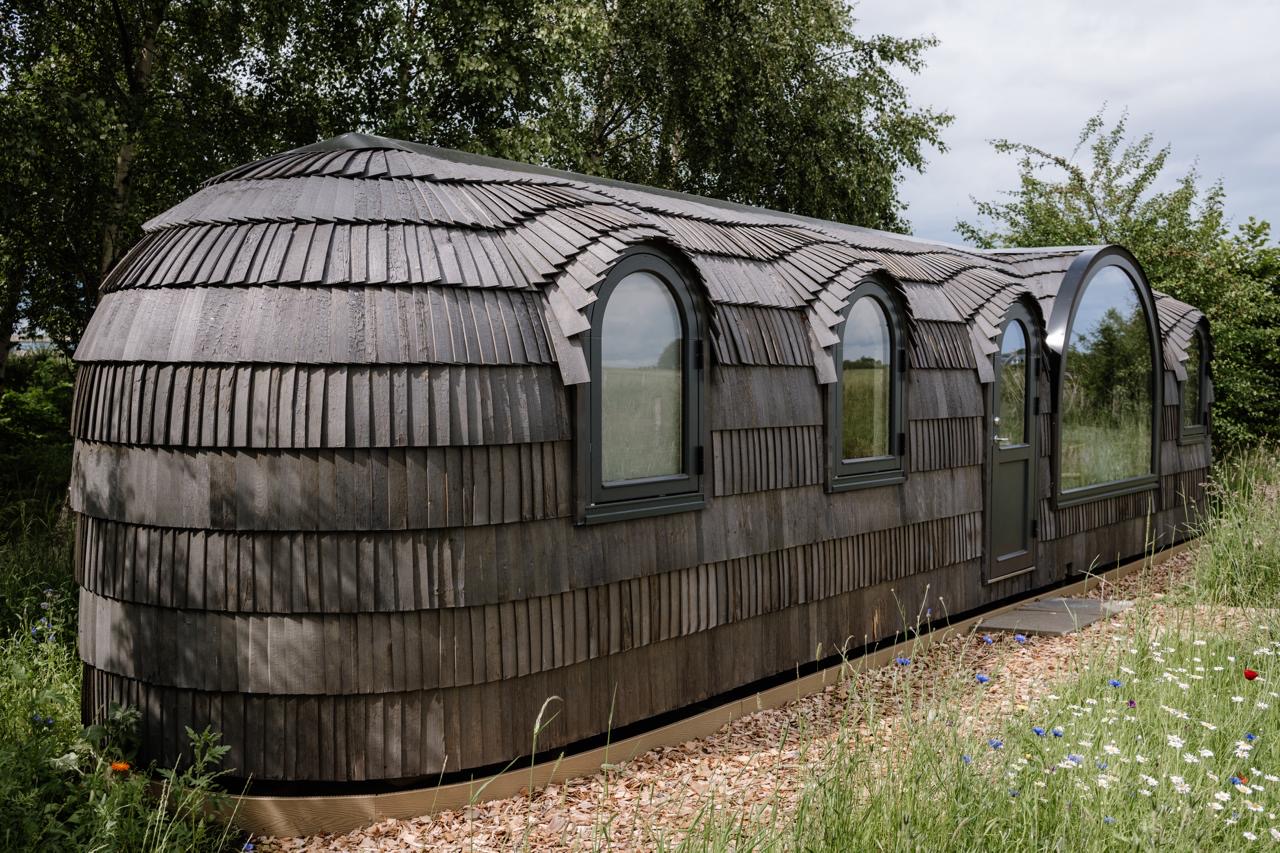 Boath Cabin
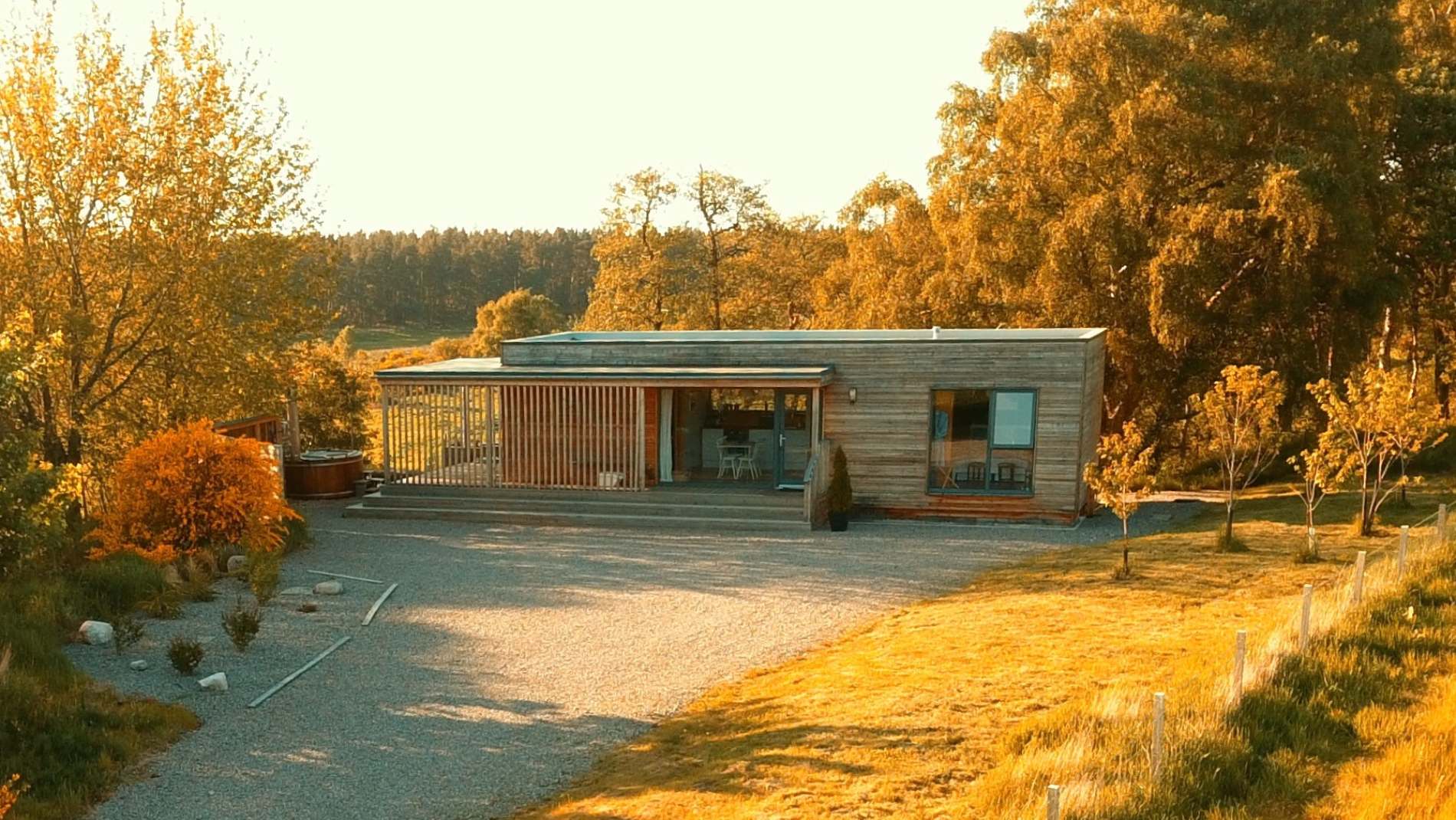 Culbin Edge
 Garden Cottage
We want to show you the best that Scotland has to offer. The makers and the creatives, the enduring experiences, the evocative tales, the concealed corners. The roads less travelled that take you to places that matter. The adventures that gather you up and sweep you away. The blend of the wild and the artistic that makes Scotland what it is. We’d love for you to join us.
For further reading, before you go. The details on this page were checked on .