
Were Scotland’s Standing Stones the First Way of Measuring Time?
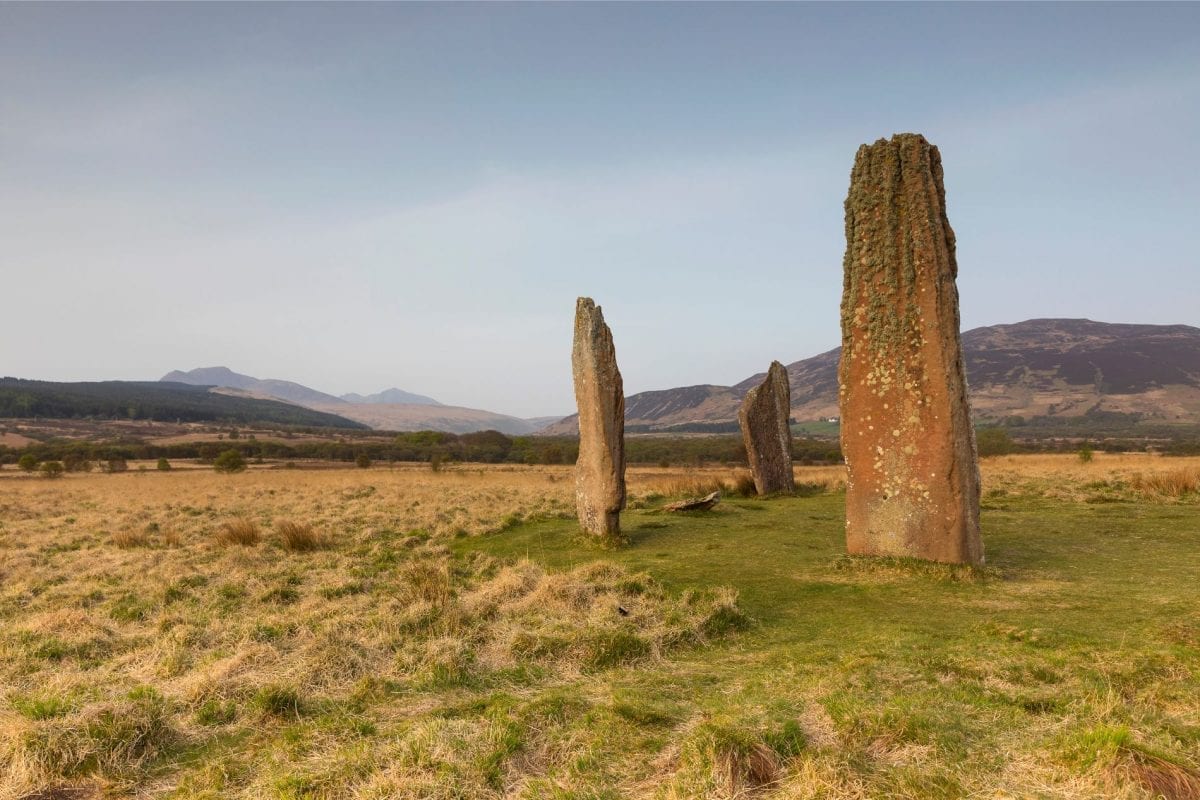
On Arran’s west coast, in a quiet valley shaped by wind and time, the standing stones of Machrie Moor remain fixed in place — but not in meaning. They draw you in. Not with answers, but with questions. Were they built to hold memory, mark ritual — or measure the returning light?
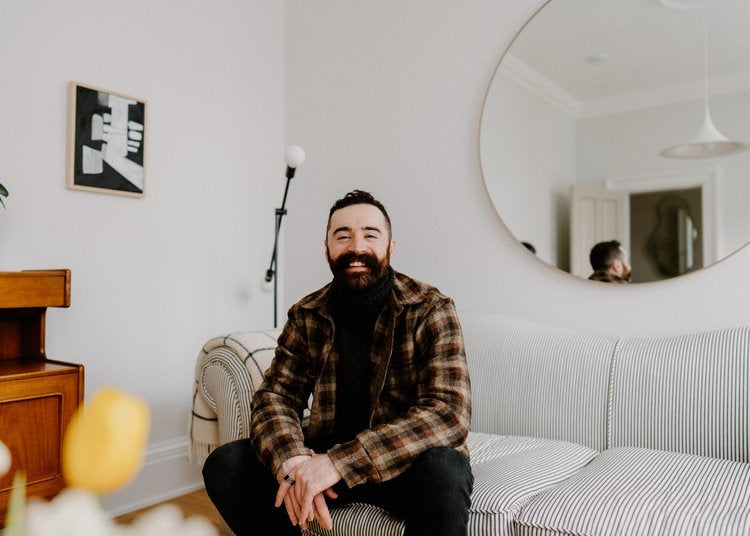
Written by Jack Cairney
I’ve stood at Machrie Moor in drizzle and in sun, in silence and in the company of dogwalkers and distant cows, and still the stones offer no certainty. Just questions. Six circles scattered across moorland, each one slightly different. Some weathered down to stumps, others still upright, holding the skyline. What they were built for is unknown, but I keep returning to the idea that maybe — just maybe — they helped measure time.
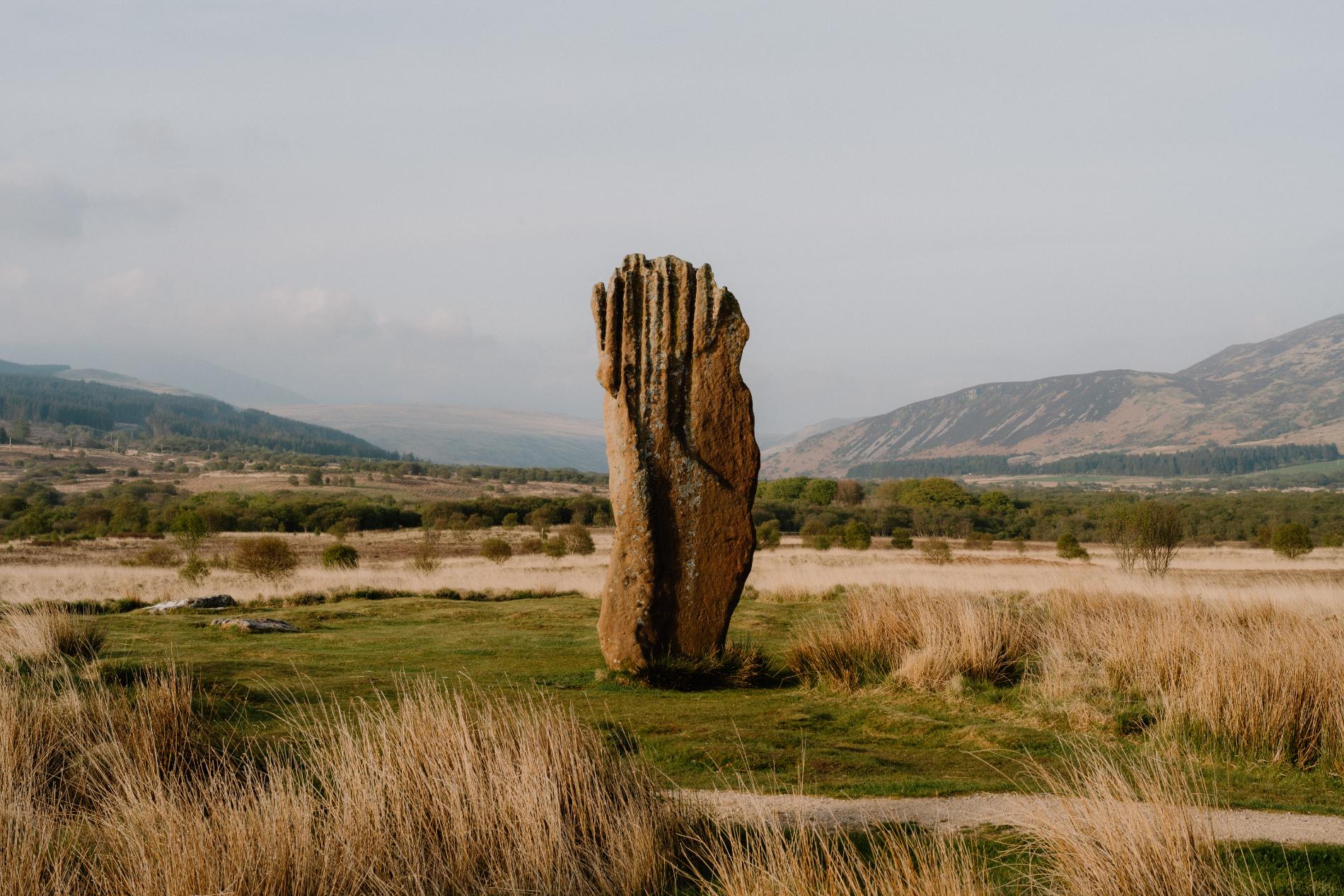
There’s a particular stone in the group known as Machrie Moor 2 that gets mentioned a lot. At sunset on the summer solstice, its shadow is said to align with another megalith. Not precisely enough for a stopwatch, but enough to suggest intent. In the Neolithic and early Bronze Age, long before mechanical clocks or written calendars, this kind of shadow would have been meaningful. A line across the grass at the longest day of the year.
Whether the builders of Machrie Moor were sky-watchers or simply laying out sacred space is still debated. The site lies in a shallow bowl between low hills, with views towards the sea. Excavations have uncovered timber structures beneath some of the circles — wooden posts that were later replaced by stone. Over time, the layout evolved. What stayed constant, it seems, was the orientation.
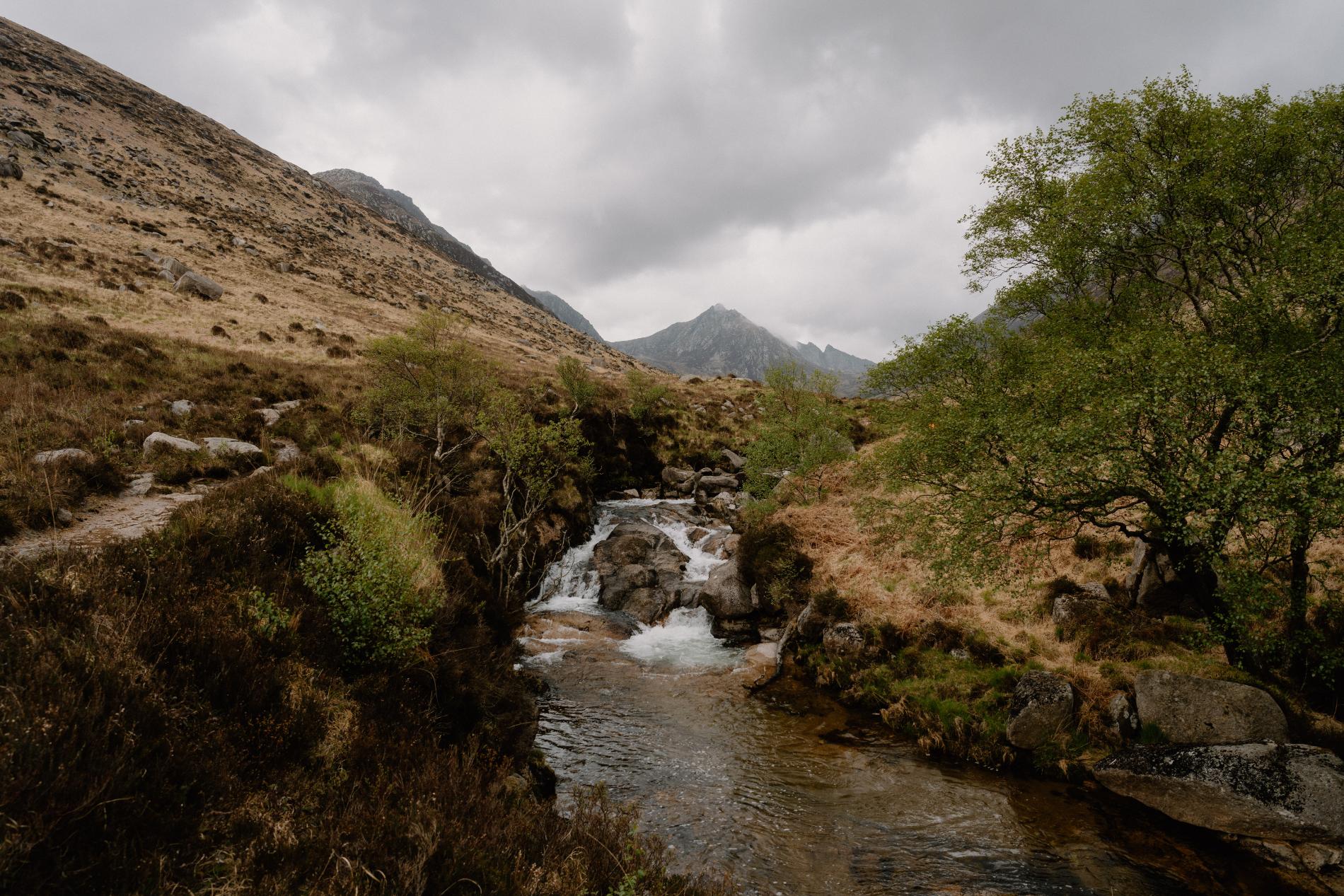
Historic Environment Scotland notes that several of the stones appear to be aligned with notable landscape features, including the prominent peaks of Beinn Tarsuinn and Cnoc na Dail. And some archaeologists, including Professor Alexander Thom, have long suggested that ancient stone circles in Britain were used as astronomical observatories. His work is not universally accepted — but it opened the door for more serious consideration of these alignments.
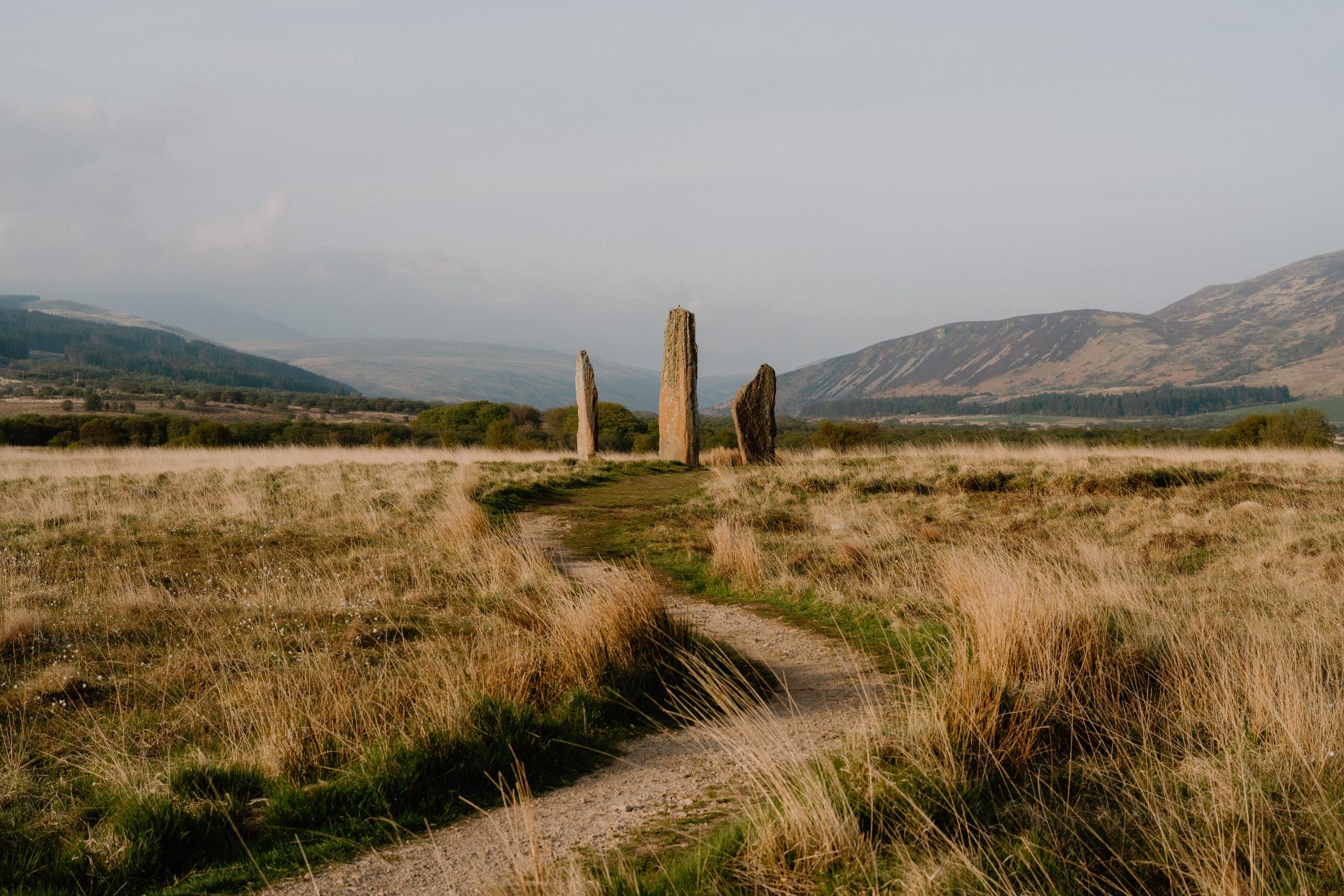
What intrigues me is the scale of care involved. The stones weren’t dumped here. They were hauled from different parts of the island — some granite, some sandstone — and positioned in relation to one another. That suggests planning, coordination, perhaps even a shared purpose across generations. If not to track time, then to mark something just as steady.
It’s easy to romanticise. But it’s also worth asking what these structures would have meant to those who built them. On Arran, the winter can be long and low-lit. Watching the sun begin to return in late December wouldn’t have been a poetic moment. It would have been practical — a sign to plan, plant, or gather. Could the stones have helped? Could they have marked turning points in the year?
We know that in Orkney, at Maeshowe, the tomb’s entrance is aligned so that the setting sun at winter solstice illuminates the inner chamber. At Callanish on Lewis, the main avenue points to where the moon sets during its most extreme southern cycle, which only happens every 18.6 years. These sites weren’t random. They were rooted in observation.
So when you walk among the stones at Machrie Moor and hear people say, “No one really knows what they’re for,” that’s true — but it’s not the end of the story. It’s the beginning. What we do know is that patterns of light, shadow, and orientation seem to repeat at sacred sites across Scotland. Whether the purpose was ceremonial, agricultural, or both, these builders had their eyes on the sky.
I don’t think the people who built these circles would have called them calendars. They probably didn’t even think of time the way we do. But they may have marked days that mattered: solstices, harvests, migrations. Time felt in the body, not the wrist.
Machrie Moor isn’t the only place to show signs of this kind of intent. There are cup-and-ring marks across Argyll and Kilmartin Glen, which some believe were placed to correspond with lunar phases or seasonal change. In Shetland and Caithness, stones and chambered cairns line up with sunrise points. It's not universal, but it's frequent enough to be noticed.
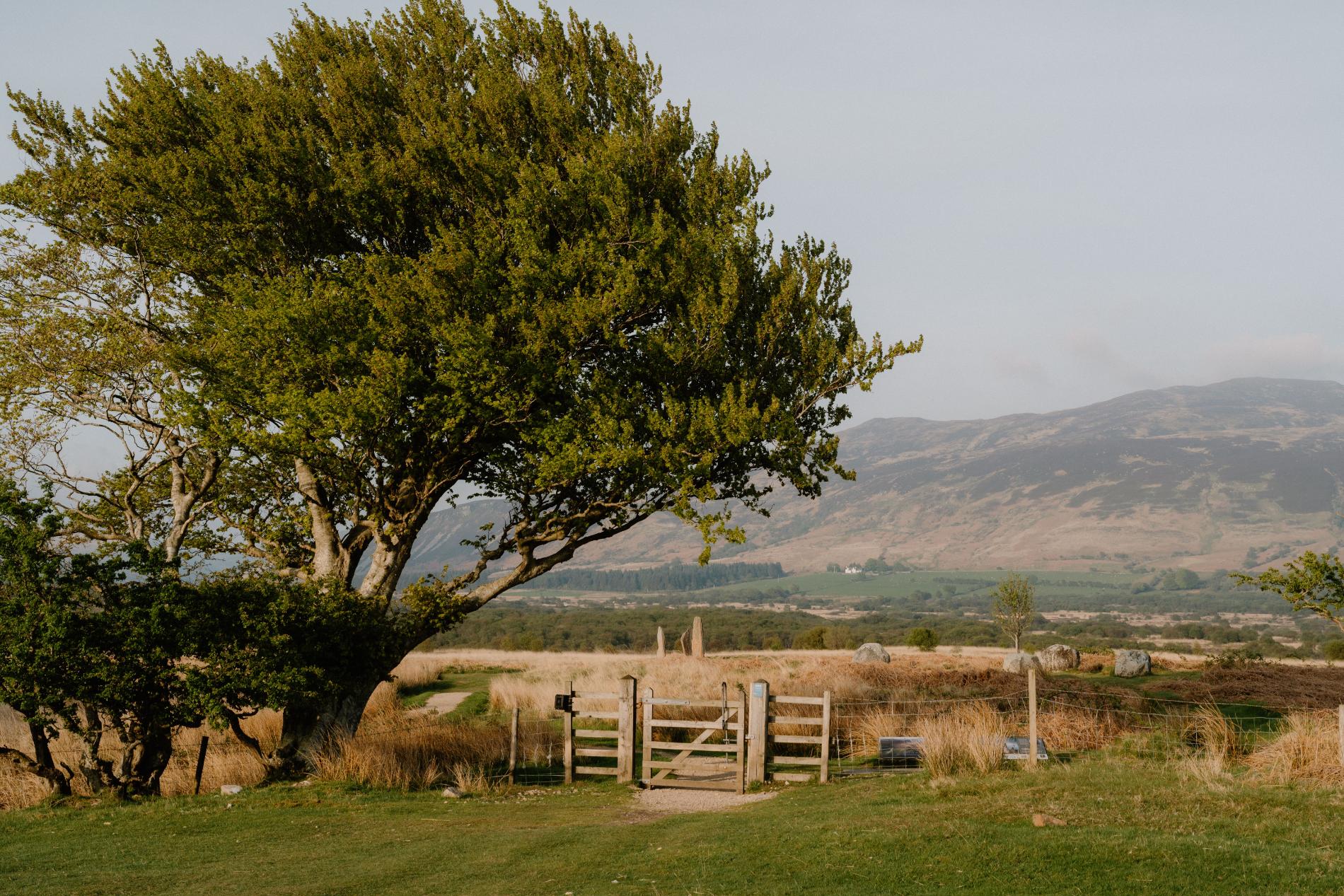
What makes Machrie stand out is how accessible it feels. You reach it via a simple track through farmland, the stones revealed all at once, as if rising out of the moor. There’s no visitor centre, no ropes, no explanatory panels. Just sheep, wind, and these slow silhouettes holding their line.
And maybe that’s part of the appeal. The stones don’t offer answers — they hold a question steady. One that points, year after year, to something larger than us, and older.
Words: Jack Cairney
Photography: Simon Hird
Promoted Post
Eagle Brae
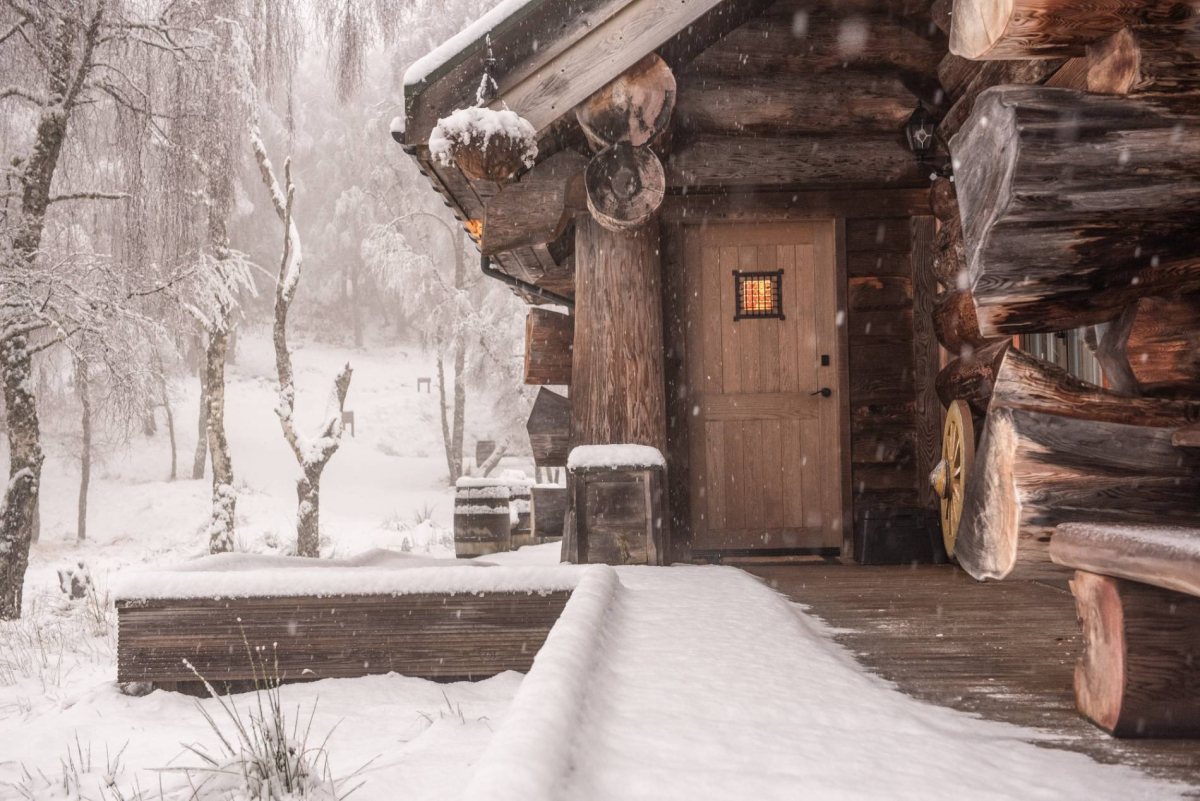
Escape to Eagle Brae, a secluded collection of Highland log cabins near Beauly. Handcrafted cedar, big skies, and deer on the hillside, with a fireside welcome that makes it easy to slow down.
-full-1744638129.jpg)






 Sign in with Google
 Sign in with Email