
Brodick Castle: A Fortress of Power on the Isle of Arran
Brodick Castle rises behind Arran’s shore, framed by forest and watched over by Goat Fell. Once a strategic prize for kings and warlords, it later became a symbol of Victorian ambition. This is the story of a place shaped by power, survival, and the long memory of an island.
Written by Jack Cairney
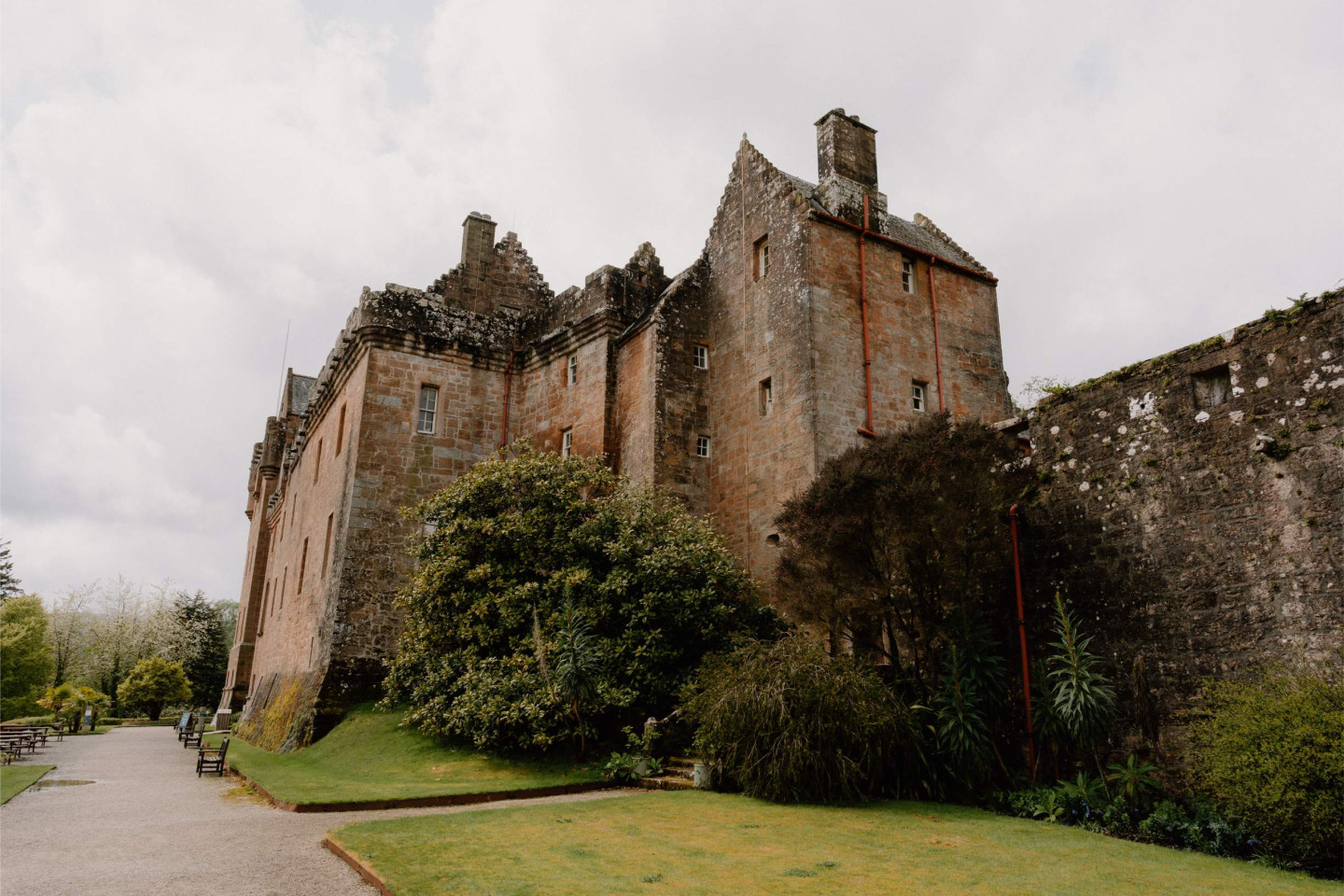
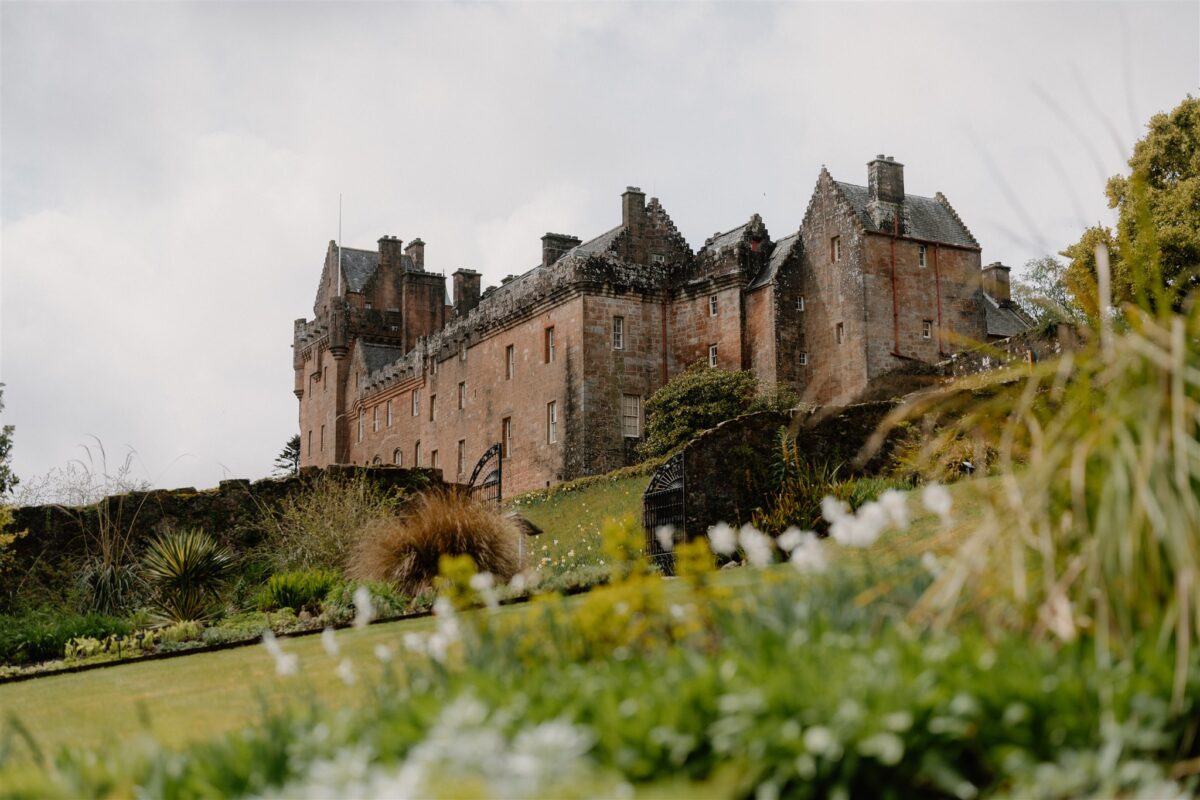
They say Goat Fell watches over Arran. On clear days, you can see it rising behind Brodick like a granite shoulder, a reminder that this island doesn’t need to shout to hold your attention. When I last crossed on the ferry from Ardrossan, the castle came into view before the town. Low tide. Seabirds stalking the flat sands. And behind it all, the reddish stone of Brodick Castle, half in the trees, half in the past.
The castle has guarded this bay for longer than it’s been called Brodick. First by Gaelic kings, then Norse warlords, and later by the kind of people who wrote to Edinburgh rather than raided it. Its foundations, they reckon, go back at least to the 1200s, though people were probably fighting over this ground centuries before that. The Norse held sway here until 1266, when the Treaty of Perth pushed their rule back across the sea. But the story of Brodick has always been less about kings and more about power—who has it, who wants it, and what they’ll do to keep it.
Robert the Bruce knew that. So did the English. In 1307, during his fightback against Edward I, Bruce’s ally James Douglas seized the castle. The English had garrisoned it. The sea brought supply ships, but the hills brought resistance. This wasn’t the only stronghold that changed hands, but it was one of the few that mattered so much to both sides. Later, the Hamiltons got it. Crown favourites. Ruthless survivors. They built the tower house that still forms the core of today’s building.
The castle was burned, rebuilt, attacked, and fortified again over the next few centuries. It changed with the country. Artillery meant thicker walls. Civil wars meant shifting allegiances. At one point in the 1650s, Cromwell’s men took it and installed cannons looking out to sea. Not much is left of that garrison, but when you walk the grounds today, there are still places where the ground feels hollow.
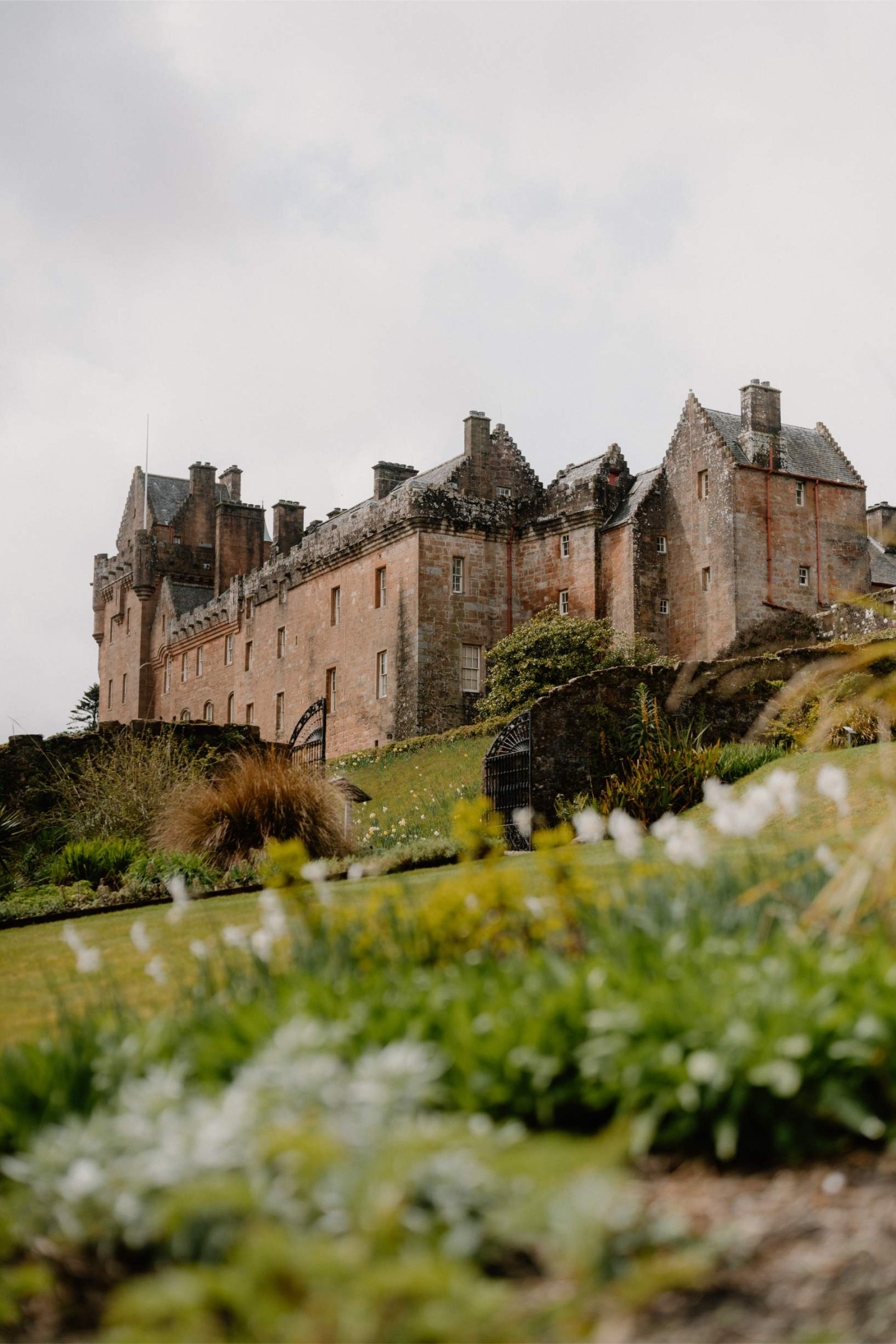
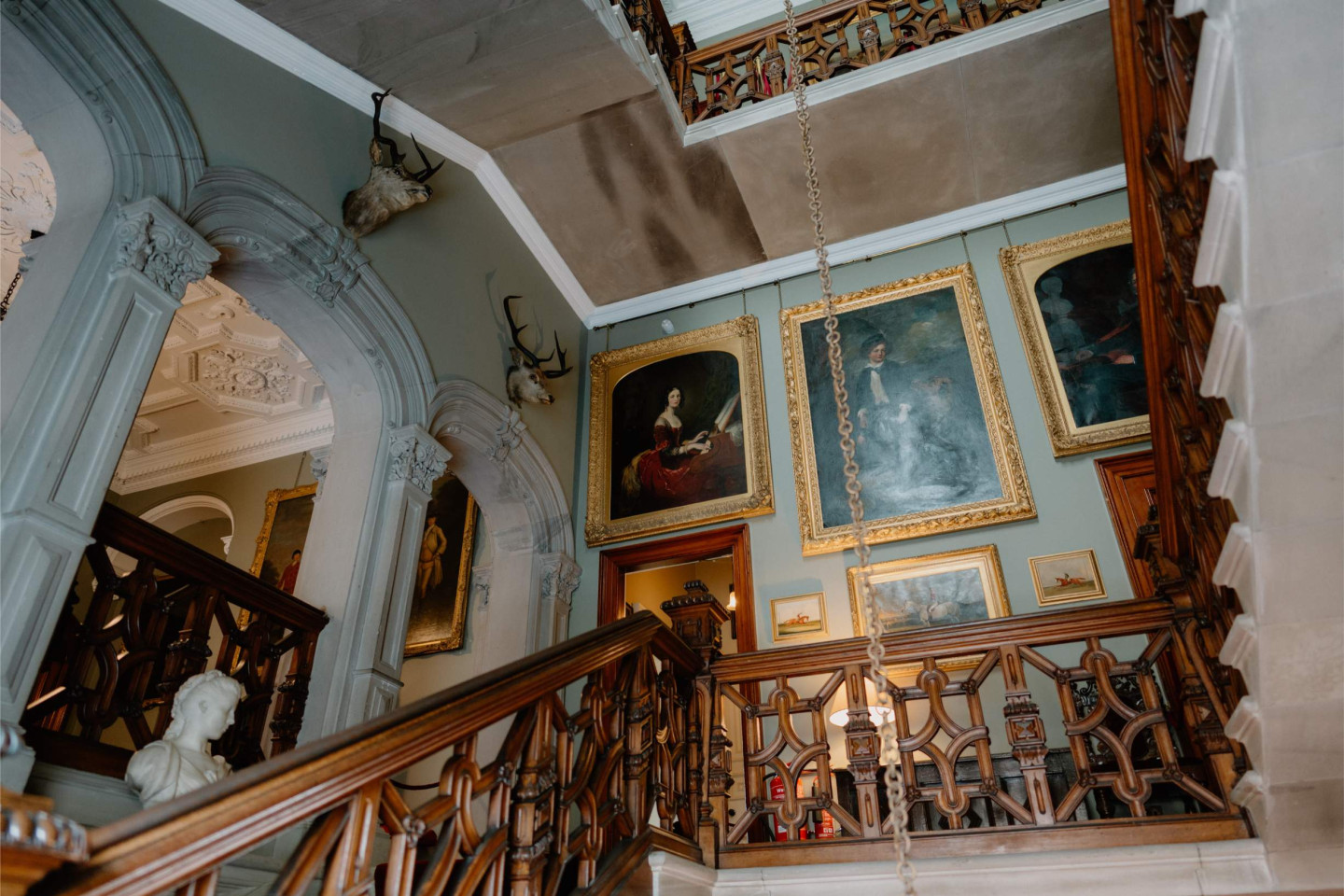
Then came wealth. In the 19th century, James Gillespie Graham redesigned Brodick Castle for the Dukes of Hamilton, turning it into something closer to a baronial mansion. It still had the bones of a stronghold, but now the interiors were dressed with portraits and chandeliers. The furniture came from the continent, the views were framed like paintings, and the house itself became part of the statement.
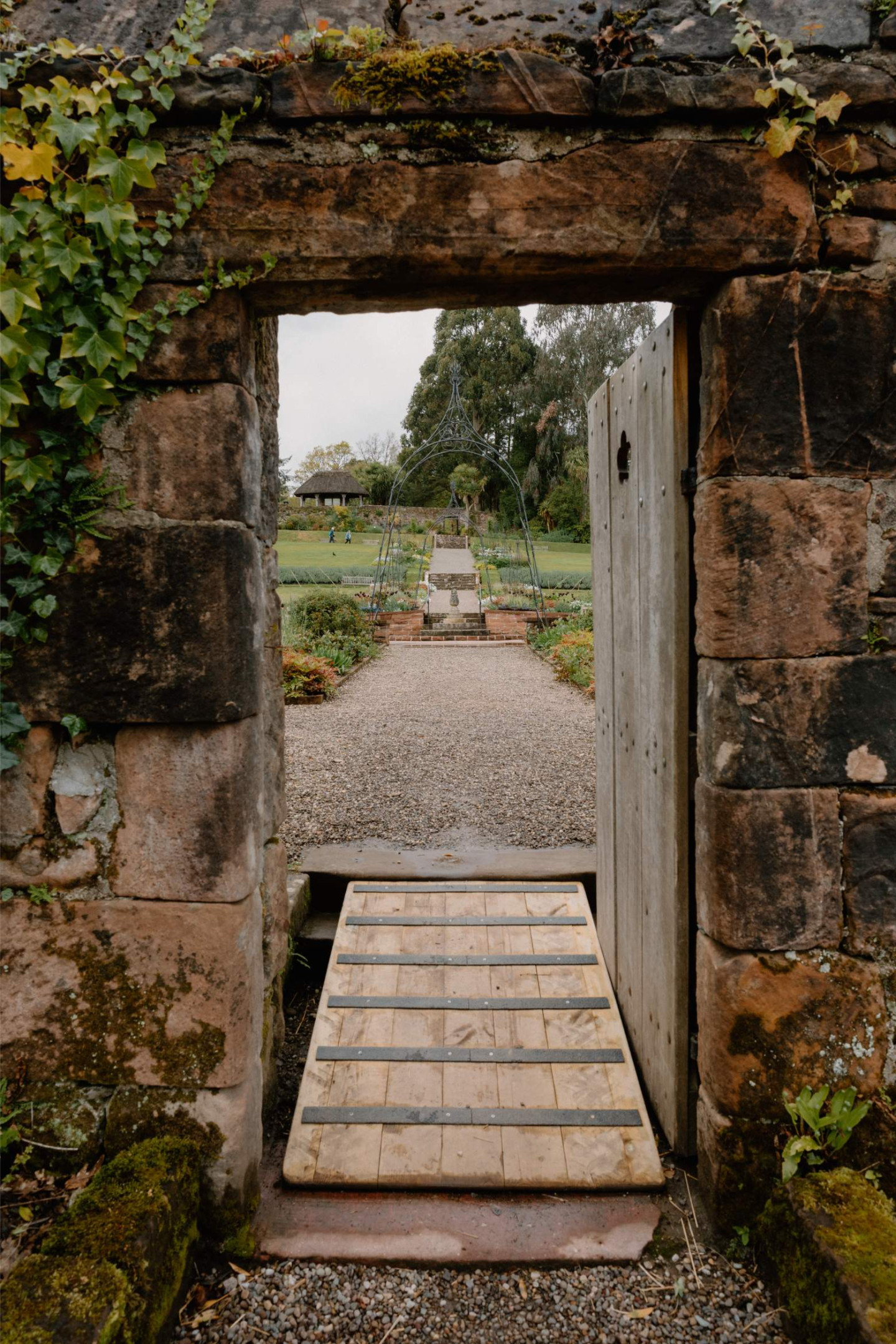
But what I remember best is the outside. The woodland garden is older than it looks. Rhododendrons crowd the lower paths, dripping after rain. A Bavarian-style summerhouse sits tucked behind a hedge. One trail leads uphill toward Goat Fell; another swings past a walled garden, terraced lawns, and a stretch of old beech trees. You can walk the gardens without seeing the sea, and then suddenly it’s there again, huge and flat, with Holy Isle just offshore like a forgotten promise.
The castle passed into the care of the National Trust for Scotland in 1958. Lady Jean Fforde, the last private owner, was related to the Dukes of Montrose and spent her later years trying to explain its layers to curious visitors. Now you can step into the drawing rooms, trace your hand across the old stair rails, and catch glimpses of the past in a place still shaped by its need to be defensible.
It’s not the most famous castle in Scotland. But it might be one of the most quietly significant—a place where sea power, clan politics, and Victorian ambition all left their mark. Arran may look peaceful now, but Brodick reminds you that islands have always been battlegrounds of one kind or another. Even the quiet ones.
Visiting Brodick Castle
Managed by the National Trust for Scotland, Brodick Castle is open seasonally from spring to autumn. Visitors can tour the main rooms of the house, explore exhibitions on Arran’s history, and take part in guided walks through the surrounding gardens. The woodland play area is especially popular with families, and there are often special events across the year, from heritage days to outdoor theatre. Entry includes access to the castle, gardens, and country park.
The interior is a mix of 19th-century luxury and older military stonework, with well-preserved furnishings, tapestries, and portraits. The views from the upper rooms stretch across Brodick Bay, and the path down to the formal gardens is lined with mature trees and seasonal planting.
What to Do Nearby
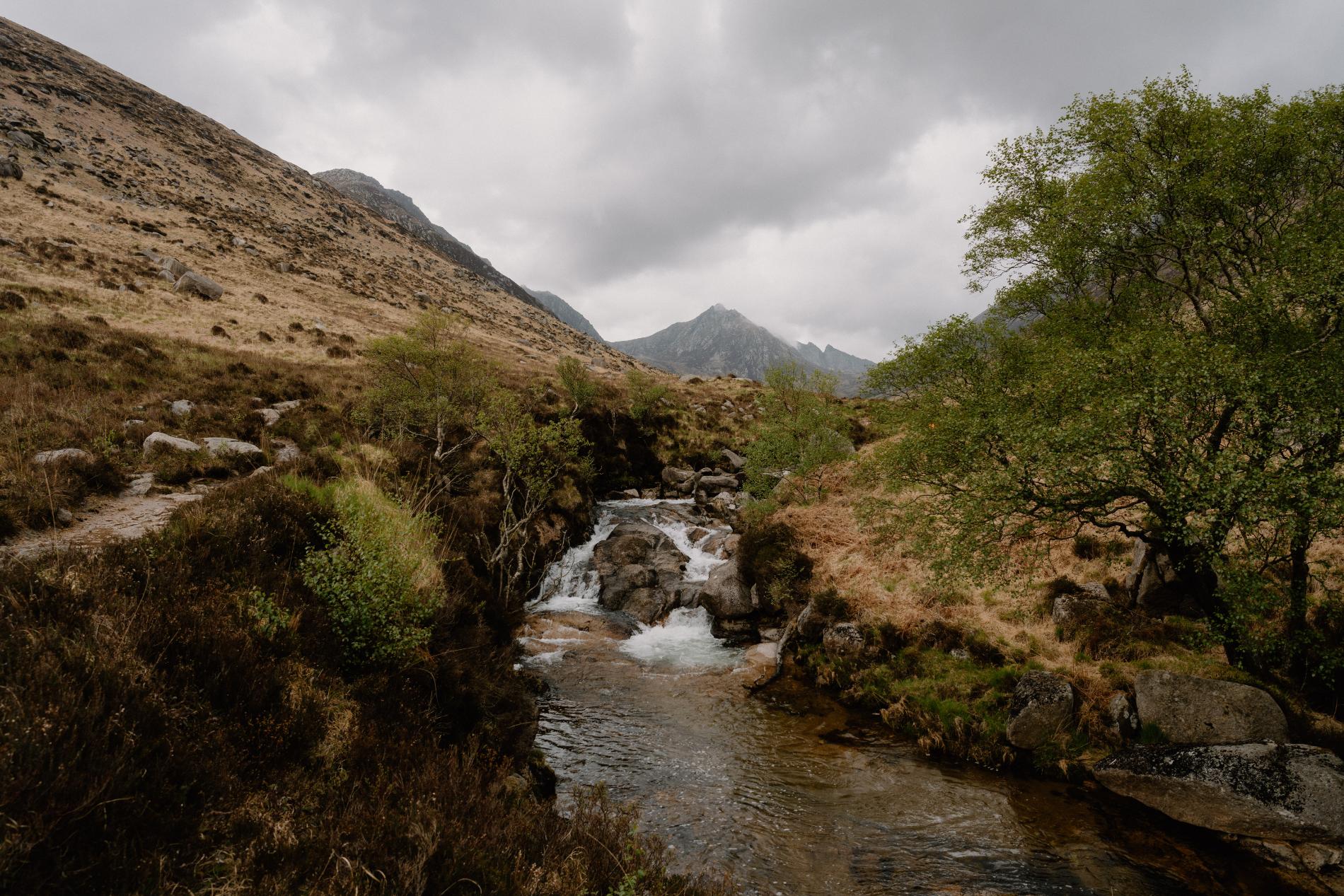
Arran is compact, but full of variation. Goat Fell, the island’s highest peak, rises directly behind the castle and offers a well-marked but strenuous hike. To the south, Brodick village has cafés, shops, and access to the Arran Heritage Museum. A short drive takes you to Lamlash, where you can catch a boat to Holy Isle, home to a Buddhist centre and walking trails with views back toward the main island.
For beaches, head west to Blackwaterfoot or north toward Sannox. Wildlife watchers might spot red squirrels in the castle woods, or seals along the coast. The Arran Brewery is nearby, and local producers across the island sell cheese, oatcakes, and whisky. Even a short stay can feel full here—Arran rewards those who linger.
Words by Jack Cairney, Photography by Simon Hird
Promoted Post
Eagle Brae
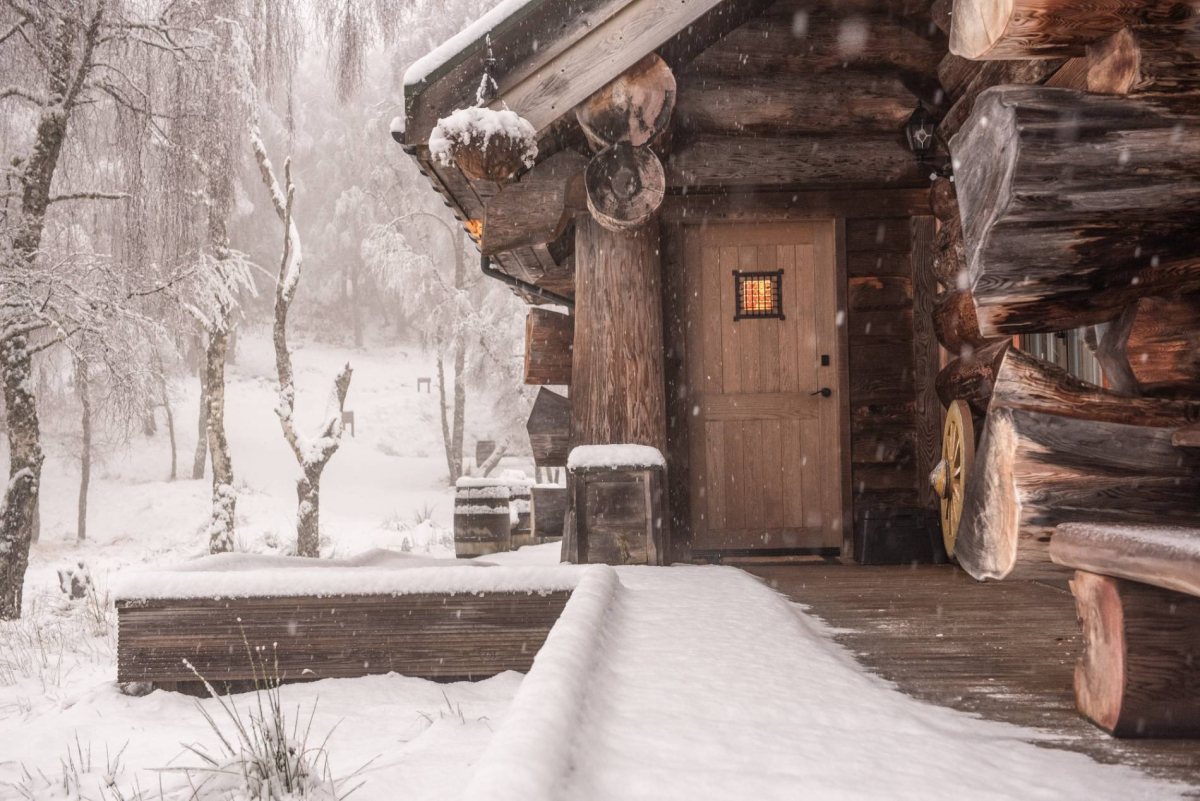
Escape to Eagle Brae, a secluded collection of Highland log cabins near Beauly. Handcrafted cedar, big skies, and deer on the hillside, with a fireside welcome that makes it easy to slow down.
-full-1744638129.jpg)






 Sign in with Google
 Sign in with Email