
The Pictish Stones of Easter Ross – Tarbat, Shandwick and Nigg
A day by car, from Inverness and back.
The route
About 1,200 years ago the Picts, the people of northern and eastern Scotland before there was a Scotland, carved cross-slabs: upright stones with a Christian cross on one face and riders, beasts and their own symbols on the other.
Three were raised close together on the Easter Ross peninsula, at Hilton of Cadboll, Shandwick and Nigg. One still stands where it was raised, behind glass; one is inside a church; the third is a full-size replica. At Portmahomack a dig in the 1990s uncovered a monastery of the same age. This day from Inverness goes to all four places and ends at Groam House in Rosemarkie on the Black Isle, where another slab stands indoors. It is a little over three hours at the wheel.
Before you go
Book a bed near Inverness
The café where this day has lunch opens Tuesday to Friday only, and Nigg's church and the Tarbat Discovery Centre's morning hours run from April to October. Set your dates by those, then book a bed near Inverness, where summer beds go early.
The café opens Tuesday to Friday only: ring the Seaboard Centre on 01862 832888 to book a lunch table for noon.
The day
The Pictish stones
The morning is one long run north from Inverness on the A9 to the far end of the Easter Ross peninsula. From there the day works back in short hops, stone by stone, with lunch on the seafront, before a last long drive round to the Black Isle. Leave Inverness at about twenty to nine.
2 hr 55 min at the wheelAbout 105 miles
Tarbat Discovery Centre
An attraction
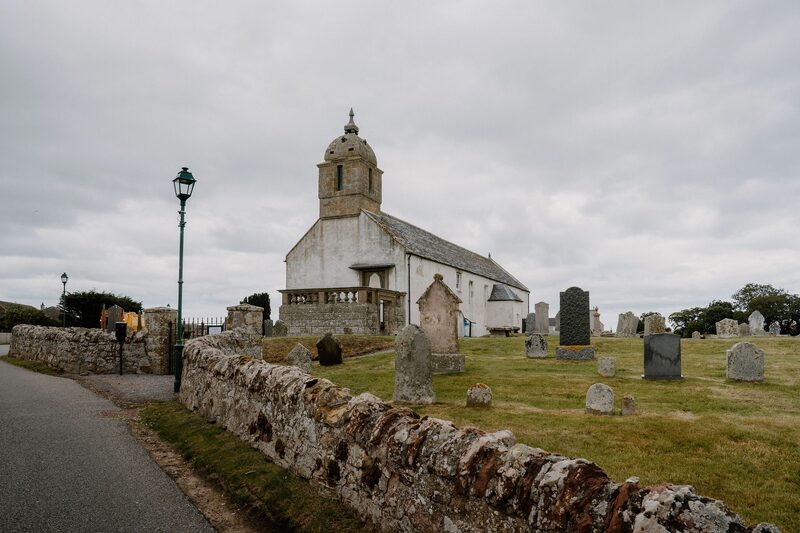
It's 70 minutes' drive north on the A9, over the Kessock and Cromarty bridges and past Alness, then the B9165 to Portmahomack. Start here: it explains the rest. From April to October the doors open at 10am, Monday to Saturday. The old church of St Colman stands on a Pictish monastery, found by a 1990s dig, where monks carved stone and made vellum, the calfskin for manuscripts. Inside are carved fragments, the monks' tools and a medieval crypt down steep steps. Allow an hour and a quarter.
11 min by car
Hilton of Cadboll Stone
An attraction
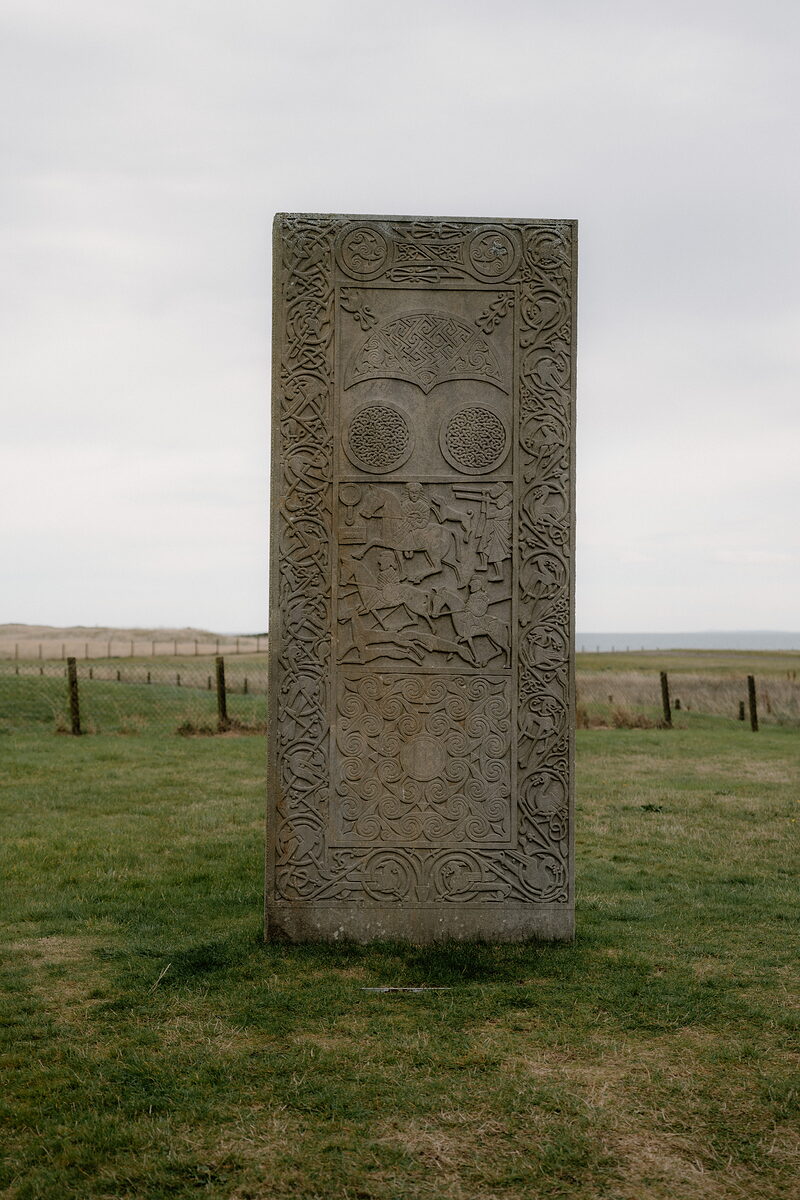
Drive 11 minutes back south to Hilton, first of the three Seaboard villages, and a lay-by above the old chapel site. A footpath drops over rough ground to a full-size replica of the cross-slab that stood here from about AD 800: a hunt, with a woman on horseback and a mirror and comb beside her. What the Picts' symbols meant, nobody now knows. The original is in the National Museum of Scotland in Edinburgh. Running late? See the replica from the viewpoint across the road, and drive on.
5 min by car
Seaboard Centre
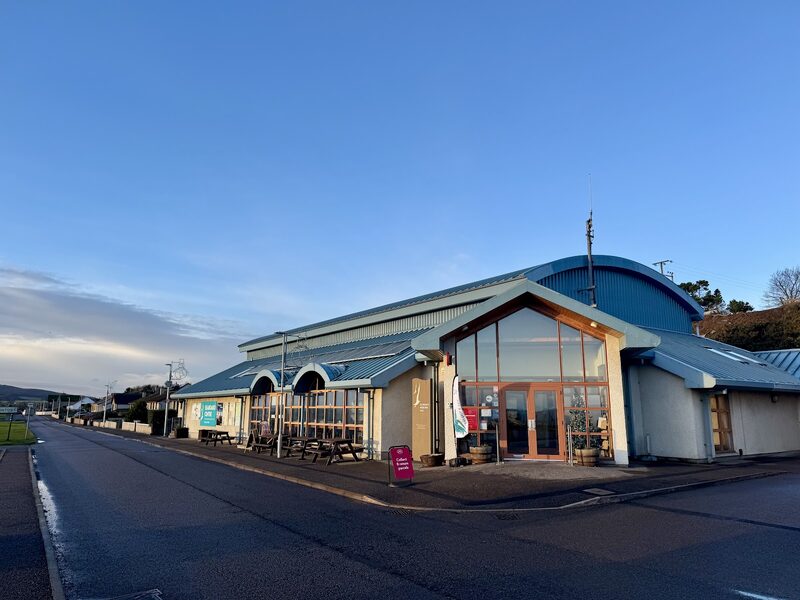
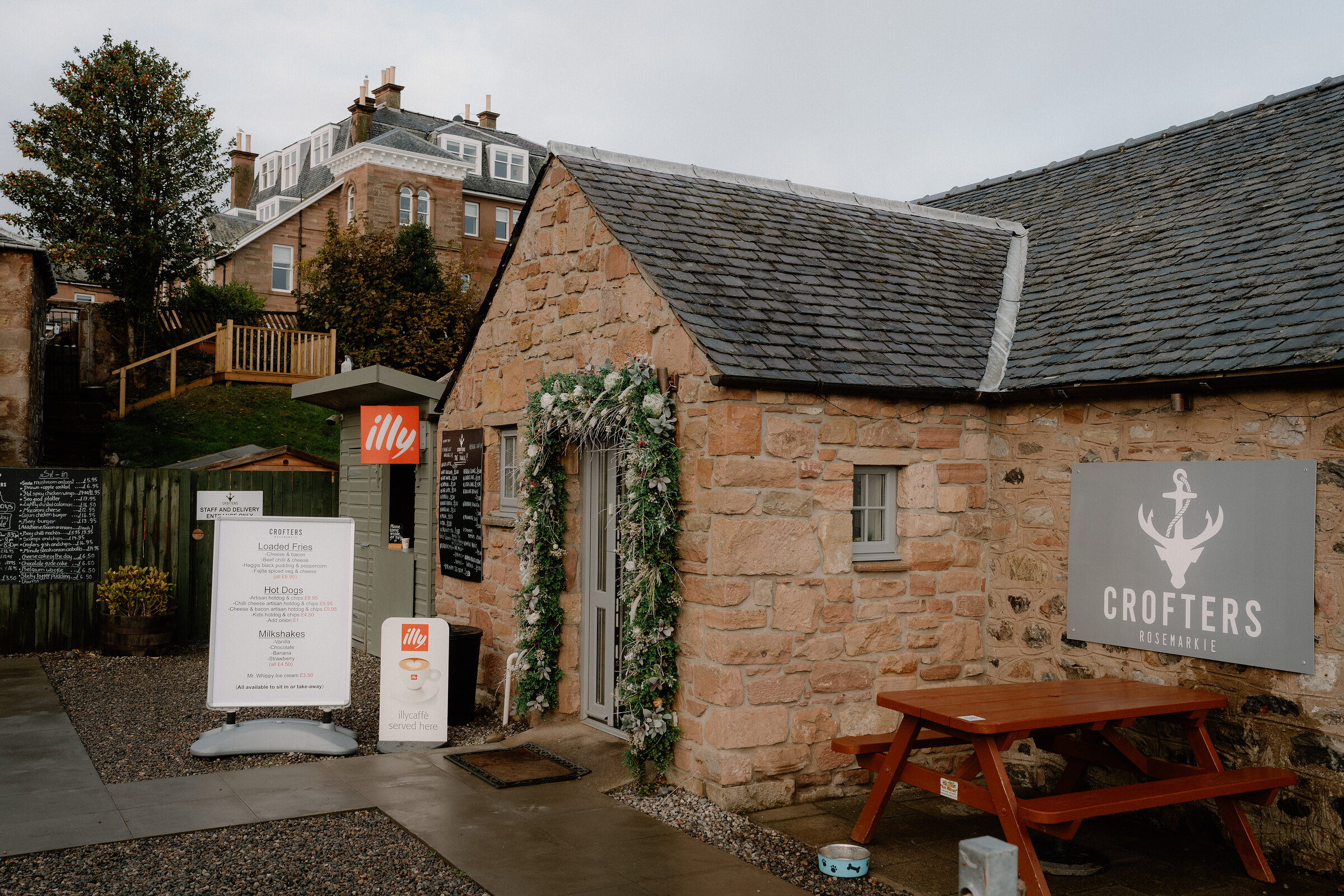
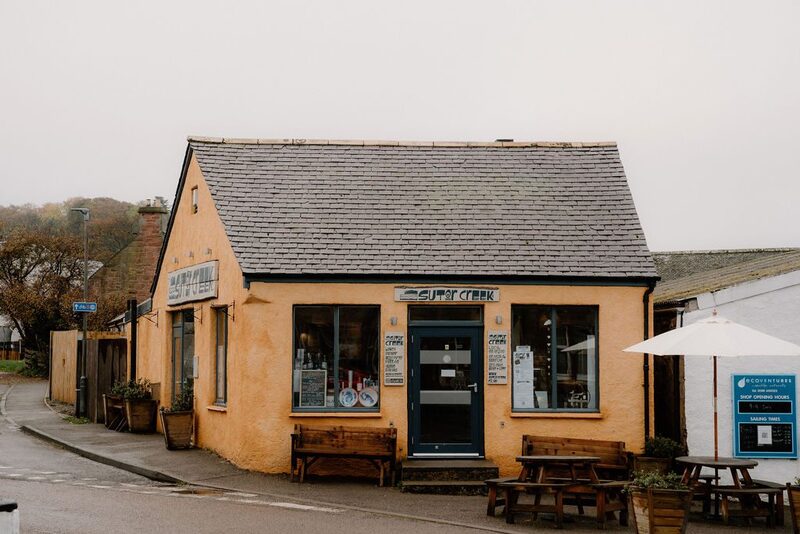
Lunch is at the Seaboard Centre, the villages' hall on the seafront at Balintore, 5 minutes' drive on. Its café opens from Tuesday to Friday only, with lunches until 2.30pm; ring 01862 832888 to book a table for noon. On any other day, or if it cannot take you, bring a picnic from Inverness and eat it here on the seafront. The base of the Hilton stone is kept in the John Ross Visitor Centre across the car park; ask at the café. Leave by ten to one.
6 min by car
Shandwick Stone
An attraction
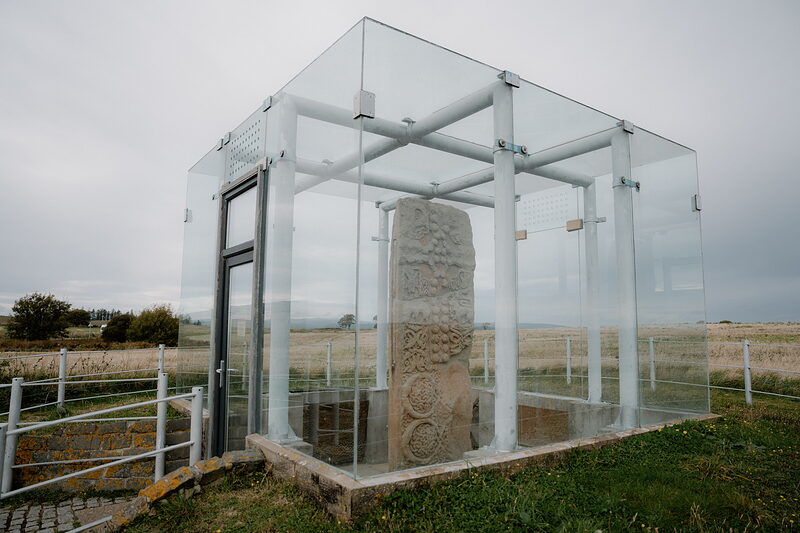
It's 6 minutes' drive through Shandwick to a pull-off for two cars on the road climbing out of the village. Cross the road with care; a stile and a cobbled path lead to a glass shelter above the Moray Firth. Inside, on the ground where it was raised, stands a cross-slab about three metres high: on its landward face, birds, beasts and people above a panel of spirals; on the other, a cross among angels and animals. The shelter is kept shut, so the stone is seen through the glass.
About 14 min by car
Nigg Old Church
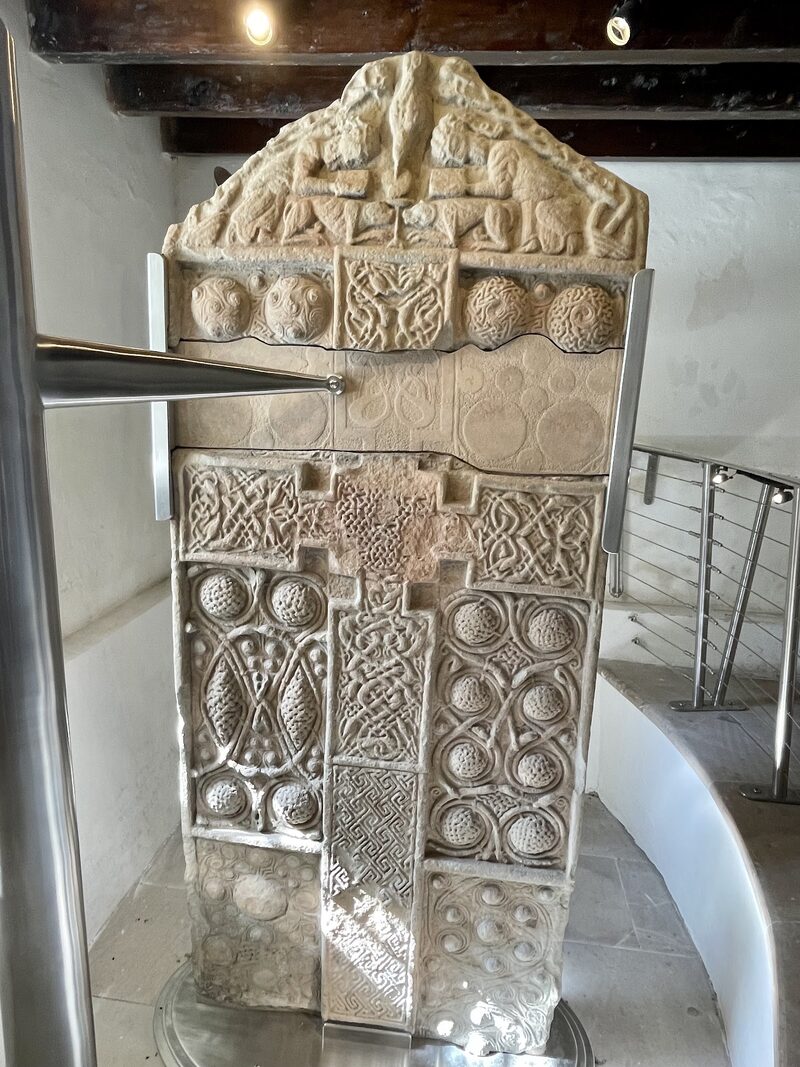
Narrow back roads lead in 14 minutes to Nigg Old Church among its trees. The Nigg Stone stood in the churchyard until a storm blew it down in 1727; it is now inside. Carved in the late eighth century, it has a cross among knots of snakes and, above, two desert monks fed by a raven. The church is open daily, 10am to 5pm, from 1 April to 31 October. If it is locked, walk round the churchyard and go on. Leave by 2pm; if late, cut Nigg short.
35 min by car
Groam House Museum
An attraction
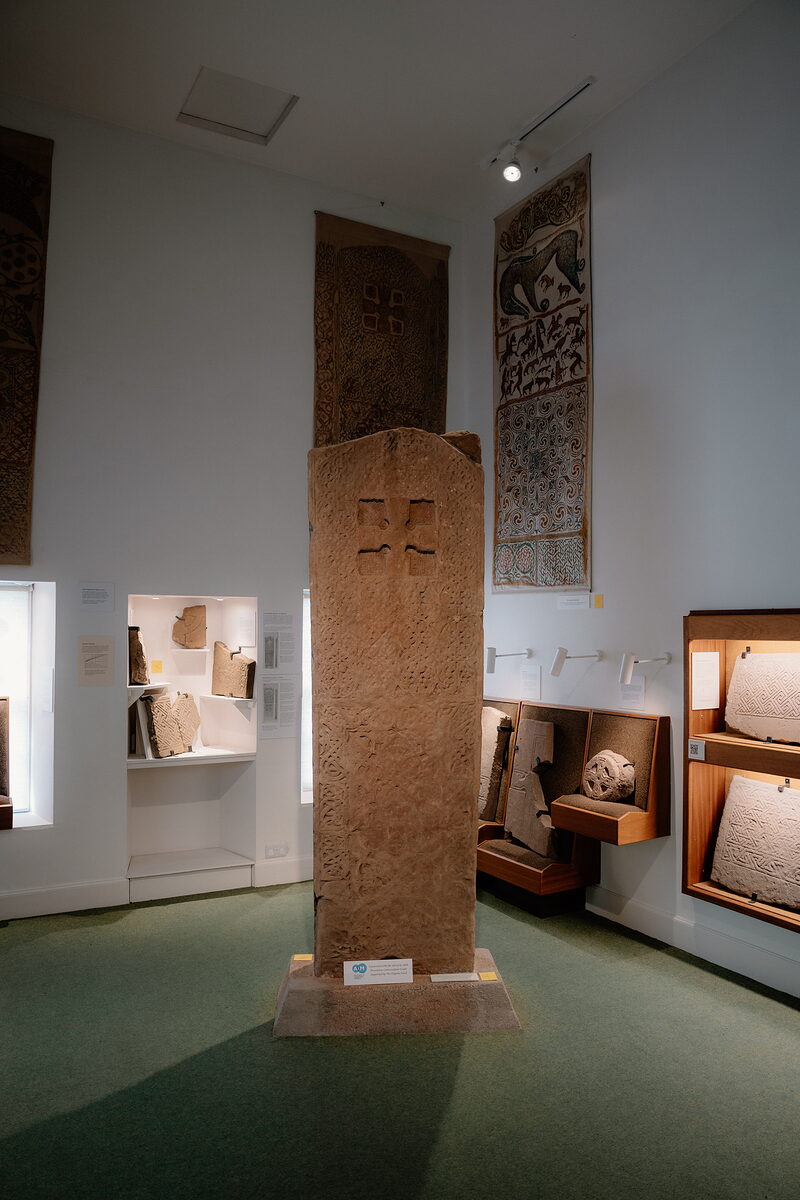
The drive takes 55 minutes: back to the A9, over the Cromarty Bridge, then across the Black Isle to Rosemarkie, arriving a little before three. The museum gives its hours as 10.30am to 4pm, and some listings give a last entry of 3.15pm. Its centrepiece, the Rosemarkie cross-slab, is 2.6 metres of eighth-century carving with no figures: small crosses, knotwork, key patterns and three crescent symbols. More stones from the monastery that lay under the village stand round it. Inverness is 35 minutes' drive home by Fortrose and the Kessock Bridge.
If it rains
Most of this day is under a roof: two museums, a church and a café. The two stones outdoors, at Hilton and Shandwick, are each a few minutes from the car. At Shandwick the stone is behind glass and you stand outside it, so take a coat; at Hilton the path down is rough, and rougher in the wet, and the replica can be seen from the viewpoint across the road from the lay-by. If the weather is foul, give the time saved to the Discovery Centre in the morning and to Groam House at the end, which also keeps the George Bain collection of Celtic art.
Worth a detour
- Tarbat Ness Lighthouse
If you want the lighthouse too, leave Inverness at about a quarter to eight and drive on through Portmahomack to the end of the peninsula first, about 12 minutes beyond the Discovery Centre. Tarbat Ness Lighthouse, engineered by Robert Stevenson and first lit in 1830, is a short walk from its car park. It is a working light, seen from outside. Half an hour on the point still has you back at the centre before its 10am opening.
- Mermaid of the North
About 250 metres along the shore from the Seaboard Centre's car park, a bronze mermaid sits on a rock at the edge of the sea. Ten minutes there and back before or after lunch is enough, and it is the first thing to drop if the day runs late.
Make it a weekend
More days out in Easter Ross.
Photographs by Seaboard Centre and Sarah Takahashi via Google