Things to do
in Shetland.

It’s 20:05 in Shetland.
Shetland Islands

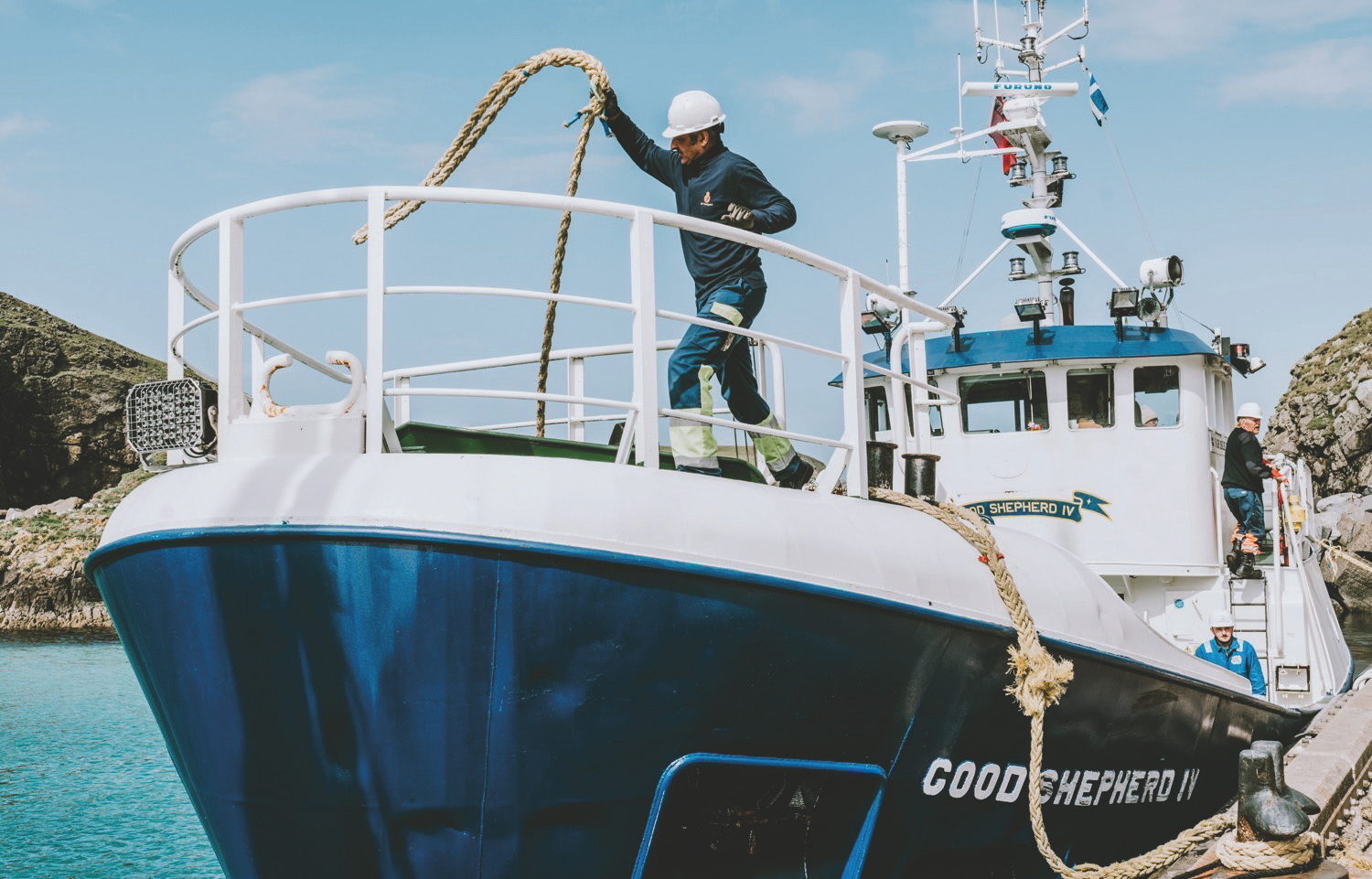
The Noss boat and Fetlar's clifftops.

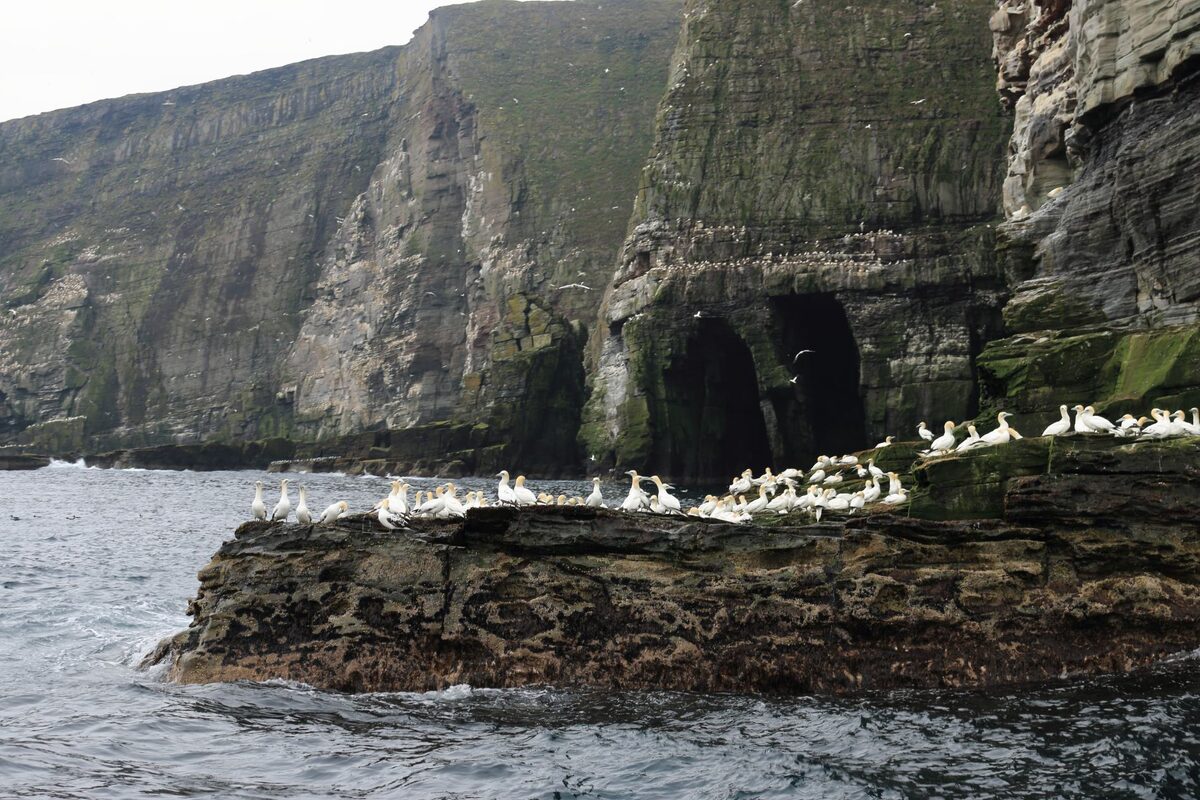
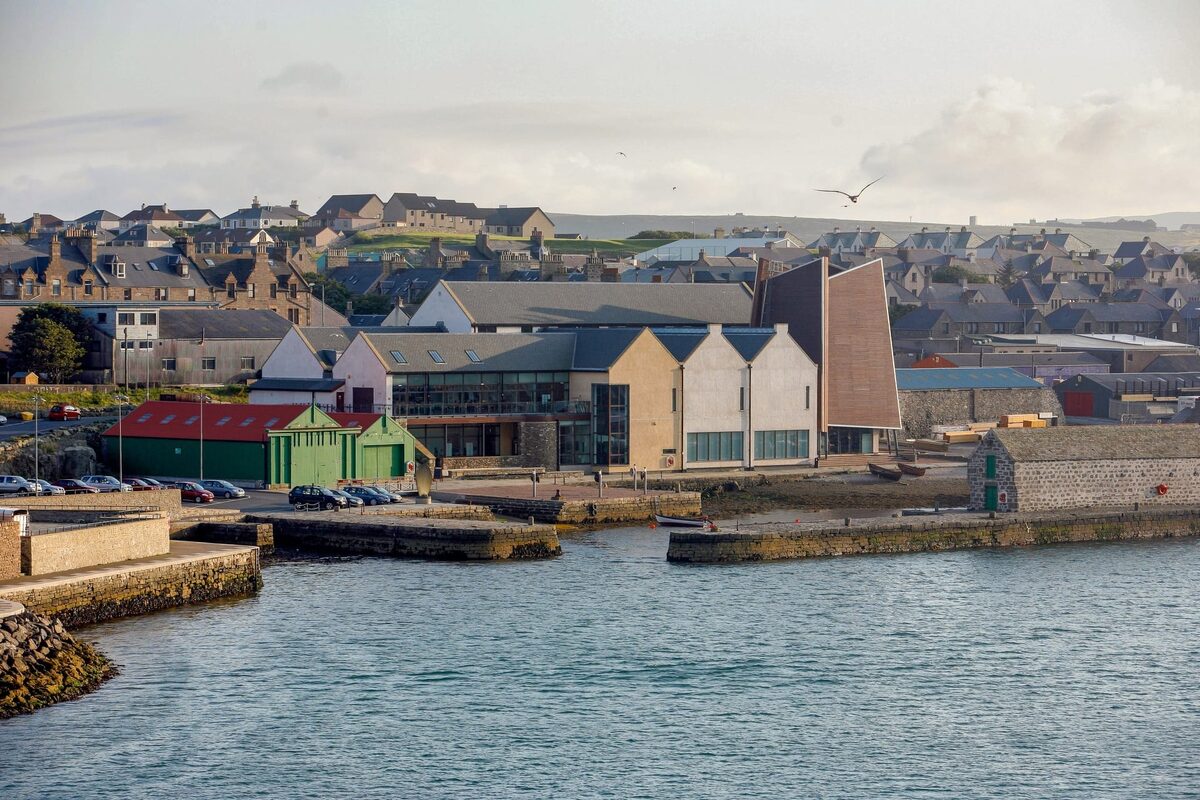
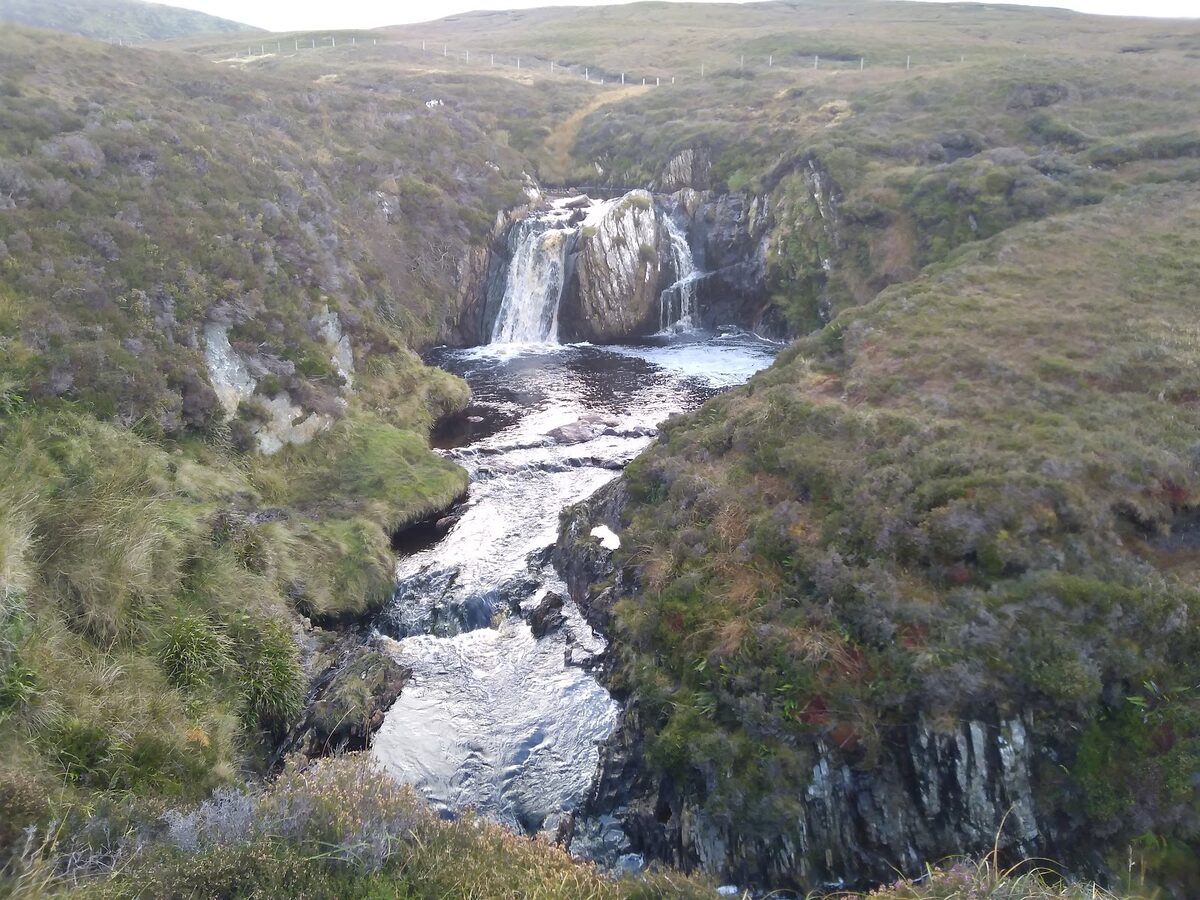
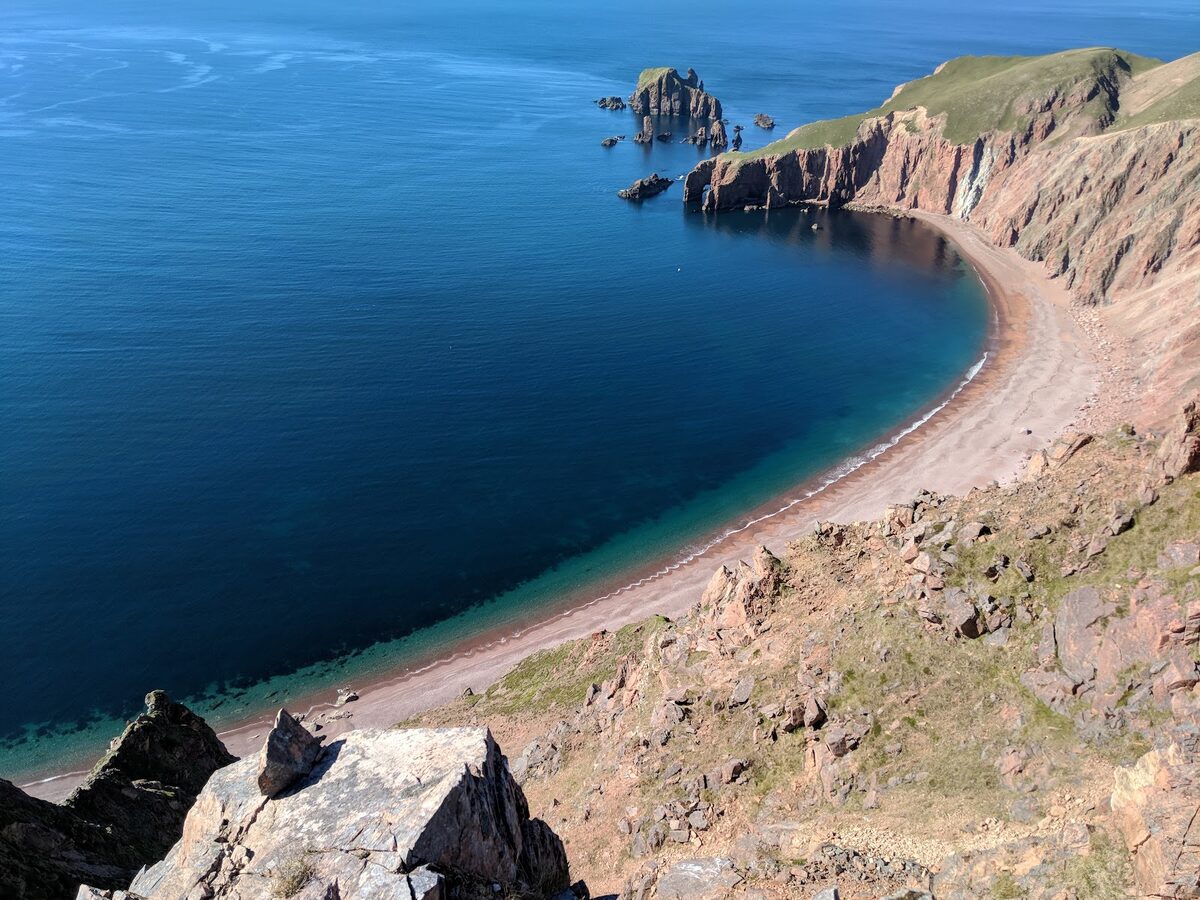
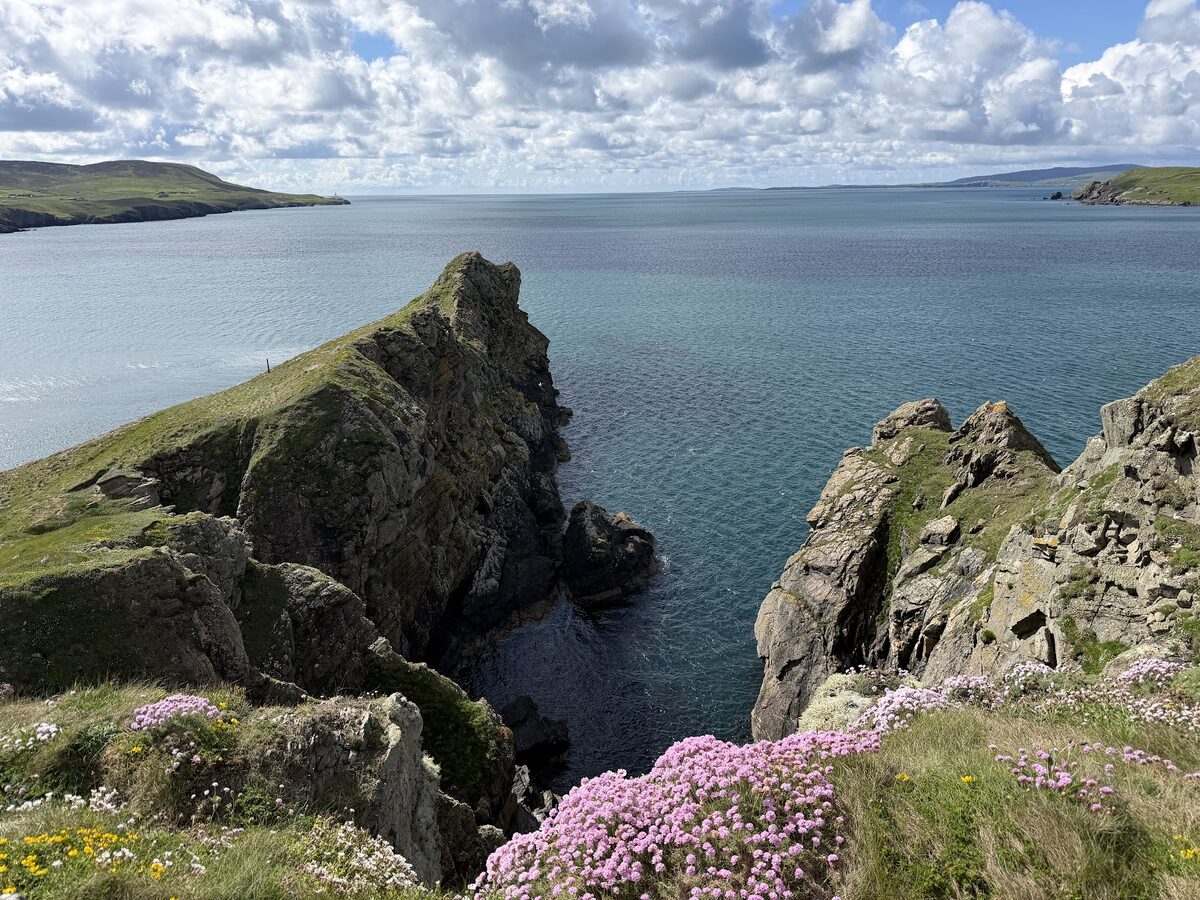
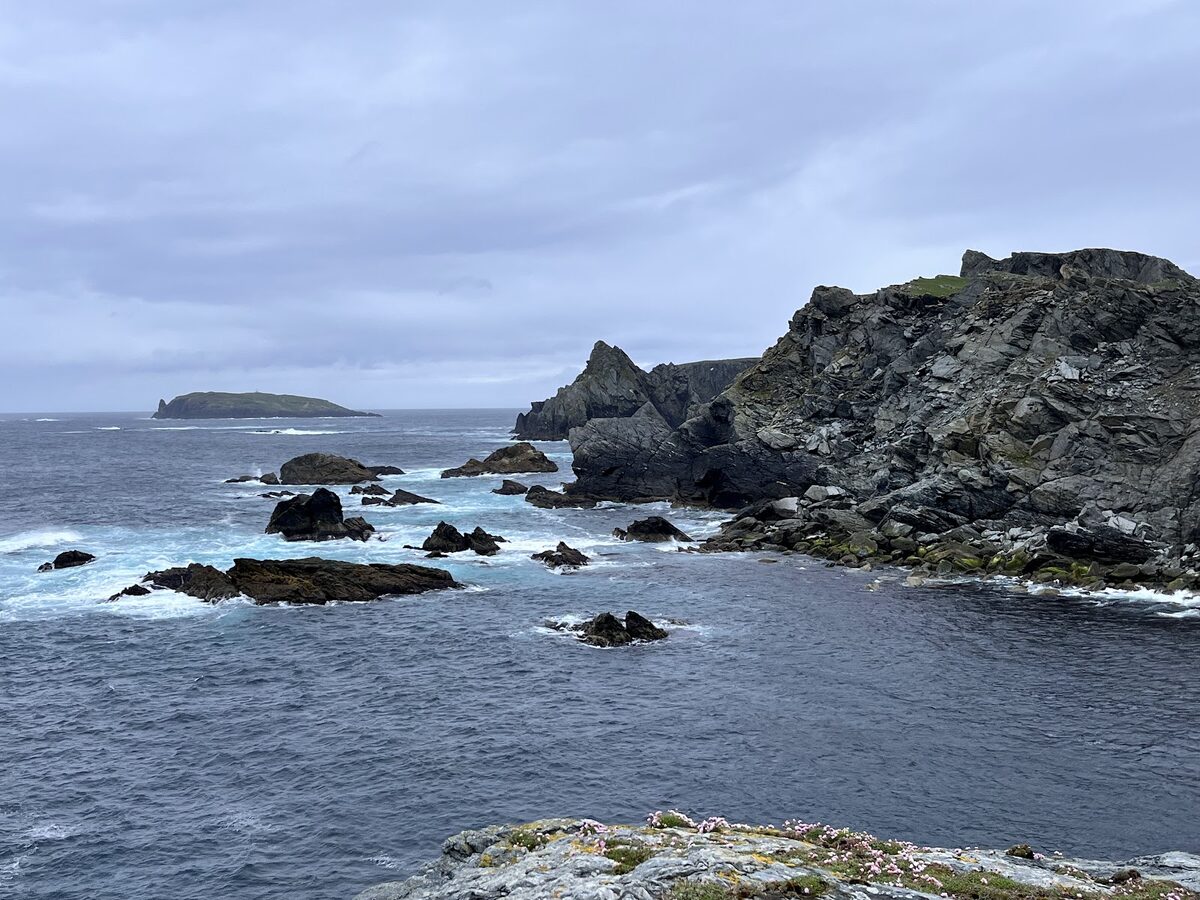
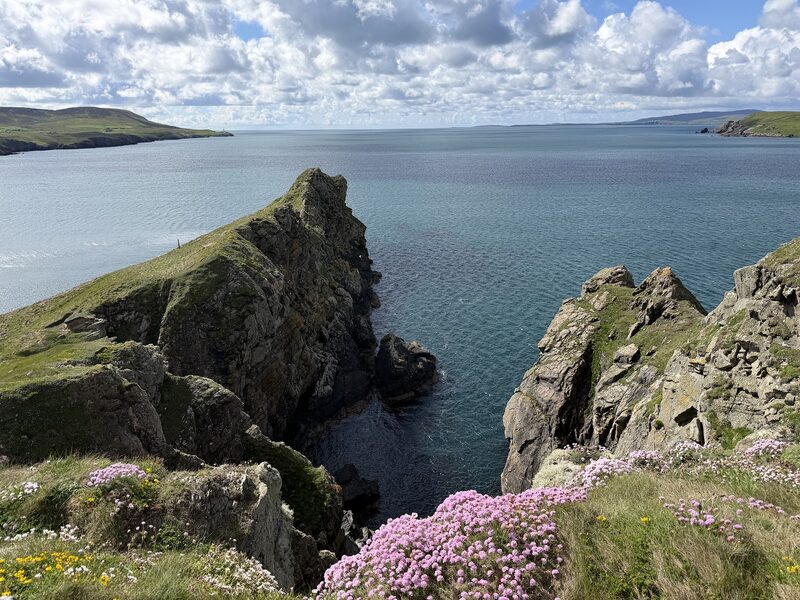
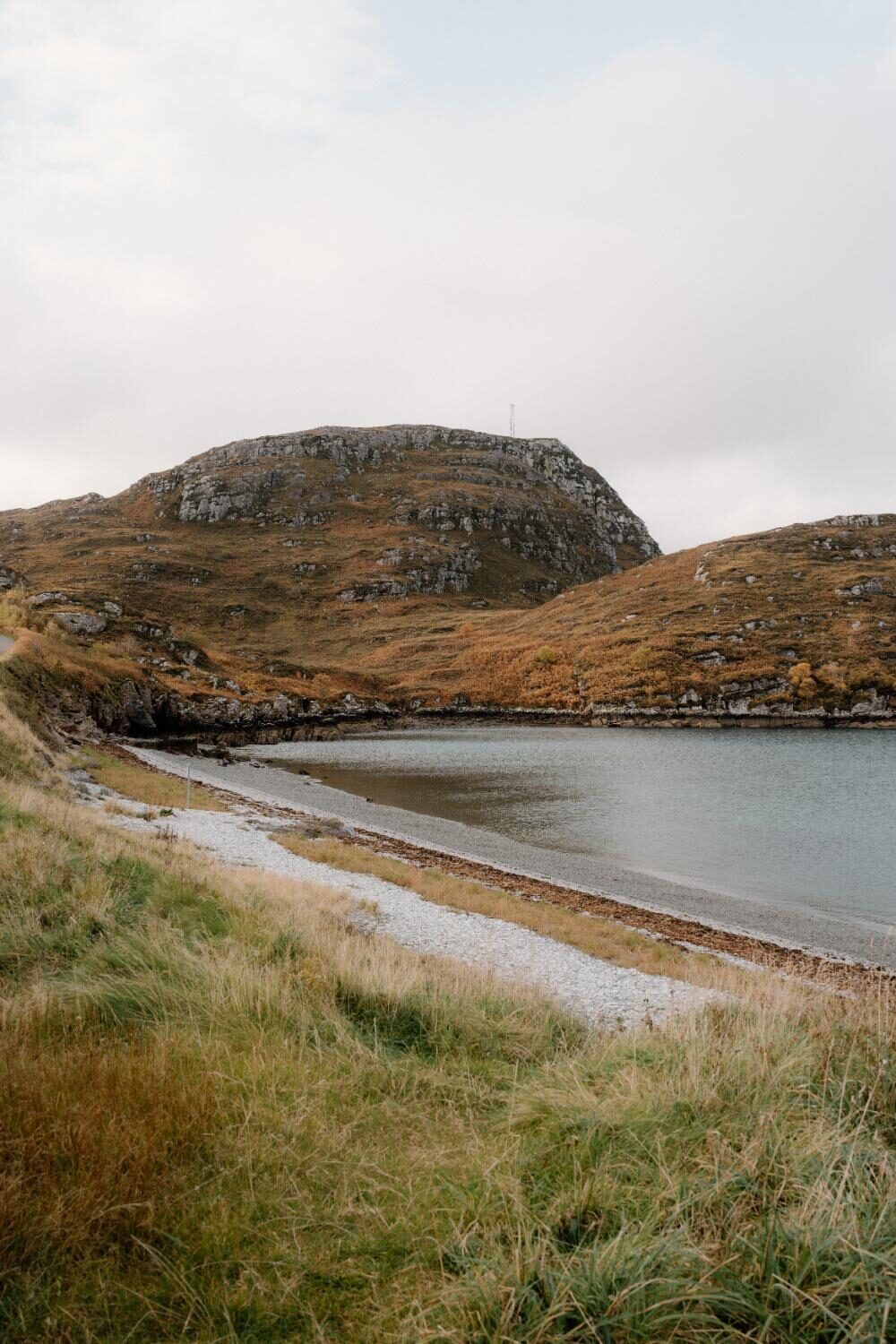
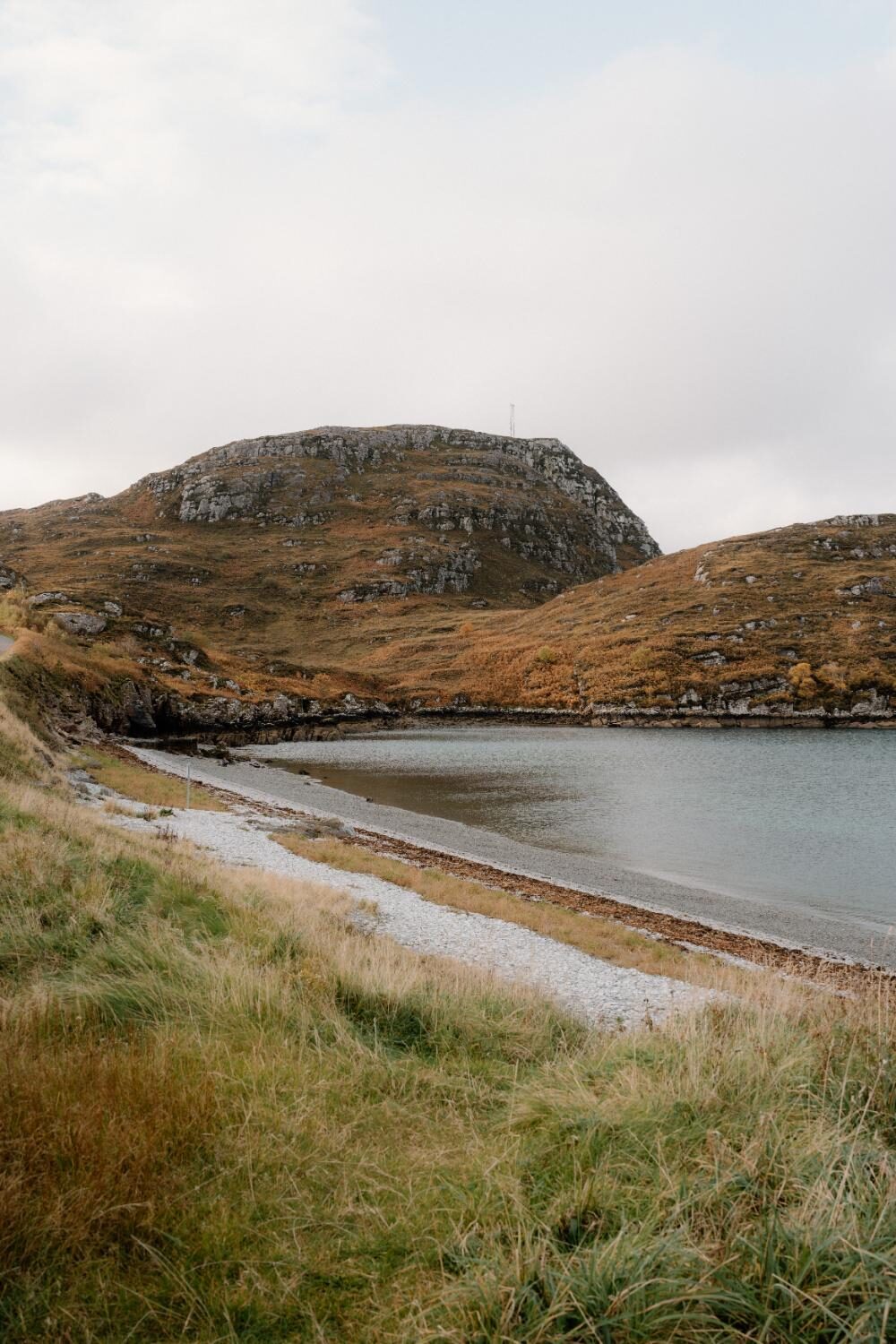
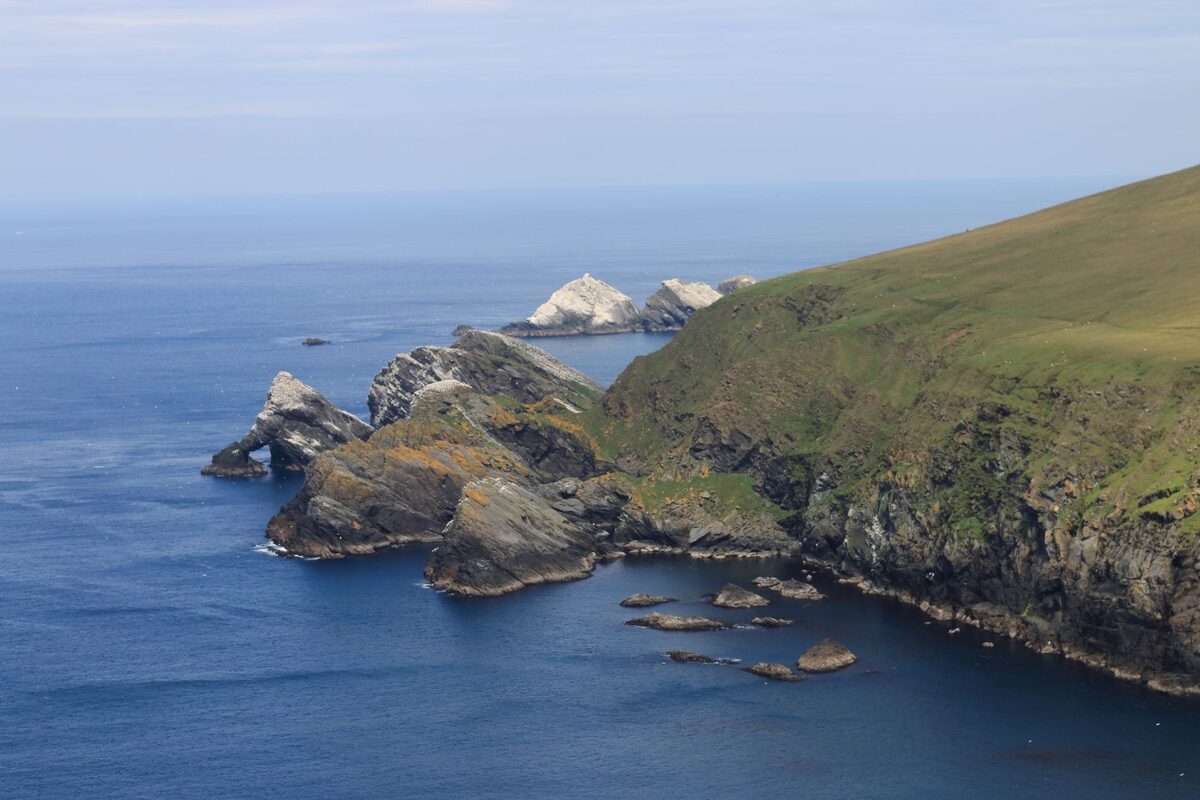
Most of what there is to do in Shetland happens outdoors, by the sea. From Victoria Pier in Lerwick, a naturalist-led boat runs round Bressay to the cliffs of Noss, where gannets come off the rock close enough to hear. Back on land, a coastal loop starts in the middle of Lerwick and a clifftop path on Fetlar leads to a sea arch. Near Aith a moorland burn drops into a waterfall, and a hard walk over the hill reaches a red shingle shore under Ronas Hill. Dress for the sea on the boat, as it is always colder out there than it looks from the pier.
Did you know17 hours agoWritten byLaurie GoodladRead Laurie’s piece

Sumburgh Head, at the southern tip of mainland Shetland, lets visitors get within a few feet of nesting puffins.

‘Sumburgh Head is home to an array of breeding seabirds including guillemots, shags, fulmars, kittiwakes and puffins. Gannets, great skuas and terns can also be seen feeding in the rich fishing waters around the Head. In the breeding season, visitors can get to within a few feet of the puffins. Orcas and other cetaceans are seen passing through the area in search of feed.’

Written byLaurie GoodladRead Laurie’s pieceSee Sumburgh Head · Shetland Islands
Did you know16 hours agoWritten byLaurie GoodladRead Laurie’s piece

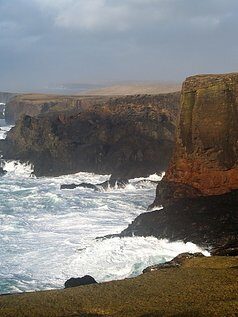
Calder's Geo, on the Eshaness coast of Shetland's North Mainland, is where most of the famous photographs of Eshaness are taken.

‘A cave at Calder’s Geo is believed to be Britain’s largest sea cave. A scientific study of its inner chambers found that the actual dimensions of the cave are greater than previously thought, 60ft tall and spanning a floor area of 5,600 square metres. This makes it one-and-a-half times bigger than the cave at Cheddar Gorge in Somerset.’

Written byLaurie GoodladRead Laurie’s piecePhotograph: Laurie GoodladSee Eshaness, Shetland · Shetland Islands
From the magazine15 hours agoThe printed copy of Issue 04Issue 04Spring / Summer 2022

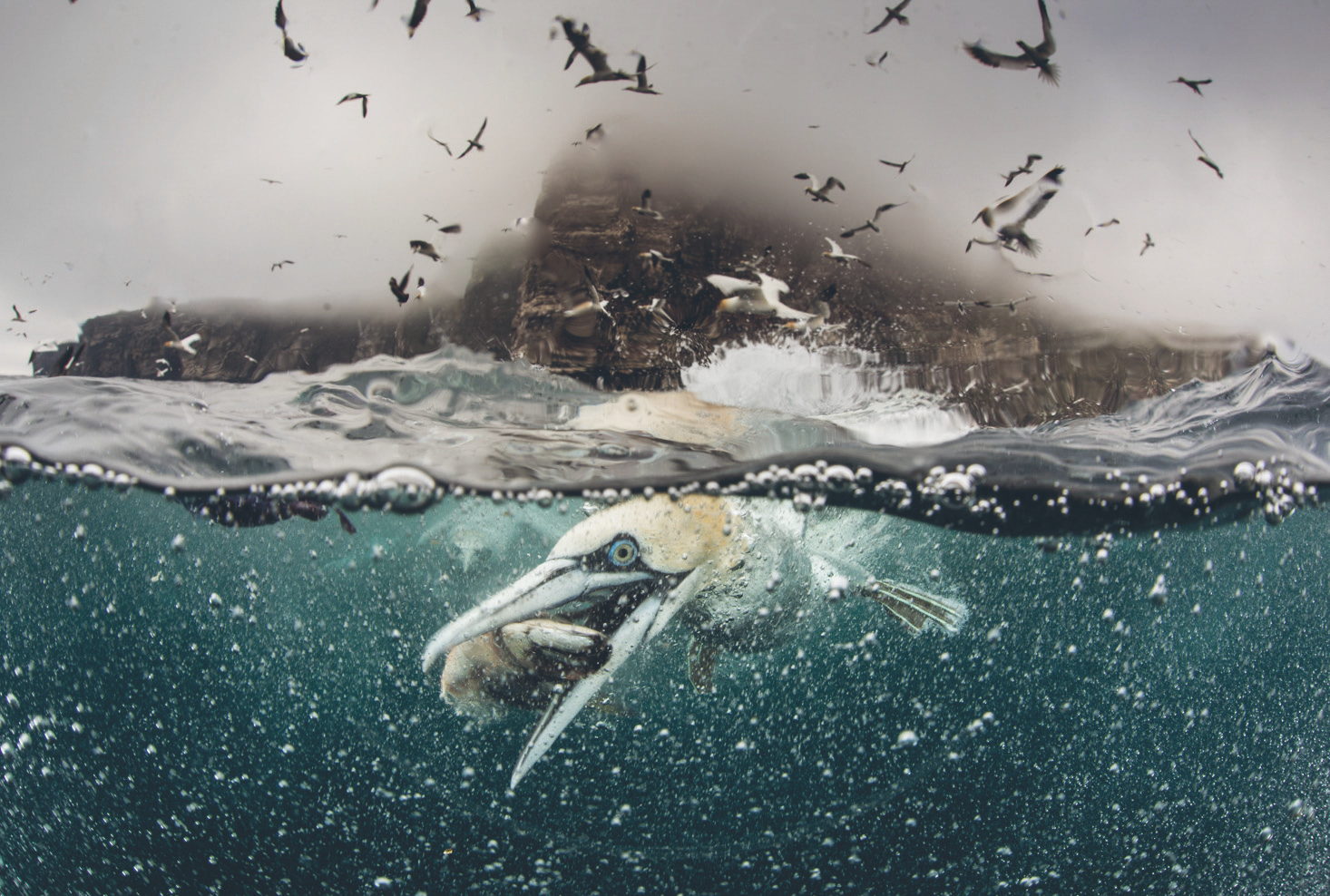
The photographer Richard Shucksmith took 150 kilograms of mackerel to a Shetland sea cliff to photograph gannets diving underwater, and a thick fog turned out to help.

Richard, an underwater wildlife photographer, had to pick a calm day, because nothing stands between those cliffs and Norway. On an early trip he set off in a small inflatable boat with fish, camera gear and dive kit, and thick fog closed in. For three hours he waited alone, hearing the gannets but hardly able to see them, until a faded sun showed through the mist. As it lifted he threw in mackerel, and within seconds the gannets were diving, several thousand of them circling the boat. 'All the anxiety was forgotten, and the fog proved to be a blessing more than a hindrance'. It had softened the harsh midday sun, which can burn out the highlights on white birds.

Read the full story in Issue 04
True or false14 hours ago
True or false: the otters that hunt along Shetland's shores are sea otters.

Did you know12 hours agoWritten byLaurie GoodladMore from Laurie

Fetlar, one of Shetland's North Isles, has more than half of all the red-necked phalaropes that breed in Britain.

‘Fetlar is rich in wildlife, and as well as the usual birds and seals that you would expect to see in Shetland, Fetlar is a fantastic place to look out for red-necked phalaropes. Red-necked phalaropes are one of the UK’s rarest breeding birds, and Fetlar has over half the breeding British population of the bird. In the summer months, you can often watch them feeding on the Loch of Funzie or view them in their breeding site on the Mires of Funzie from a viewing hide.’

Written byLaurie GoodladMore from LaurieRead the full story
Did you know10 hours agoWritten byLaurie GoodladMore from Laurie

Shetland has more otters for its size than anywhere else in Europe, and many of them live around the harbour in Lerwick.

‘If it’s otters that you want to see, explore some of the sheltered voes and channels at low tide. Shetland has the largest density of Eurasian otters in Europe and, although sometimes hard to find, you’ll be surprised where you will find them. Many otters live around Lerwick, and they’re frequently spotted around the harbour, Hay’s Dock area and the Sea Road near Fjara cafe. Sometimes all you need to do is sit back with a morning coffee and wait for them to make an appearance.’

Written byLaurie GoodladMore from LaurieRead the full story
Did you know8 hours agoWritten byLaurie GoodladRead Laurie’s piece

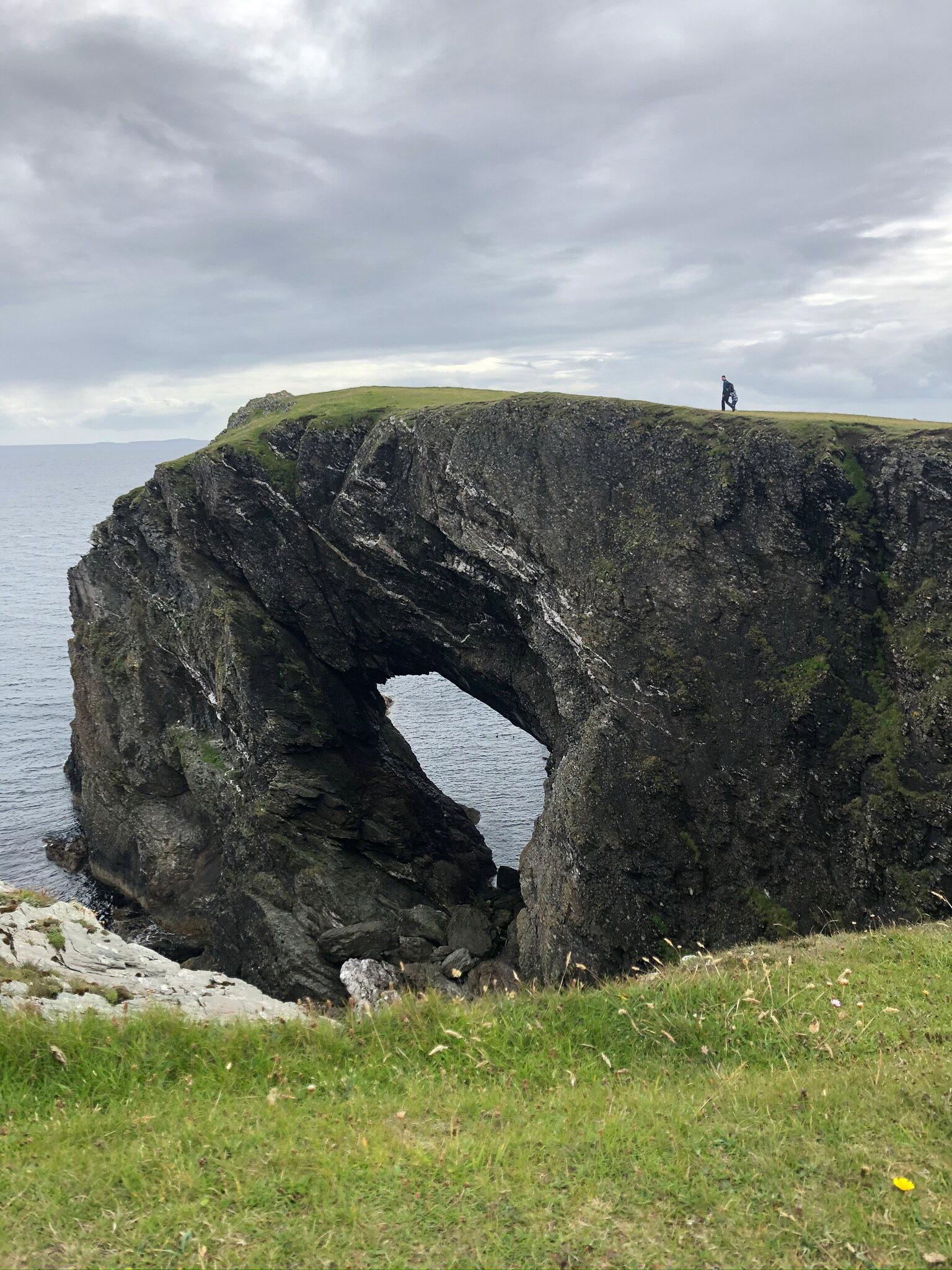
The Snap, a natural arch on the Shetland island of Fetlar, is one of the best in the islands and one of the least visited.

‘Shetland’s coastline is wondrous and, most visitors will head towards the northwest corner at Eshaness to see the impressive cliffs, stacks and the natural arch of the offshore Dore Holm. Yet, perhaps one of the best examples of a natural arch that is seldom explored is the Snap in Fetlar. Fetlar is the smallest of Shetland’s trio of North Isles and a two-ferry hop from the mainland. The Snap walk takes hikers over several miles of stunning coastline with dramatic cliffs and abundant wildlife towards the dominating natural arch that stands proudly from the high cliffs, deftly defying gravity.’

Written byLaurie GoodladRead Laurie’s piecePhotograph: Laurie GoodladSee The Snap, Fetlar · Shetland Islands