
Cromarty Lighthouse
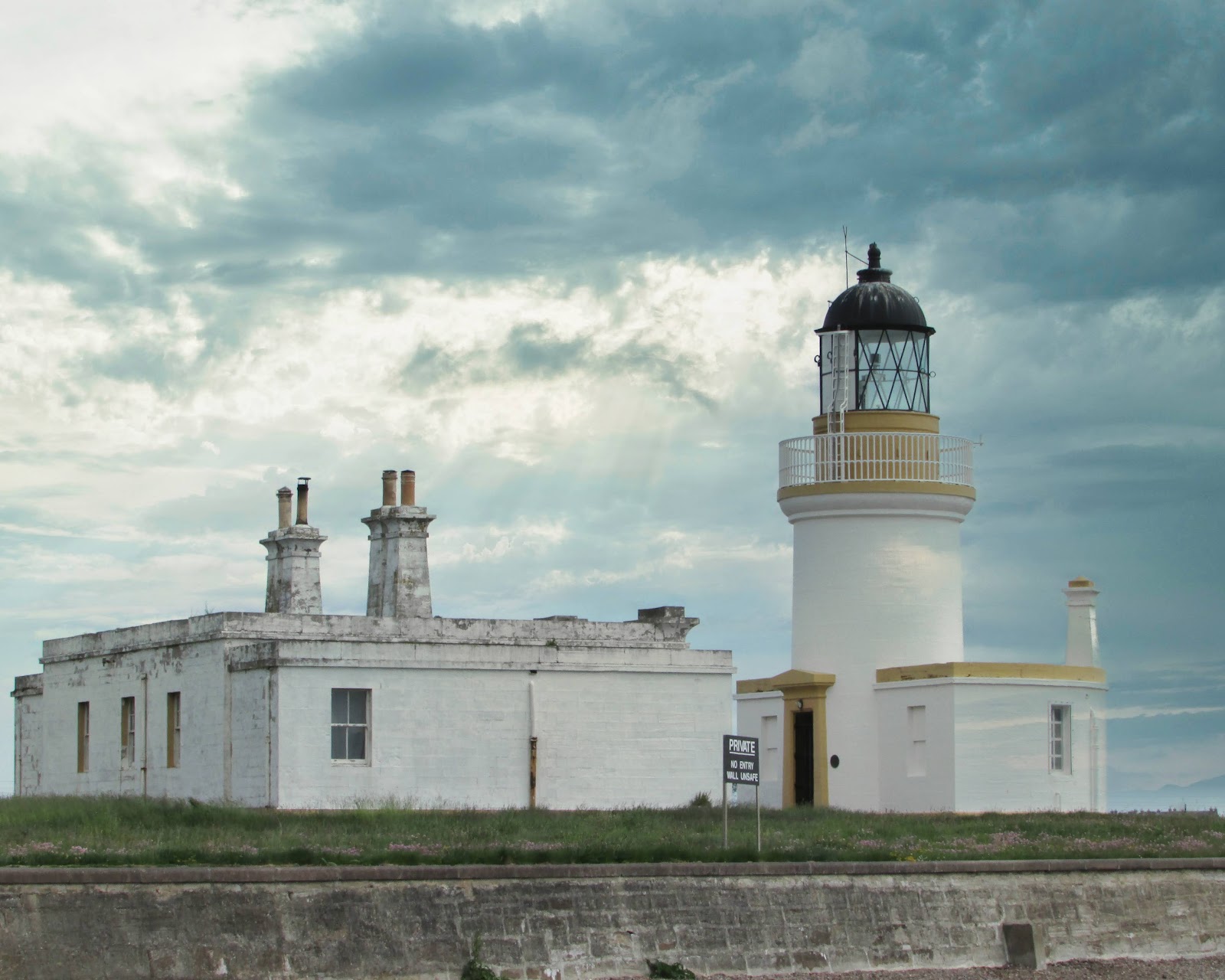
Alan Stevenson's lighthouse of 1846 on the shore at Cromarty, no longer lit, now a University of Aberdeen field station studying the firth's dolphins and seals.
At the very tip of the Black Isle, on Cromarty's harbour front, a short white tower stands beside a low row of keepers' cottages behind the sea wall.
It was designed by Alan Stevenson, uncle of Robert Louis Stevenson, and first lit in 1846, when its lamp burned sperm whale oil.
The light guided ships into the Cromarty Firth for a hundred and sixty years. It became automatic in 1985, and in 2006 the Northern Lighthouse Board switched it off for good.
It has a second life now. Since 1990 the University of Aberdeen has used the keepers' cottage as its Lighthouse Field Station, and in 2009 it bought the lighthouse itself. From here, researchers study the bottlenose dolphins, seals and seabirds of the Moray Firth. It is best seen from the shore, on a walk from the harbour along the sea front.
The lighthouse can be seen from the shore at any time.
It is a working research station.
- Where
- George Street, Cromarty, IV11 8YJ, by the harbour.
- Built
- 1846, by Alan Stevenson.
- Now
- The University of Aberdeen's Lighthouse Field Station.
On the harbour front at Cromarty, IV11 8YJ.
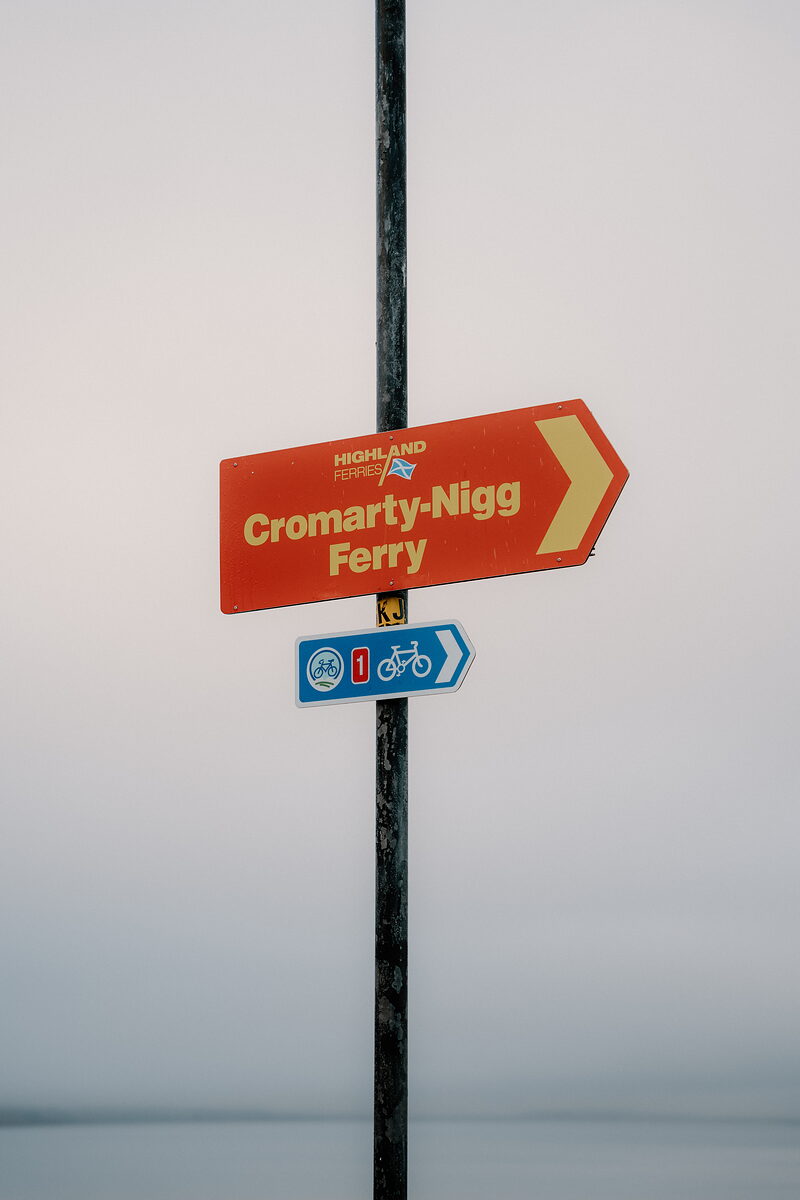 Cromarty FerryThe little summer ferry across to Nigg.Under a mile1 min by road
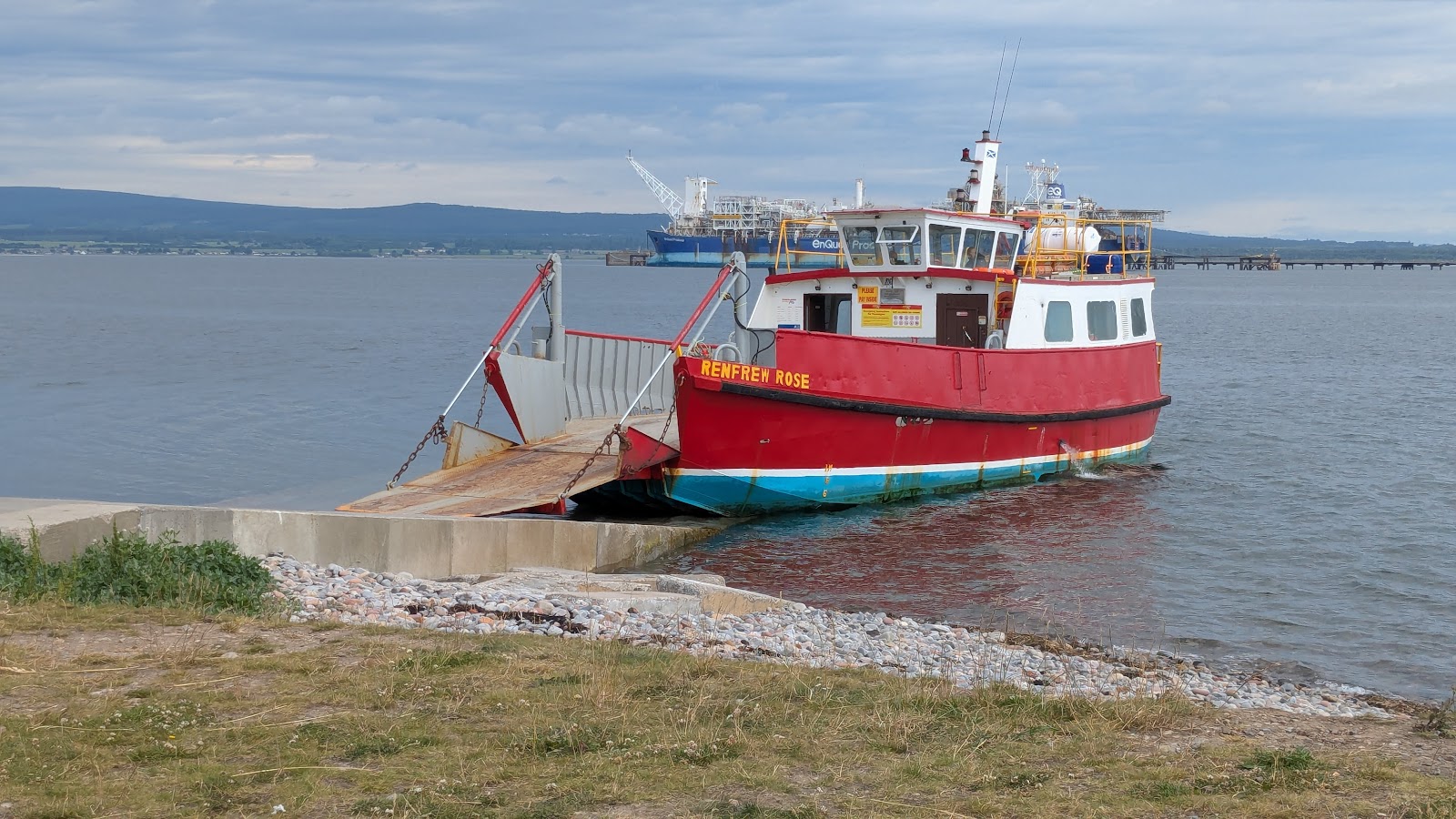 Cromarty Ferry TerminalUnder a mile1 min by road
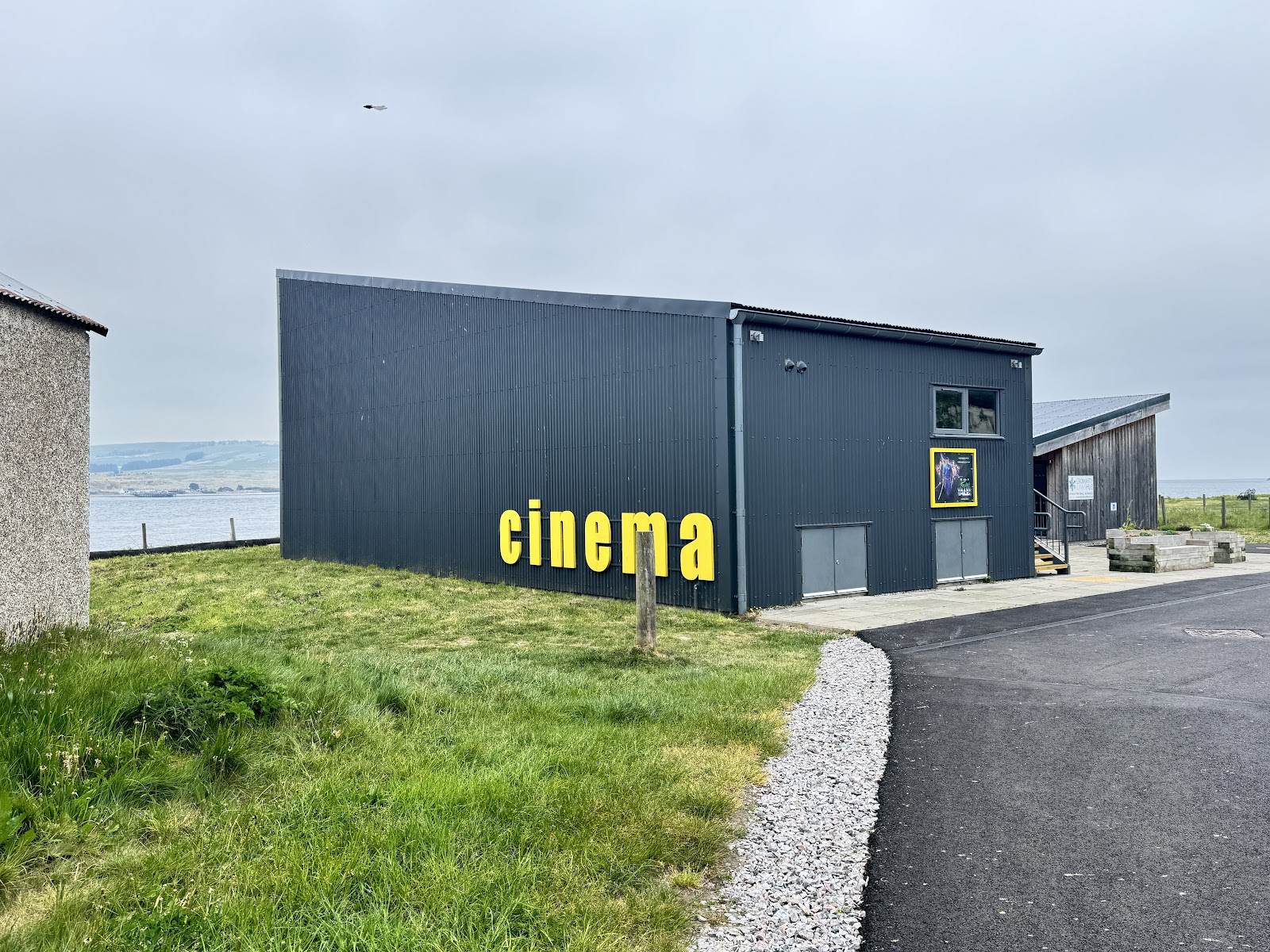 Cromarty CinemaUnder a mile1 min by road
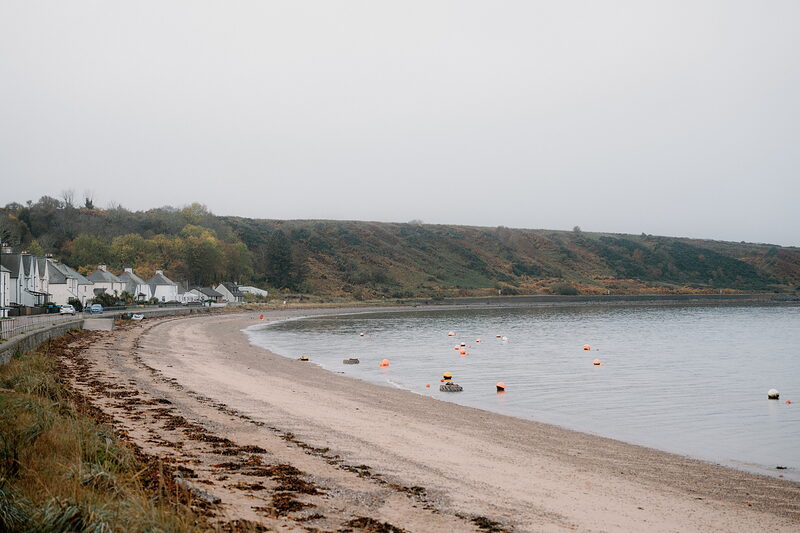 CromartyUnder a mile1 min by road
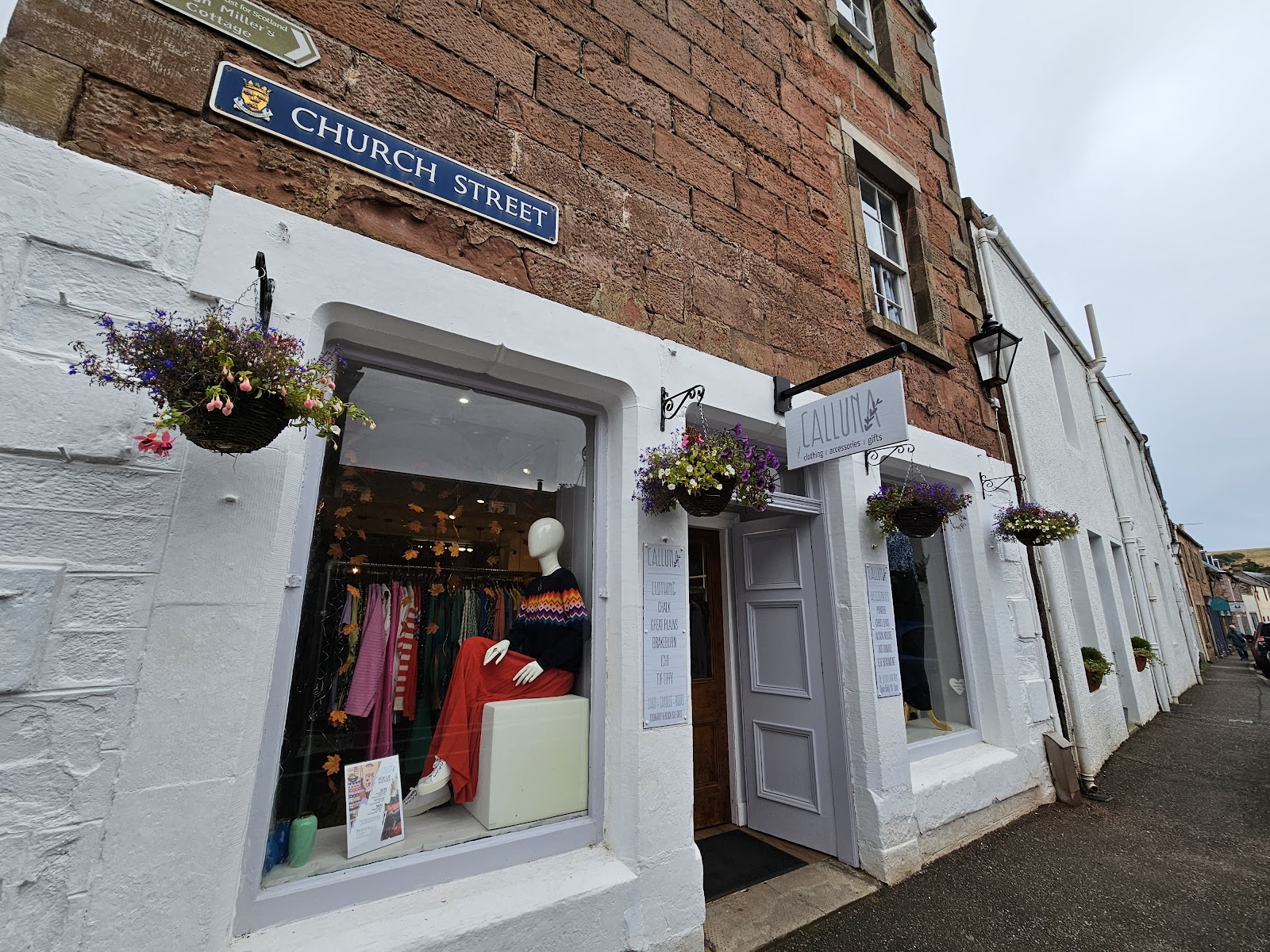 CallunaAn independent women's clothes shop in the middle of Cromarty since 2018, with colourful brands, good fabrics and friendly help.Under a mile1 min by road
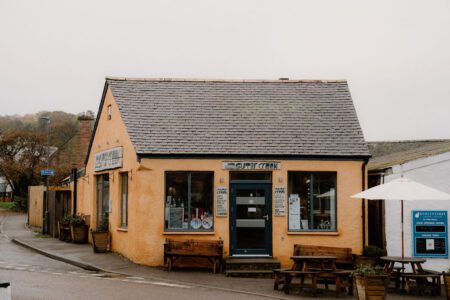
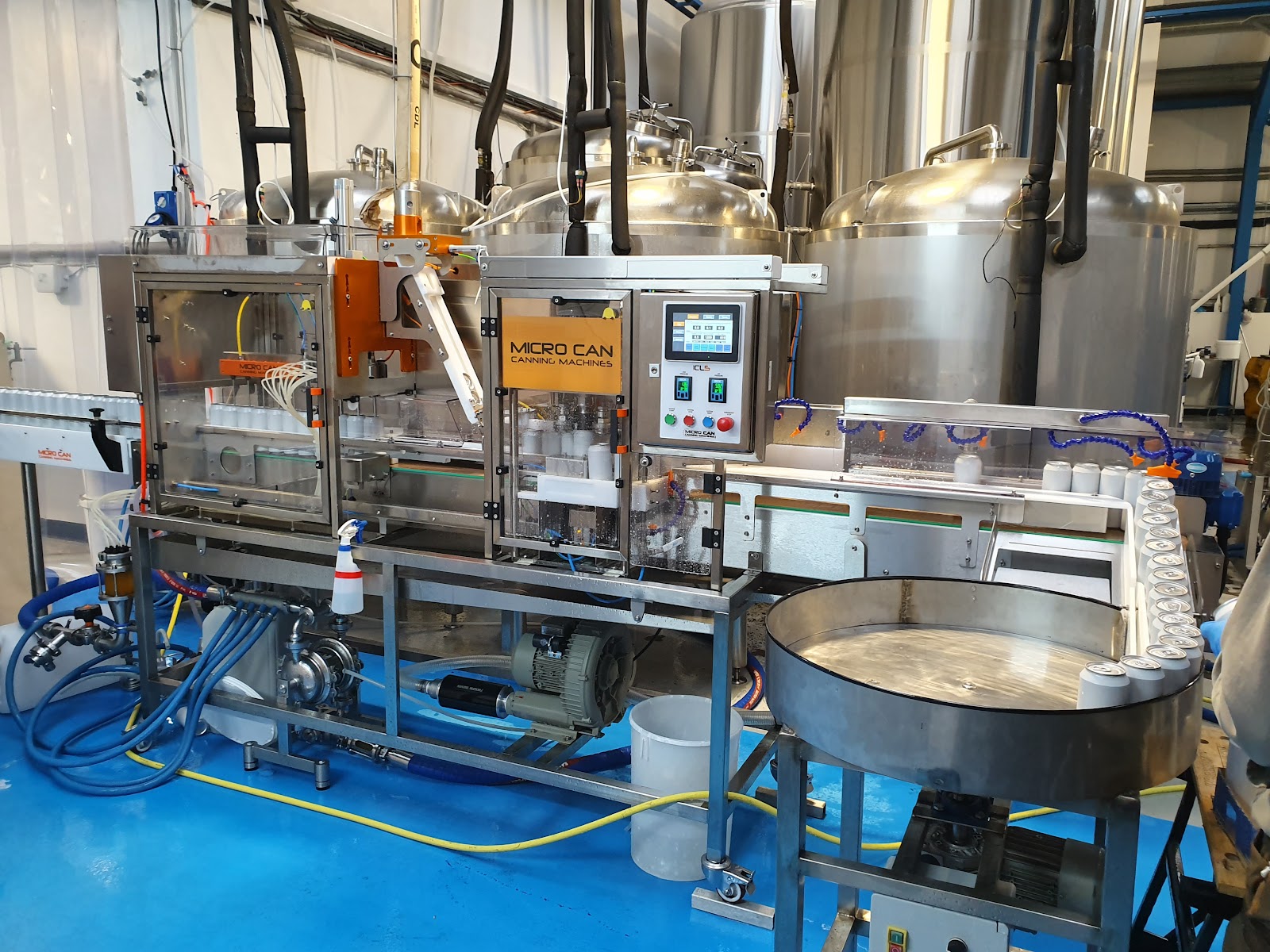
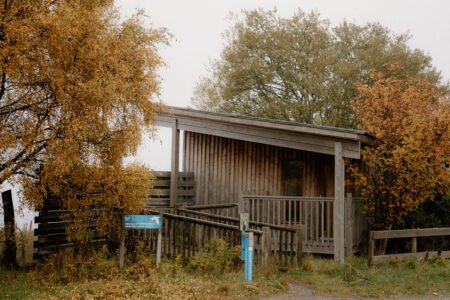
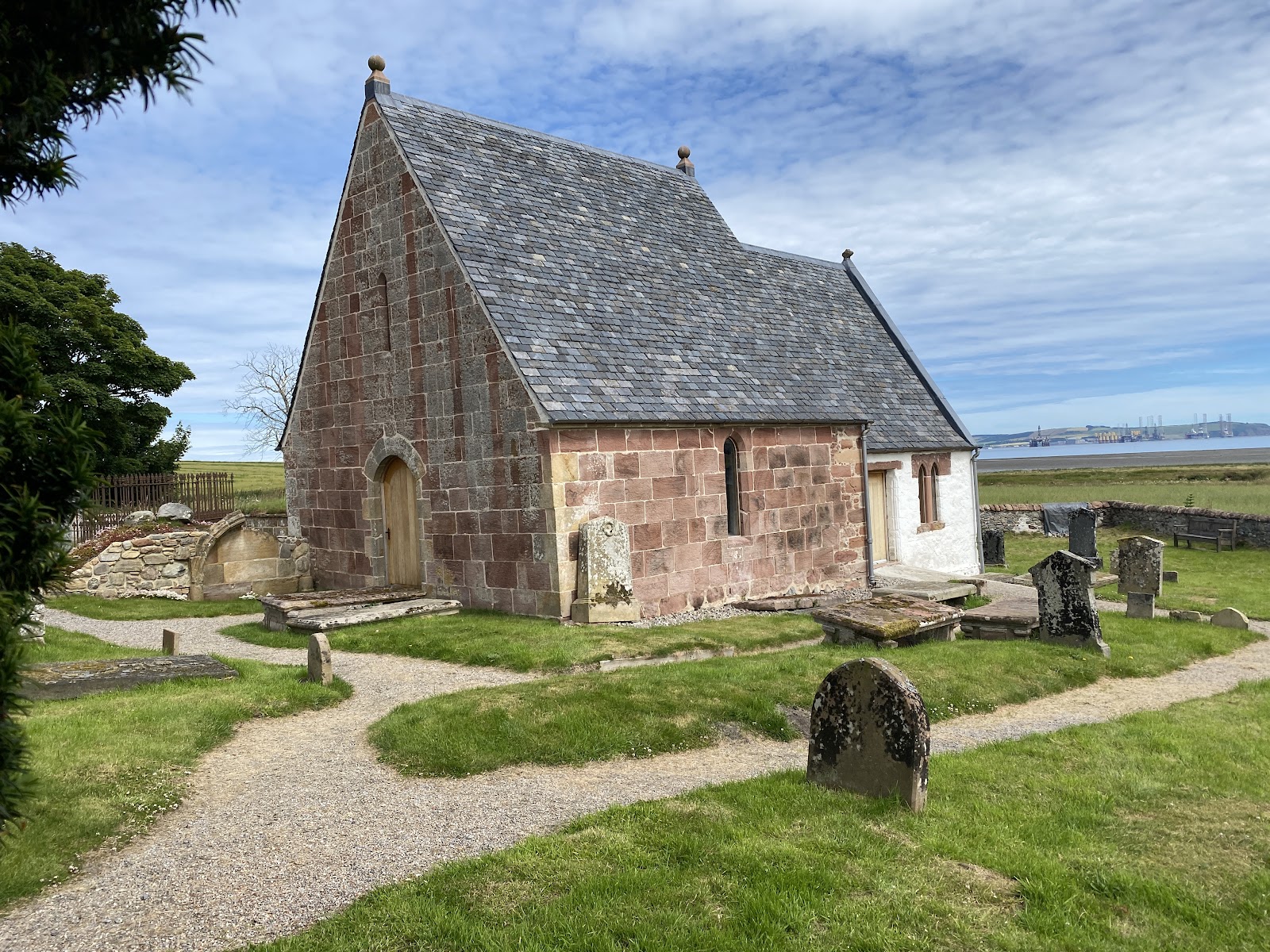
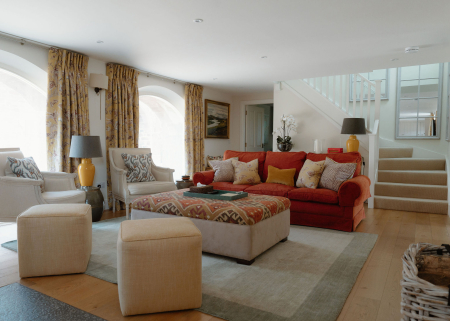
Places to stay near the lighthouse, and when each is next free.
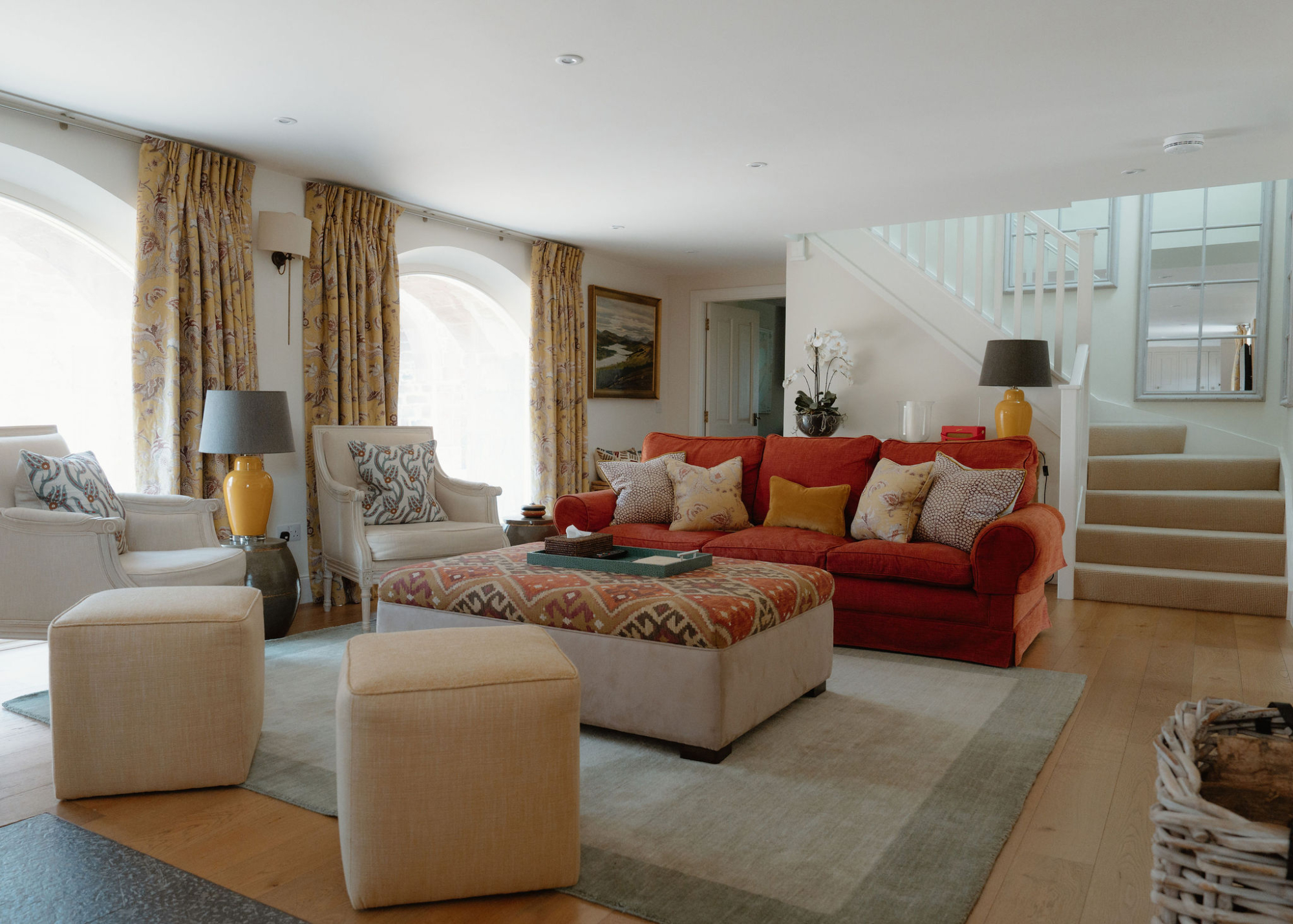 Newhall Mains
- To stay
- In Balblair
- 6 miles from Cromarty lighthouse
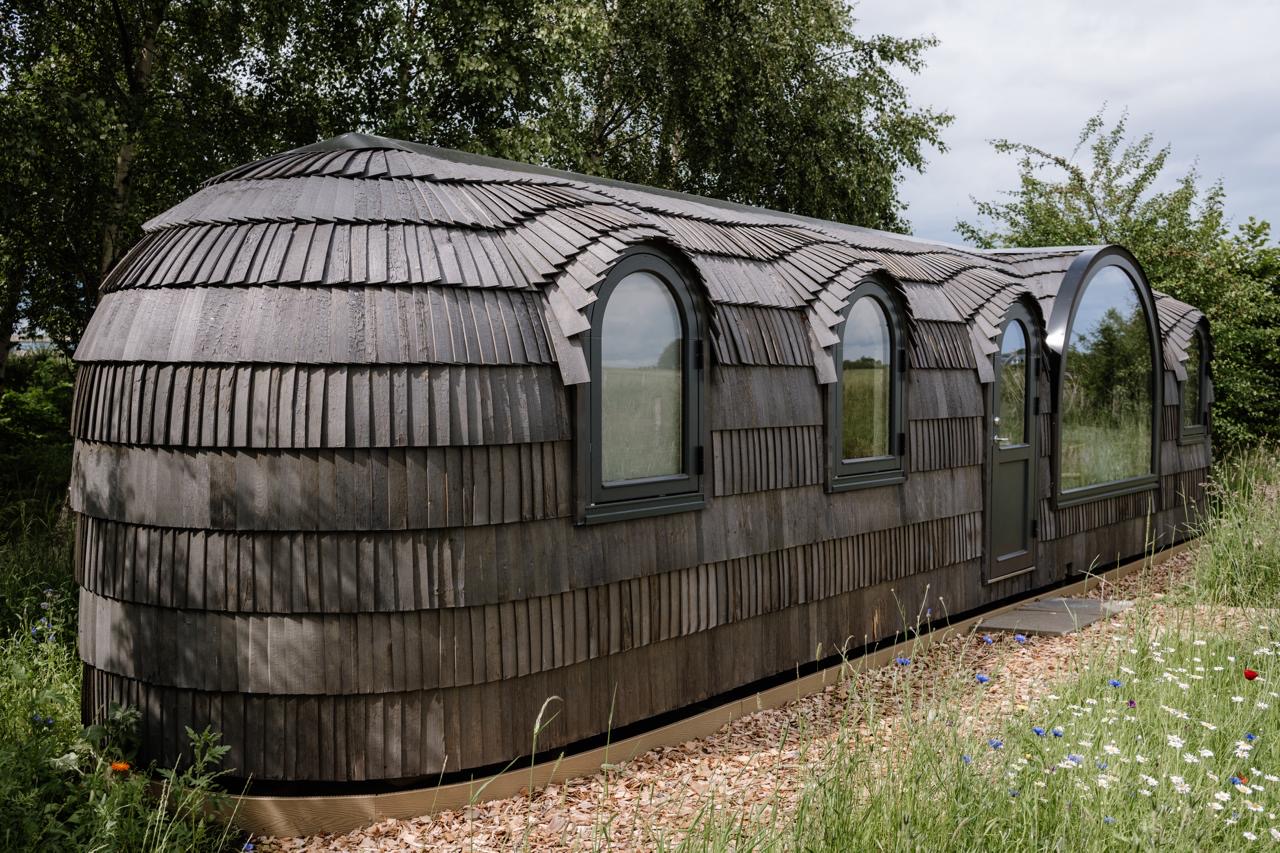 Boath Cabin
- Sleeps 4
- In Ross and Cromarty
- 11 miles from Cromarty lighthouse
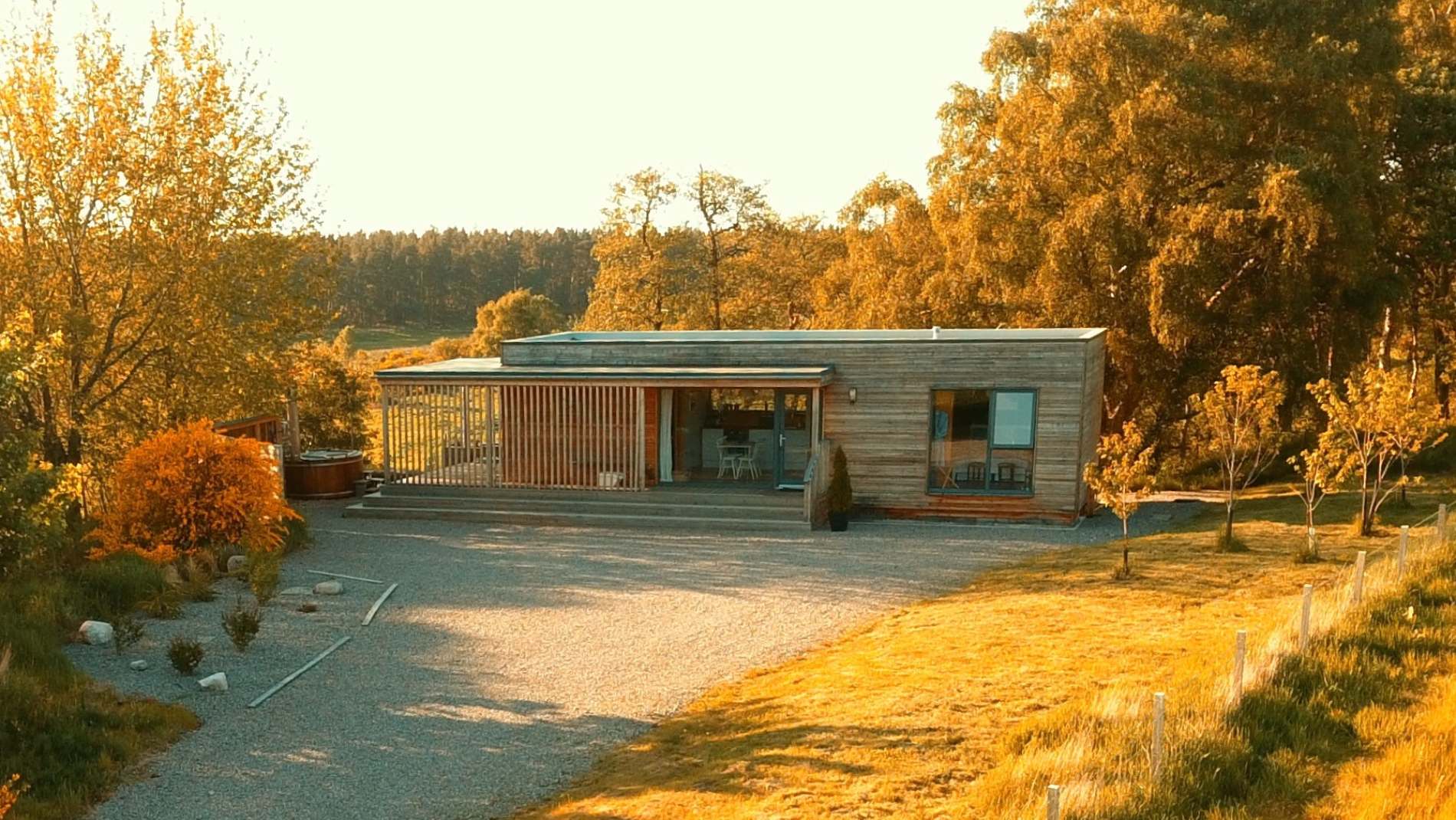 Culbin Edge
- Sleeps 4
- In Ross and Cromarty
- 13 miles from Cromarty lighthouse
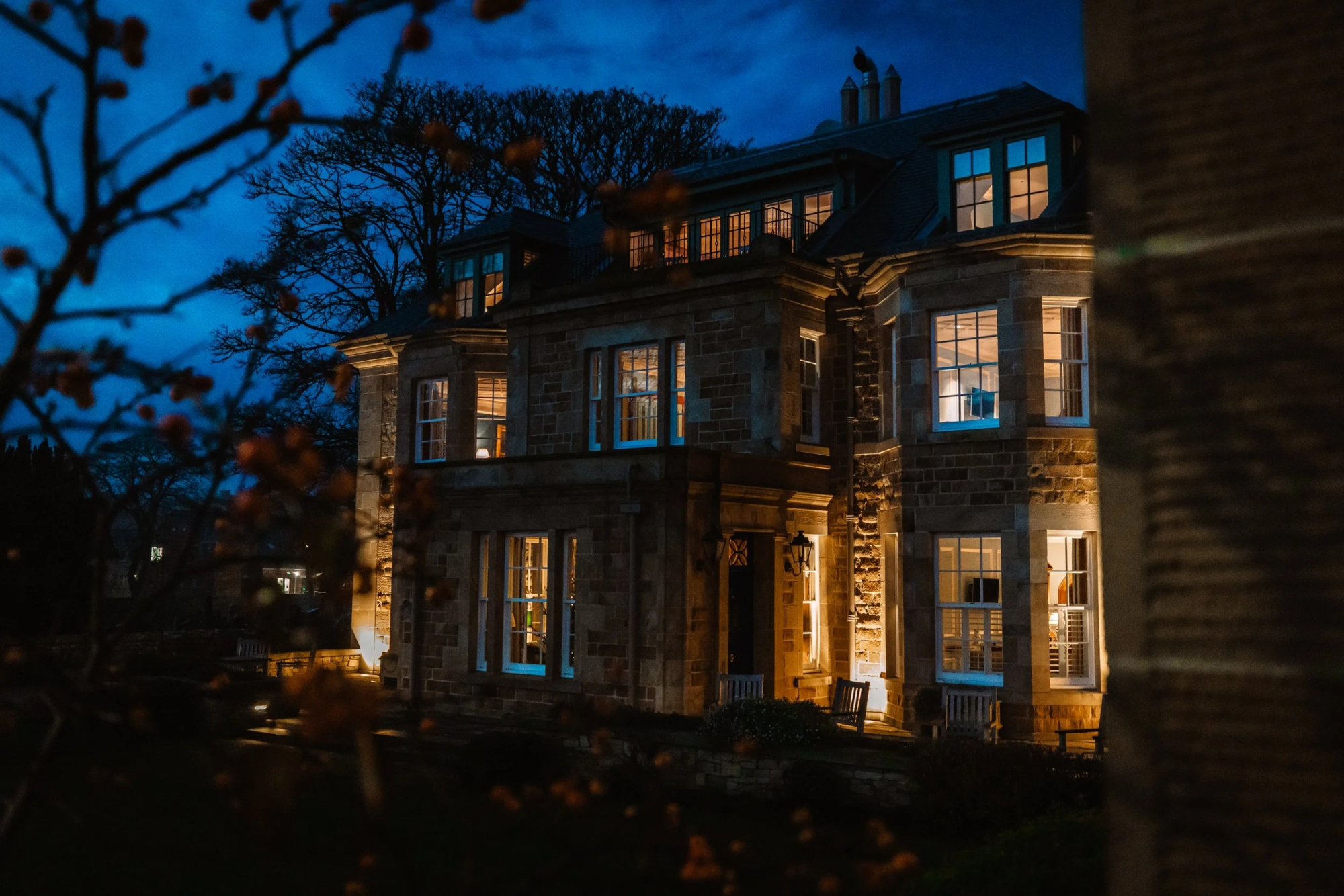 Links House at Royal Dornoch
- To stay
- In Dornoch
- 14 miles from Cromarty lighthouse
Scotland, in print.
Every photograph commissioned, every word written by somebody who went. Printed twice a year, made in Scotland.
For further reading, before you go.
- Cromarty LighthouseIts history and its new use.abdn.ac.ukUniversity of Aberdeen↗
- Lighthouse Field StationThe research on dolphins and seals.abdn.ac.ukUniversity of Aberdeen↗
- CromartyThe town.undiscoveredscotland.co.ukUndiscovered Scotland↗
- Chanonry PointThe dolphins down the coast.undiscoveredscotland.co.ukUndiscovered Scotland↗