
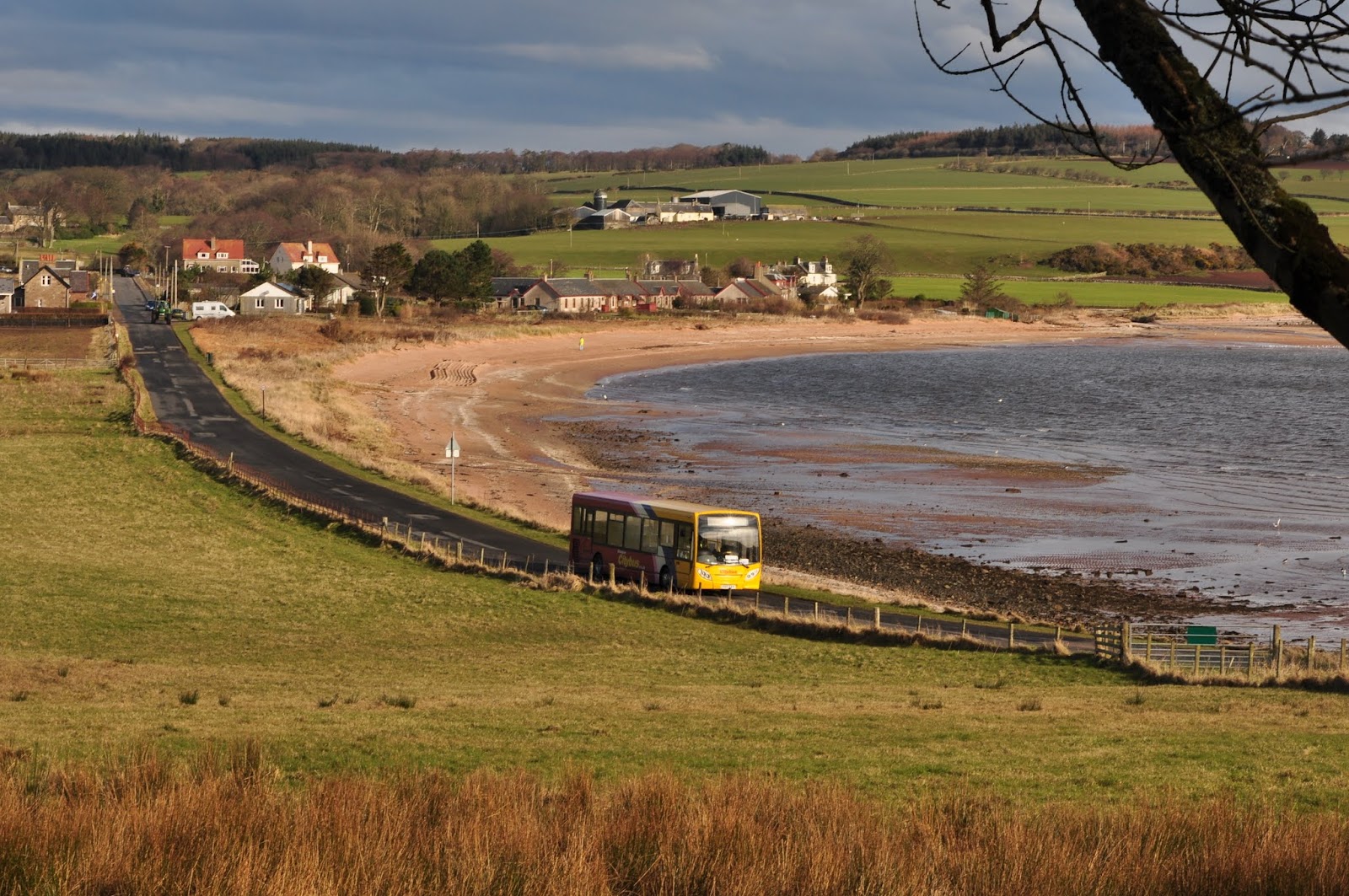
Kilchattan Bay
A Victorian village on a wide bay in the south of Bute, once a tile works and a steamer stop, where the West Island Way begins.
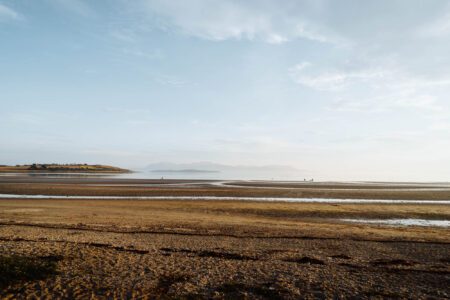
Kilchattan Bay is a line of Victorian houses and villas along the south-west shore of a wide bay in the south of Bute, with sand the colour of the red sandstone around it.
In the mid-1840s the Marquess of Bute set up a tile works here, using the local clay, and by the late 1800s it was turning out a million and a quarter tiles and half a million bricks a year, most of them shipped from the pier in the bay.
The pier brought visitors too. Steamers from Largs and Millport called here from the late 1800s, and the St Blane's Hotel, built in the same Victorian years, still stands at the south end of the village; the steamers stopped in 1955. Today it is a quiet place, and the south end of the village is the start of the West Island Way, the footpath that runs most of the length of the island.
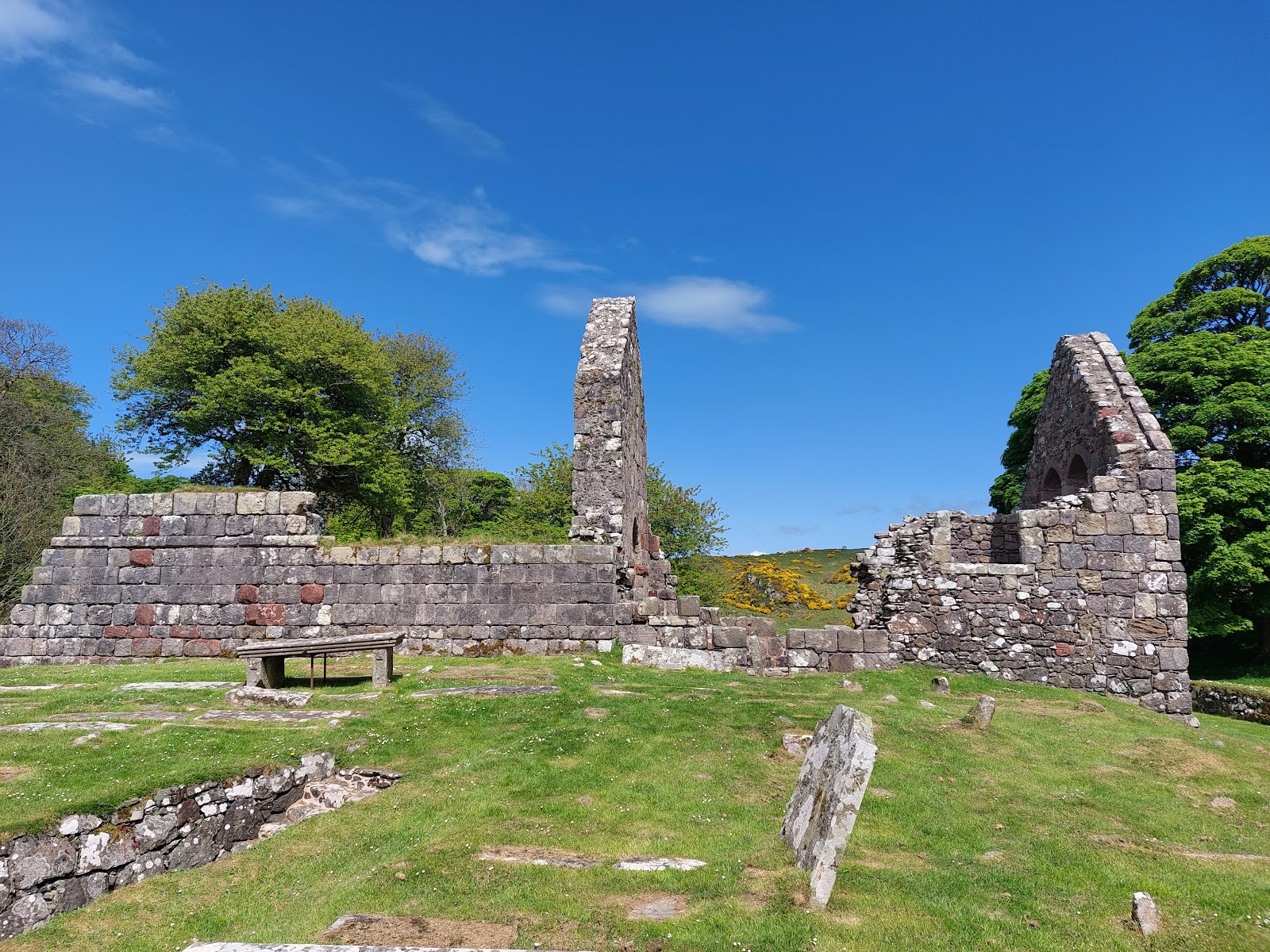
Kilchattan Bay is in the south of Bute, south of Rothesay.
The West Island Way starts at the south end of the village.
- Where
- The south of Bute.
- Walk
- The start of the West Island Way.
The south of Bute.
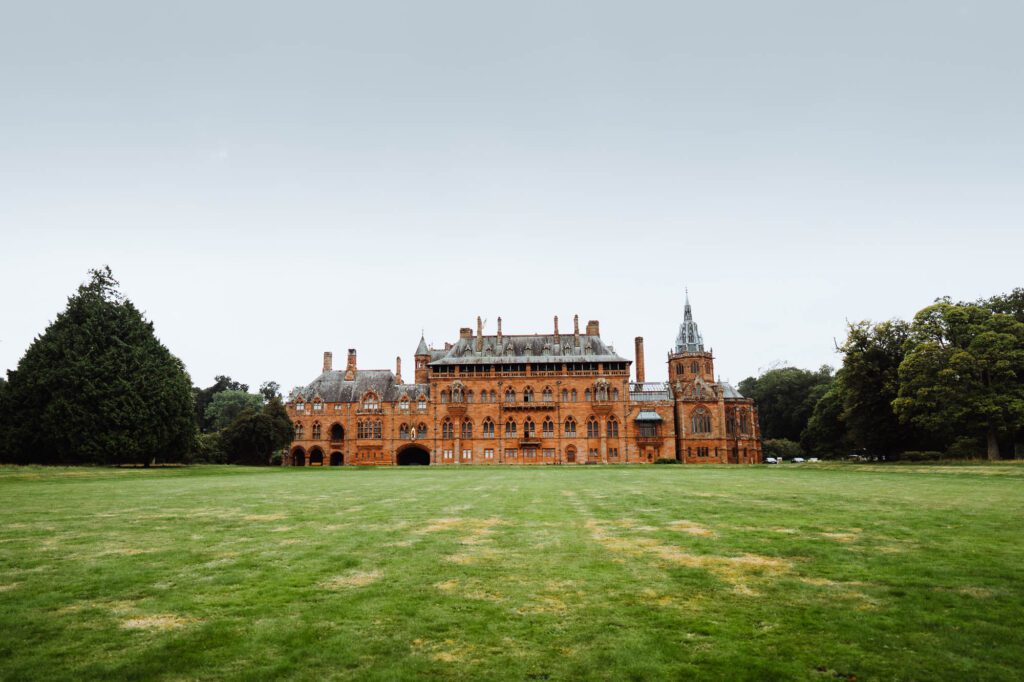 Mount StuartThe red sandstone Gothic mansion of the Marquesses of Bute, with a marble hall and chapel and 300 acres of gardens.4 miles10 min by road
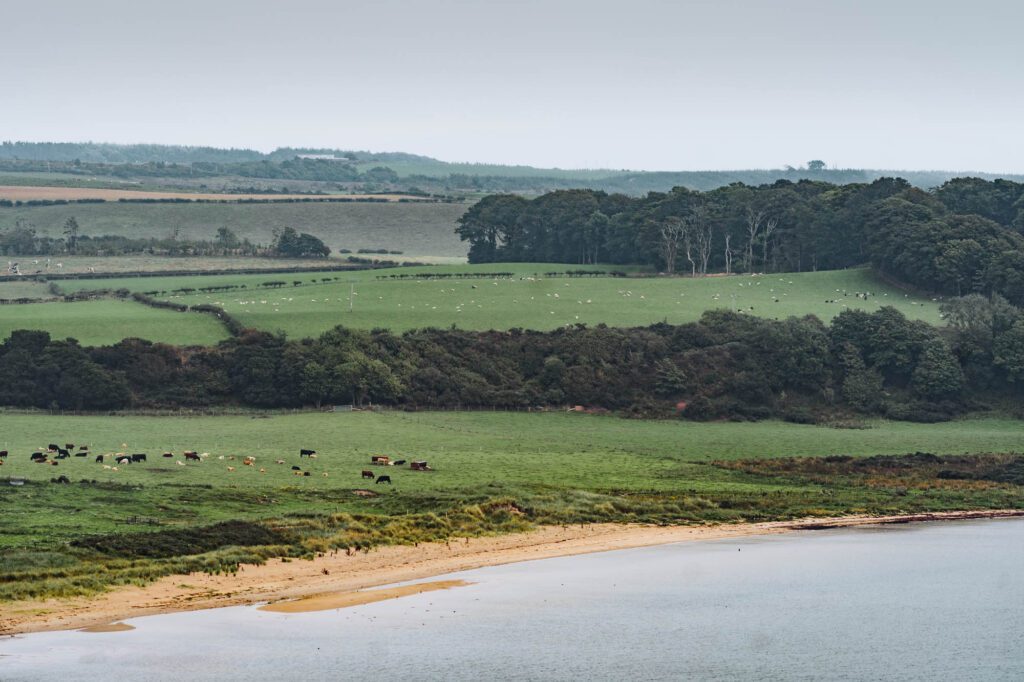 Scalpsie BayA quiet red-sand bay on Bute's west coast, with a seal colony on its rocks and Arran across the water.5 miles9 min by road
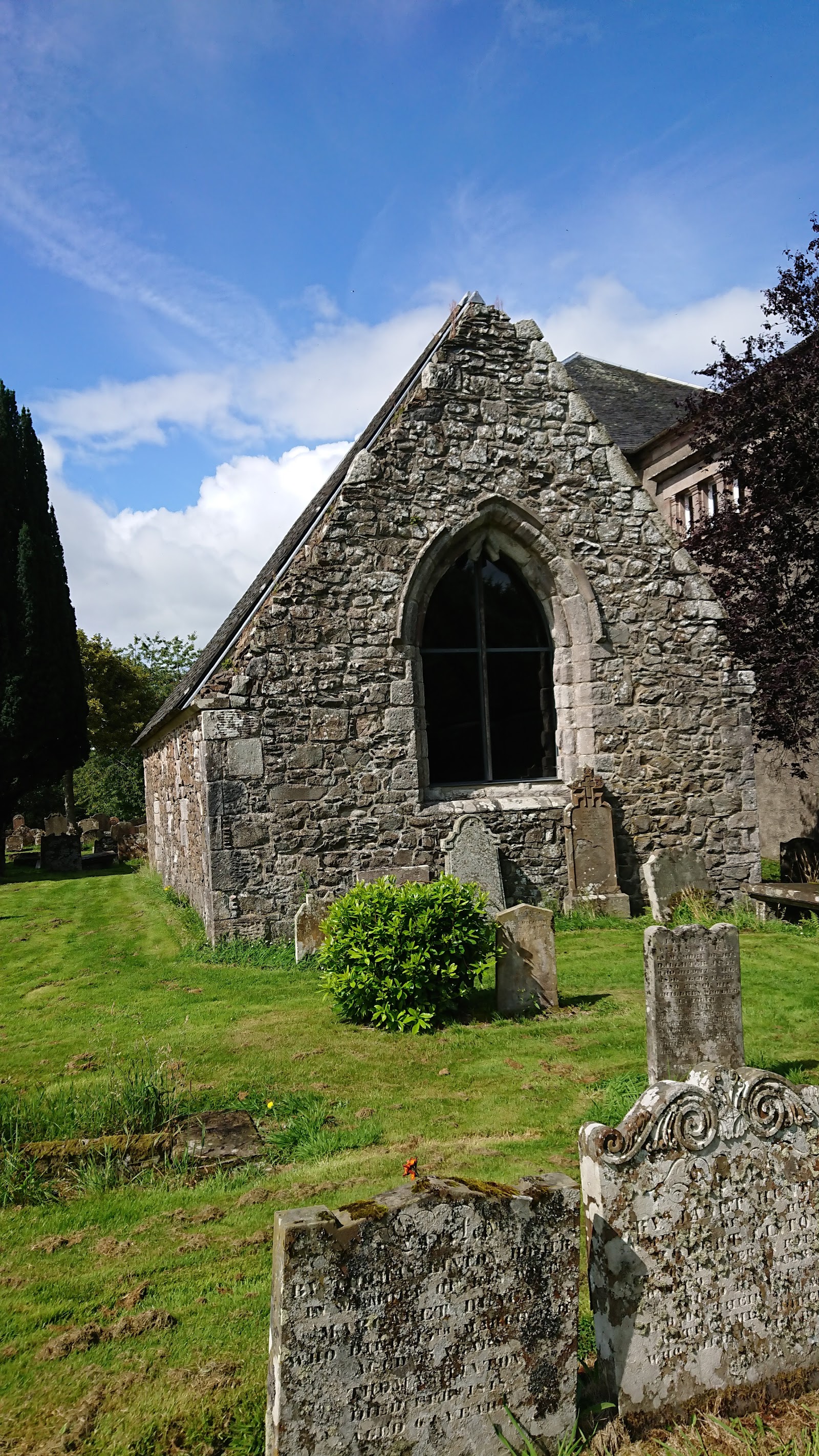 St Mary’s ChapelThe roofless chancel of Rothesay's medieval church, with the canopied tombs of a Stewart knight and an unknown lady.7 miles12 min by road
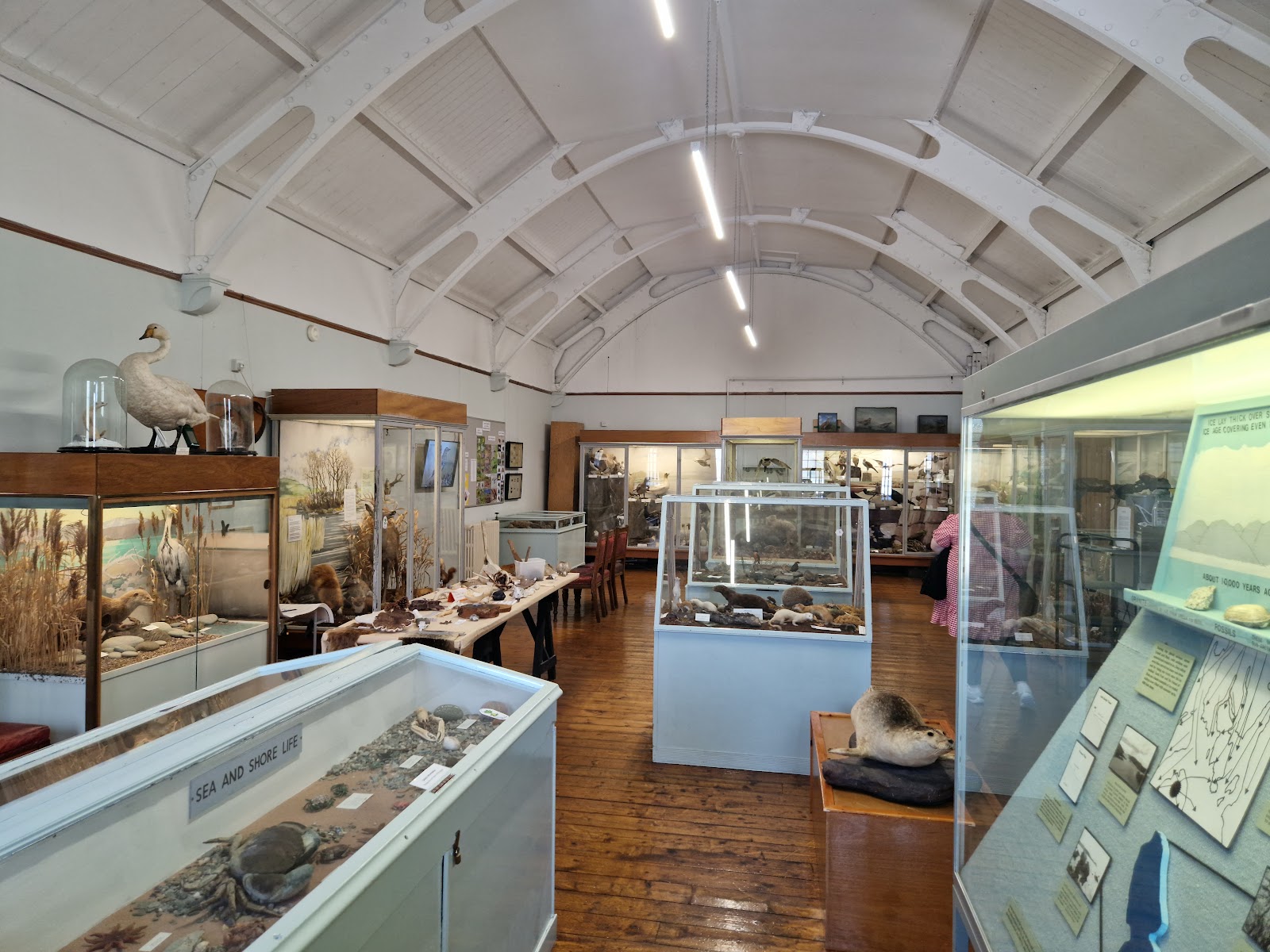 Bute MuseumThe island's own museum on Stuart Street in Rothesay, by the castle, with the archaeology, history and wildlife of Bute.8 miles13 min by road
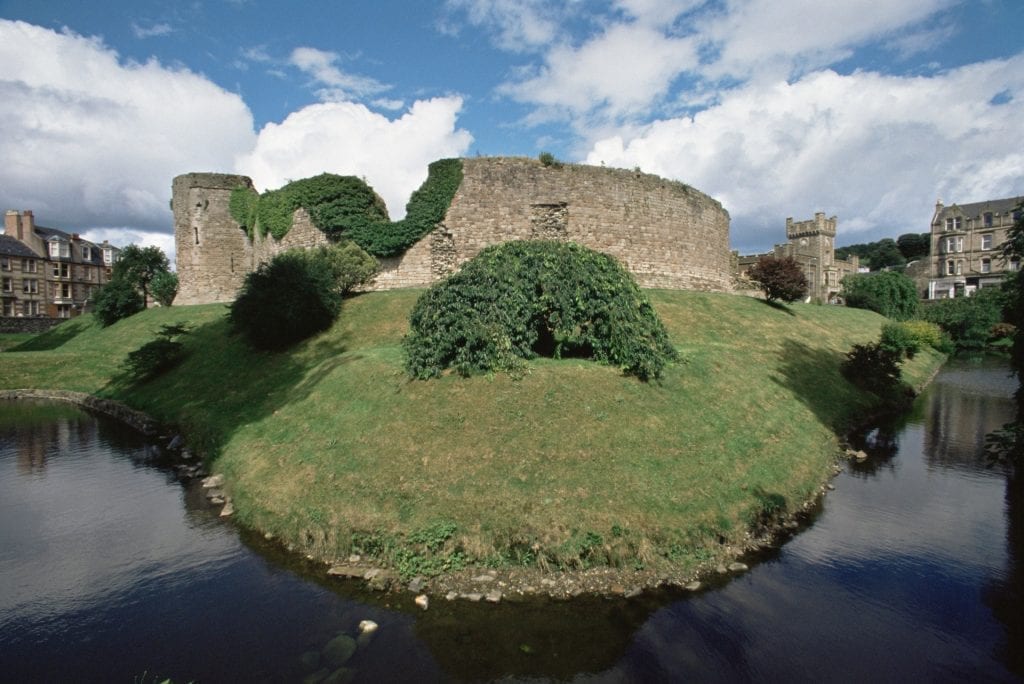 Isle of ButeAn island in the Firth of Clyde, a train and a short ferry from Glasgow, with a round moated castle, Mount Stuart and sandy bays.9 miles14 min by road
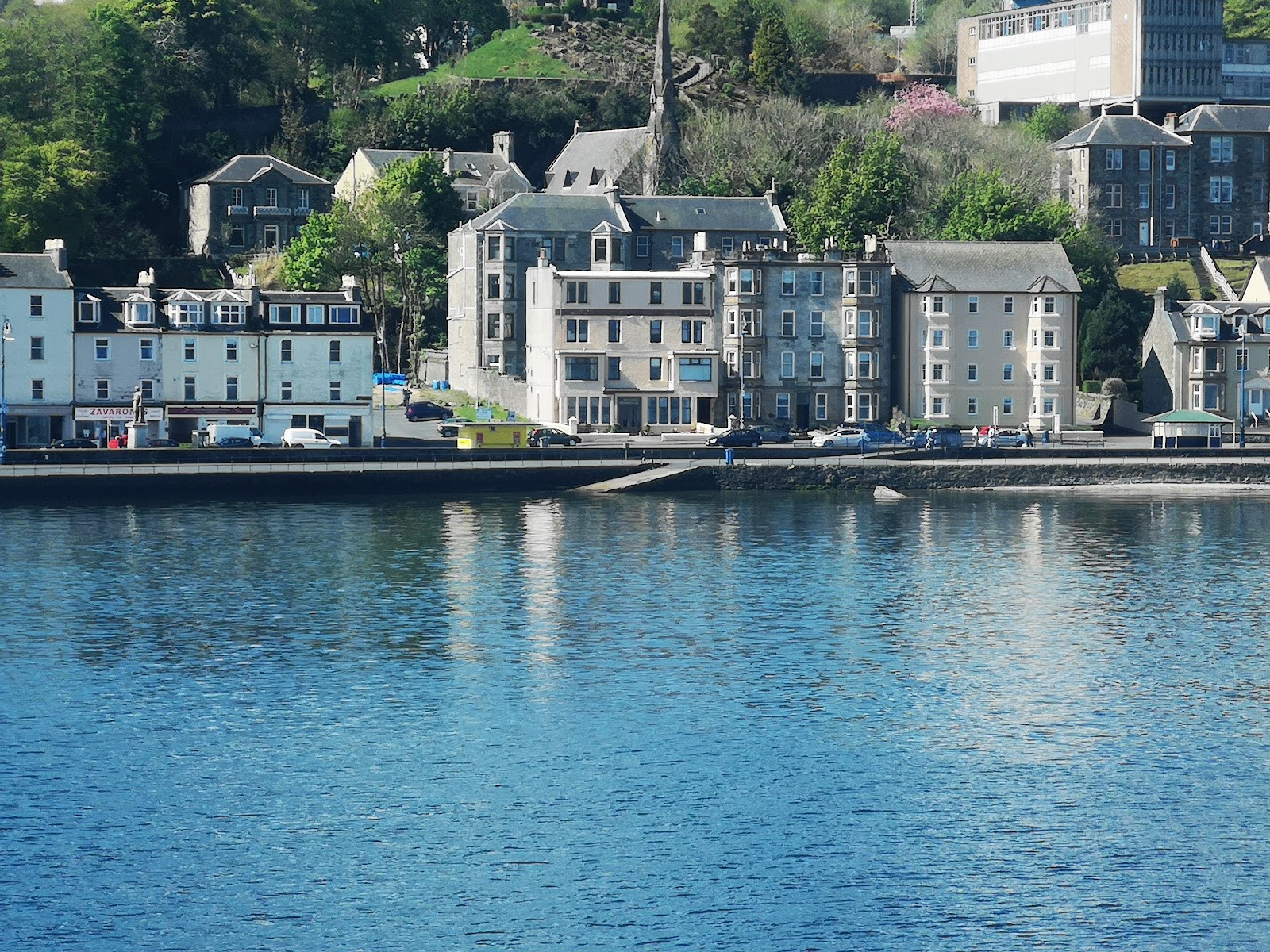
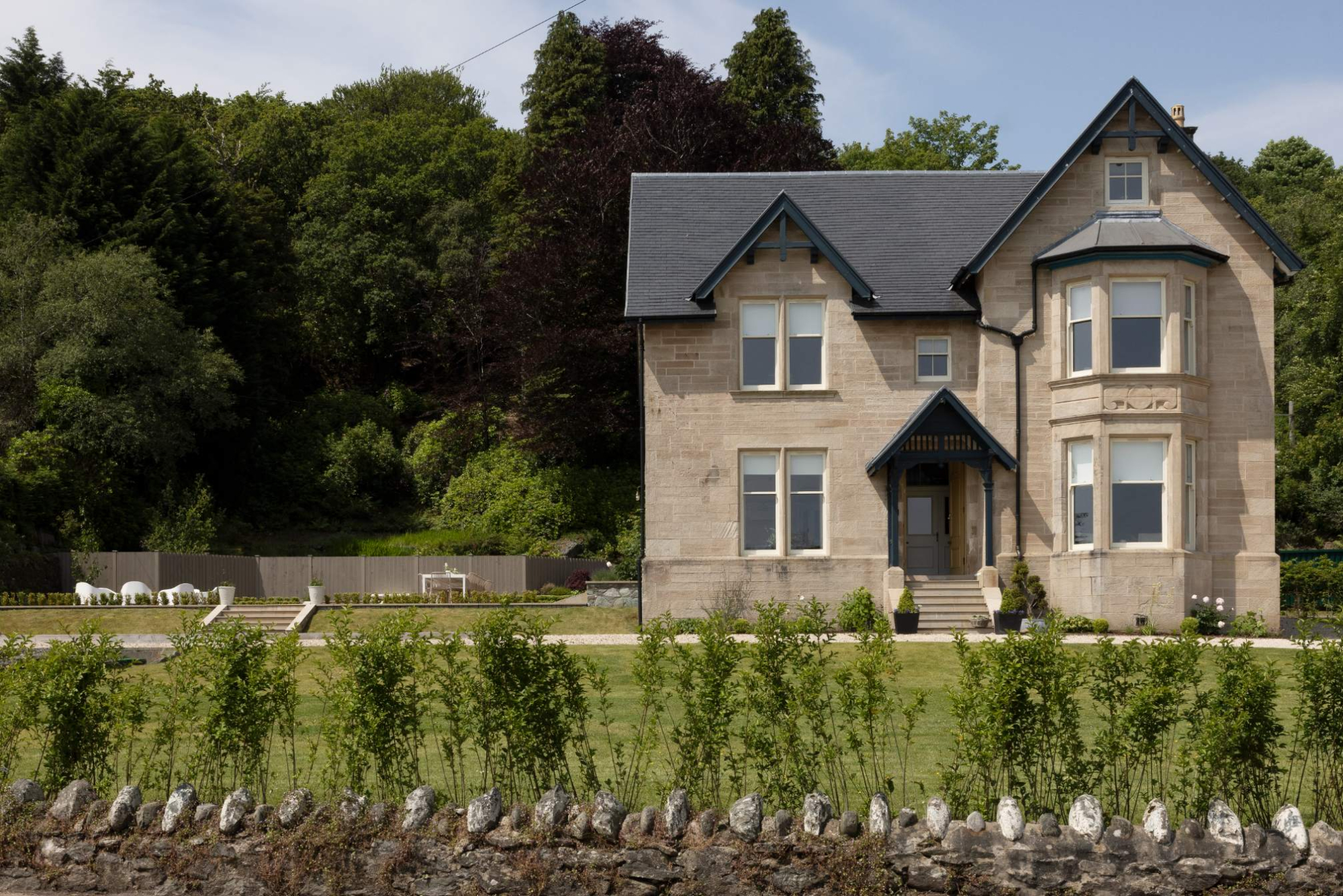
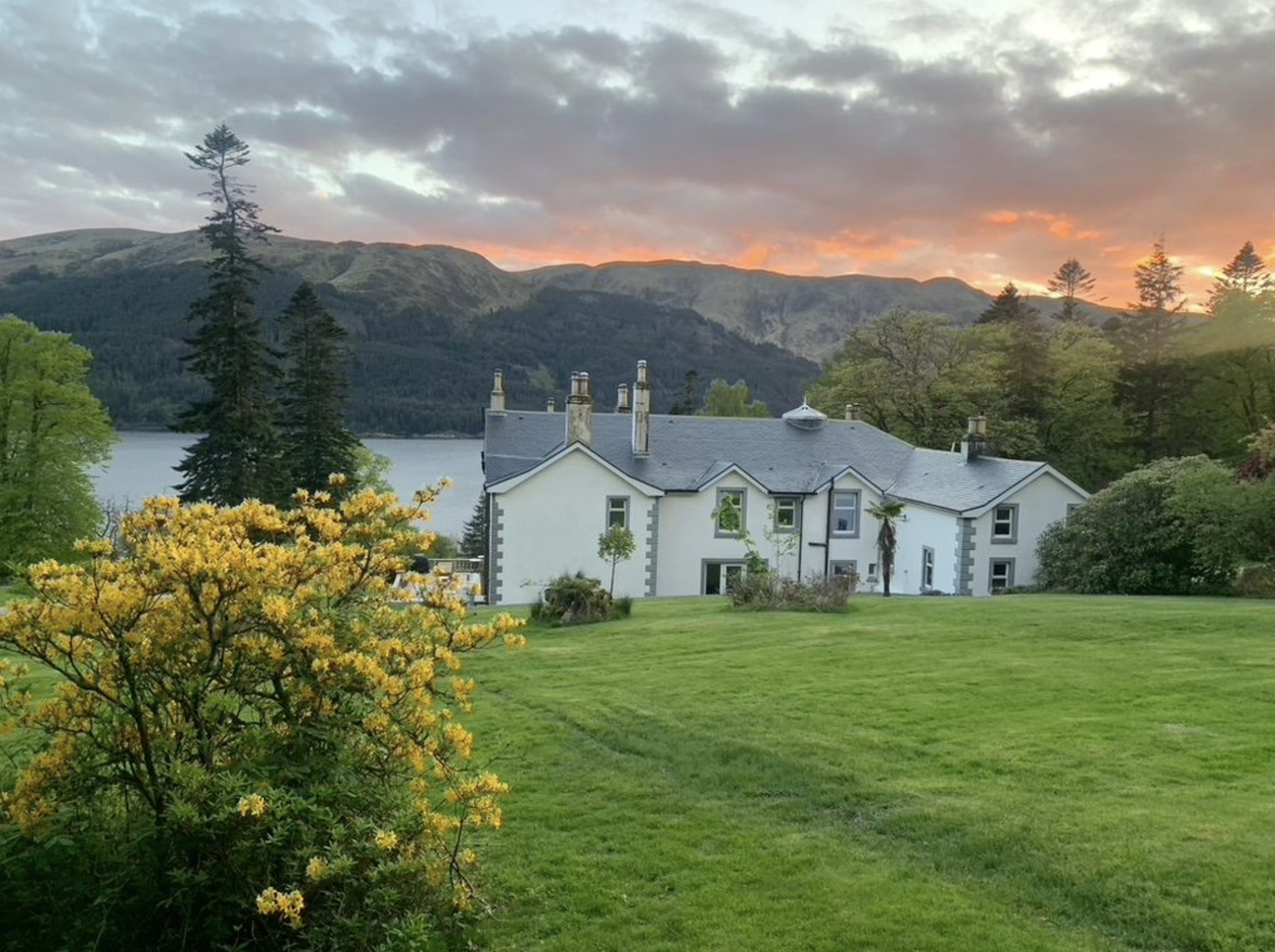
Places to stay near the bay, and when each is next free.
Scotland, in print.
Every photograph commissioned, every word written by somebody who went. Printed twice a year, made in Scotland.
For further reading, before you go.