
Skye Makers' Trail – the Studios and the Cafés Between Them
Two days by car, from Kyle of Lochalsh to Portree.
The route
Skye is full of people who make things, and the best way to meet them is where the work is done: at the wheel, the loom or the press.
This two-day trail follows the island's makers in road order, over the Skye Bridge from Kyle of Lochalsh by Carbost and Dunvegan to Portree, then round Loch Dunvegan to Glendale, with cafés for the breaks. Its thread is wool and cloth, from a hand-spinner in Broadford and a knitting mill at Harlosh to a silk loom by Dunvegan, a sheepskin tannery on Waternish and tweed looms worked by pedal in Glendale. Round them are potters at Harrapool, Edinbane and Loch Bay, a coffee roaster at Carbost, a wood engraver at Colbost and candle makers in Portree. Portree is home for both nights.
Before you go
Both days end in Portree: the first evening coming in from Edinbane, the second back from Glendale. The second morning starts there too, at the candle company and, on a Thursday, the stalls in Somerled Square.
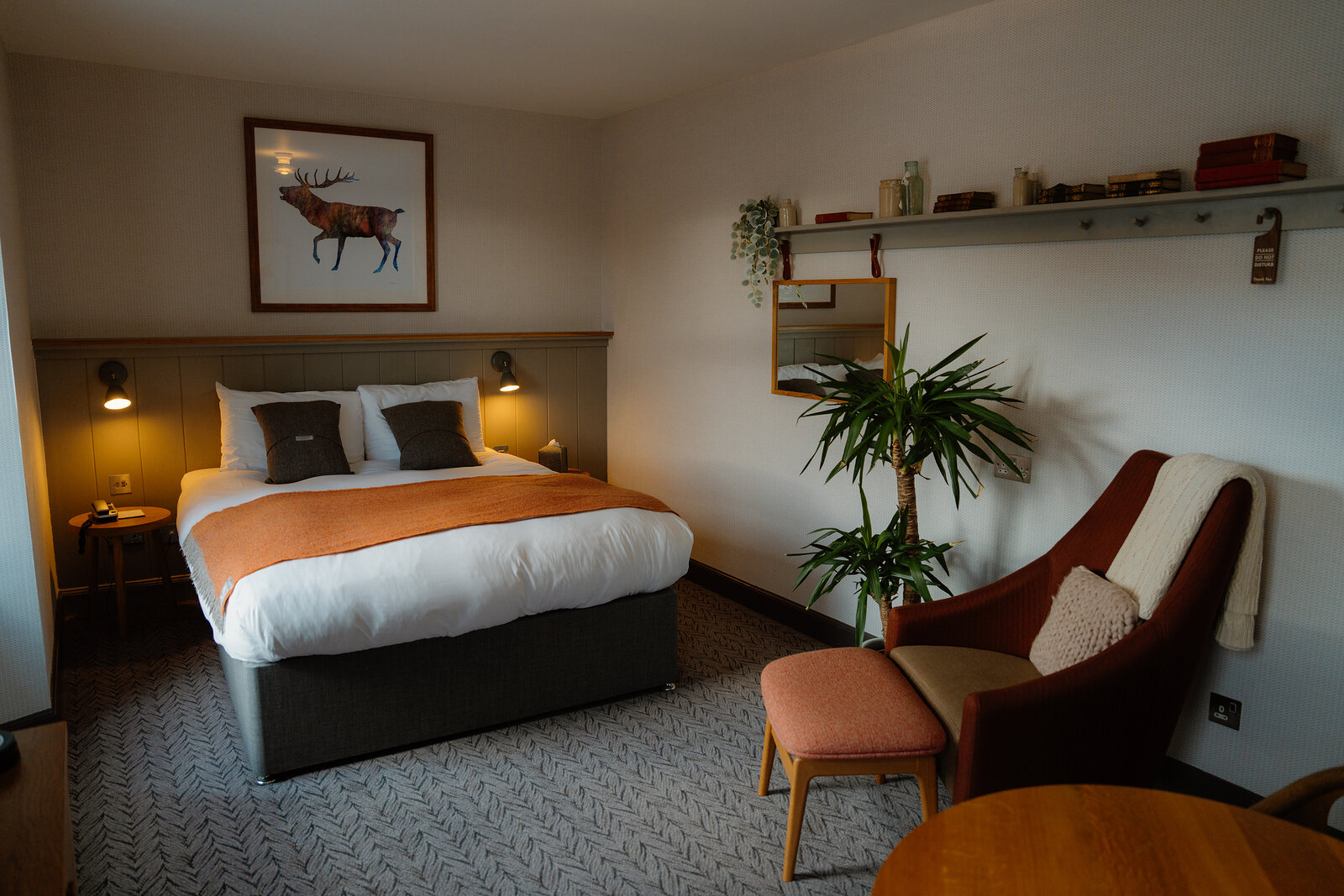 PortreeThe BosvilleA hotel
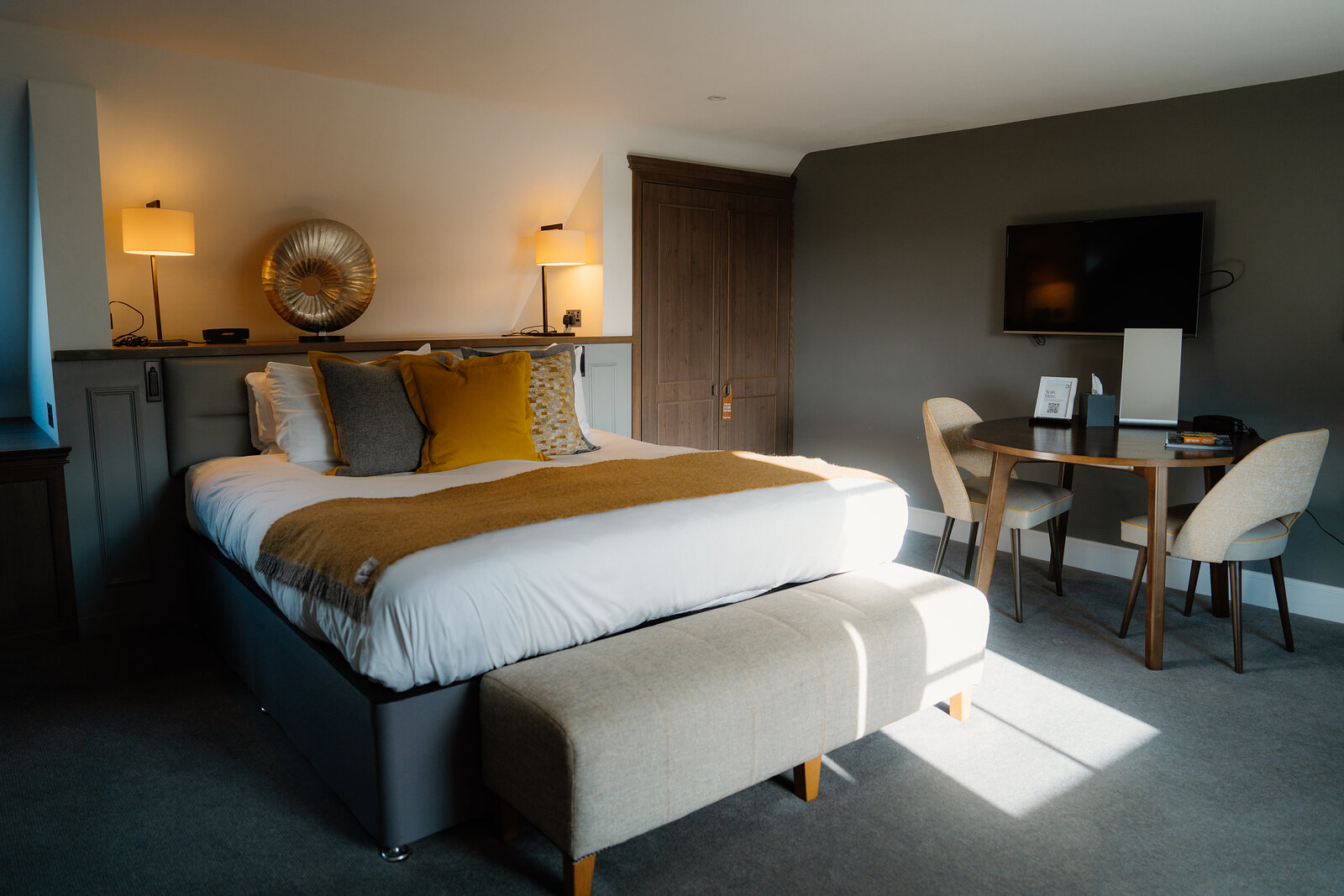 PortreeMarmalade HotelA hotel
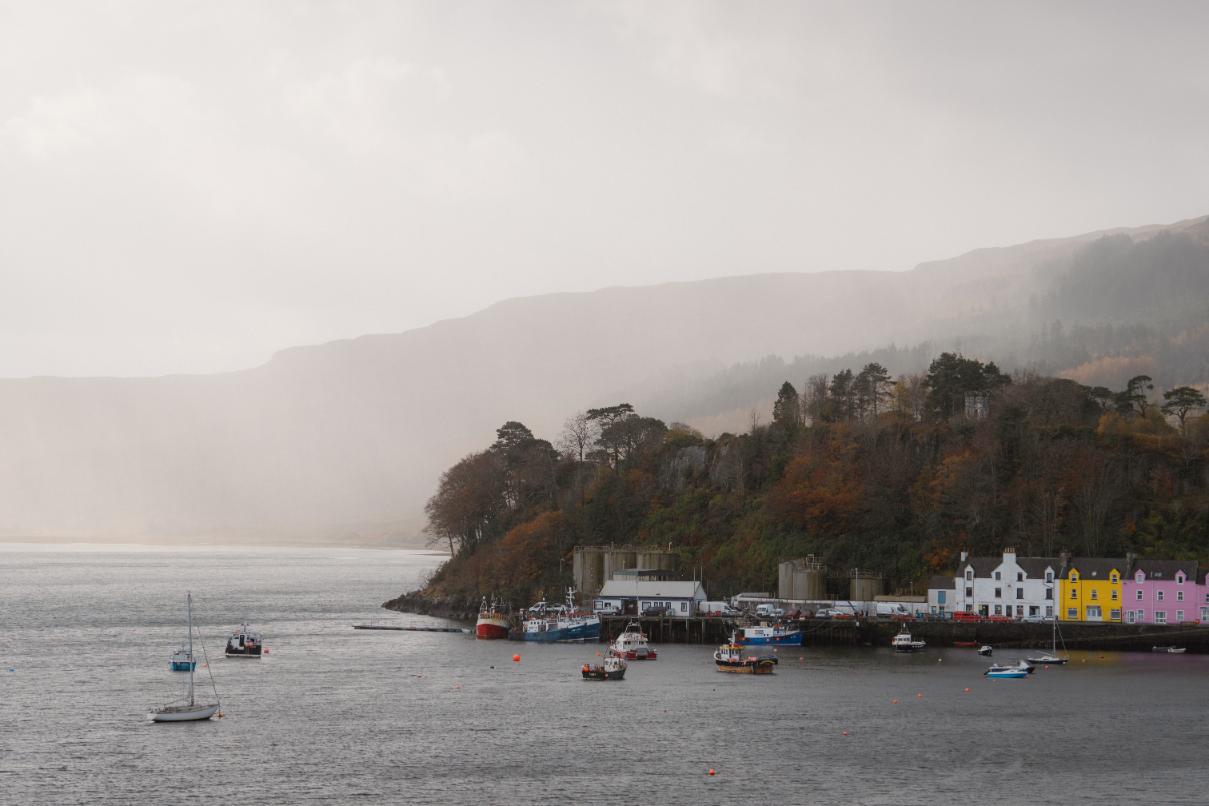 PortreeCuillin Hills HotelA hotel
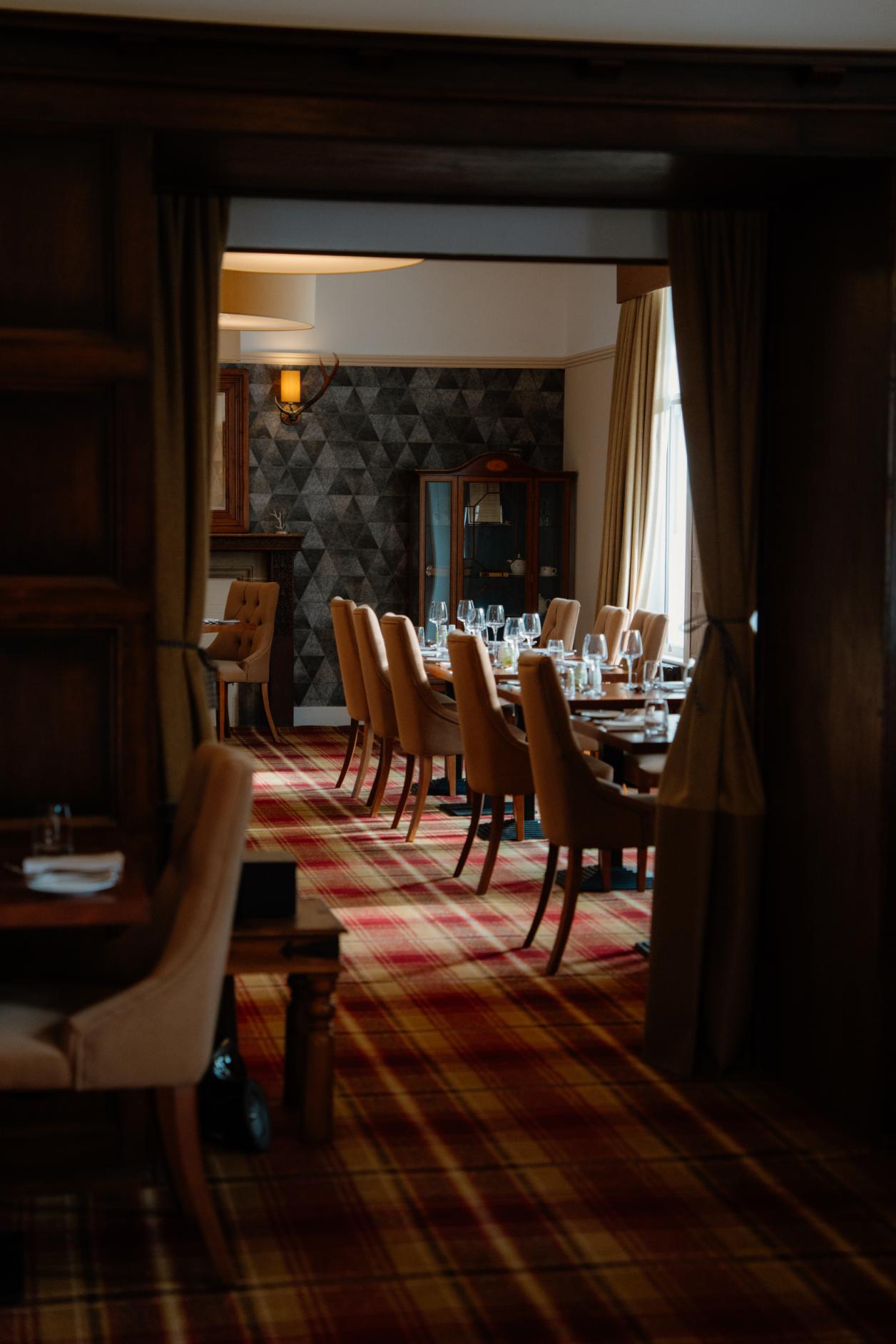 Skeabost BridgeSkeabost House HotelA hotel
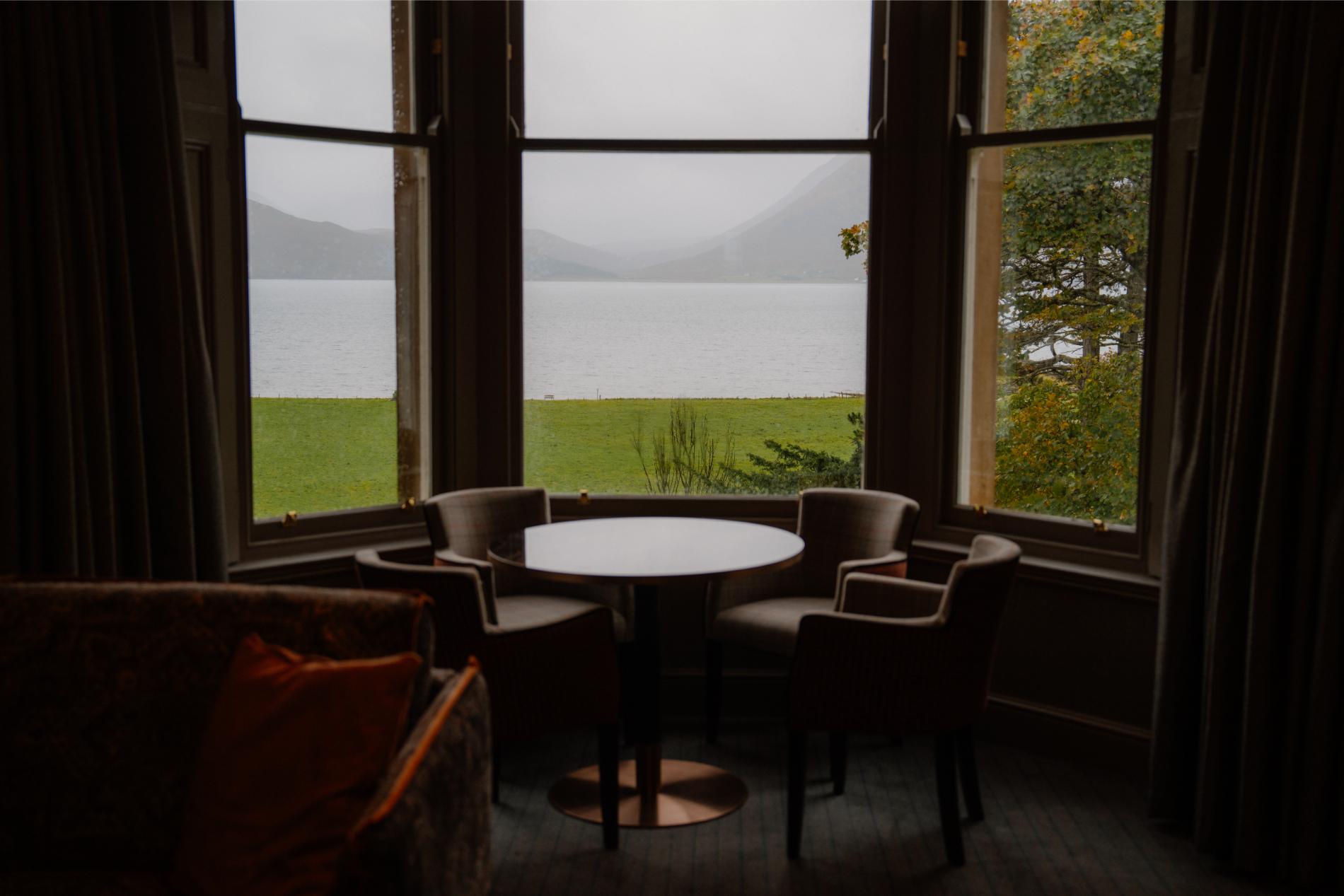 6 miles awayRaasay House HotelA hotel
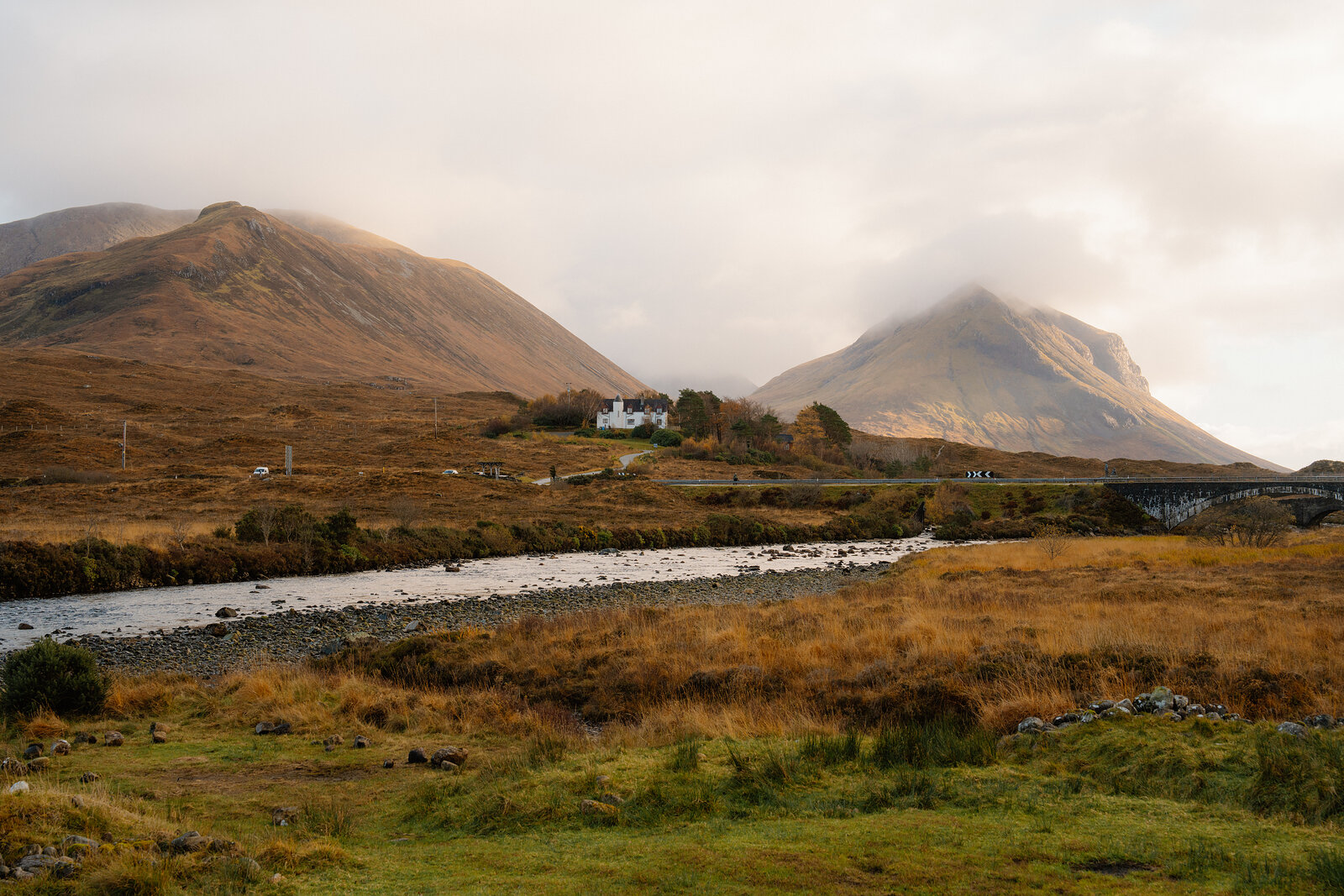 SligachanSligachan CampsiteA place to stay
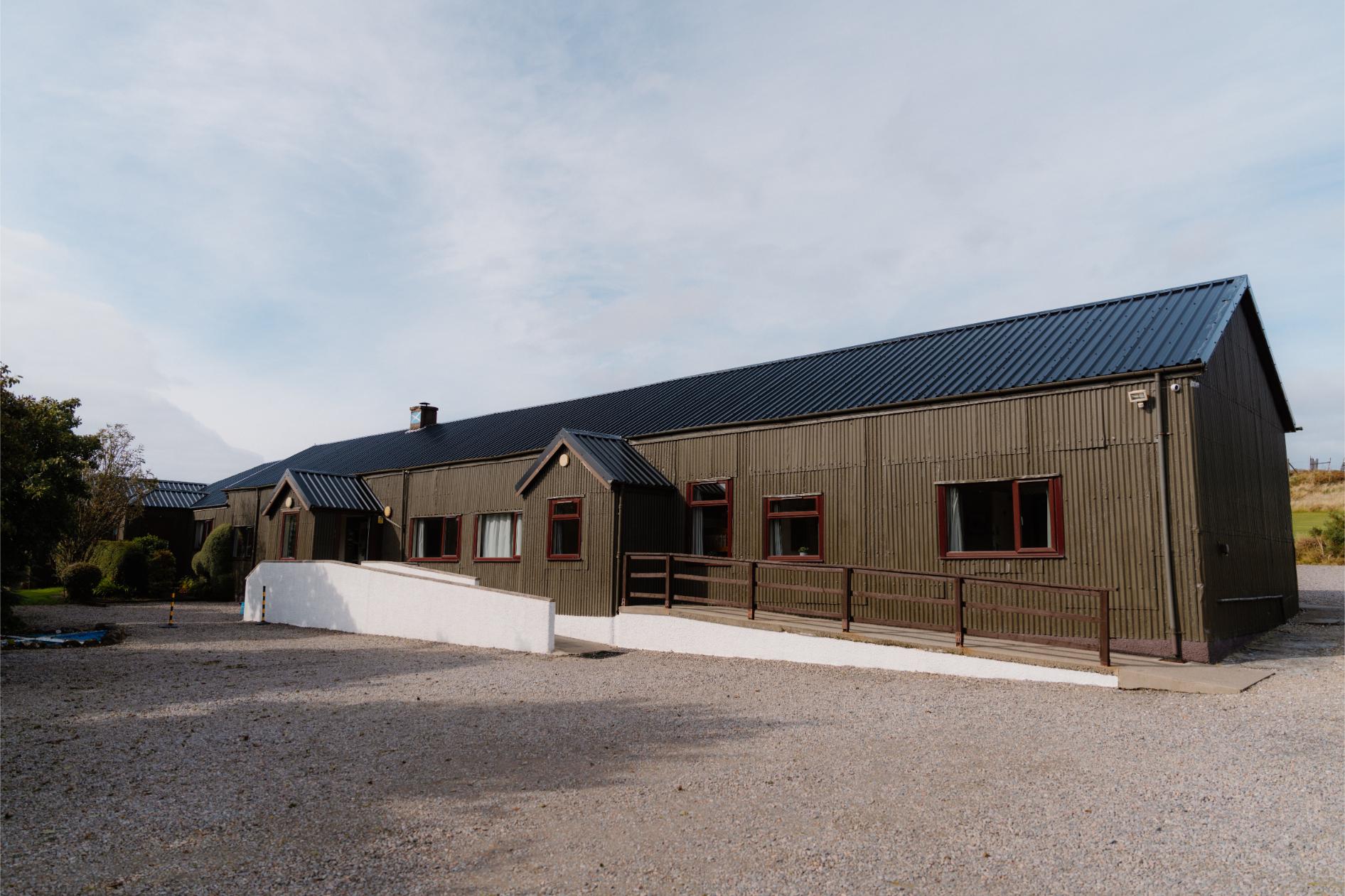 PortnalongSkyewalker HostelSleeps 27
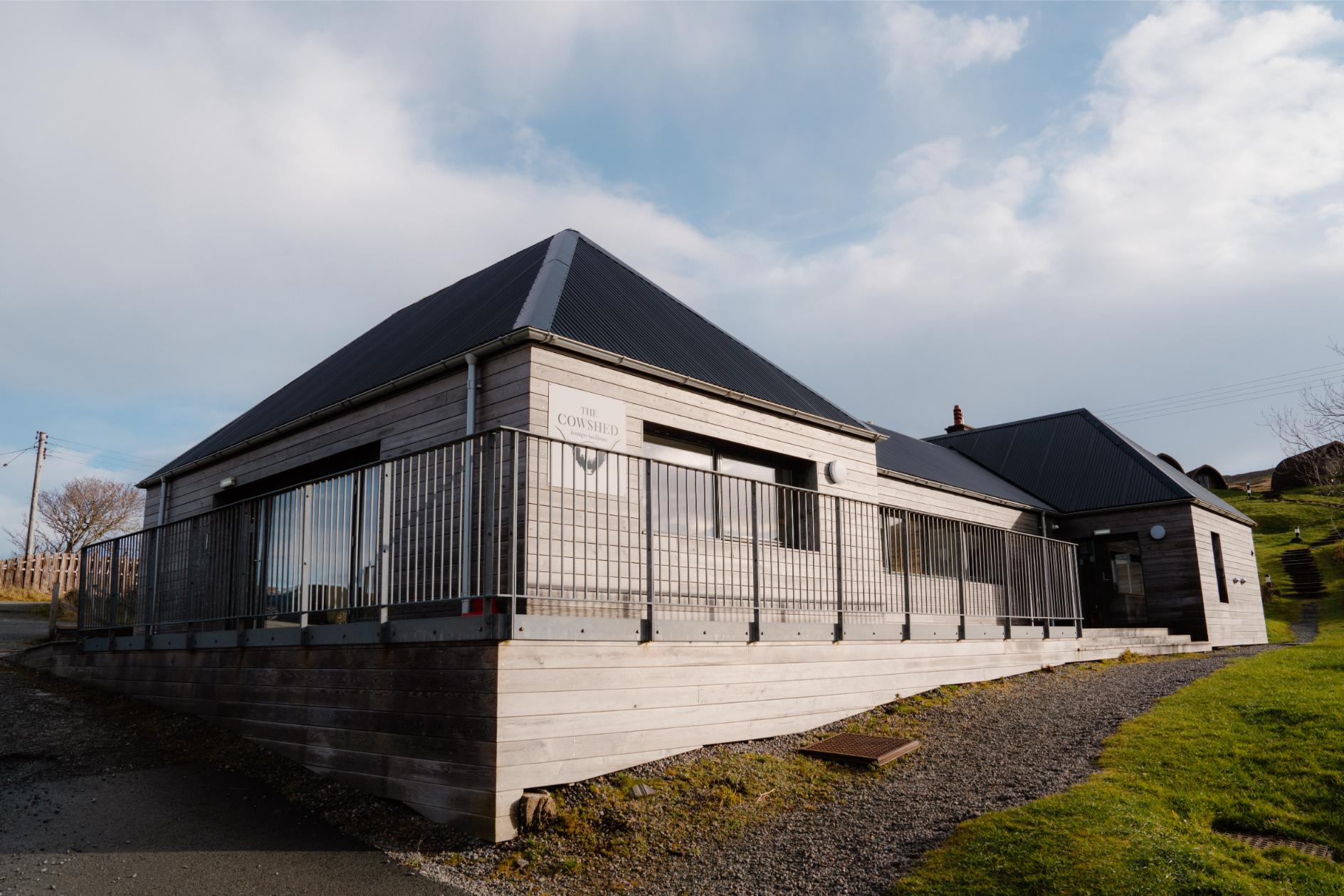 UigThe Cowshed Boutique BunkhouseSleeps 1
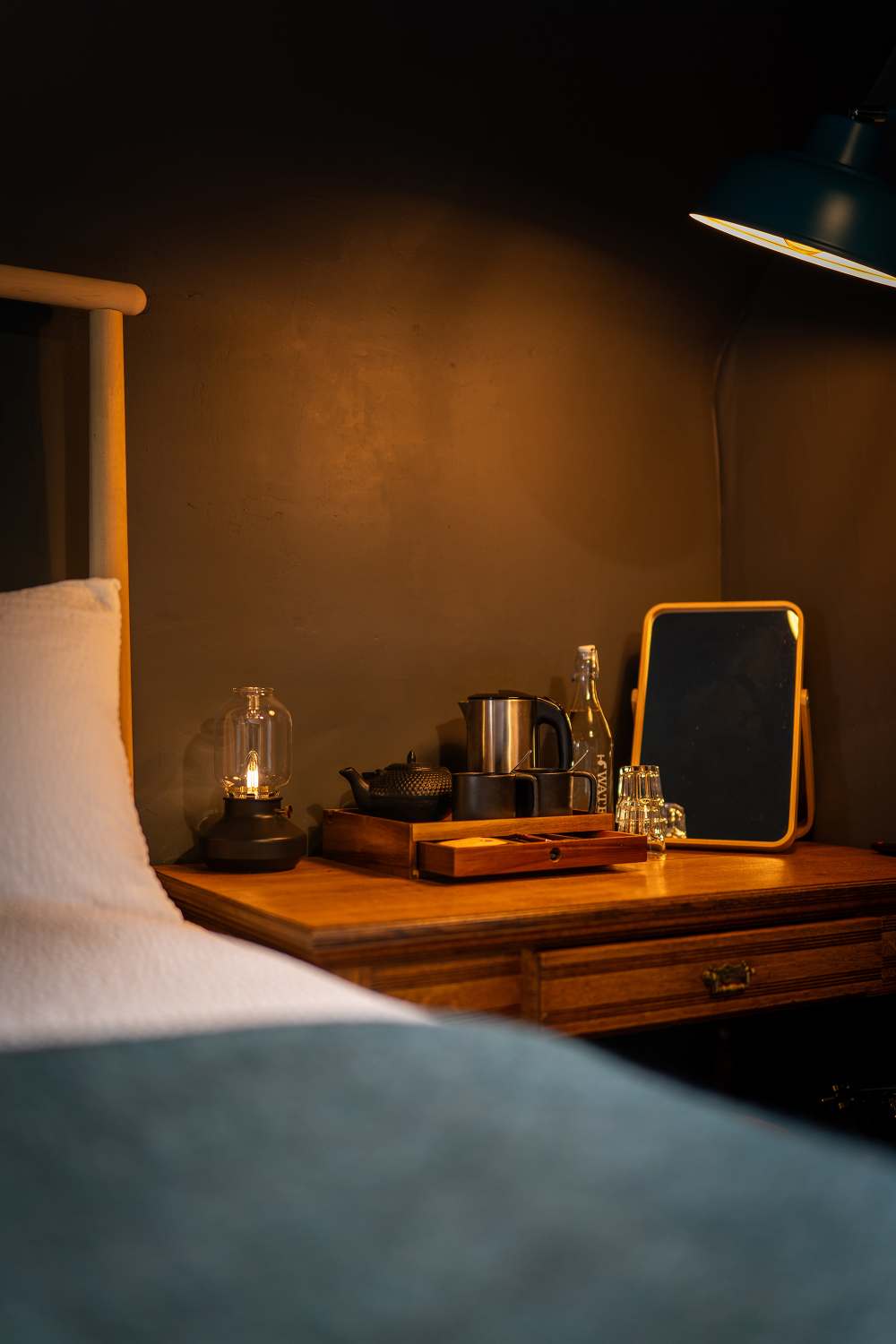 DunveganThe DunveganA place to stay
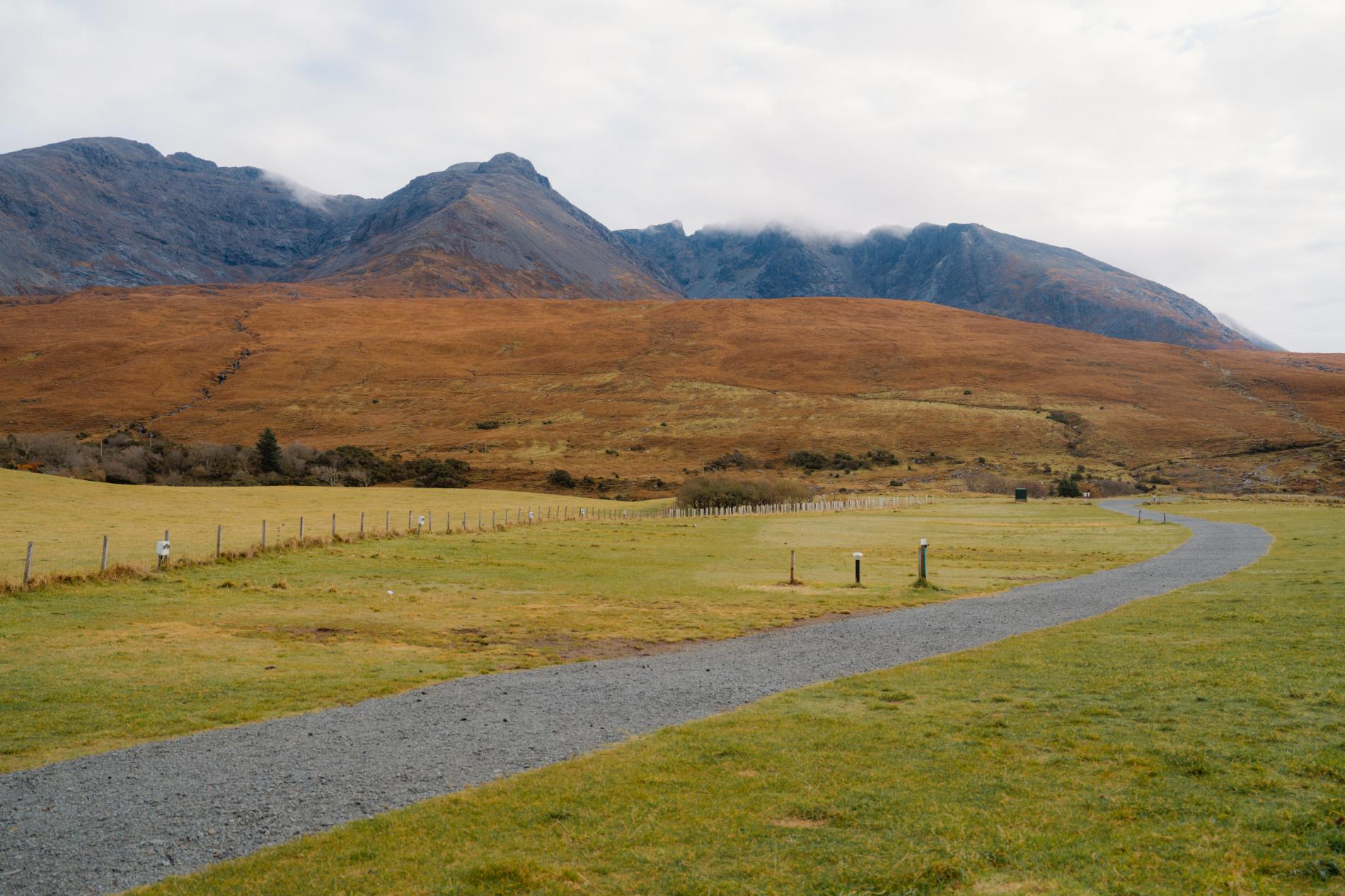 GlenbrittleGlenbrittle CampsiteA place to stay
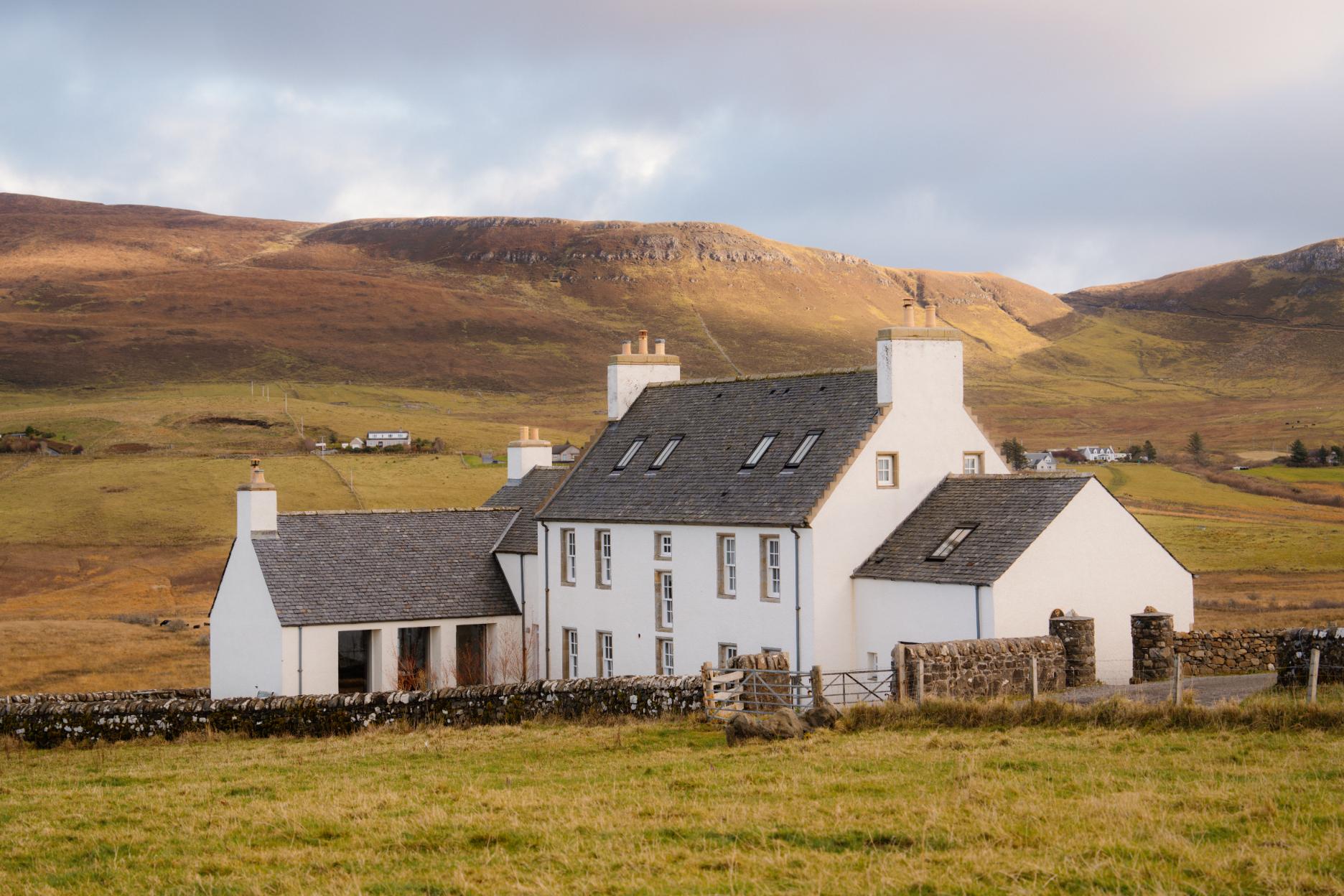 LinicroMonkstadt 1745A place to stay
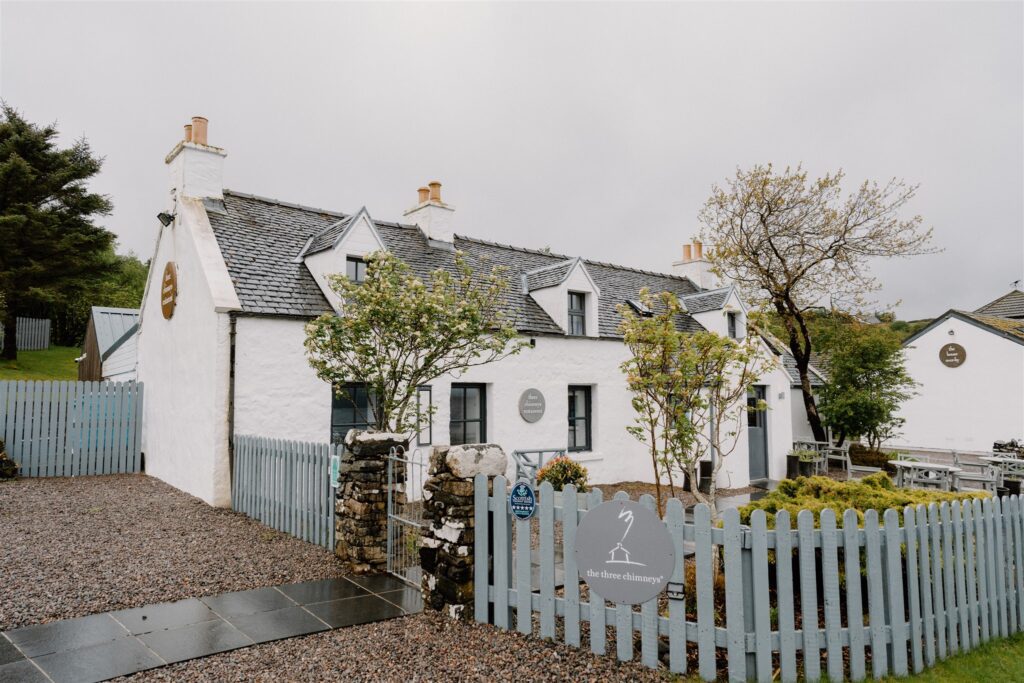 ColbostThe Three ChimneysA place to stay
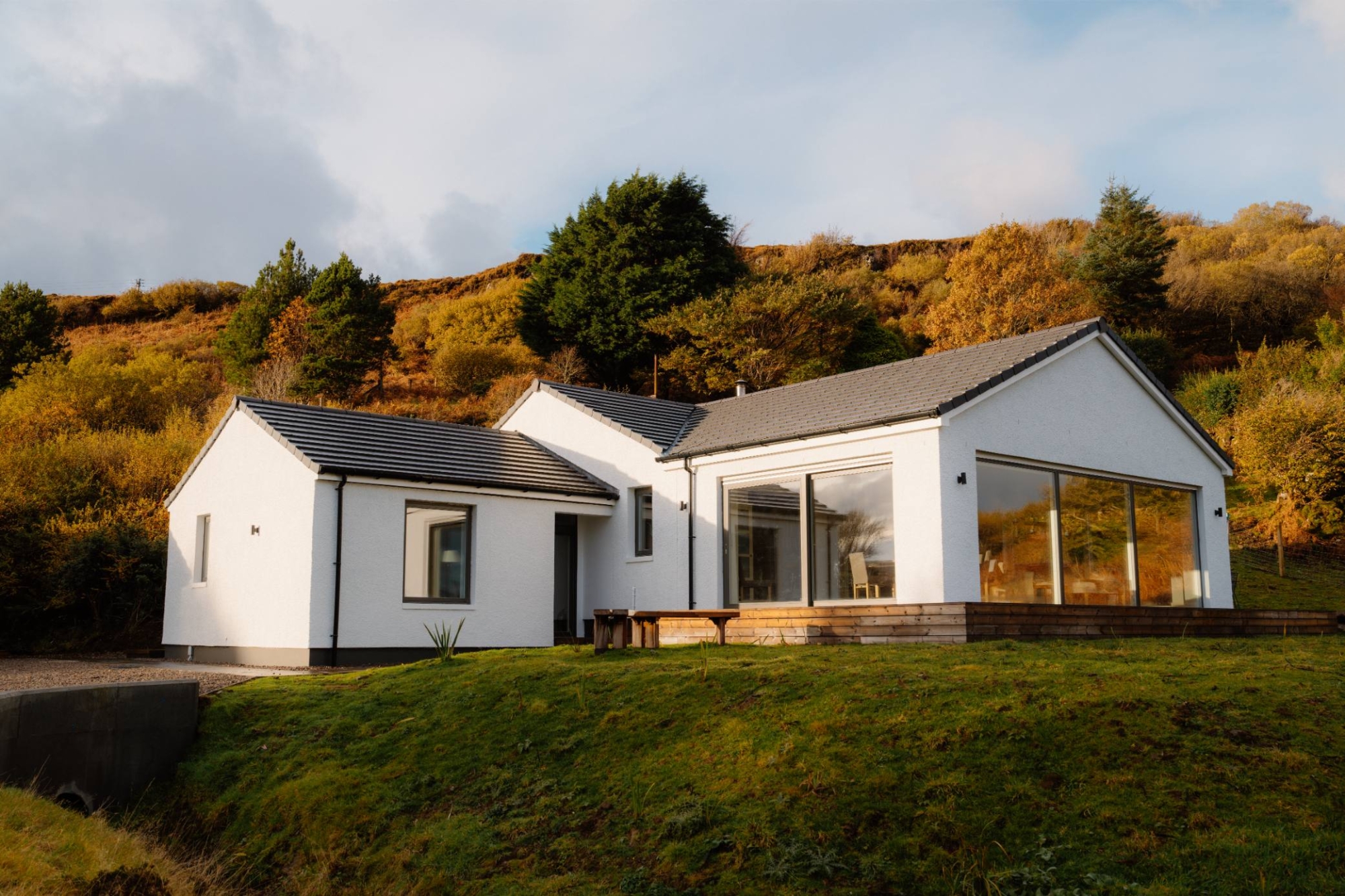 ColbostTigh an TobairSleeps 8
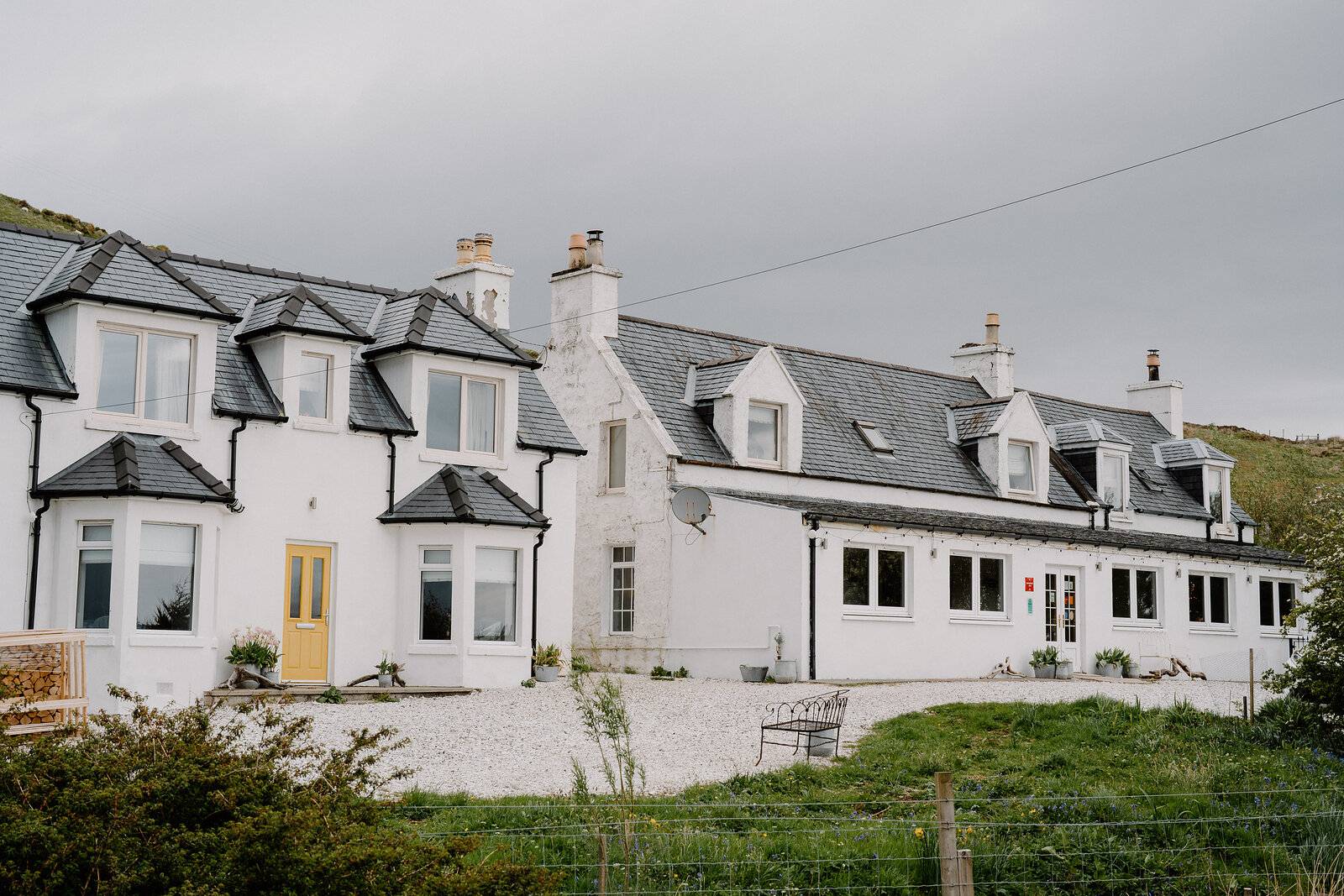 ElgolCoruisk HouseSleeps 4
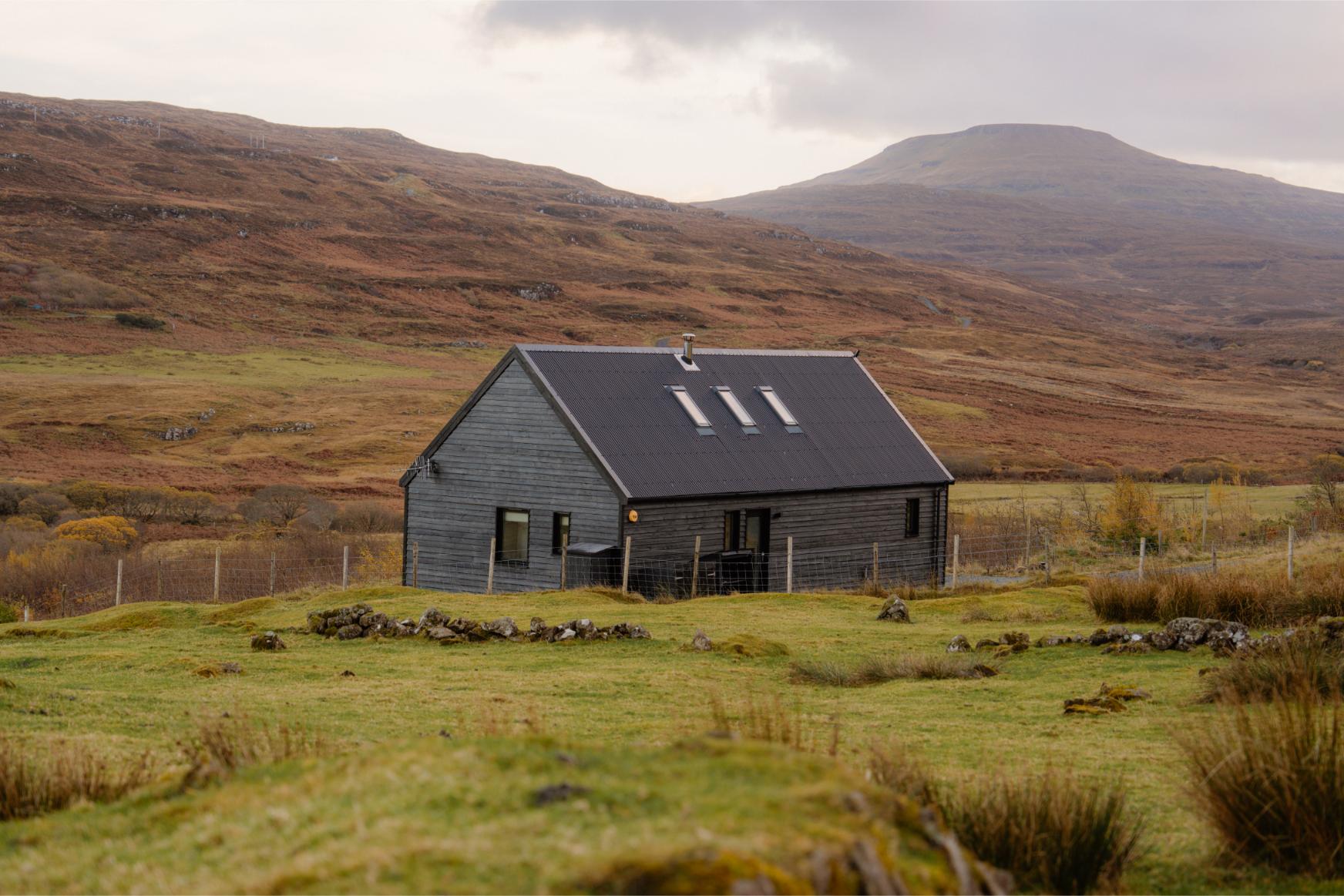 GlendaleBlack Box CabinSleeps 4
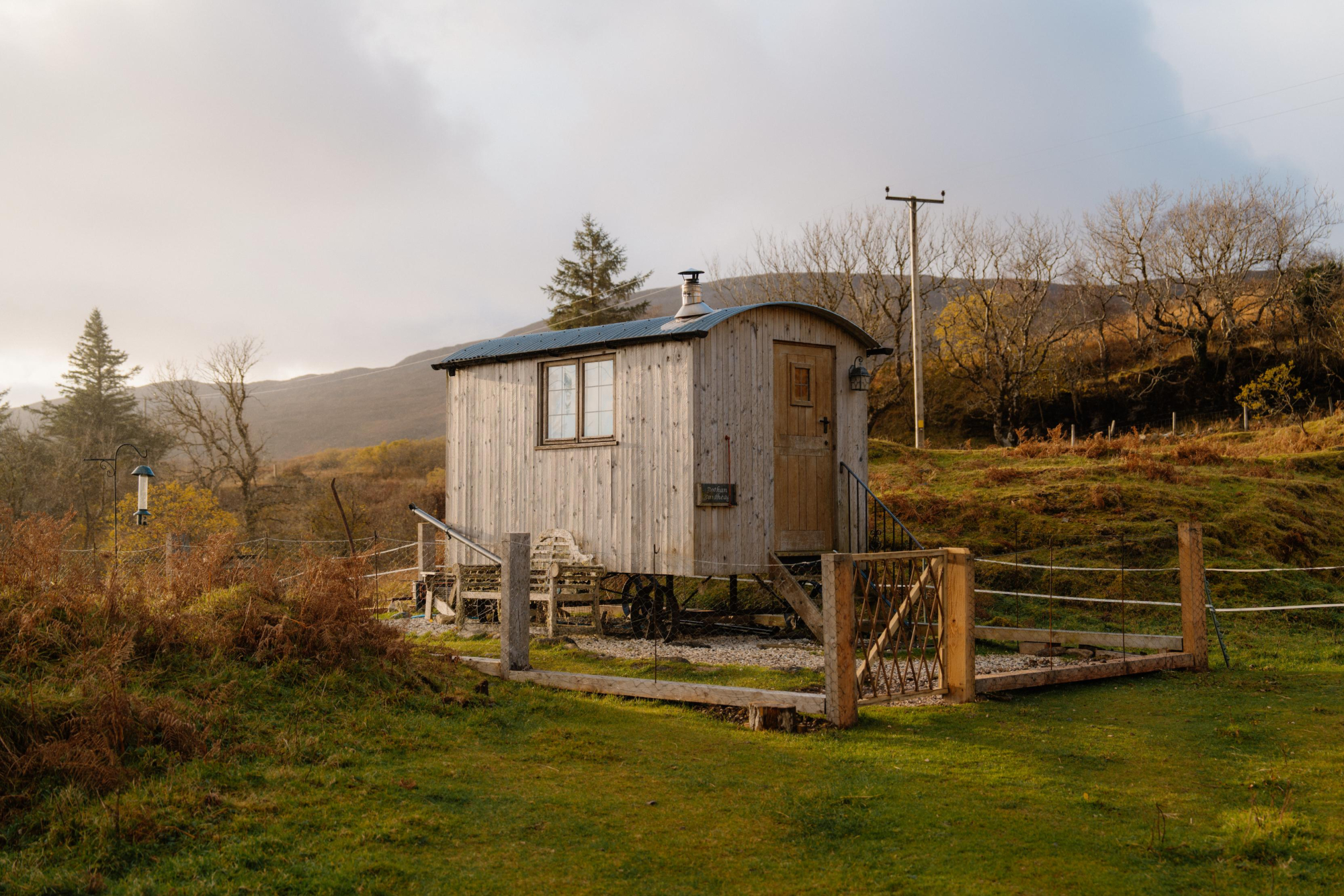 HeastaBothan BeileagSleeps 2
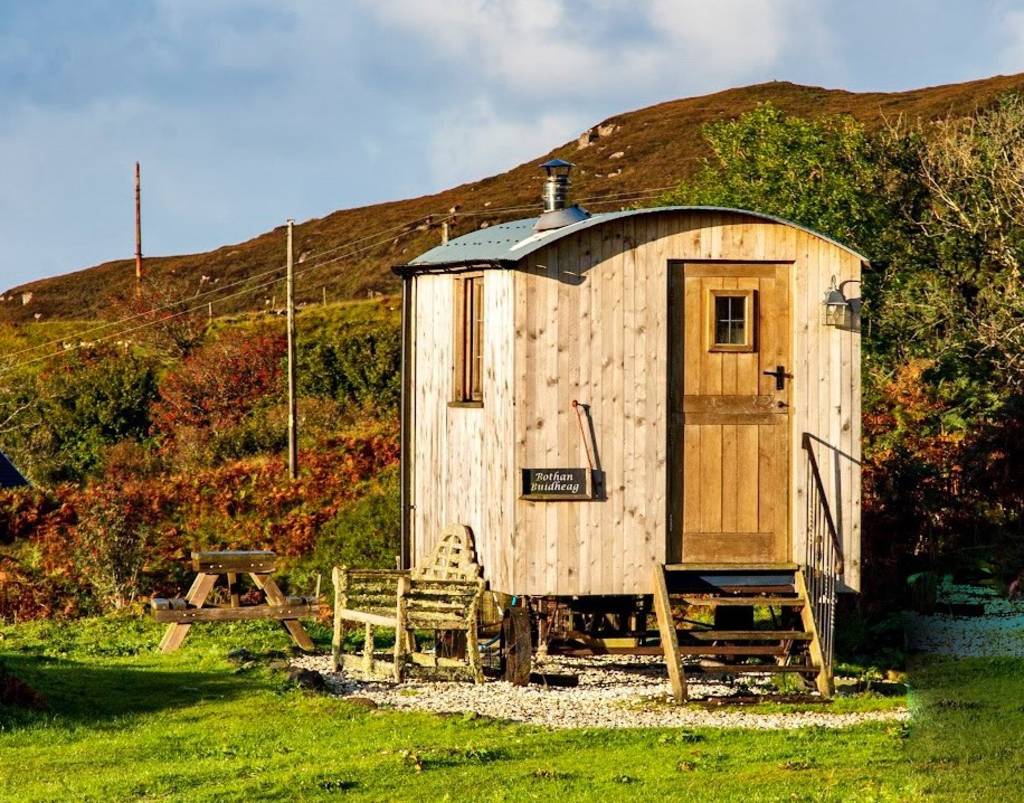 HeastaBothan BuidheagSleeps 2
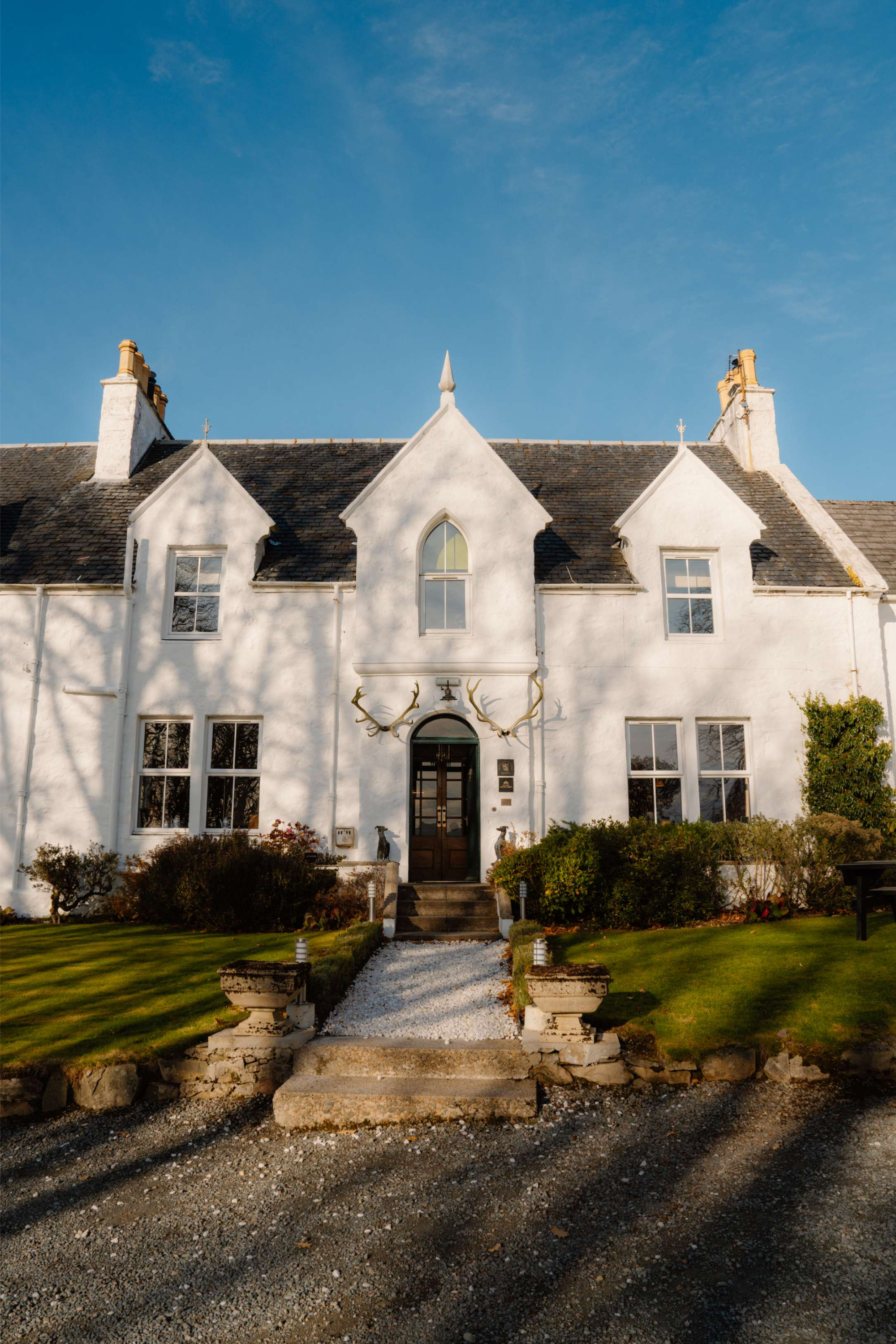 SleatKinloch LodgeA place to stay
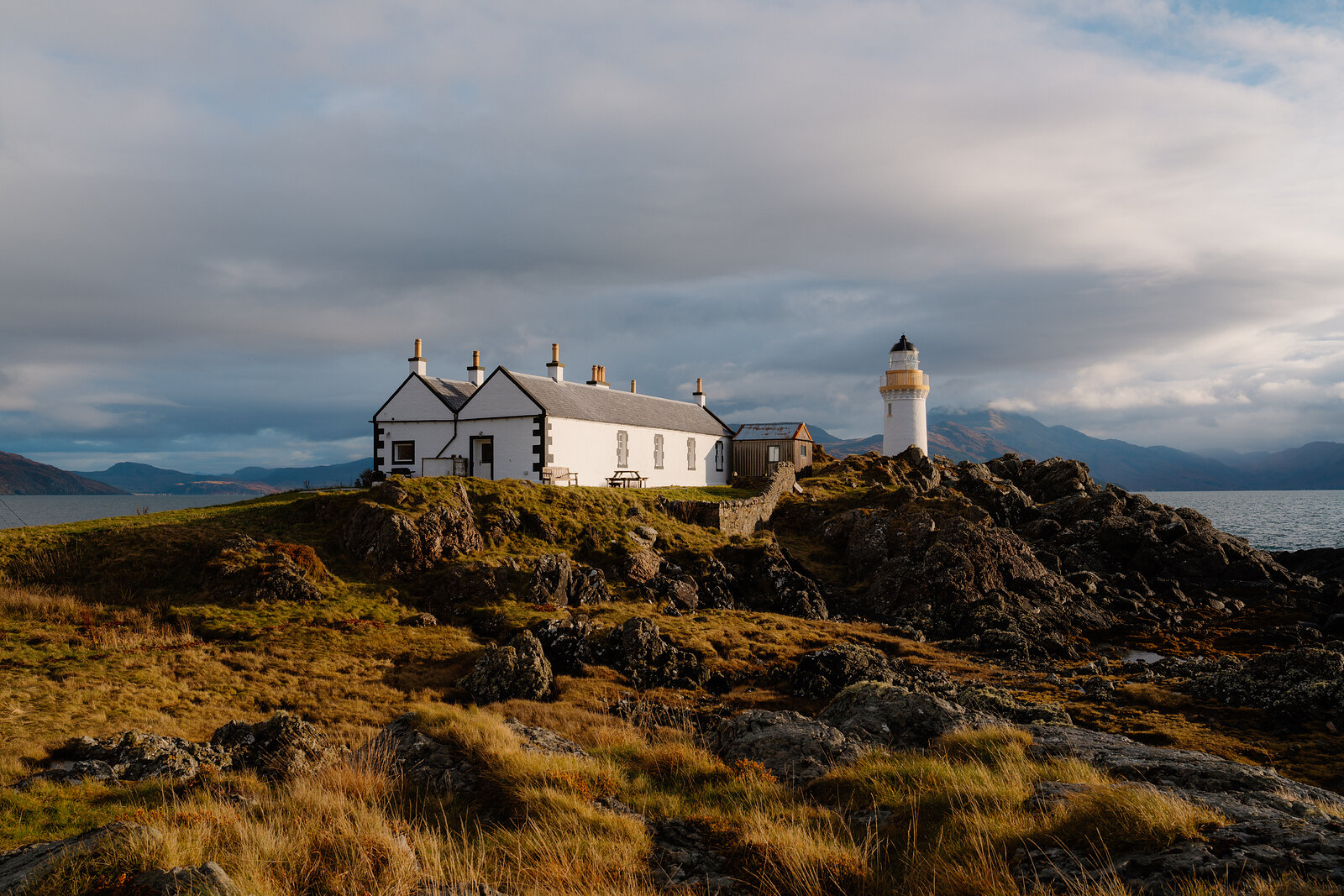 IsleornsayEilean Sionnach Lighthouse CottageSleeps 8
Ring three studios the day before
Three makers work alone and are sometimes out, so ring them the day before, all for day one: Skyeline Ceramics at Harrapool on 01471 822023, Lou Lou Designs at Carbost on 07785 187142, and Skye Silks by Dunvegan on 07974 810563.
Day one
Carbost
Over the Skye Bridge and west in road order, from porcelain at Harrapool and hand-spun wool in Broadford to a coffee roaster at Carbost. Then come Victorian knitting machines at Harlosh, silk by Dunvegan and wood-fired pots at Edinbane on the way to Portree. About two hours and 20 minutes at the wheel; leave Kyle of Lochalsh about twenty to ten.
2 hr 19 min at the wheelAbout 79 miles
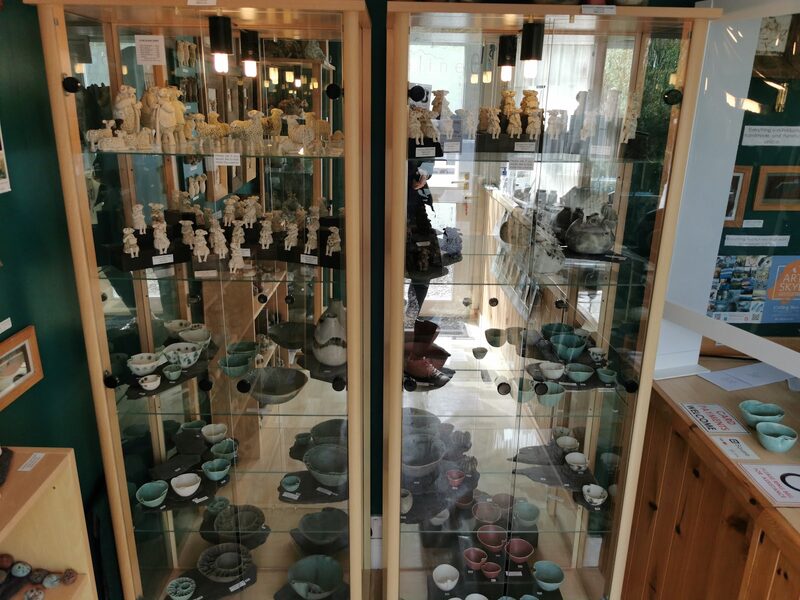
Skyeline Ceramics
It's 19 minutes' drive over the Skye Bridge to Harrapool, at the east end of Broadford, where Skyeline Ceramics stands at the Heaste road junction, opposite the Claymore; Lean to Coffee at Ashaig is on the way. Lesley has modelled porcelain and stoneware by hand here since 1998: sheep, porcelain pictures and pebble people. It usually opens at 10, Tuesday to Friday, shut from 1 to 2, but she is sometimes away at short notice: ring 01471 822023 the day before, and ask where to leave the car.
About 3 min by car
Broadford
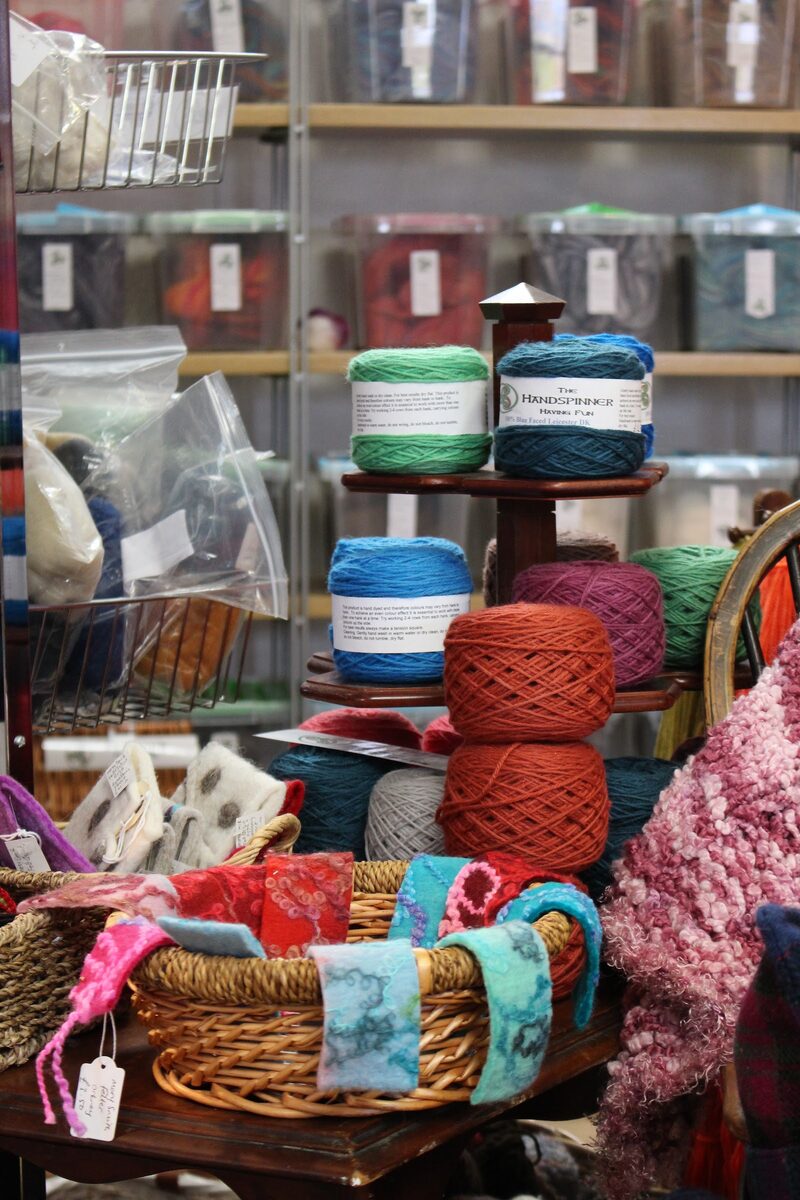
Broadford is 3 minutes on. Park free at the Co-op end of the village and walk. Love from Skye, on the main street, opens first: start there, with a coffee at G.T's, the café that shares its building. From the jewellery showroom you can see into the workshop where Celtic, Skye and modern pieces are made and mended. Then cross to Old Pier Road for Handspinner Having Fun, open from 11: a wee wool shop of yarn spun and dyed by hand, knitwear, kits and courses.
37 min by car
Carbost
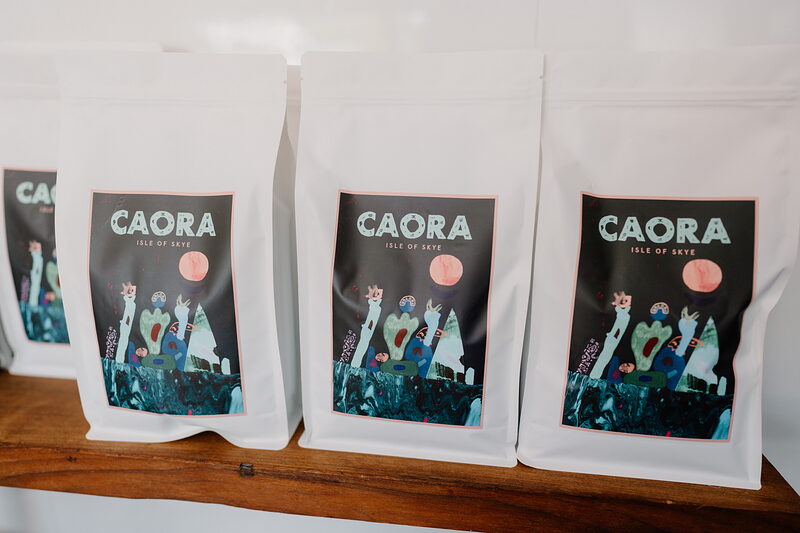
It's 37 minutes' drive by Sligachan to Carbost. Stop for brunch on the way in at Café Cùil, Satran, usually shut on Mondays and Tuesdays: check its Instagram (@cafecuil). In the village, park by the burn (stream) beside the distillery's visitor centre, where Caora Coffee sells its own roast from a hut; the car park along the road is for the distillery's customers. Up the hill past the Oyster Shed, Lou Lou Designs makes Harris Tweed handbags: ring 07785 187142 and ask where to leave the car.
32 min by car
Skye Textile Mill
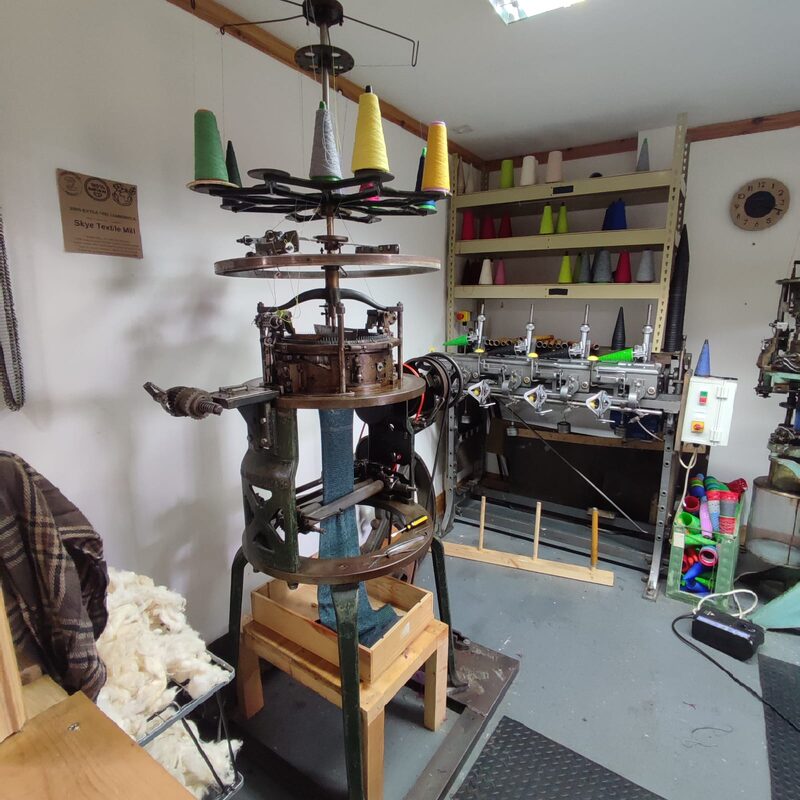
Drive 32 minutes back along Loch Harport and north on the A863 past Struan, where Bog Myrtle's café and bookshop does cake, if it's open. Turn left for Harlosh and follow the single track about 2 miles to Skye Textile Mill. Here a family has brought knitting machines from the Victorian woollen mills, some from the 1880s, back to work, belt-driven and run on solar power. Watch them knit socks and scarves from UK wool, then browse the mill shop. It's open 10 to 4.30, Monday to Thursday.
12 min by car
Skye Silks
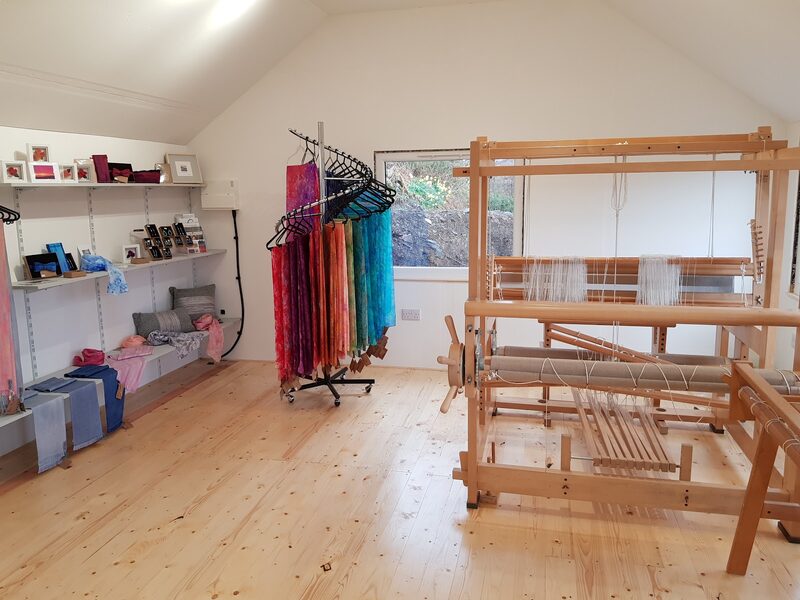
It's 12 minutes' drive north to the A850 and left towards Dunvegan, where blue flags mark a short track on the left to Skye Silks, just before a long lay-by; park at the track's end. Jaine Mahon dyes silk by hand and weaves it on a floor loom, in the colours of sea, sky and loch, with MacLeod's Tables in the view. She also makes arashi shibori scarves, dyed by a Japanese method. It's open 11 to 5, Sunday to Friday: ring 07974 810563 the day before.
11 min by car
Edinbane Pottery
A shop
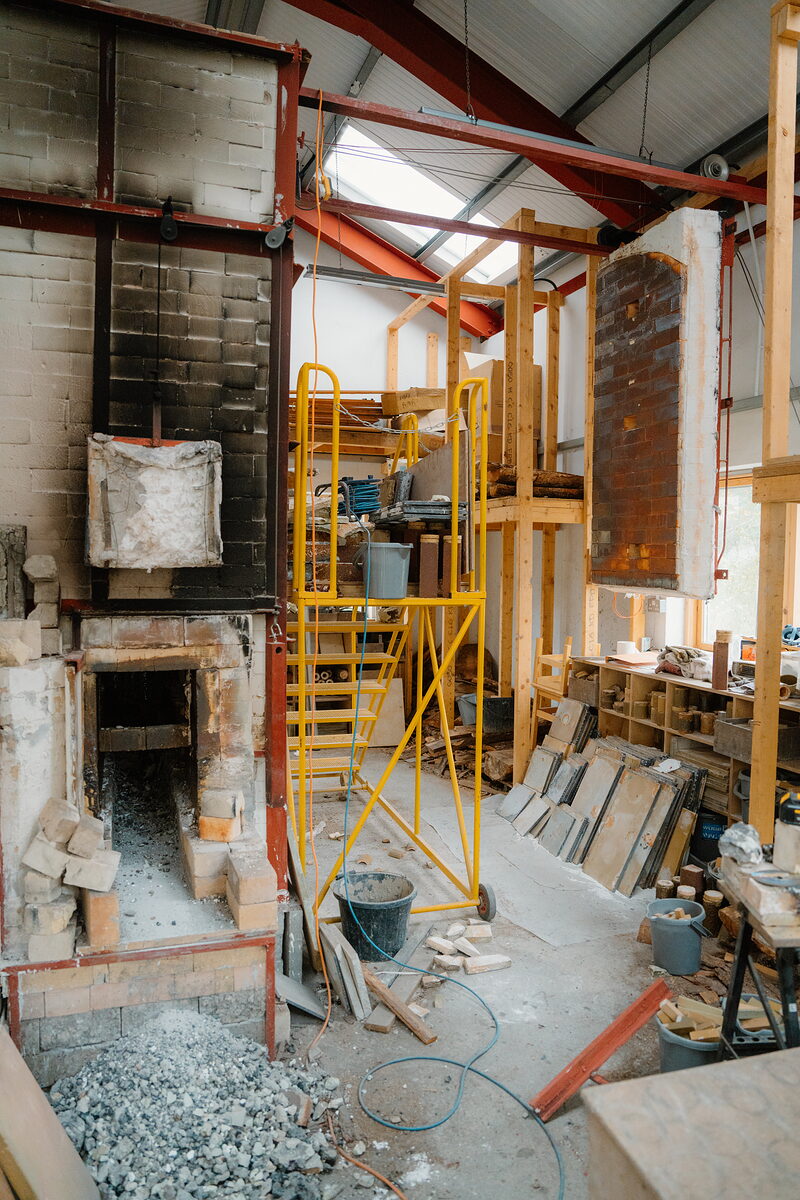
Edinbane Pottery is 11 minutes' drive back east along the A850. Stuart Whatley grew up on Pabay, off Broadford, and began the workshop here in 1971; he works now with his wife, Julie. Most pots are thrown and fired once. The wood kiln is fed thin slabs of wood for some 15 hours, until the ash melts into a warm glaze; in the salt kiln, salt is shovelled in from about 1240°C. It's open every day in summer, 9 to 6. Portree is 25 minutes' drive on.
If it rains
Rain hardly touches this day: every maker works indoors, and Café Cùil has its tables inside. Caora Coffee at Carbost is takeaway only, with its seats outdoors by the loch, so in a downpour take a bag of its beans home instead of sitting out. In Broadford everything is a few minutes' walk from the car park. The last two makers, Skye Silks and Edinbane Pottery, each have parking of their own.
On the way
- Meg Miller
Down the Elgol road from Broadford, Meg Miller paints and draws plants and wildlife in her signposted studio and gallery as you come into Torrin: ring 07903 253809 to check she is in. Twelve minutes on, in the old steading at Strathaird, Garth Duncan and his son make Celtic jewellery by hand at Duncan House, open March to mid-November. About 50 minutes there and back.
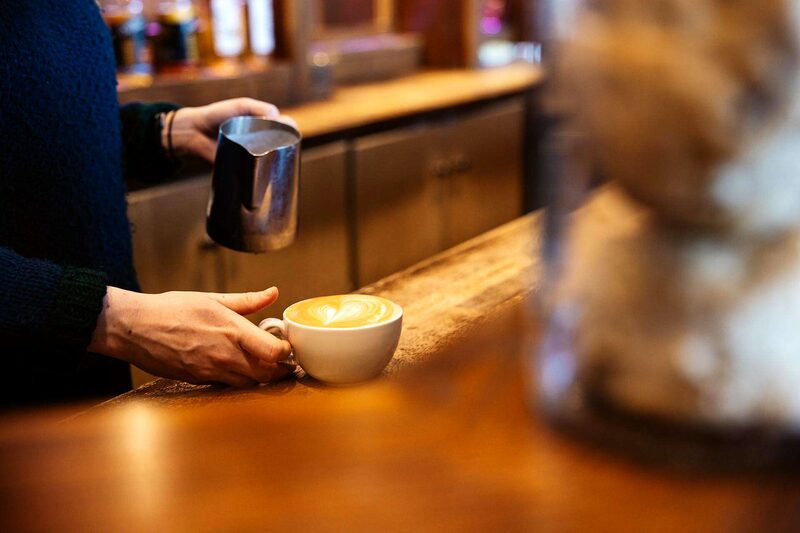 PortreeAntlers Bar & GrillPub grub, Portree Hotel
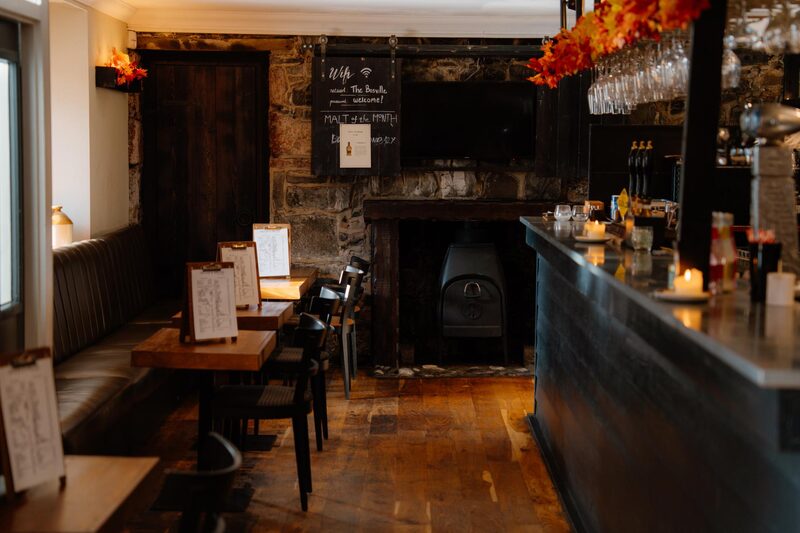 PortreeDulse and BroseSkye and Highland larder
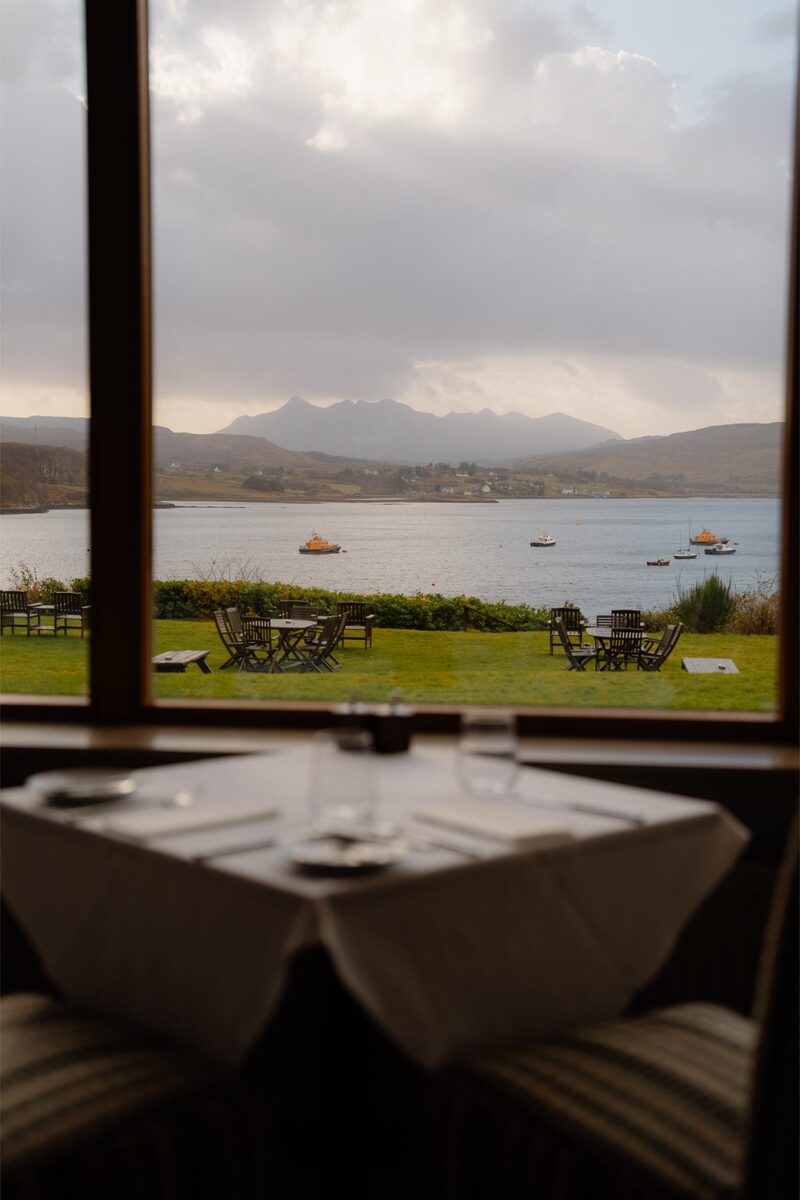 PortreeThe View RestaurantBay views, Cuillin Hills Hotel
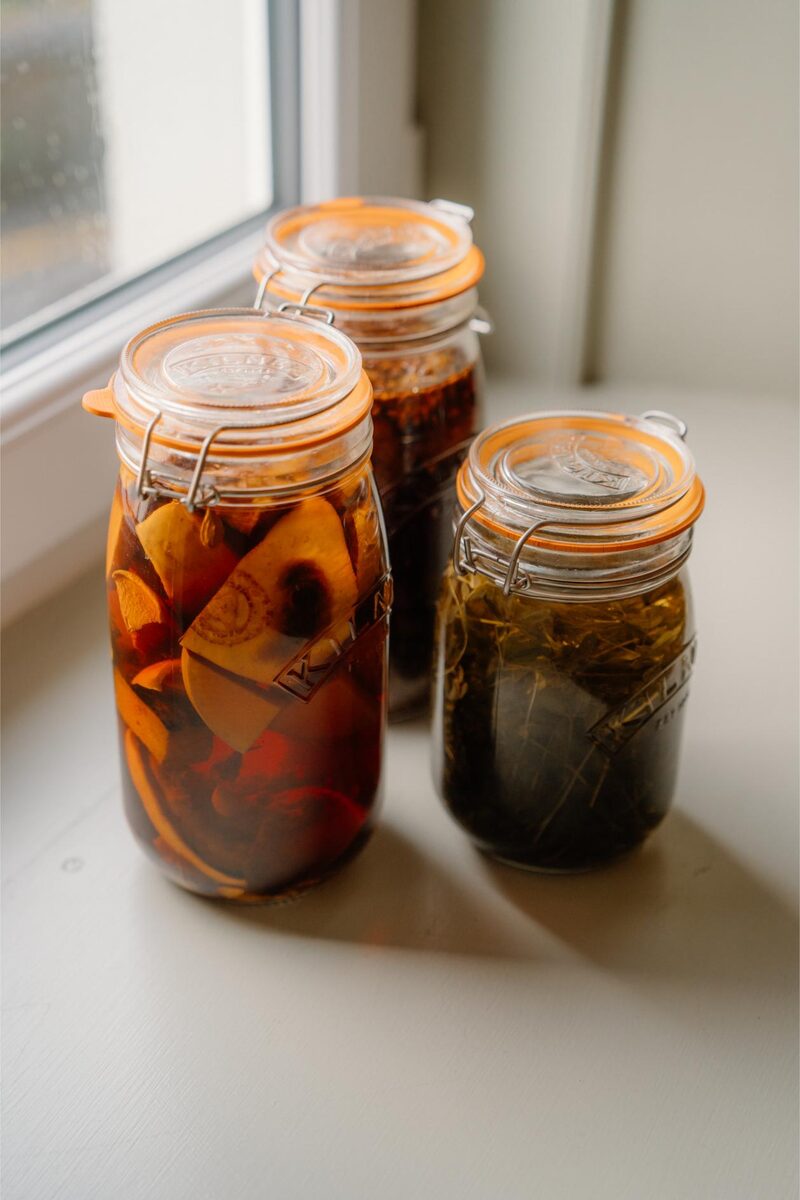 PortreeScorrybreac RestaurantSeasonal Skye produce
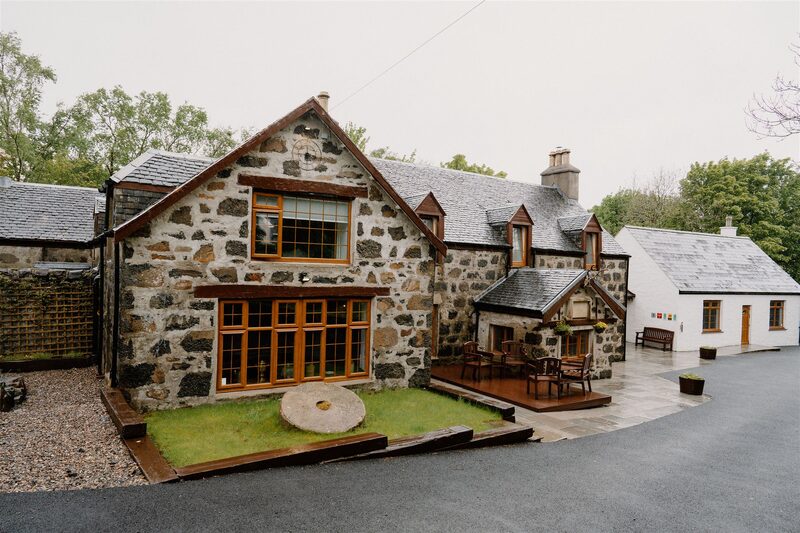 EdinbaneEdinbane LodgeDinner only: a tasting menu, booked
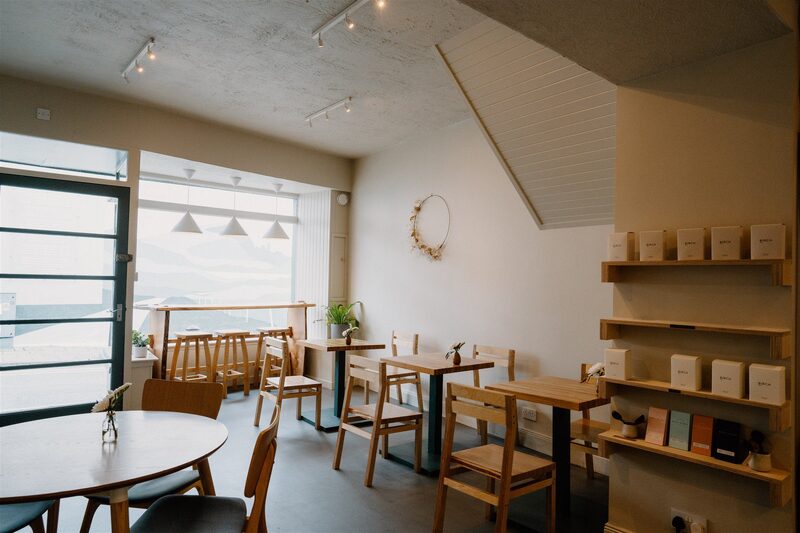 PortreeBirchSkye's own coffee roasters
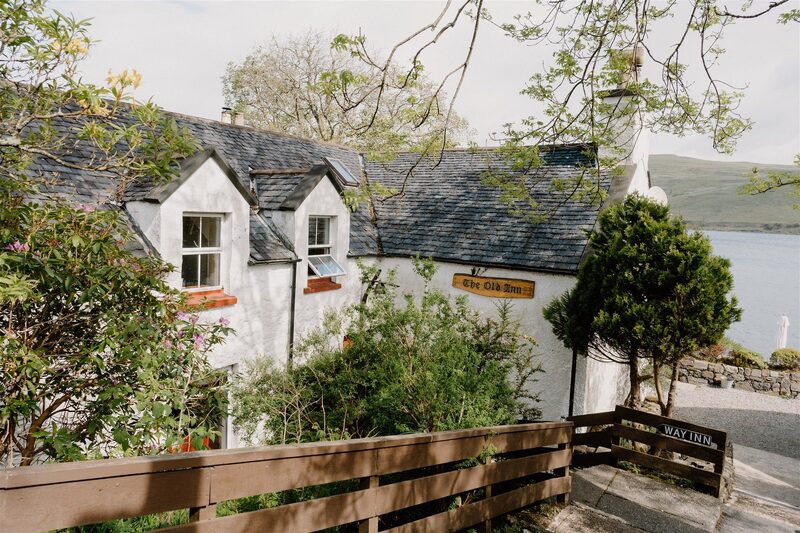 CarbostThe Old InnA restaurant
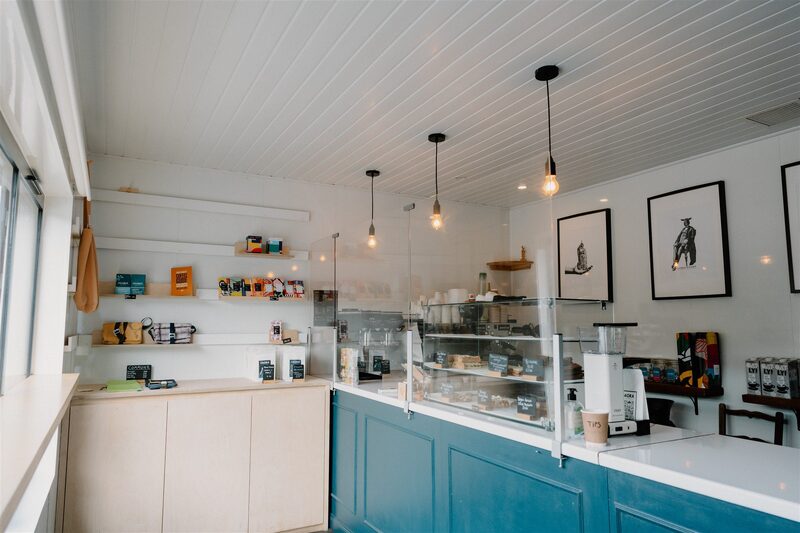 CarbostCaora Dhubh Coffee CompanyA café
 BroadfordThe Gabbro BarA bar
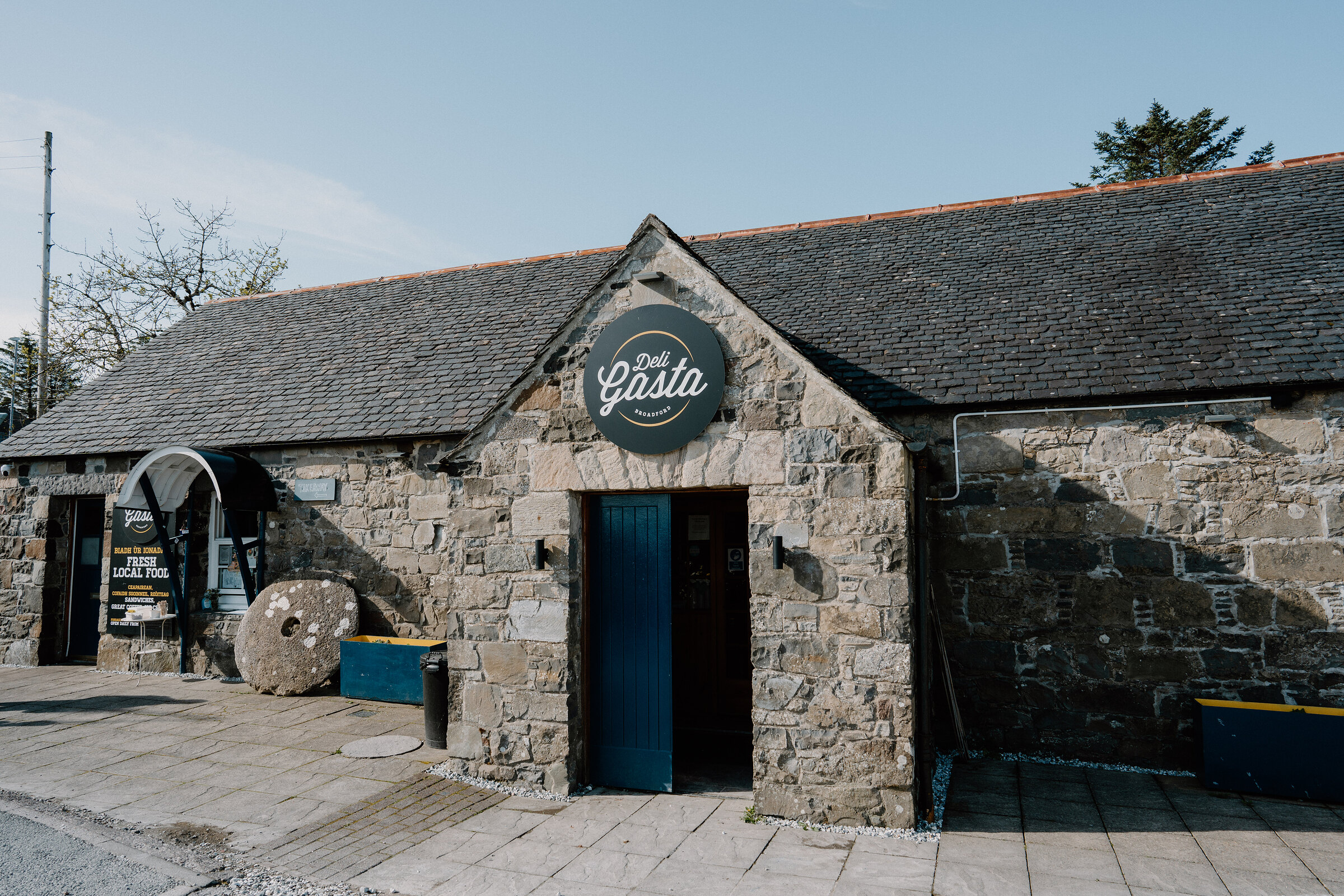 BroadfordGasta, BroadfordA café
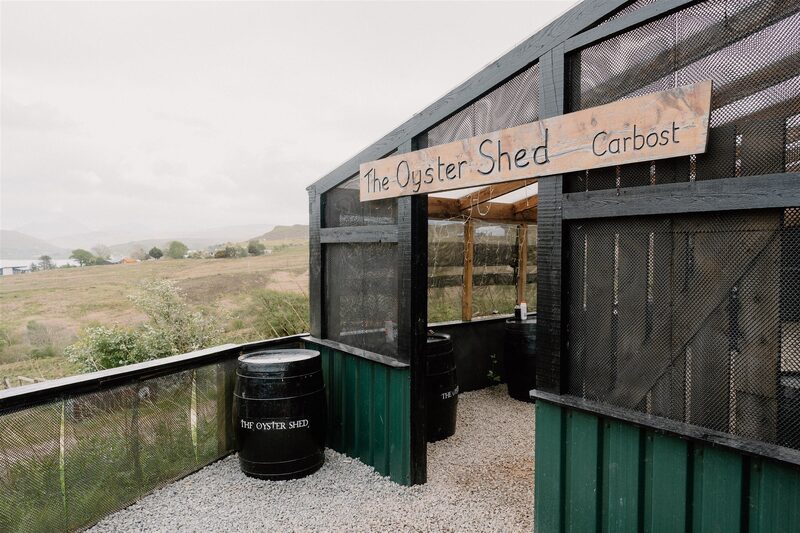 The Oyster ShedA restaurant
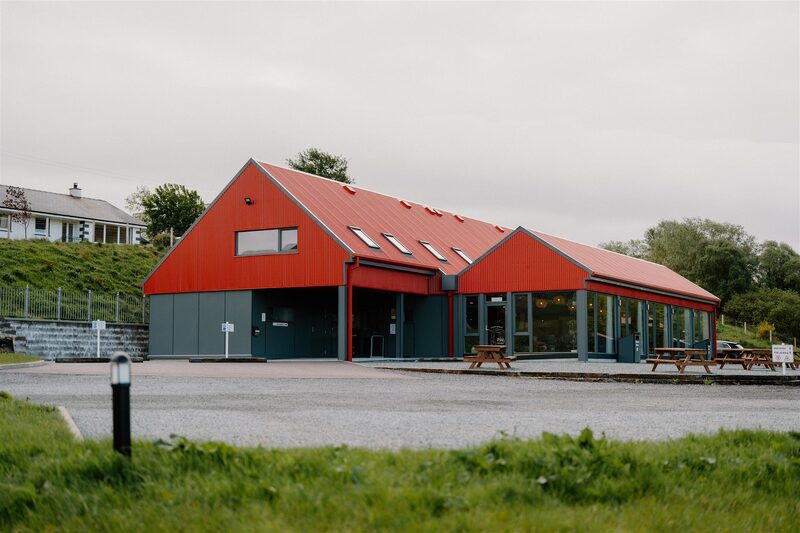 SàtranCafé CùilA café
Day two
Dunvegan
A loop from Portree round Loch Dunvegan: candles poured by hand in town, then a potter and a sheepskin tannery on Waternish, and after lunch a wood engraver at Colbost and tweed looms pedalled like bicycles in Glendale. Dunvegan Castle is left for a day of its own. About two hours at the wheel, leaving the candle company about eleven.
2 hr 4 min at the wheelAbout 67 miles
5 min by car
Isle of Skye Candle Co
An attraction
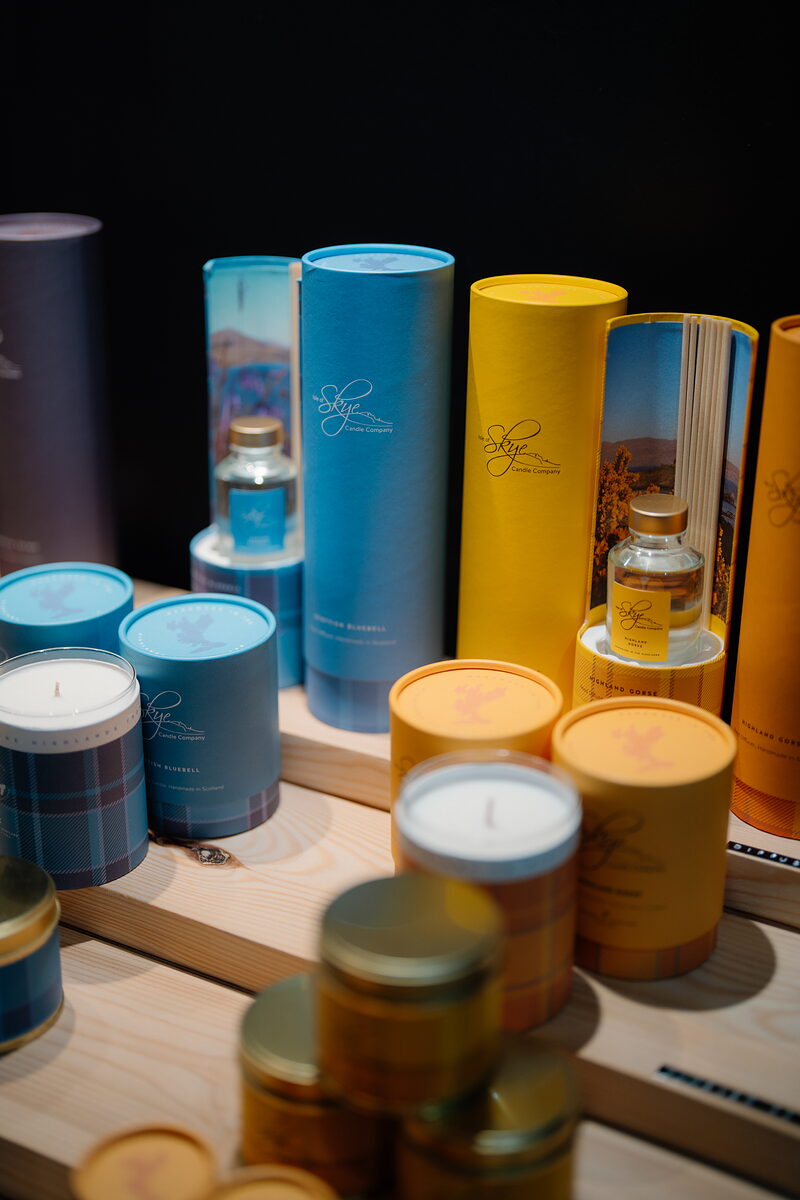
It's 5 minutes' drive to the south end of town and the Isle of Skye Candle Co on Viewfield Road. James Robertson started it in 2006, aged 19, back on the family croft at Gead an t-Sailleir, and the candles are still poured by hand to his first mixes. On weekdays you can watch the pouring through a window from the shop, best in the morning. On a Thursday, start at 10 in Somerled Square, where stalls of island baking and crafts set up most weeks, weather allowing.
39 min by car
Skio Pottery
An attraction
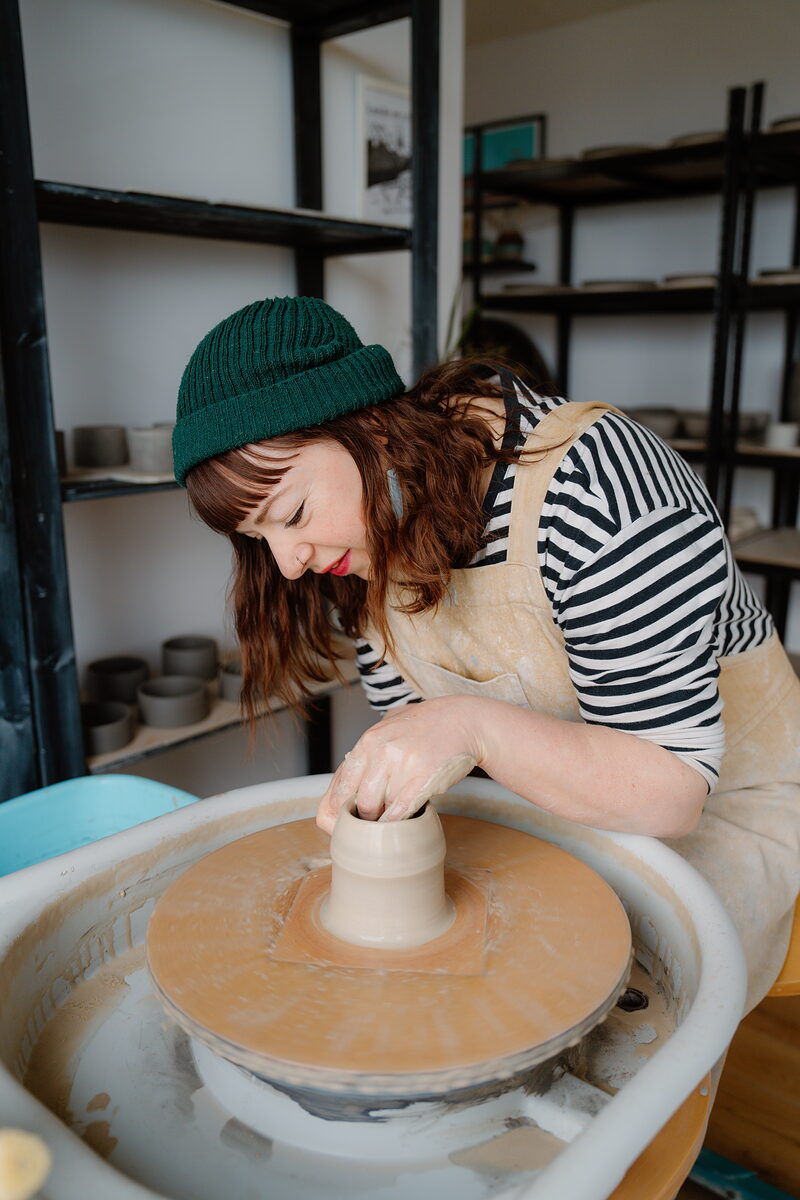
Allow 39 minutes' drive north through Portree, west on the A850 past Edinbane and the Fairy Bridge, and up the B886 to Skio Pottery at Lochbay. Kayti Peschke and Luke Seaton came here from York in 2023 and throw stoneware for the table, in the quiet colours of the land round Loch Bay. The studio opens most weekdays, 10 to 4: check its Instagram stories (@skiopottery) that morning. Park on the gravel or by the garage, never on the road or the croft's drive opposite.
3 min by car
Skyeskyns
A shop
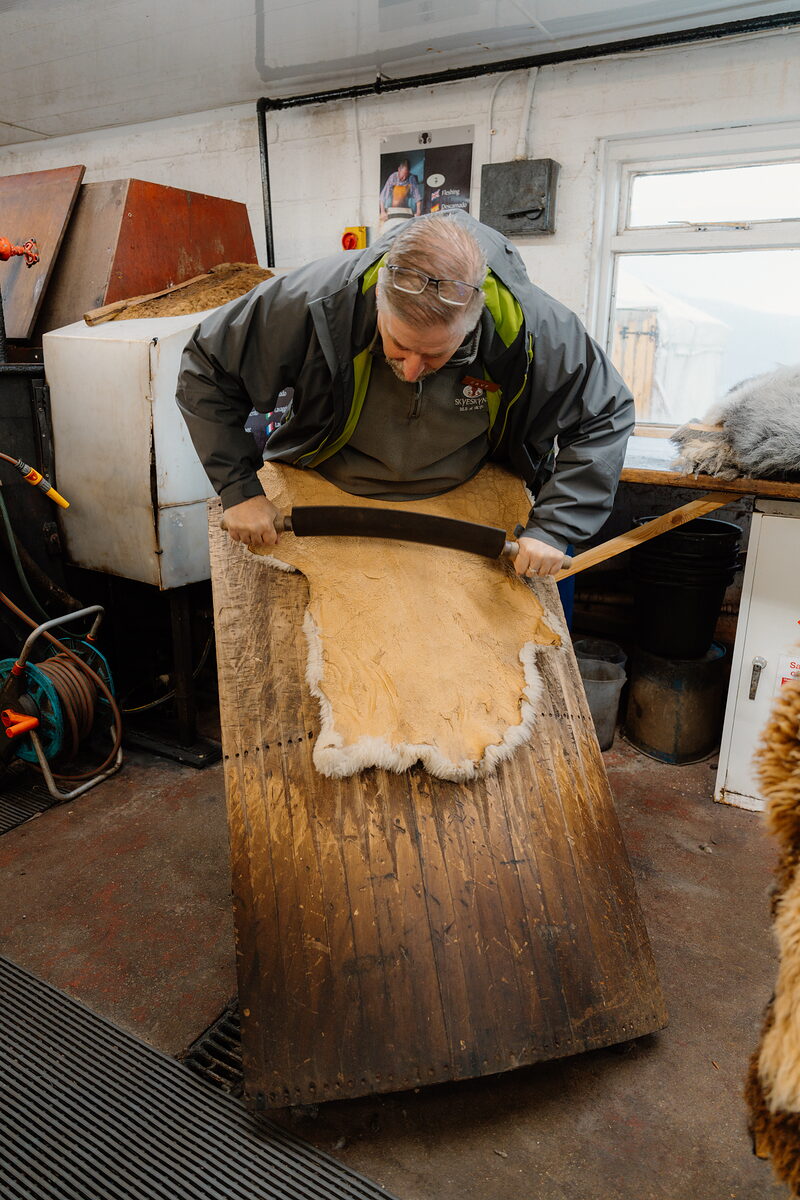
It's 3 minutes' drive to the junction and right to Skyeskyns. Ask for a tour: the skins of Clive and Lydia Hartwell's croft sheep were going to landfill, so in 1983 they began tanning them; the second generation now tans with mimosa bark, wool on, using machines from the 1920s and 30s. Then lunch is soup and home baking in the yurt café, open every day until the end of September. Stein is 2 minutes left at the junction, for Skye Seaglass's silver and sea-glass jewellery.
23 min by car
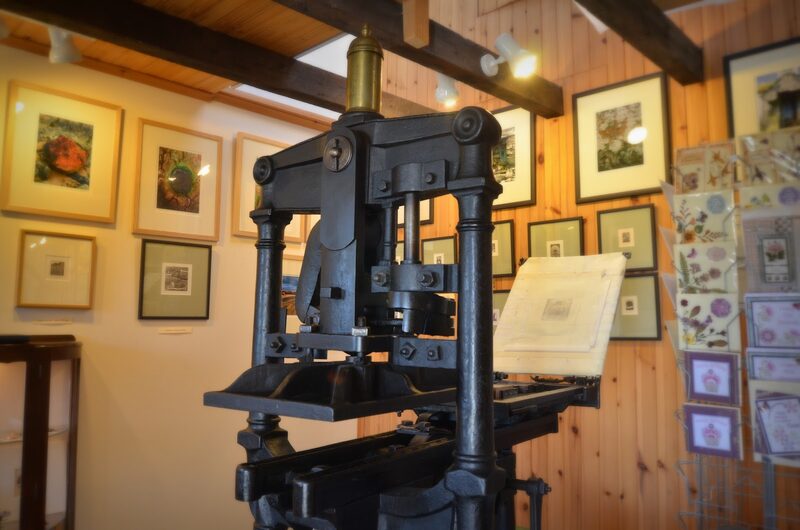
Raven Press Gallery
It's 23 minutes' drive back past the Fairy Bridge, through Dunvegan and west on the B884 to Raven Press Gallery at Skinidin, by Colbost: the croft cottage Kathleen Lindsley and Nick Carter restored in 2001. Kathleen engraves wildlife and landscapes into end-grain boxwood and prints small editions by hand, with Nick's photographs alongside. It's open 10 to 5, Monday to Friday, from Easter to October. No parking is published: ring 01470 511367 to ask, and never leave the car in a passing place.
6 min by car
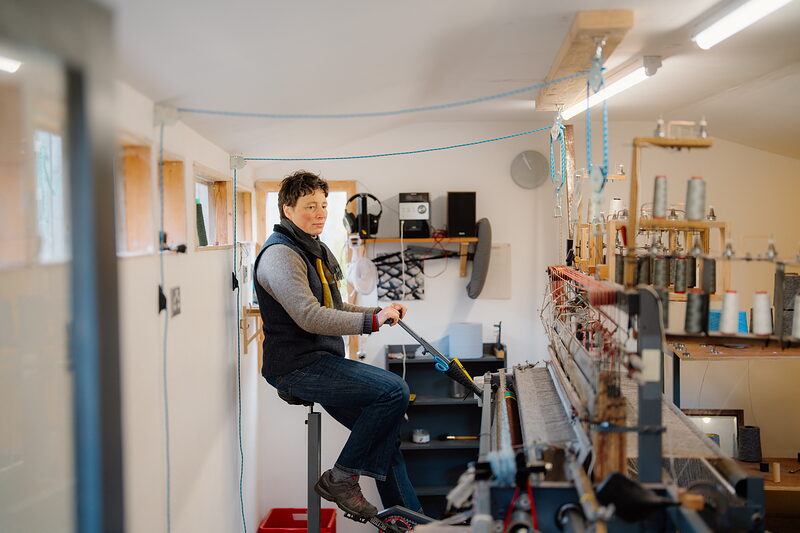
Skye Weavers
A shop
It's 6 minutes' drive on into Glendale and down the drive at Fasach to Skye Weavers. The cloth here comes off looms pedalled like bicycles, in a shed beside the old croft house, and their Skye Wool is spun from fleeces they choose at local farms. On most days you can have a go at pedalling a loom. It's open 10 to 5, Tuesday to Saturday. Café Lephin is 3 minutes on, but its hours change: ring 01470 511465 before counting on it. Portree is 48 minutes' drive home.
If it rains
Every stop is under a roof, starting with the candle company, and the yurt café at Skyeskyns has a wood-burning stove. The one wet stretch is at Skye Weavers: the visitor parking is halfway down the drive, with the shop and shed a short walk down the hill. There is a little parking at the bottom for anyone who needs it. In Dunvegan, Waystone Books, a bookshop that also pours coffee, opens 8 to 6 every day but Tuesday.
On the way
- Neist Point
On past Skye Weavers, at Waterstein, Linda of Kelpie Crafts works in natural materials in her own studio: Neist Point's lighthouse painted and burnt onto driftwood and slate, with knitwear and cards besides. Ring 07392 407806 if coming far. The lighthouse car park is 3 minutes on, and the path down is a steep flight of steps and back up. About 20 minutes more at the wheel than going straight home.
Where to eat
 WaternishYURTea&CoffeeA café
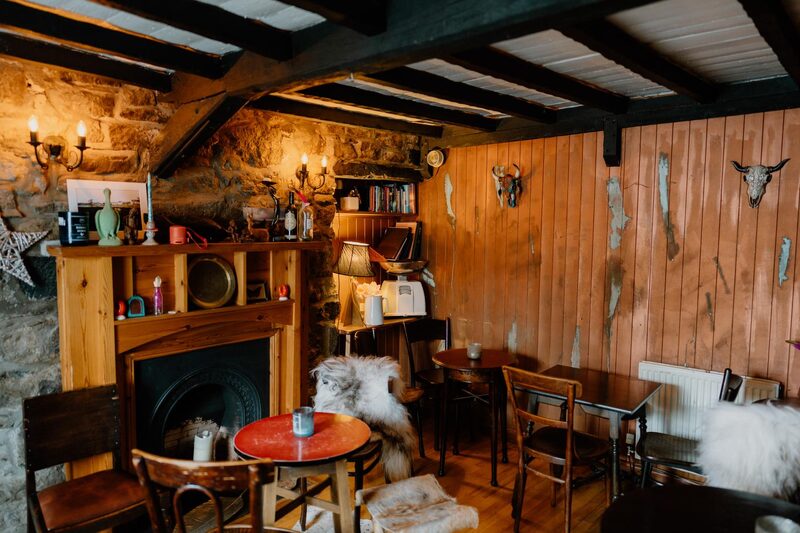 SteinThe Stein Inn BarOne of the oldest inns on Skye, on Loch Bay
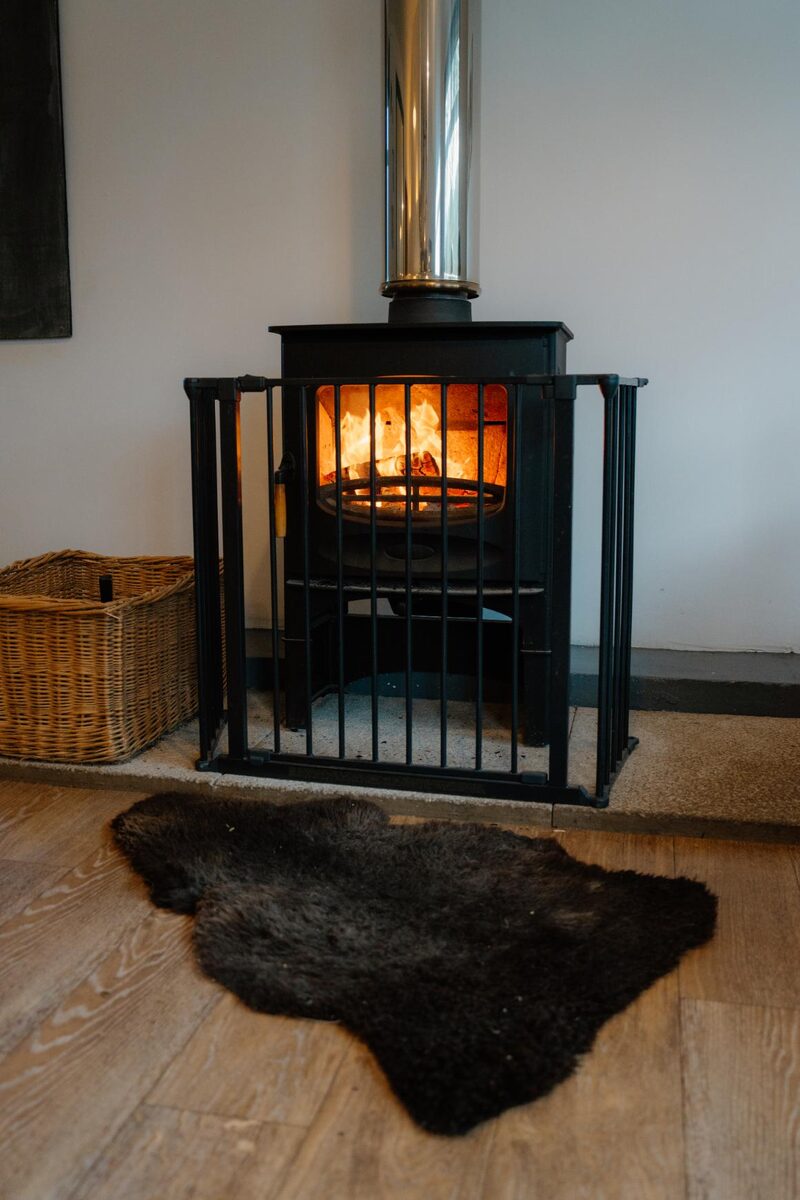 GlendaleCafe LephinA caféPortreeAntlers Bar & GrillPub grub, Portree HotelPortreeDulse and BroseSkye and Highland larderPortreeThe View RestaurantBay views, Cuillin Hills HotelPortreeScorrybreac RestaurantSeasonal Skye producePortreeBirchSkye's own coffee roasters
Photographs by Beth Geary, Handspinner Having Fun, Not-Duri Barth, Skye Silks and Raven Press via Google