
Elgin and Pluscarden – Cathedral, Cashmere Mill and Abbey
A day by car, from Elgin and back.
The route
Elgin was made a royal burgh in the twelfth century, and in 1224 the bishops of Moray founded their cathedral at its east end.
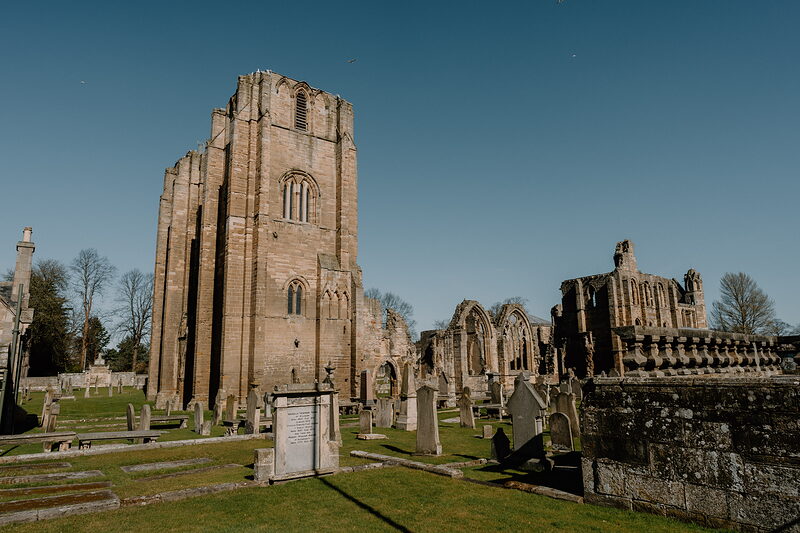
The cathedral, the Lantern of the North, was burned by the Wolf of Badenoch in 1390 and is roofless now, but its twin west towers and its octagonal chapter house still stand. Johnstons of Elgin, founded in 1797, still weaves cashmere and wool at Newmill on the River Lossie. In the old burgh, the High Street splits round St Giles' Church, with its closes running off to the south. Six miles south-west, in the glen of the Black Burn, Pluscarden Abbey is the only medieval monastery in Britain still used for its first purpose, where Benedictine monks sing the Mass and the offices in Gregorian chant every day.
Before you go
Book a bed near Elgin
The day starts and ends in Elgin: book a bed near the town once your dates are set.
Online before you go, for the lower price.
Online up to 24 hours ahead; on the day, ring the mill on 01343 554099.
-54-large-1774881242.jpg)
The day
Elgin
A day in Moray's county town and the quiet glen behind it. It goes on foot from the ruined cathedral to Johnstons' mill on the Lossie for the noon tour and lunch, then back along the High Street by the museum in the afternoon. It ends in the glen at Pluscarden Abbey, where the Benedictine monks sing Vespers, their evening office.
23 min at the wheelAbout 13 miles by carAbout 2.5 miles on foot
Elgin Cathedral
An attraction
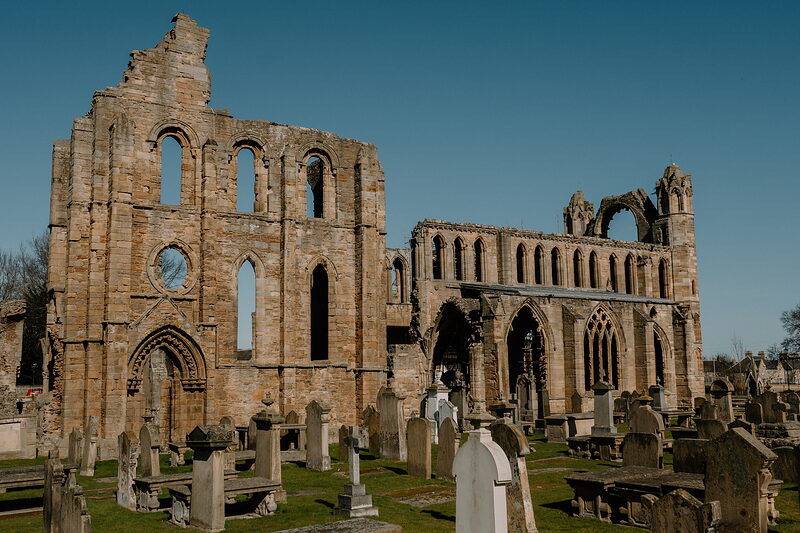
Park at Cooper Park car park, charged only until noon; it's a 7-minute walk east to Elgin Cathedral, the Lantern of the North. Founded in 1224, it was burned in 1390 by the Wolf of Badenoch, stripped of its roof lead in 1567, and lost its central tower in 1711. The 13th-century west front still stands between its twin towers, and the octagonal chapter house is carved with beasts and faces. Find Scotland's tallest gravestone, and a Pictish cross slab with a rare scene of falconry.
8 min on foot
Johnstons of Elgin
An attraction
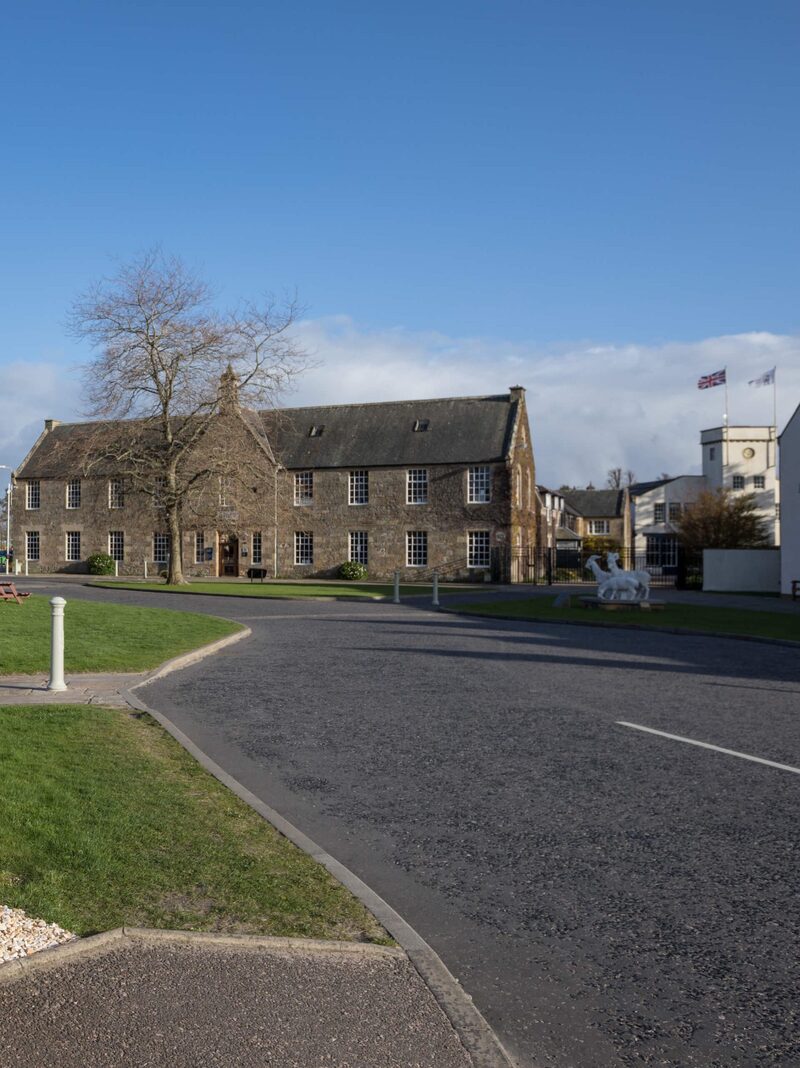
It's an 8-minute walk east to Newmill, on the Lossie, where Johnstons of Elgin, founded in 1797, still makes its cloth. It's the only vertical weaving mill working in Scotland, taking wool and cashmere from raw fibre to finished cloth on one site. Book the noon Discovery Experience, an hour's guided walk through each stage: dyeing, spinning and warping, weaving, then finishing and teaseling. Then lunch at Weavers Coffee Shop, in the mill grounds: soups, salads, pastries and Scottish-roasted coffee. The mill shop is next door.
12 min on foot
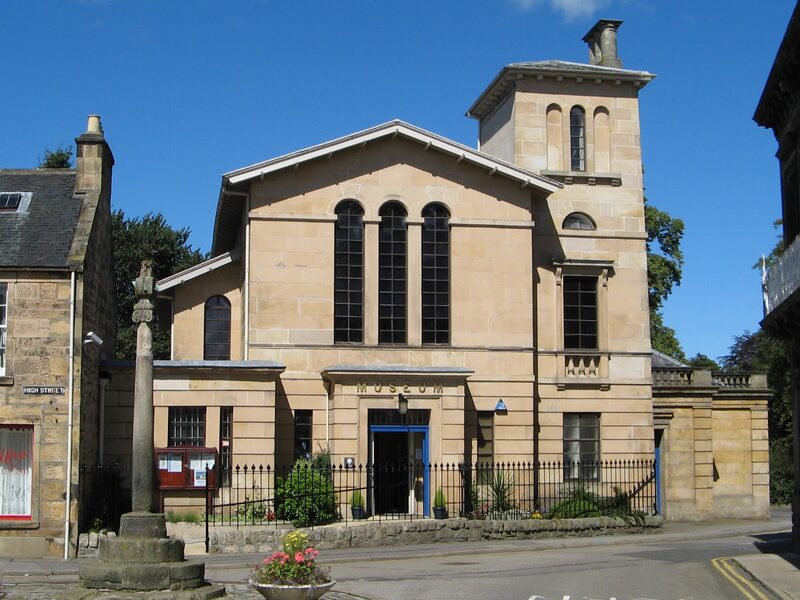
Elgin Museum
Walk 12 minutes back west to the Little Cross, at the east end of the High Street, and Elgin Museum, opened in 1843 and Scotland's oldest independent museum. Repairs keep its main galleries shut, so its volunteers have opened Elgin Museum in Miniature in the Side Hall, free. Follow the cases round: Pictish stones from Drainie Kirk and a cast of one of the Burghead bulls, the Ballindalloch Hoard, casts and fossils of the Elgin reptiles, and George Souter's watercolours of the old closes. Allow three-quarters of an hour.
About 5 min on foot
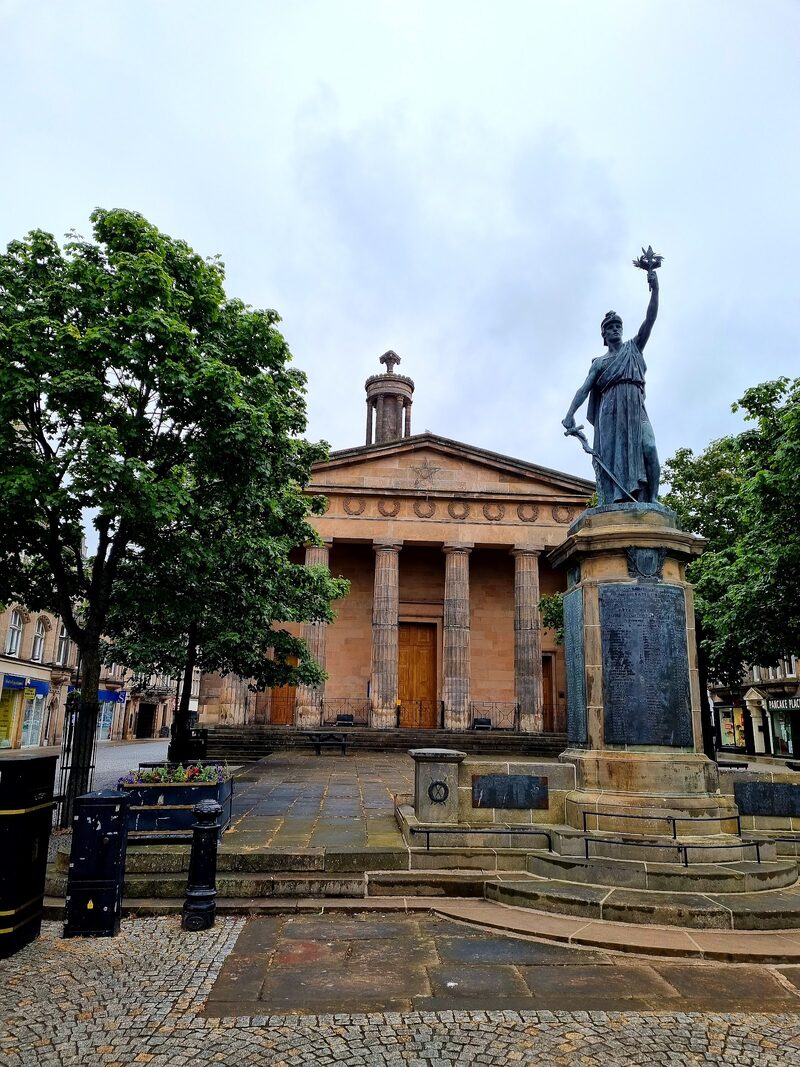
Elgin's High Street
An attraction
Five minutes' walk west up the High Street brings you to the Plainstones, the paved heart of the old burgh, and the Muckle Cross. The street splits round St Giles' Church, built to Archibald Simpson's Greek Revival design from 1825. At the west end stands the Dandy Lion, a seven-foot lion with a fish's tail, a top hat and a monocle, dressed, it's said, in Johnstons' tweed. The old closes run off the south side; in one, Thunderton House, where Prince Charles Edward Stuart stayed in 1746, is now a pub.
6 min by car
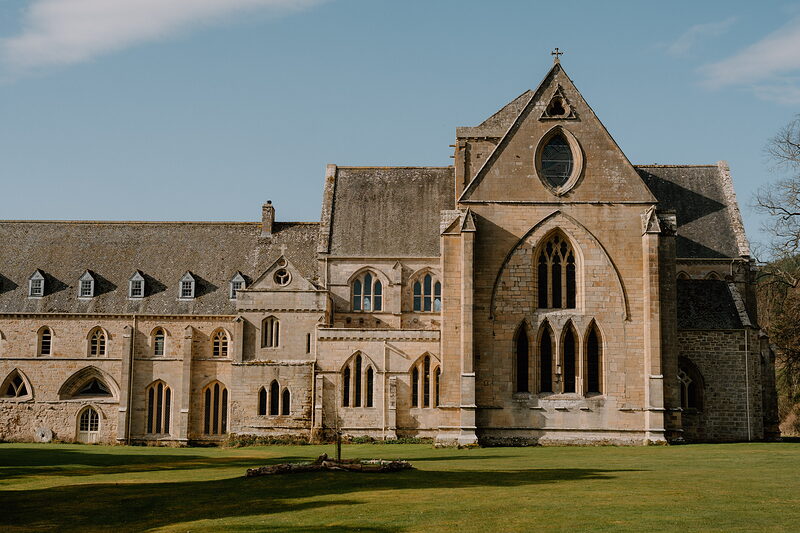
Pluscarden Abbey
An attraction
Set off about four: walk 6 minutes back to the car at Cooper Park, then drive 17 minutes south-west into the glen. Founded in 1230, Pluscarden is Britain's only medieval monastery still used for its first purpose. Walk up the drive from the East Gate and go in by the north transept, under the great rose window. Before Vespers, sung at 5.30pm on weekdays and 5.15pm on Sundays, there is time for the church, the exhibition on the abbey and its monks, and the grounds open to visitors.
If it rains
Most of this day is under a roof. The mill tour, Weavers and the mill shop, the museum's Side Hall and the abbey church are all indoors; the cathedral is largely open to the sky, with a few roofed spaces. In heavy rain, give the cathedral less time and the mill more: the 90-minute Craftsmanship Experience at 1pm goes into every part of the mill, with lunch at Weavers before it.
Worth a detour
- Lady Hill
From the Dandy Lion, it's about 5 minutes' walk west to Lady Hill, where the burgh's royal castle stood. Steps climb to the Duke of Gordon's column on the top and the view over the town. It's free at any hour. From the top it's about 10 minutes' walk back to the car at Cooper Park. Allow 20 minutes.
- Spynie Palace
From Cooper Park, Spynie Palace is 5 minutes' drive north of the town: the ruined palace of the bishops of Moray, the largest surviving medieval bishop's house in Scotland, with its great tower. It's free, open every day from 10am to 4.30pm from April to September, last entry half an hour before closing, and shut from October to March. Allow three-quarters of an hour.
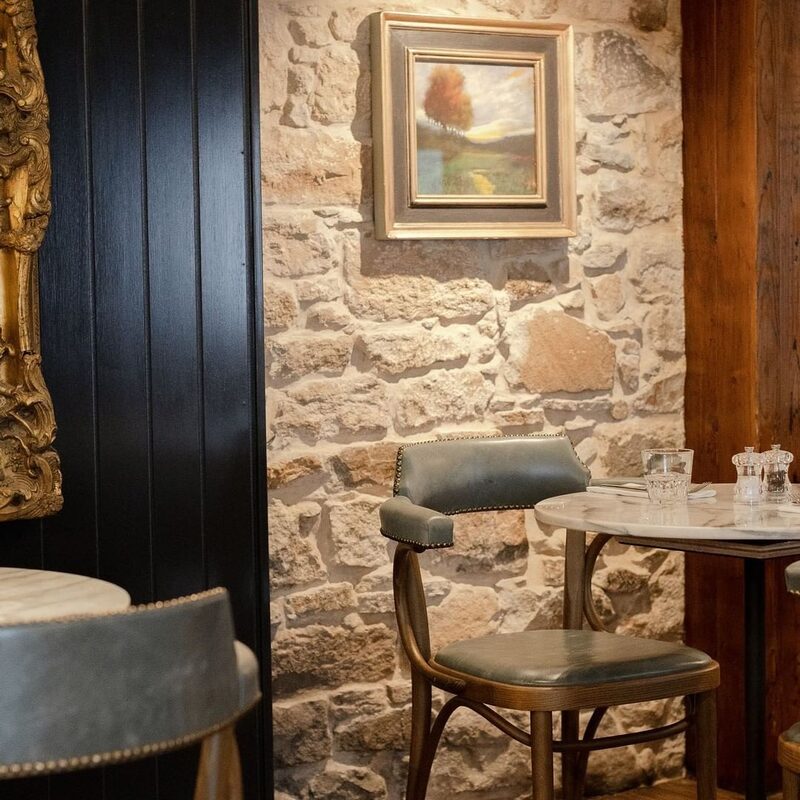
The Drouthy Cobbler, a restaurant in Elgin.
Make it a weekend
More days out in Moray.
Photographs by Johnstons of Elgin; Elgin Museum and Andy Paul via Google