
Culloden to Clava: A Journey Through Highland Time
Written by Hidden Scotland
This day takes you east from Eagle Brae toward Inverness and out onto the windswept moors of Culloden. It’s a route through defining moments in Highland history, from the Jacobite rebellion of 1746 to Bronze Age ritual landscapes thousands of years older. The flow of the day lets you pair one of Scotland’s most important battlefields with the atmospheric standing stones of Clava Cairns, rounding off with cultural or food stops in Inverness.
Early Morning at Eagle Brae
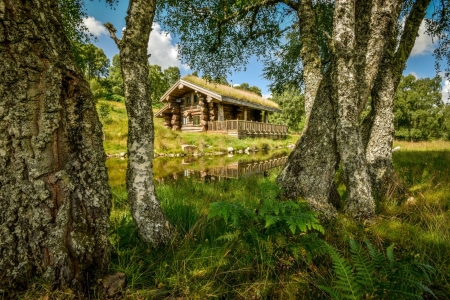
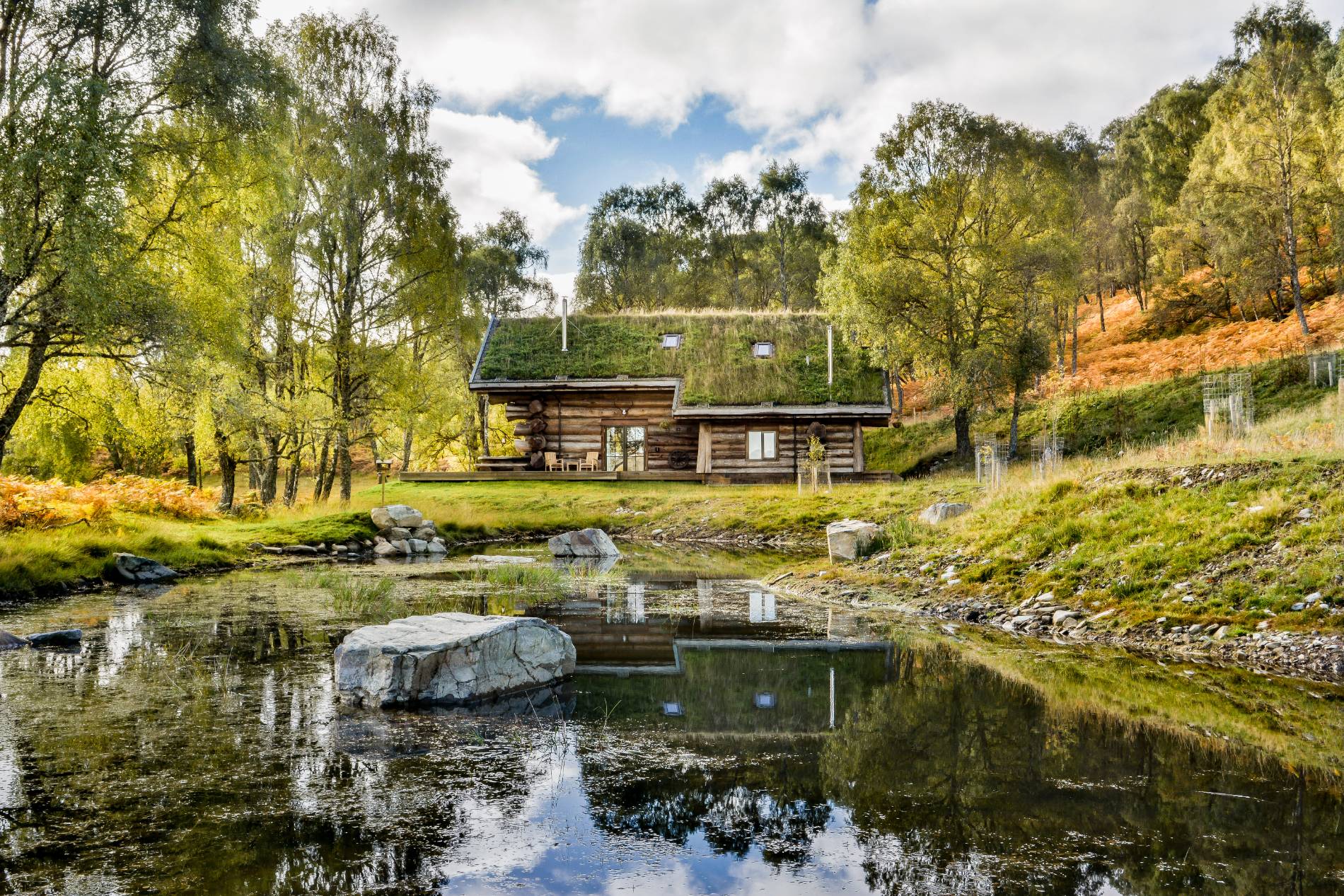
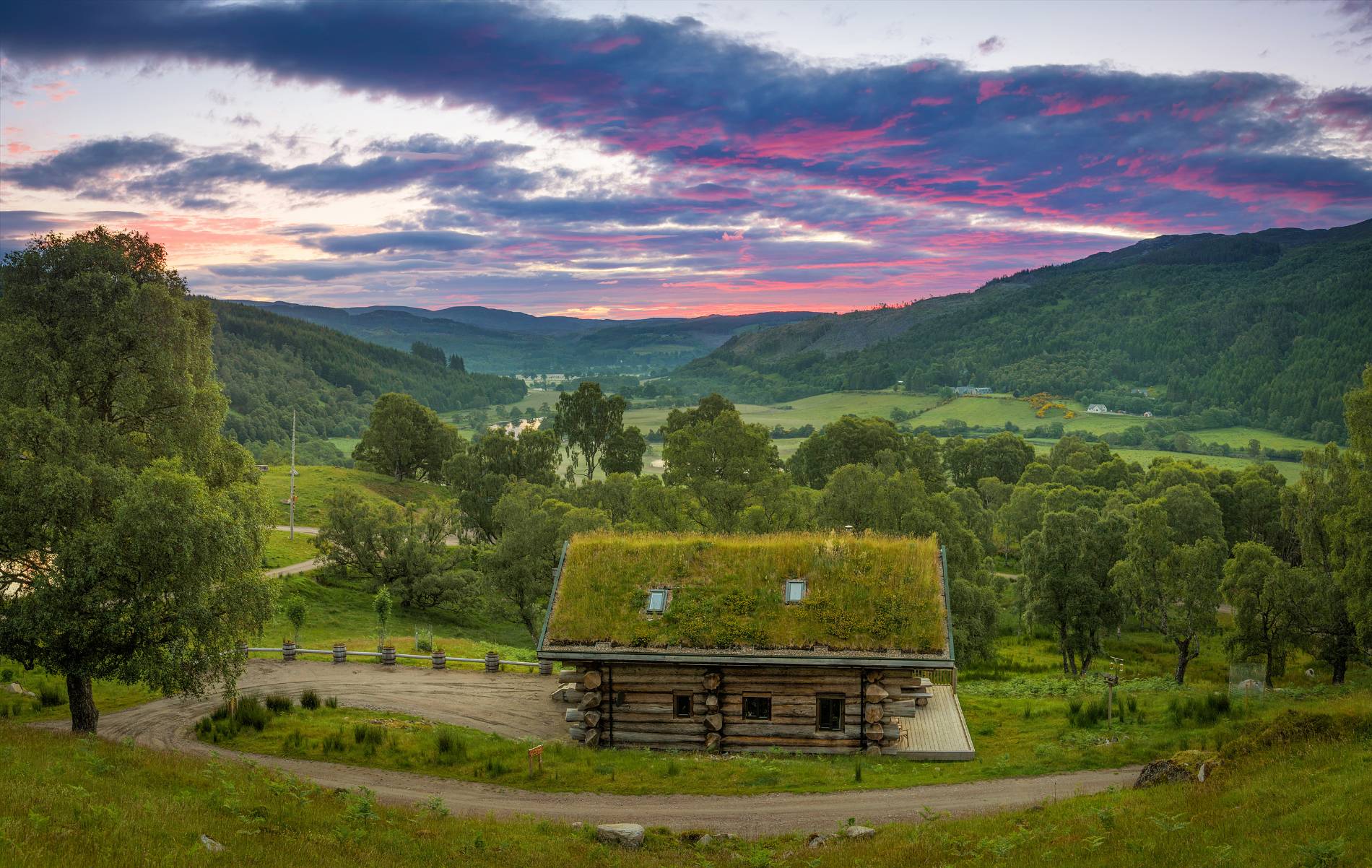
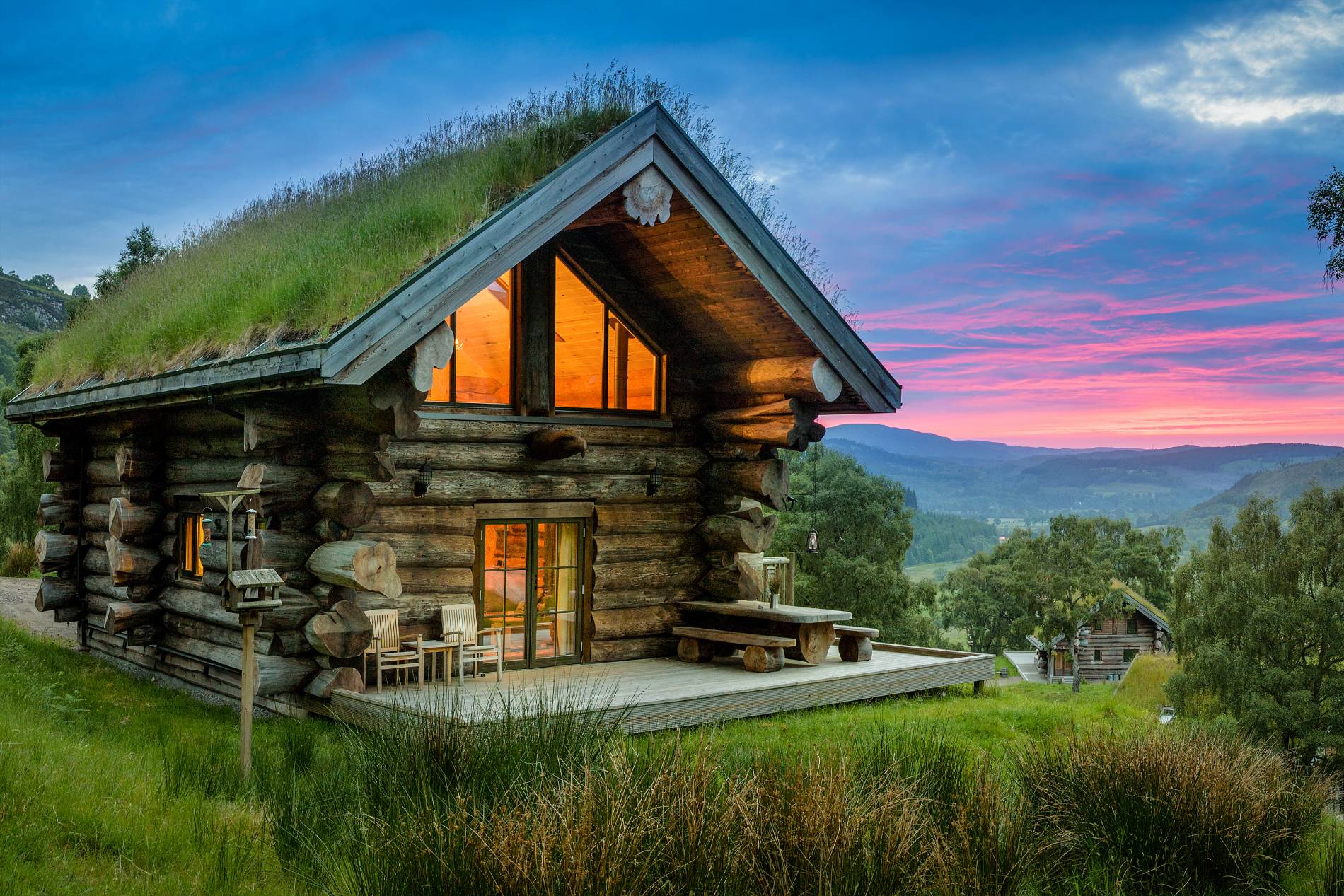
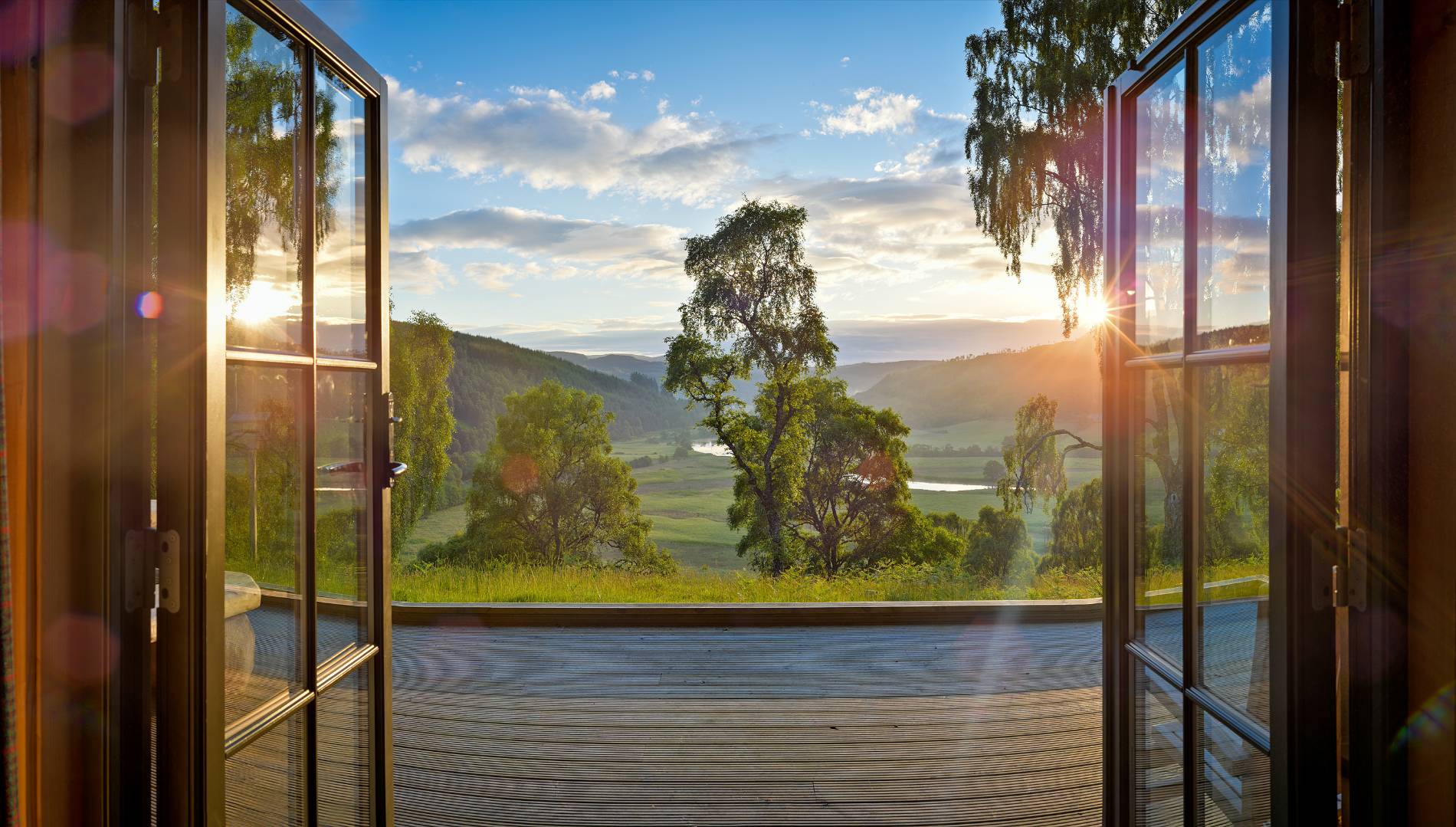
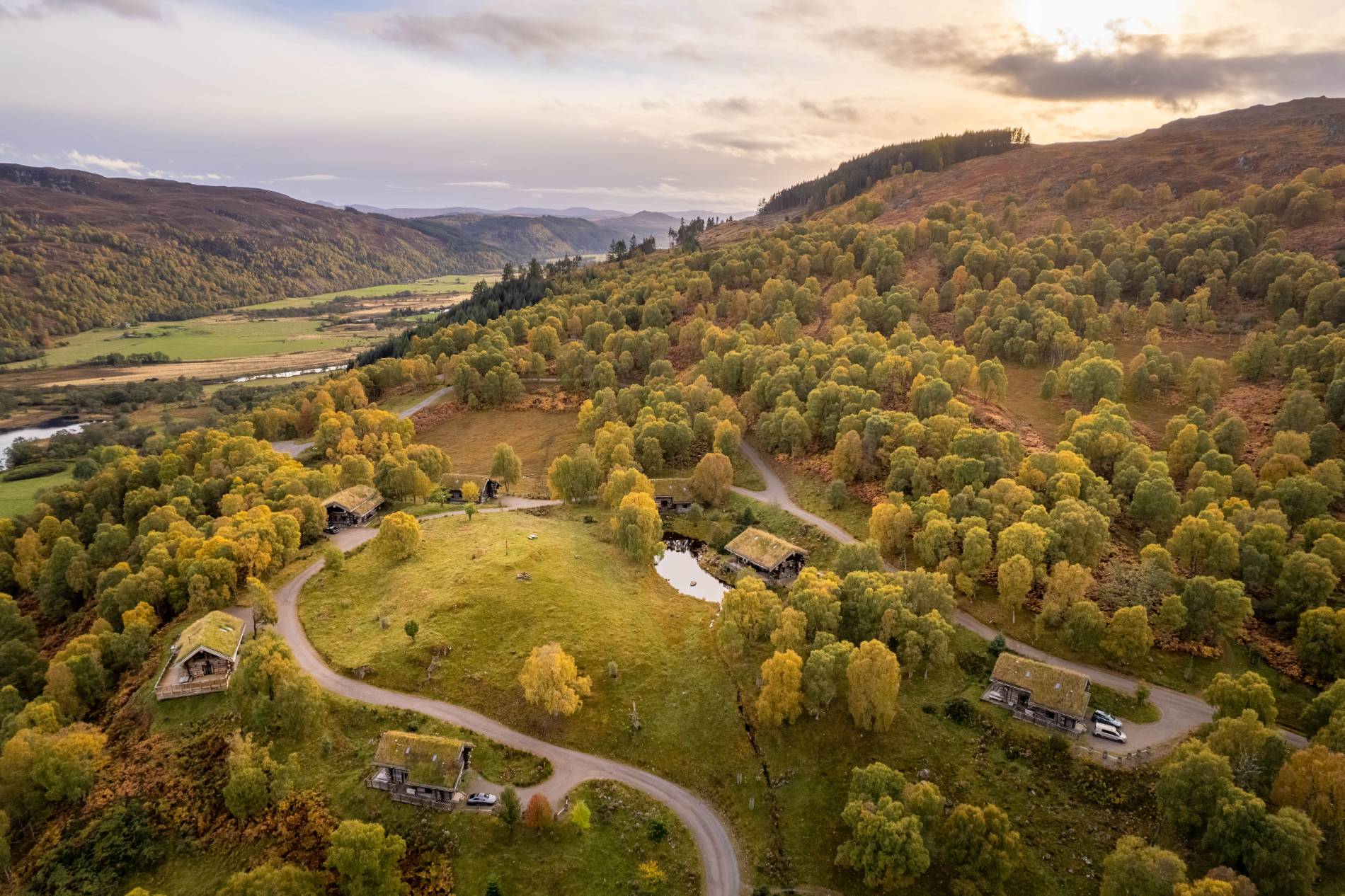
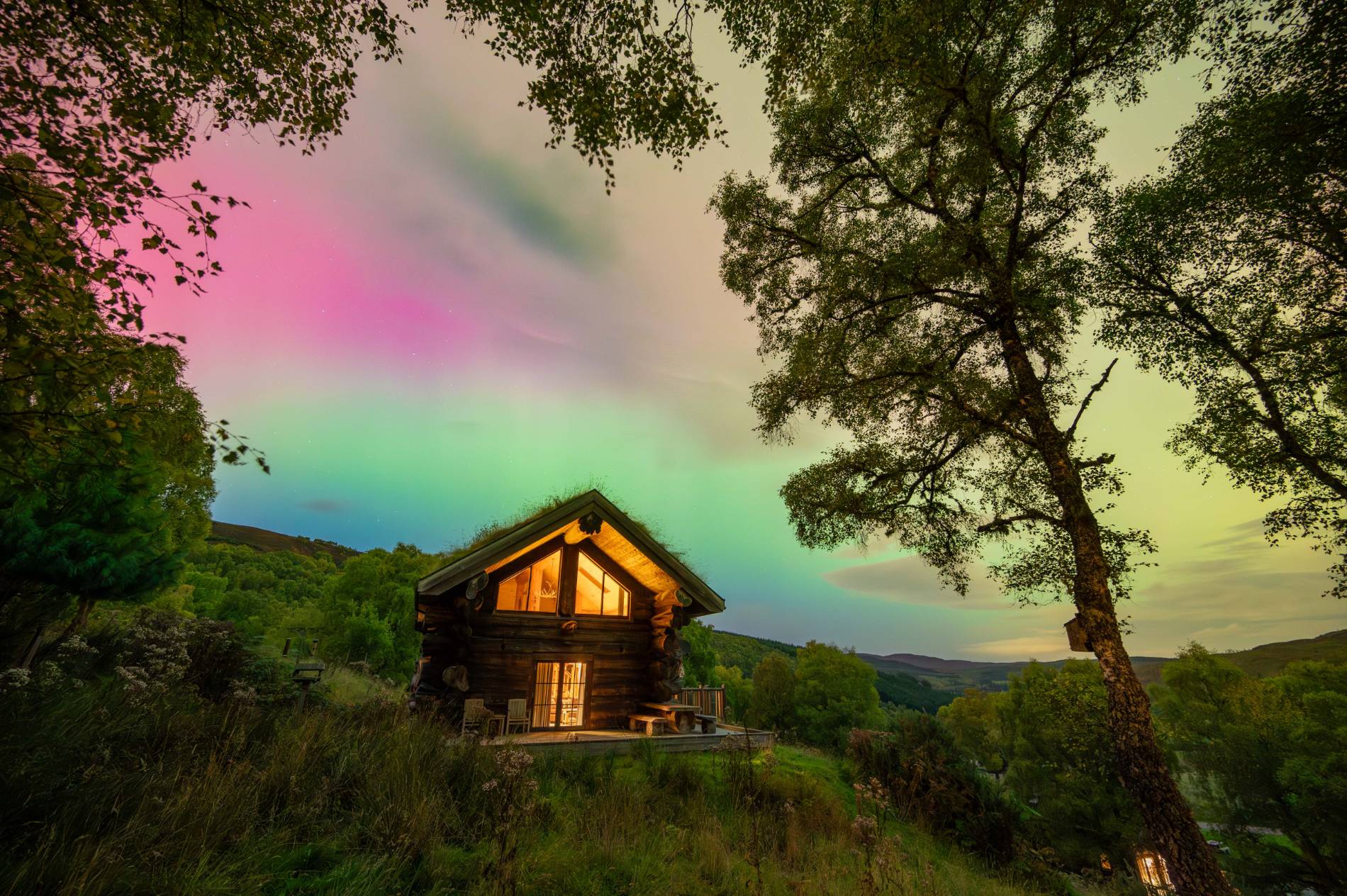
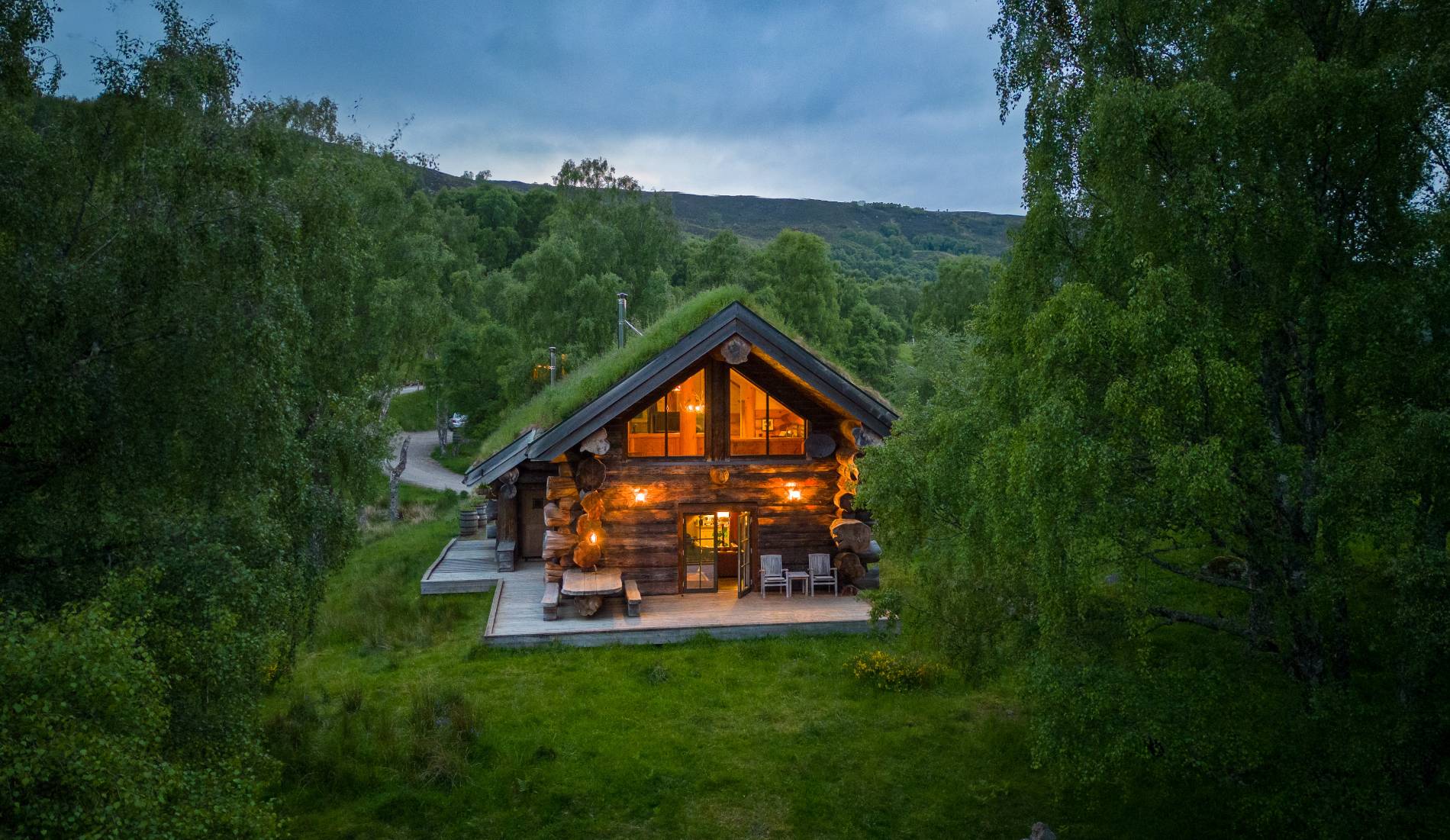
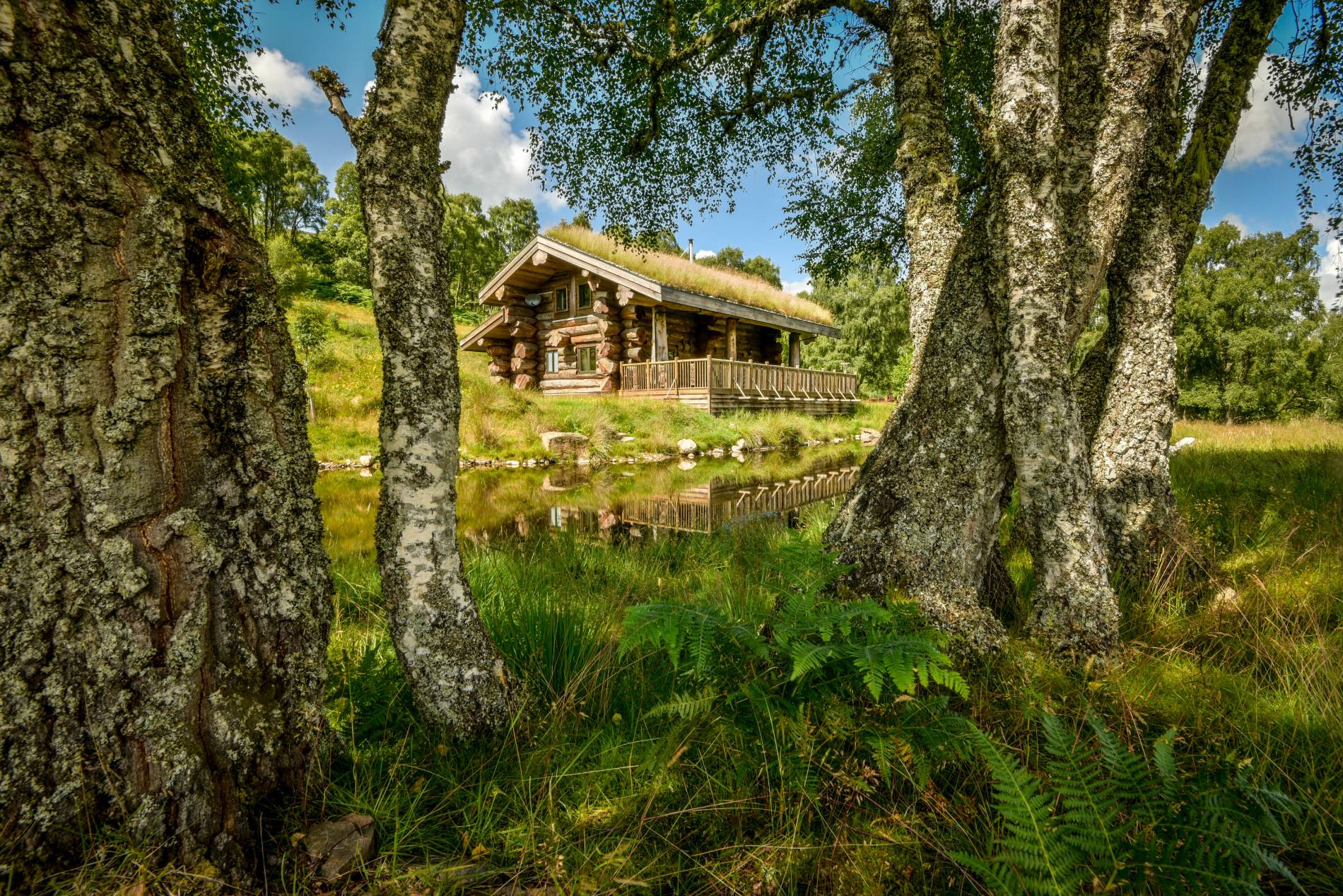
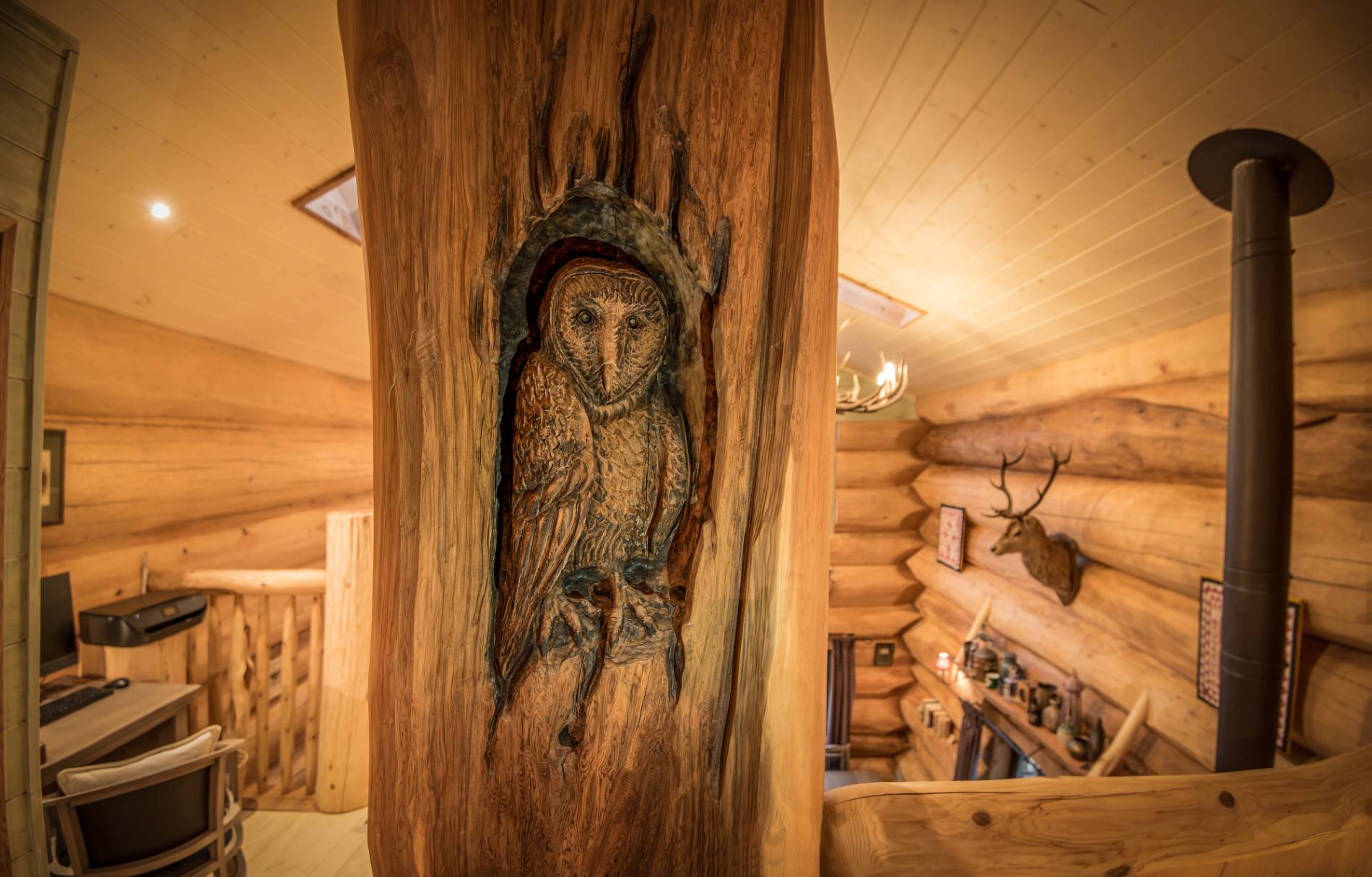
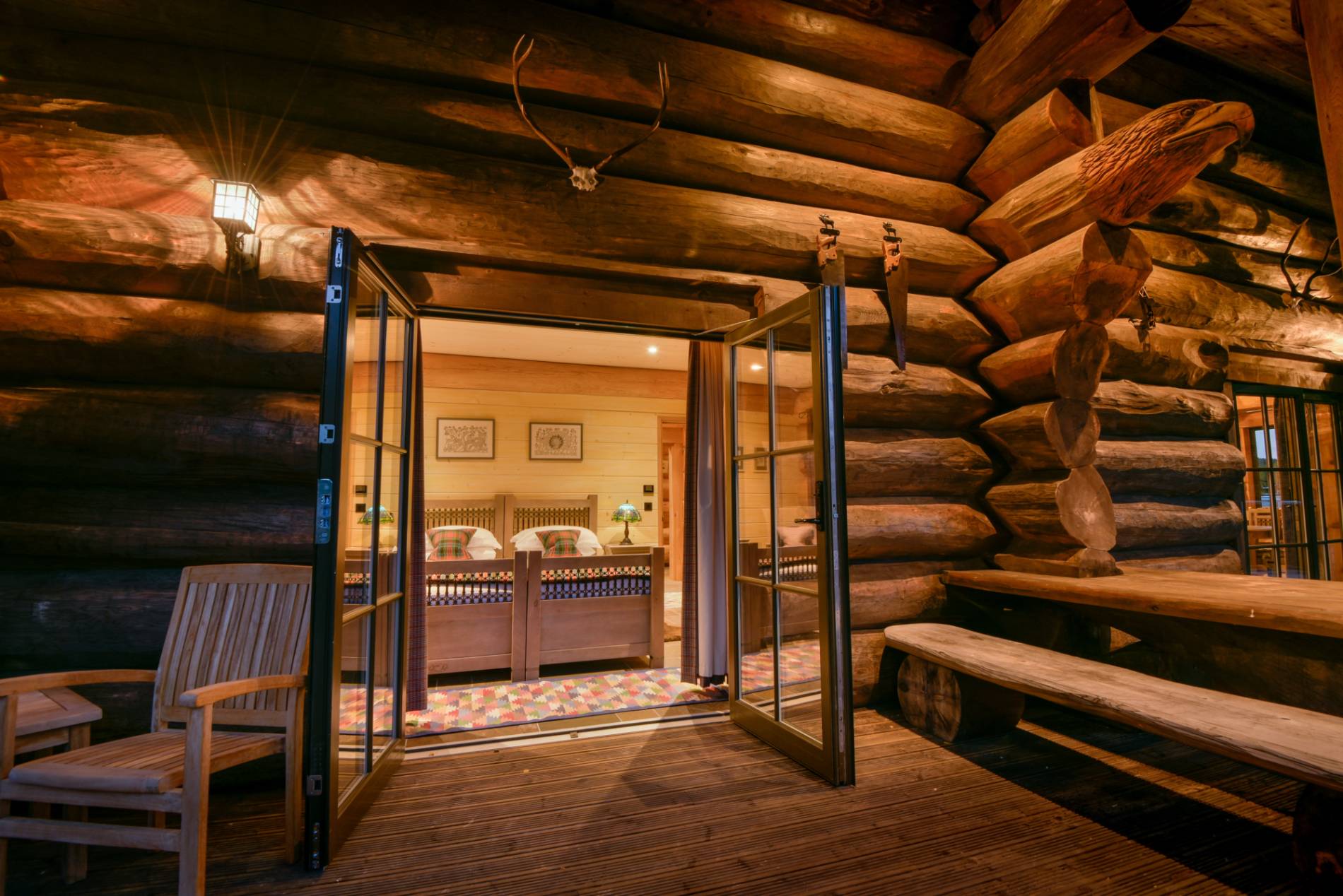
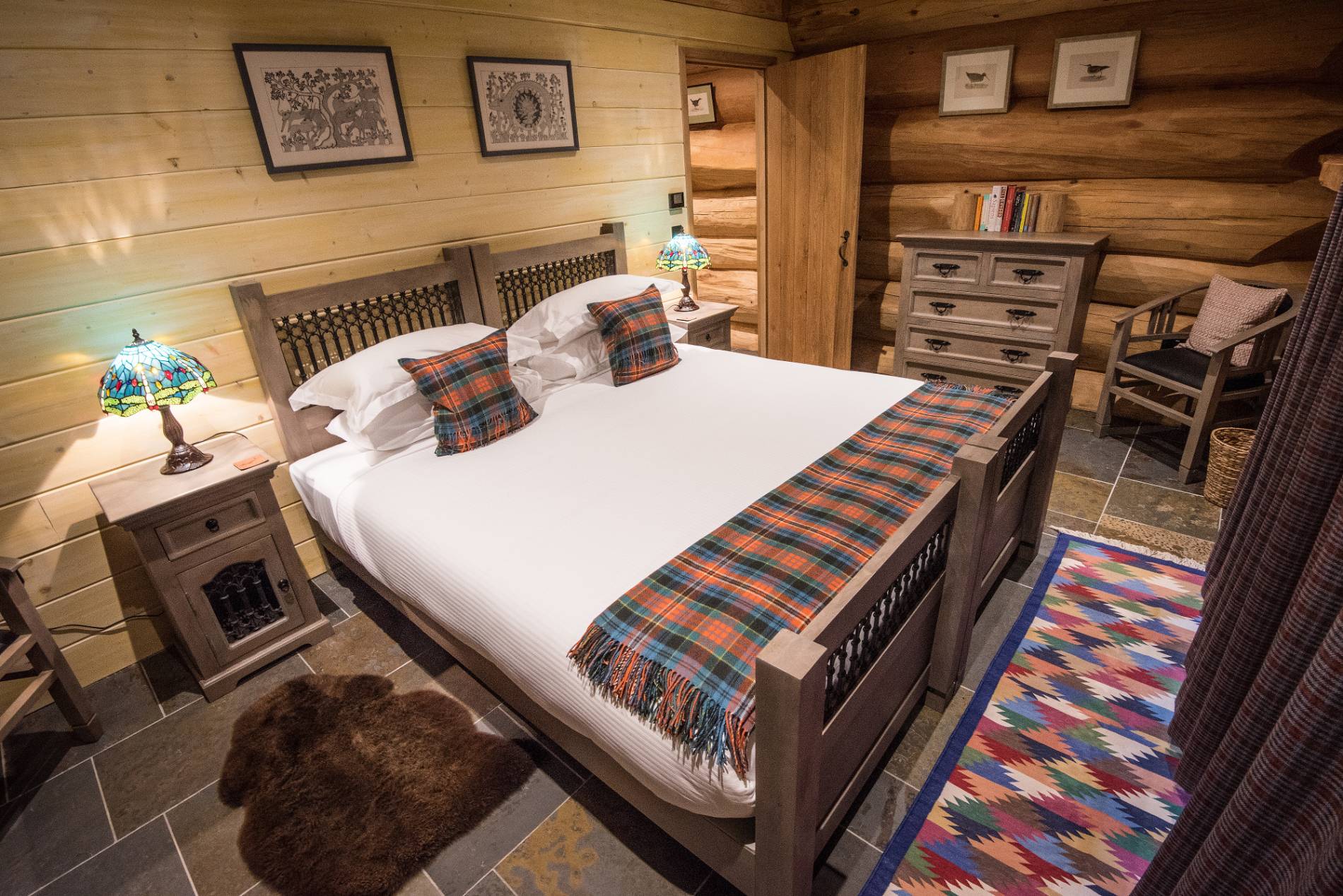
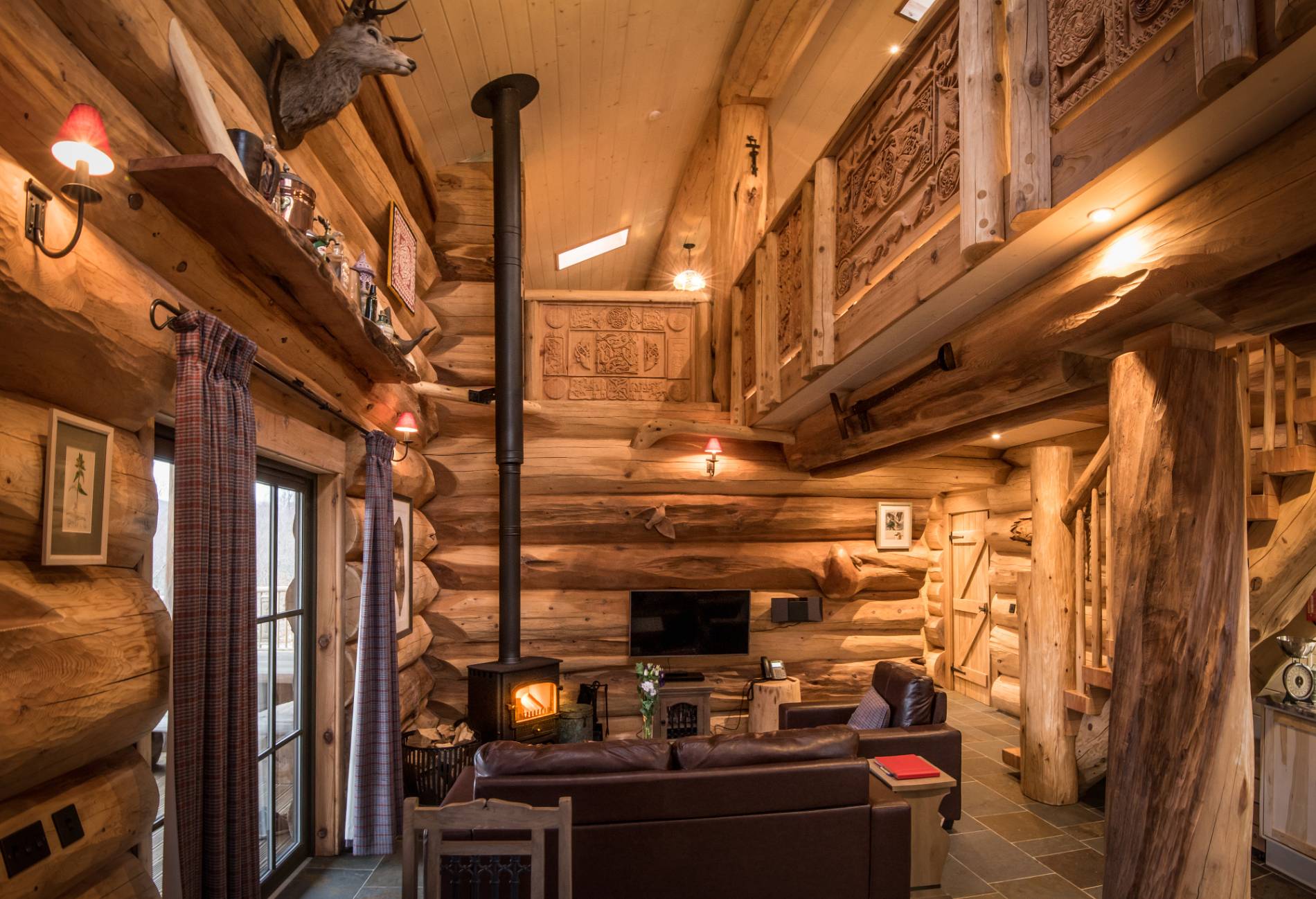
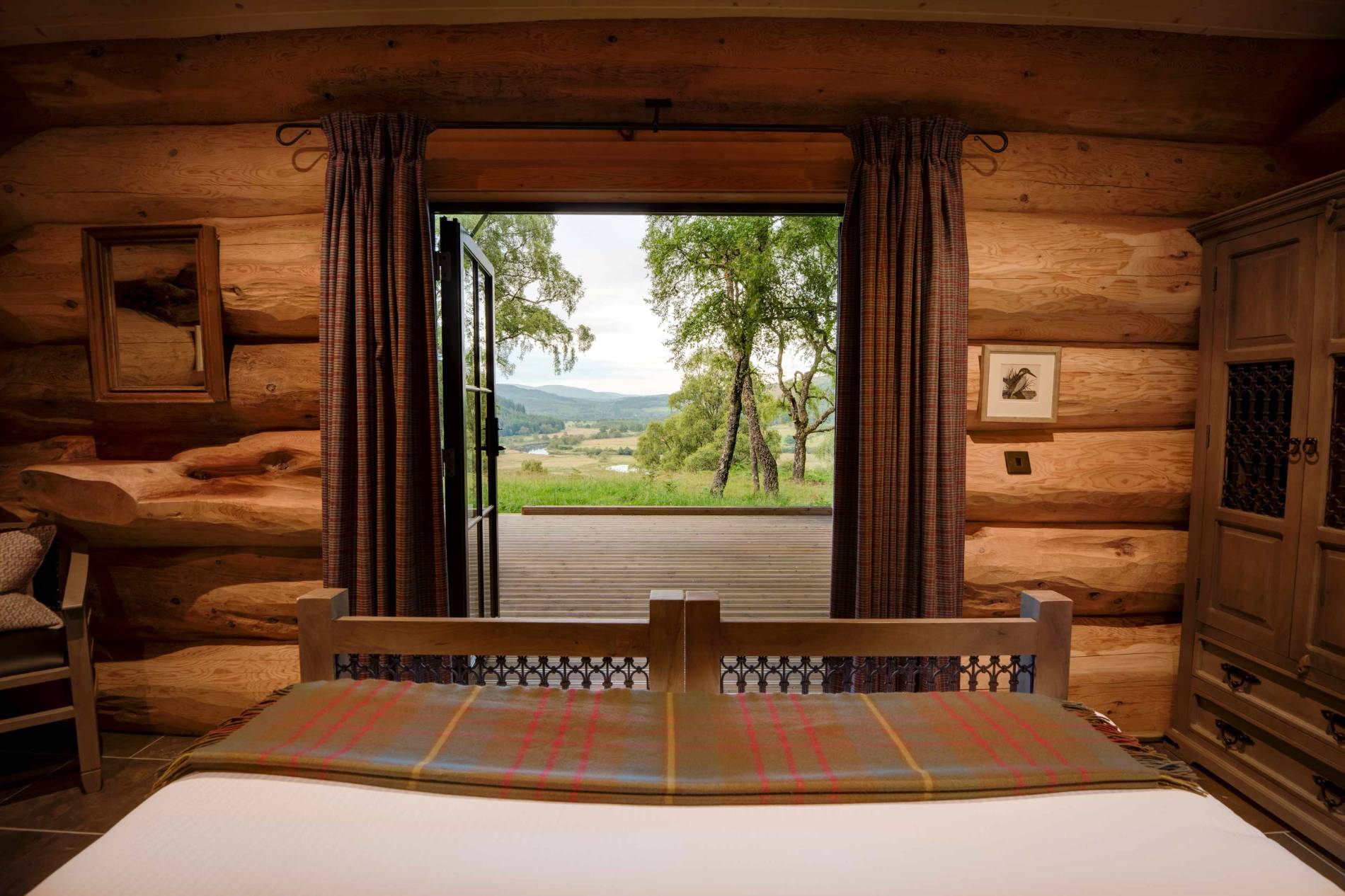
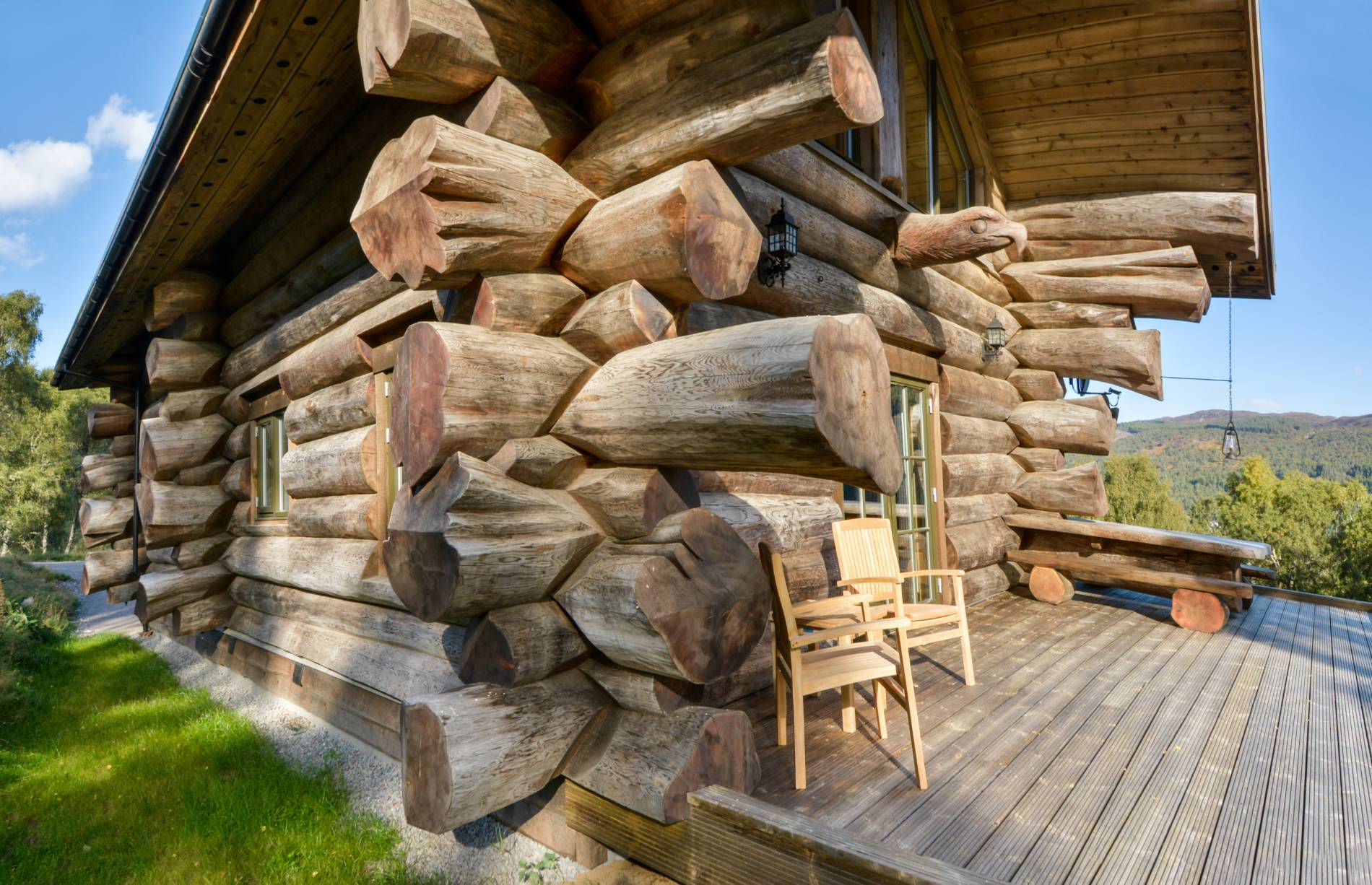
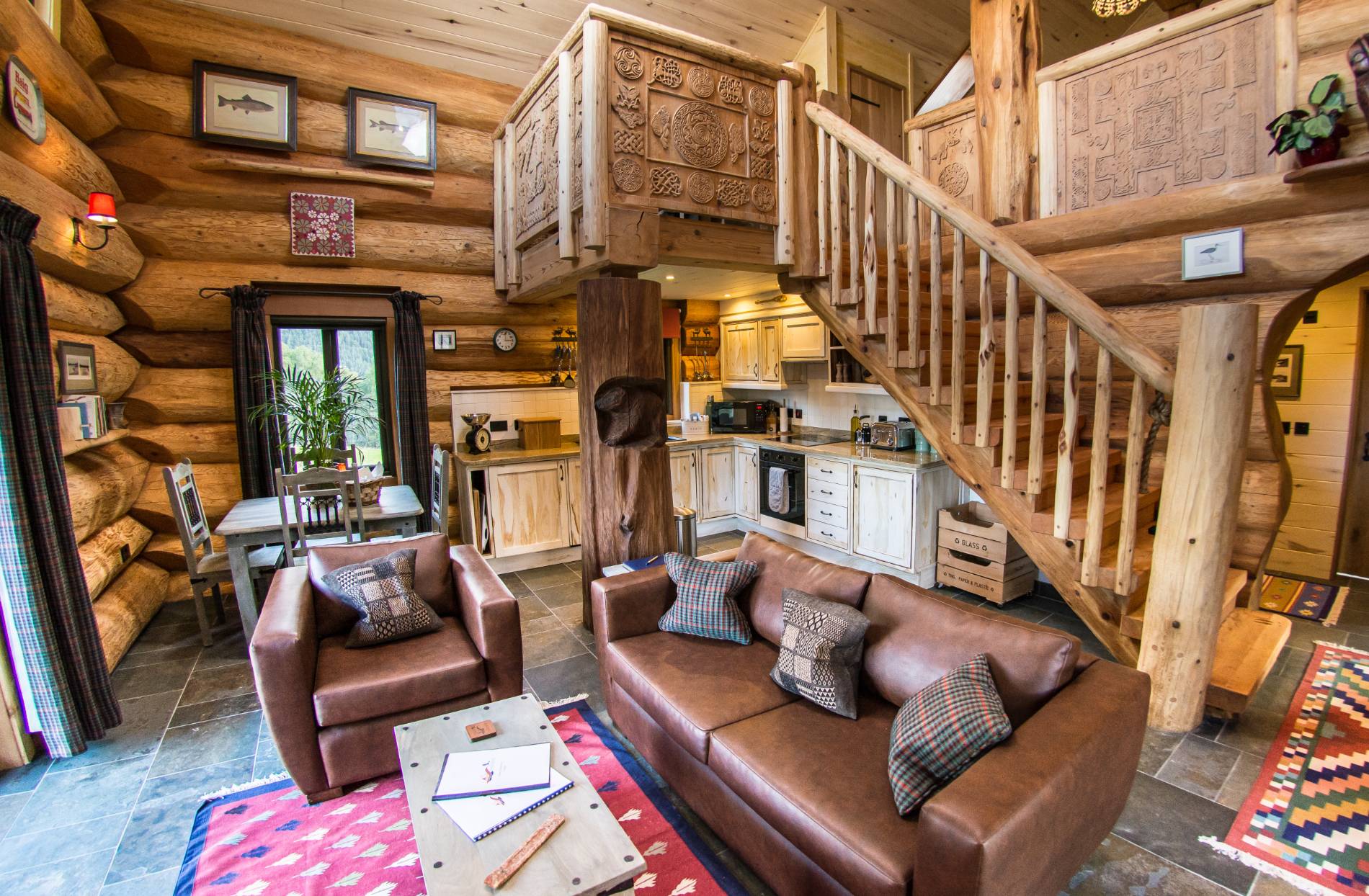
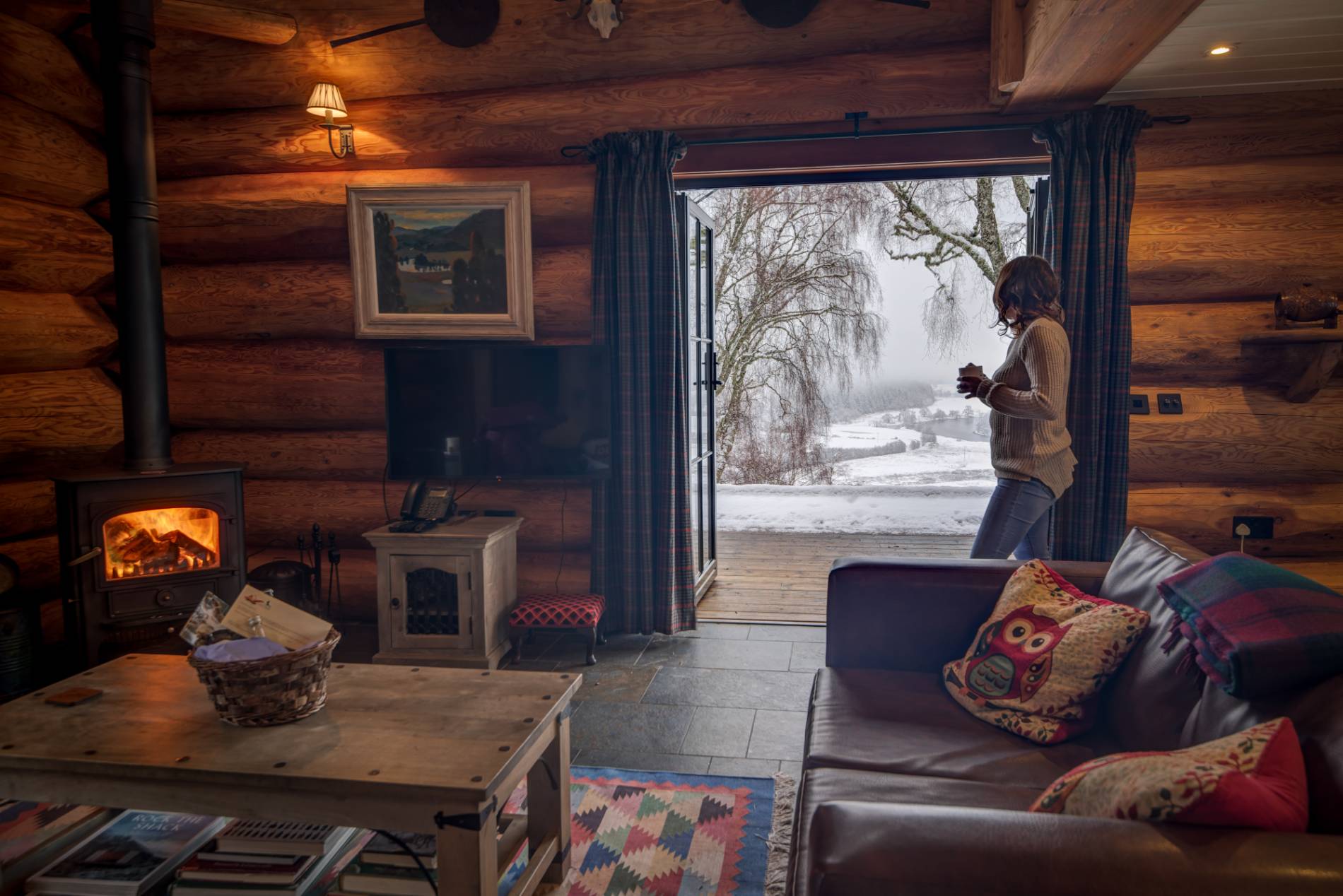
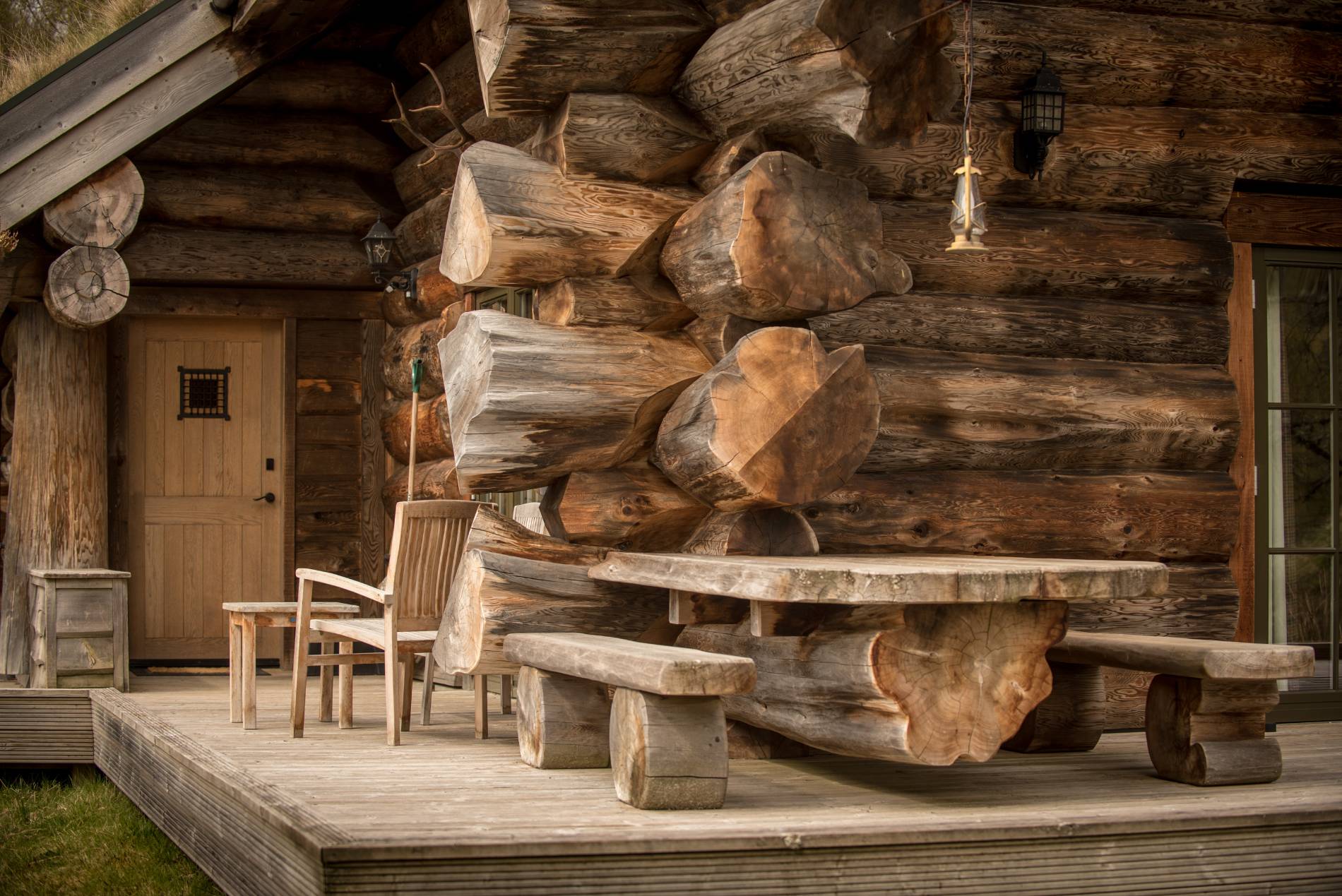
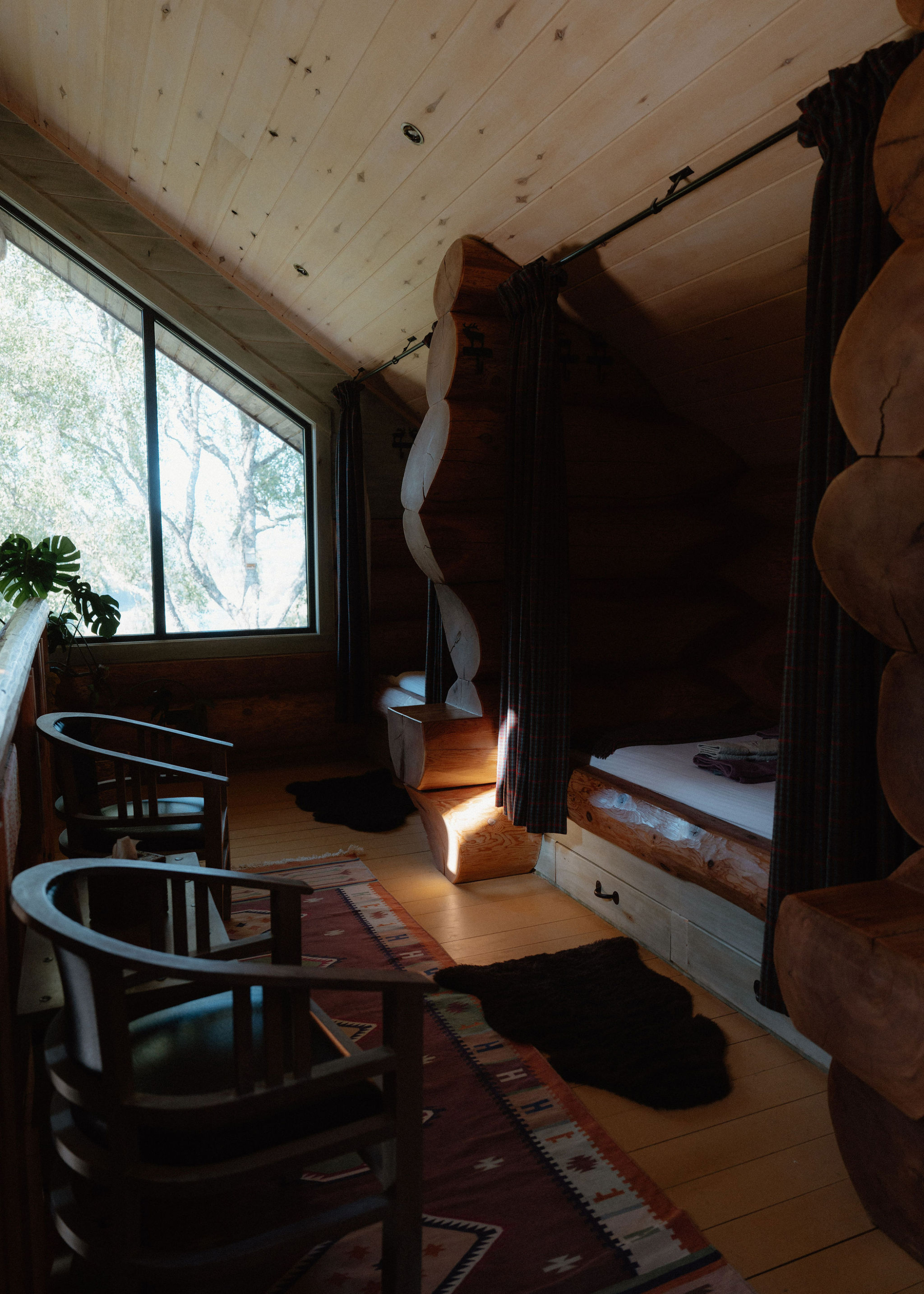
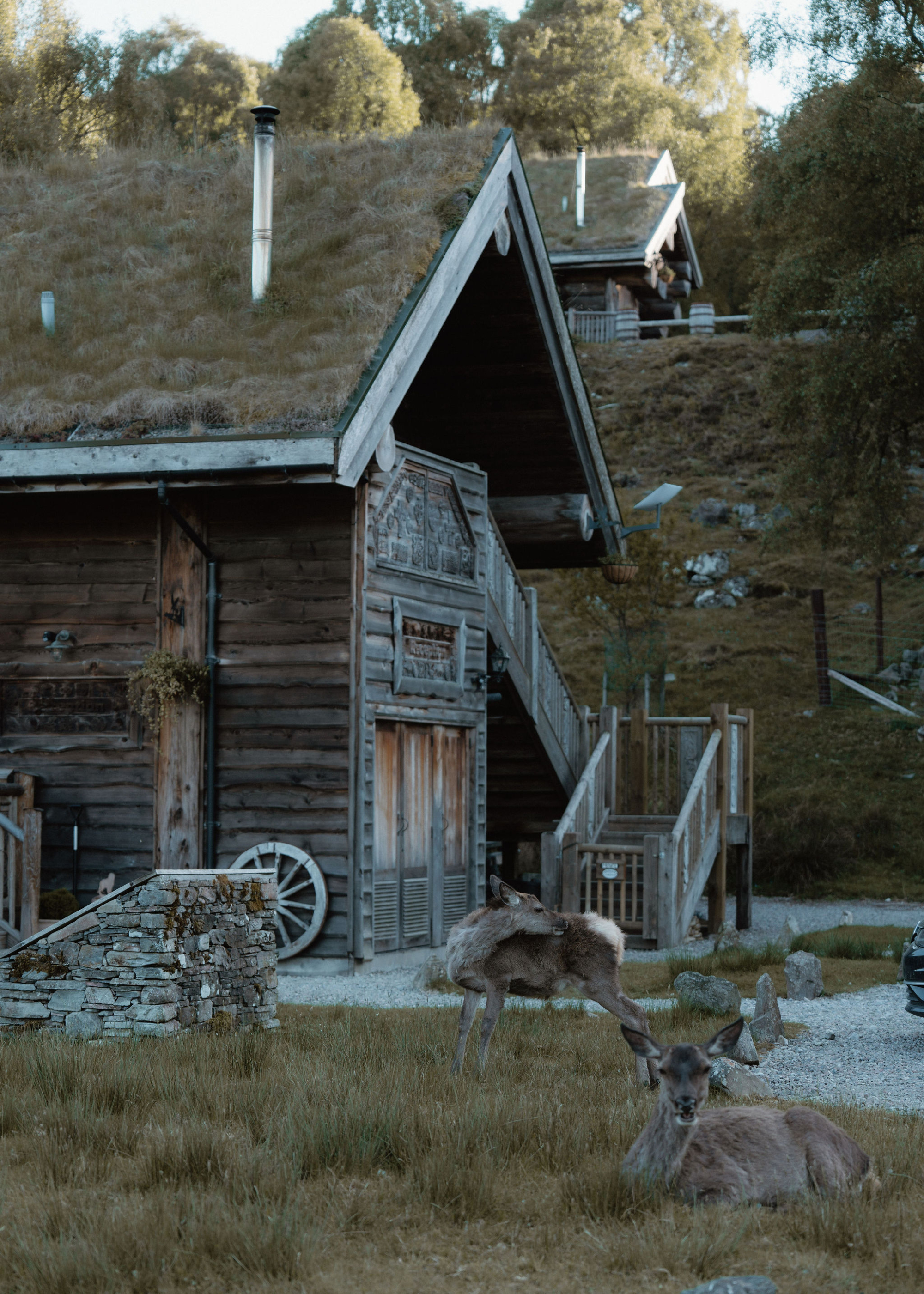
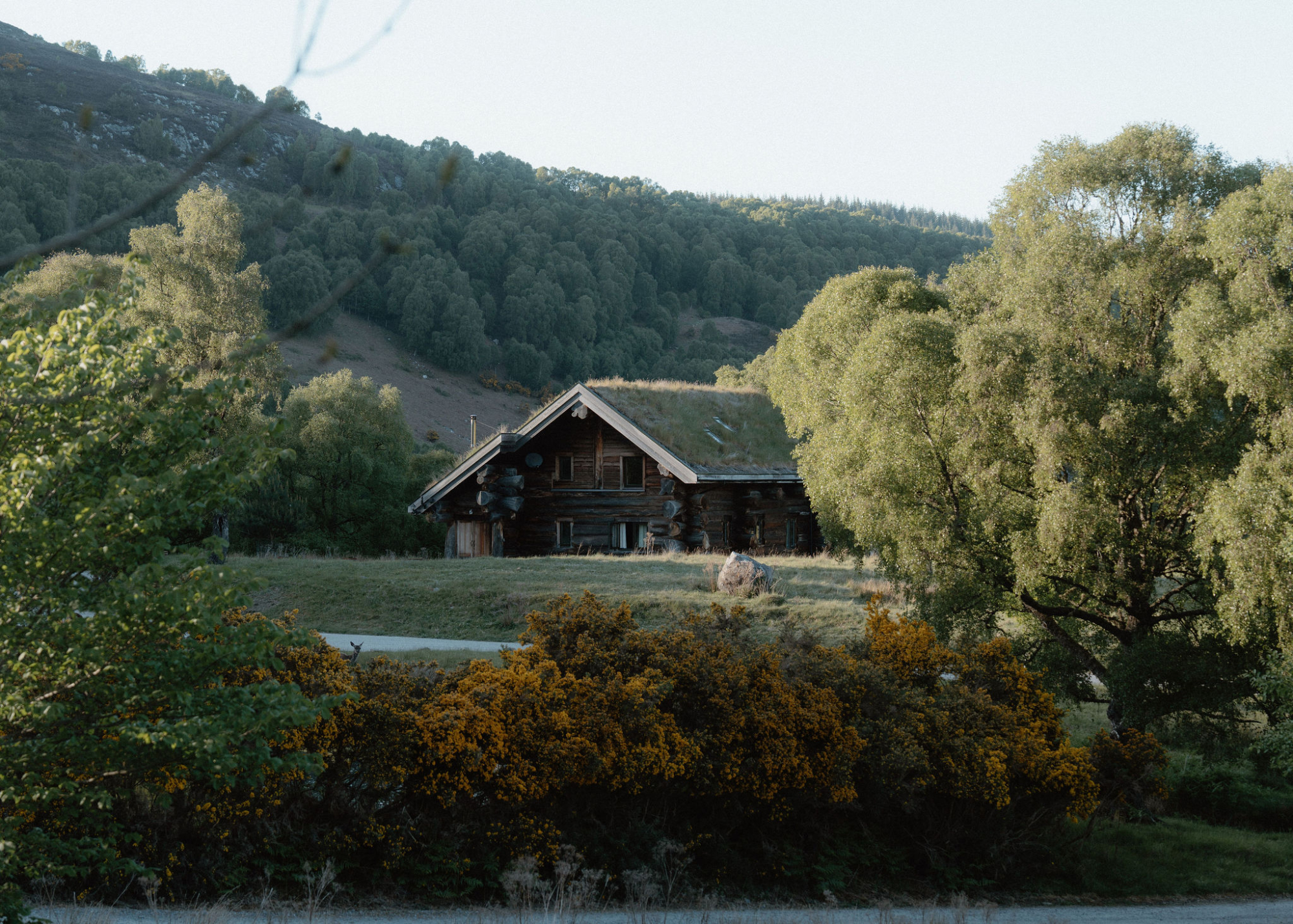
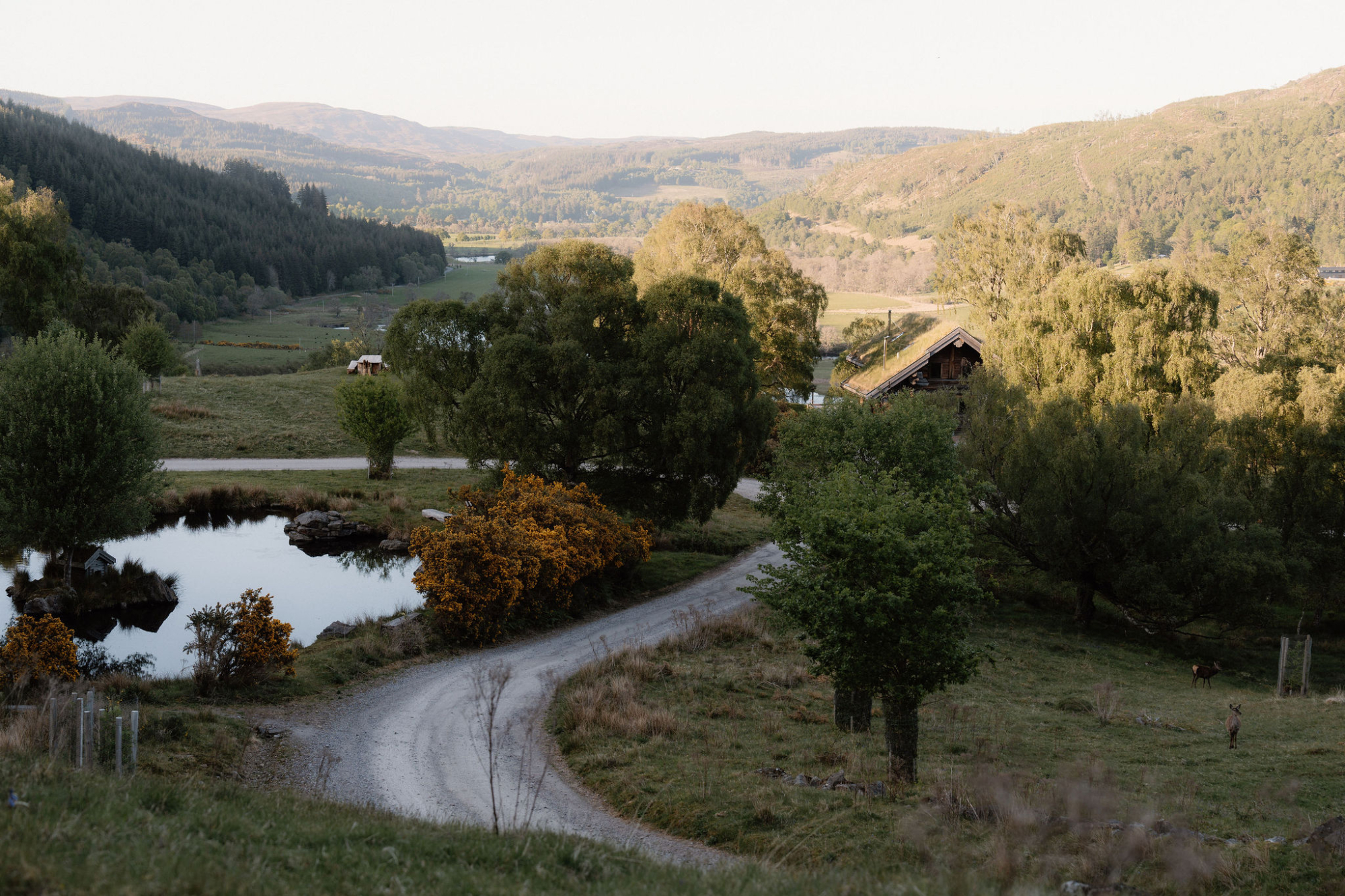
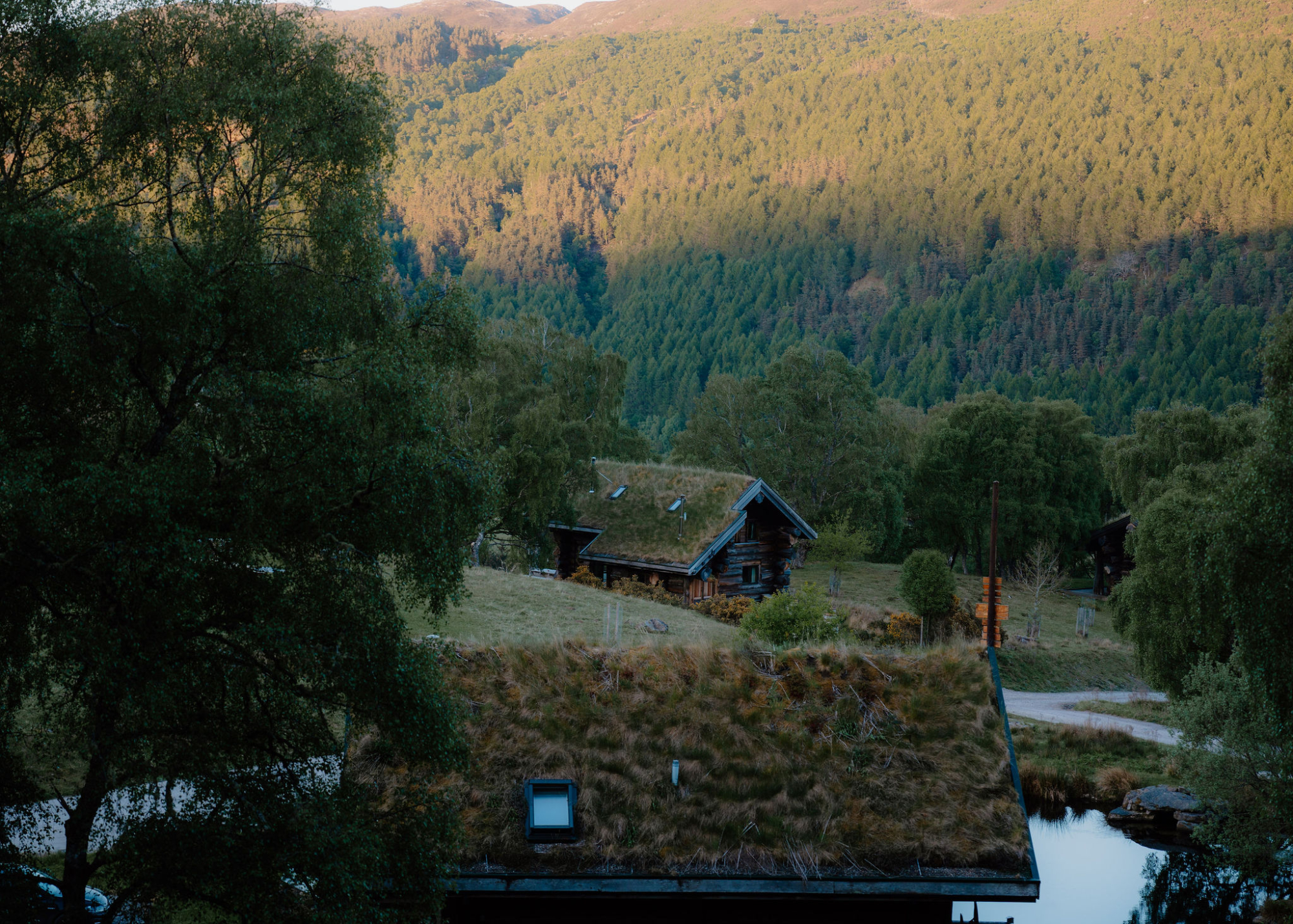
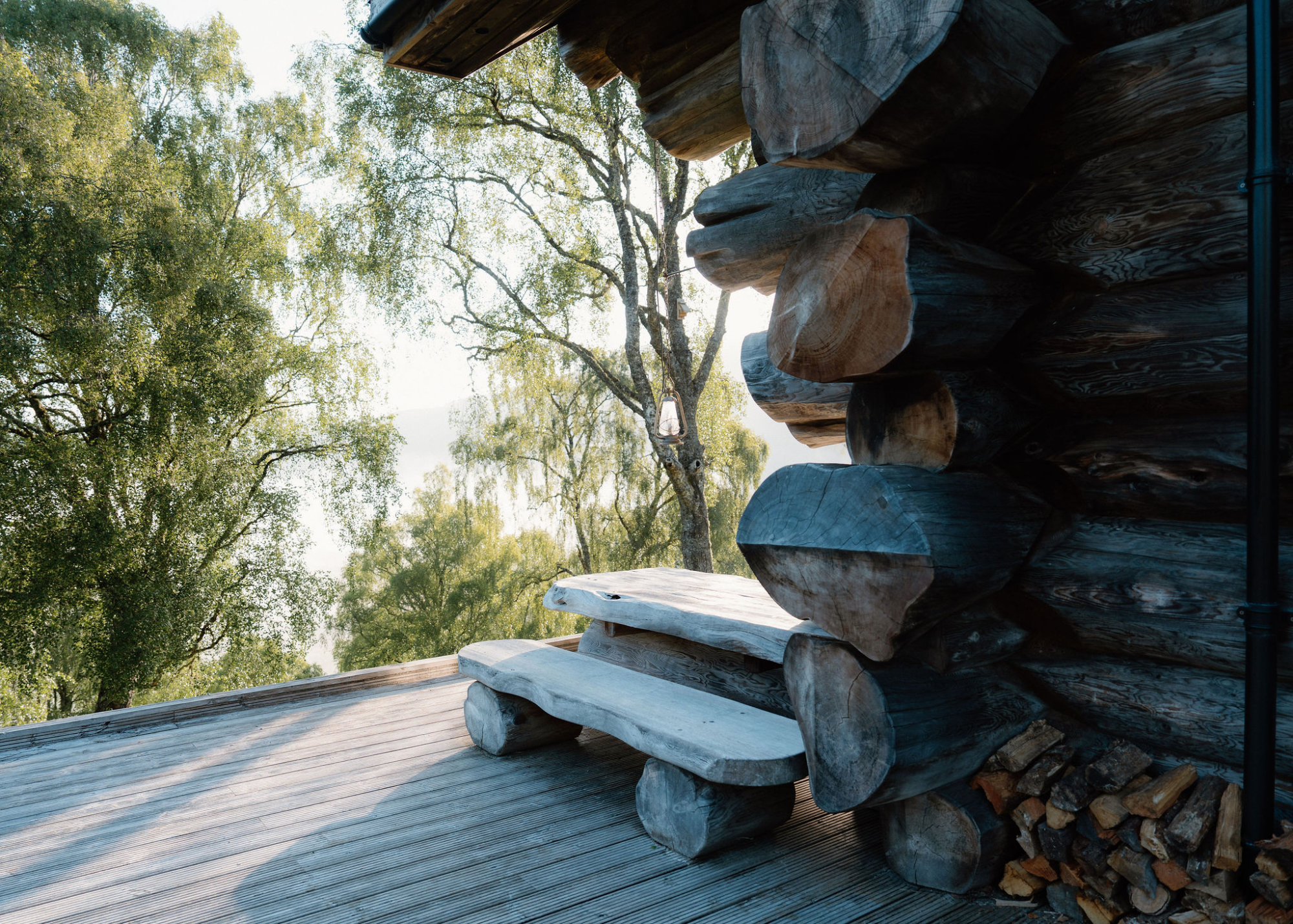
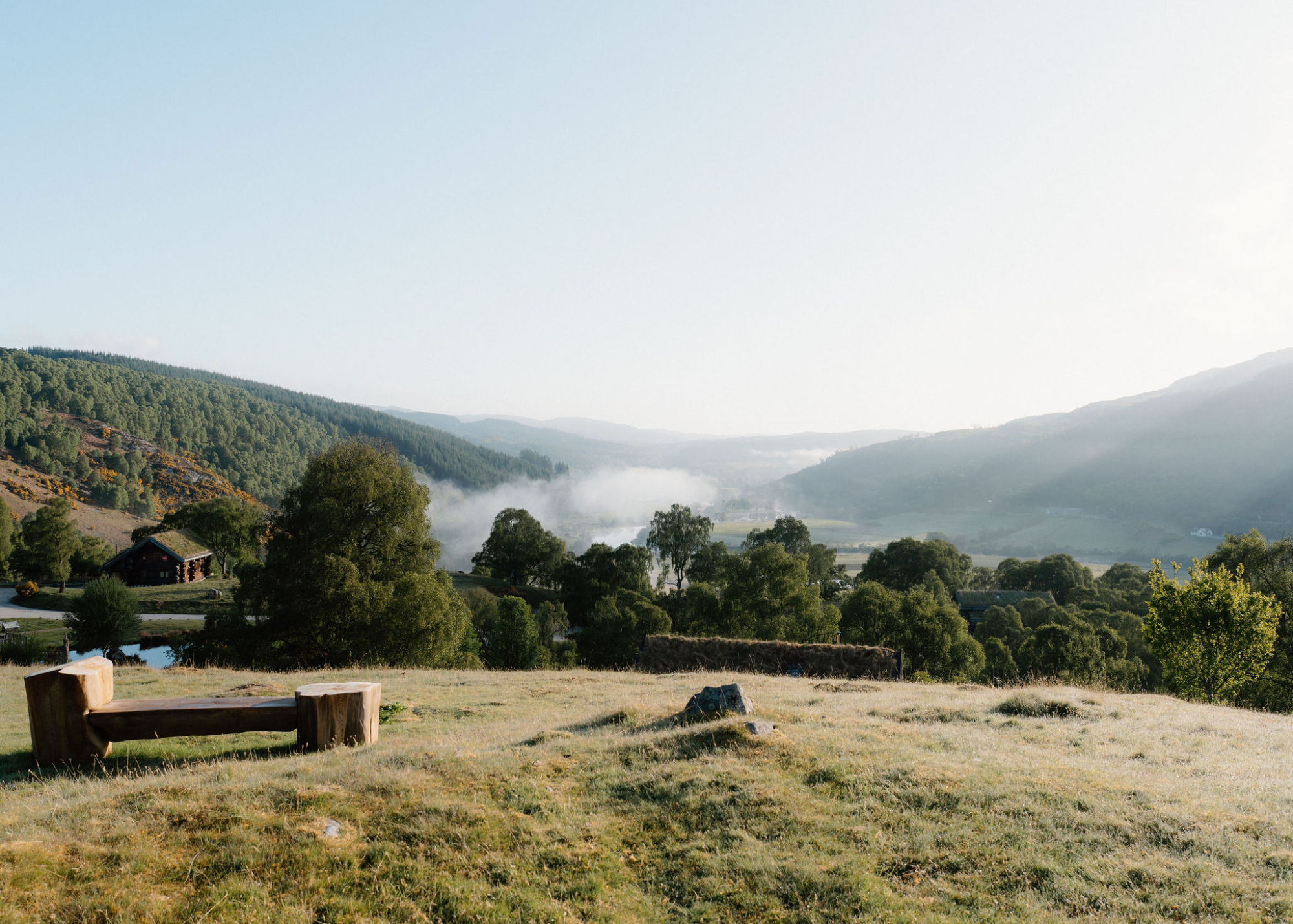
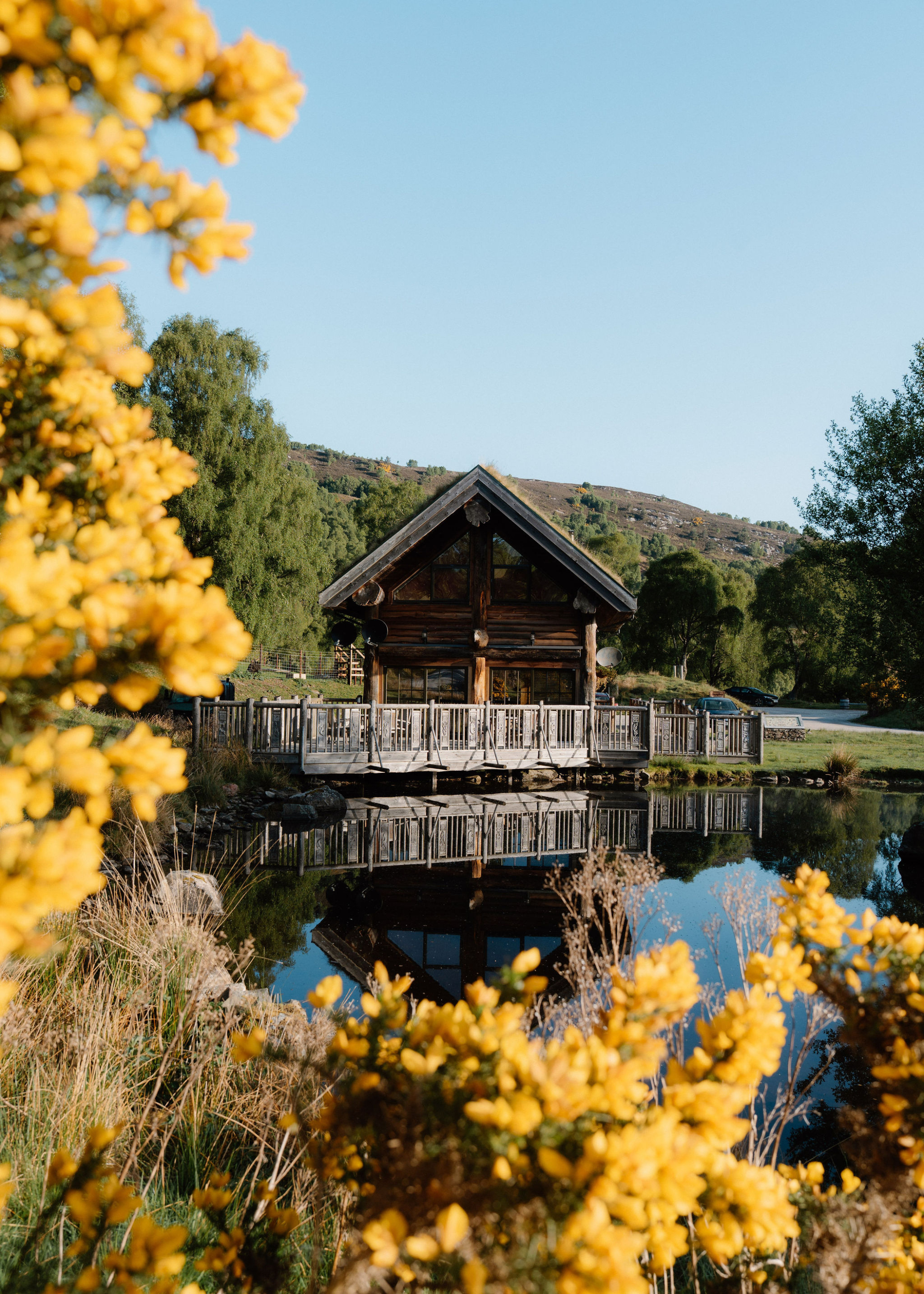
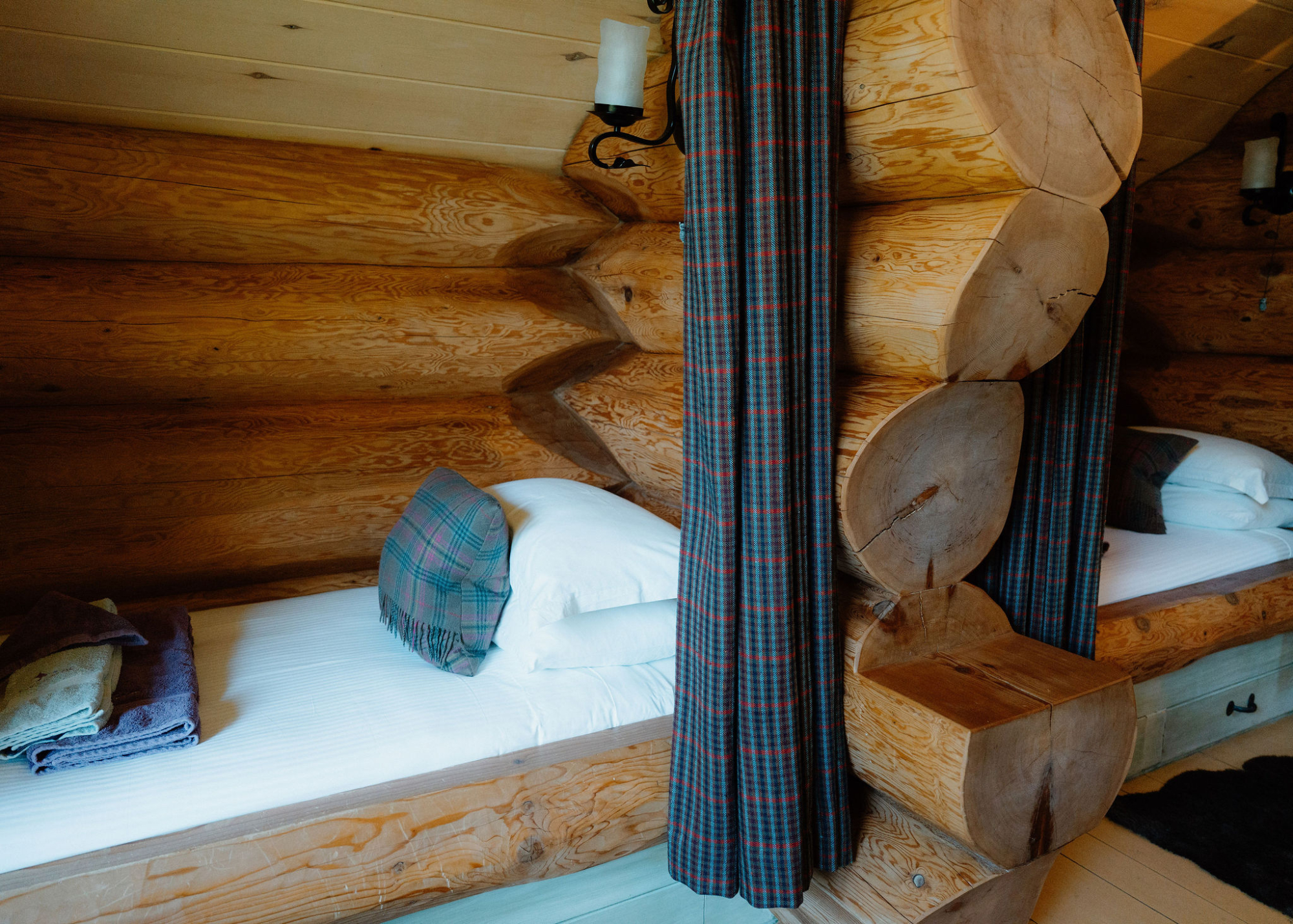
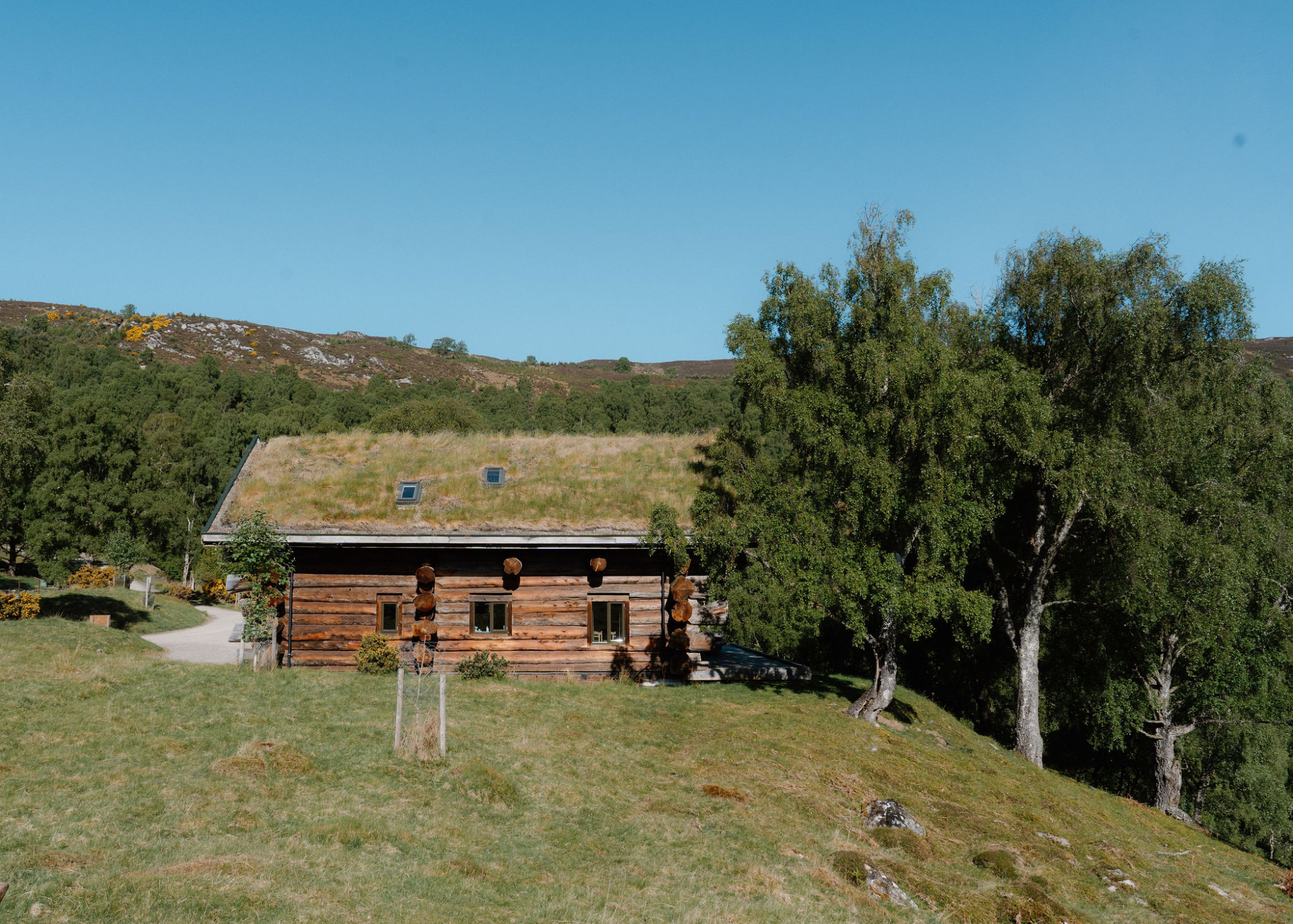
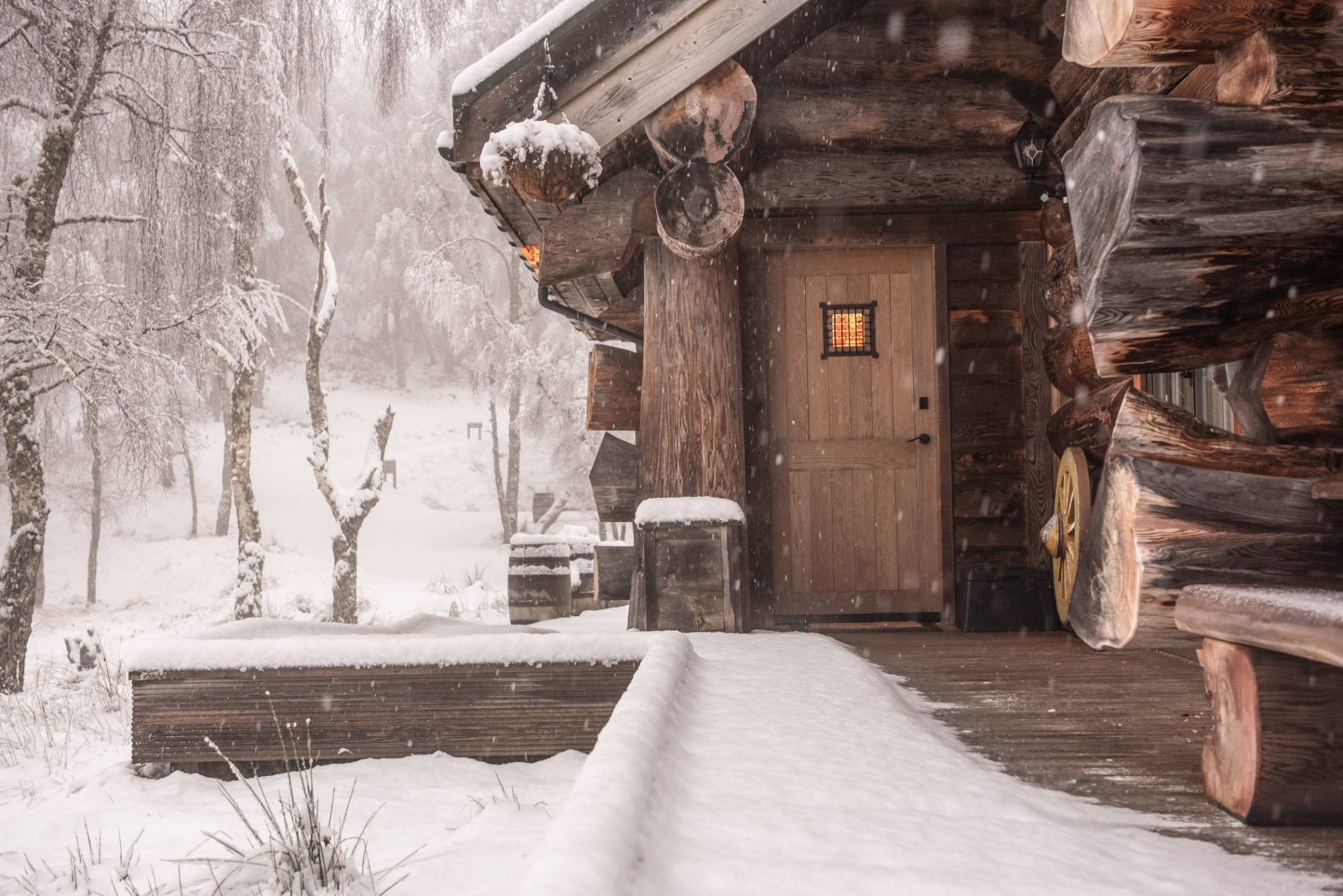
Start the day at Eagle Brae with breakfast in your cabin. Provisions are easy to arrange in advance, and most guests find it simplest to cook here before heading out. If you prefer to get moving early, keep it light and take coffee on the deck before the drive east.
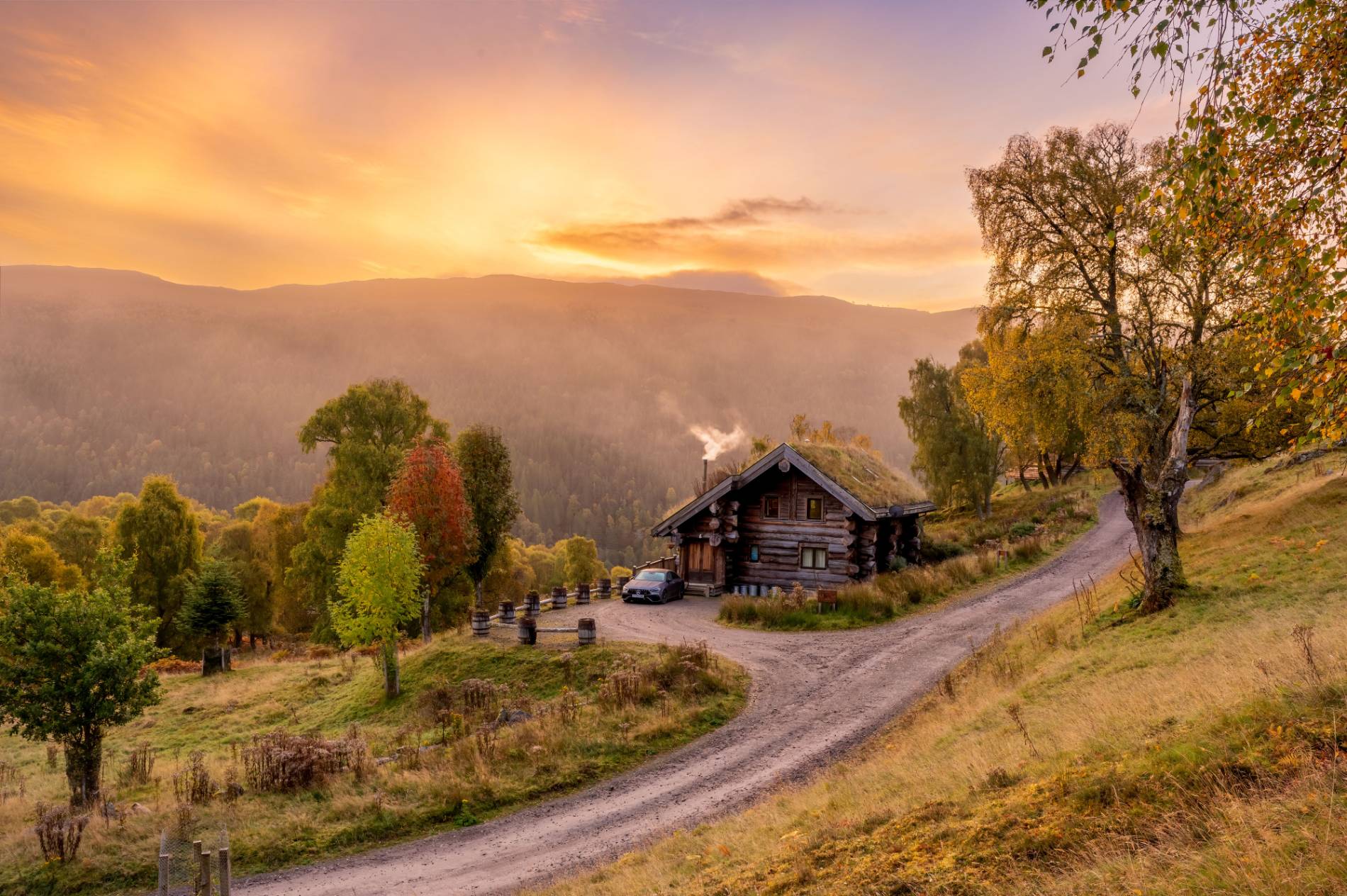
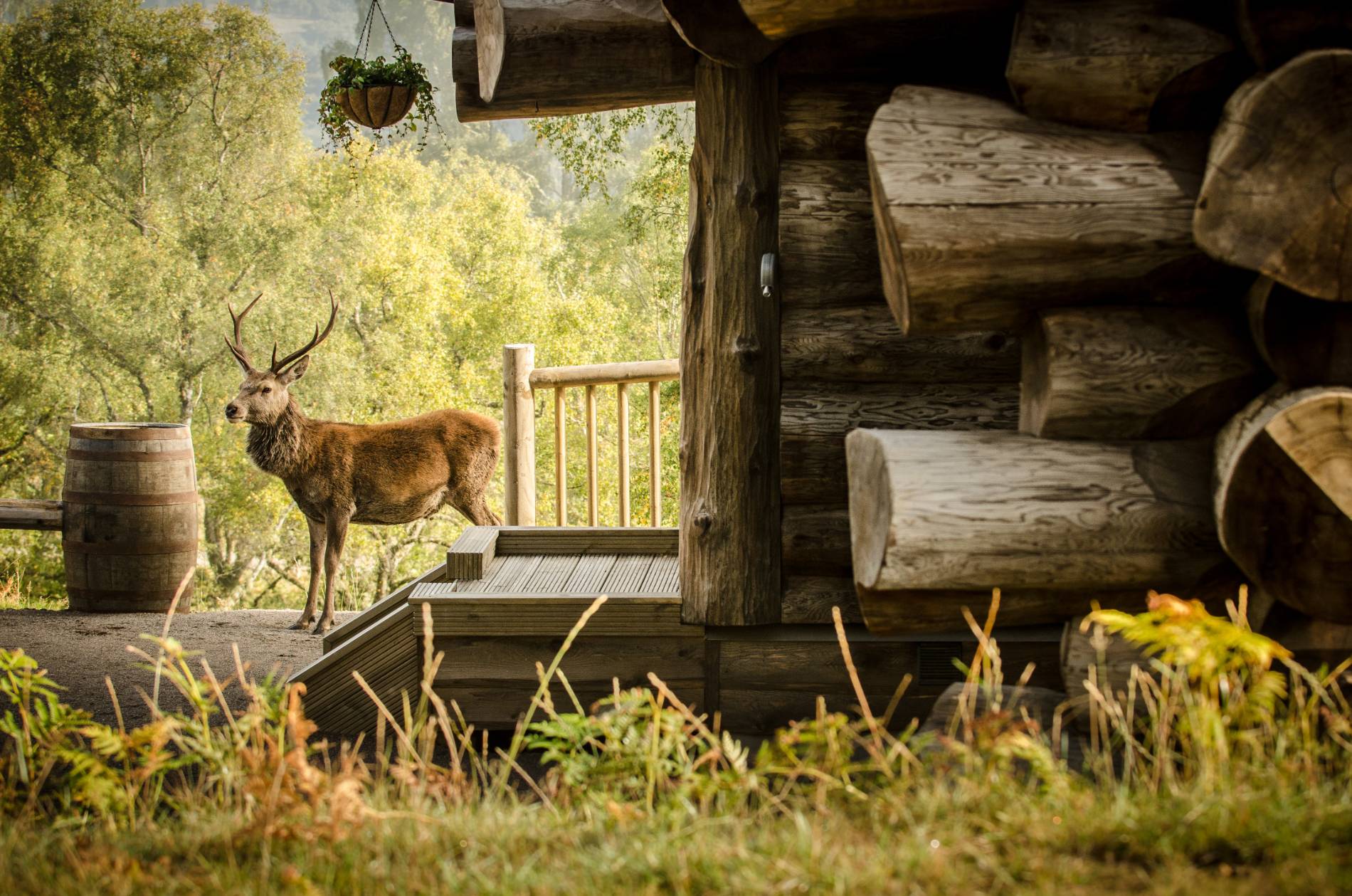
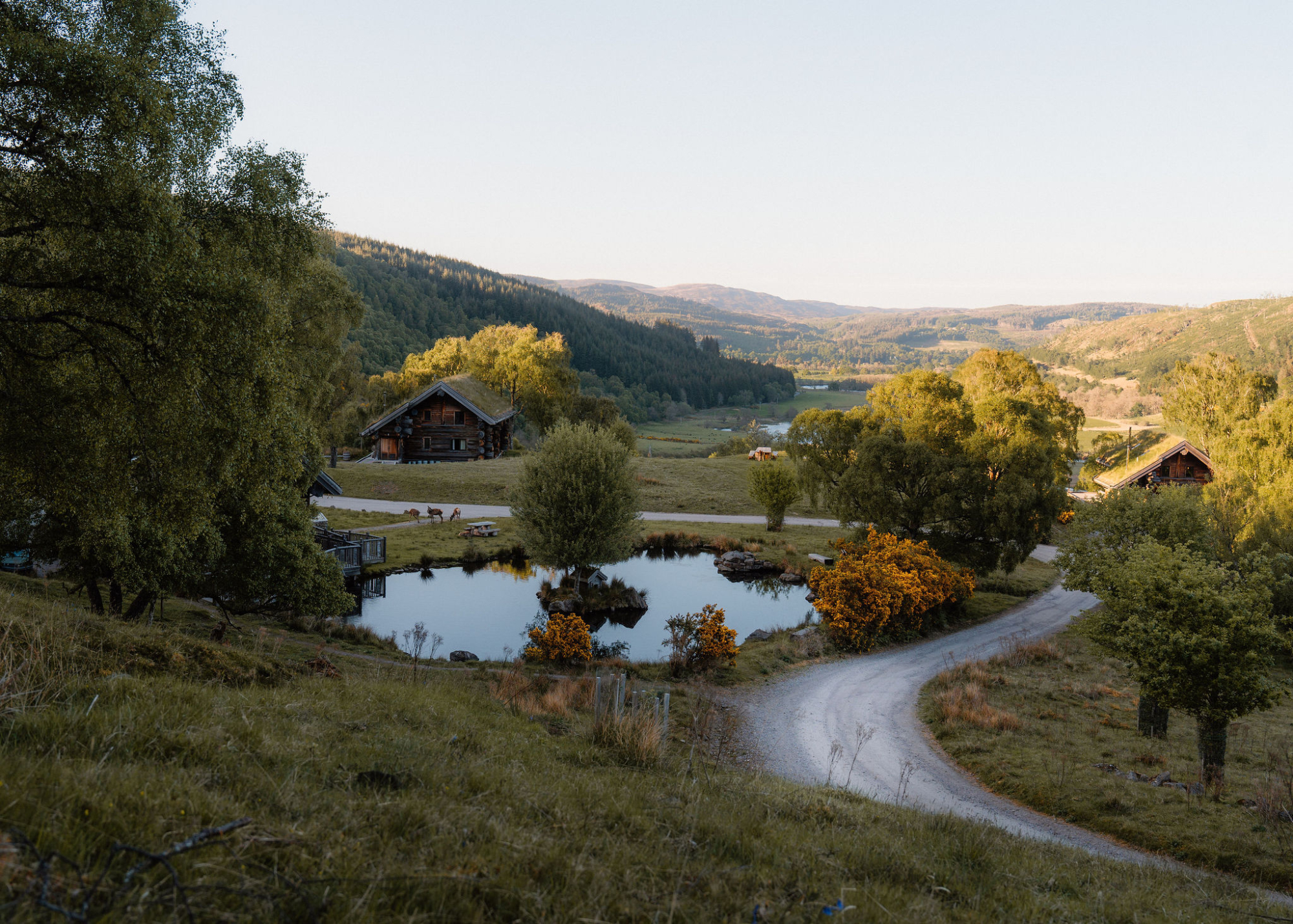
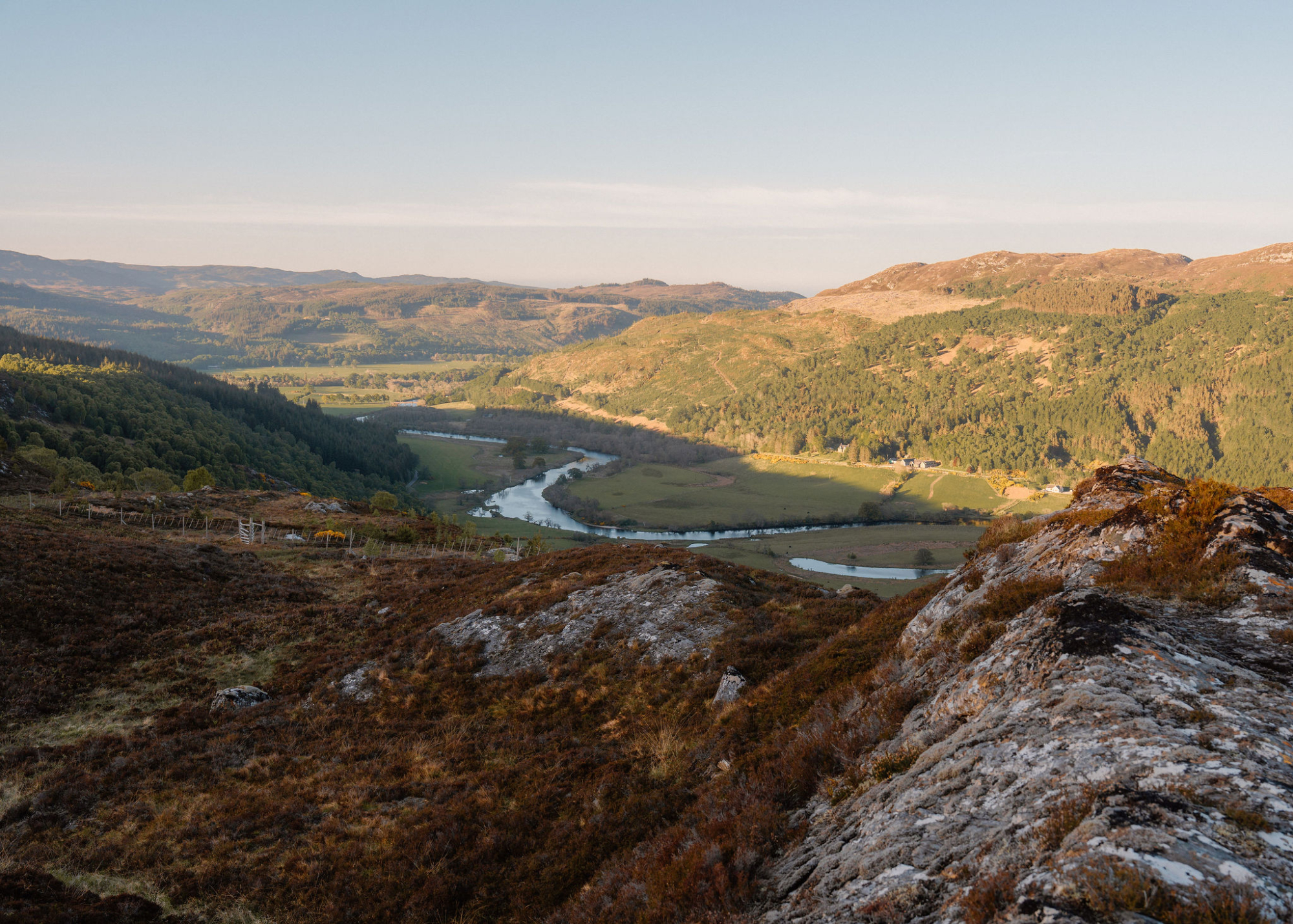
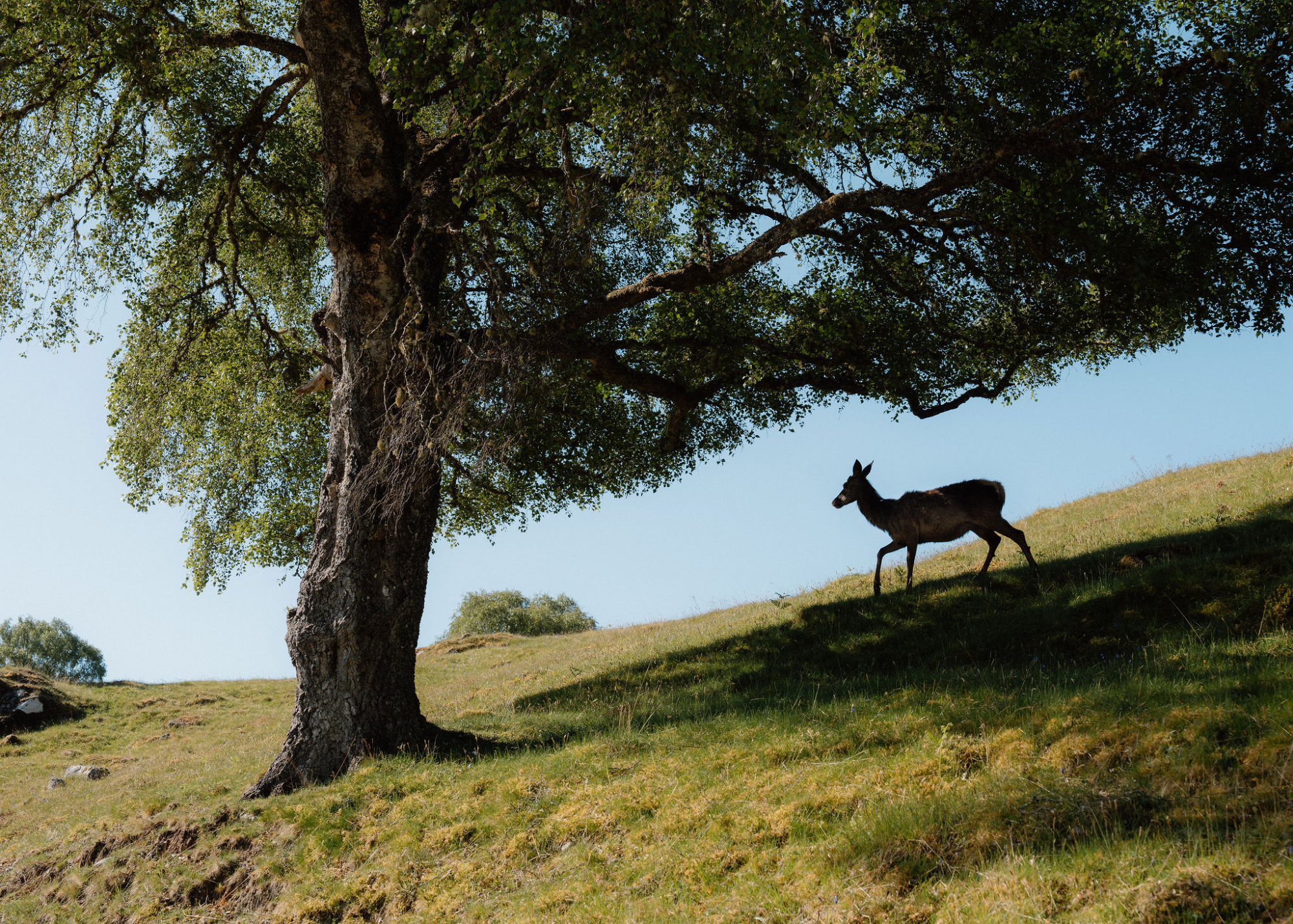
If there’s time, you can stretch your legs on one of the short estate trails. The Meadow Walk is an easy loop around the fields, often with the Hebridean sheep grazing nearby, while the Hydro Weir path climbs to a small dam and a wide view across the cabins. Mountain bikes are also available if you’d like to take a quick spin through the lanes around Struy before leaving.
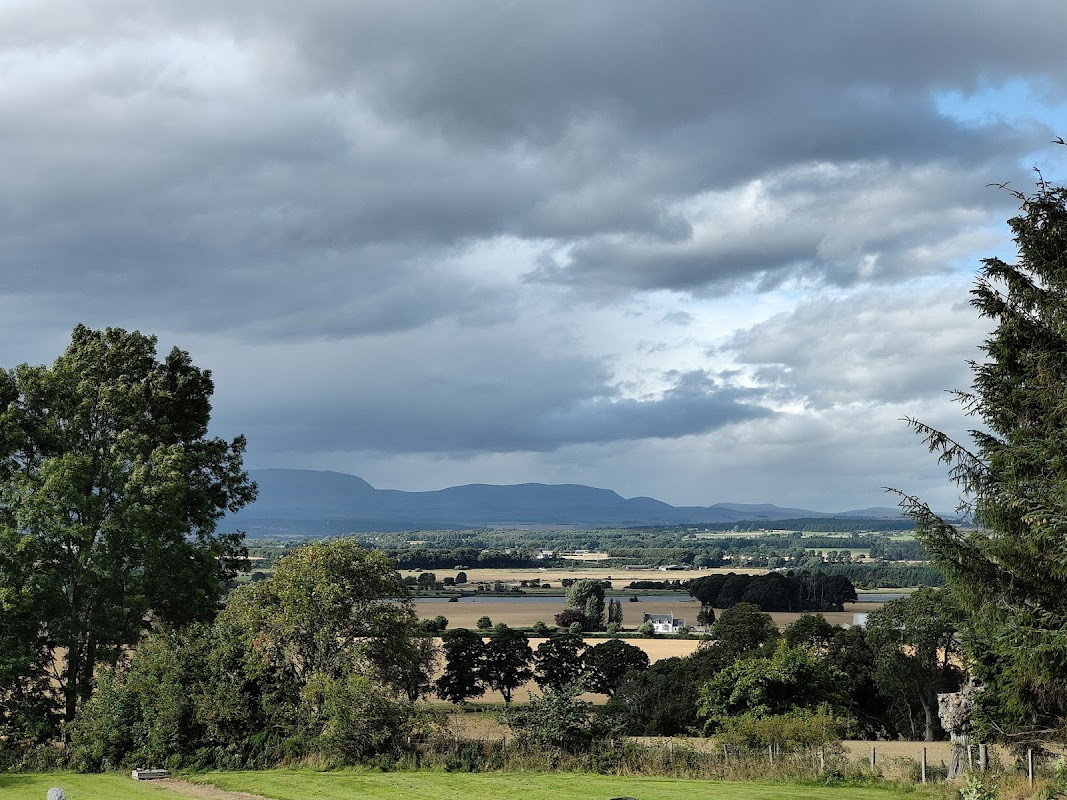
By mid-morning you’ll be on the road toward Culloden Battlefield, about an hour’s drive. The route passes Beauly and Inverness before reaching the moor where the Jacobite cause met its end in 1746.
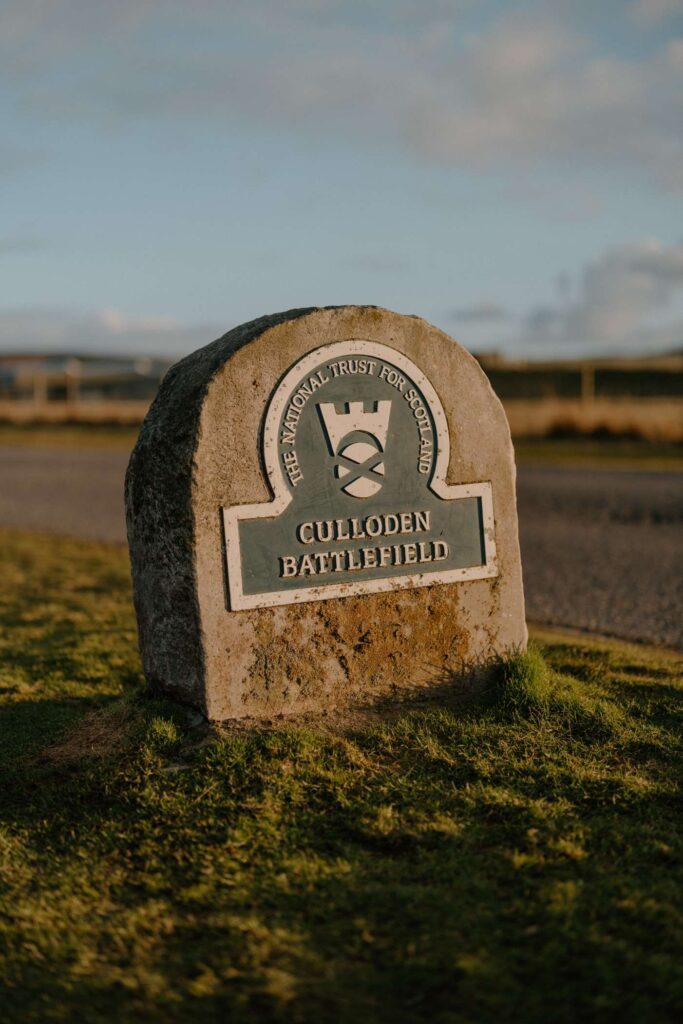
Culloden Battlefield and Visitor Centre
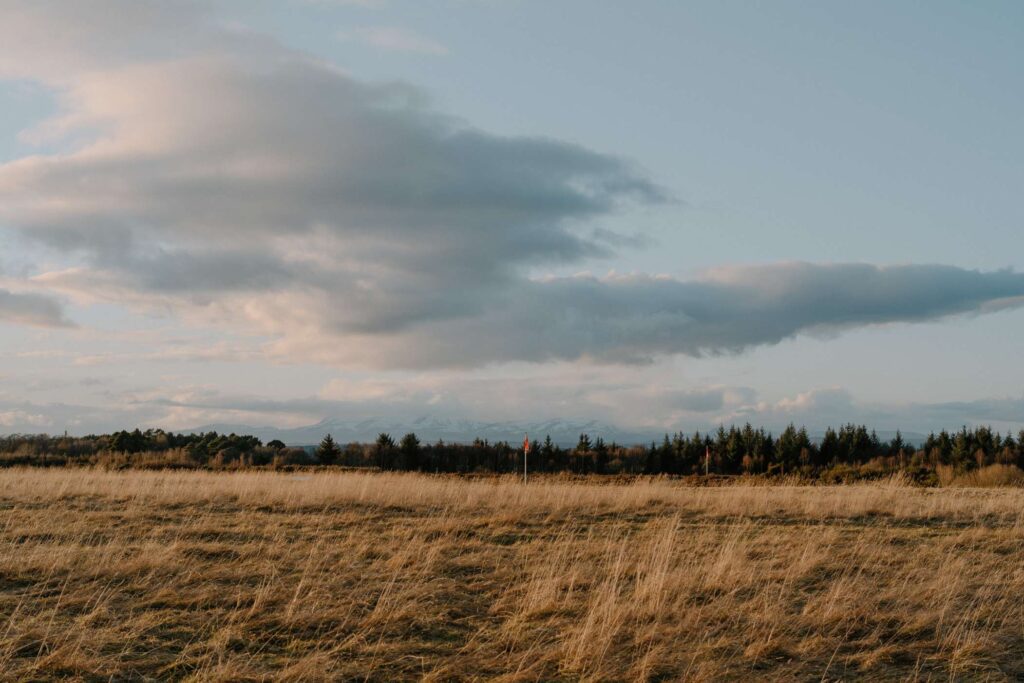
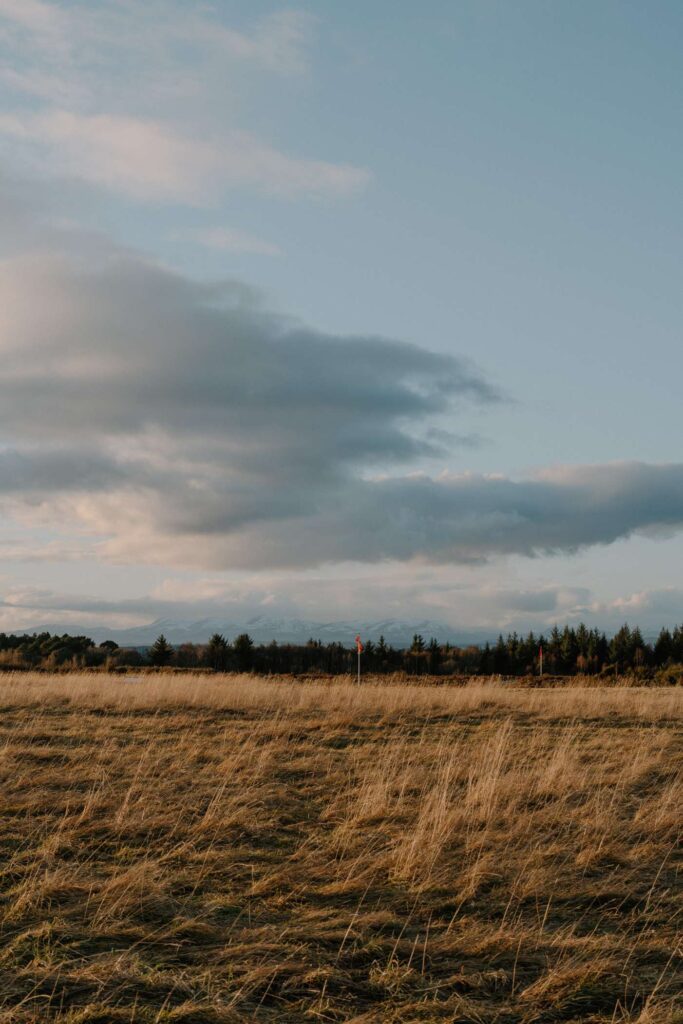
Culloden is about an hour’s drive from Eagle Brae, and it is one of the most important historic sites in the Highlands. On 16 April 1746 the Jacobite rising led by Charles Edward Stuart came to its end here, in a short and brutal battle against government forces. More than 1,000 Jacobite soldiers were killed in less than an hour, and the defeat marked the collapse of the rebellion.
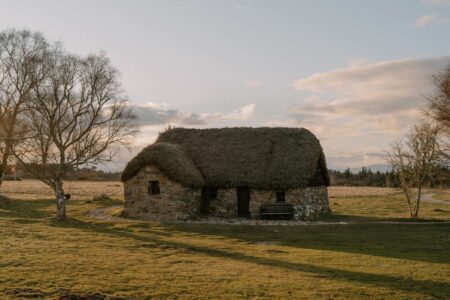
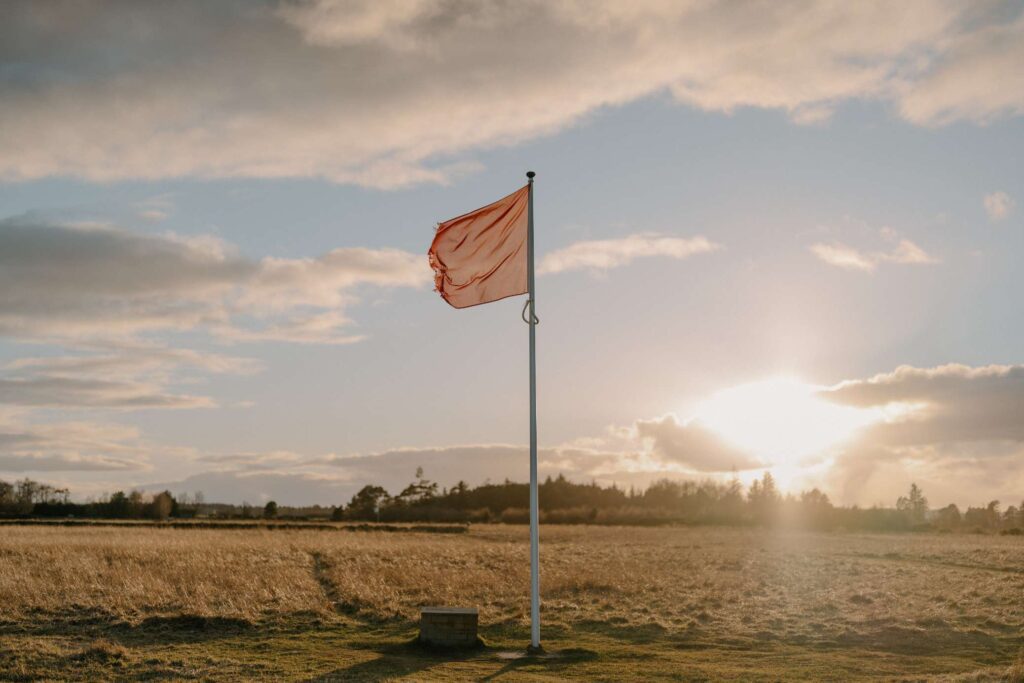
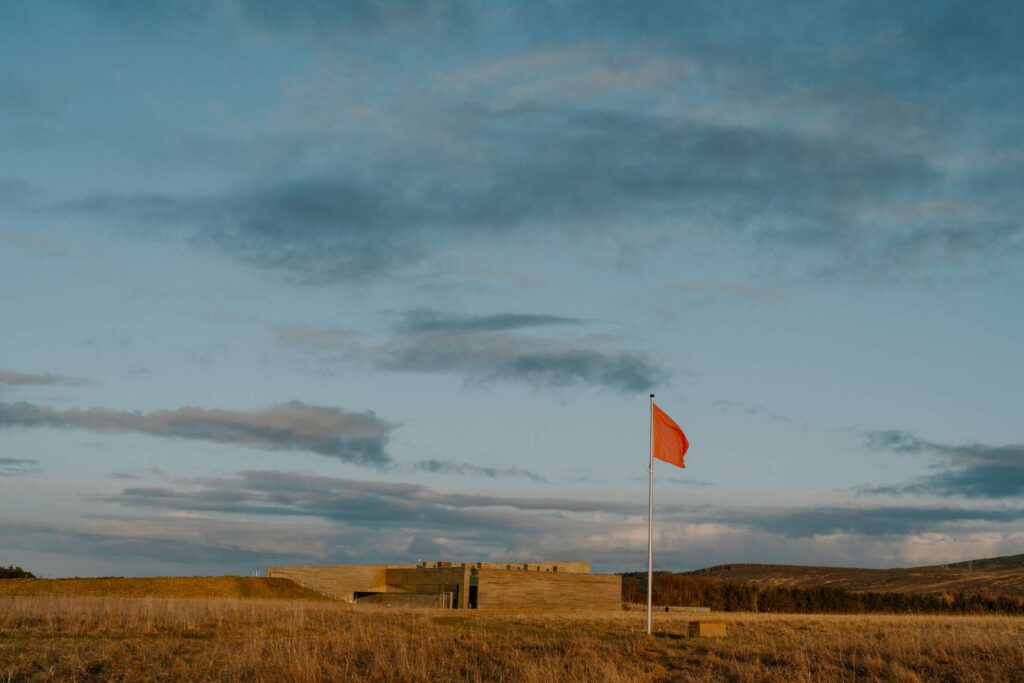
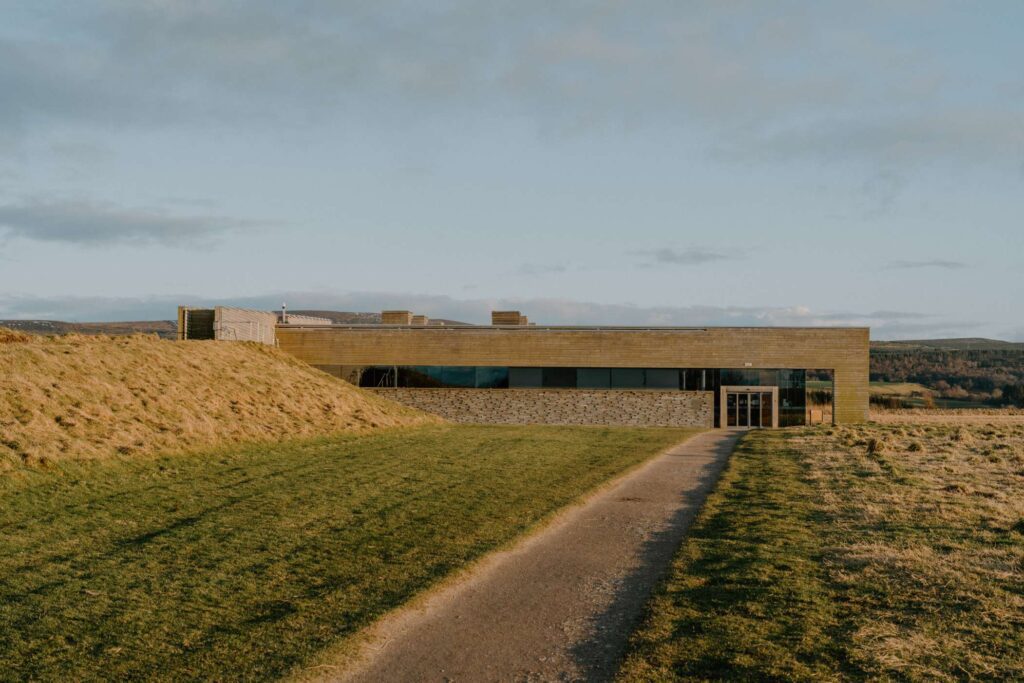
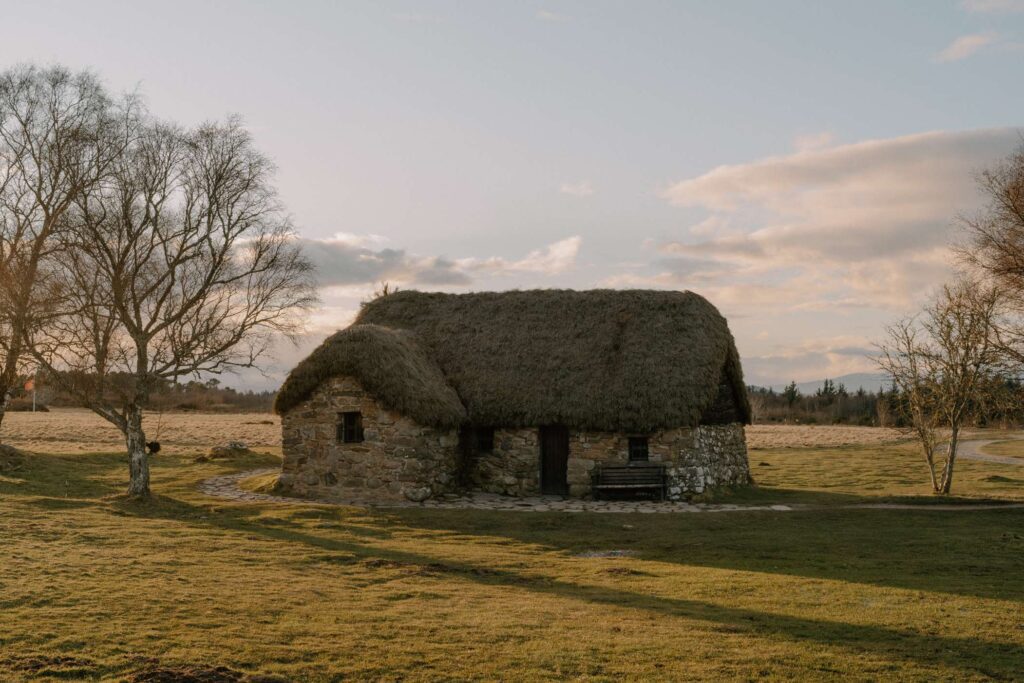
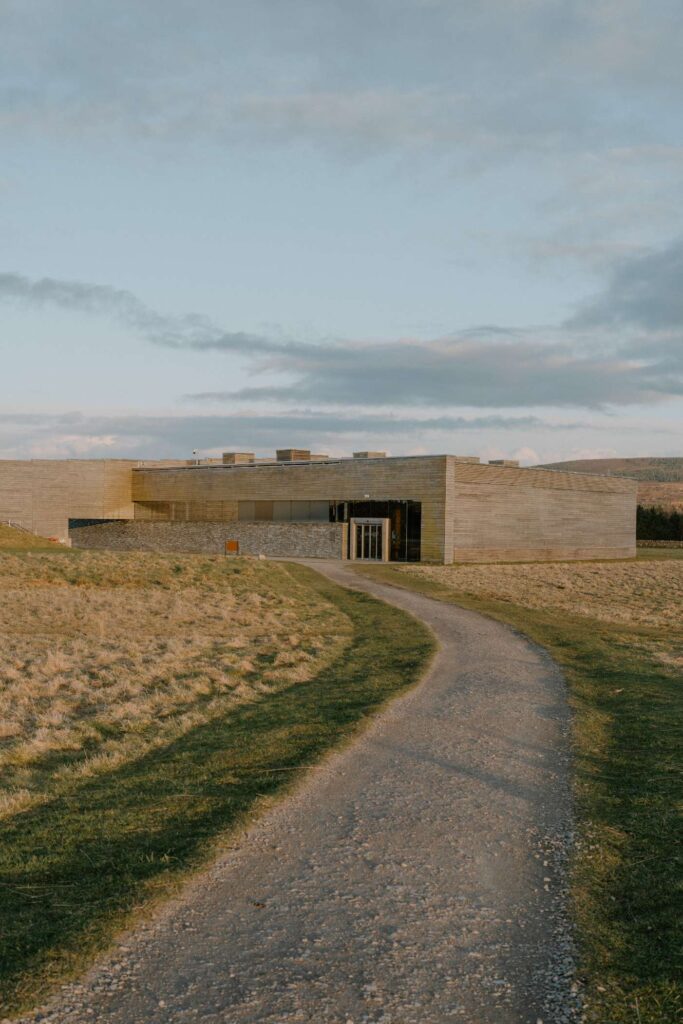
The visitor centre sets the context well. Exhibits cover the build-up to the campaign, the weapons used, and the consequences of the battle for Highland life. A short film recreates the clash, showing the ferocity of the fighting. From the centre, you can walk onto the moor itself. The field is open and windswept, with paths leading past clan marker stones that stand where men from each clan fell. Look for the Well of the Dead, where many Jacobites were buried, and Leanach Cottage, a small stone building that stood during the battle.
It’s a sobering stop, but an essential one for understanding Highland history. From here it’s only a few minutes’ drive to the next site, the prehistoric cairns and standing stones at Clava.
Clava Cairns
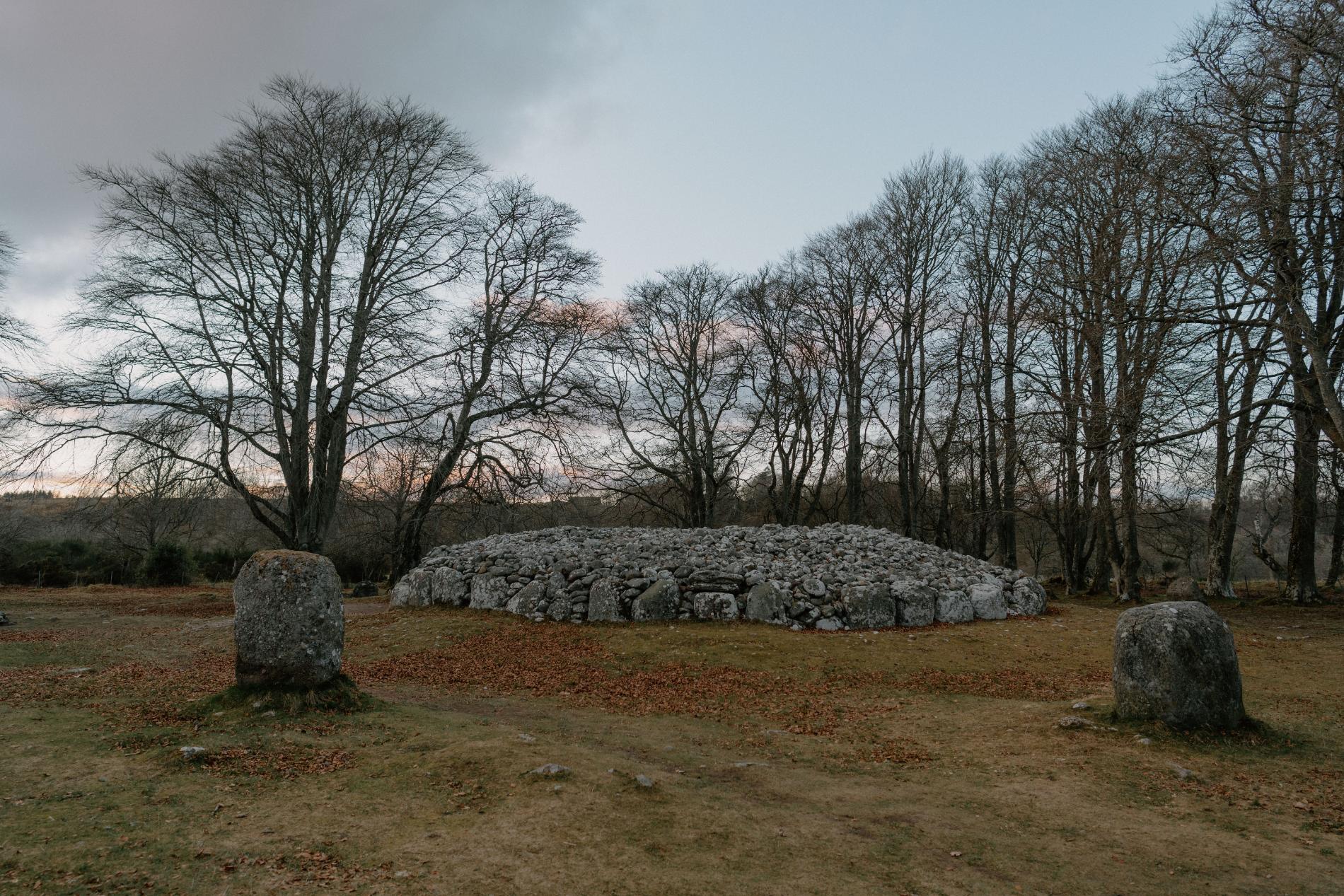
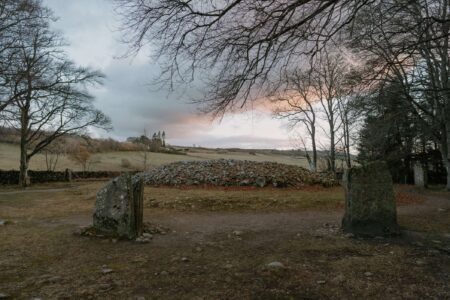
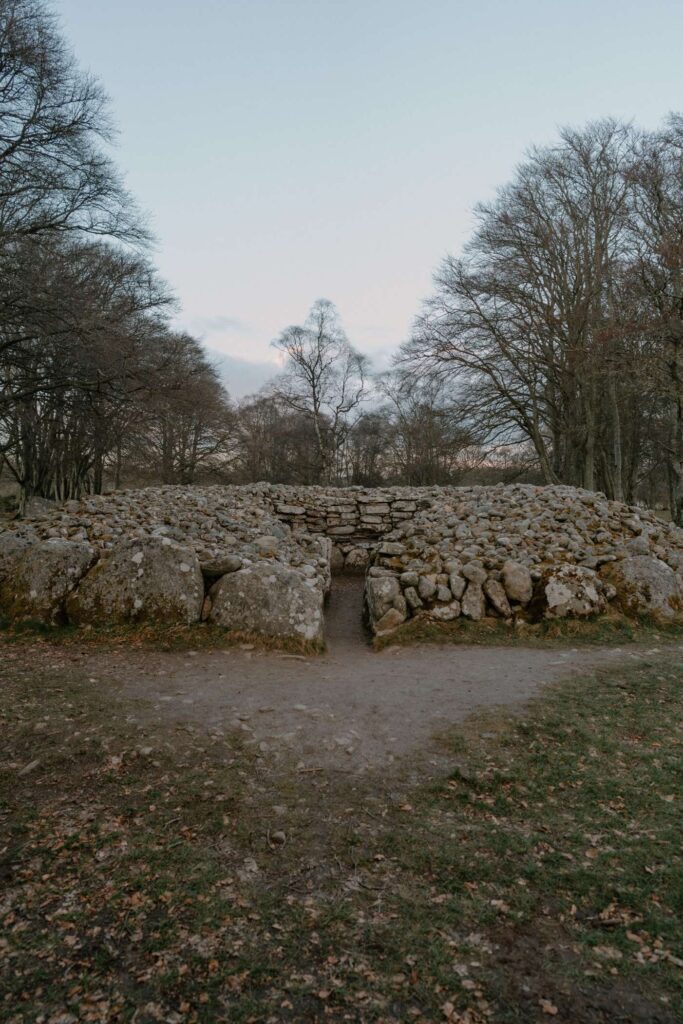
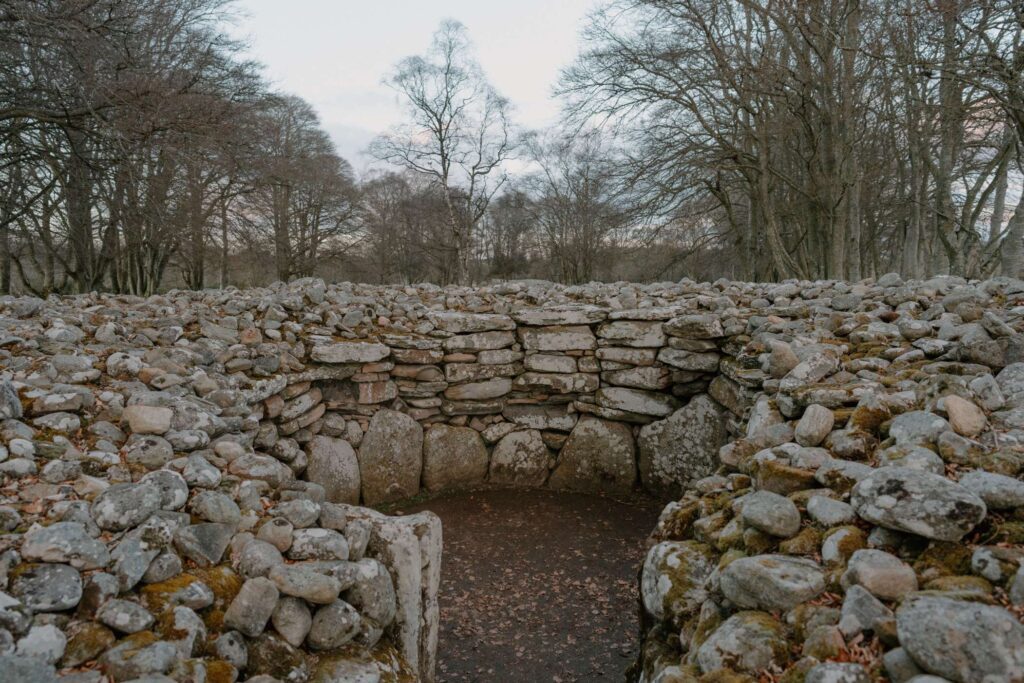
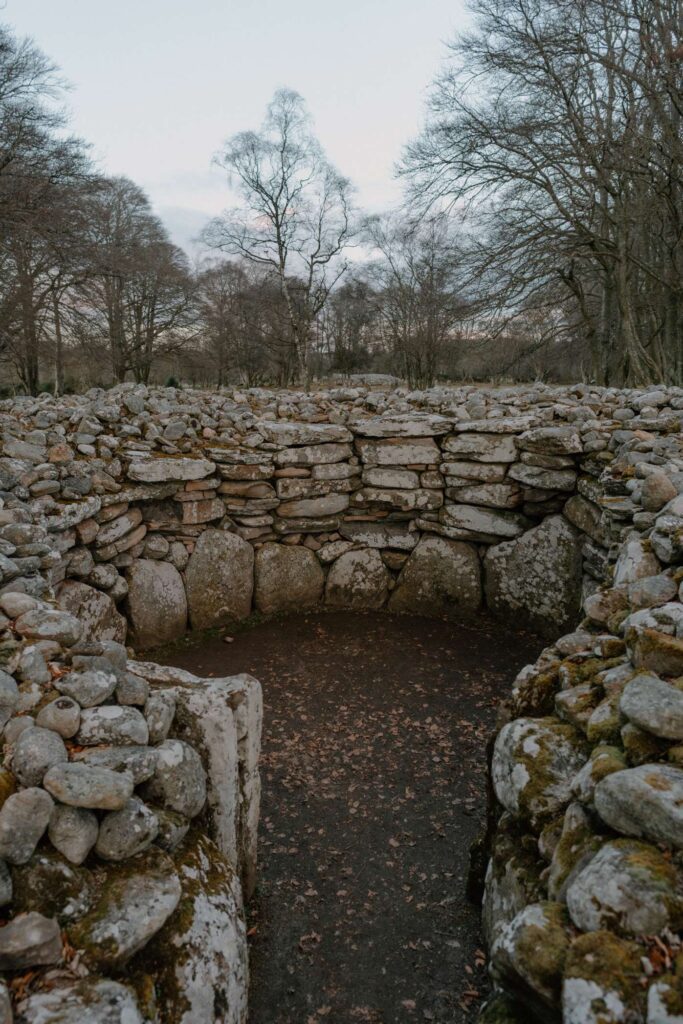
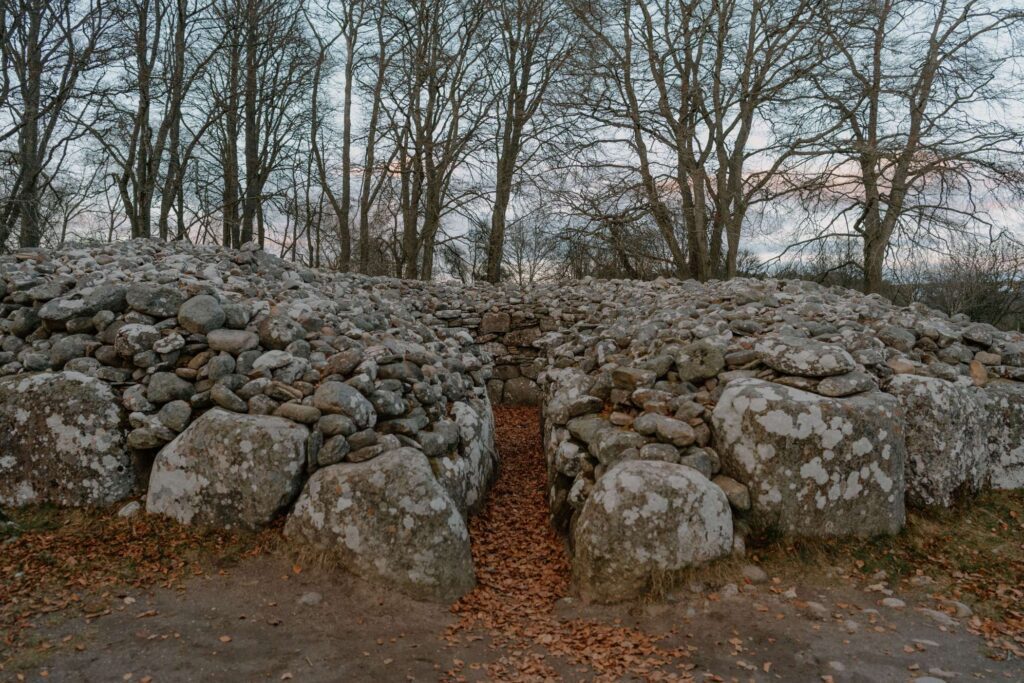
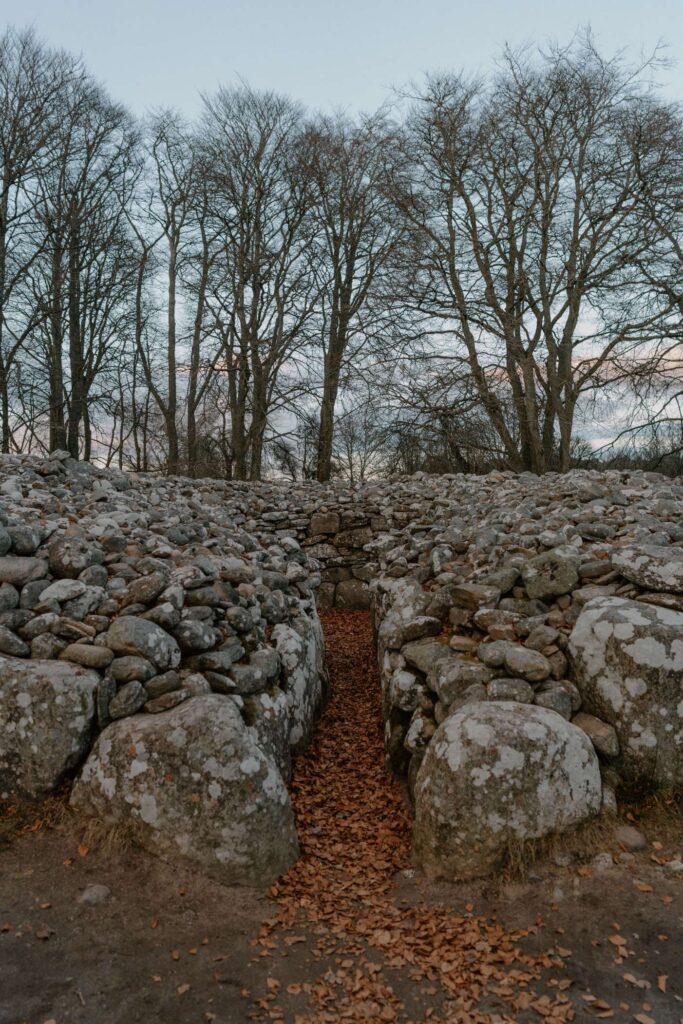
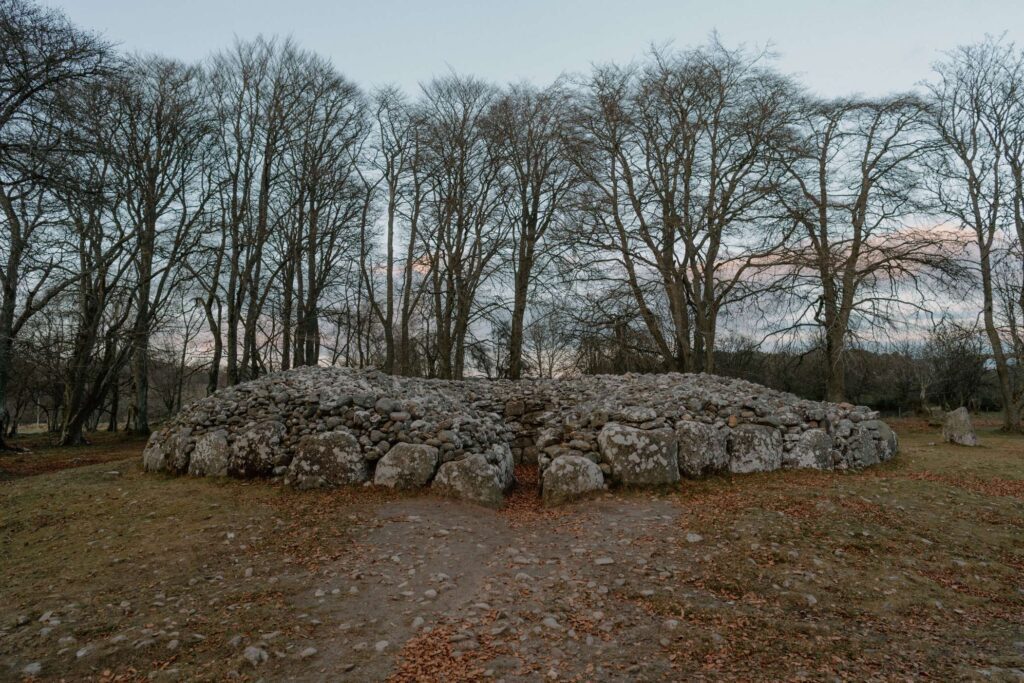
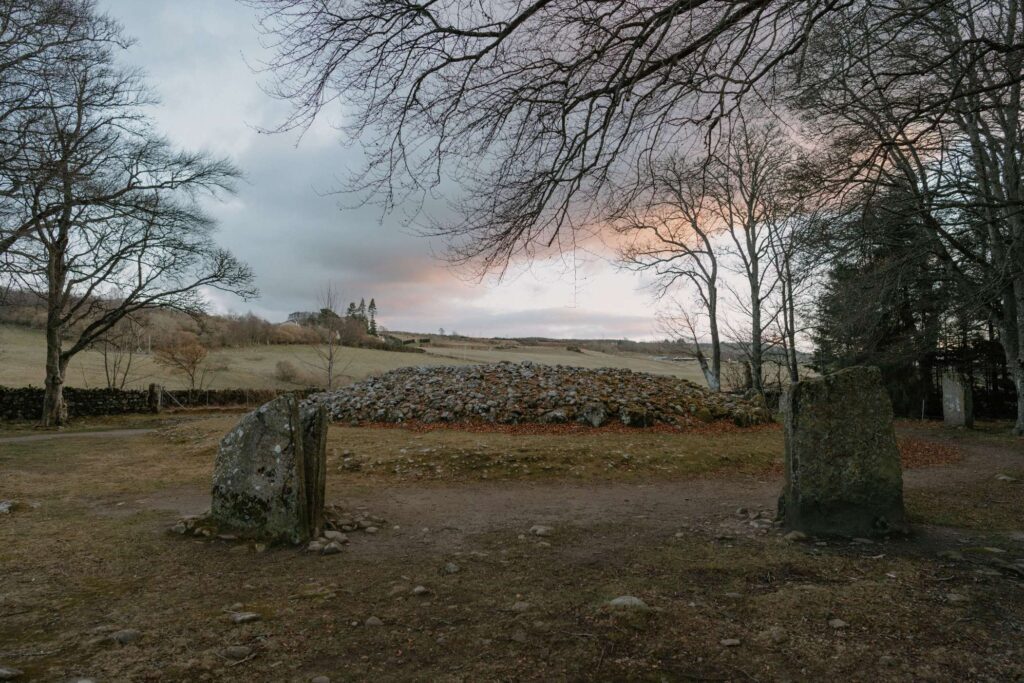
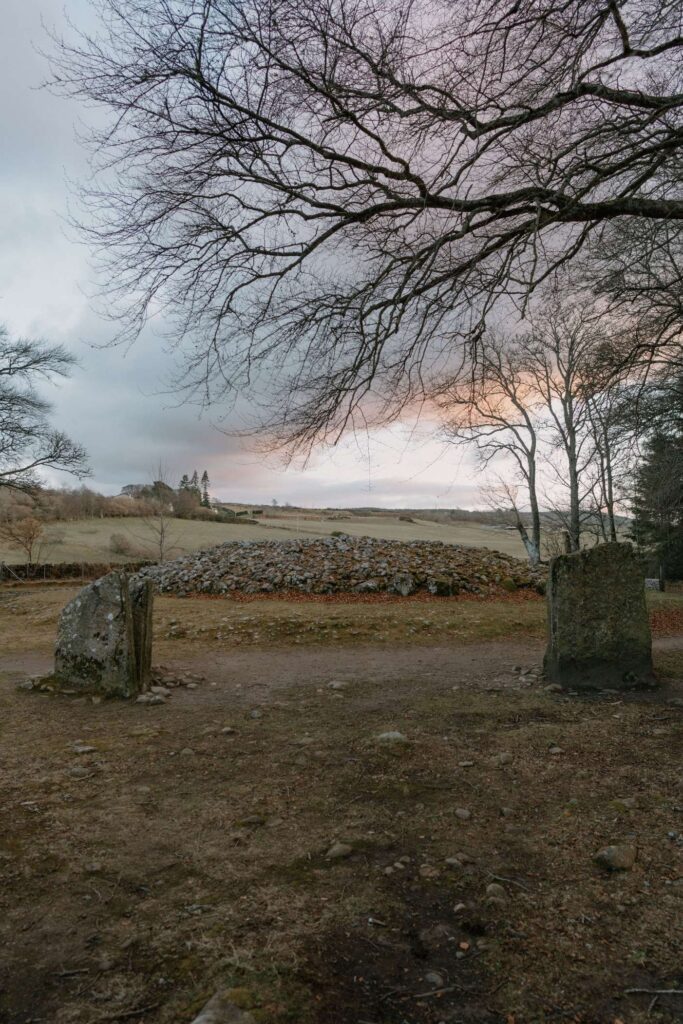
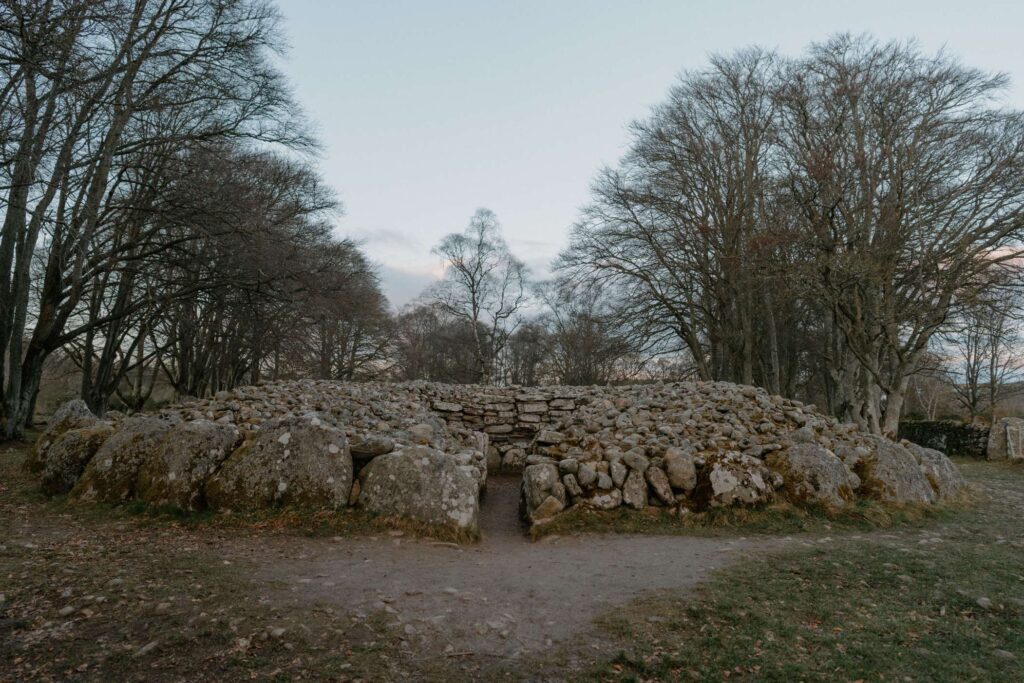
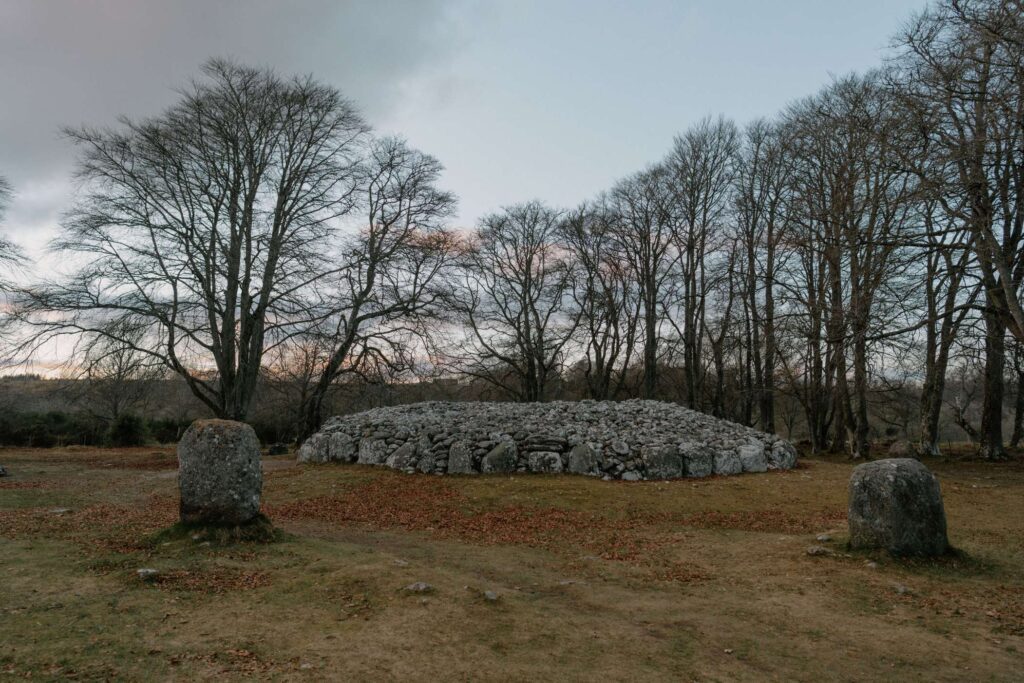
Just a few minutes from Culloden lies Clava Cairns, a prehistoric cemetery that dates back around 4,000 years. The site is made up of passage graves, ring cairns, and standing stones, all set in a quiet grove by the River Nairn. Unlike Culloden, which carries the weight of recent history, Clava is much older and more atmospheric than explanatory – there are no visitor centres here, just paths among the stones and interpretive boards to guide you.
The cairns are aligned with the midwinter solstice, and you can still see how the passages were built to catch the light of the setting sun. The standing stones that ring some of the cairns add to the sense that this was a place of ritual and ceremony for communities thousands of years ago. Despite its age, the stonework is remarkably intact, with lichen-covered boulders and trees now sharing the space.
It’s a simple visit that doesn’t take long, but the site has a presence that lingers. Fans of Outlander may recognise the inspiration for the fictional Craigh na Dun, though here there are no barriers or staged interpretations – just ancient stones in their original landscape. After exploring the cairns, the next part of the day takes you into Inverness for food and a chance to explore the city.
Lunch and Inverness Museum
By midday it makes sense to head into Inverness. The city centre is about fifteen minutes from Clava Cairns, and you’ll find plenty of options for food before the afternoon’s exploring.
A popular choice is The Mustard Seed, set in a converted church on the River Ness. The atmosphere is warm, and the menu blends Scottish produce with European influences. It’s a sit-down option if you want to make lunch a little more of an occasion.
For something quicker, Café Artysans serves fresh soups, sandwiches, and home baking, while Velocity Café on Crown Street is a good choice if you prefer vegetarian-friendly options. For a more traditional Highland pub feel, Hootananny offers hearty dishes alongside live music in the evenings.
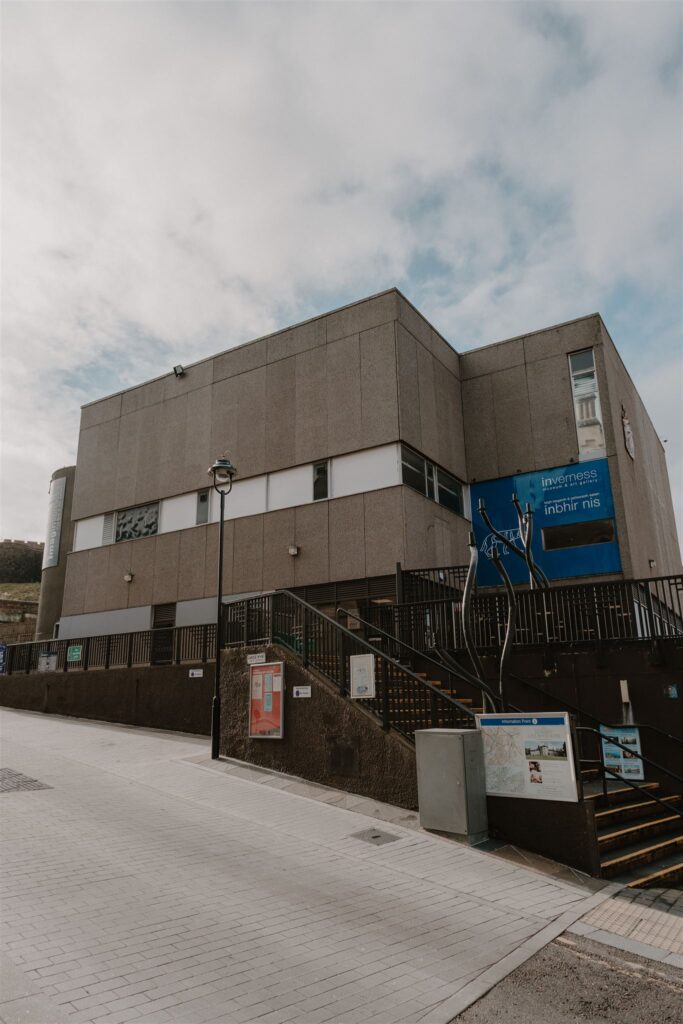
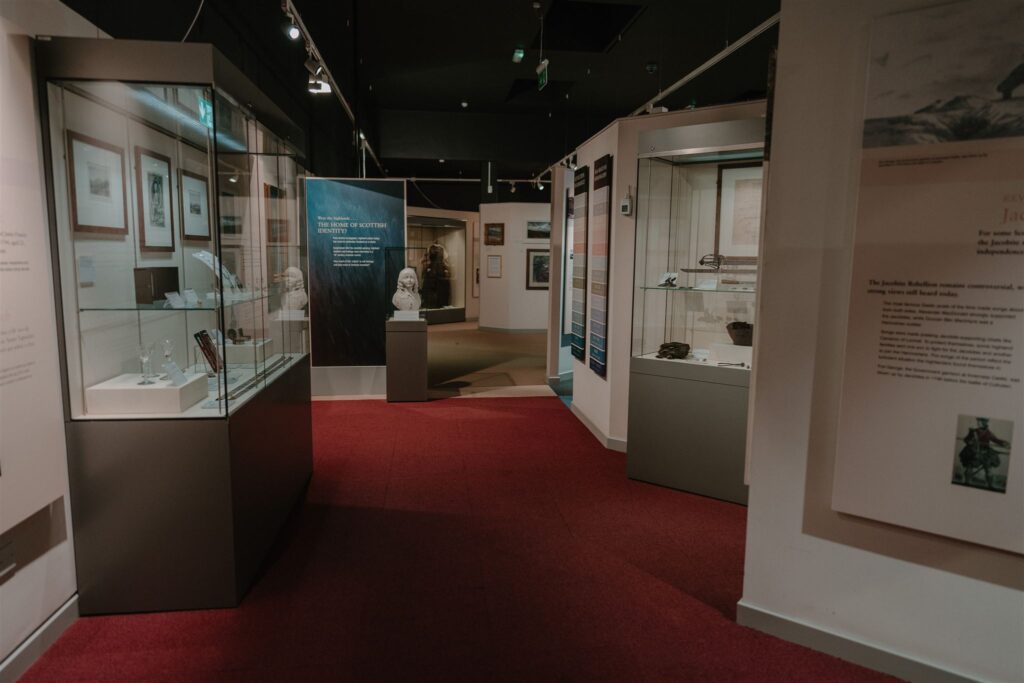
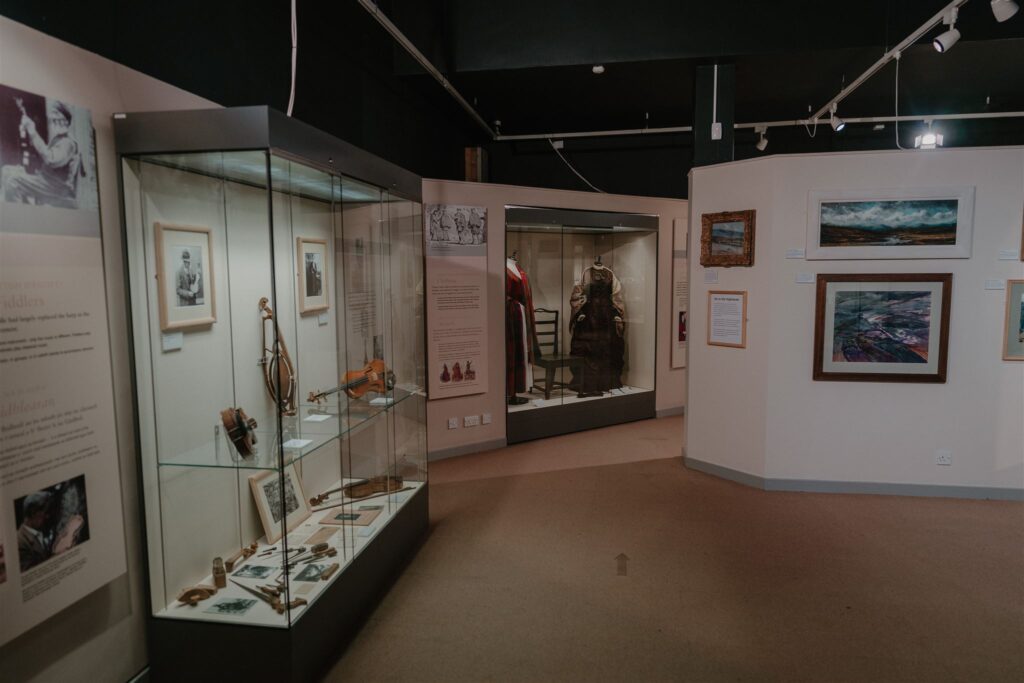
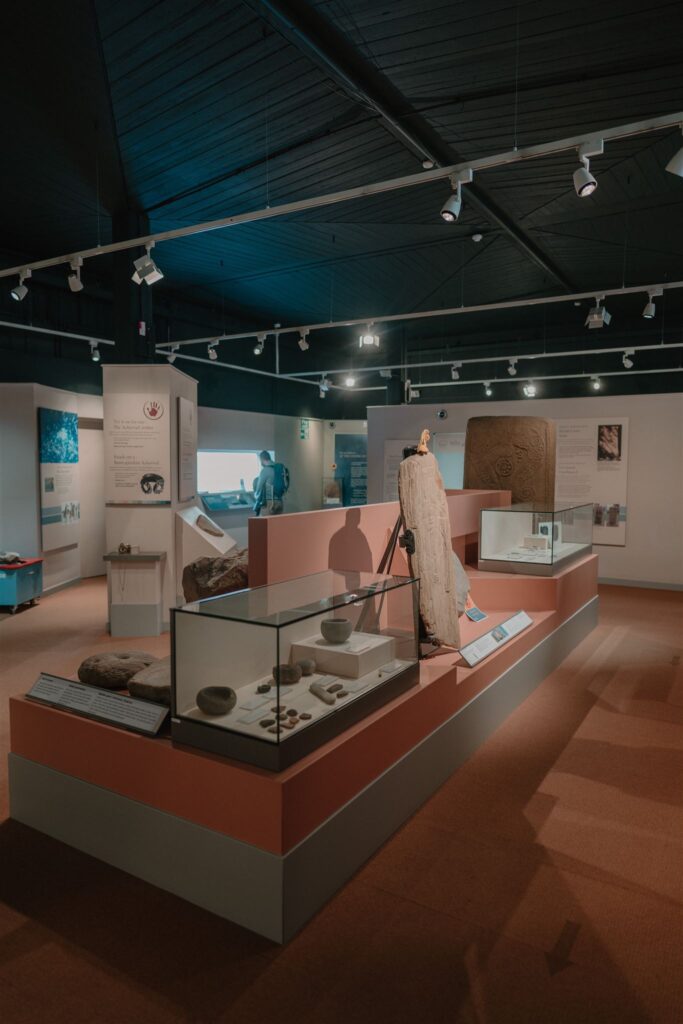
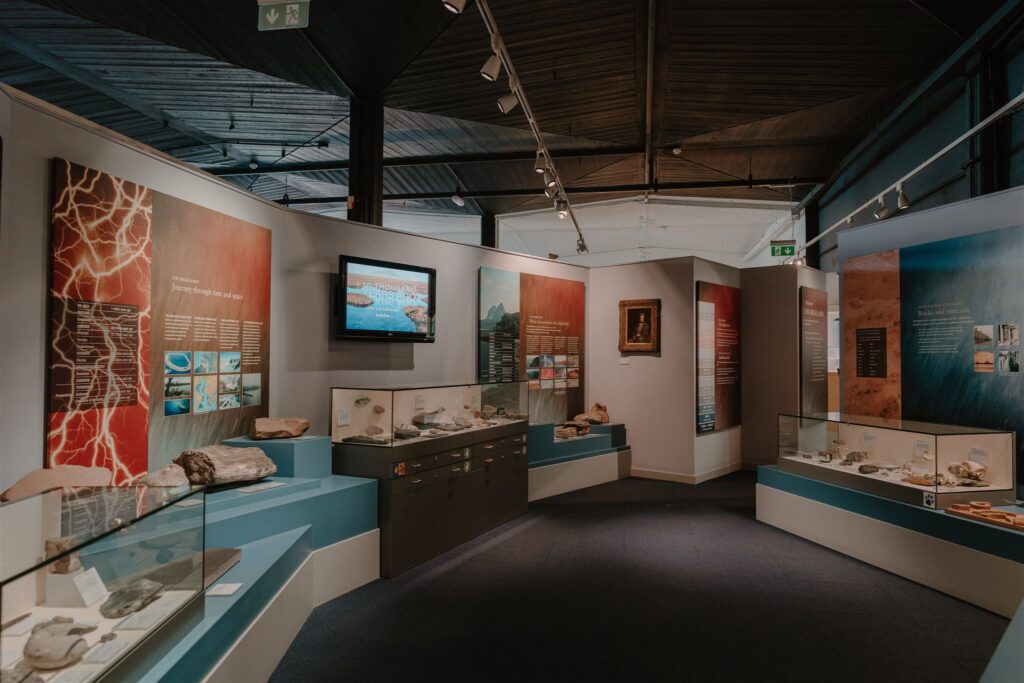
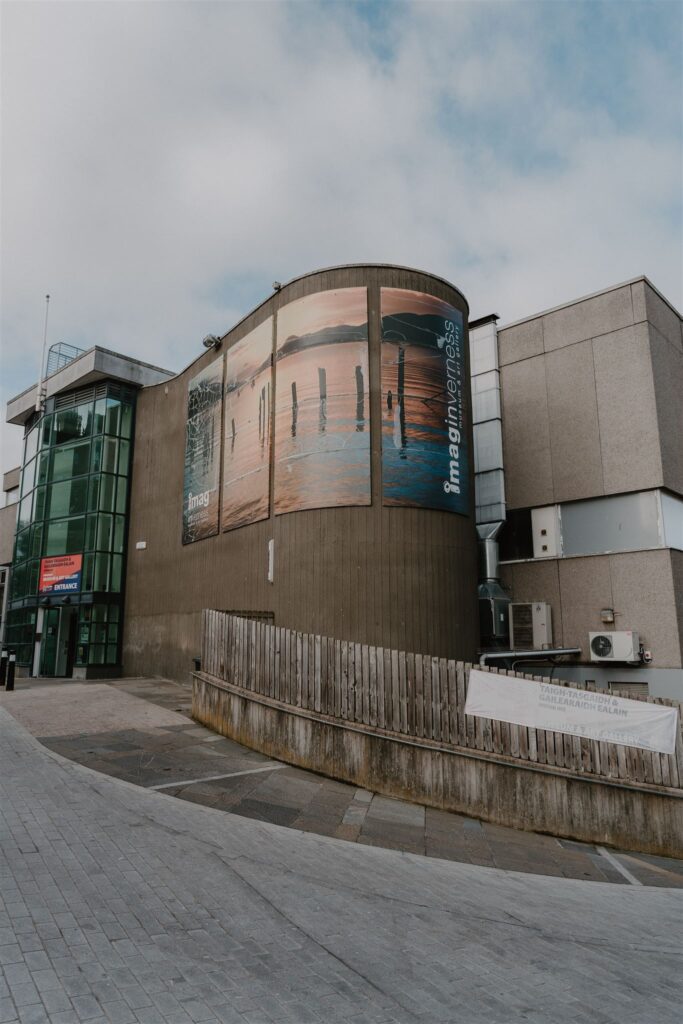
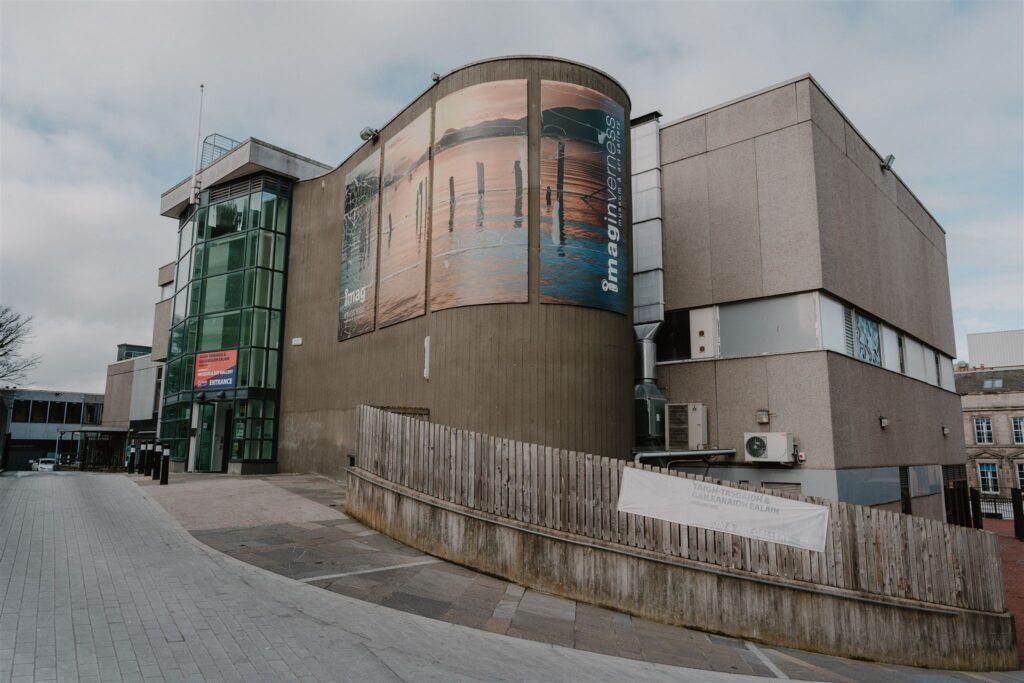
After lunch, walk over to the Inverness Museum and Art Gallery by the castle. It’s compact but gives useful context for the day. Displays cover archaeology from the Pictish period, clan histories, and the Jacobite risings, as well as art from across the Highlands. An hour here is enough to tie together the themes you’ve already encountered at Culloden and Clava before rounding off the day.
Wardlaw Mausoleum
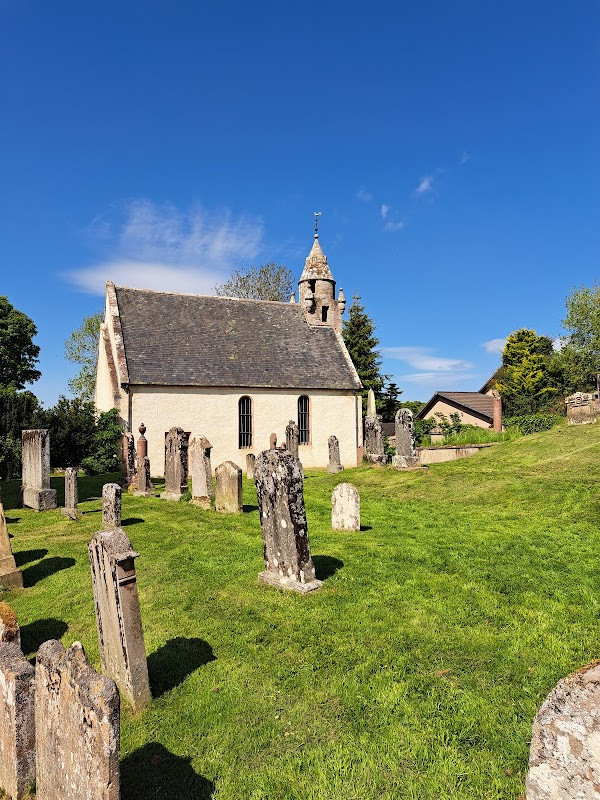
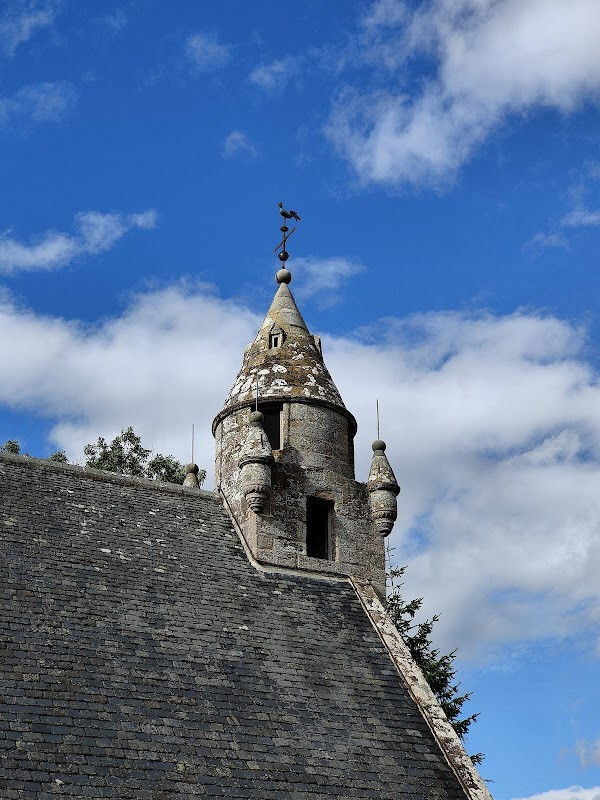
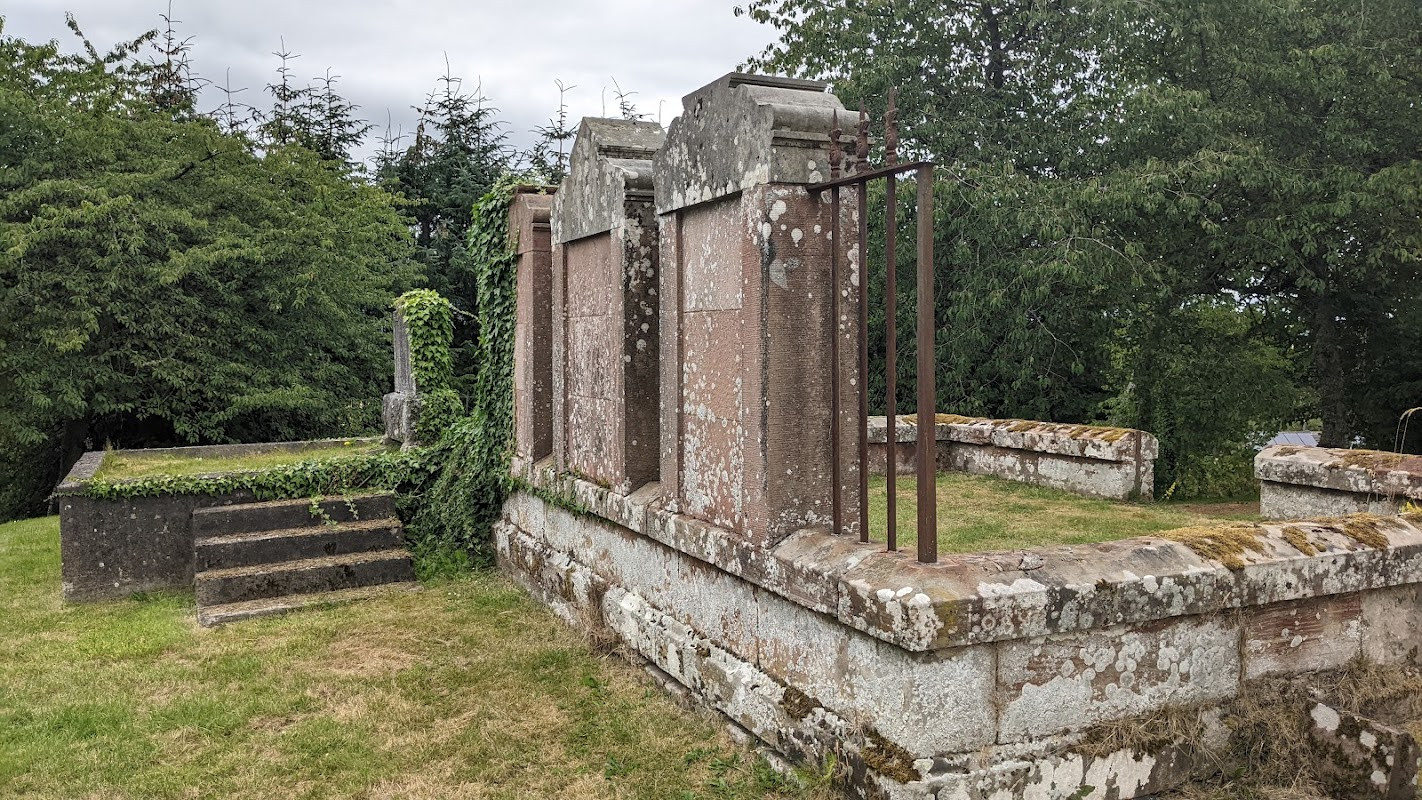
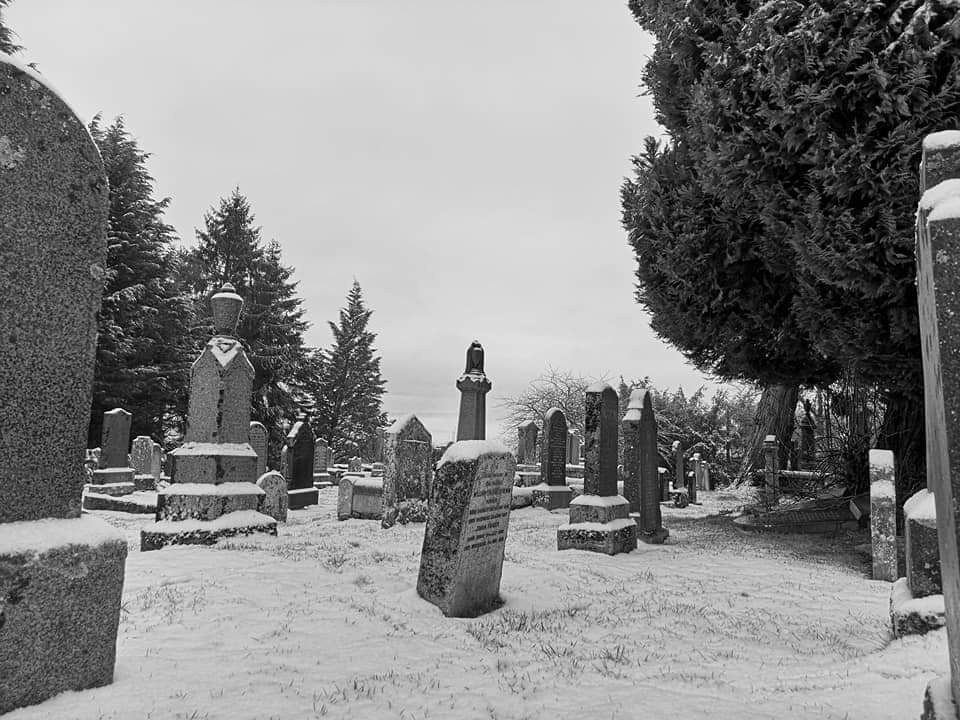
On the drive back toward Beauly, make time for a stop at the Wardlaw Mausoleum, about half an hour from Inverness. Built in 1634, this is the burial place of the Fraser clan. The building itself is modest but striking, with a tall tower and simple stone walls surrounded by a quiet graveyard.
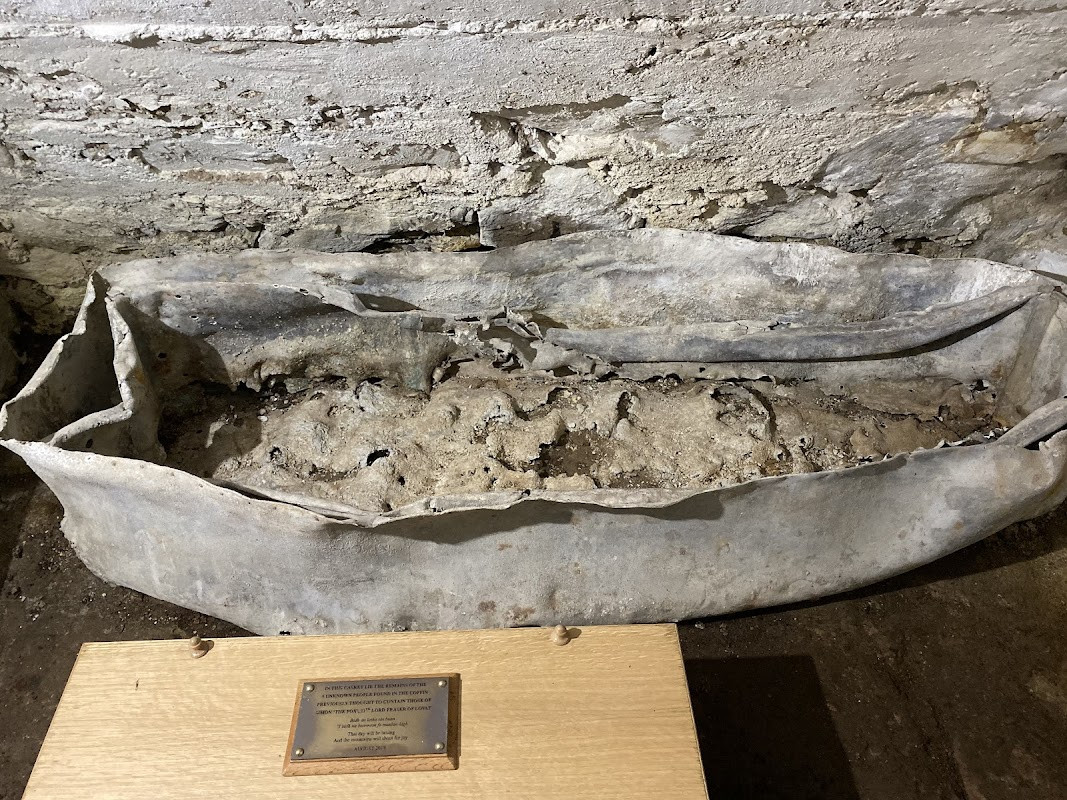
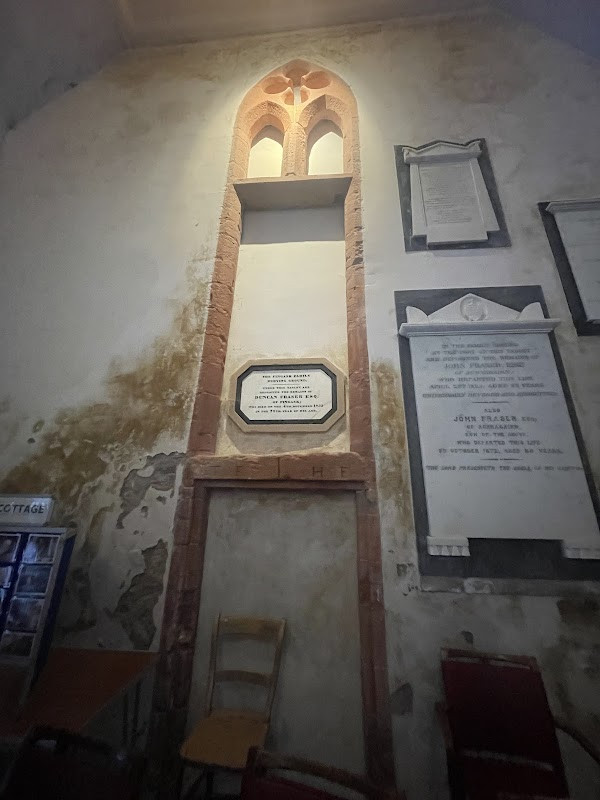
Inside, you’ll find memorials and effigies that trace the Fraser line through the centuries. The mausoleum is most often linked with Simon Fraser, Lord Lovat, known as the “Old Fox,” who was executed in London after the 1745 Jacobite rising. Local tradition claims his remains were returned here, though records suggest they may not have left London. That uncertainty has kept the site part of Fraser lore, and it remains a point of interest for anyone following Highland history or the stories that inspired Outlander.
The mausoleum doesn’t take long to explore, but it adds another thread to the day’s theme. You begin at Culloden, where the Jacobite cause fell, move back to Bronze Age ritual at Clava, and then here at Wardlaw you meet clan history still tied to the aftermath. From Beauly it’s a short drive back to Eagle Brae, where the cabins and the glen are waiting at the end of a full day.
Evening at Eagle Brae
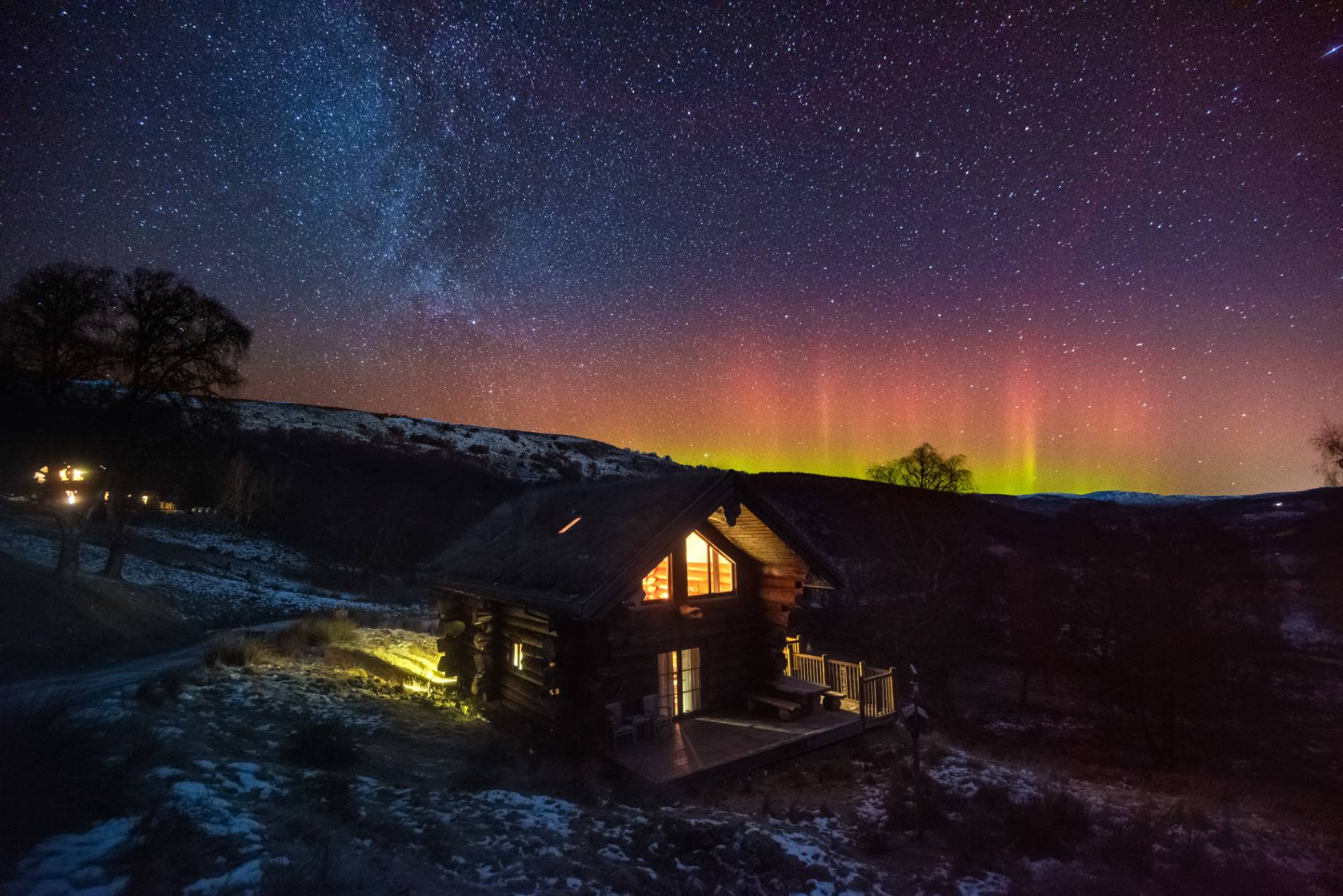
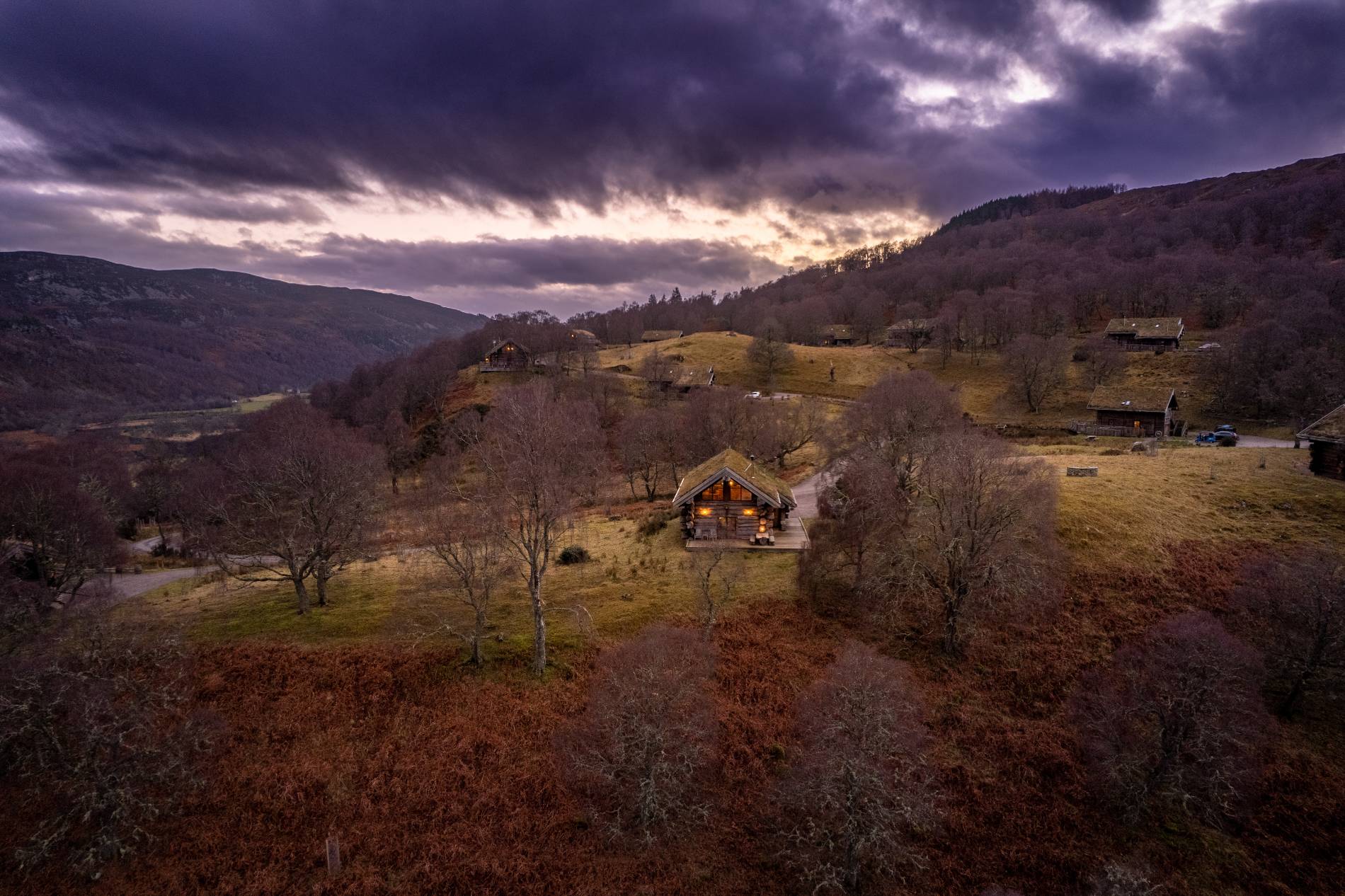
Return to Eagle Brae for the evening, where the focus shifts back to comfort and quiet. Dinner is simple to arrange here. Many guests choose to pre-order meals through the team – venison curries, slow-cooked Highland stews, and pies arrive prepared and ready to heat in the oven. There’s also a freezer at reception stocked with homemade dishes, giving you flexibility if you decide on something last minute.
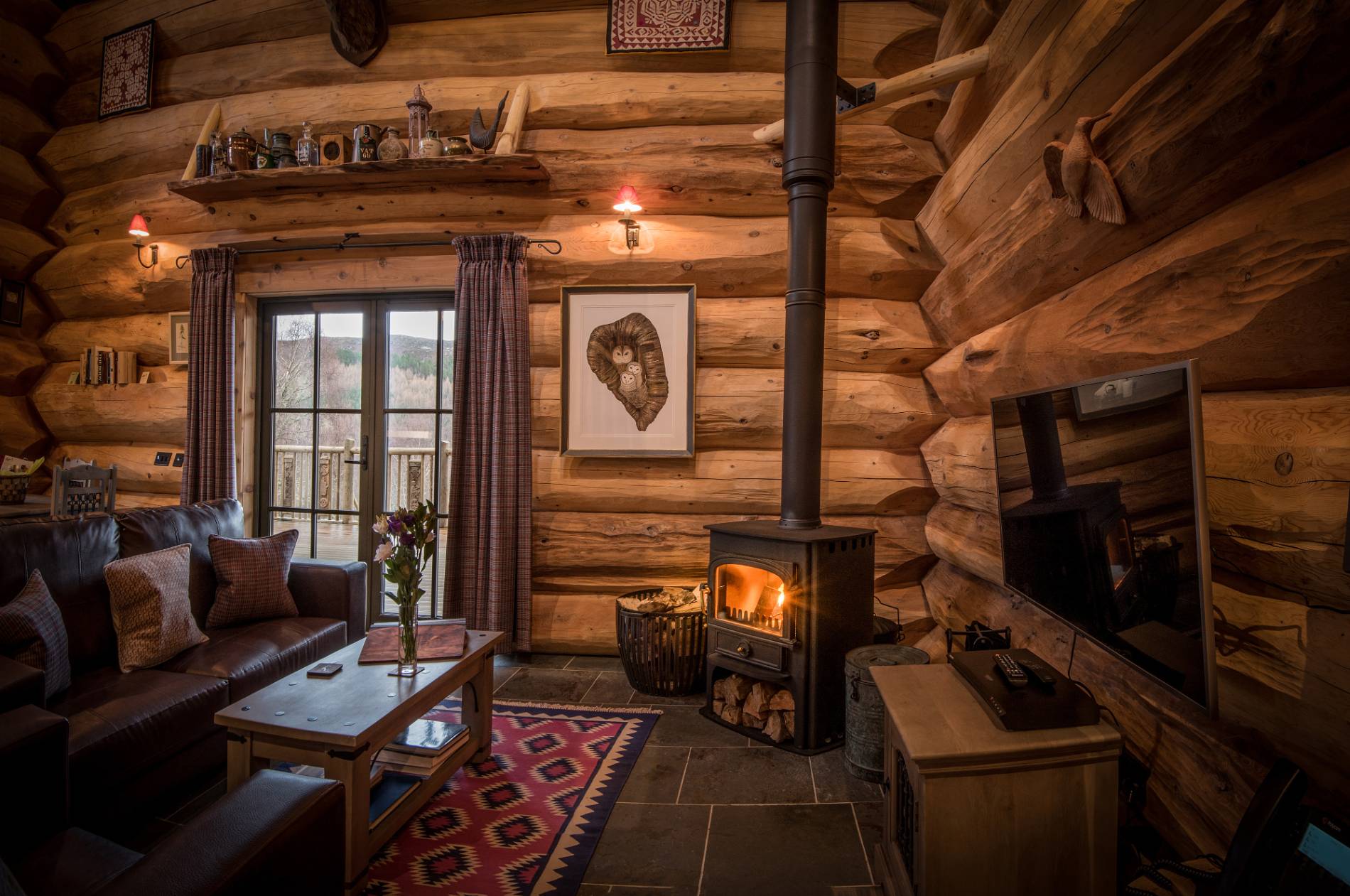
If you prefer to cook yourself, you can plan ahead by ordering one of Eagle Brae’s food hampers. These include local meats, cheeses, and other Highland produce, all ready in your cabin when you arrive. With a full kitchen at hand, you can put together a meal without leaving the estate.
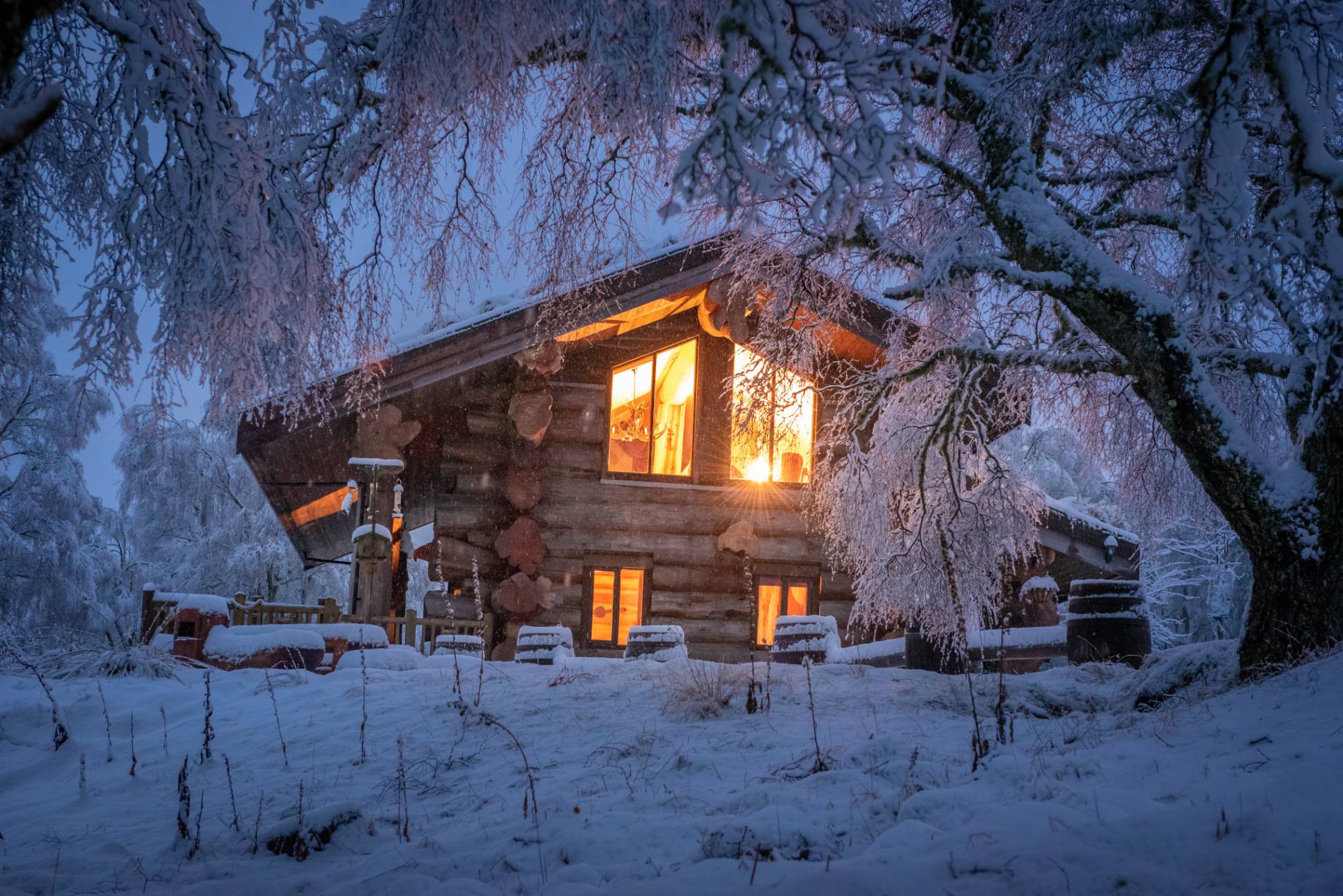
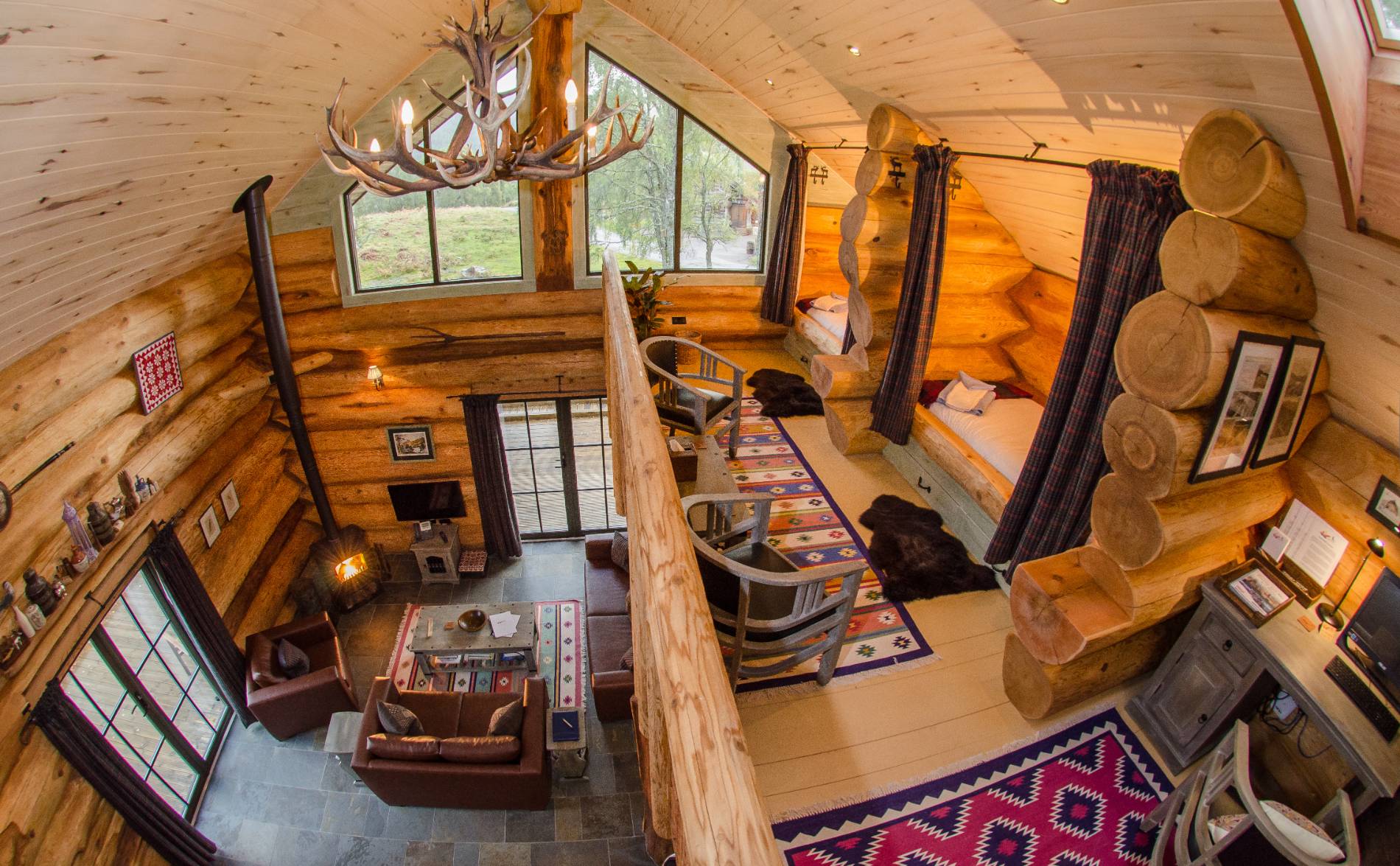
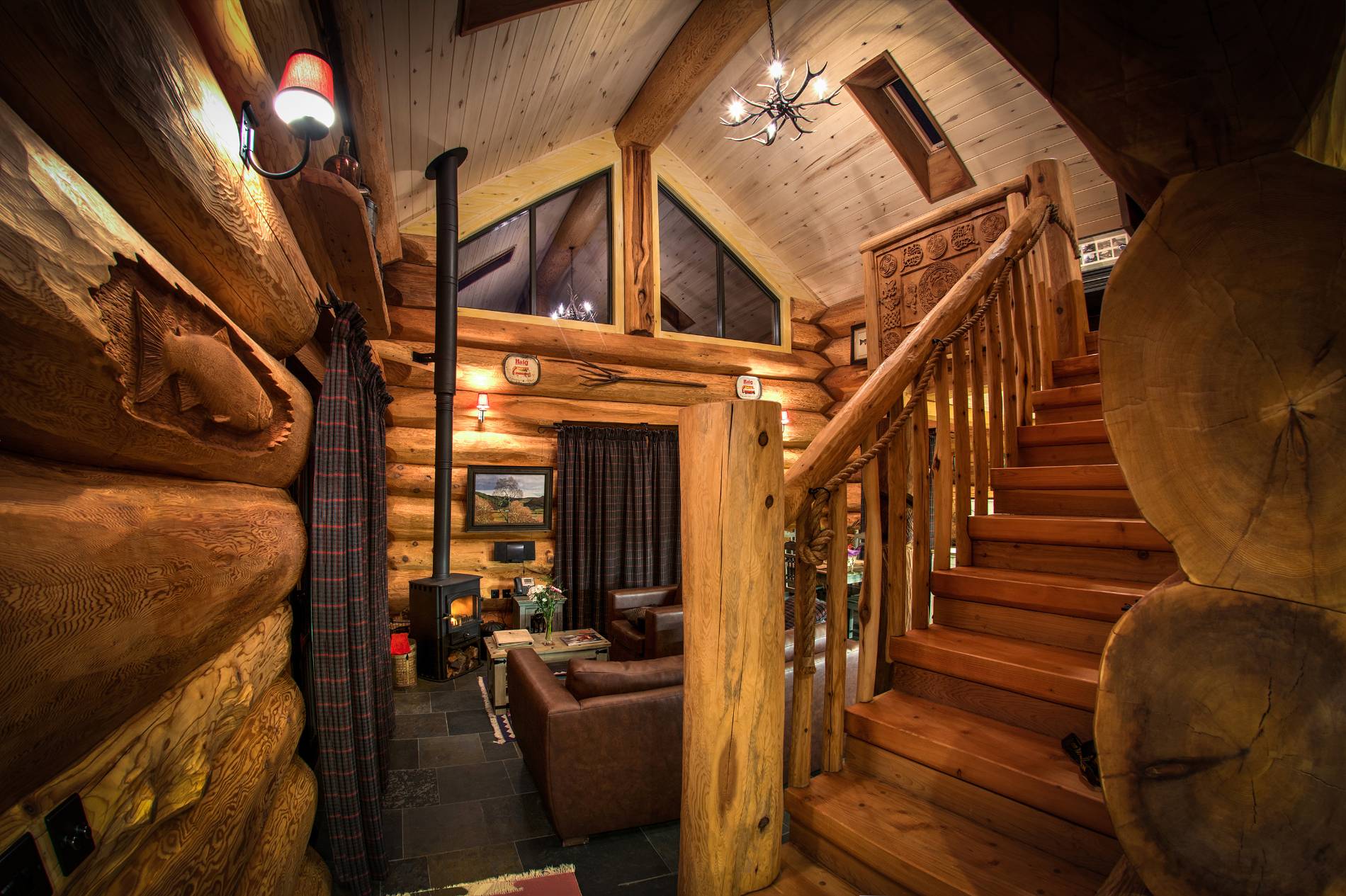
Whichever option you choose, dinner at Eagle Brae is about making the most of the log cabins – sitting down by the fire, glass in hand, with the day’s travel behind you.






 Sign in with Google
 Sign in with Email