
Coffee, Cakes and Closes – A Walking Tour Ending with Ice Cream and Edinburgh’s Best View
Written by Jack Cairney
.jpg)
There’s more than one way to walk the Old Town. Most people stick to the Royal Mile, heading straight from castle to palace without straying far from the crowds. But step into the narrow closes and stone courtyards to either side, and you’ll find a different kind of city—quieter, older, and far more interesting underfoot.
This self-guided route moves through seventeen stops, each chosen for its detail, history, or stillness. It starts in a quiet courtyard once home to David Hume and ends with ice cream in the Grassmarket, followed by a climb to the best view of Edinburgh Castle. Along the way, you’ll visit preserved 17th-century closes, slip into hidden gardens, pick up coffee and cake from independent cafés, and—if booked in advance—descend beneath the High Street into Mary King’s Close for one of the city’s most atmospheric tours.
The full trail takes time. Even moving efficiently, you’ll need at least four hours to complete it. For a more relaxed pace—with space to sit, eat, take photos and follow your curiosity—set aside five or six. The route is compact, mostly downhill, and easy to follow on foot. There’s only one short uphill stretch.
This isn’t a highlights reel or a checklist. It’s a slow walk through the back lanes of Edinburgh’s Old Town, where the past is layered into the stone, and good coffee is never far away.
Riddle’s Close
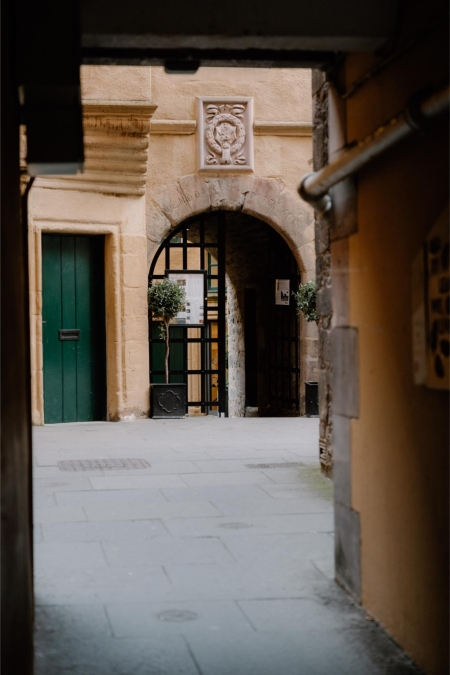
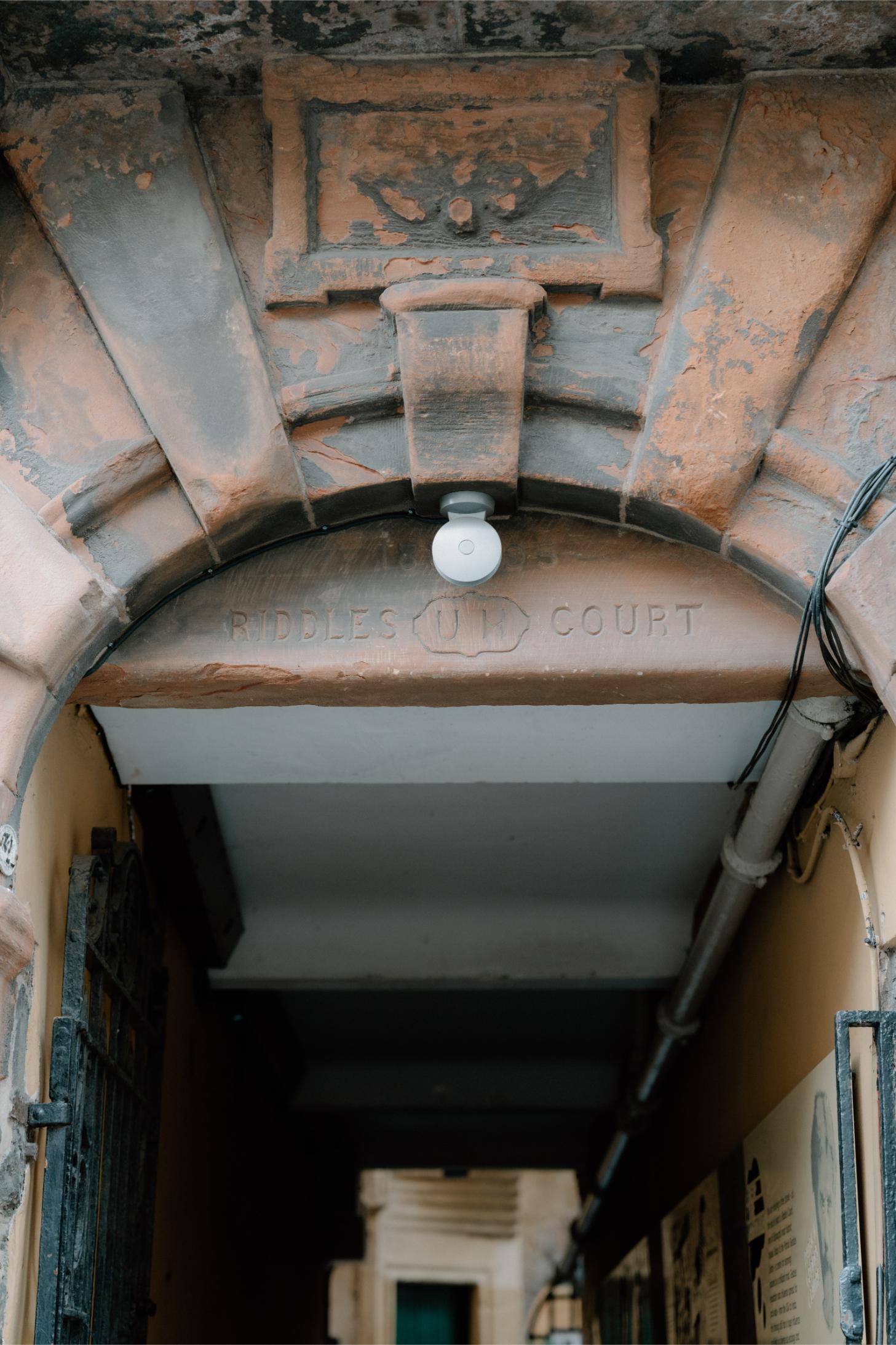
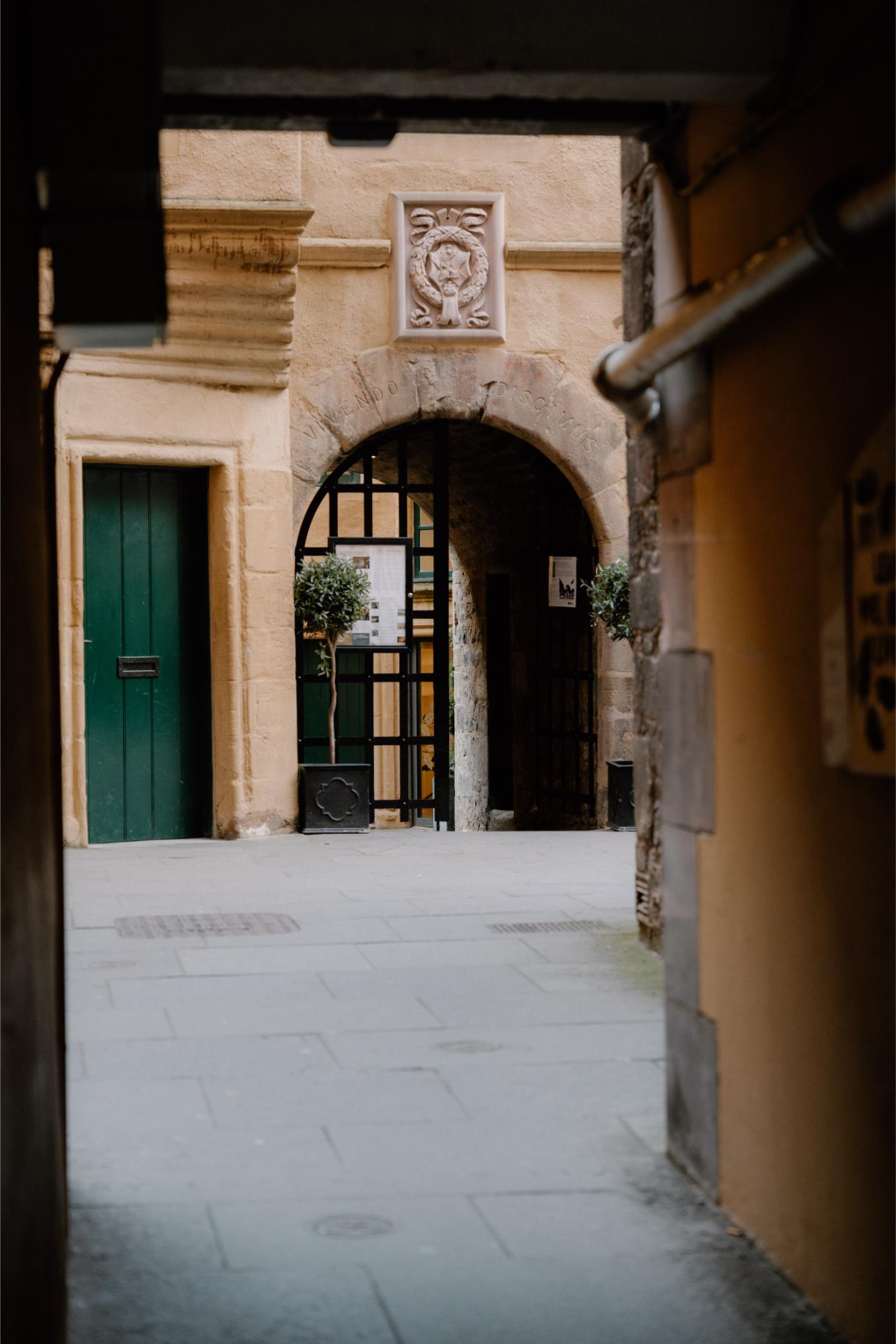
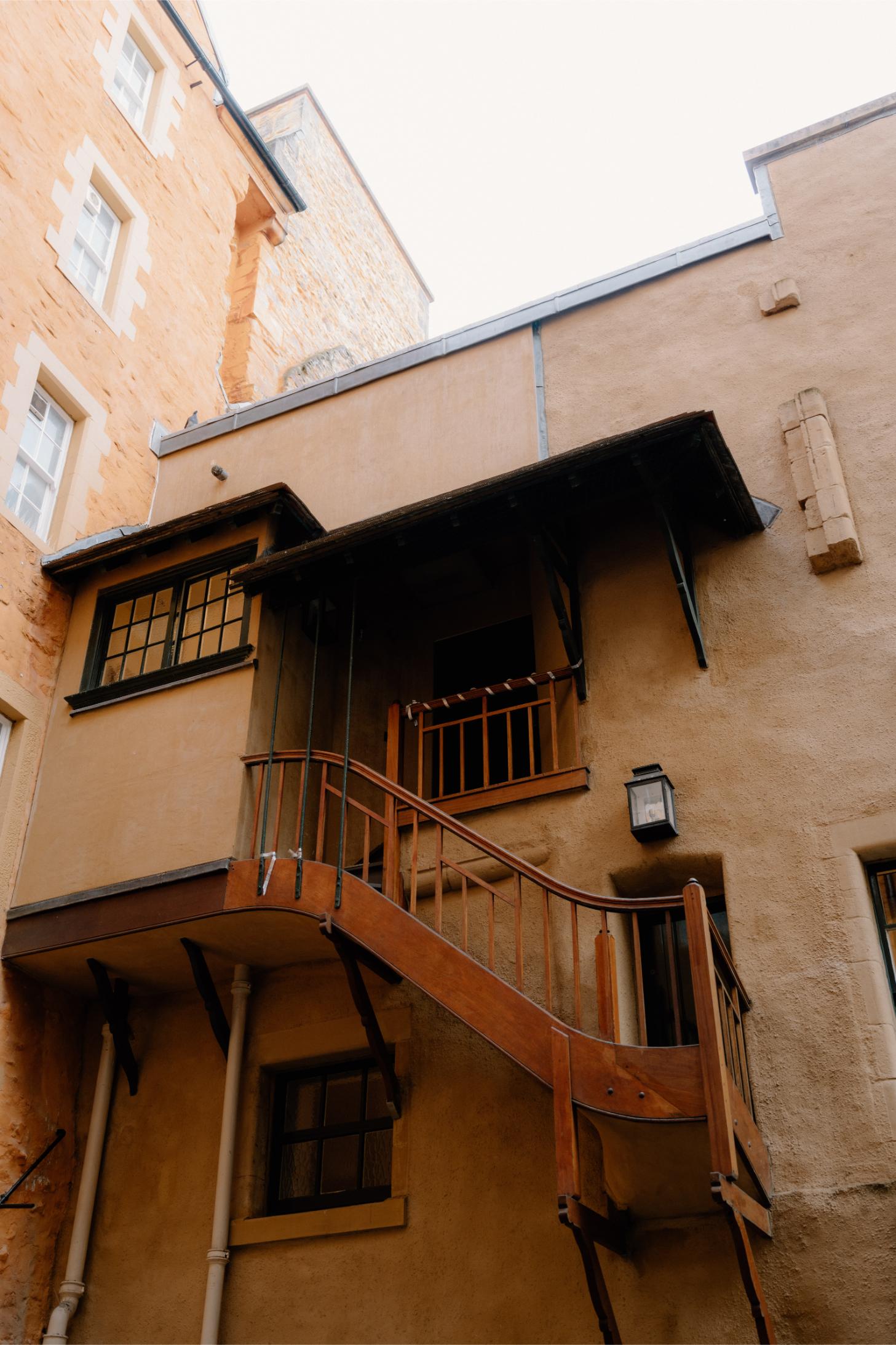
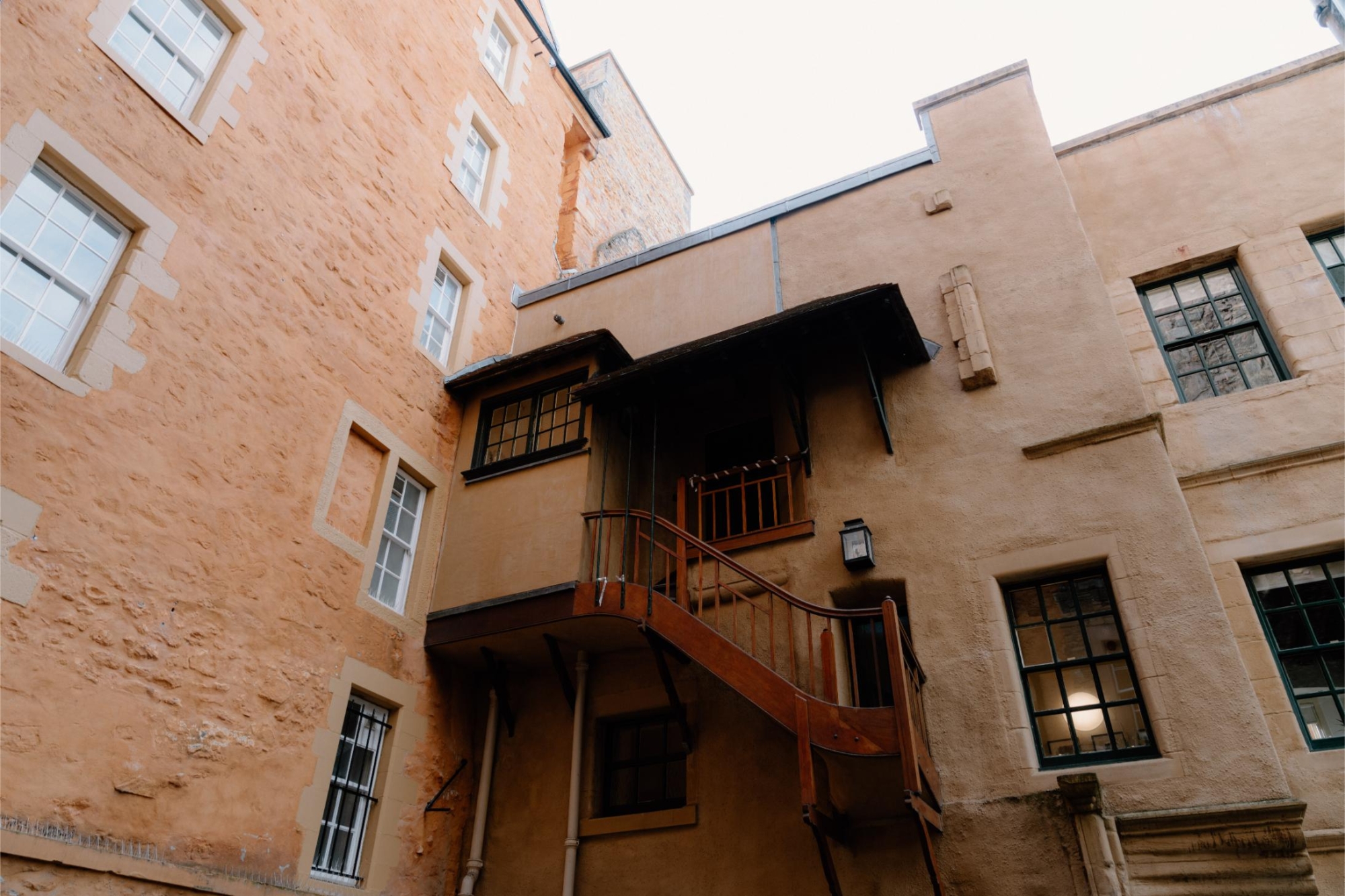
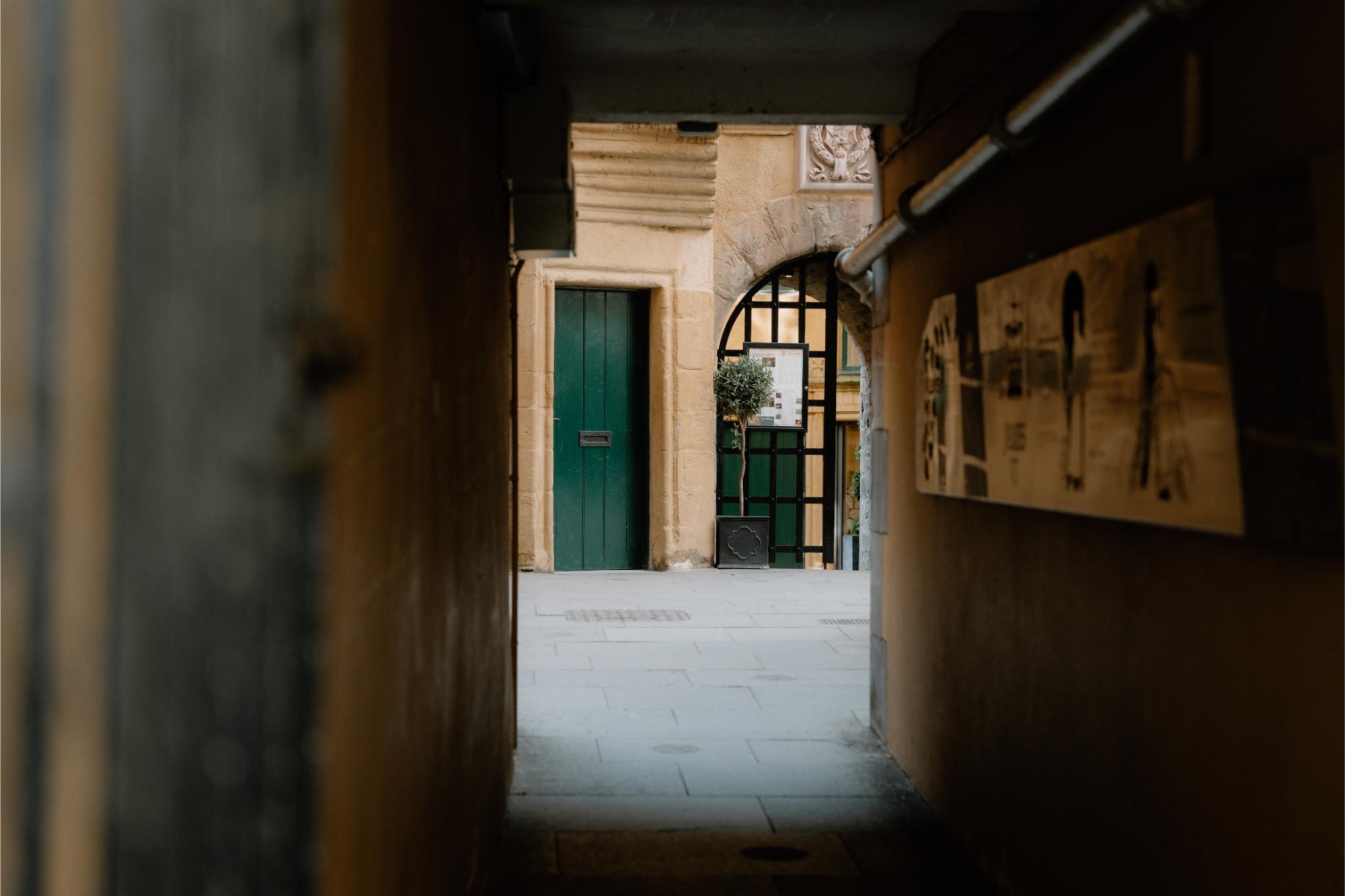
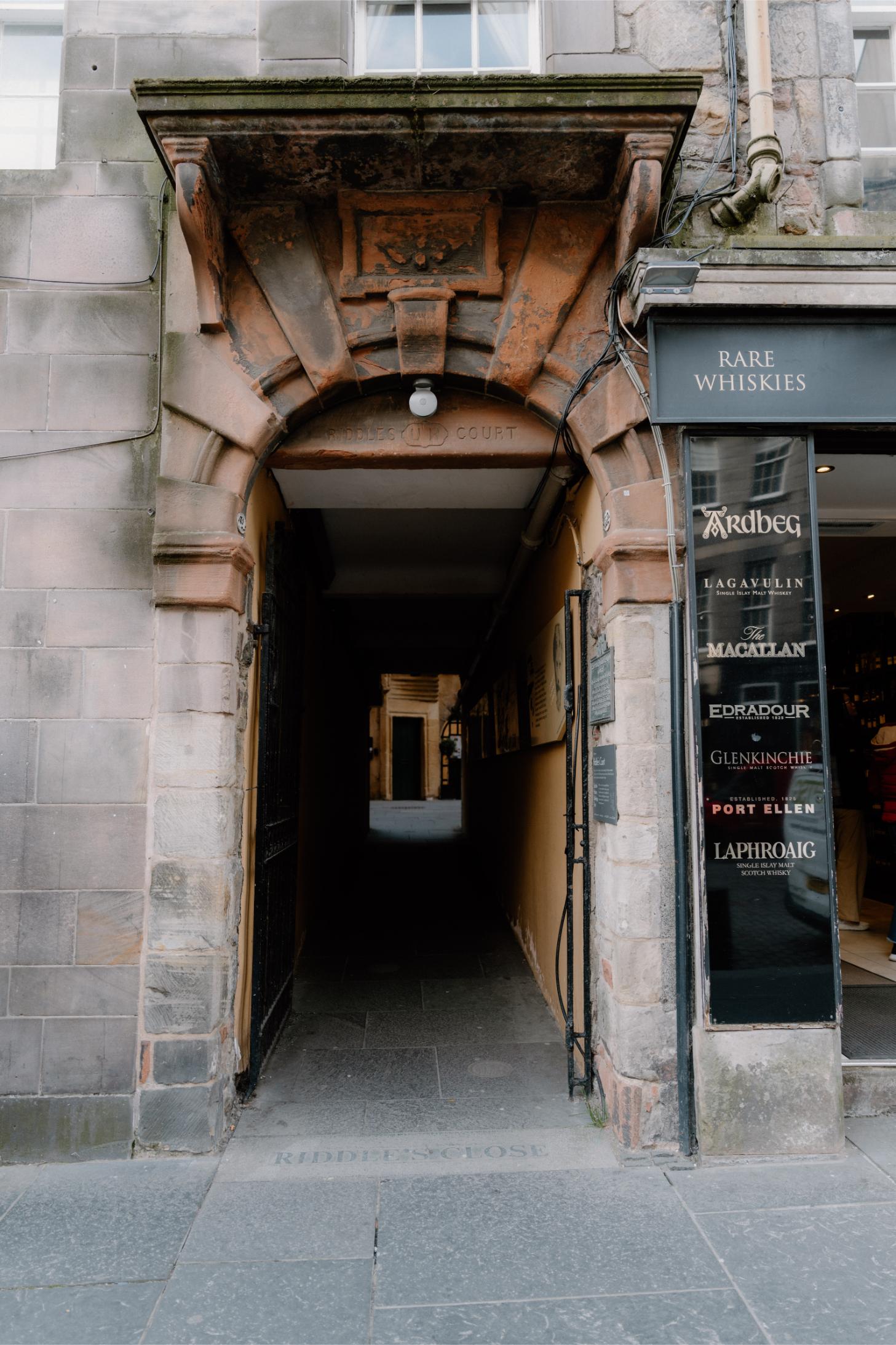
Riddle’s Close sits just off the Lawnmarket, hidden behind an unassuming archway. Many pass by without noticing it. Those who step through find a quiet courtyard surrounded by some of the best-preserved 17th-century buildings in the Old Town. It’s here that David Hume once lived—when the close was a desirable address for Edinburgh’s professional class. Today, the site is home to a heritage education centre, but the layout remains intact: forestair staircases, high chimneys, and a well-worn entrance arch built from thick, uneven stone.
The courtyard’s scale is surprisingly generous. It opens wide, holding back the dense press of surrounding tenements. It’s worth pausing here before the rest of the walk begins—there’s space to stand and notice how Edinburgh grew upwards rather than outwards. If the centre is open, you might spot decorative plasterwork inside or timber panelling dating to the early 1600s.
Even if the doors are closed, the atmosphere is strong enough on its own. Riddle’s Close feels like a pocket of the city that managed to step sideways in time. You can see why people stayed. It’s a quiet start, but a fitting one. The rest of the walk will head downhill, but here—right at the top—you get a sense of where the Old Town begins.
The Heart of Midlothian
Just outside St Giles’ Cathedral, set into the cobbles, is a small mosaic in the shape of a heart. Most visitors miss it entirely. Those who do notice it often wonder why locals spit on it. The reason is older than it looks.
The Heart of Midlothian marks the entrance to Edinburgh’s old Tolbooth—once the city’s main administrative building and a notorious prison. It stood here for centuries, right in the civic centre, until it was demolished in 1817. The name later became famous through Sir Walter Scott’s novel, but the act of spitting predates the book. It’s a show of disdain for the brutal justice that once played out on this spot.
Today, the heart is easy to overlook. Tour groups gather beside it. Street performers compete for attention nearby. But if you stand just to the side and look down, you can still see the outline clearly—dark stone against pale, slightly raised, the shape distorted by time and footfall.
It’s not a photo stop or a viewpoint, but it’s worth standing still here. The Old Town is full of grand buildings and high views, but this marker sits low, almost invisible. It’s the sort of place that tells you Edinburgh’s stories don’t always sit on pedestals—they’re often underfoot.
2(1)-listable-card-1737143927.jpg)
2(1)-large-1737143899.jpg)
The Real Mary King's Close
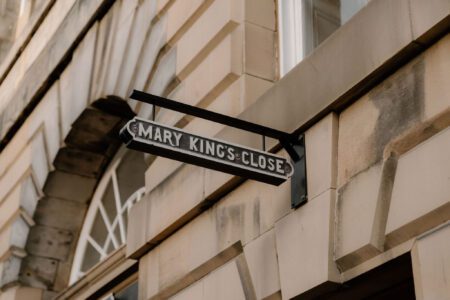
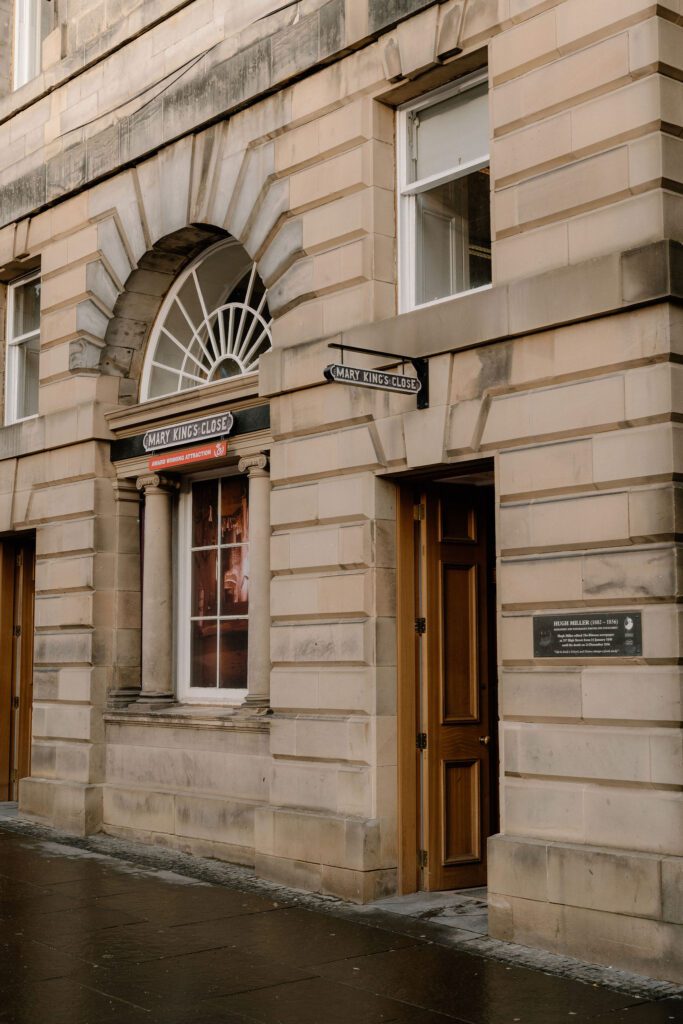
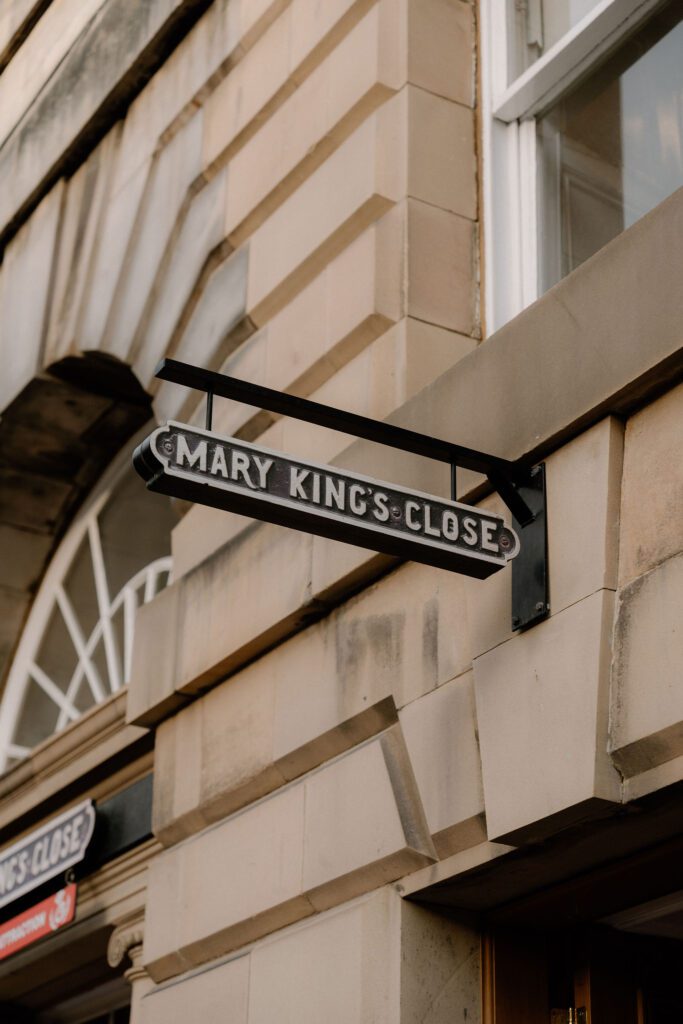
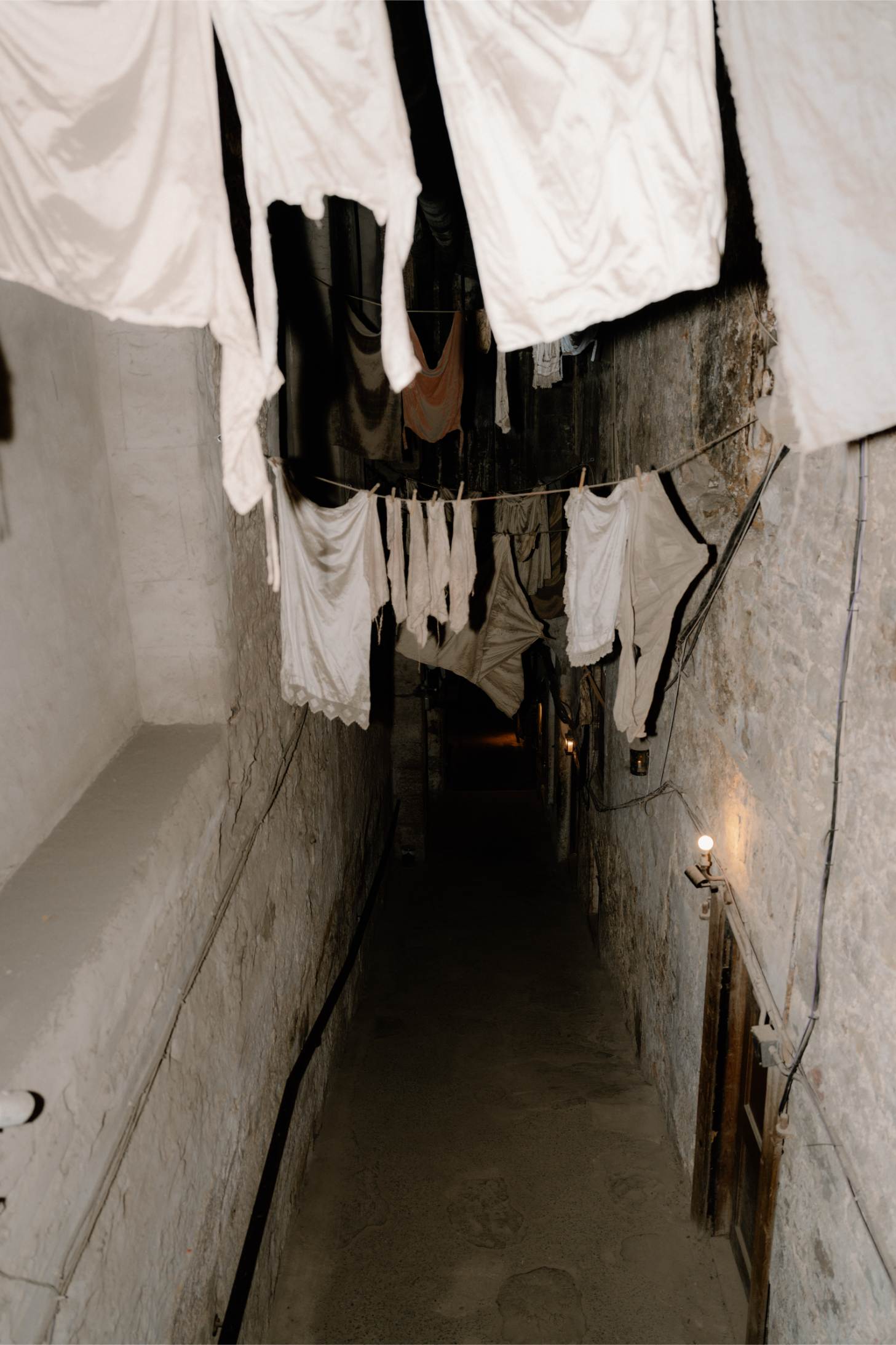
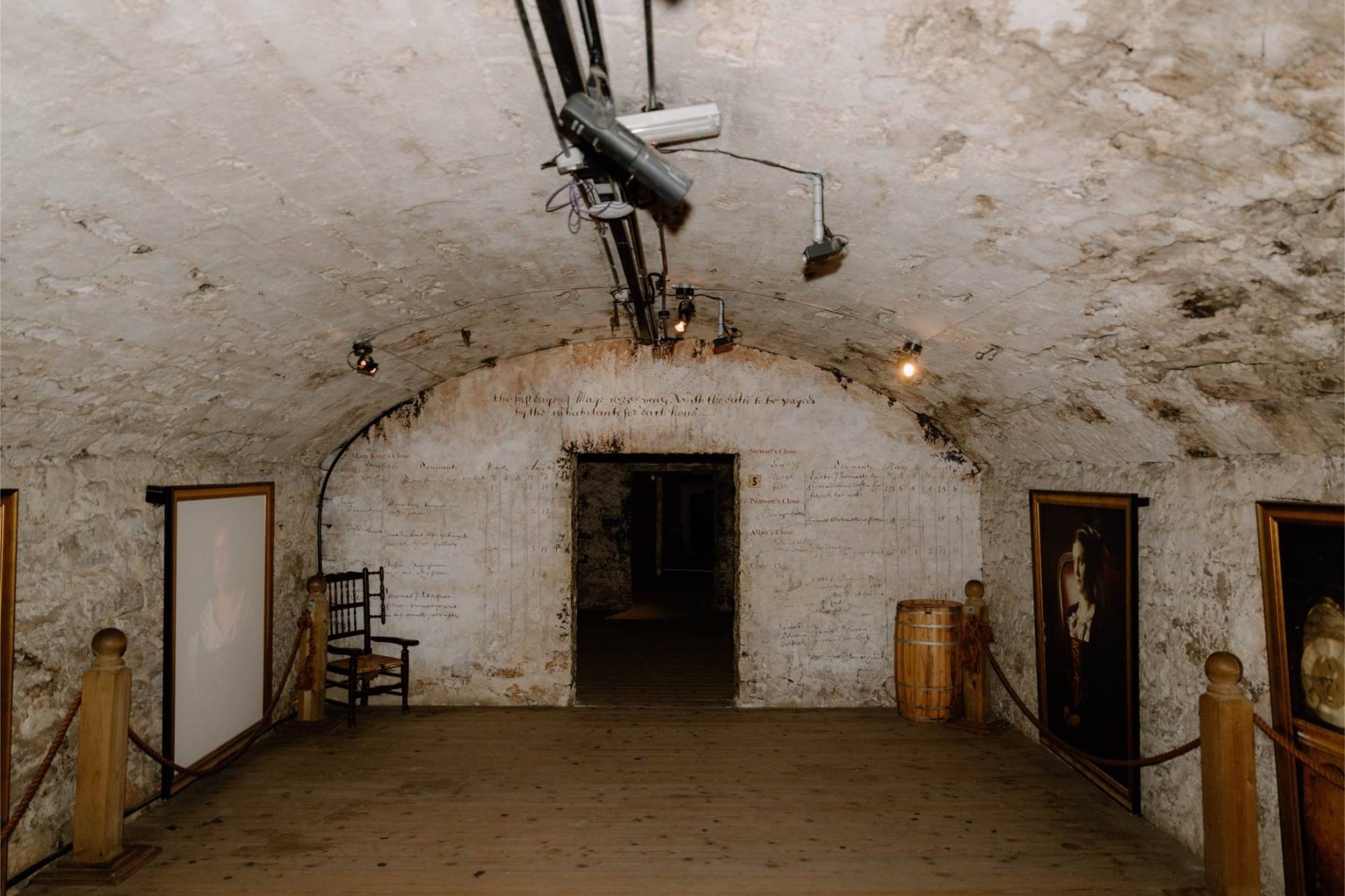
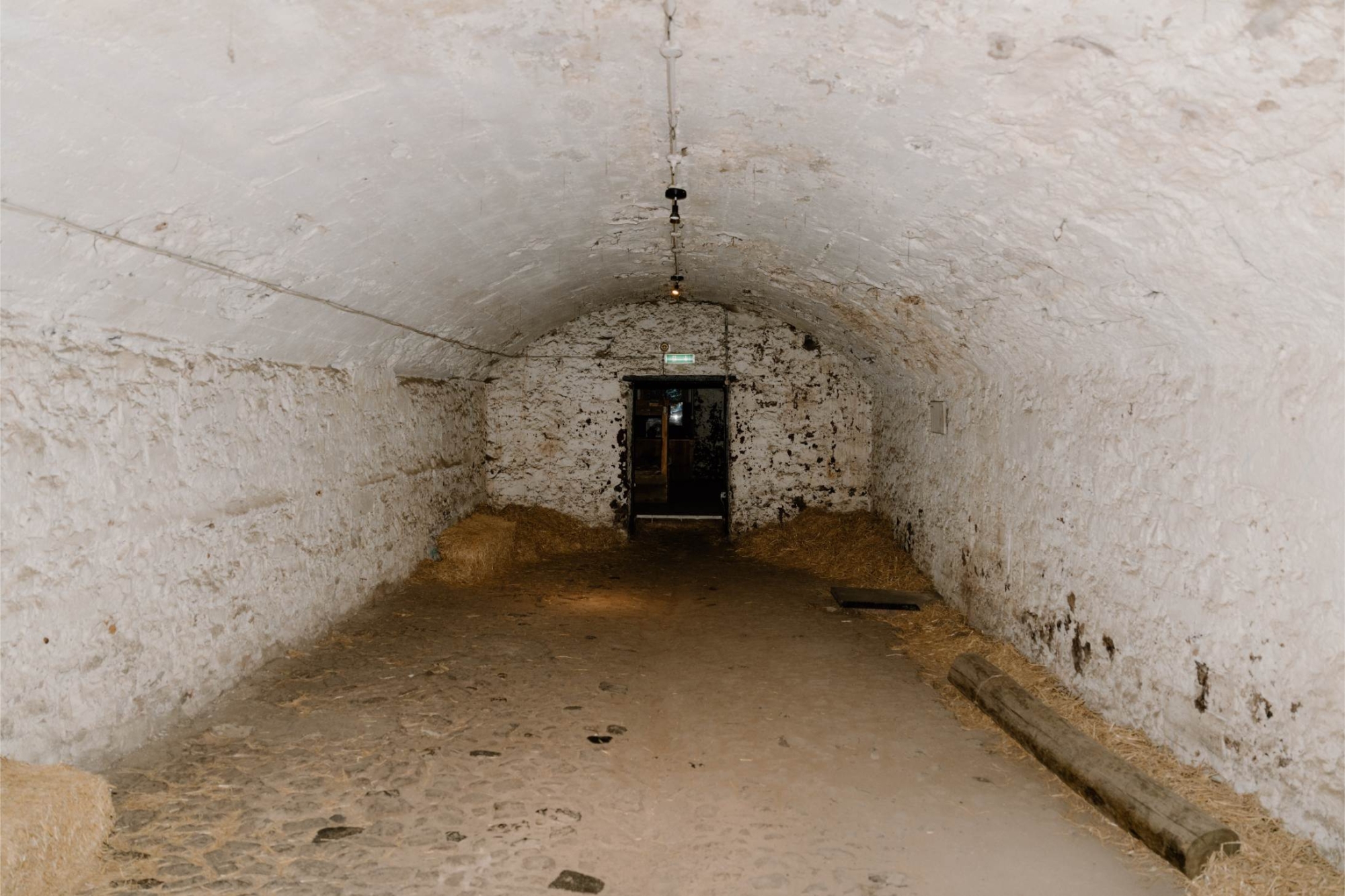
The entrance is tucked beneath the City Chambers, just a few steps from the Heart of Midlothian. From above, it’s hard to guess what lies beneath. But under the street, hidden for centuries by new buildings layered on top of the old, Mary King’s Close still exists—sealed, preserved, and now accessible by guided tour.
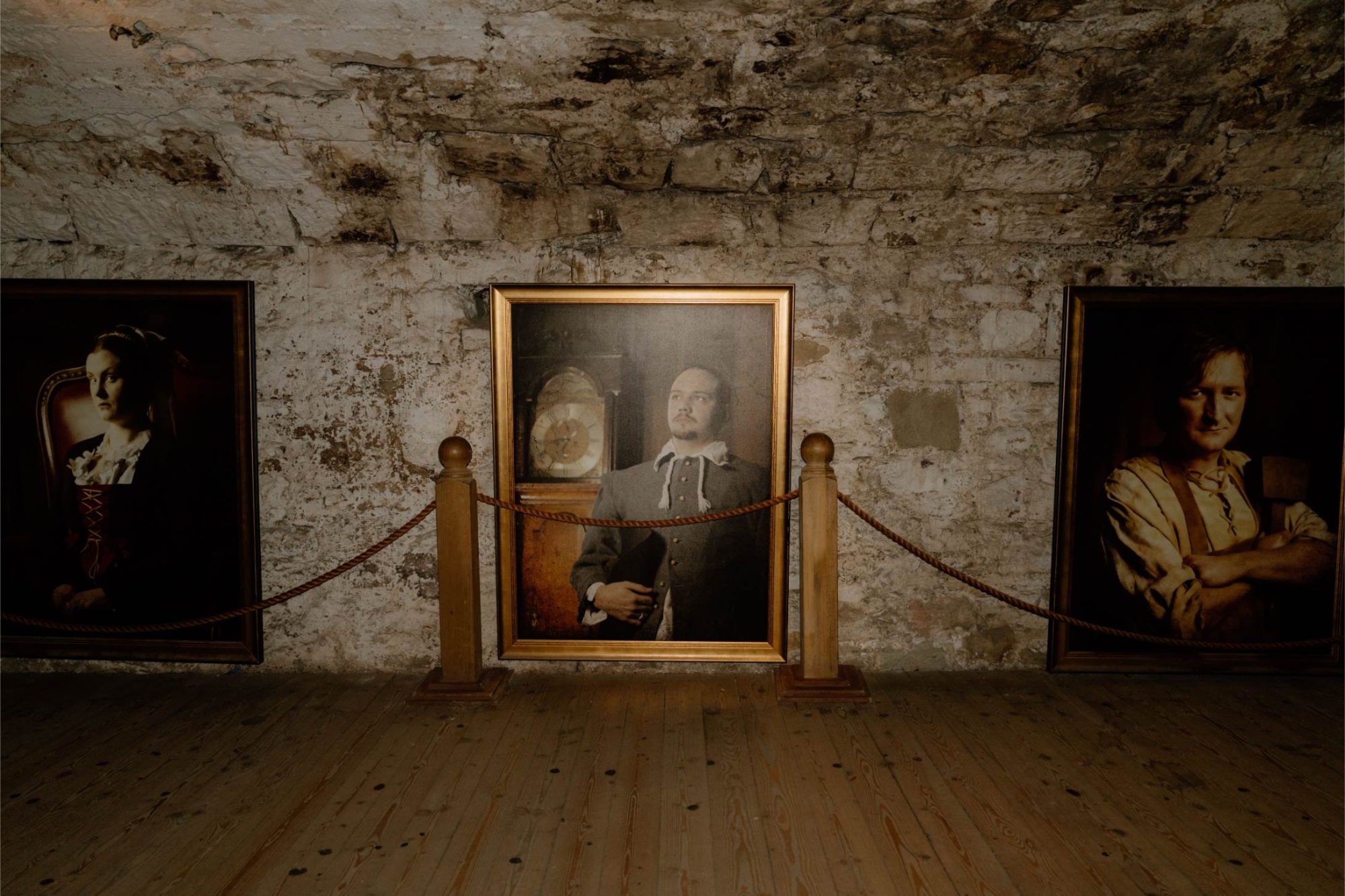
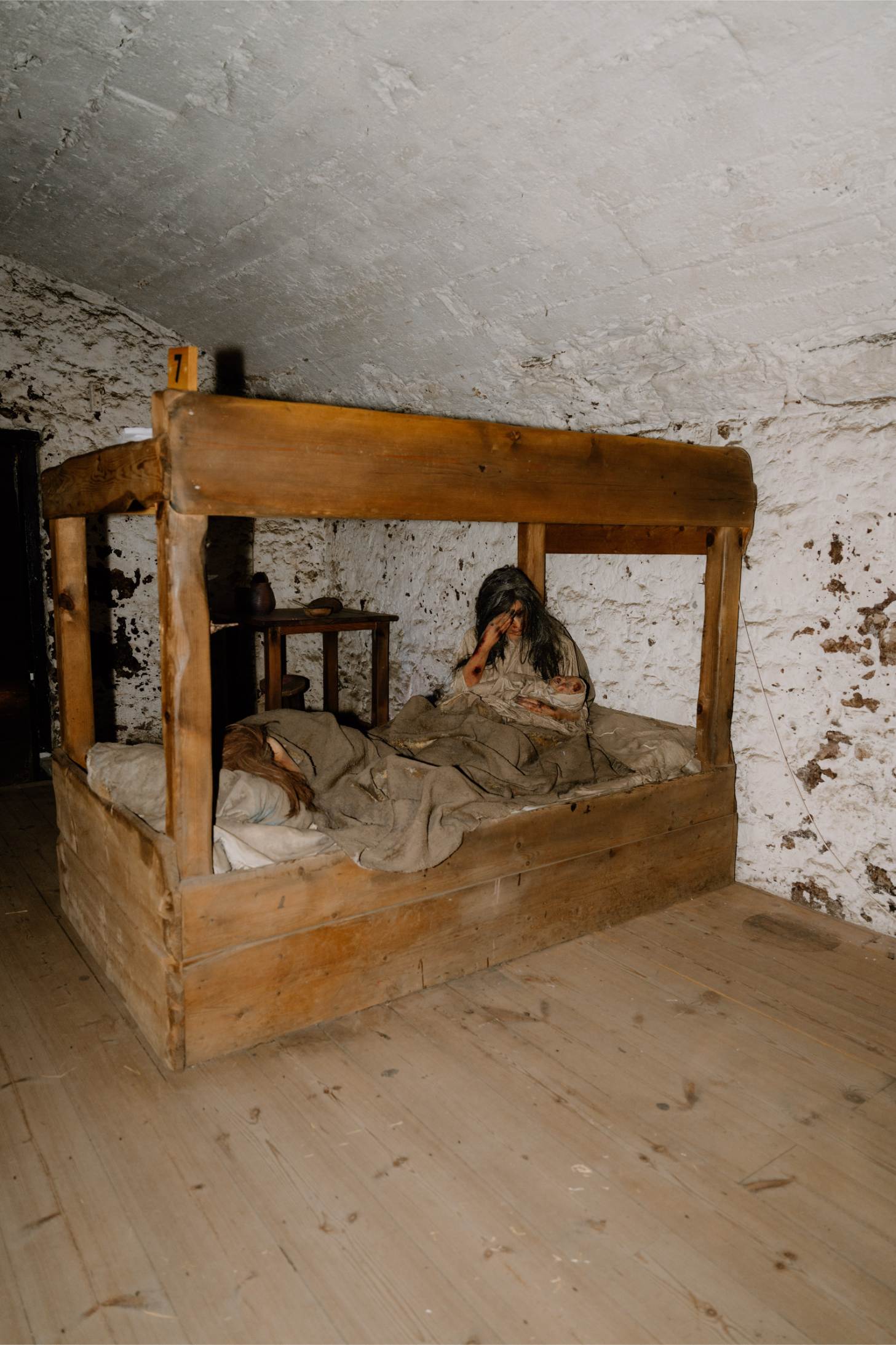
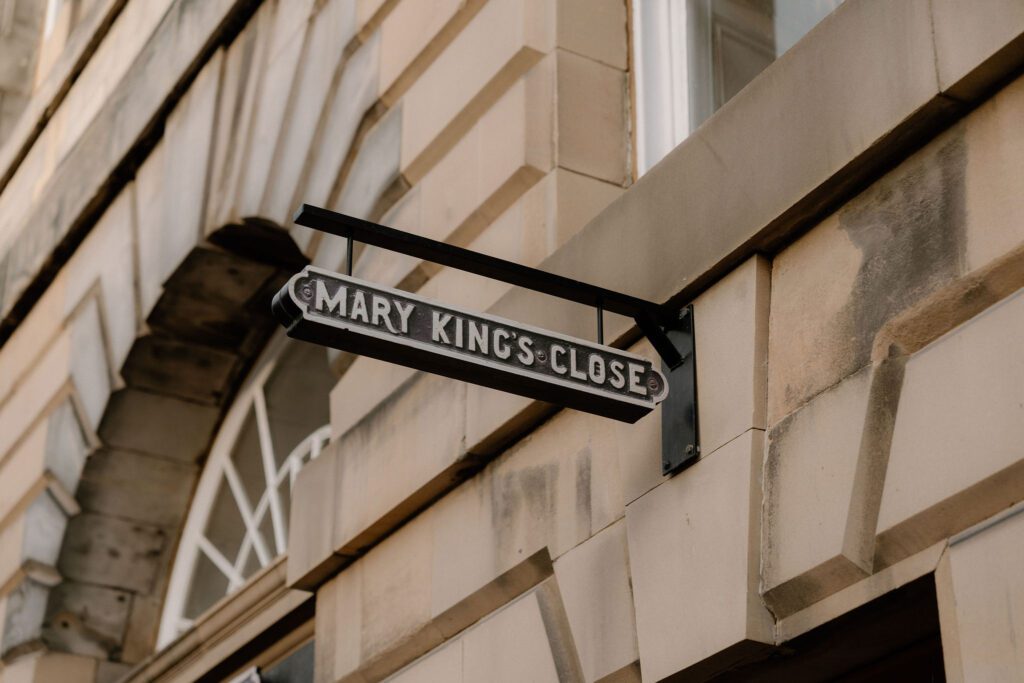
It was once a working close like any other, named after Mary King, a merchant’s daughter and later a burgess in her own right. In the 17th century, this was prime city housing—tenements built close together, rising several storeys, with families and trades packed into narrow vertical spaces. Over time, the close was partially buried by the construction of the Royal Exchange, then forgotten by most. What survives is more than just a museum—it’s a cross-section of how people actually lived.
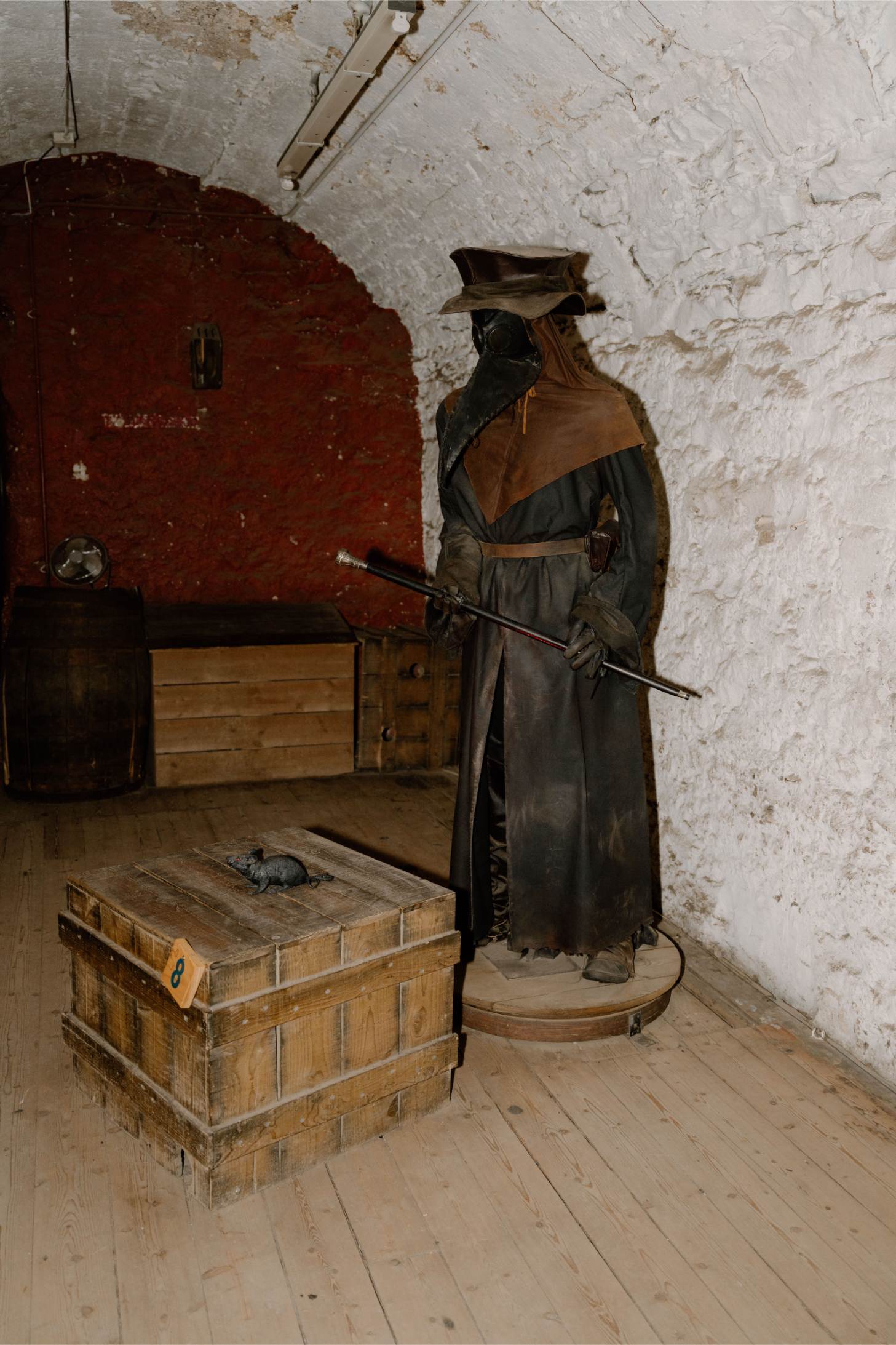
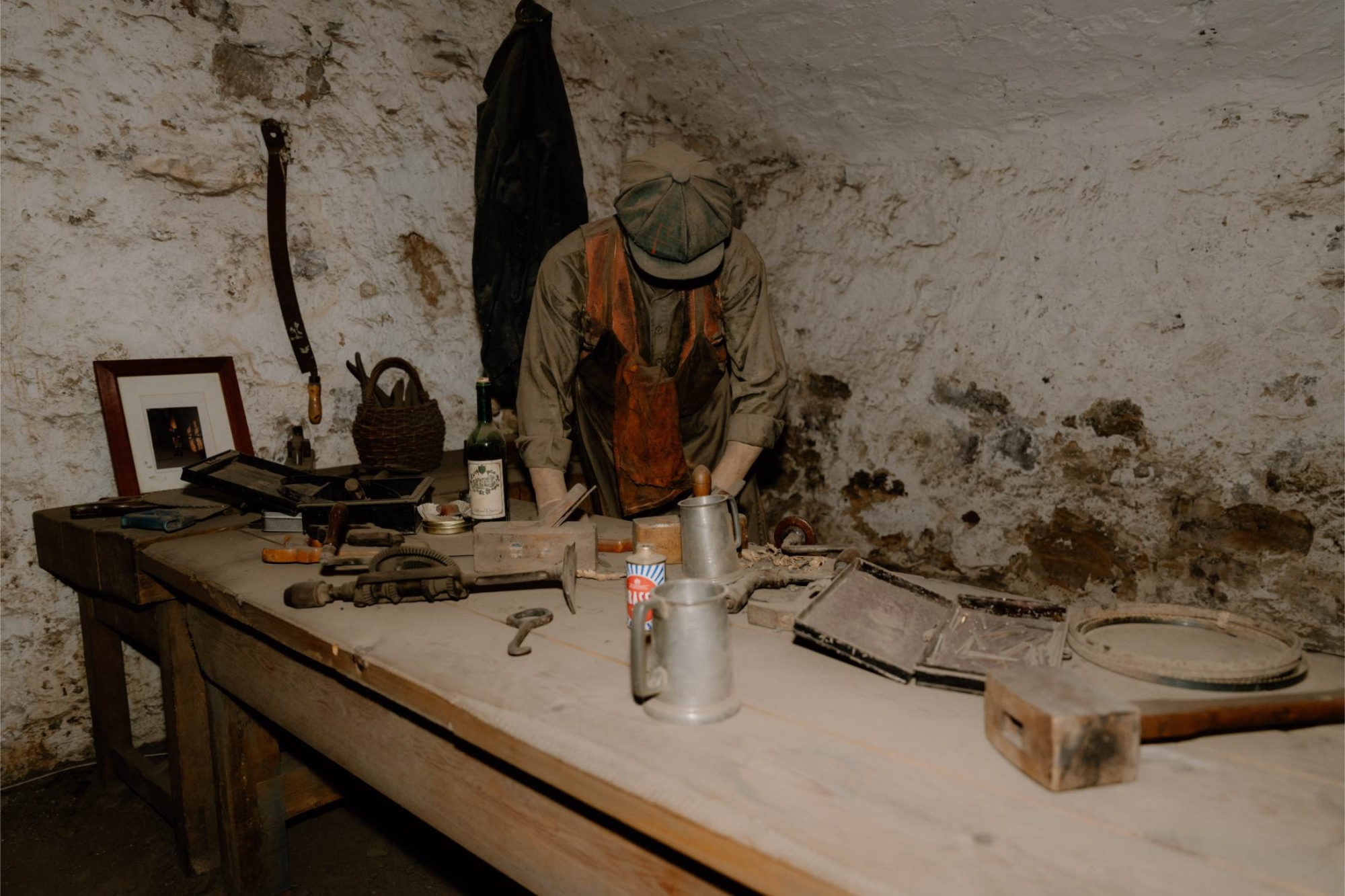
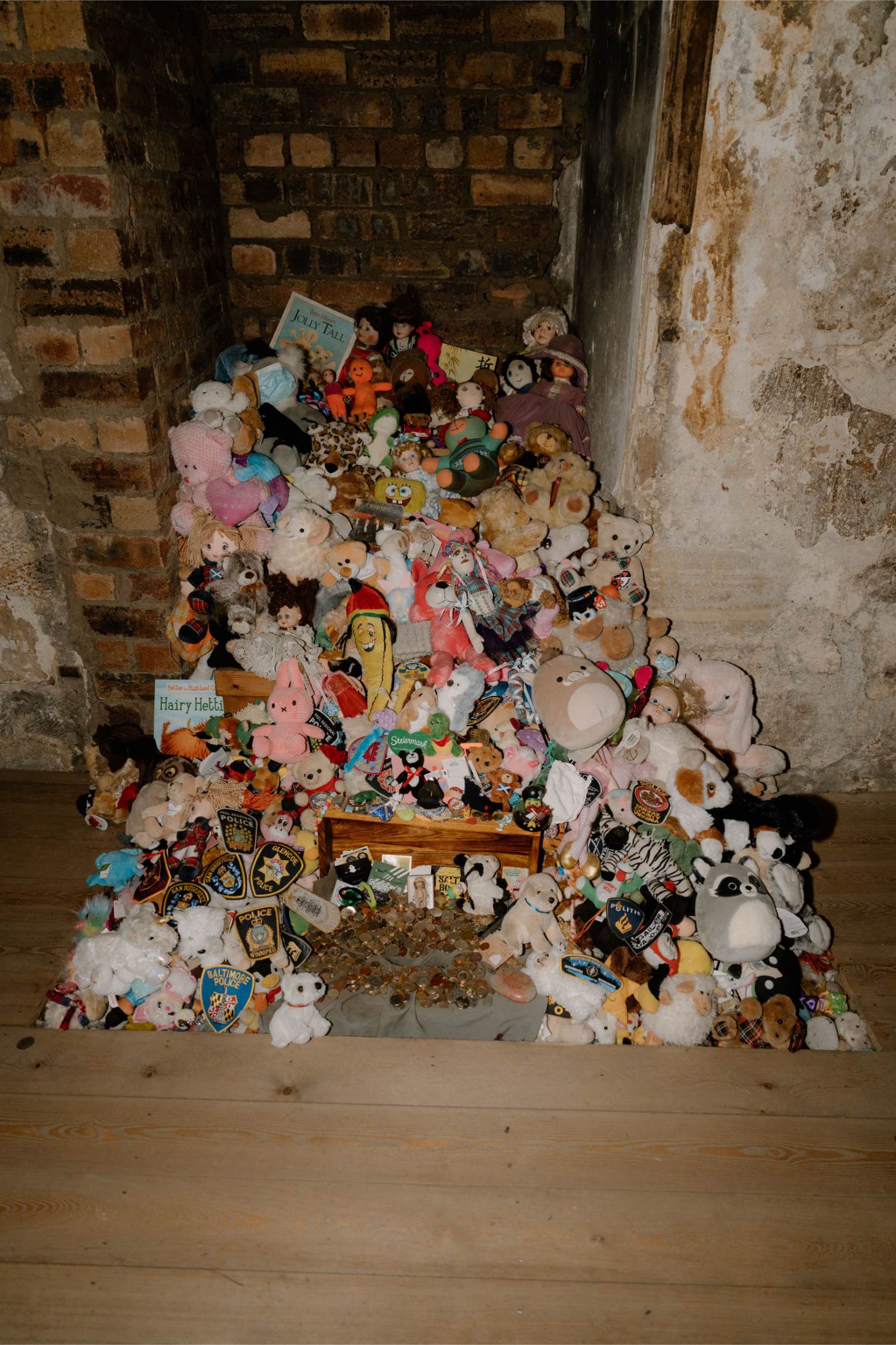
Tours take about 90 minutes and are the only way to access the site. You’ll see original rooms and walls, stairwells worn smooth, and evidence of the plague years that hit this part of town hard. It’s not theatrical—though some myths persist—but the real strength of the experience lies in the preserved architecture, the physical tightness of the space, and the fragments of lives left behind.
If you’re walking this trail, it’s worth booking in advance. It’s one of the few points where you step not just off the Royal Mile, but directly underneath it.
Advocates Close
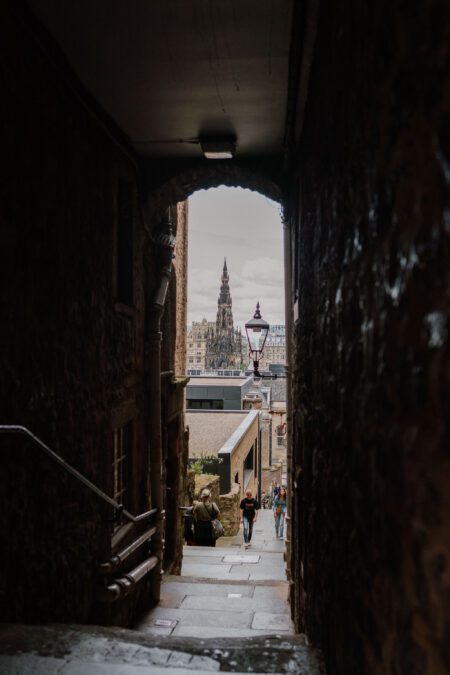
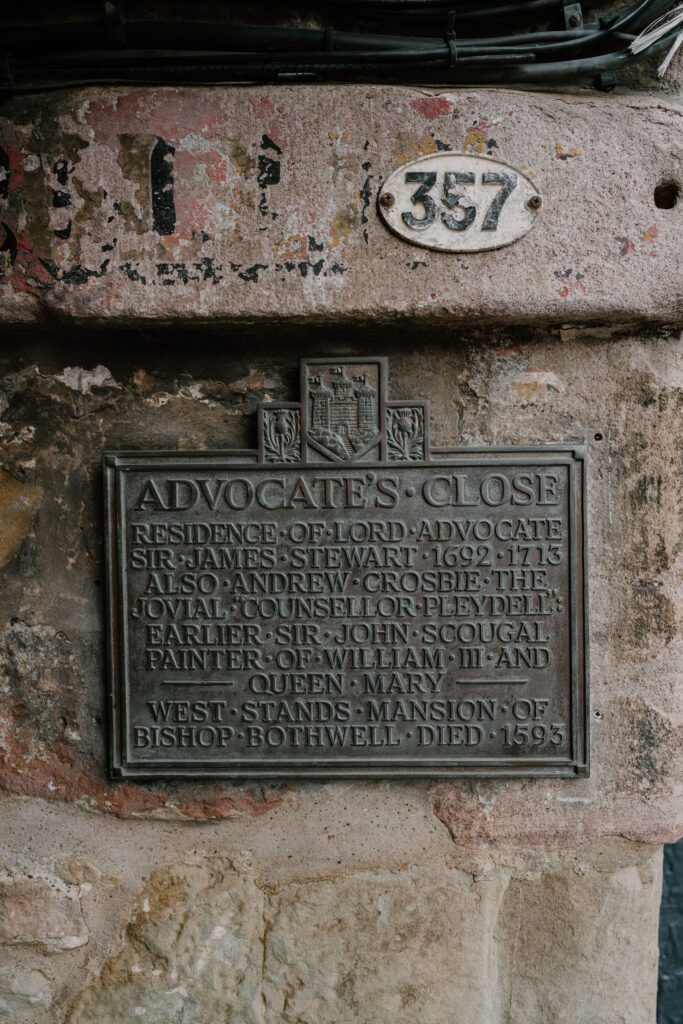
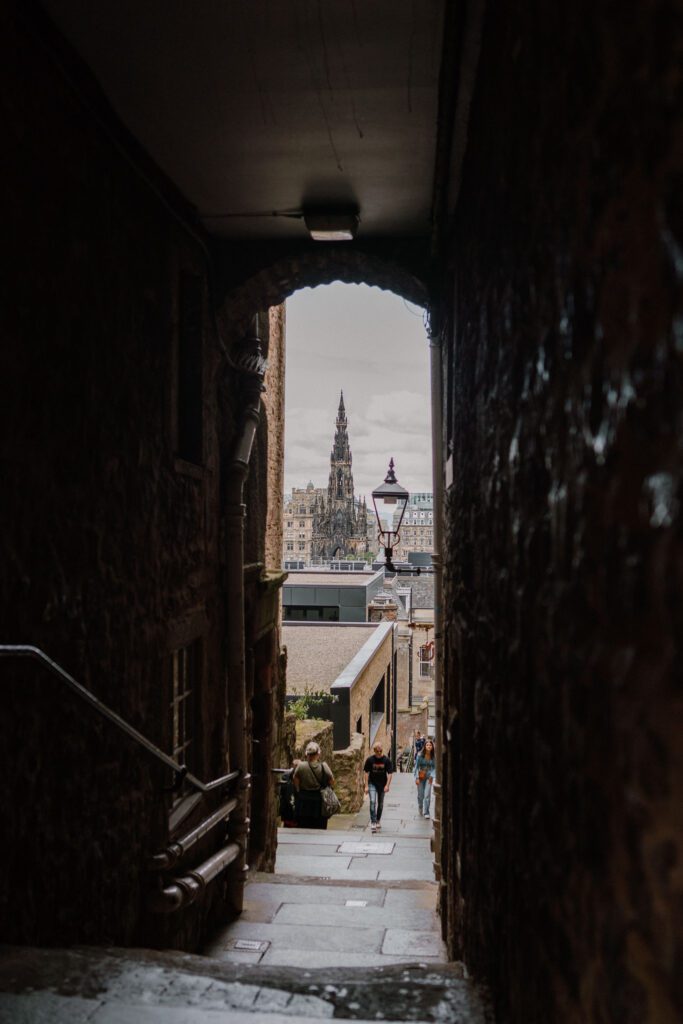
This is one of the steepest and most visually striking closes in the Old Town. From the Royal Mile, Advocate’s Close looks like a crack between buildings—narrow, angled, easy to miss. But step into the passage and begin descending, and you’ll find the view opens with each step. Halfway down, you’ll see the pointed spire of the Scott Monument perfectly framed in the stonework below.
The close is named after Sir James Stewart, the city’s Lord Advocate in the late 17th century, who lived here when it was still considered a respectable address. At the time, these closes weren’t dark corners—they were high-density housing, close to the action, and filled with both merchants and city officials.
The steps are worn and uneven. Rain often gathers along the edges. But that descent—tight walls, stone underfoot, city noise falling away—makes this one of the best examples of how vertical Edinburgh really is. You don’t have to go far to change your perspective.
At the foot of the stairs, the close emerges onto Cockburn Street, which curves away to the left. But before moving on, stop halfway down and turn around. That upward view, framed by stone and sky, might be the most photographed alleyway in the city—and for good reason. It captures how the Old Town drops and folds, how it was built in layers rather than blocks.
The Milkman
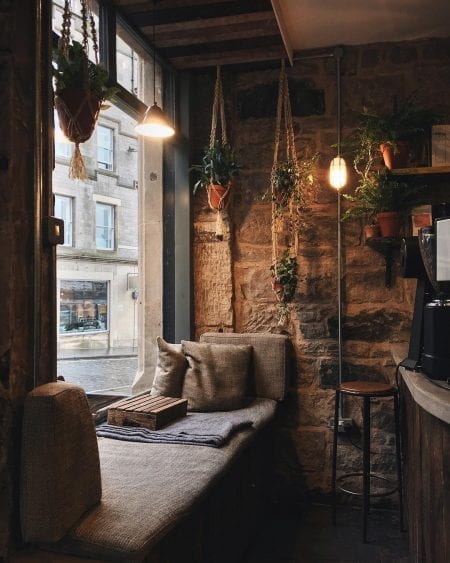
At the foot of Advocate’s Close, you land directly on Cockburn Street—a curved Victorian thoroughfare designed to connect the Old Town with Waverley Station. Just to your left, on a sloping corner, sits The Milkman. Built into a former tobacconist’s shop, the café has kept its original signage and some of its old window frames, but what’s inside is built for today: proper coffee, pulled well, without any fuss.
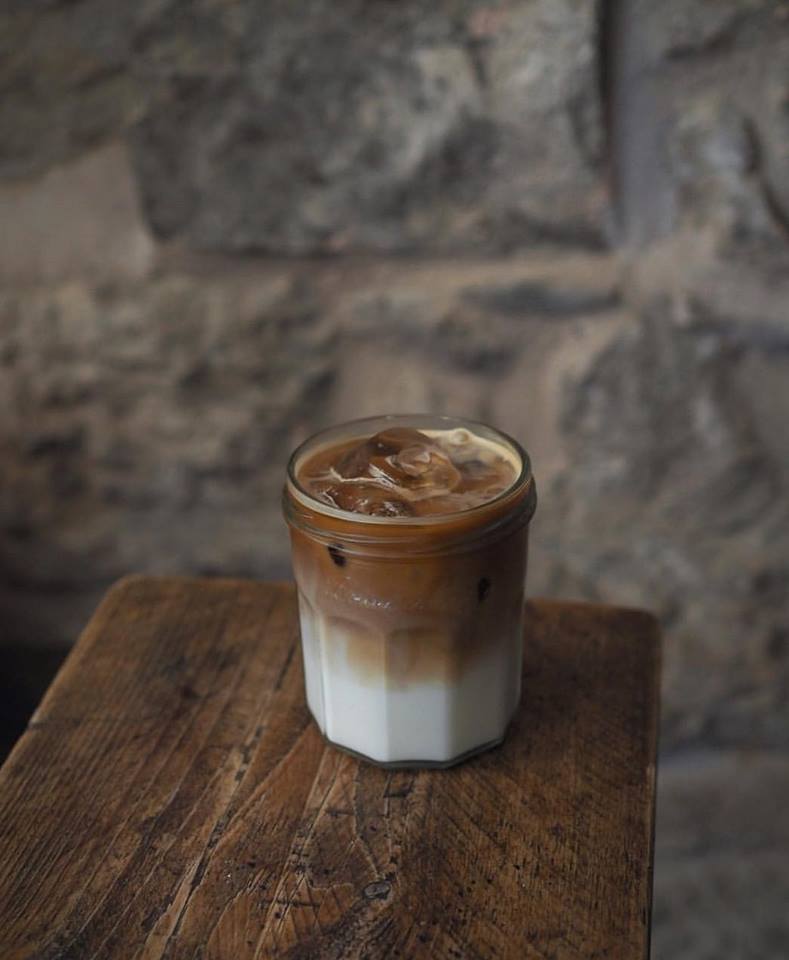
There’s no table service and no need for one. You order at the counter—flat white, batch brew, sometimes iced drinks in warmer weather—and the team keeps things moving even when there’s a line out the door. Beans are often from local or small-scale roasters, and there’s usually something single-origin on offer alongside the house blend.
It’s small, but it’s efficient. Locals lean against the window ledges while they wait; tourists queue without quite knowing what’s inside. A few benches sit outside, tucked close to the wall, good for a short break if the weather’s holding.
You won’t linger here long, and you don’t need to. It’s a checkpoint more than a pause—one of those reliable city cafés where the coffee’s always good and the people behind the counter know how to keep things moving. From here, the walk turns slightly, past galleries and photo strips, toward the next stretch of stone.


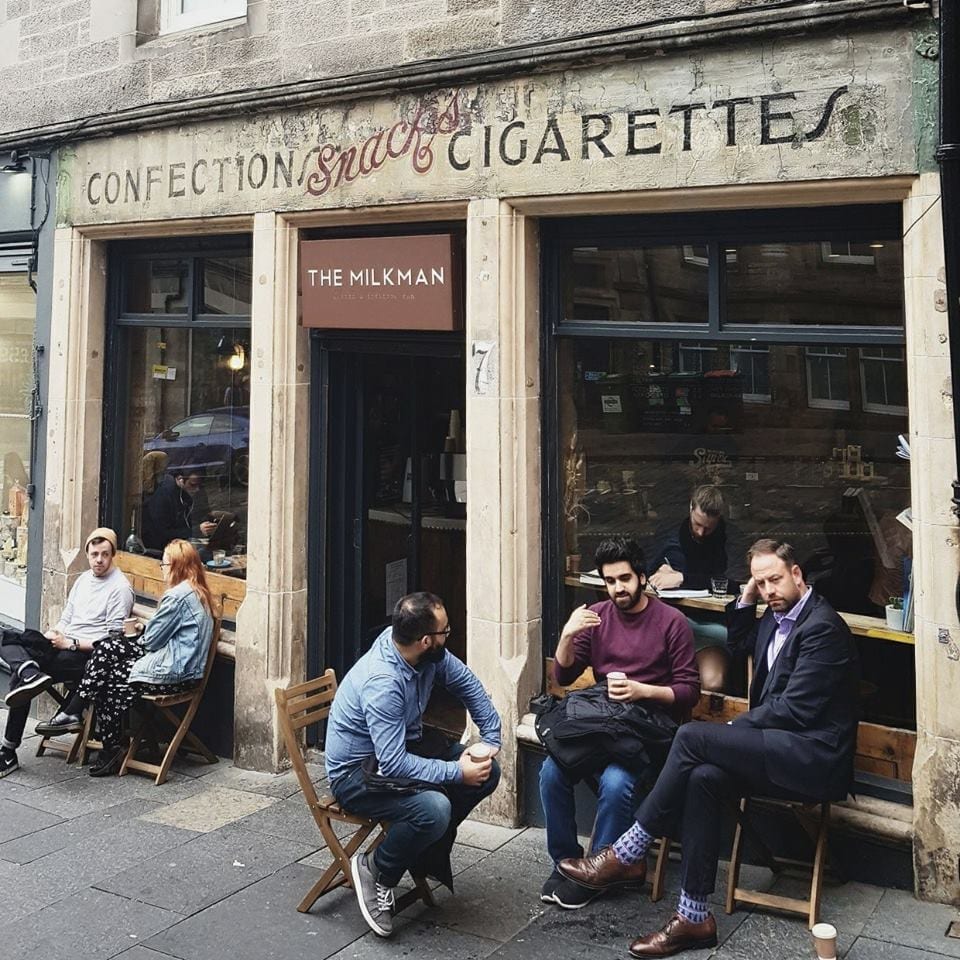
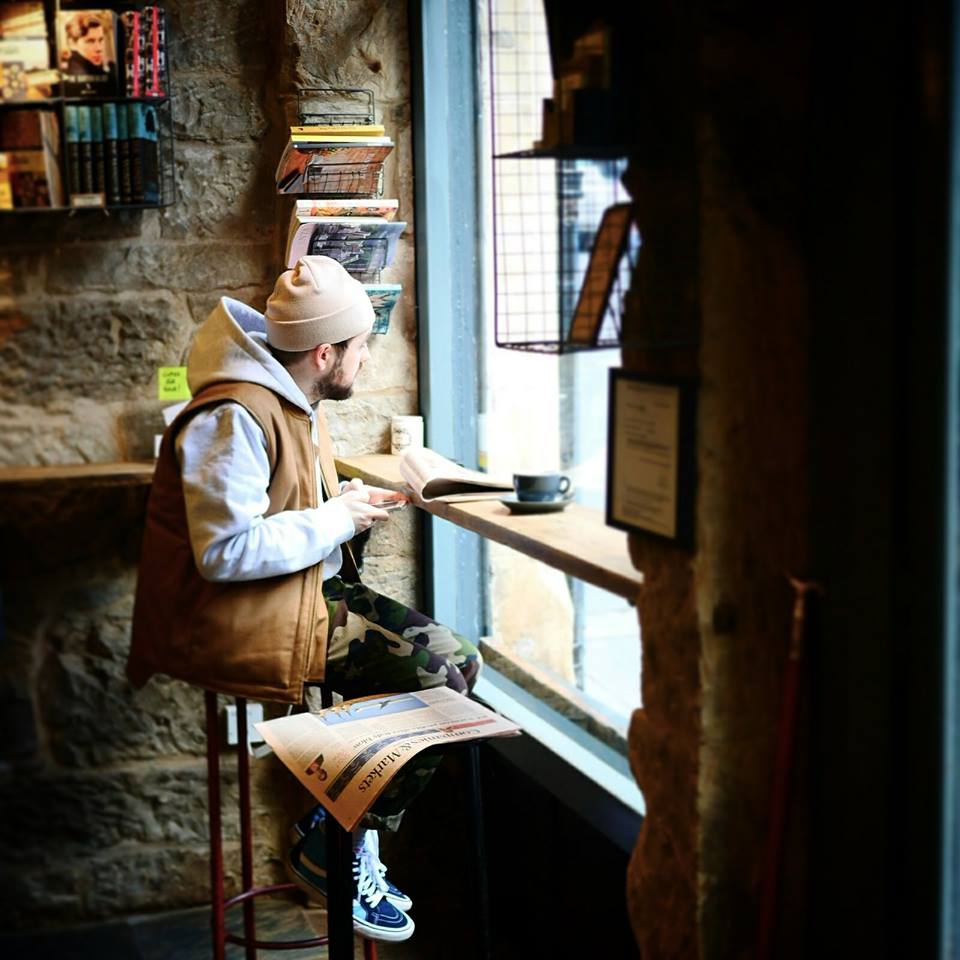
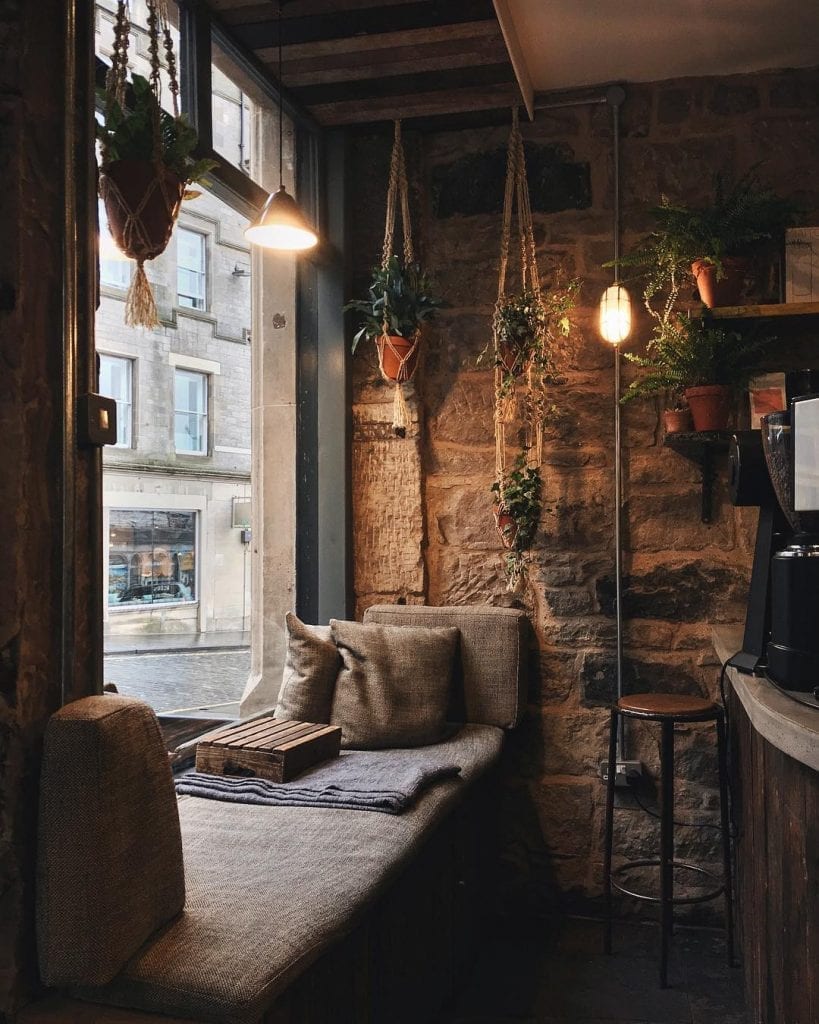
Get a Souvenir from the Vintage Photobooth at Stills
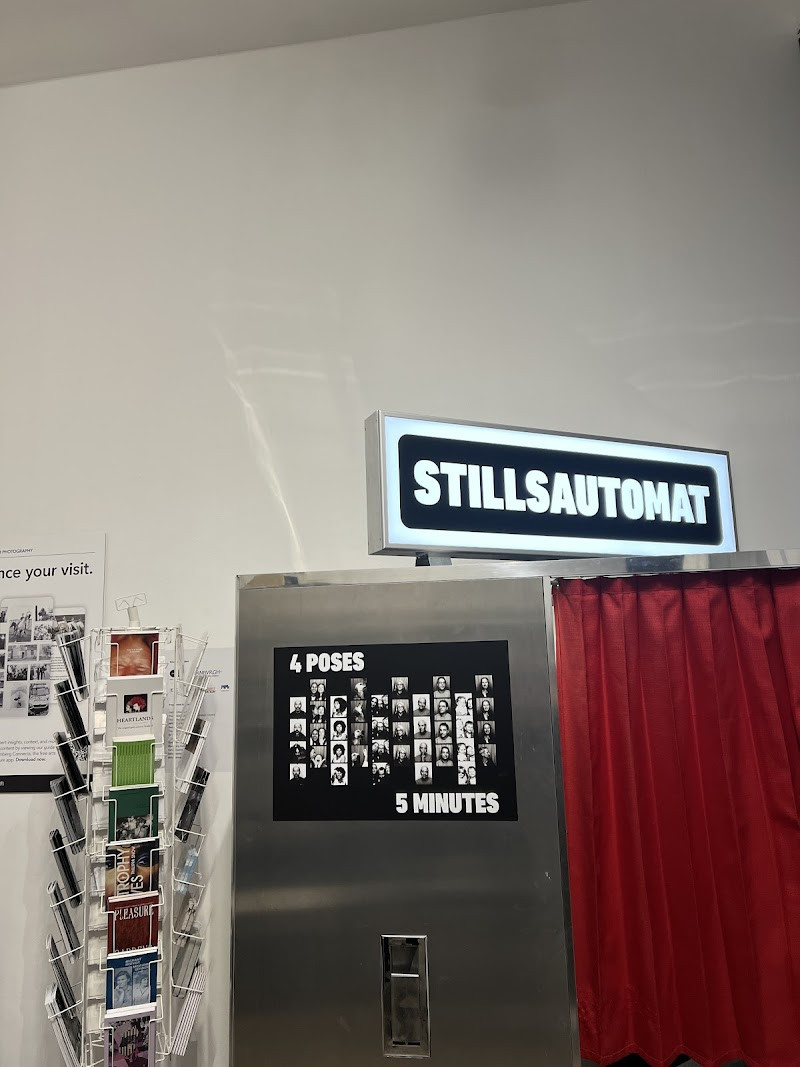
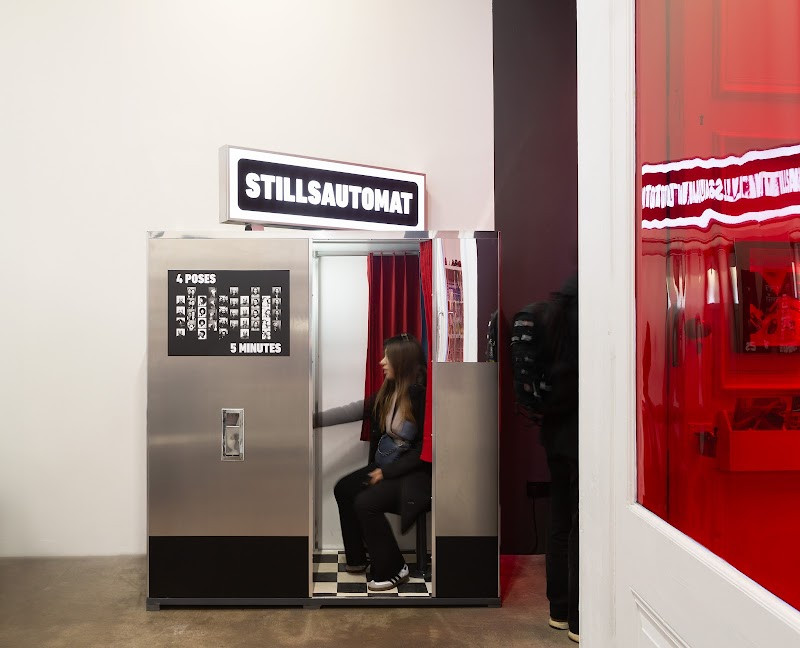
Next door to The Milkman, tucked into a modest entrance on Cockburn Street, is Stills—a contemporary photography centre that’s easy to overlook if you’re only watching the road. Inside, it’s a mix of gallery, workshop space, and bookshop. But the main attraction for many visitors now sits just past the door: STILLSAUTOMAT, Scotland’s only working analogue photobooth.
It’s the old kind. You step inside, close the curtain, and wait for four black-and-white frames to appear in a vertical strip. No retakes, no filters. Just a direct imprint of time and light, processed by chemistry rather than software. The machine was brought in to support the gallery’s work and raise funds for its public programmes, but it’s also become a kind of local fixture—small groups leaning in, couples laughing at the flash, the mechanical clunk of the film winding through.
The booth takes contactless payment and works quickly, though there's often a small queue in busier months. The photos are ready within minutes.
Inside the gallery, exhibitions rotate regularly and often feature work by Scottish or Scotland-based photographers. There’s also a quiet bookshop corner, with zines, prints, and well-curated titles on photography and visual culture.
Even if you’re not in a rush to see the work on the walls, the photobooth alone is worth the stop. It’s not often you get to take home a strip of film in a city that’s mostly gone digital.
Look Up Fleshmarket Close
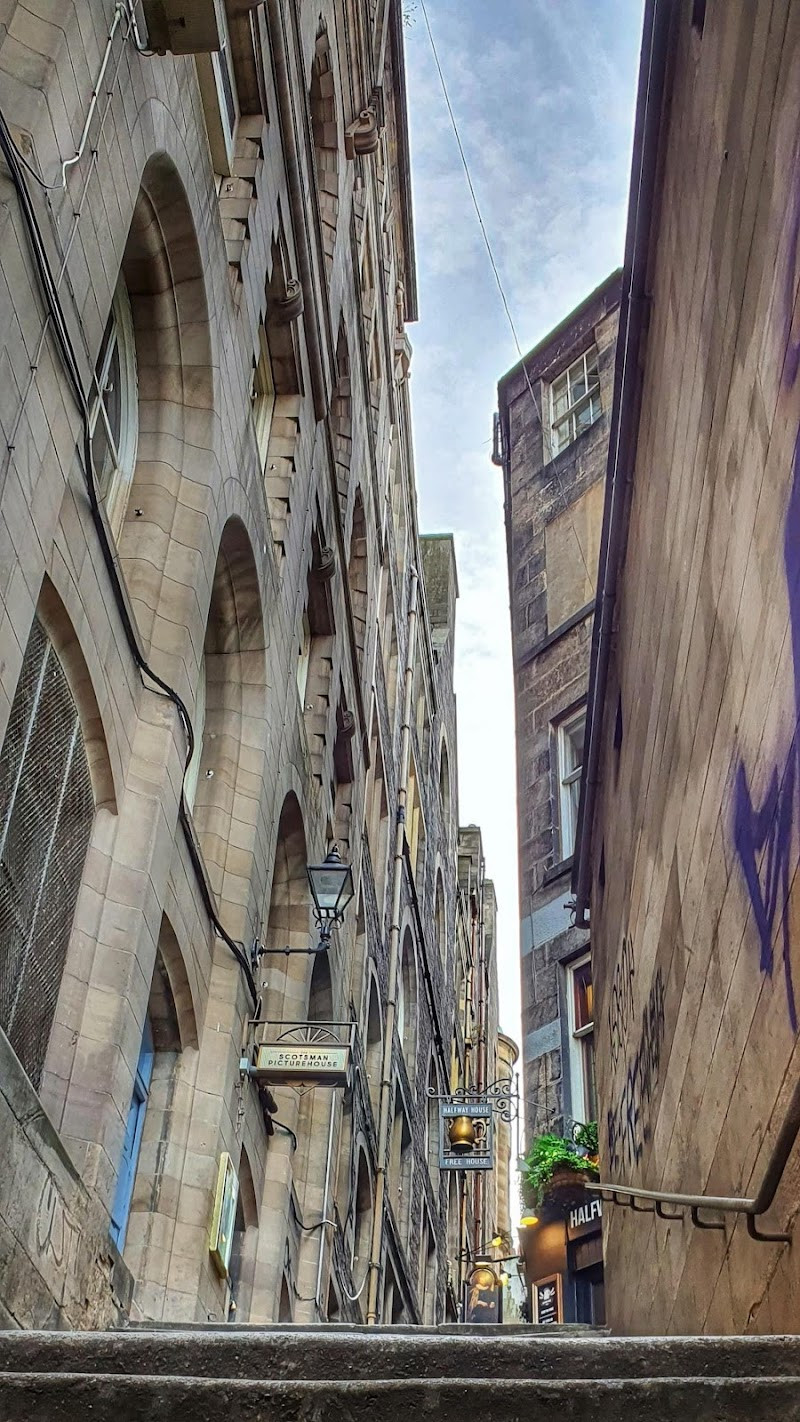
You don’t need to walk this one—just stand near the bottom of Market Street and look up. Fleshmarket Close runs sharply uphill from here, cutting through dense tenement walls and rising straight back to the Royal Mile. It's steep, tight, and unmistakably Old Town.
The close takes its name from the meat market that once operated here. Like many others in Edinburgh, the name is literal—this was where the fleshers worked, where animals were butchered and sold, and where runoff often ran down the stones. Today, there’s nothing of that trade left, but the name remains, and the slope still carries the imprint of weight and wear.
This spot became more widely known thanks to Ian Rankin’s Fleshmarket Close, one of his grittier Rebus novels, and the close still carries that kind of tone—grim, narrow, almost cinematic in bad weather. The stairwell is flanked by tall, blank walls, which seem to press inward as you look up.
It’s not a stop for a long visit—just a good place to see how Edinburgh’s closes were built to rise and drop with the land. Few cities layer their buildings like this. If the light hits it right, it feels like the city’s spine running steep through stone.
Step Into Trunk’s Close
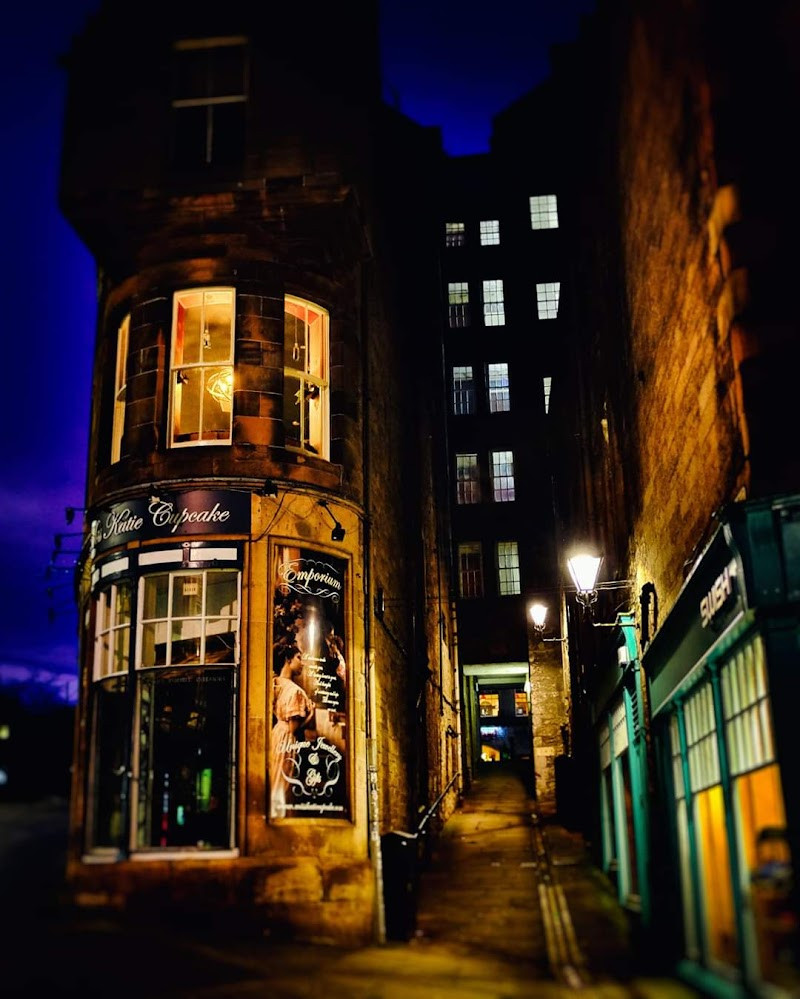
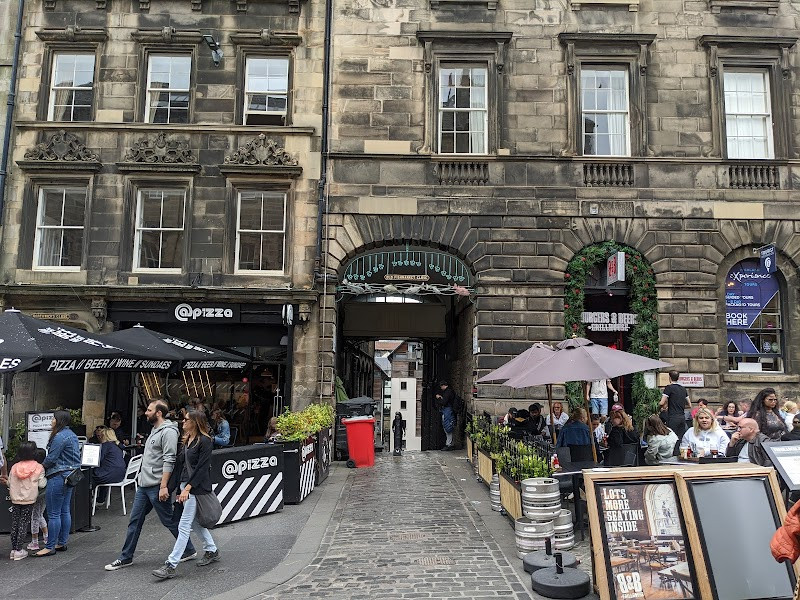
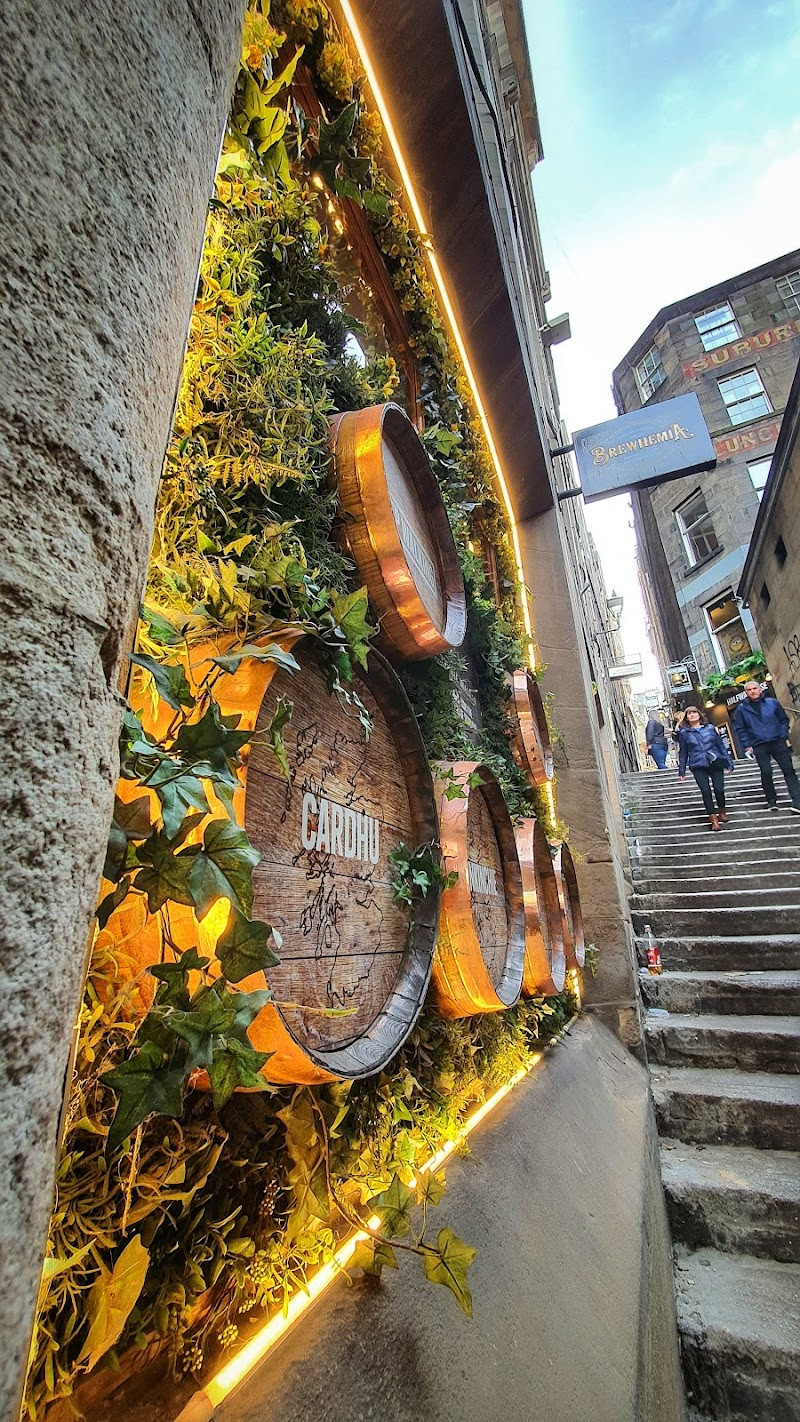
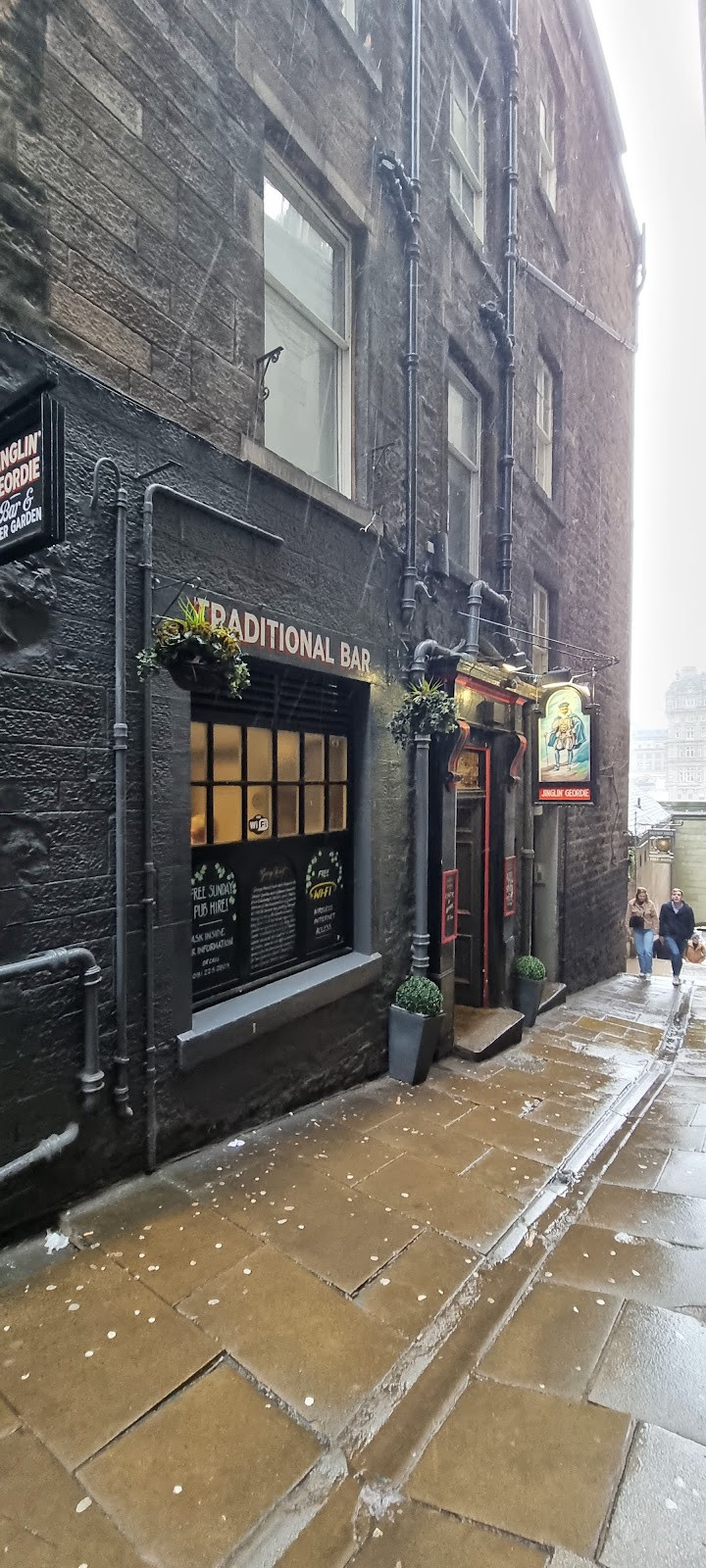
Most people walk straight past it. Trunk’s Close isn’t signposted in any bold way, and the narrow opening off the Canongate doesn’t invite attention. But slip through the gap and you’ll find one of the Old Town’s quieter corners—part courtyard, part cut-through, still in use and still largely untouched.
The close is named after John Trunk, a 17th-century merchant. Like many of these passageways, it once connected a commercial front to workshops and lodging behind. Today, what stands out is how little of that structure has changed. Stone buildings rise tight on either side, but the space in the centre feels open in comparison—just wide enough for light to find its way in.
There’s no plaque or major feature here. That’s part of the appeal. It’s a working close, not a museum piece, and you can still see signs of everyday life—dustbins, bicycles, a back door propped open. But look closely and the details emerge: the uneven paving, the corner stones softened by time, the carved lintels above old doorways.
You won’t stay long here, but stepping into Trunk’s Close shifts the pace. It’s a reminder that Edinburgh’s past isn’t always dressed up. Sometimes it’s just a passage you’d miss unless you knew where to look.
Stop for Lunch at Edinburgh Larder
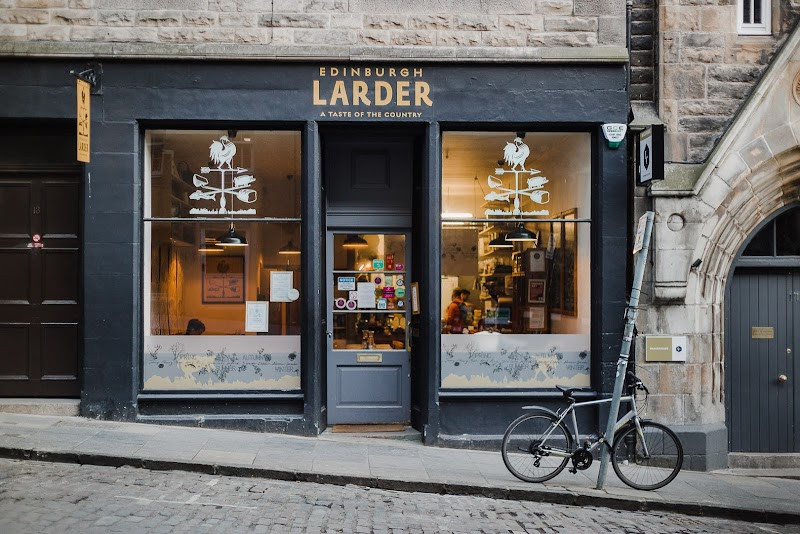
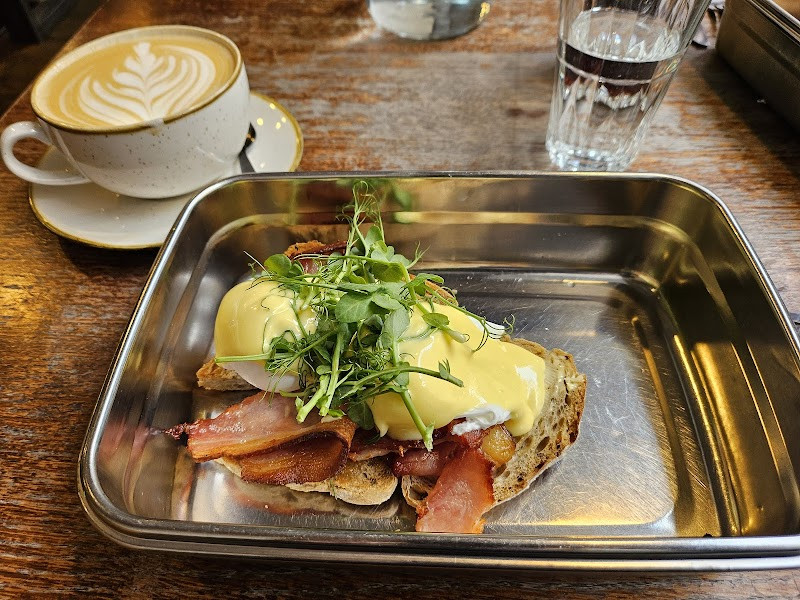
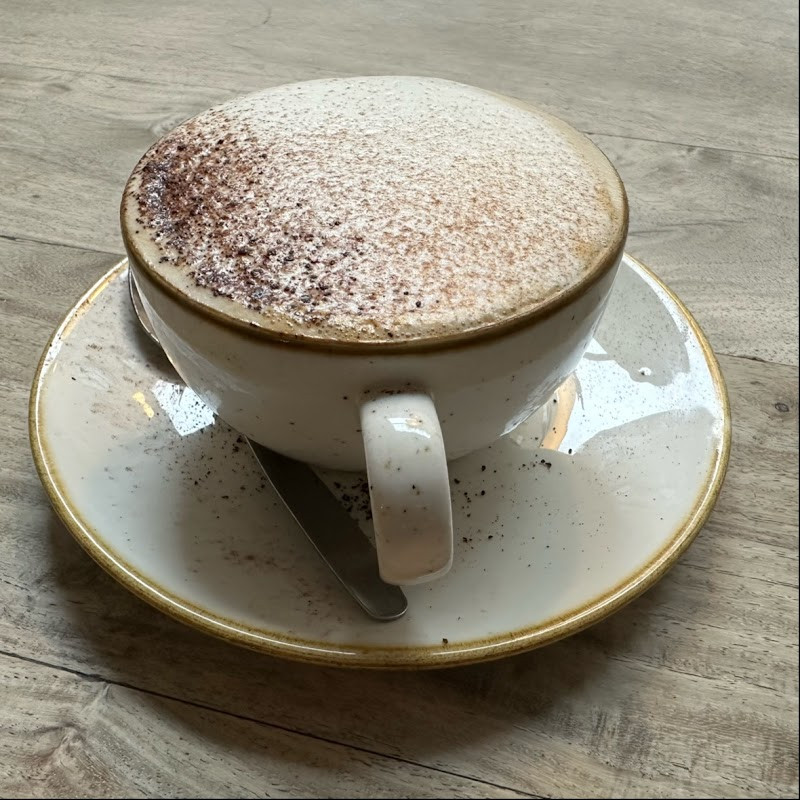
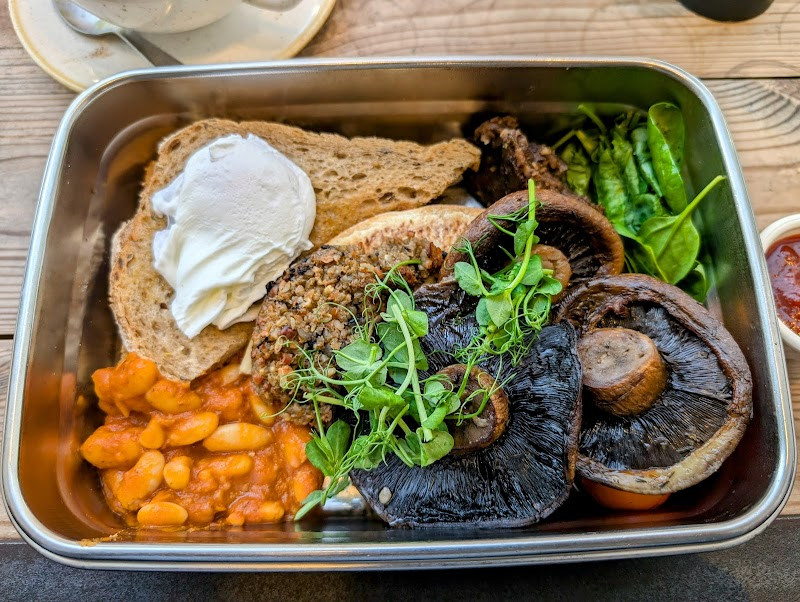
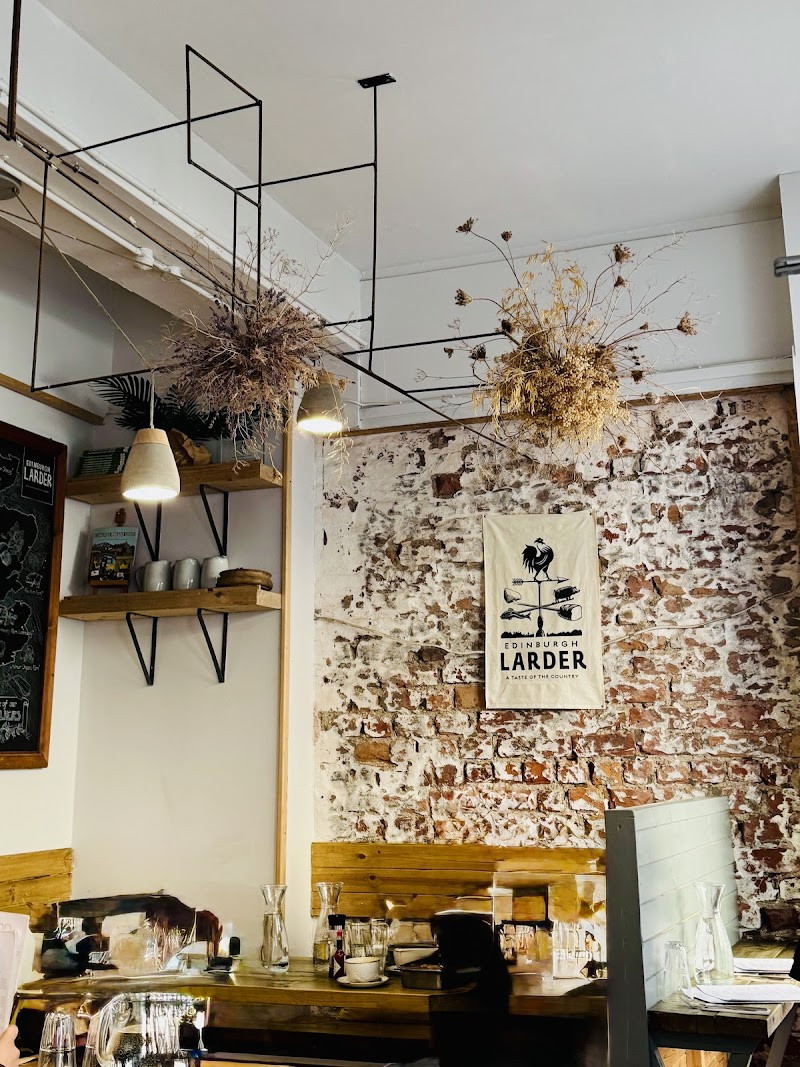
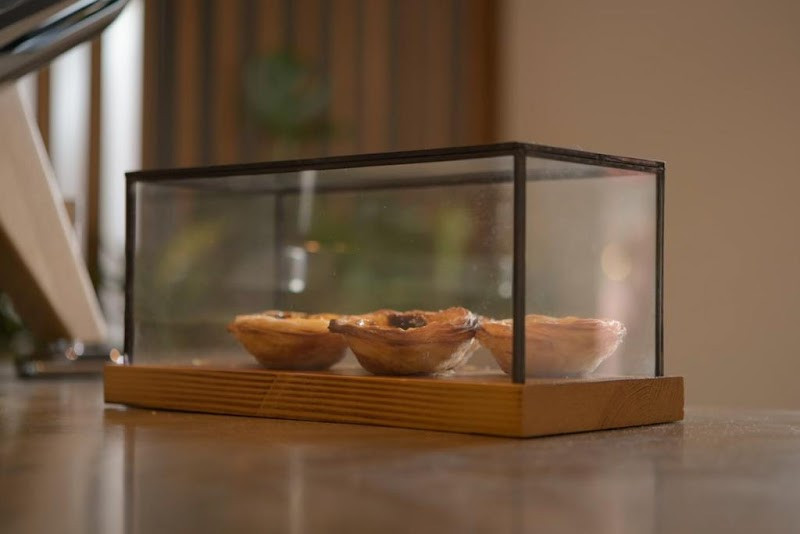
Tucked down Blackfriars Street, just off the Royal Mile, Edinburgh Larder is small, unfussy, and quietly consistent. It’s not flashy, but it’s exactly where you want to be for lunch halfway through this walk. The focus here is on good Scottish produce—think soups made from seasonal vegetables, sourdough sandwiches stacked with local meats or cheeses, and big plates that change depending on what’s available.
Inside, the seating is close-knit and simple. Wood tables, a narrow passage to the back, the occasional clatter of pans from the kitchen. There’s usually a blackboard with specials and always something fresh coming out of the oven. If the weather’s decent, there’s limited outdoor seating too—just enough to sit with a pot of tea or something warm and well-made.
You don’t need to spend long here, but it’s worth giving yourself time to eat properly. The Larder has been a quiet favourite with locals for years, and while it’s gained attention, it still feels like a place that hasn’t tried to chase trends.
If you're in a hurry, they do takeaway—but sitting in slows the pace in the best way. It gives you time to rest your legs, look through your photos so far, and get ready for the second half of the walk. From here, the route continues downhill, into quieter corners again.
Walk Through Bakehouse Close
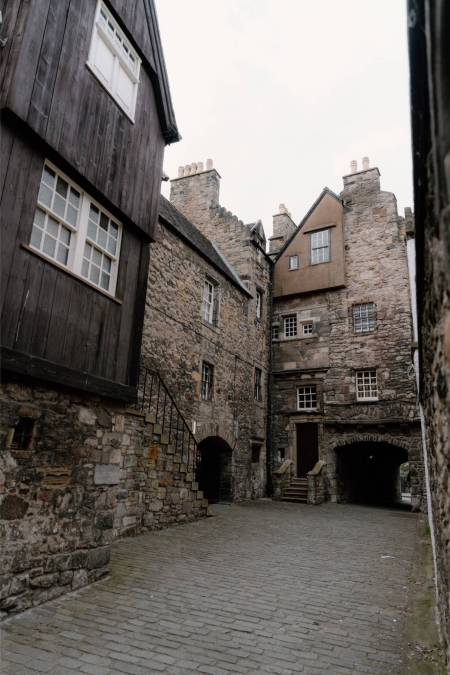
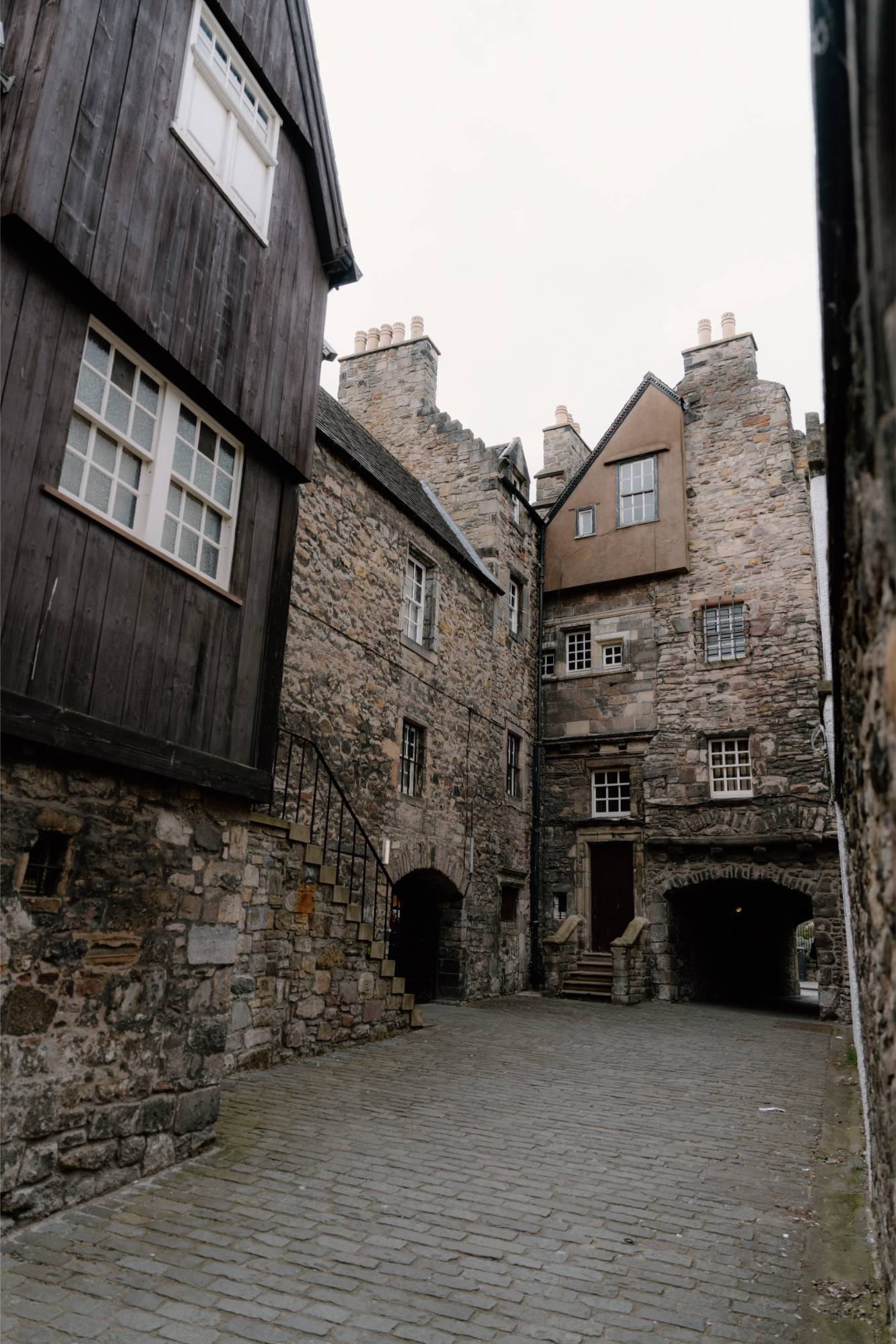
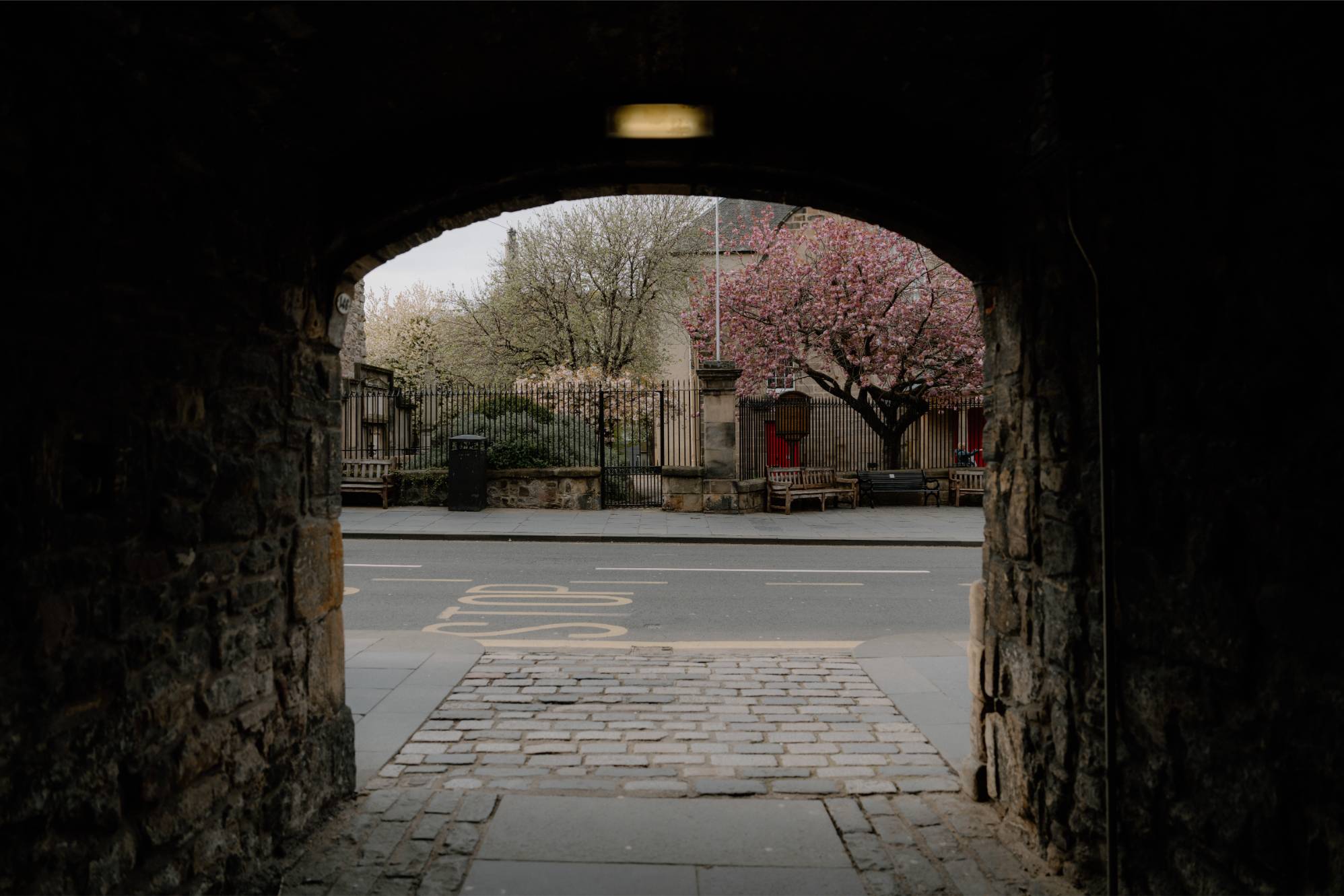
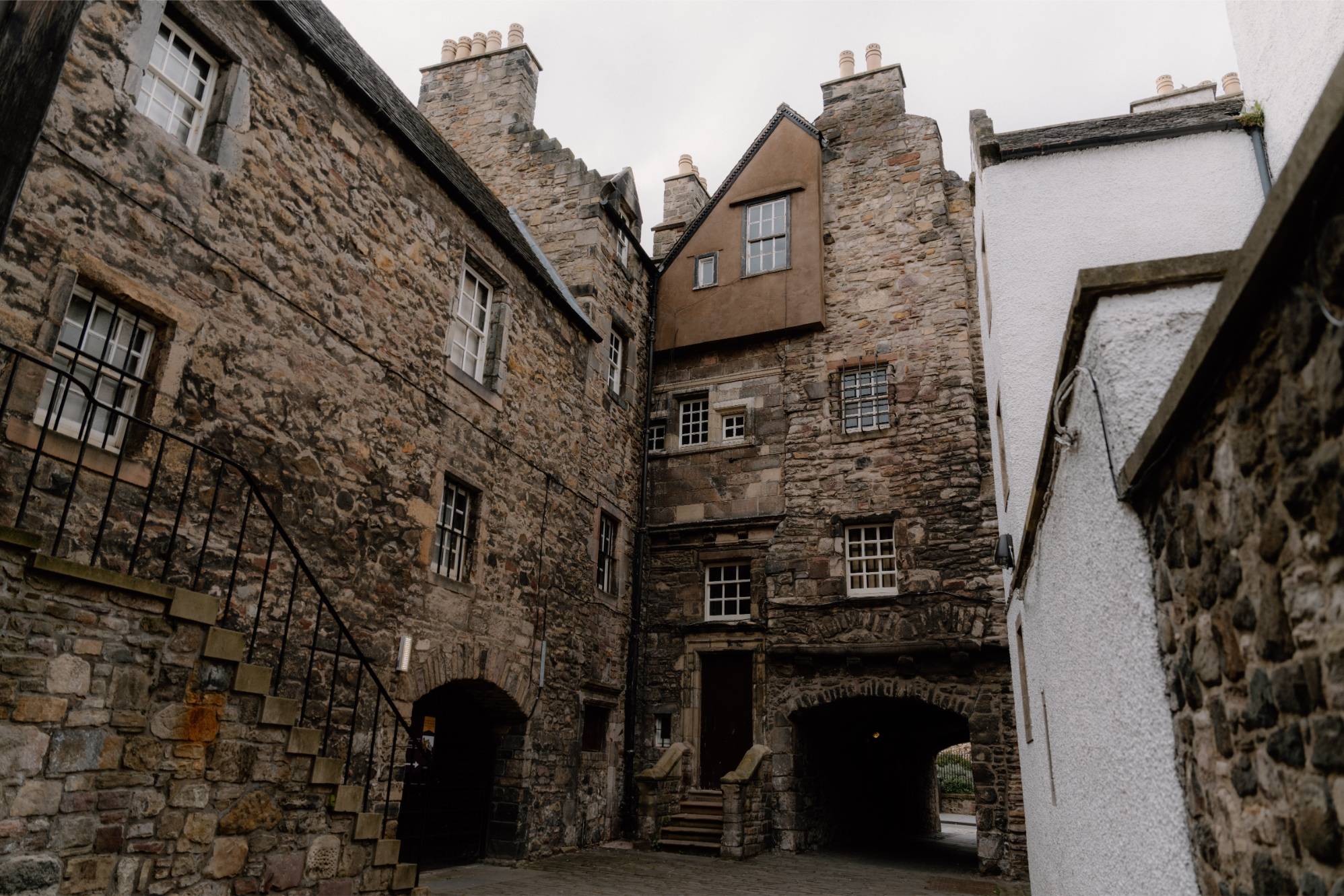
Just off the Canongate, Bakehouse Close is one of the most intact and atmospheric surviving closes in Edinburgh. You reach it through a stone archway marked by a simple sign—easy to miss unless you're looking for it. Step through, and the noise of the street drops away almost instantly.
The close dates to the 16th and 17th centuries, and much of what you see here is original: the arch, the paving, the stepped gables, and the central courtyard that feels more like a small hamlet than part of a capital city. This was once the heart of Edinburgh’s artisan district, home to tradesmen and apprentices. A building at the far end later became a school for architectural carving, and the decorative stonework above some of the windows hints at that legacy.
More recently, this close appeared in the TV adaptation of Outlander, but the history doesn’t need any dressing up. You can see the past in the depth of the walls, in the narrowness of the stairs, in the way the buildings face inward, not out.
There’s nothing to do here but walk slowly and look. The best view is often just over your shoulder—turn back toward the arch and frame the shot. You’re standing in one of the few places in Edinburgh where the built environment has hardly shifted in four centuries. It’s solid, weathered, and still in use.
White Horse Close
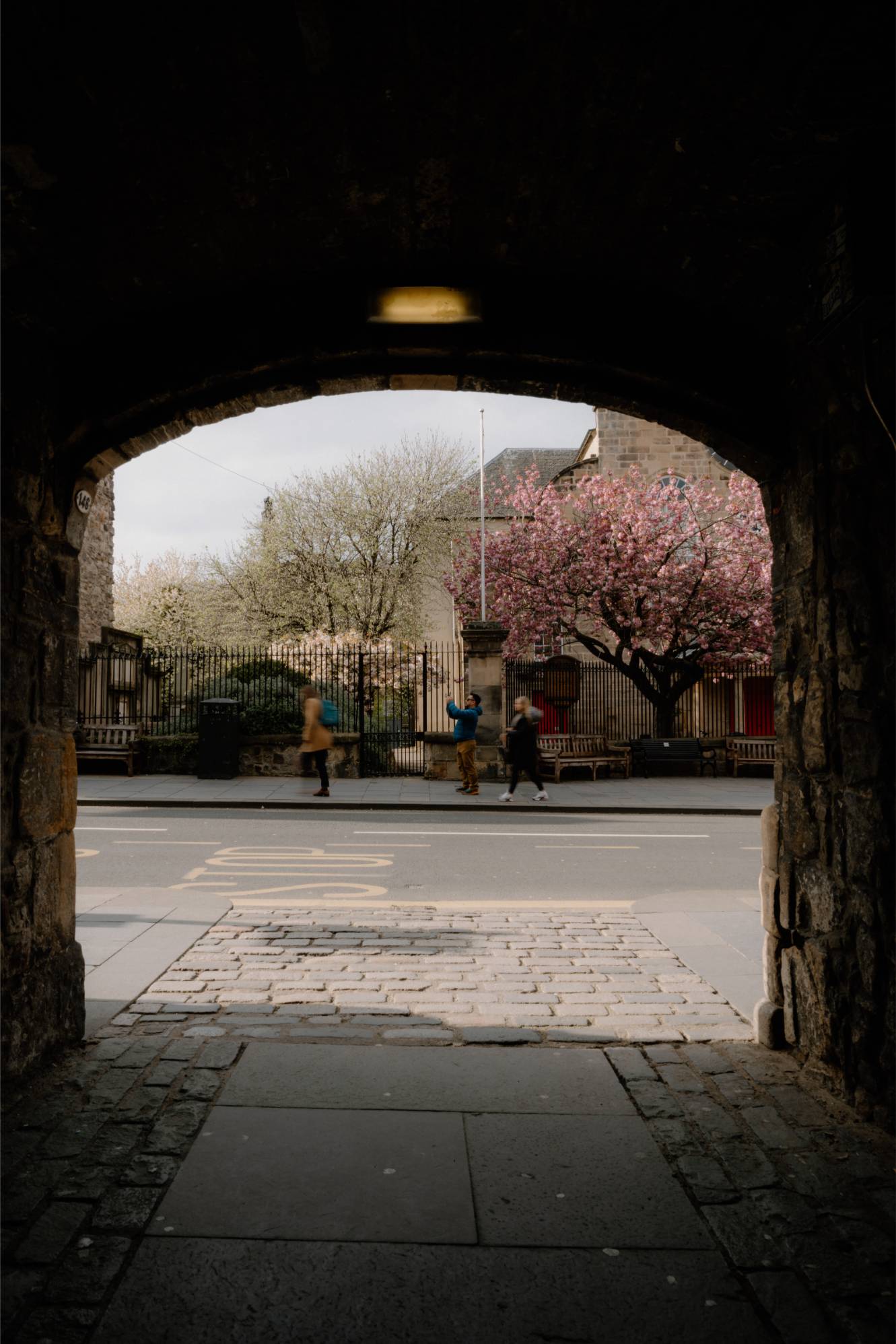
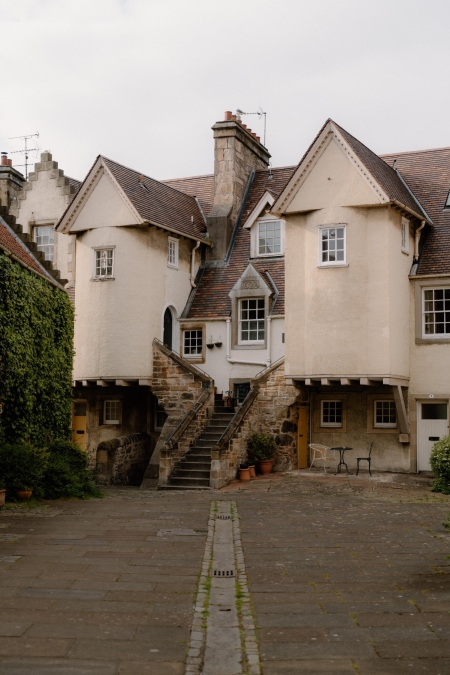
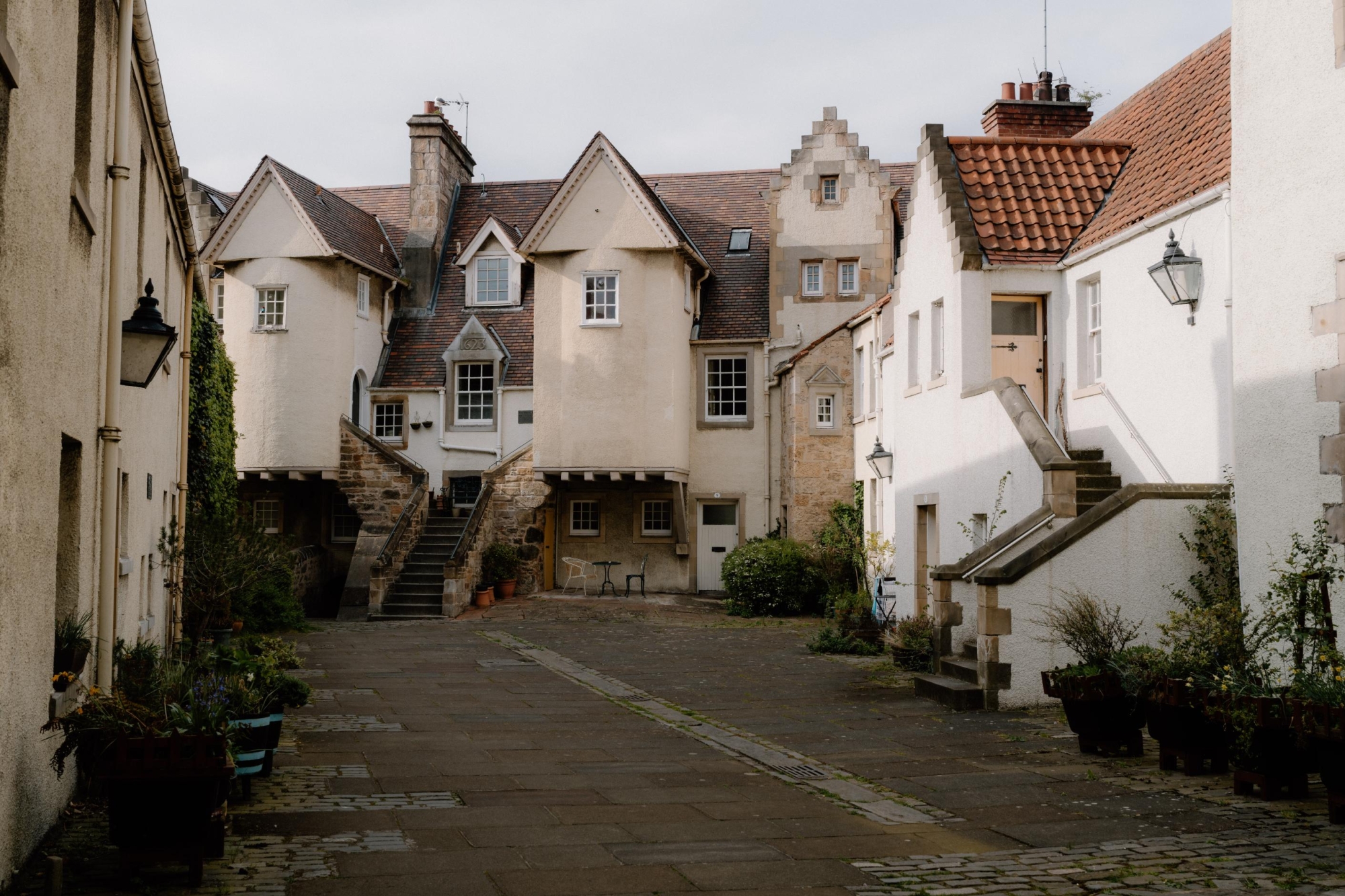
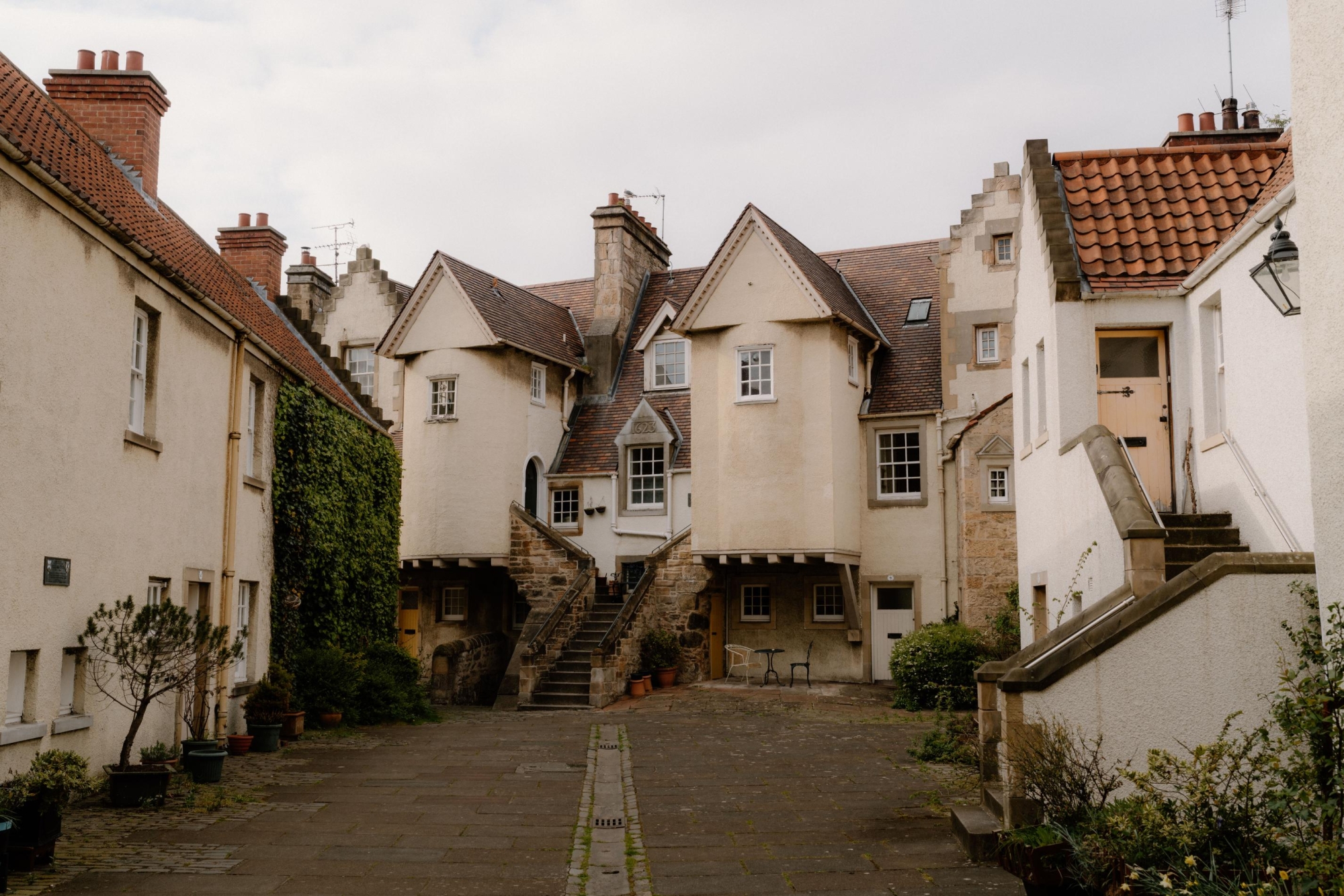
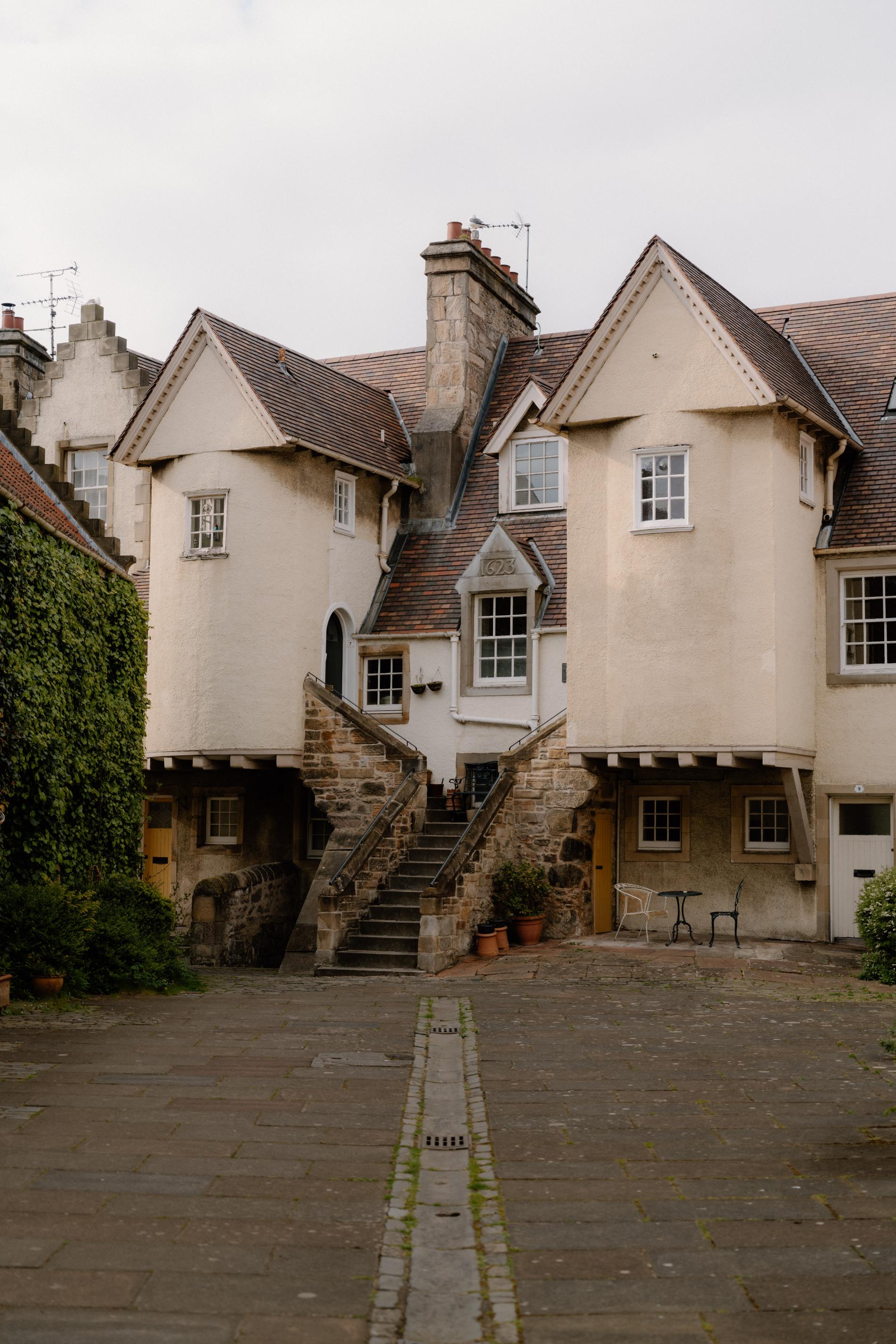
Right at the bottom of the Canongate, White Horse Close opens out suddenly behind a low archway. It’s one of those places that feels slightly detached from the rest of the city—as if it belongs to a different version of Edinburgh altogether. The buildings here are tight and angular, with crow-stepped gables, small-paned windows, and projecting wooden staircases that make the whole place feel older than it is.
The layout is historic, but much of what you see today is the result of a careful, if idealised, restoration in the 1960s. That doesn’t make it less interesting—just worth knowing. In the 17th and 18th centuries, this was the departure point for the London stagecoach. Inns and stables once lined the yard, and travellers would set off from here for the long journey south. You can still sense the shape of that activity in the way the courtyard opens and how the buildings wrap around it.
It’s mostly residential now, so be respectful—this isn’t a site for selfies or noise—but you’re welcome to walk through. The architecture alone is worth the detour, especially the timber galleries that jut out from the walls like stacked shelves.
It’s also a natural turning point. From here, you begin looping west again, gradually climbing back through courtyards and cafés toward the final views. But don’t rush it. White Horse Close rewards a slower look. The lines are tight, the air still, and it doesn’t take much to picture hooves on stone.
Pick Up Coffee and Cake at Santu
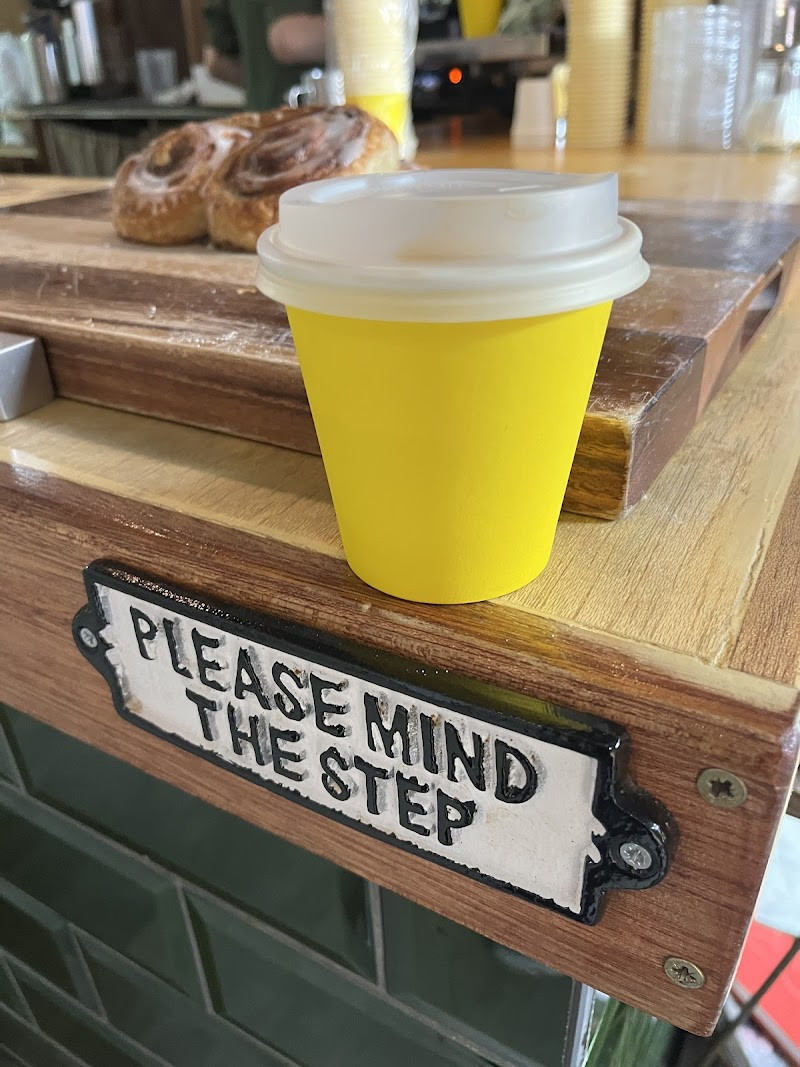
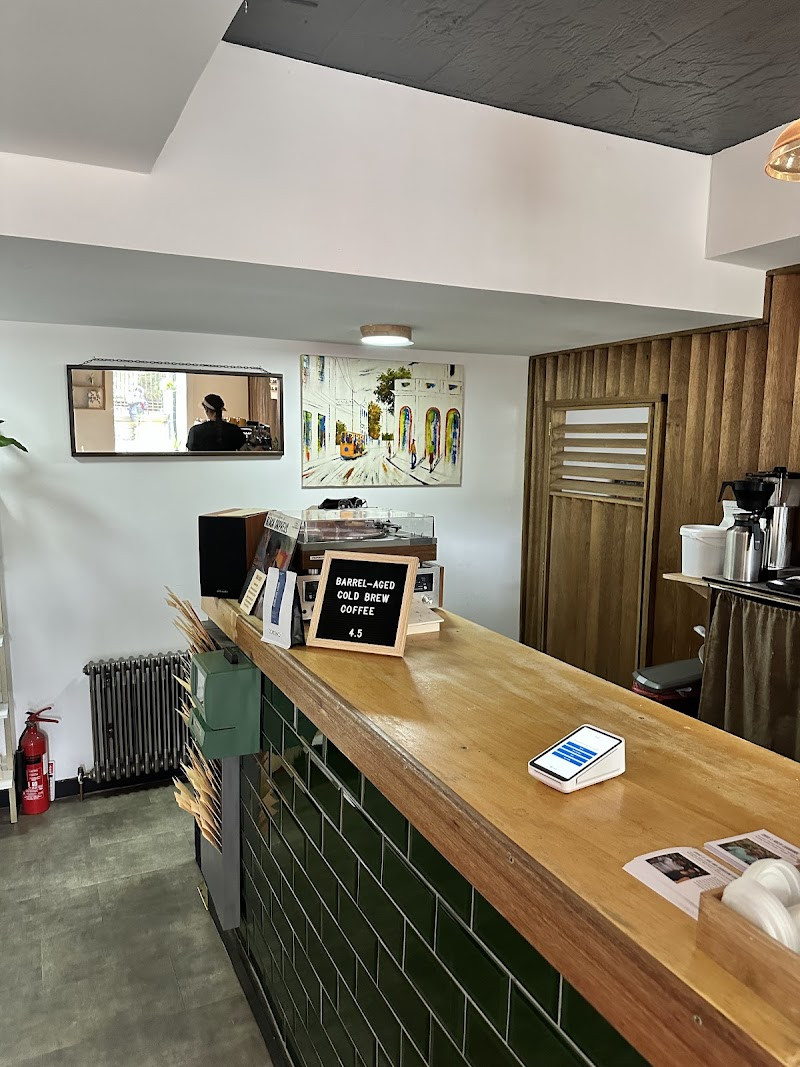
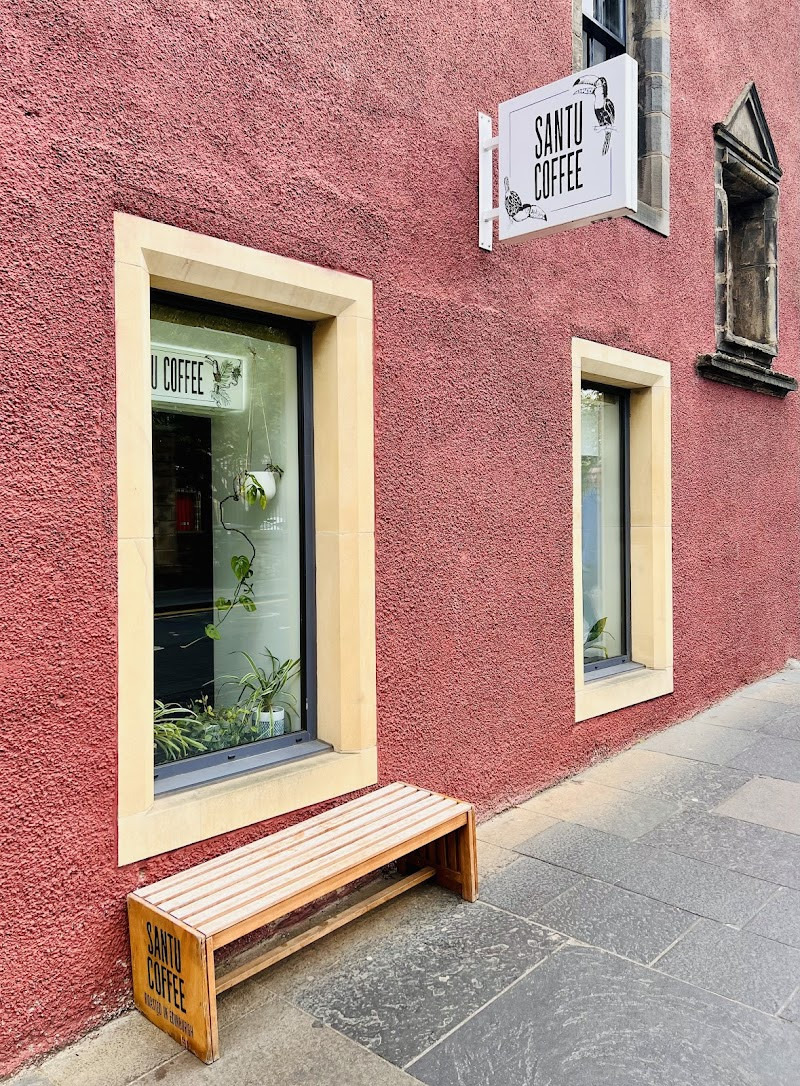
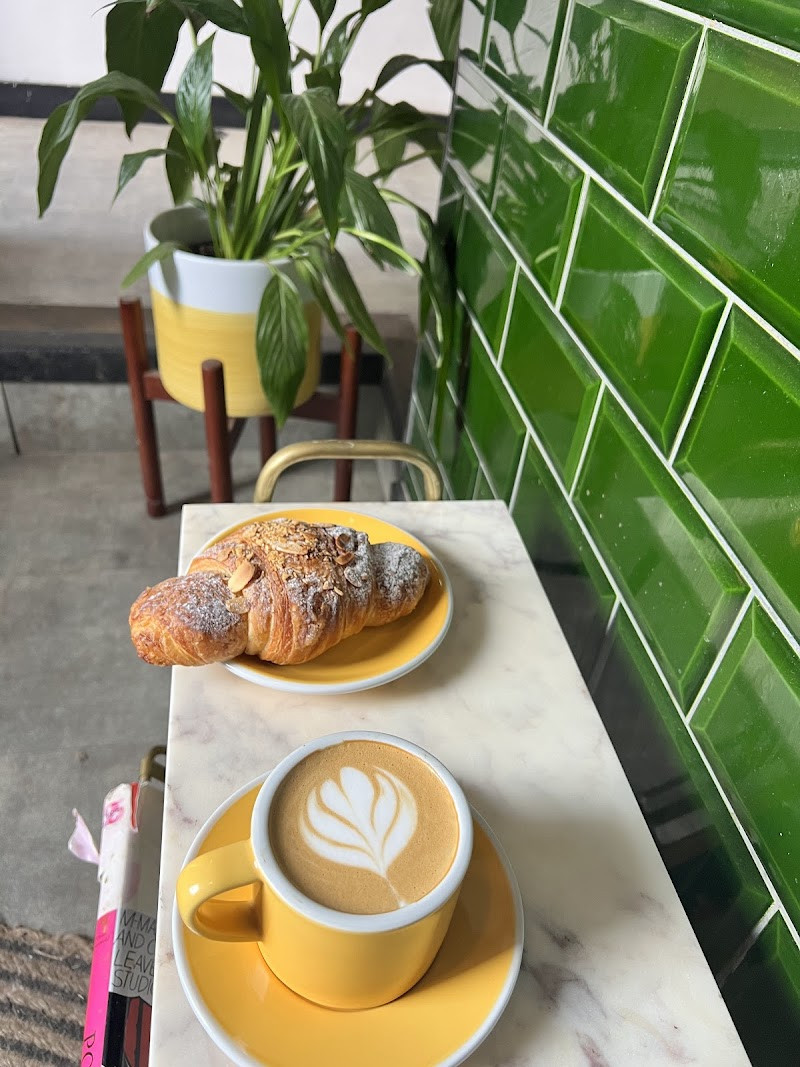
After White Horse Close, the trail begins to arc gently back west along the Canongate. Just around the corner on St Mary’s Street sits Santu Coffee—an independent roaster known for clean brews and well-made cakes. The space is small, the service quick, and the smell of fresh beans hits as soon as you walk in.
There’s no need to linger. This is a takeaway stop, and what you pick up here is meant for the next location. Grab a flat white or a pour-over, something sweet from the counter, and carry it with you.
The cakes vary—sometimes it’s lemon loaf, sometimes a dark slice heavy with spices—but whatever’s fresh tends to go quickly. The coffee is consistently good, roasted on-site and often single-origin.
From here, you’re just a minute or two from one of Edinburgh’s most peaceful corners. Dunbar’s Close Garden doesn’t announce itself, but it’s close, quiet, and built for moments like this. You’ll be sitting down soon.
Eat Your Cake in Dunbar’s Close Garden
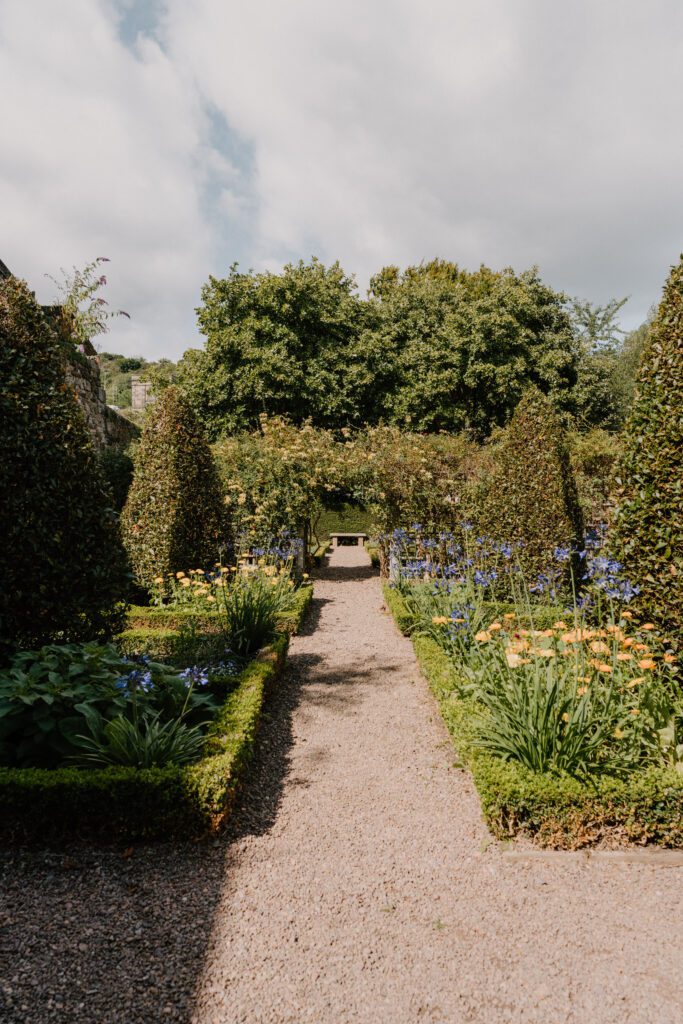
A few steps west of Santu, back on the Canongate, is a narrow passage that looks like nothing at all. It’s unmarked, plain, and easy to miss. But if you walk through it, you’ll find one of the Old Town’s best-kept quiet spaces: Dunbar’s Close Garden.
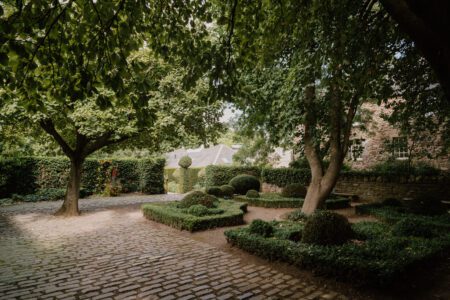
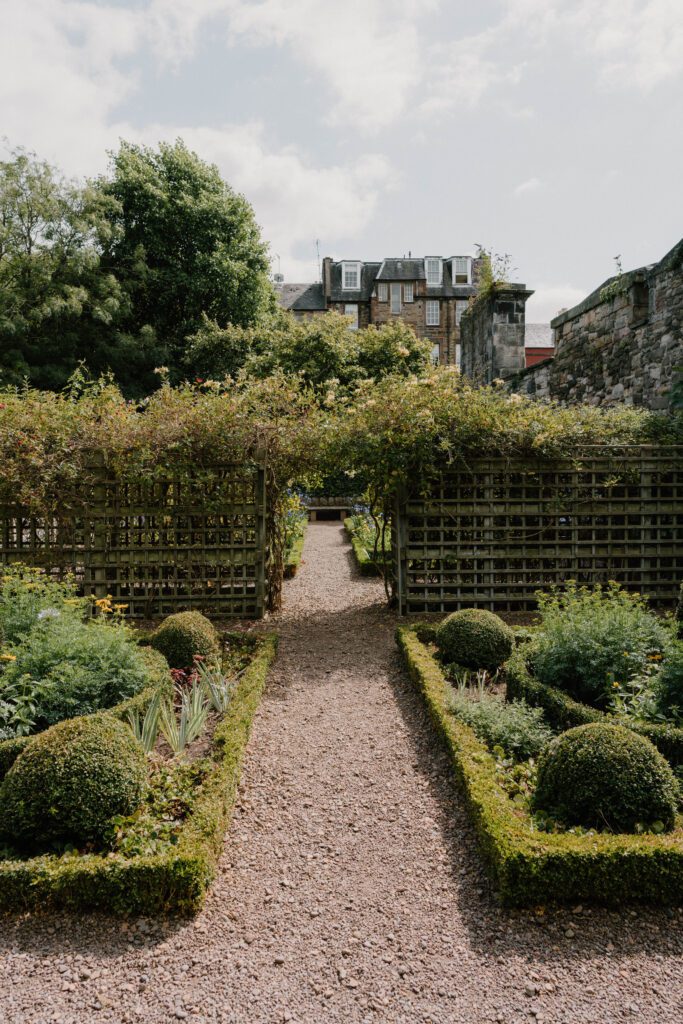
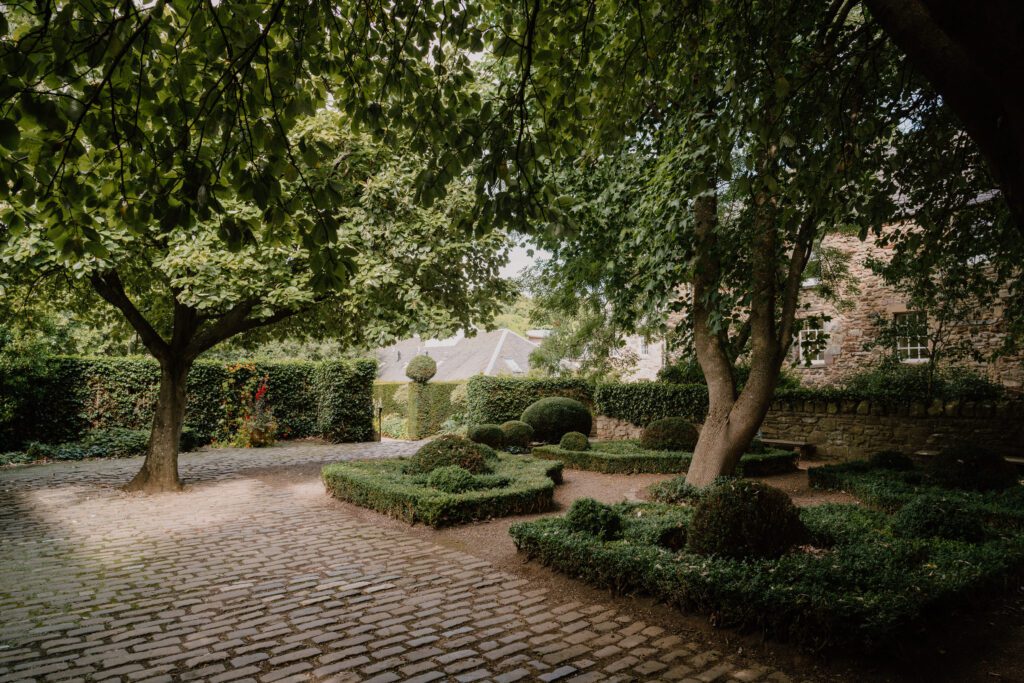
The garden is laid out in the style of the 17th century—symmetrical beds, gravel paths, box hedges, and bench seating tucked along the edges. It’s maintained by the city but never feels municipal. Most days you’ll find only a handful of people here: a local with a newspaper, someone eating lunch, maybe a few visitors who were told where to look.
This is the place to eat what you picked up at Santu. Find a bench—ideally along the far-left side where the tree cover softens the light—and take your time. You’re still within earshot of the Royal Mile, but it doesn’t feel like it.
The garden was restored in the 1970s using historical records as a guide, and the result is something that feels authentic without being showy. It’s not a major stop, but it might be one of the most memorable—not for what’s in it, but for how far it feels from everything else.
If the weather’s good, you’ll want to linger. If it’s not, it’s still worth stepping in—even briefly. Places like this are part of what makes the Old Town more than just a backdrop.
Find the Heart-Shaped Ivy in Chessels Court
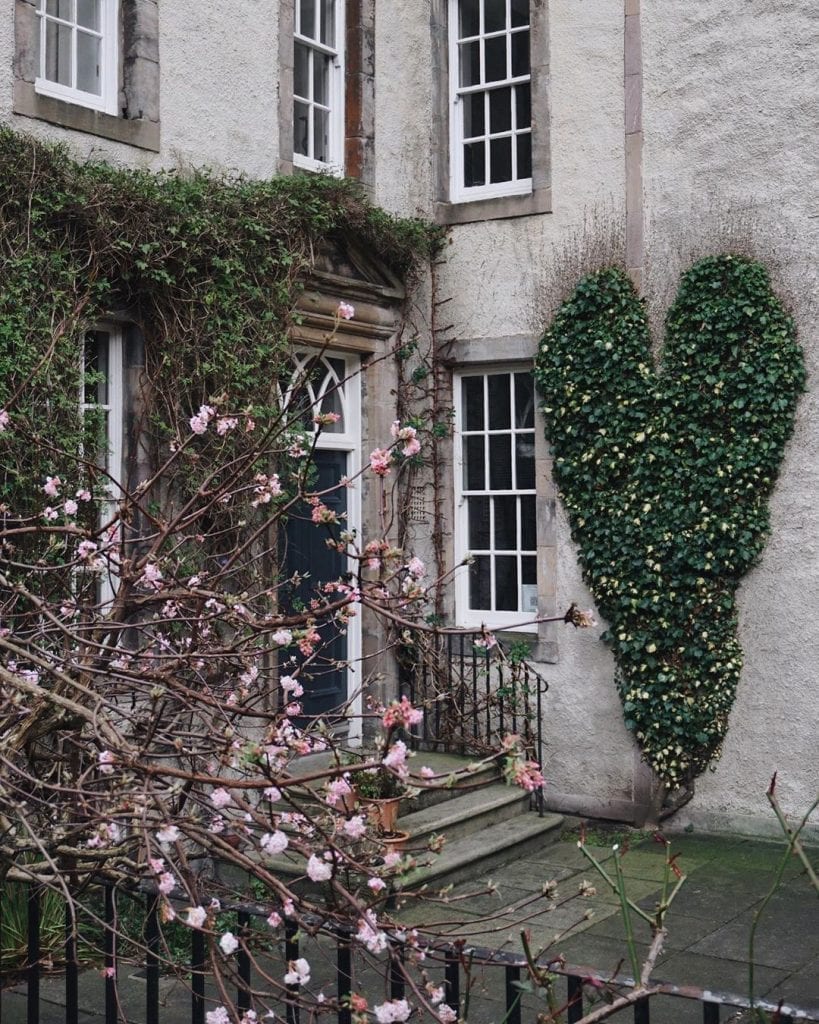
Further along the Canongate, away from the noise and traffic, is another quiet opening—Chessels Court. Unlike some of the other closes, this one feels lived in. It’s residential, calm, and clearly looked after. But there’s a reason to step inside, even if only for a minute: the heart-shaped ivy.
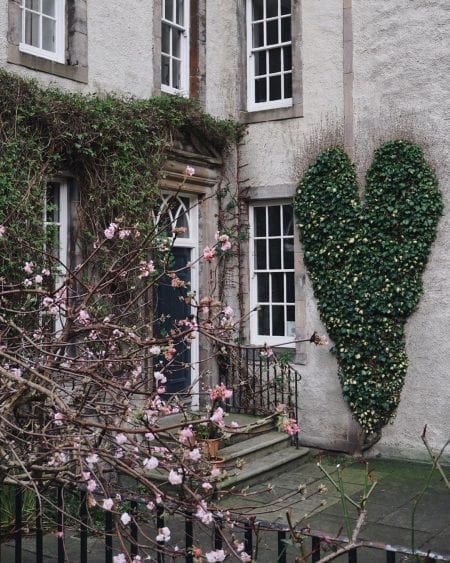
Tucked against a pale wall at the back of the courtyard, the ivy has grown in a near-perfect heart. It wasn’t planted that way, but over time, shaped by trimming and chance, it’s become a small, local landmark—photographed often, but never surrounded by crowds.
The courtyard itself dates to the 18th century and still carries that structure. It’s open and rectangular, with flats facing inward and clipped bushes marking the perimeter. On a dry day, the sound changes here—muffled footsteps, the occasional click of a door. If the ivy weren’t there, you might not know it was worth entering. But that single patch of green makes the whole place feel held together.
It’s not a stop that asks for much time. Just walk in, stand quietly, and look for the wall. Most people don’t know it’s there. And like much of the Old Town, it’s what happens when you follow a small clue through a narrow gap—and find something unexpected, growing quietly in the middle of the city.
Wander Up Victoria Street
From Chessels Court, the route bends west and downhill into the Grassmarket. Once you reach the bottom, you’ll spot the curve of Victoria Street rising back up—a stack of colour, shopfronts, and layered stonework that feels almost theatrical compared to the quiet closes behind you.
Built in the 1830s to improve access between the Grassmarket and George IV Bridge, Victoria Street cuts a deliberate curve through the Old Town. Its arc isn’t accidental—it was designed that way to ease the gradient—but the effect is striking. The lower level houses shops and cafés, while the upper terrace runs above in a row of galleries and offices, linked by staircases that climb between the two.
You’ll see plenty of visitors here for one particular reason: Victoria Street is widely believed to have inspired Diagon Alley in Harry Potter. J.K. Rowling wrote the early books nearby, and while there’s no official confirmation, the curve, colour, and character of the street have made it a fan favourite. Some shops have leaned into the connection; others haven’t changed at all.
The structure is the real draw. Iron railings, painted fronts, and the way the street seems to fold in on itself. Just walk slowly uphill, keeping to the right, and watch how the view opens as you climb. From here, it’s just a few short steps to the finish.
Get Ice Cream at Mary’s Milk Bar
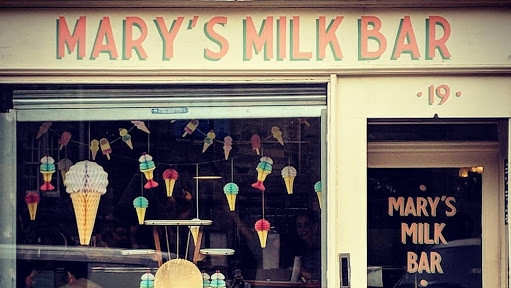
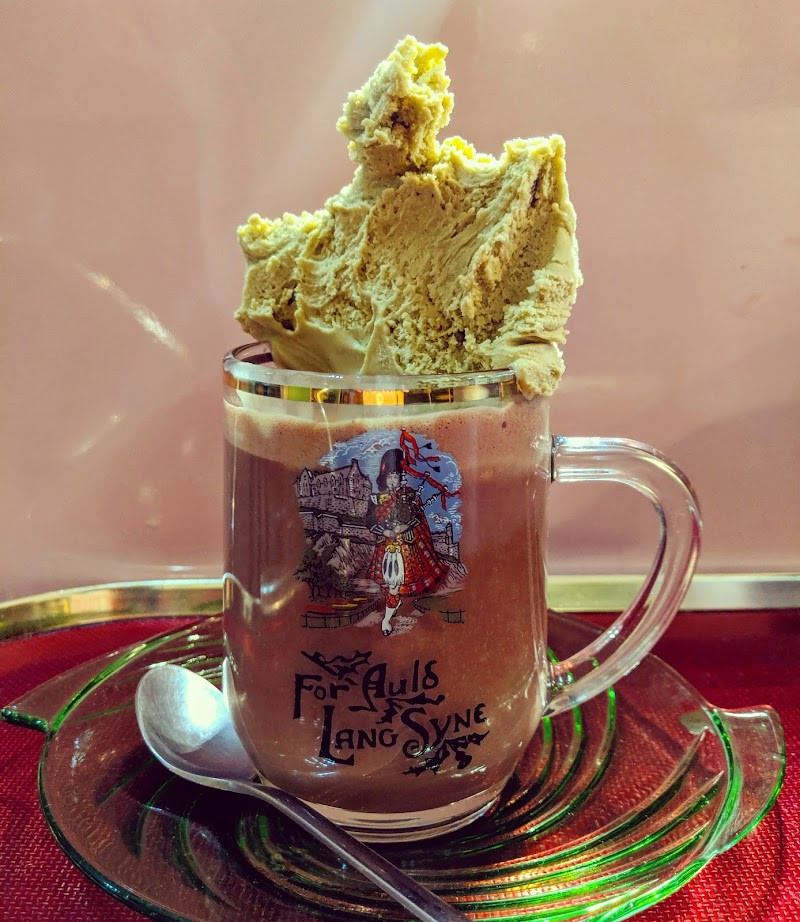
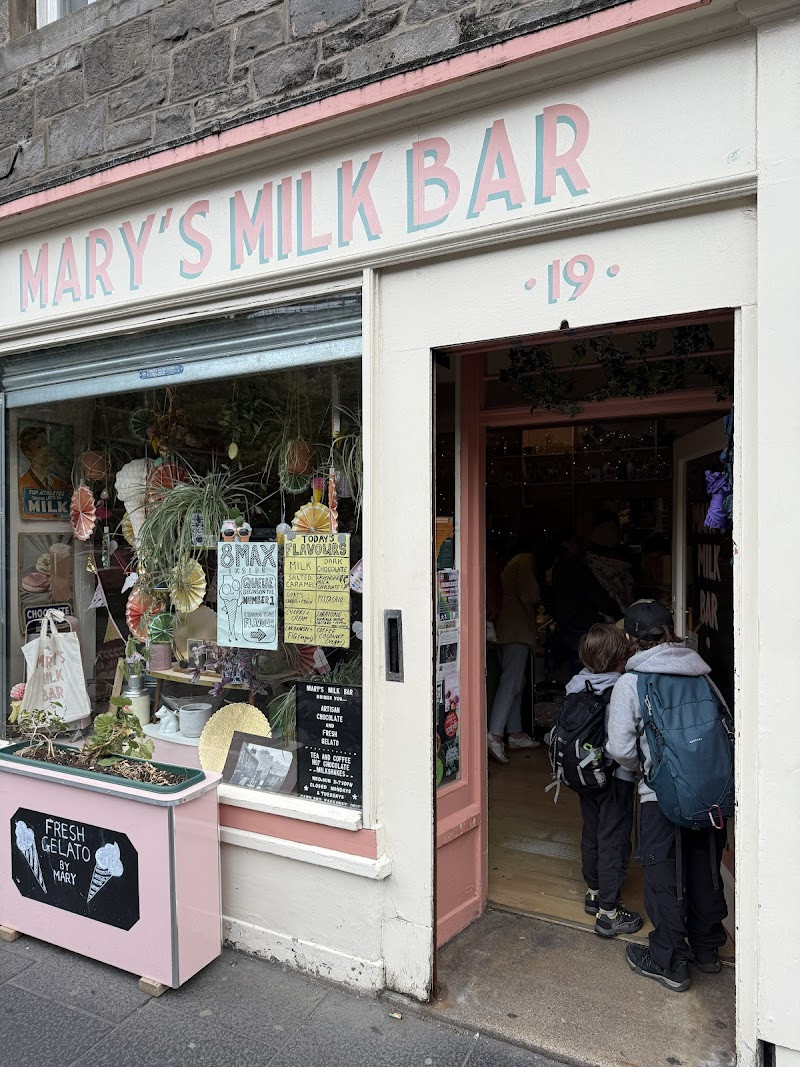
In the heart of the Grassmarket, where the cobbles flatten out and the Castle looms directly above, sits a small curved shopfront with soft-pink lettering: Mary’s Milk Bar. It opened in 2013, founded by Mary Hillard, who trained at the Carpigiani Gelato University in Bologna before bringing her craft back to Edinburgh. The space was once a butcher’s shop, and the name—milk bar—is a nod to post-war cafés, but the gelato here is made fresh every day using traditional Italian techniques.
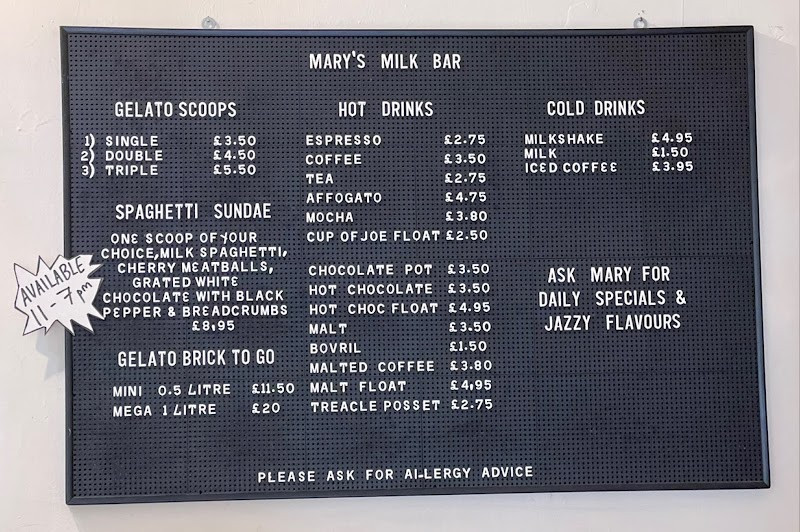
Mary experiments constantly. One week it might be fig and ricotta, the next peanut and toasted hay. Alongside the more familiar flavours—chocolate sorbet, mint, sea salt—you’ll find pairings you won’t see elsewhere. There’s a balance in everything she makes: smooth, rich, never overpowering.
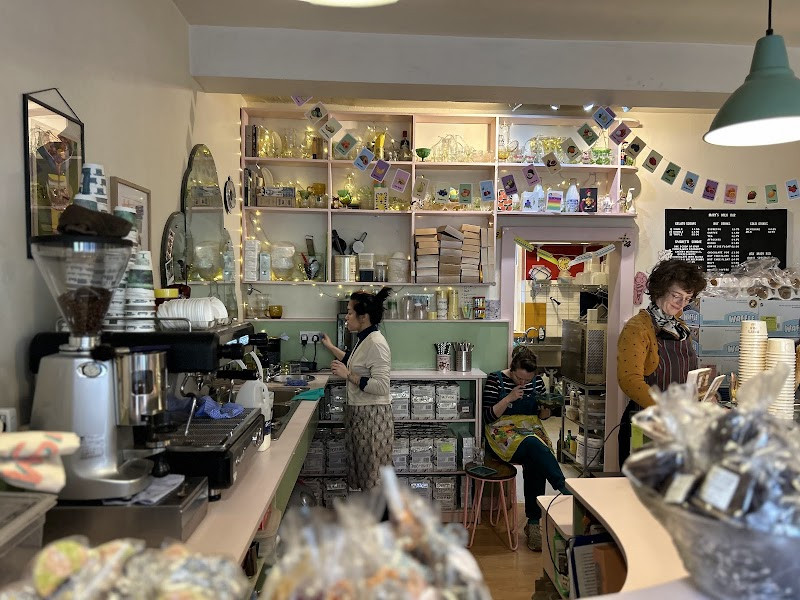
Inside, there’s room for only a handful of people at a time. The counter stretches across the shop, and the churners work quietly behind it. There’s no music, no gimmicks—just careful scoops, honest service, and the slow rotation of the day’s small batch flavours.
If the sun’s out, expect a queue. Locals and visitors sit on the benches just outside, facing the Castle as it rises almost vertically overhead. It’s not the sort of view you get used to.
This stop comes near the end of the trail, and it feels right. You’ve come through closes and courtyards, taken steps most visitors miss, and ended with something handmade, with care, in a place that’s built its reputation by doing one thing well.

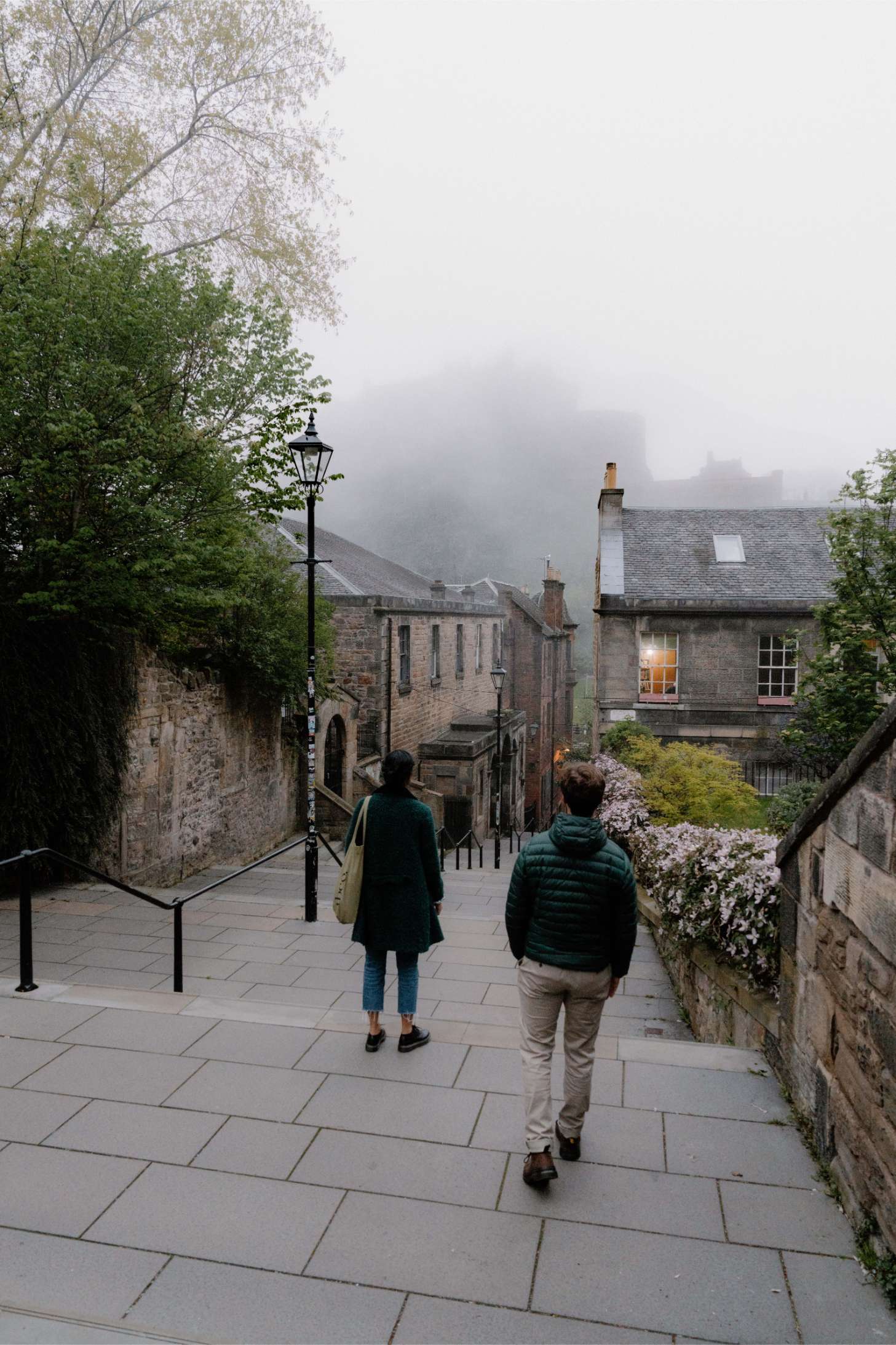
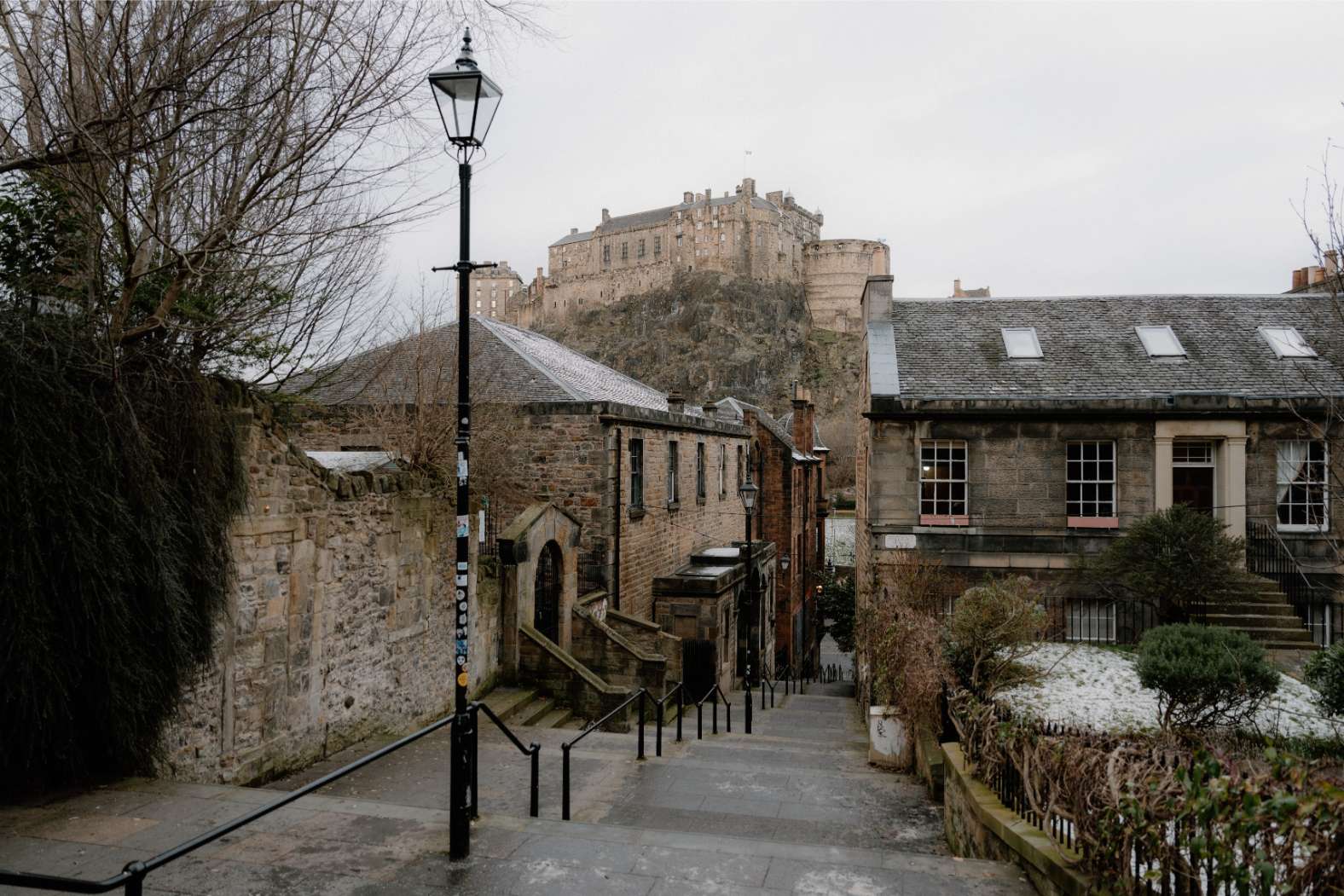
Climb 50 Steps to Turn Around and See the Castle
Just off the Grassmarket, The Vennel begins as an unassuming gap between apartment blocks. Counting roughly 50 stone steps, the climb might not look like much—but keep going. Around the halfway point, the walls open up and you're greeted by a striking view: the full west face of Edinburgh Castle, framed naturally by the old stone steps and railings.
Originating from the old French word venelle (meaning a narrow lane or passage), The Vennel forms part of the city’s medieval grid. Today, it’s arguably home to one of the most cinematic street-level views in Edinburgh. The steps themselves are well-worn, with iron handrails and stone edging—witnessed by countless residents heading up or down the hill.
The view from that middle landing is worth every step—quite literally. You turn around, frame the Castle rock in front of you, and get that postcard moment without the crowds or fences. Behind you, the Grassmarket stretches out; above, the Castle sits in stoic stone.
It’s not a sightseeing platform. It’s a lived-in route with benches, a section of the old Flodden Wall embedded in the stone, and footsteps worn smooth over centuries. But the journey—50 steps leads to a moment—feels intentional. The climb is balance, history, and a sudden sense of place all at once. Perfectly bookended for this walk.
-listable-card-1720035176.jpg)
-large-1720035154.jpg)







 Sign in with Google
 Sign in with Email