A Quiet Road Trip Through Skye: Art, Castles, Gaelic History and Lochside Dining
Written by Jack Cairney
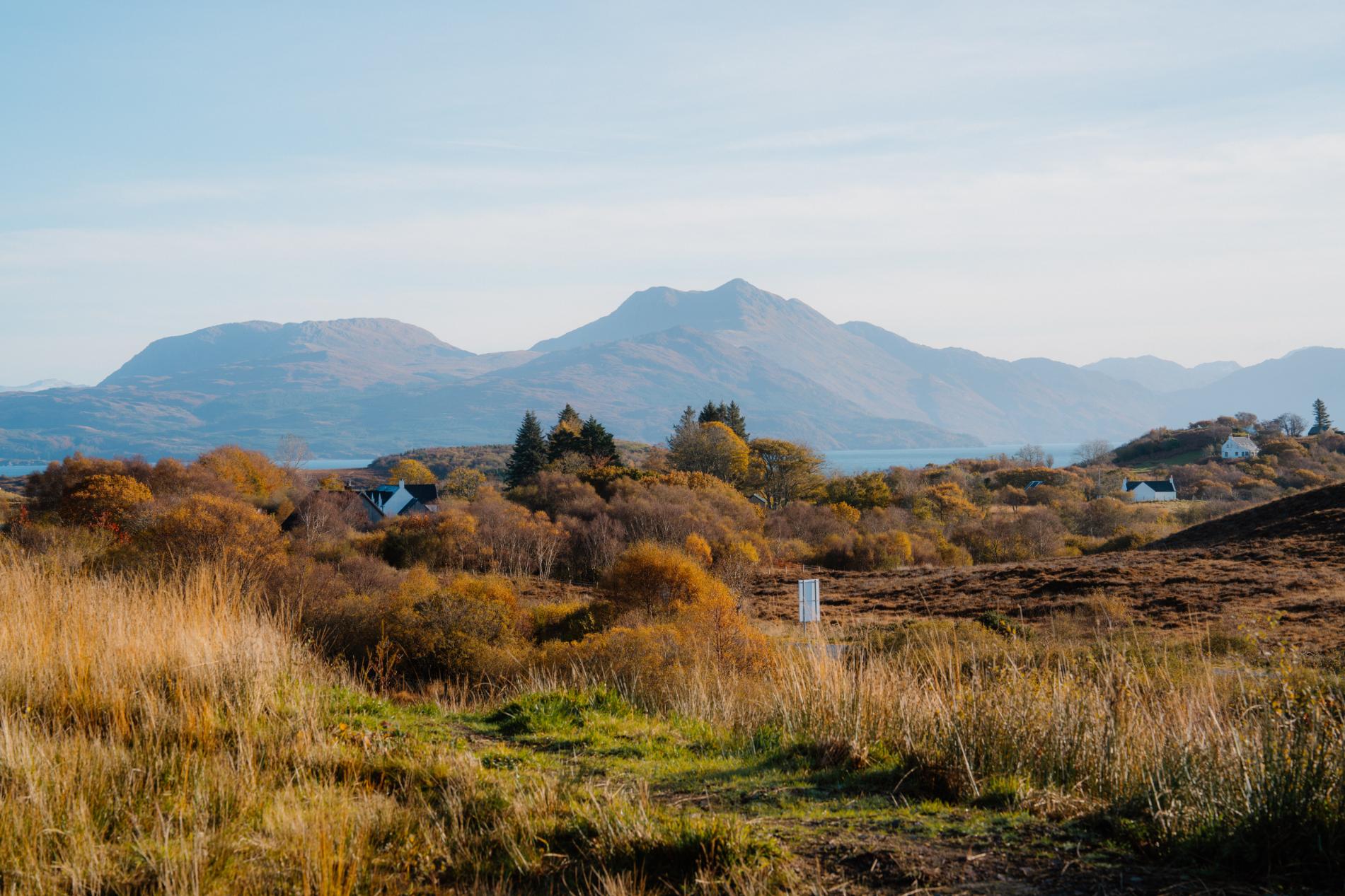
The Sleat peninsula rarely makes the front of the brochure. It lacks the surreal rock formations of the Quiraing or the cinematic pull of the Fairy Pools. But that’s exactly why it’s worth your time. Tucked into Skye’s southern edge, between the Sound of Sleat and the rugged flank of Beinn na Caillich, it’s a part of the island shaped more by quiet detail than grand spectacle.
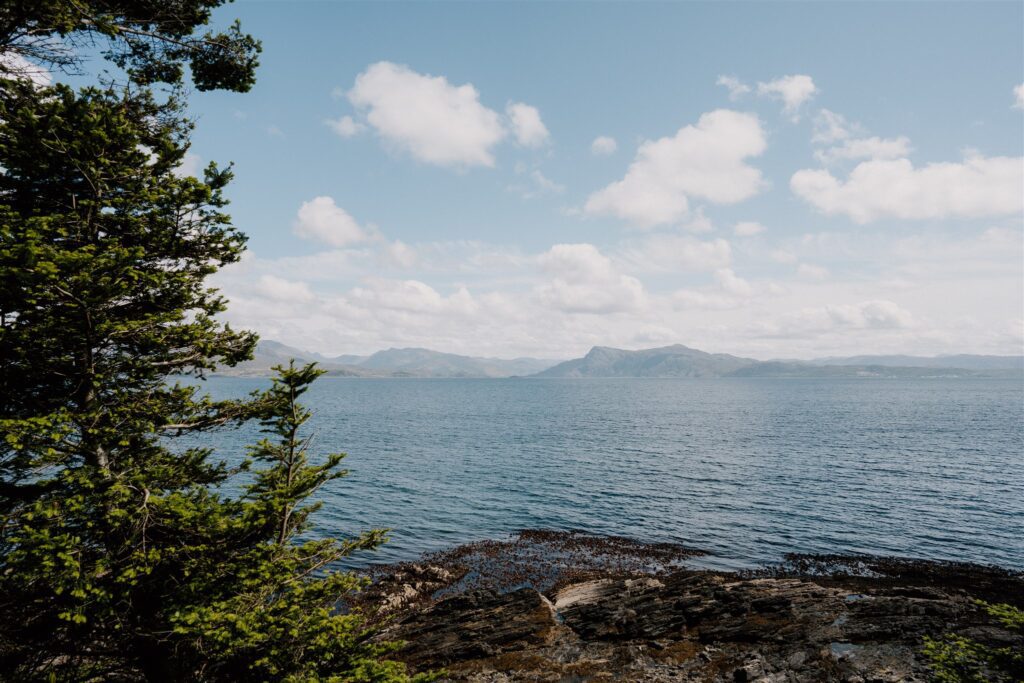
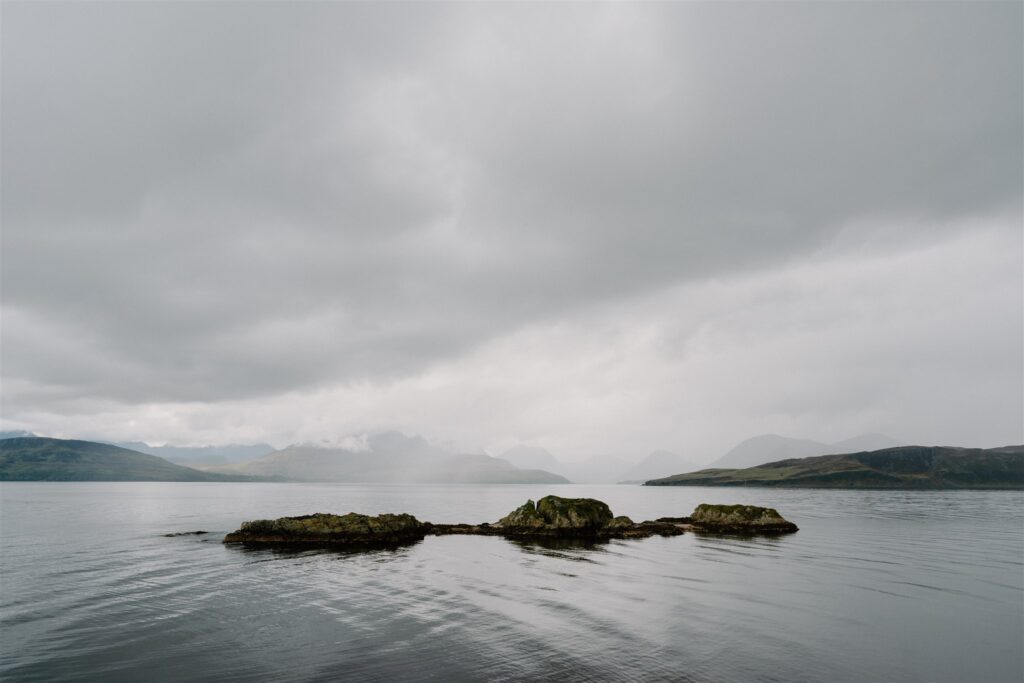
This 10-mile stretch of single-track roads and winding turns starts at Armadale and leads, slowly, to Kinloch Lodge. It’s not built for rushing. What it offers instead is a series of calm, layered encounters: a studio in a decommissioned church; a Gaelic college set into the hillside; a ruined castle by the sea that appears when the light hits just right. And always, out of the corner of your eye, the mainland floating across the water, sometimes visible, sometimes lost in low cloud.
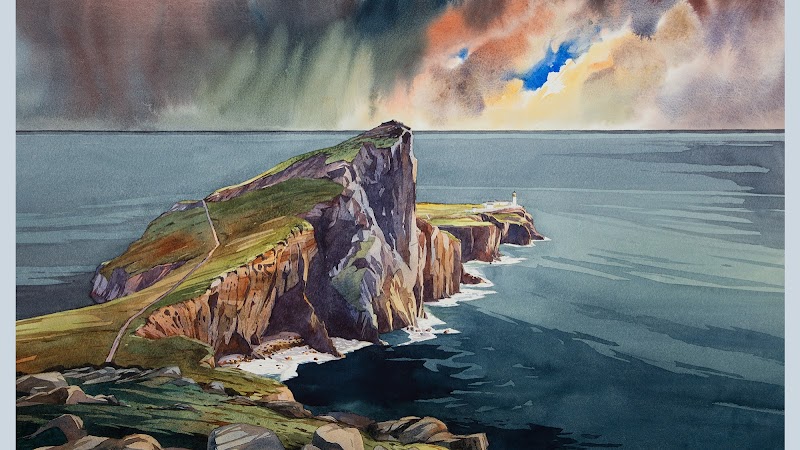
Begin the route with a stop at An Crùbh—a café and community hub that anchors the area—and follow the coast south toward Aird of Sleat. Here, local artists have taken up residence in scattered buildings overlooking the sea. You’ll find Heather McDermott’s jewellery, Peter McDermott’s architectural drawings of Skye and beyond, and Julia Christie’s landscapes—all available to view in person, by arrangement or open door.
Cut inland past Sabhal Mòr Ostaig, Scotland’s national centre for Gaelic language and culture. Even a short pause here—coffee on the terrace, a glance through the bookshop window—offers a reminder that Gaelic is not a footnote to this part of Skye, but part of daily life. Continue west and you’ll pass the scattered ruins of Dunscaith Castle, one of the oldest stone fortresses on the island, said to be the legendary home of warrior queen Scáthach.
End the day at Kinloch Lodge. Once a Macdonald hunting lodge, it now serves quietly confident, seasonal Highland cooking beside the shore of Loch na Dal. As you sit down to eat—perhaps facing the water, a fire nearby—it feels far from Skye’s usual rhythm. This is a different pace. No fanfare. Just the slow satisfaction of a day well spent.
An Crùbh
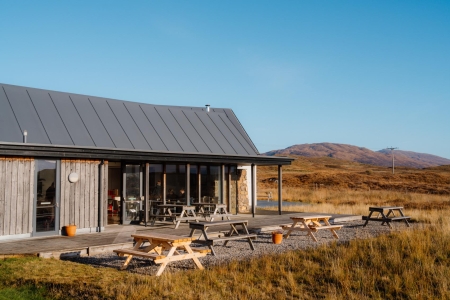
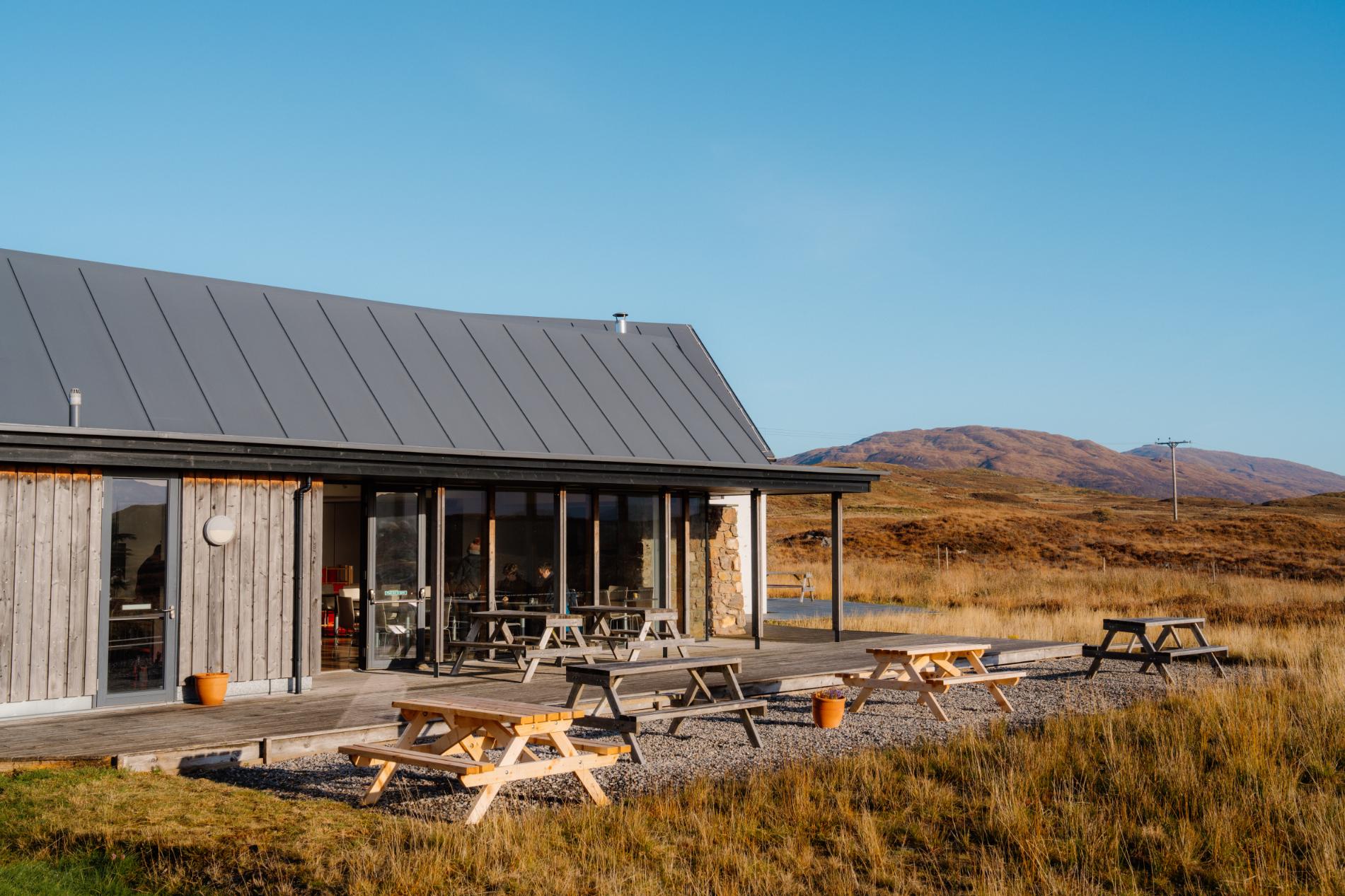
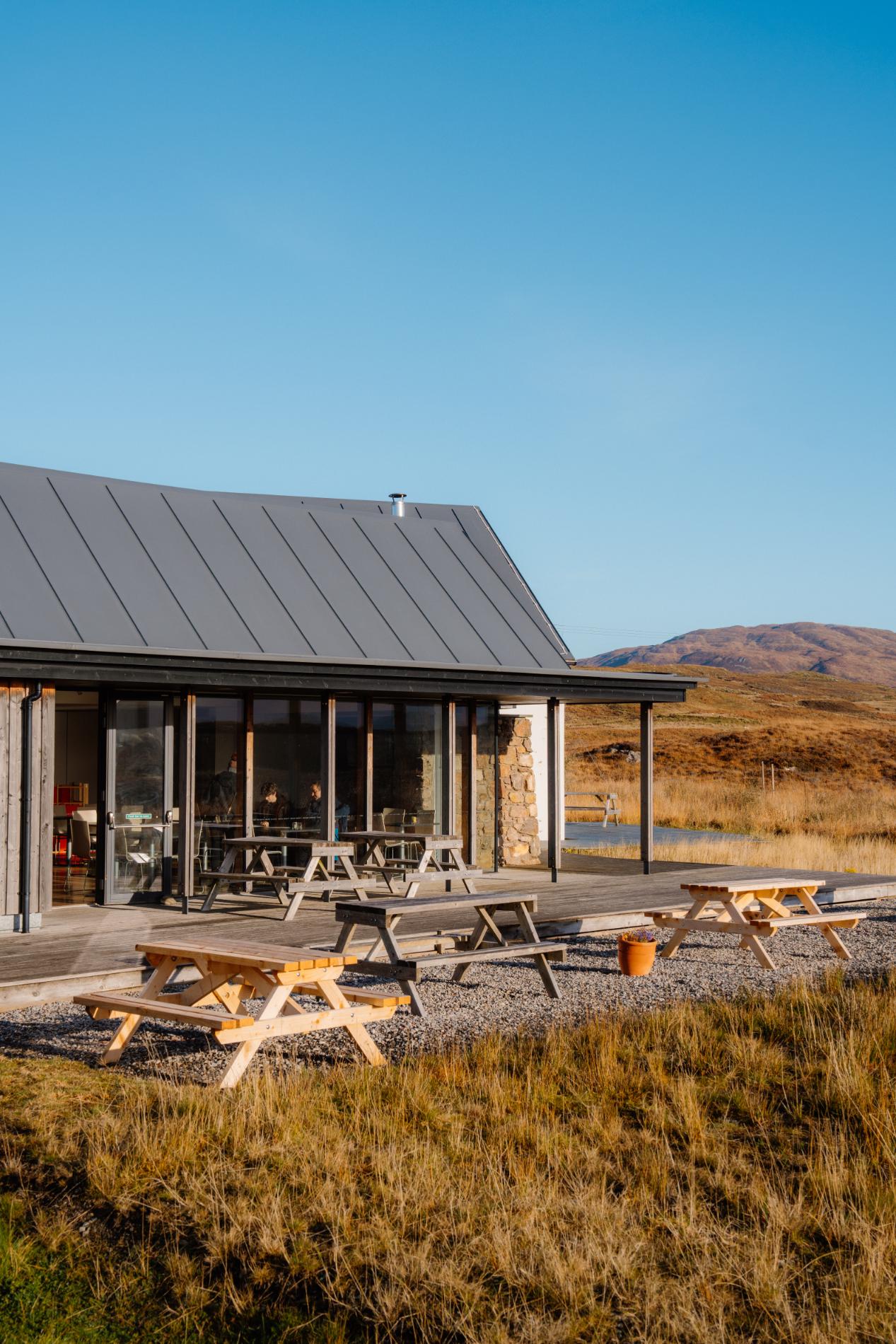
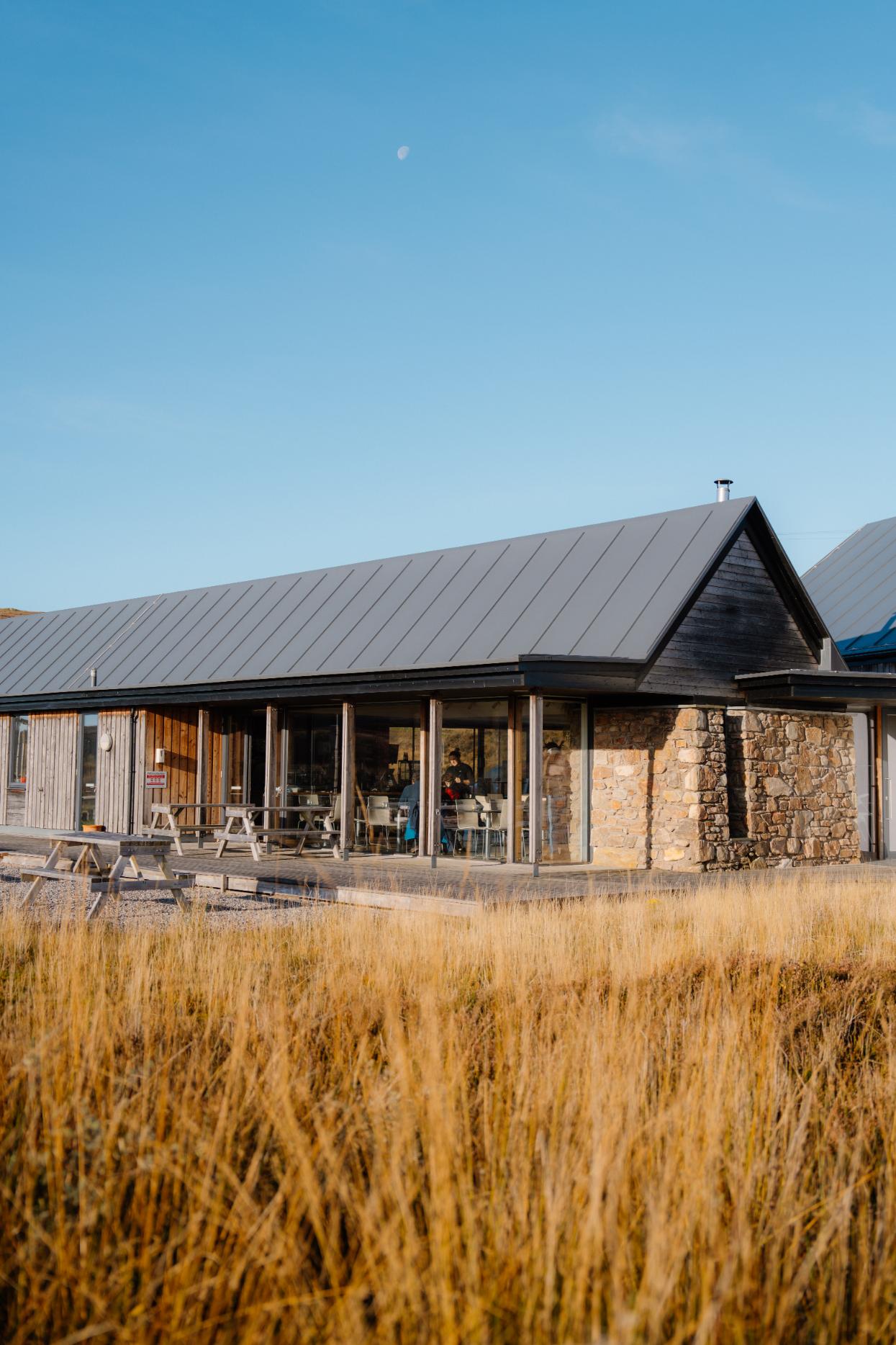
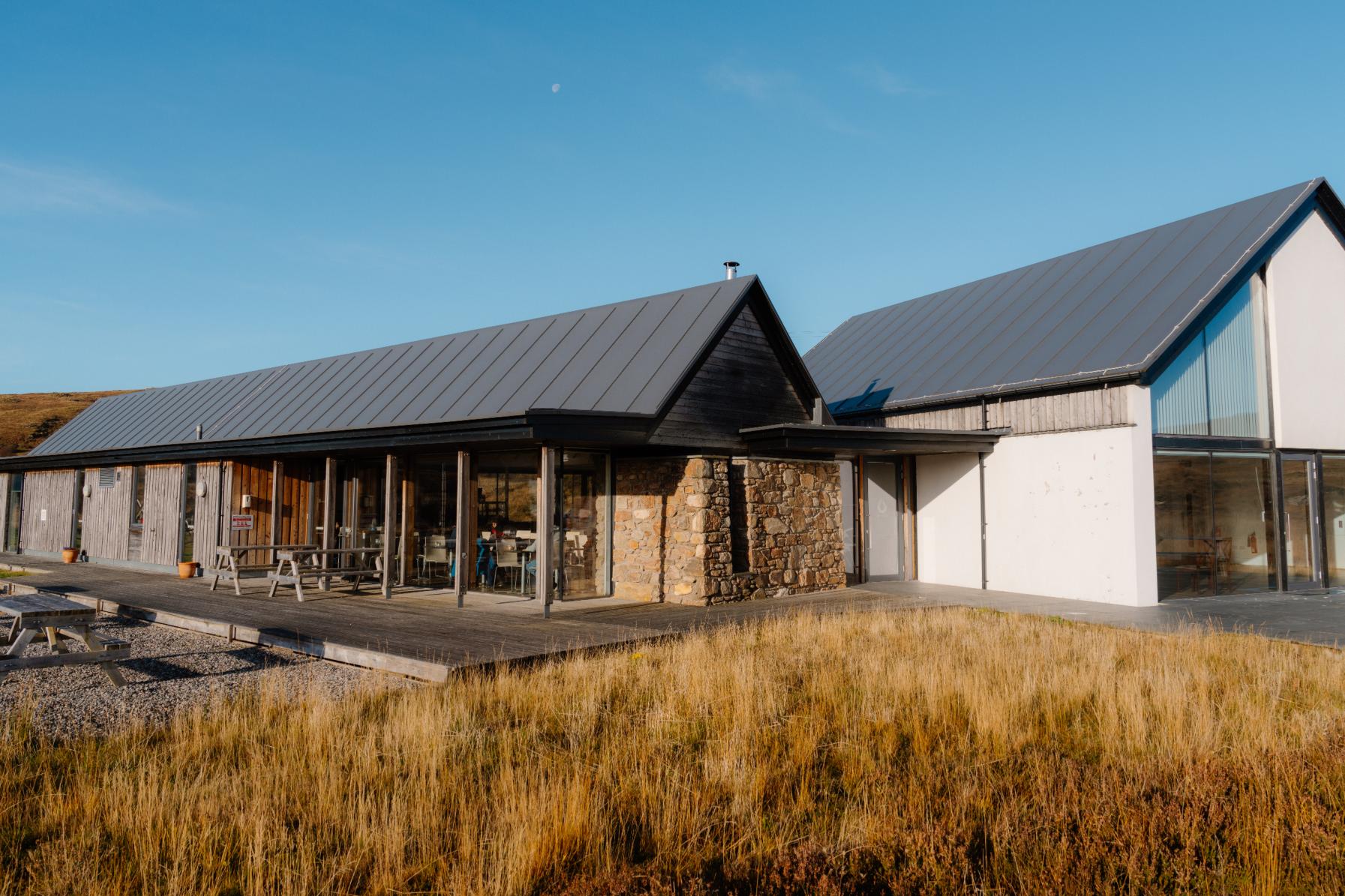
Set back from the main road near Duisdale, An Crùbh doesn’t announce itself loudly. A low, angular building in wood and glass, it blends into its crofting surroundings, looking more like a design studio than a community café. But inside, it’s a quietly busy space. Tables by the window look...
Armadale Castle Gardens
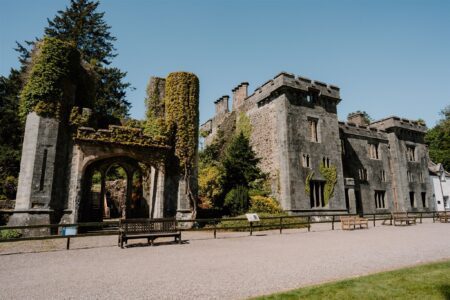
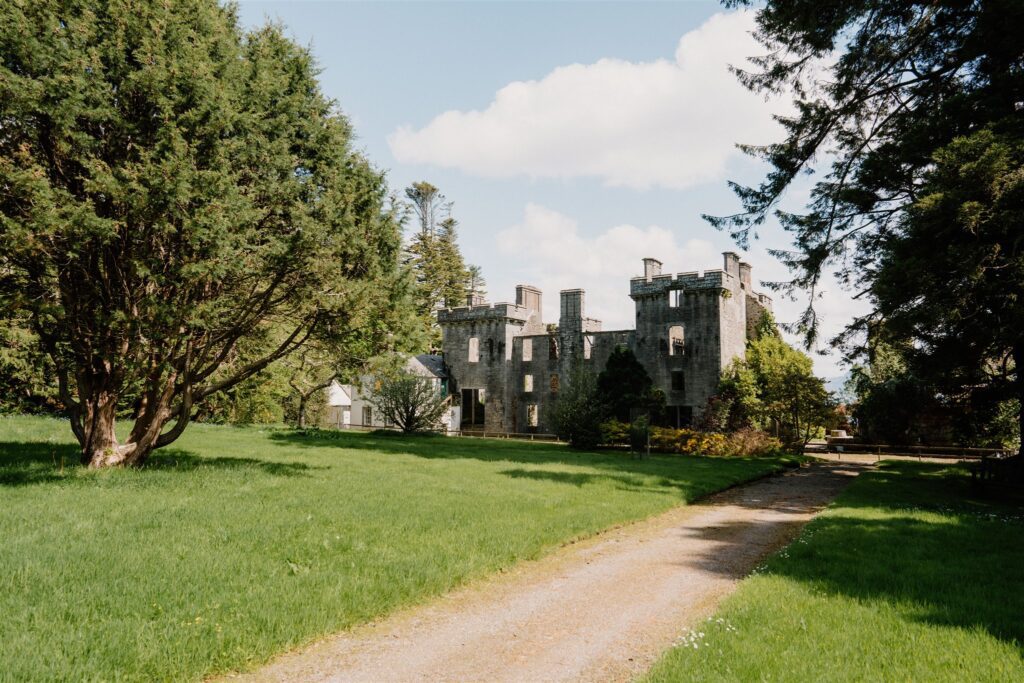
A short drive from An Crùbh brings you to Armadale, where the remains of a 19th-century castle sit quietly among trees, lawns, and long views across the Sound of Sleat. The ruin, once home to the Macdonalds of Sleat, stands more as a backdrop now than a monument—ivy-covered stone, tall...
Aird Old Church Gallery
The road narrows as you drive south from Armadale towards Aird of Sleat. It’s a quiet stretch—mostly single-track, gently rising and falling through moorland and scattered birch. You pass whitewashed cottages, the occasional hand-painted sign for eggs or jam, and stretches where the sea slips in and out of view....
Sabhal Mòr Ostaig – Gaelic College & Culture Centre
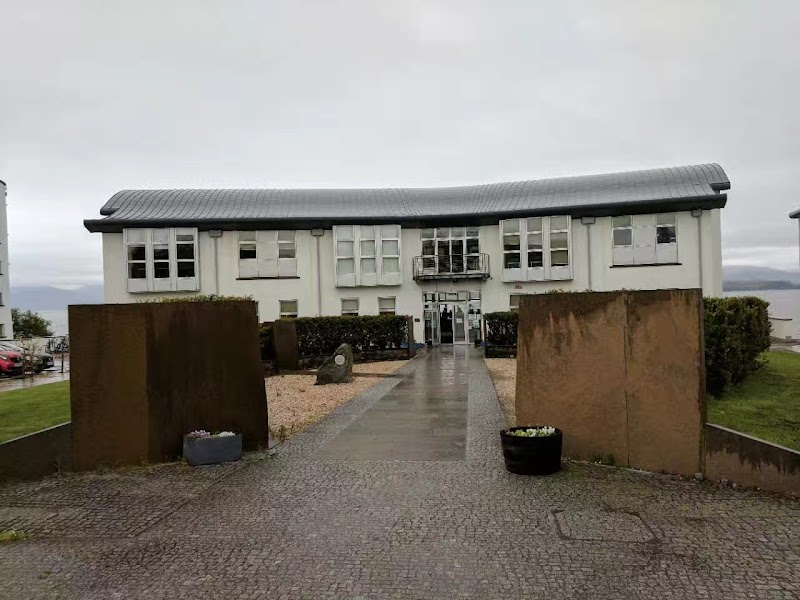
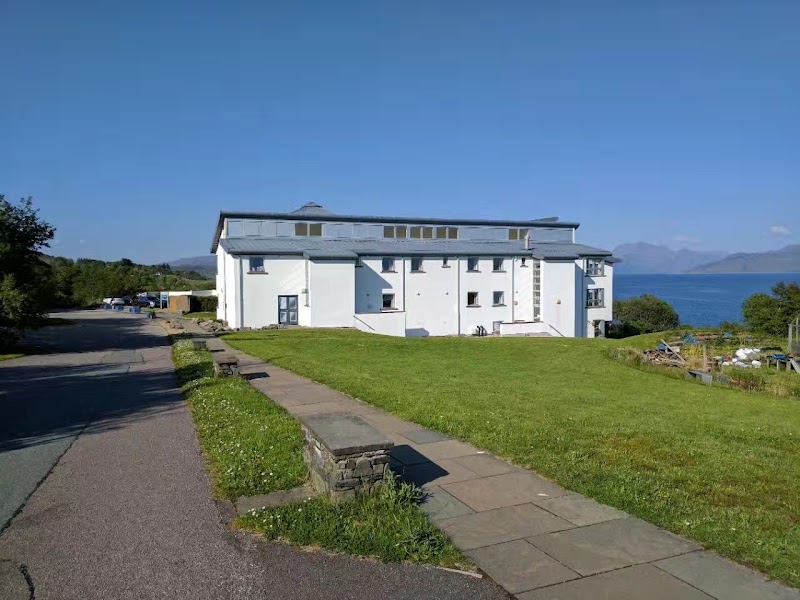
As you drive north, the white buildings of Sabhal Mòr Ostaig begin to appear, set modestly into the hillside with long views across the Sound of Sleat. This is Scotland’s national centre for Gaelic language and culture—an institution with deep roots and a modern rhythm. The campus is open to...
Dunscaith Castle
The drive west across Sleat begins to feel even more remote. The road narrows again, curling around bays and climbing gently through patches of gorse and heather. You pass few houses. The Cuillin begin to rise again in the distance, sharp-edged and quiet. Somewhere between Tokavaig and Ord, a layby...
Kinloch Lodge Hotel
From Tokavaig, the route bends inland once more, the road gradually smoothing out as it approaches Loch na Dal. Here, tucked into the trees above the shoreline, sits Kinloch Lodge. There’s no sign swinging above the driveway, no dramatic arrival. Just a gravel track, a whitewashed building, and the sound...
Accommodation nearby
Attraction nearby
An Crùbh


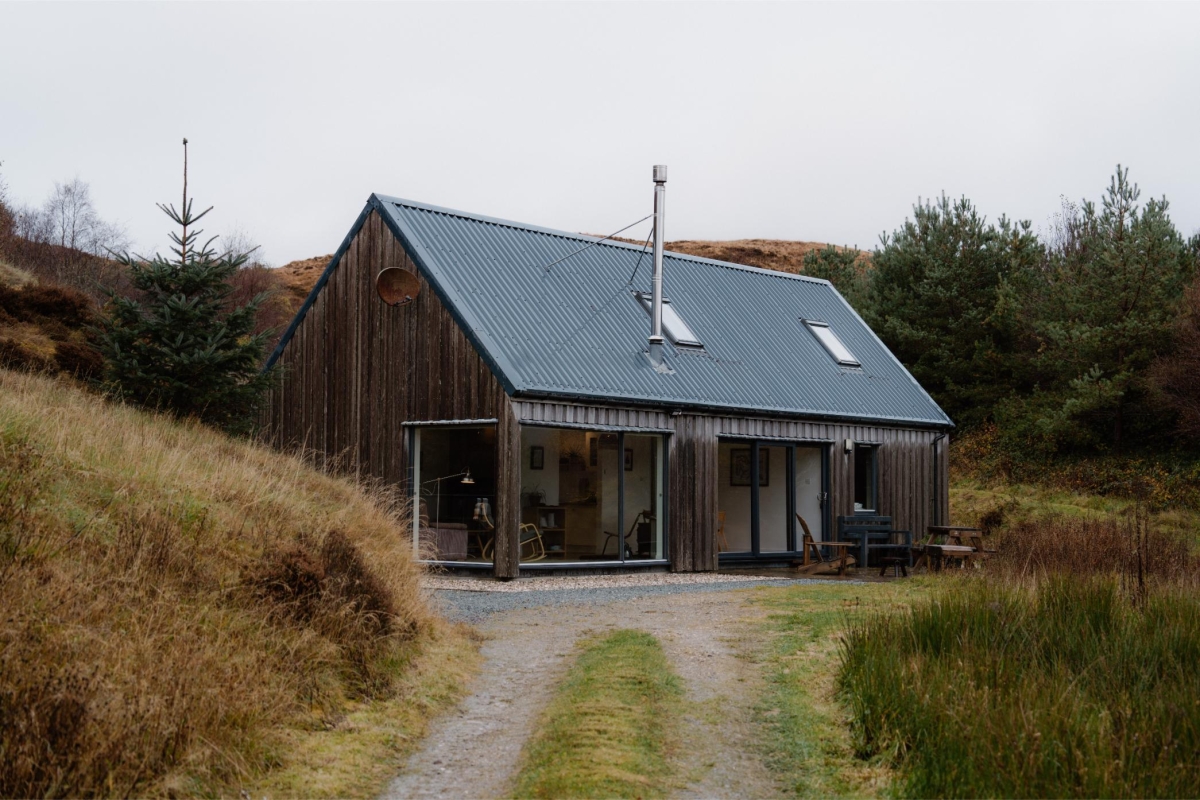
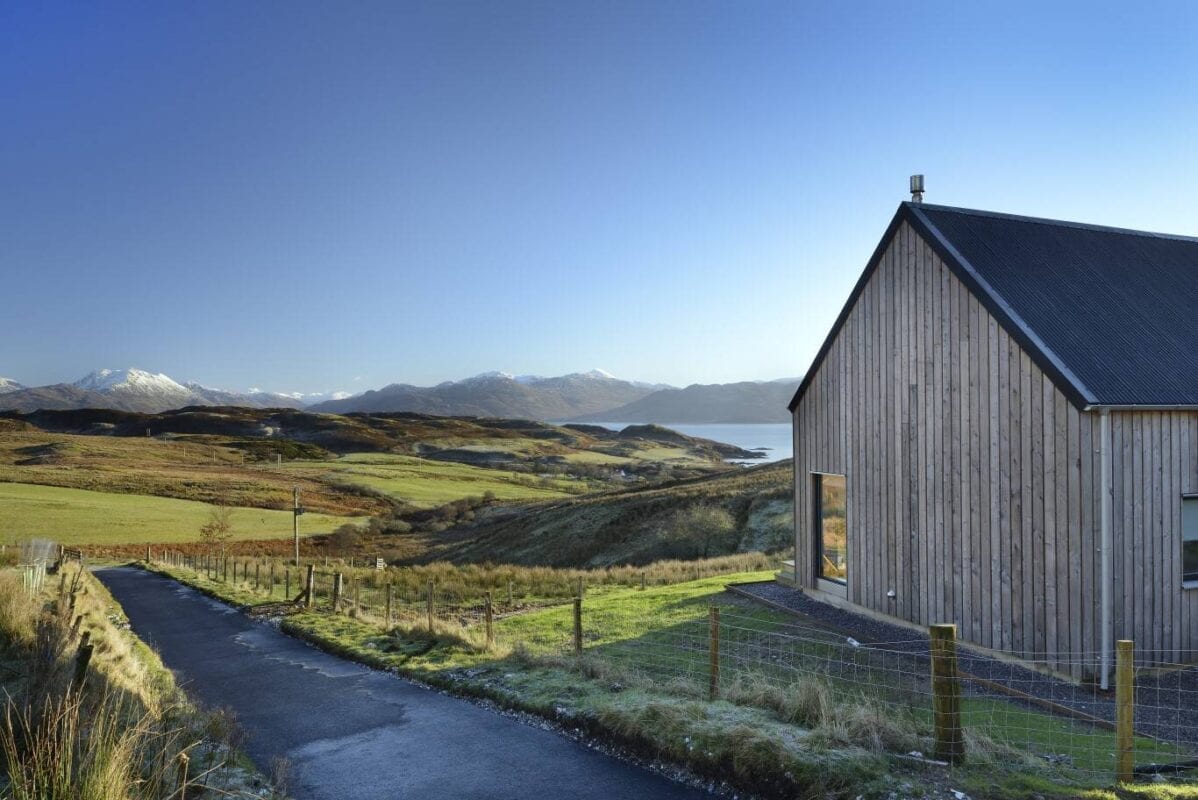
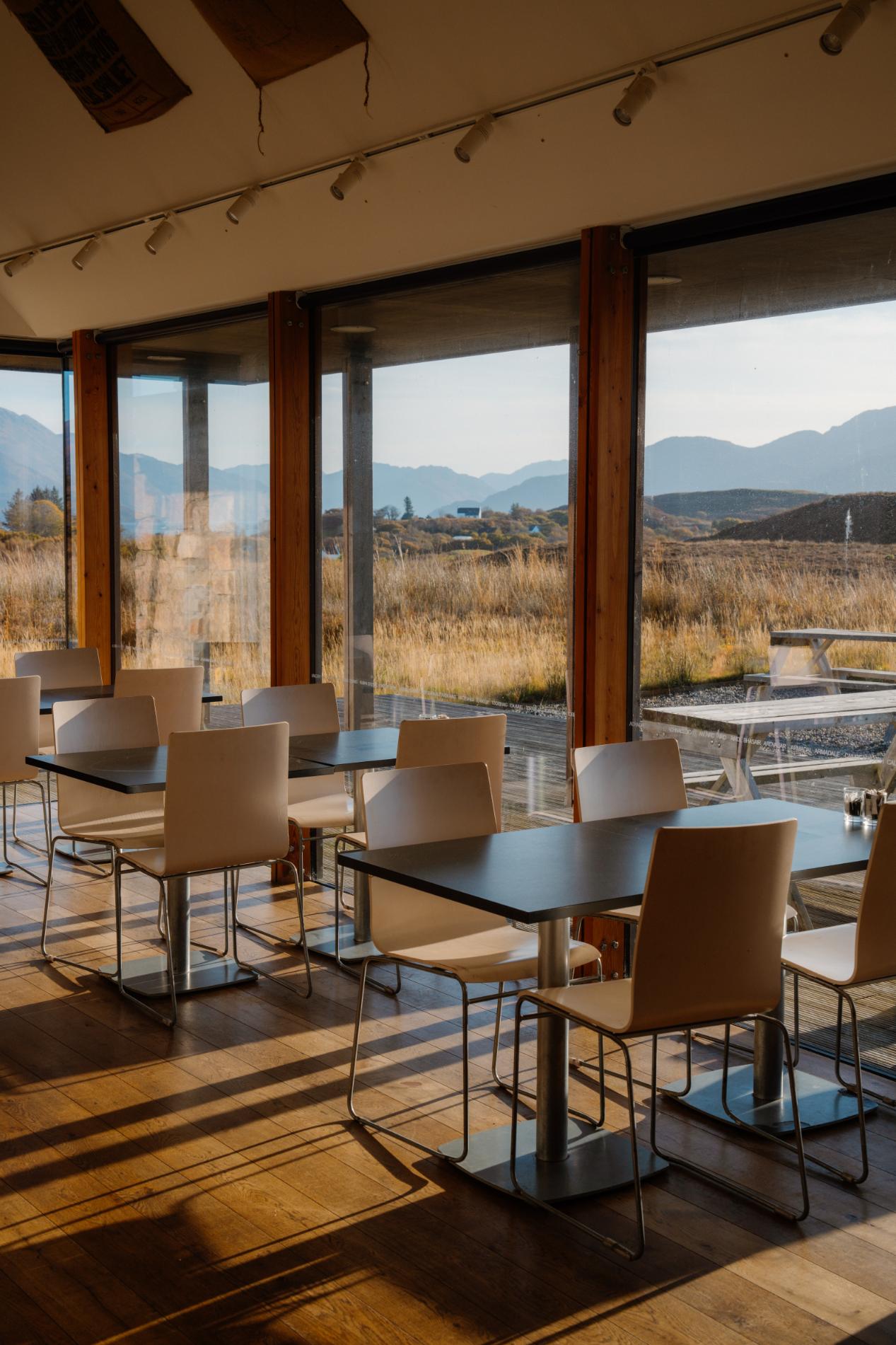
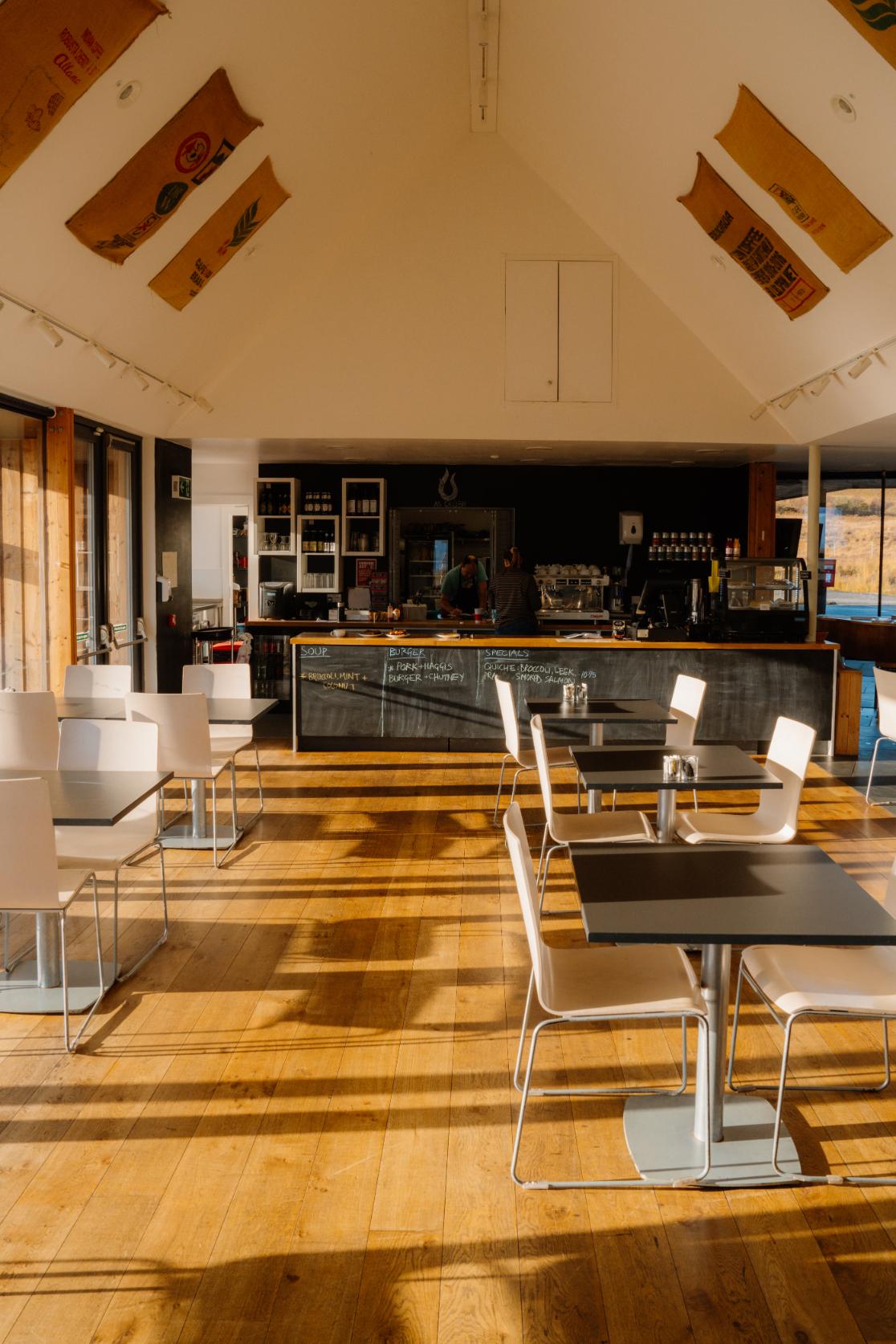
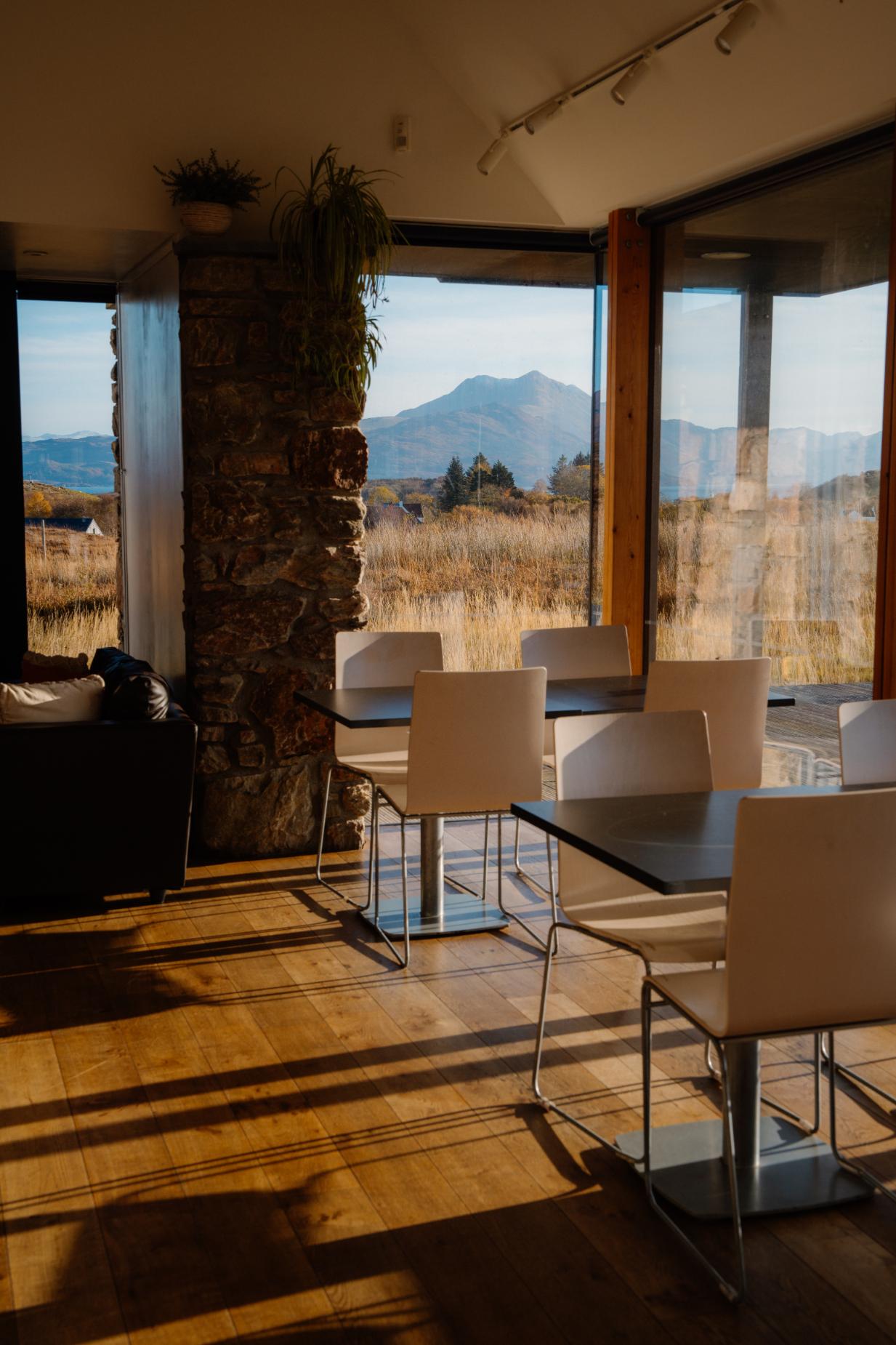
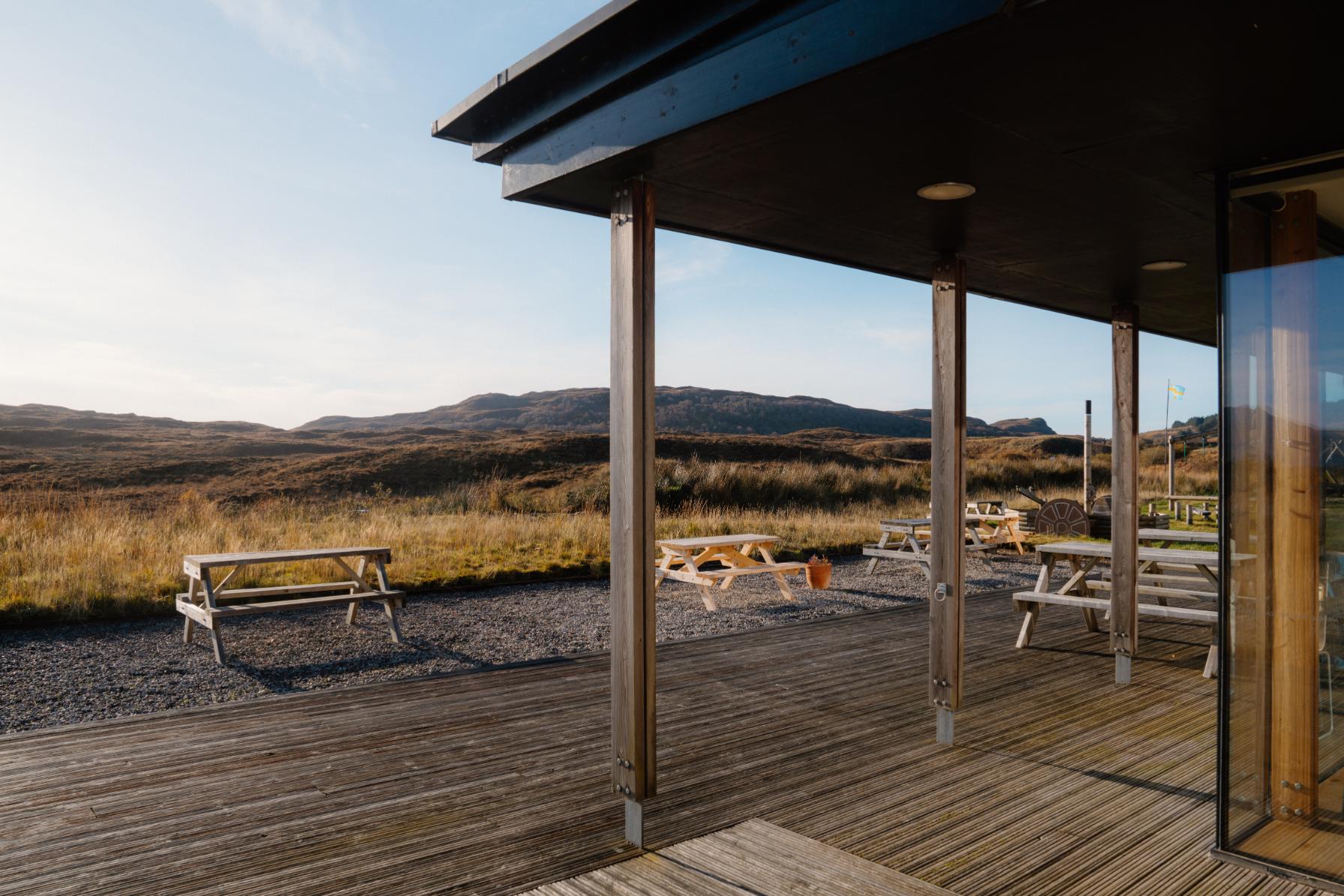
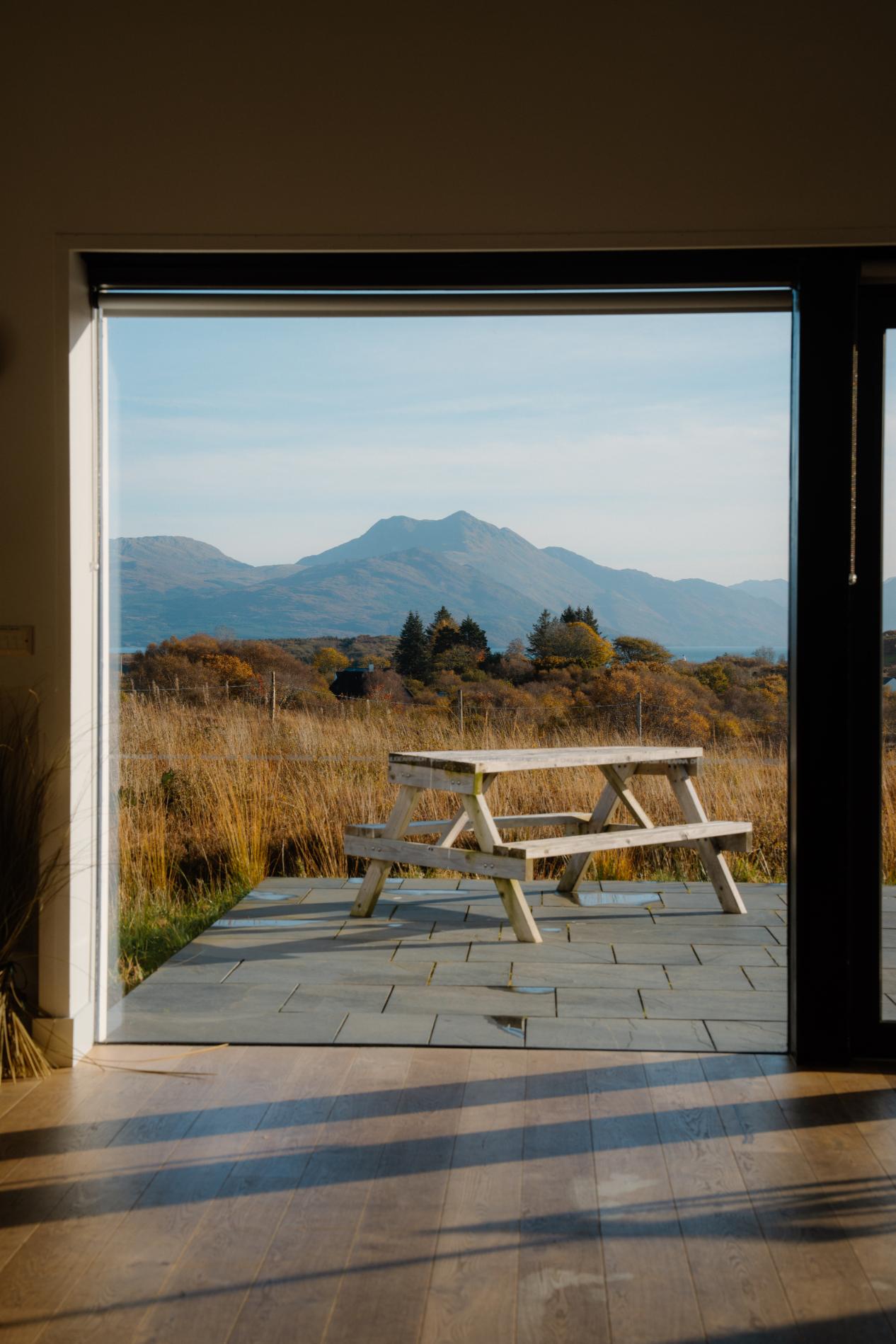
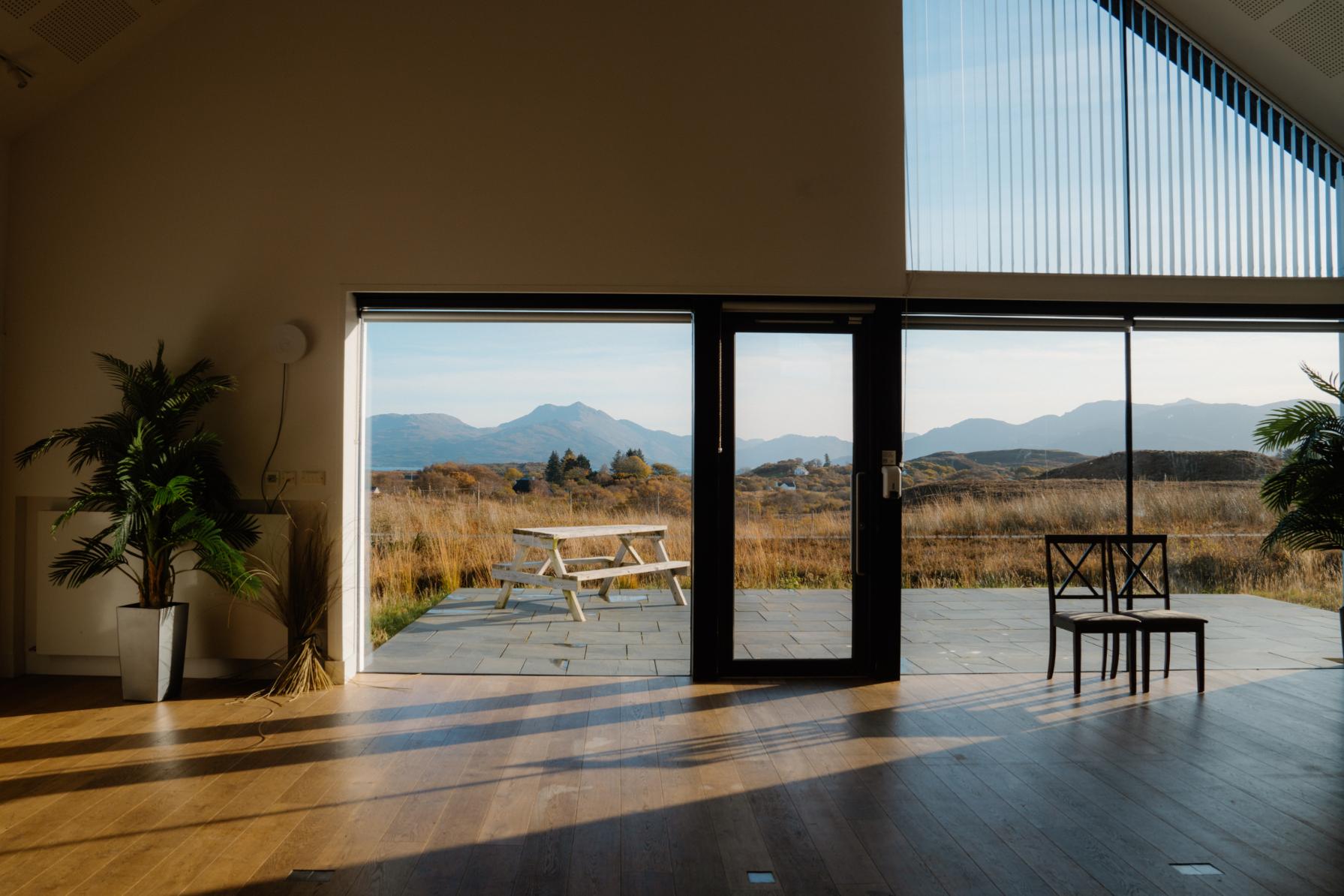
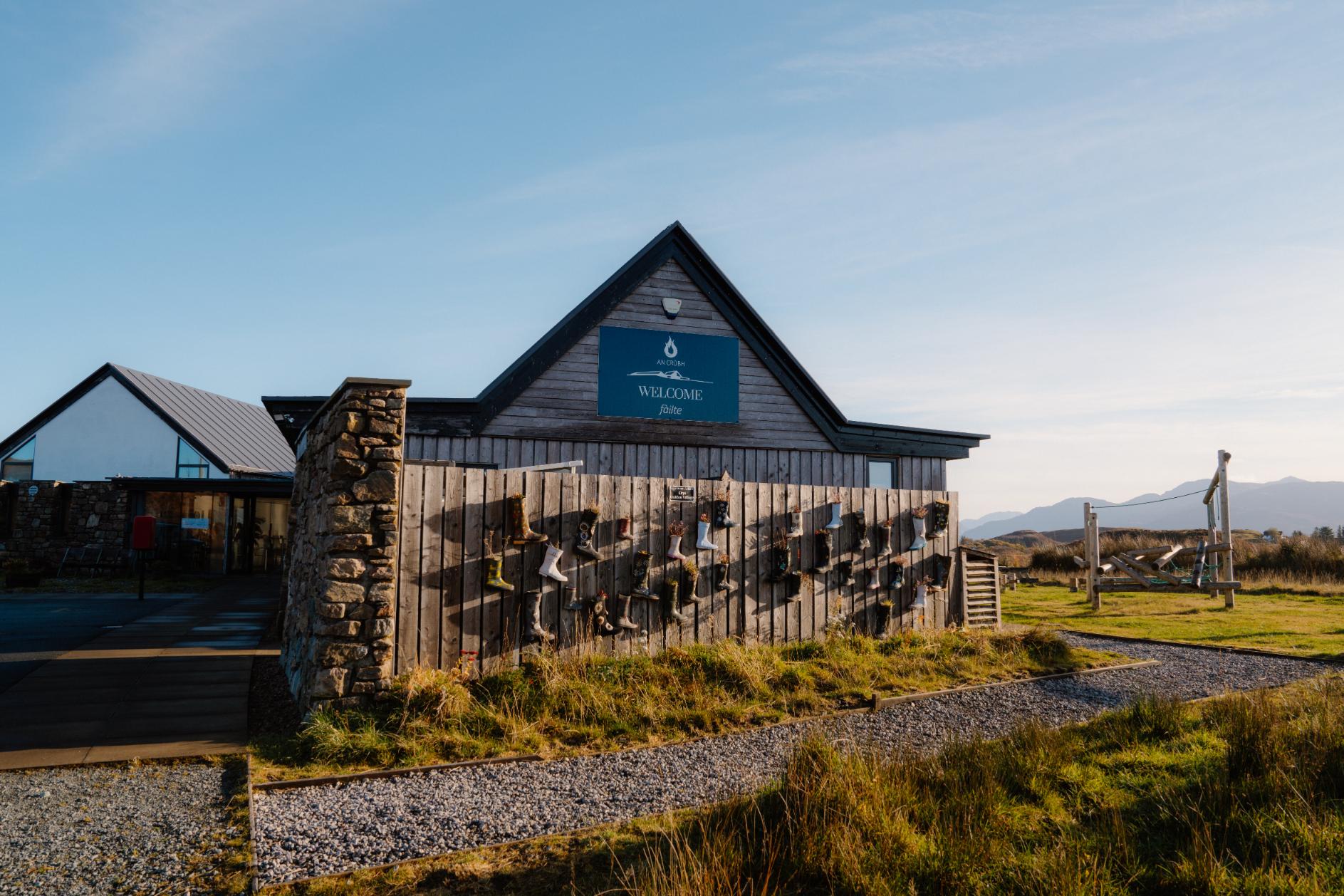
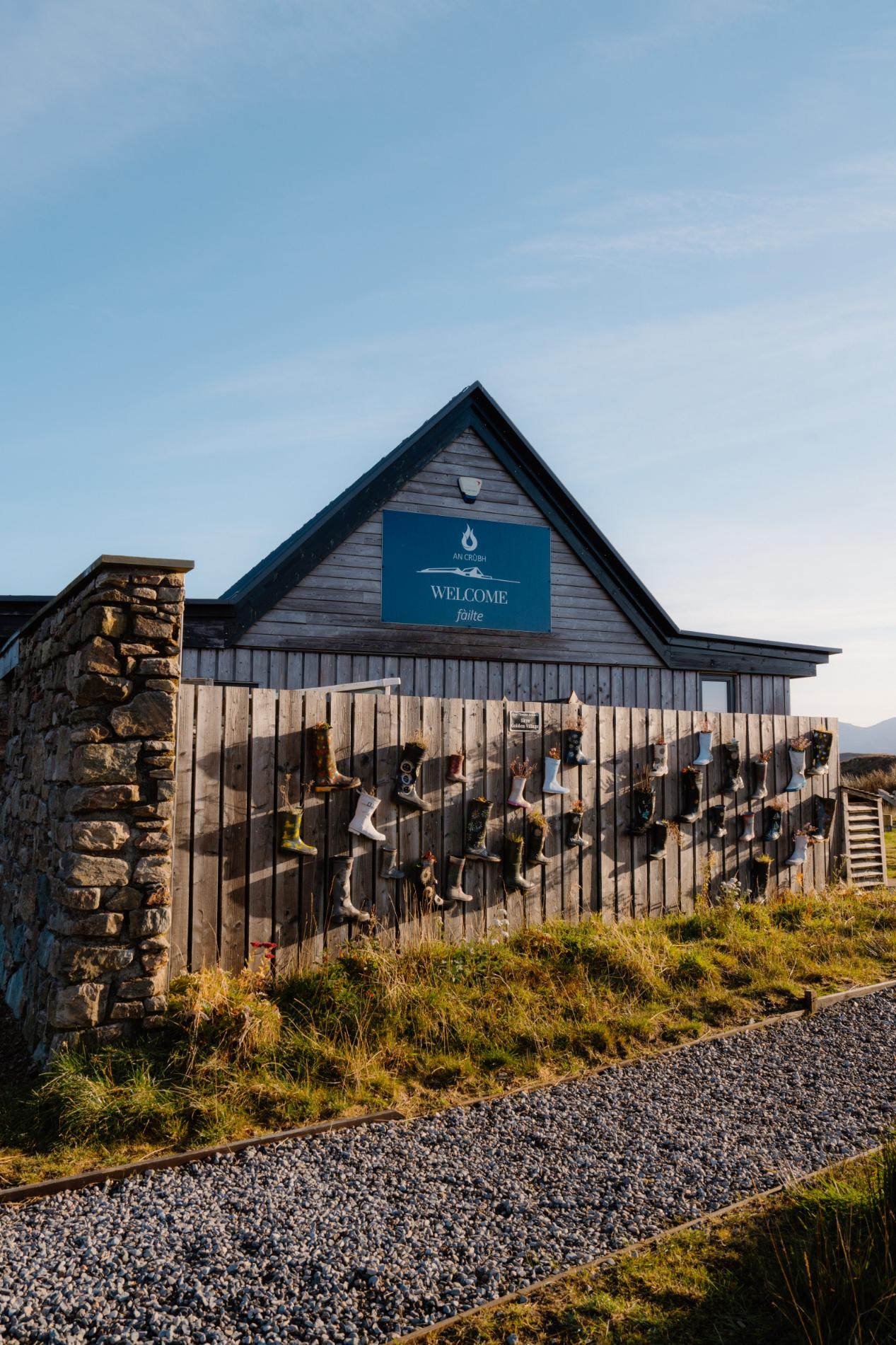
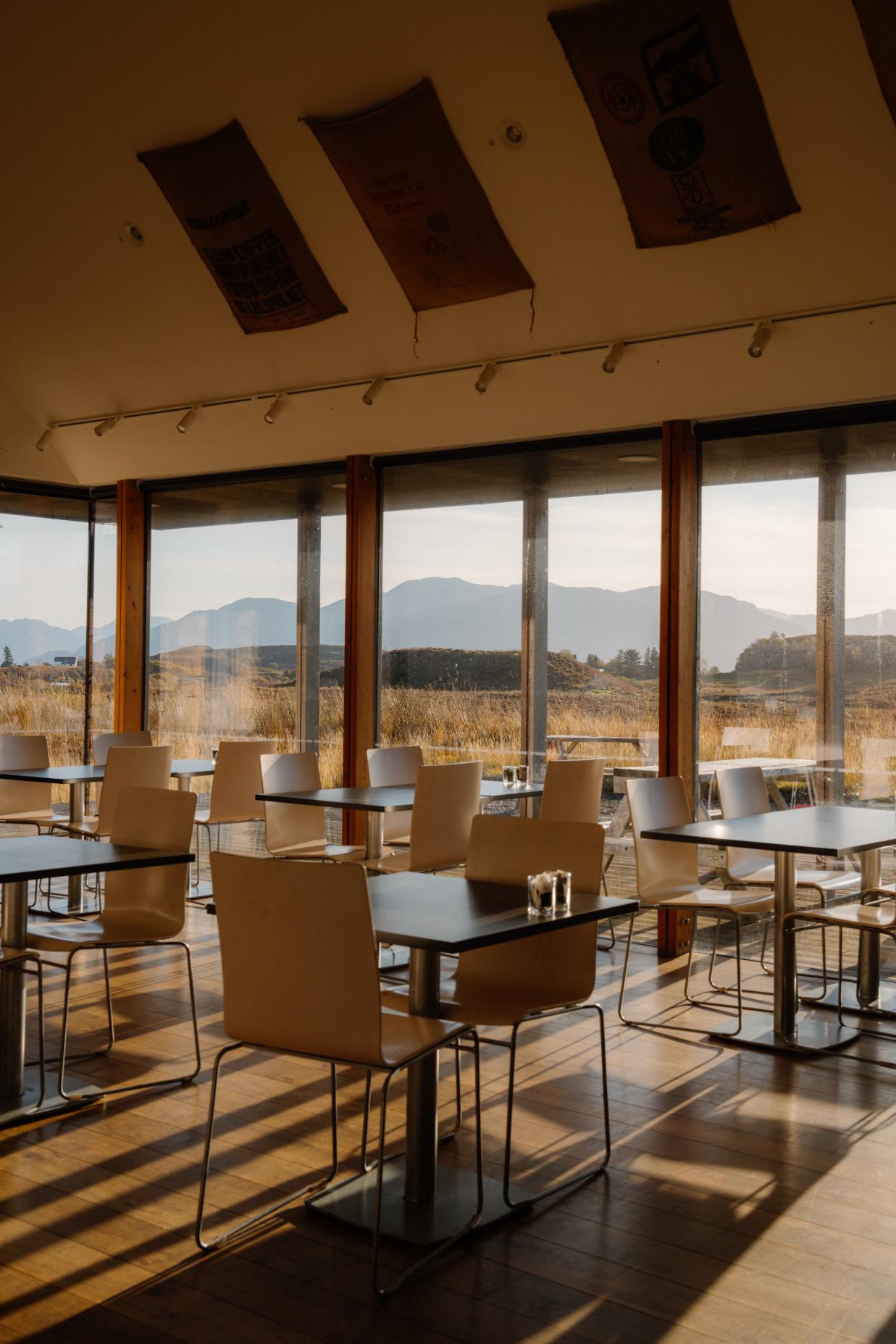
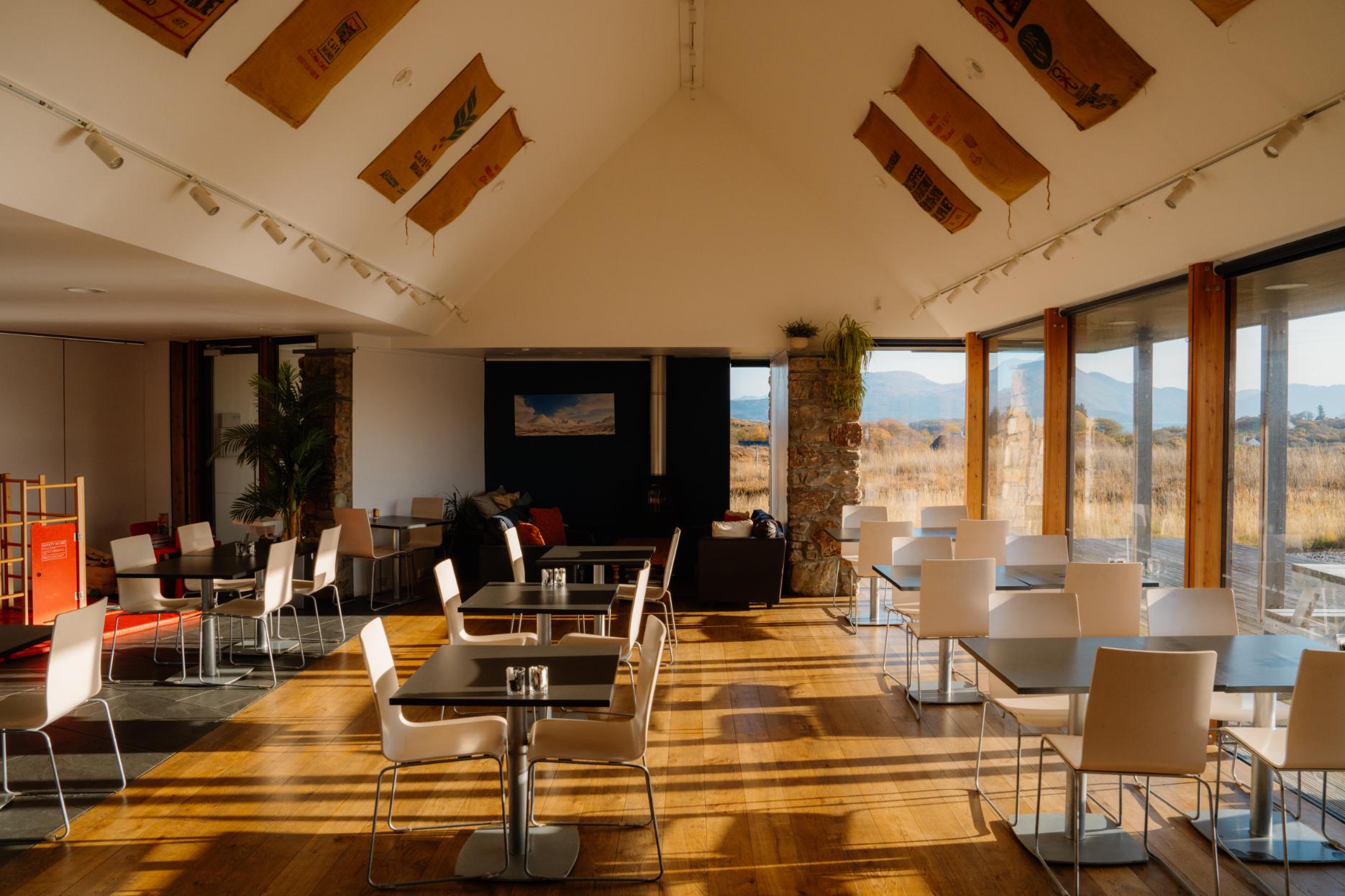
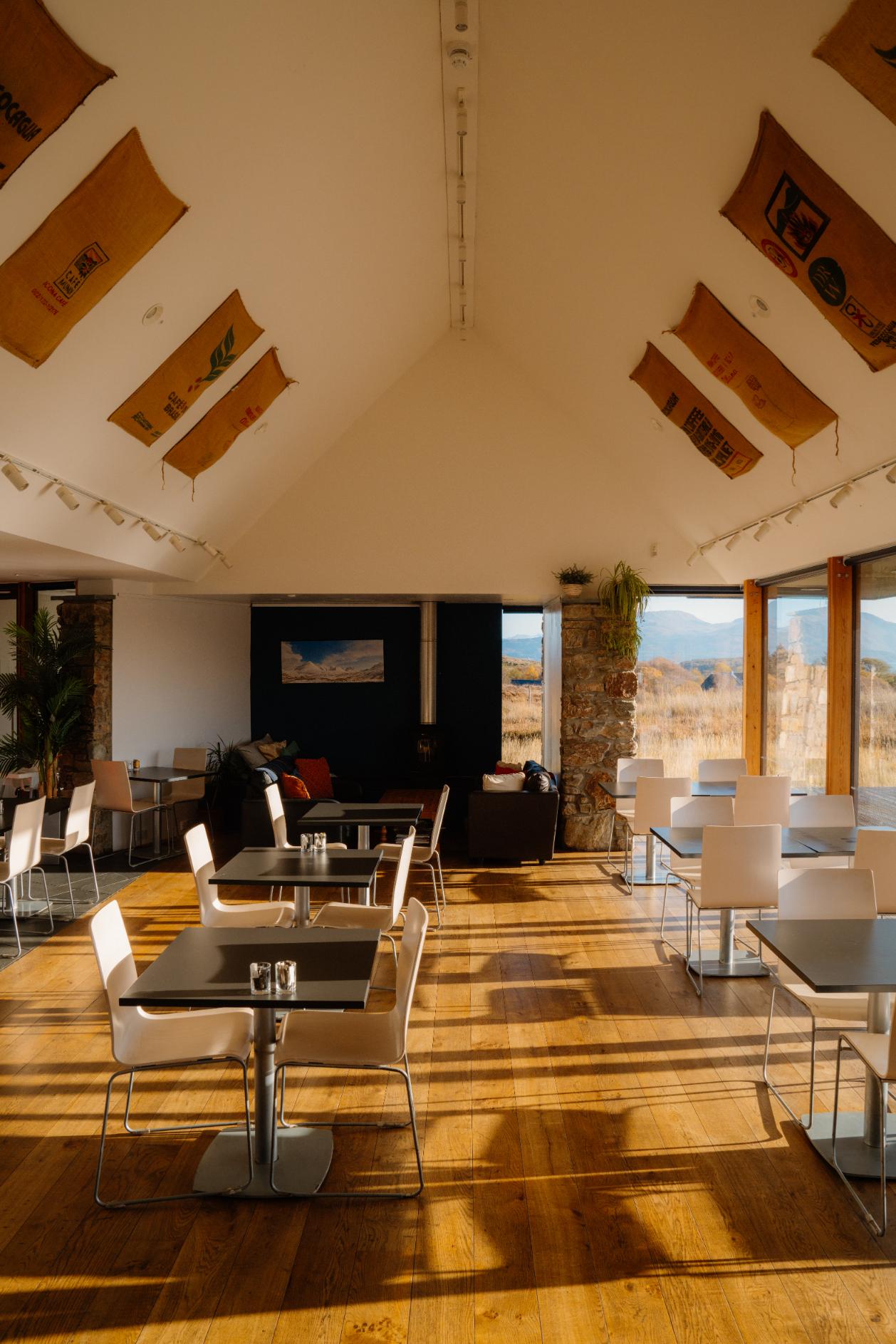
Set back from the main road near Duisdale, An Crùbh doesn’t announce itself loudly. A low, angular building in wood and glass, it blends into its crofting surroundings, looking more like a design studio than a community café. But inside, it’s a quietly busy space. Tables by the window look out across fields to the Sound of Sleat, and if the weather’s doing its thing—which it usually is—you’ll likely get a shifting sequence of sunlight, mist, and cloud drifting in from the mainland hills.
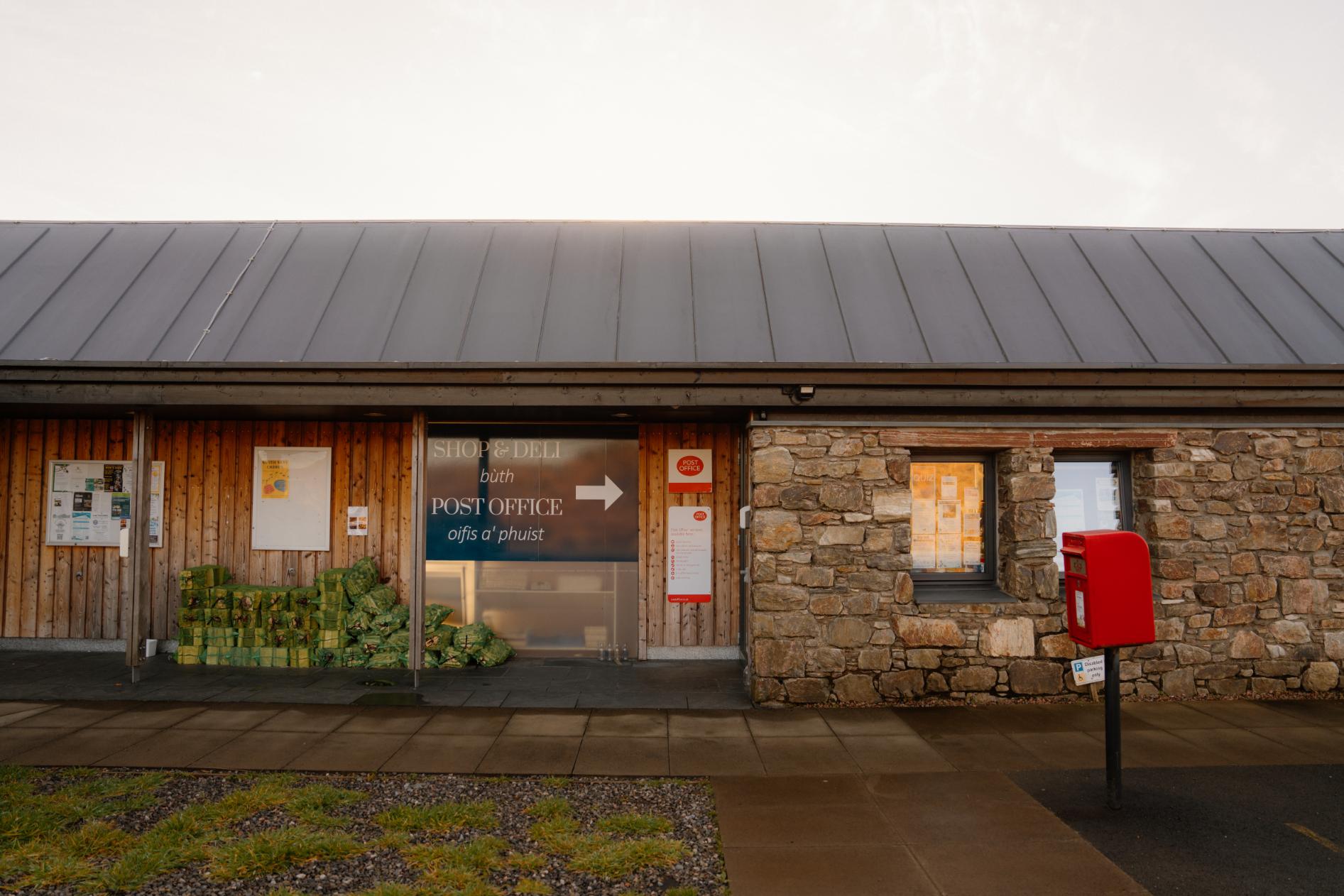
An Crùbh (Gaelic for “the hub” or “the gathering”) is part shop, part café, and part community anchor. Built by the local development trust, it gives Sleat a shared place to meet, host events, buy essentials, or just sit with a coffee and not rush. The baking is local—apple tarts, oatcakes, shortbread—and the menu always includes something homemade, with ingredients often from nearby producers. There’s a calm rhythm here that sets the tone for the rest of the journey.
It’s also a place to pick up quiet things: small-run books on island flora, locally dyed yarn, Gaelic-language children’s stories, ceramics made in a workshop not far down the road. The shelves carry the kind of objects that don’t travel far—but mean something to the place.
On a weekday morning you might overhear Gaelic being spoken at the next table. On weekends, you’ll see walkers coming down from Leitir Fura, peeling off waterproofs before ordering soup. This is not a café with a view—it’s a café in the view. And that difference matters here.


Armadale Castle Gardens


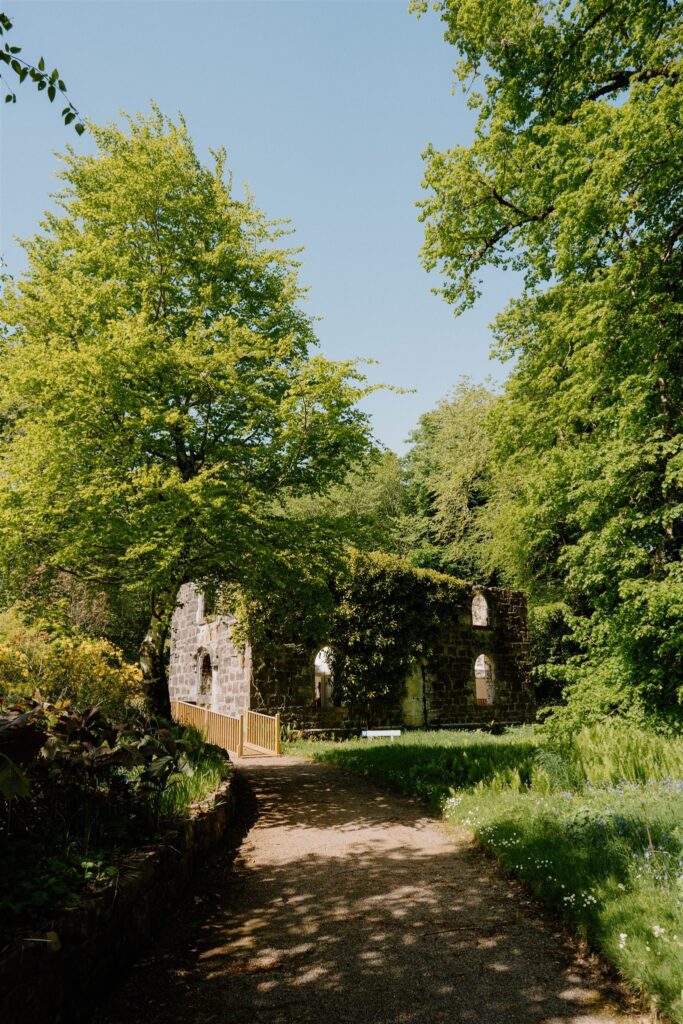
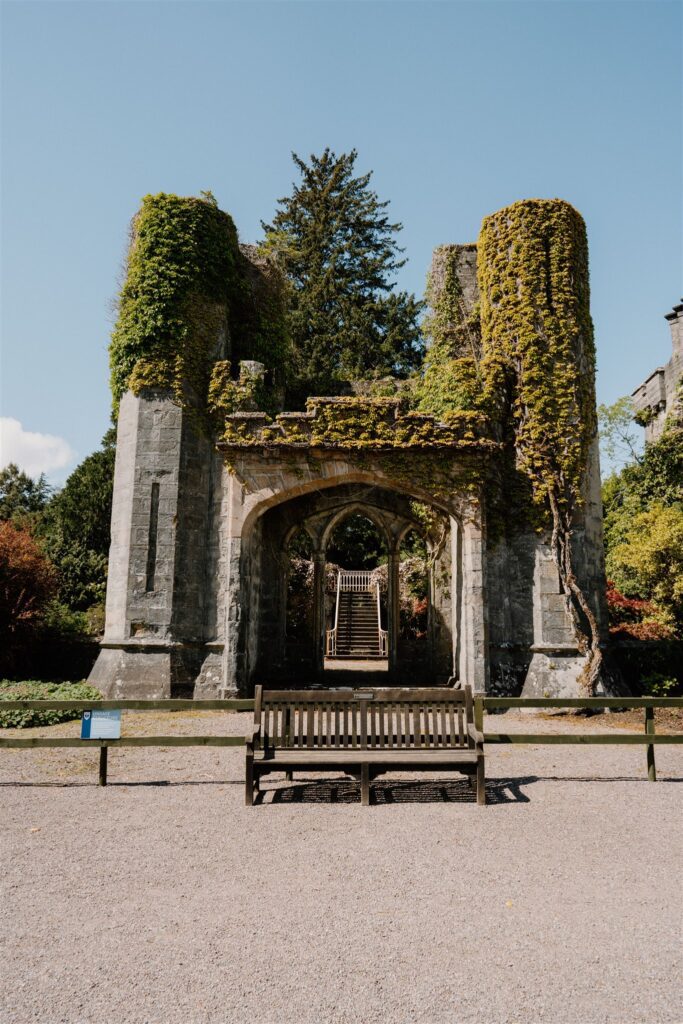
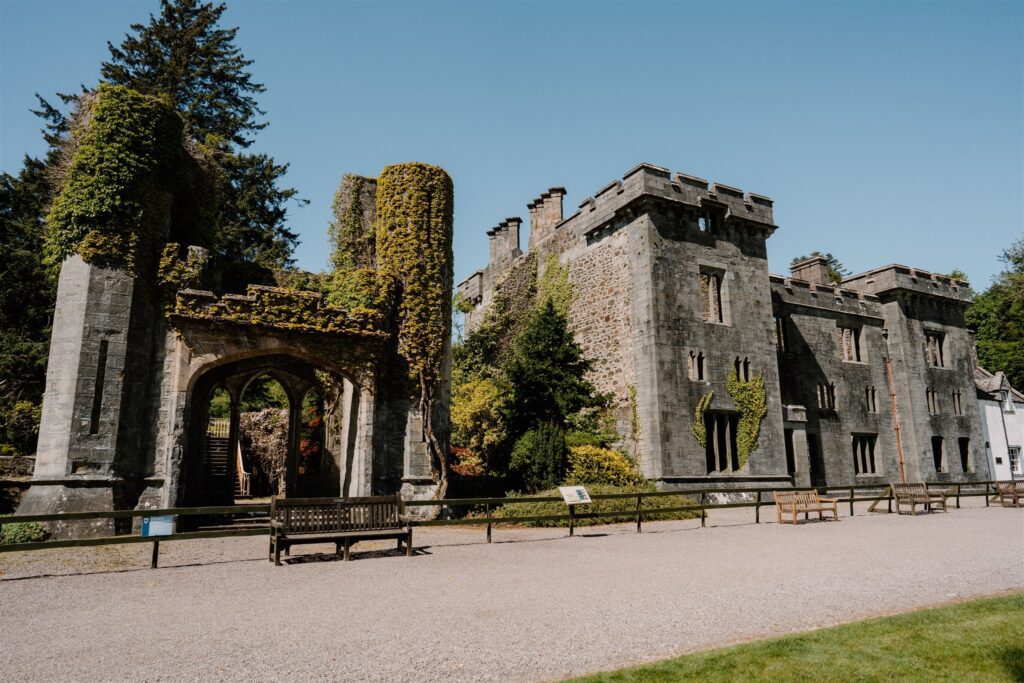
A short drive from An Crùbh brings you to Armadale, where the remains of a 19th-century castle sit quietly among trees, lawns, and long views across the Sound of Sleat. The ruin, once home to the Macdonalds of Sleat, stands more as a backdrop now than a monument—ivy-covered stone, tall windows open to the weather, and glimpses of what once was.
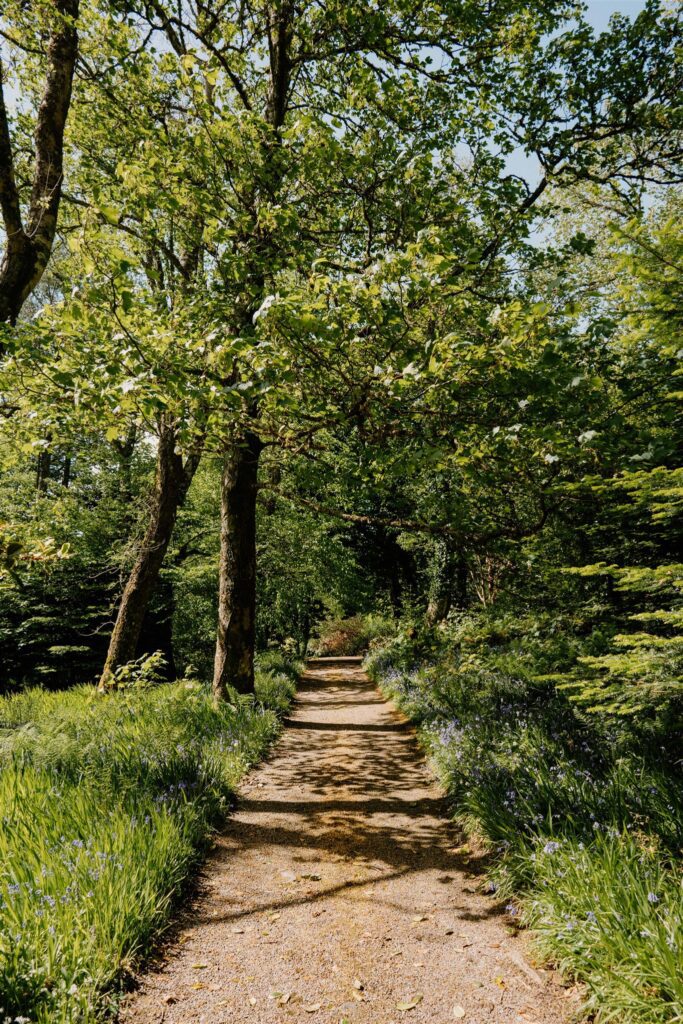
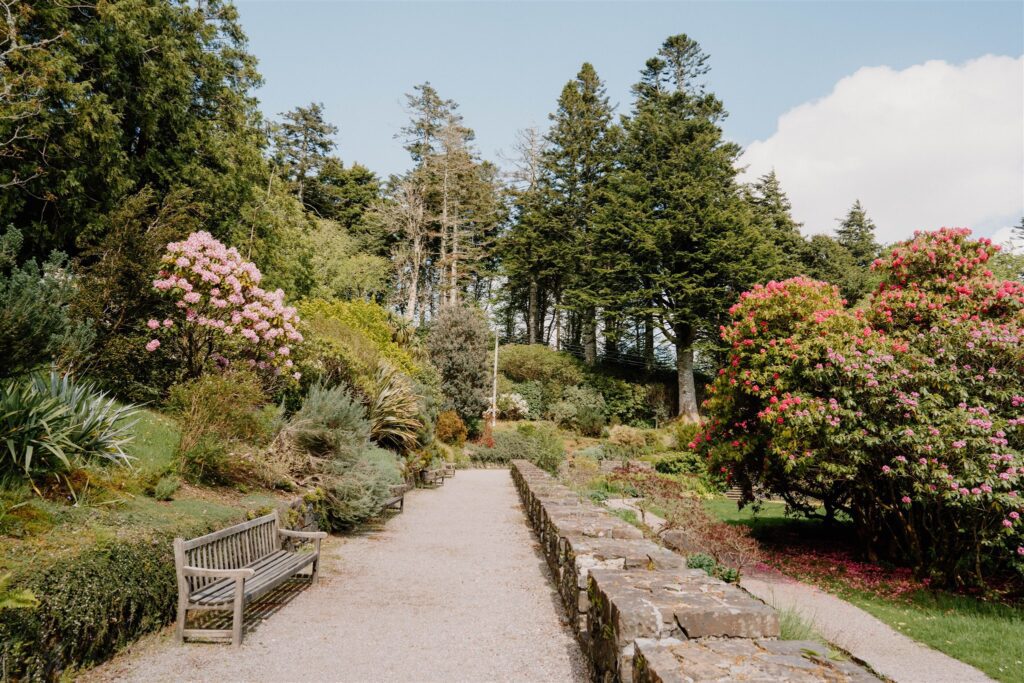
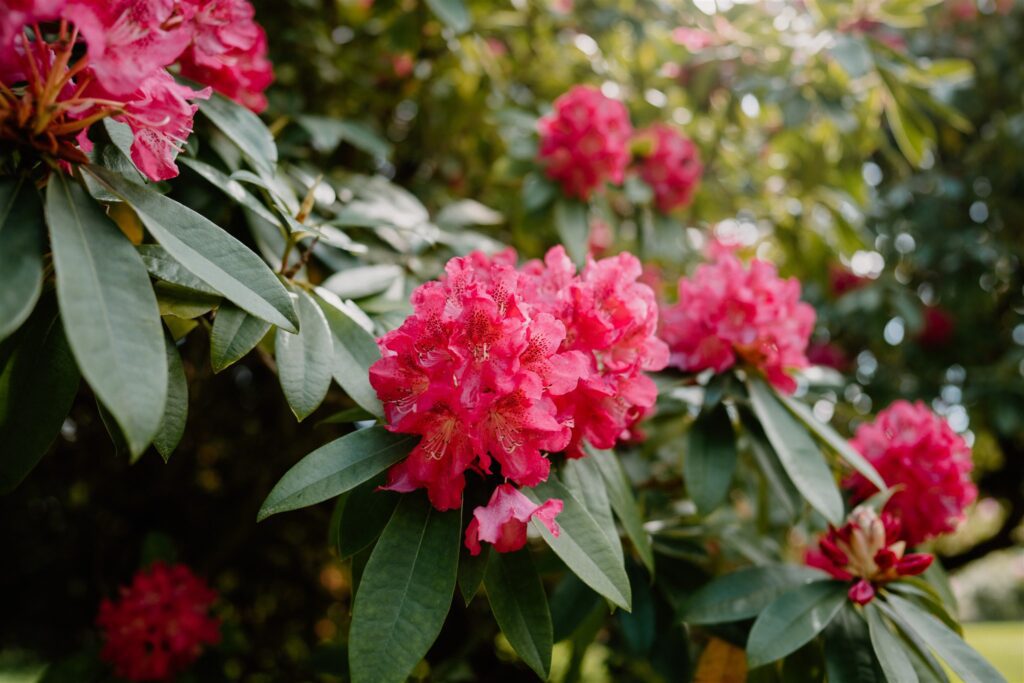
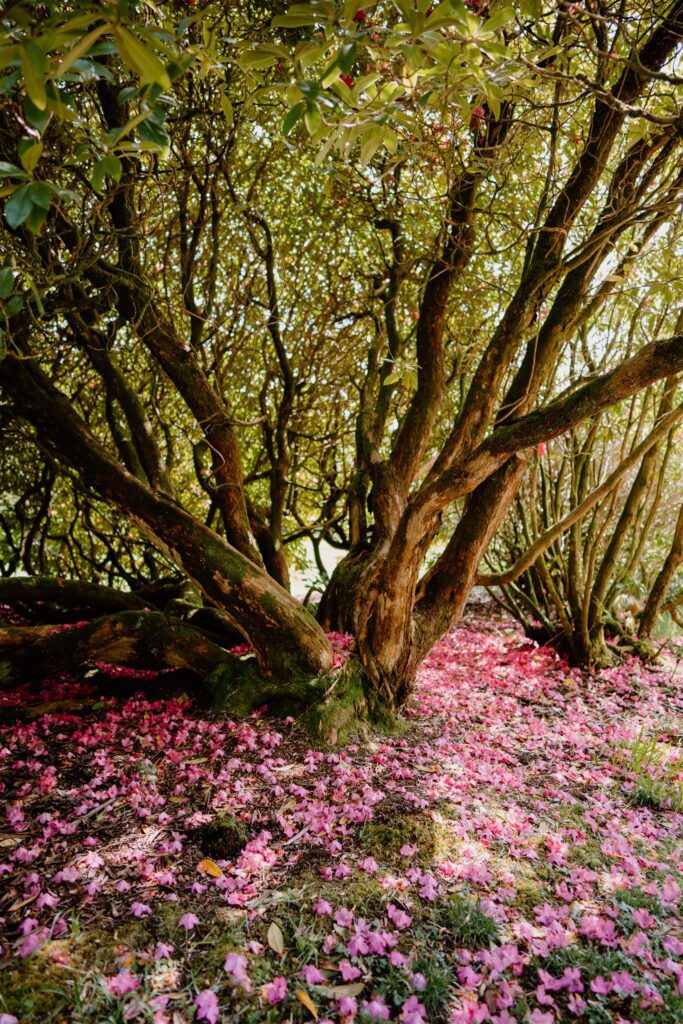
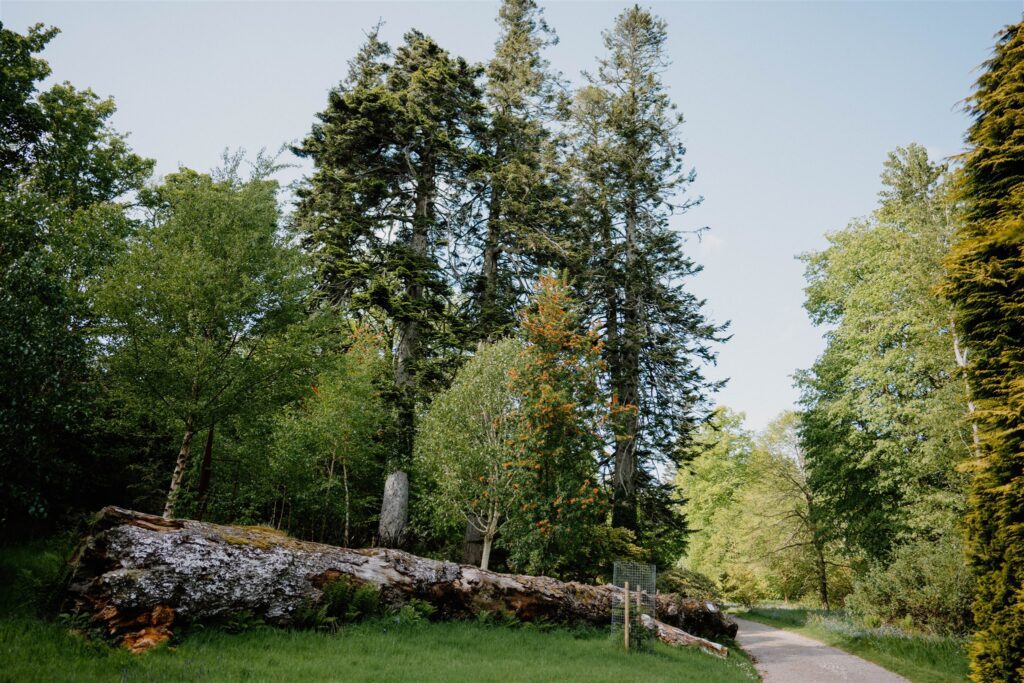
What surrounds it is carefully maintained, but not overly formal. Paths lead through broadleaf woodland and out into more open, landscaped gardens—rhododendrons, herbaceous beds, waterlilies in a small pond, and the occasional carved bench tucked into the greenery. Mature trees give the whole space a calm, settled feel. It’s the kind of garden that encourages walking without a route in mind.
Within the grounds is the Museum of the Isles, a modern building that tells the story of Clan Donald and this part of Skye through a series of well-composed exhibits. Its strength lies in the balance between personal and political—family artefacts and everyday items sit beside maps, timelines, and narratives that cover everything from medieval seafaring to the Clearances and emigration. Text is presented in both Gaelic and English, and the design avoids overstatement.
Whether or not you have a connection to Highland history, there’s something quietly grounding about this place. The garden paths, the weight of the ruin, and the museum’s quieter rooms all feel like part of a wider whole. It’s not a stop that demands attention, but it leaves a mark—and it frames the rest of the journey ahead with a sense of place that lingers.


Aird Old Church Gallery


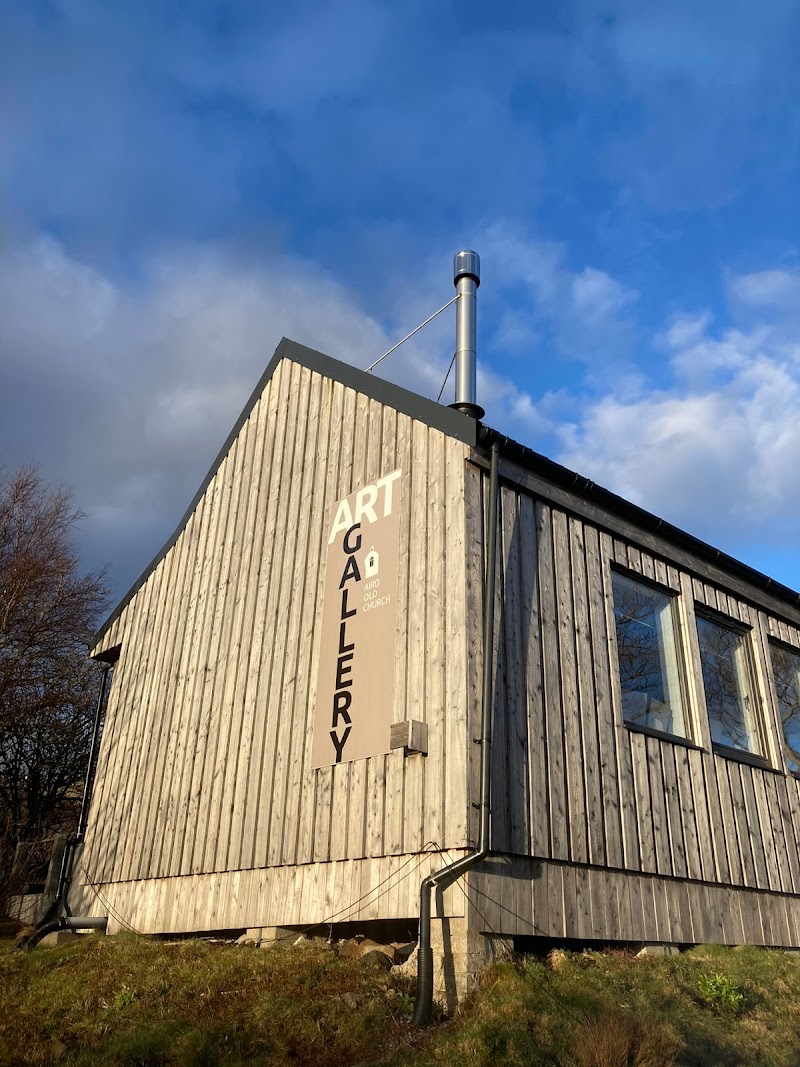
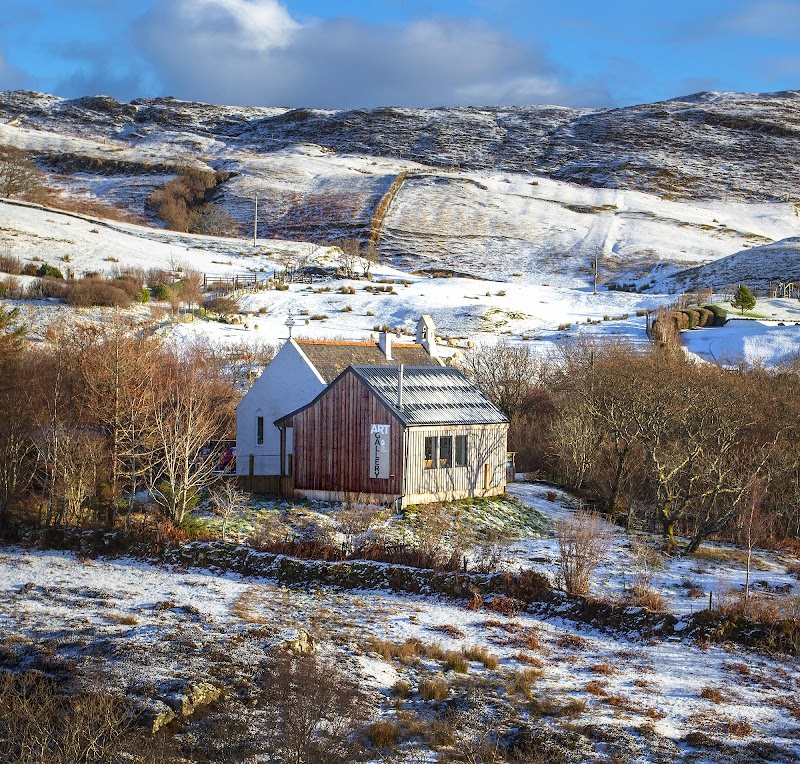
The road narrows as you drive south from Armadale towards Aird of Sleat. It’s a quiet stretch—mostly single-track, gently rising and falling through moorland and scattered birch. You pass whitewashed cottages, the occasional hand-painted sign for eggs or jam, and stretches where the sea slips in and out of view. At the far end, just before the road peters out, you’ll find a converted church set slightly back from the lane.
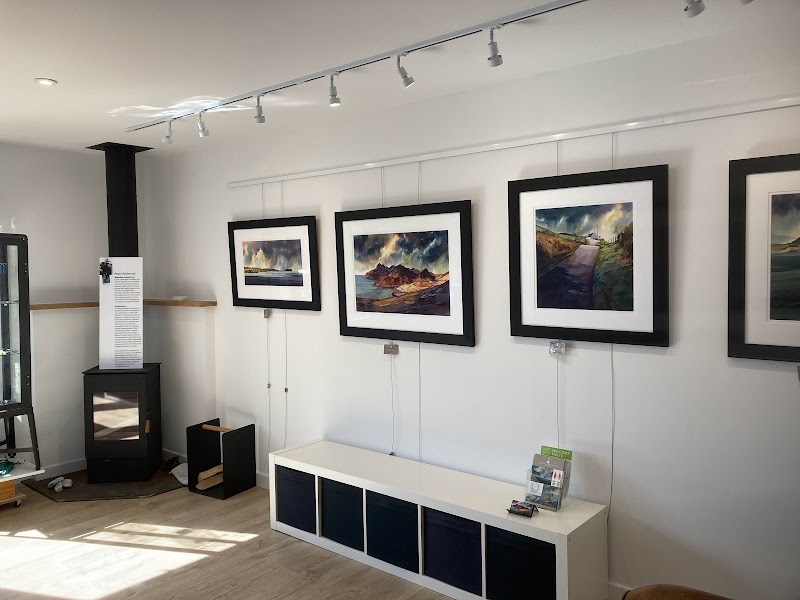
This is Aird Old Church Gallery, home to artists Heather and Peter McDermott. It’s a place that feels as much a workspace as a gallery—unpolished floorboards, tables of prints in progress, and an atmosphere that makes you slow down. Peter’s work centres on architectural drawing and atmospheric Highland scenes, while Heather’s jewellery draws its geometry from coastlines, light, and tide lines. Both artists live and work on site, and depending on the time of year, you might catch them between projects, hanging new pieces, or simply happy to chat.
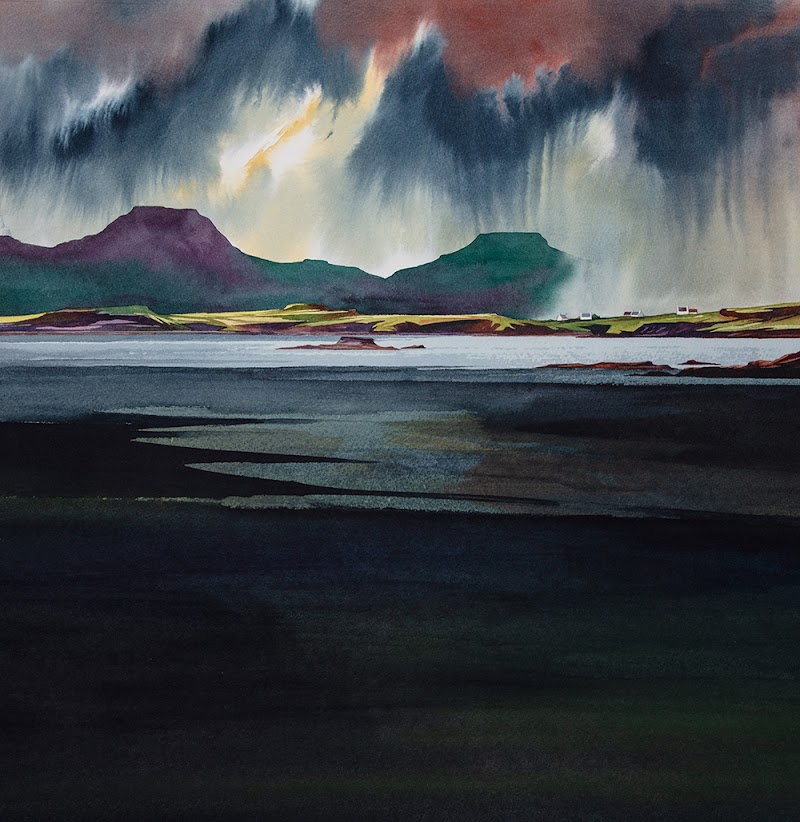
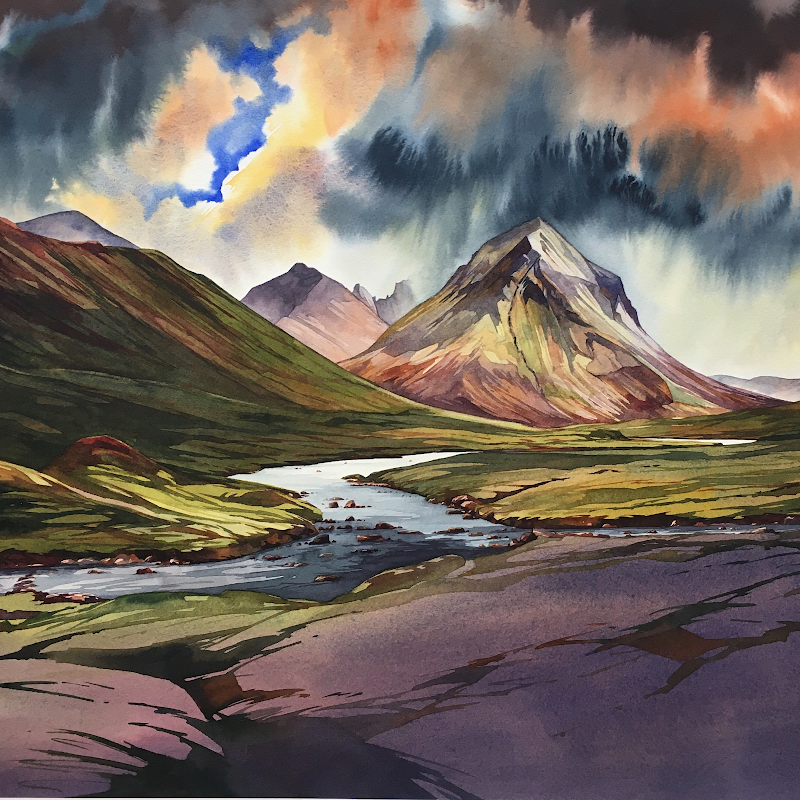
Just a short distance further, painter Julia Christie’s studio looks out over the Sound of Sleat. Her work captures the softness of Skye’s colour palette—muted purples, greys, and the green-brown tones of peat and bracken. The studio is usually open to visitors, but as with much of Skye, it’s worth calling ahead.
This corner of the peninsula feels far from the pace of the north. There are no tour buses here, no roadside queues. Just the gentle presence of people working quietly with their surroundings—and sharing the results. When you leave, the sea is often to your left, the Cuillin behind you, and a sense that the day has shifted gear again.


Sabhal Mòr Ostaig – Gaelic College & Culture Centre


As you drive north, the white buildings of Sabhal Mòr Ostaig begin to appear, set modestly into the hillside with long views across the Sound of Sleat. This is Scotland’s national centre for Gaelic language and culture—an institution with deep roots and a modern rhythm. The campus is open to visitors, and while it might not be on every itinerary, it deserves a place on this one.
Inside, Café Ostaig serves soup, fresh bread, and coffee to students, staff, and passing travellers alike. Tables by the windows overlook the water, and shelves nearby carry a small but focused selection of Gaelic books, CDs, and local publications. It’s a working campus, and you’ll likely hear the language in everyday use—spoken in corridors, classrooms, or during breaks on the lawn.
For those curious to see more, guided tours of the campus are available, but should be arranged in advance. These offer a window into the college’s teaching spaces, media studios, and creative programmes, from language immersion to artist residencies. There are also occasional public events—talks, music, ceilidhs—usually listed on their website, and worth timing your visit around if the opportunity arises.
Even without a formal tour, the place carries a sense of quiet continuity. A short pause here—a coffee on the terrace, a walk between buildings, a flick through a poetry collection—feels connected to something deeper. Not heritage, but language as it lives and shifts. In a day already shaped by gardens and studios, this stop offers a reminder that culture isn’t always framed or displayed. Sometimes, it’s just there—spoken, taught, and quietly passed on.


Dunscaith Castle


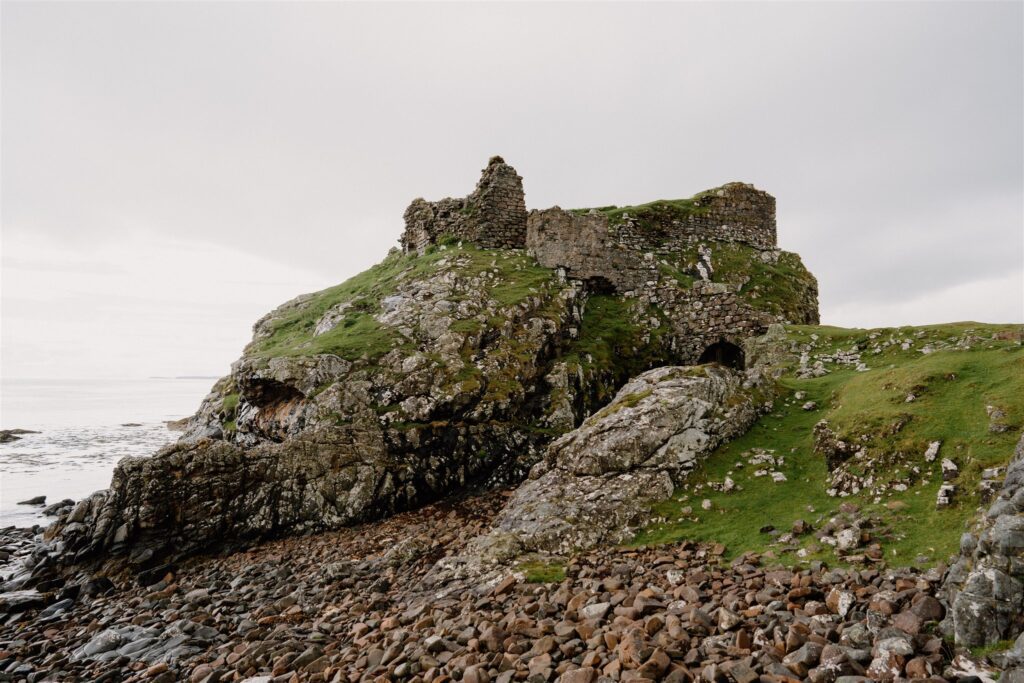
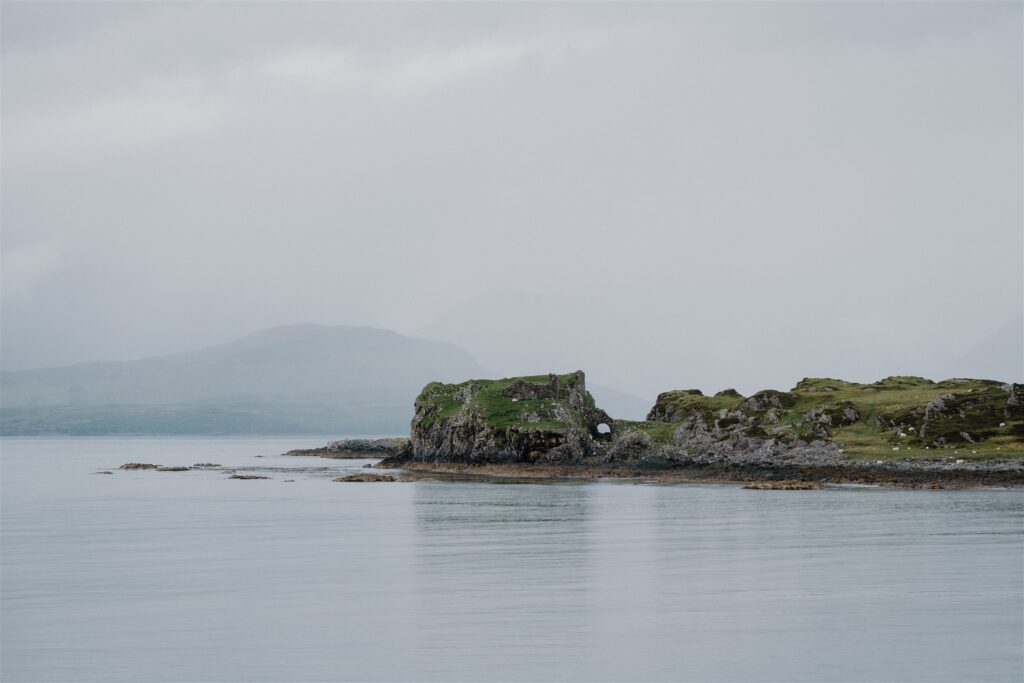
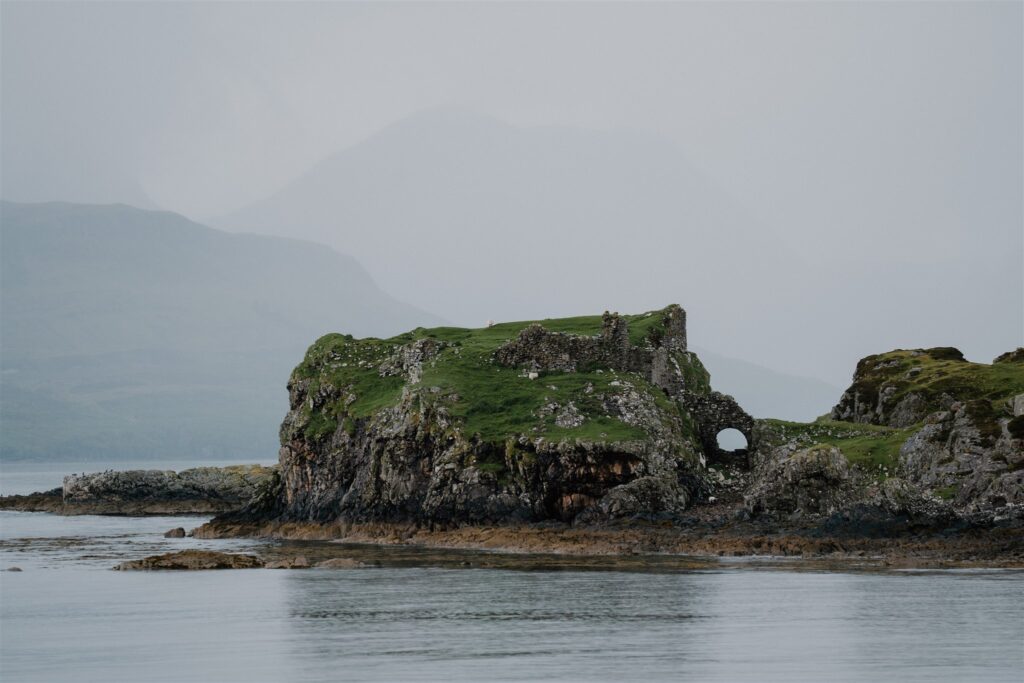
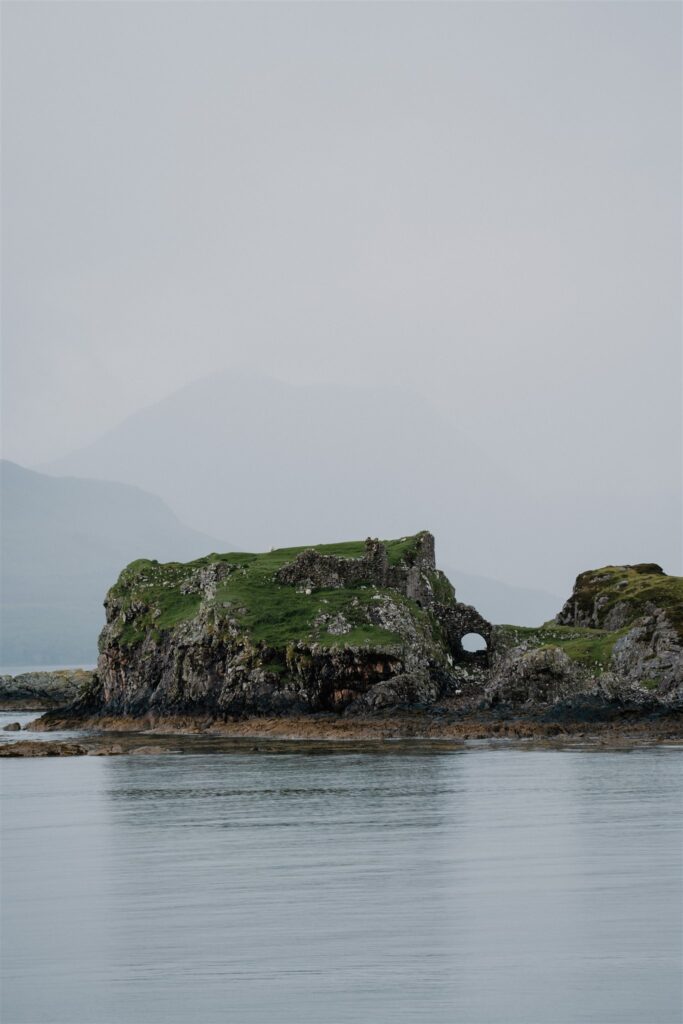
The drive west across Sleat begins to feel even more remote. The road narrows again, curling around bays and climbing gently through patches of gorse and heather. You pass few houses. The Cuillin begin to rise again in the distance, sharp-edged and quiet. Somewhere between Tokavaig and Ord, a layby opens up to a view that feels older than the rest of the day: a ruined castle, set against the sea.
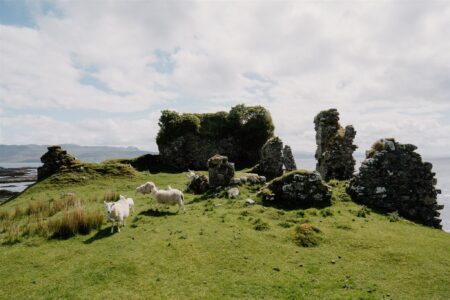
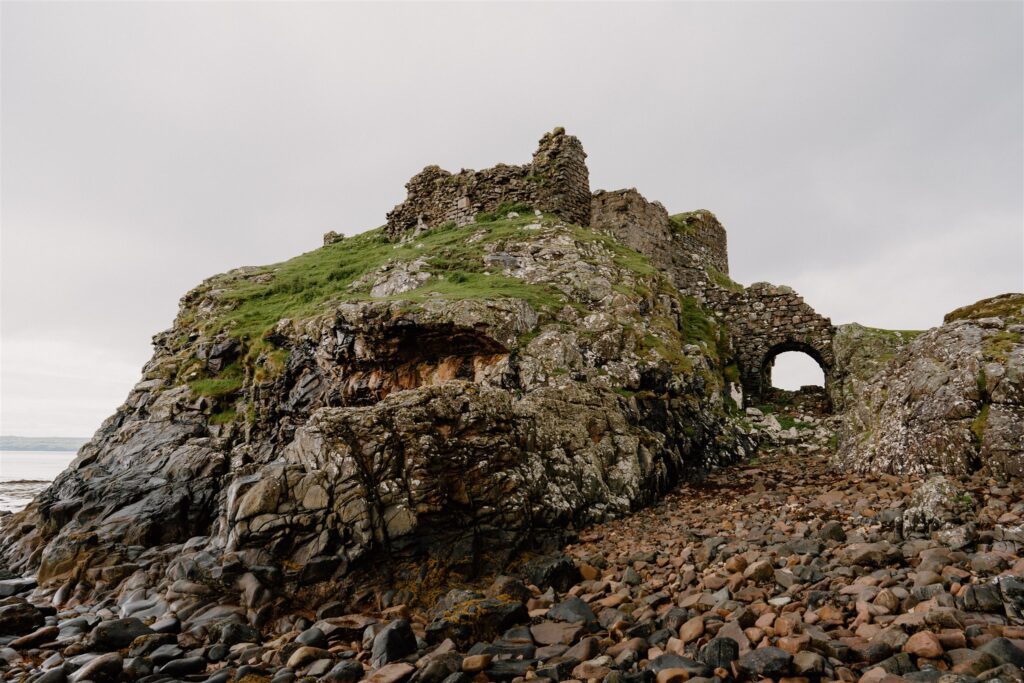
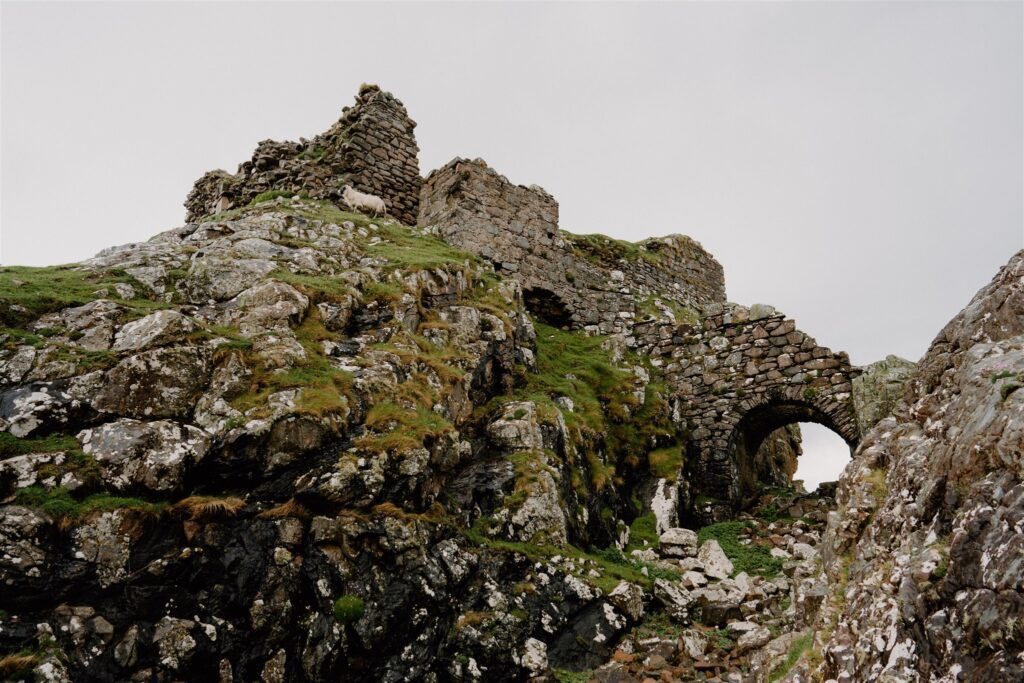
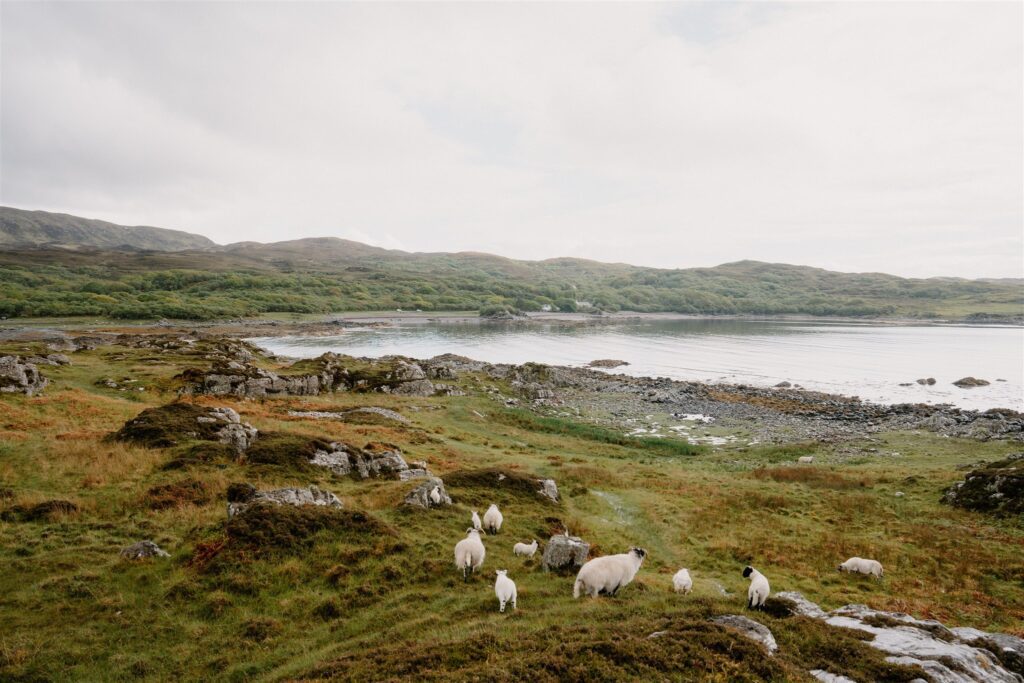
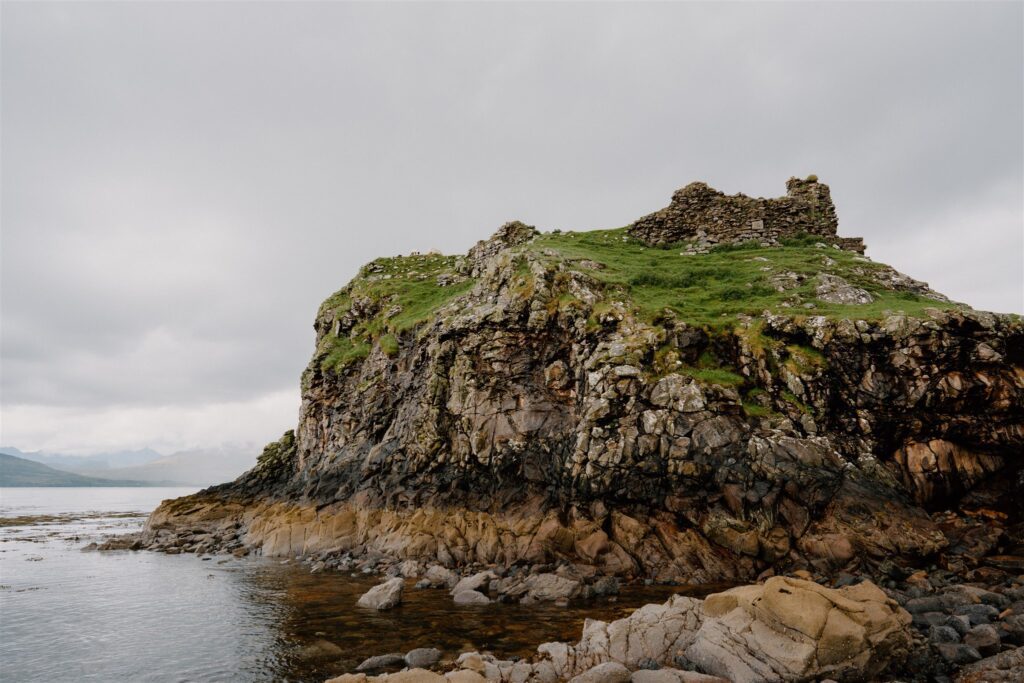
Dunscaith Castle, or Dun Sgàthaich, is reached on foot from the roadside in about ten minutes, along a faint track that cuts through fields often grazed by sheep. The ruin itself sits on a tidal rock outcrop, its surviving walls streaked with lichen, the remains of a drawbridge spanning a narrow ravine now long without planks. There's no visitor centre, no signage, and often no one else here at all.
Local tradition holds that this was once the home of Scáthach, the legendary warrior woman who trained the Irish hero Cú Chulainn. Whether myth or memory, the site has a presence that lingers. Wind moves through the broken arches and sea birds nest in the stonework. At low tide, the water pulls back and reveals the dark rock beneath; at high tide, the sea surrounds the base completely, isolating the structure from the land once again.
This is a stop without interpretation boards or scheduled entry. It asks for nothing more than time and attention. There are views south to the Sound, east back toward Armadale, and west into the hills. And in between, only the sound of the sea and the quiet erosion of stone.


Kinloch Lodge Hotel


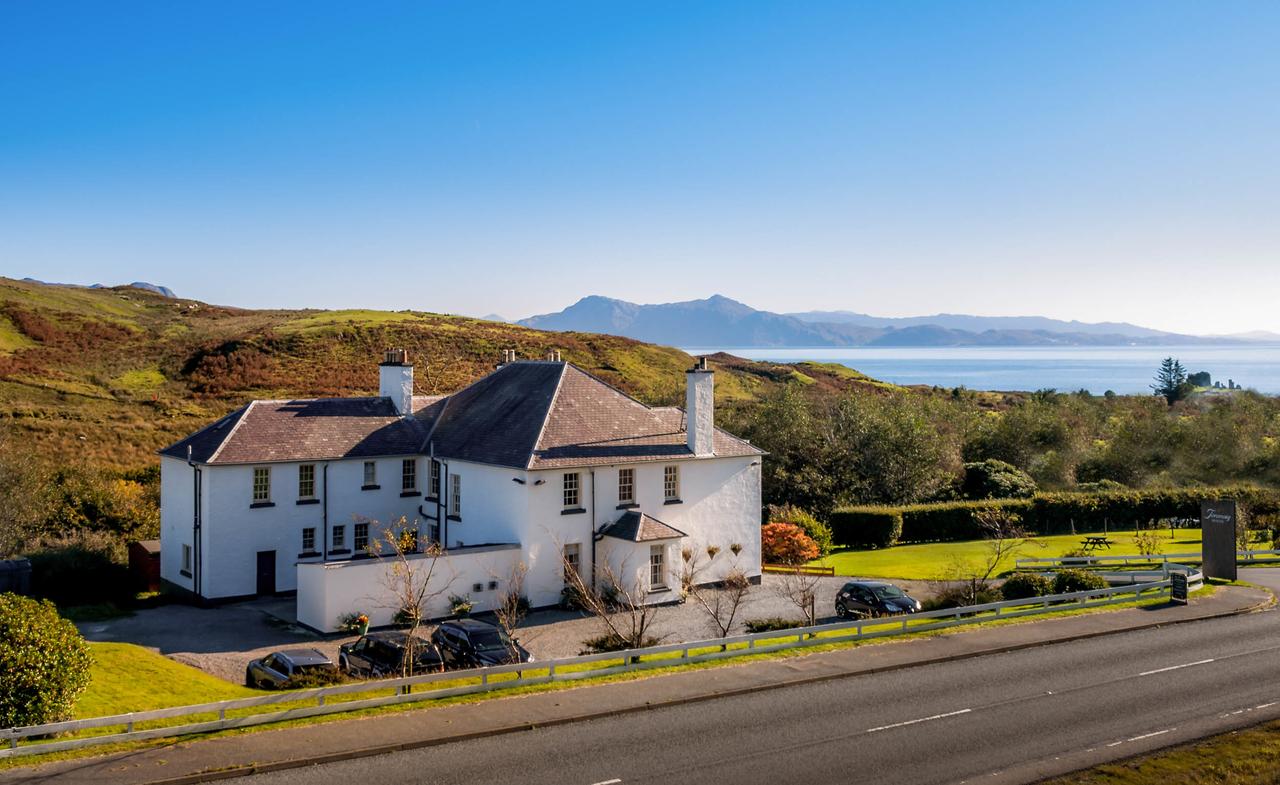
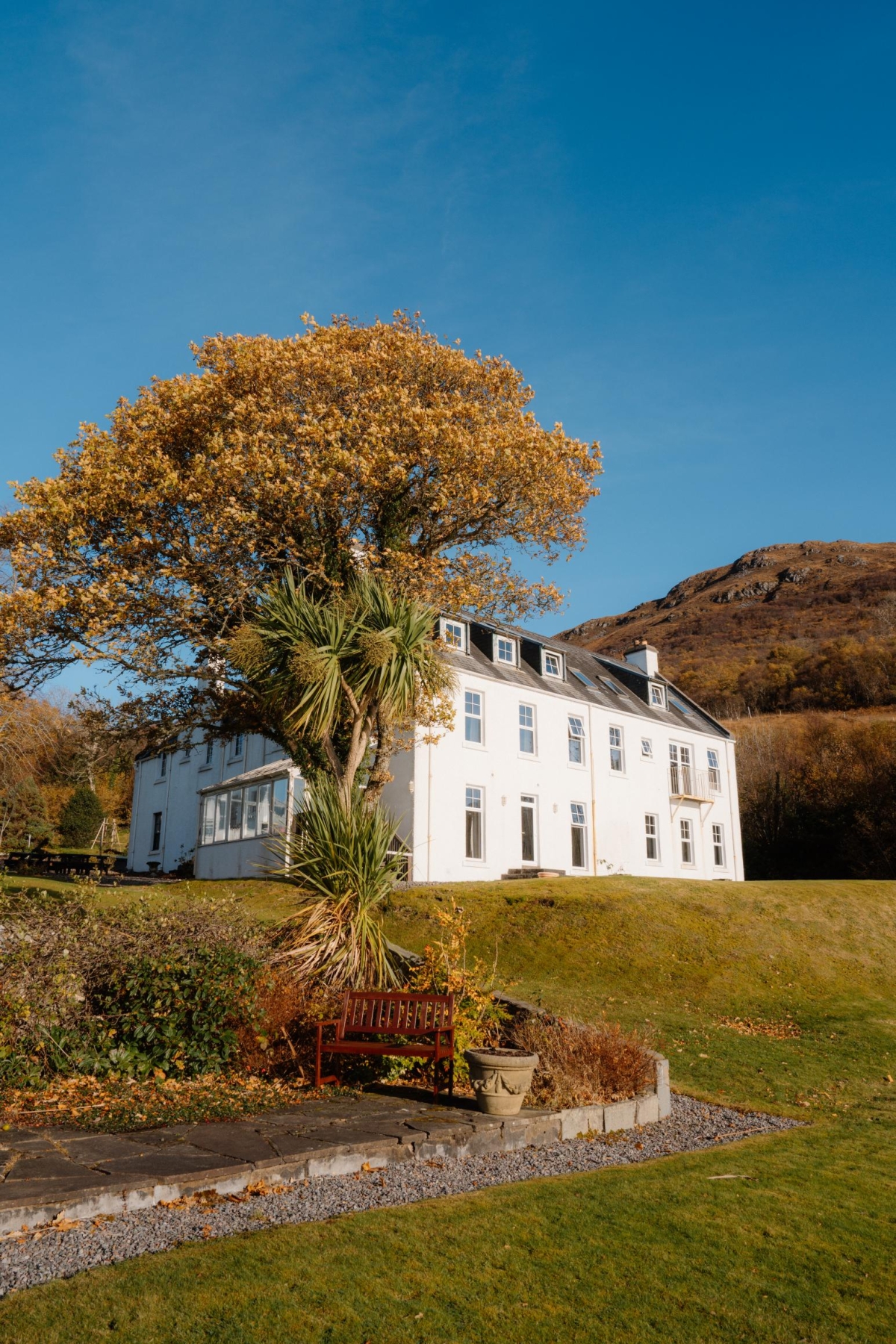
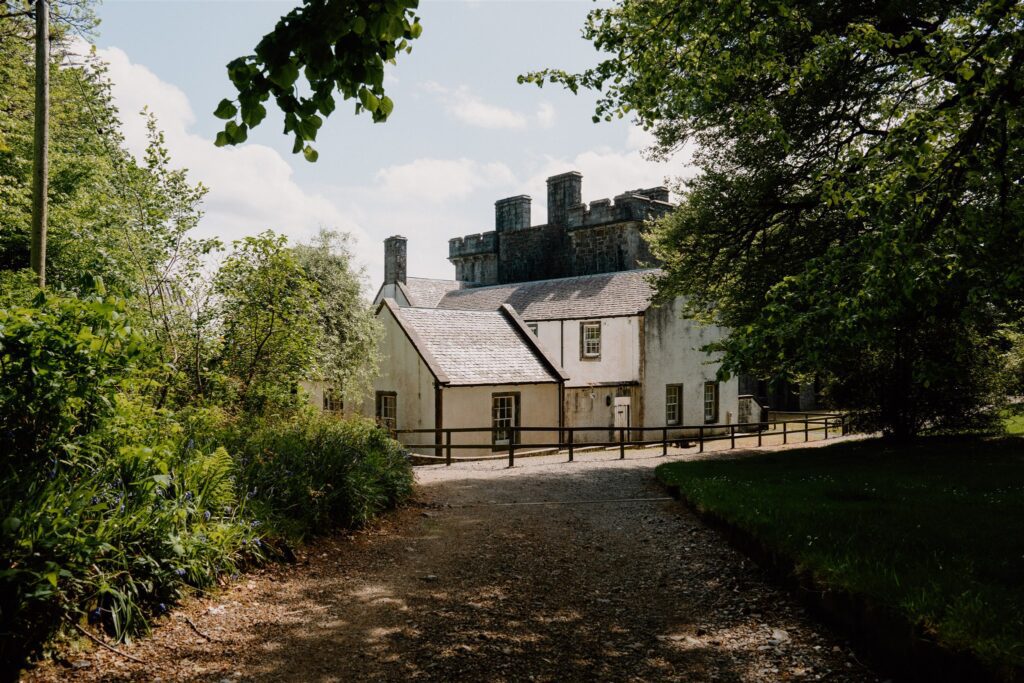
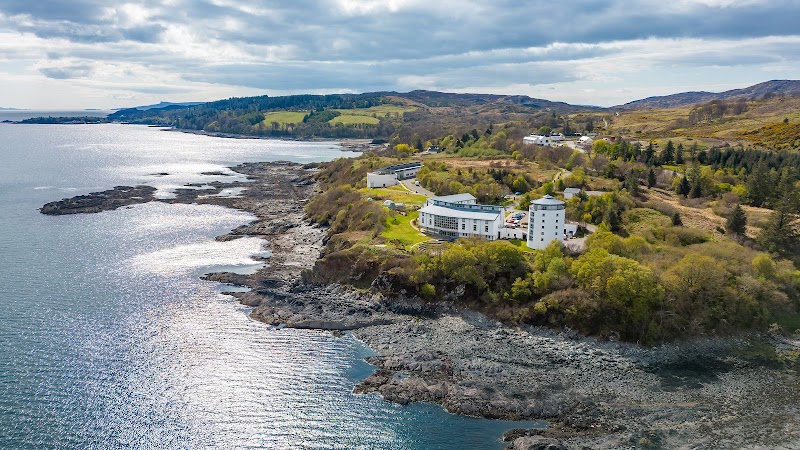
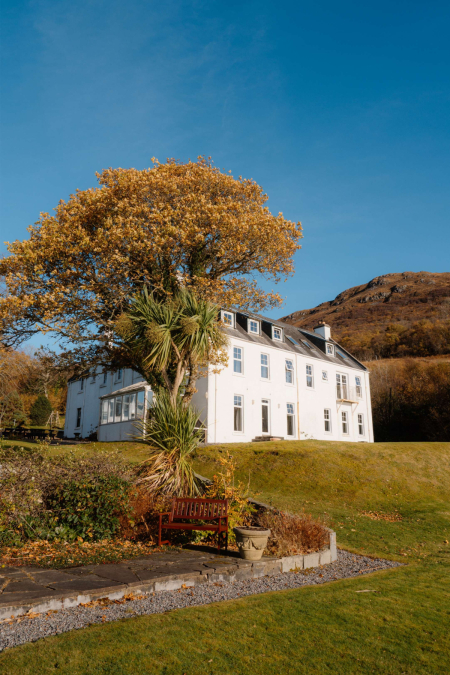
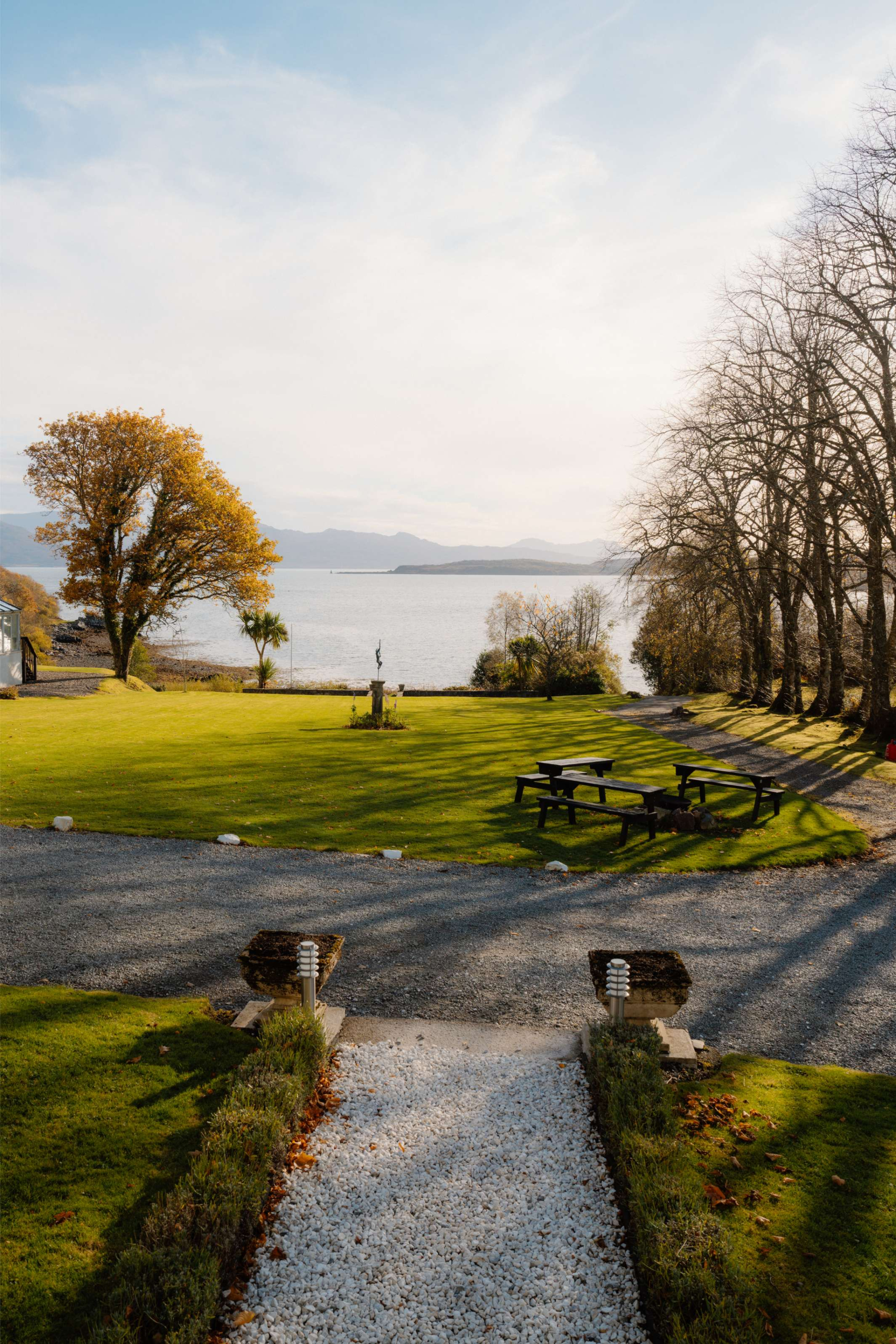
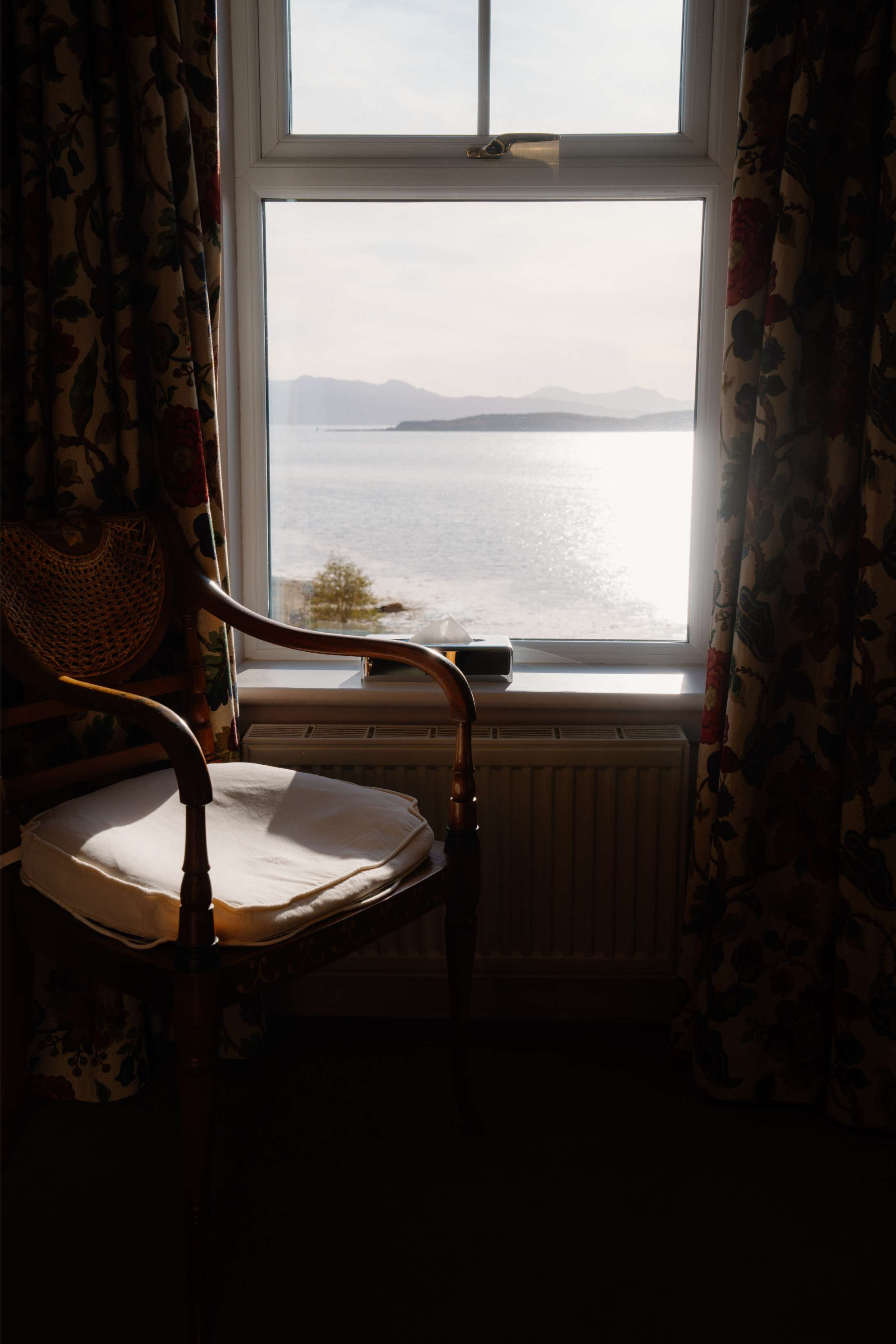
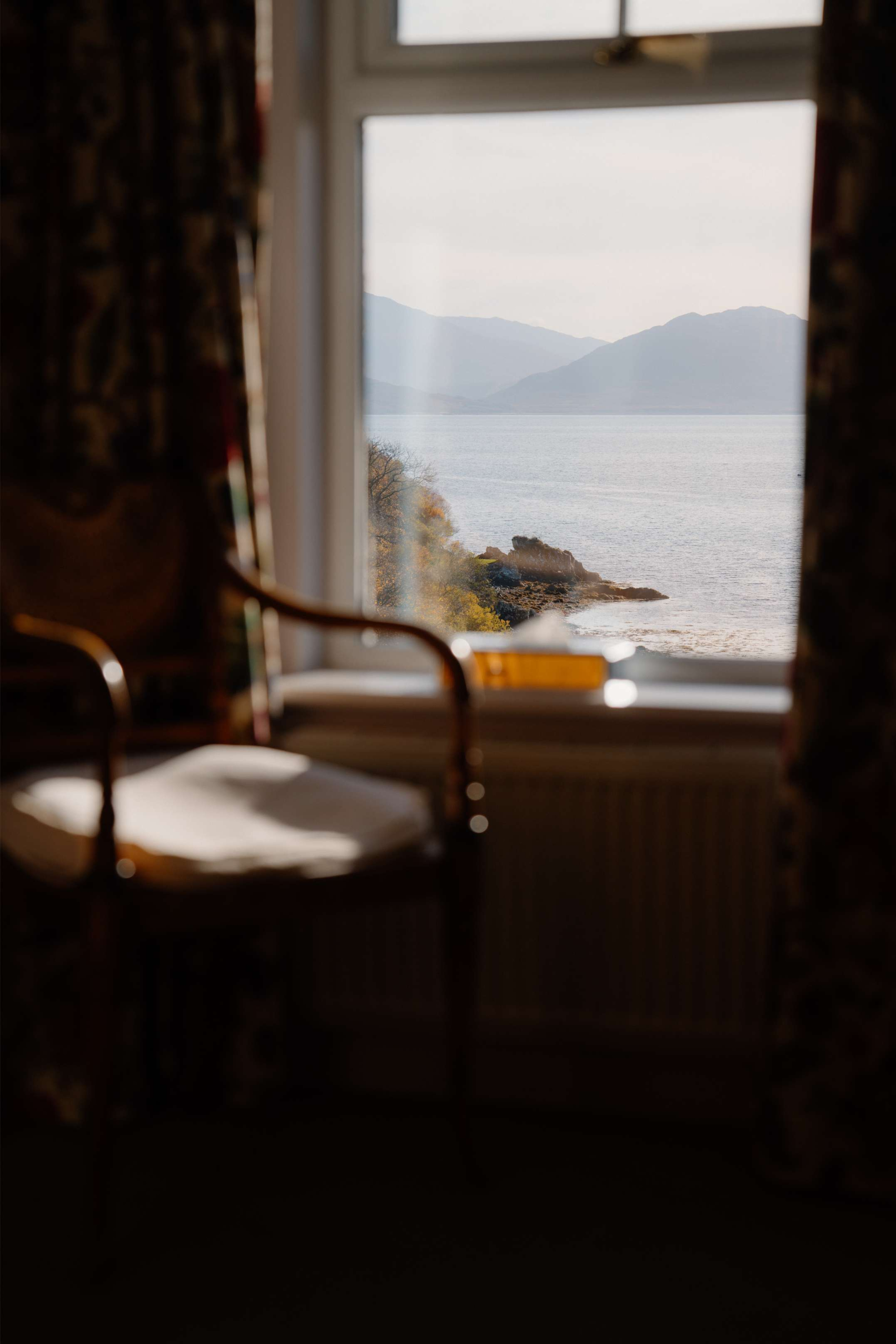
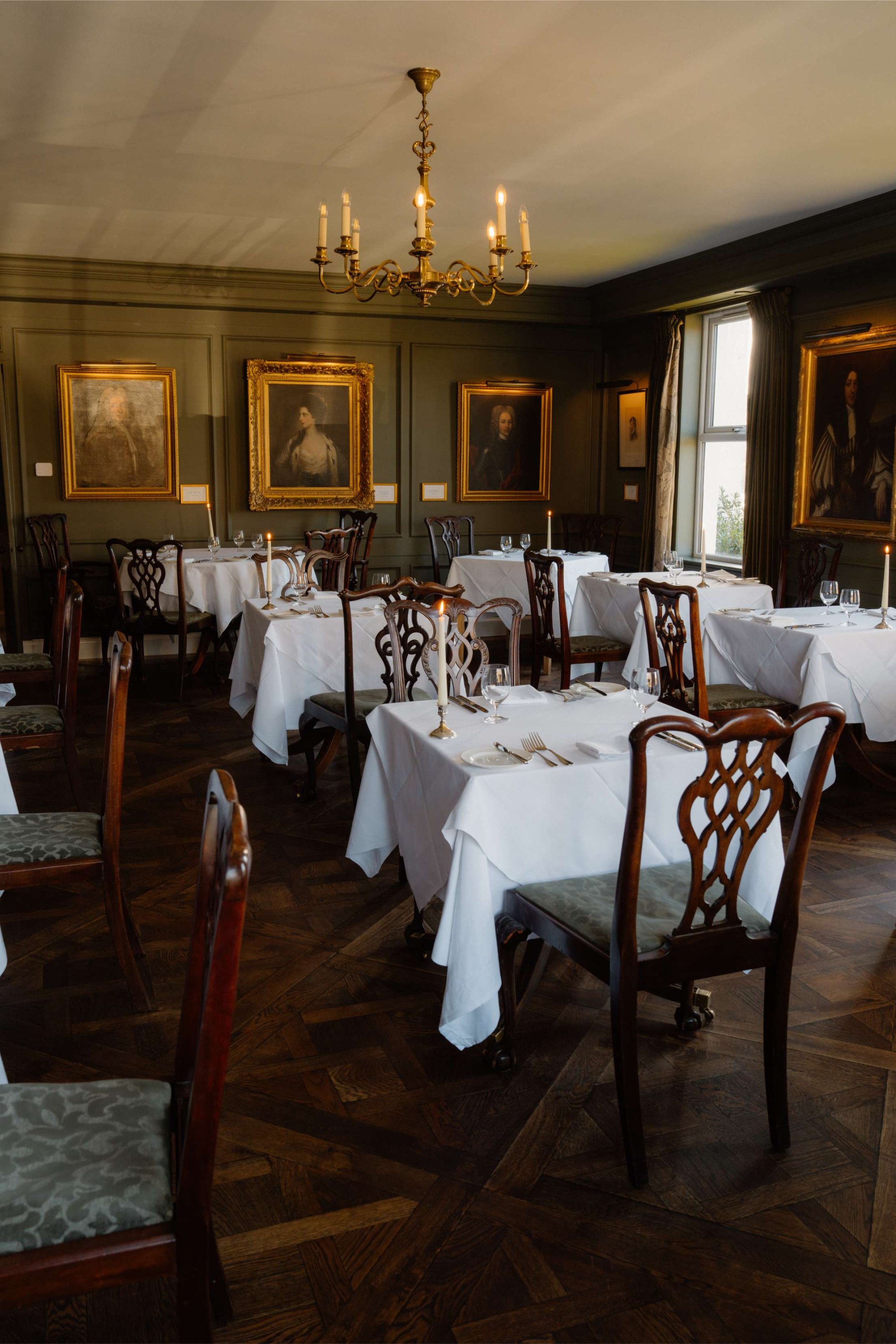
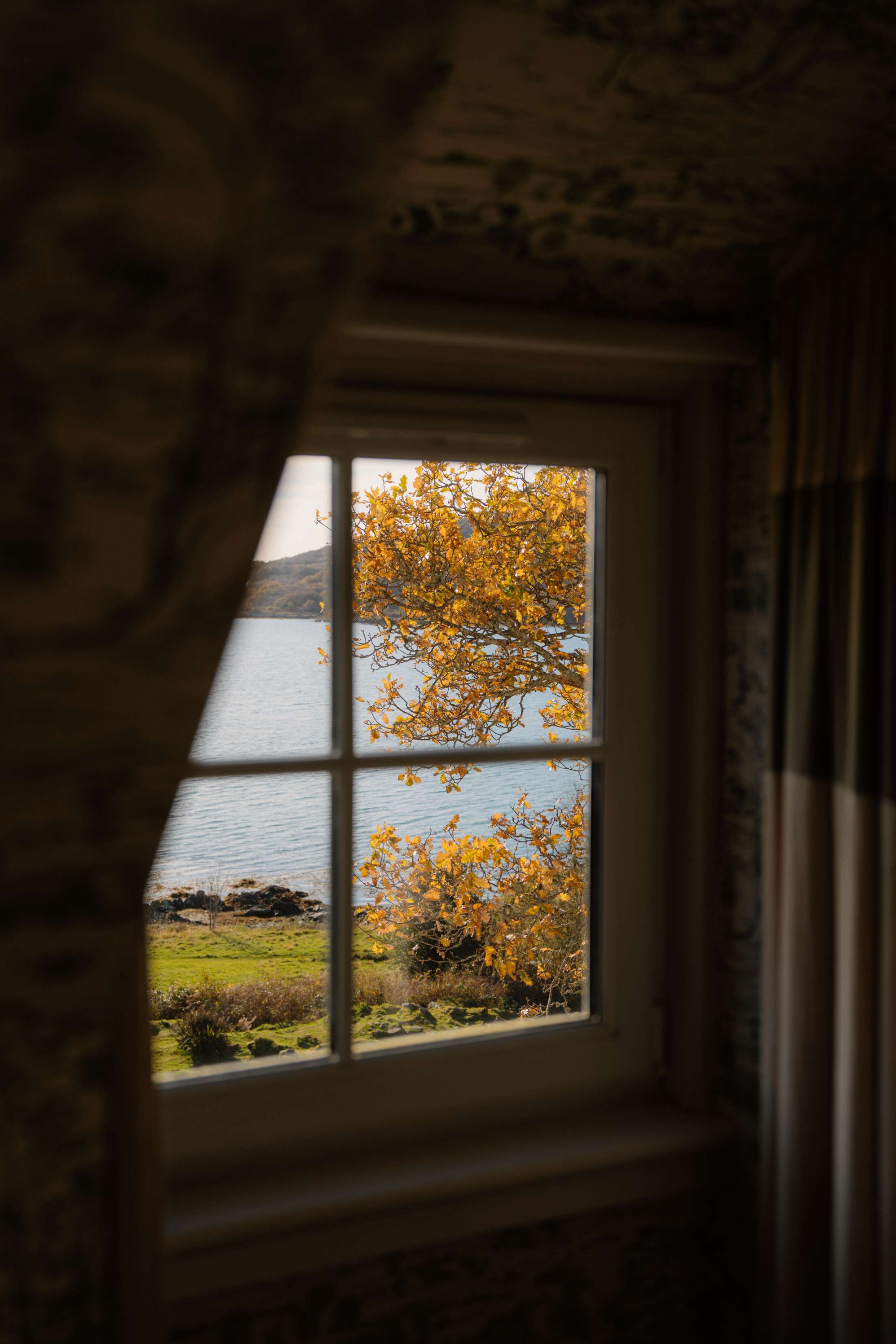
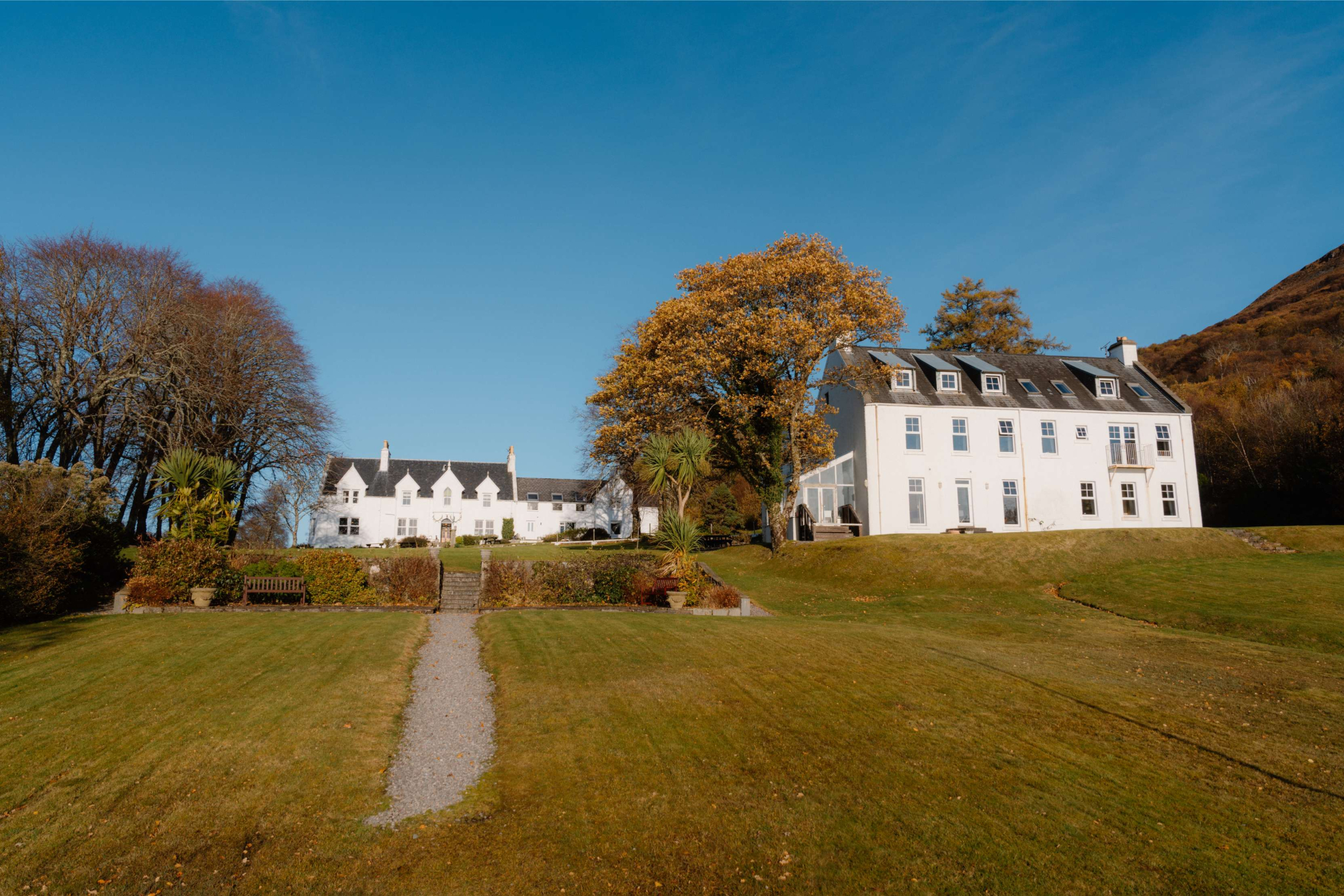
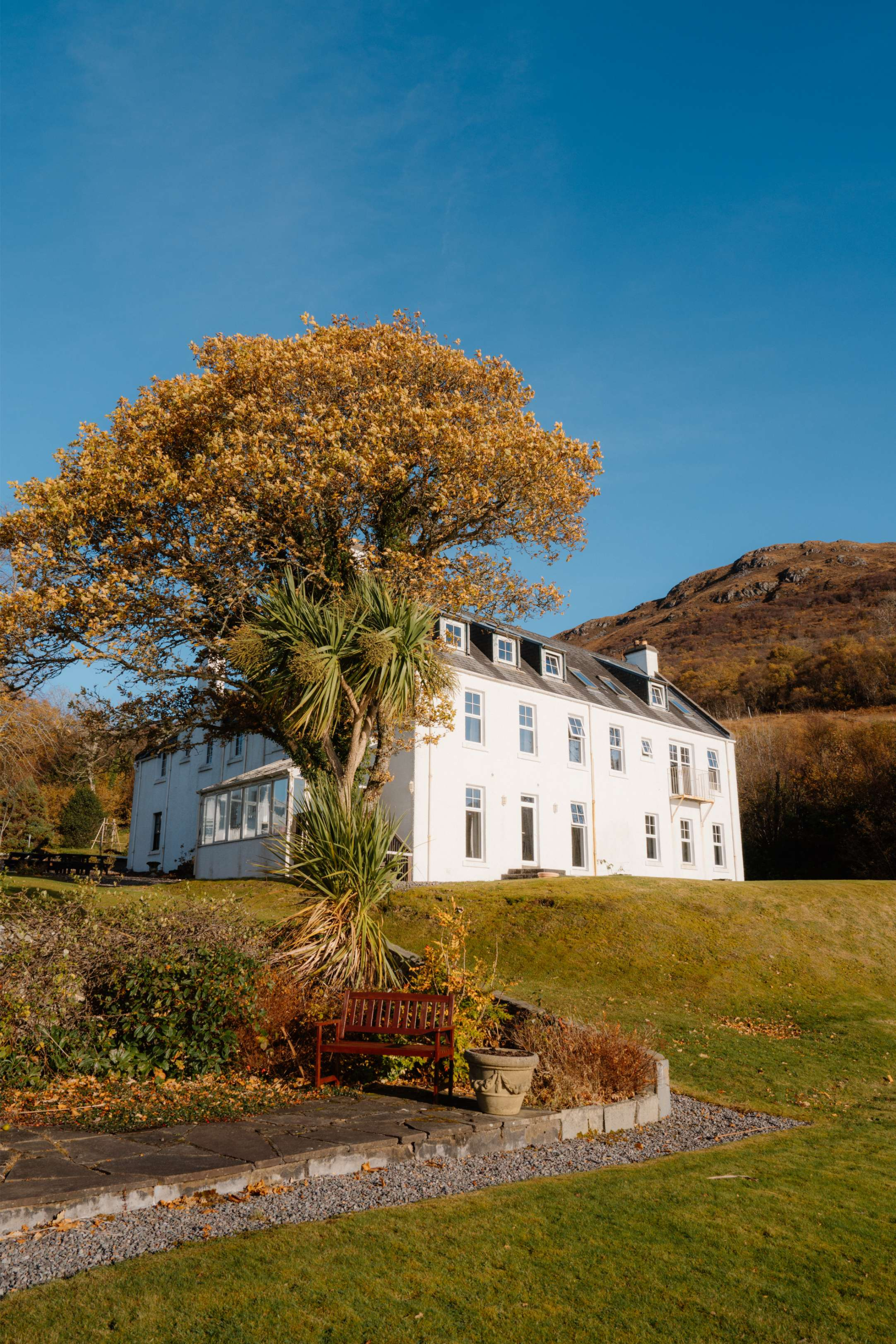
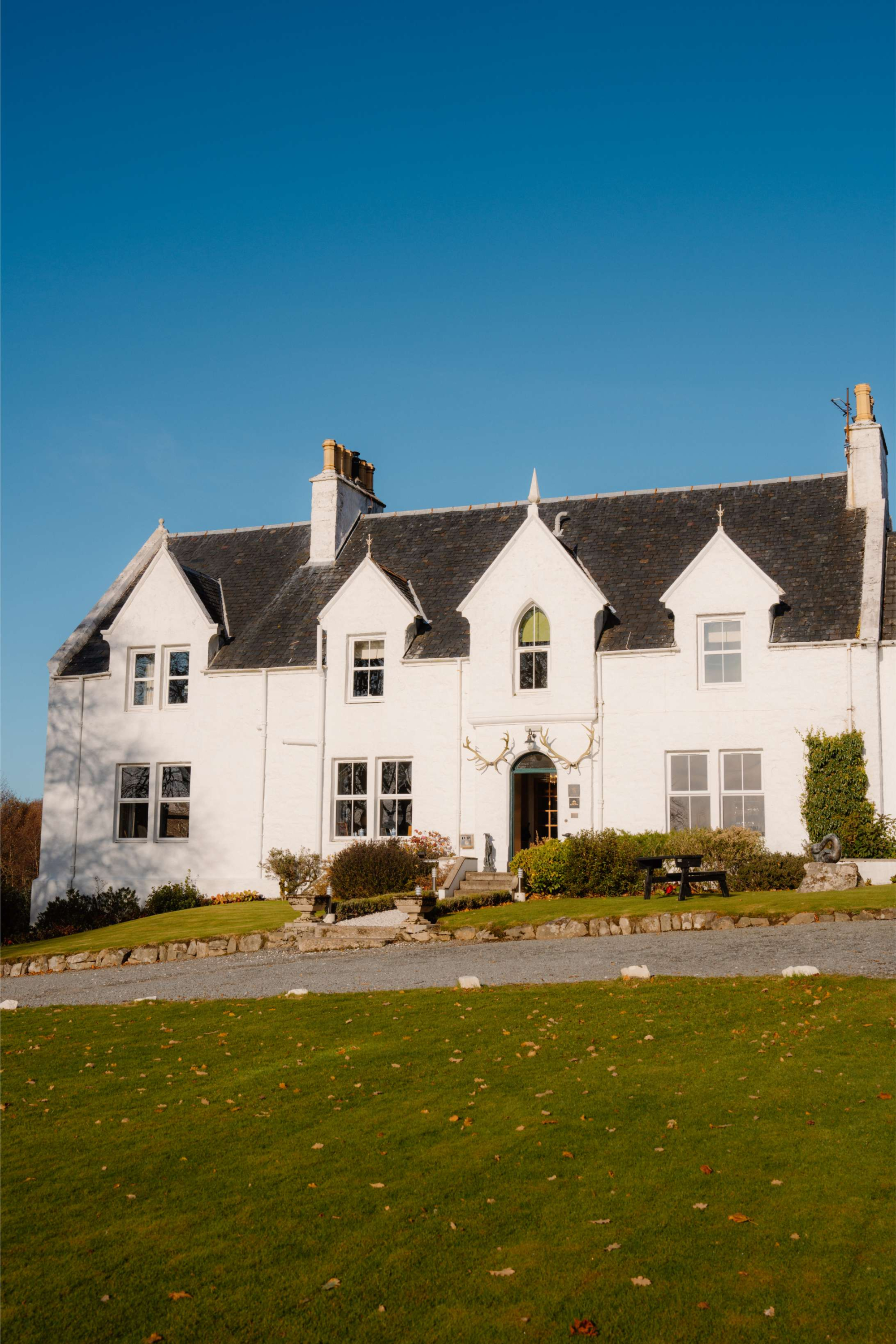
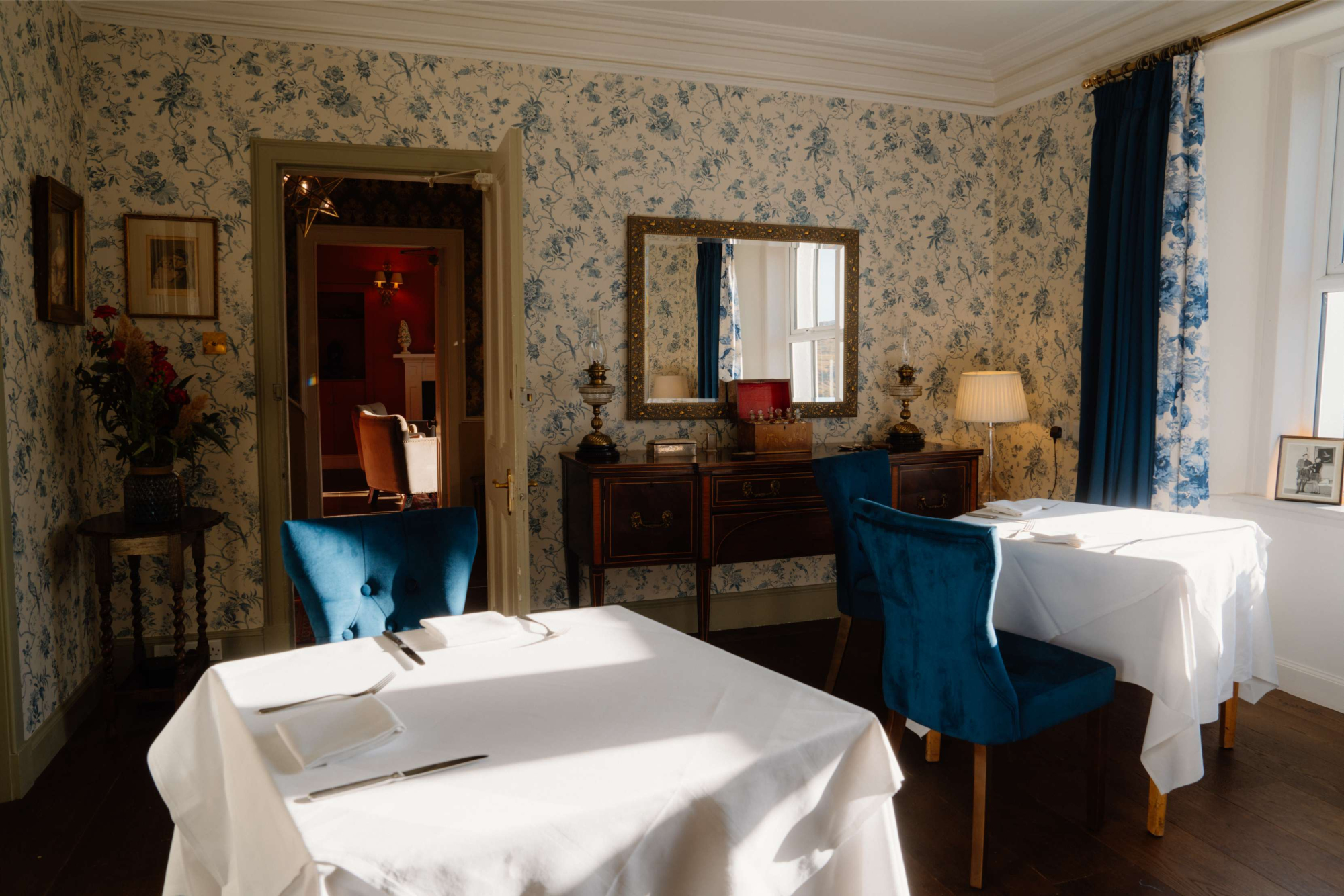
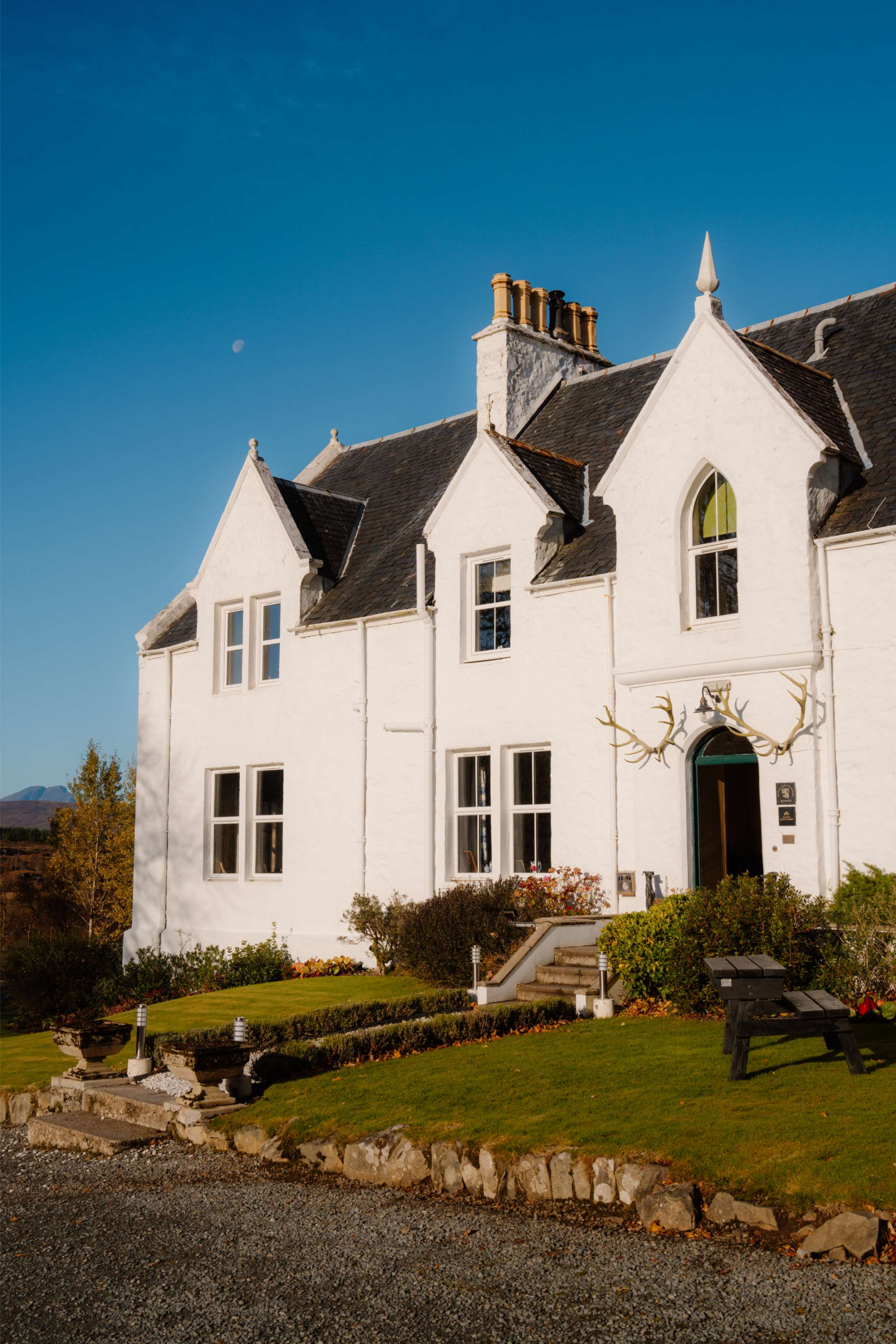
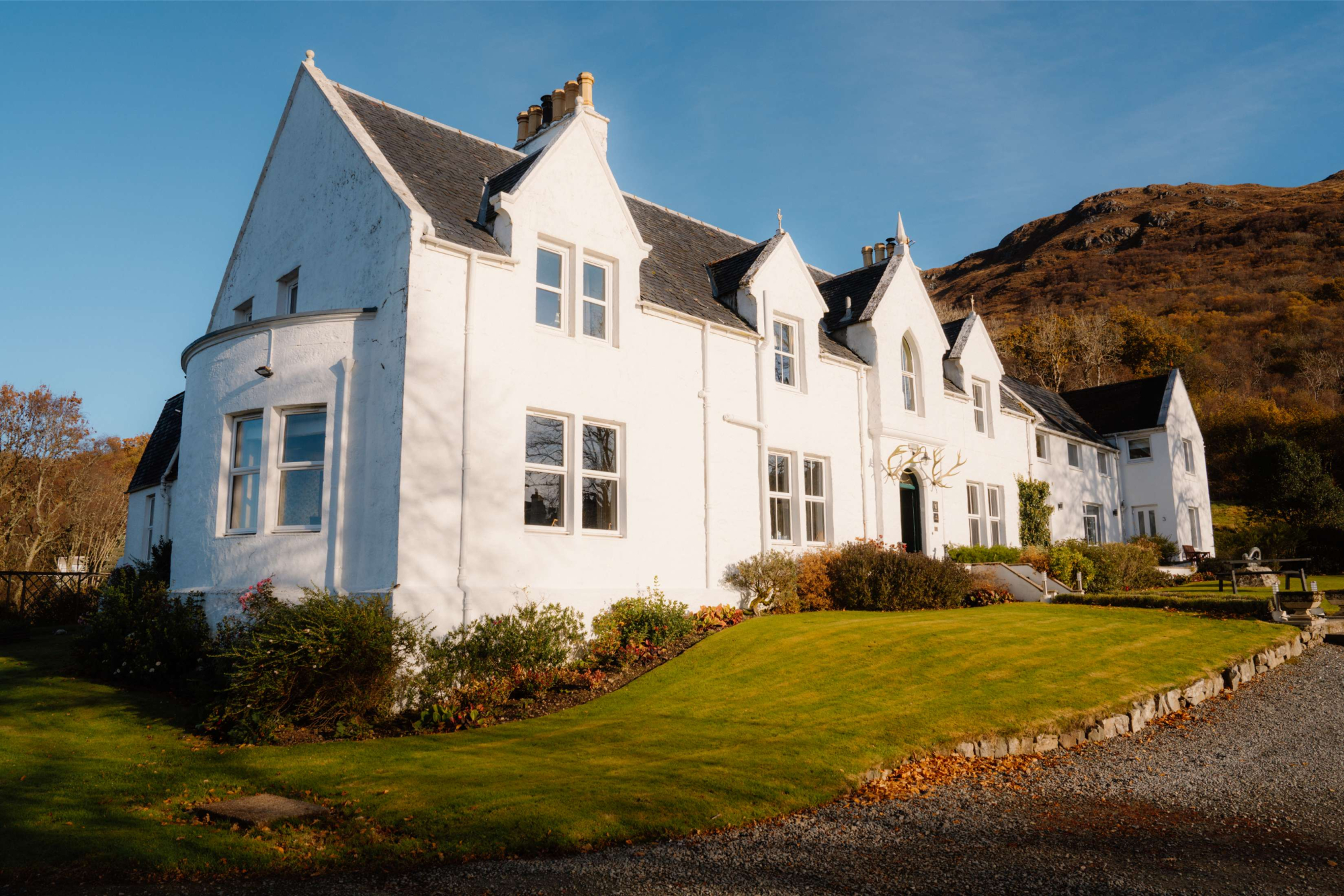
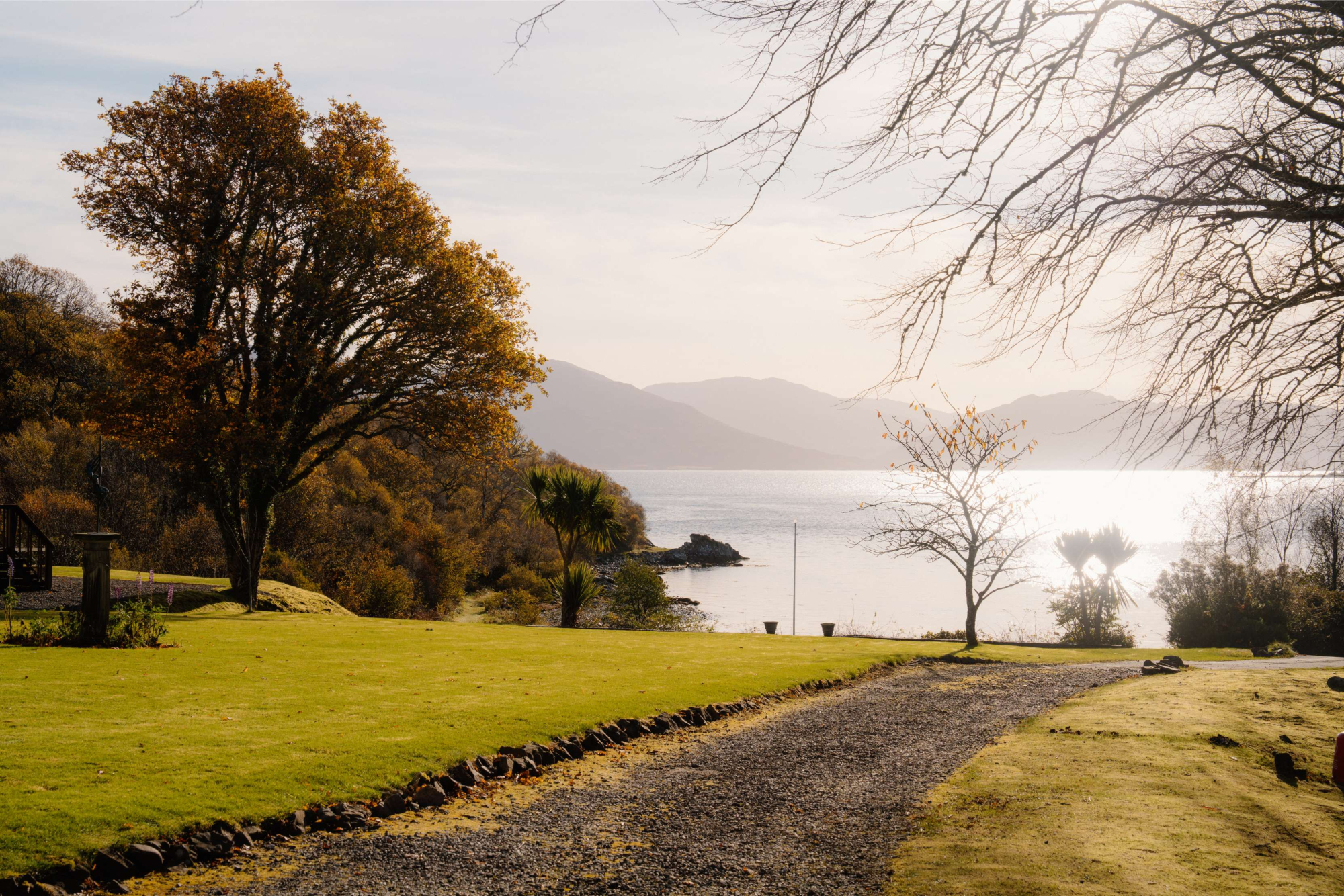
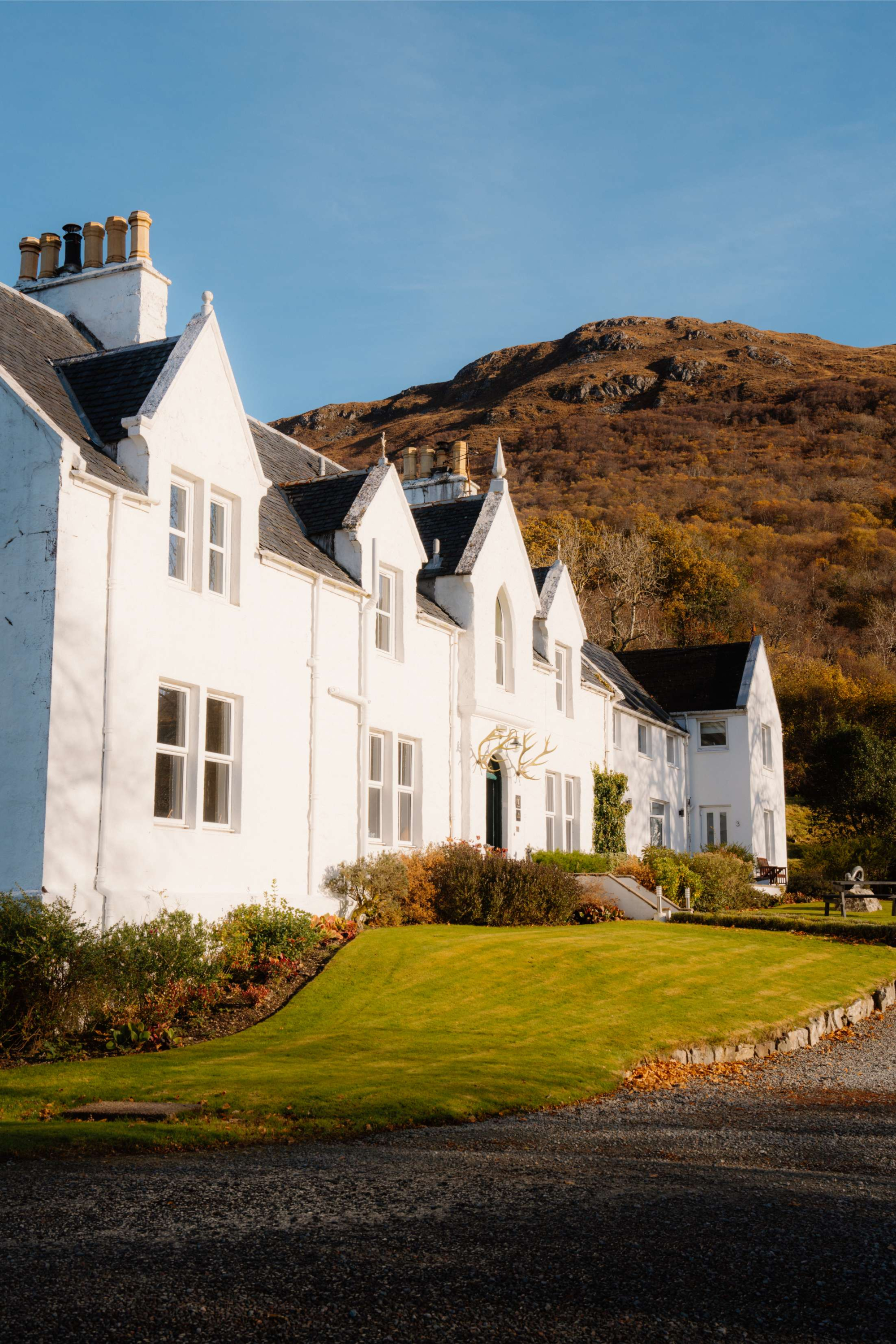
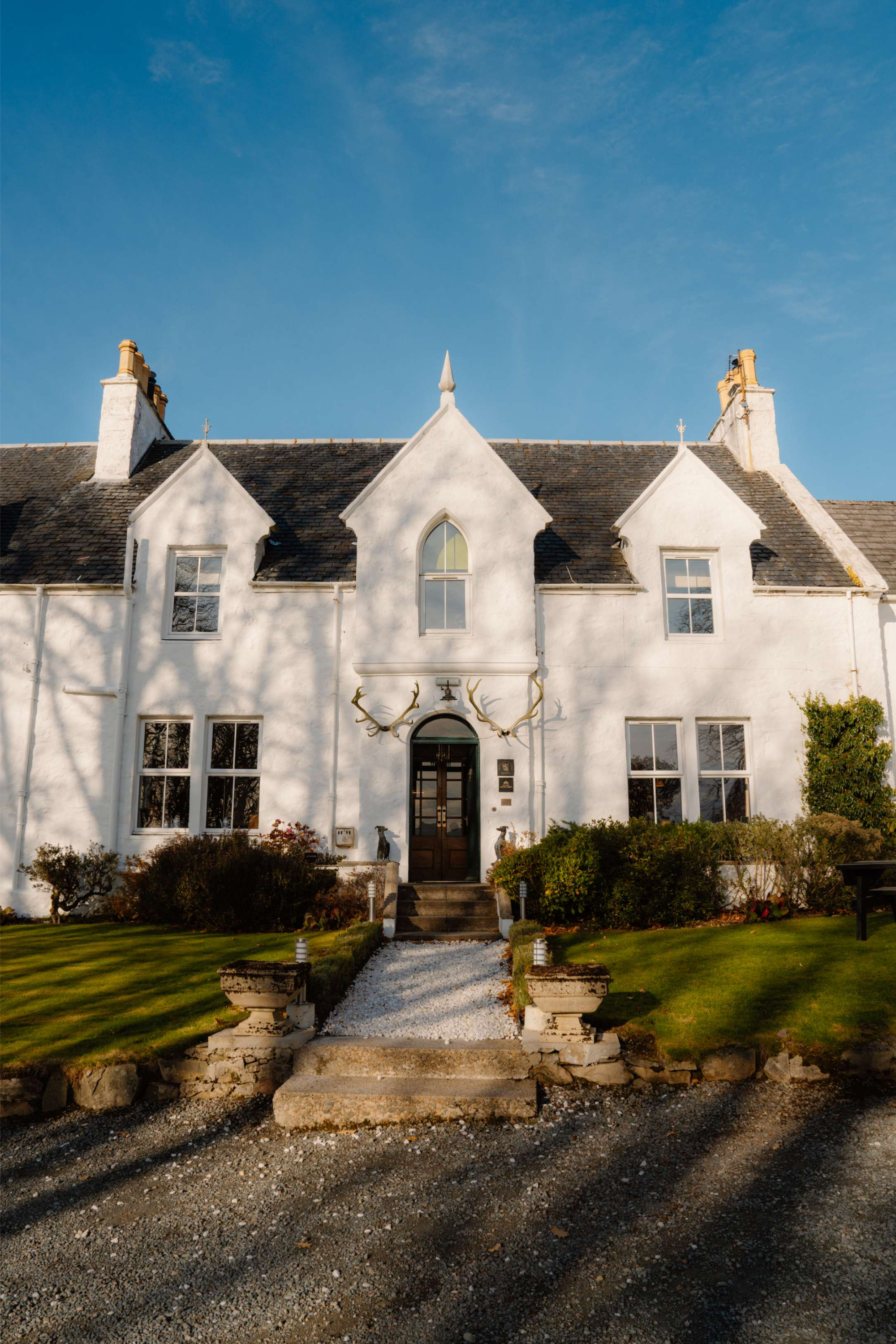
From Tokavaig, the route bends inland once more, the road gradually smoothing out as it approaches Loch na Dal. Here, tucked into the trees above the shoreline, sits Kinloch Lodge. There’s no sign swinging above the driveway, no dramatic arrival. Just a gravel track, a whitewashed building, and the sound of the water quietly moving below. For a place that’s long been recognised as one of Skye’s finest places to eat, it remains gently unassuming.
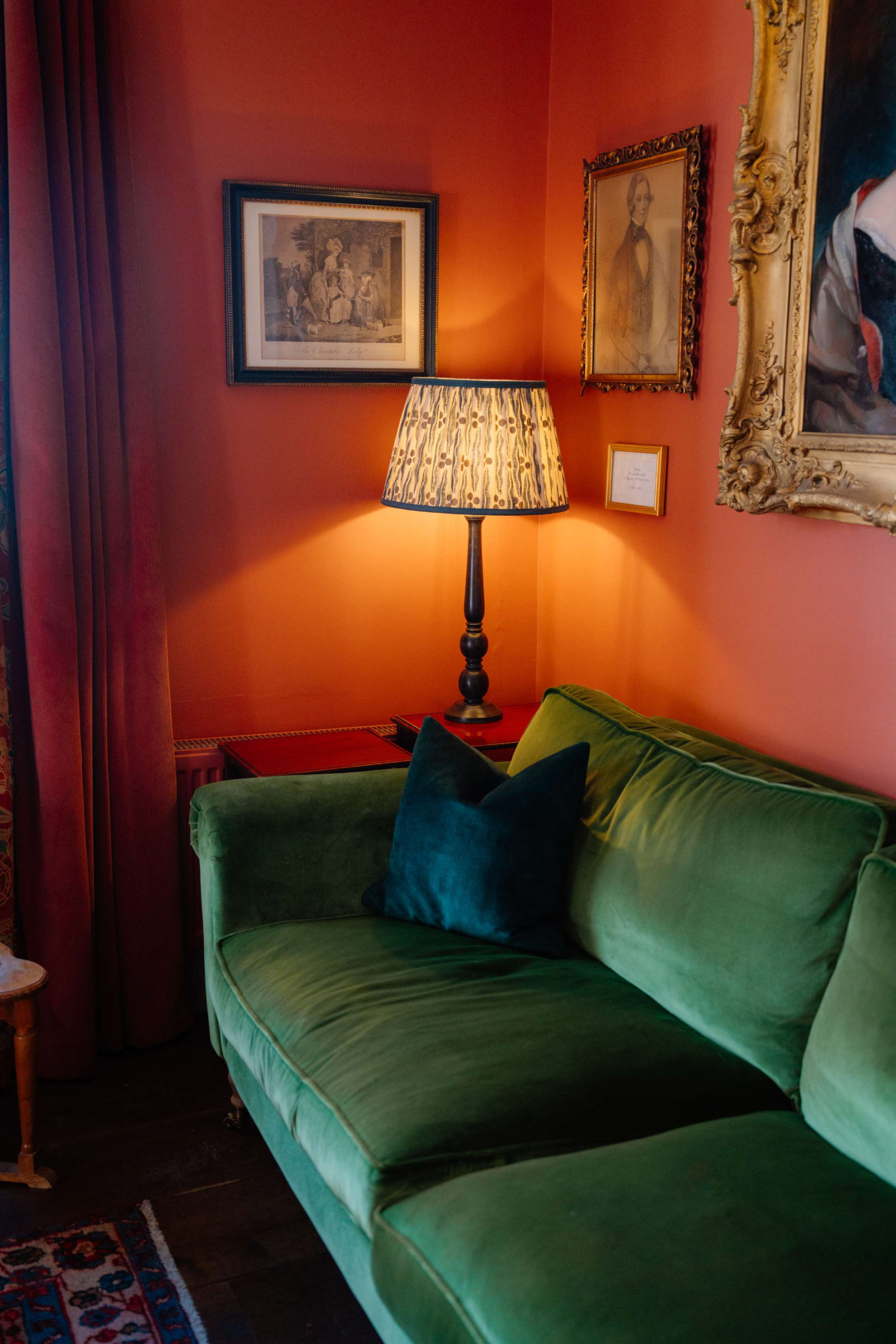
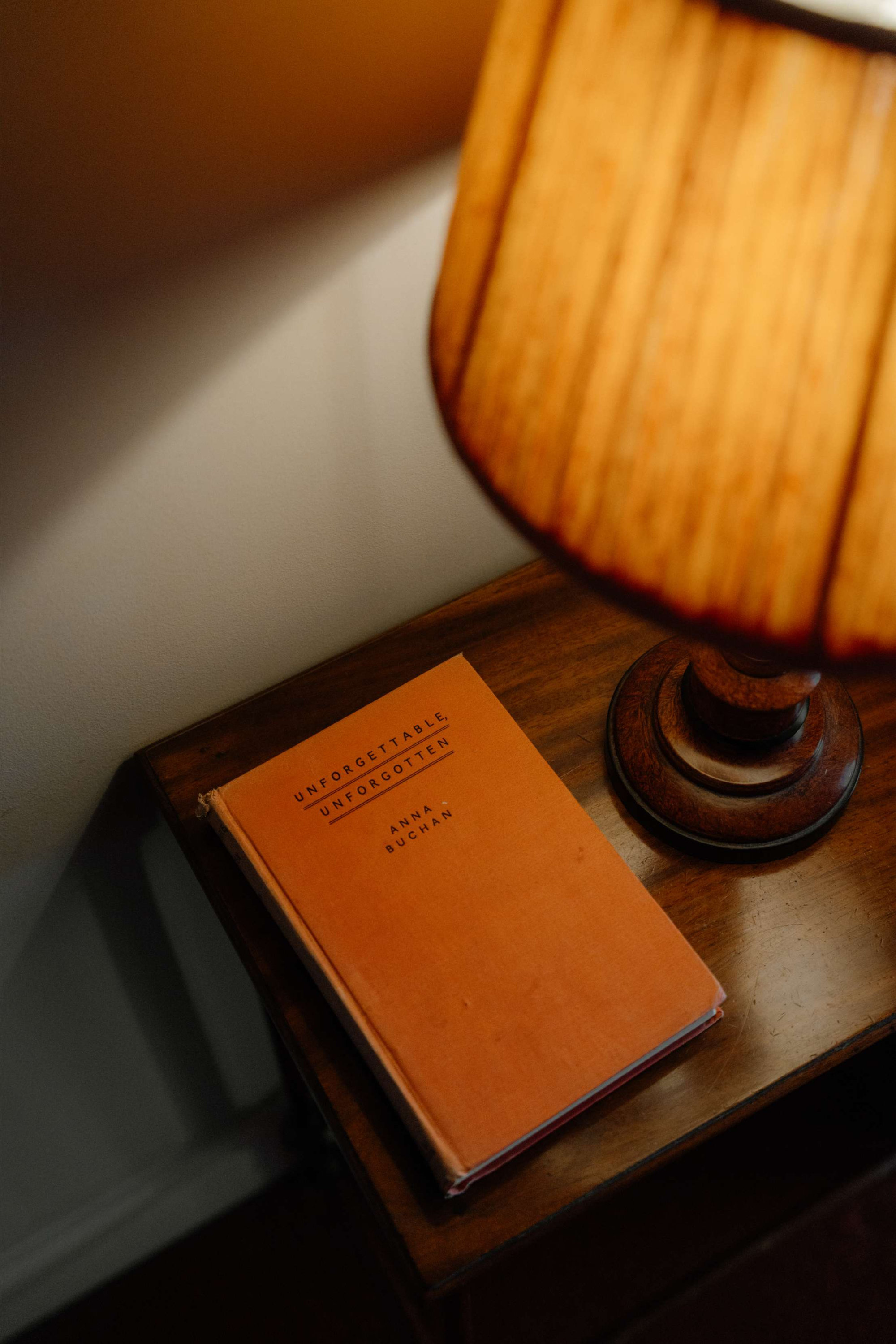
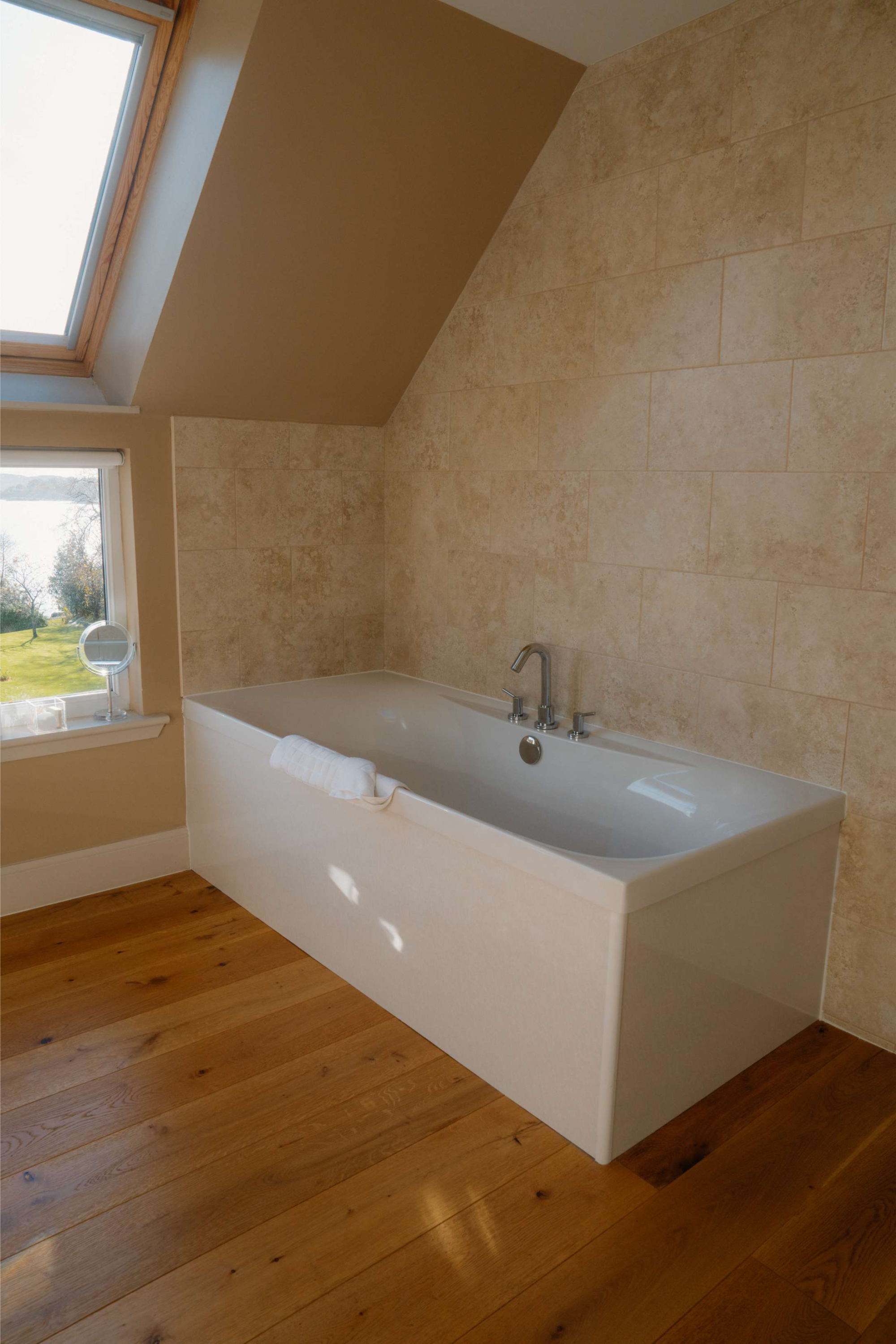
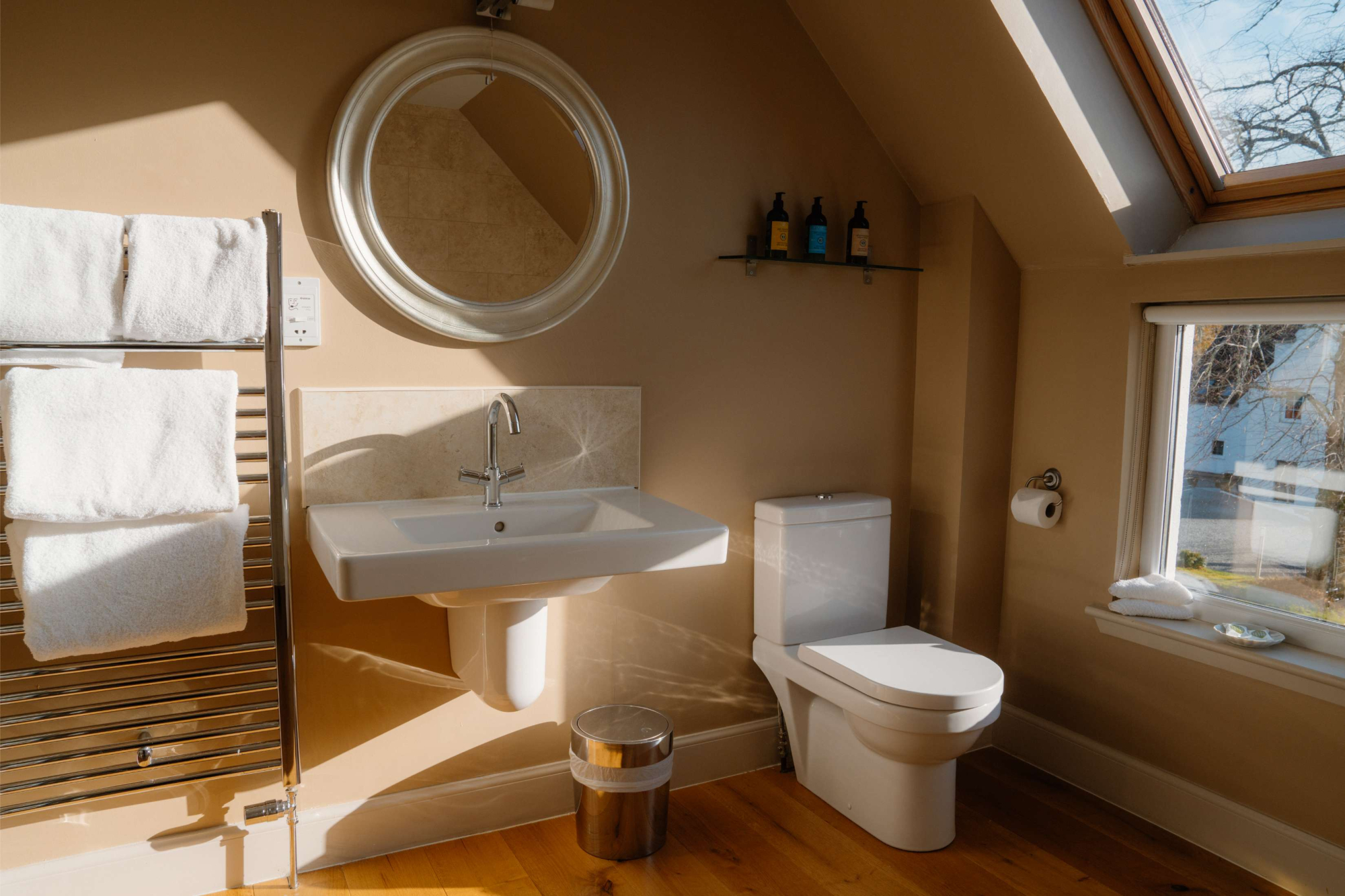
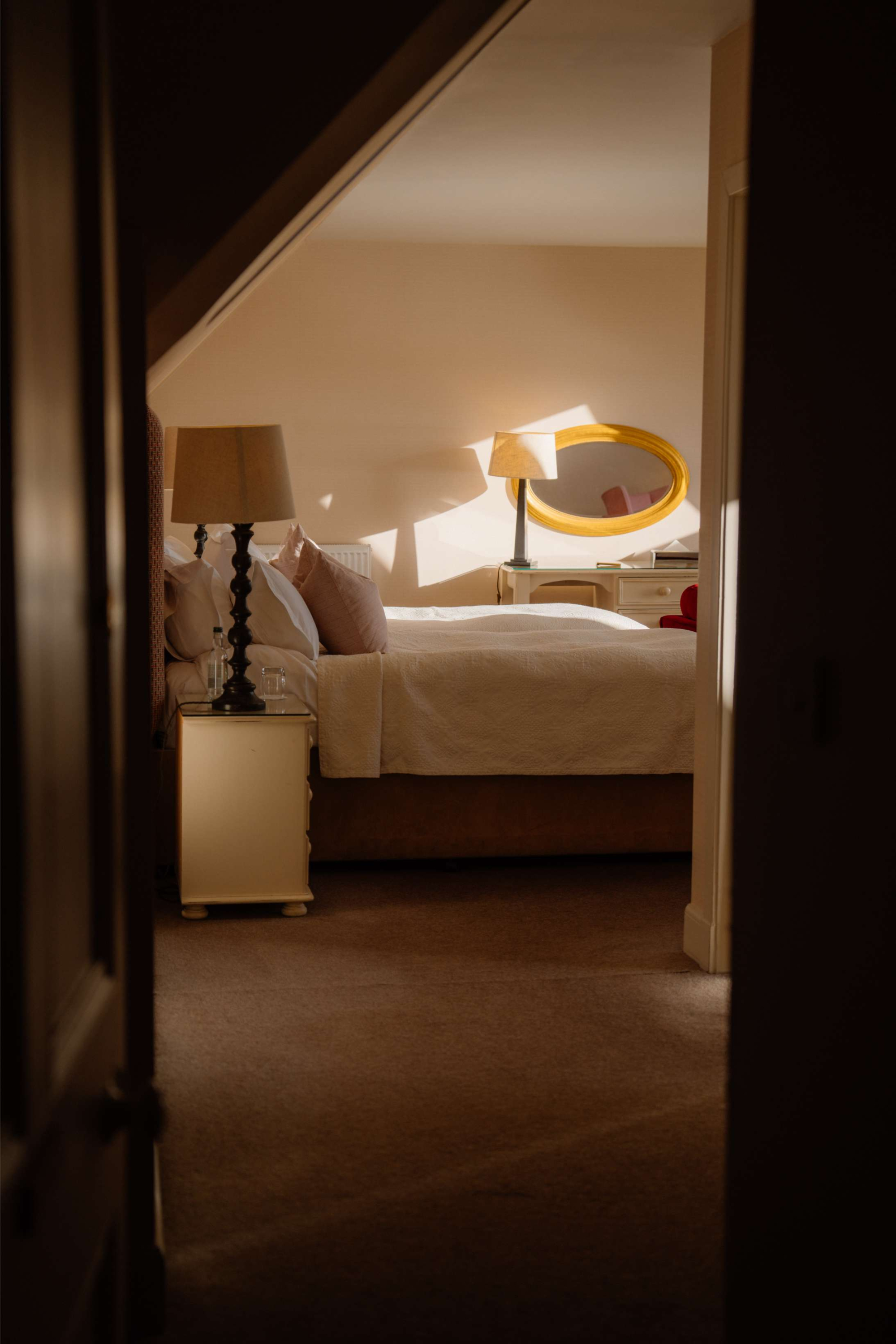
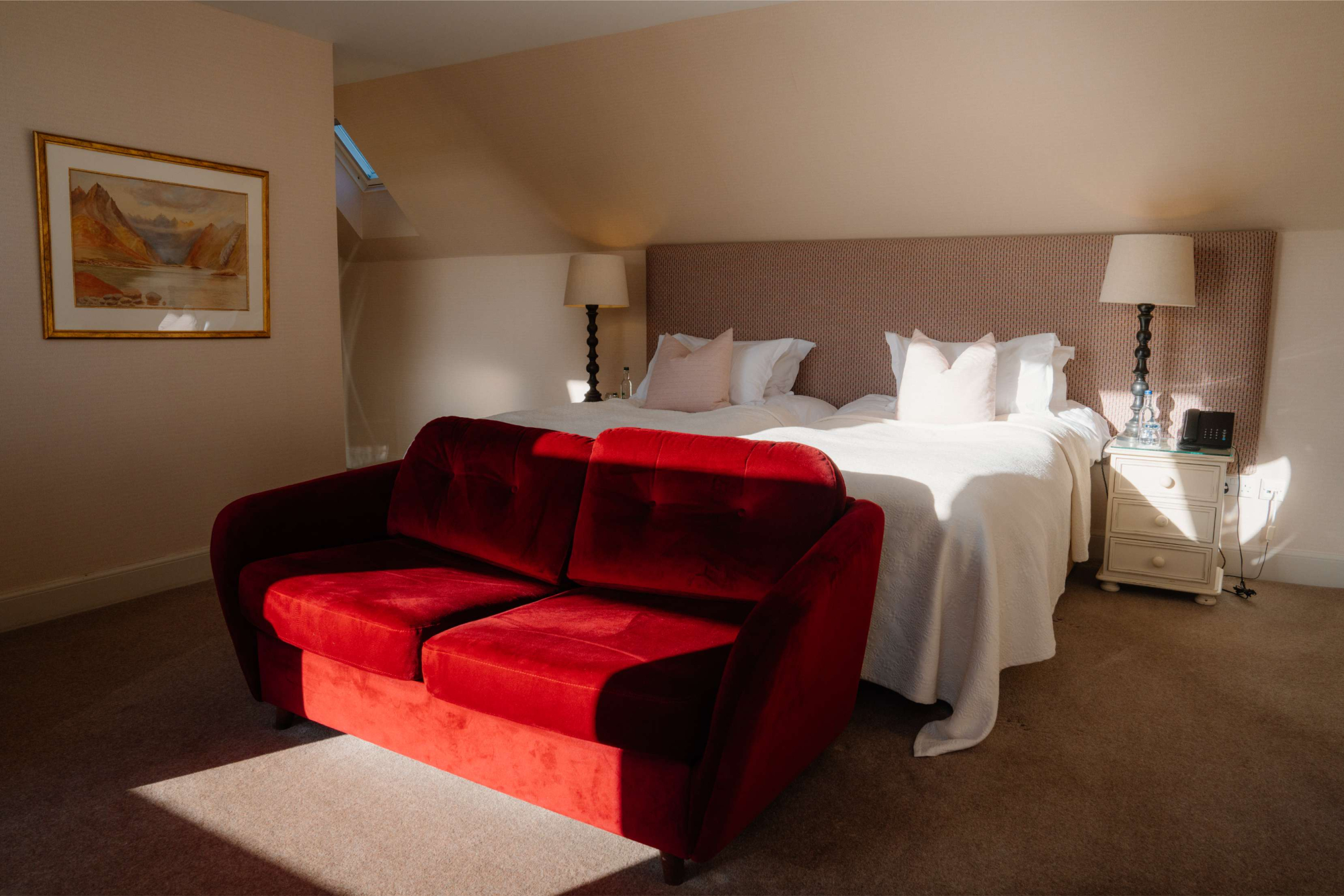
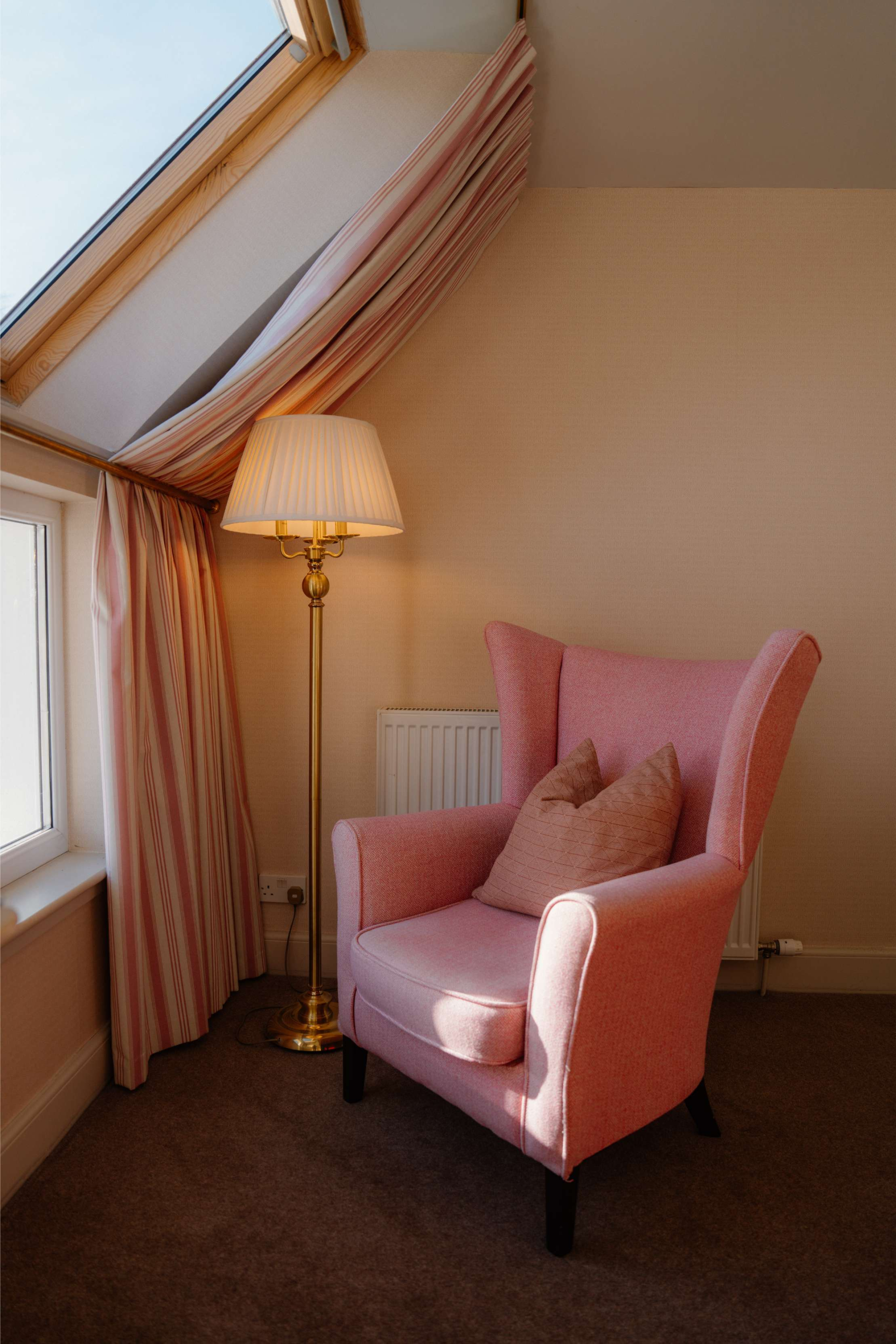
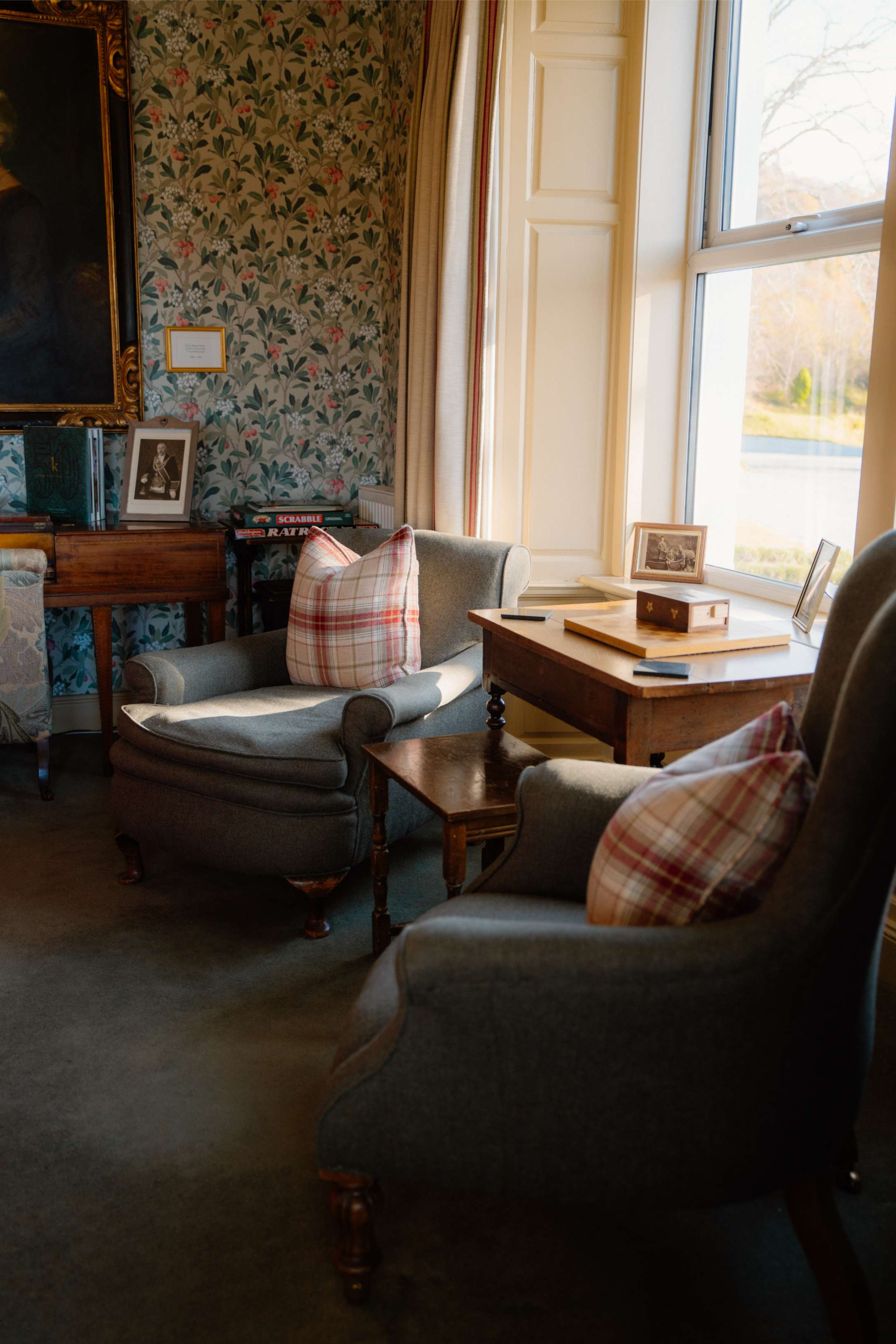
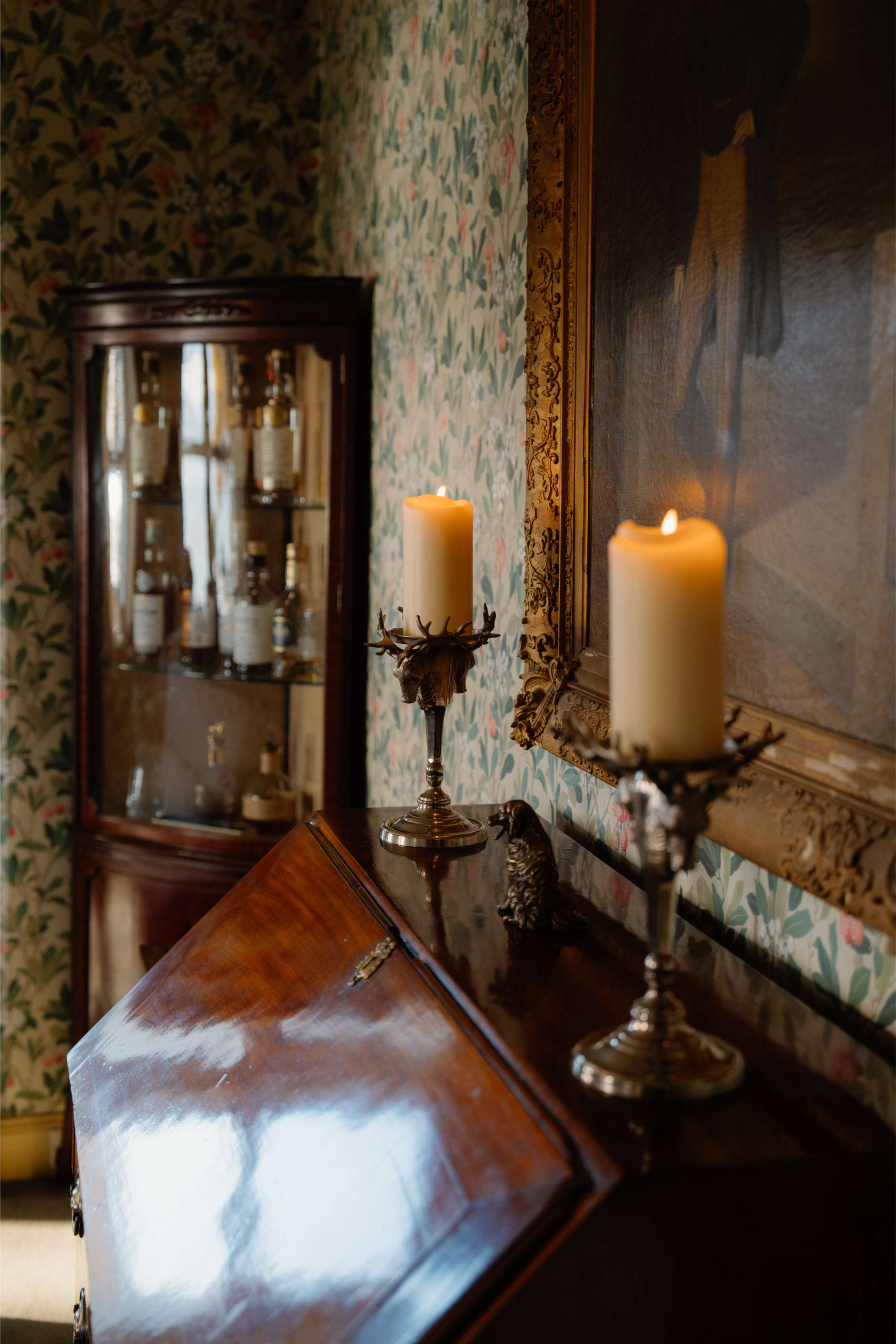
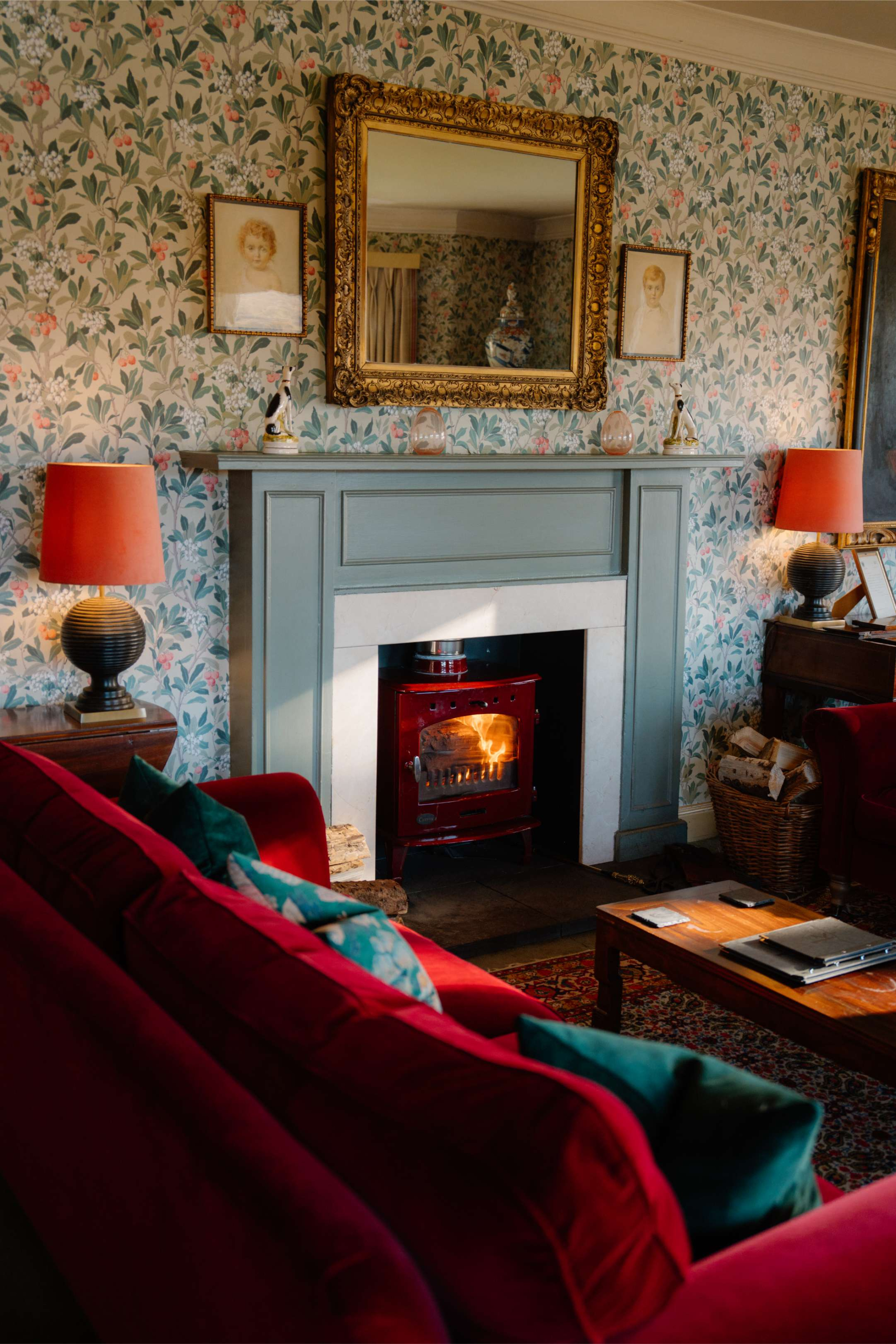
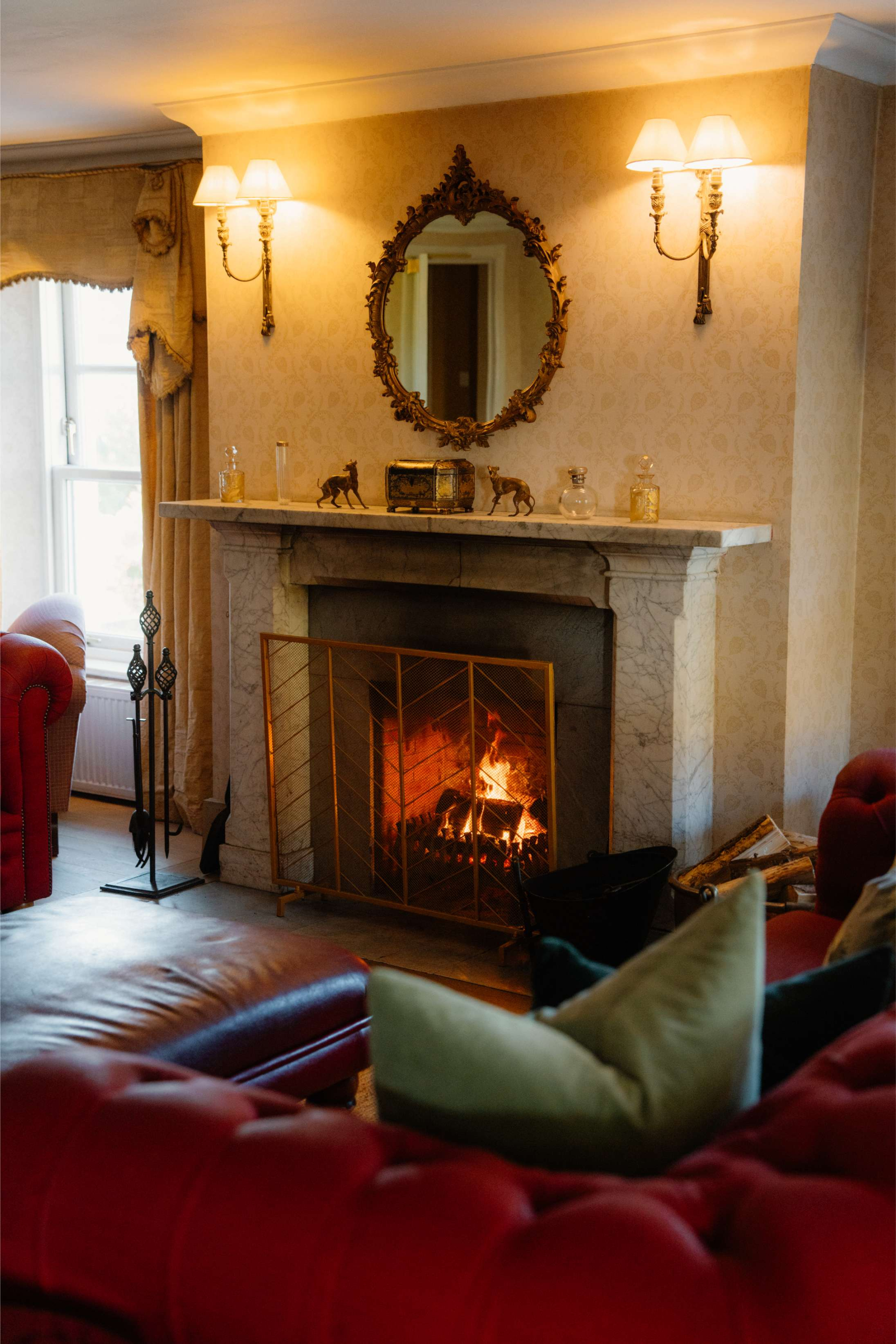
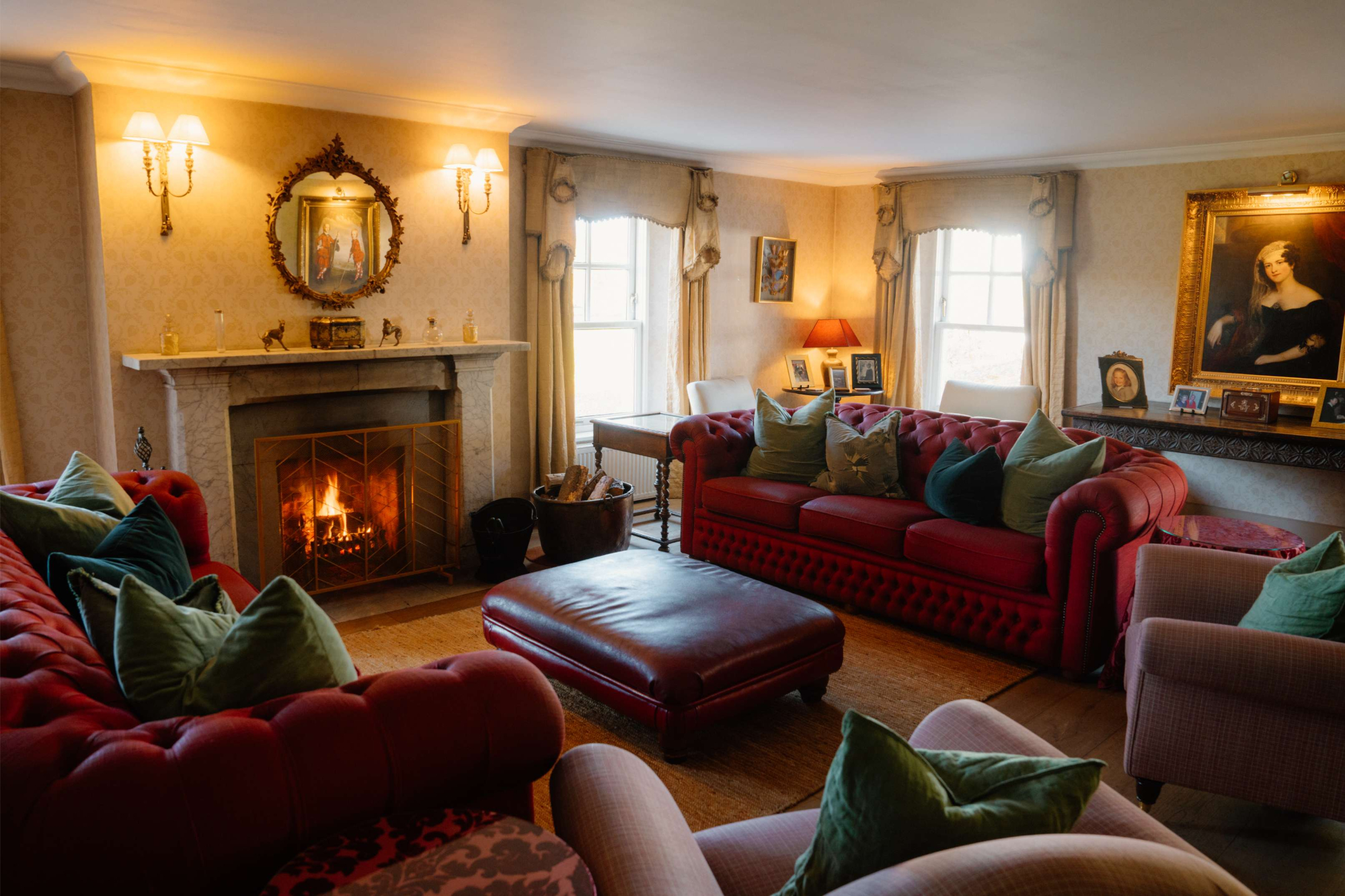
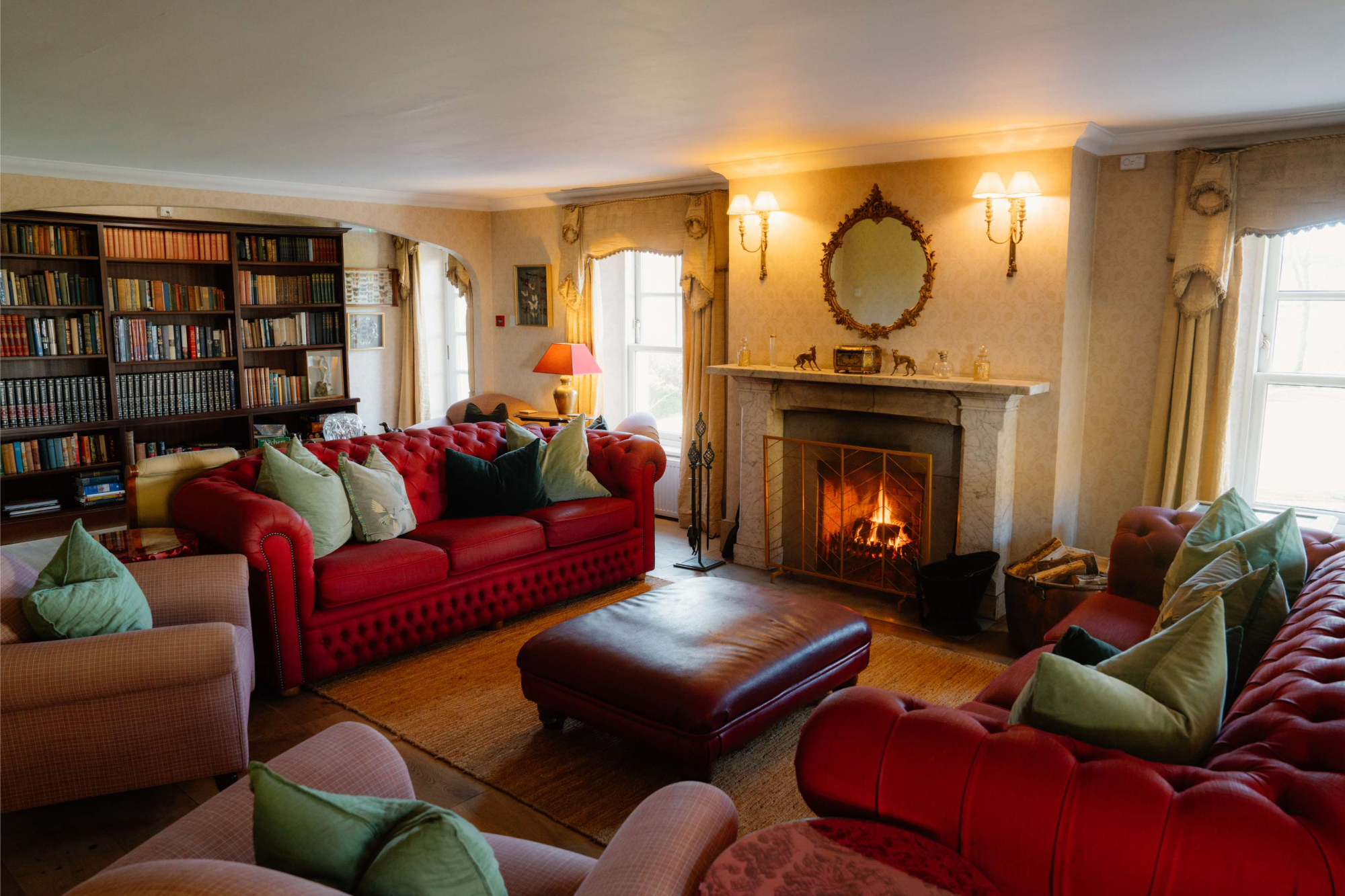
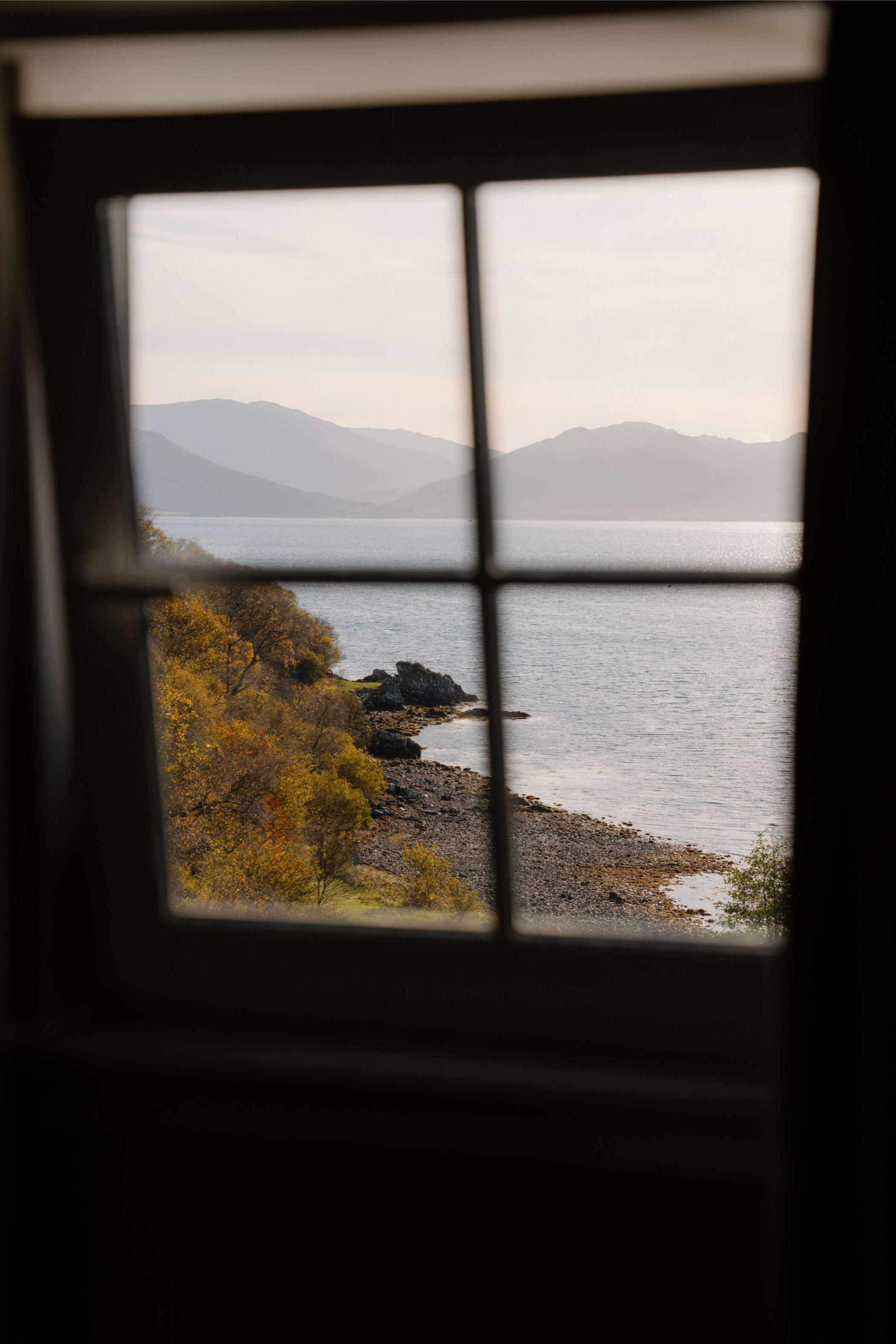
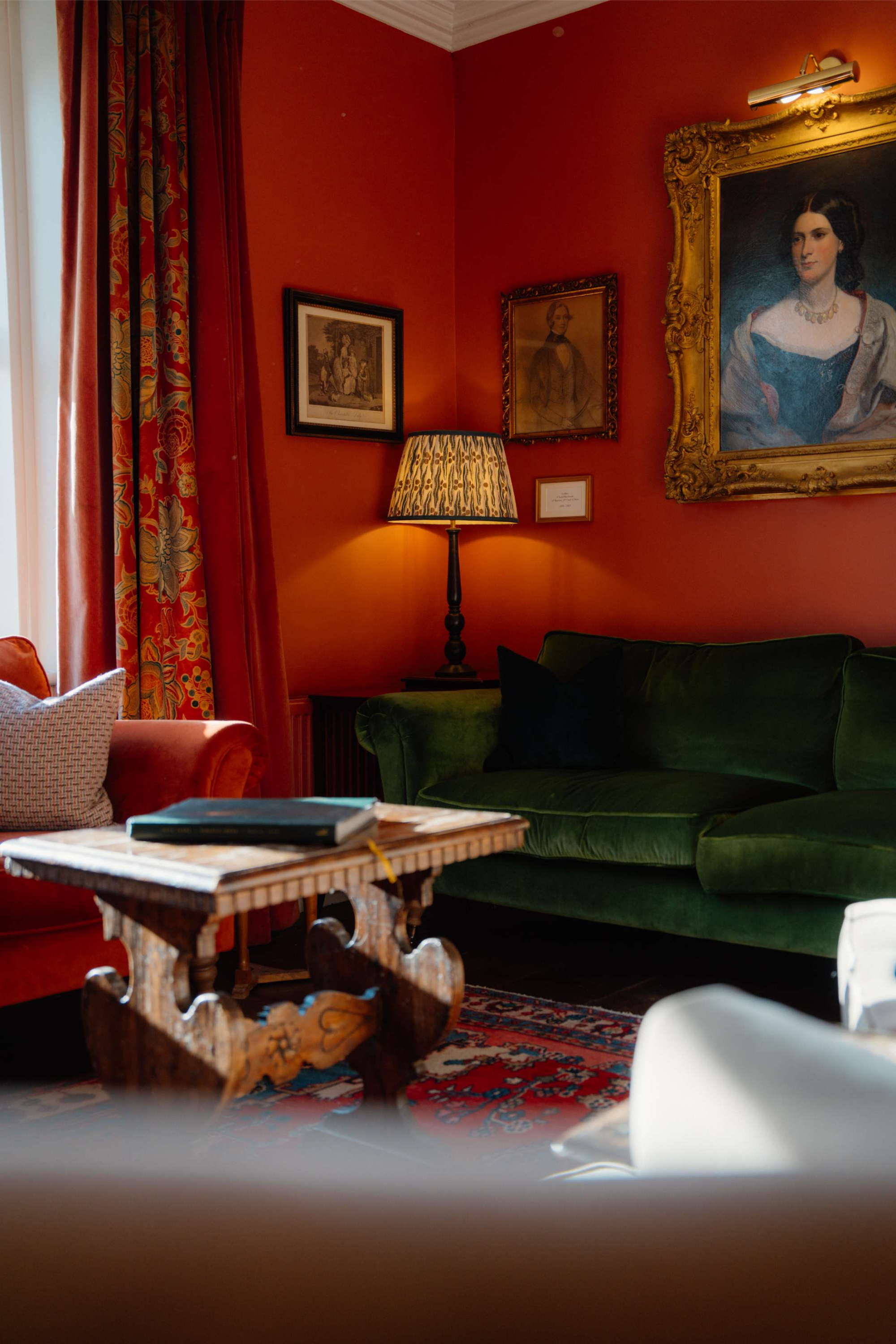
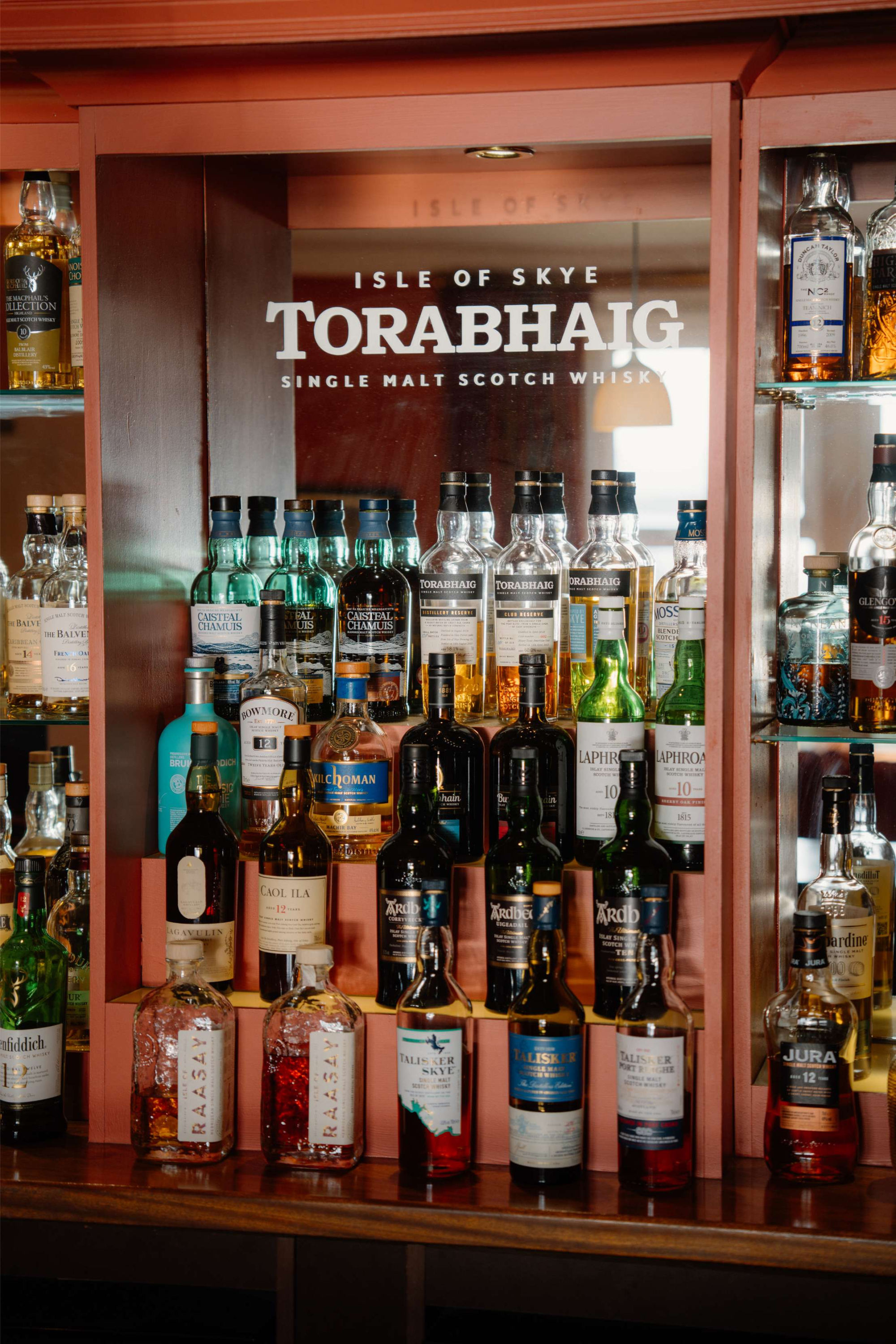
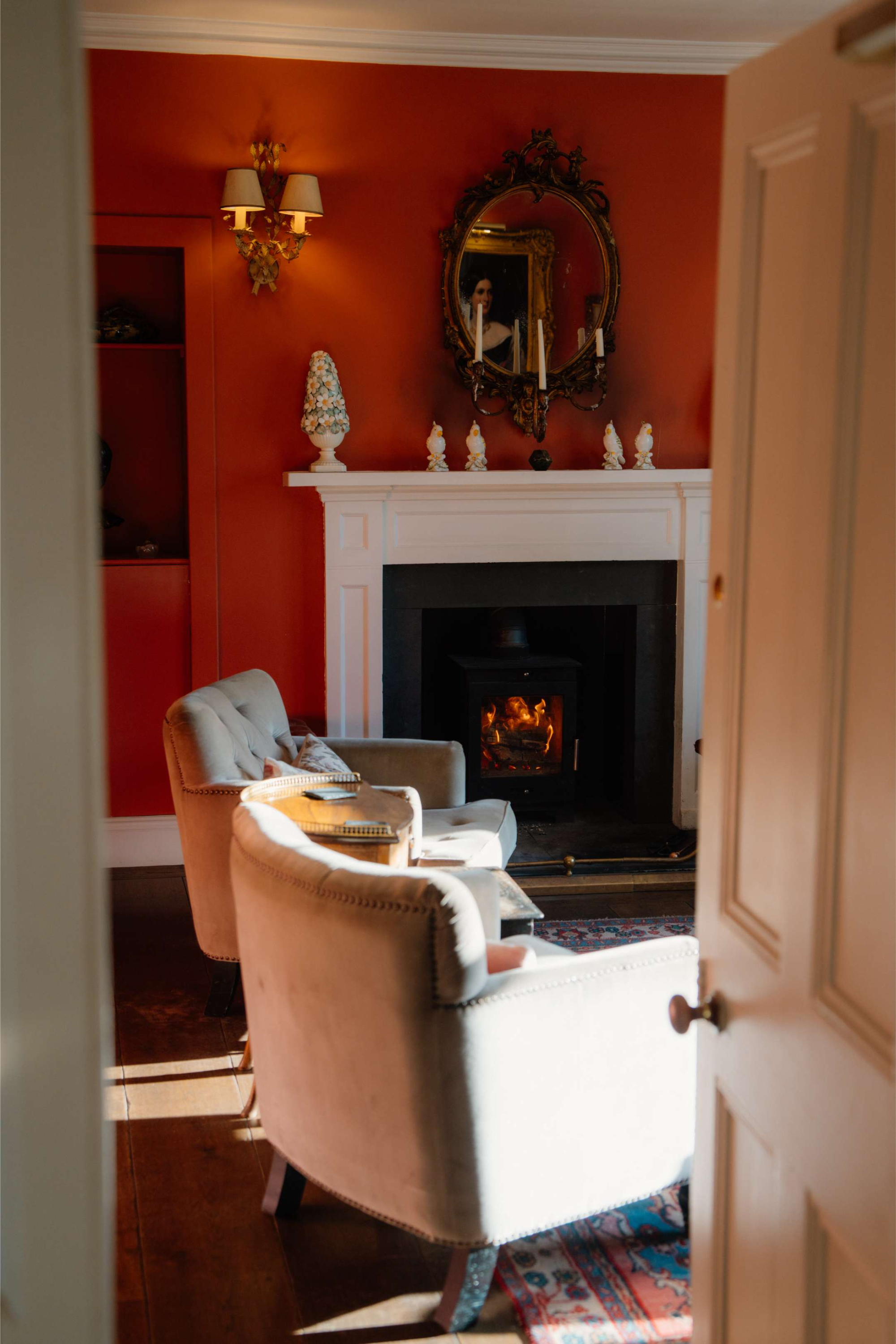
The building itself was once a 17th-century hunting lodge for Clan Macdonald, though what you find now is a hybrid of old and lived-in luxury—soft chairs by the fire, low-beamed ceilings, and windows that frame the loch just so. Inside, the atmosphere is hushed but never cold. It’s a place that understands comfort, but doesn’t show off about it.
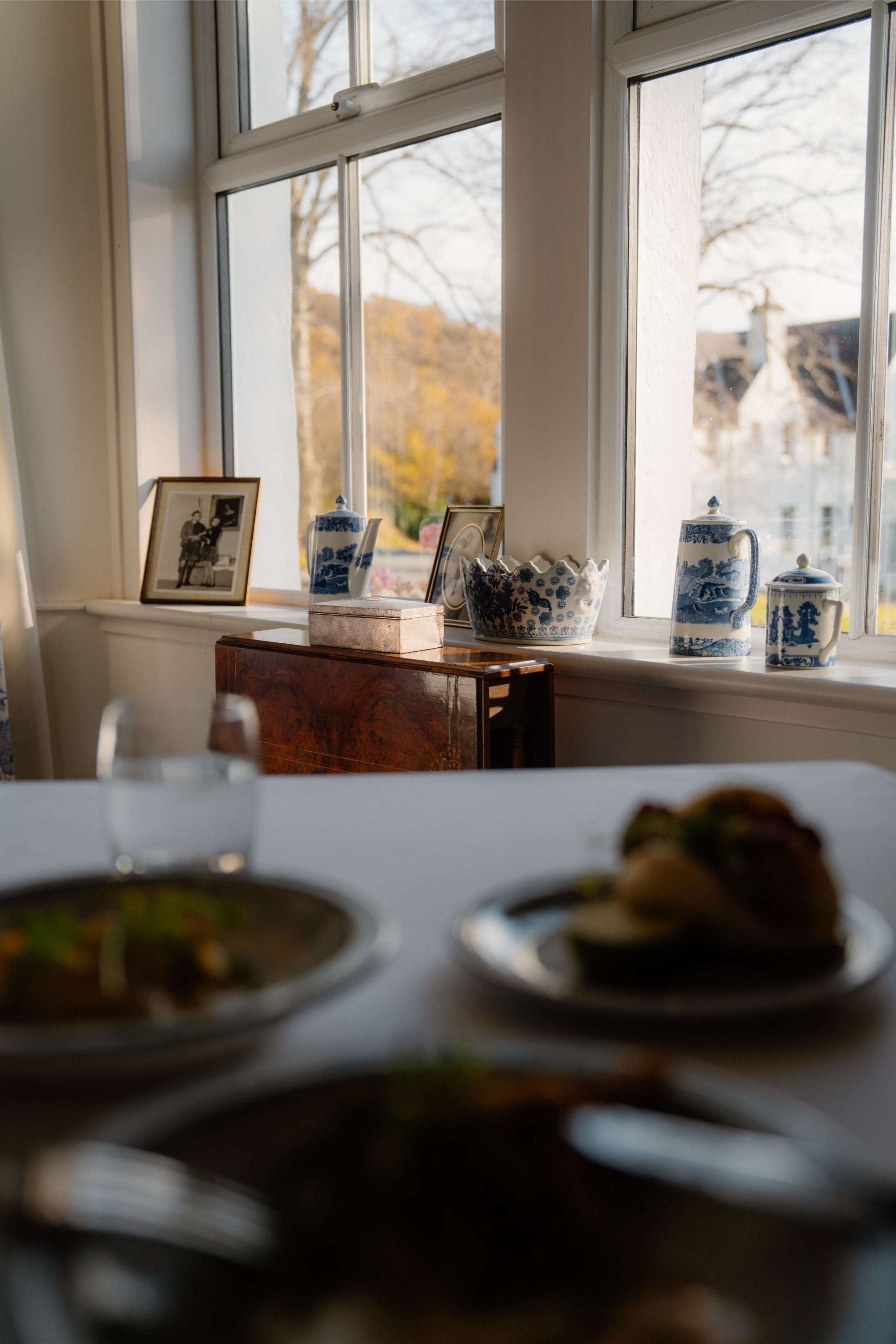
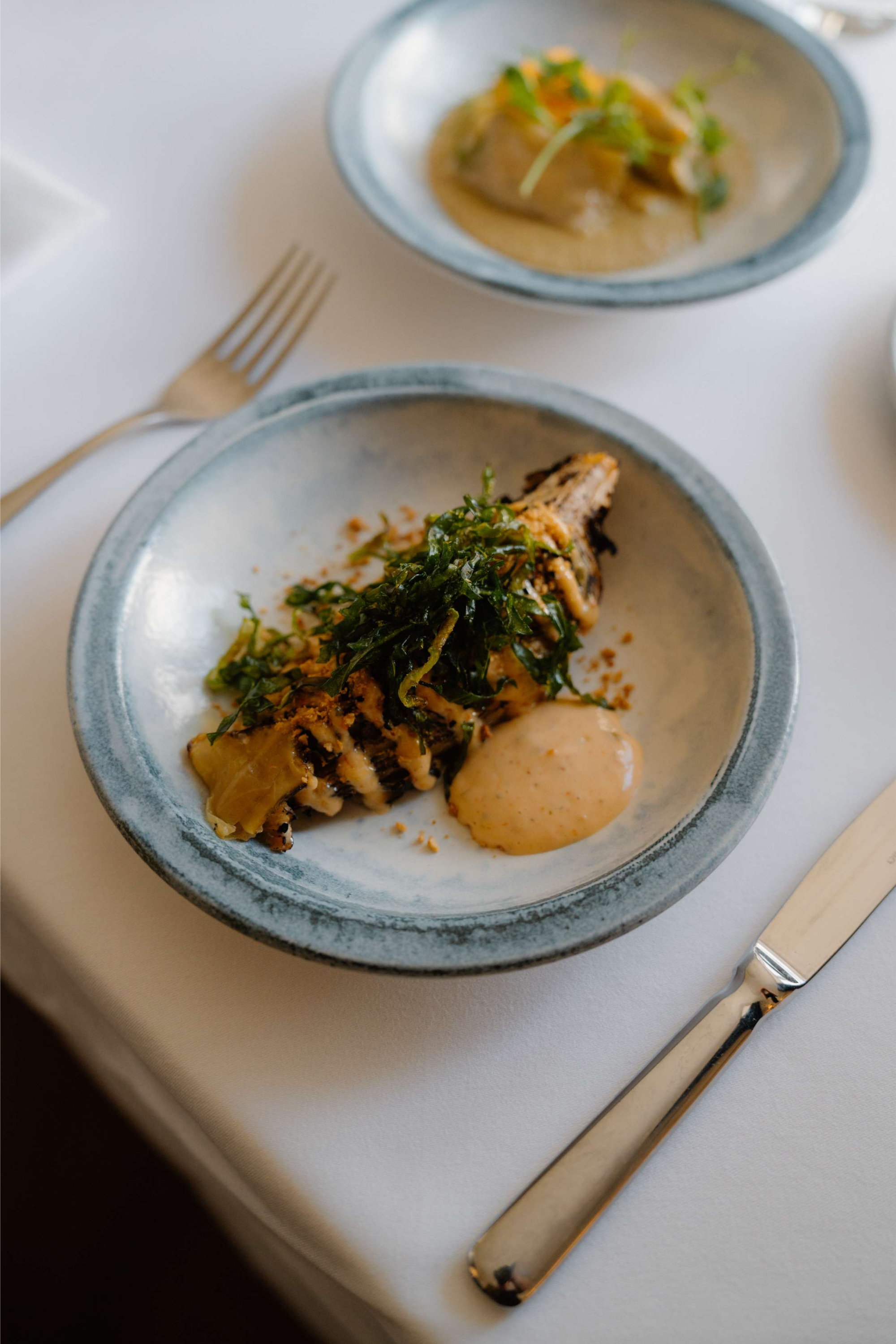
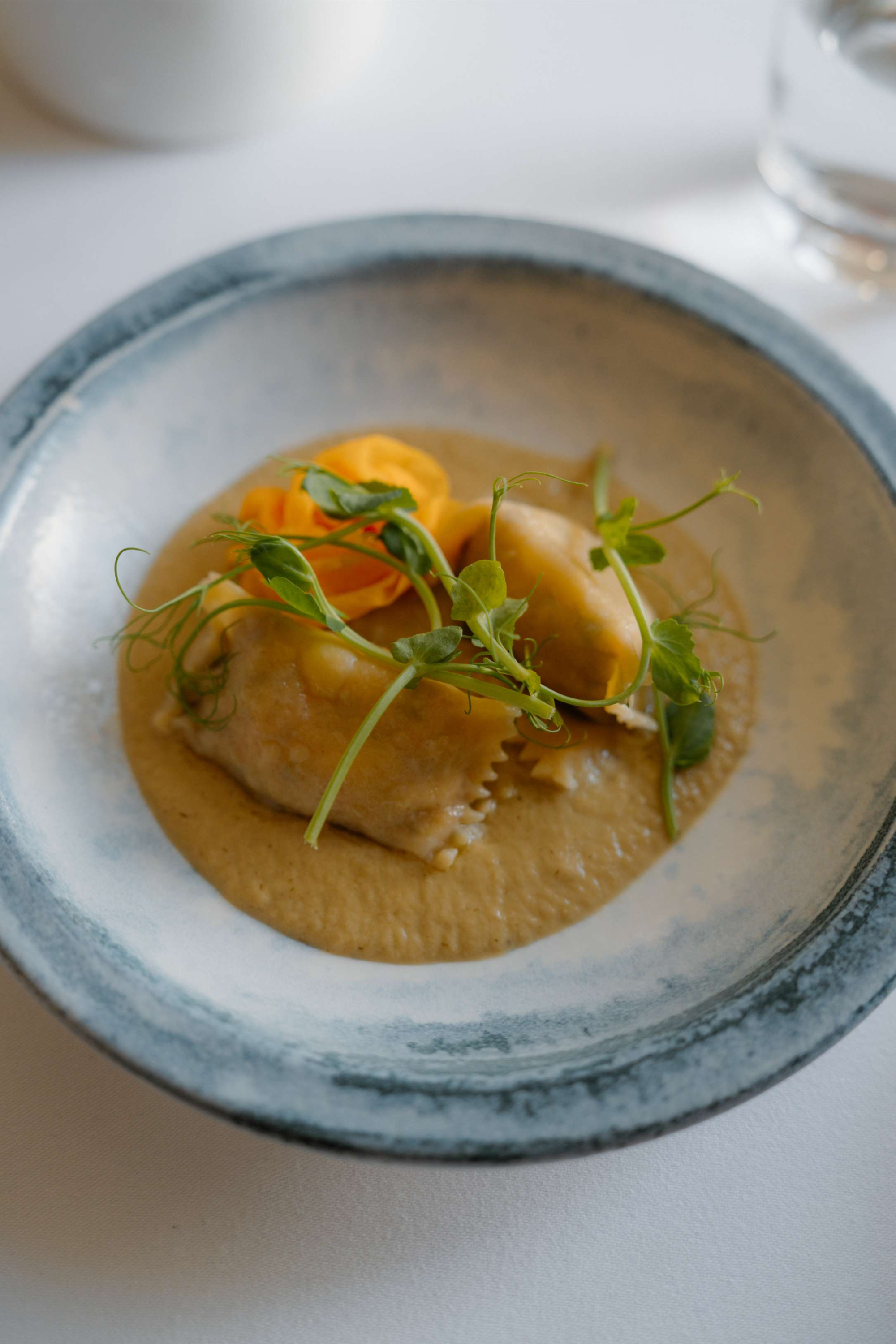
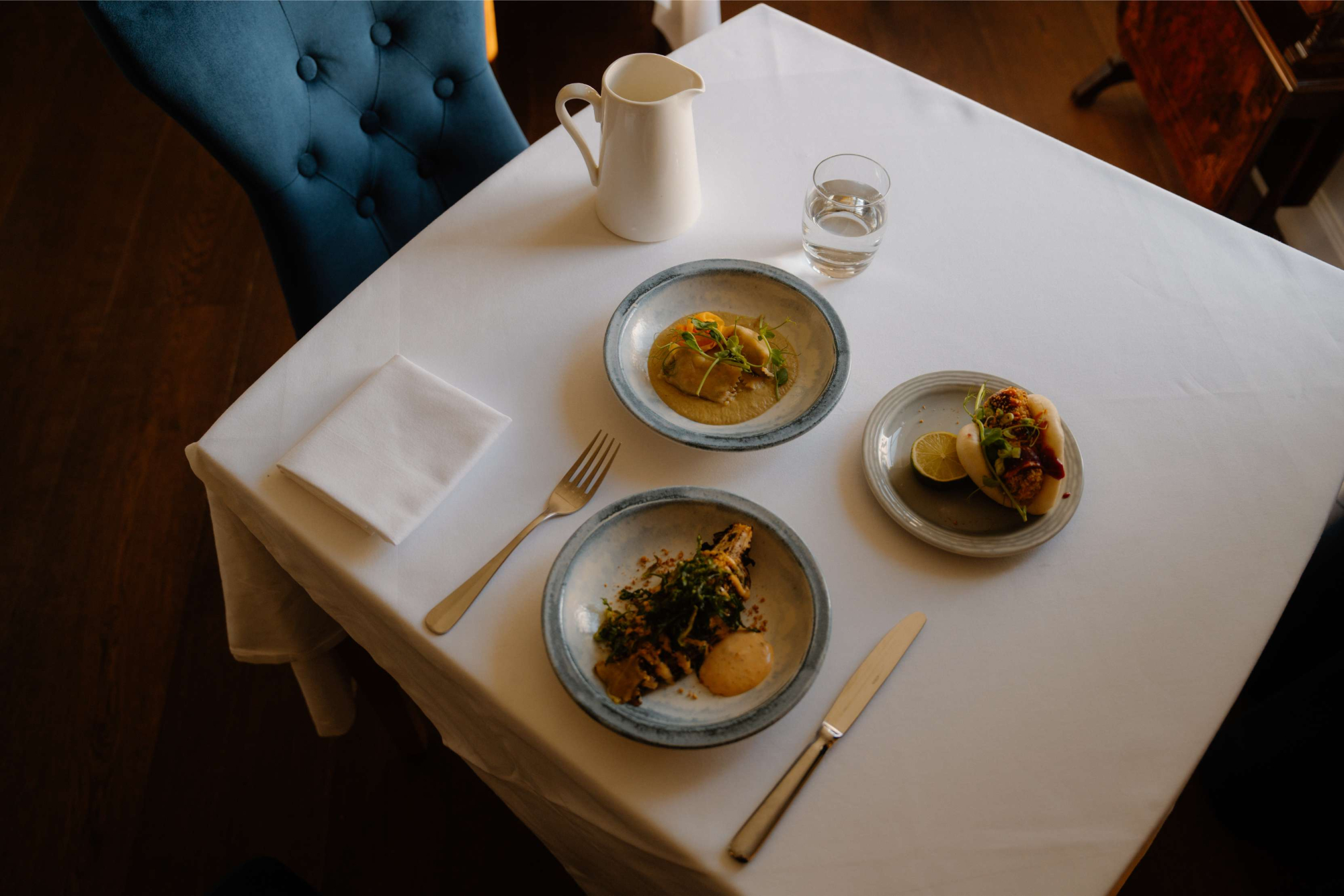
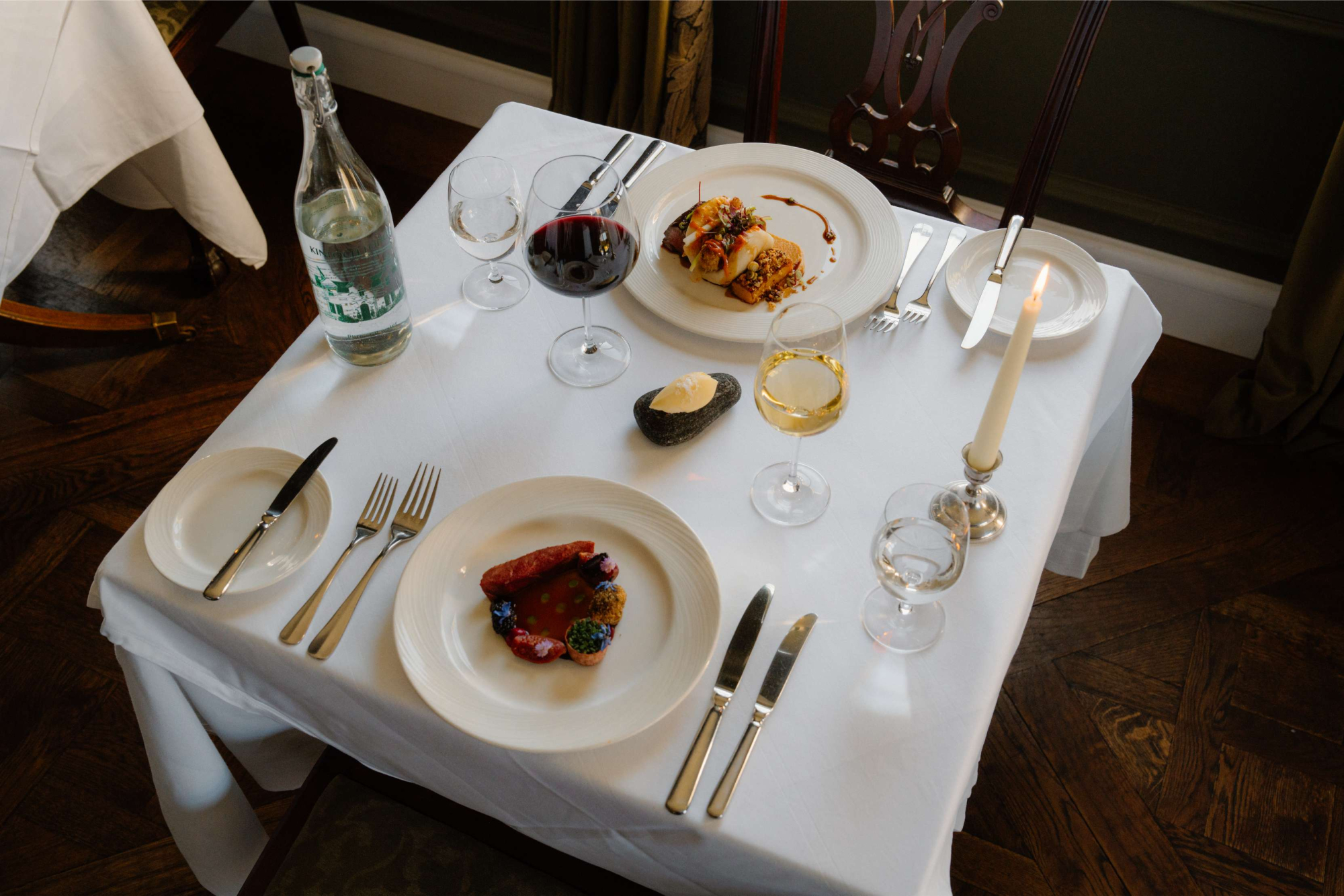
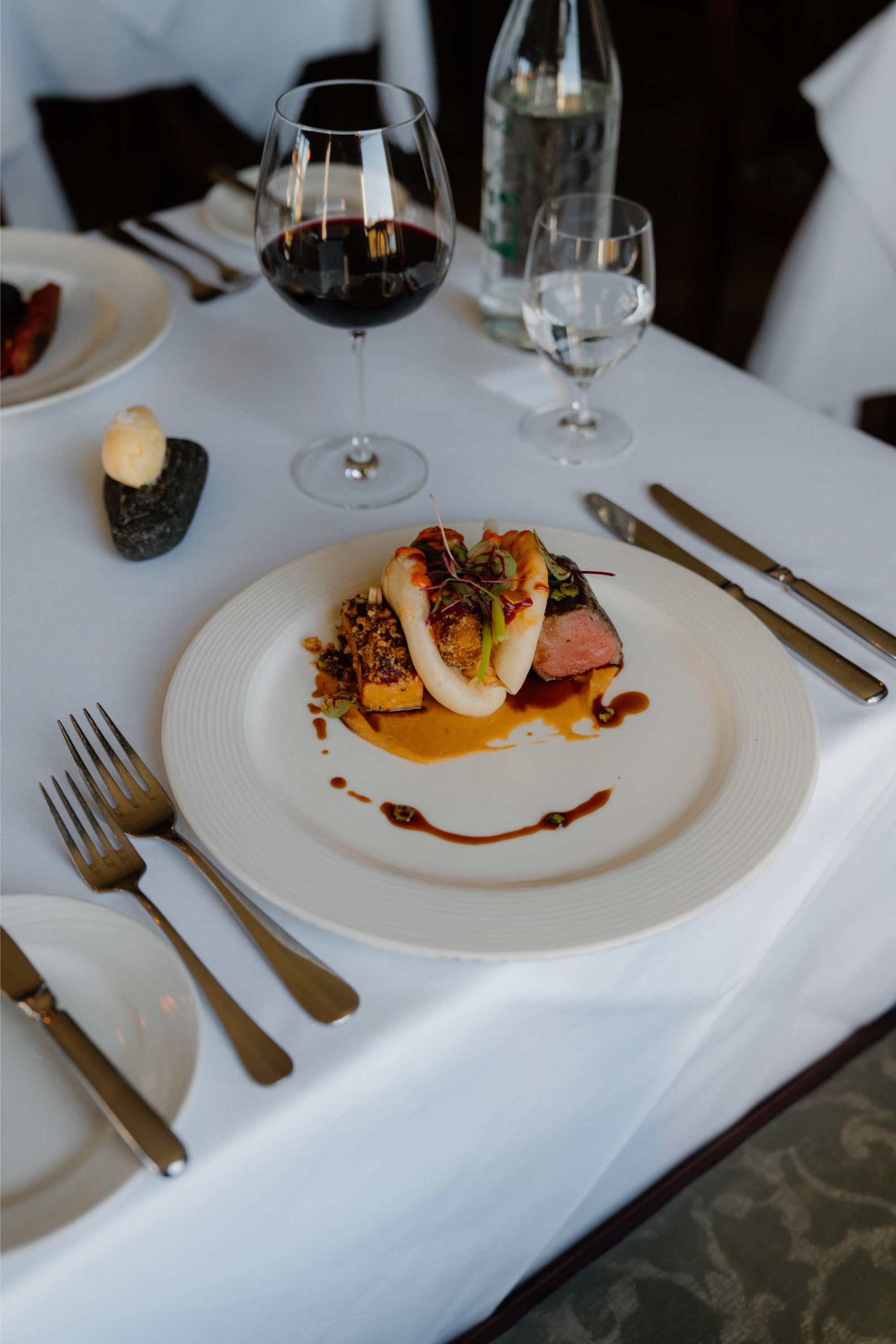
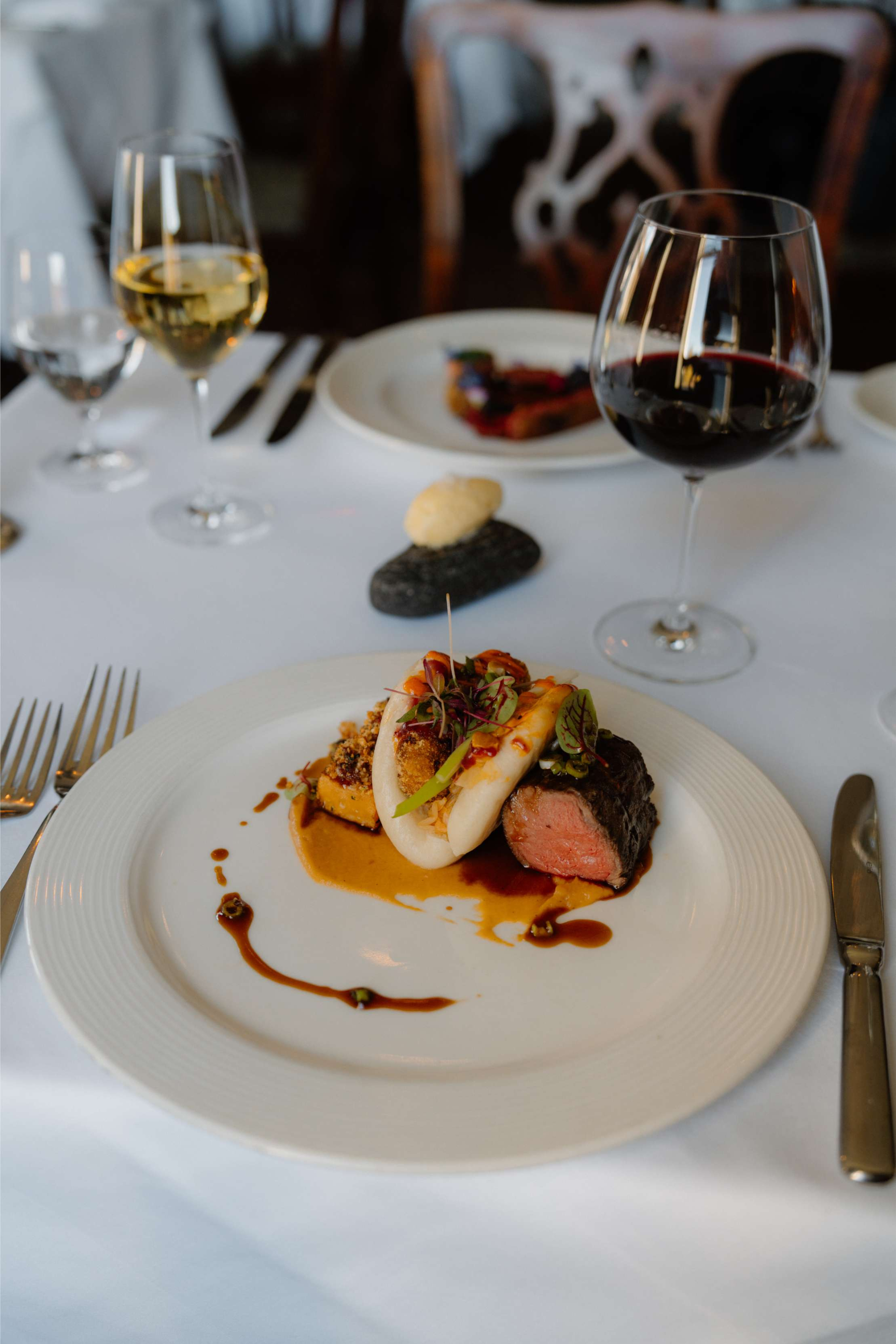
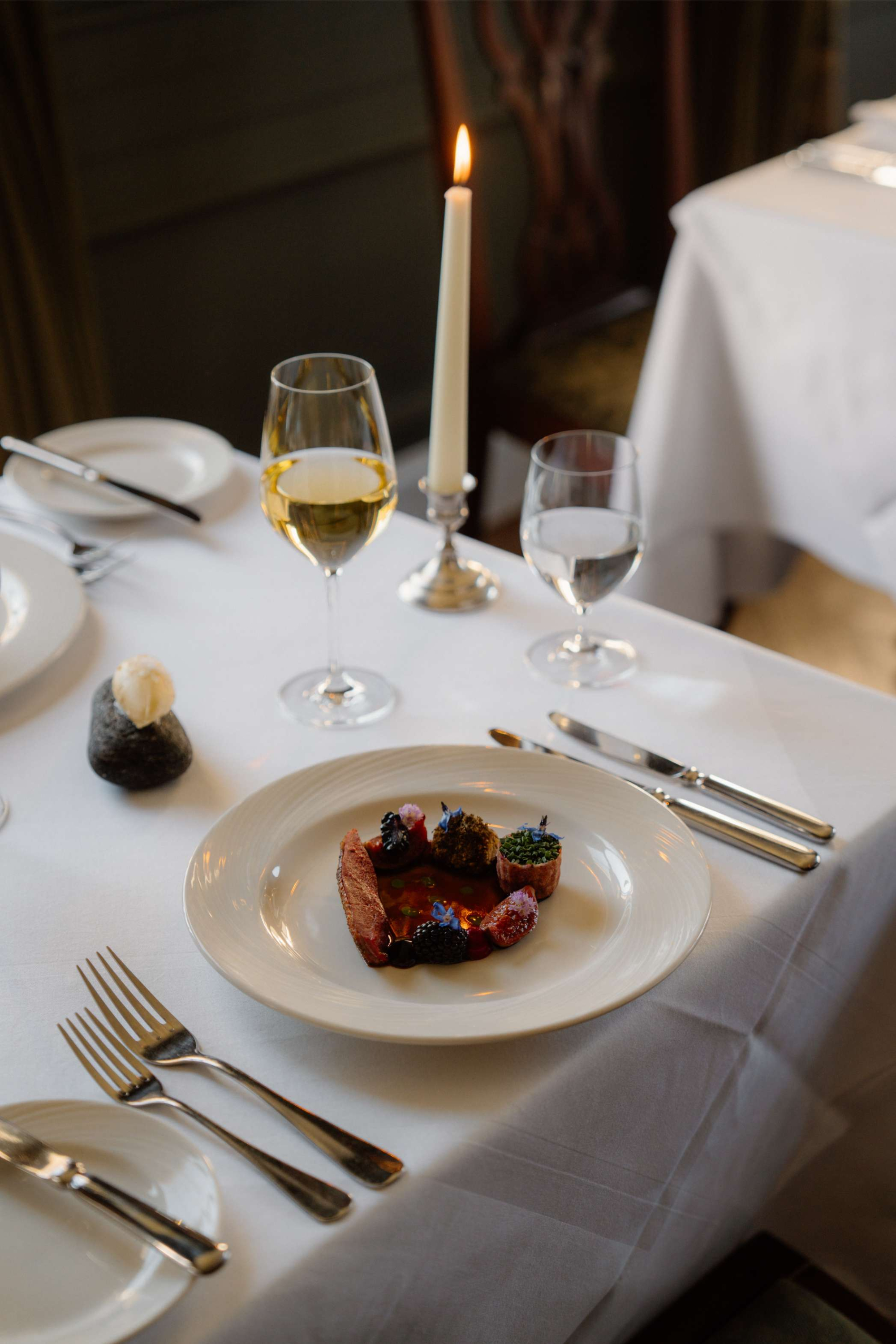
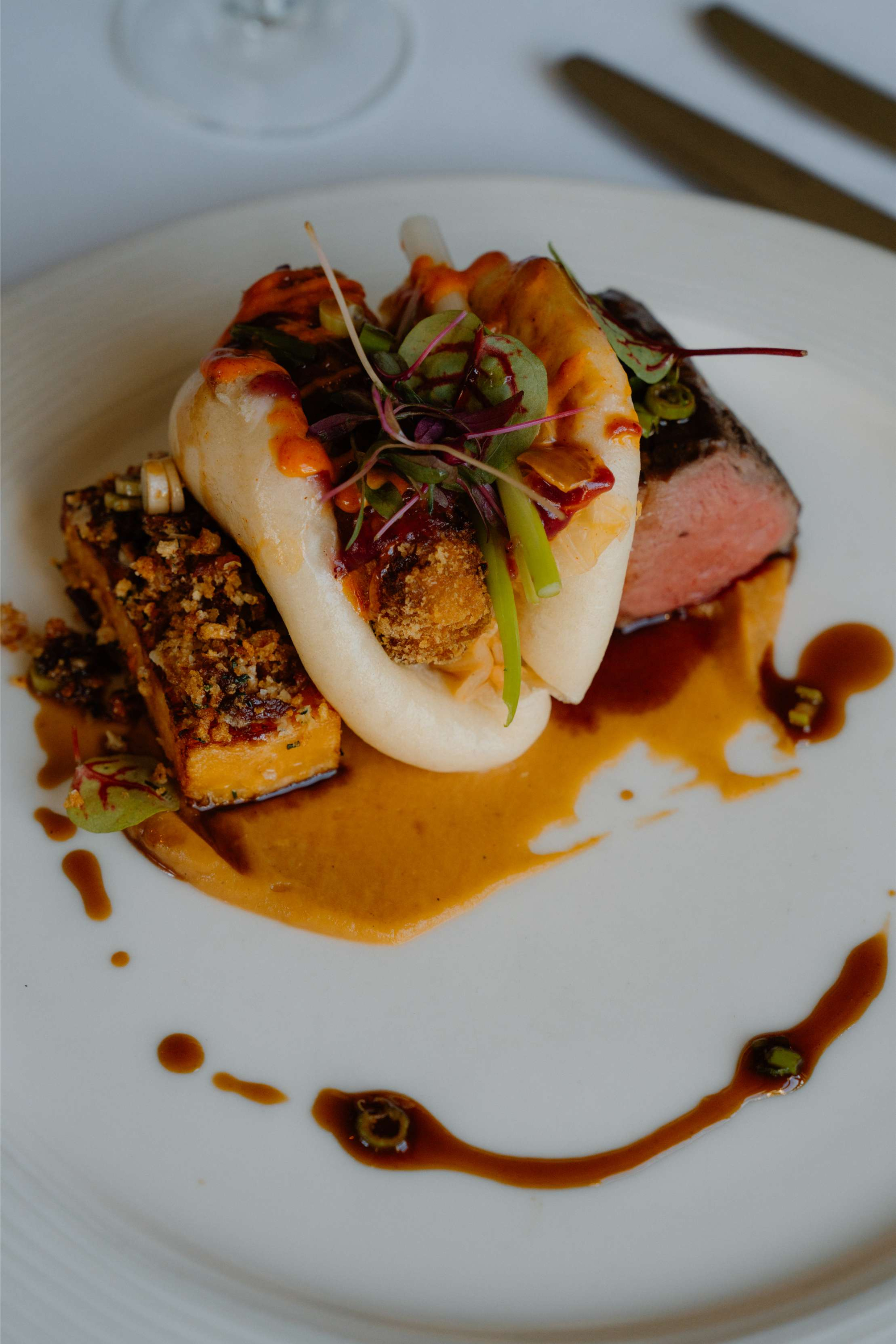
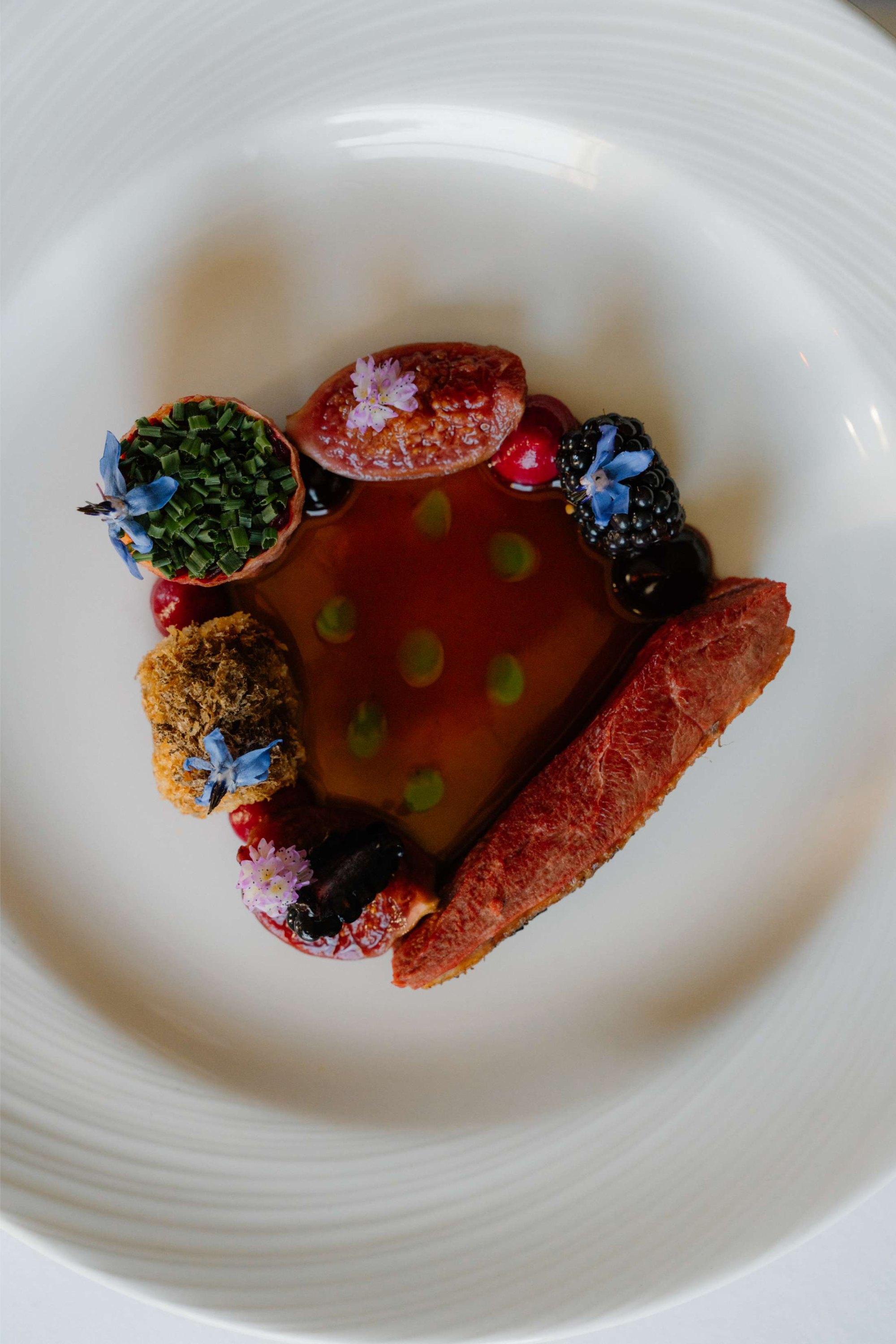
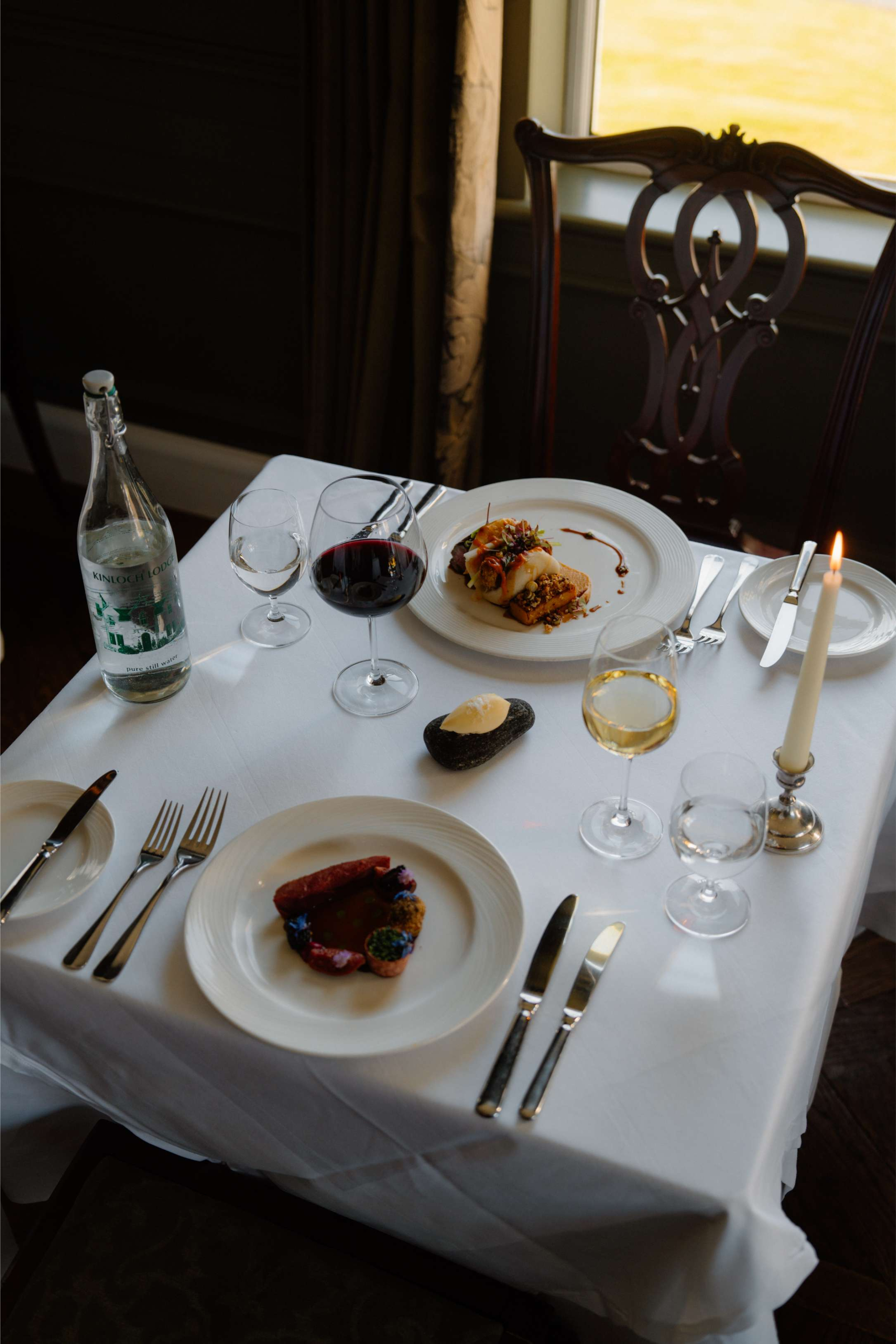
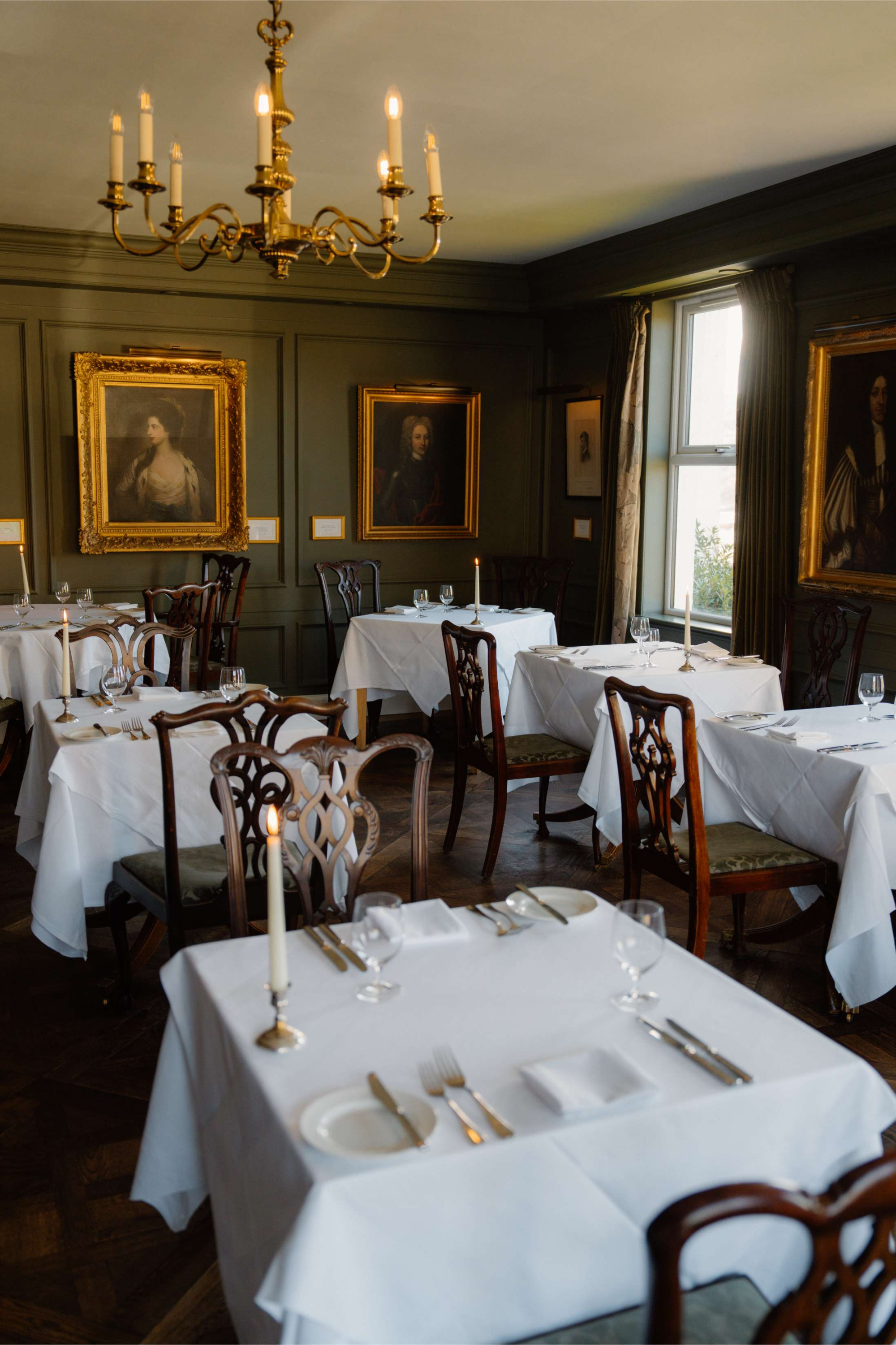
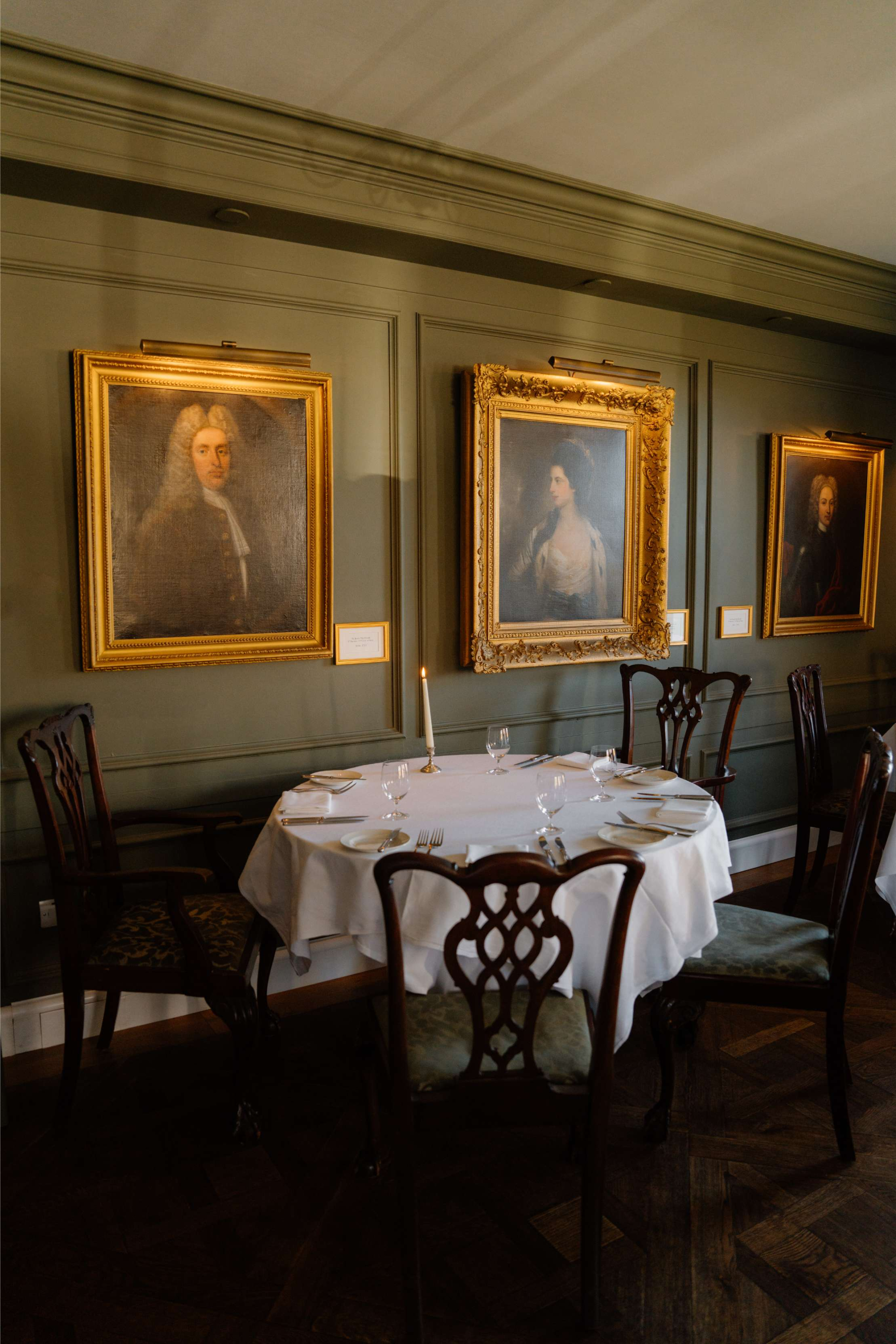
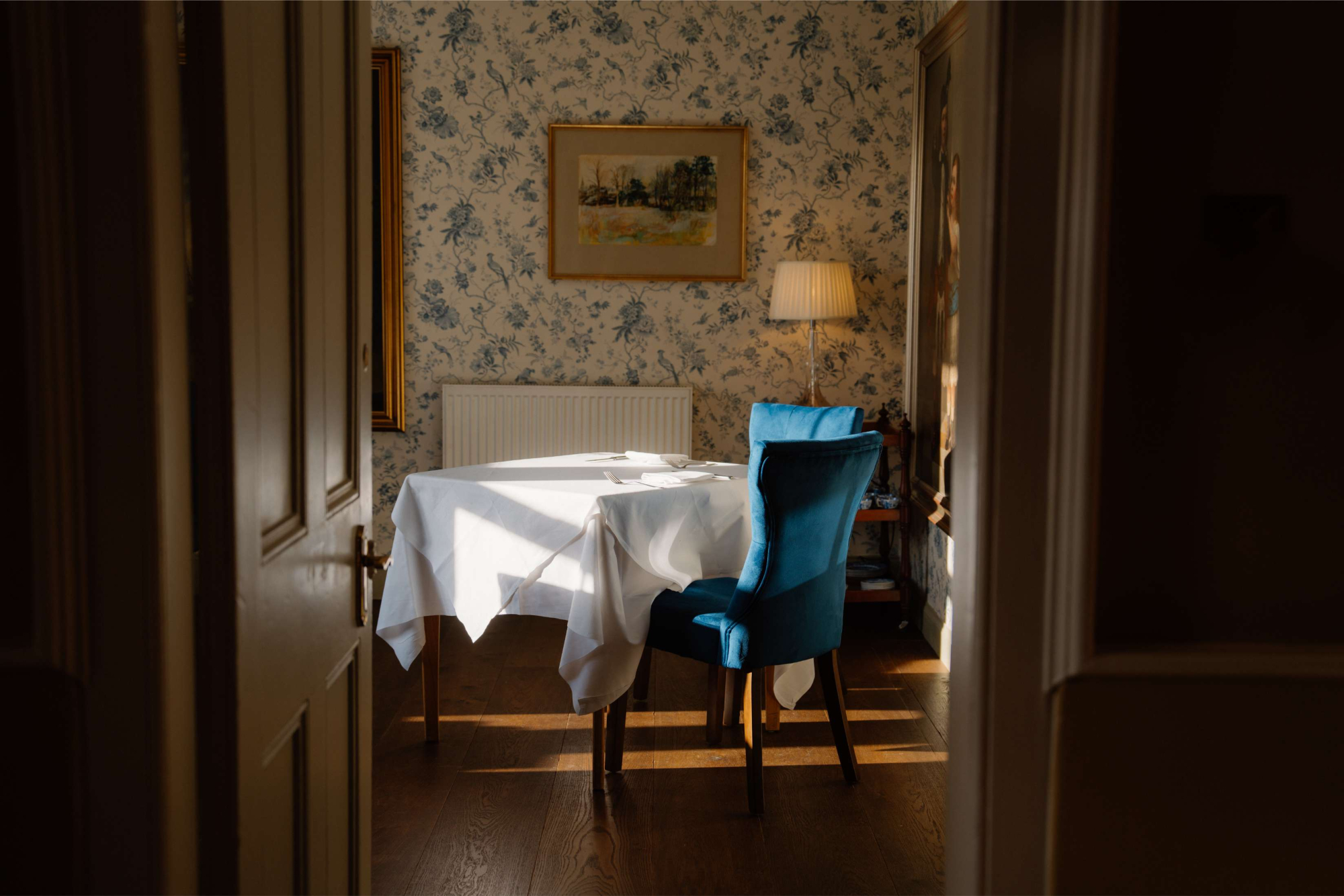
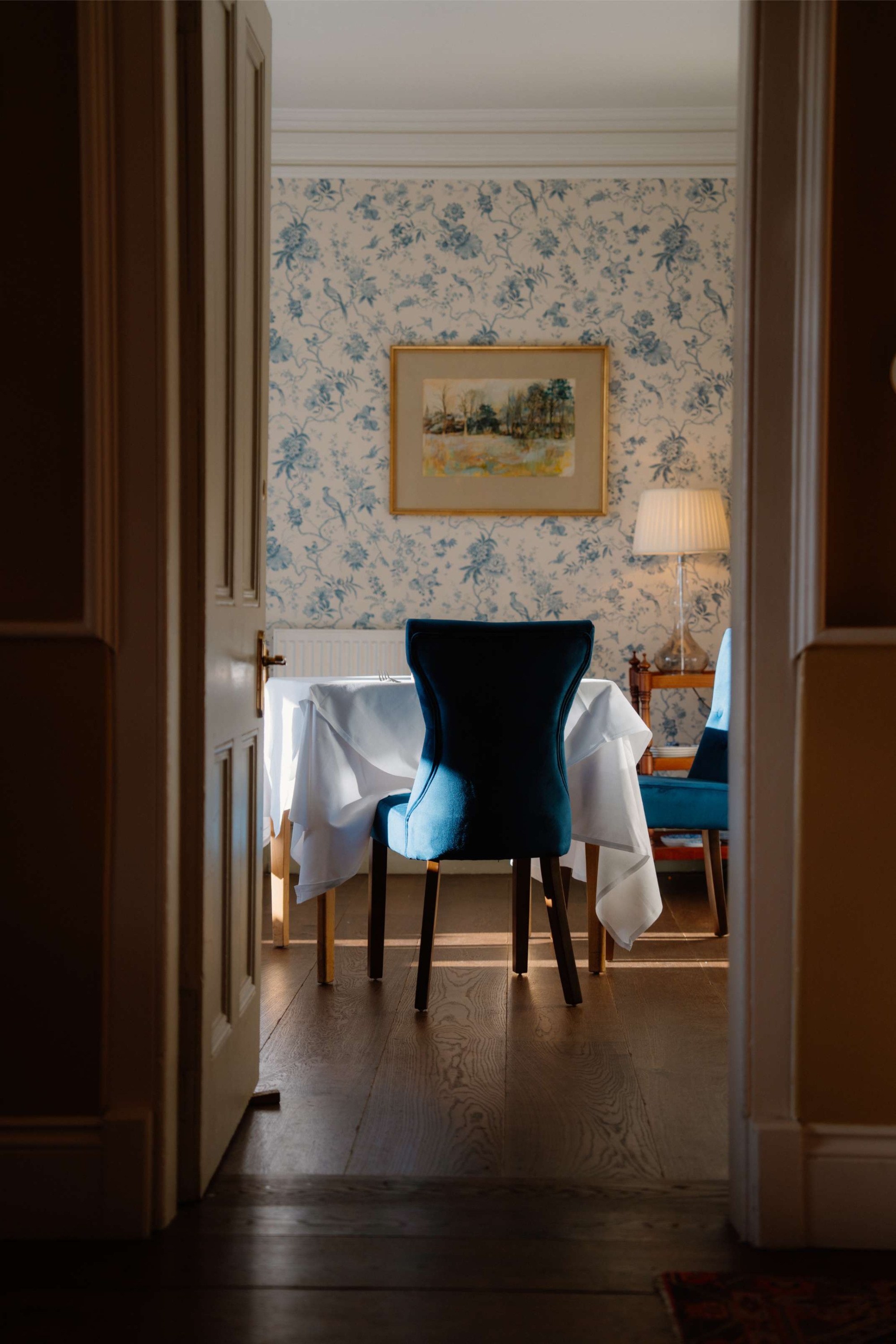
Dinner here is served in a room that feels more like a home than a restaurant—small tables, low light, and the sense that each course is being taken seriously without ceremony. The menu changes often but leans toward the local: wild venison, hand-dived scallops, vegetables grown on site or nearby. Everything arrives considered, balanced, and quietly grounded in the seasons.
What’s striking about eating here, after a day spent drifting through studios and gardens and Gaelic places, is how naturally it brings everything together. Nothing rushed, nothing overly polished. Just care, carried all the way through to the table.
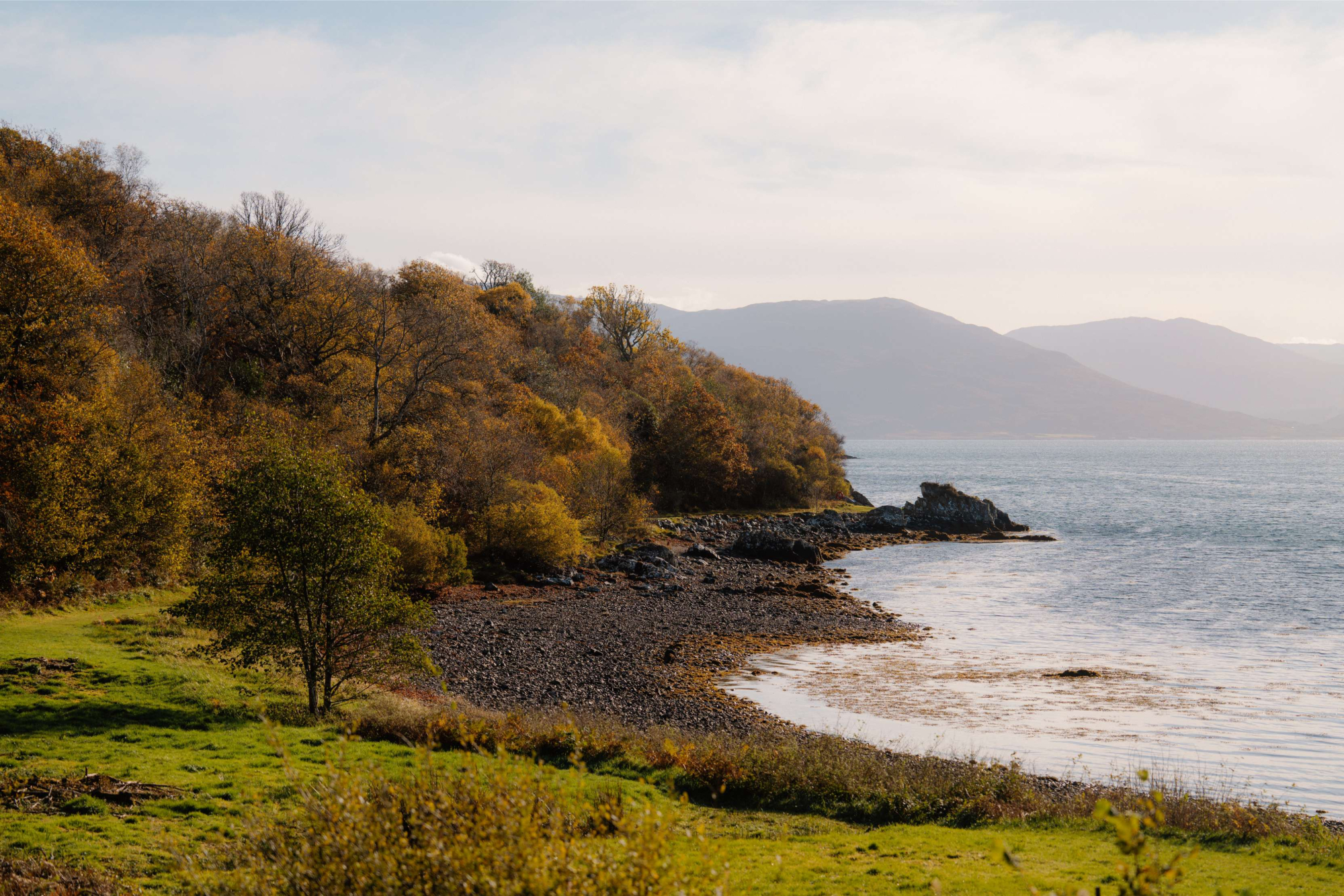
If you arrive early, take a walk to the water’s edge before dinner. The air cools quickly in the evenings, and sometimes there’s mist rising from the loch. A final quiet, at the end of a slow and layered day.
There are parts of Skye that draw crowds, and parts that draw breath. Sleat belongs to the second. Over ten quiet miles, this route offers more than just scenery—it offers texture. Studios where the work is made just out of sight. Gardens that carry the memory of past households. A college where language is not just spoken, but lived. Even the castle, ruined and sea-bound, speaks of something older than story.
What ties the day together isn’t any one destination, but the sense of pacing. Nothing demands your attention. Everything is offered quietly.
By the time you’re seated at Kinloch Lodge, with the loch darkening outside and the air cooling at your back, it no longer feels like a journey—it feels like arrival.


Add to a List
Name your list
Add to a trip
By continuing, you agree to our Terms of Service Read our Privacy Policy
Sign in
By continuing, you agree to our Terms of Service Read our Privacy Policy
Reset Password
By continuing, you agree to our Terms of Service Read our Privacy Policy


Sign in with Google
Sign in with Email