
A Day Exploring Mid-Argyll
Written by Graeme Johncock
.jpg)
If there’s one area of Scotland that’s grossly underappreciated in my opinion, it’s Mid-Argyll. While Oban is a busy tourist hub, most visitors will either head out to the islands or north towards Glencoe. However, there’s so much to see to the south, with interesting stories and beautiful places to find along every peninsula.
Bridge Over The Atlantic
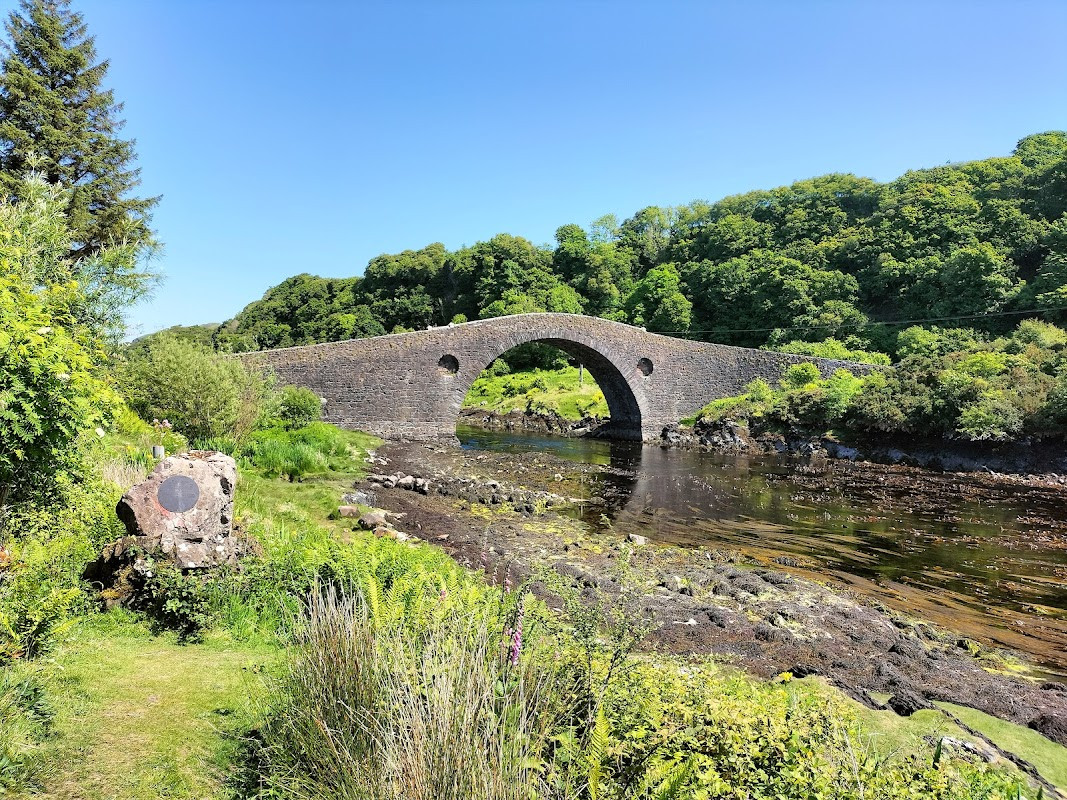
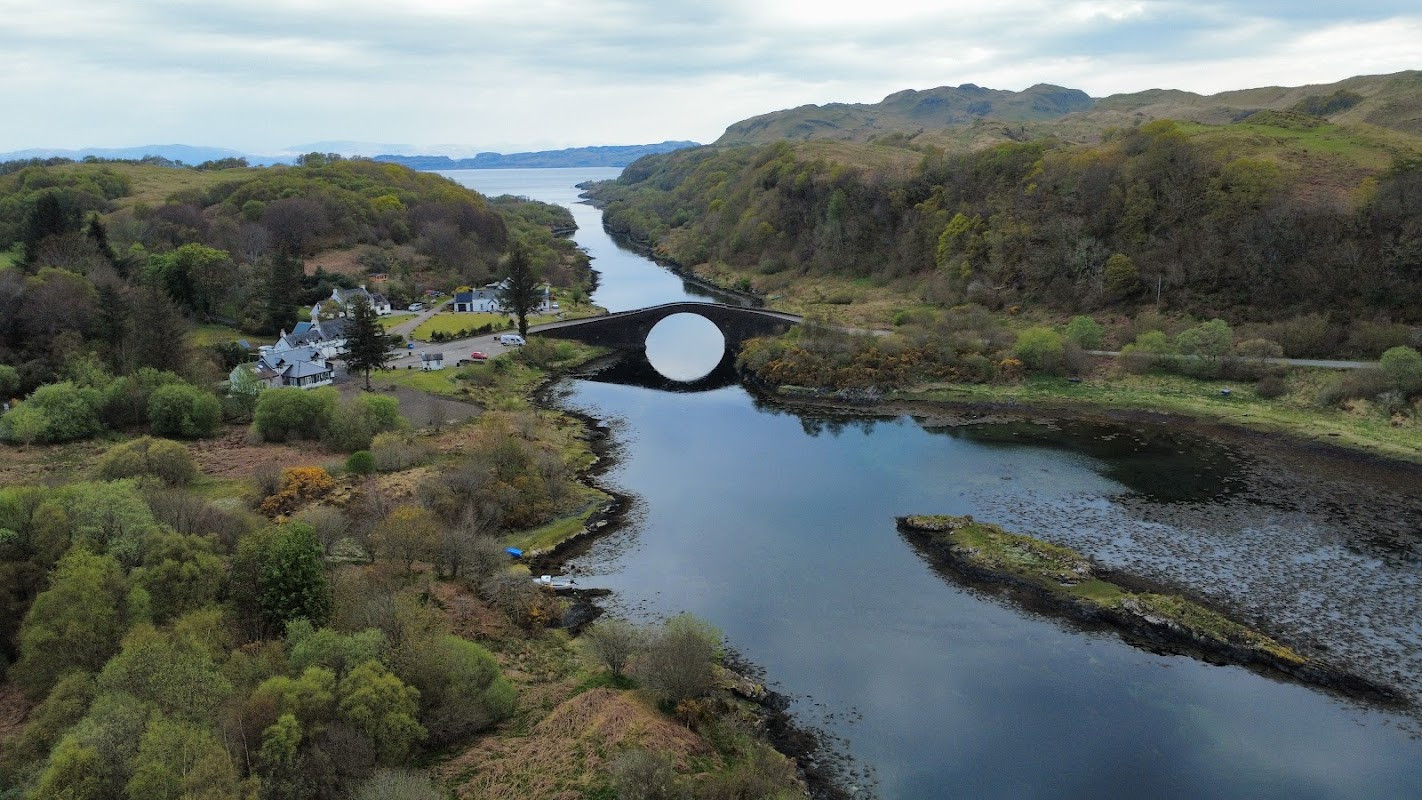
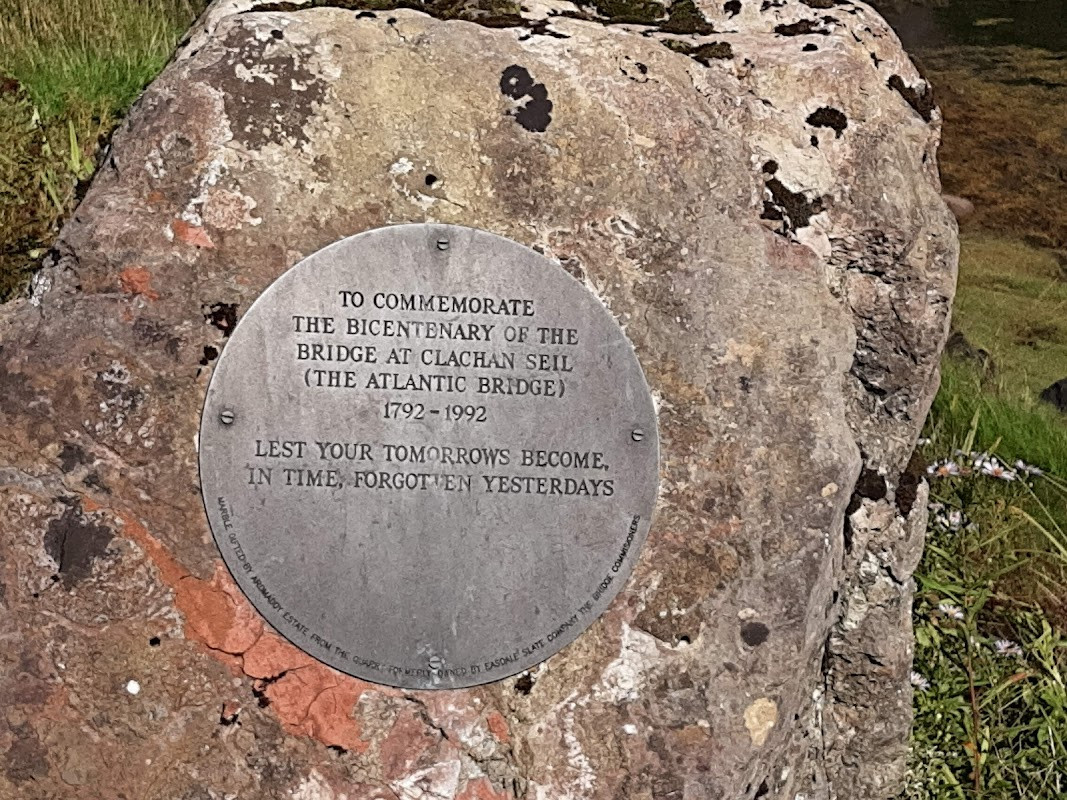
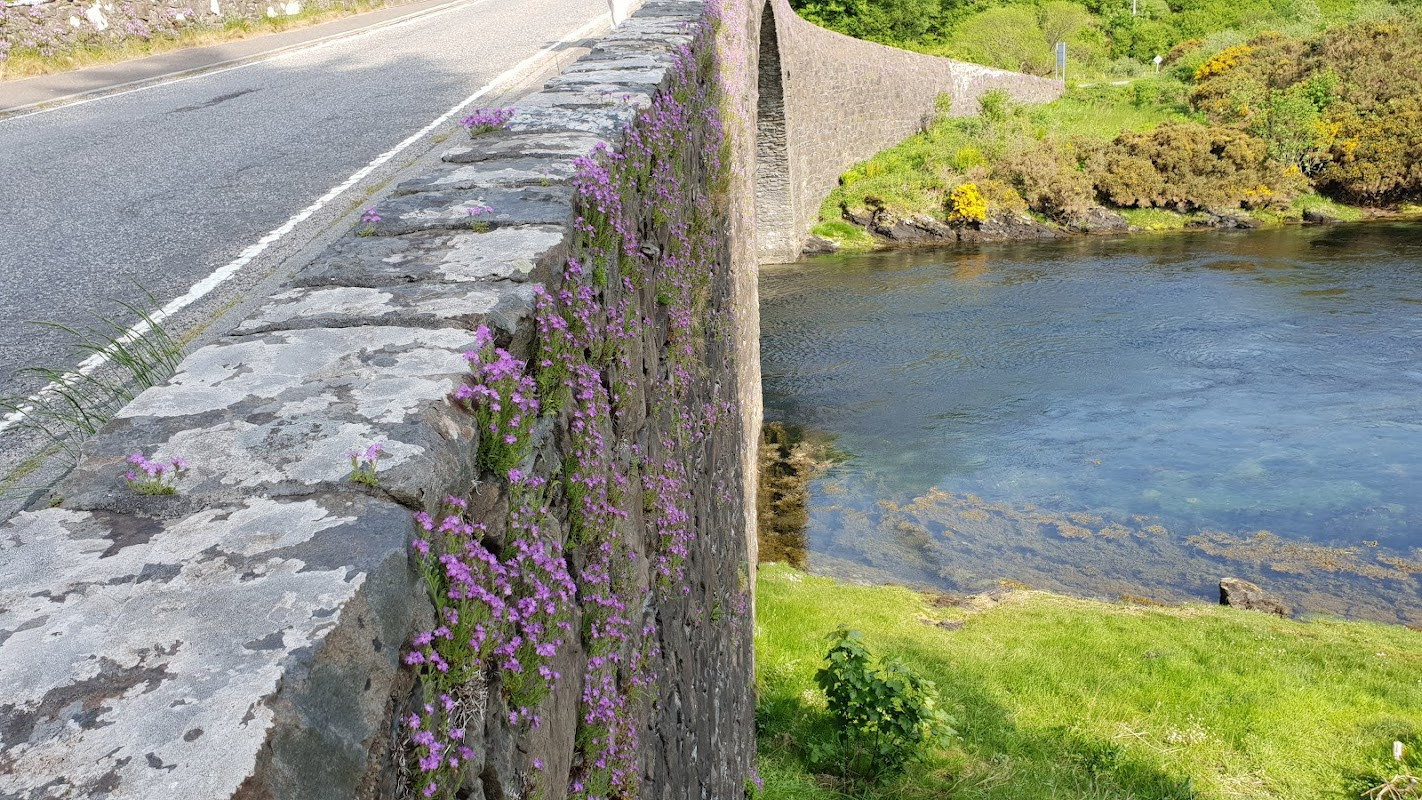
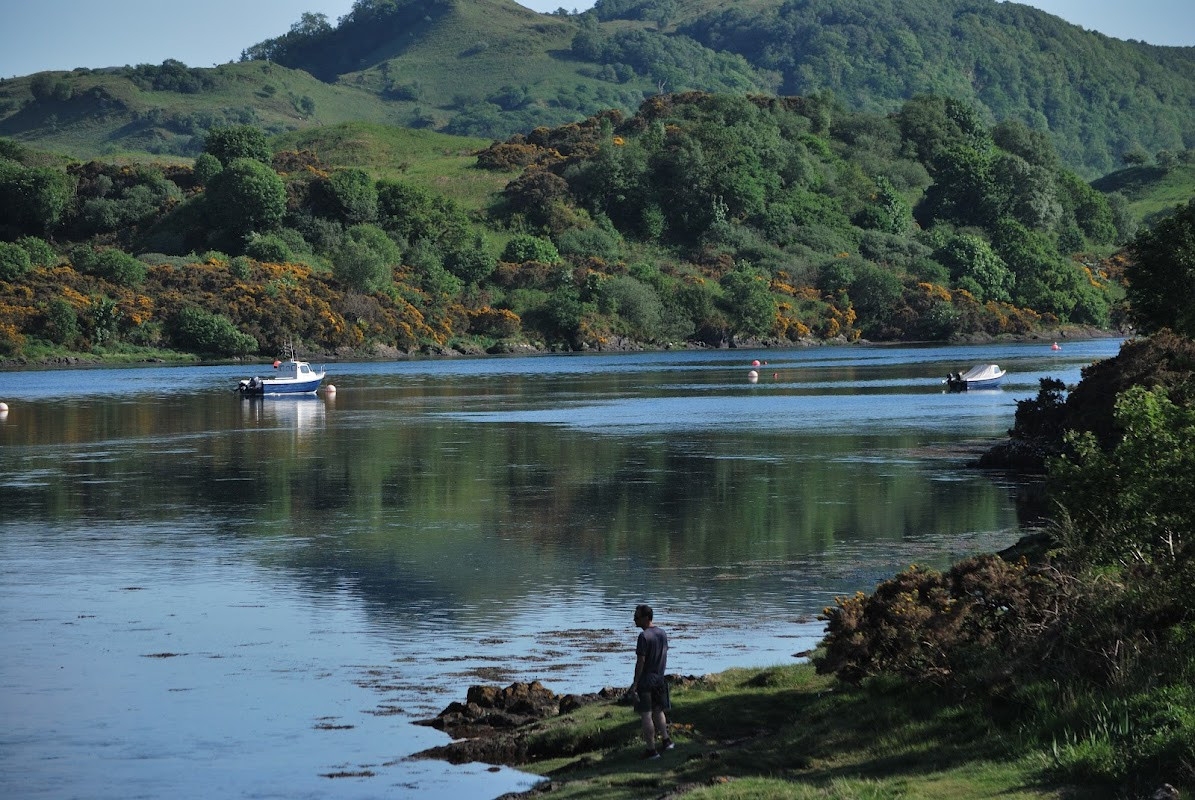
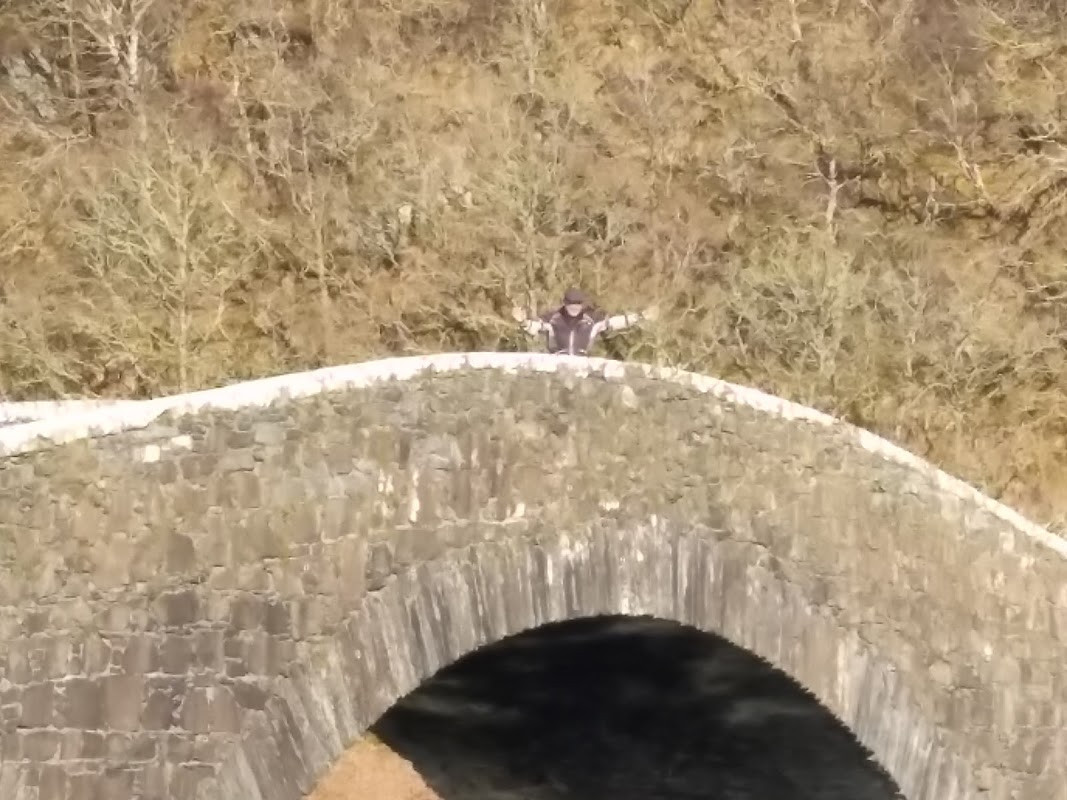
It might seem odd, but the trip south from Oban always starts for me with a journey across the Atlantic. Don’t worry, it only takes a few seconds by crossing the Clachan Bridge, otherwise known as The Bridge Over the Atlantic, to the island of Seil. This small sound of water connects to the Atlantic Ocean on either side, hence the nickname!
The pub beside the bridge is called Tigh an Truish or House of the Trousers, said to come from the years folowing the 1745 Jacobite Rising. Since locals weren’t allowed to wear kilts, they stopped at the pub to change into trousers before heading to the mainland!
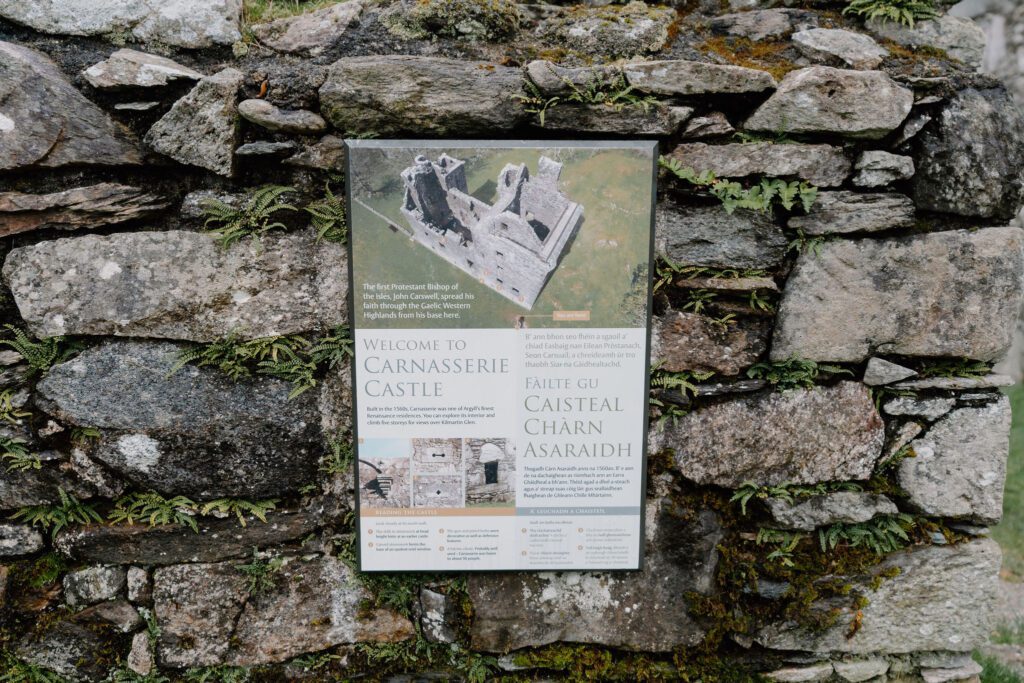
Carnasserie Castle
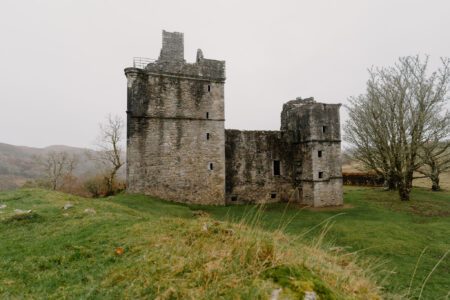
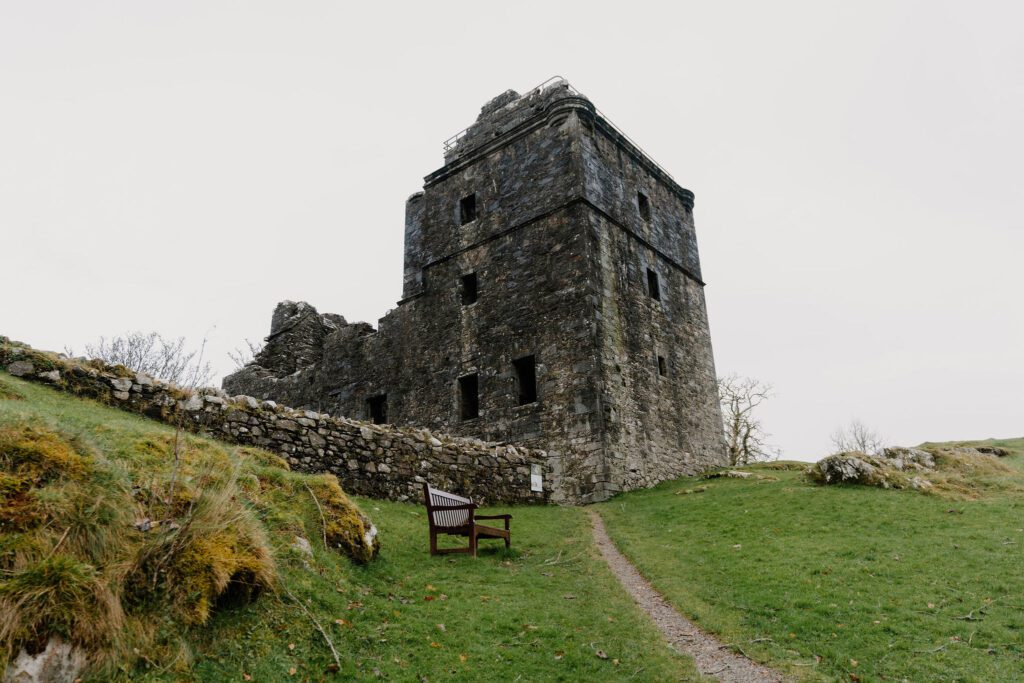
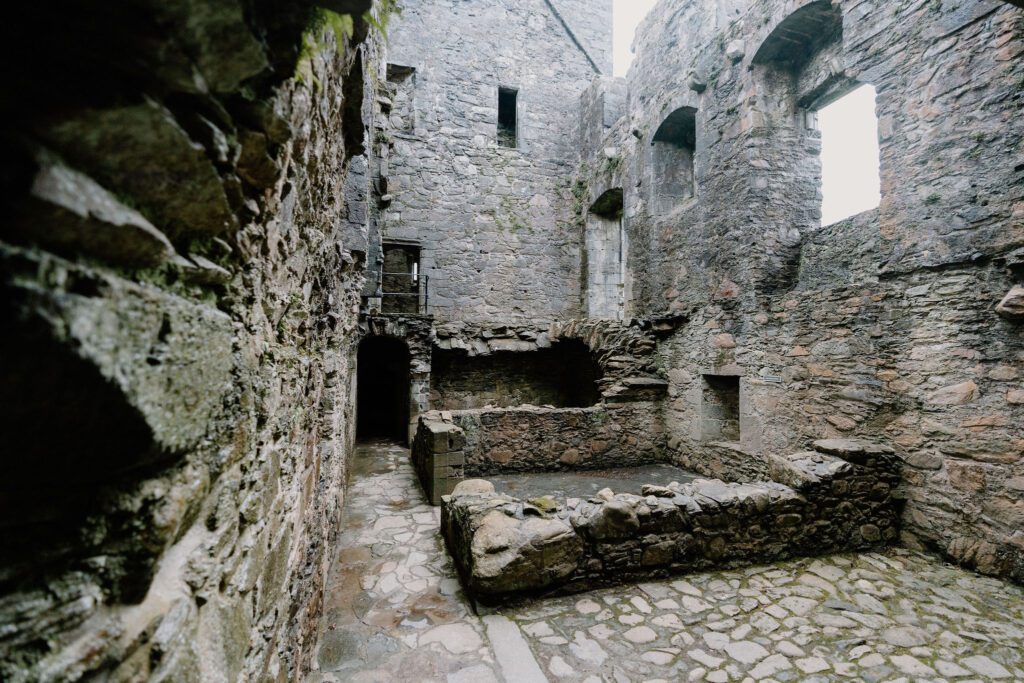
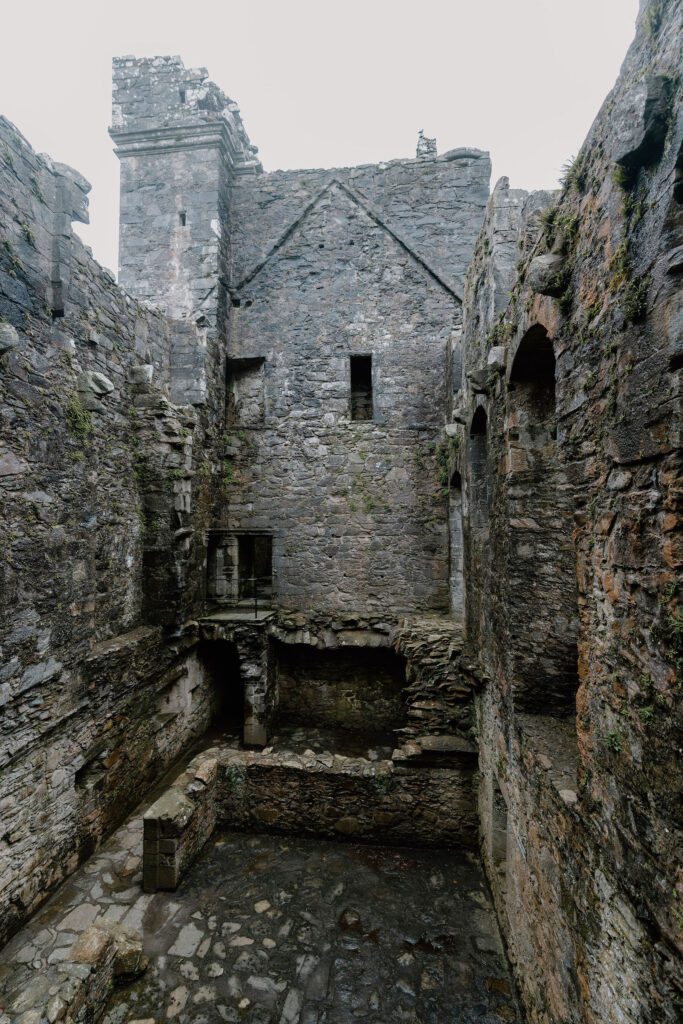
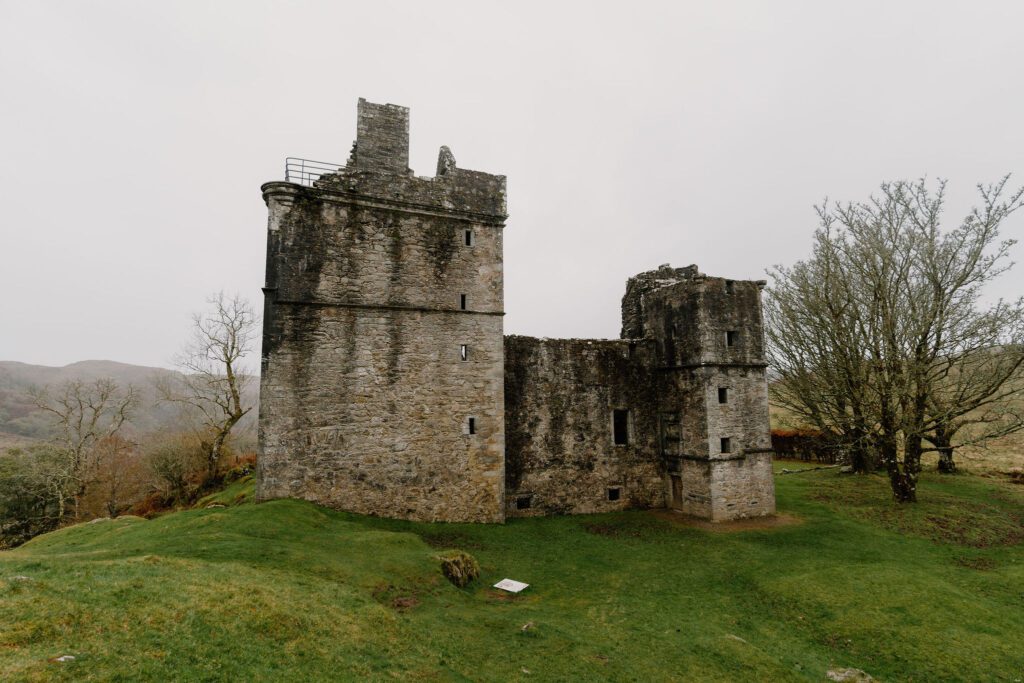
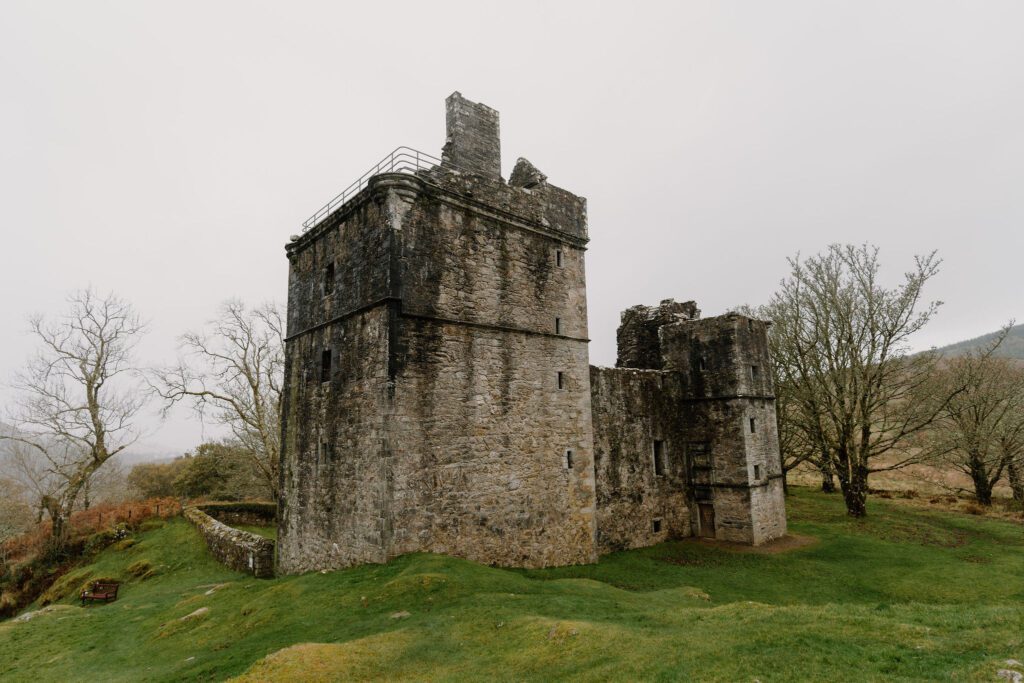
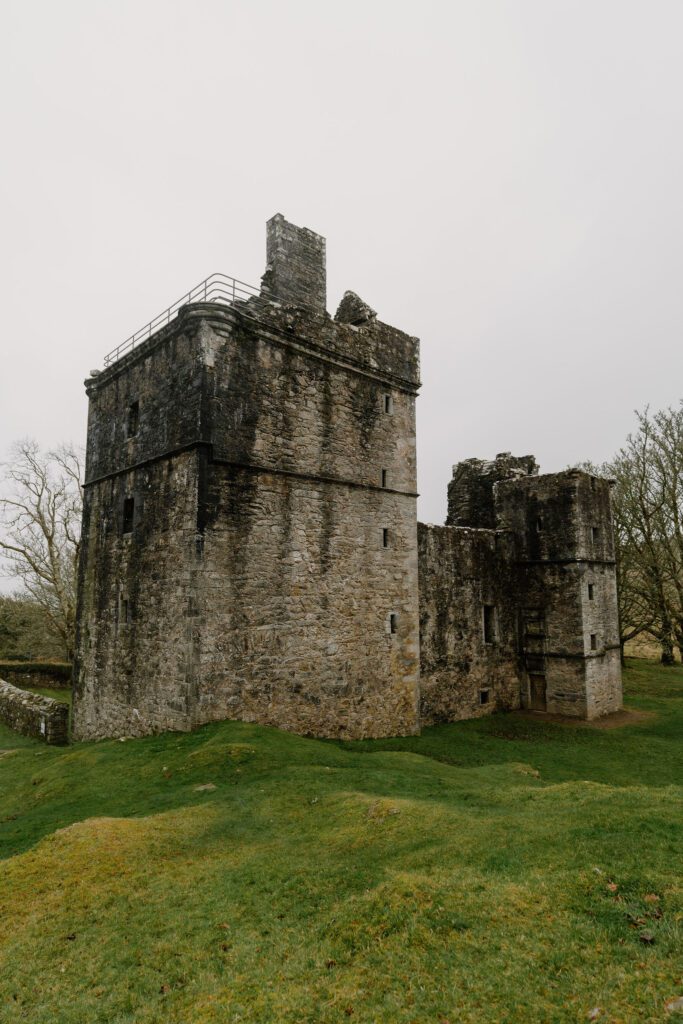
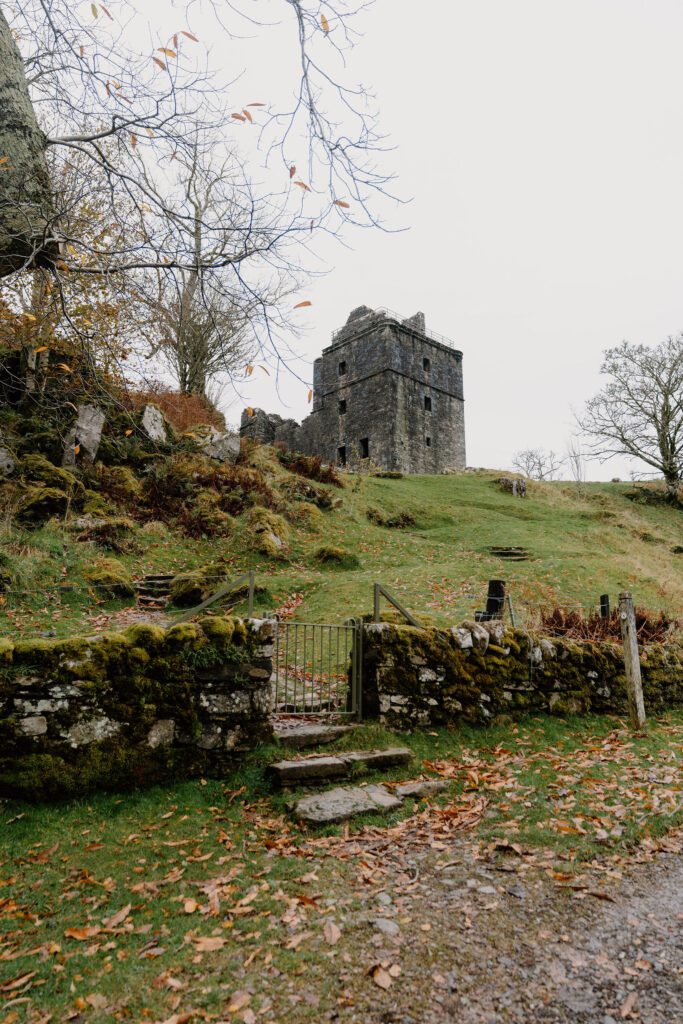
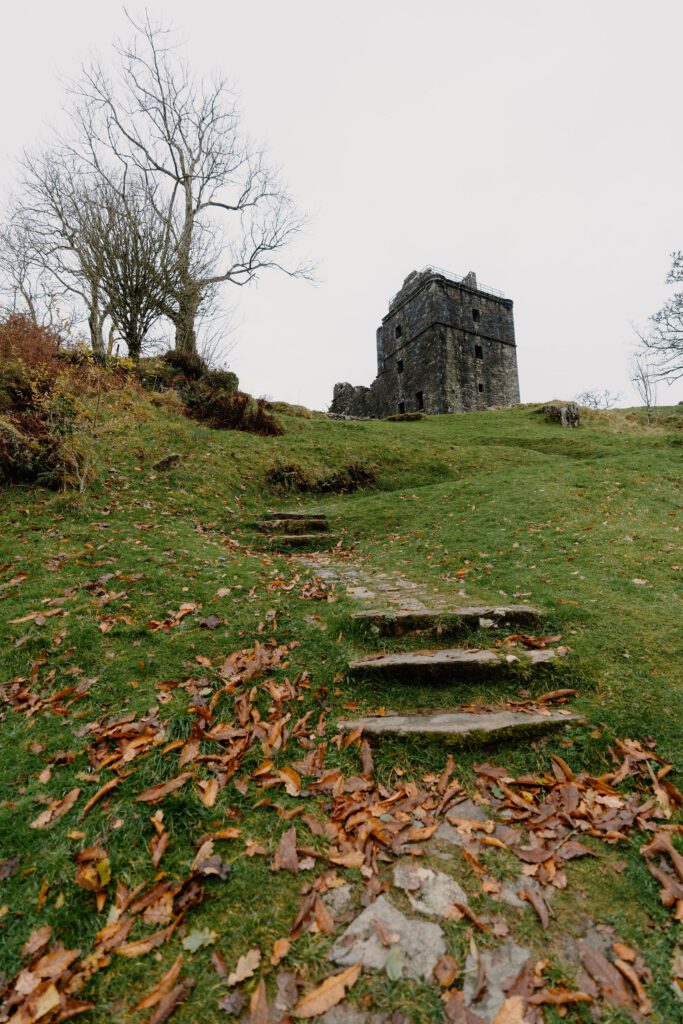
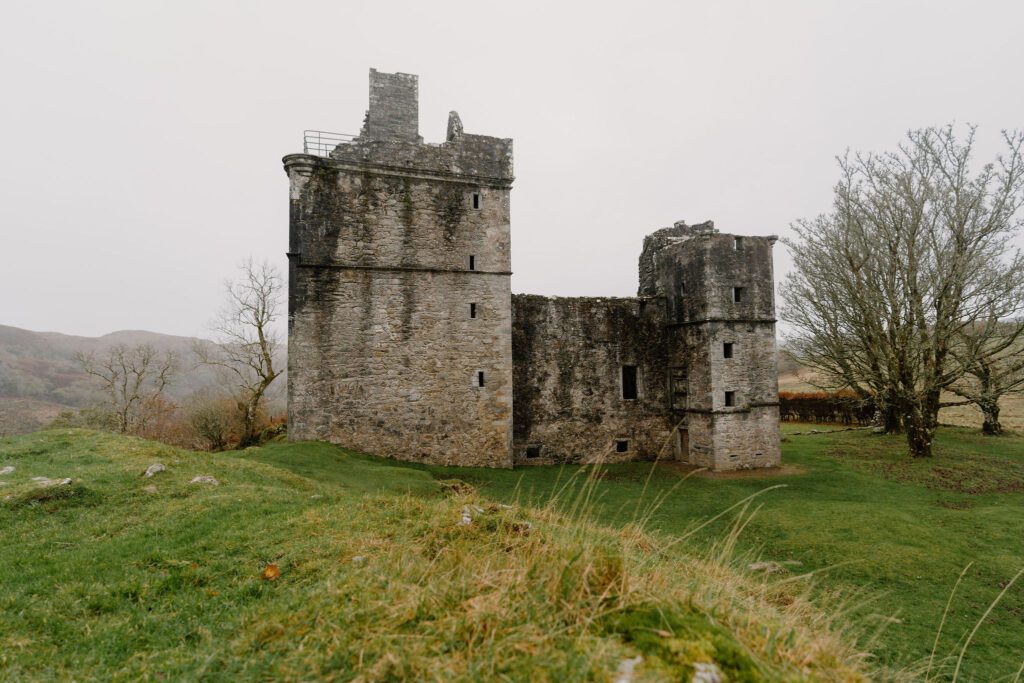
t’s a steep 10 minute hike uphill from the carpark, but reaching Carnasserie Castle is worth it! Built in the 16th century by John Carswell, it’s in remarkable condition considering it was abandoned around 100 years later. Carswell hired the same masons that had worked at Stirling Castle, so this was extreme luxury at the time.
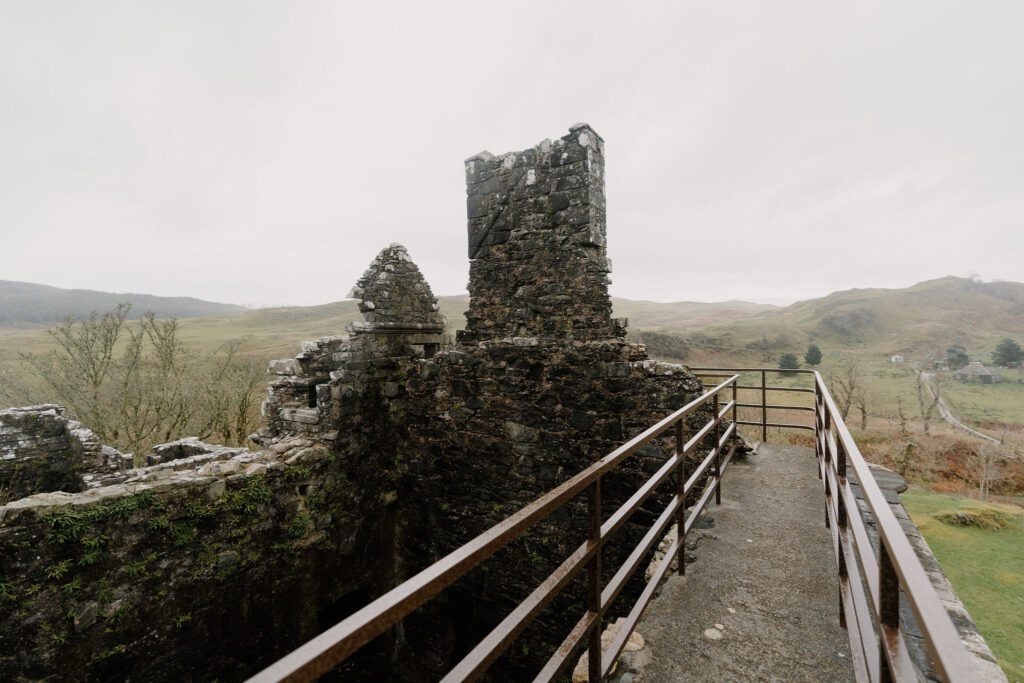
Access is free and I’d recommend heading to the far tower, past the well and climbing to the very top of the ramparts. The views are incredible and make the hike up the hill worth the effort.
Kilmartin Graveslabs
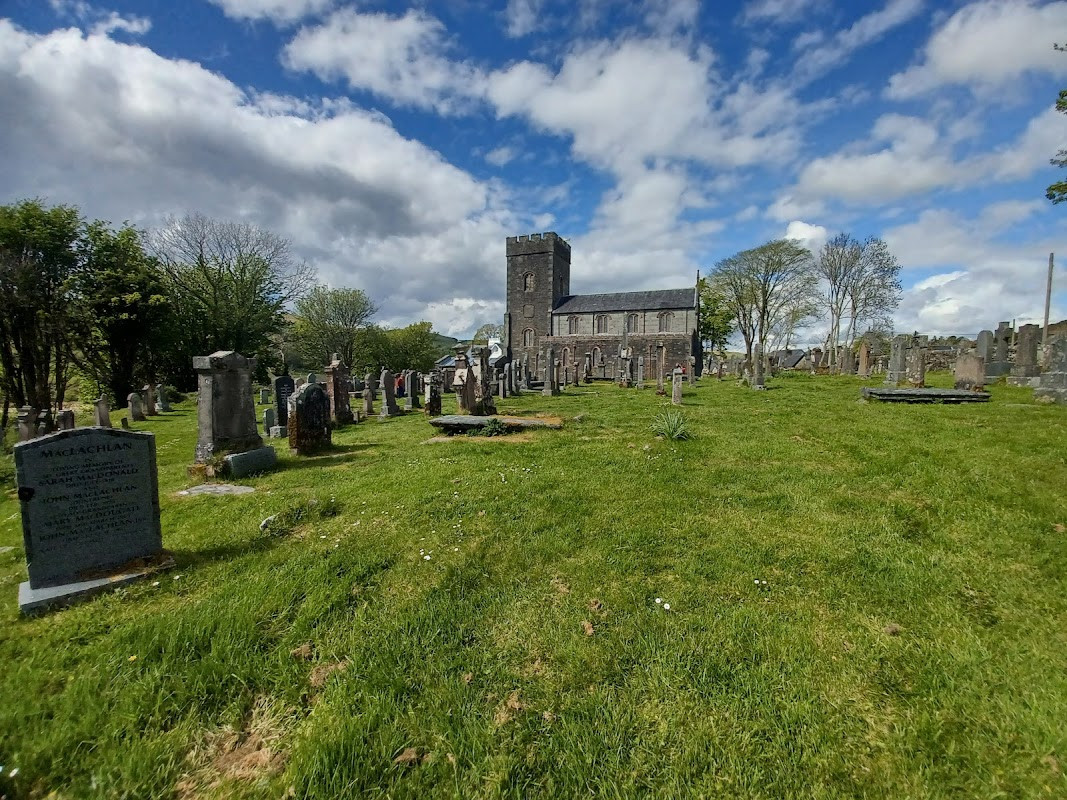
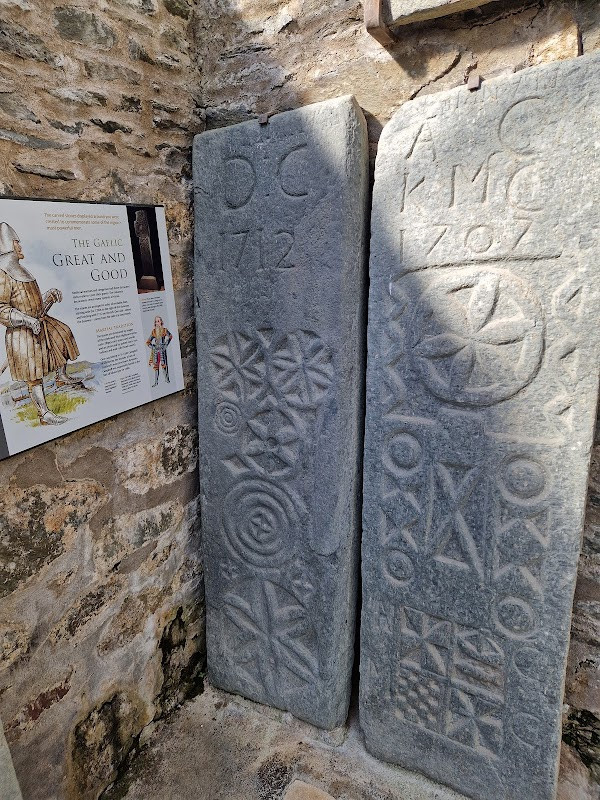
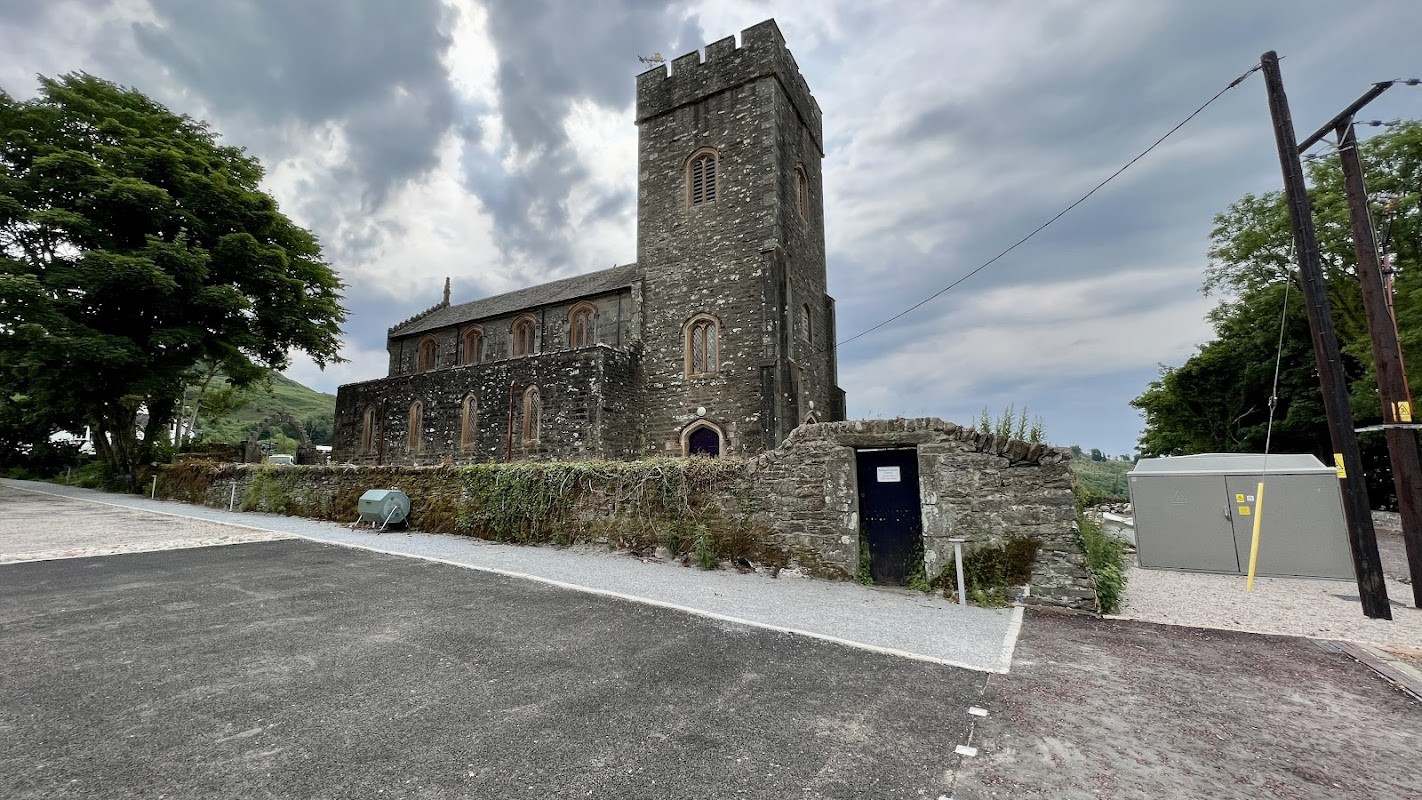
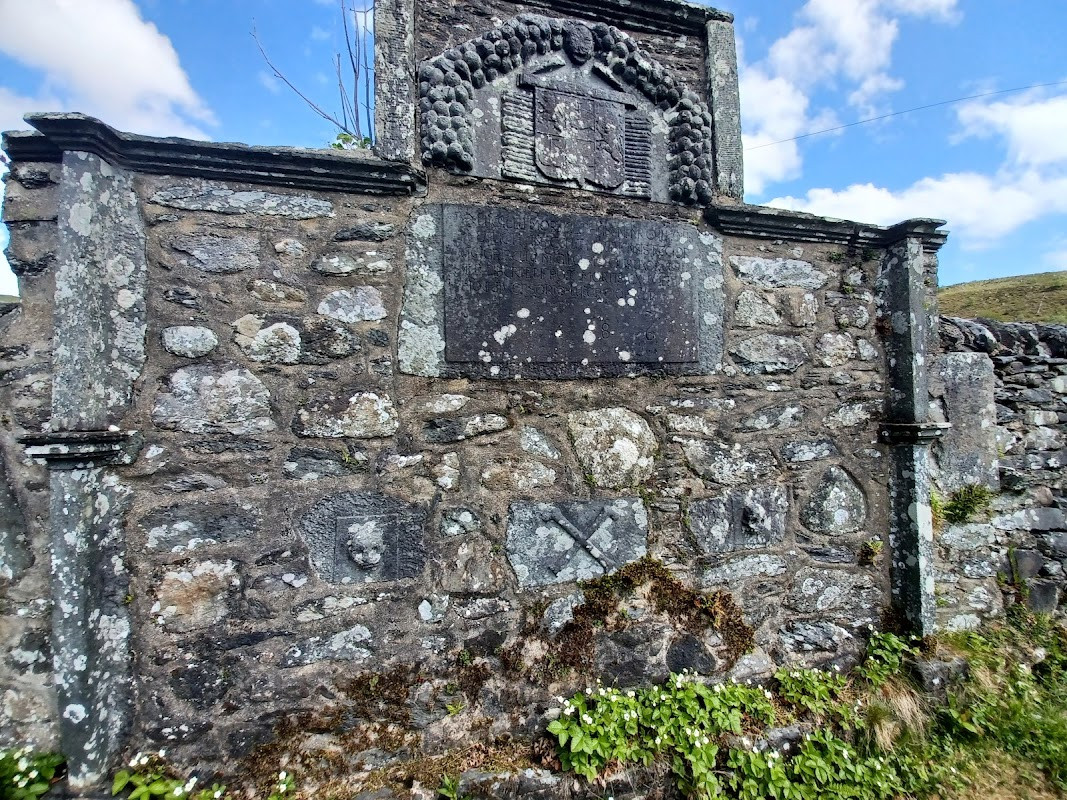
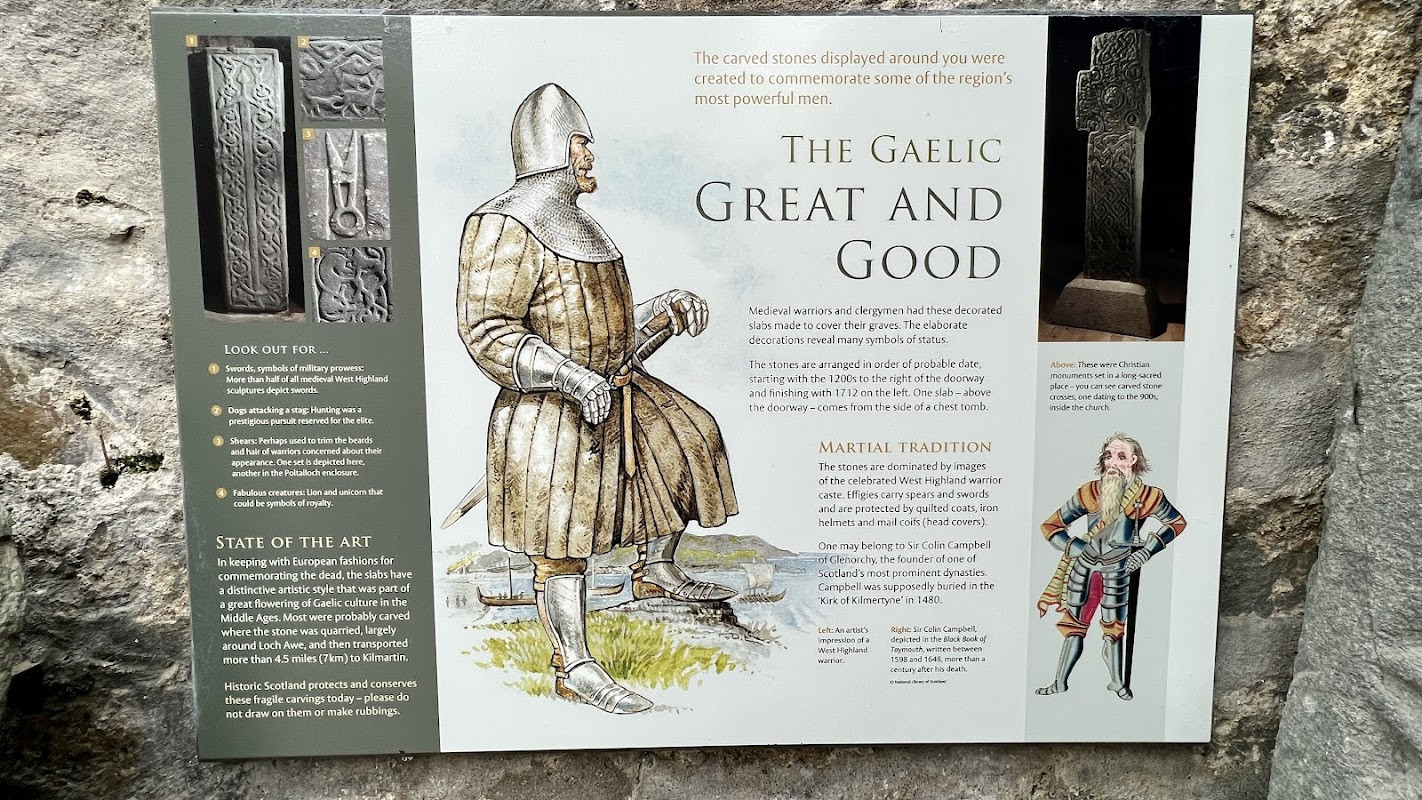
At first glance, Kilmartin Church is a typical Victorian building, but it replaced a series of much older churches and that’s evidenced towards the rear of the graveyard. Inside an old burial aisle stand dozens of incredible West Highland Graveslabs, dating from the 1300s onwards.
There are depictions of warriors in armour, elaborate swords and intricate Celtic knotwork surrounding them all. We don’t know exactly who they represent, but there will likely be many important Campbell clansmen amongst them.
Nether Largie Stones/Cairn/Temple
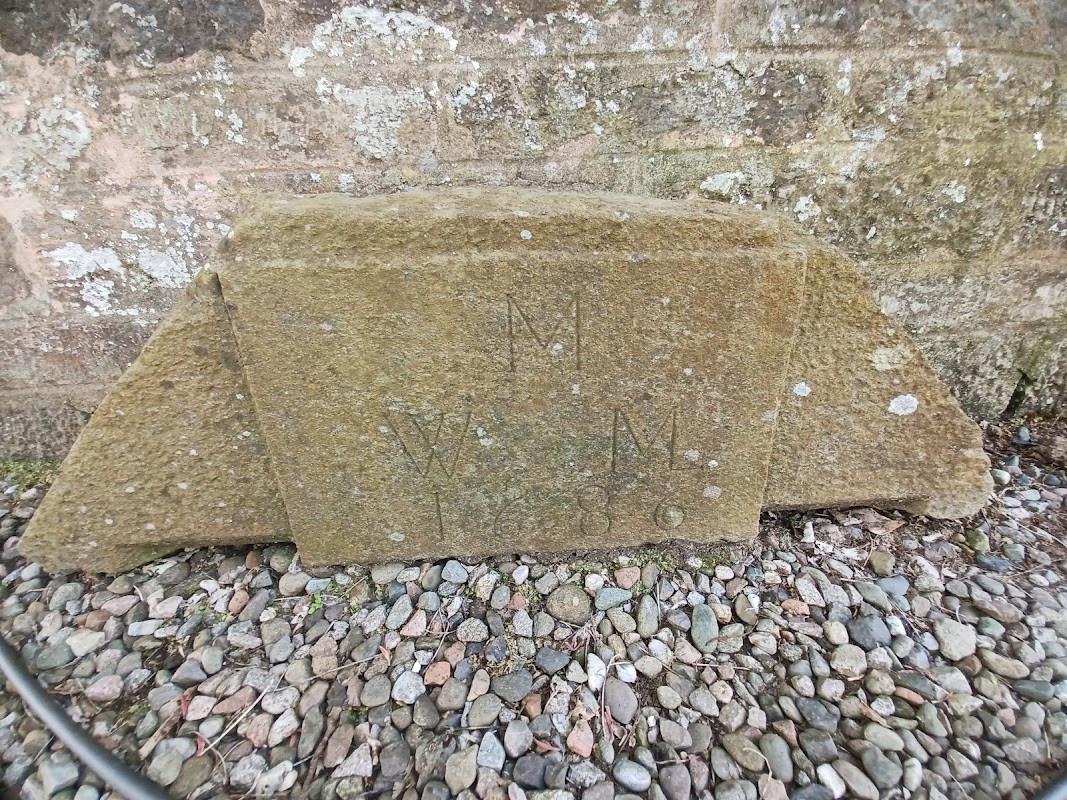
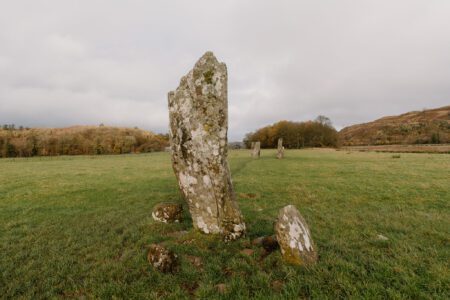
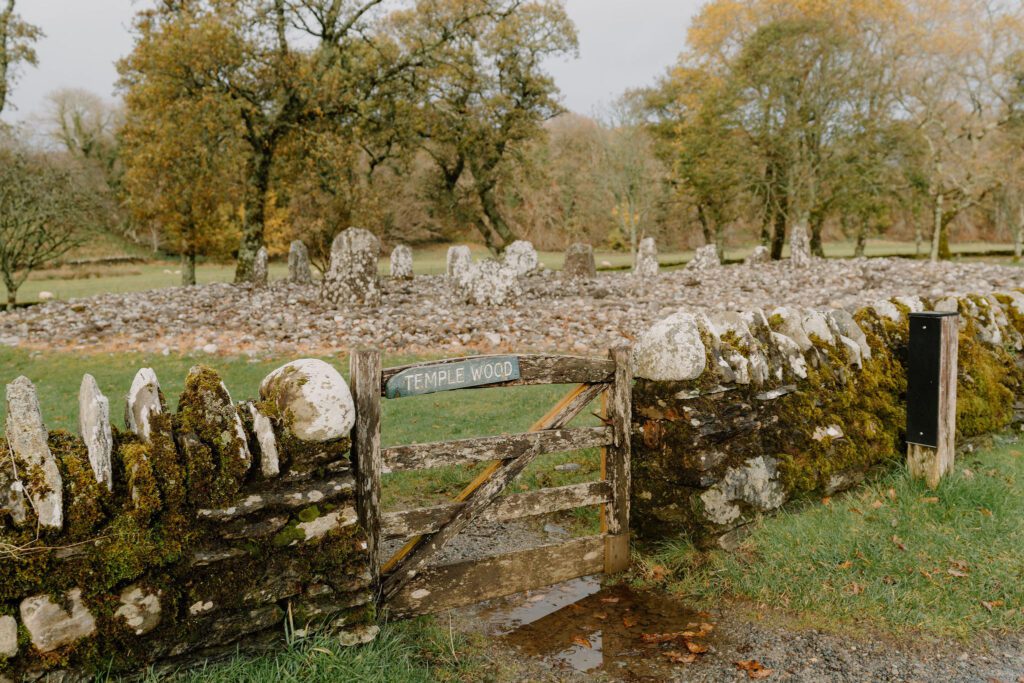
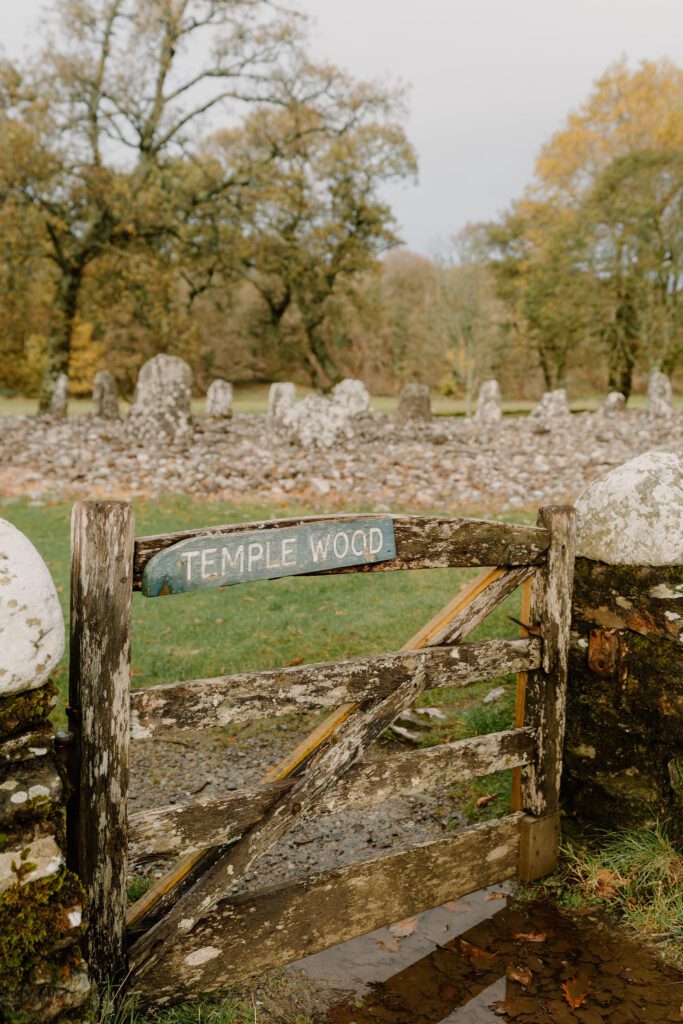
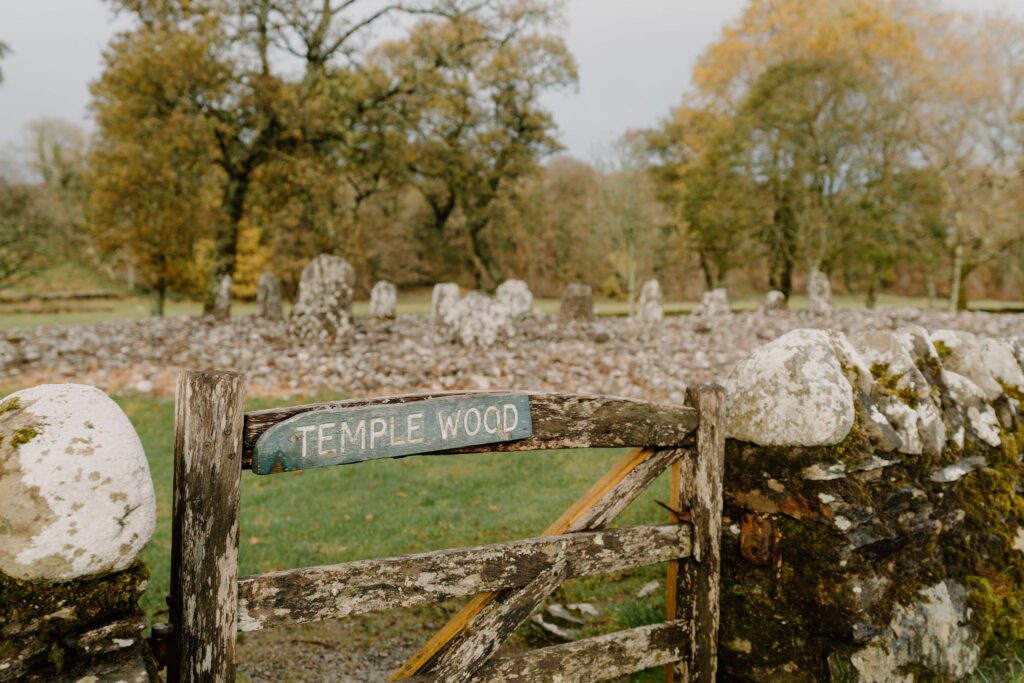
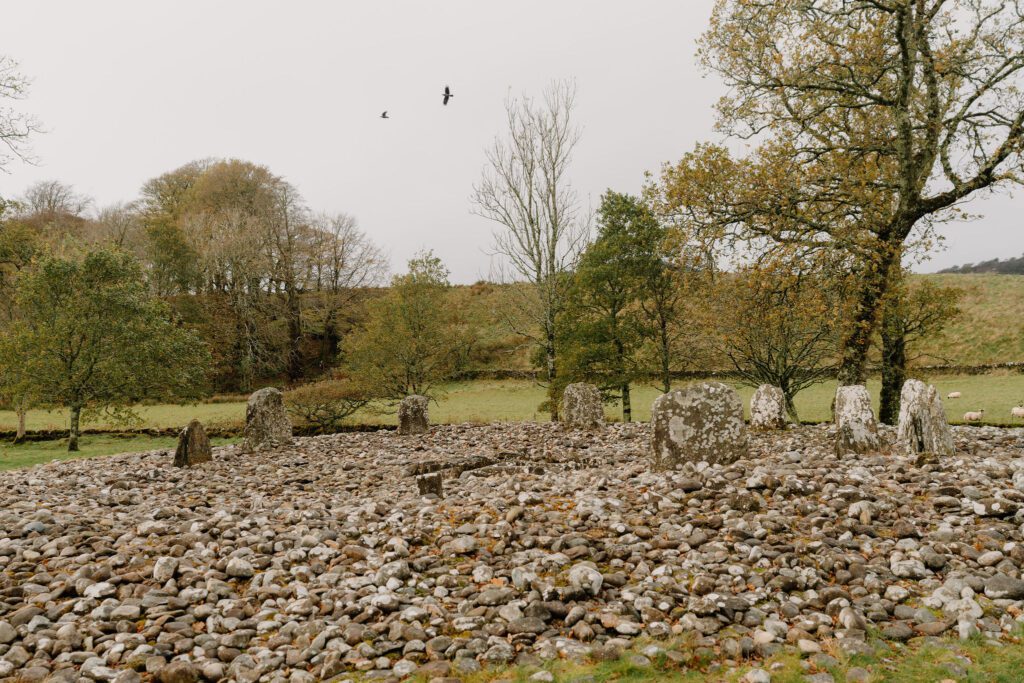
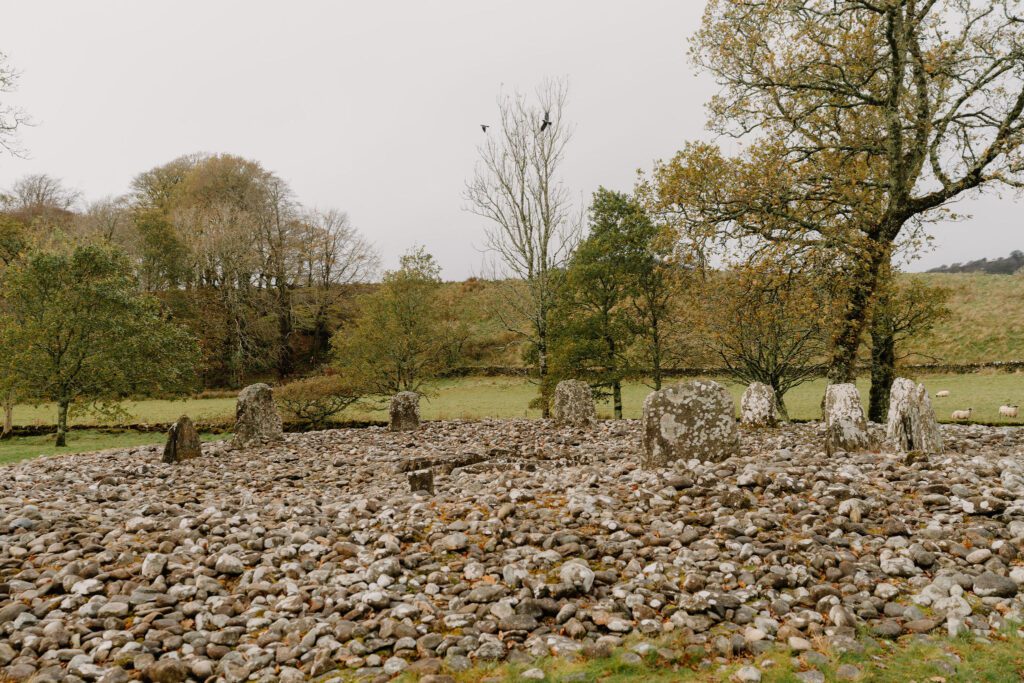
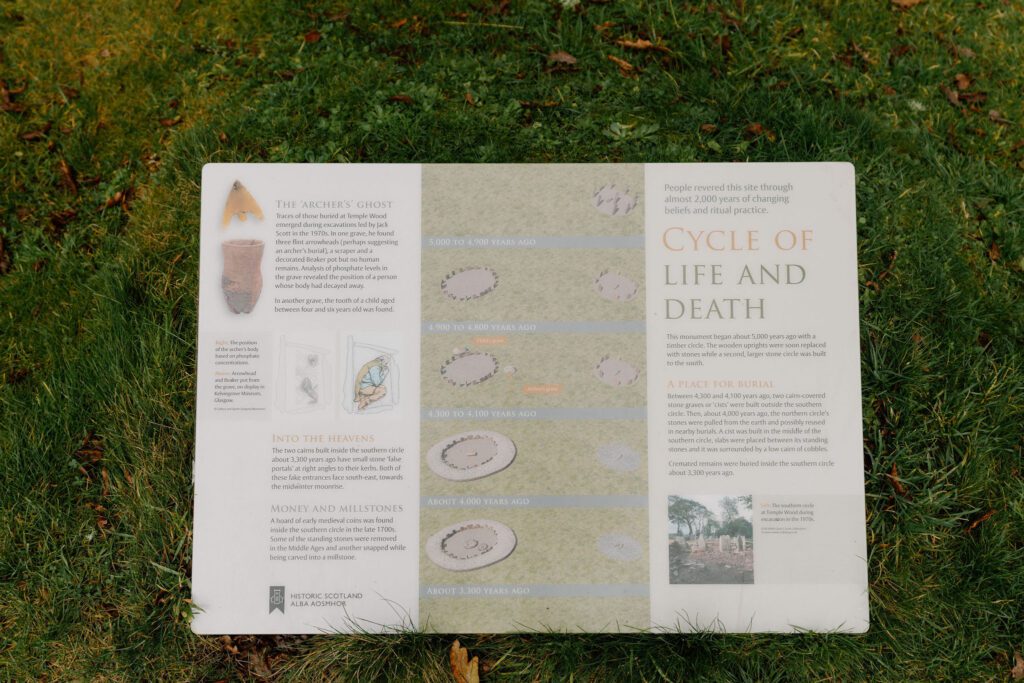
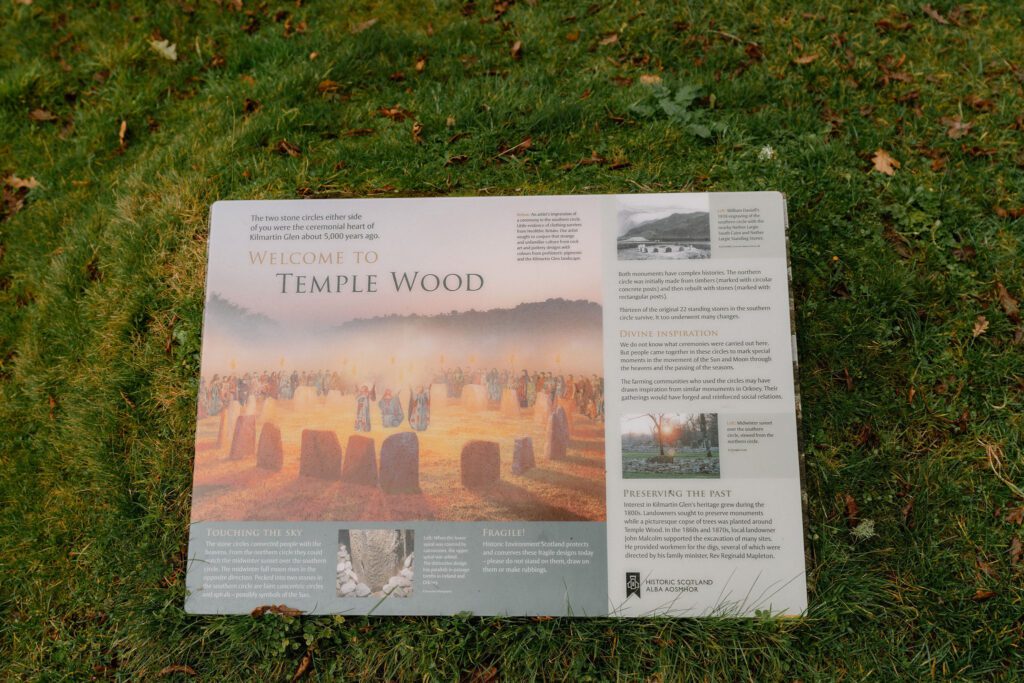
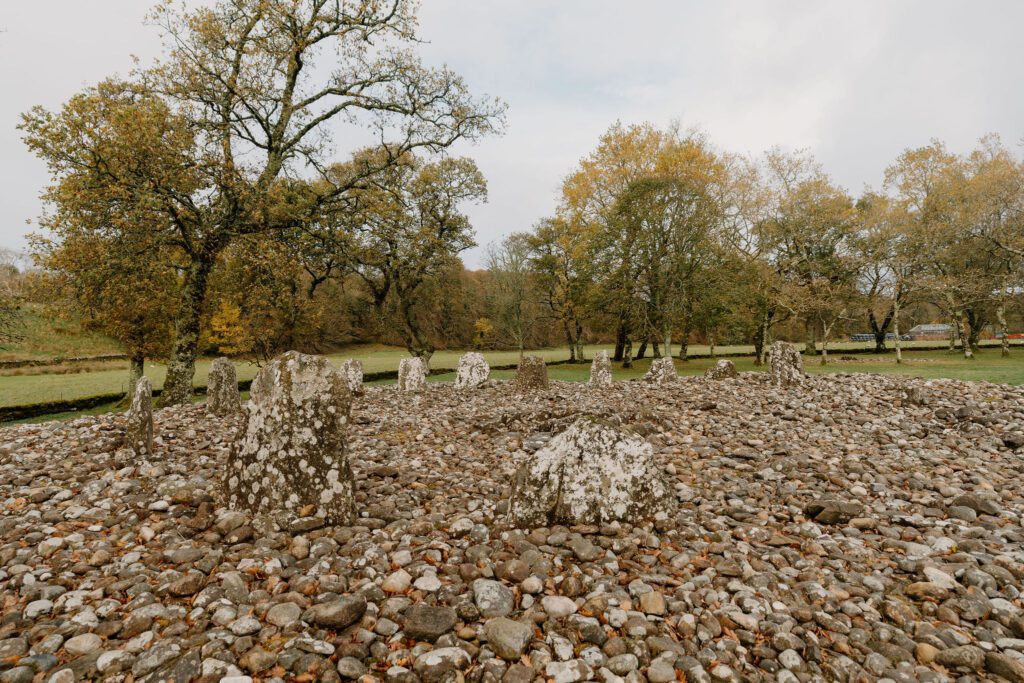
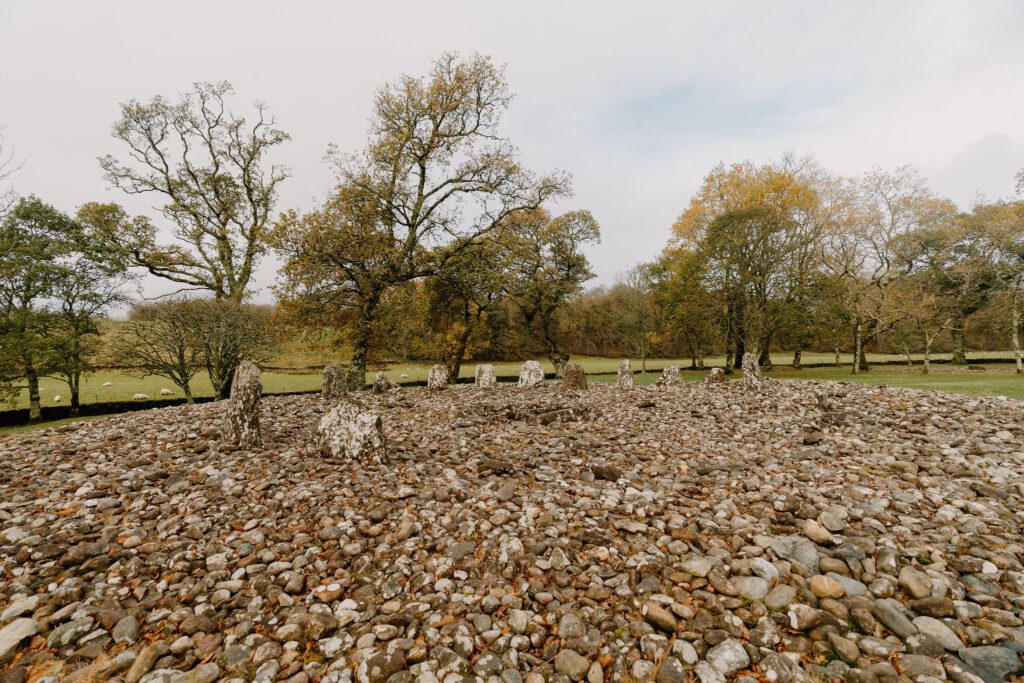
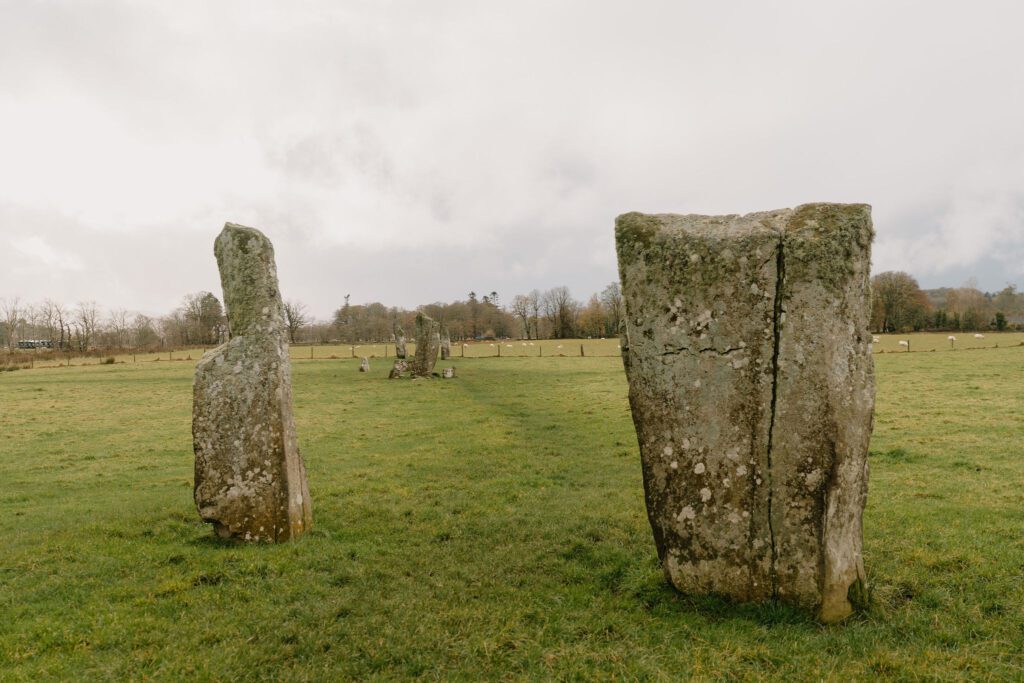
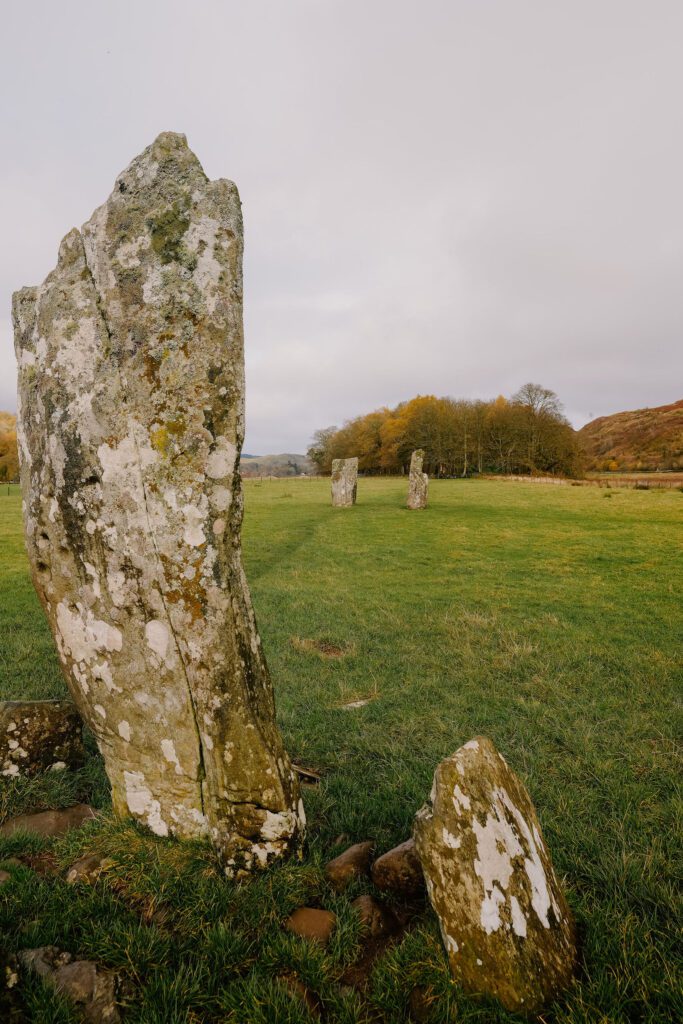
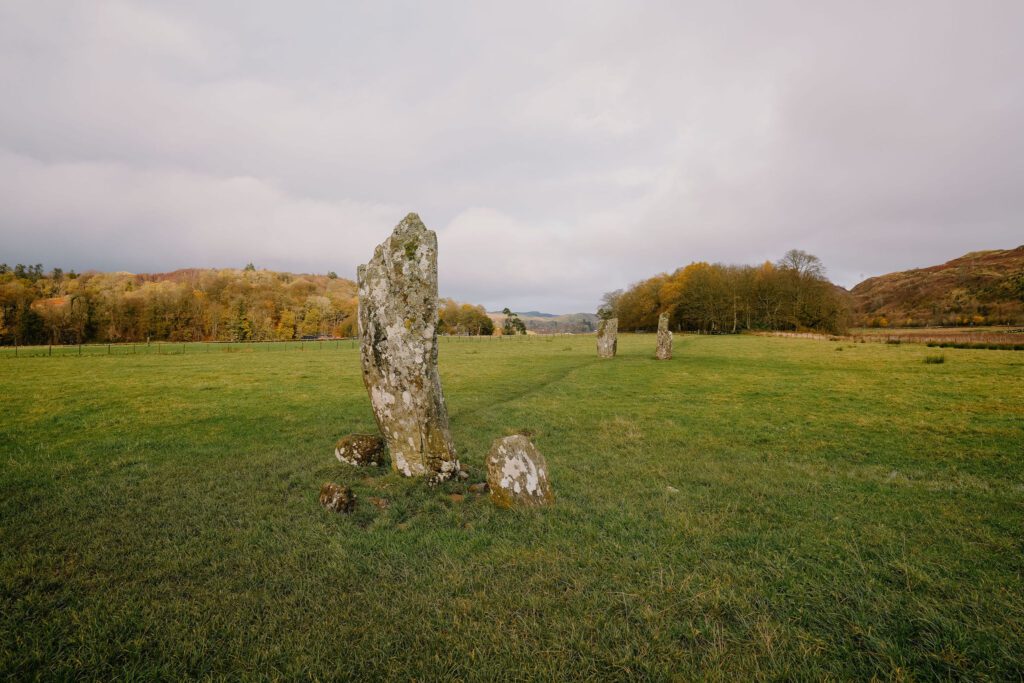
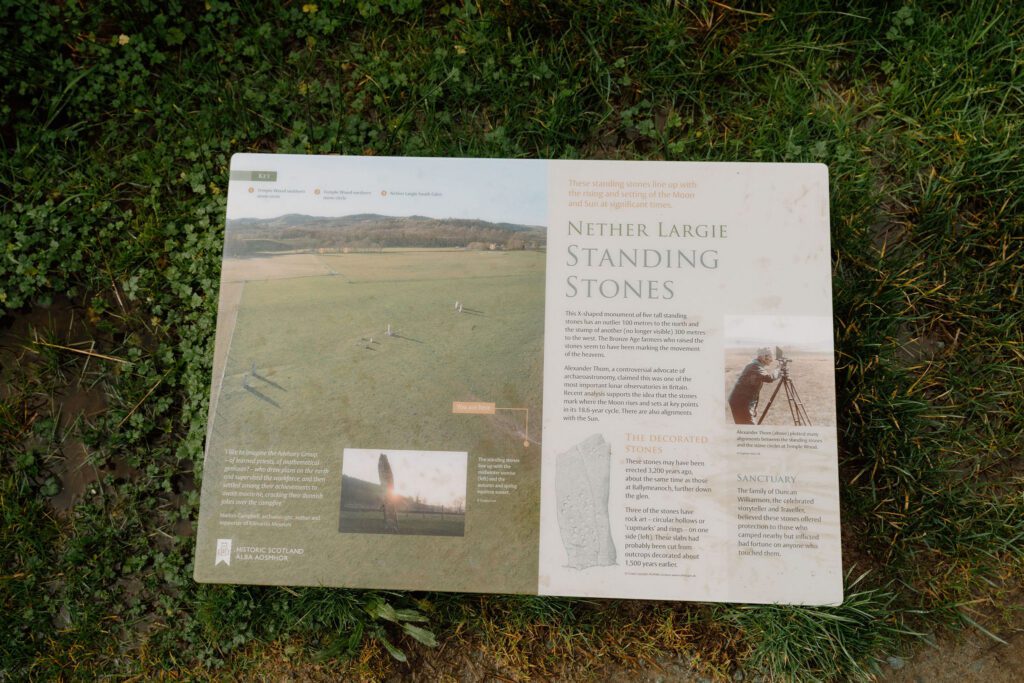
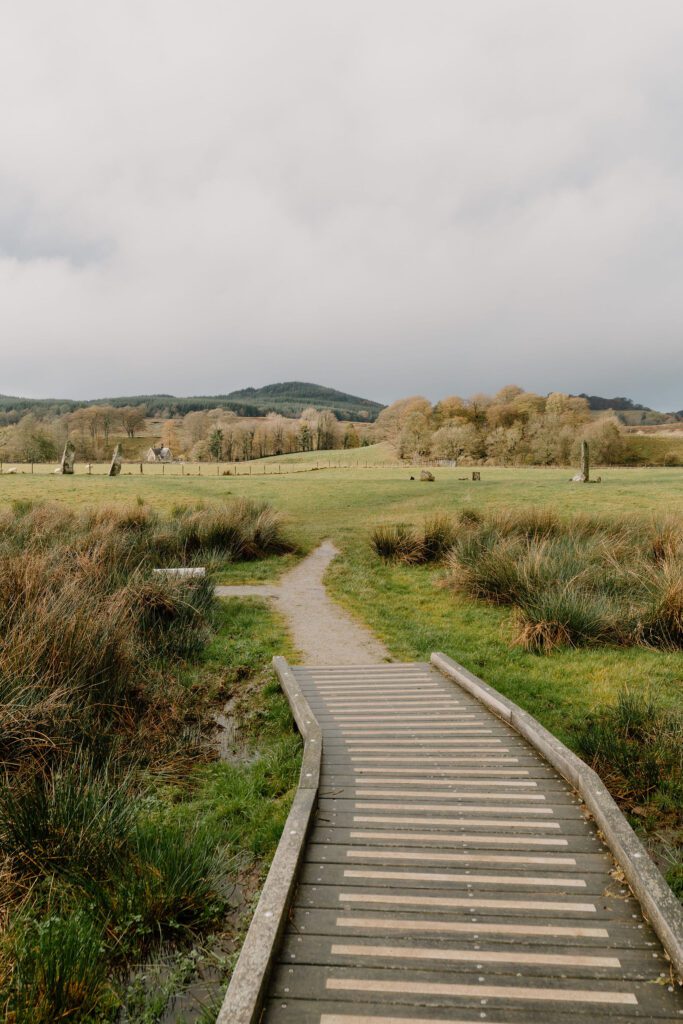
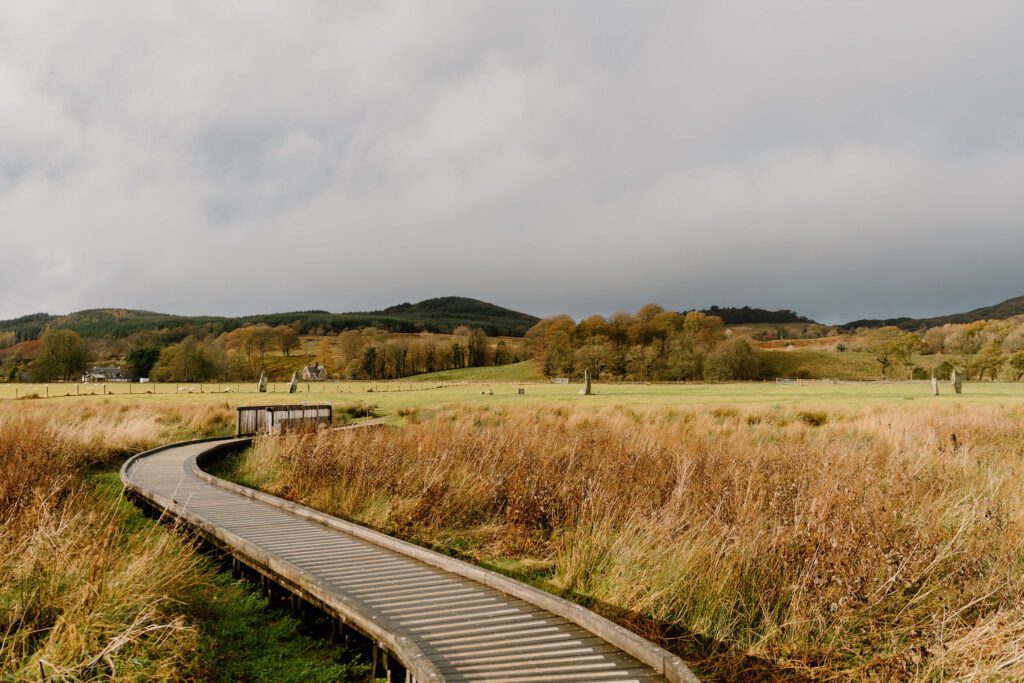
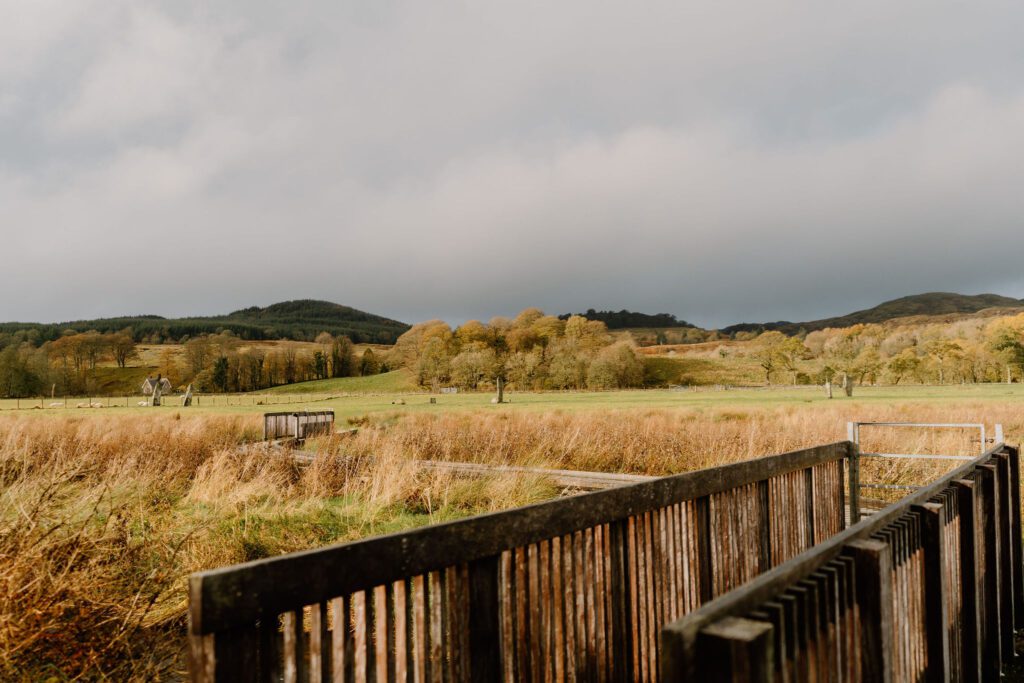
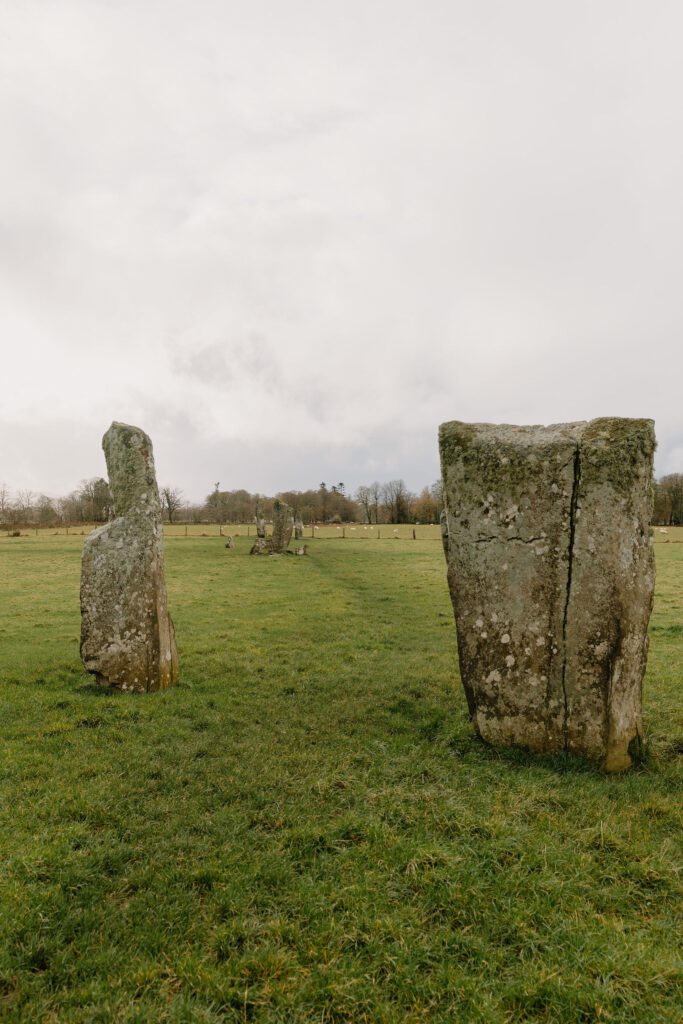
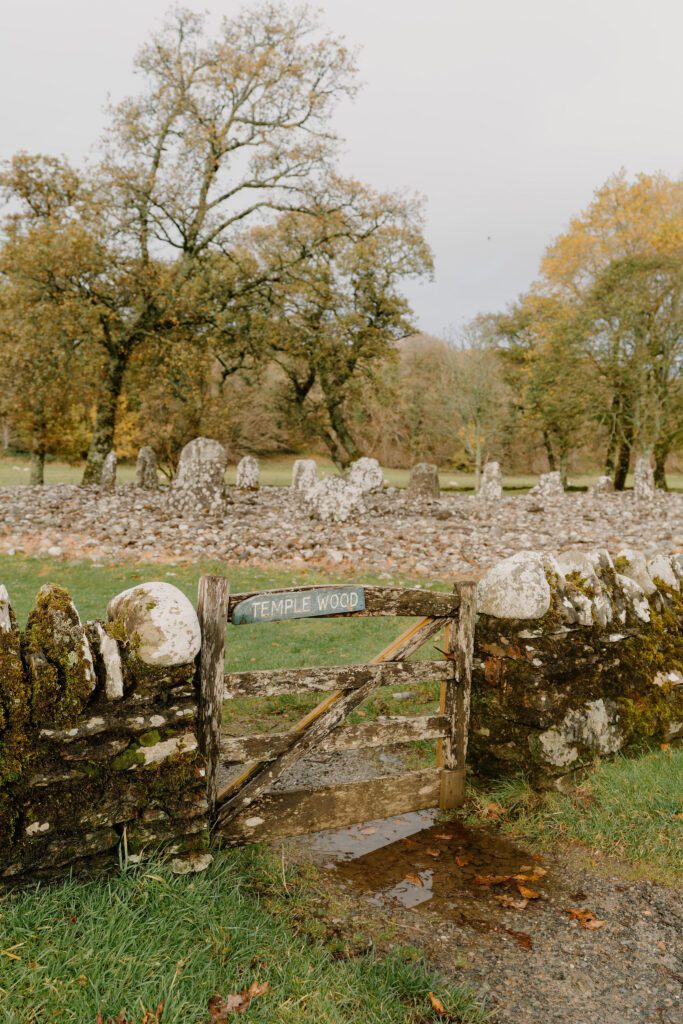
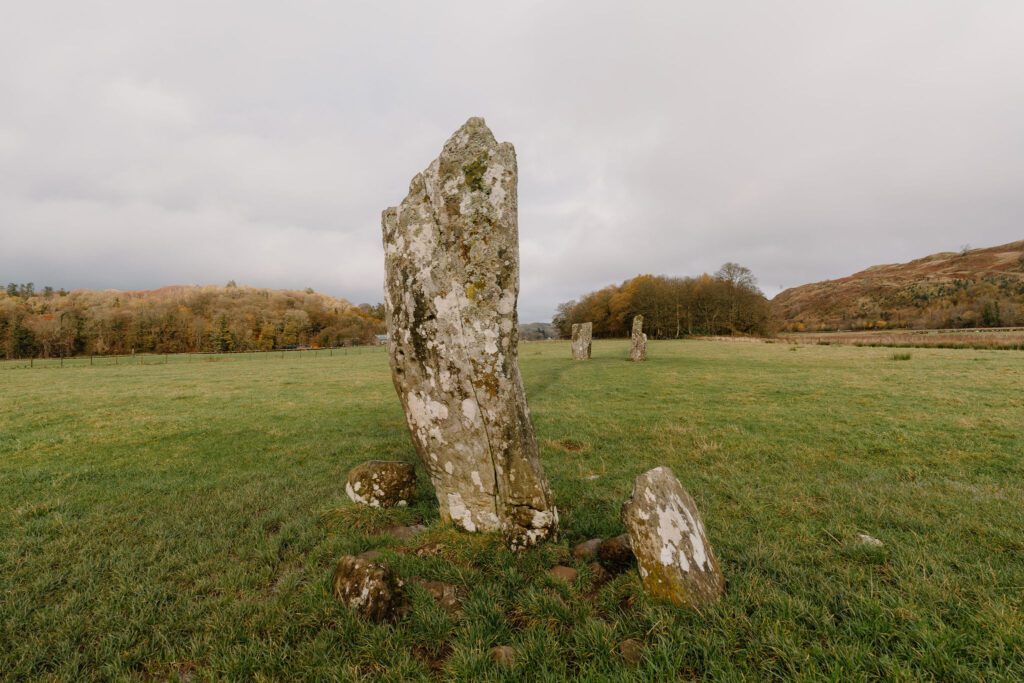
If you have more time, then a walk around the Kilmartin Museum gives an excellent background to why Kilmartin Glen is a special place. Otherwise, this small area is packed with Neolithic monuments that you can explore at your own pace and I like to head straight for the Nether Largie Standing Stones. Set up in a strange X-formation, they’re around 3500 years old and right at the middle of an ancient ceremonial landscape. It’s a short walk to Nether Largie Mid Cairn, an even older burial site and then Temple Wood, used for 2000 years in varying ways. We don’t know much about the people who lived here, but clearly Kilmartin was an important place.
Lunch at Tayvallich Café
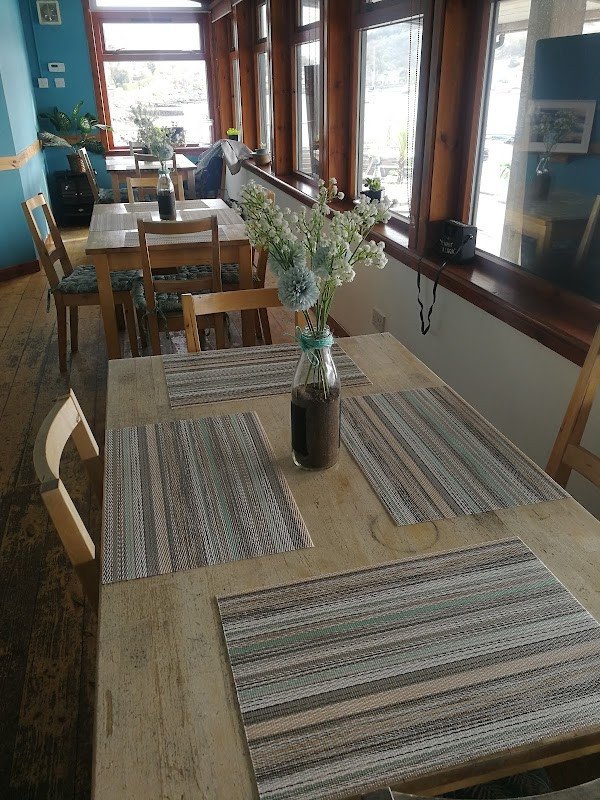
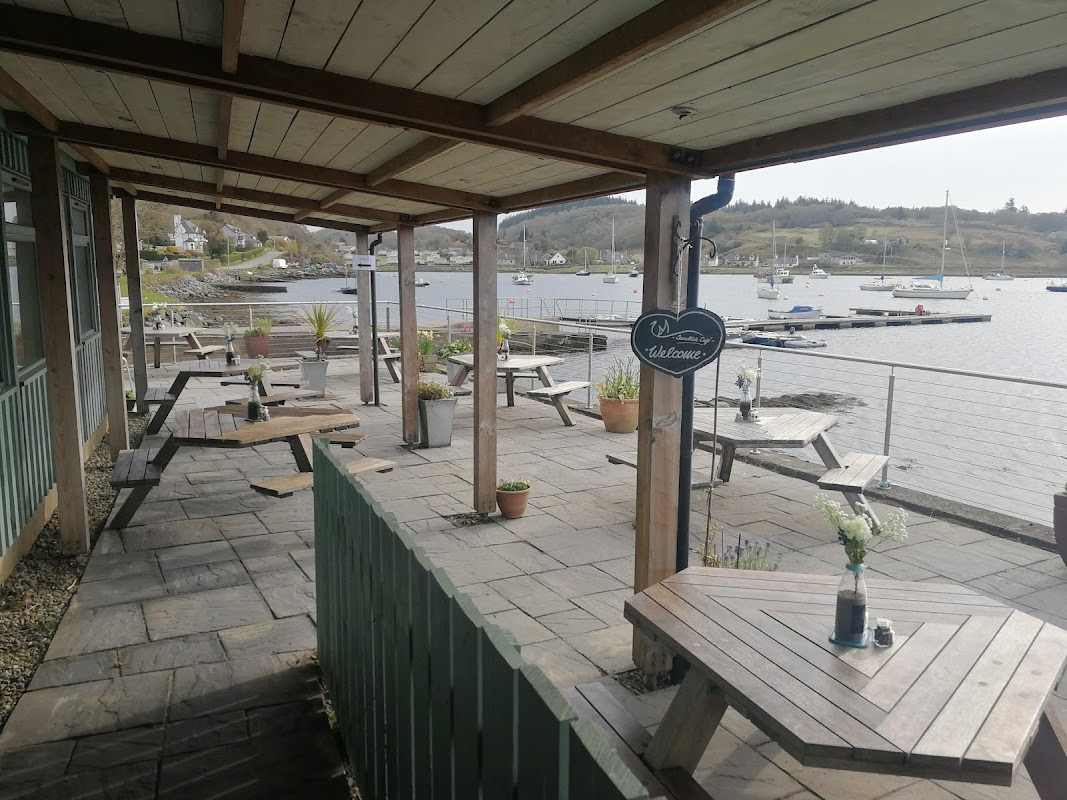
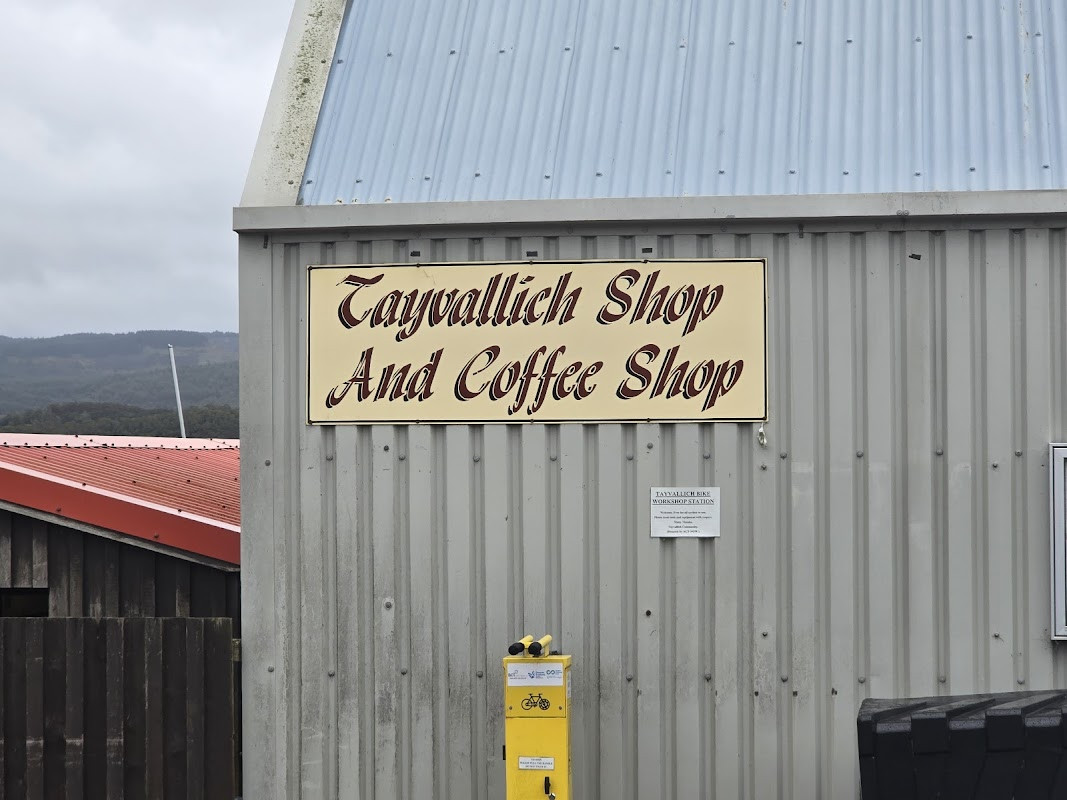
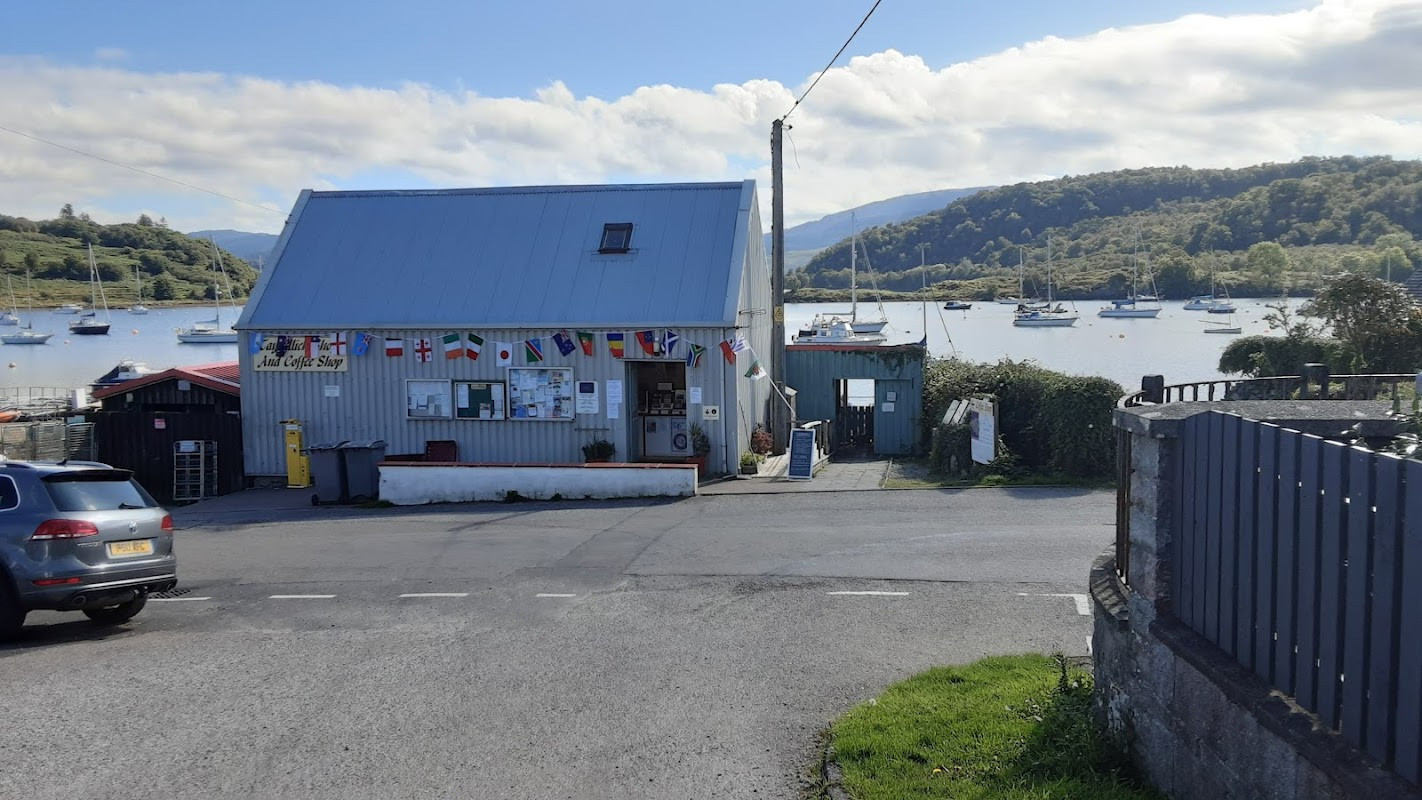
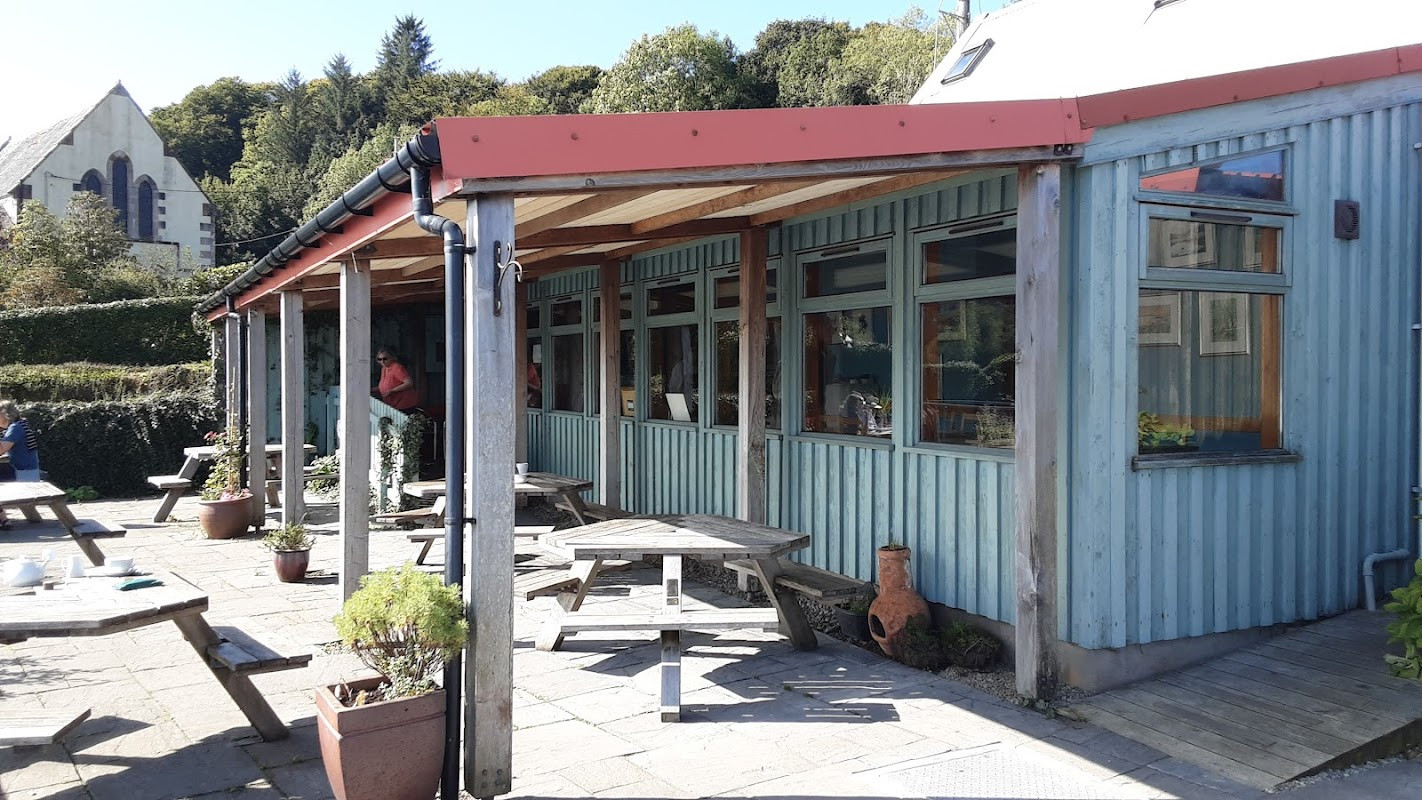
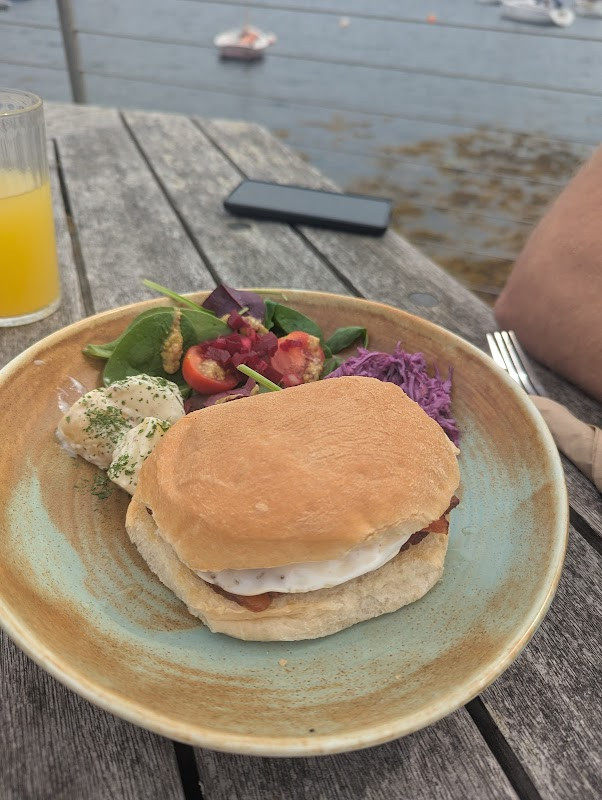
Tucked away down one of Mid-Argyll’s many peninsulas, the Tayvallich Café is perfectly situated beside a small natural harbour on Loch Sween. No better place to enjoy soup and a sandwich!

Keills Chapel
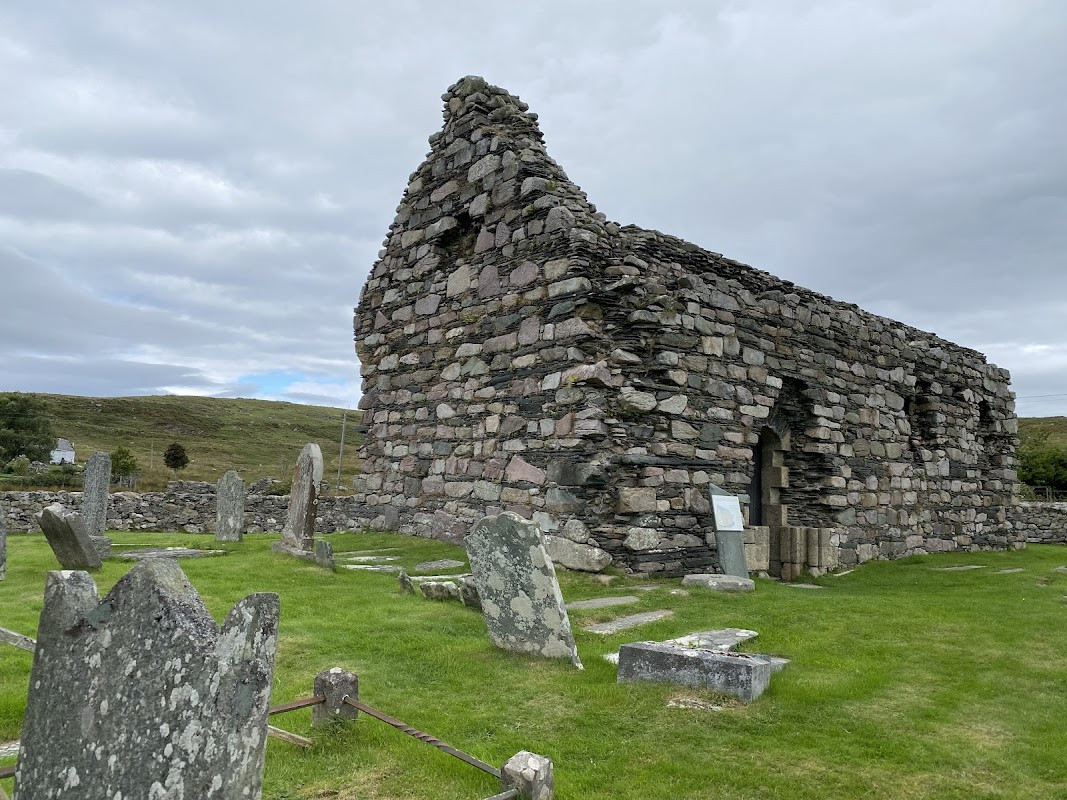
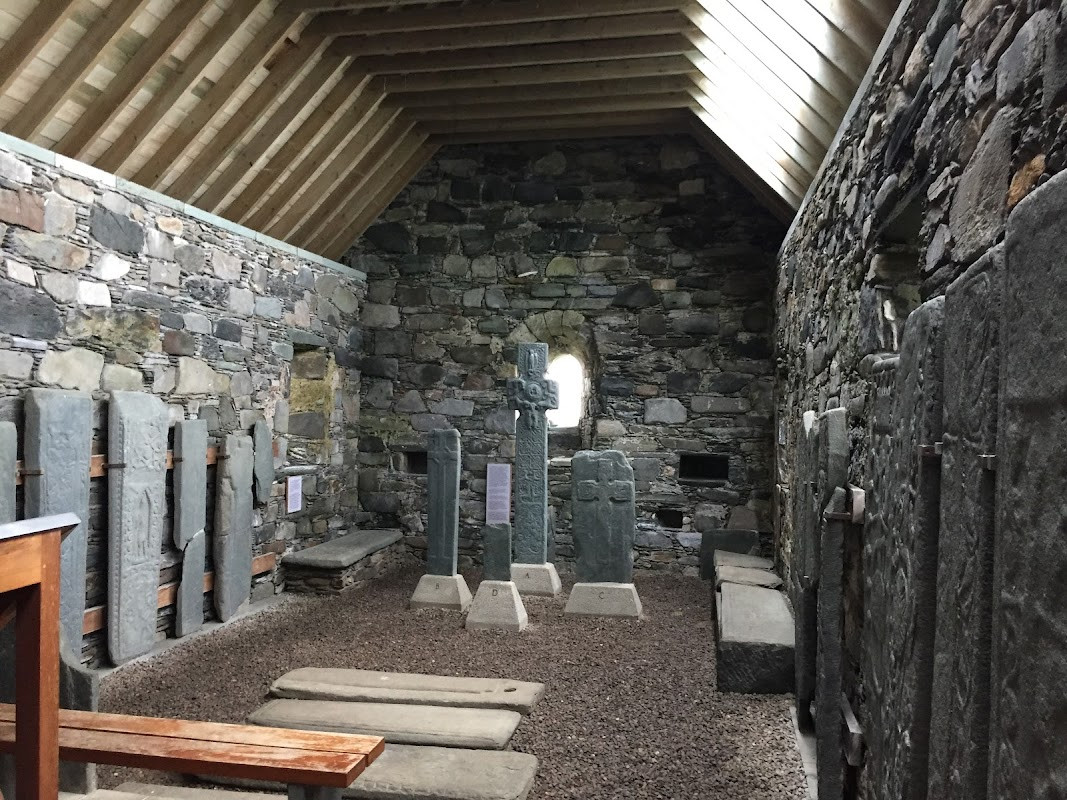
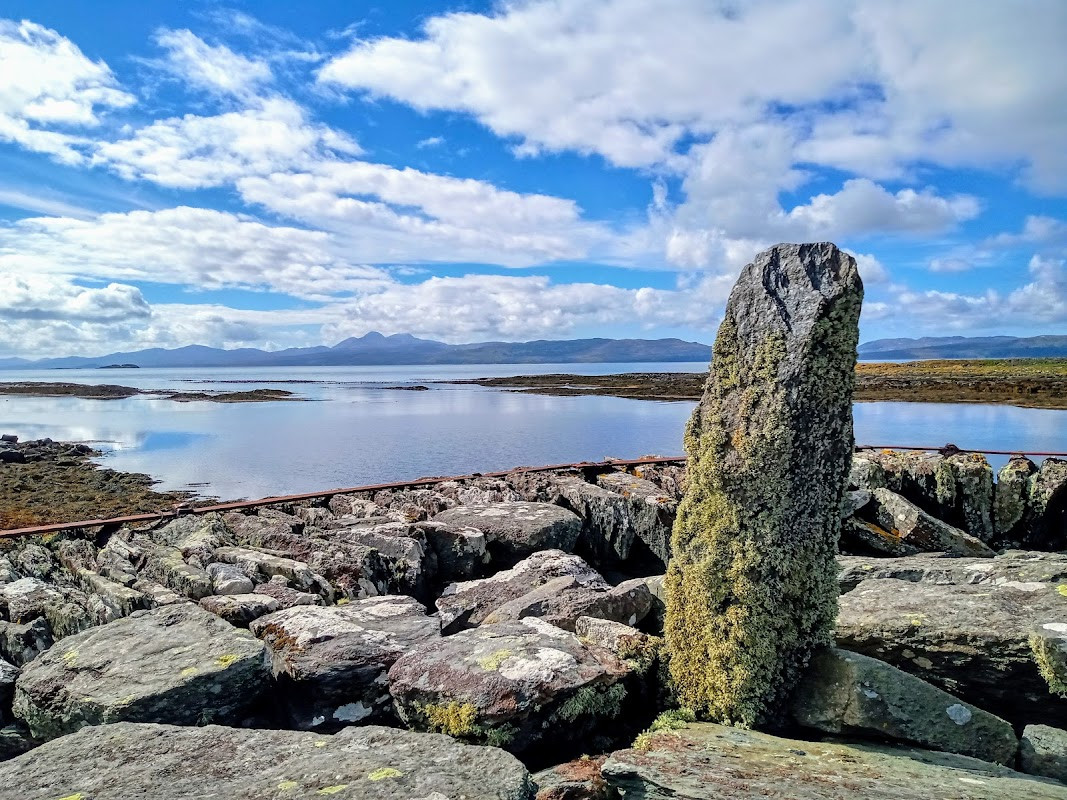
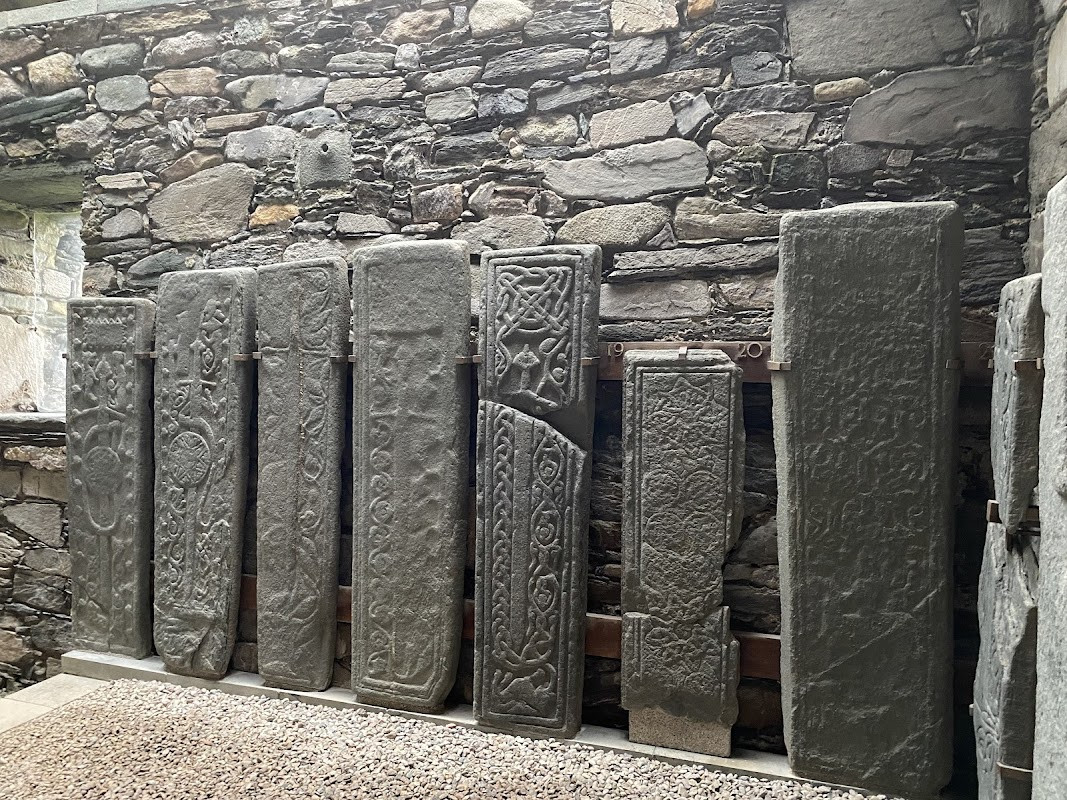
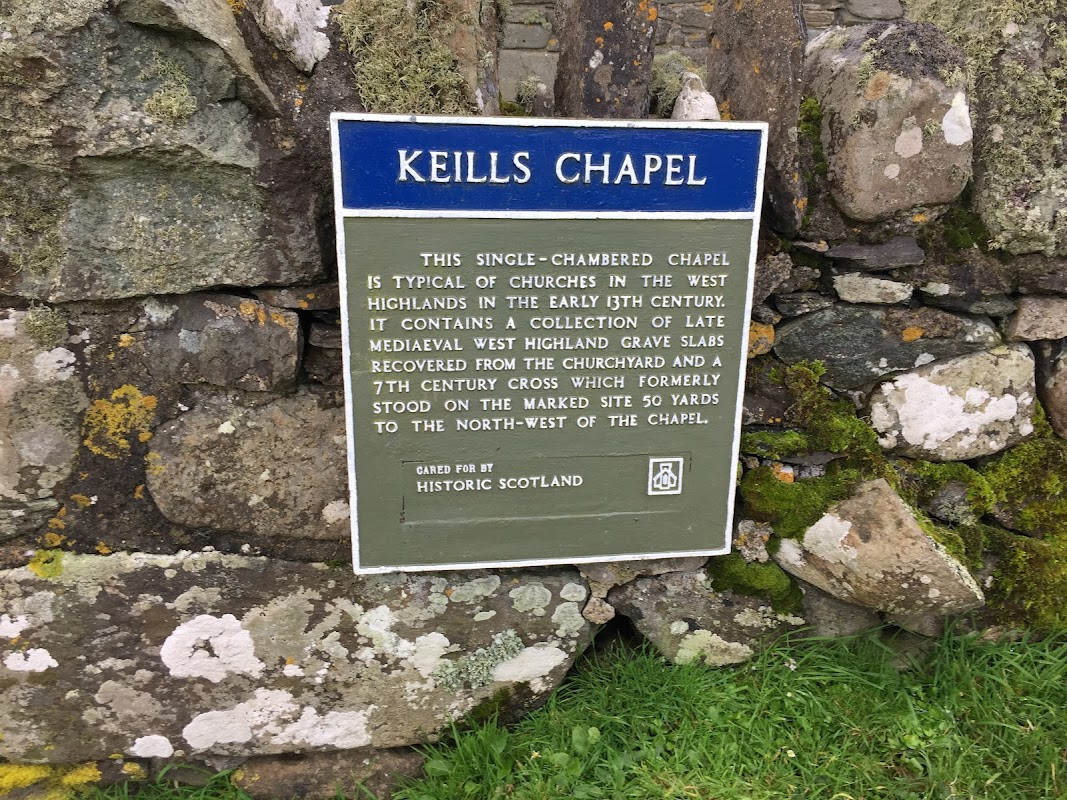
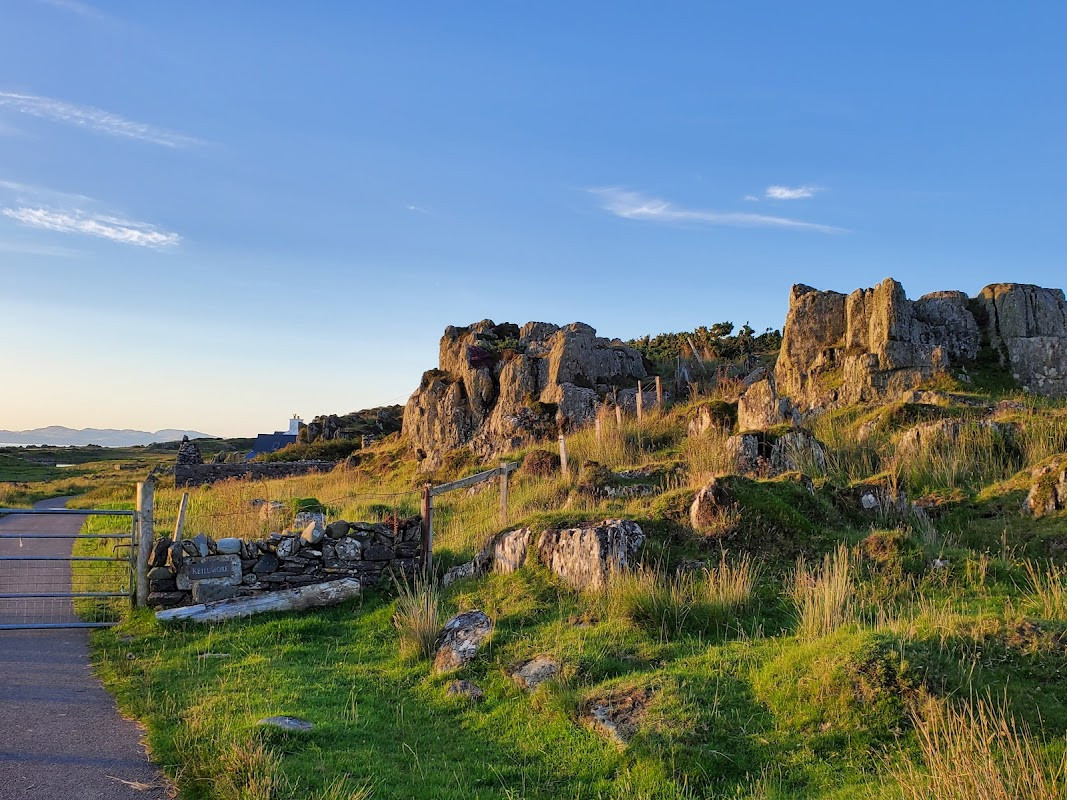
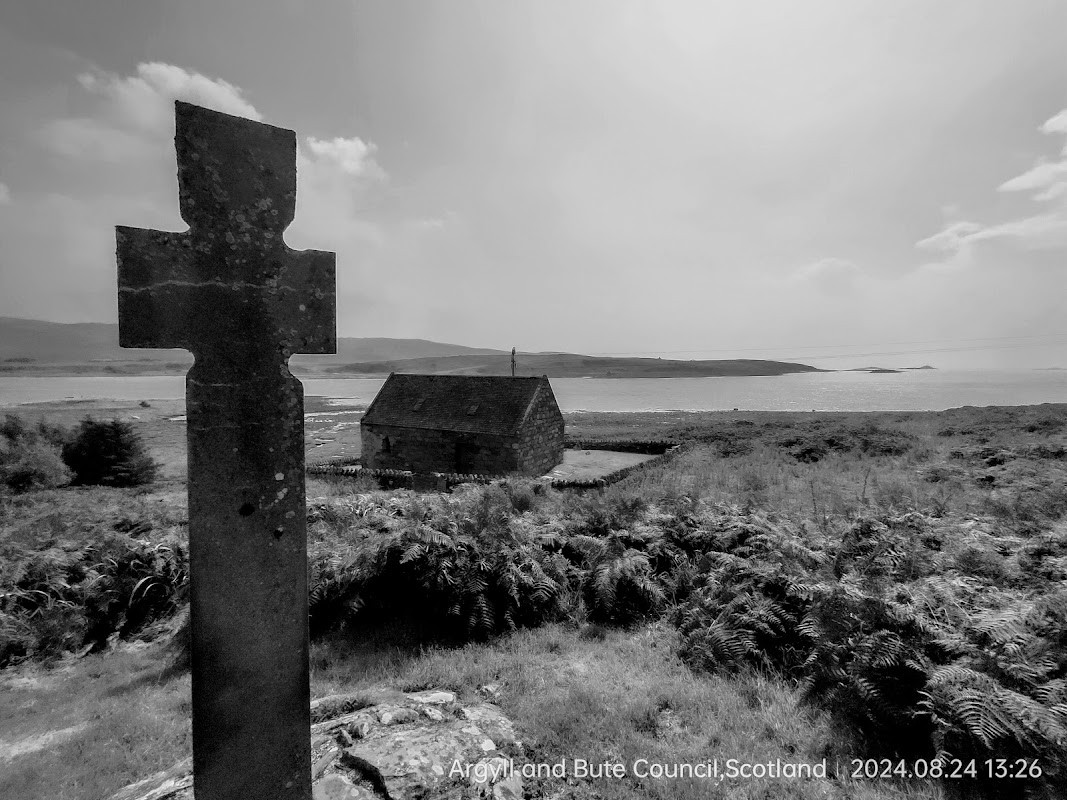
Carry on down the peninsula, through a farm gate (remember to close it behind you) and you’ll reach the parking area for Keills Chapel. Looking out to sea on a low rise, this 12th century chapel would have been used for regular Sunday worship for centuries, with people coming from miles around, many by boat! Inside, surrounded by more carved graveslabs, stands the Keills cross. Created from blue slate around 1300 years ago, it stood outside where the replica is now since before the chapel was built. It’s an absolute masterpiece, with Celtic knotwork surrounding biblical scenes.
Kilmory Oib Cleared Village
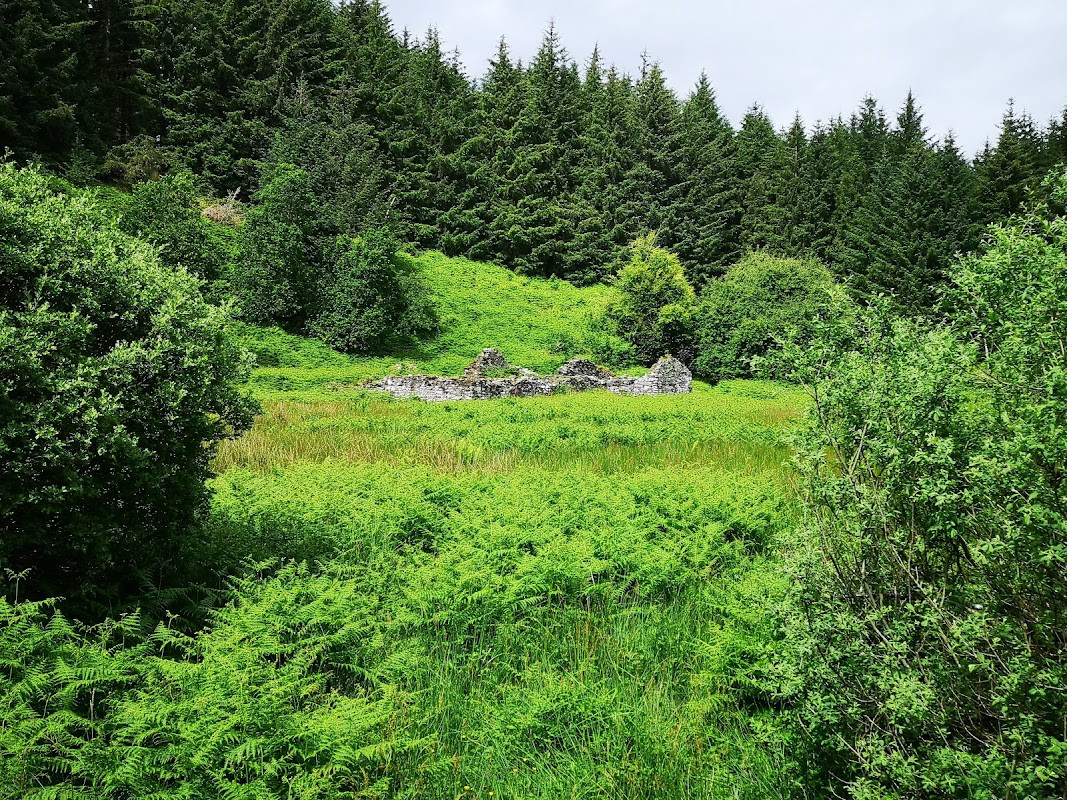
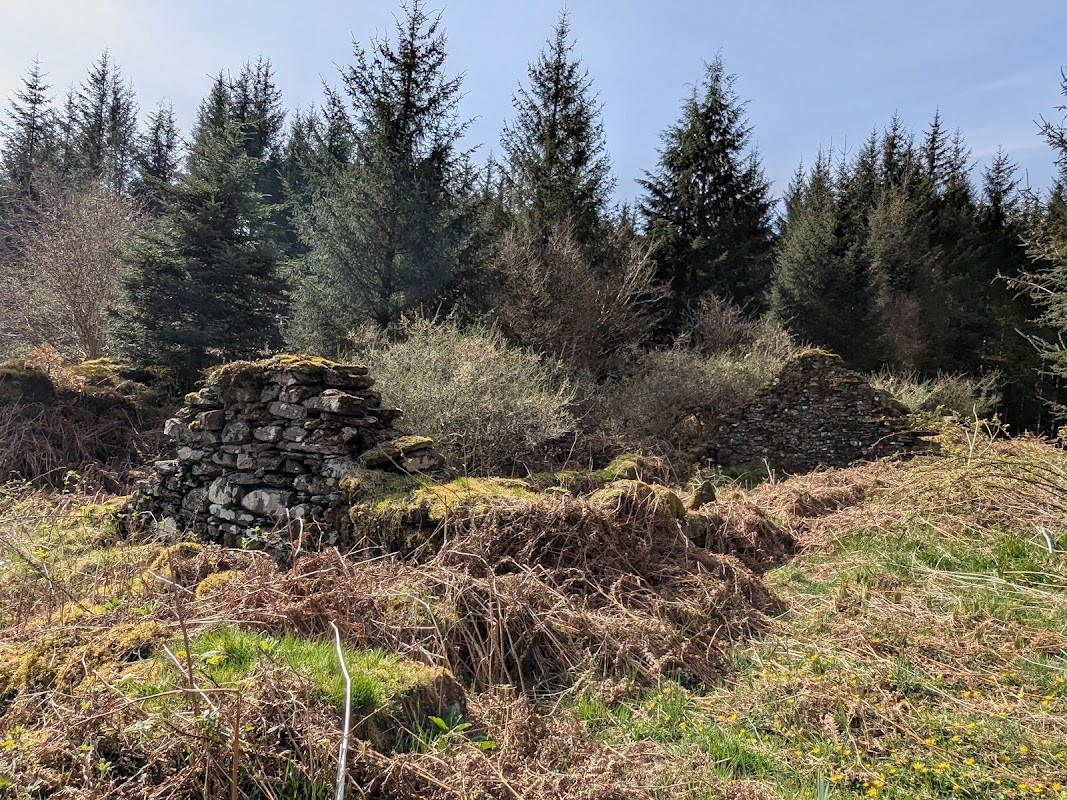
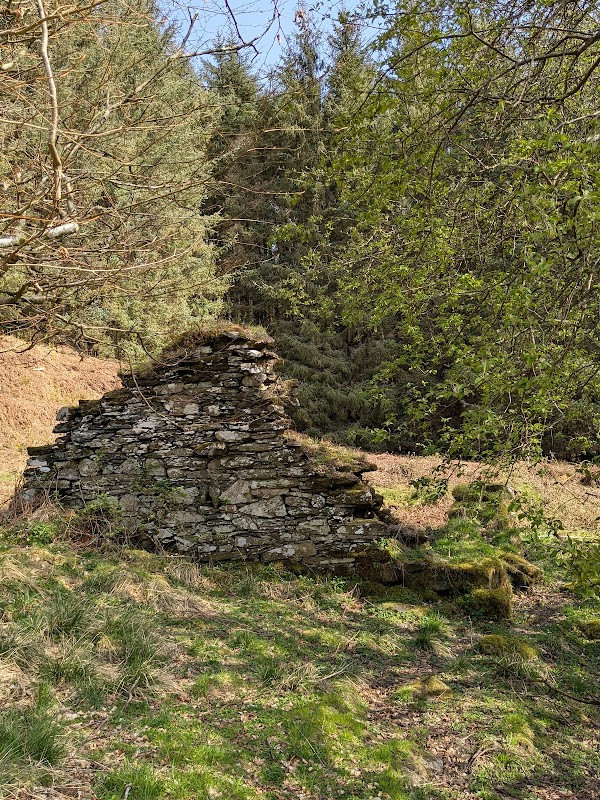
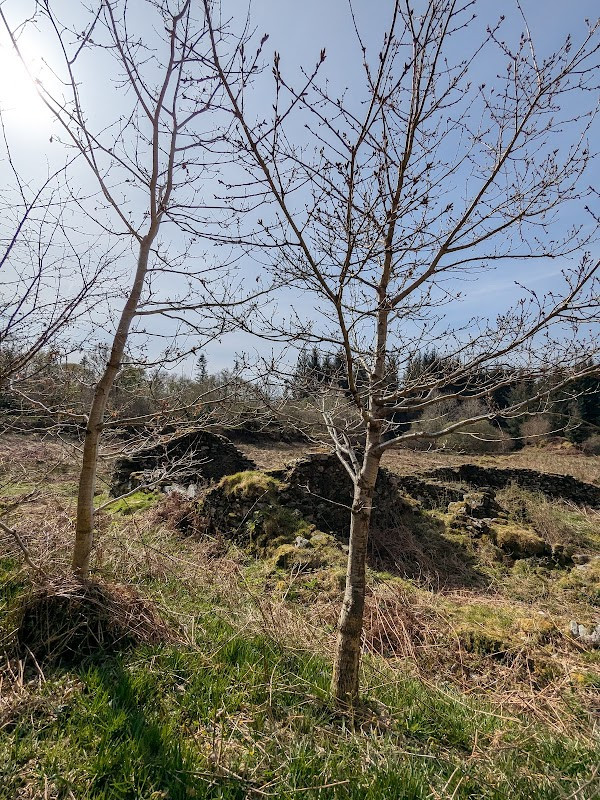
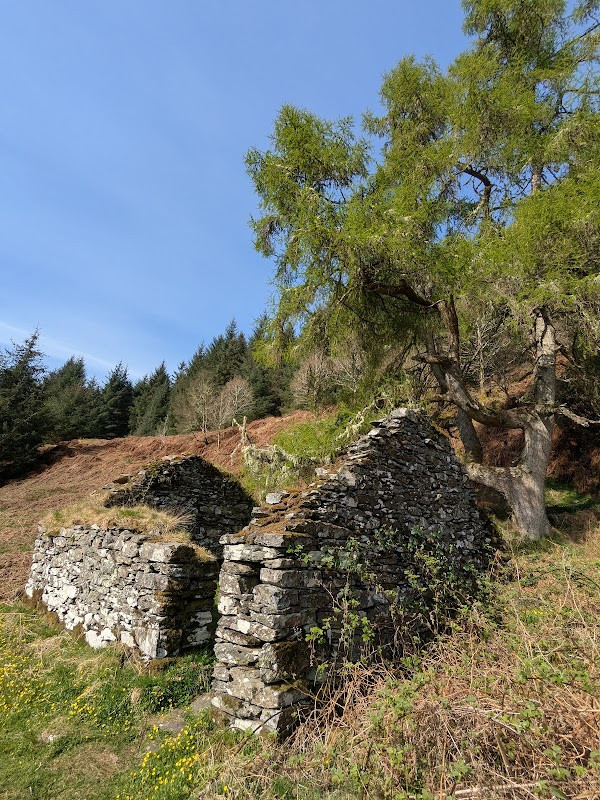
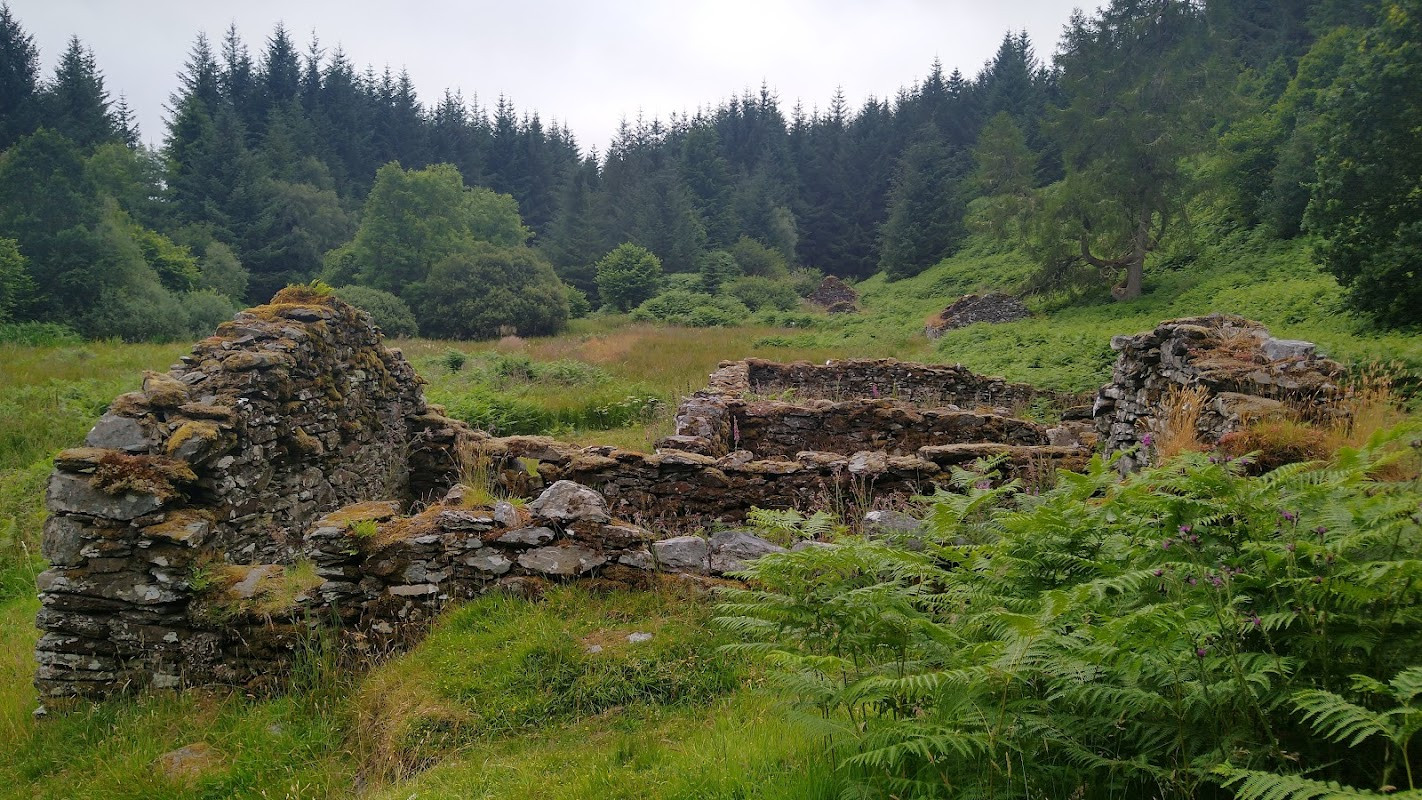
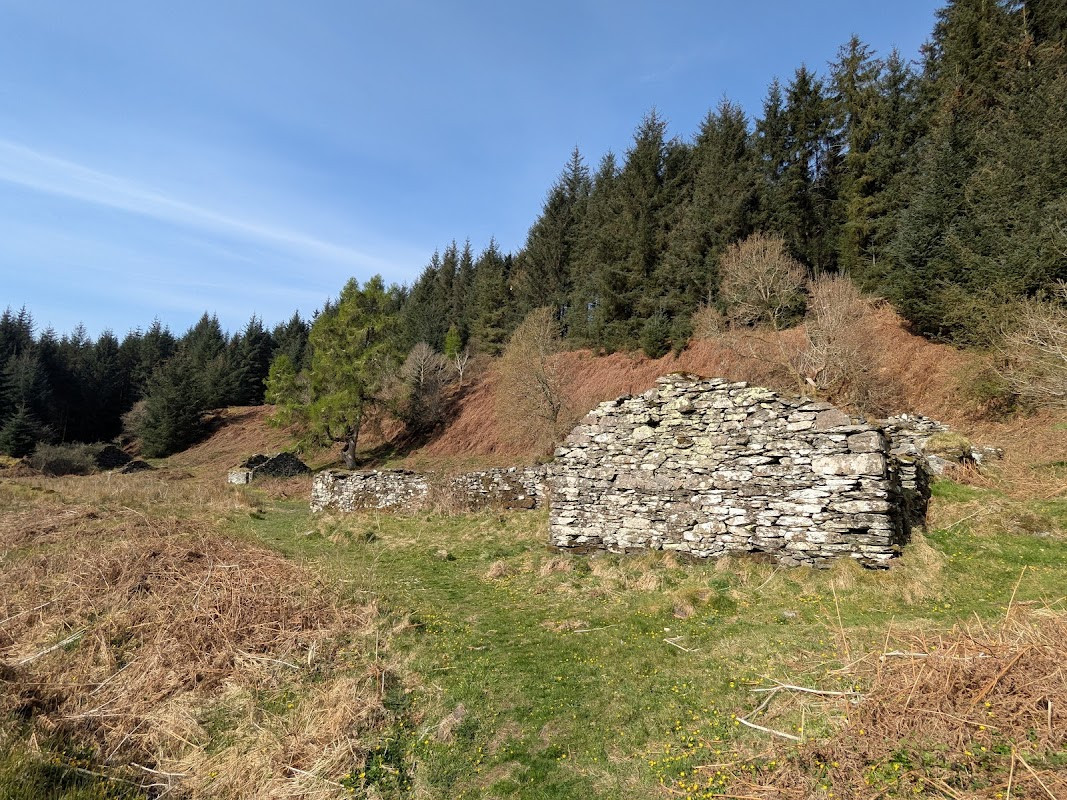
A short walk along a good track from Loch Coille Bharr car park through the woods leads to one of my favourite places in all of Argyll – Kilmory Oib. This village was home to over a dozen families for generations, living in drystone blackhouses and supporting themselves with small-scale farming. Then in the 1800s, the village was cleared of people to make way for more profitable sheep. A path leads right through the middle to give you a closer look at the empty, overgrown houses that were once full of life.
Hike Up Dunadd
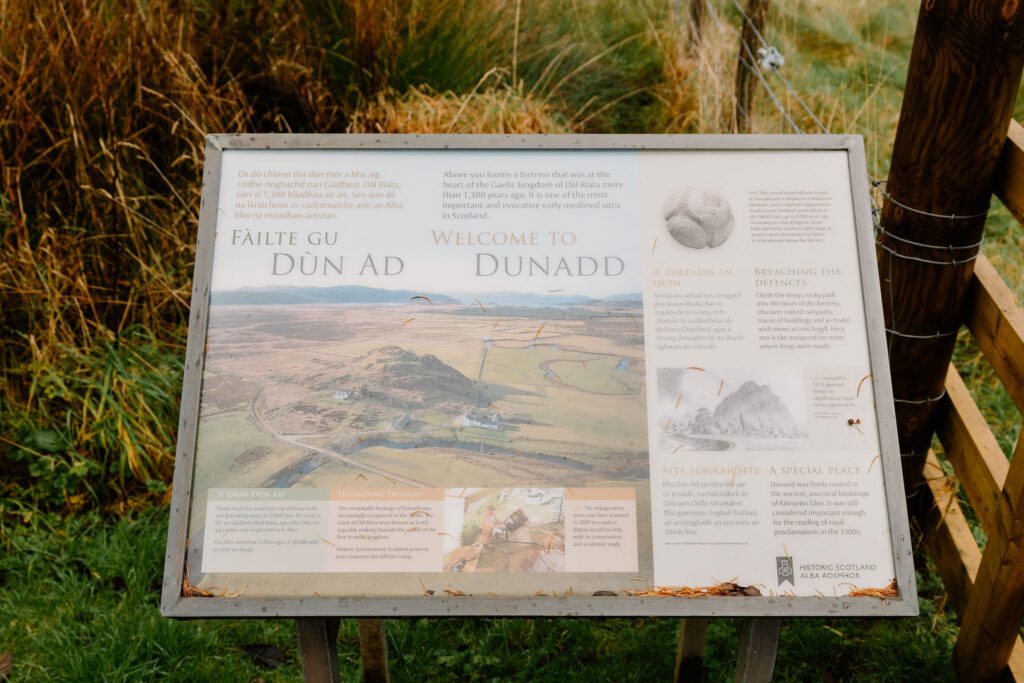
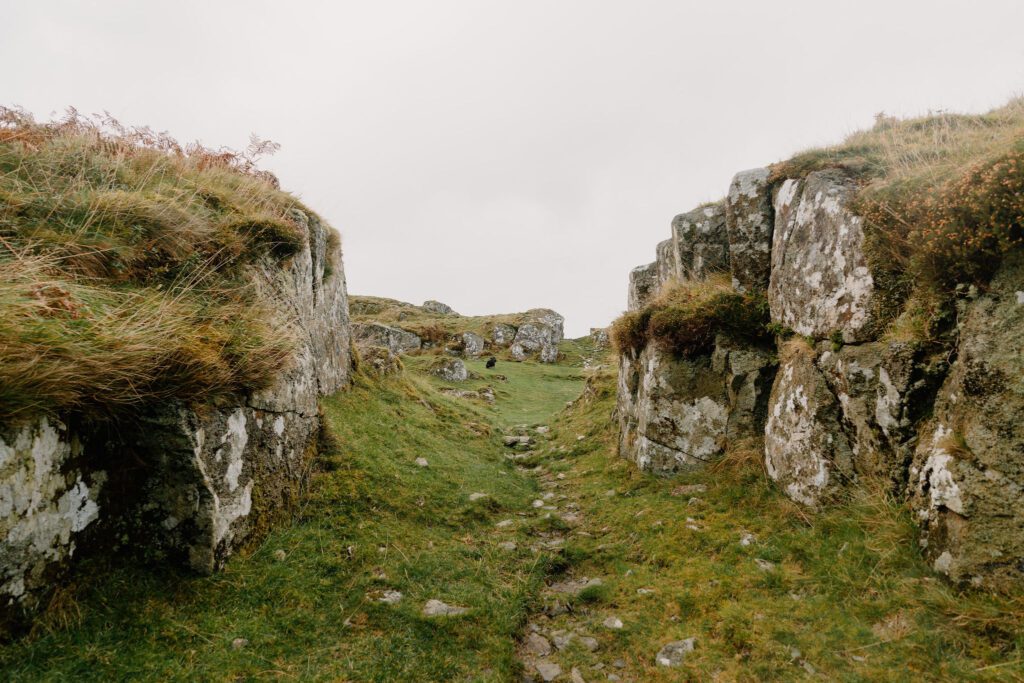
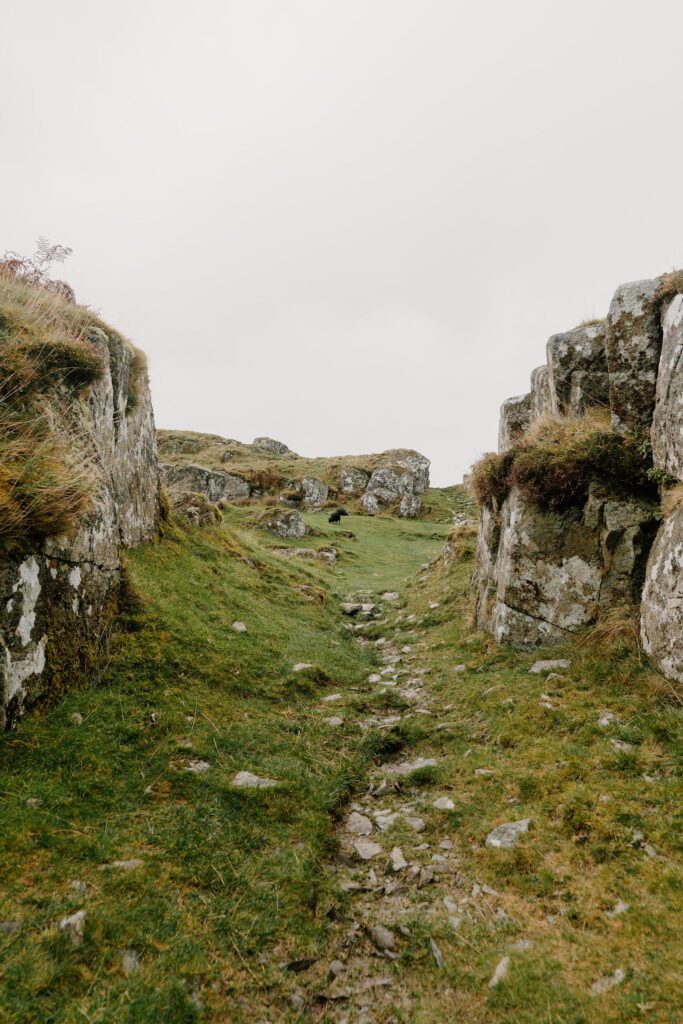
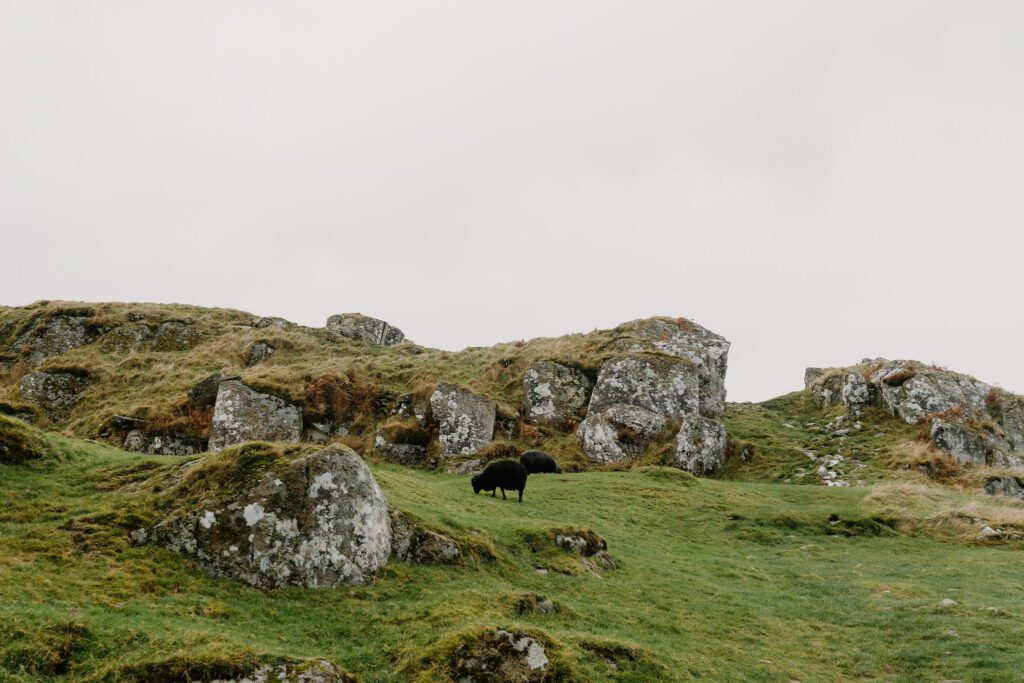
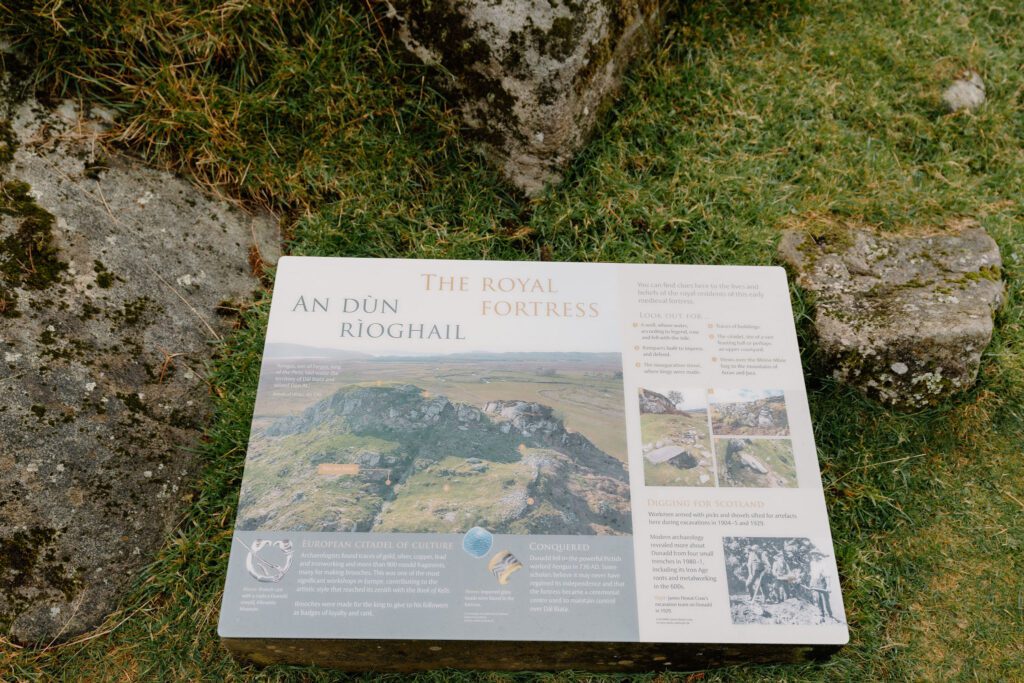
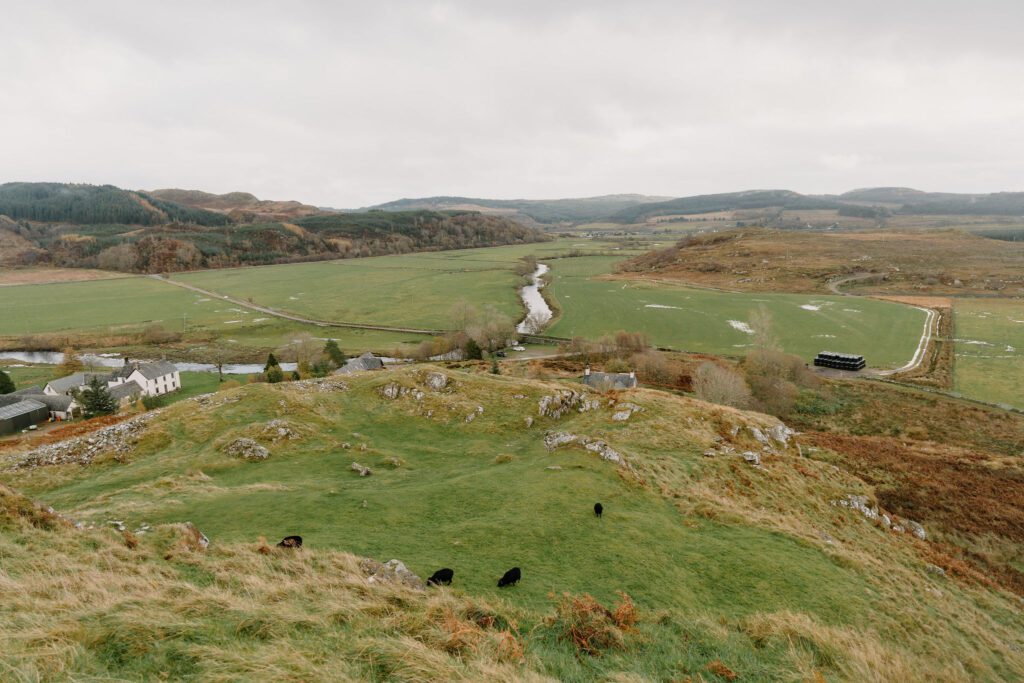
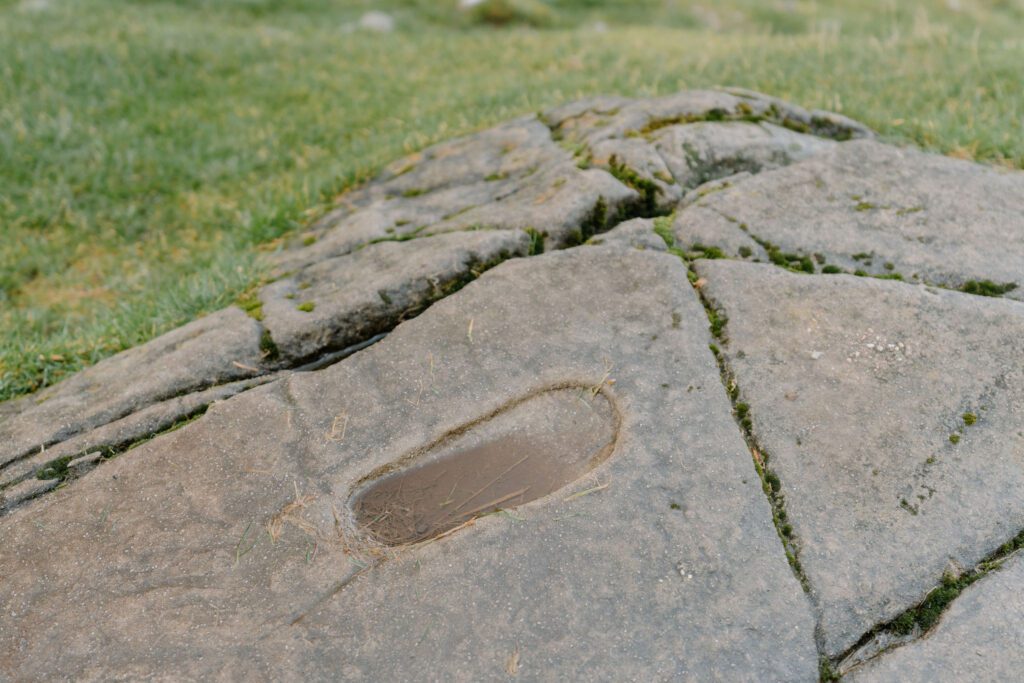
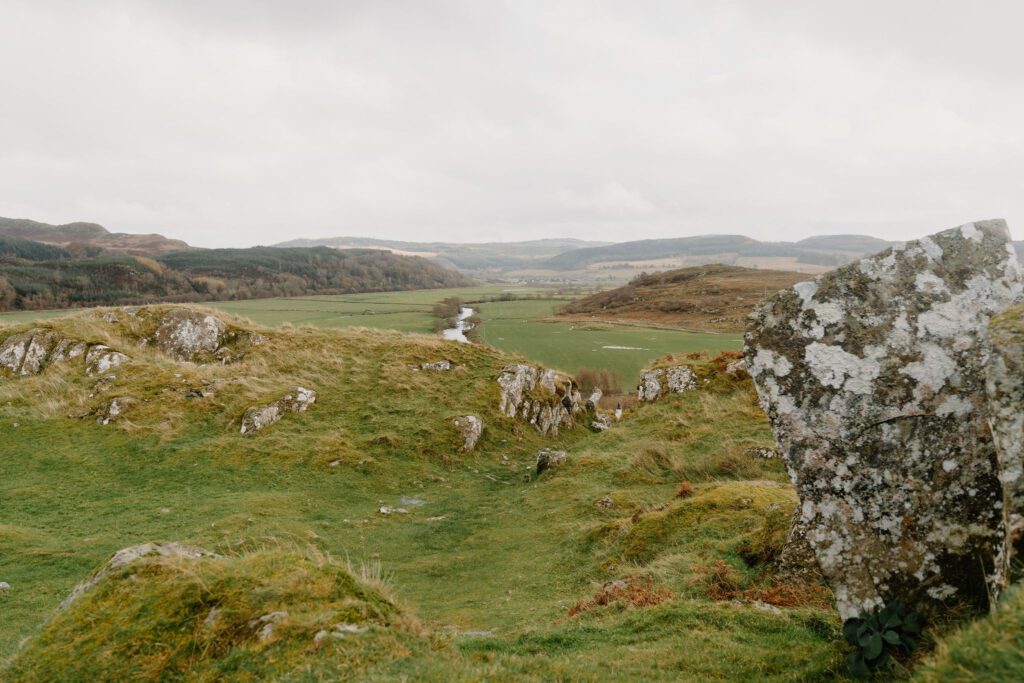
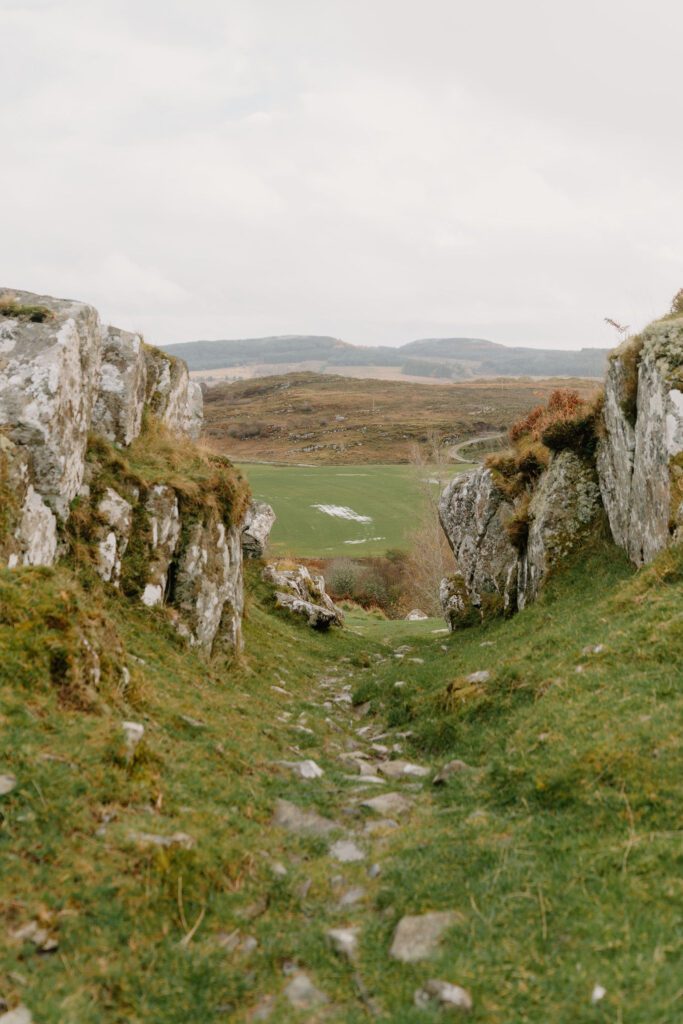
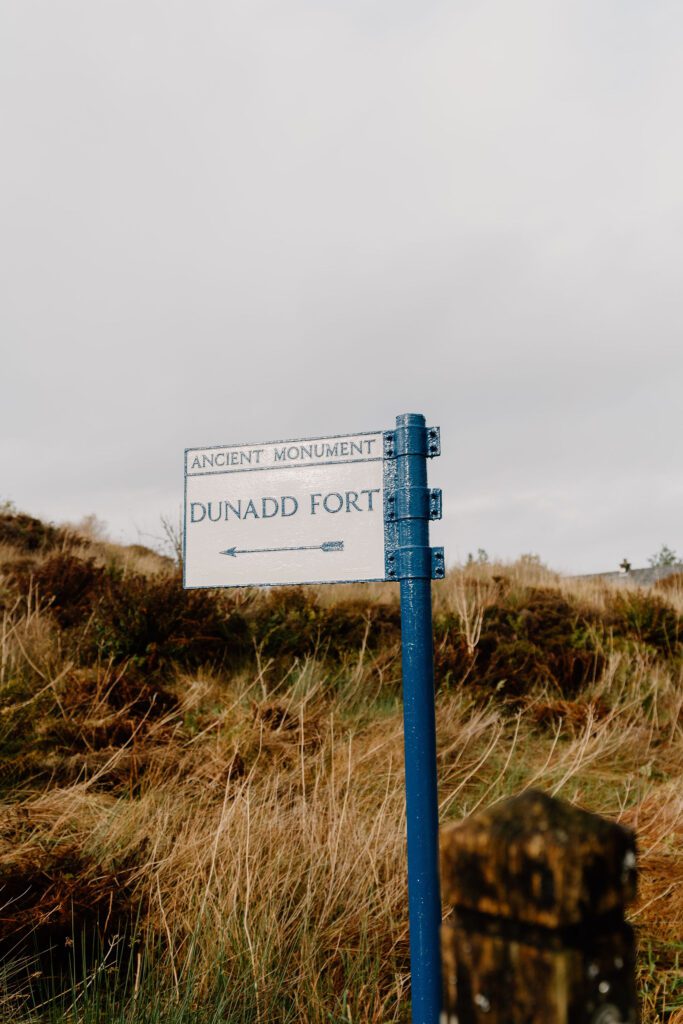
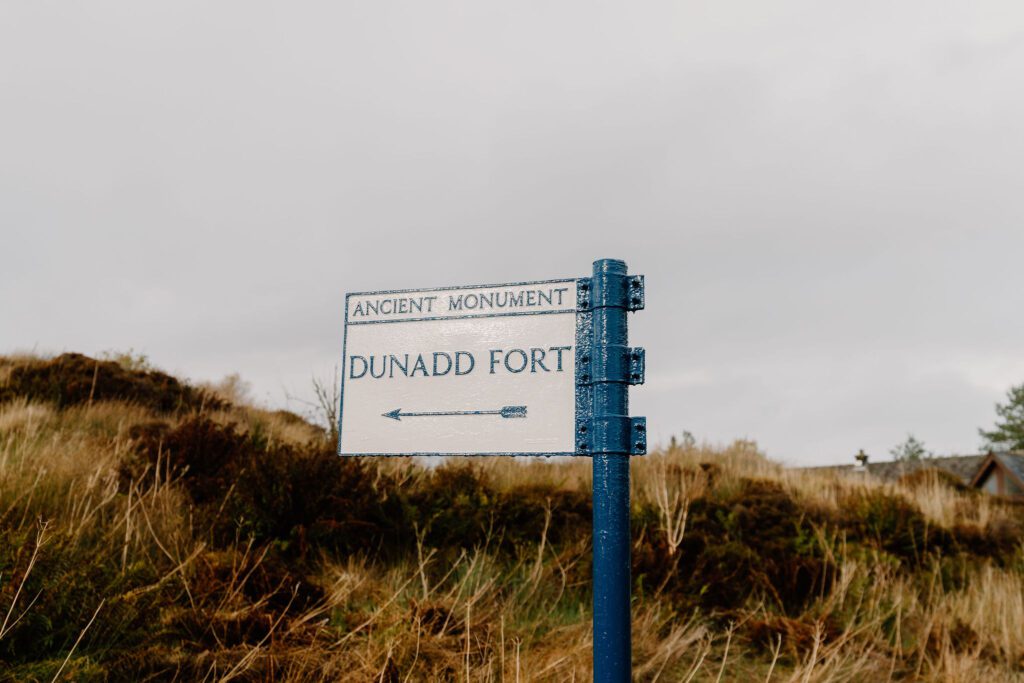
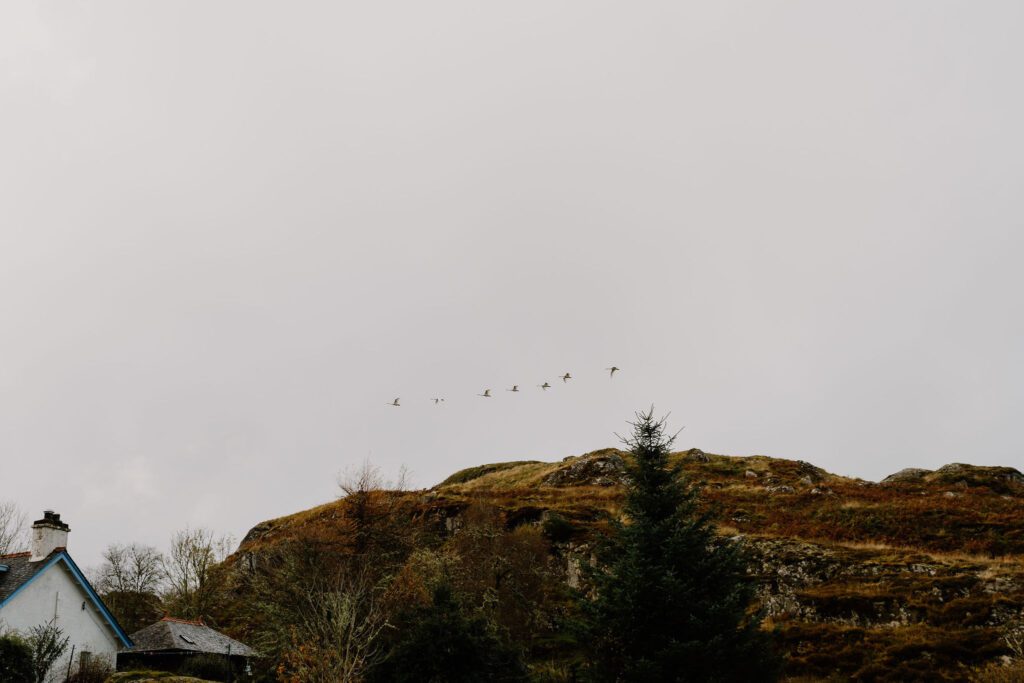
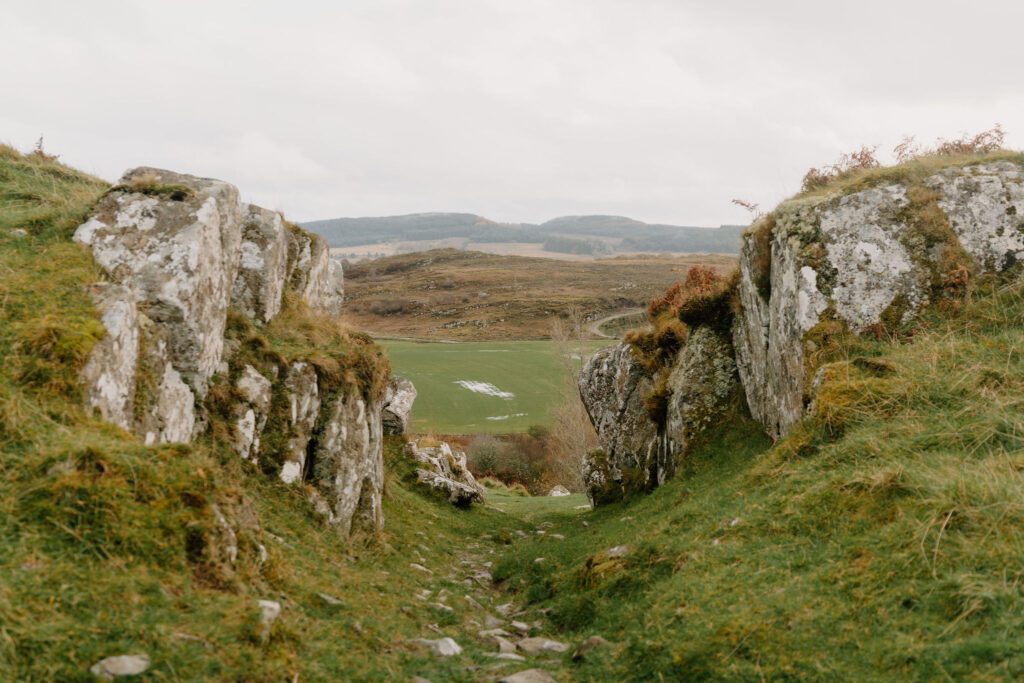
Before Scotland existed as a country, this area was the heart of the Kingdom of Dalriada and Dunadd Fort was the capital of the Gaels. It’s a short but steep hike to the top, climbing through the old stone ramparts. You’ll need a bit of imagination to appreciate how this looked 1500 years ago, but the information boards help! Near the top, a footprint has been carved in the rock that we believe was once used during coronations, connecting the new King with both the land and those who came before him. The views from here are vast, sweeping across Moine Mhor – the Great Moss – and it’s a powerful place to end a trip around Mid-Argyll!






 Sign in with Google
 Sign in with Email