
Distilleries to visit in Scotland
From coastal still houses to Highland yards, these distilleries invite visitors into the working heart of Scotch whisky, where process, place and tradition are encountered firsthand rather than explained at a distance.

Written by Hidden Scotland
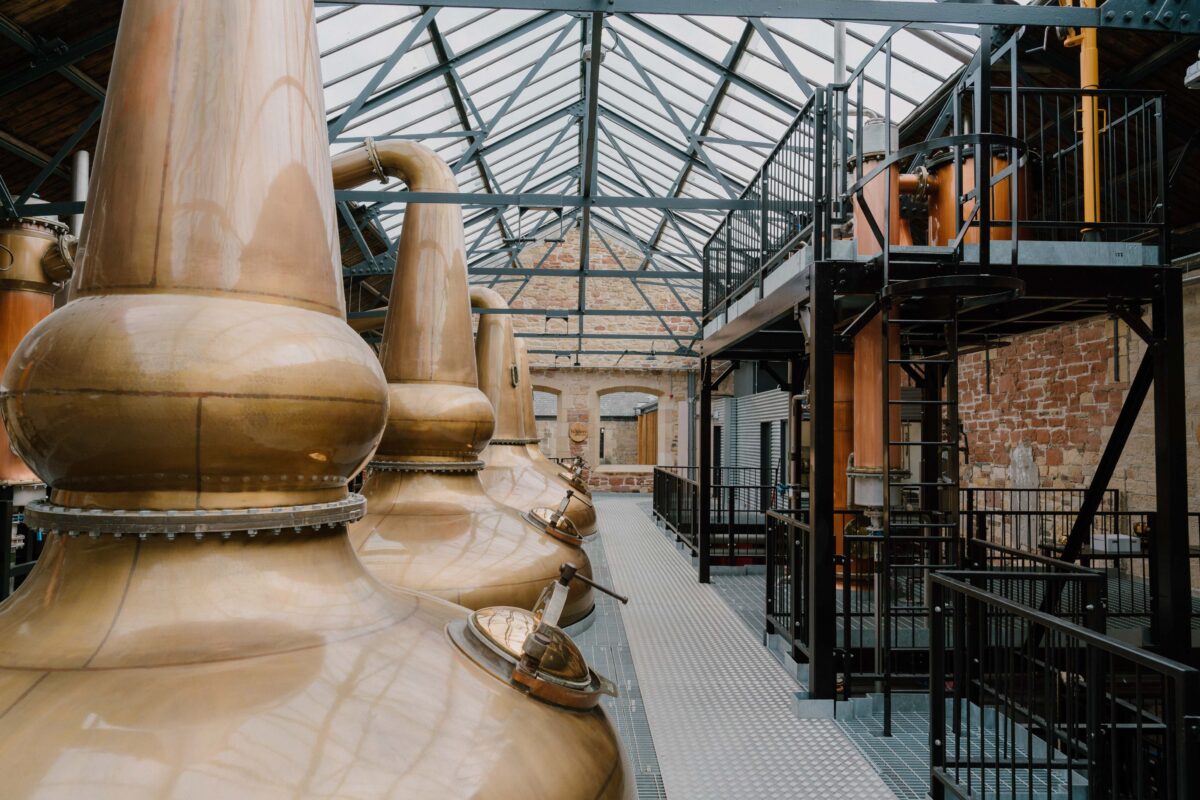
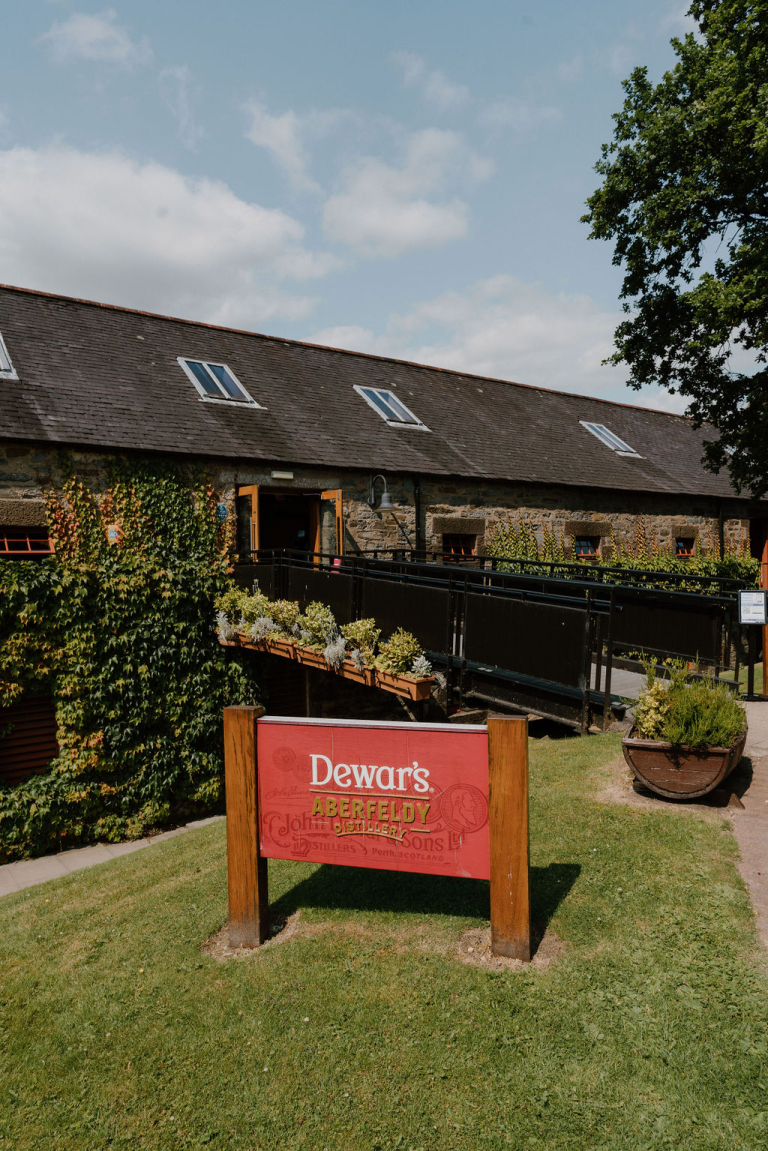
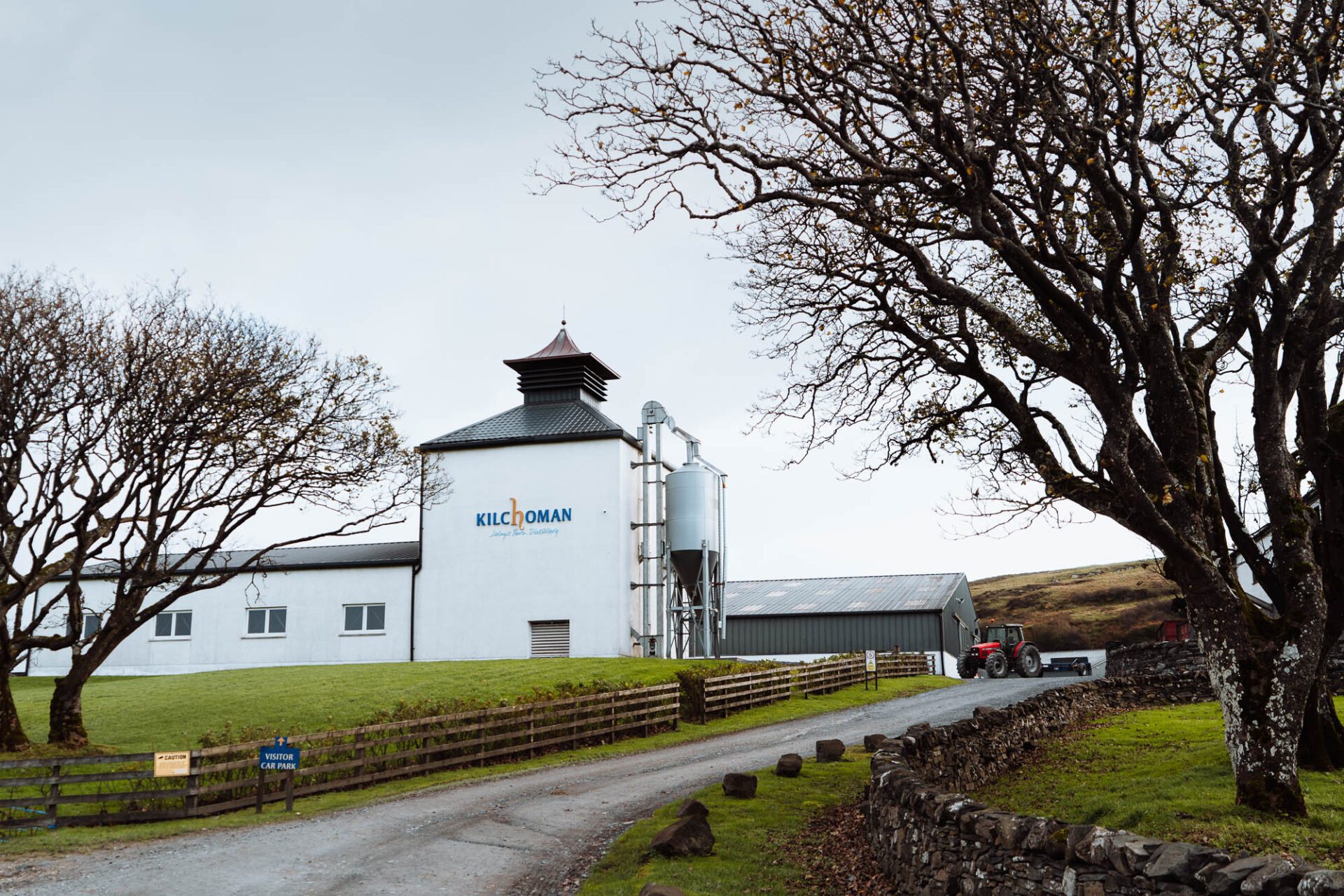
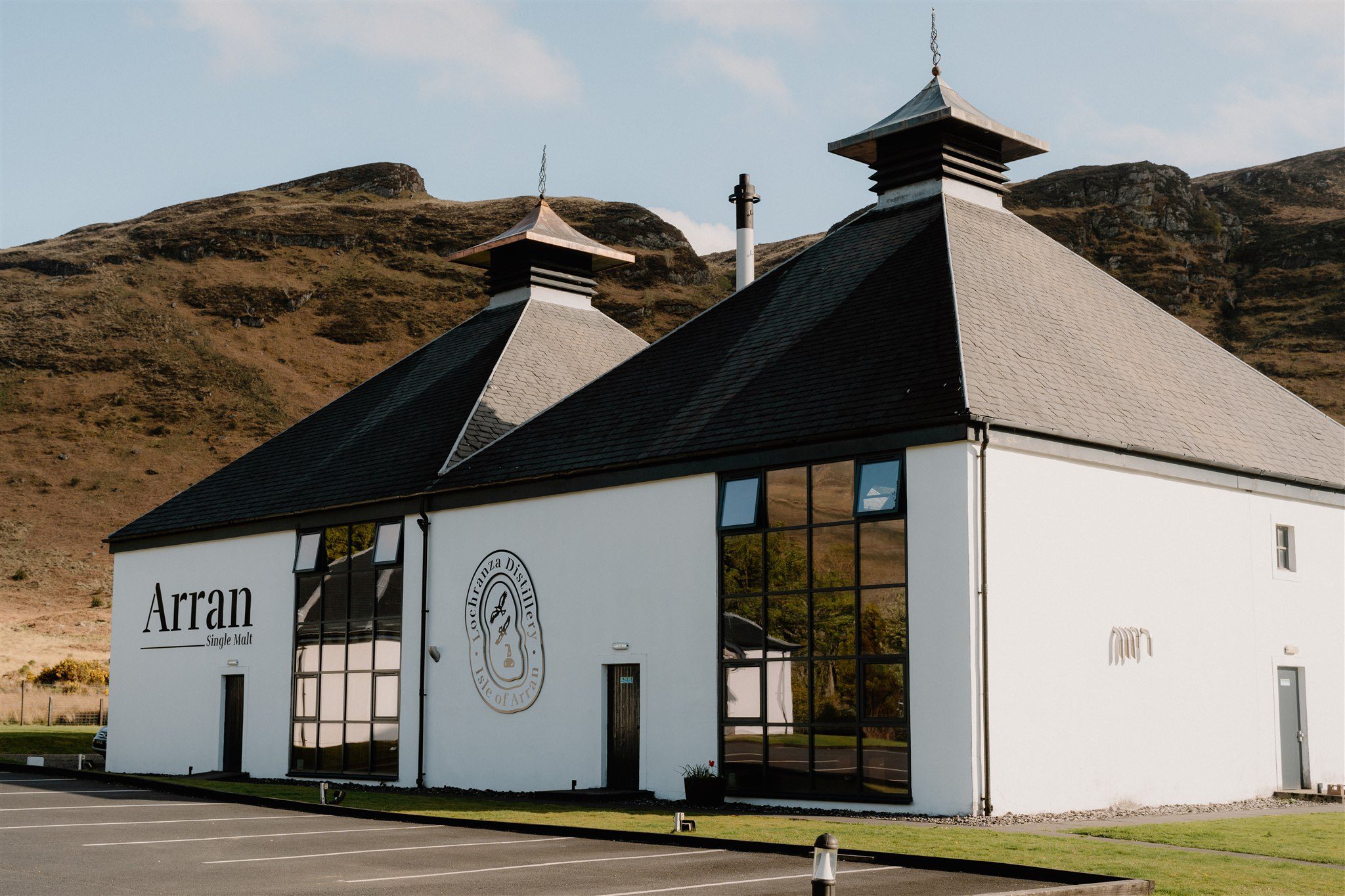
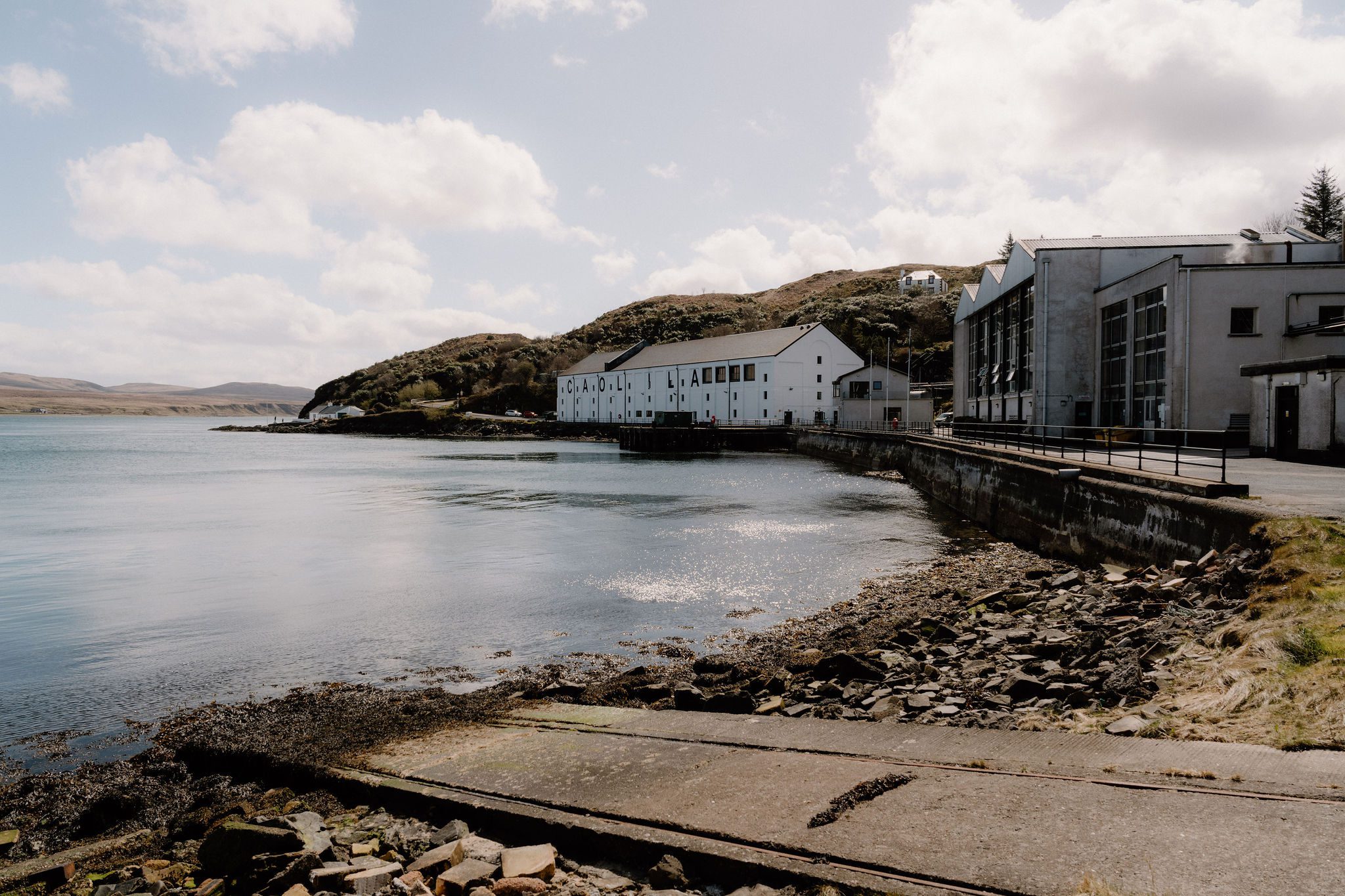
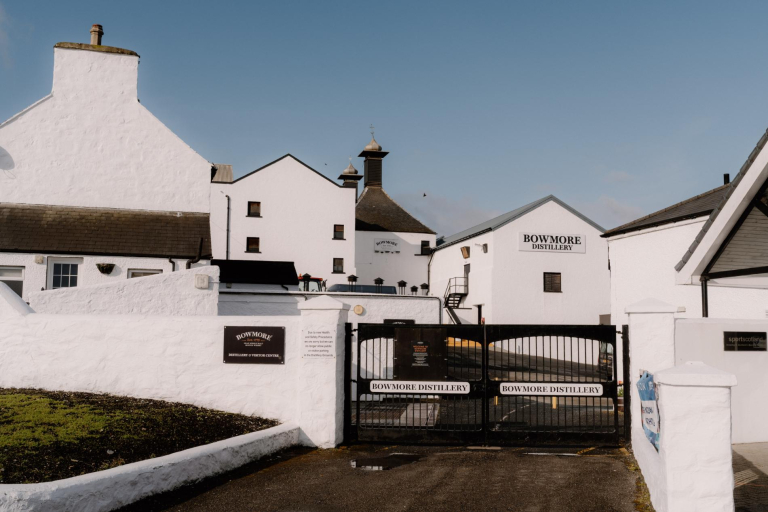
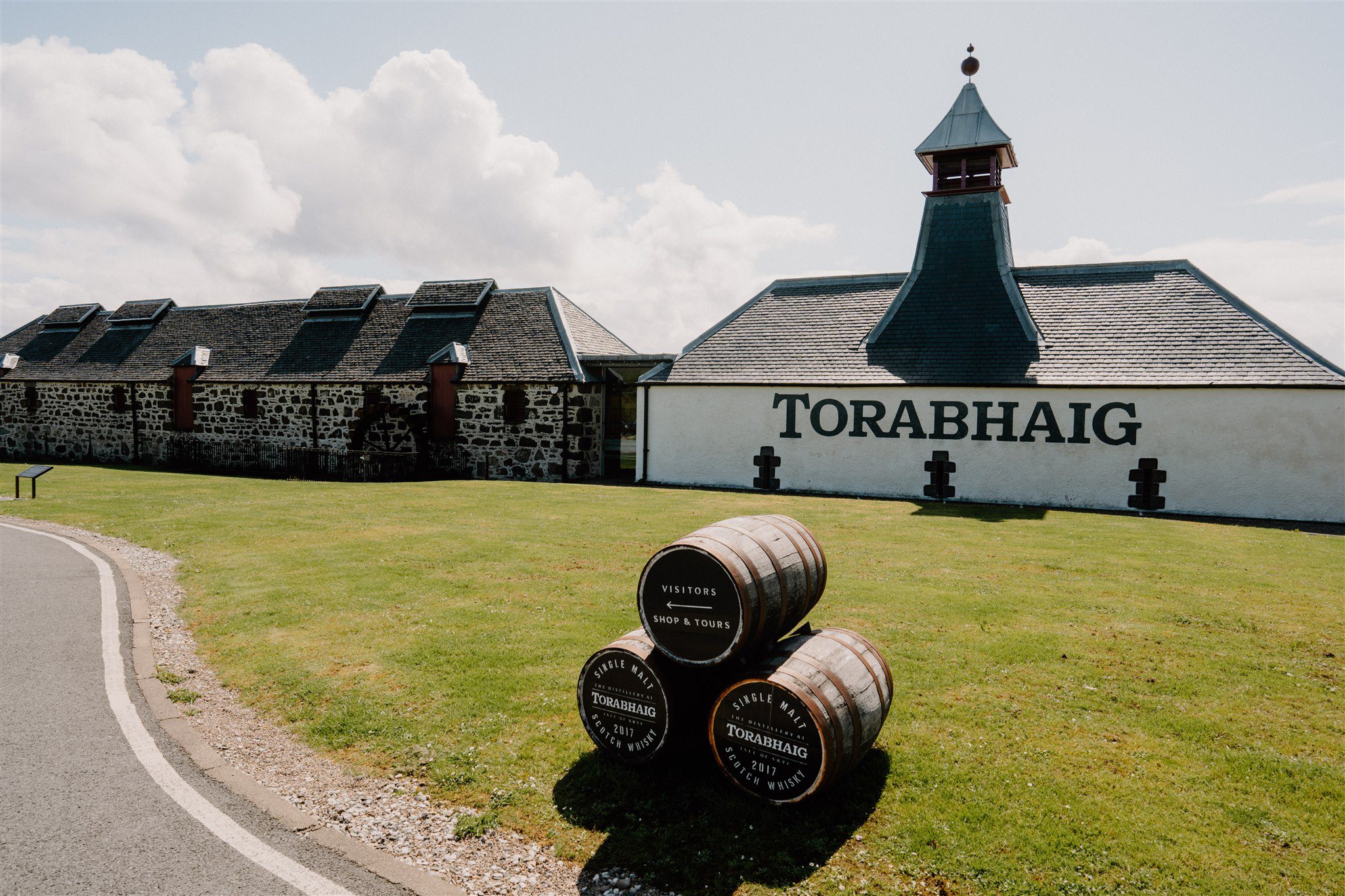
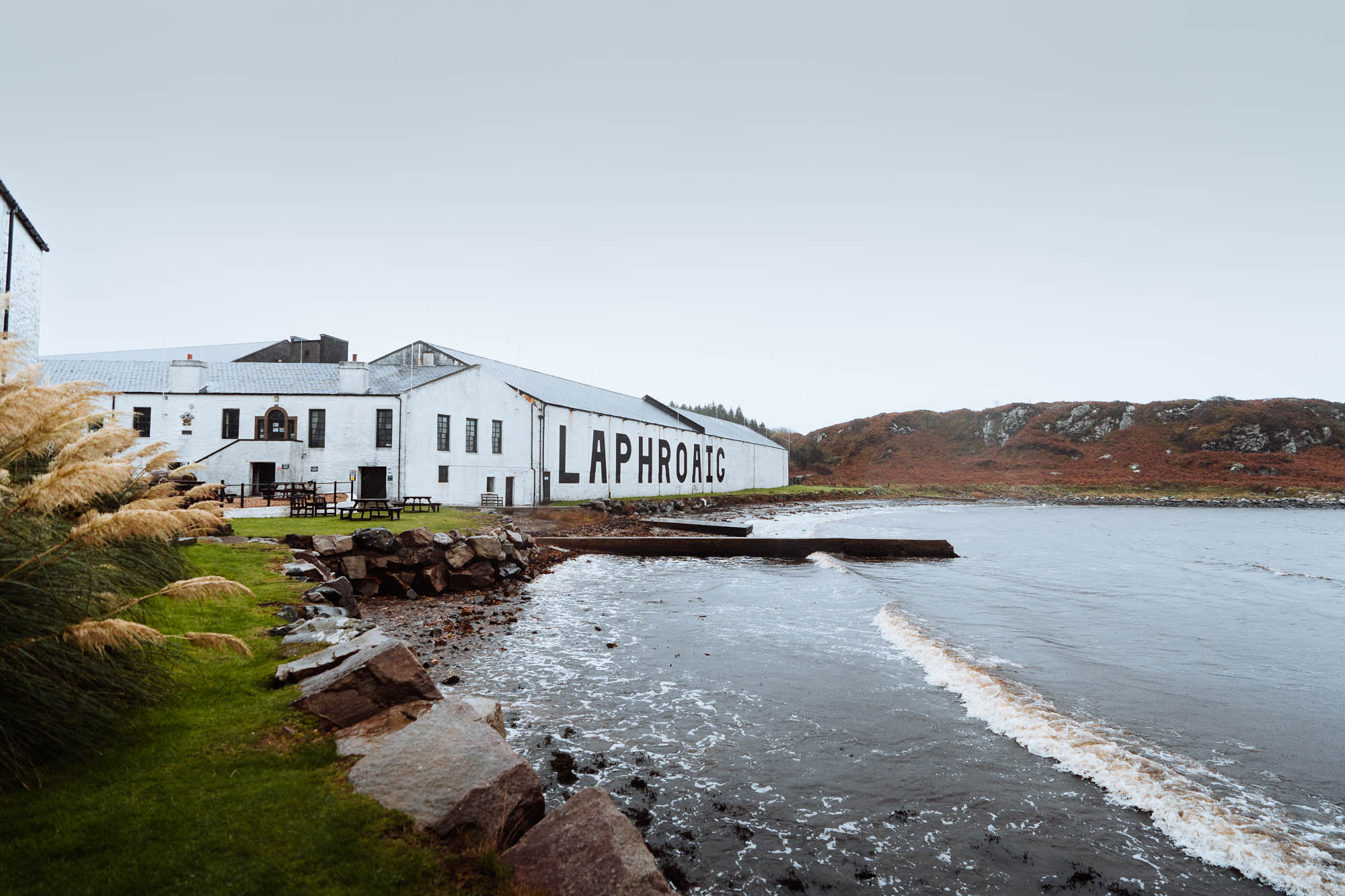
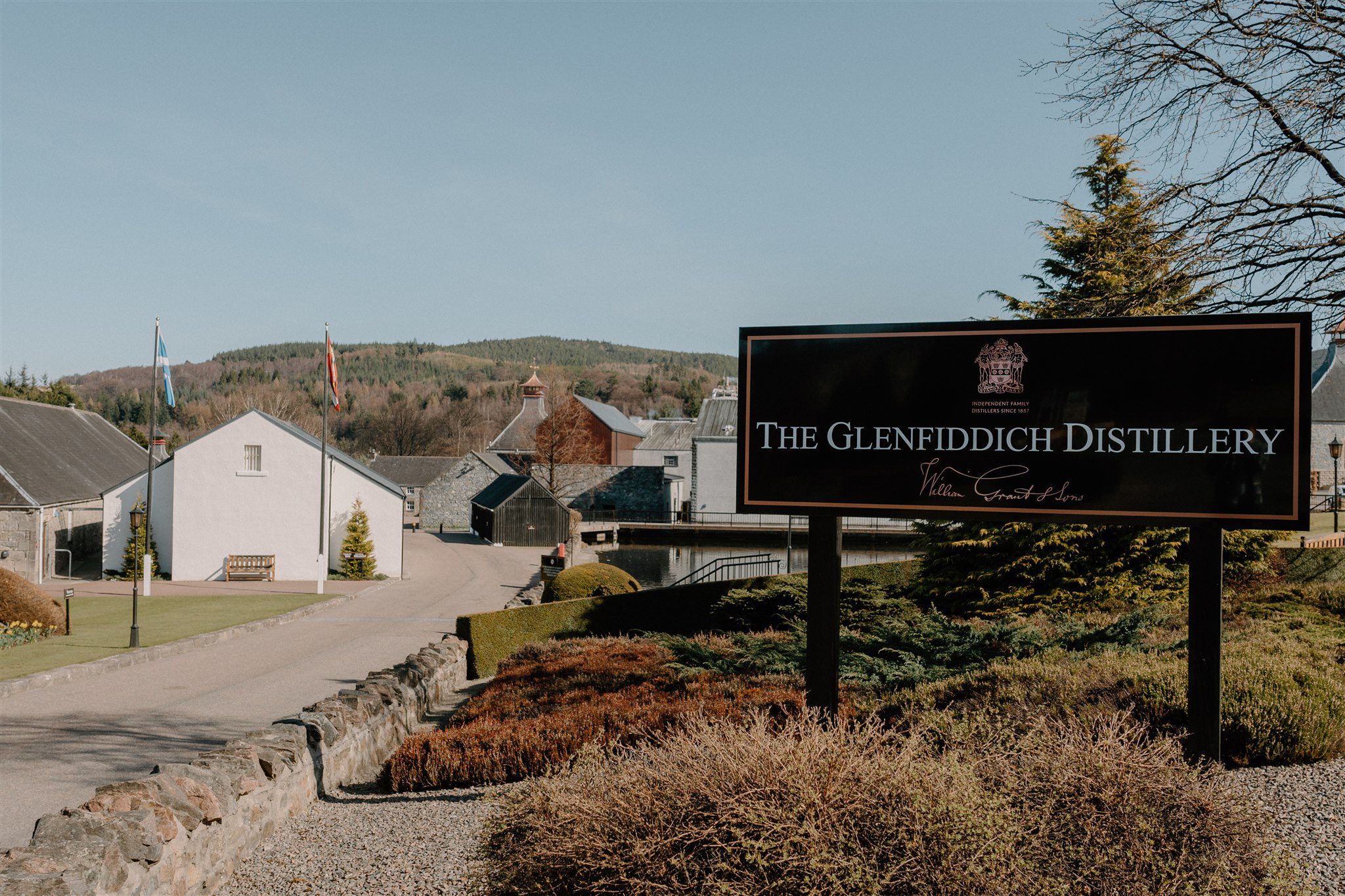
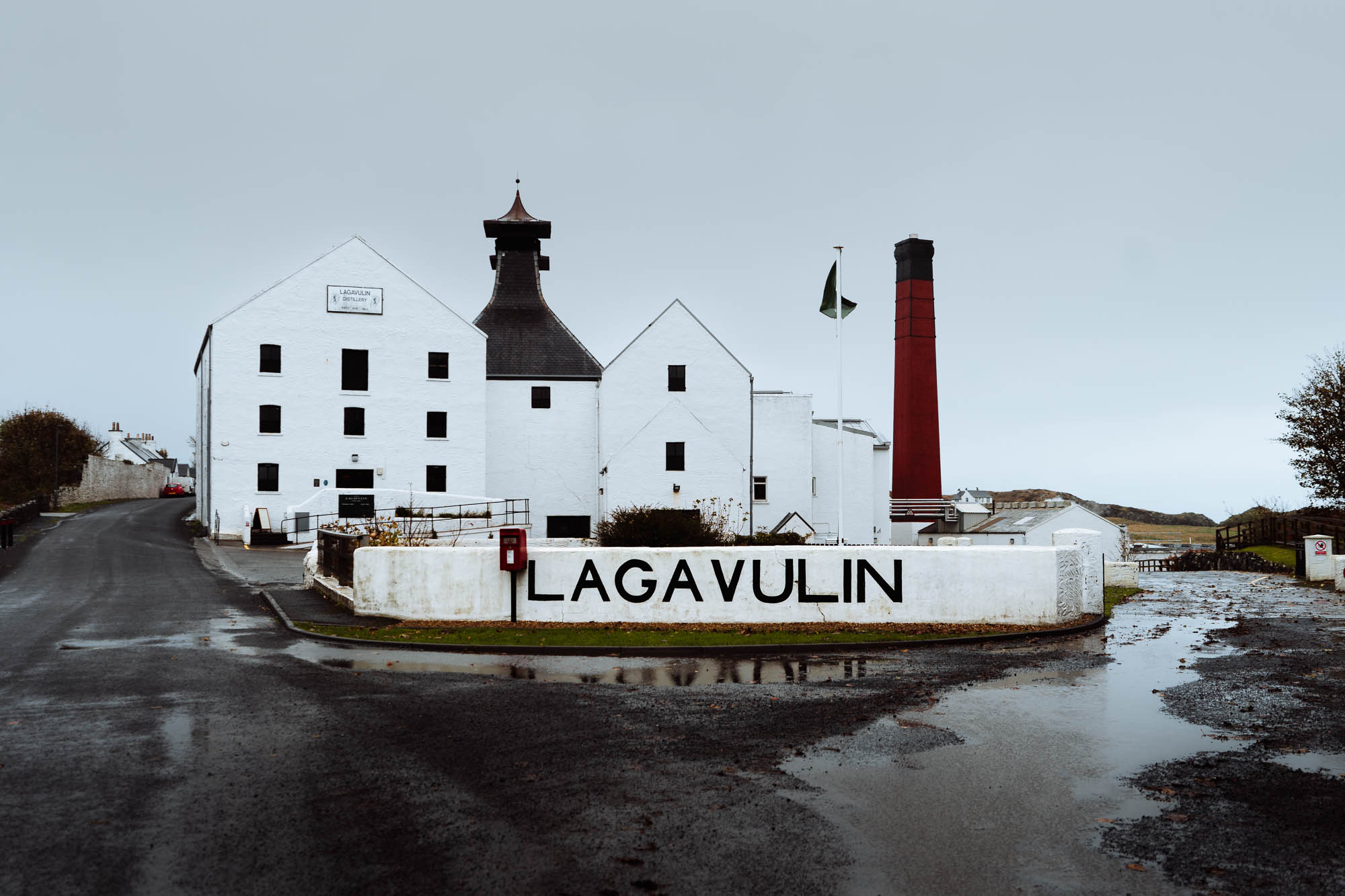
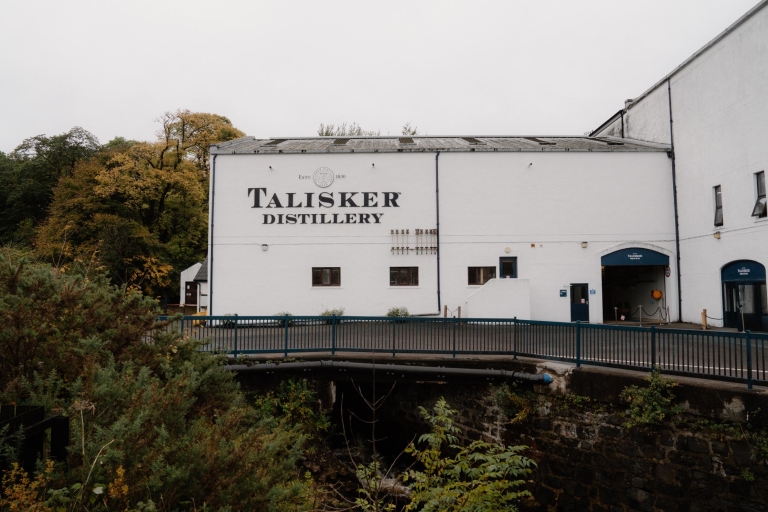
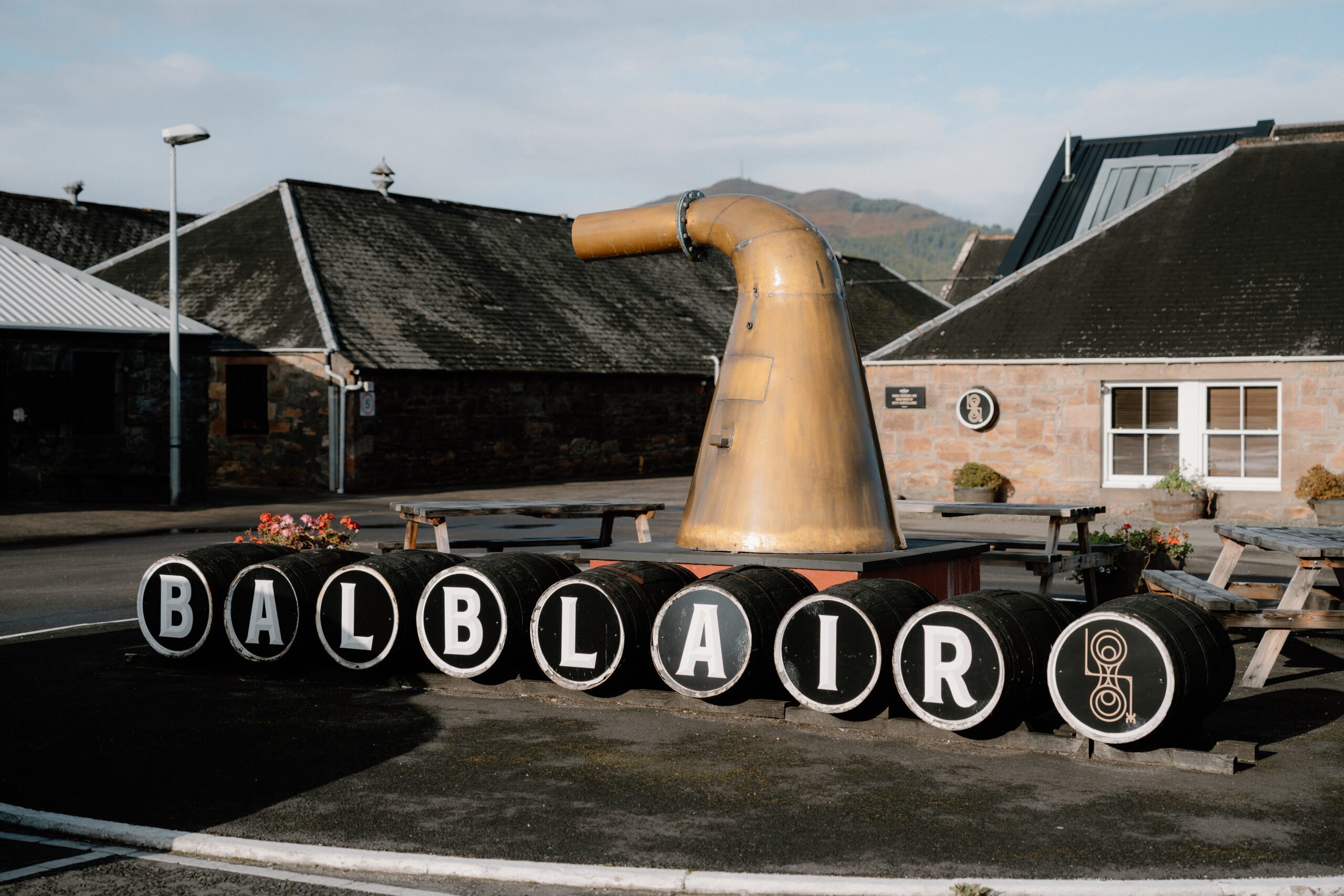
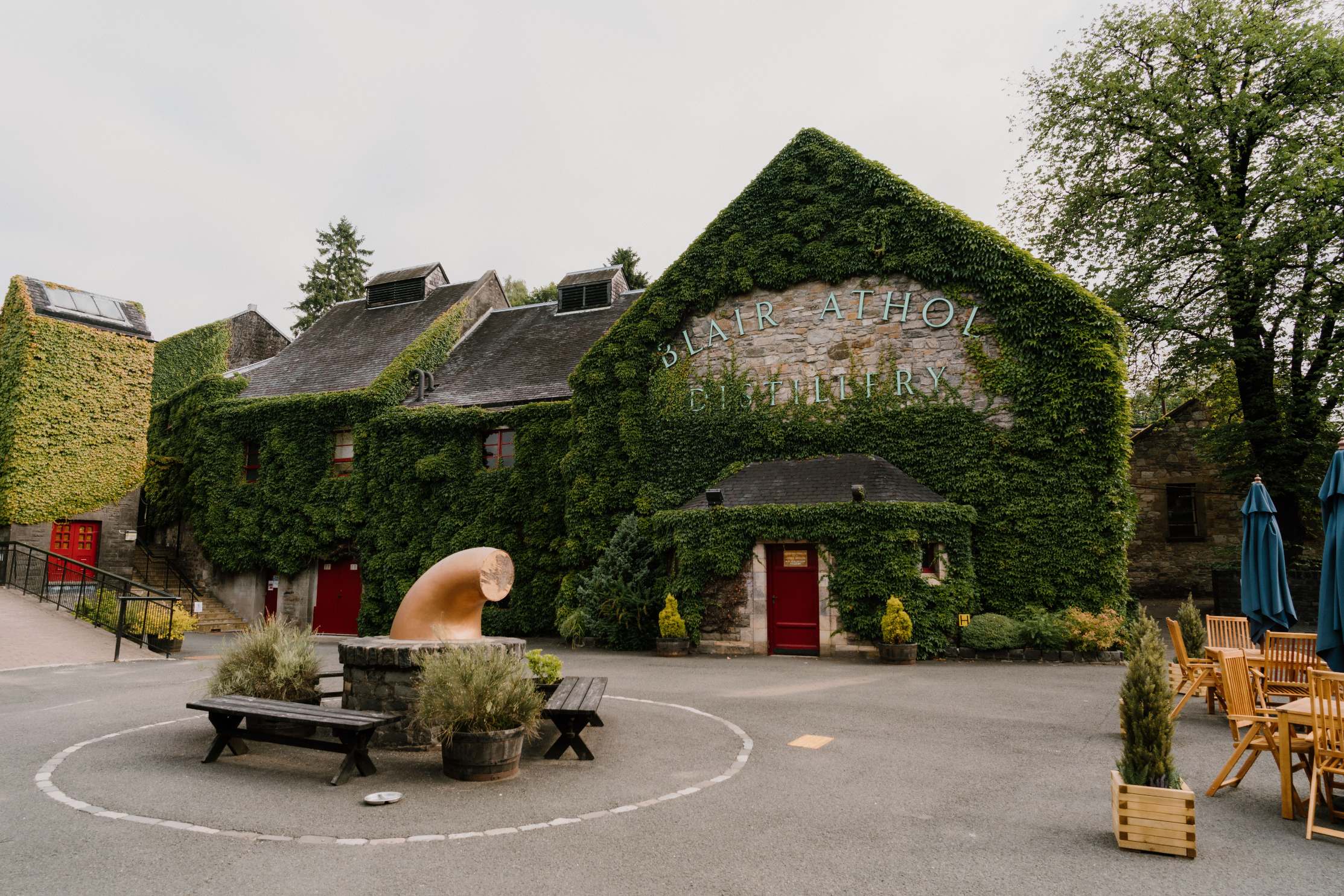
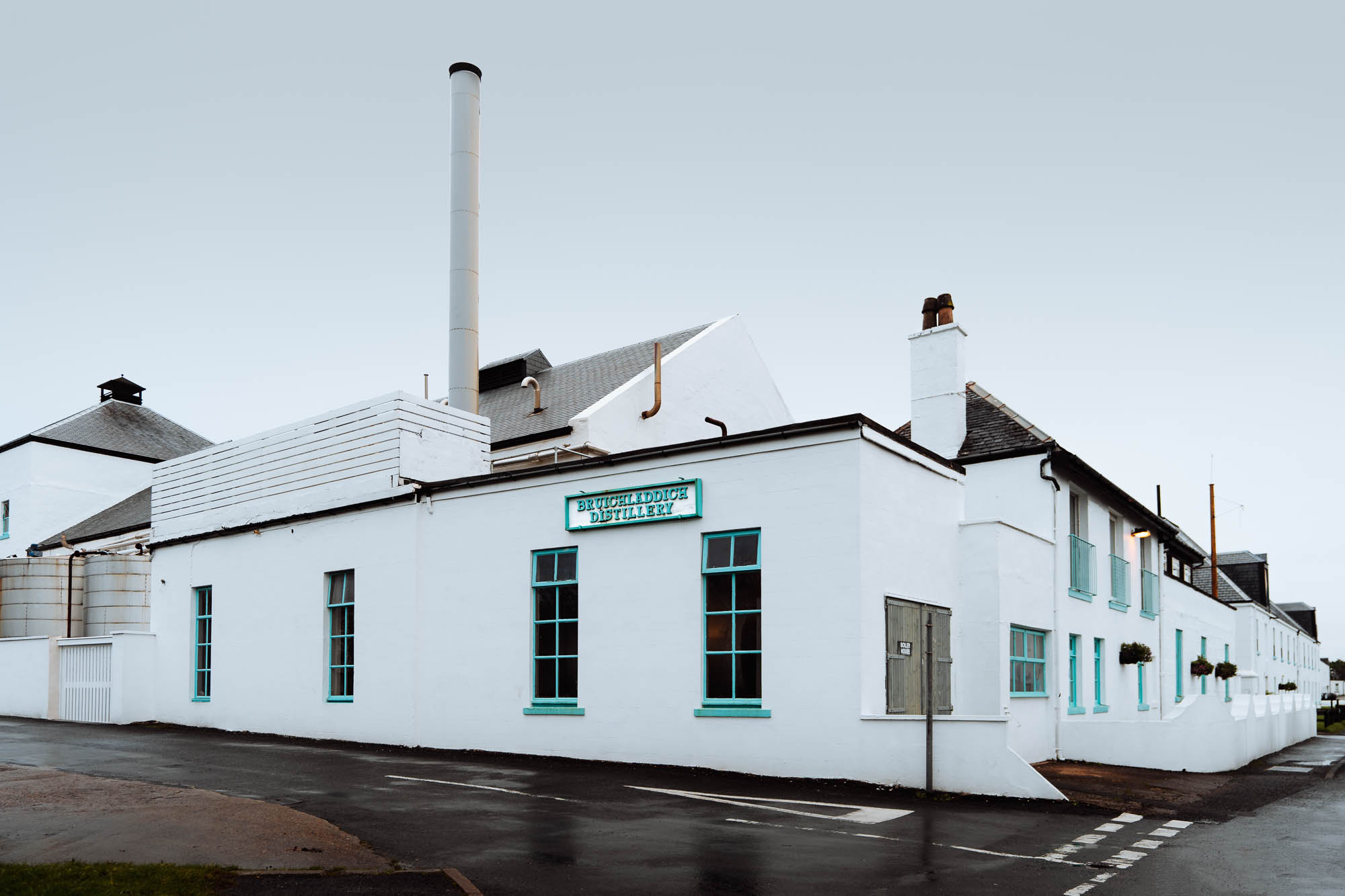
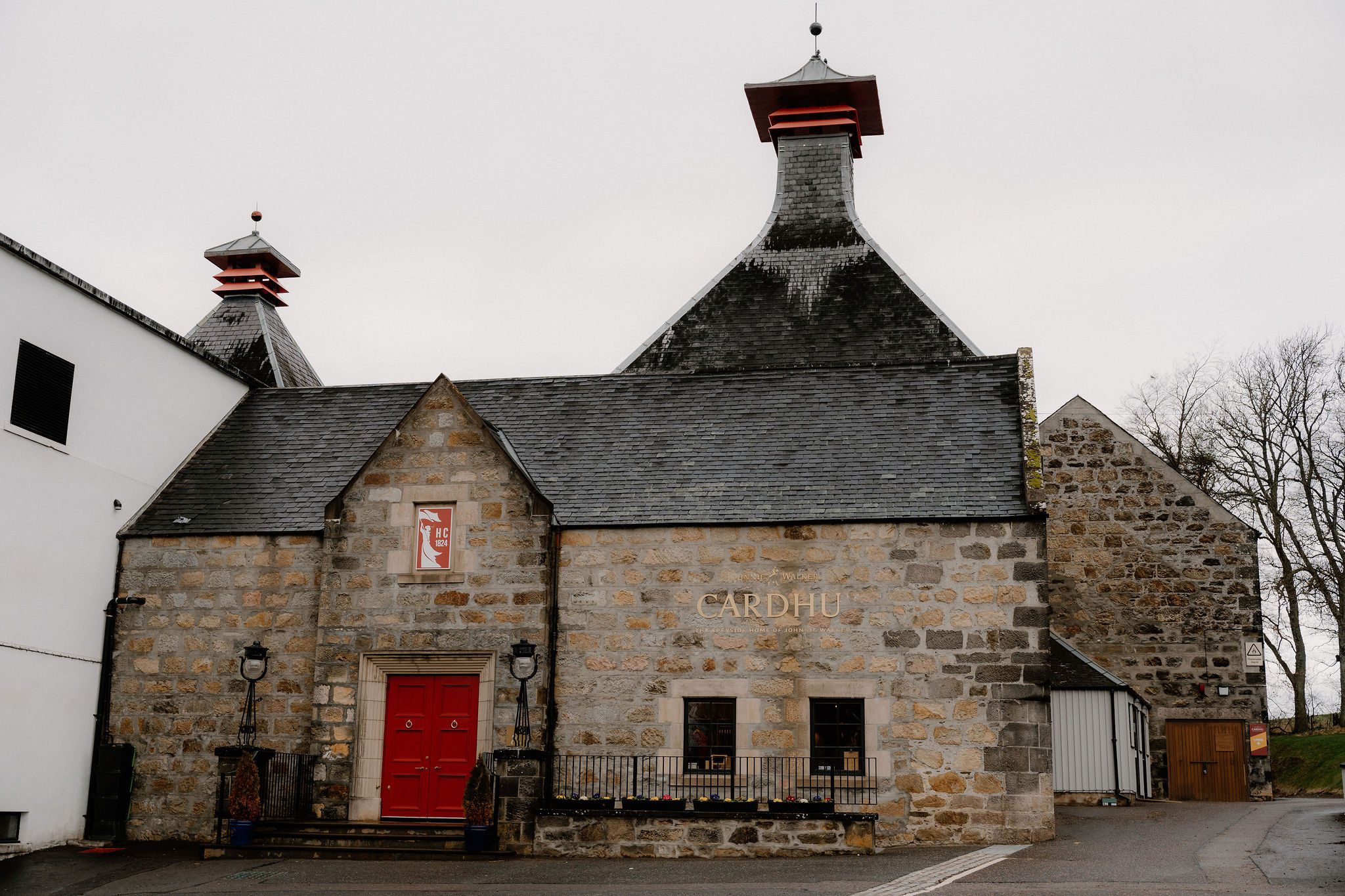
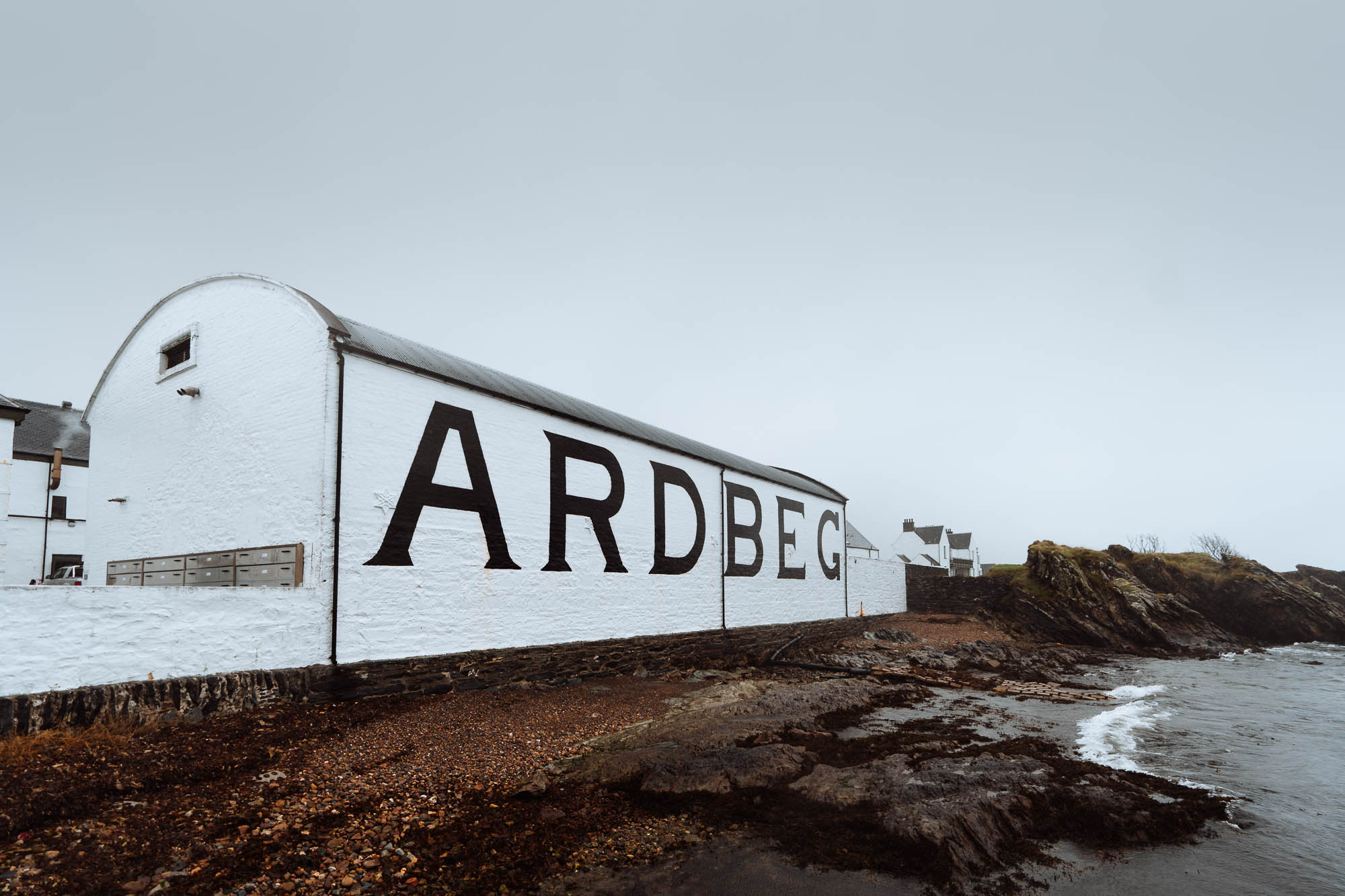
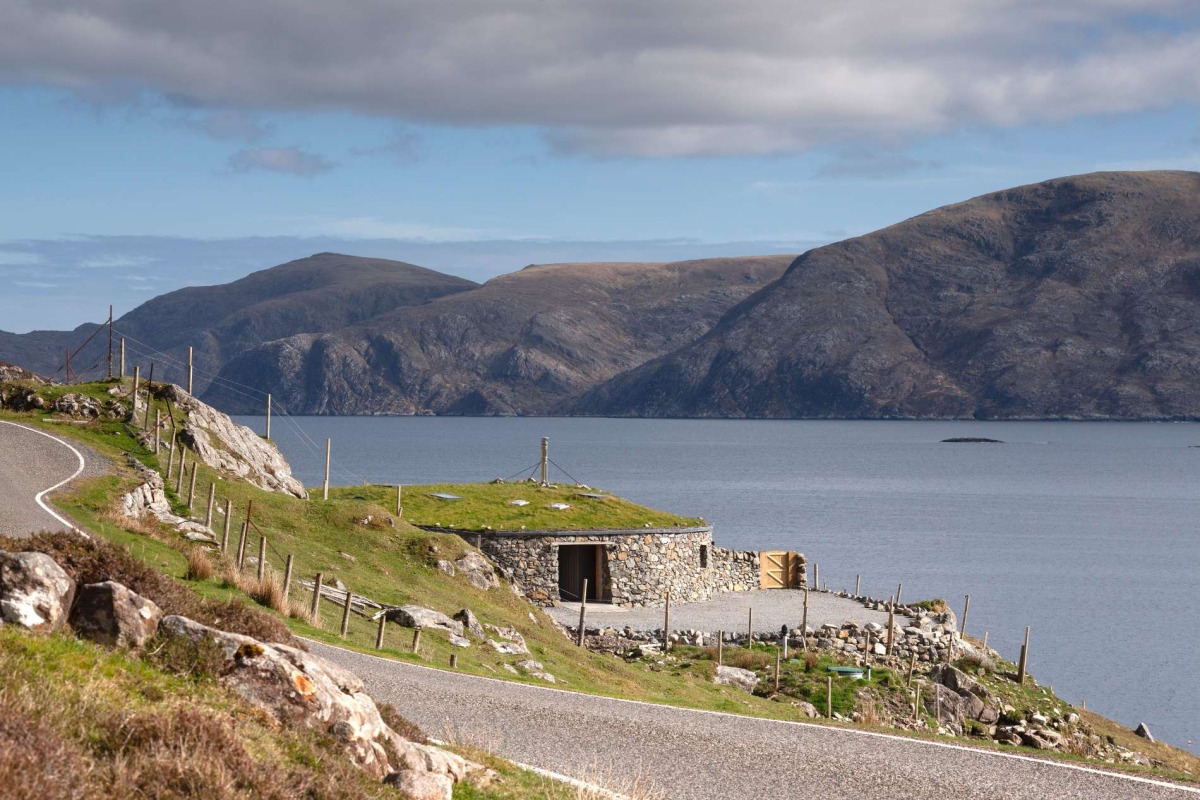
Scotland’s distilleries are often best visited as part of a wider route, folded into days that might also include a coastal walk, a garden, a museum or a long lunch in a small town. Many sit close to water, for obvious reasons, and the surroundings often feel inseparable from what is produced on site. A firthside yard, a farm track, a hillside burn, a salty breeze rolling in off the coast. Even before the first step inside, the setting offers clues.
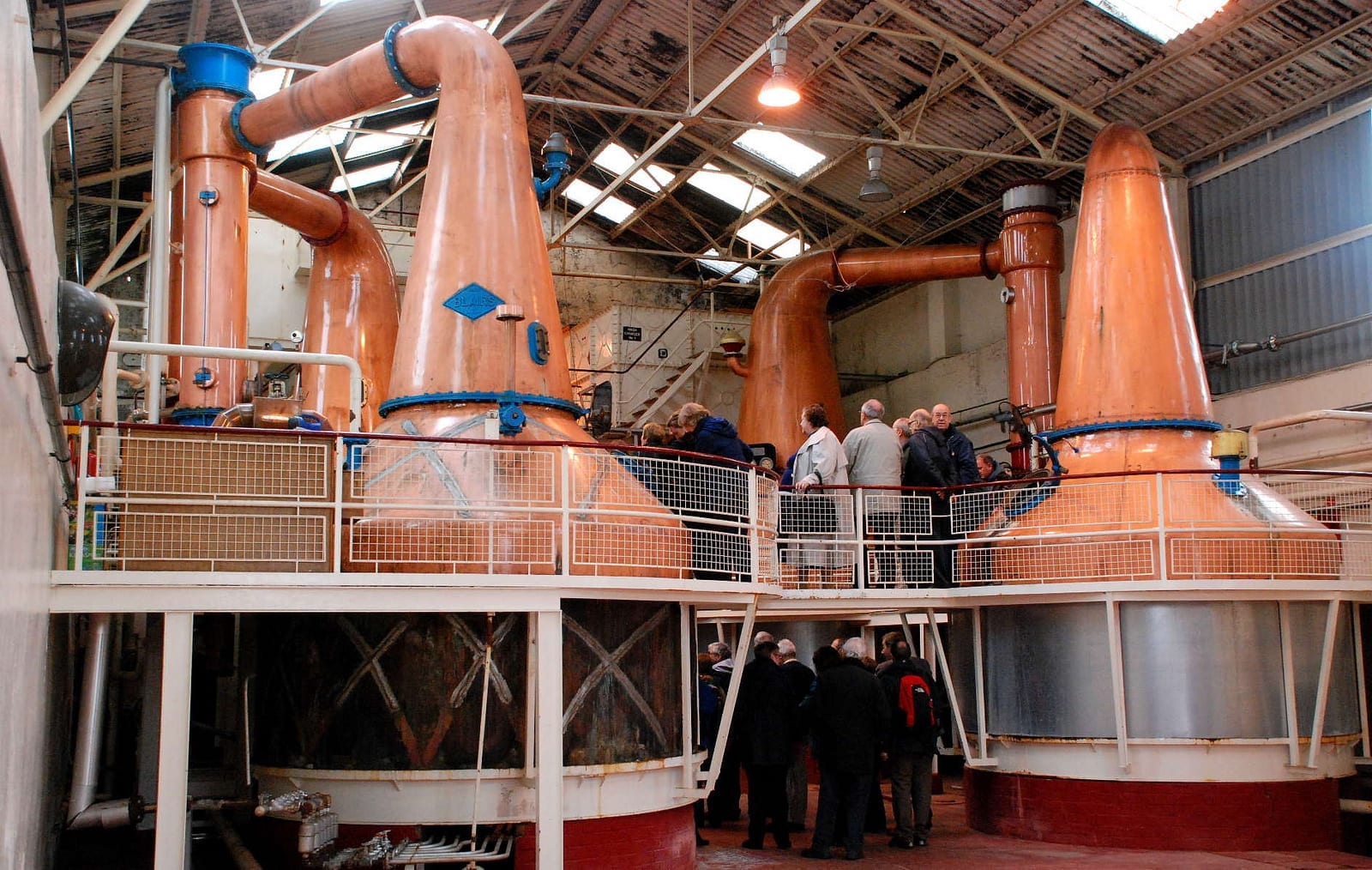
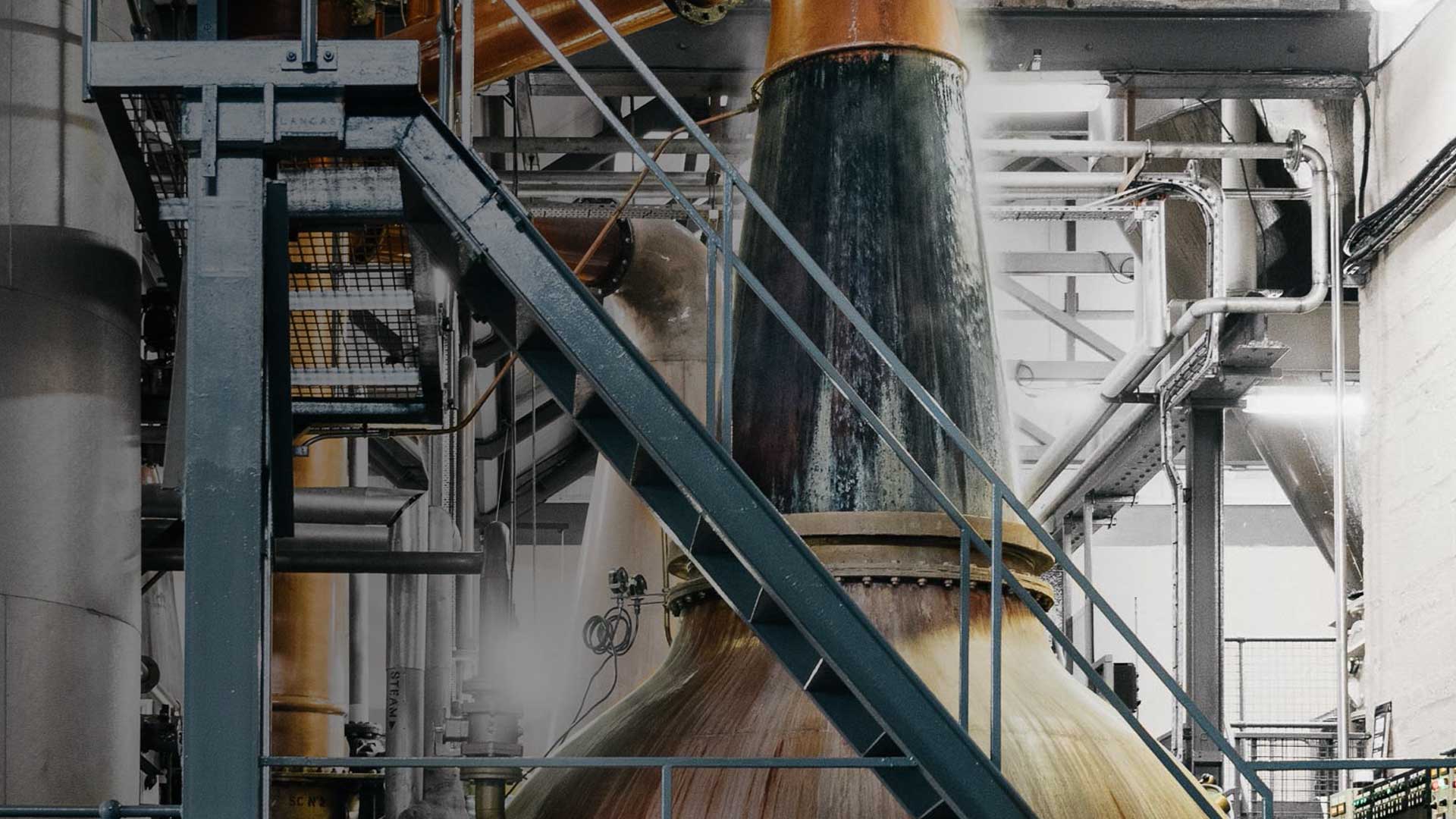
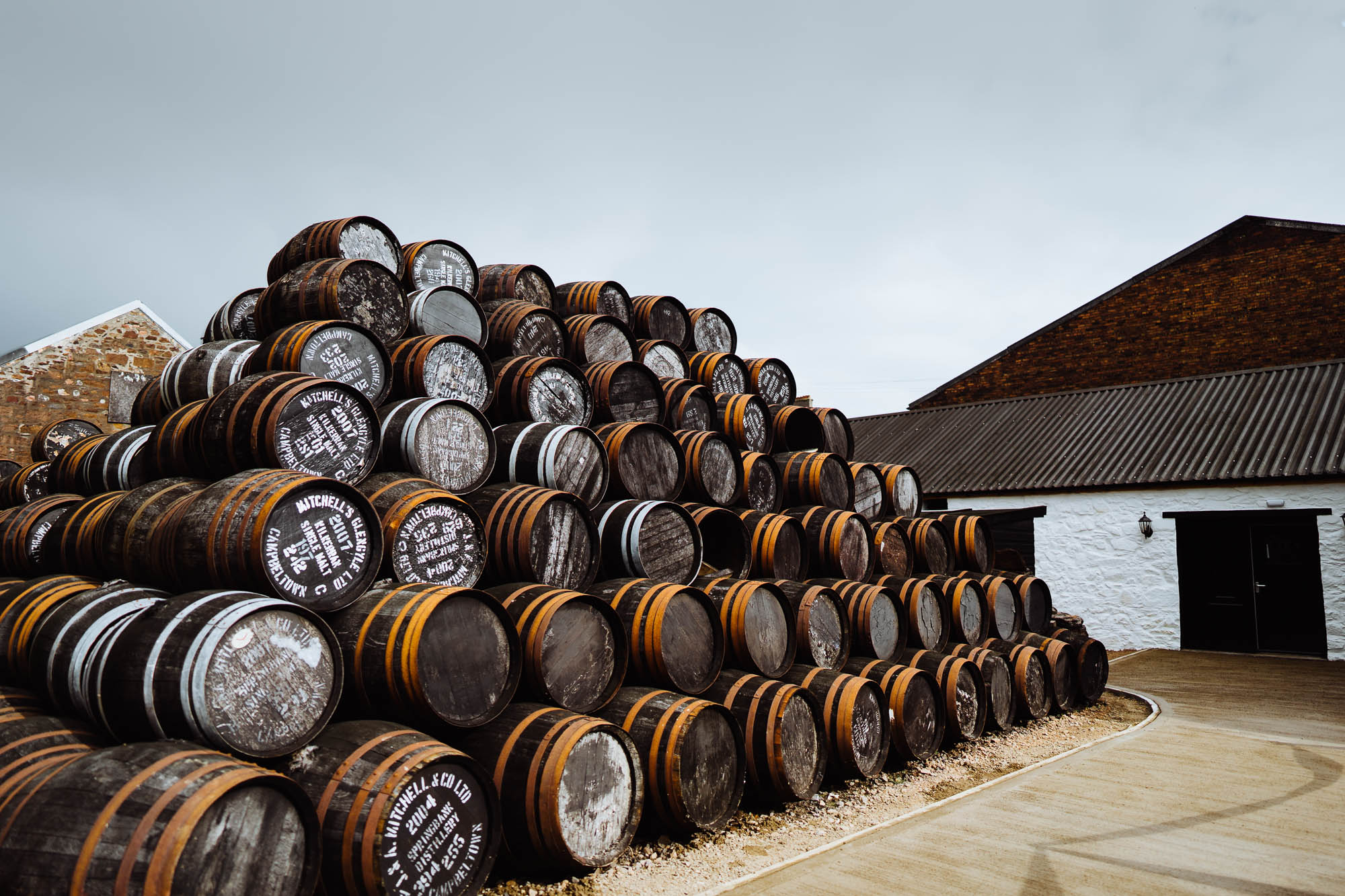
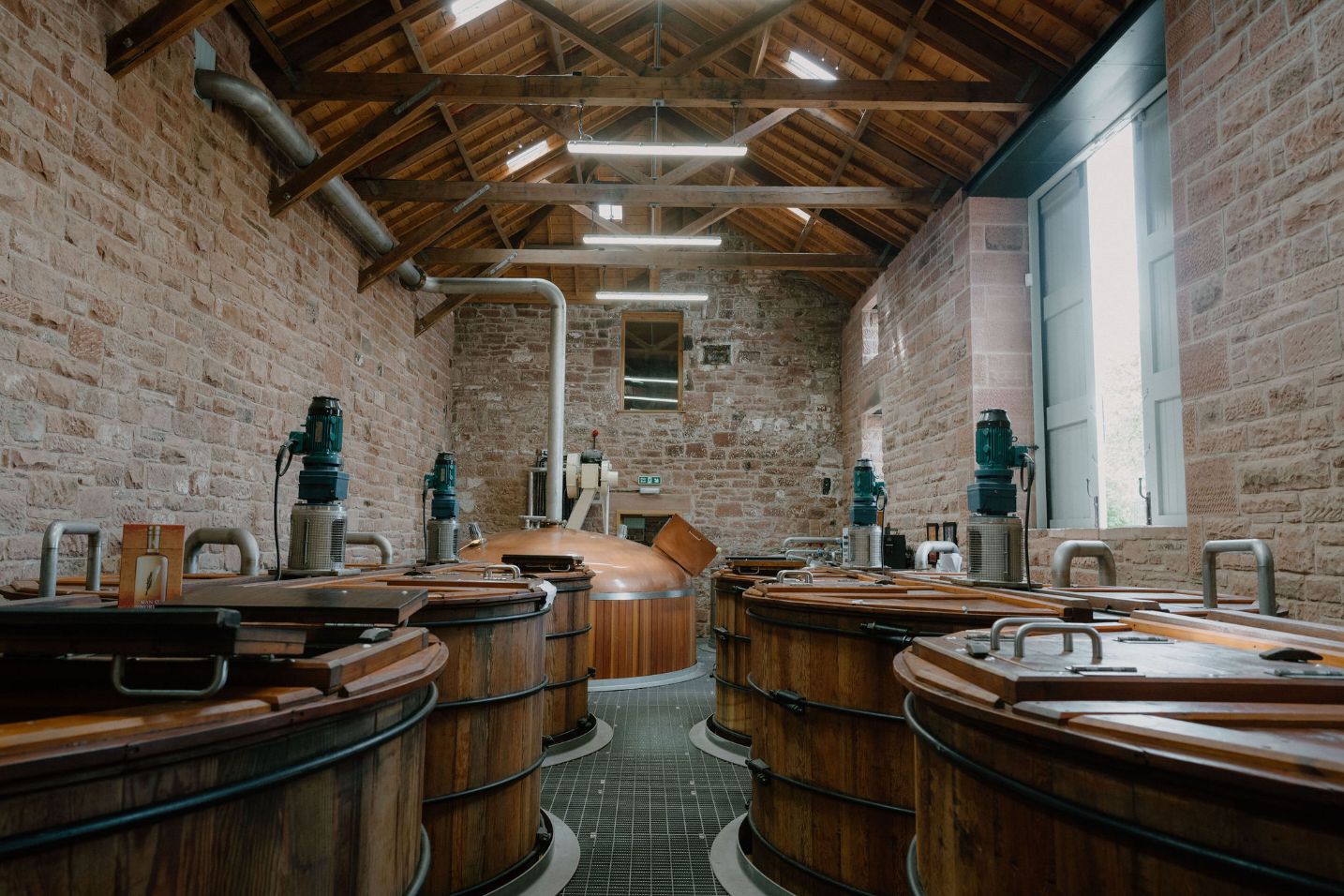
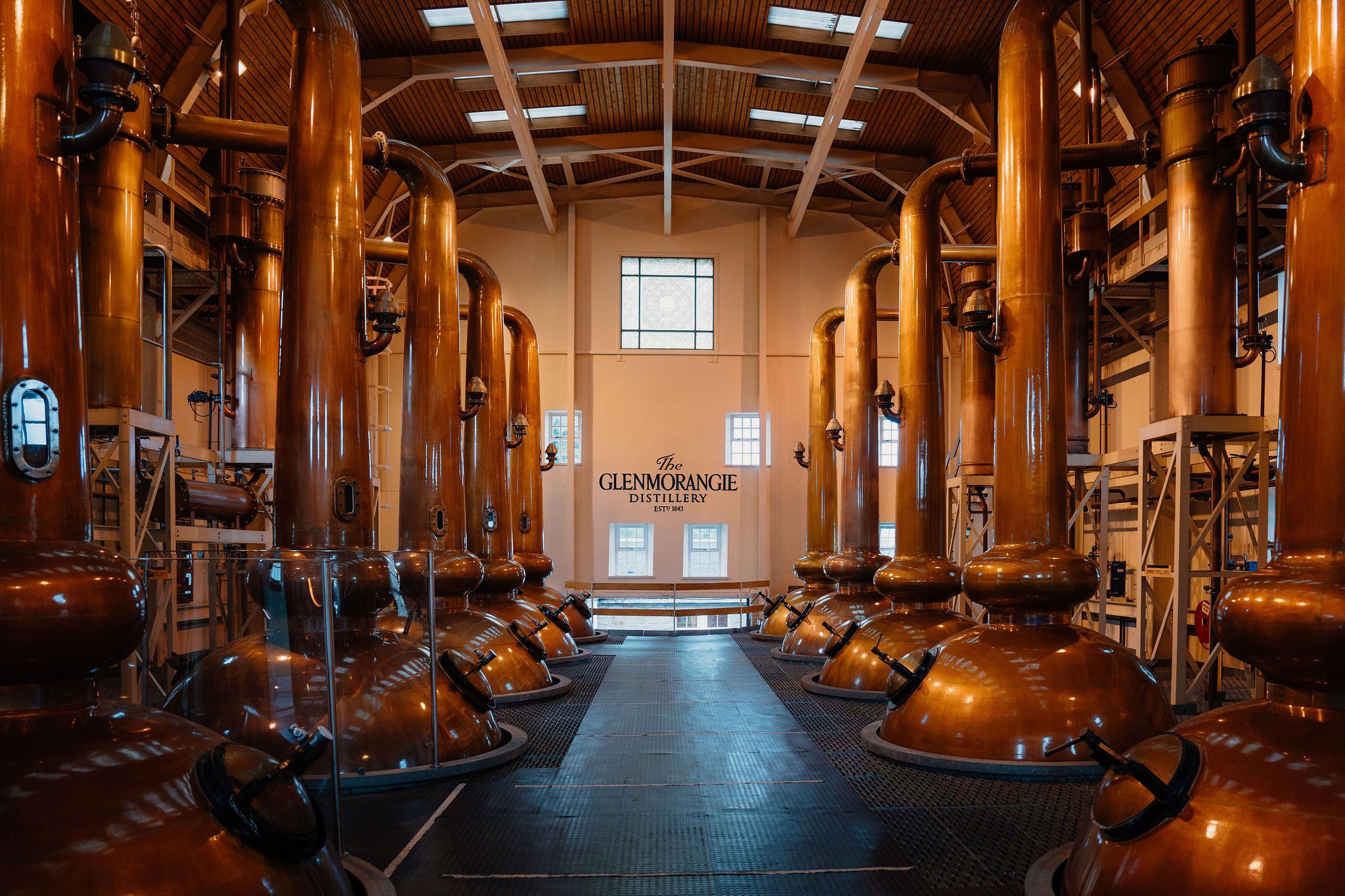
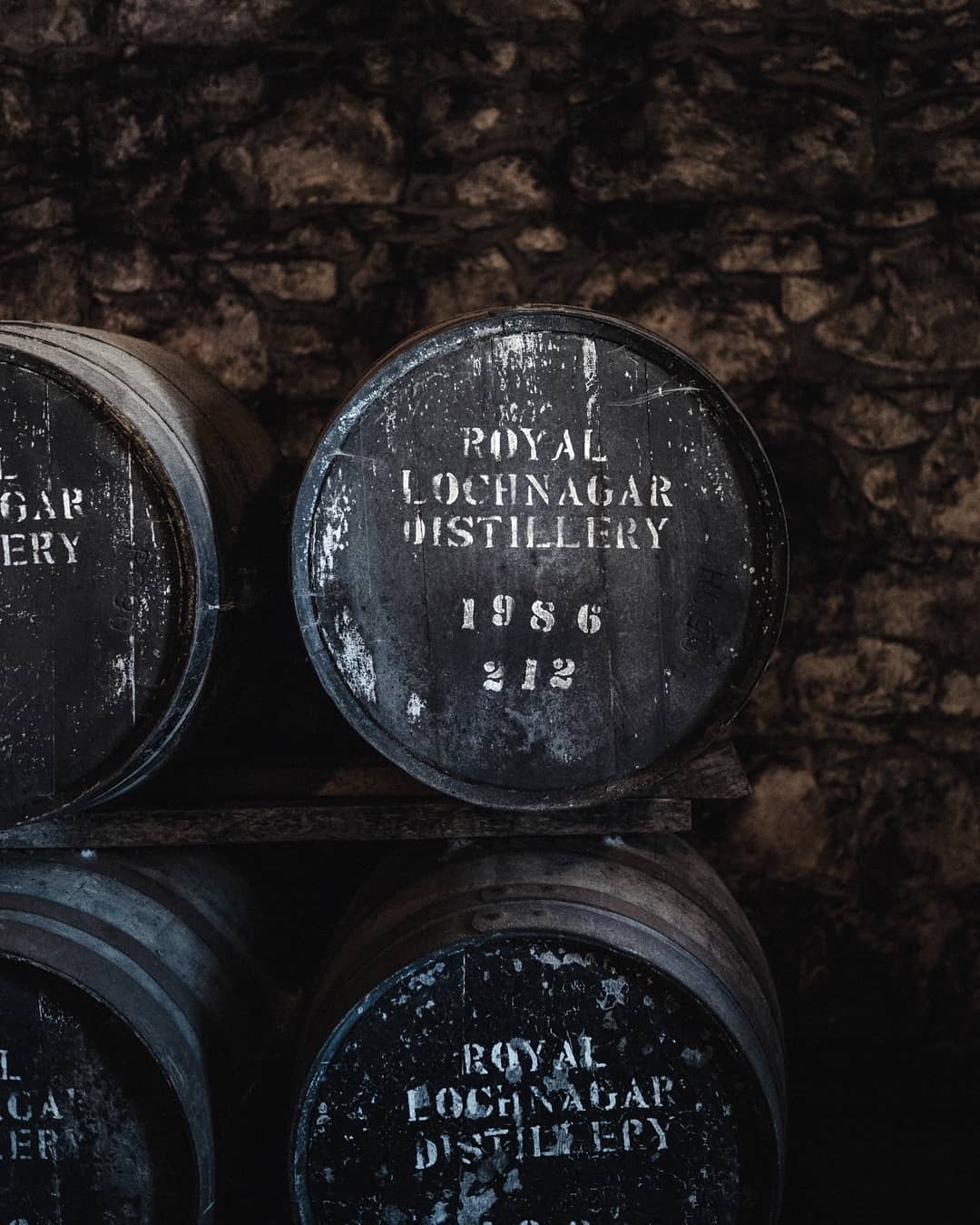
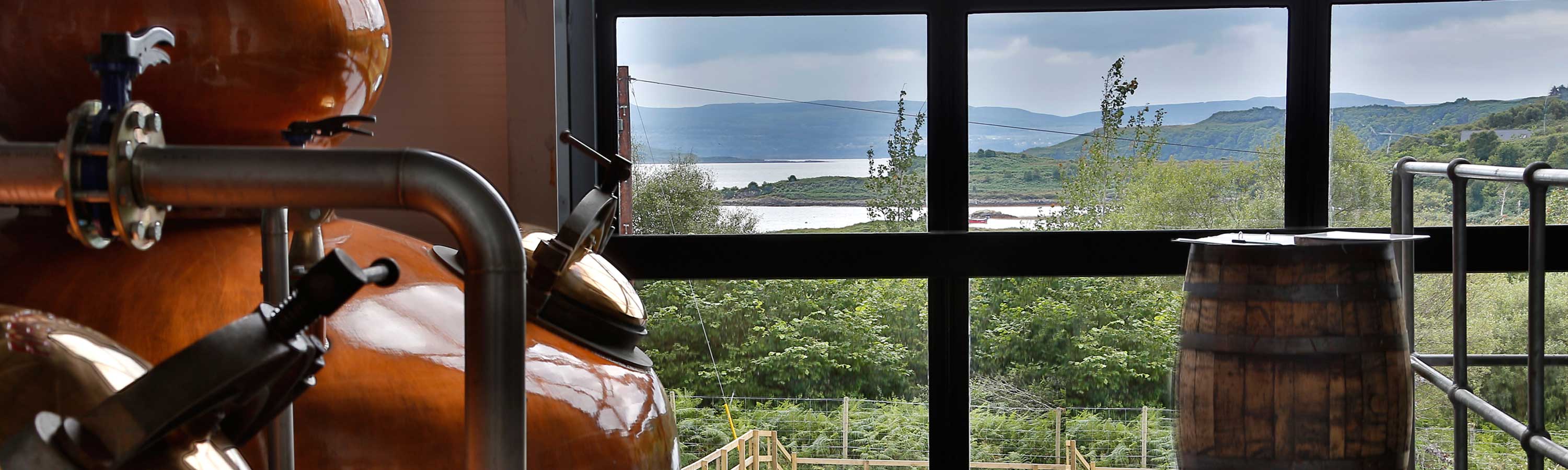
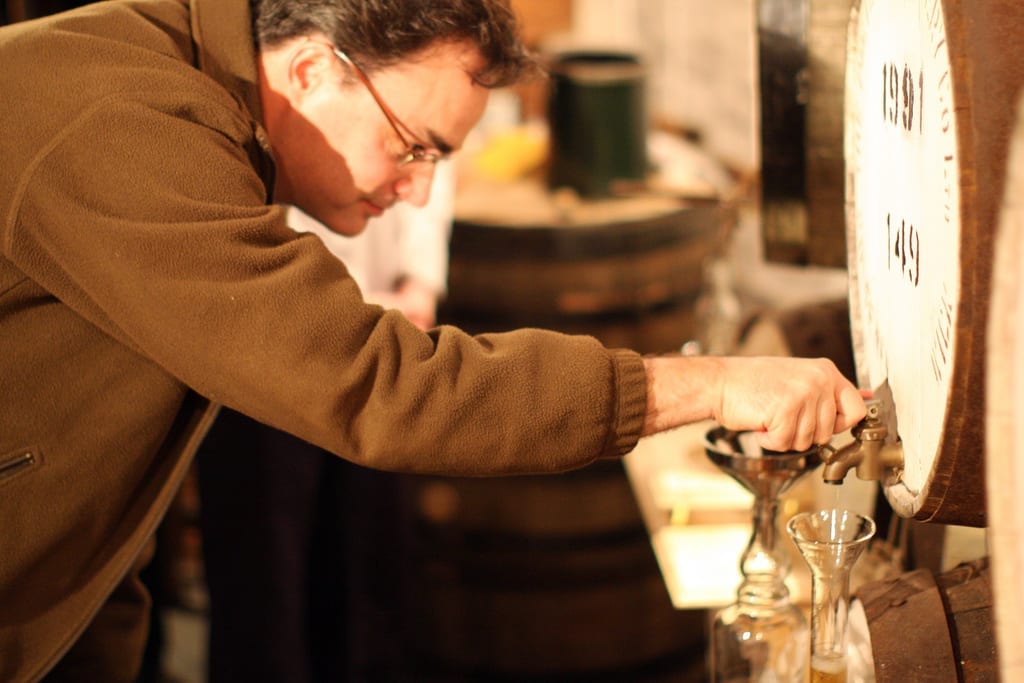
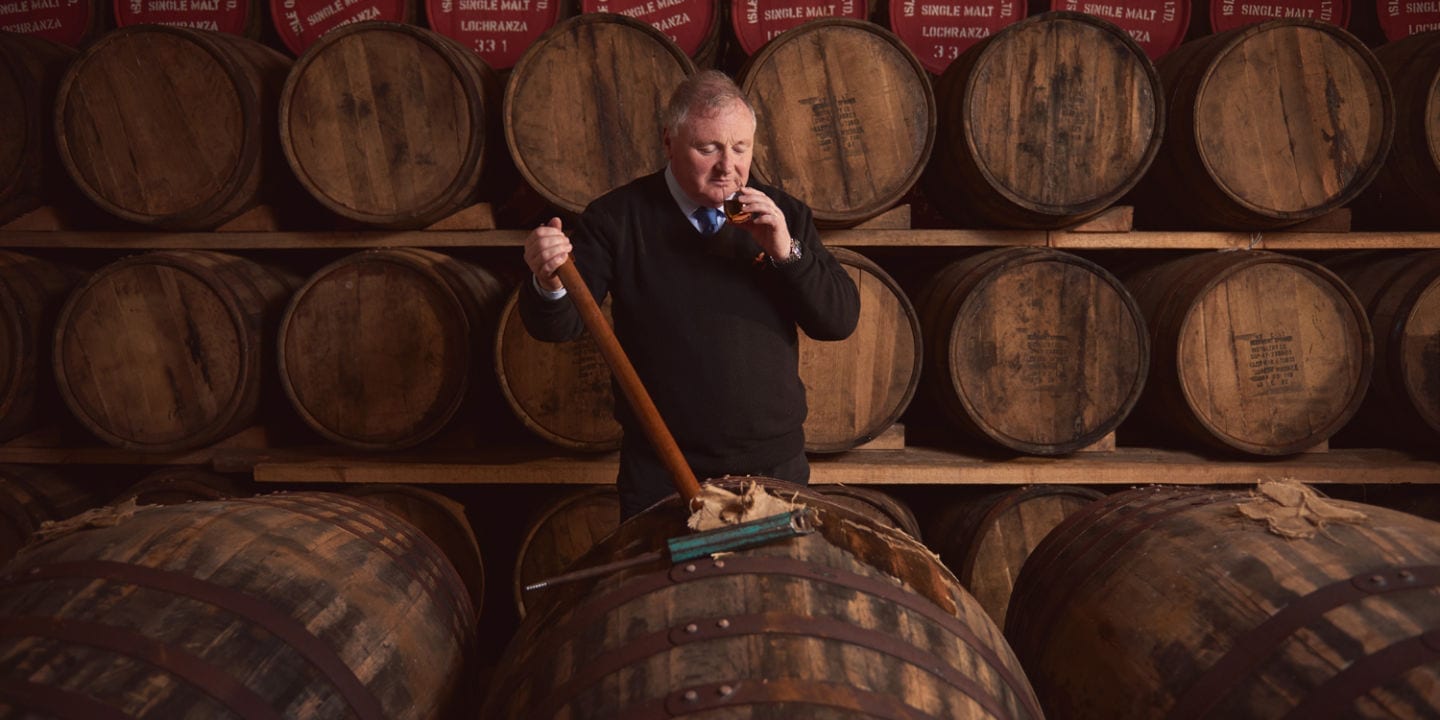
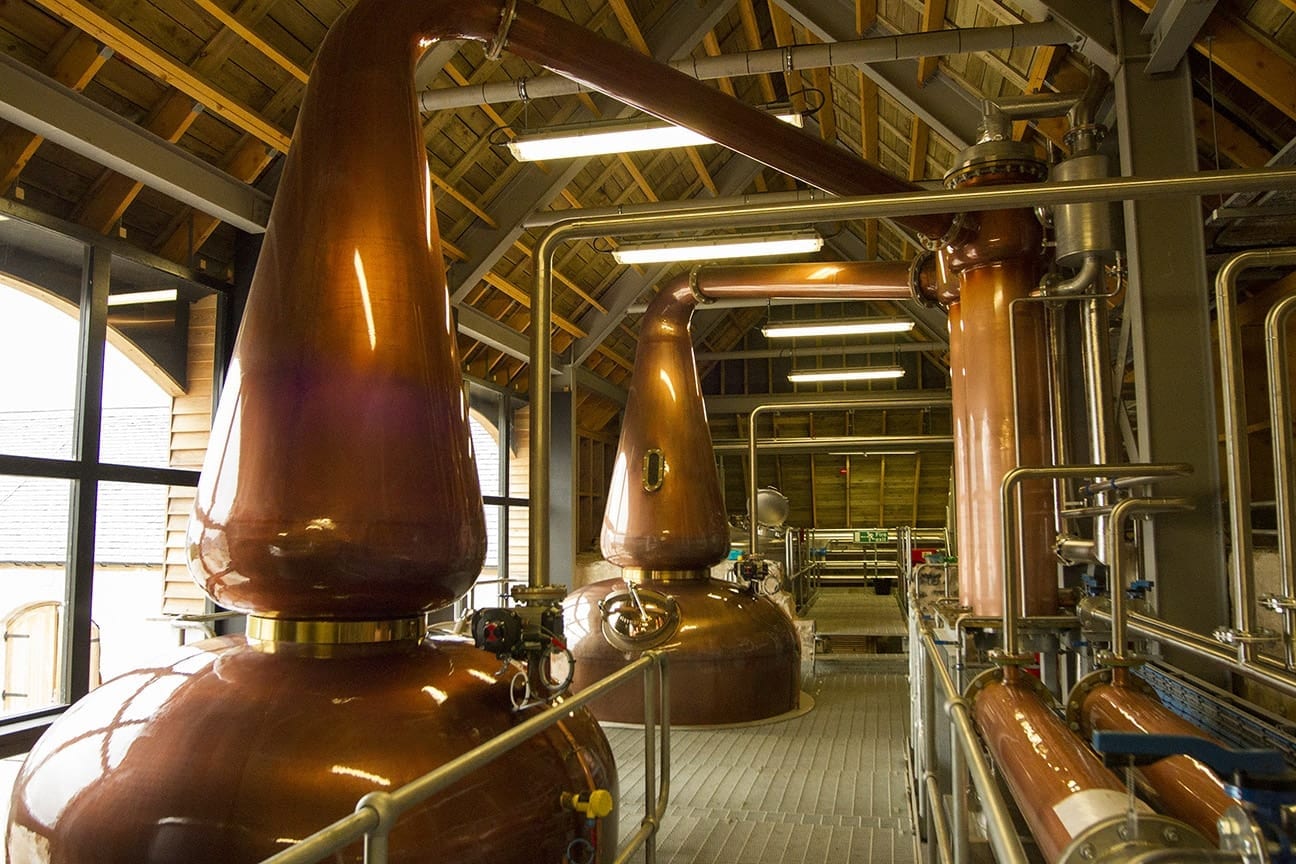
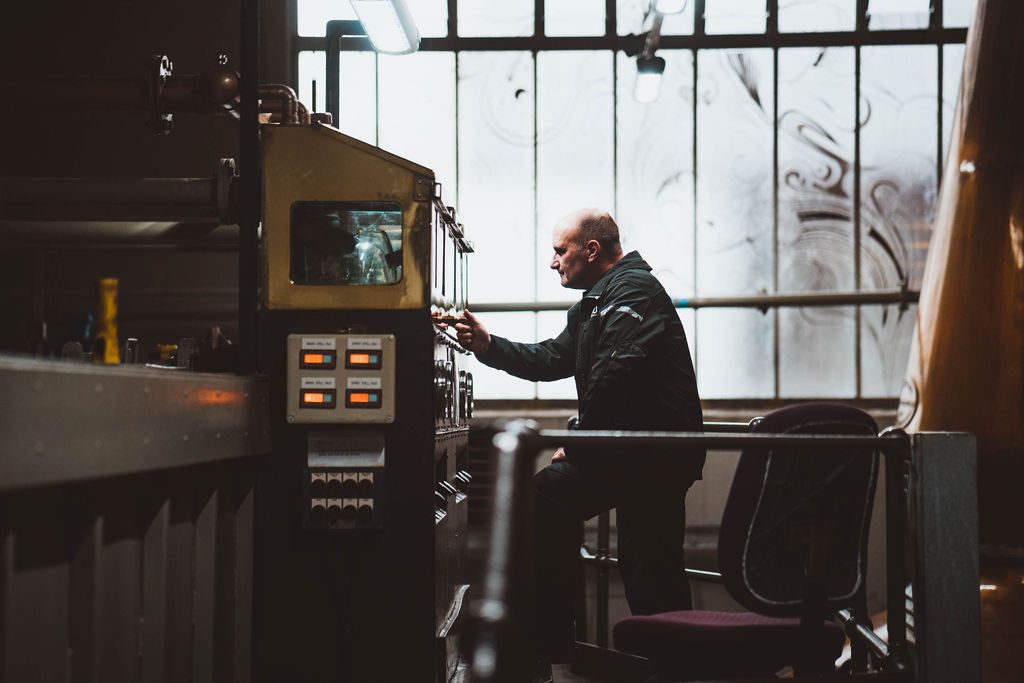
Tours vary, yet the strongest keep things simple and clear. Visitors are taken through the key stages, beginning with the raw ingredients and moving through mashing, fermentation and distillation before ending where time does most of the work, in warehouses where casks are left to mature. The detail is where the experience becomes absorbing. Fermentation length, still design, how spirit is cut, how casks are selected, where they are stored, and what the local climate does over years. None of it needs grand claims. It is craft, repetition and patience, explained by people who know the plant and its habits.
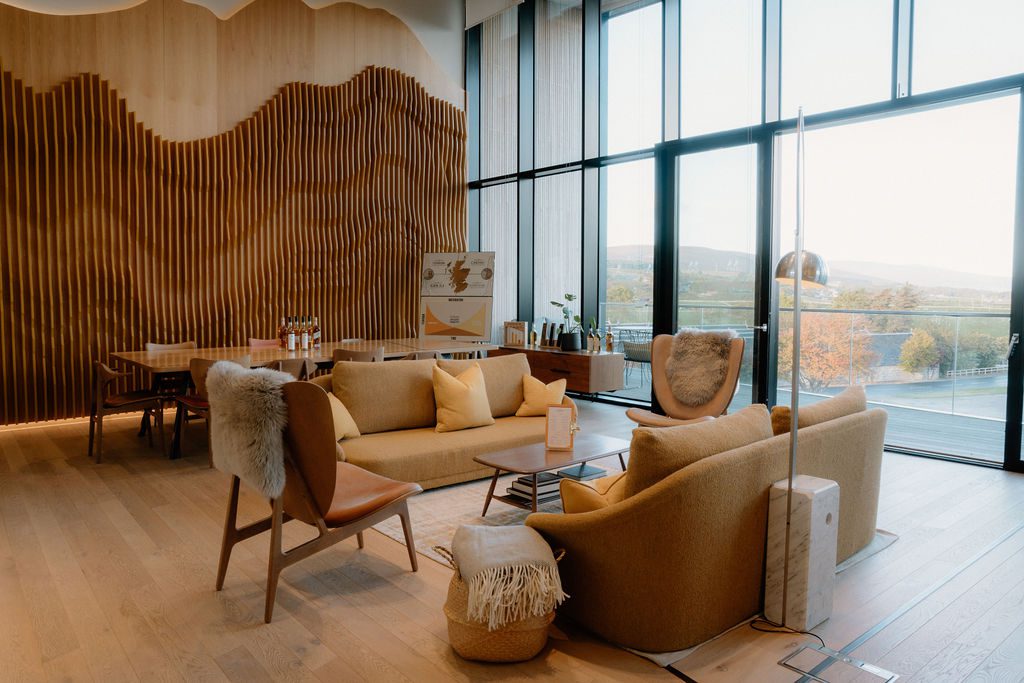
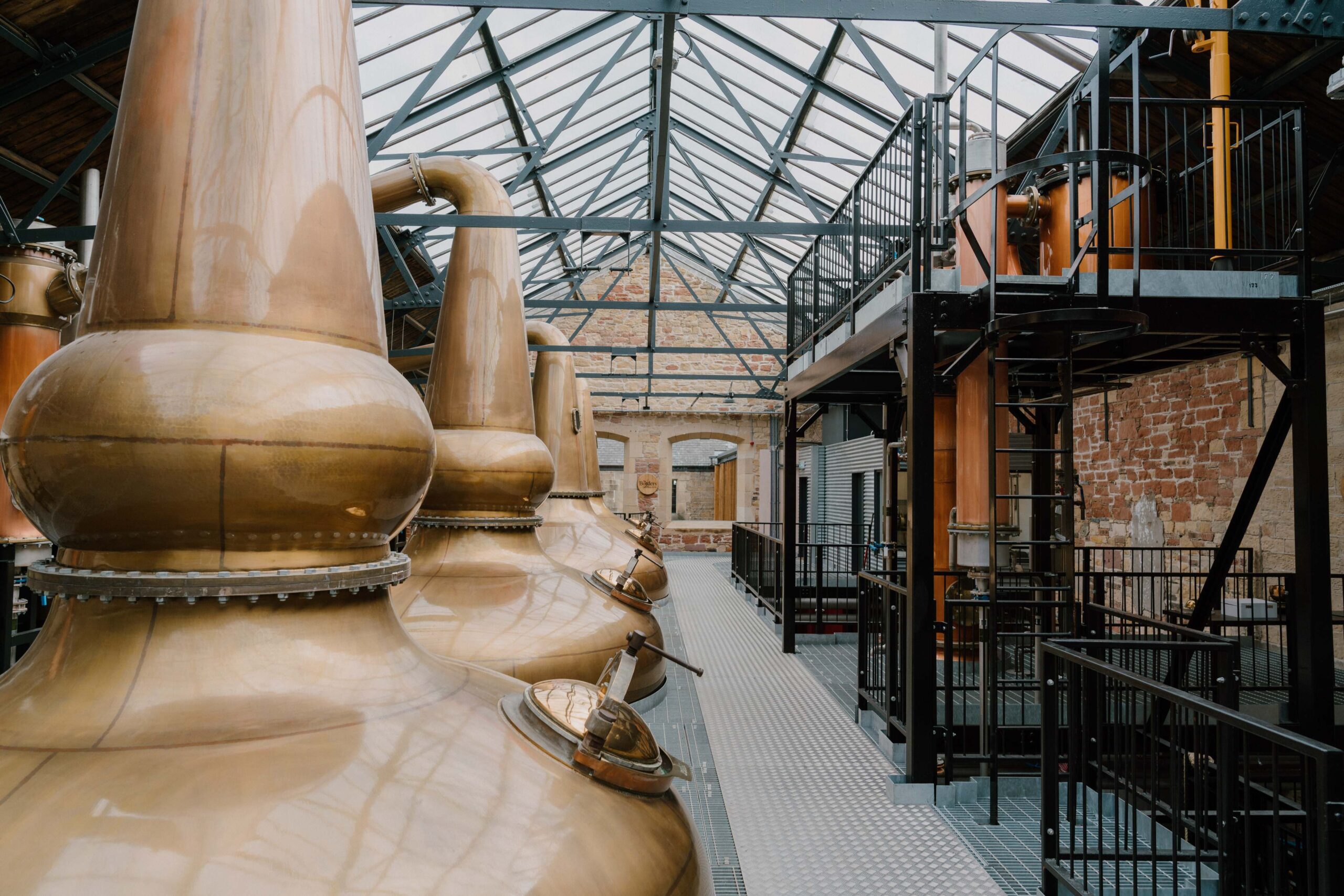
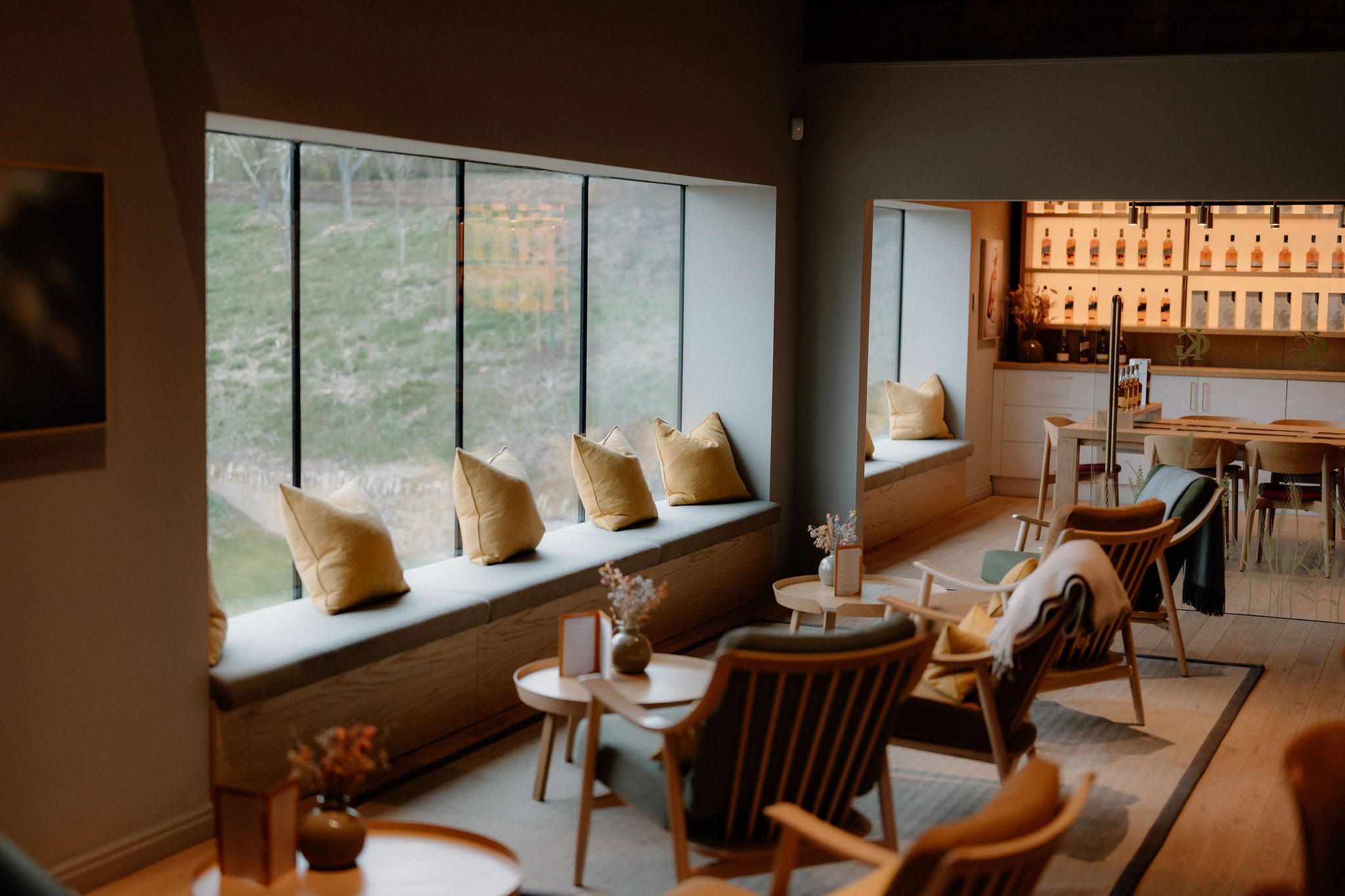
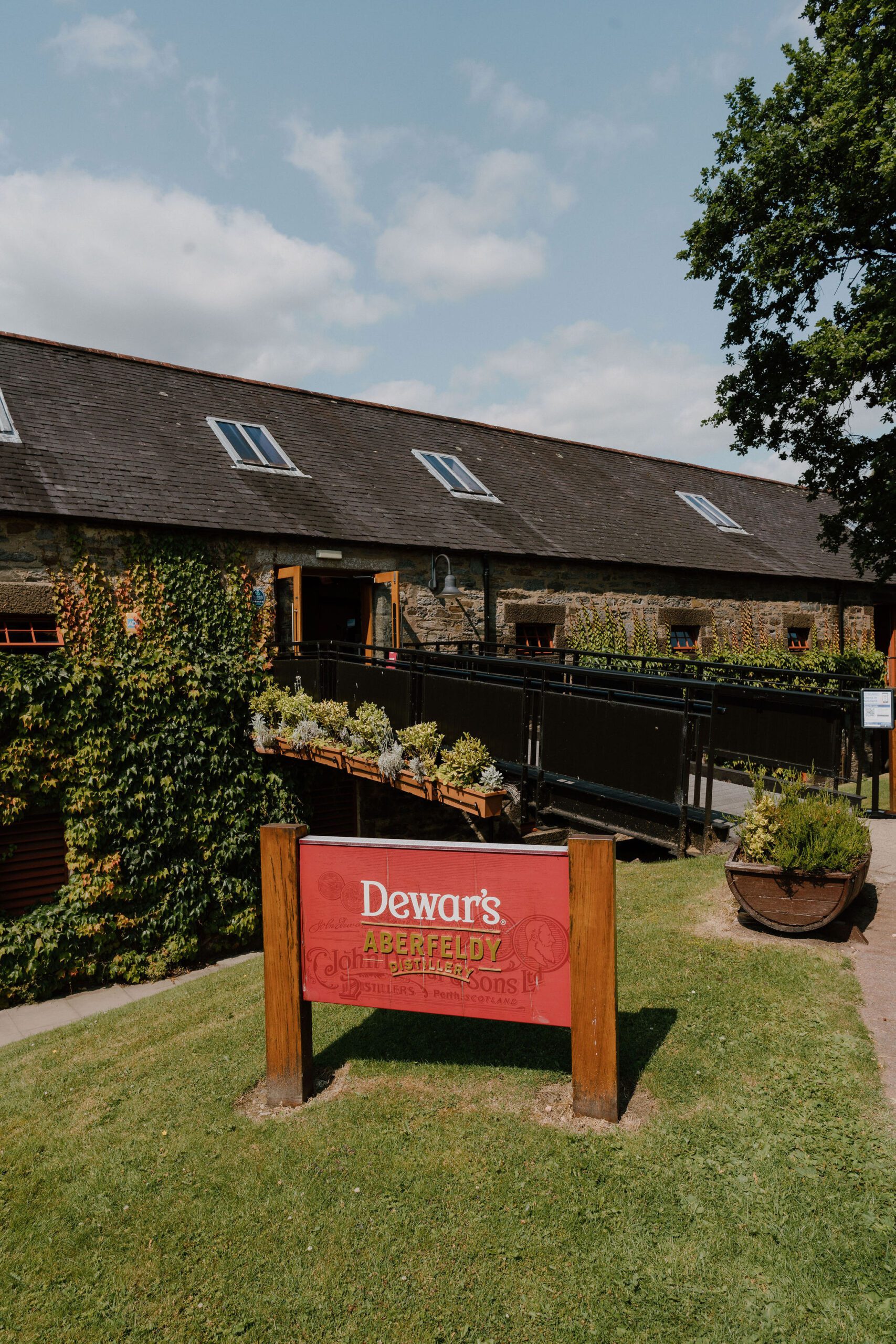
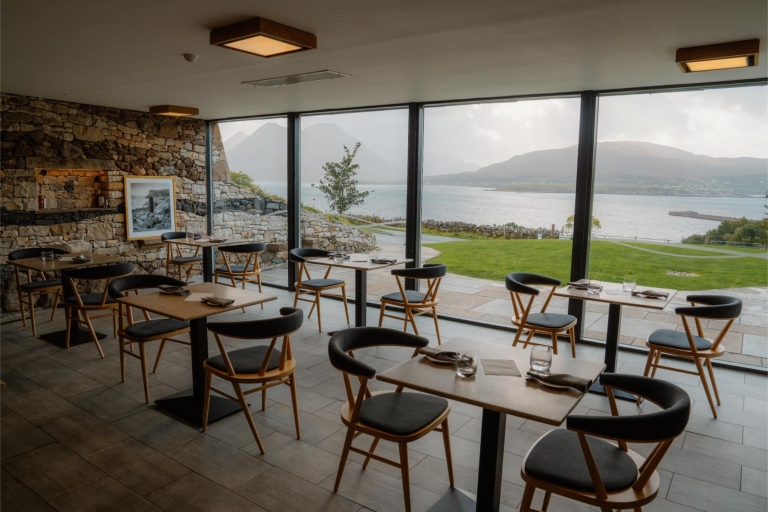
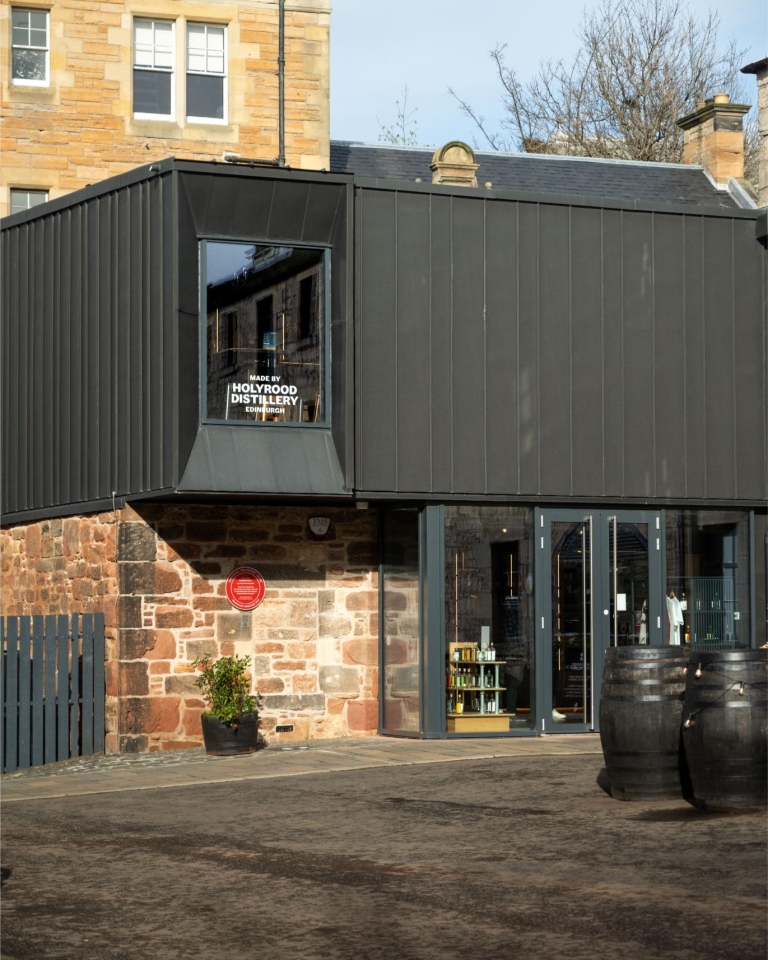
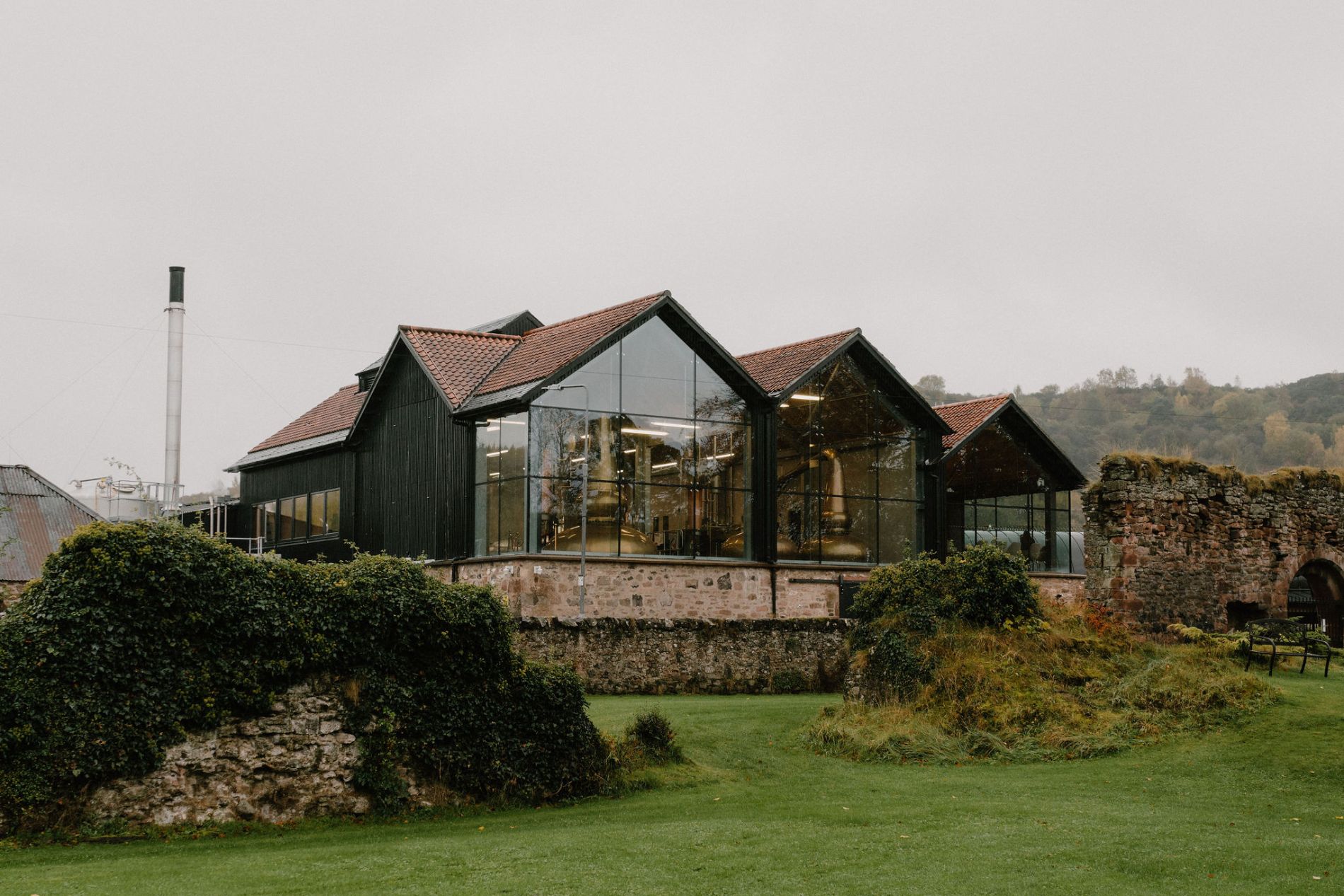
Many distilleries now pair long-standing production sites with newer visitor spaces, sometimes striking in their architecture, sometimes deliberately modest. The best of these additions support the visit rather than distract from it, giving room for tastings, shop browsing and a moment to look back across the site. Sustainability is increasingly part of the story too, from reuse of by-products to energy generation and broader work connected to local habitats and waterways.
This collection brings together distilleries that reward a stop. Some are obvious names, others are quieter, less visited, and all offer a satisfying combination of access, explanation and a sense of place. Plan ahead where needed, leave enough time for the tour, and keep space in the day for what often comes with a distillery visit, a detour to somewhere nearby that turns a simple tasting into a proper outing.








 Sign in with Google
 Sign in with Email