
Scotland in Winter
The northern lights, Hogmanay, snow on the hills, the geese coming in and a stove to come back to: Scotland in winter.
Words by Hidden Scotland
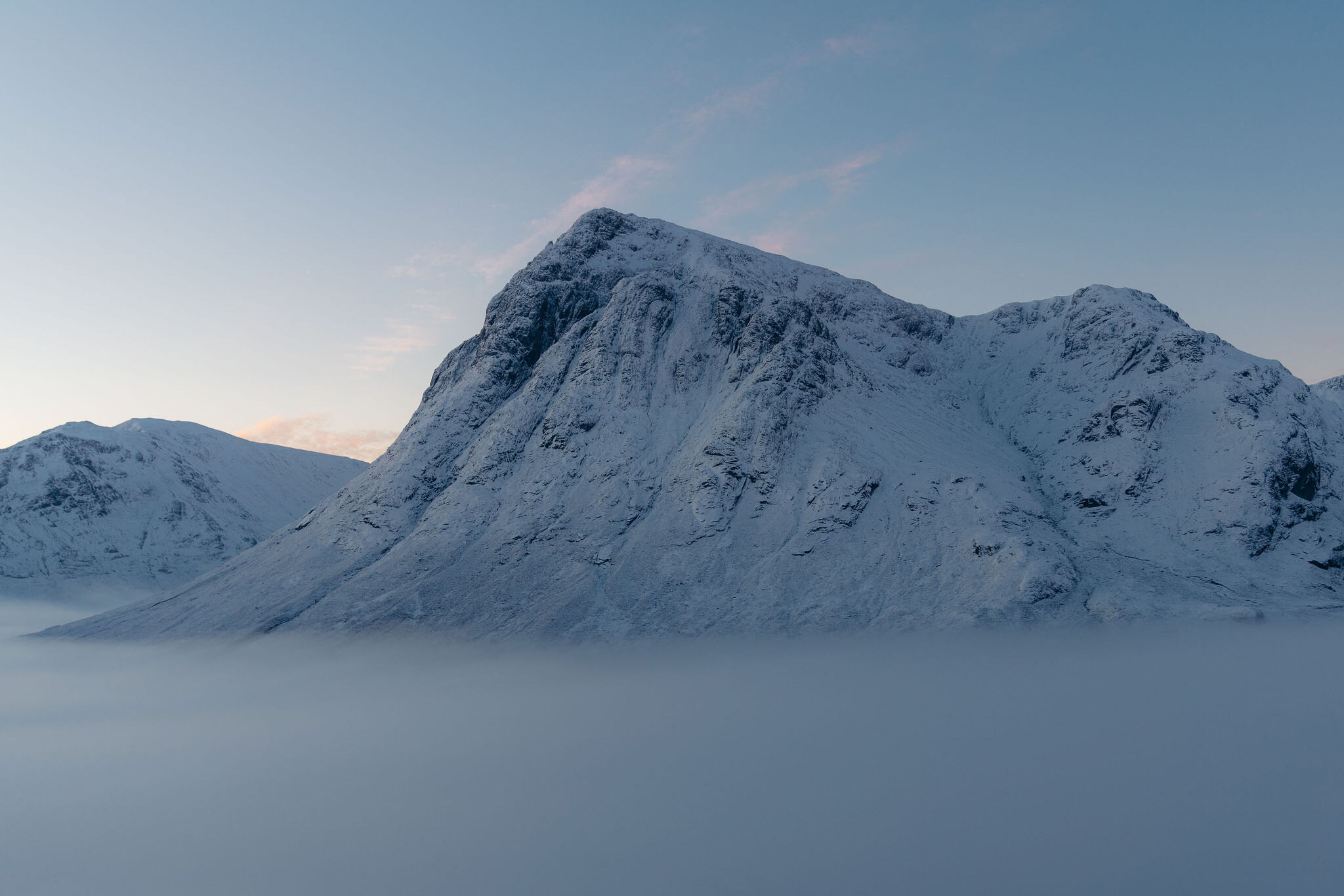
Winter in Scotland means short days and long nights, and that is half the appeal. On the shortest day the sun is up for under six hours in Lerwick and about seven in Edinburgh, which leaves long evenings by the fire and dark skies for the stars. The roads are quiet, the high hills are often white, and a cold, clear morning is as good as any day of the year.
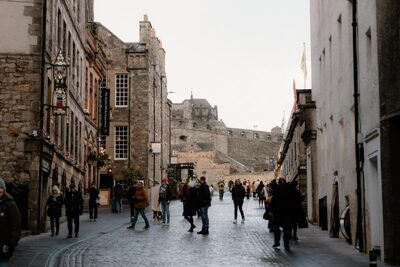
The west is milder and wetter than the east, which is drier. Most of the snow falls on the high ground of the Highlands, normally between November and April.
The northern lights
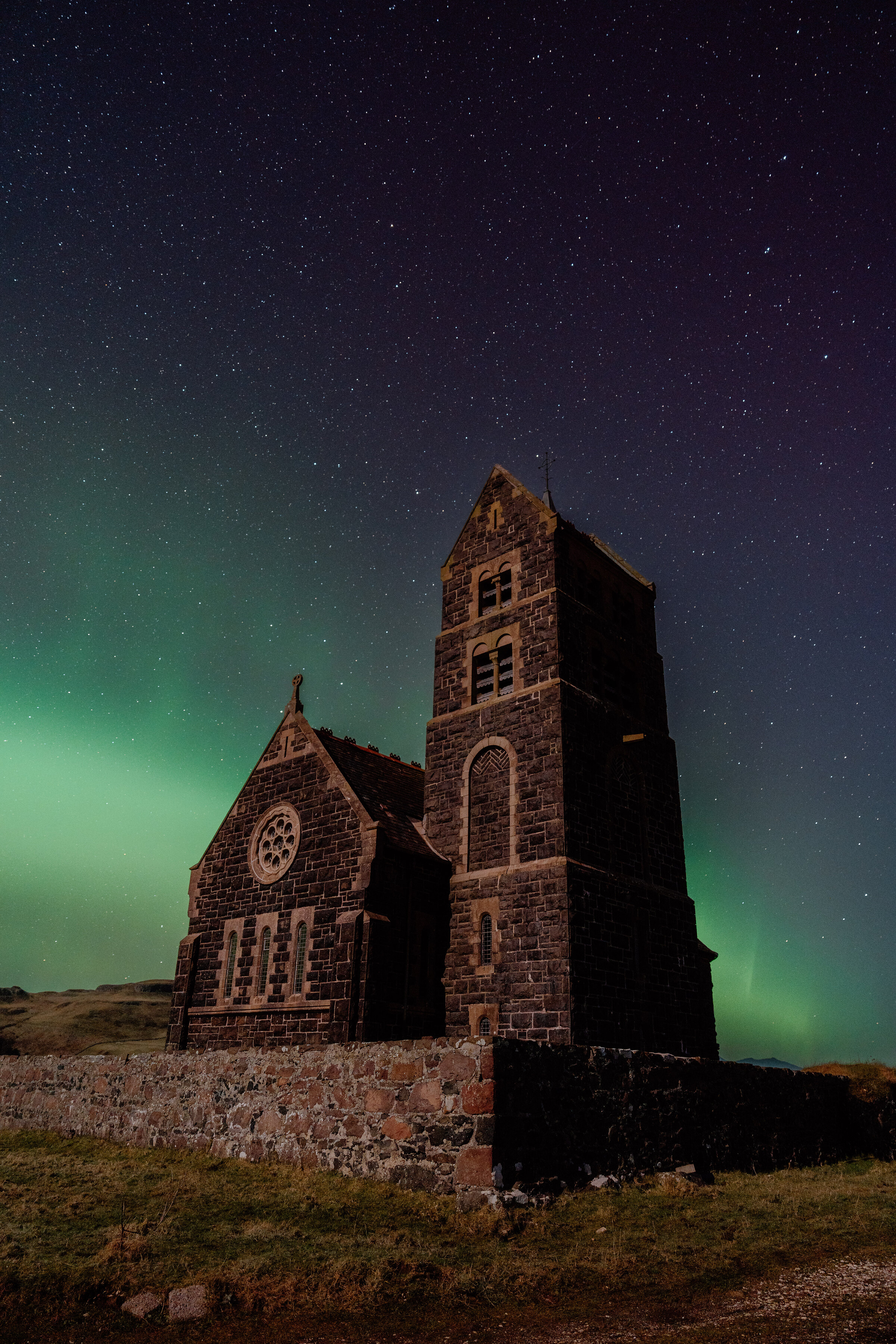
The long nights are the season for the aurora, and on a good night you can see it from Shetland, Orkney and Caithness right down to the Dark Sky Parks of the Cairngorms and Galloway. You need a clear sky, a view to the north and no lights in the way, and the further north you go, the better your chances. On a strong night they reach the islands of the west too, filling the sky over the Rhu Church on Canna, in the Small Isles.
Christmas markets and Hogmanay
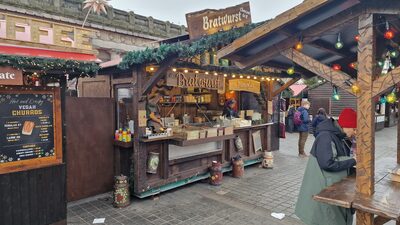
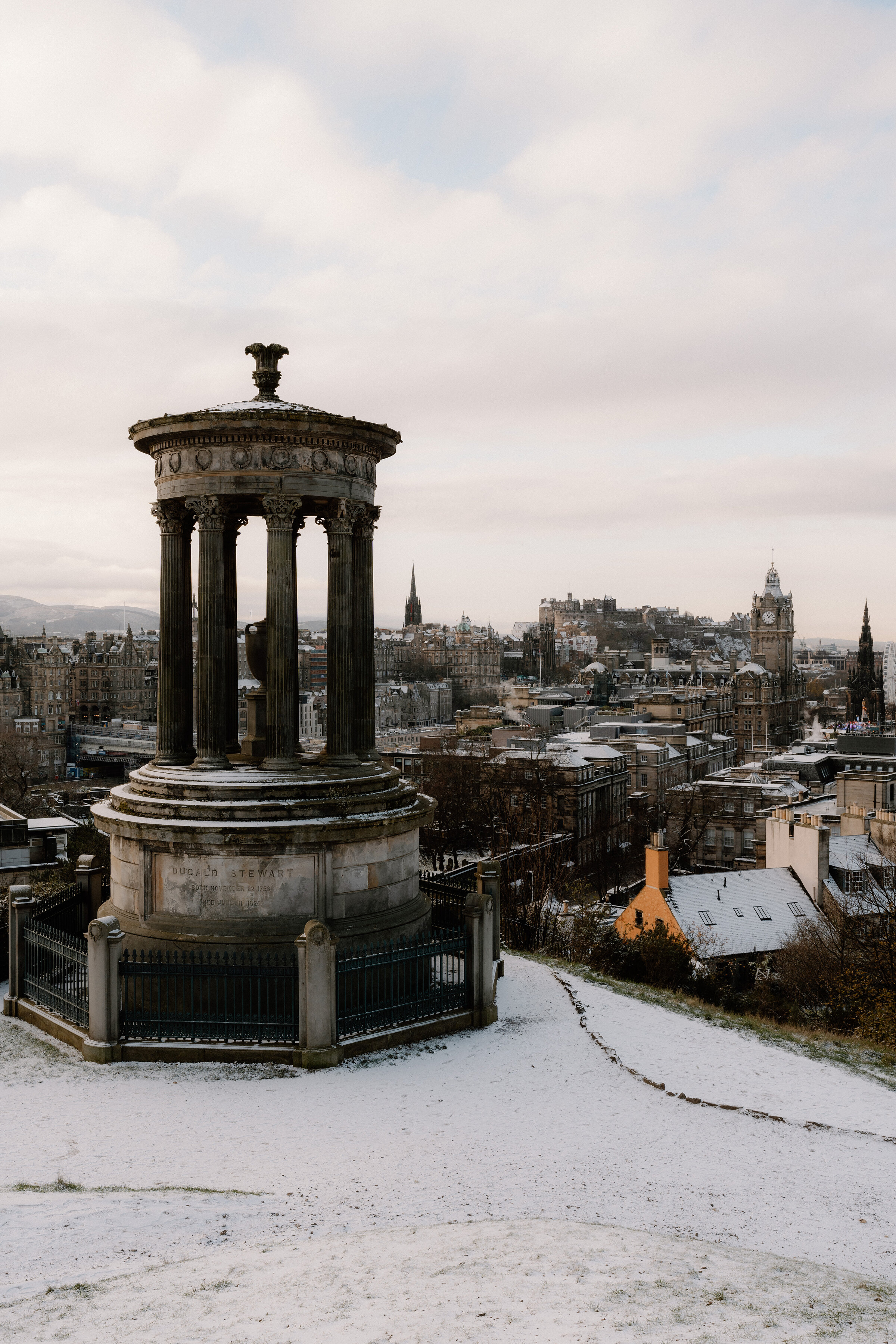
From mid-November the Christmas markets open. The best known fills the eastern half of Princes Street Gardens at Edinburgh’s Christmas, and there are Christmas markets across Scotland, from city squares to one-weekend fairs in castle ballrooms. For two days of it in the capital, try a festive weekend in Edinburgh.
Then comes Hogmanay, the last night of the year, with Edinburgh’s street party, the fireballs swung down the High Street in Stonehaven and the torches carried round Comrie. The day after is Ne’erday, and 2 January is a holiday in Scotland too.
Snow and skiing
Scotland’s ski centres are at CairnGorm Mountain above Aviemore, at Glenshee on the road to Braemar, at the Lecht between Cockbridge and Tomintoul, at Glencoe Mountain on the edge of Rannoch Moor, and at Nevis Range outside Fort William. The season usually runs from December into March or April, depending on the snow, and the beginners’ slopes at the Lecht and Glenshee have snow made for them.
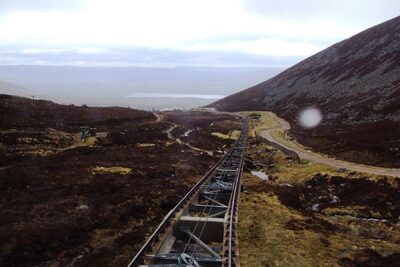
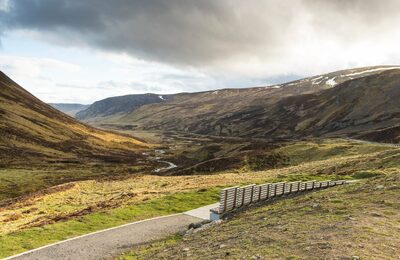
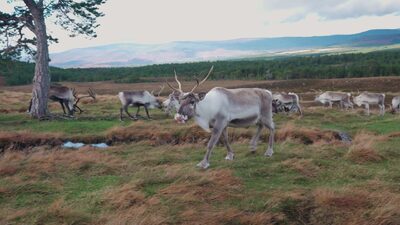
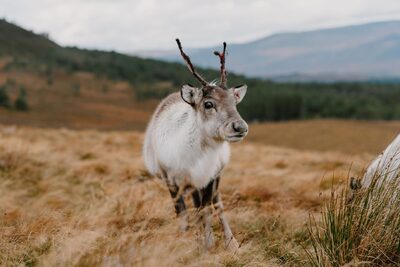
You don’t need to ski to enjoy it. The funicular on CairnGorm Mountain runs all year, weather permitting, and the Cairngorm reindeer are out on the hill above Glenmore, with guided hill trips most days except between the end of the Christmas holidays and the February half term. A winter weekend in the Cairngorms takes in the Lecht, Tomintoul and the beach at Loch Morlich, and the Snow Roads cross the high passes of Glenshee and the Lecht.
Winter wildlife
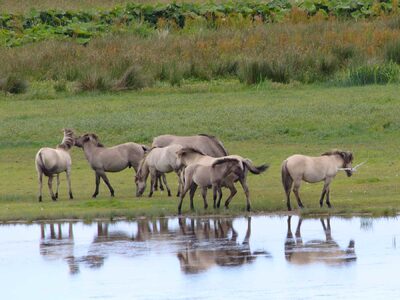
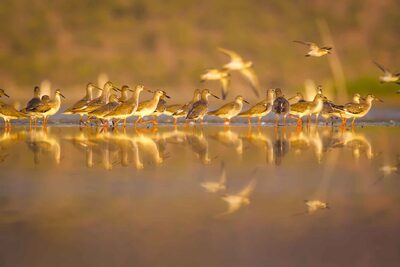
Winter is when the geese come in. Vast flocks of pink-footed geese settle on the Loch of Strathbeg in Aberdeenshire, and barnacle geese from Svalbard arrive on the Solway at WWT Caerlaverock in October, often tens of thousands of them. On Islay, Greenland barnacle and white-fronted geese winter at Loch Gruinart, and their story is told from the island in the wintering geese of Islay.
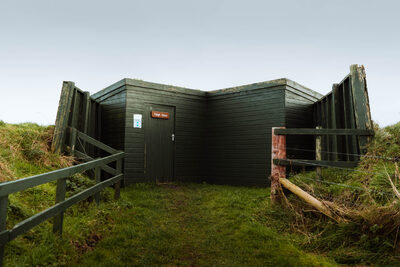
Closer to the cities, watch the pink-footed geese at Aberlady Bay in East Lothian or the geese at Montrose Basin. On Mull, Ewan Miles, who runs wildlife tours on the island, picks five winter species to look out for.
Up Helly Aa and Burns Night
In Shetland the darkest months end in fire. Up Helly Aa in Lerwick is held on the last Tuesday of January every year, when a squad dressed as Vikings leads a torchlit procession through the town and their galley is burned. The procession and the burning are free to watch, and in 2027 the torches are lit at 7.30pm on Tuesday 26 January. Smaller fire festivals carry on around the islands until March. Laurie Goodlad’s guide to Up Helly Aa explains how to make the most of it.
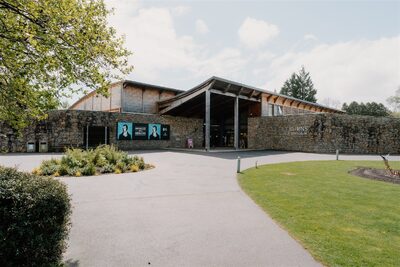
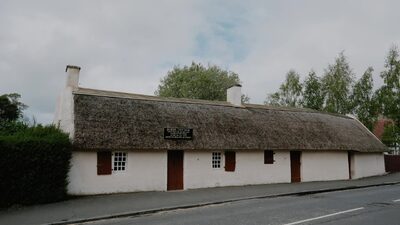
On 25 January, the anniversary of his birth, Scotland remembers Robert Burns with Burns suppers of haggis, poems and a dram. Burns was born in a cottage in Alloway, and the Birthplace Museum and Burns Cottage are open through the winter. A day in Alloway takes in both.
The Daily
Arrives at 5am every day.
A free morning email to see what’s on this week, catch up on what’s happening in Scotland and find somewhere new to go.
Skye in winter
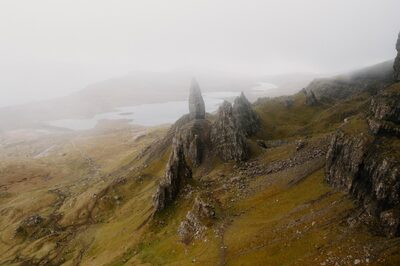
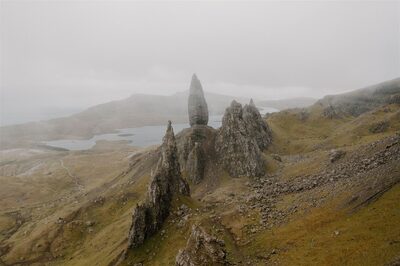
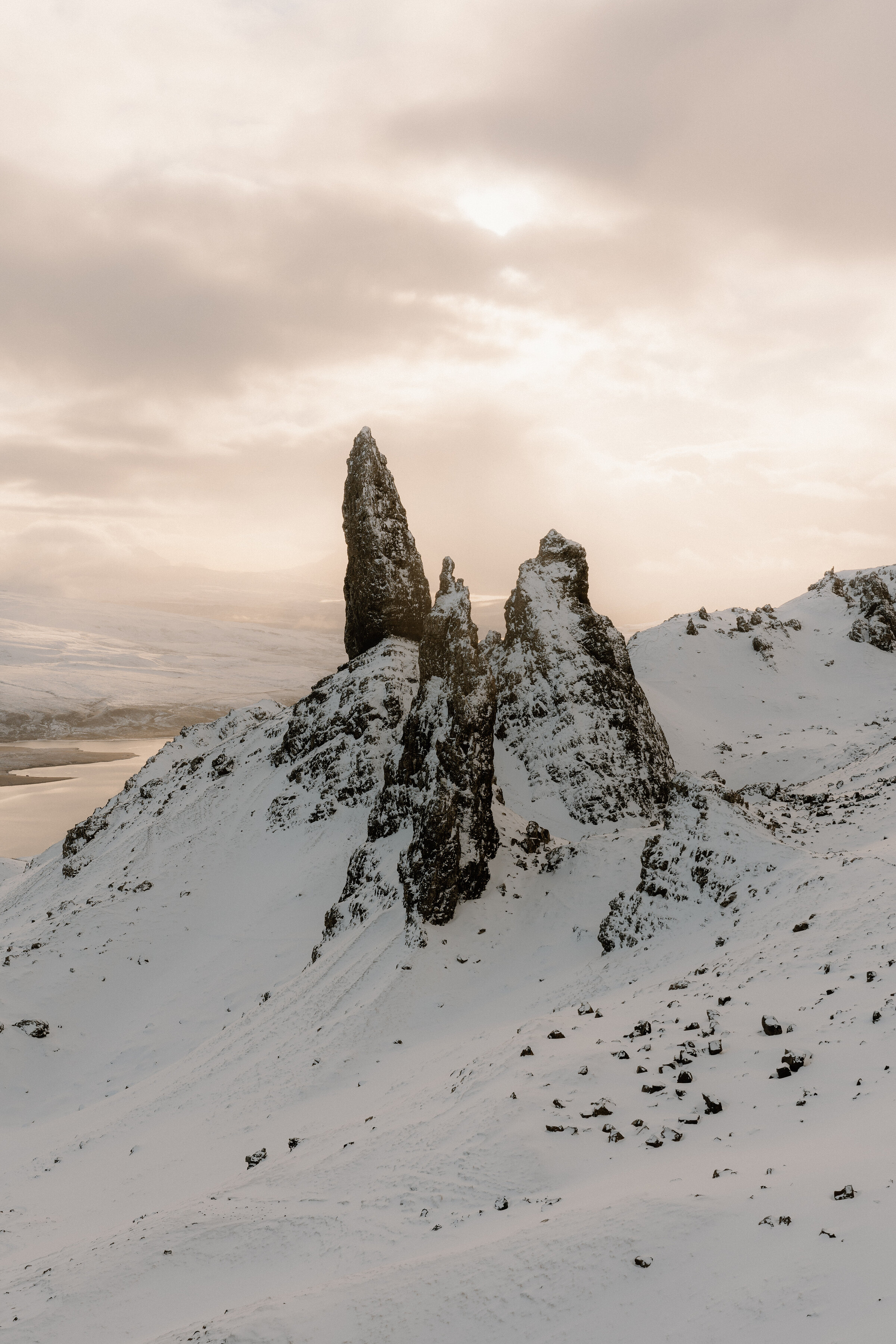
Skye in winter is a different island, with quiet car parks, often snow on the Cuillin and the sun low all day. Two days from Portree follow the Trotternish coast from the Old Man of Storr to the Quiraing on the first day, and give the second to the Cuillin, Sligachan and Talisker Bay. For somewhere to stay, these are the places to stay on Skye that keep their doors open in winter.
Somewhere warm to stay
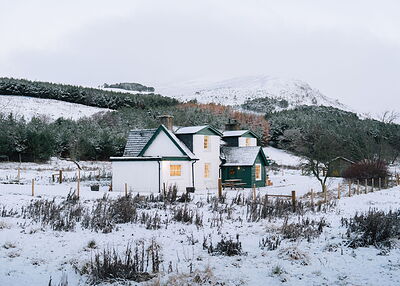
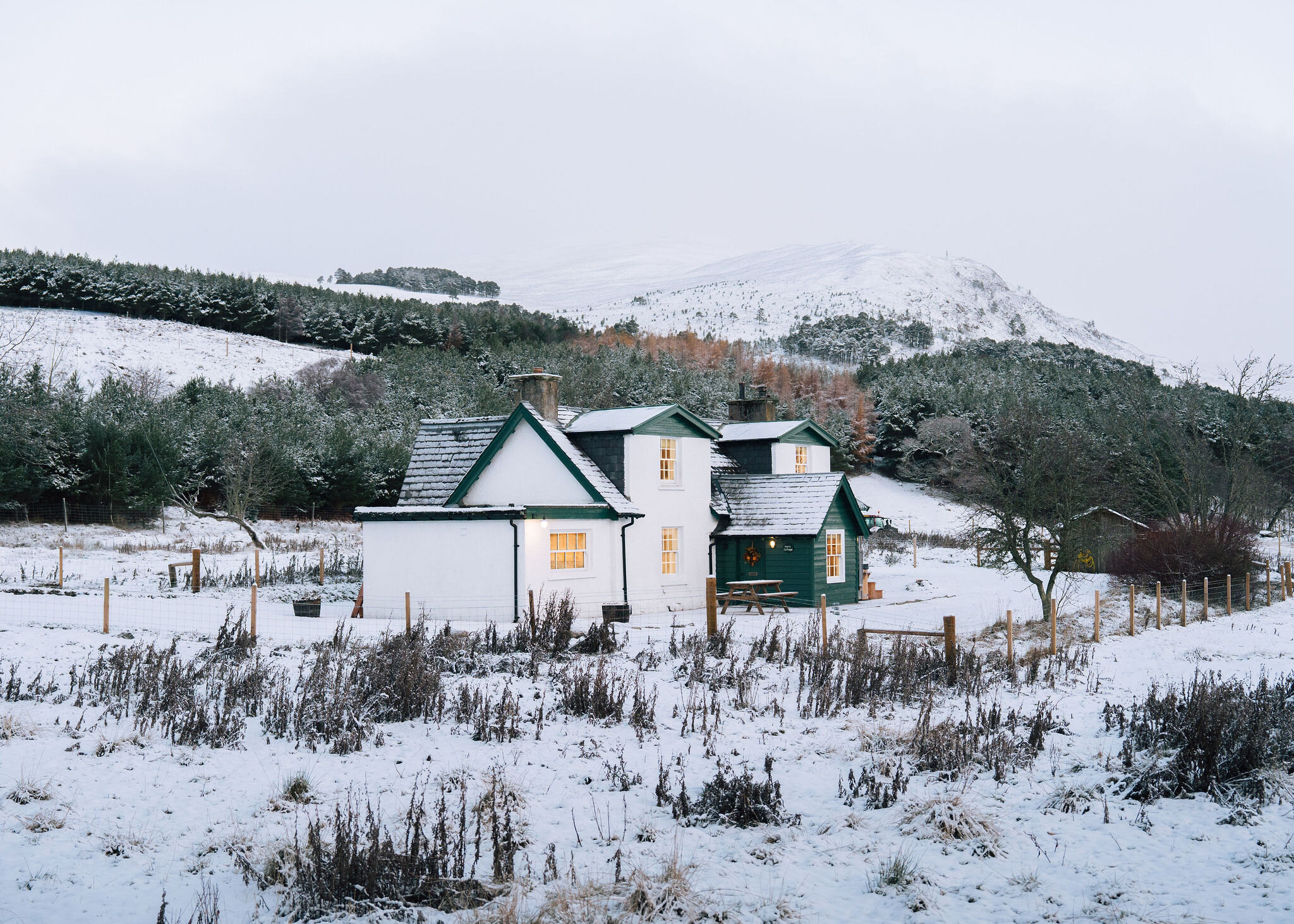
A wood-burning stove, a full log basket and a long evening in front of it are half the reason to come in winter. Park Cottage, an old stalker’s cottage on the Alvie Estate near Kincraig, looks out over its fields to the Cairngorms. Start with these places to stay with a wood-burning fire, or with a hot tub to sit in under a cold sky. There are more in these holiday homes at their best in winter and in the magazine’s winter getaways.
For one part of Scotland, there are places to stay in winter in Aberdeenshire and Lochaber. And around the coast, wood-fired saunas look out over the sea, from Ganavan Sands at Oban to Lerwick’s waterfront.
Before you go
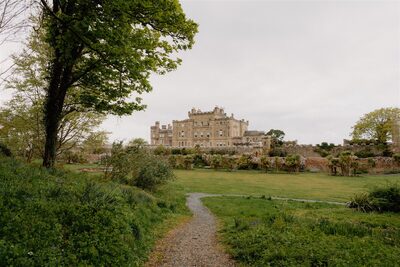
Many castles and houses shorten their hours or close for the winter. Historic Environment Scotland’s sites keep winter hours from 1 October to 31 March, and at Culzean the castle closes from November to March while the country park and walled garden stay open every day. CalMac’s ferries run to a winter timetable until late March, and the Jacobite steam train does not run in winter.
For more festivals through the season, there is the magazine’s autumn and winter what’s on.
 Out now
Twice a year, to your door
One hundred and sixty pages of Scotland, every photograph commissioned, every word written by someone who went. Members get both issues posted and everything on screen.
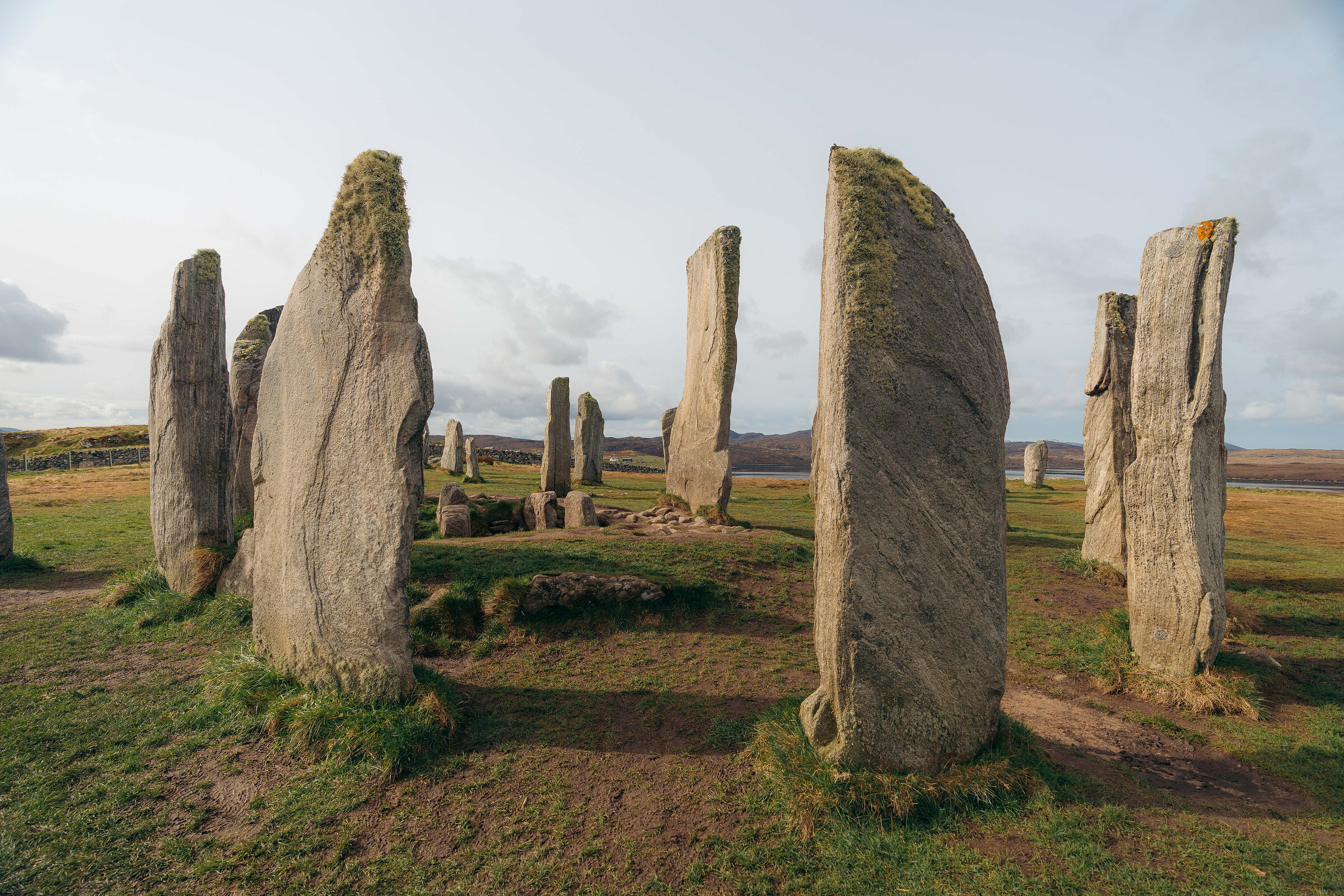
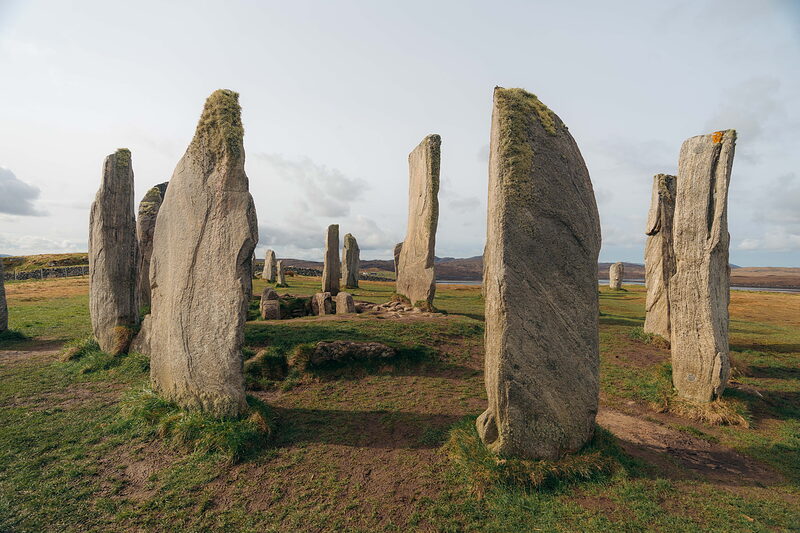 A Day Ashore in Stornoway, Lewis
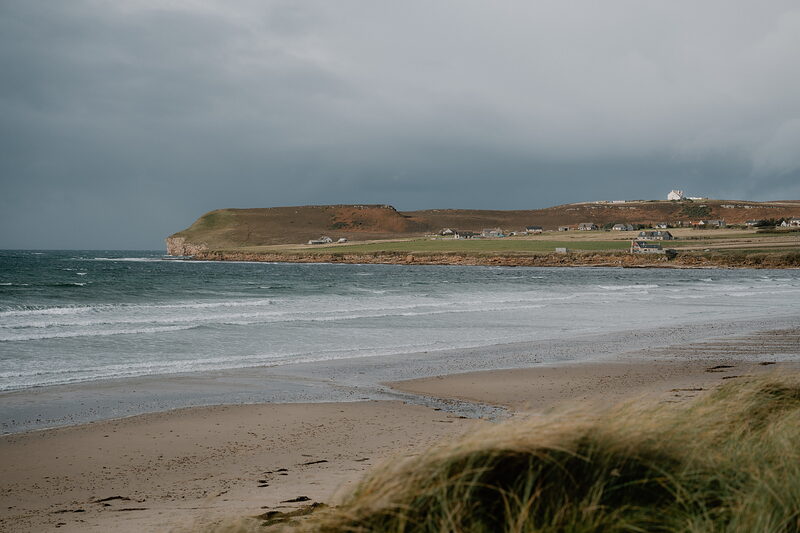 A Day Ashore in Scrabster, for Thurso and Caithness
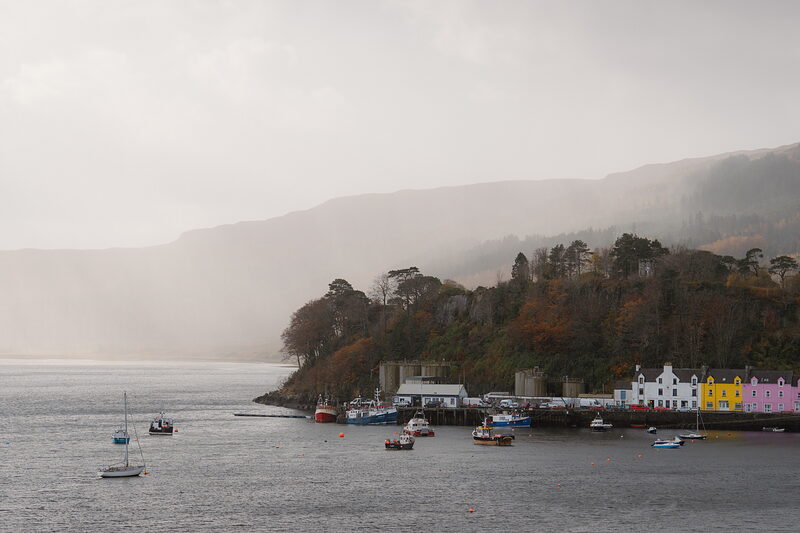 A Day Ashore in Portree, Skye