
Scotland’s Jurassic Island
In the shadows of the ruins of Duntulm Castle, once home to Clan MacDonald on the northern tip of the Isle of Skye, are the marks of a beast.
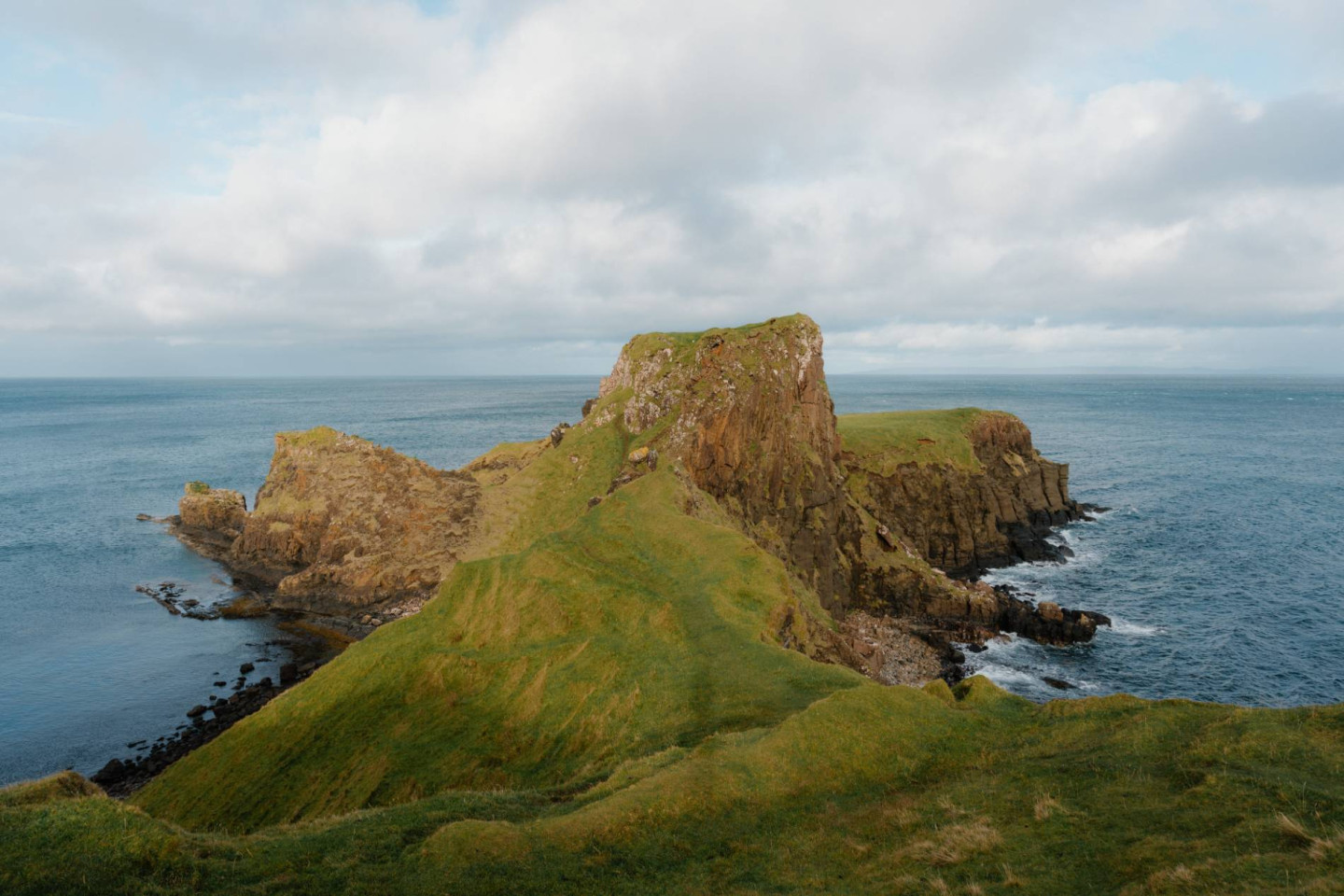
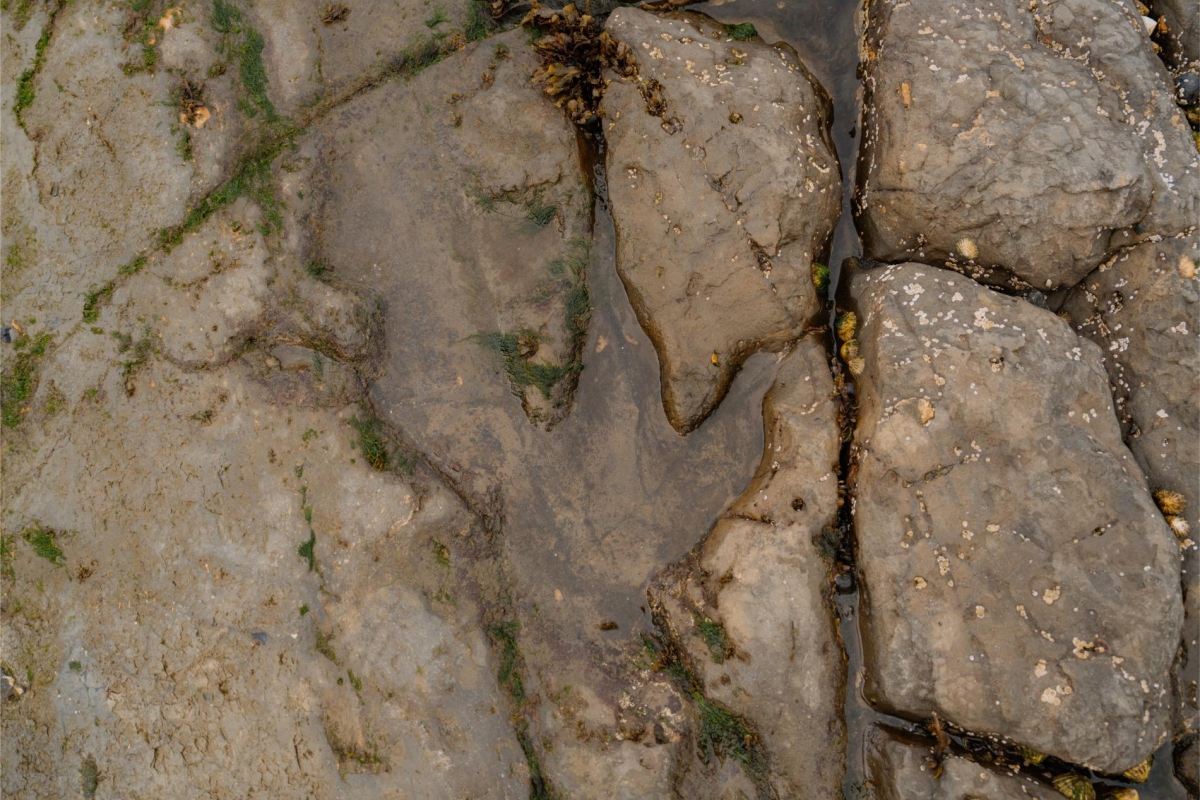
The tide gently laps over them each day. Other times they are covered by seaweed or sand. Occasionally, a storm engulfs them in frothy surf, and leaves them buried in boulders. There are over 100 of these scars, each the size of a car tire. They are handprints and footprints, sealed in stone. Not from a dragon of medieval lore, but a true colossus, which once walked the Scottish coasts, 170 million years ago during the Jurassic Period.
Dinosaurs. When you think of these ancient giants, and where to find their bones and footprints and other fossils today, your mind probably goes to the television stereotype. An outpost of some unnamed desert, hot and dusty and dry, miles from civilisation, where an intrepid explorer patiently dusts sand away from a rock face, exposing a petrified skeleton. But in reality you can find dinosaur fossils anywhere where there are rocks that formed during the Mesozoic Era, the span of time from 250-66 million years ago when dinosaurs dominated. One such place is the Isle of Skye.
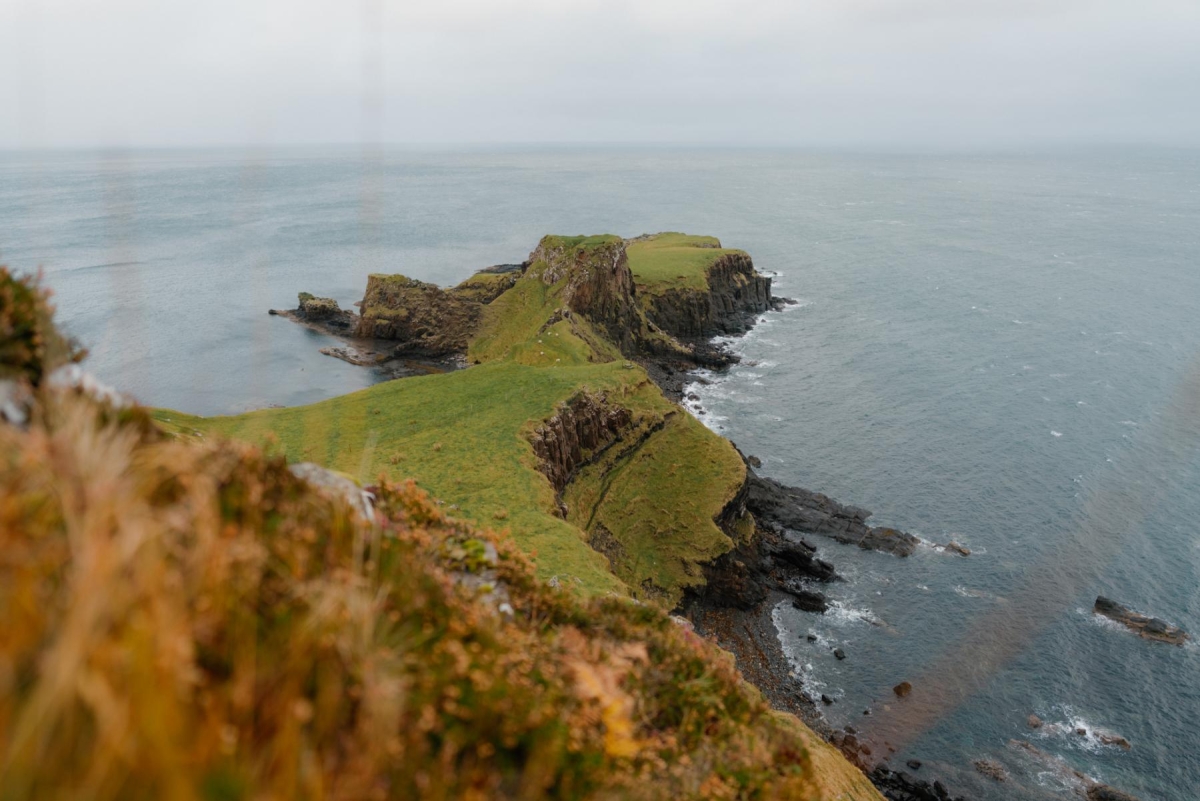
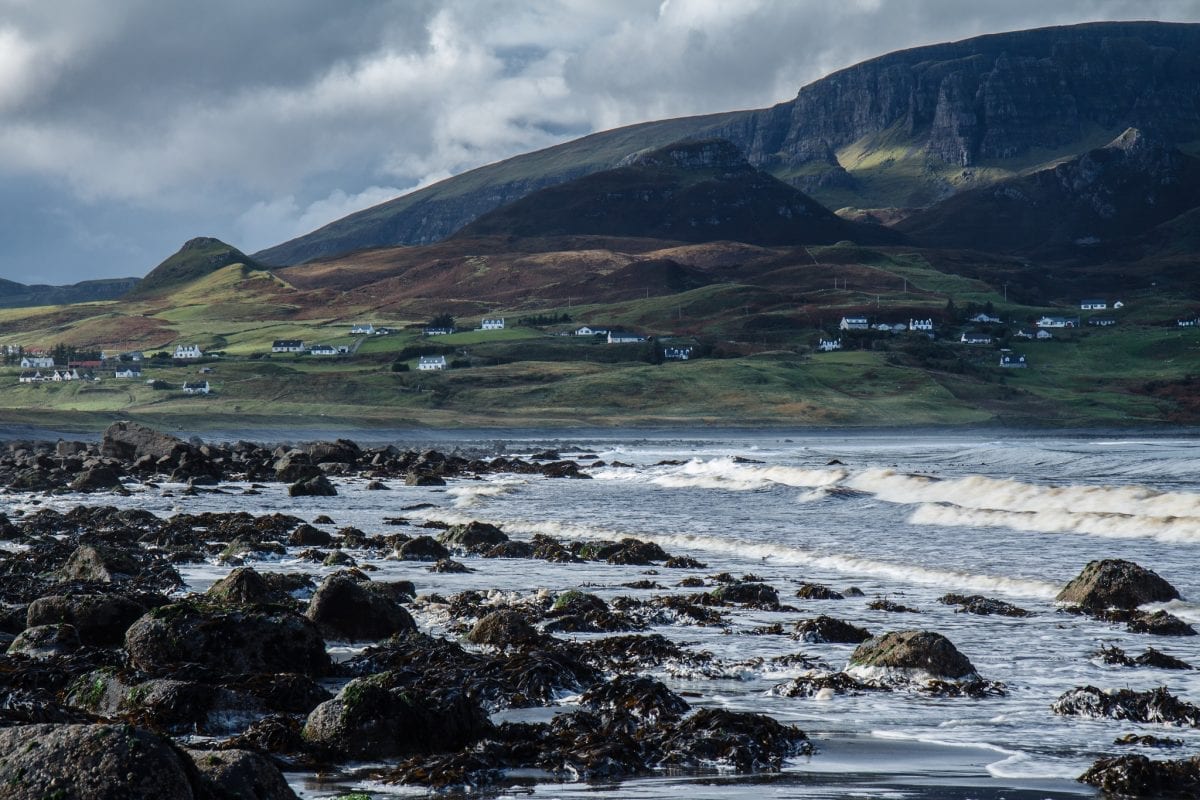
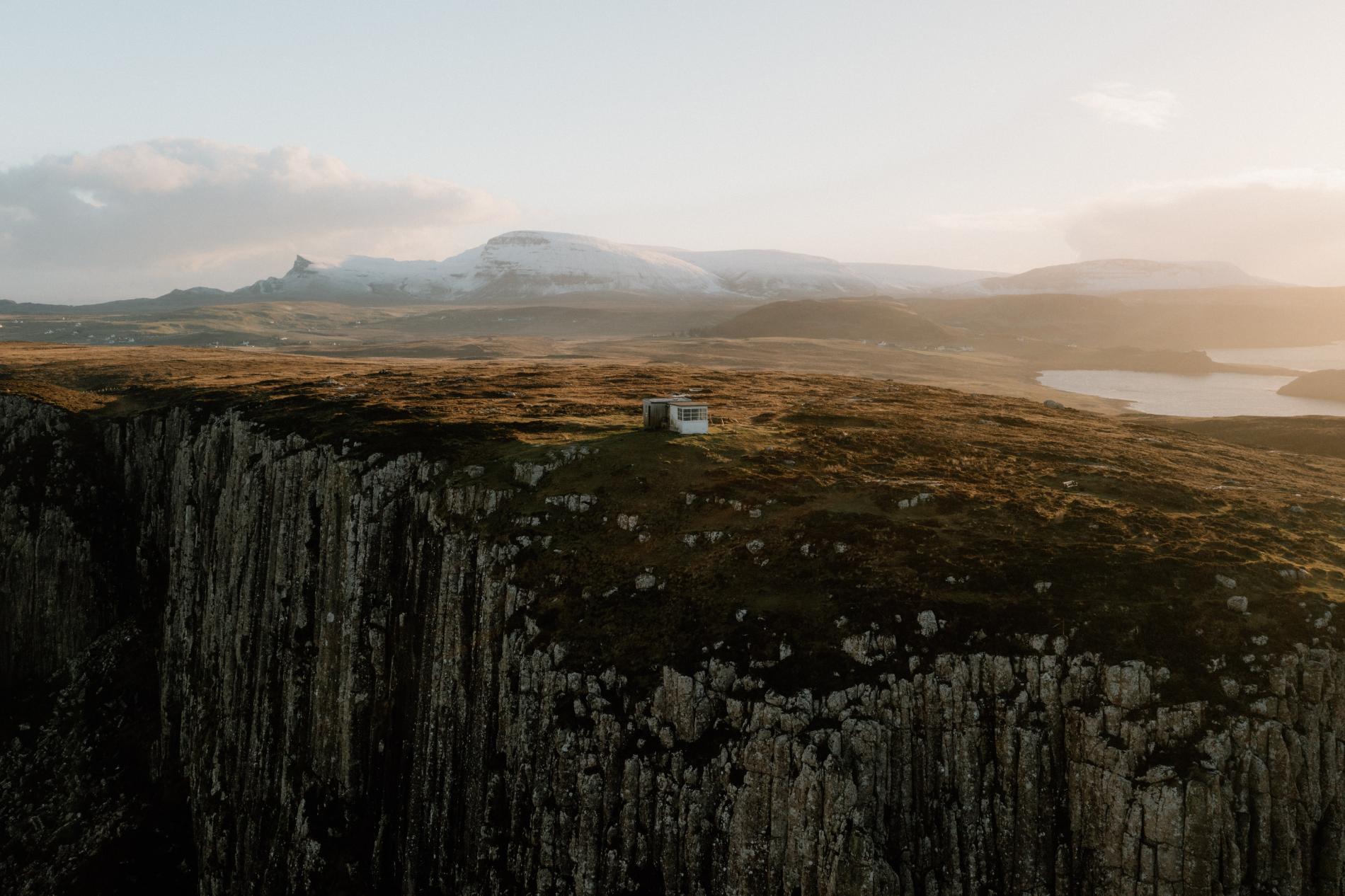
When the tide is low enough, and the beach transforms into a rocky platform that juts into the cold waters of the North Atlantic, you can walk with dinosaurs at Duntulm. And at Staffin Slipway, where locals launch their boats into the sea. And at Rubha nam Brathairean - the Gaelic name for Brothers’ Point, a bony finger of land that points toward Rona in the distance. Tourists come to Skye for many reasons - to gasp at the Old Man of Storr, to clamber over the Cuillin, to taste a dram of Talisker. Palaeontologists like me make our own pilgrimages, to hunt for fossils. For us, Skye is Scotland’s dinosaur island. Although clichéd, it’s true: Skye was once a real Jurassic Park.
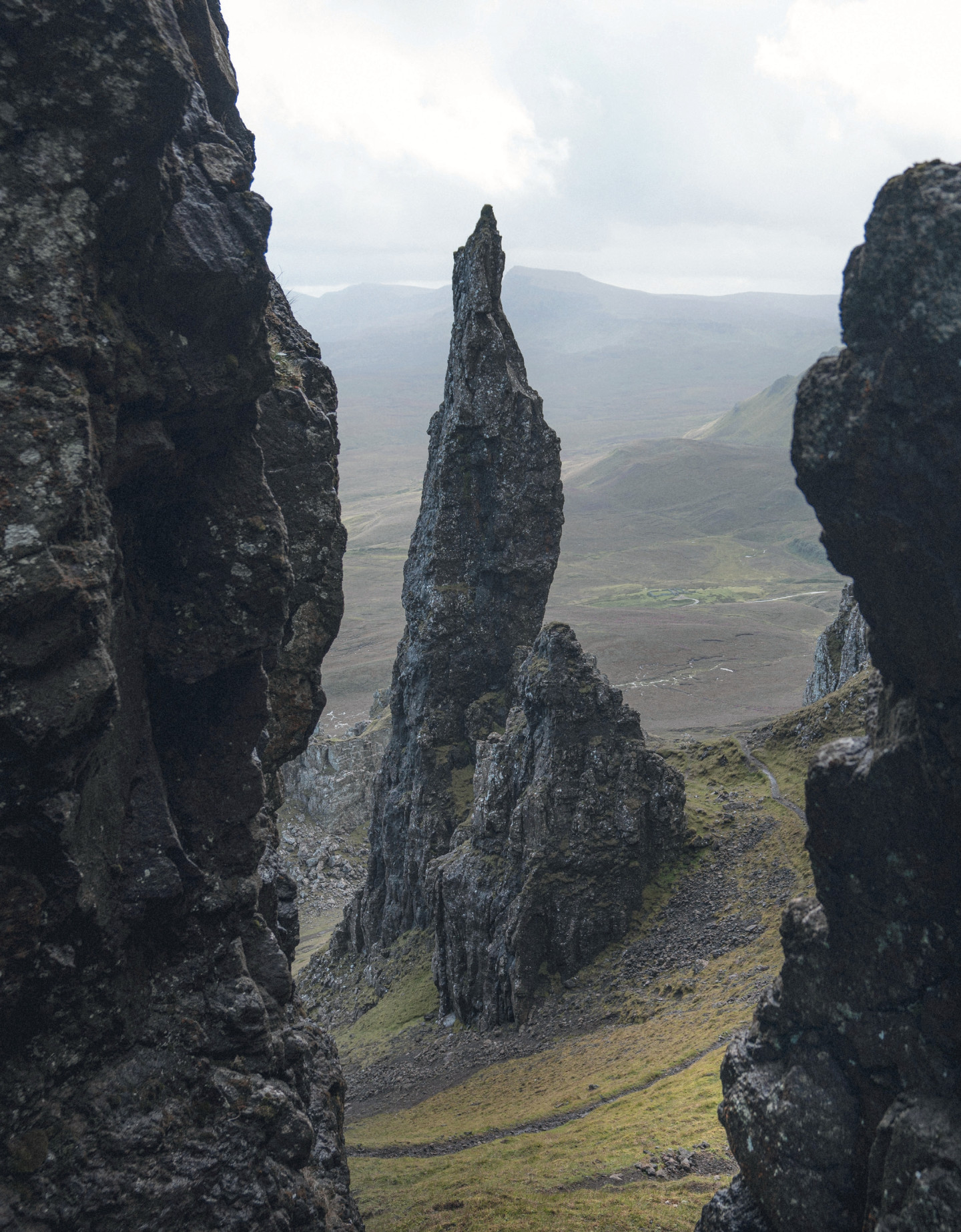
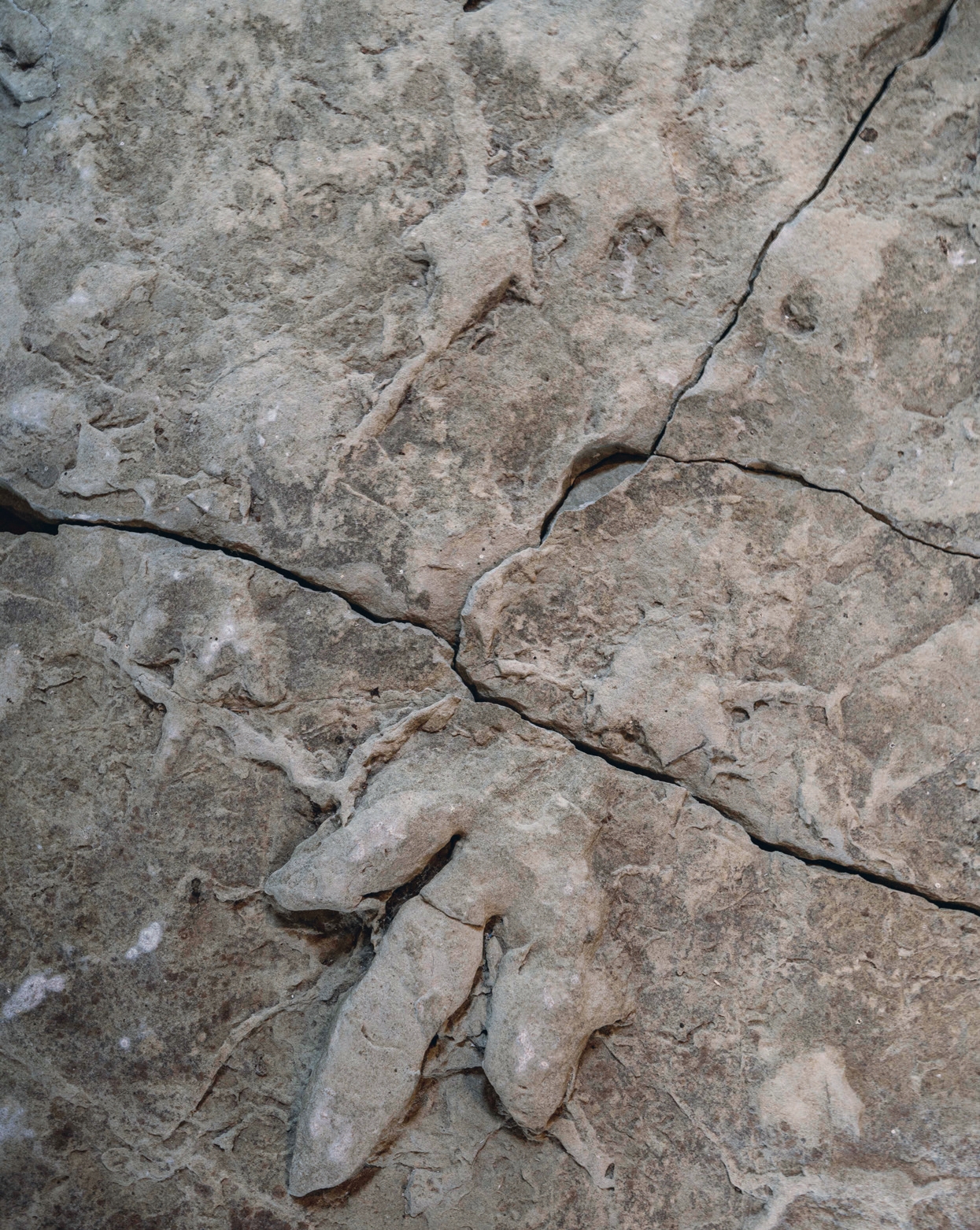
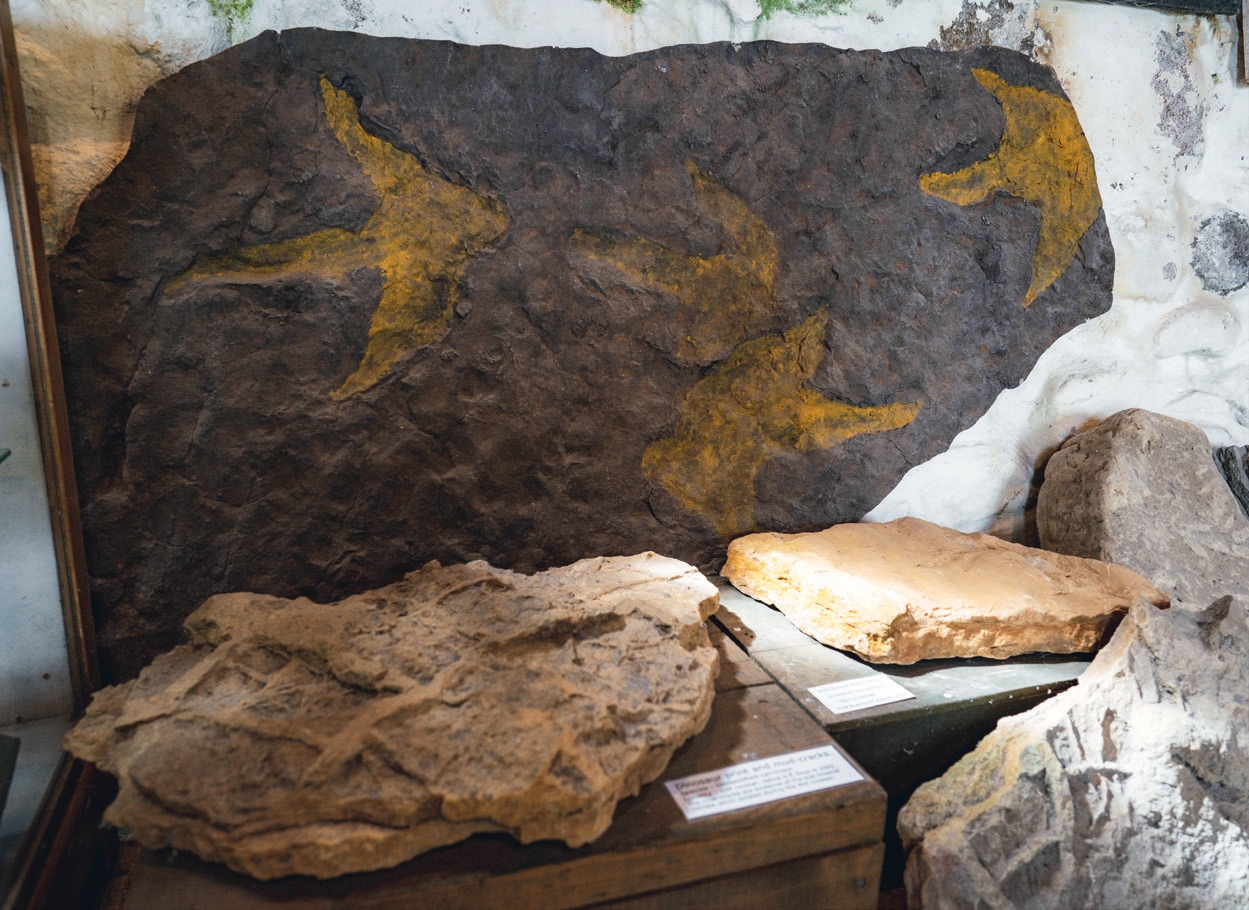
You’ll be forgiven if this comes as a surprise. It was only in the 1980s that scientists realised dinosaurs were hiding in the crags and cliffs of Skye. The first clue was meagre: a single footprint, impressed onto a block of limestone that had tumbled off Brothers’ Point. Then in the 1990s other footprints were found, many on slabs that had fallen from the Valtos cliffs down to the ocean. Then a few bones turned up, including a limb bone that, when stood on end, comes up to my waist. It was once part of the internal scaffolding that held up the gargantuan frame of a long-necked sauropod, of the Brontosaurus or Diplodocus variety, which was the size of about three elephants put together. When it was alive, in the Jurassic, it was the largest animal that had ever existed.
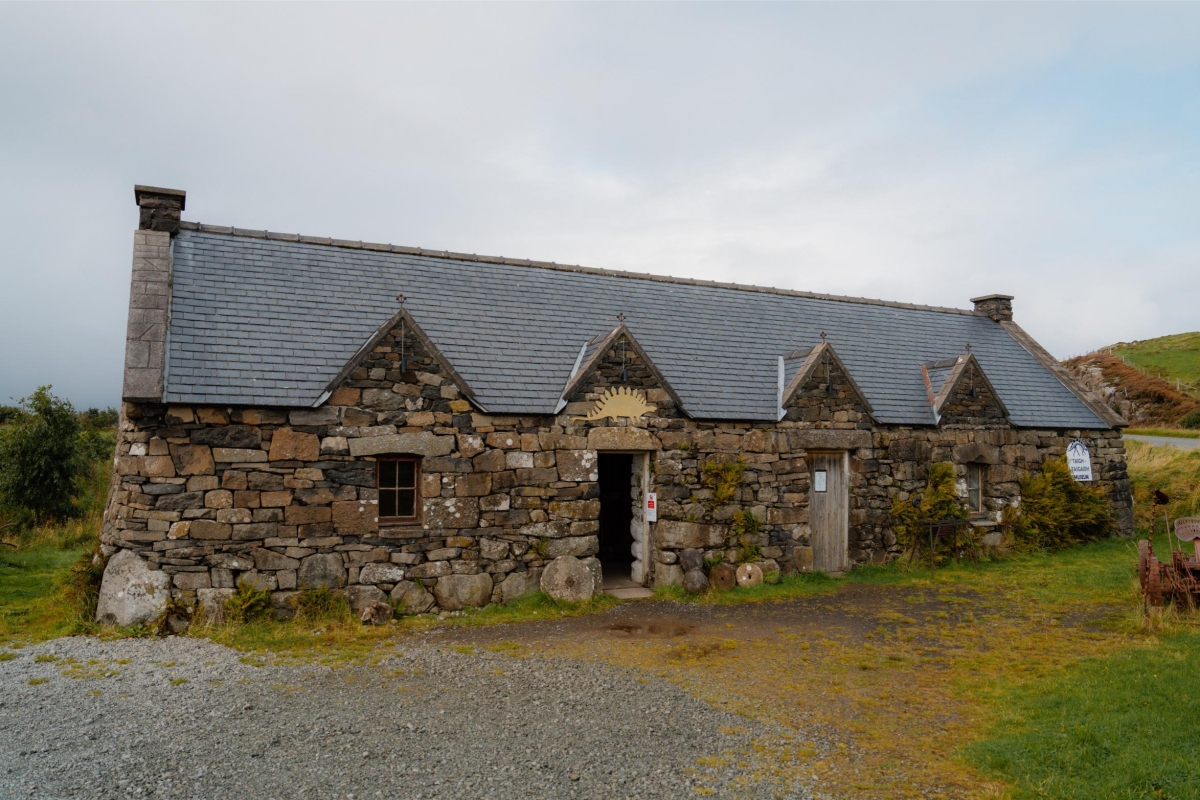
Many of these footprints and bones were discovered by my friend and colleague, Dugald Ross. Dugie grew 64 65 up in the tiny hamlet of Ellishadder, in a Gaelic-speaking crofting household. When he was 15 years old he found a cache of arrow points and Bronze Age artefacts, and this catalysed an obsession with the history of his native island. Today Dugie, makes a living as a builder and crofter, and hunts for fossils in his spare time. He is the only person I know who has built his own museum - literally, by hand, from the ruins of a 19th-century one-room schoolhouse. The Staffin Museum is now a popular tourist destination for those travellers who venture north of Portree, on the A855. It houses many of Dugie’s most important finds.
When I moved to Scotland in 2013, to take up a faculty position at the University of Edinburgh, I immediately ventured up to Skye to try my luck at the fossil hunting game. A few quick finds were enough to get me hooked, and now I bring my team of students and colleagues to Skye every year (although sadly not in 2020 and 2021 because of the pandemic). In 2015, acting on a tip from a geologist, we checked out the Duntulm foreshore. We were shocked to find all of those enormous handprints and footprints - the first tracks left by those long-necked sauropods that had been found in Scotland. When we announced the find to the scientific community later that year, the British press took notice and news of a Scottish ‘dinosaur disco’ splashed across the tabloids. Over the next few years we found multiple track sites at Brothers’ Point, too, and a few skeletons that we are currently studying in my lab.
Our discoveries, and those of Dugie and other researchers before us, paint an evocative picture. Many dinosaurs once called Scotland home. Not only the hefty long-necks, which guzzled hundreds of kilos of plants each day, but smaller herbivores like stegosaurs, with plates on their backs and spikes on their tales. There were primitive duck-billed dinosaurs, and probably armoured dinosaurs, and many meat-eating dinosaurs, ranging from dog-sized stealth killers related to Velociraptor to human-sized sprinters that eventually evolved into Tyrannosaurus rex, to jeepsized monsters that topped the food chain. These dinosaurs congregated together, with Pterodactyls flying overhead and tiny primitive mammals scurrying underfoot and ferocious ichthyosaurs and plesiosaurs lurking offshore, during a time when Scotland was much warmer and more humid than today. Back then it was also an island, and many of these dinosaurs seemed to enjoy the beaches and lagoons. It is in rocks formed in these environments where we find many of their tracks.
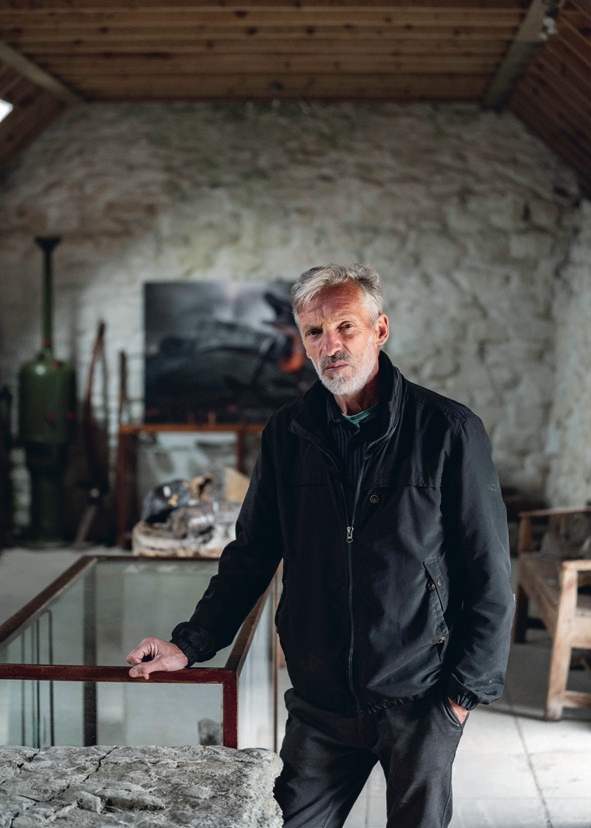
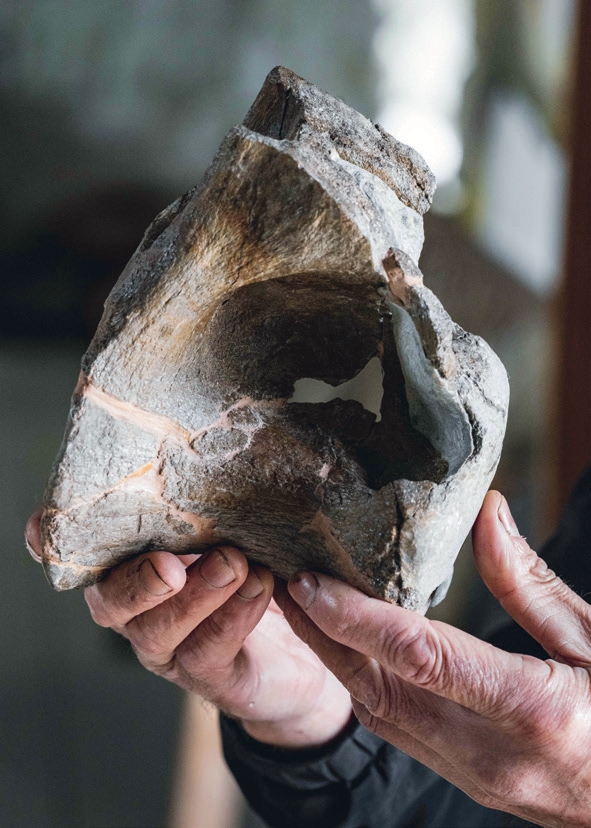
Each time we visit, we find more dinosaurs. The wind and rain and tides are relentless, and as they batter the Skye shores, they expose new fossils. That’s one of the great things about palaeontology: there are always more fossils to be found, and anyone can find them. You don’t need to have a PhD or be a professor or part of a university crew like ours. Many of the best fossils have been found by farmers, construction workers, and hikers. Keep this in mind if you happen to be walking the Trotternish coast, and if so, be sure to keep your head down and eyes alert.
Steve Brusatte is a professor at the University of Edinburgh and author of the pop science book The Rise and Fall of the Dinosaurs, which features the Skye dinosaurs.
Twitter: @SteveBrusatte Email: Stephen.Brusatte@ed.ac.uk
Promoted Post
Eagle Brae
Escape to Eagle Brae, a secluded collection of Highland log cabins near Beauly. Handcrafted cedar, big skies, and deer on the hillside, with a fireside welcome that makes it easy to slow down.







 Sign in with Google
 Sign in with Email