
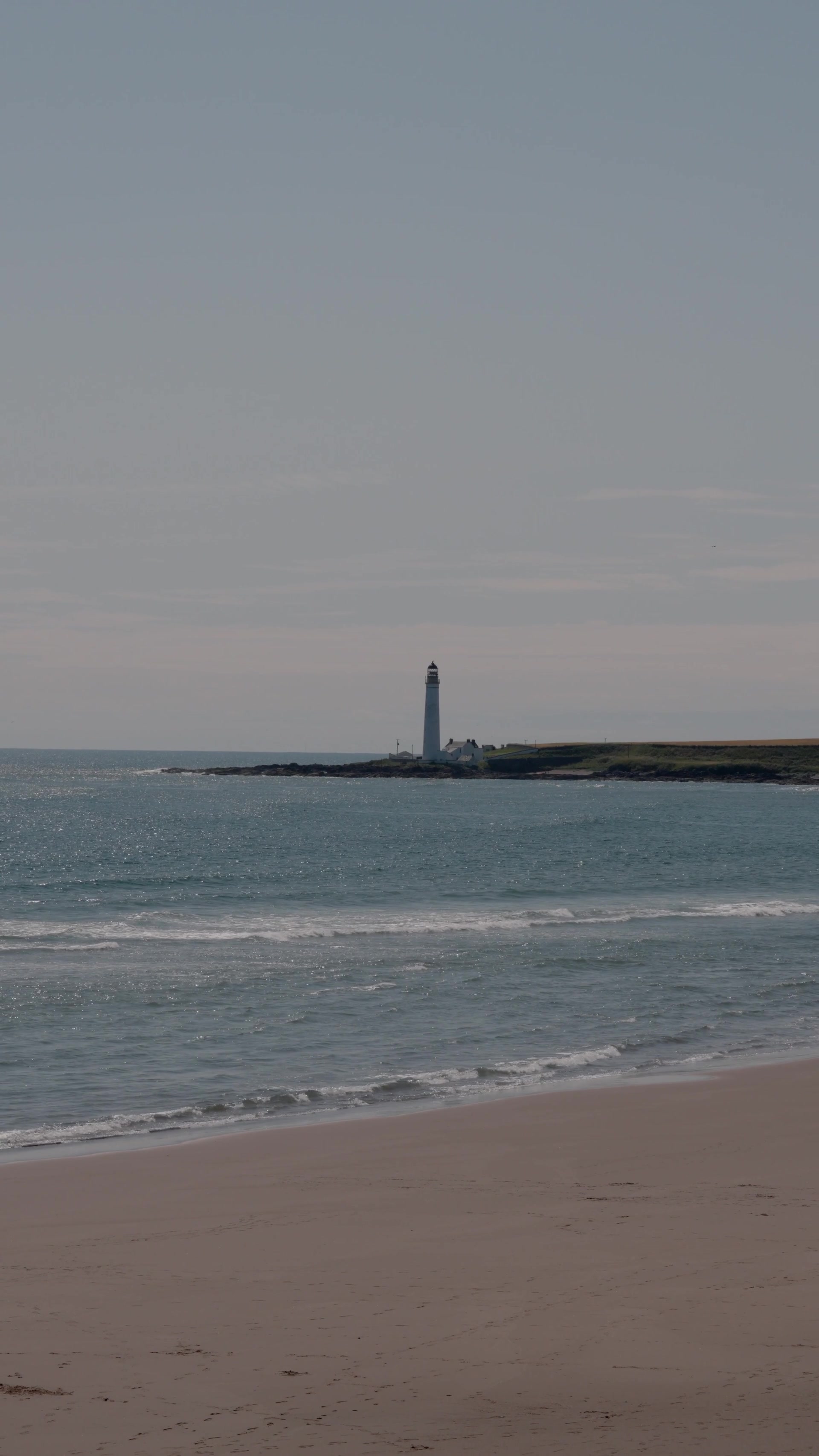
Scurdie Ness – The Lighthouse at the Mouth of the South Esk
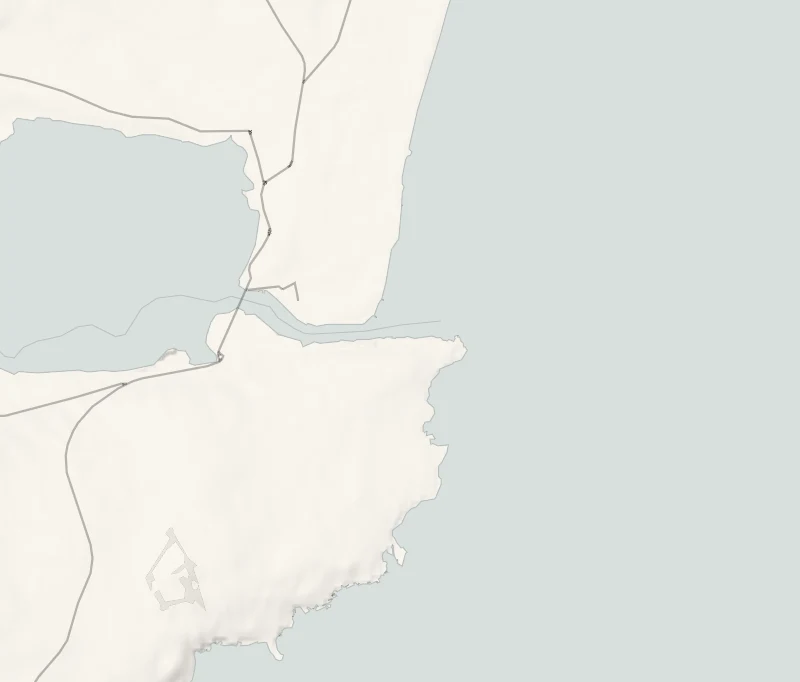
Scurdie Ness is the tall white lighthouse you can see from Montrose beach, standing on a rocky headland where the South Esk meets the North Sea.
A quiet road leads out to it from the old fishing village of Ferryden, with the river mouth beside you all the way. It's an easy hour there and back, and there's a fair chance of seals or dolphins in the channel.
- Time
- About an hour to the lighthouse and back: 2.7 km (1.7 miles) by road. Or three to three and a half hours by the 11.5 km (7 mile) coast circuit Walkhighlands describes.
- The path
- A road all the way to the lighthouse; the long circuit is on cliff paths and a minor road.
- Where to start
- The public car park on River Street at the east end of Ferryden. Free.
- When to go
- All year in daylight. From November to January set off on the long circuit by 11am.
- Dogs
- Welcome.
- Children
- Short and easy, with seals to look for. Keep small children back from the rocks at the headland.
- Toilets
- None to count on in Ferryden.
- Before you set out
- The lighthouse is a working light: keep to the road and the shore.
The walk
Park in the free public car park on River Street, at the east end of Ferryden, the old fishing village across the South Esk from Montrose. Don't count on finding public toilets in the village. The lighthouse road sets out along the shore from here. It's a road all the way, about 1.4 km each way, with the river mouth beside you and Montrose beach across the water. Allow an hour with time at the light.
Scurdie is a local word for the dark volcanic rock of this shore, and ness means headland. The white tower was built by David and Thomas Stevenson and first lit on 1 March 1870. During the Second World War it was painted black for a time, and it has run without a keeper since 1987. Today it shows three white flashes every 20 seconds. Seals and dolphins are seen often enough from the road to make it worth carrying binoculars, and now and then a whale passes, humpbacks among them.
It's a working light, so keep to the road and the shore. For a longer day, Walkhighlands describes a circuit of 11.5 km, at three to three and a half hours, that carries on down the coast to the Elephant Rock near Boddin Point. The road is open to the wind off the sea, and the rocks at the headland are slippery. Dogs are welcome. From November to January, set off on the long circuit by 11am.
If it rains
The road is firm in any weather but there's no shelter on it, and the headland takes the full wind off the sea. In heavy rain or a gale, leave it for a calmer day.
Before you go
Book accommodation nearby
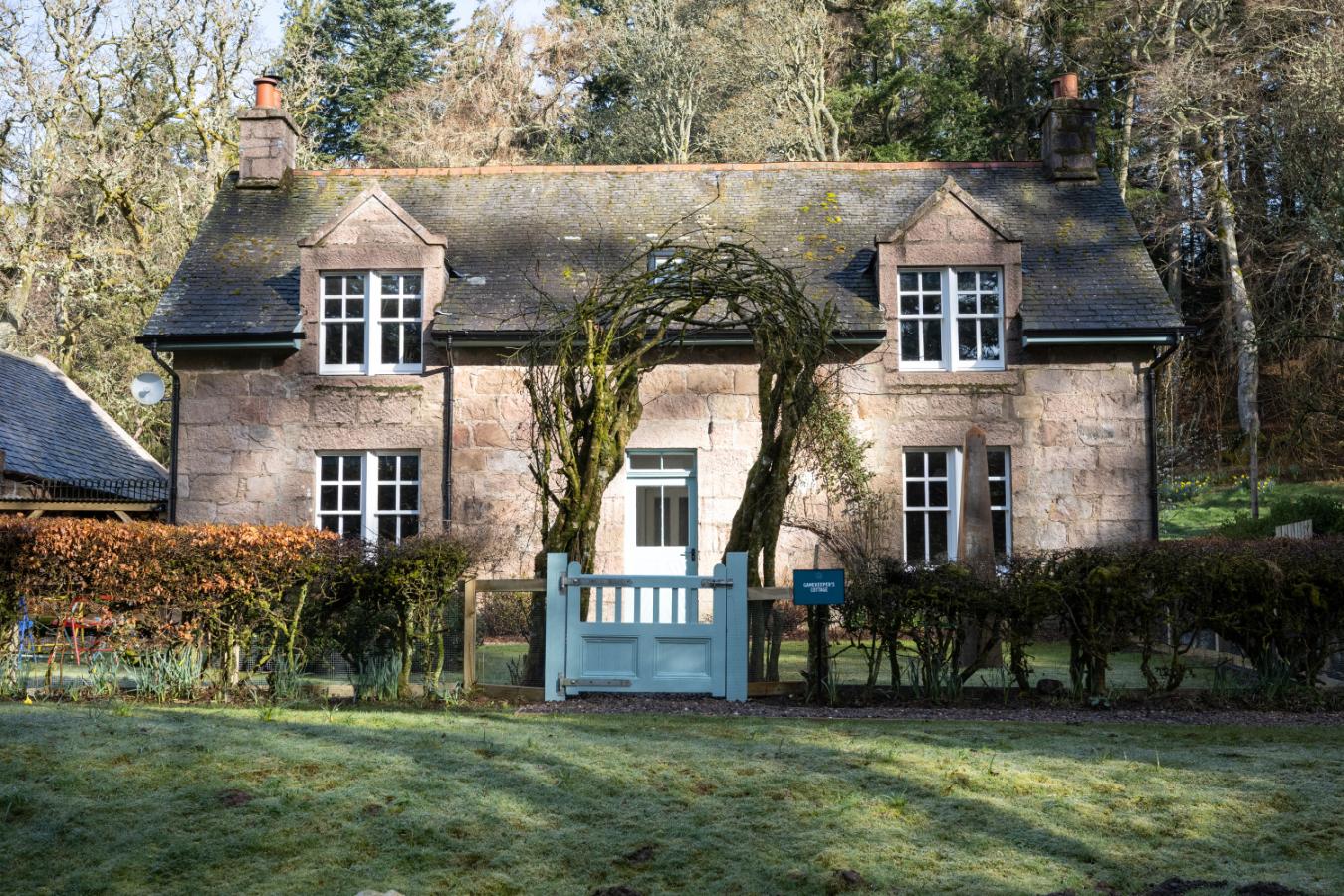
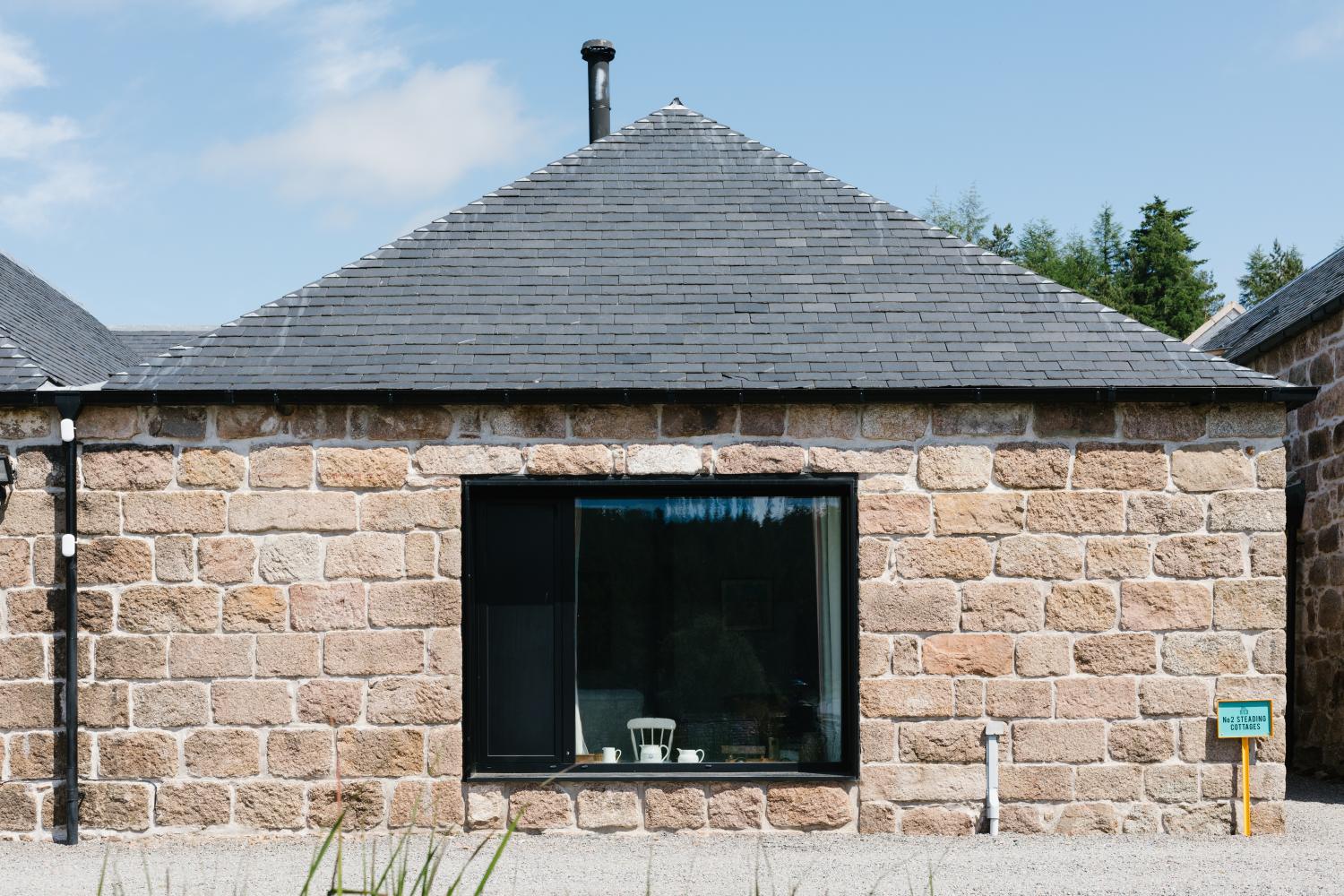
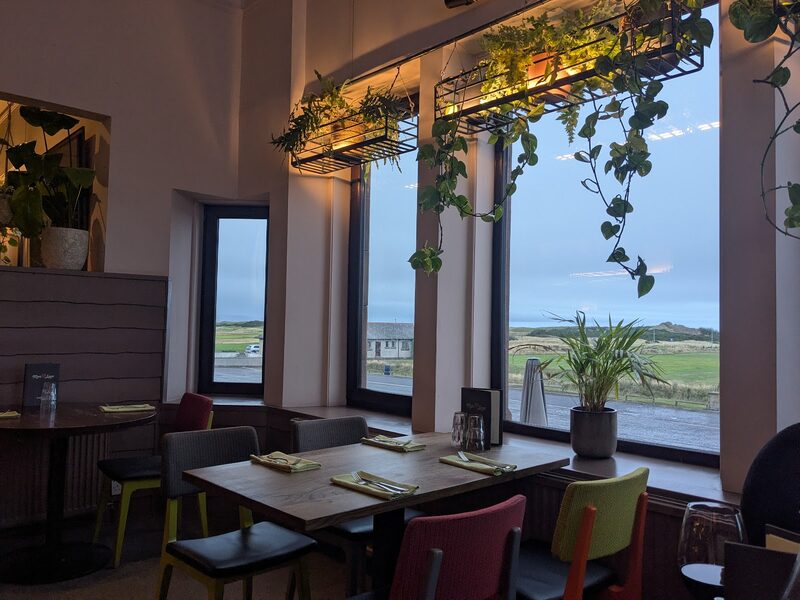
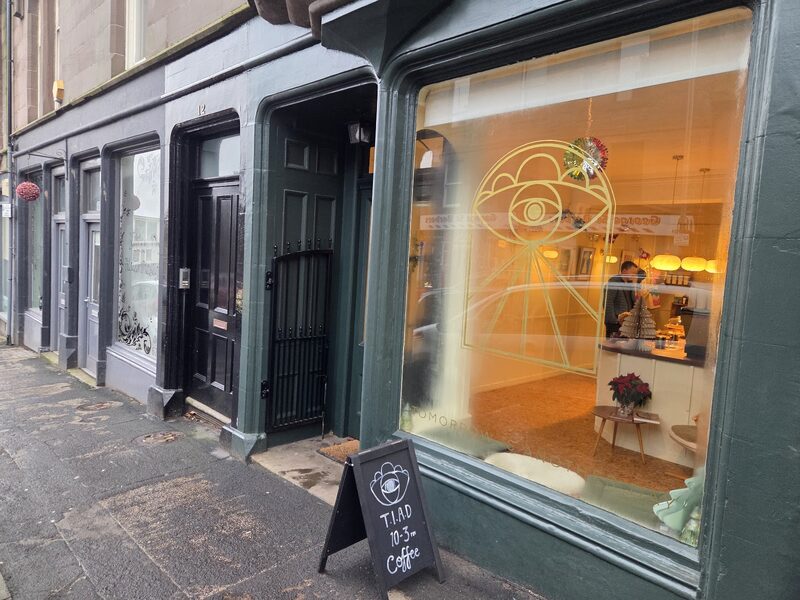
If you are staying over: here are ours nearest where the day starts and ends.
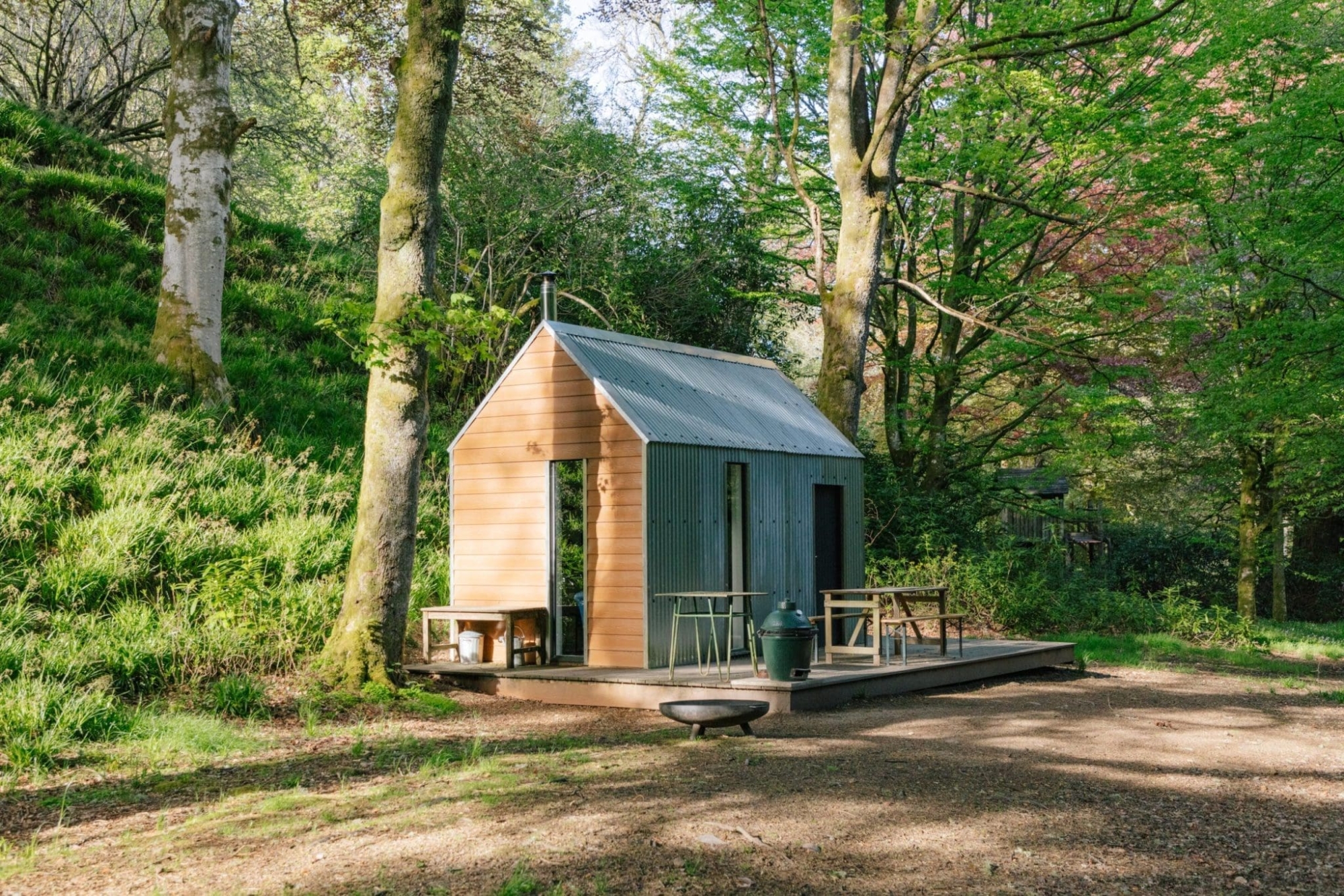
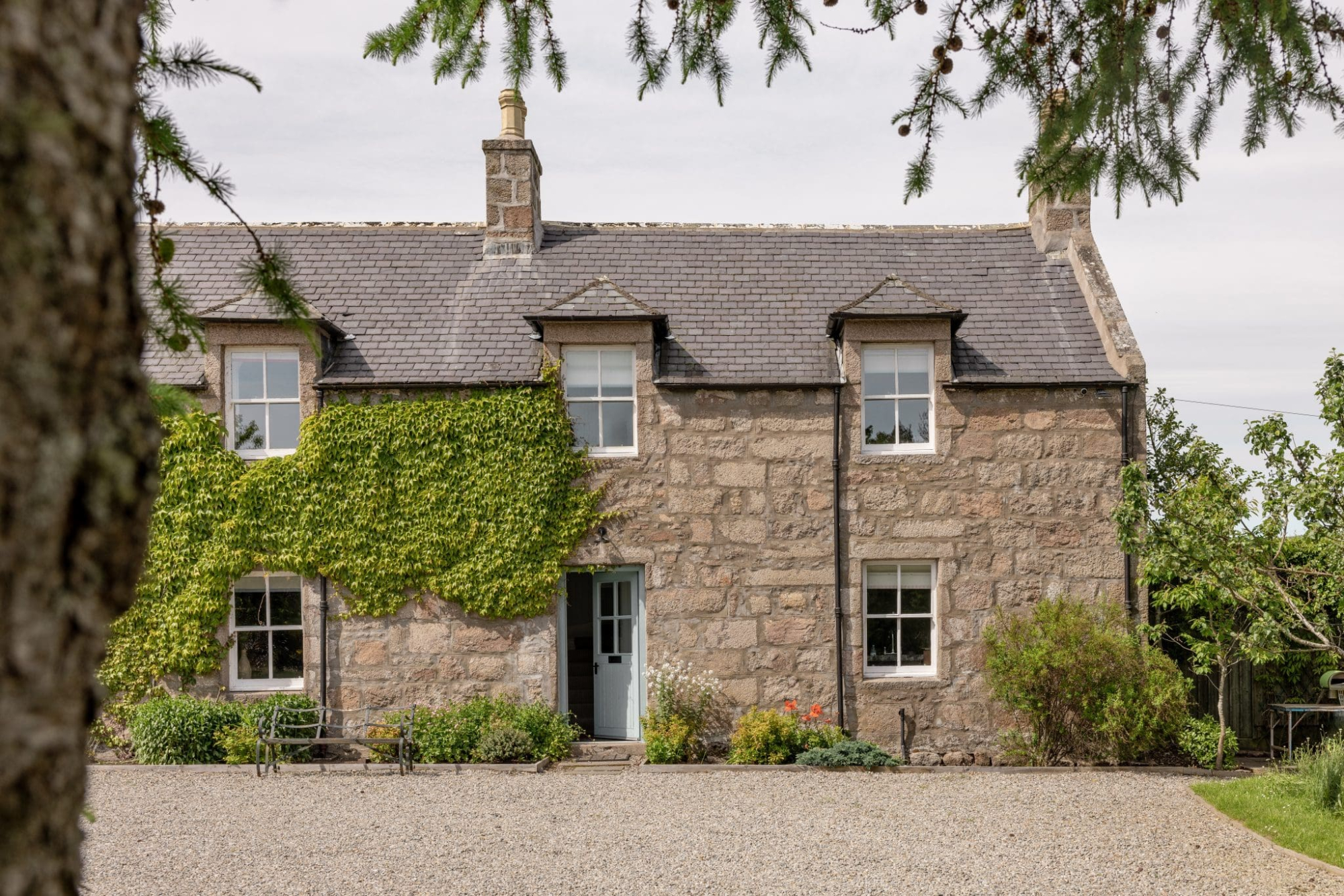

For further reading, before you go.
Photograph by Laura Forbes via Google