
Caithness Before History – Cairns, Stones and Brochs
A day by car, from Wick and back.
The route
Long before anyone built a castle on these cliffs, people were raising stone on the moors and headlands of Caithness, and a good deal of it is still standing out in the open.
This is a day from Wick among the oldest of it, on quiet roads, with a short walk at every stop. Some of it has stood for about five thousand years, and the newest for about two thousand. At the stones there are no ticket desks and no crowds, only big skies and open ground, and you may well have a place to yourself.
Before you go
Book a table for lunch at Puldagon Farm
Book a table for noon at Puldagon Farm, inland at Stirkoke, on 01955 602228, and go on a Thursday or Friday from April to September, when the farm is open and the Caithness Broch Centre normally is.
The day
Caithness
A day among the oldest stones in Caithness, from the open moor to a headland above the sea. The morning heads inland from Wick on a quiet single-track road to cairns some five thousand years old, then works back towards the coast. After lunch it runs north to an Iron Age broch on the cliffs, and Wick is a short drive home from there.
2 hr 9 min at the wheelAbout 62 miles
Grey Cairns of Camster
An attraction
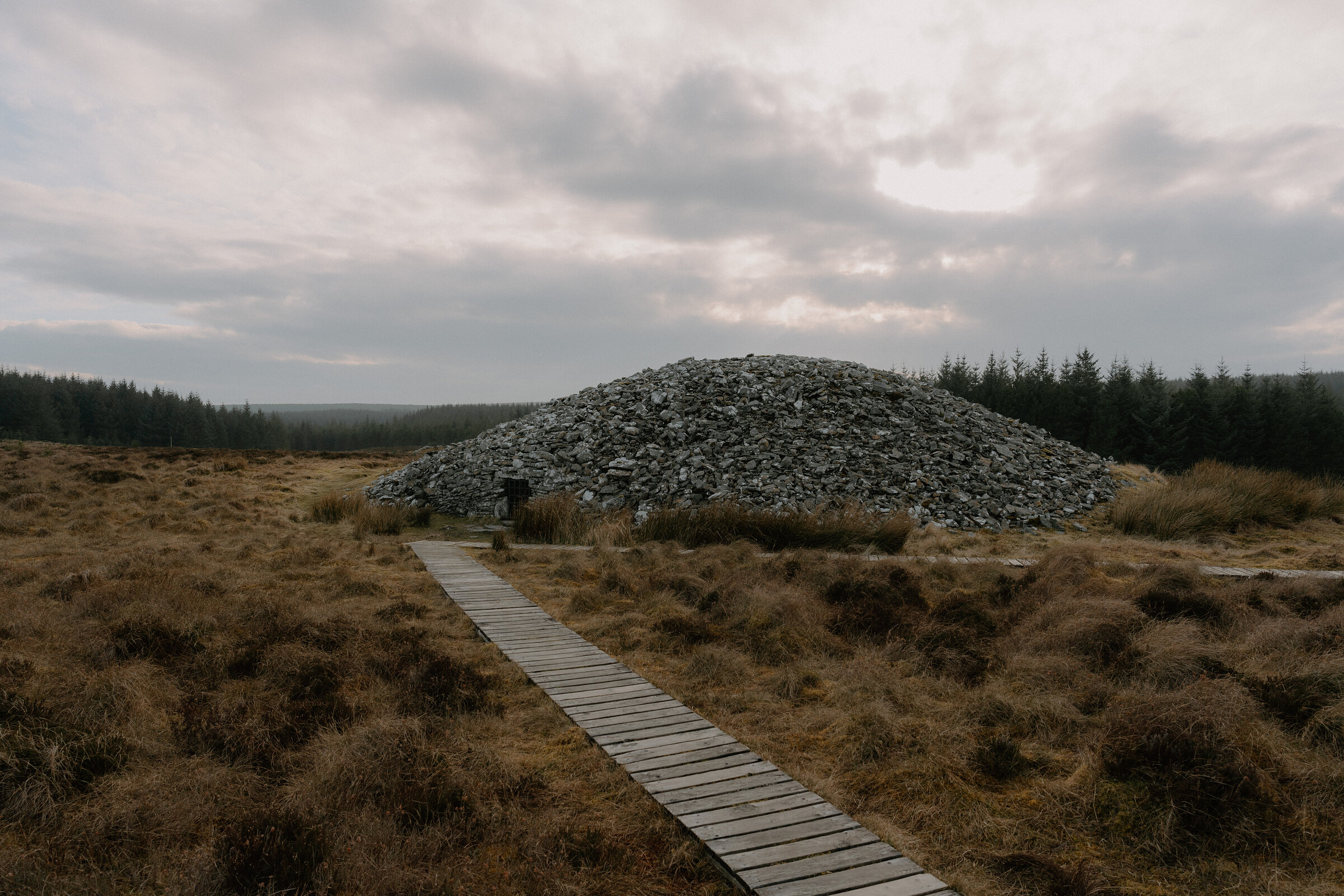
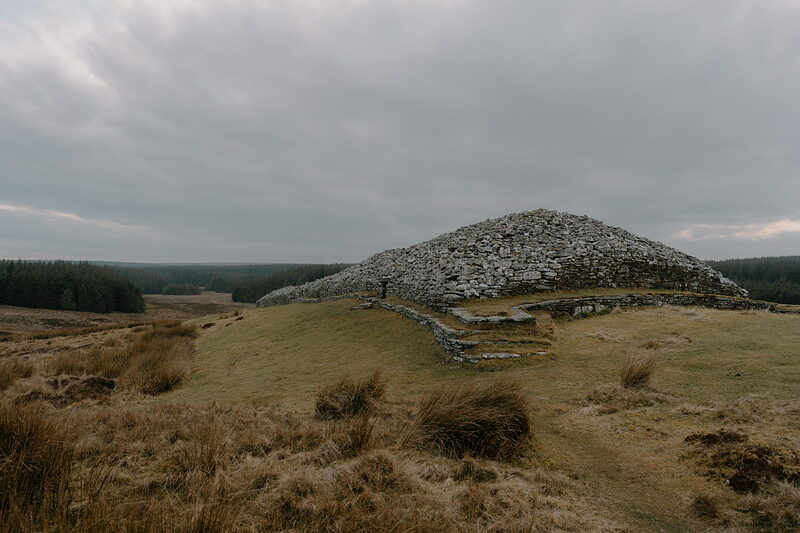
Leave Wick by 9am. It's about 30 minutes' drive: south on the A99, then five miles north on single track with passing places. Two cairns about 5,000 years old stand on open moor, and a boardwalk, which can be slippery when wet, runs out to them. Wear boots and a waterproof; there is no toilet until lunch. The passages into the chambers are under three feet high and may be closed off, so plan on seeing the cairns from outside: one a round mound, the other some 200 feet long.
15 min by car
Hill o' Many Stanes
An attraction
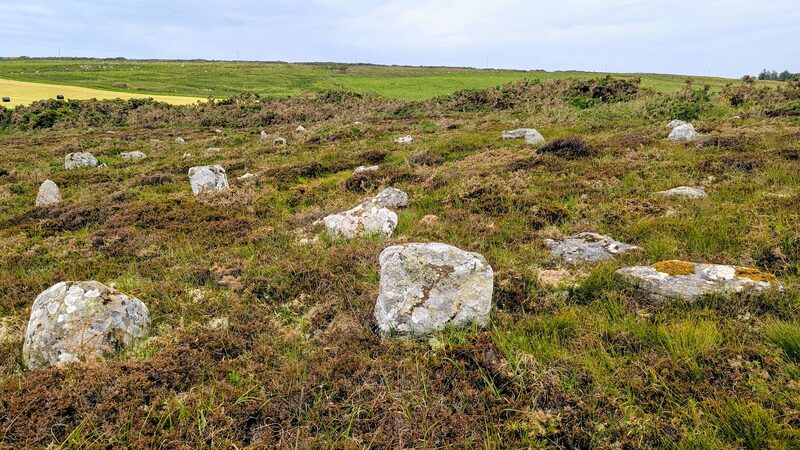
Drive 15 minutes back down the single-track road and up the A99 to Clyth, where a signed side road runs a third of a mile inland to a small parking place. Through the gate, about 200 to 250 small stones, none much over three feet high, stand in more than twenty rows down a low hillside. They are thought to be about 4,000 years old, and nobody really knows what they were for. Keep to the path round the edge of the rows. Half an hour is plenty here.
17 min by car
Yarrows Broch
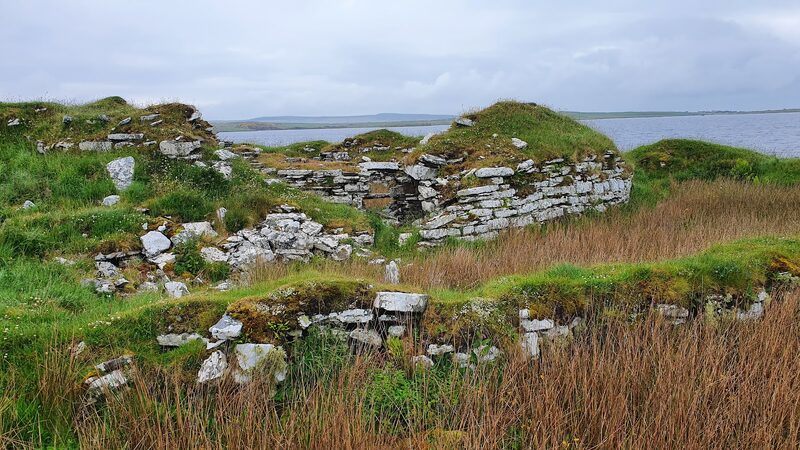
It's 17 minutes' drive up the A99 to Thrumster, then single track signed for the Yarrows Trail. The broch, once a round tower of the Iron Age, is a low, grass-grown ruin a couple of hundred yards across a croft field, at the edge of a loch that has risen round it. It may be standing in the water: wear wellies, or look from the edge of the field. Dogs on leads. Allow 25 minutes. Lunch is next, at Puldagon Farm, 12 minutes' drive inland at Stirkoke.
45 min by car
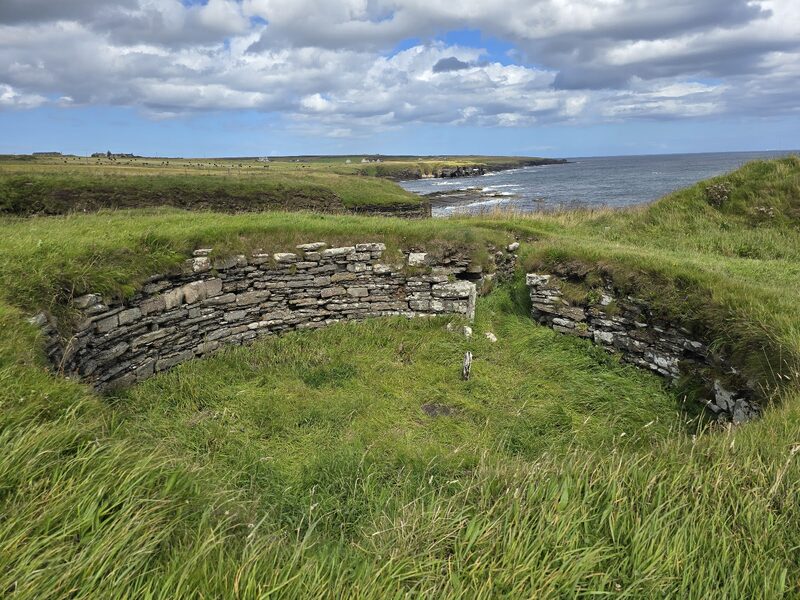
Nybster Broch
Lunch is on the way. It's about 45 minutes' drive in all: 12 inland to Puldagon Farm at Stirkoke, which serves from noon, Wednesday to Sunday, then 30 on through Wick and up the A99. On a Monday or Tuesday, eat at No 1 Bistro in Wick or take a picnic. From the car park a path runs a third of a mile to the broch, its wall 14 feet thick, on a headland above the sea. Keep back from the edge; leave it out in rain or strong wind.
1 min by car
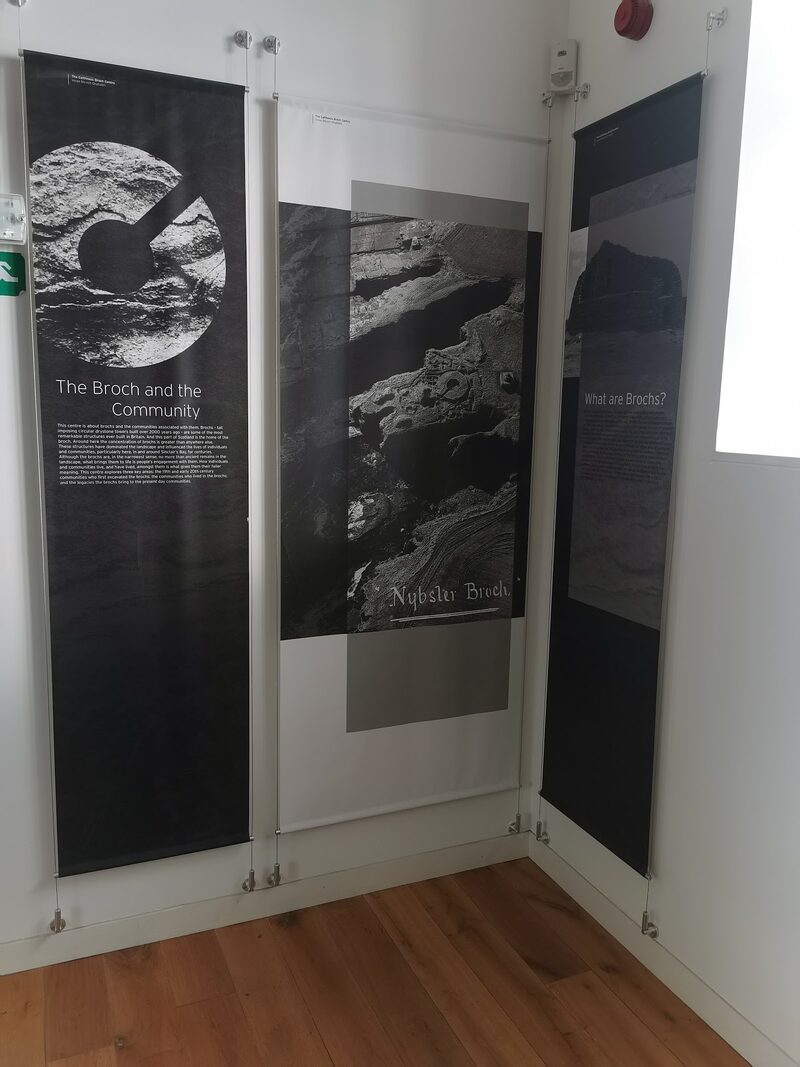
Caithness Broch Centre
Drive 1 minute north to Auckengill. This free museum in the old school house explains the brochs, with finds from the local ones, and its models and short films show how a broch looked when it stood whole, which makes sense of the day's low ruins. It opens Tuesday, Thursday and Friday, 10am to 4pm, normally from April to September; check it is open before going: 01955 631377.
If it rains
Most of this day is out of doors, and in steady rain it shrinks. The boardwalk at Camster can still be walked with care, but leave out the wet croft field at Yarrows and the headland at Nybster, and give the Hill o' Many Stanes a short look from the path. Lunch at Puldagon Farm is under a roof. The Wick Heritage Centre, on Bank Row near the harbour, is the dry hour after it: it opens Monday to Saturday, 10am to 3.45pm, and on Sundays in July and August. If the Caithness Broch Centre has reopened for the year, it is a second dry stop: ring 01955 631377 first. If the forecast is for rain all day, keep this day for a drier one.
Worth a detour
- Lybster
Lybster is the village nearest the foot of the Camster road, 12 minutes' drive from the cairns. Its stone harbour, with a small lighthouse at the mouth, once held more than a hundred herring boats and is now home to a few local fishing boats. The Hill o' Many Stanes is 8 minutes on, so stopping adds about 5 minutes at the wheel. Waterlines, the heritage centre at the harbour, opens in summer only and its hours vary, so do not count on a coffee there.
- Cairn o' Get
The Cairn o' Get is a chambered cairn about 5,000 years old whose roof fell in long ago, so you can step through a low, narrow gap into a chamber open to the sky. It is 7 minutes' drive from the Hill o' Many Stanes, at a signed parking place on a bend of the Watenan road, and Yarrows is 13 minutes on: about 3 minutes more at the wheel. The cairn is just under half a mile each way over rough pasture and boardwalk, on a track that can be muddy. Allow three-quarters of an hour to an hour, which is why it takes the place of Yarrows and not a place beside it. Puldagon Farm is 13 minutes' drive from here.
- Achavanich standing stones
At Achavanich, beside Loch Stemster, about 36 stones still stand of the 54 or so that once made a horseshoe, the tallest over six feet high, and they are thought to be about 4,000 years old. It's 26 minutes' drive from Camster, back to the A99 and round by Latheron and the A9, and 20 minutes from there to the Hill o' Many Stanes: about half an hour more at the wheel. Park in the layby by the road. The walk round the stones and the older cairn beside them is about a third of a mile on uneven grass. With lunch booked for noon, leave Yarrows out to make room.
- Keiss Castle
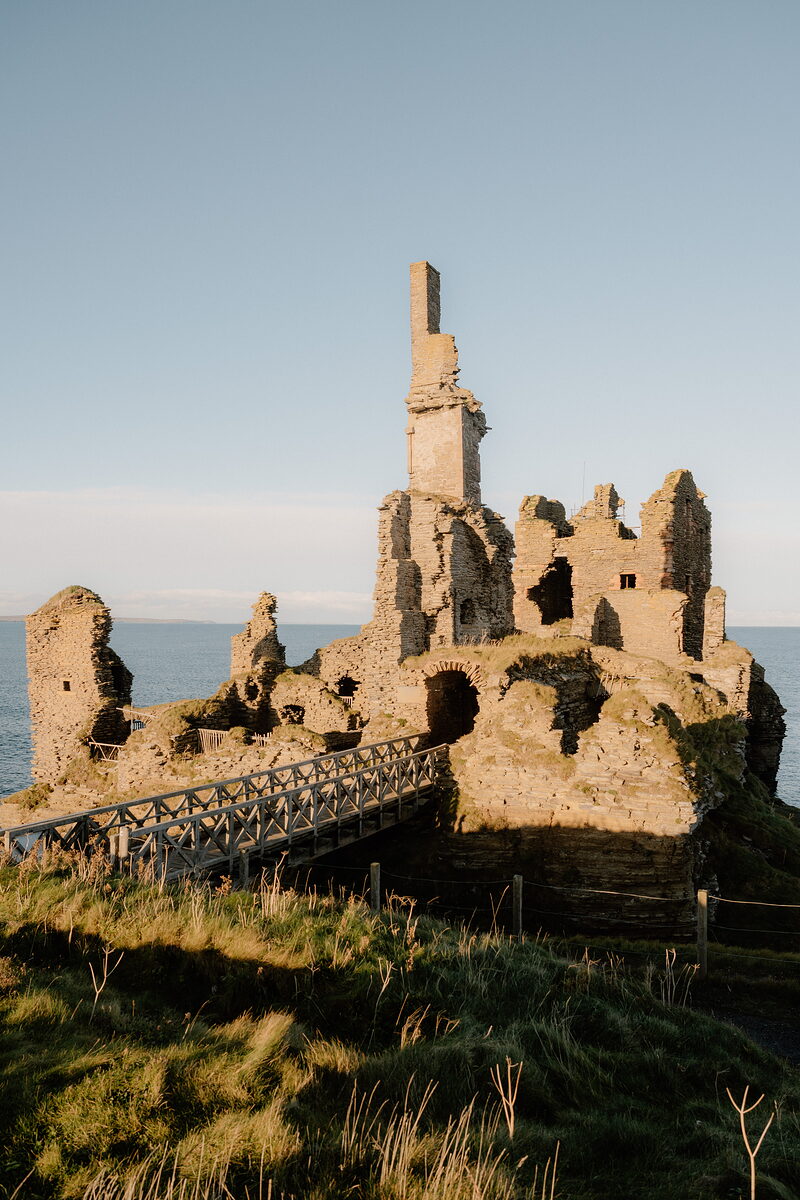
Keiss is the next village south on the A99, 3 minutes' drive from the Broch Centre, and Wick is 18 minutes on, so it adds nothing to the drive home. Two more brochs lie by the harbour, and finds from them are on show in the Broch Centre. Beyond them the ruin of Keiss Castle stands on the cliff edge. Leave the car in the village, since the harbour has room for only a few, and walk down. The ground is uneven, the castle is a ruin to look at from the path and not to go into, and the edge wants the same care as Nybster's.
- Dunbeath
Dunbeath is 28 minutes' drive south-west of Wick on the A99 and the A9. From Camster it is 21 minutes, turning west at the foot of the single-track road where this day turns east, so keep it for a day of its own. From the parking by the old mill a riverside path runs up the strath to Dunbeath Broch, one of the best kept in Caithness, a walk of about a mile and a quarter there and back. The heritage museum in the village is run by volunteers and keeps a summer season on weekdays, so check its own page before going.
Where to eat
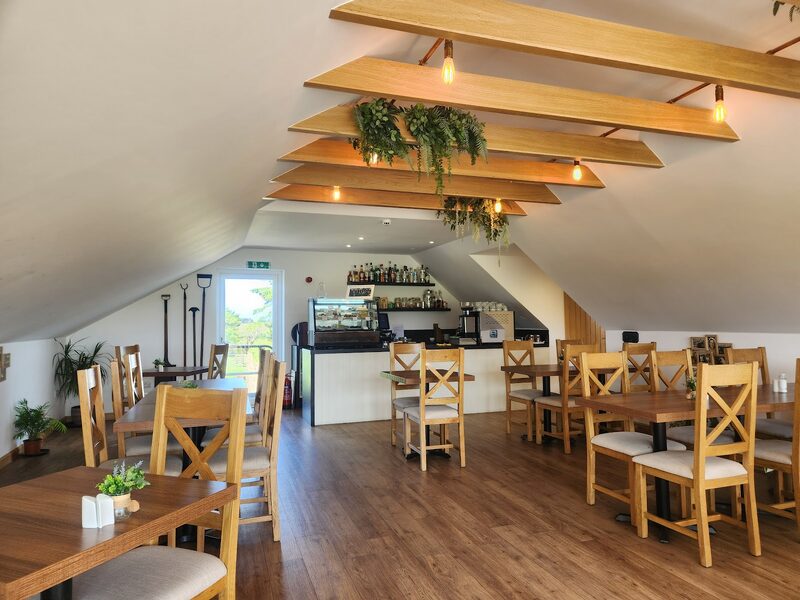
Puldagon Farm Shop, a restaurant in Wick.
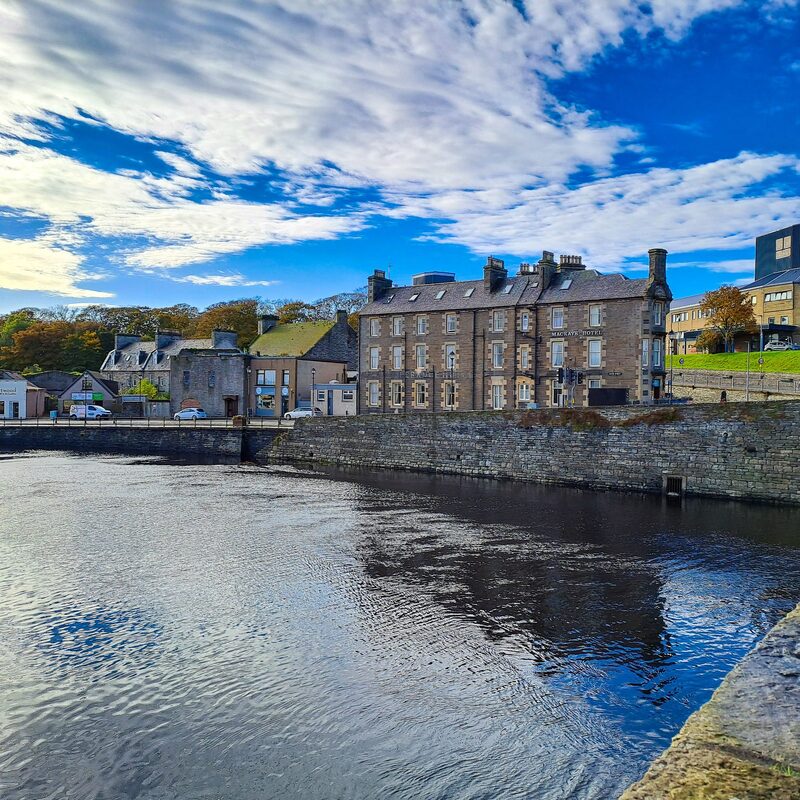
No 1 Bistro, a restaurant in Wick.
Photographs by Kay-Helge Hercher, Conlyn McEvoy, aurelie hibert and Caithness Broch Centre via Google