
Holyrood Abbey and The White Stag
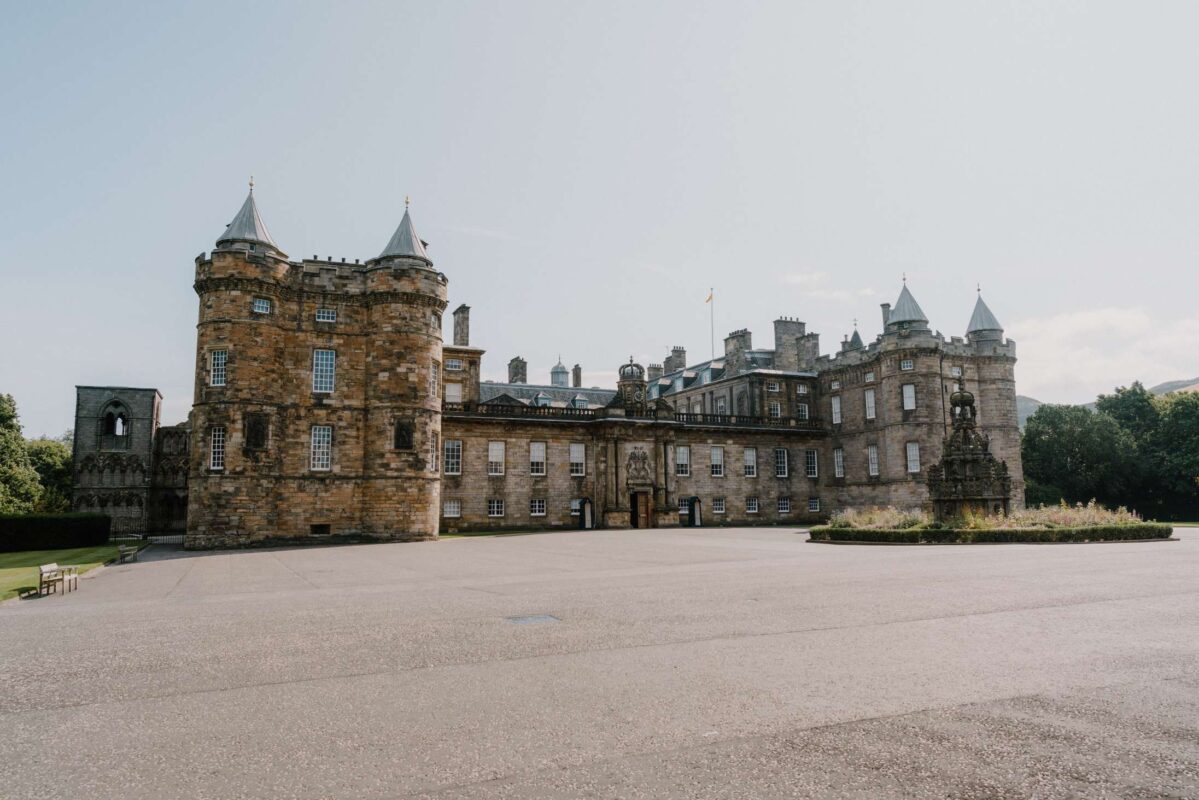
Tucked away behind Holyrood Palace, at the foot of Edinburgh’s Royal Mile, stand the remains of a medieval abbey. Eventually overshadowed by the growing palace, Holyrood Abbey has lain ruined since the 18th century. It’s one of the city’s earliest buildings, originally constructed around 900 years ago in remembrance of a legendary event.
(1)-full-1739783579.jpg)
Tucked away behind Holyrood Palace, at the foot of Edinburgh’s Royal Mile, stand the remains of a medieval abbey. Eventually overshadowed by the growing palace, Holyrood Abbey has lain ruined since the 18th century. It’s one of the city’s earliest buildings, originally constructed around 900 years ago in remembrance of a legendary event.
In 1127 the open grassy area we now call Holyrood Park was part of a large royal forest. Whenever King David I was staying at Edinburgh Castle, he would spend much of his time hunting down there, around the iconic Arthur’s Seat. Spending time hunting in royal forests was one of the luxuries of being King of Scots, but on the Feast of the Holy Cross, David should really have been in church.
The King ignored the warnings from his priests, riding out from Edinburgh Castle anyway, armed with his bow and spear. The hunters thought it was their lucky day when they spotted a rare white stag wandering between the trees. In the frantic chase that followed, David lost sight of both the deer and his companions. When he stopped to compose himself in a clearing, the King realised he was alone.
Suddenly, the white stag burst out of nowhere and startled David’s horse. The King was thrown to the ground while his steed disappeared off into the undergrowth. He found himself lying amongst the roots and the leaves, nose to nose with an angry white stag.
This was no cuddly animal, wild deer can be dangerous beasts. With his spear lying out of reach, all David could do was pray as the white stag charged right at him. The sharp tines of its antlers were ready to gore the King, but then a strange light started to shine between them. That light made the shape of the Holy Cross and astounded by the sight, David reached out to grab it.
The white stag stopped in its tracks, panicked and then fled between the trees. King David had been saved and he was convinced this was a lesson from God about hunting during a sacred feast day. In thanks for his deliverance from certain death, David marked the spot where the miracle had taken place. The next year, the King dedicated an abbey to the Holy Cross, otherwise known as the Holy Rood.
During his 29-year reign, King David was responsible for founding many of the impressive church buildings around Scotland. For whatever reason, he became one of the country’s most pious Kings and many believed it was due to his near death experience in the forest that day 900 years ago.
There are signs of this popular legend all around the Canongate area of Edinburgh. The image of a white stag with the Holy Cross between its antlers can be seen on the gates of the palace, the crest of the Mercat Cross and even high above Canongate Kirk. A lasting symbol from one of Edinburgh’s oldest and best loved stories.
Promoted Post
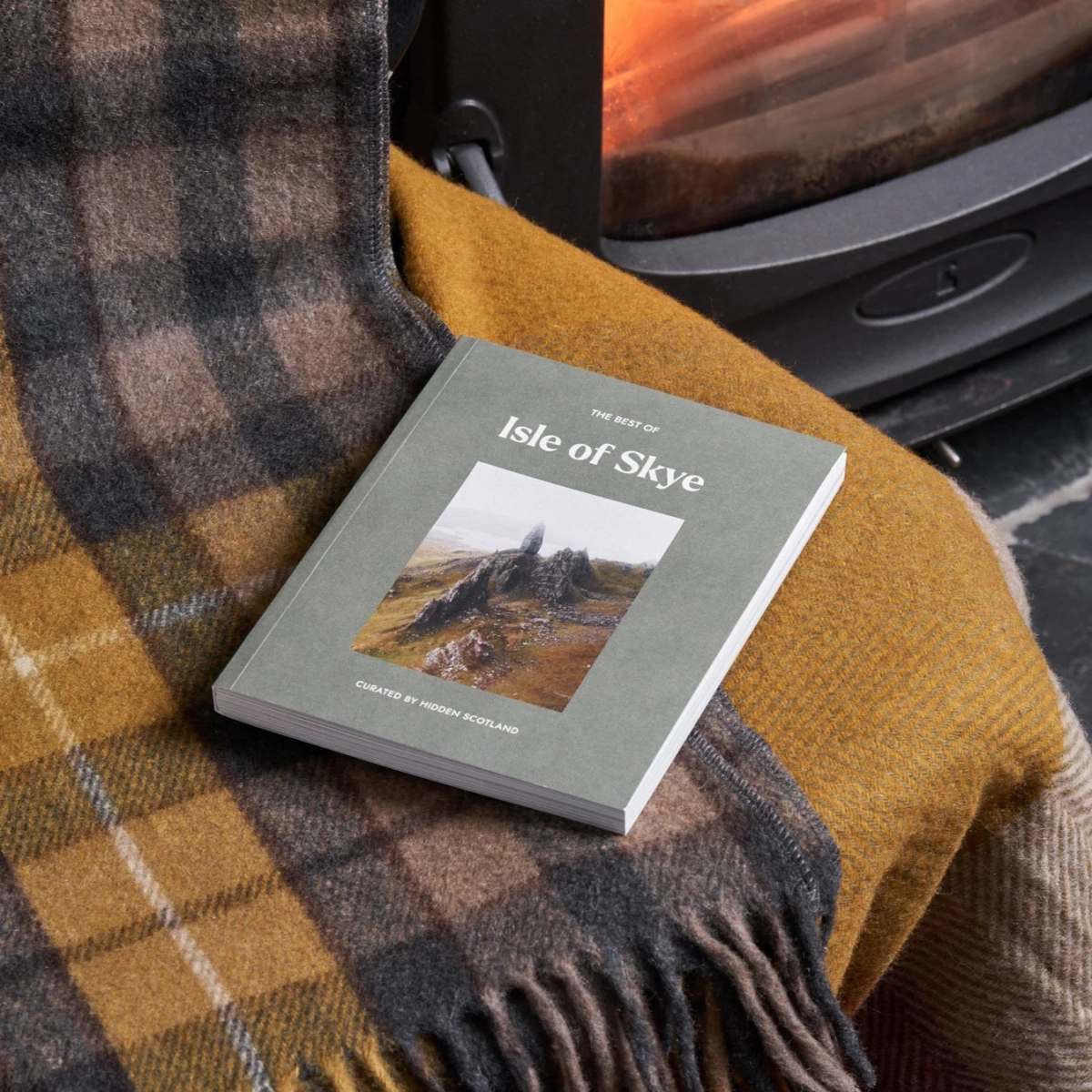
The Best of Skye Guidebook
The Isle of Skye is a place of rare wonder, a wildlife-rich spread of bays, peaks, cliffs and ridges. The views are big, but the prospect of adventure is even bigger. We hope this curated Hidden Scotland guide – which takes in everything from the best walks to the finest restaurants – helps you to have your own unforgettable island escape.
-listable-carousel-1718203985.jpg)
-full-1739824845.jpg)
-full-1739824654.jpg)
(1)-full-1739824469.jpg)
-full-1739801355.jpg)
-full-1739739957.jpg)
(1)-full-1739739453.jpg)






 Sign in with Google
 Sign in with Email