
Edinburgh’s Most Famous Serial Killers
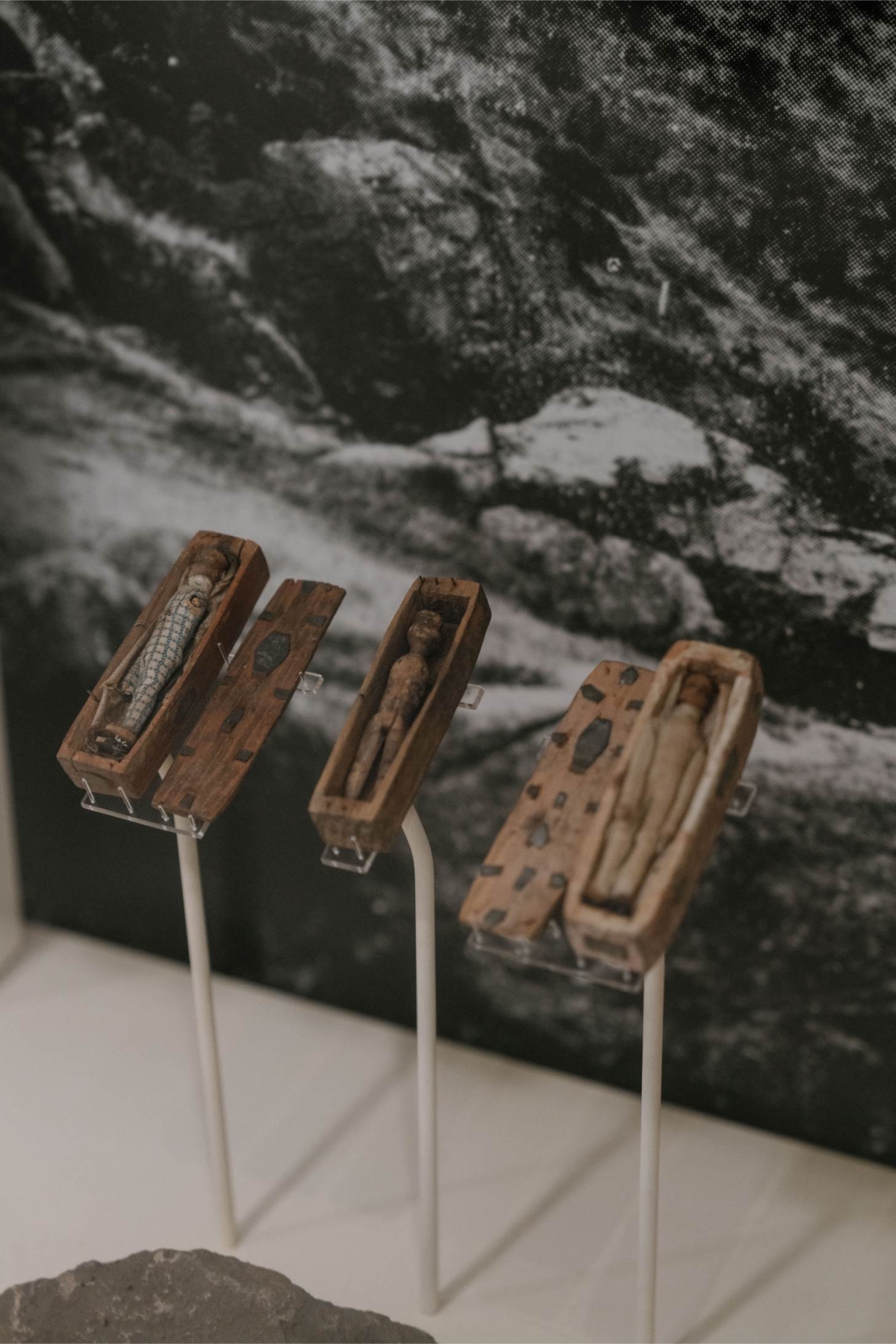
Back in the early 1800s, Edinburgh was at the forefront of modern medicine. However, it took a lot of fresh bodies to keep the anatomy classes running. When a change in the law resulted in a shortage of legal cadavers, some enterprising people saw an opportunity.
-full-1739824845.jpg)
Back in the early 1800s, Edinburgh was at the forefront of modern medicine. However, it took a lot of fresh bodies to keep the anatomy classes running. When a change in the law resulted in a shortage of legal cadavers, some enterprising people saw an opportunity.
The theft of freshly buried corpses became so bad, that mourners were forced to protect their loved ones even after the funeral. Guardhouses and night watchmen were installed into graveyards as well as strong, iron mortsafes over fresh burials.
Burke and Hare, two of Edinburgh’s most notorious residents, found a different way of doing business. William Hare ran a lodging house in Tanner's Close and when one of his tenants died before he could pay the bill, he was determined to get his money somehow. Word had spread about the shortage of bodies for medical students and Hare had an idea.
With William Burke’s help, he replaced the lodger’s body in the coffin before it could be buried and carted it along to Surgeon's Square, selling it to anatomist Robert Knox. The assistant who handed over the cash made it very clear that if any other bodies turned up, they were very welcome.
The pair could do with the extra income but getting hold of naturally occurring corpses wasn’t an easy task. Instead, over the next 10 months Burke and Hare murdered 16 people as part of their new enterprise.
Their usual technique was to lure the target back to Hare’s lodging house, fill them with cheap whisky and suffocate them in a manner that would later be named burking. While the bodies were still warm, they rushed them down the Cowgate to Knox’s door.
Eventually, the pair were caught and Hare gave Burke up to save his own skin. In return for his full, written confession, Hare was released while his partner in crime was hanged and his body used for public dissection as poetic justice. Hare might have been a free man, but he was chased out of Edinburgh.
Nobody knows where he ended up or if he carried on his murderous enterprise somewhere new.
Story by Graeme Johncock
Promoted Post
Issue 12 is now shipping worldwide from Scotland.
Issue 12 is now shipping worldwide from Scotland.
-listable-carousel-1718652879.jpg)
-full-1739824654.jpg)
(1)-full-1739824469.jpg)
-full-1739801355.jpg)
(1)-full-1739783580.jpg)
-full-1739739957.jpg)
(1)-full-1739739453.jpg)






 Sign in with Google
 Sign in with Email