
Getting to Argyll and Bute and around.
The trains, the roads and the ferries
The main airport for Argyll and Bute is Glasgow, roughly 90 minutes from the region's southern edge. Glasgow Prestwick offers an alternative, particularly for budget airlines. From Edinburgh, expect a 2-3 hour drive depending on your destination within the region. Train services reach Oban via Glasgow, taking around 3 hours from Scotland's largest city.
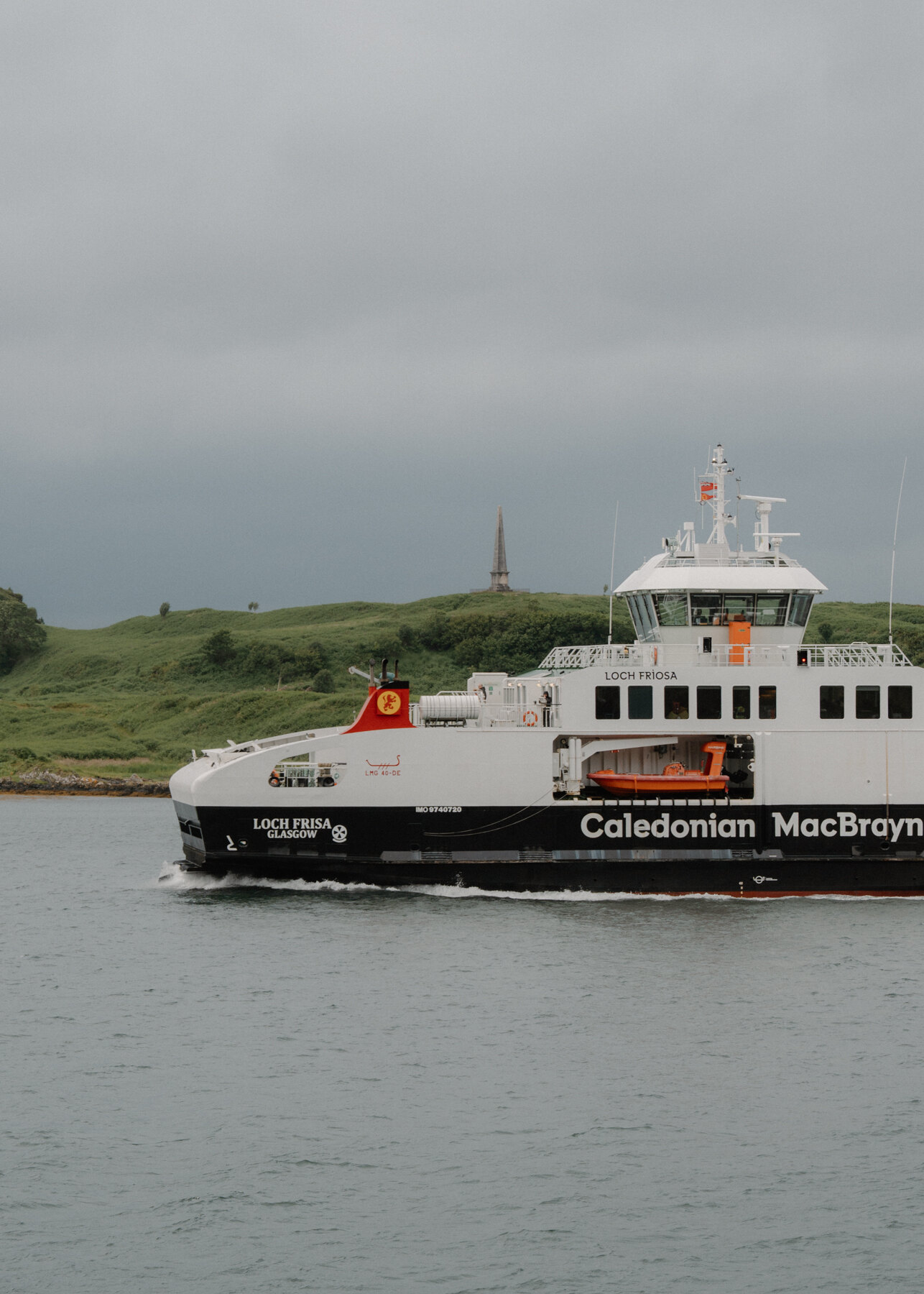
Multiple ferry routes connect the mainland to Argyll's islands. CalMac sails from Oban to Mull, Coll and Tiree, and from Kennacraig to Islay. Iona is reached by the short crossing from Fionnphort on Mull, and Jura from Islay. A ferry from Gourock crosses to Dunoon, on the Cowal peninsula. Advance booking is essential, particularly during summer months and for vehicle crossings.
Buses West Coast Motors and Stagecoach provide mainland bus services, connecting towns like Oban, Campbeltown, and Inveraray. Island services are limited, with some routes operating only on certain days. Timetables change seasonally, so check current schedules before travelling.
Tip: Explorer passes can offer good value for multiple journeys across the region.
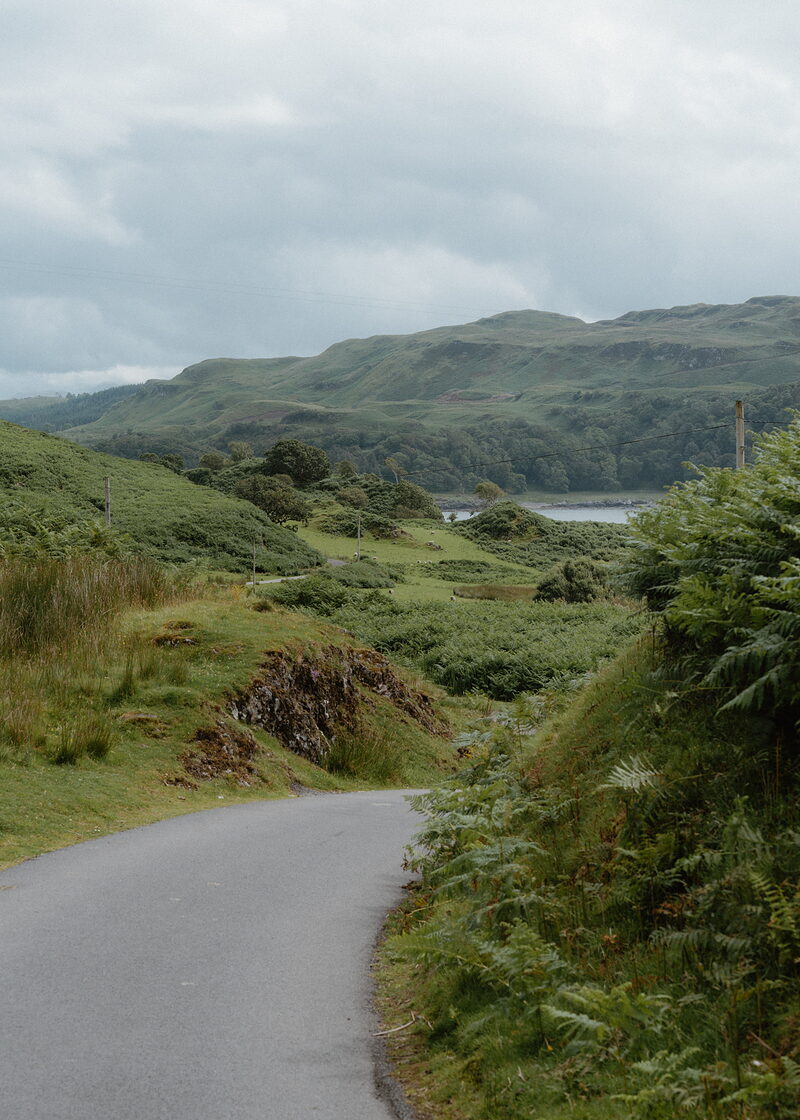
Driving A car provides the best way to explore Argyll's scattered attractions and remote locations. The A83 runs down the western peninsula to Campbeltown, while the A85 reaches Oban. Many roads are single-track with passing places. Allow extra time for journeys - distances can be deceptive in this mountainous terrain.
Passing Places On single-track roads, pull into designated passing places to allow oncoming traffic through. Never park in passing places or use them as viewpoints. If someone lets you pass, a wave of acknowledgement is standard courtesy.
Cycling Argyll offers excellent cycling, from coastal routes to challenging hill climbs. The Crinan Canal provides flat cycling, while Mull and other islands offer quieter roads. Be prepared for steep gradients and changeable weather conditions.
Walking The West Highland Way enters Argyll near Tyndrum, while countless shorter routes explore glens, coastlines, and hill country. Weather can change rapidly, so pack appropriate gear and inform someone of your plans.
By train and road
Trains run from Glasgow to Oban in about three hours, and the ferries leave from right beside the station.
By road, the A85 comes through the hills to Oban, and the A83 crosses the Rest and Be Thankful to Inveraray and runs on down Kintyre to Campbeltown.
The ferries
CalMac sails from Oban to Mull, Lismore, Coll, Tiree and Colonsay, from Kennacraig to Islay, and from Wemyss Bay to Rothesay on Bute, while Jura is a short hop from Port Askaig.
Book a space for the car well ahead in summer, and check CalMac's service page before you travel.
Getting around
A car is the easiest way to see the region, and many roads are single track with passing places, so journeys take longer than the map suggests.
Buses link Oban, Inveraray, Lochgilphead and Campbeltown, and island buses are fewer, with some routes running only on certain days.
Argyll and Bute has a coastal, maritime climate. Summers are mild, with daytime highs around 15–20 °C. Winters are cool, especially inland, where frost and occasional snow are possible. Rain can come at any time of year, so bring waterproofs and sturdy footwear.
A car is the easiest way to get around if you want to explore beyond the main towns or travel between islands and rural settlements. While trains run to Oban and Helensburgh, and buses connect the major towns, much of Argyll and Bute’s appeal lies off the beaten track. Accessing remote coastal paths, lochs, castles, and ferry terminals is far easier with your own vehicle. That said, it is possible to explore parts of the region on foot or by bike, particularly on the more accessible islands like Bute or Mull, where local buses and bike hire are available.
Oban is a popular gateway to the islands and is home to a working harbour, a distillery, and a variety of independent shops and seafood restaurants. From here, ferries serve Mull, Lismore, Coll, Tiree, and Barra, making it an excellent base for wider island travel. On Loch Fyne, the historic town of Inveraray draws visitors with its 18th-century castle, former jail turned museum, and scenic lochside setting. Further south, the island of Islay is known for its whisky distilleries and wide beaches, while Jura offers a wilder, more remote experience. The Isle of Bute, reached via ferry from Wemyss Bay, combines accessible walking trails, sandy bays, and the historic Rothesay Castle. Inland, the prehistoric sites of Kilmartin Glen include standing stones, burial cairns and rock art, offering a look at Scotland’s deep past. For quieter moments, coastal villages such as Port Appin, Tarbert and Crinan give a sense of life lived at a slower rhythm.
The region has a good mix of outdoor and cultural things to do. Walking and hiking routes range from easy coastal paths to hill routes such as Ben Cruachan. Sea kayaking is popular along the coast and in sheltered inlets, with boat tours offering wildlife encounters including seals, dolphins, and sometimes whales. Cyclists will find long-distance routes and shorter, scenic circuits, especially on Jura, Islay, and Mull. Anglers can fish in lochs, rivers, or coastal waters, with permits required in some areas. For those interested in gardens and architecture, Benmore Botanic Garden near Dunoon and Ardkinglas Woodland Garden near Cairndow are both worth a visit, especially in spring and autumn.
Ferry services run regularly between mainland ports like Oban, Kennacraig, and Wemyss Bay and islands such as Mull, Islay, Jura, Bute, Coll, and Tiree. Most services are operated by CalMac, and they accommodate foot passengers, cyclists, and cars. Some of the more remote islands have limited daily sailings, so it’s best to plan and book in advance, especially during summer. Smaller passenger-only boats run between lesser-known destinations, but these are weather dependent and may have limited schedules outside peak season.
Accommodation ranges from traditional guesthouses and B&Bs to small hotels, self-catering cottages, and remote lodges. Oban, Inveraray, and Rothesay offer a wider range of options, while island stays vary from simple hostels to high-end retreats. Dining is often centred around local produce, with seafood, venison, lamb, and seasonal vegetables appearing on menus across the region. Many coastal towns and villages have well-regarded restaurants or inns where the day’s catch is served simply and freshly. Local food producers often sell directly to the public, whether that’s cheese from Mull, oysters from Loch Fyne, or smoked fish from Islay.
Photographs by Ed, Rhomi Malcolm, Sarah Dodds, Neil Marshall, Chris Gledhill, Christopher Cox, Jochn Visentin, Dom Simpson, G Shaffer, Archita Nanda, Glenn Meyer, Campbeltown Picture House, Alex Haas, Frank Hug and Greg Blundell via Google
More of Argyll and Bute.
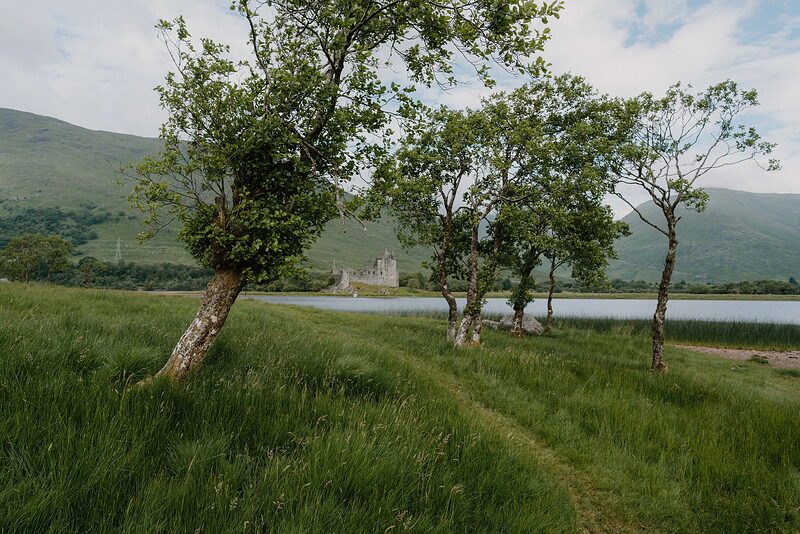 See and doCastles, standing stones and island chapels
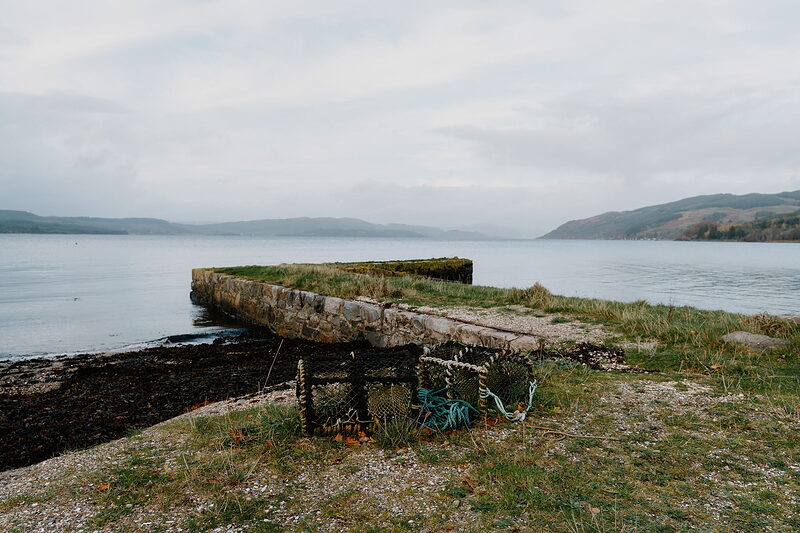 Eat, drink and shopOysters, seafood from the pier and old inns
 Where to stayBothies, cabins and houses by the water
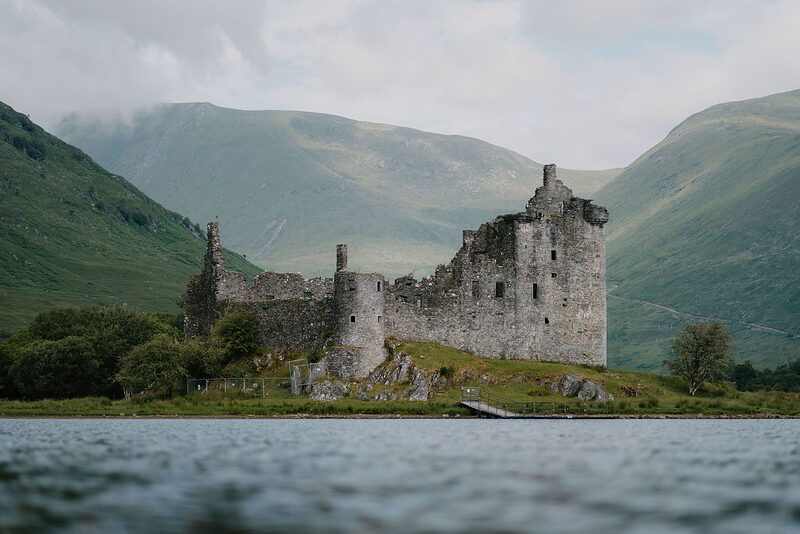 History and storiesDalriada, the Lords of the Isles and the Campbells
 ItinerariesDays we have driven, stop by stop
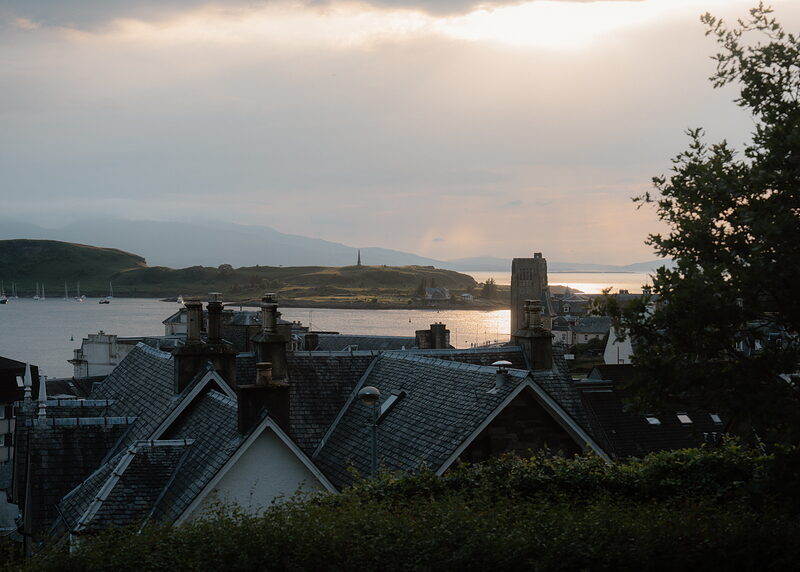 What is on in Argyll and ButeSomething new from the region every day