
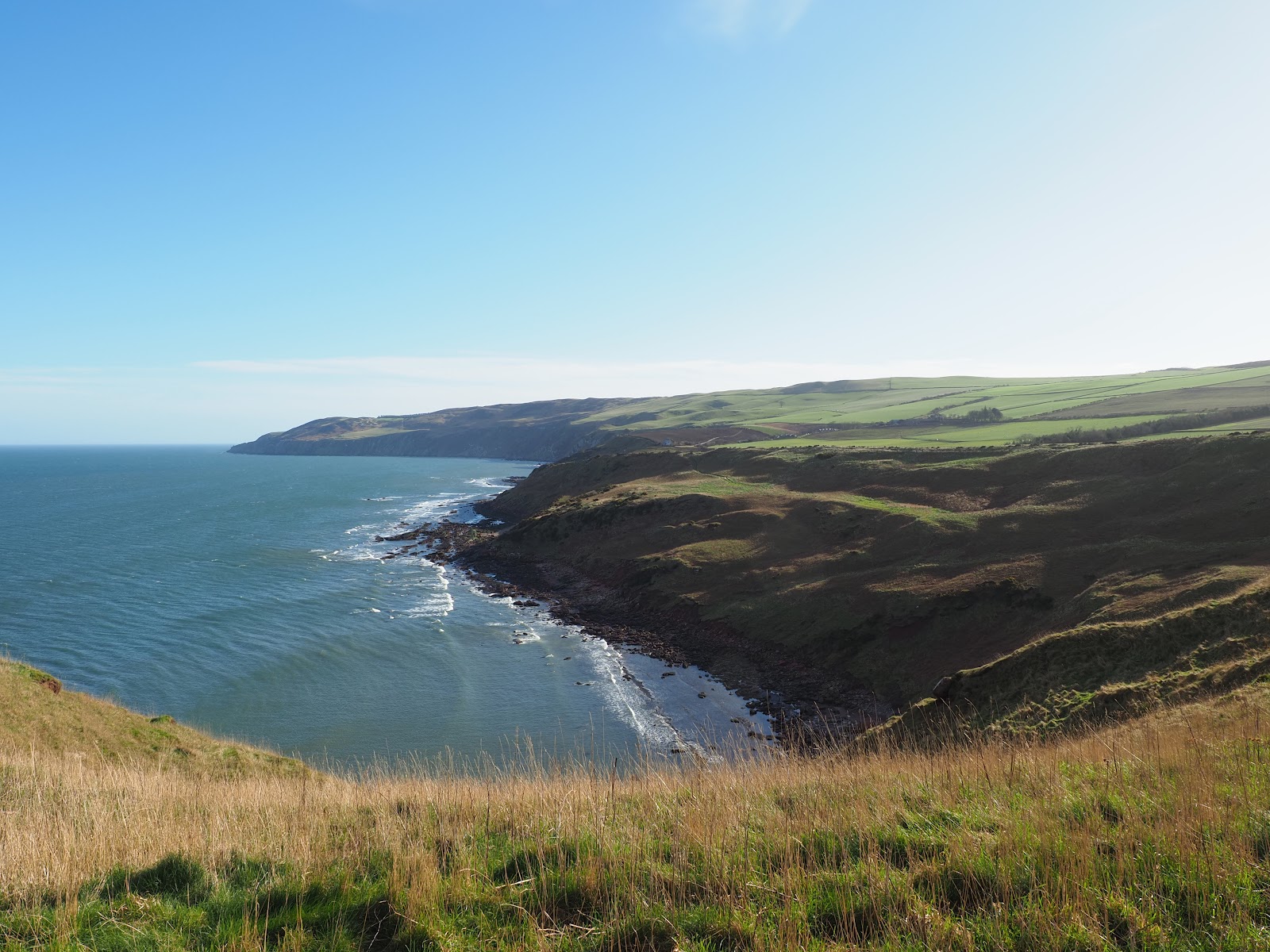
Siccar Point
The rocky headland on the Berwickshire coast where James Hutton saw the proof of deep time in 1788, one of the most famous places in geology.
Siccar Point looks like any other rocky headland on the Berwickshire coast, but it is one of the most important places in the history of science.
In 1788 the geologist James Hutton came here by boat and found the evidence that changed how we understand the age of the Earth.
On the point, dark grey rocks stand on end, formed on the floor of an ancient ocean. On top of them lie almost flat layers of red sandstone, laid down on land some 65 million years later. Between them is a line marking an old land surface where the lower rocks had been folded, lifted and worn away. Hutton saw that this must have taken unimaginable time. His friend John Playfair wrote that the mind grew giddy looking so far into the abyss of time.
The Edinburgh Geological Society opened its Deep Time Trail in 2026 to help visitors find the place and understand it. The final descent to the rocks is steep, so take care.
Open at any hour; the final descent to the rocks is steep.
- Where
- The Berwickshire coast near Cockburnspath.
- Hutton
- 1788.
- The gap
- About 65 million years.
On the Berwickshire coast near Cockburnspath; the last descent to the promontory is steep.
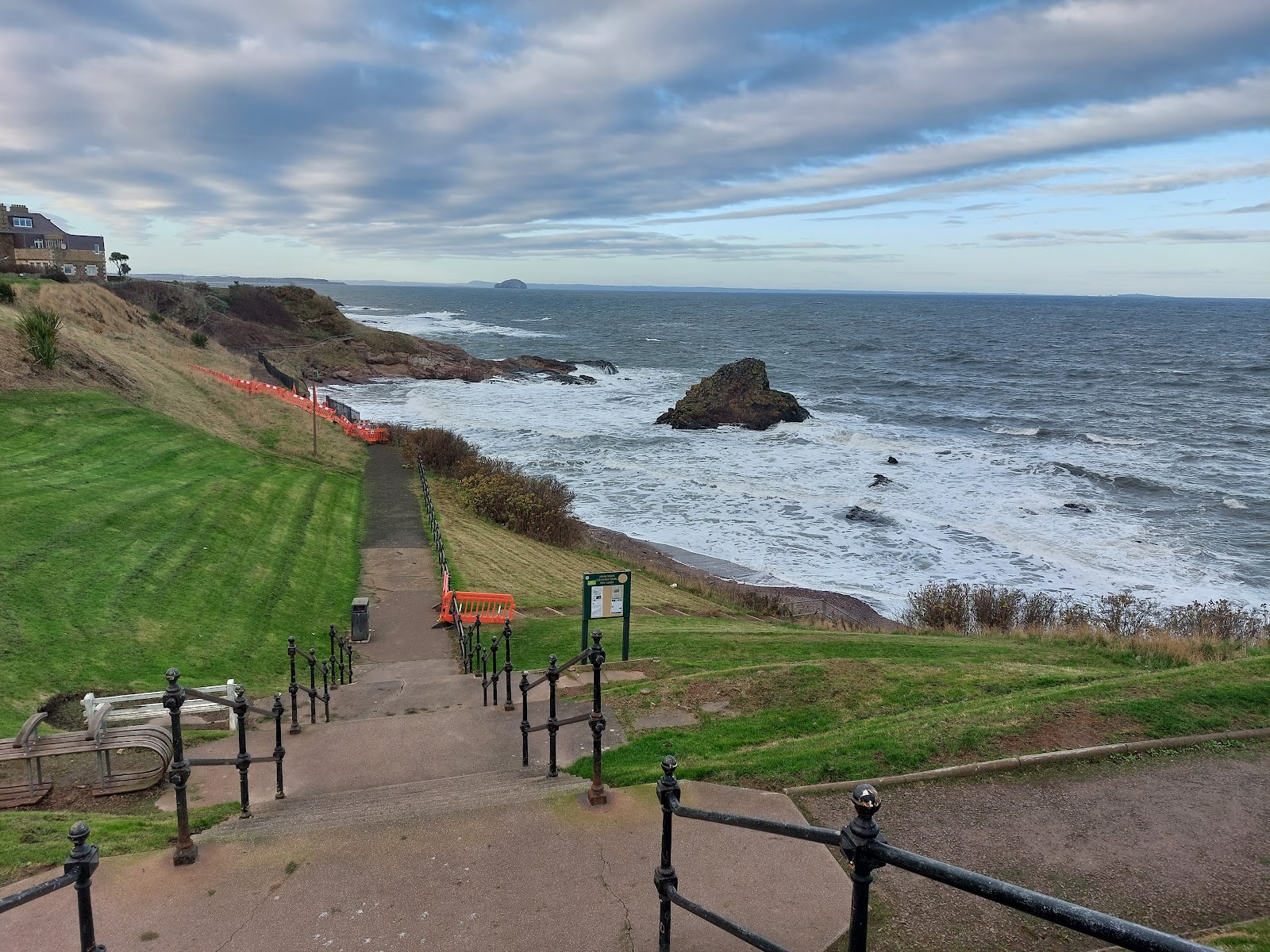
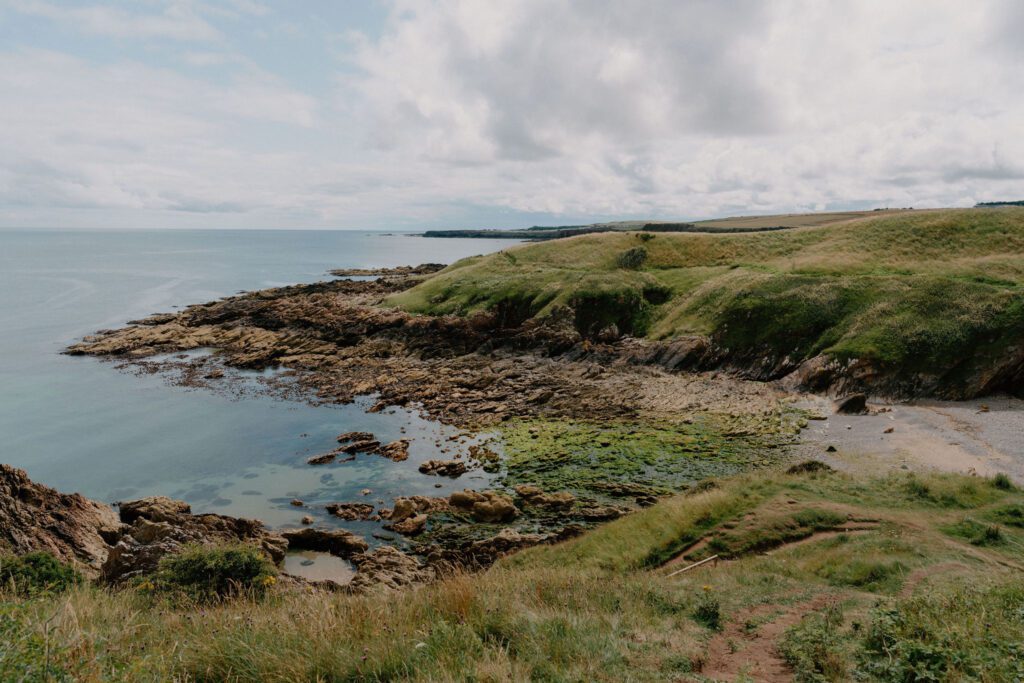 Berwickshire Coastal PathThirty miles of cliffs, coves and fishing villages from Cockburnspath to Berwick-upon-Tweed, one of Scotland's Great Trails.3 miles8 min by road
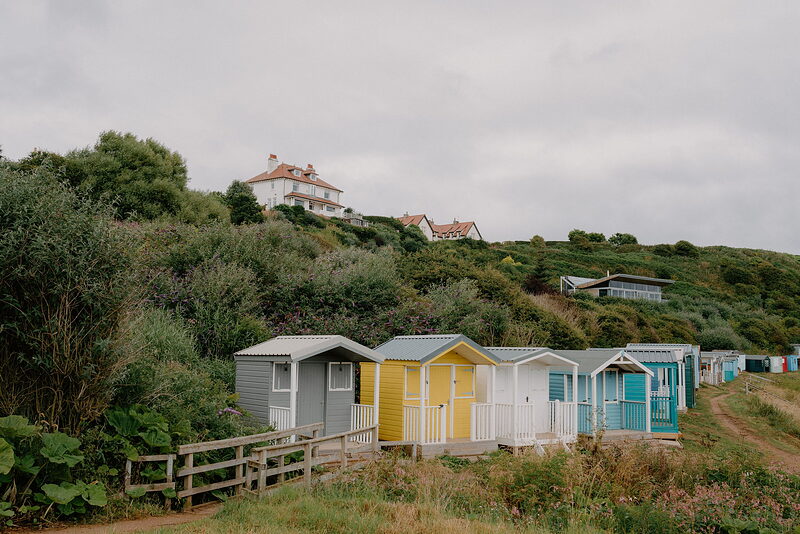 Coldingham BayA sandy bay by St Abbs.9 miles16 min by road
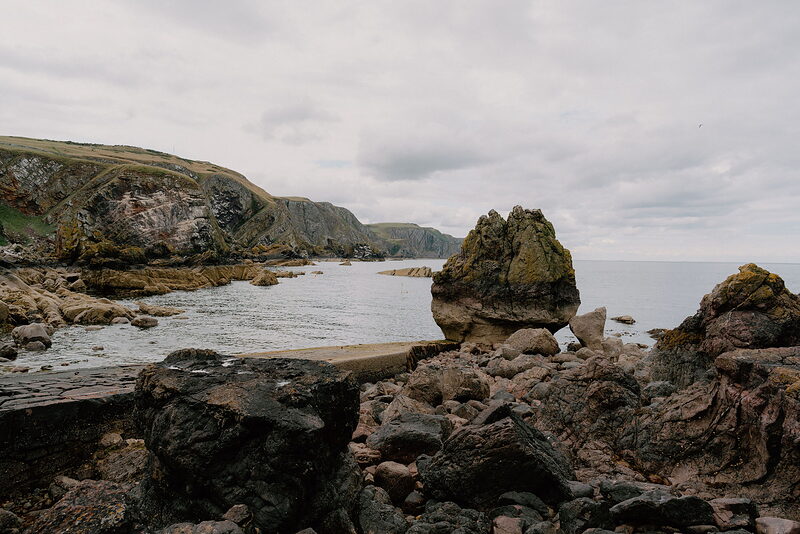 St Abb’s Head National Nature ReserveSeabird cliffs further south.10 miles18 min by road
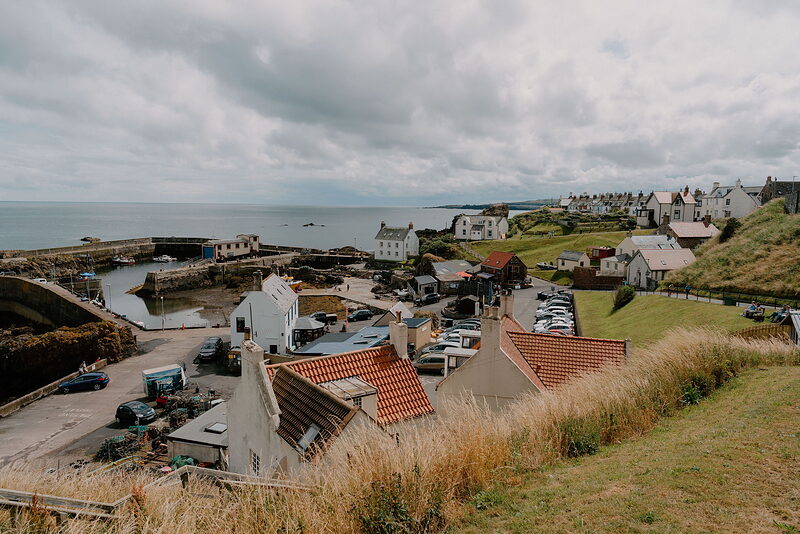 St AbbsA small fishing village on the Berwickshire coast, with a working harbour, a lifeboat station and some of the best diving in Britain.10 miles18 min by road
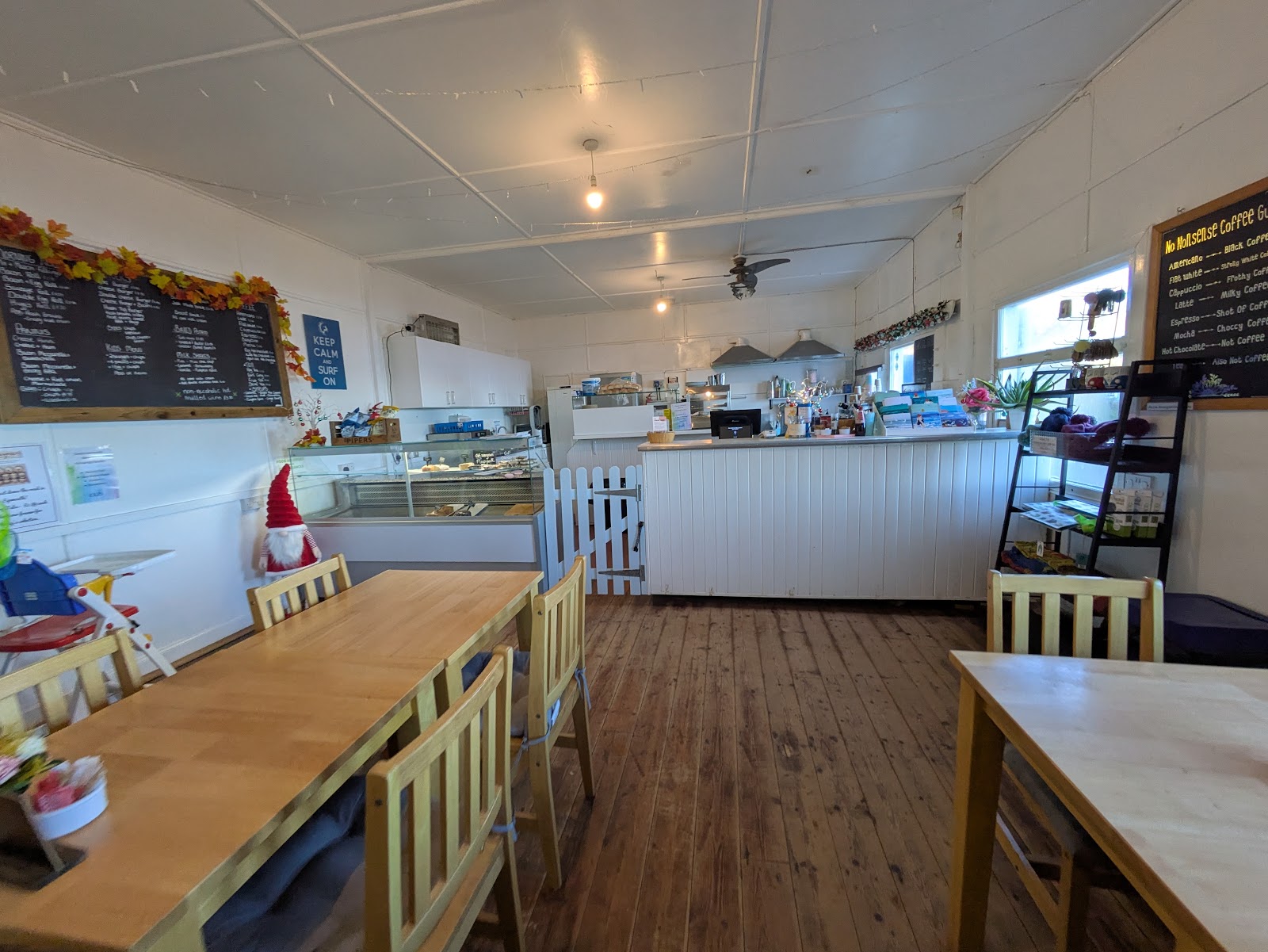
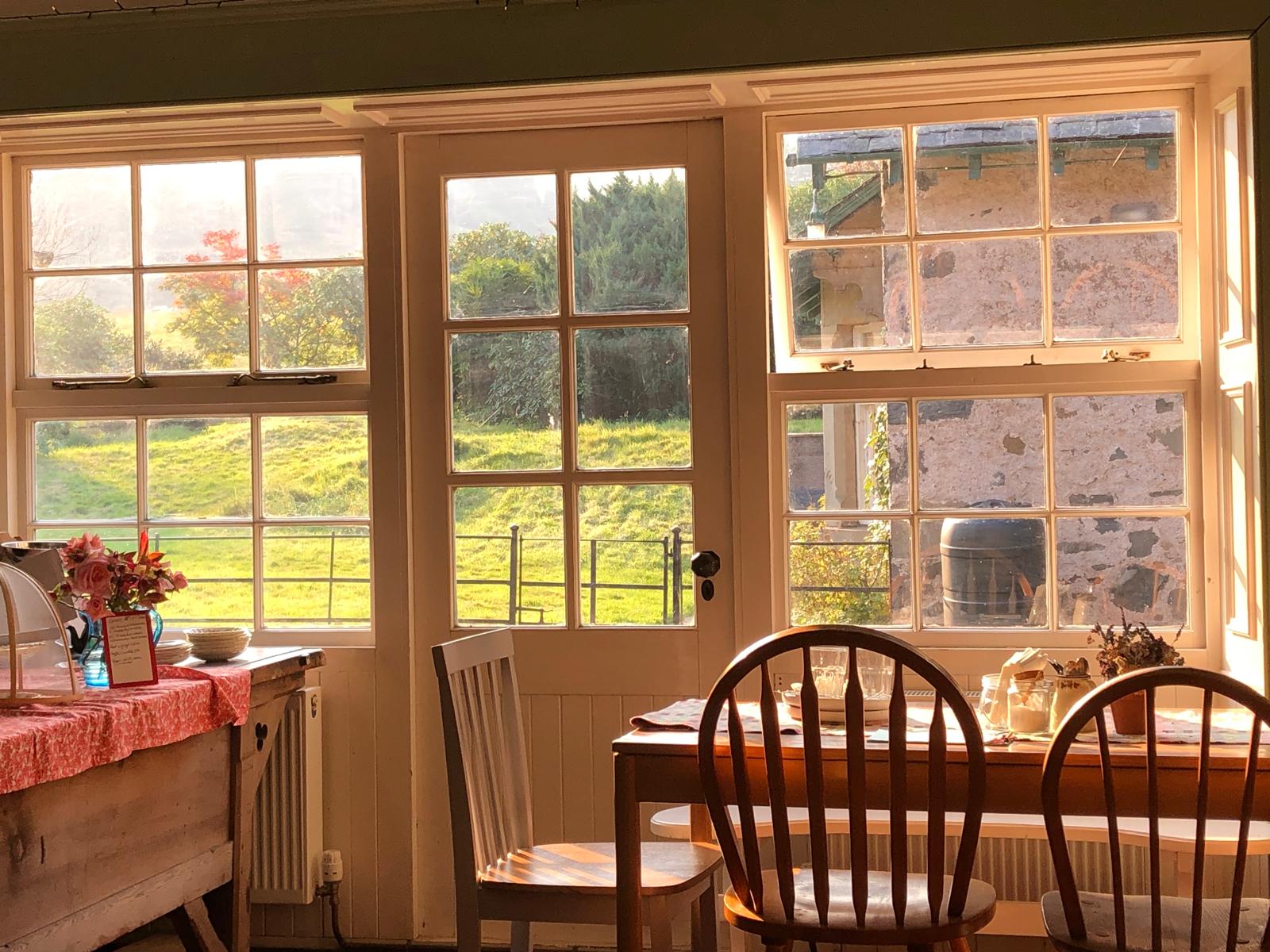
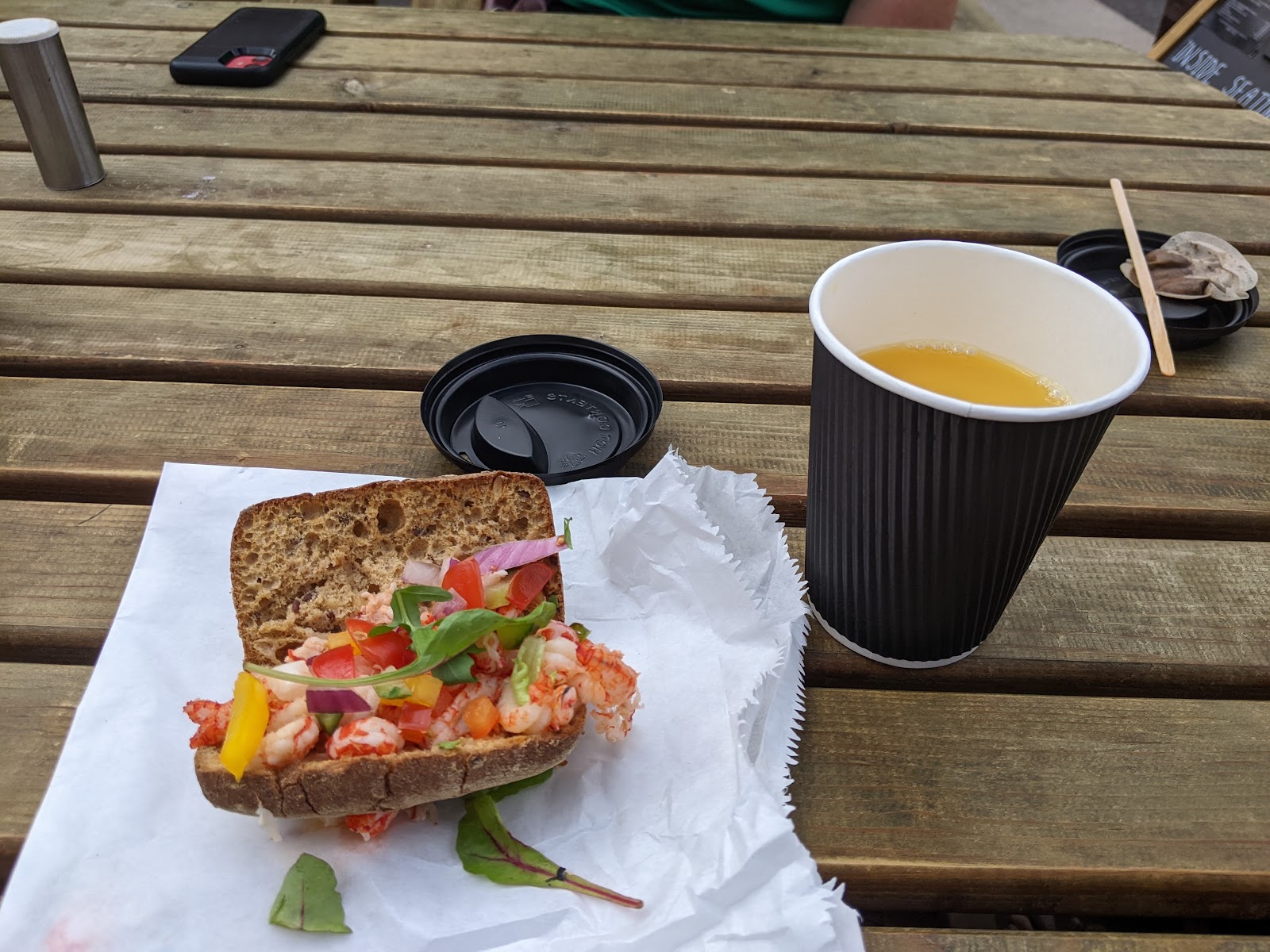 Ebbcarrs CafeA small cafe in a stone cottage on the harbour at St Abbs, with fresh food, crab and coffee after a coastal walk.10 miles19 min by road
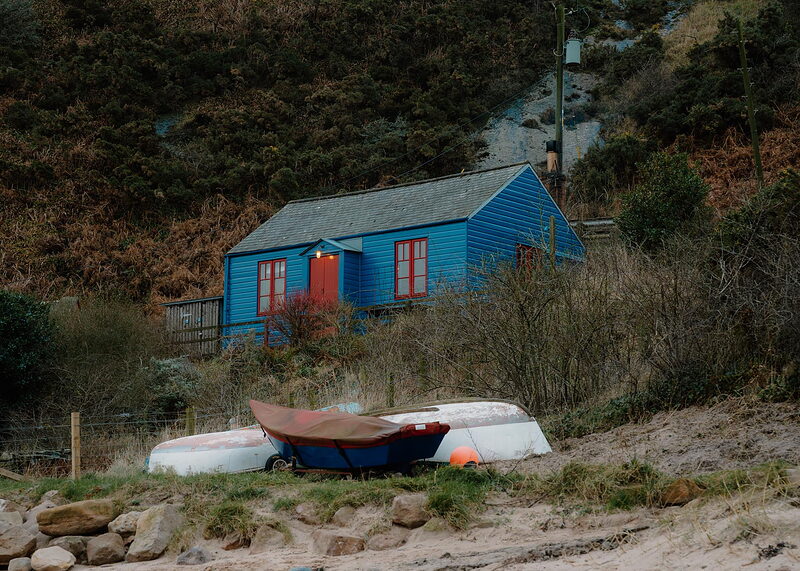
Places to stay near the point, and when each is next free.
Scotland, in print.
Every photograph commissioned, every word written by somebody who went. Printed twice a year, made in Scotland.
For further reading, before you go.