
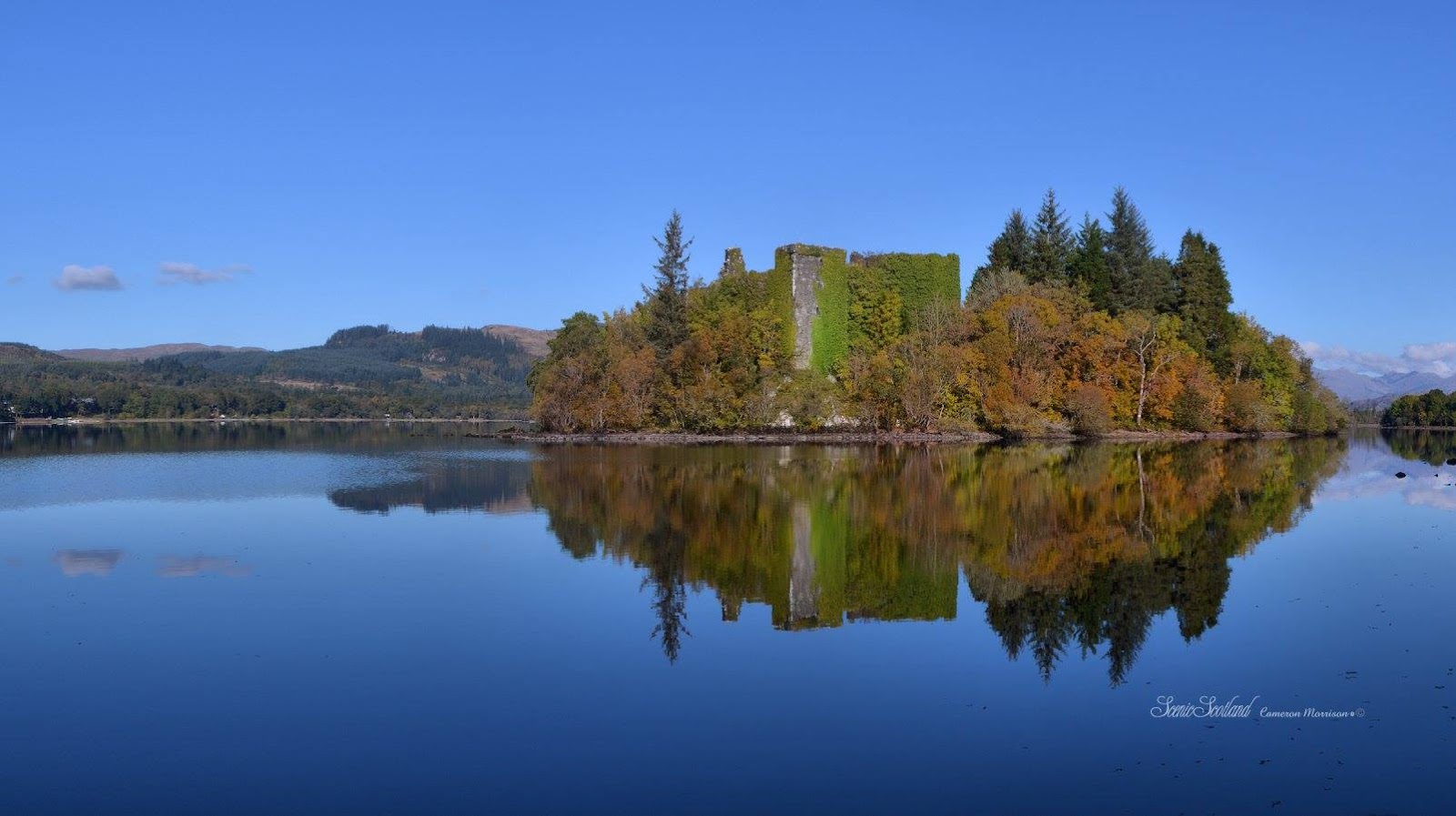
Innis Chonnell Castle
One of the first strongholds of Clan Campbell, a ruined castle of the 13th century on an island in Loch Awe.
Innis Chonnell is a small wooded island halfway down the eastern shore of Loch Awe, and on the rock at its south-western end stand the massive, ivy-covered walls of one of the earliest strongholds of Clan Campbell.
A square castle with walls about eight feet thick was built here in the first half of the 13th century. It was first mentioned in 1308, when John of Lorne held it for Edward II, and after the defeat of the MacDougalls, Robert the Bruce confirmed the lordship of Loch Awe to Sir Colin Campbell in 1315.
It remained the family's chief seat until Colin Campbell, 1st Earl of Argyll, moved to Inveraray in the 15th century, and for two centuries after that the earls kept prisoners here. The castle is privately owned by the Argyll family and not open to the public, but it can be seen from the quiet, winding road along the east side of the loch, south of Dalavich.
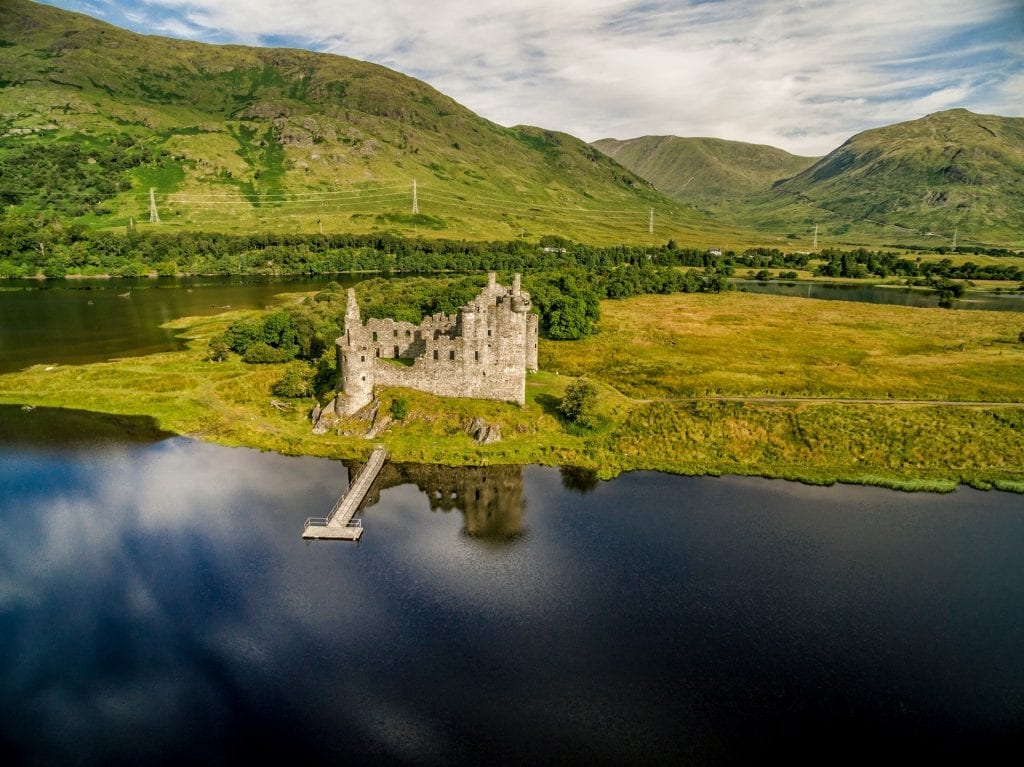
The castle is privately owned and not open to the public.
It is seen from the shore road on the east side of Loch Awe, south of Dalavich.
- Seen from
- The east shore road of Loch Awe.
- Access
- Not open to the public.
Loch Awe, south of Dalavich.
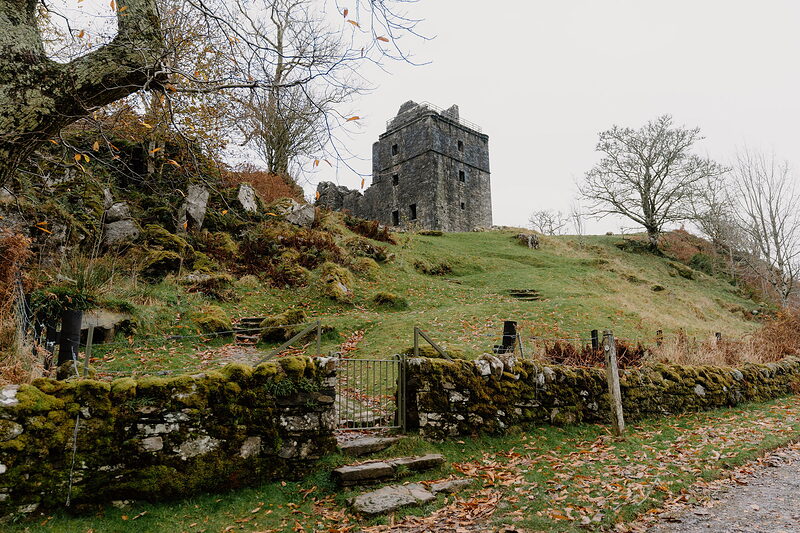 Carnasserie CastleThe Renaissance tower house of John Carswell, first Protestant Bishop of the Isles, at the head of Kilmartin Glen.13 miles21 min by road
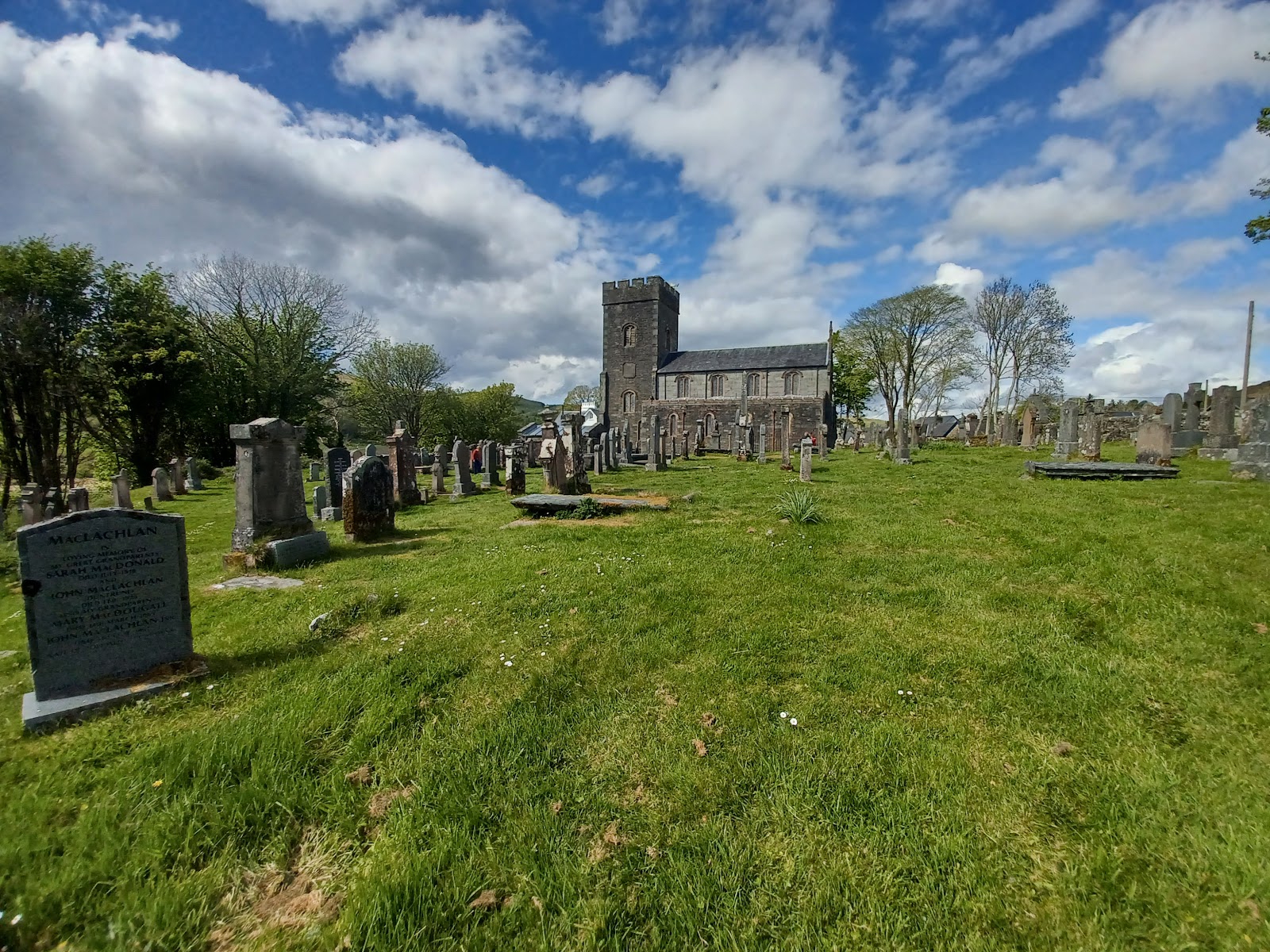 Kilmartin StonesMedieval West Highland grave slabs of warriors, swords and interlace in the churchyard at Kilmartin.14 miles23 min by road
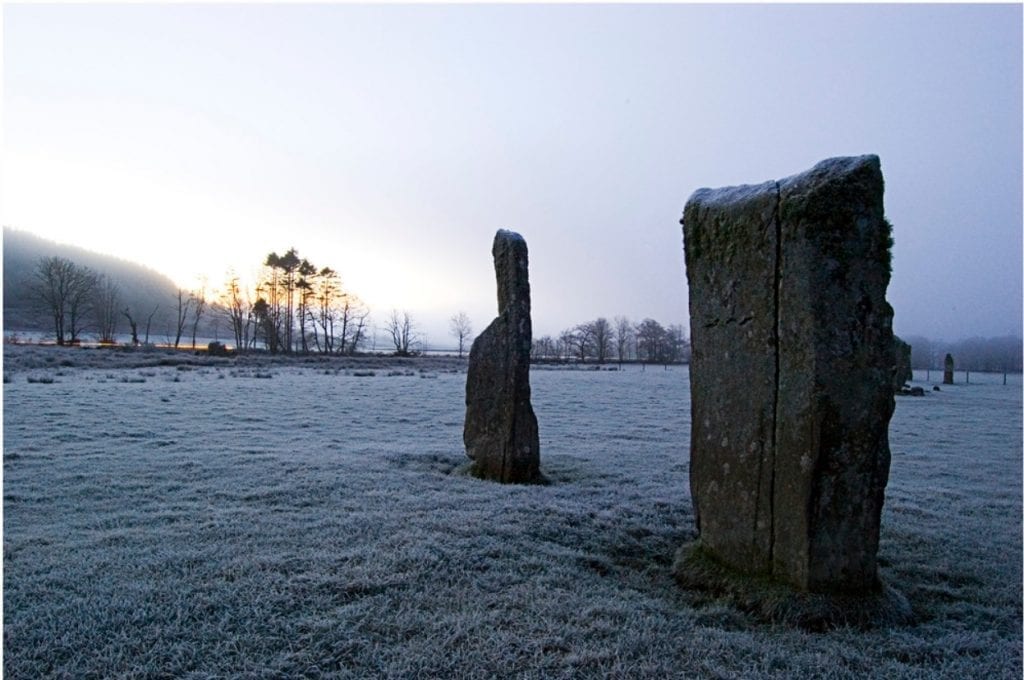 Kilmartin GlenOne of Scotland's richest prehistoric landscapes, with more than 800 monuments within six miles of Kilmartin and a museum to explain them.14 miles23 min by road
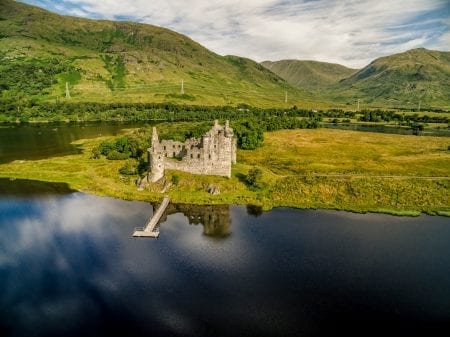
Places to stay near the castle, and when each is next free.
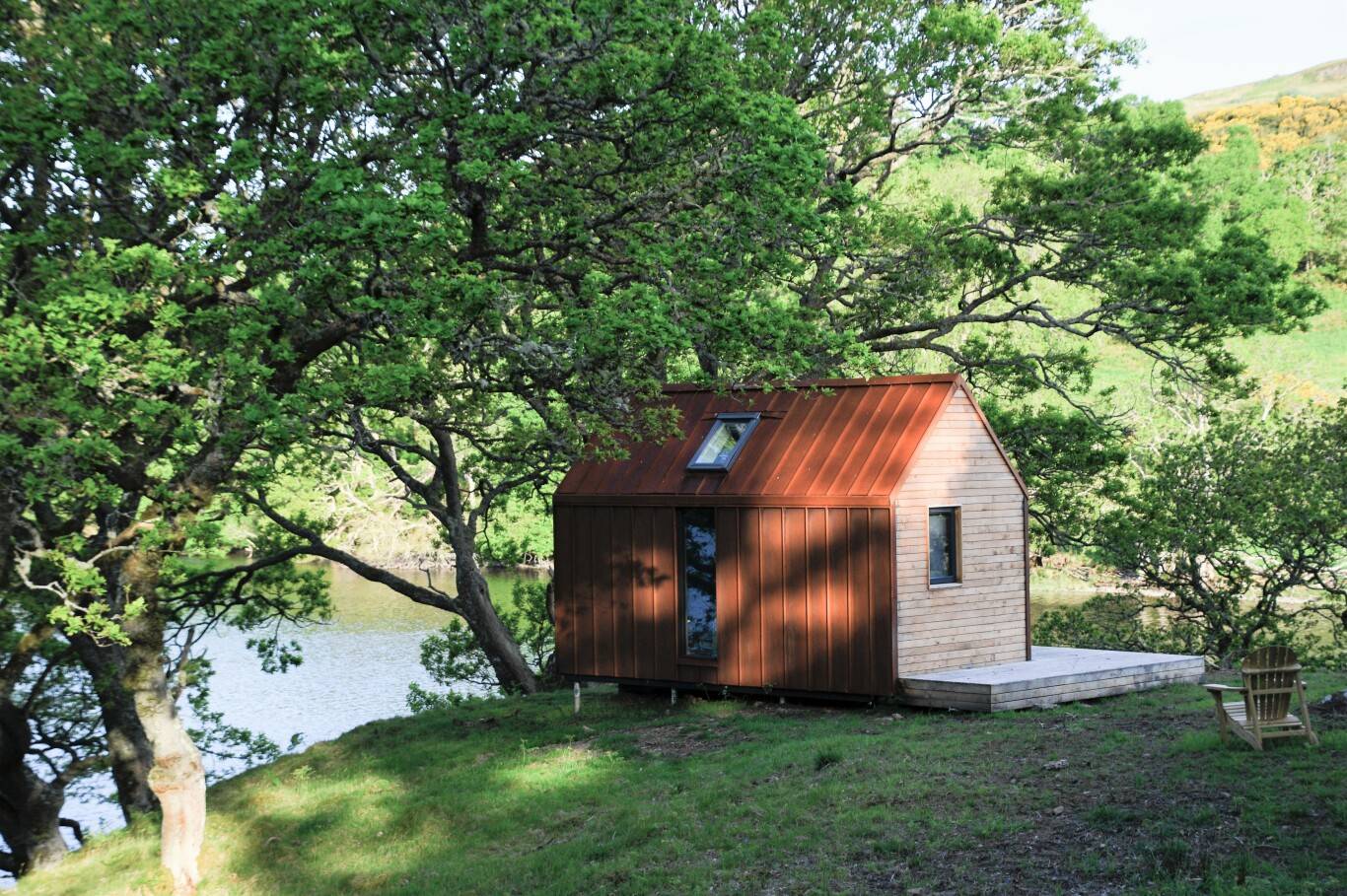 Uisge Bothy
- Sleeps 2
- In Oban
- 11 miles from Innis Chonnell
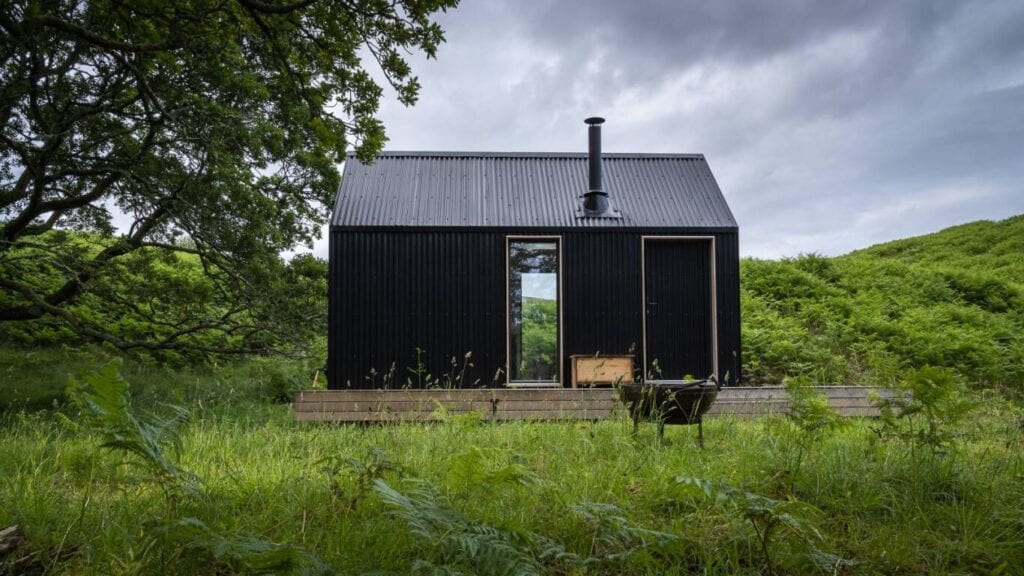 Beatha
- Sleeps 2
- In Oban
- 11 miles from Innis Chonnell
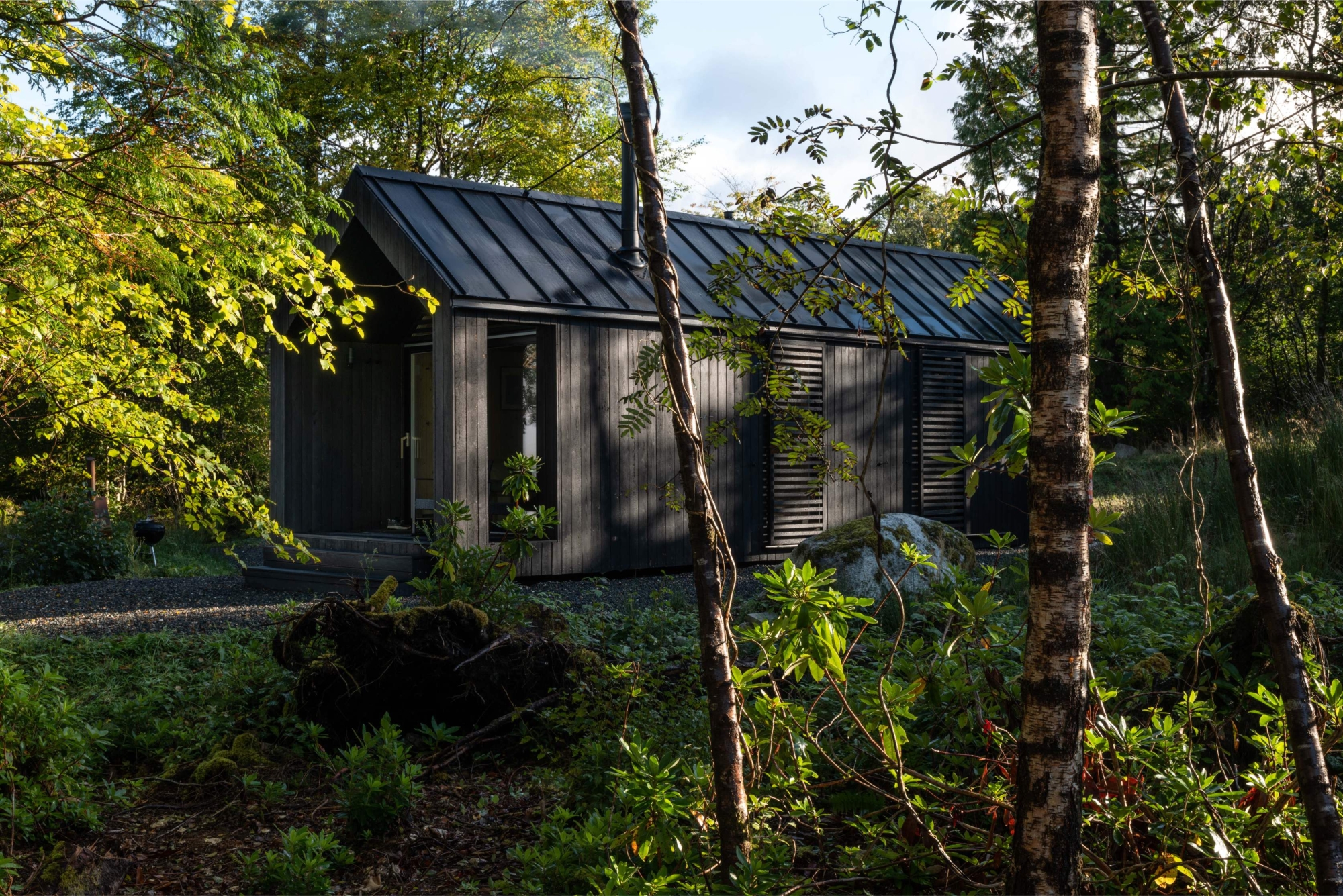 Kabn
Kabn- Sleeps 2
- In Cairndow
- 12 miles from Innis Chonnell
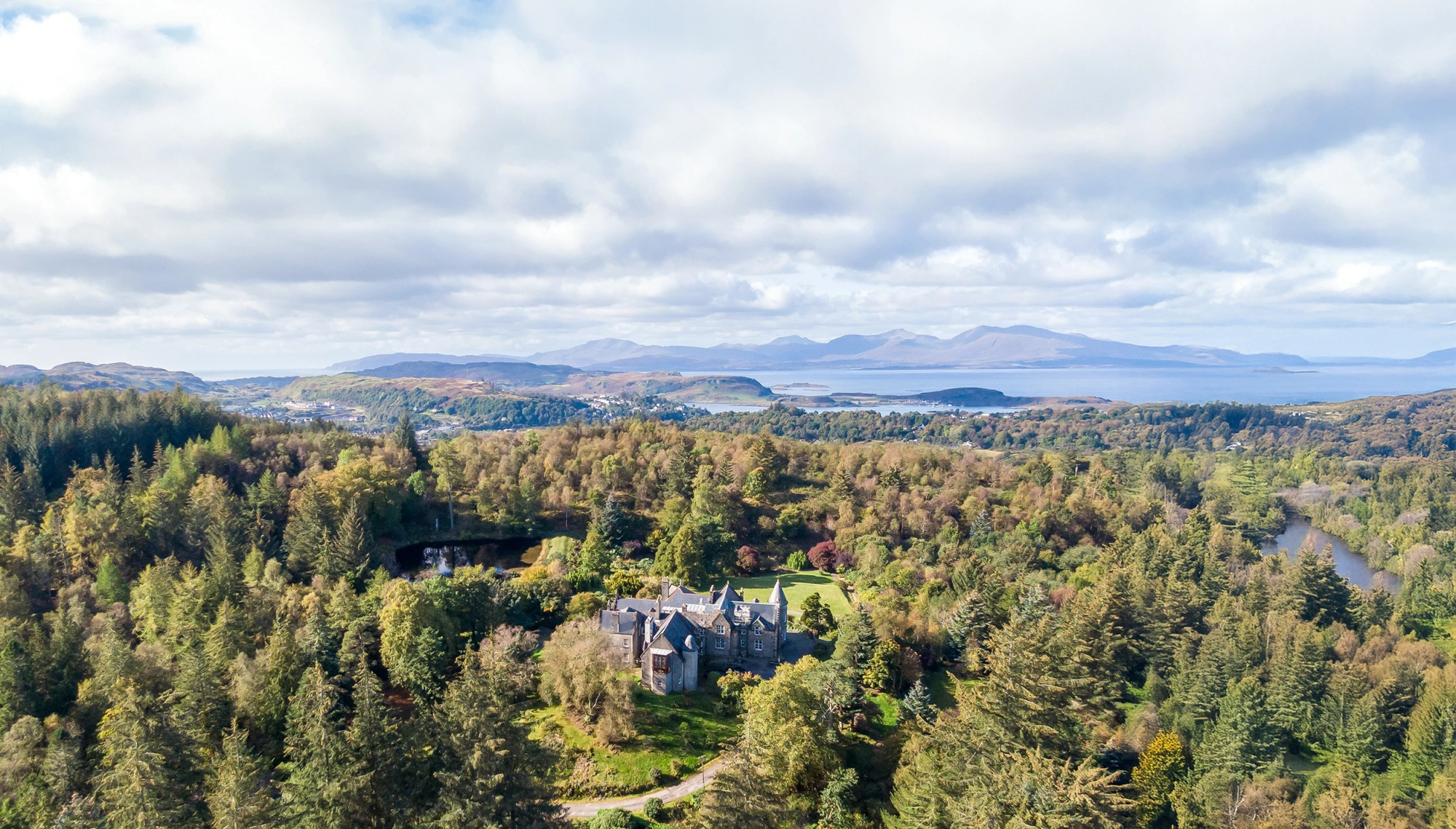 Glencruitten House
- To stay
- In Argyll and Bute
- 13 miles from Innis Chonnell
Scotland, in print.
Every photograph commissioned, every word written by somebody who went. Printed twice a year, made in Scotland.
For further reading, before you go.