
Did you know
1,200 Highlanders gathered here.
They came in August 1745 to pledge themselves to Prince Charles Edward Stuart, eight months before Culloden. The standard was raised, brandy was shared, and the campaign began.
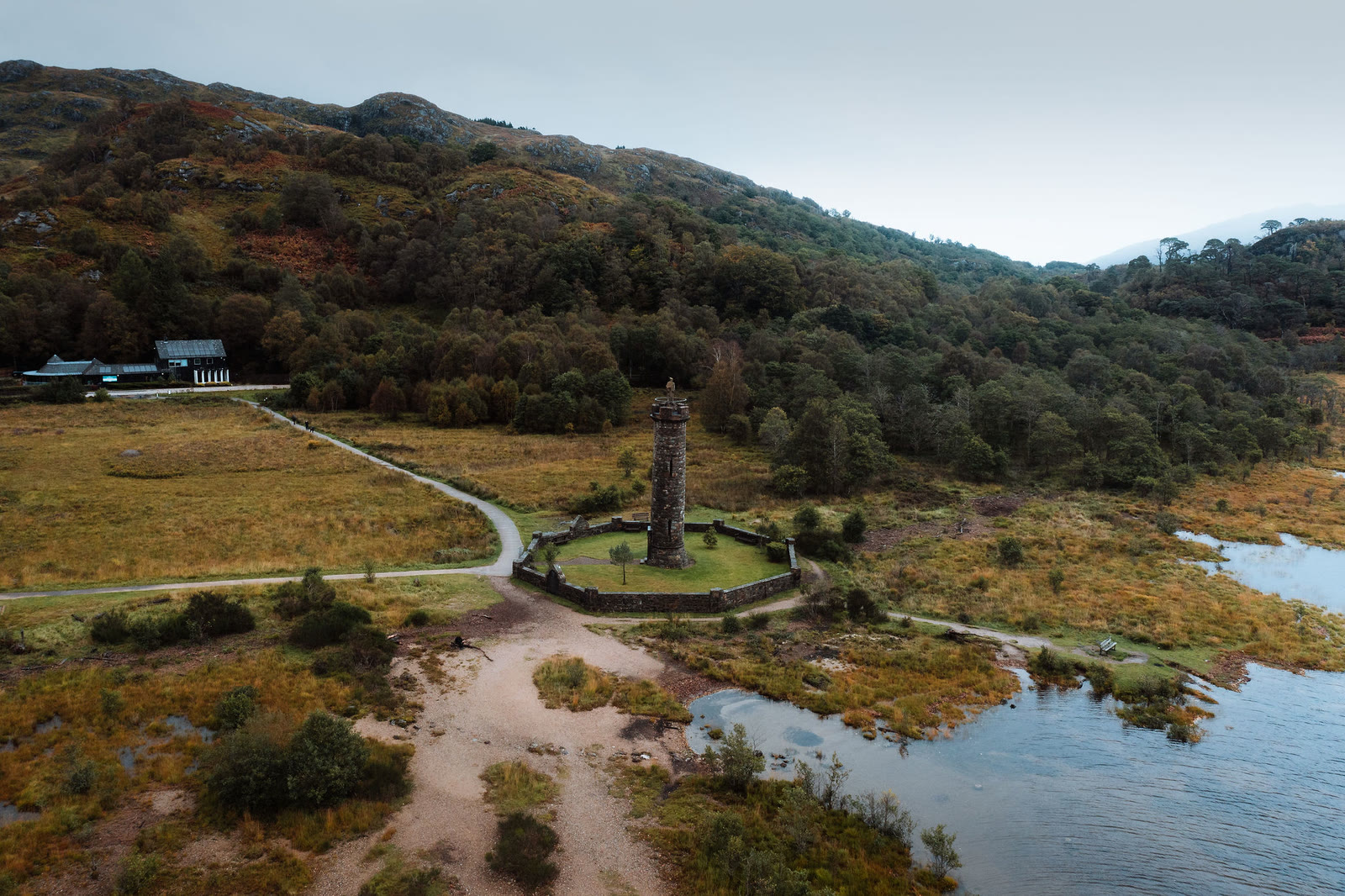
A tower with a lone Highlander at the head of Loch Shiel, where Bonnie Prince Charlie raised his standard in 1745.
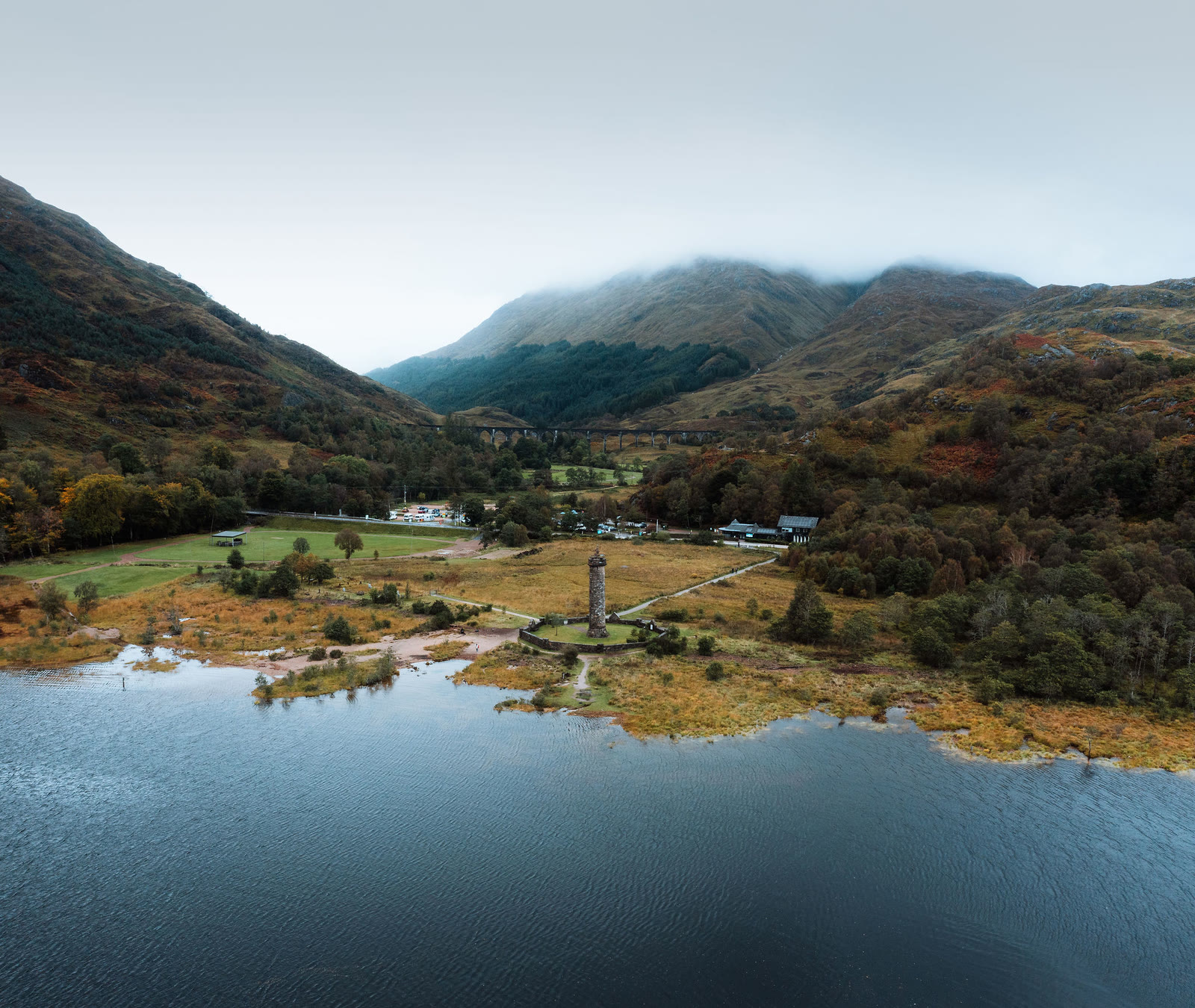
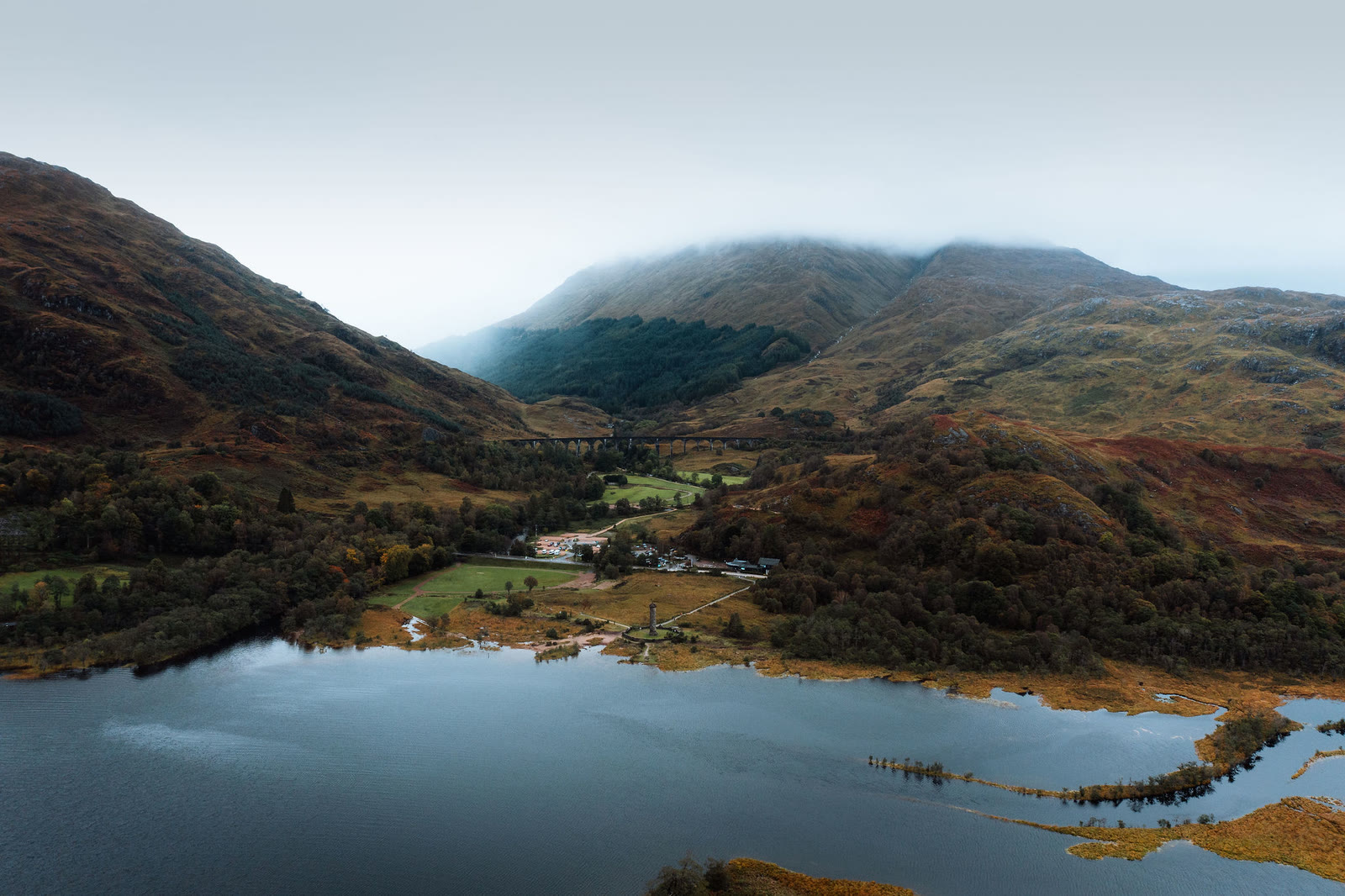
The Glenfinnan Monument stands at the head of Loch Shiel, ringed by mountains, and it marks the place where the last Jacobite rising began.
On 19 August 1745, eight months before Culloden, some 1,200 Highlanders gathered here to pledge themselves to Prince Charles Edward Stuart. The royal standard was raised, a brandy shared, and they set off on the campaign to win back the British throne for the Stuarts.
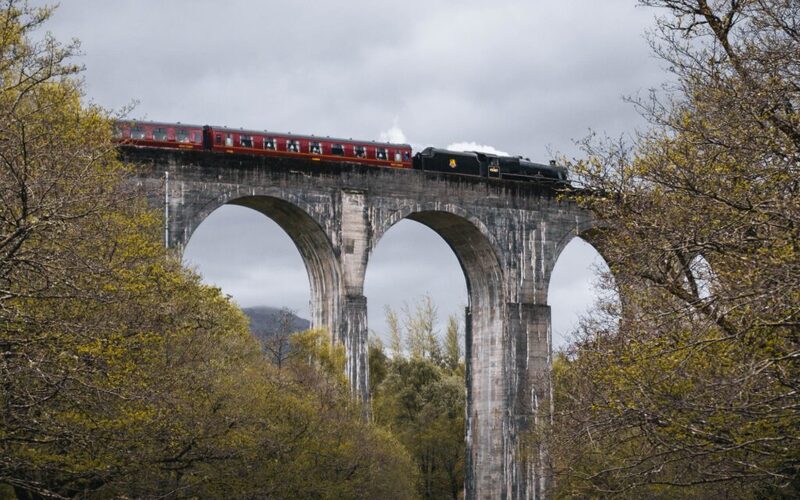
The tower, 18 metres high, was built in 1815 in memory of the clansmen who died for the cause, and a lone Highlander stands on top. You can climb the tower to stand beside him and look down Loch Shiel. The National Trust for Scotland's visitor centre tells the story of Bonnie Prince Charlie and the '45 in English and Gaelic, with a model of the gathering, and has a shop and café. Nearby the Glenfinnan Viaduct curves above the River Finnan, and the Jacobite steam train crosses it in summer. Parking is limited, so come by bus or train if you can.
The grounds are open daily.
The visitor centre opens daily, 9.30am to 6pm in season; the monument is climbed at set times, 11am to 12.30pm and 1.30pm to 4pm, and can be booked online. Adults £5; parking £5, and the car park fills, so come by bus or train if you can.
They came in August 1745 to pledge themselves to Prince Charles Edward Stuart, eight months before Culloden. The standard was raised, brandy was shared, and the campaign began.
The monument is 18 metres high and was built in 1815. The figure on top is a lone Highlander.
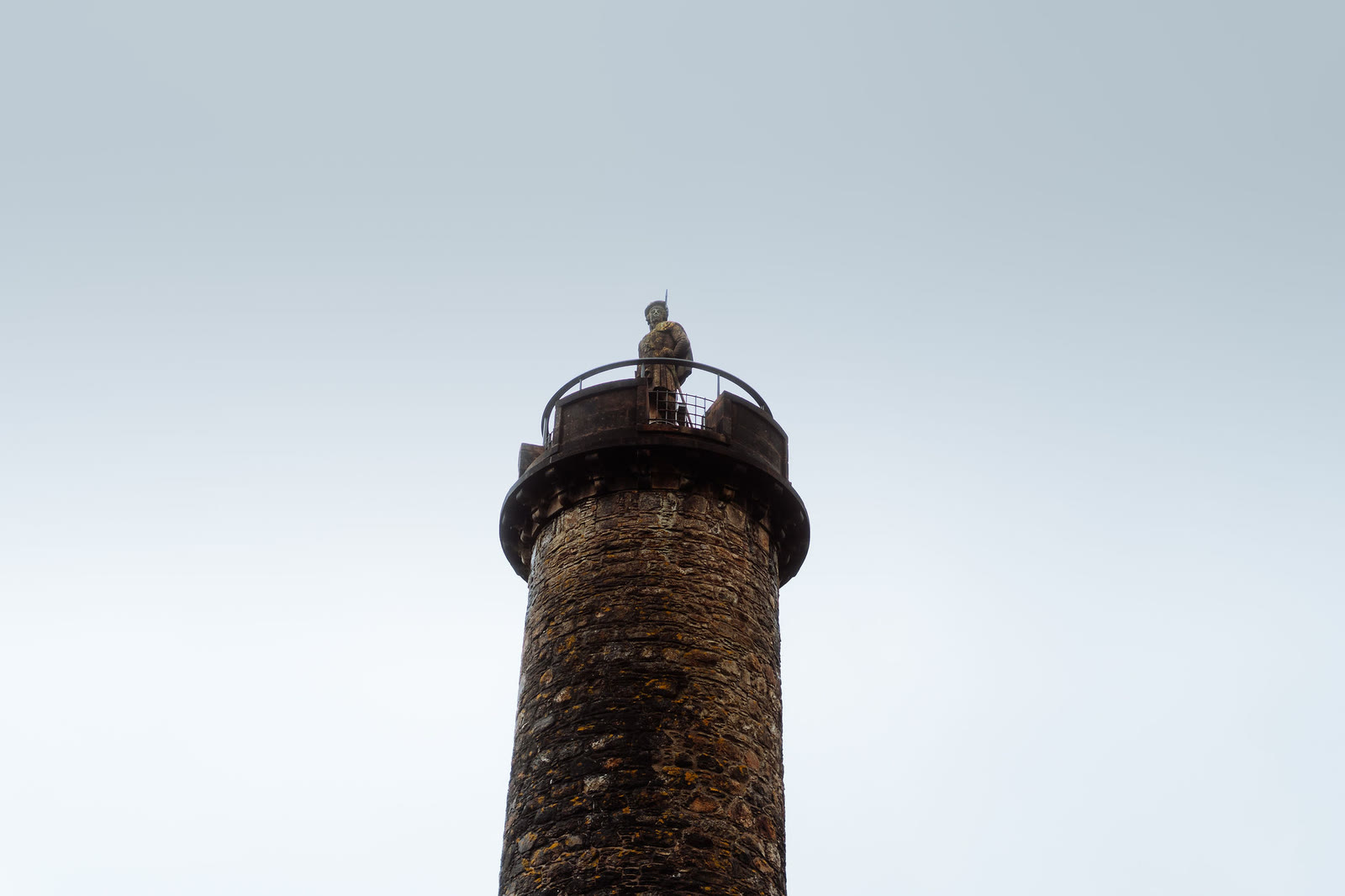
The stair inside is narrow and steep, and the reward at the top is the view straight down Loch Shiel.
At the head of Loch Shiel, ringed by mountains, a tall tower marks the spot where the last Jacobite rising began. On 19 August 1745, Bonnie Prince Charlie raised his standard here, and some 1,200 Highlanders gathered to follow him. The monument went up in 1815 in memory of the clansmen who died for the cause, and a lone Highlander stands on top. Climb the tower for the view down the loch. The National Trust for Scotland's visitor centre tells the story in English and Gaelic, and has a café and shop.
Read more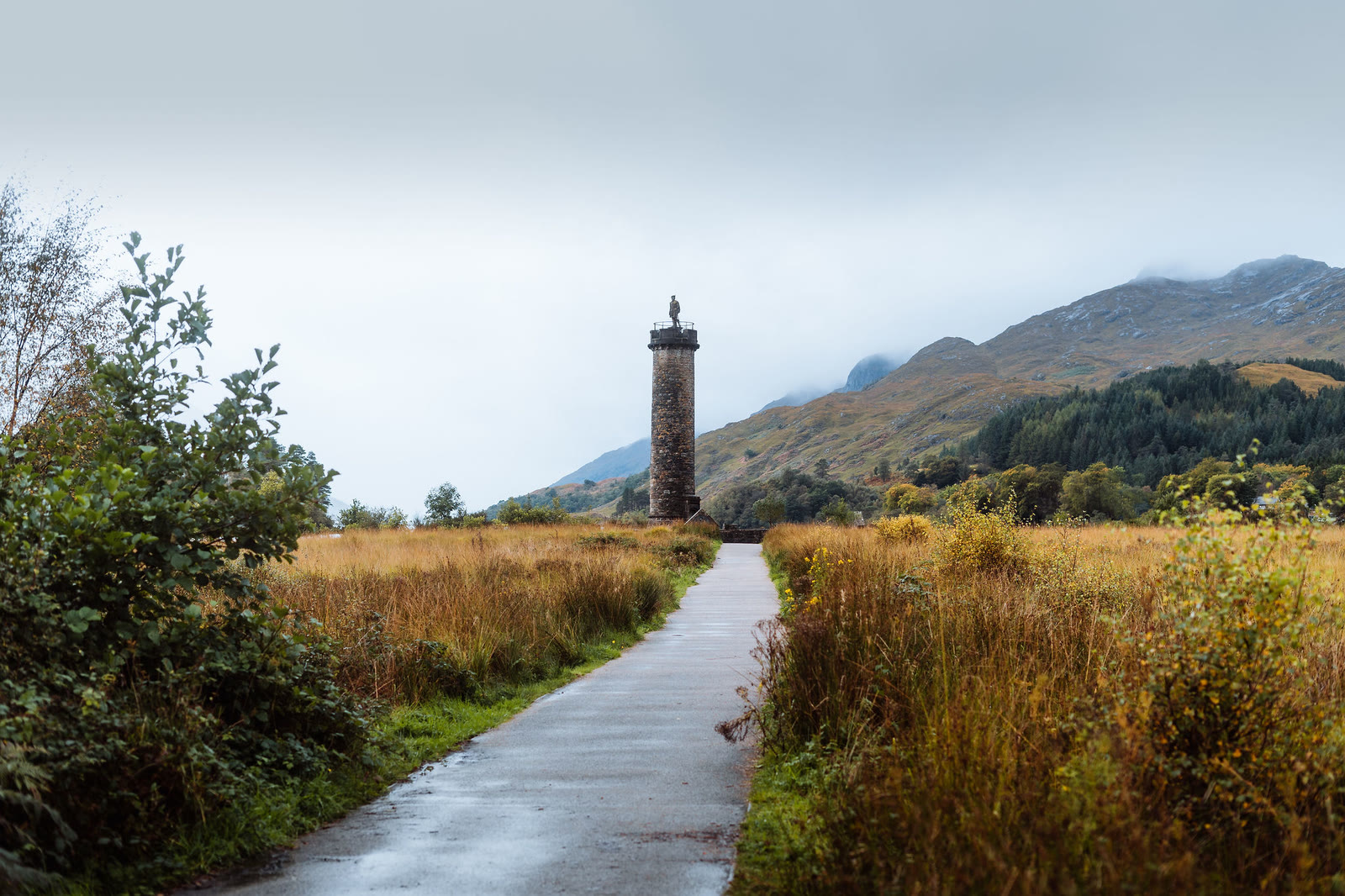
New places, news and stories, as we find them.
What is on in Fort WilliamGlenfinnan.
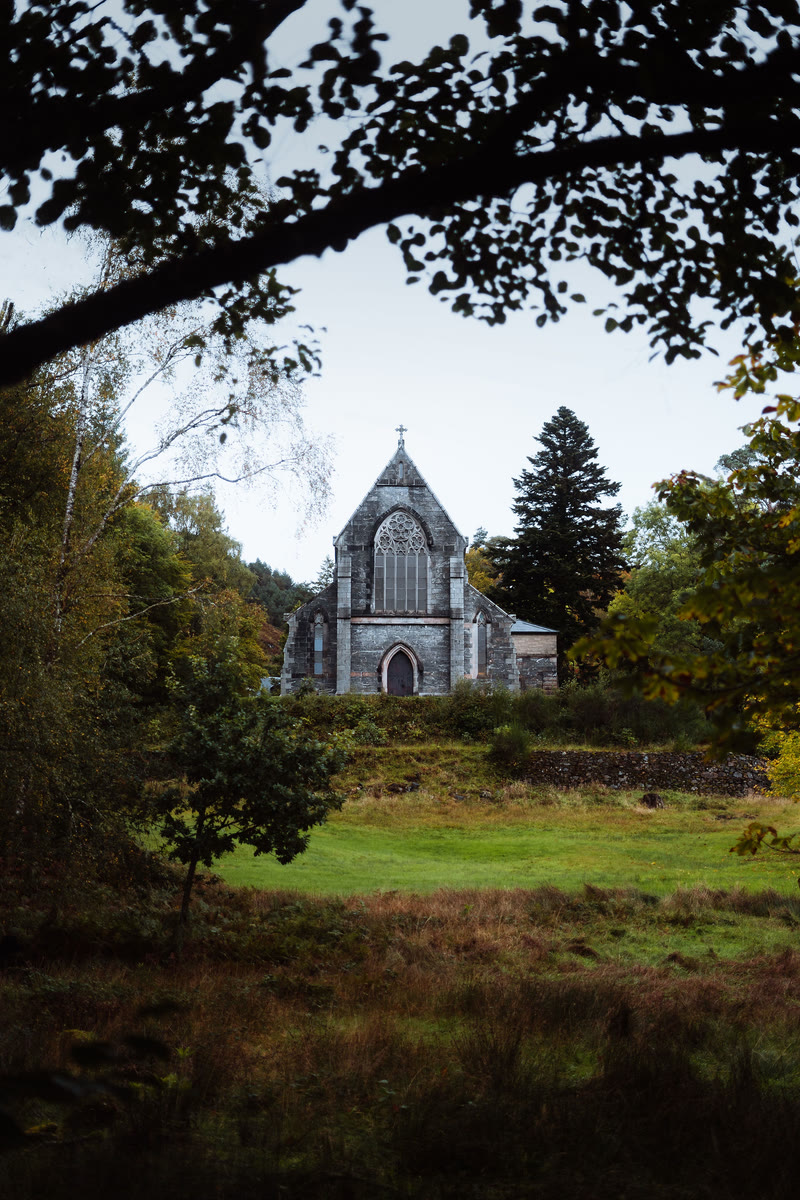 Saint Mary & Saint Finnan ChurchA Gothic church of 1873 on the hillside at Glenfinnan, looking down Loch Shiel, its bell hung outside.Under a mile 1 min by road
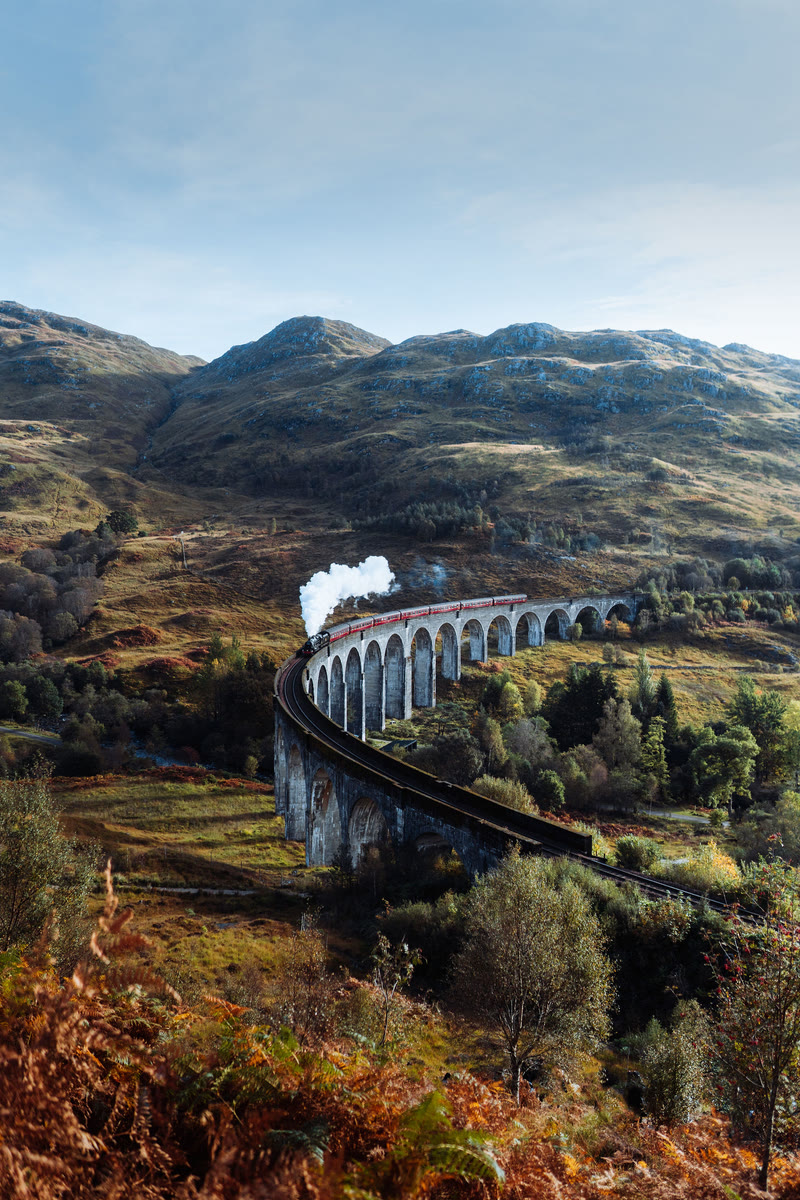 Glenfinnan ViaductTwenty-one concrete arches curving over the River Finnan, carrying the West Highland Line and the Jacobite since 1901.Under a mile 2 min by road
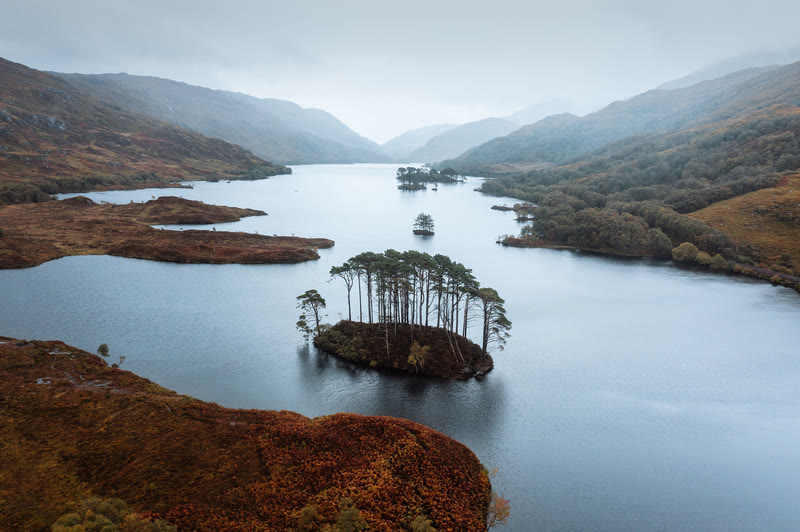 Loch EiltA long loch beside the Road to the Isles and the West Highland line, whose little pine island played Dumbledore's grave in Harry Potter.7 miles 9 min by road
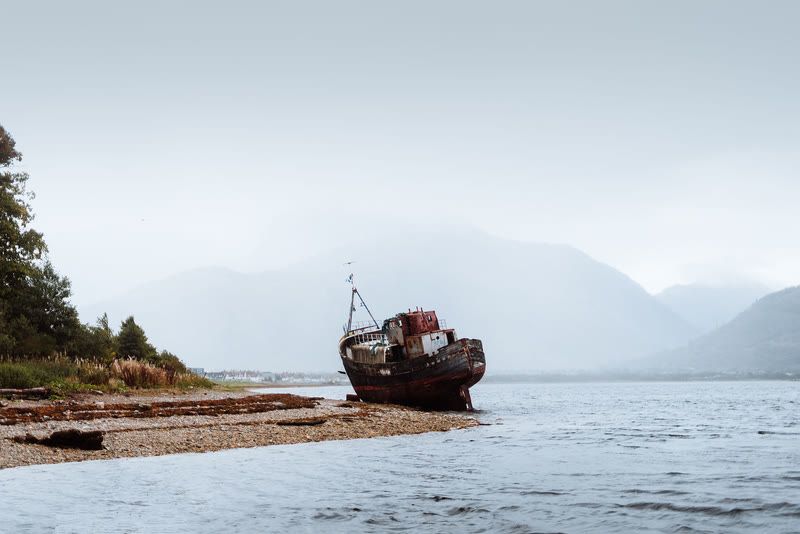 Corpach WreckA rusting fishing boat beached on the shore of Loch Linnhe at Corpach since a storm in 2011, with Ben Nevis behind.10 miles 13 min by road
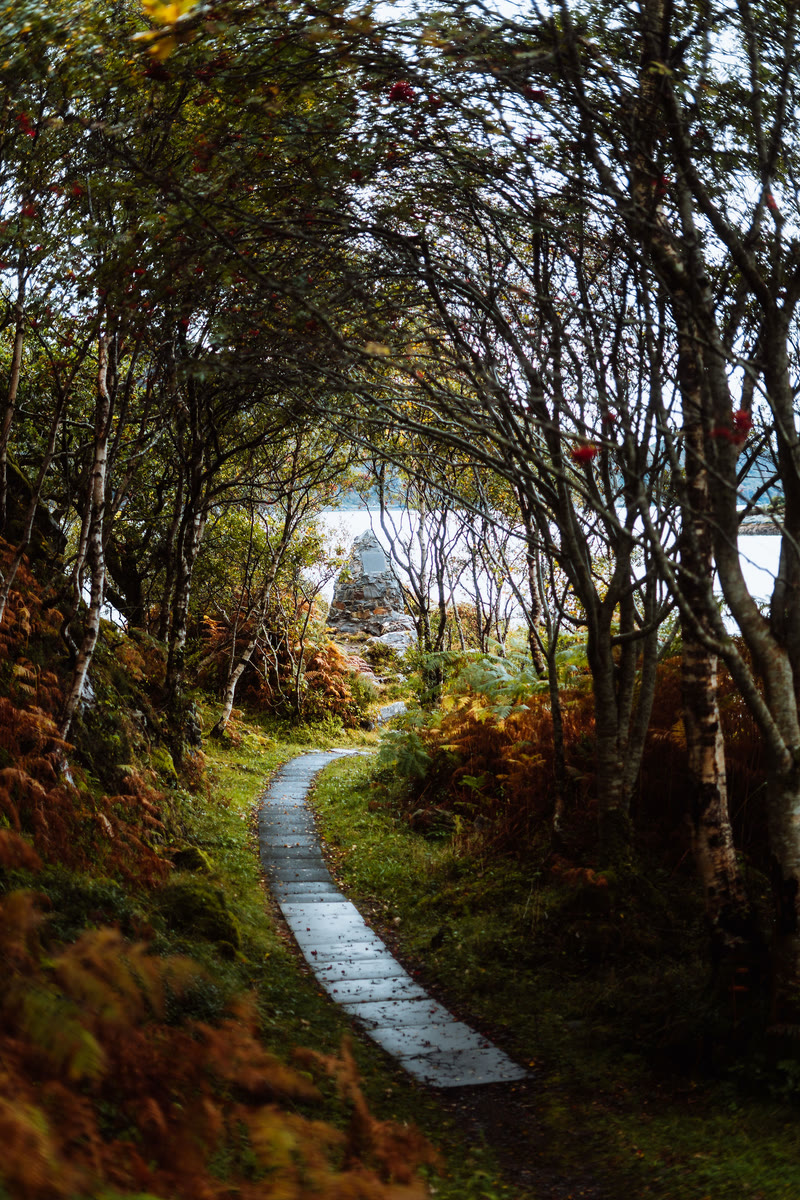 The Prince's CairnA stone cairn on the shore of Loch nan Uamh, marking where Bonnie Prince Charlie left Scotland for France on 20 September 1746.14 miles 18 min by road
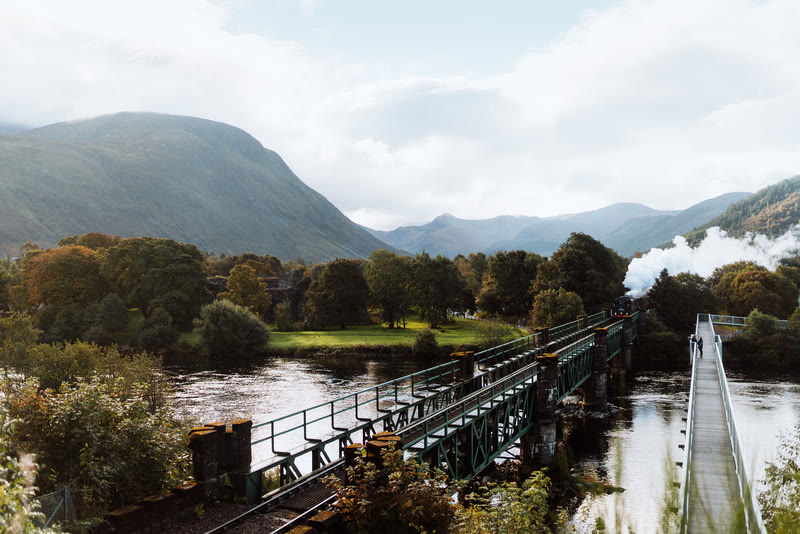 Jacobite Steam TrainA steam train from Fort William to Mallaig and back, 84 miles over the Glenfinnan Viaduct, in summer.17 miles 27 min by road
Nothing of ours in this part of the map.
Arrives at 5am every day.
A free morning email to see what’s on this week, catch up on what’s happening in Scotland and find somewhere new to go.
Places to stay near the monument, and when each is next free.
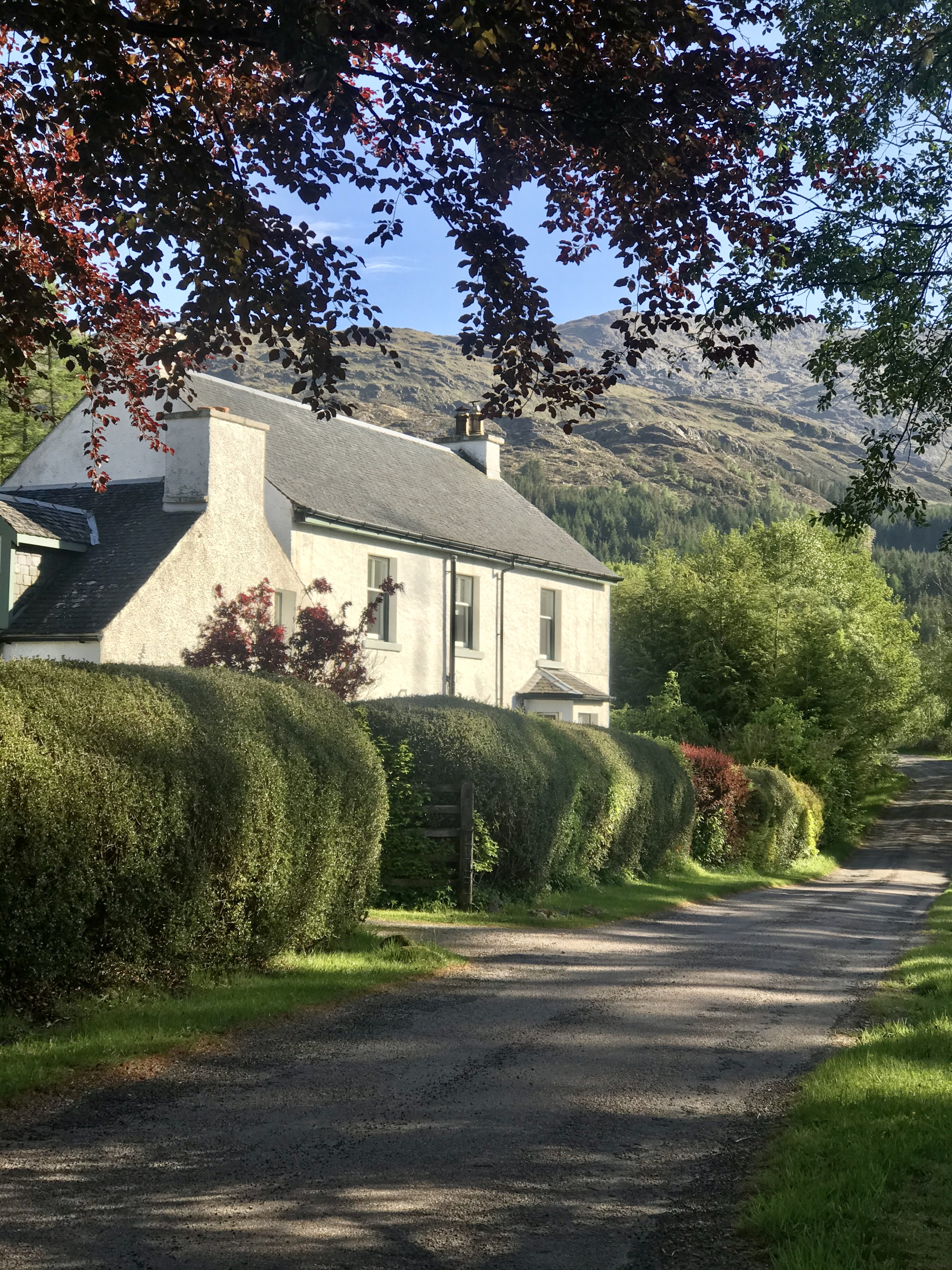 Glenhurich Lodge
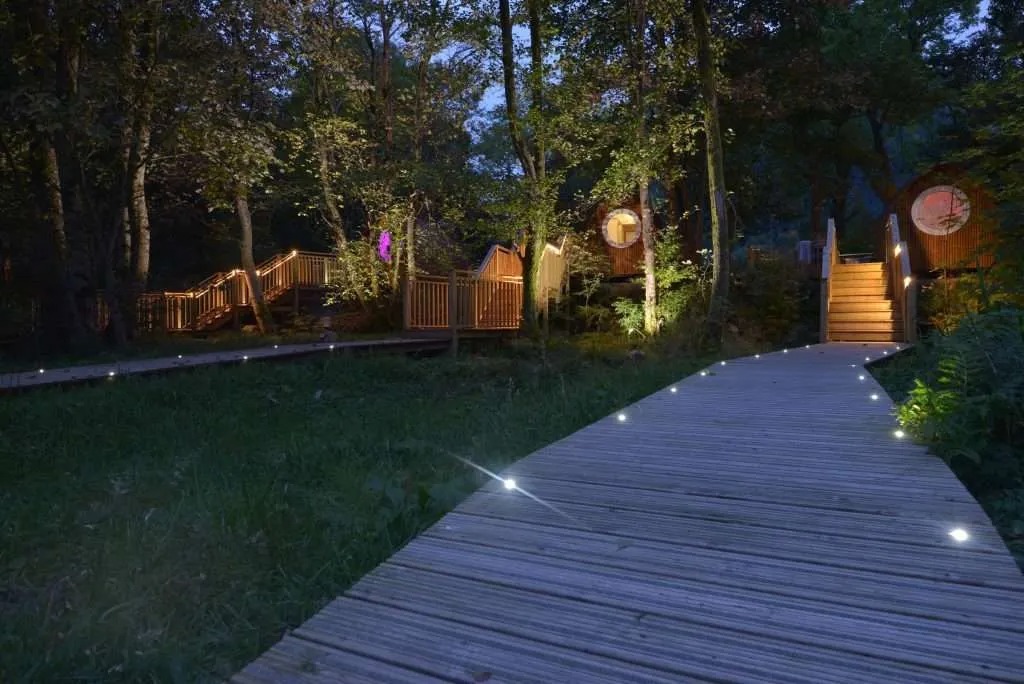 RiverBeds at Woodlands Glencoe
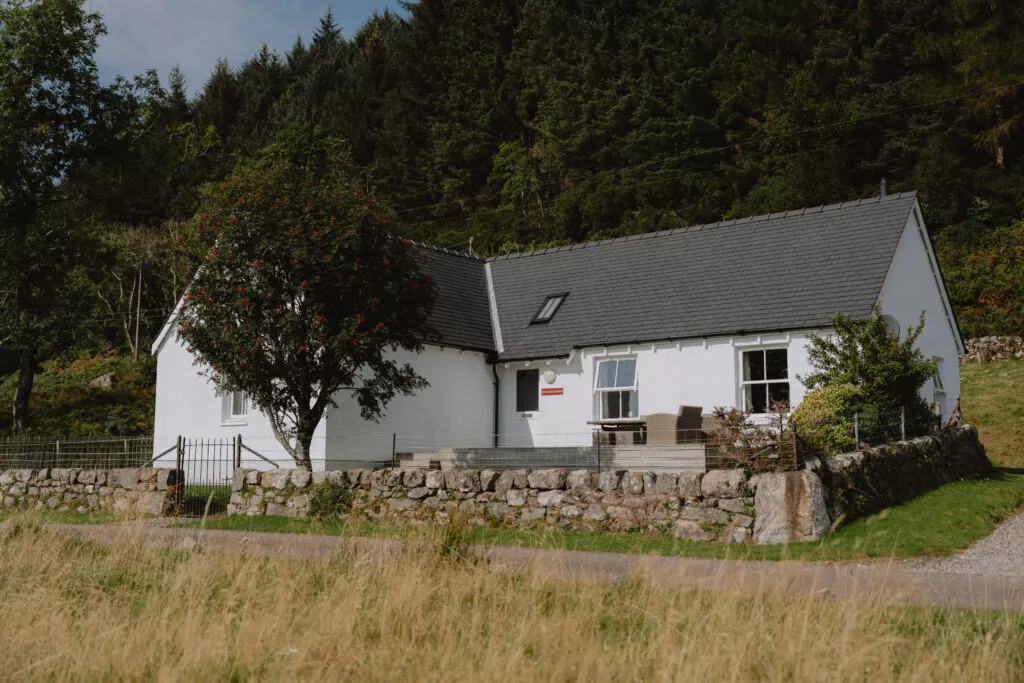 The Old School
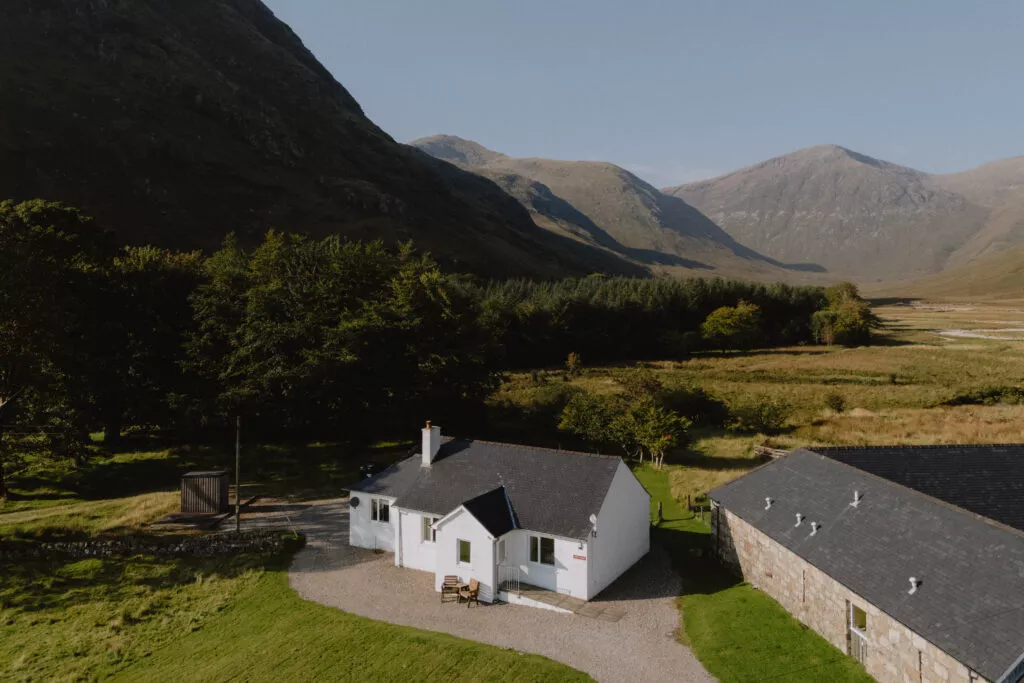 Curlew Cottage
We want to show you the best that Scotland has to offer. The makers and the creatives, the enduring experiences, the evocative tales, the concealed corners. The roads less travelled that take you to places that matter. The adventures that gather you up and sweep you away. The blend of the wild and the artistic that makes Scotland what it is. We’d love for you to join us.
For further reading, before you go.