Did you know
Renamed by Parliament.
In 1606 the Earl had an Act of Parliament passed to rename Castle Girnigoe as Castle Sinclair.
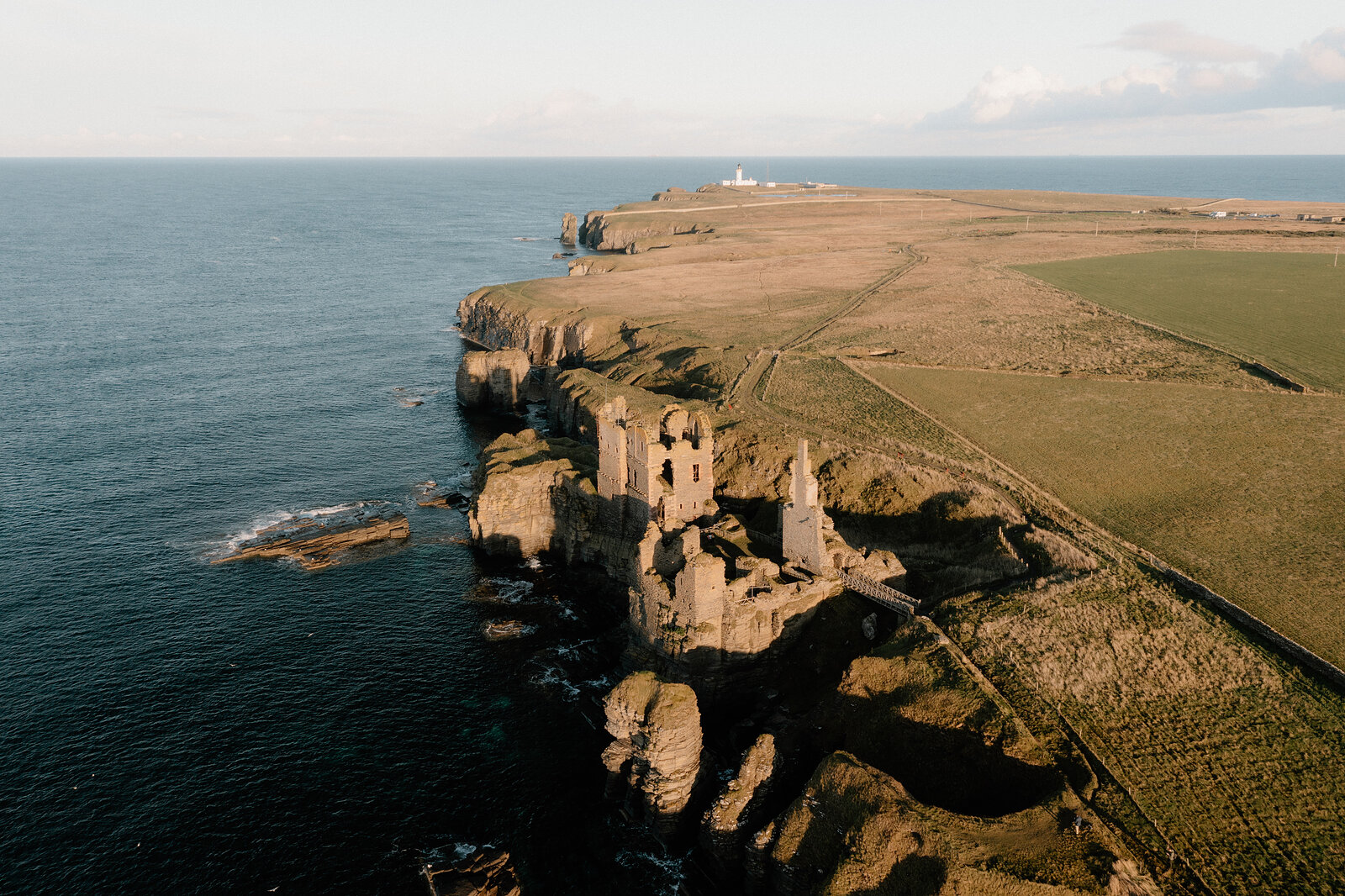
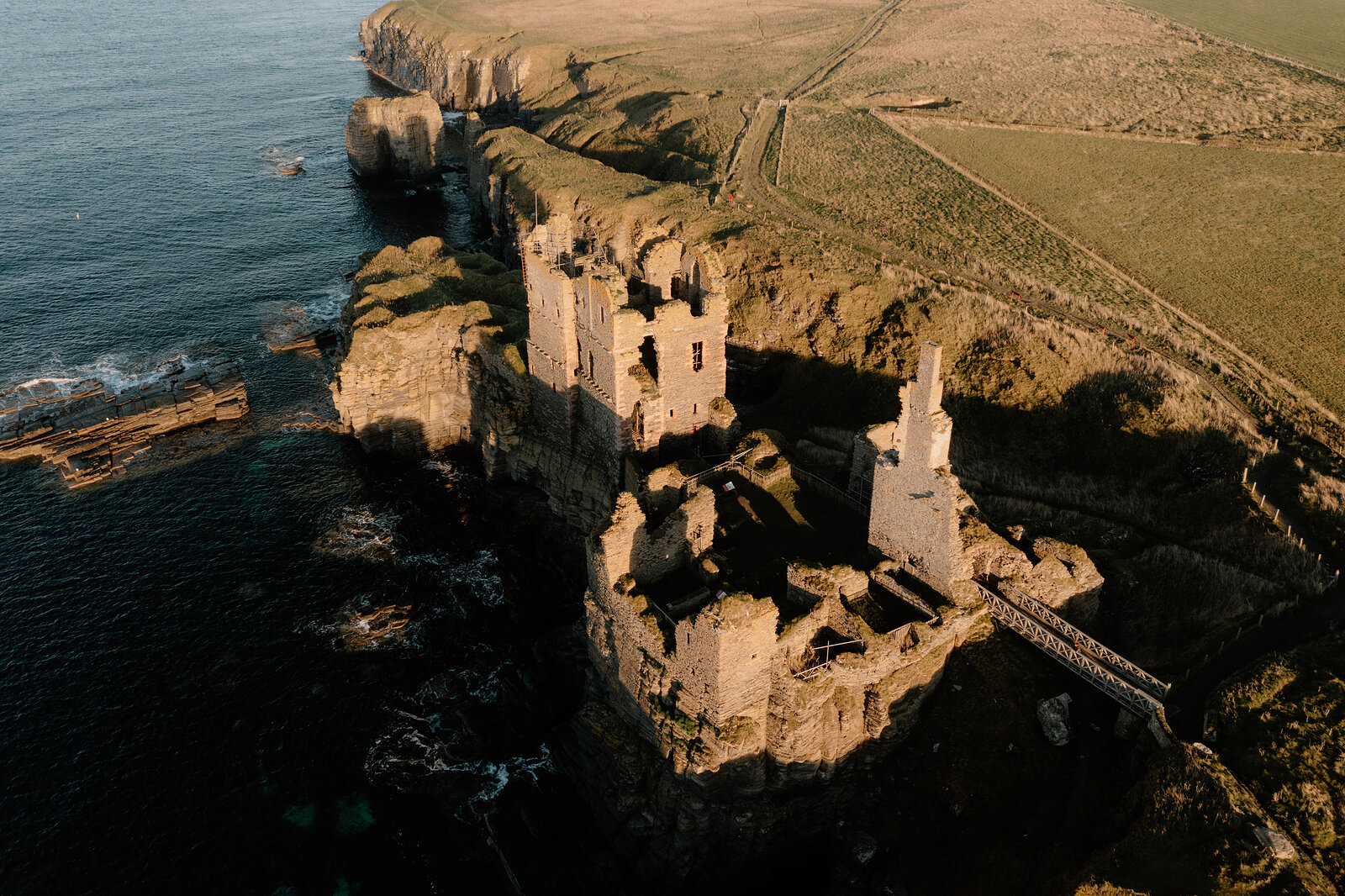
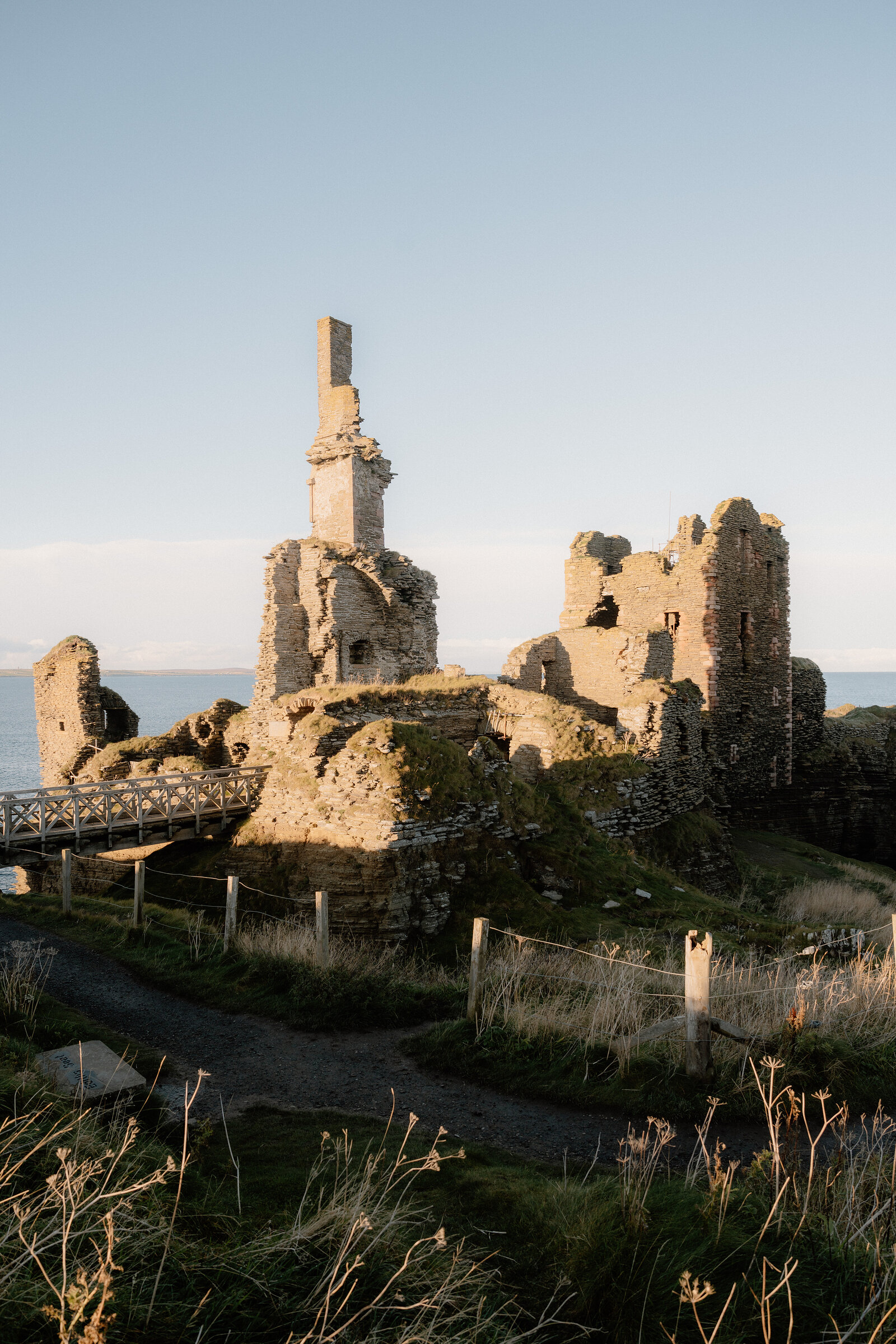
The dramatic clifftop ruin of the Sinclair Earls of Caithness, on a fin of rock by Noss Head north of Wick, a half-mile walk from the lighthouse road.
North of Wick, by Noss Head, the ruins of Castle Sinclair Girnigoe stand on a narrow fin of rock running out beside the shore, with cliffs dropping sheer to the sea on either side.
It is one of the most dramatic castles in Scotland.
It was the stronghold of the Sinclairs, Earls of Caithness, for three hundred years. The first castle, Girnigoe, was probably built here in the late 1300s; it grew over the centuries, and in 1606 the fifth earl, the Wicked Earl, had it renamed Castle Sinclair by Act of Parliament. It saw imprisonment, feuds and a siege, and in 1680, after a family quarrel over the earldom, it was stripped of its roofs and floors and left to the weather.
A half-mile path leads from the lighthouse road to a bridge over the old rock-cut ditch, where boards tell the story. The great broken tower house still stands five storeys high. The cliffs are unfenced, so take care.
The Daily
Arrives at 5am every day.
A free morning email to see what’s on this week, catch up on what’s happening in Scotland and find somewhere new to go.
Free to visit at any time from the clifftop.
The way into the castle itself has been closed at times because of loose masonry; follow the signs on the day.
Been here? Tell others what you know, and the best go on this page with your name.
Add your reviewIn 1606 the Earl had an Act of Parliament passed to rename Castle Girnigoe as Castle Sinclair.
In 1588 the Earl of Sutherland burned Wick and besieged the castle for twelve days, and failed.
Even closer to Wick – and arguably even more picturesque – is Castle Sinclair Girnigoe, first constructed around 1470 and subsequently enlarged, but uninhabited since 1690. Its current state of photogenic decay, balanced above the raging North Sea, conceals a prestigious past that once made it one of the most important bases in the region. In addition, it was occupied by Oliver Cromwell’s troops during the Civil War.
Read moreWhile often claimed to be two separate strongholds, Castle Sinclair Girnigoe is actually just one castle known by two titles until they were merged into a single name to ease confusion.
Read moreNew places, news and stories, as we find them.
What is on in CaithnessOn the coast by Noss Head, three miles north of Wick; park by the Noss Head lighthouse road.
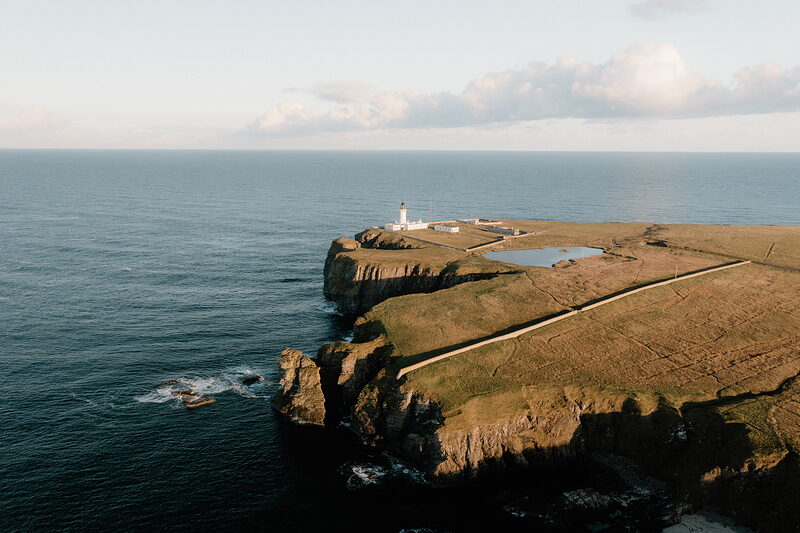 Noss Head LighthouseUnder a mile 3 min by road
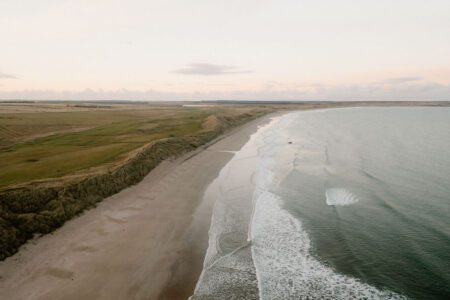
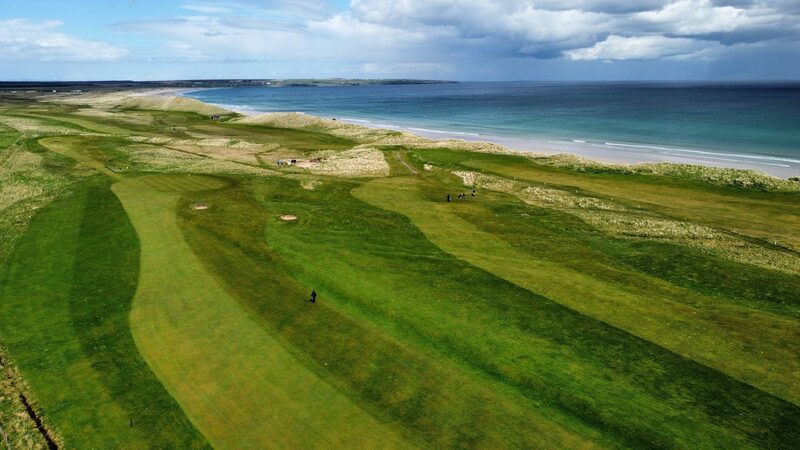 Wick Golf ClubAn 18-hole links at Reiss, three miles north of Wick, played since 1873 and redesigned by John Sutherland of Royal Dornoch in 1907.3 miles as the crow flies
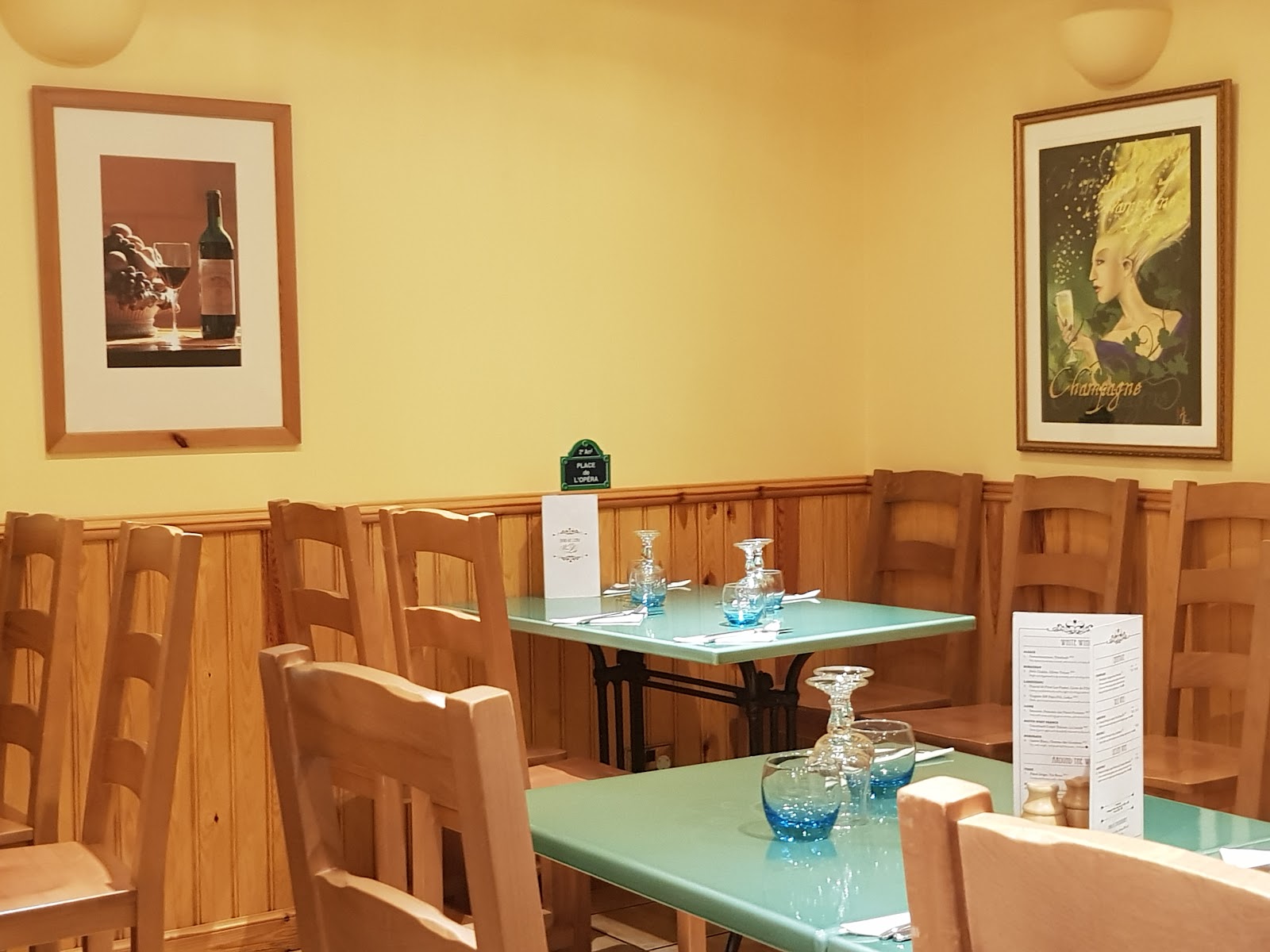 Bord de l'EauFrench dinner in Wick.4 miles 15 min by road
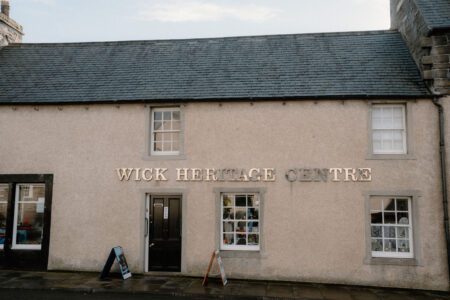
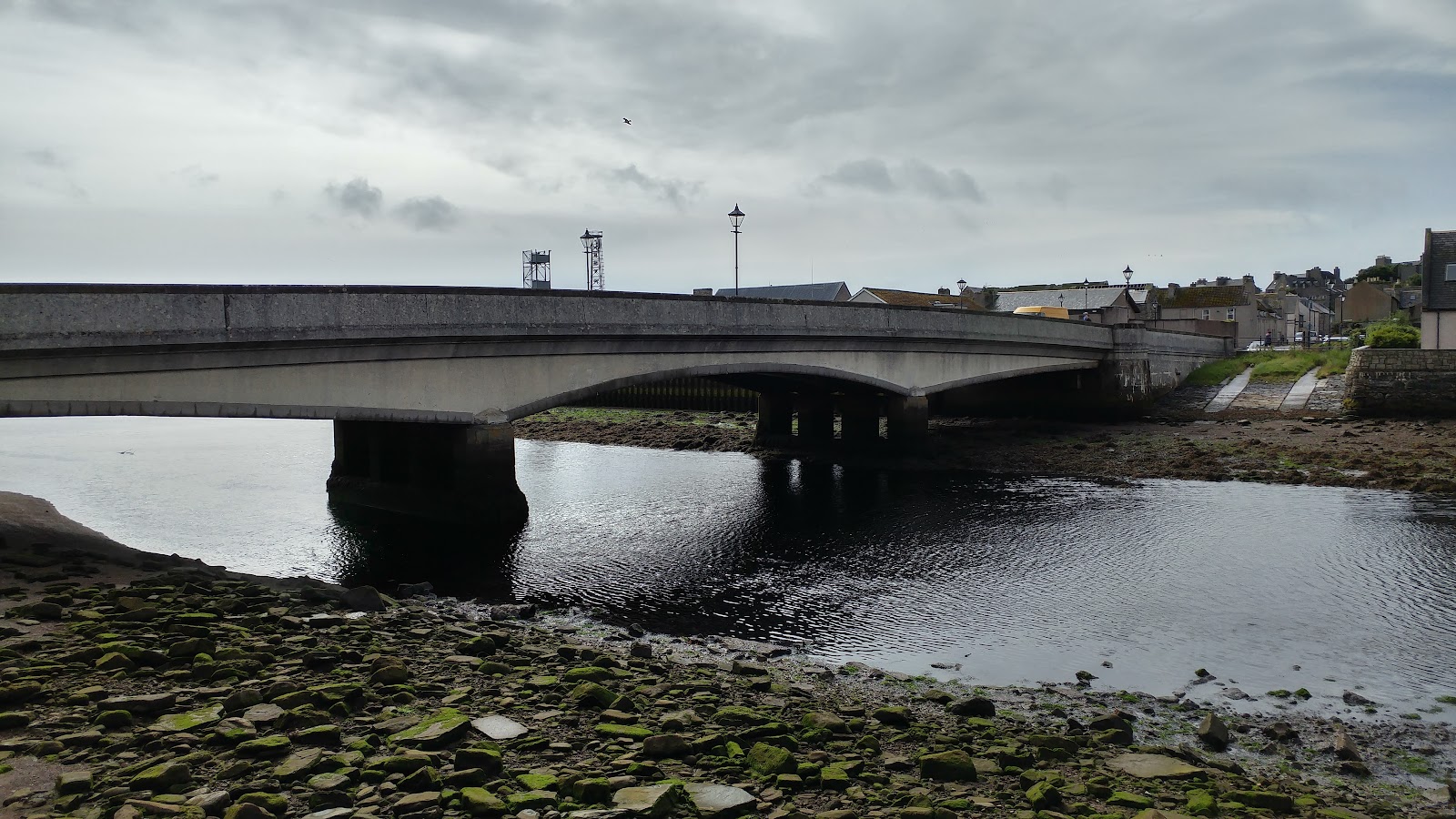 Wick Heritage CentreThe main Caithness town of Wick has one of the best local museums, and it is bigger inside than it looks from the street.4 miles 15 min by road
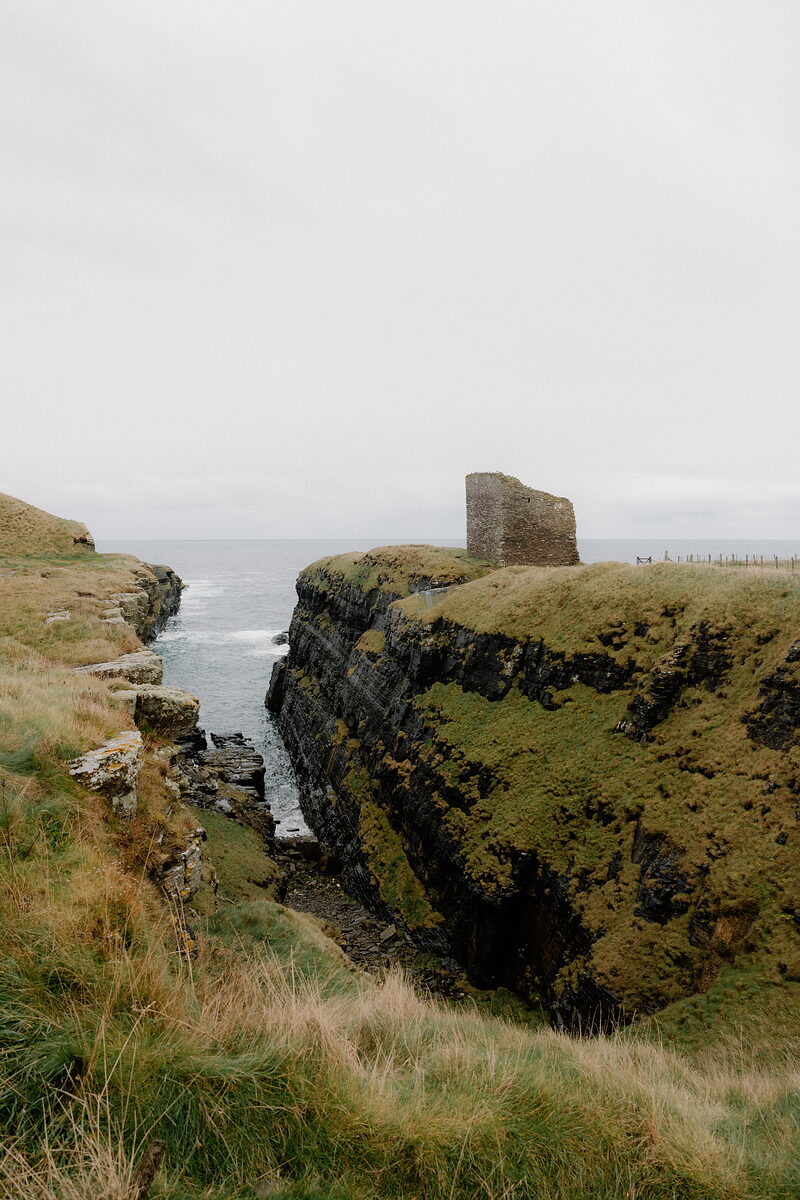 Castle of Old WickThe oldest castle in Caithness, south of Wick.6 miles 23 min by road
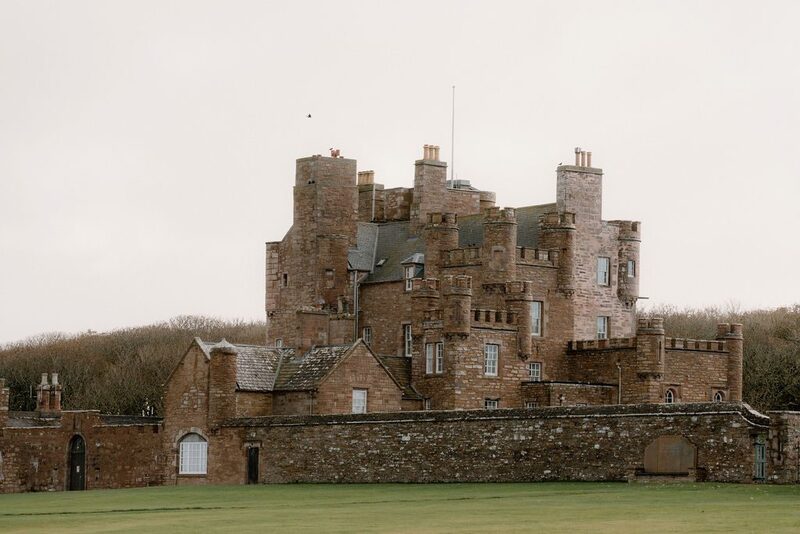
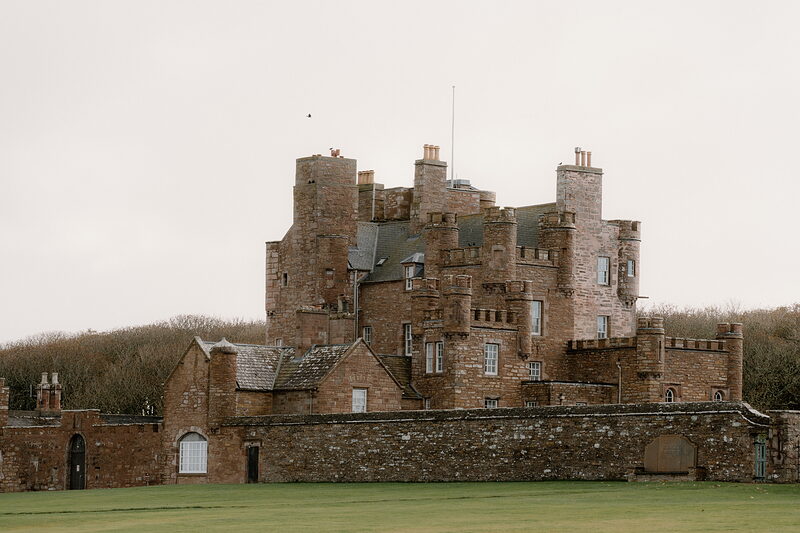 Castle & Gardens of MeyThe Sinclairs' other castle, at Mey.28 miles 54 min by road
Places to stay near the castle, and when each is next free.
We want to show you the best that Scotland has to offer. The makers and the creatives, the enduring experiences, the evocative tales, the concealed corners. The roads less travelled that take you to places that matter. The adventures that gather you up and sweep you away. The blend of the wild and the artistic that makes Scotland what it is. We’d love for you to join us.
What we have written about it, the collections it is in and more in Caithness.
For further reading, before you go. The details on this page were checked on .