
A Day of Castle Hunting from Glen Dye
Written by Jack Cairney
.jpg)
Starting from Glen Dye’s quiet woodland estate, this route traces a full sweep through Aberdeenshire’s castle country. It moves from sea-battered clifftops to turreted tower houses and royal estates, linking places shaped by centuries of Scottish story. Along the way you’ll pass through fishing towns, farmland and Highland foothills, each stop adding its own chapter to the day.
First are the dramatic ruins of Dunnottar Castle, clinging to a headland above the North Sea. The walk across the cliffs sets the tone: steep paths, sweeping views and stonework that has endured storms, sieges and a cast of historical figures from Mary Queen of Scots to Cromwell’s armies.
From here the route dips into Stonehaven, a harbour town where the pace softens and fishing boats sway in sheltered waters. Inland again, Crathes Castle offers a different experience entirely, its painted ceilings and formal gardens preserved with remarkable care. After calling into the Hidden Scotland Shop and Ride Coffee House for a break, the road leads towards Royal Deeside, where Balmoral Castle sits among mountains and rivers long associated with the monarchy.
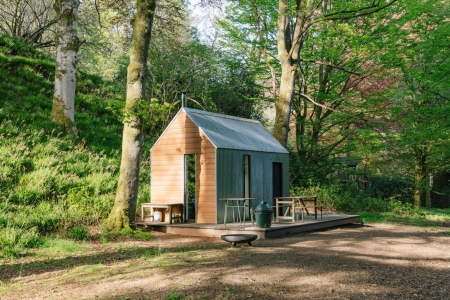
The day finishes in Ballater, a welcoming place for dinner before returning to Glen Dye. Back at the estate, the glow of The Glen Dye Arms and the quiet of surrounding woodland provide a gentle close to your castle-hunting adventure.
Wake up at Glen Dye
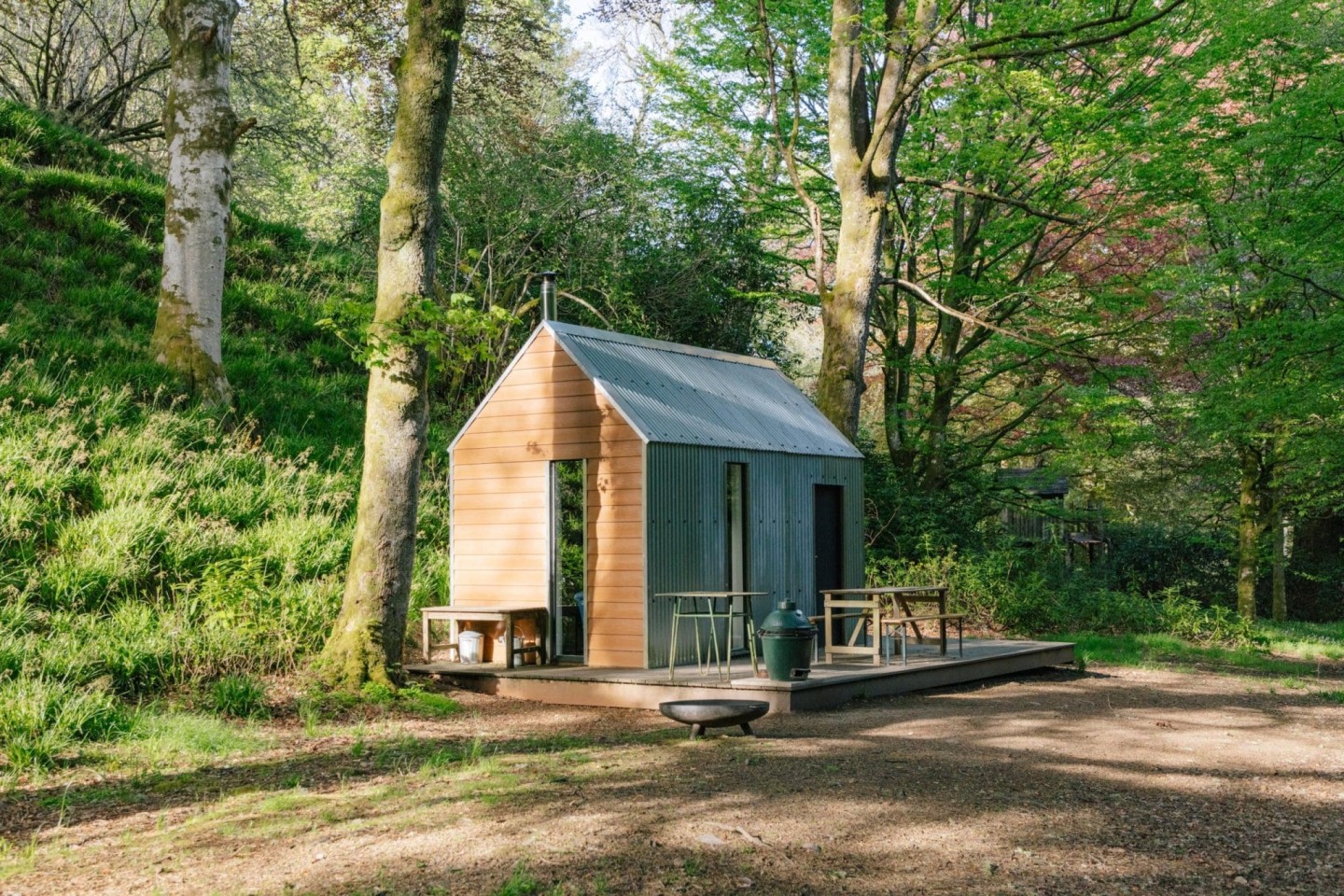
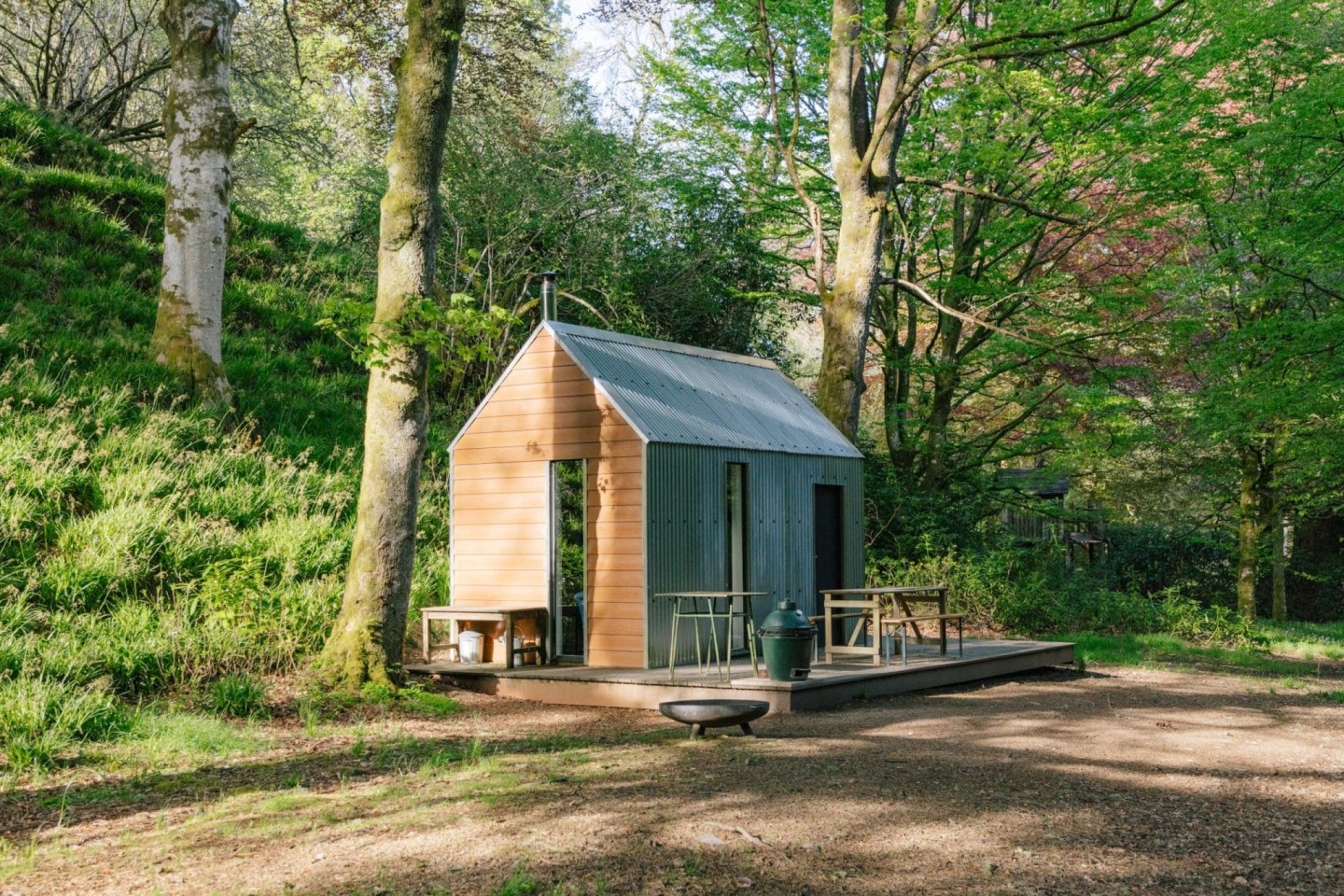
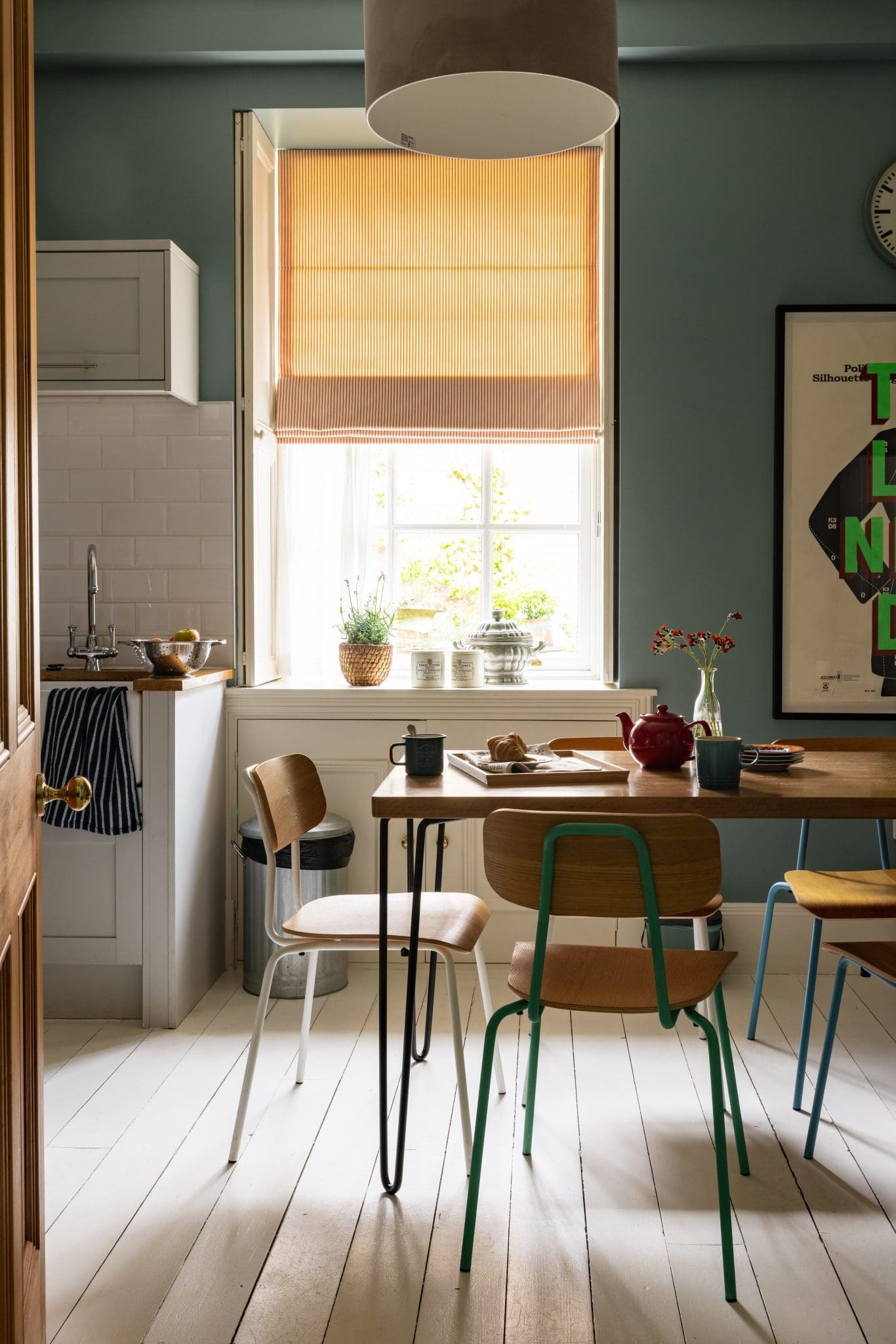
Begin your morning with breakfast on Glen Dye’s peaceful grounds, surrounded by Scots pines and wide stretches of heath. The route towards the coast is straightforward, taking around 35 minutes. It starts on narrow estate roads, then moves through open farmland where low hills rise on the horizon.
As the road climbs gently towards the outskirts of Stonehaven, the coastline comes into view. The deep blue of the North Sea appears between fields, signalling that Dunnottar Castle is close. The final approach is a striking one, with the headland emerging almost suddenly from the landscape.
Dunnottar Castle
Dunnottar Castle stands on a near-isolated lump of rock above the churning sea, its position alone enough to show why this stronghold once mattered so deeply. The site played key roles during Scotland’s turbulent centuries, including the story in which a small garrison hid the Crown Jewels from Cromwell’s forces.
Visitors can explore the surviving structures, including the chapel, gatehouse and the remains of the great hall. Weathered stone, steep steps and exposed walkways make the experience atmospheric, though challenging for those with limited mobility. Paths from the car park lead down the slope and up again to the main entrance, offering dramatic views of the cliffs and sea birds circling overhead.
Tickets cost £8 for adults (£3 children, £7 concessions), and opening times change with the seasons. Early morning brings soft light on the stone, while late afternoon often casts warm tones across the ruins.
Visitor Tip
Photography is especially rewarding just after sunrise or in the golden light before dusk, when the cliffs glow and long shadows stretch across the courtyards.
Stonehaven
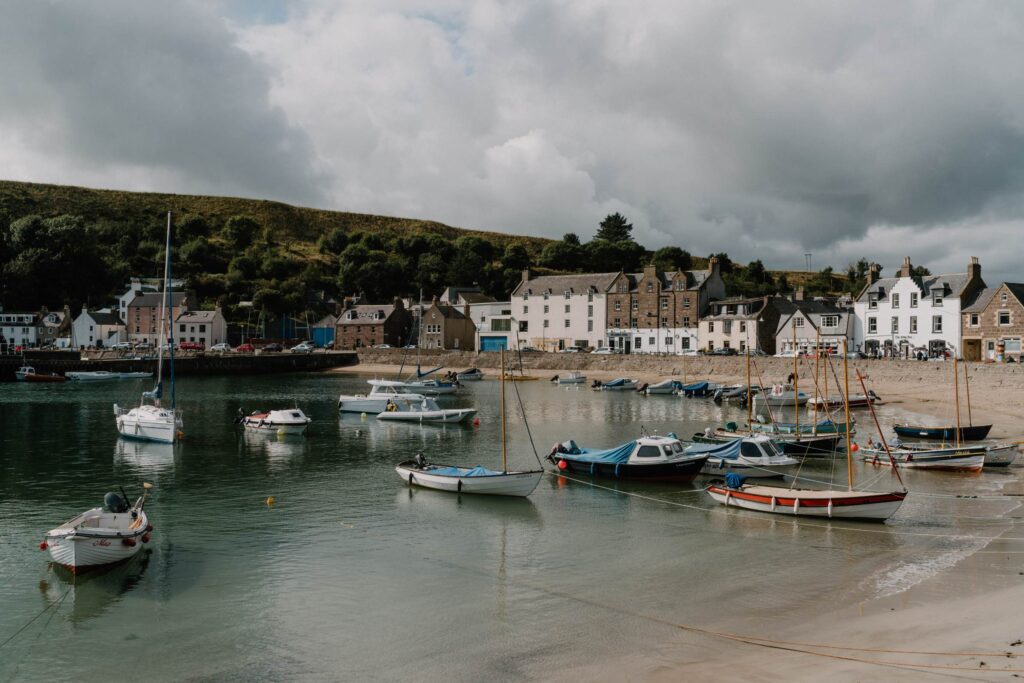
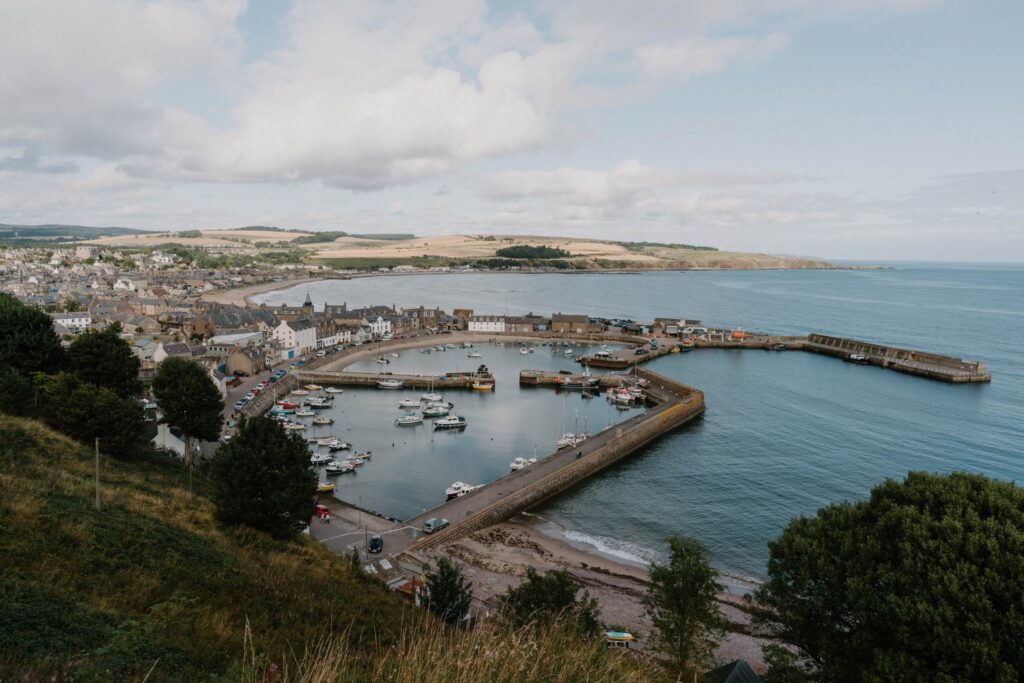
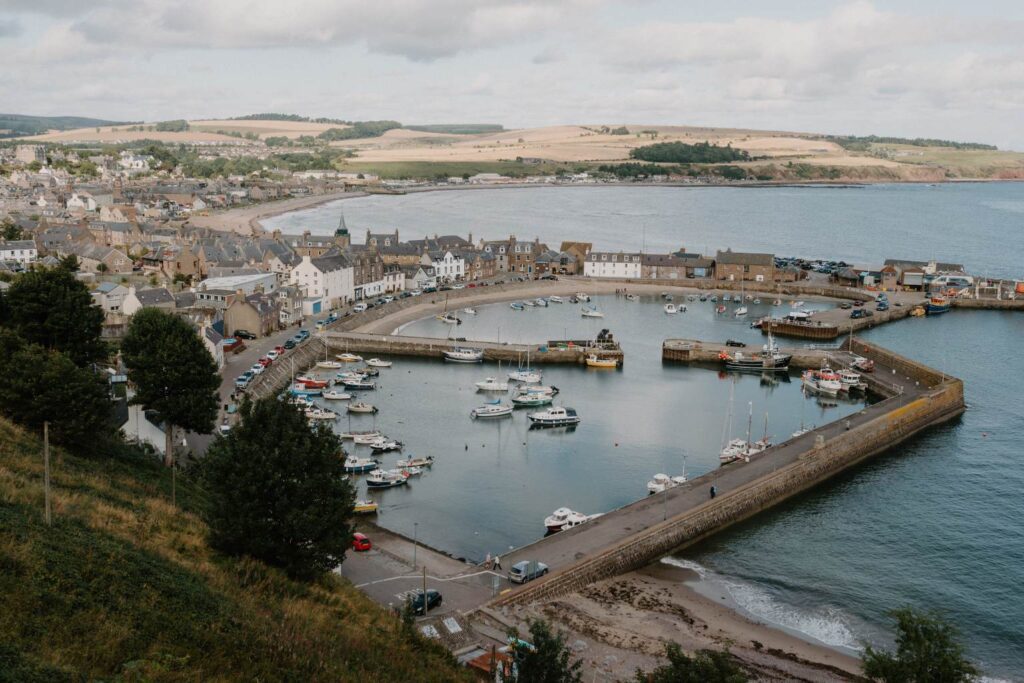
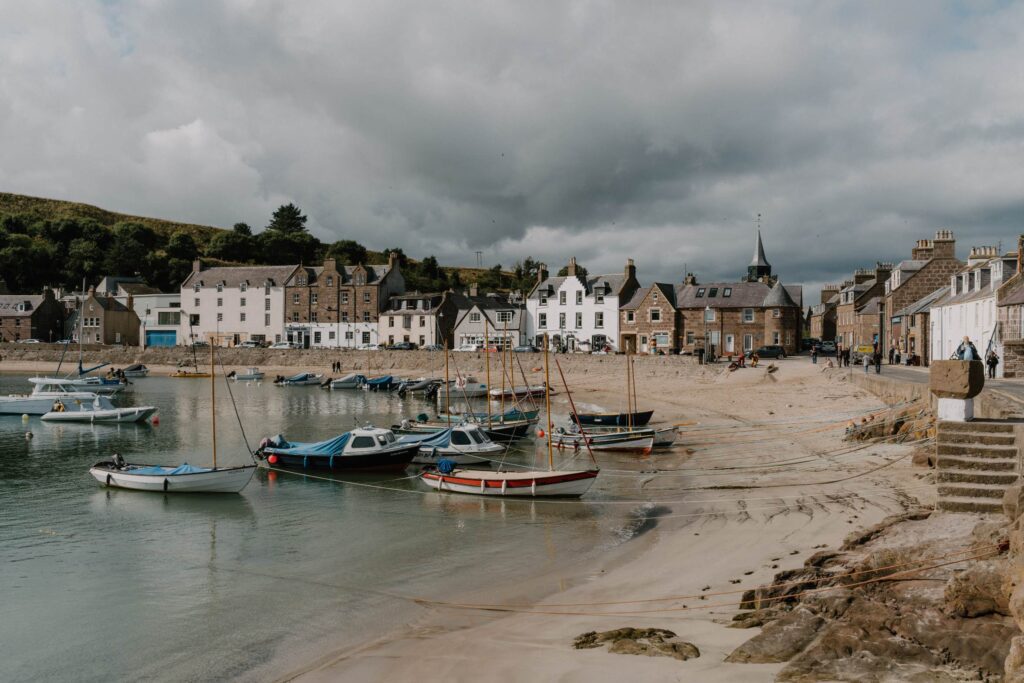
Stonehaven is a compact harbour town where the sea defines almost everything. After leaving the wild headlands around Dunnottar, the descent into town feels like a shift into calmer waters. The harbour, shaped by curving piers, hosts fishing boats that rise and fall with the tide, while rows of stone cottages sit close to the shoreline.
The old town has a wandering layout of narrow streets, small cafés and independent shops. On clear days, the promenade is a pleasant place to pause, with benches facing towards the bay and the sea wall offering shelter from the wind. The view stretches across sweeping sands to the north, where locals swim through the summer months and hardy regulars brave the waves all year.
Food options range from seafood stalls on the harbour front to traditional bakeries in the town centre. Stonehaven is also known for its open-air art trail, where murals and small installations appear along the shoreline route.
For travellers heading inland towards Crathes Castle, Stonehaven makes an ideal mid-morning stop. It offers a chance to reset after time on the clifftops, with harbour scenery that contrasts with both the ruins of Dunnottar and the wooded landscapes to come.


Crathes Castle
The drive north from Stonehaven crosses rolling farmland, before Crathes Castle appears above a sweep of ancient yew hedges. This 16th-century tower house remains remarkably intact, its warm stone and clustered turrets forming one of the most recognisable silhouettes in Aberdeenshire.
Inside, the painted ceilings are an immediate highlight. Detailed scenes of figures, symbols and plants decorate several rooms, preserved with care that allows visitors to appreciate work created centuries earlier. The Burnett family lived here for more than 350 years, leaving layers of history in carved furniture, portraits and treasured objects, including the well-known Horn of Leys.
The gardens are equally impressive. Divided into distinct spaces bordered by towering yews, each area has its own planting style and season. In early summer the borders are vivid with colour, while colder months emphasise structure and shape.
Families often stay longer than planned thanks to the adventure playground, and the on-site café provides hot lunches, soups and baking. Staff are knowledgeable and quick to share the long-told story of the Green Lady, a figure said to wander one of the upstairs rooms.
Lunch at Ride
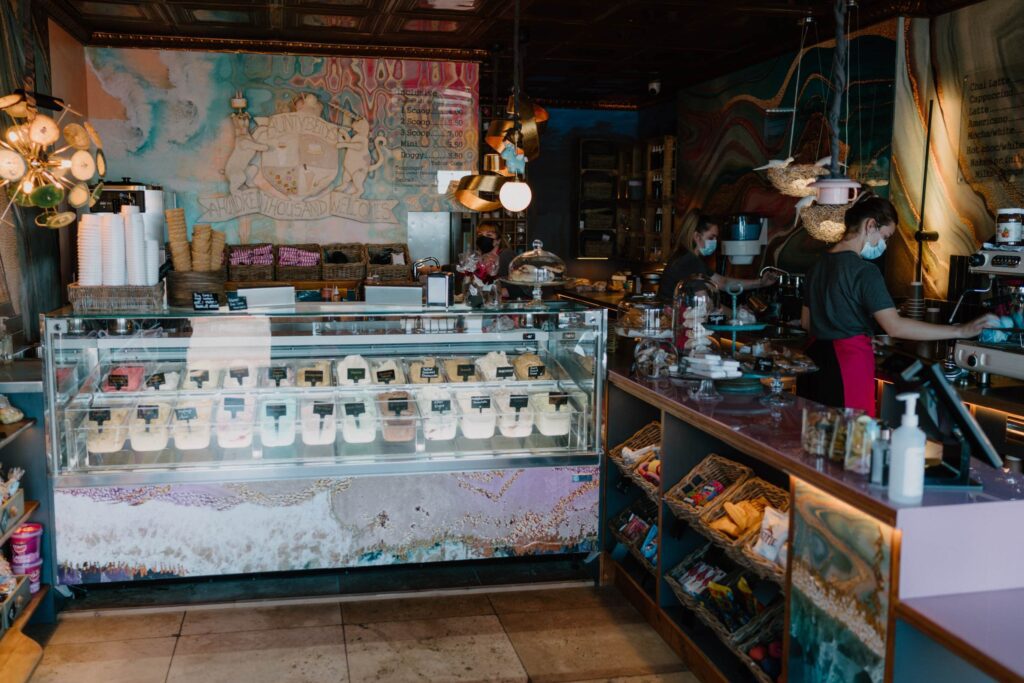
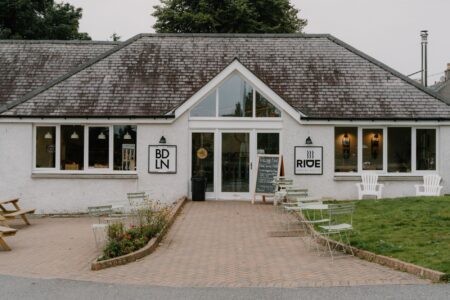
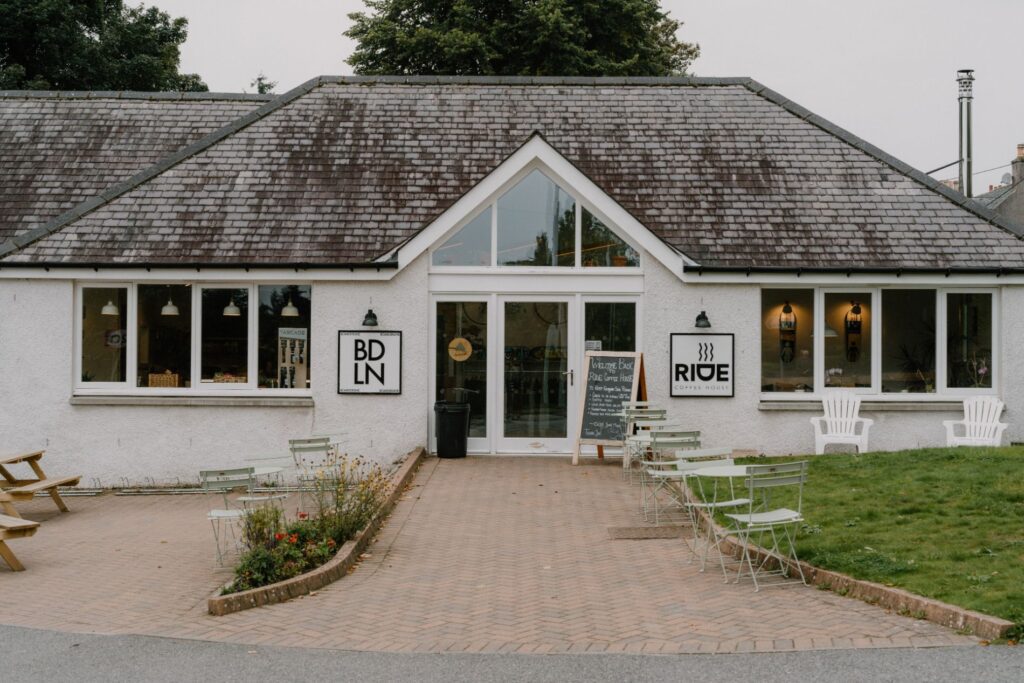
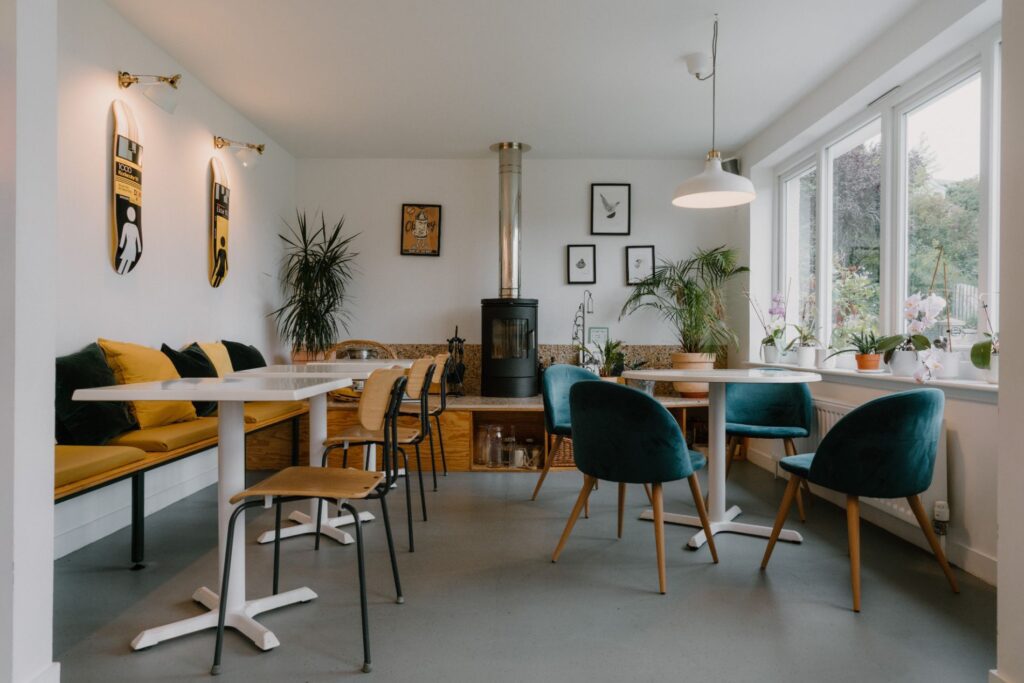
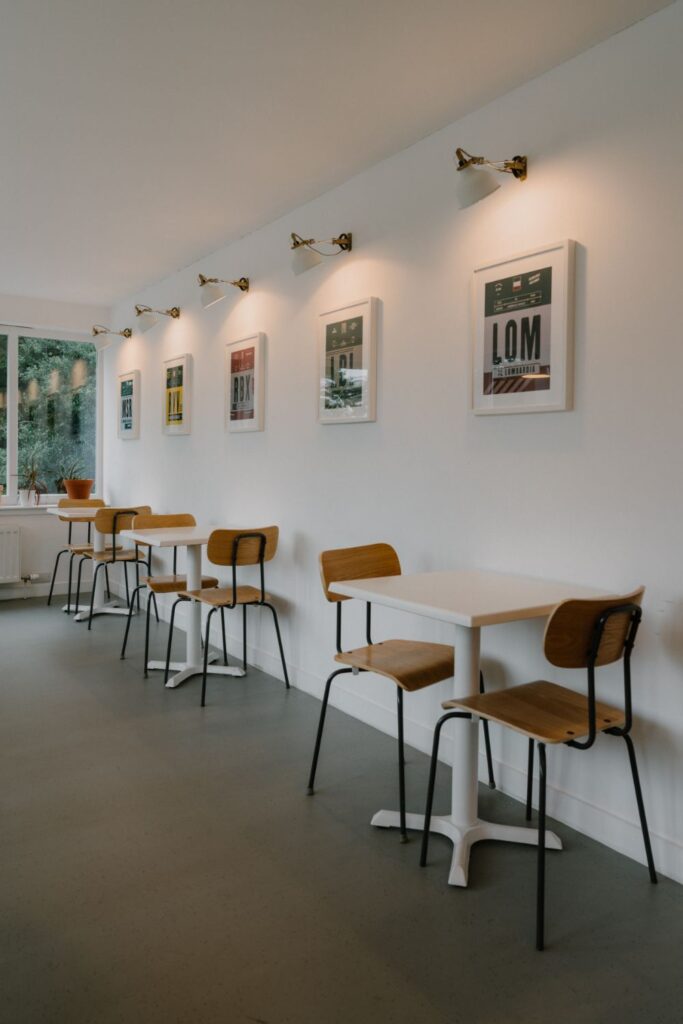
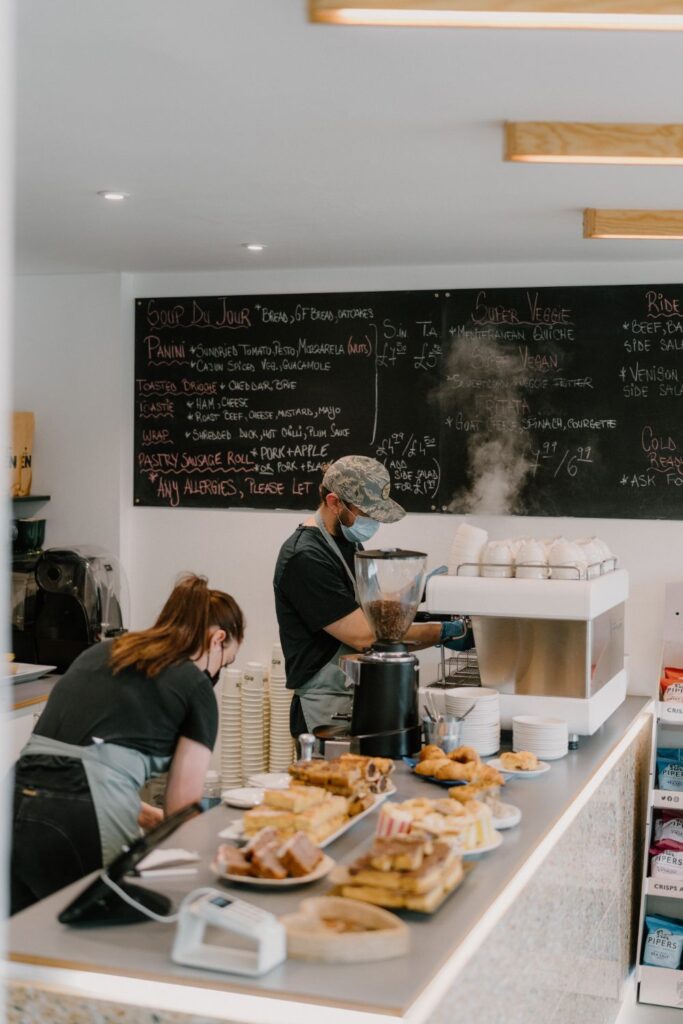
Just a short distance from the Hidden Scotland Shop, Ride Coffee House offers a bright and welcoming pause in the day. Large windows fill the space with natural light, while polished concrete floors and wooden tables give the interior a clean, modern character.
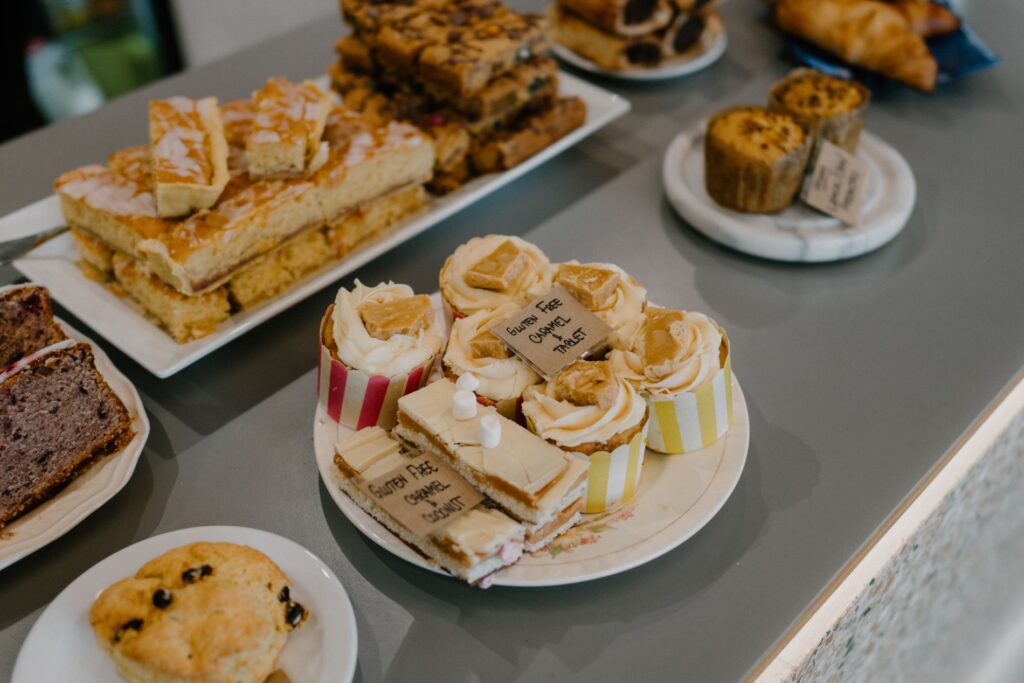
The café is known for its Dear Green coffee and a menu built around local produce. Wraps, sandwiches and daily specials suit travellers who need something filling before continuing towards Royal Deeside. Cakes, baked on site, tend to disappear quickly in busy periods.
It’s an easy place to spend longer than intended, with a relaxed setting that works as well for a swift takeaway as it does for a more settled lunch.


Next stop, Balmoral Castle!
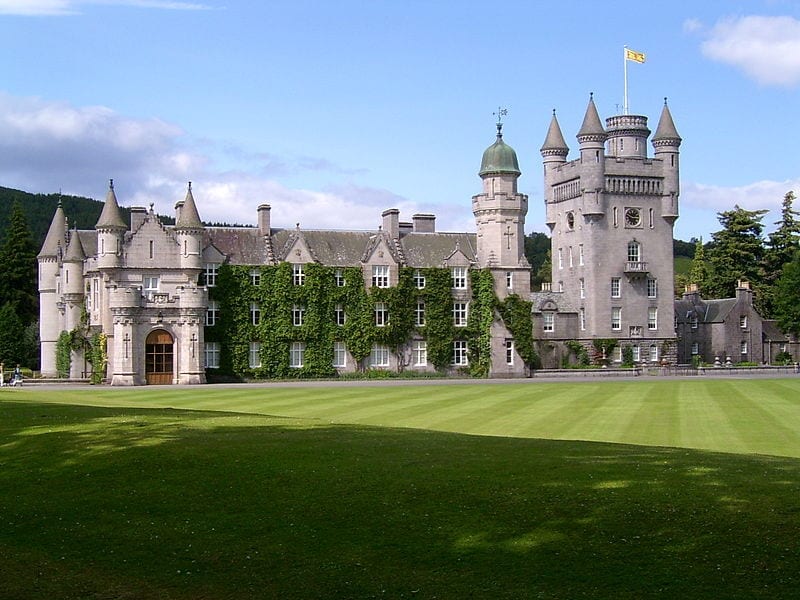
Set within the Cairngorms, Balmoral Castle sits in a wide valley shaped by rivers and surrounding hills. The Scottish baronial architecture is immediately striking, with grey granite walls and tall turreted towers that rise cleanly above the grounds.
Visitors can explore the gardens and certain outdoor areas during months when the Royal Family is not in residence. The Ballroom, the only interior space open to the public, contains displays linked to royal history, from portraits to personal items that have been kept on the estate for generations.
Paths around the grounds offer views towards the surrounding hills, and the nearby cairns — stone monuments set on slopes and ridges — provide rewarding short walks. Prince Albert’s Cairn, a large pyramid-shaped structure, is the most impressive, with views that place Balmoral within the scale of Deeside.
Royal Lochnagar Distillery, located near the estate, continues long-established production methods and offers tours for visitors interested in the history and craft of Highland whisky.
Ballater for Dinner
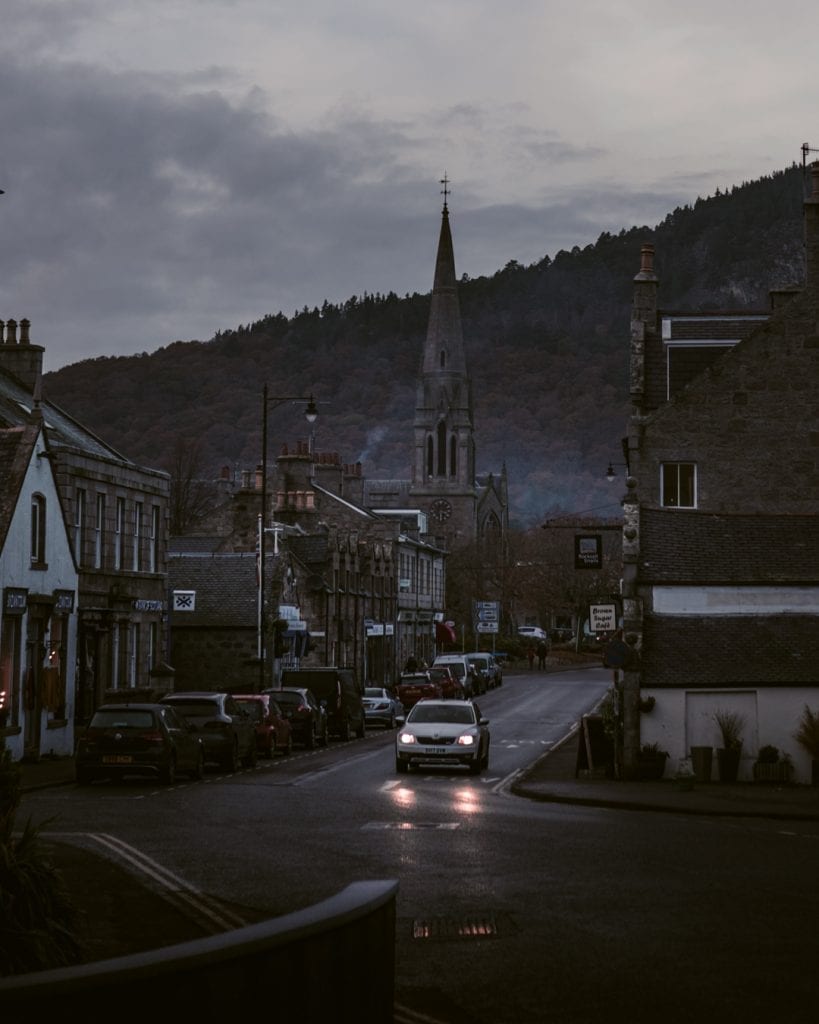
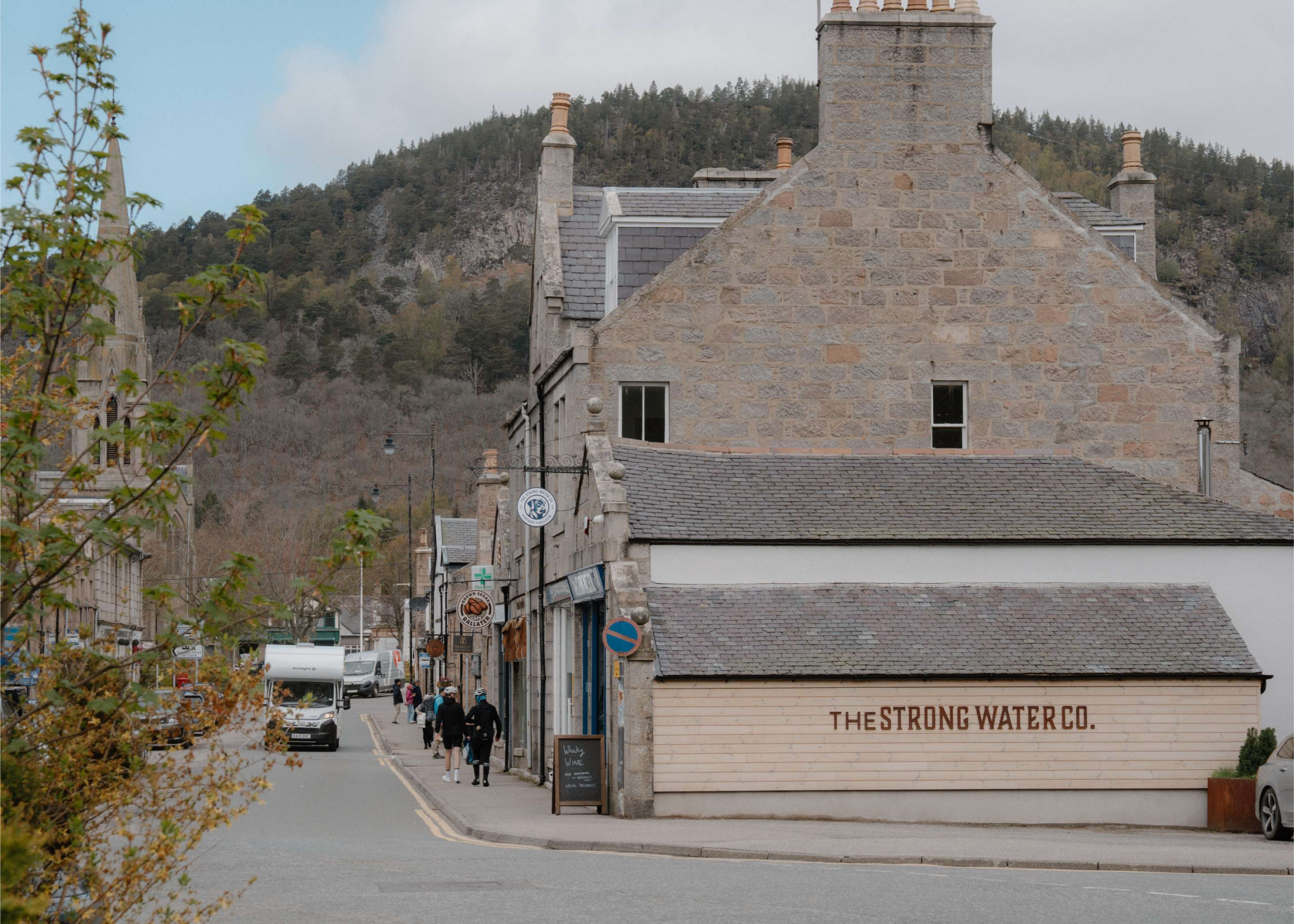
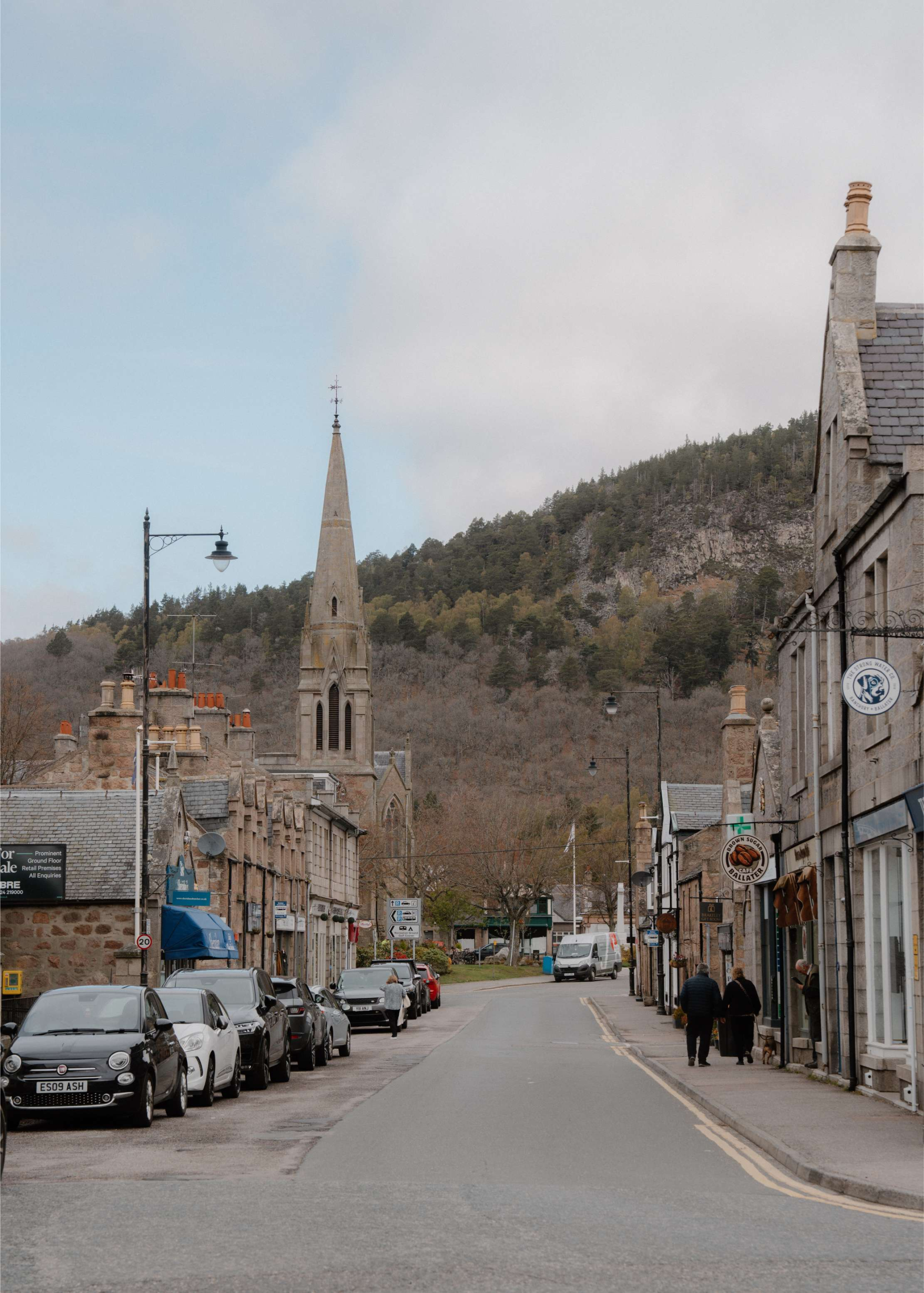
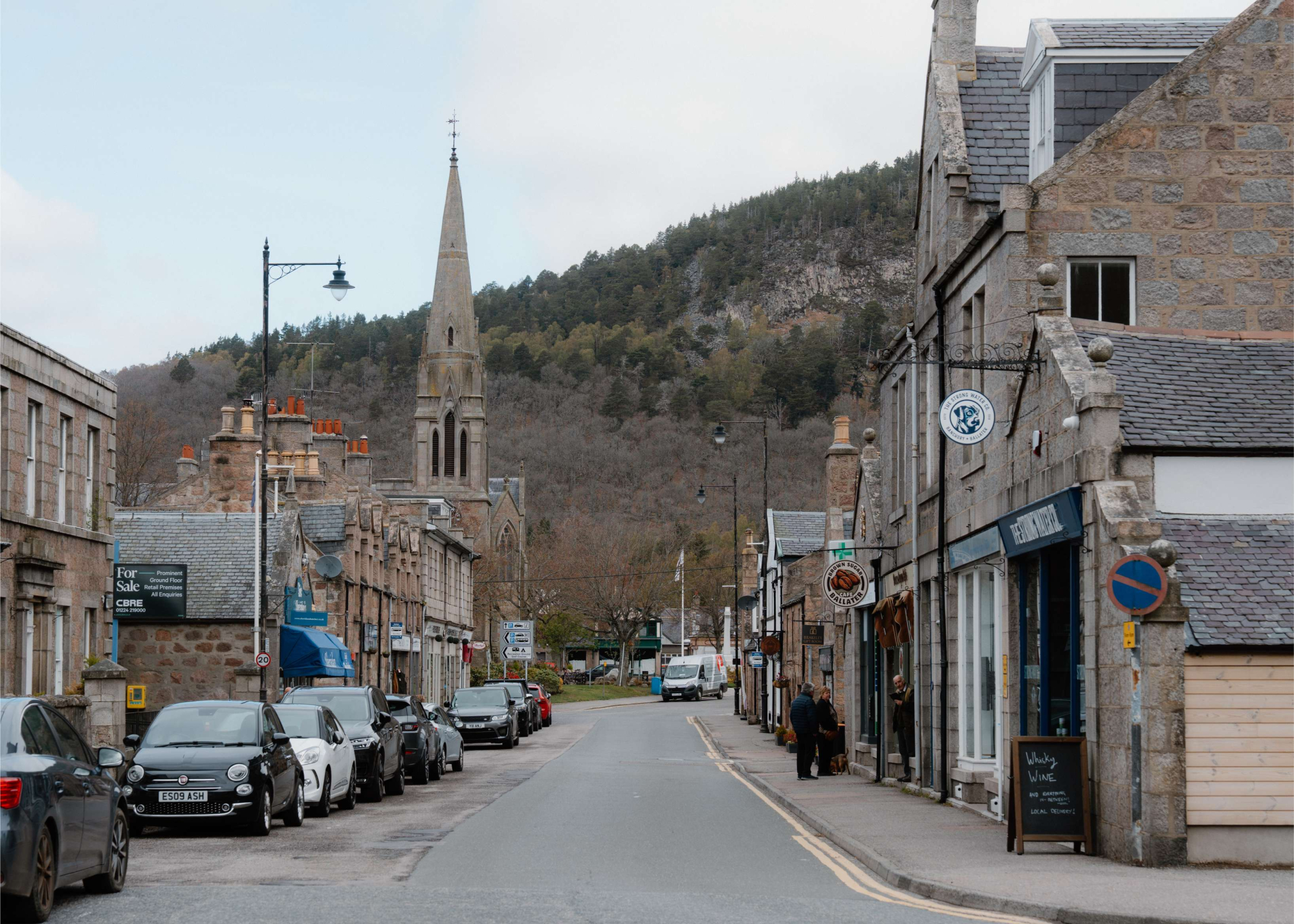
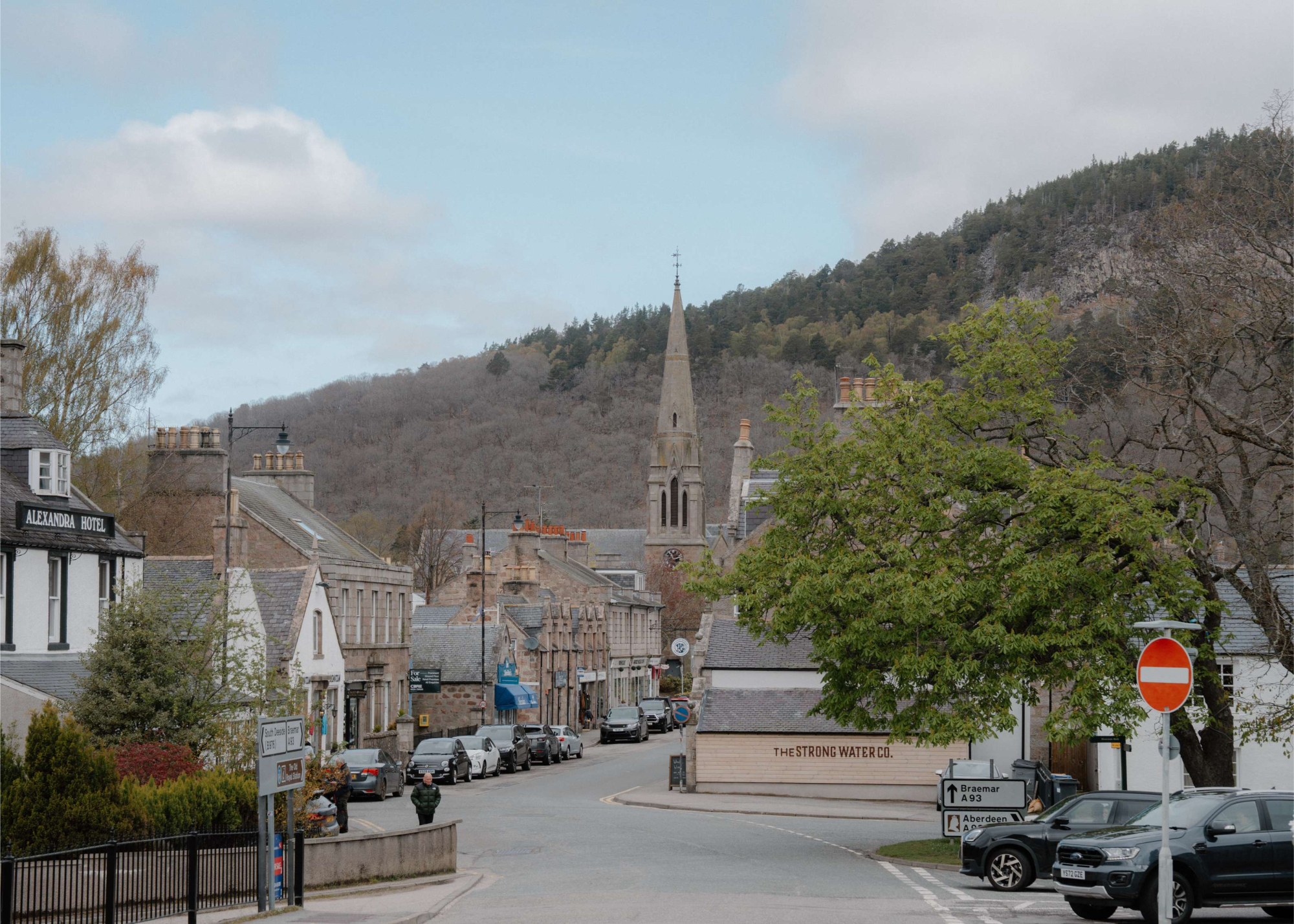
Ballater is a well-loved village on the banks of the River Dee, with strong historic links to the Royal Family. The high street is lined with granite buildings and shops that display royal warrants, reflecting decades of connection to nearby Balmoral.
The dining options here suit a range of preferences. The Fish Shop Restaurant focuses on seafood landed along the east coast, often served on the same day it arrives at the quay. Menus adjust according to the catch. The Clachan Grill offers dishes built around produce from surrounding estates and farms, with venison and local beef appearing frequently.
The Balmoral Arms provides a traditional setting with hearty meals and a collection of old photographs showing the village in earlier decades. For a more elevated experience, Darroch Learg Hotel & Restaurant sits on higher ground with views across the valley.
After dinner, a short walk through the village offers a pleasant end to the evening before returning to Glen Dye.



Return to Glendye
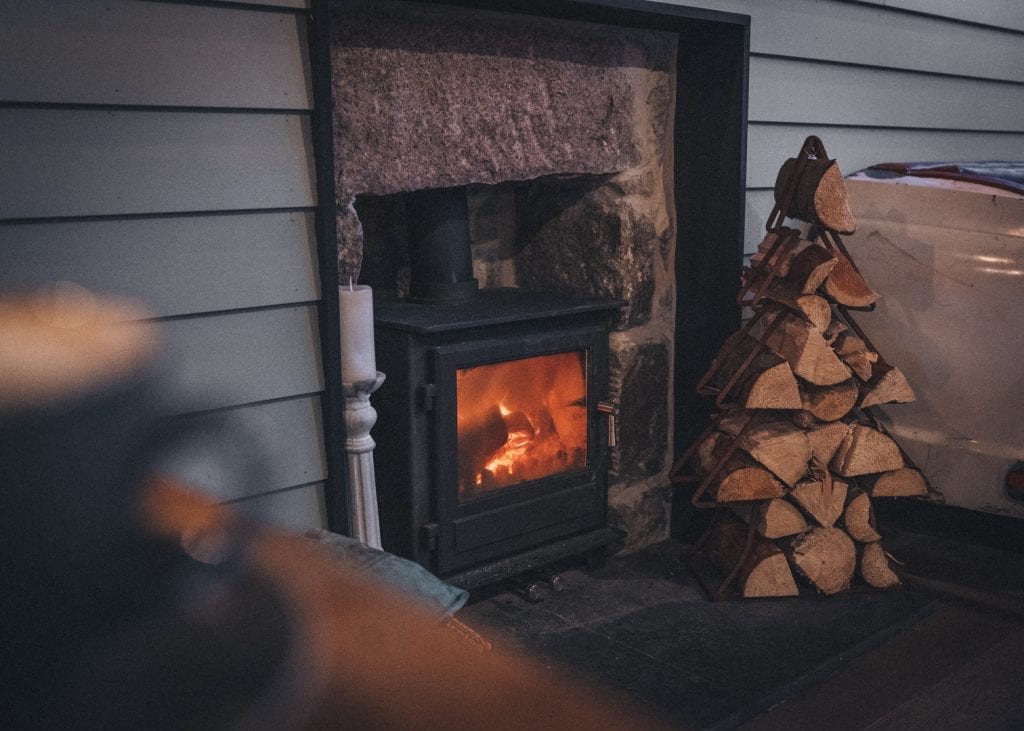
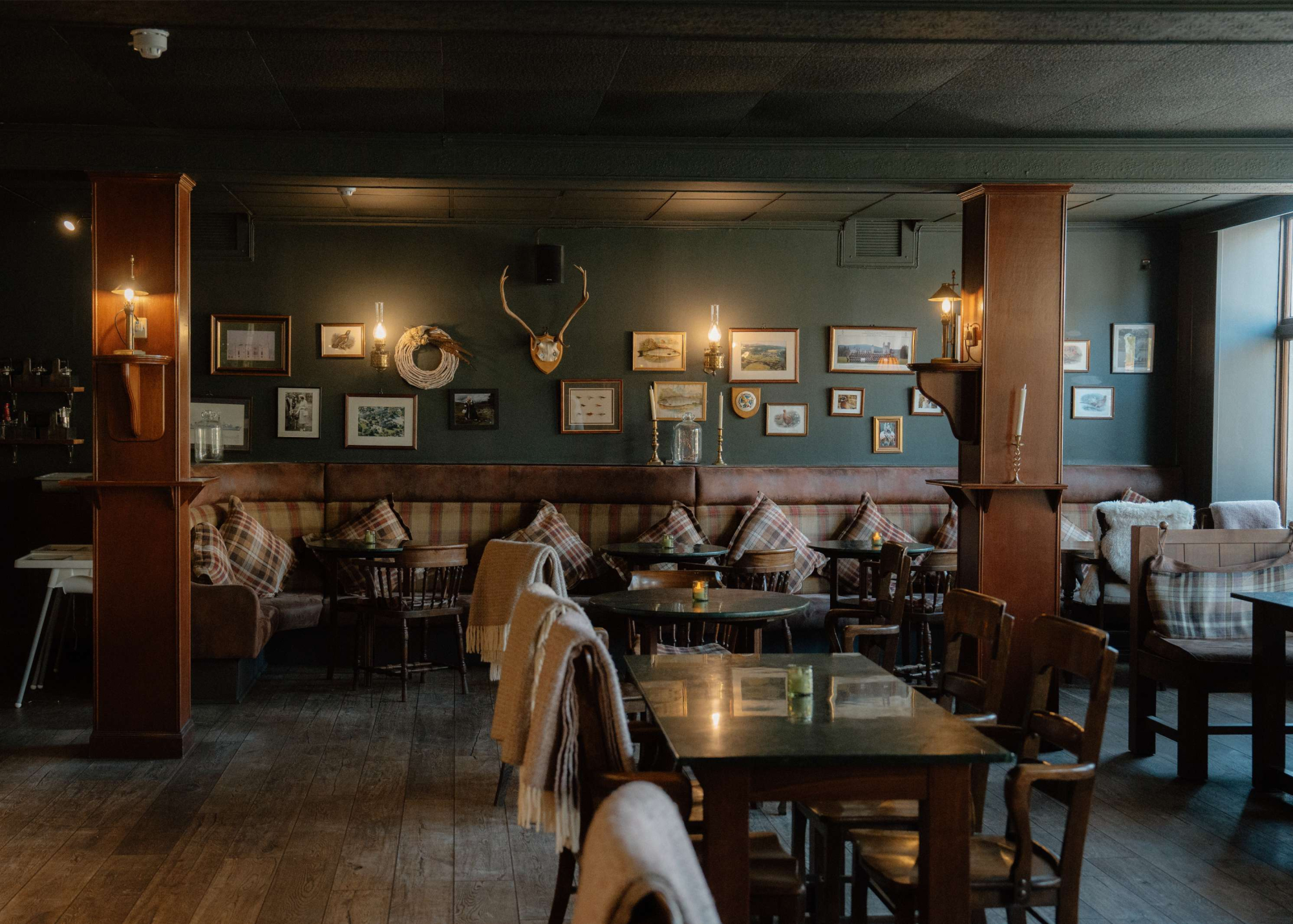
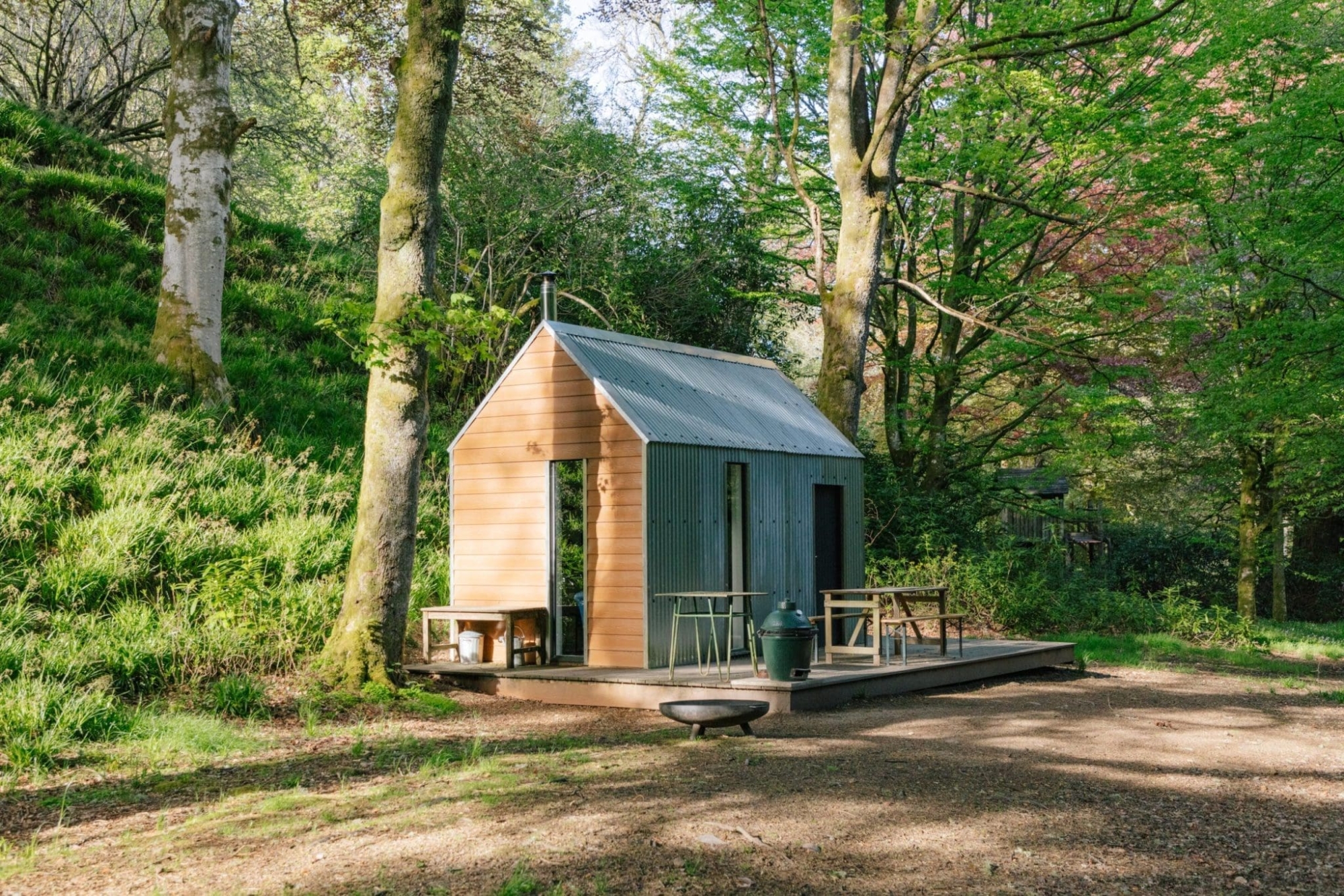
The journey back to Glen Dye brings you once again into quiet woodland and open moorland. On arrival, The Glen Dye Arms — the estate’s small, characterful BYOB pub — offers a cosy place to unwind. Inside, a log fire, wooden bar and a record player create an intimate atmosphere for a nightcap.
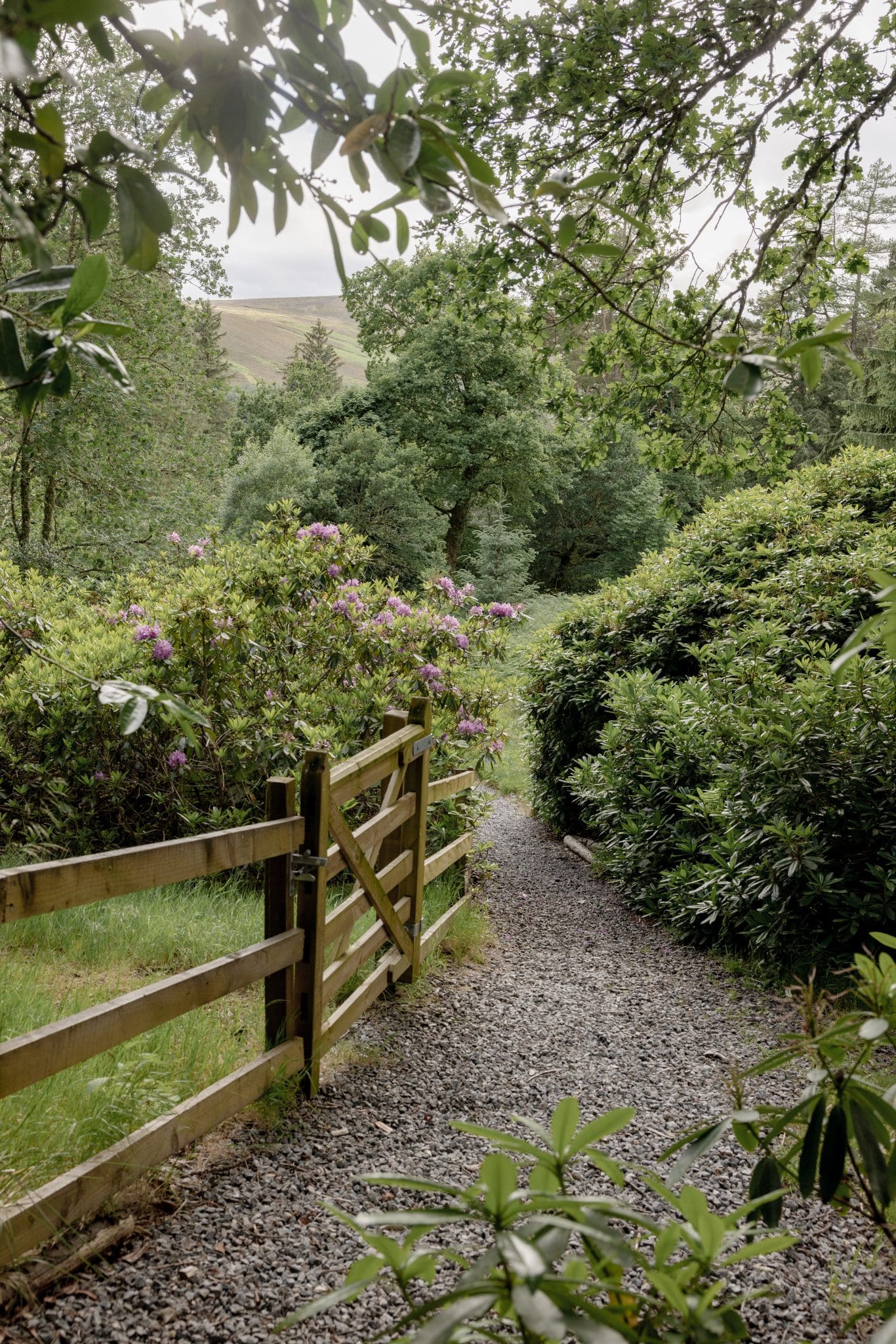
Those preferring fresh air can follow the estate’s pathways for an evening stroll. As light fades, the pines darken against the sky and the River Dye moves gently through the trees, creating a peaceful close to a day spent exploring Aberdeenshire’s castles.






 Sign in with Google
 Sign in with Email