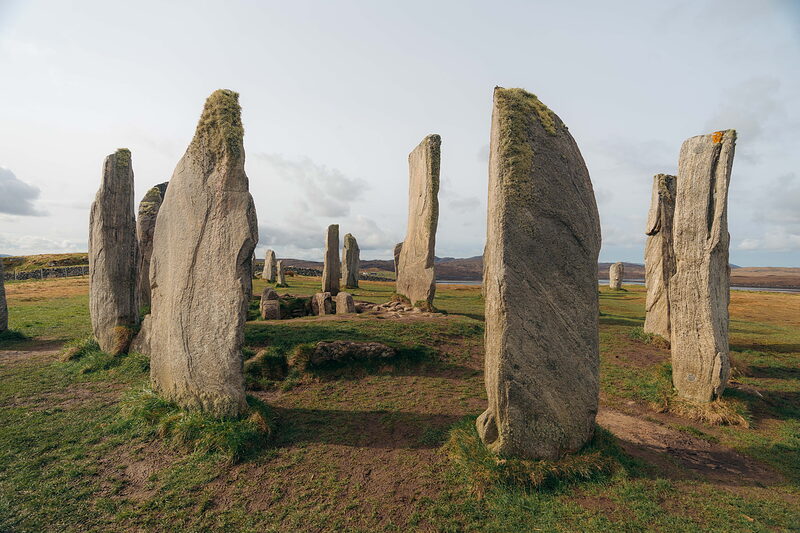
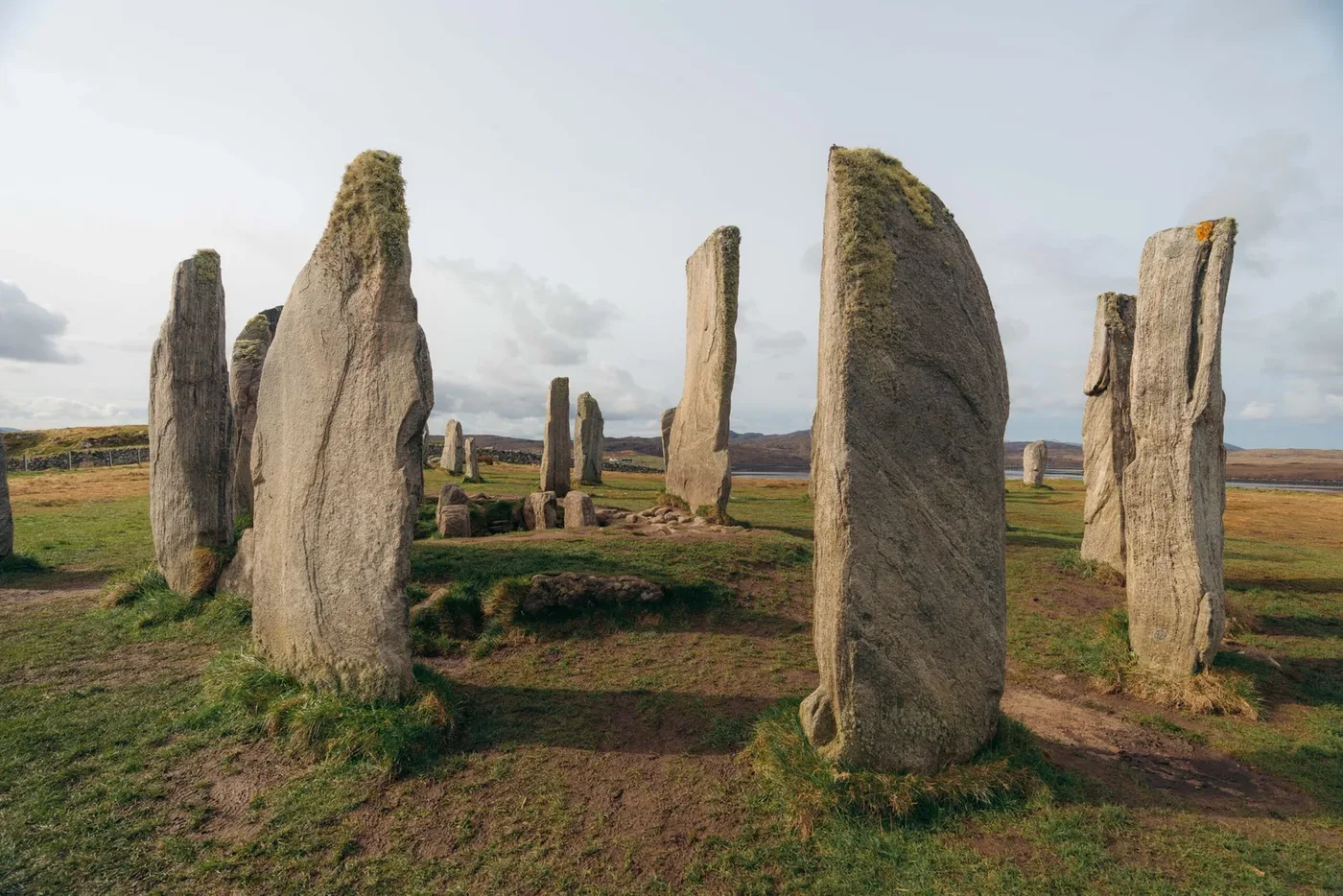
The islands' story starts long before Callanish, but the stones are where most visitors meet it. They were raised between 2900 and 2600 BC by farming people who also built chambered cairns across the islands. In the Iron Age, local chiefs put up drystone towers such as Dun Carloway, and families built wheelhouses on the Uist machair. Then came the Norse. Vikings settled from around the ninth century, and the islands stayed under the Norwegian crown until the Treaty of Perth handed them to Scotland in 1266. The Norse left their mark on the map. The ending -bost, from a Norse word for a farm, turns up in Nisabost, Seilebost and Shawbost. The nineteenth century was hard. Landlords cleared many townships for sheep, and thousands of islanders emigrated. Sir James Matheson bought Lewis in 1844 and built Lews Castle above Stornoway, and in 1918 the island passed to Lord Leverhulme, who later gave the castle to the people of the parish. On 1 January 1919 the yacht Iolaire, bringing sailors home from the war, struck rocks outside Stornoway harbour, and more than two hundred men were lost. St Kilda was left empty in 1930. Today much of the land belongs to the communities who live on it, from North Harris to South Uist.
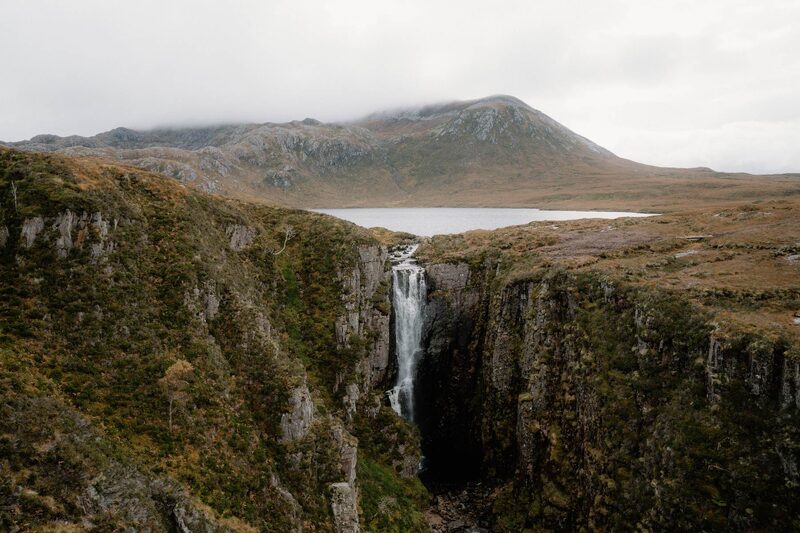 HistoryExploring Scotland's Far Northwest
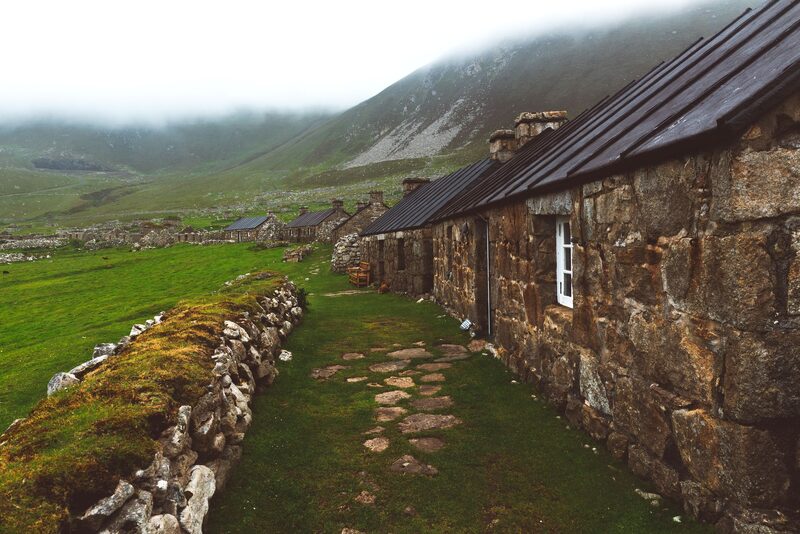 HistoryOn This Day in 1930: The Last Boat Leaves St Kilda
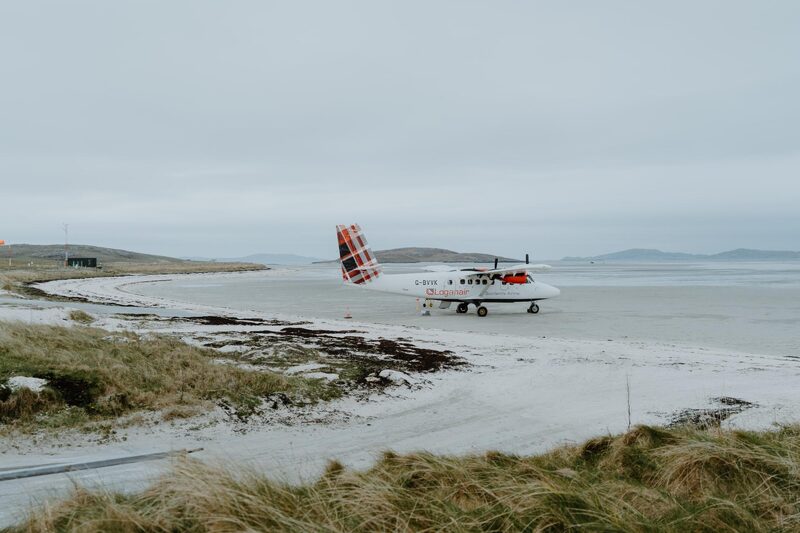 HistoryBarra, Vatersay and a Climb Through Culross
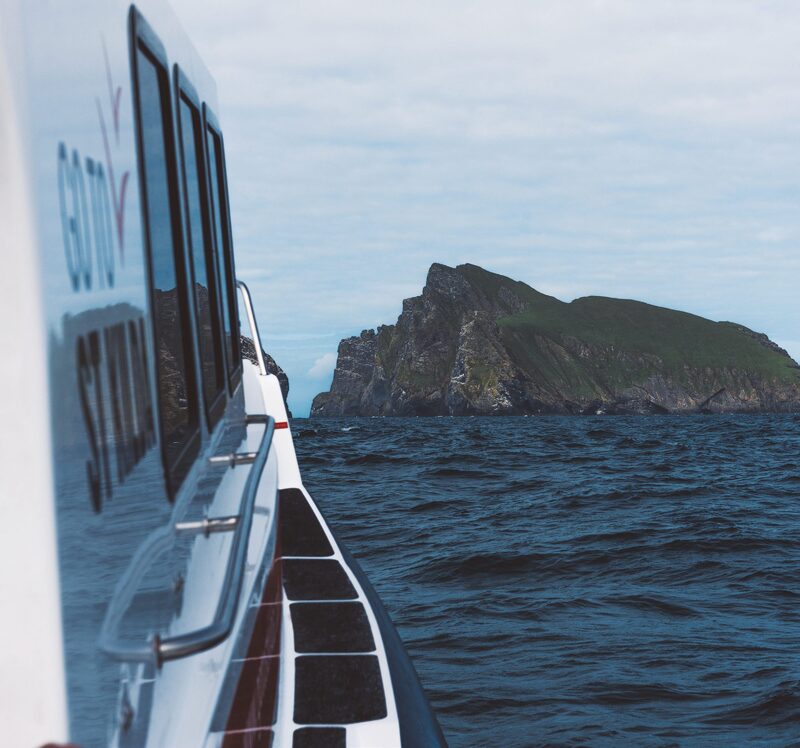 HistorySolitude on St Kilda
 History7 interesting things you maybe didn’t know about Lewis and Harris