
Skye: A Brief History
Skye’s story is shaped by shifting power, forced migrations, and the quiet endurance of its communities. This overview traces the island’s past—from Norse rule and clan loyalties to the Clearances and today’s modern economy—revealing how history continues to shape life across the island.
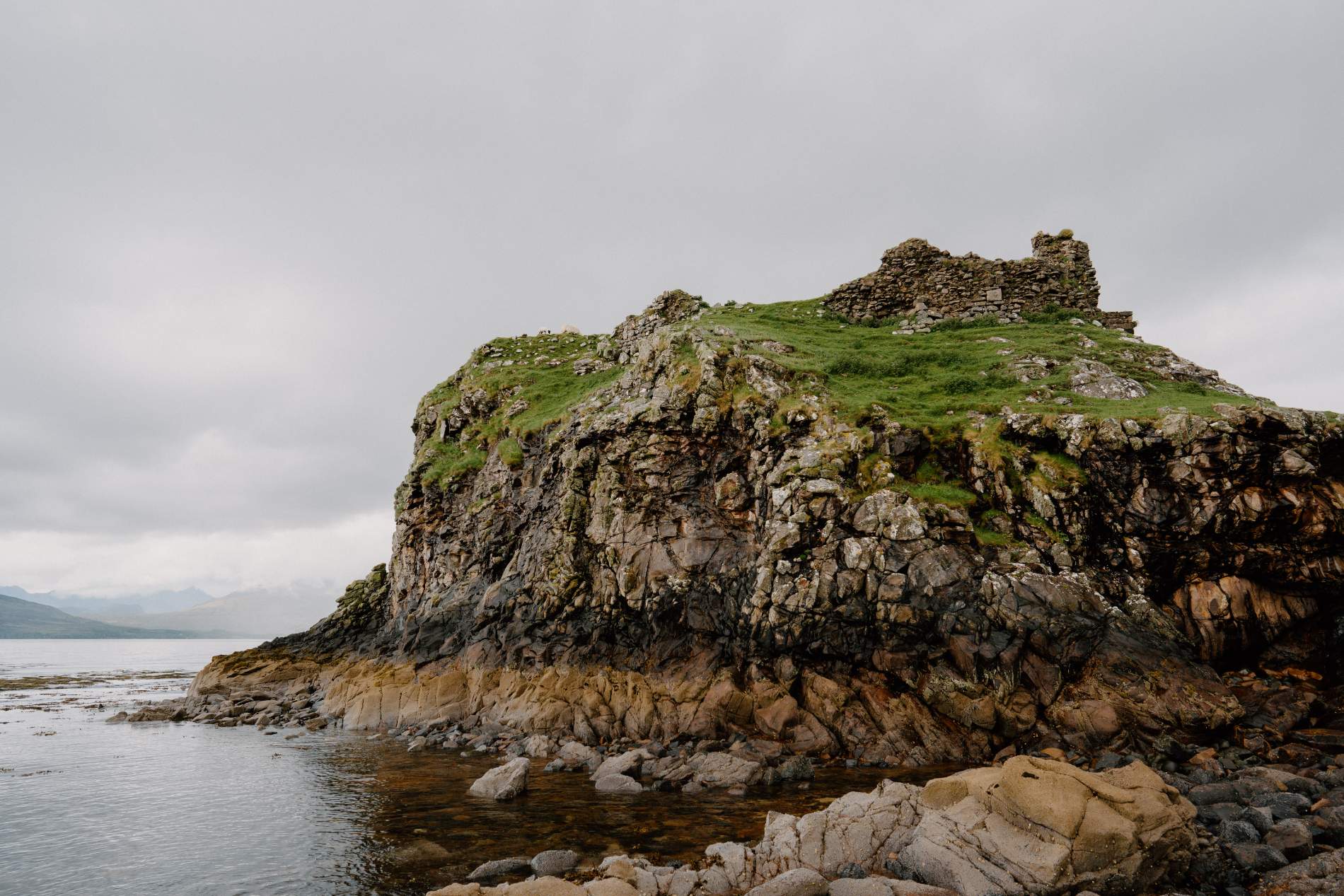
The Isle of Skye became part of the Kingdom of Scotland in 1266, following the Treaty of Perth. Before that, it had been under Norse influence for several centuries, governed as part of the wider Kingdom of the Isles. Even after the official transfer of control, the island remained largely autonomous under the Lords of the Isles, a Gaelic-Norse dynasty whose authority held until the late 15th century. Their decline marked the start of more direct rule from the Scottish Crown, though day-to-day life across much of Skye remained clan-based, local, and only lightly touched by central politics.
By the 18th century, those older systems had begun to fracture. The Jacobite risings, particularly the final rebellion in 1745, prompted a reorganisation of Highland society. The repercussions were administrative as much as symbolic—laws banning traditional dress and weakening clan leadership were enforced, with a long-term impact on language, identity, and rural power structures.
The Clearances followed. Between the late 1700s and the mid-19th century, many crofting communities across Skye were emptied. Some residents left voluntarily in search of work or opportunity abroad. Many more were removed, their homes cleared to make way for commercial sheep farming. The demographic effect was stark. Skye’s population, once significantly higher than today’s, dropped by half, and the effects of depopulation are still visible in the remains of old settlements and abandoned crofts scattered across the island.
What emerged was a new economic model, shaped less by lineage and more by land use. Crofting survived, though increasingly under pressure. Fishing and forestry developed gradually. In more recent decades, tourism has become the defining presence in Skye’s economy. For many, it’s the main employer; for others, it’s a source of tension—balancing seasonal influx with the realities of small-island infrastructure.
There are few parts of the island where the past doesn’t linger in some form. Ruined blackhouses in the north, names on headstones, the line of a track that once served a larger village. But Skye is not a preserved artefact. It is inhabited, adapted, and in quiet ways, changing still.
Promoted Post
The Scullery
Tucked away in the heart of the Yarrow Valley, The Scullery is a one-bedroom boutique hideaway, eloquently designed for comfort, calm, and connection. Whether you’re escaping the city or craving a countryside reset, this is your space to slow down and just be.
-listable-carousel-1769292770.jpg)






 Sign in with Google
 Sign in with Email