
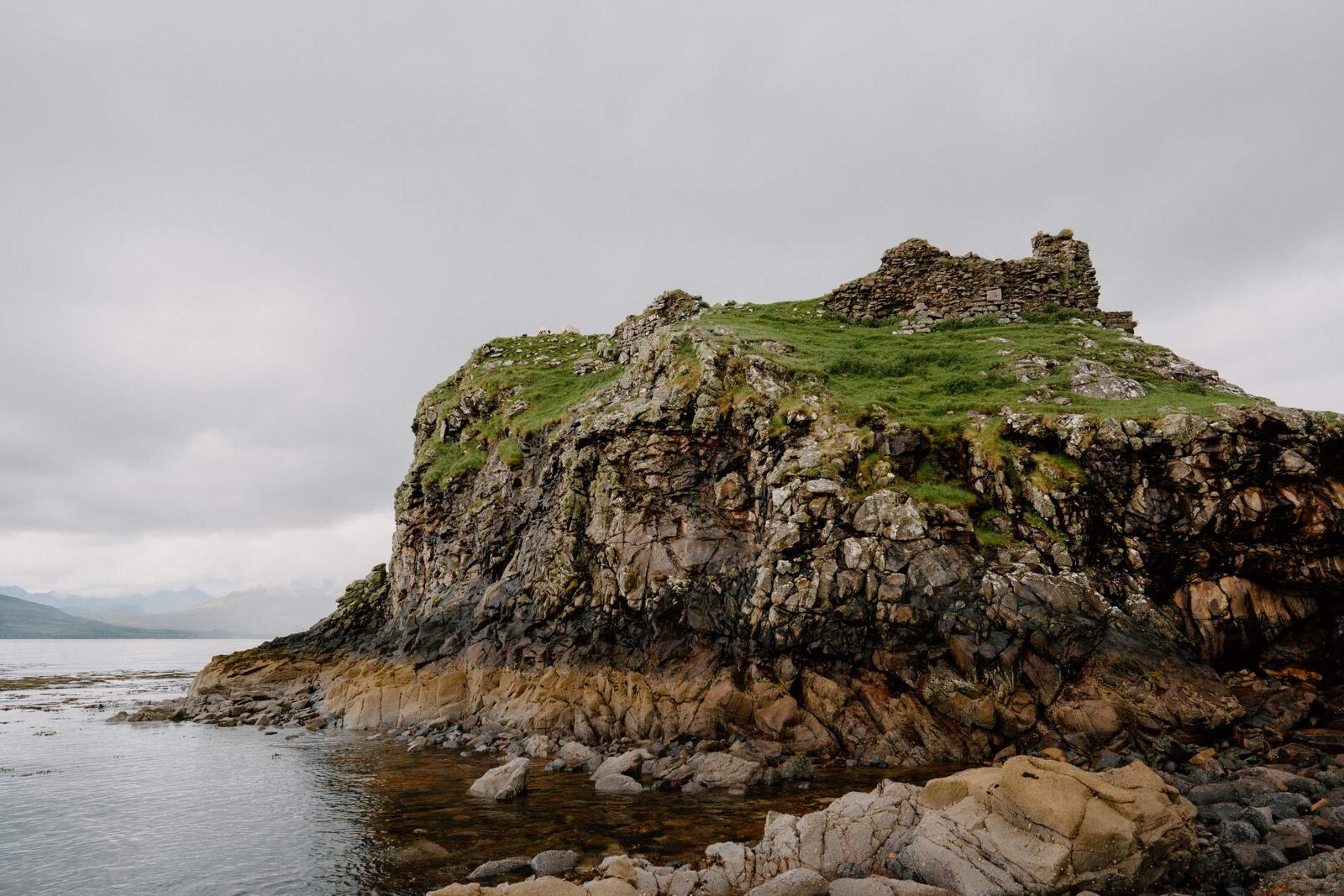
From The Best of Skye, a Hidden Scotland guide
Skye: A Brief History
Norse rule, the clans, the Clearances and the island today.
Words by Hidden Scotland

Printed in The Best of Skye, a Hidden Scotland guidebook.
Skye’s story is shaped by shifting power, forced migrations, and the quiet endurance of its communities. This overview traces the island’s past—from Norse rule and clan loyalties to the Clearances and today’s modern economy—revealing how history continues to shape life across the island.
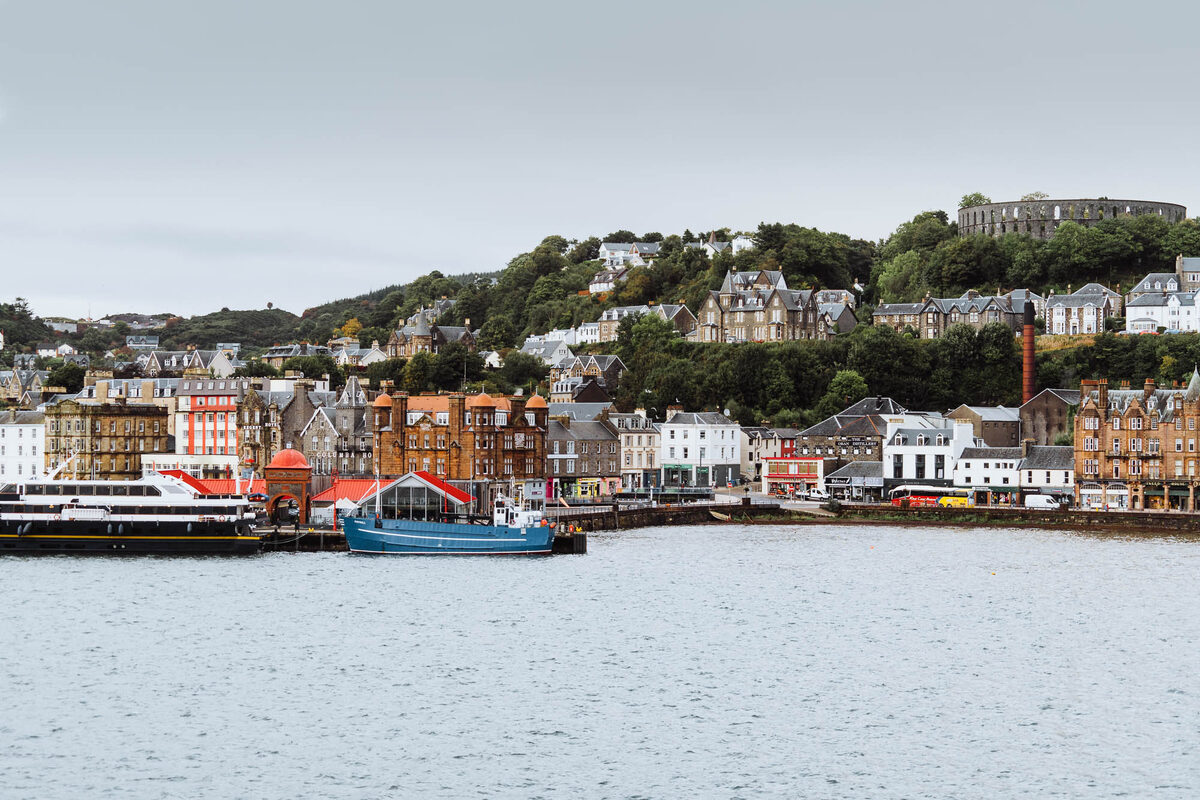
The Isle of Skye became part of the Kingdom of Scotland in 1266, following the Treaty of Perth. Before that, it had been under Norse influence for several centuries, governed as part of the wider Kingdom of the Isles. Even after the official transfer of control, the island remained largely autonomous under the Lords of the Isles, a Gaelic-Norse dynasty whose authority held until the late 15th century. Their decline marked the start of more direct rule from the Scottish Crown, though day-to-day life across much of Skye remained clan-based, local, and only lightly touched by central politics.
-full-1750069865.jpg)
By the 18th century, those older systems had begun to fracture. The Jacobite risings, particularly the final rebellion in 1745, prompted a reorganisation of Highland society. The repercussions were administrative as much as symbolic—laws banning traditional dress and weakening clan leadership were enforced, with a long-term impact on language, identity, and rural power structures.
For members
Keep reading with membership
The rest of Skye: A Brief History is for members. Printed in The Best of Skye.
A year. Every issue and guidebook online, every article in full.
Join with DigitalA year. All of Digital, and two new issues posted to your door.
Join with PrintAlready a member? Sign in · Read the opening pages of The Best of Skye free
 Braemar Castle
 The 900th Anniversary of Stirling
 Kilmartin Glen