
Introduction to Skye
You could forgive Skye for having an ego. It’s said that Scotland’s top three tourist destinations are Edinburgh, Loch Ness, and the 50-mile-long rhapsody of moors and mountains that we know better as the Isle of Skye. But while the second largest of Scotland’s islands (behind only Lewis & Harris – but you knew that) is emphatically no secret, it’s popular for very good reason.
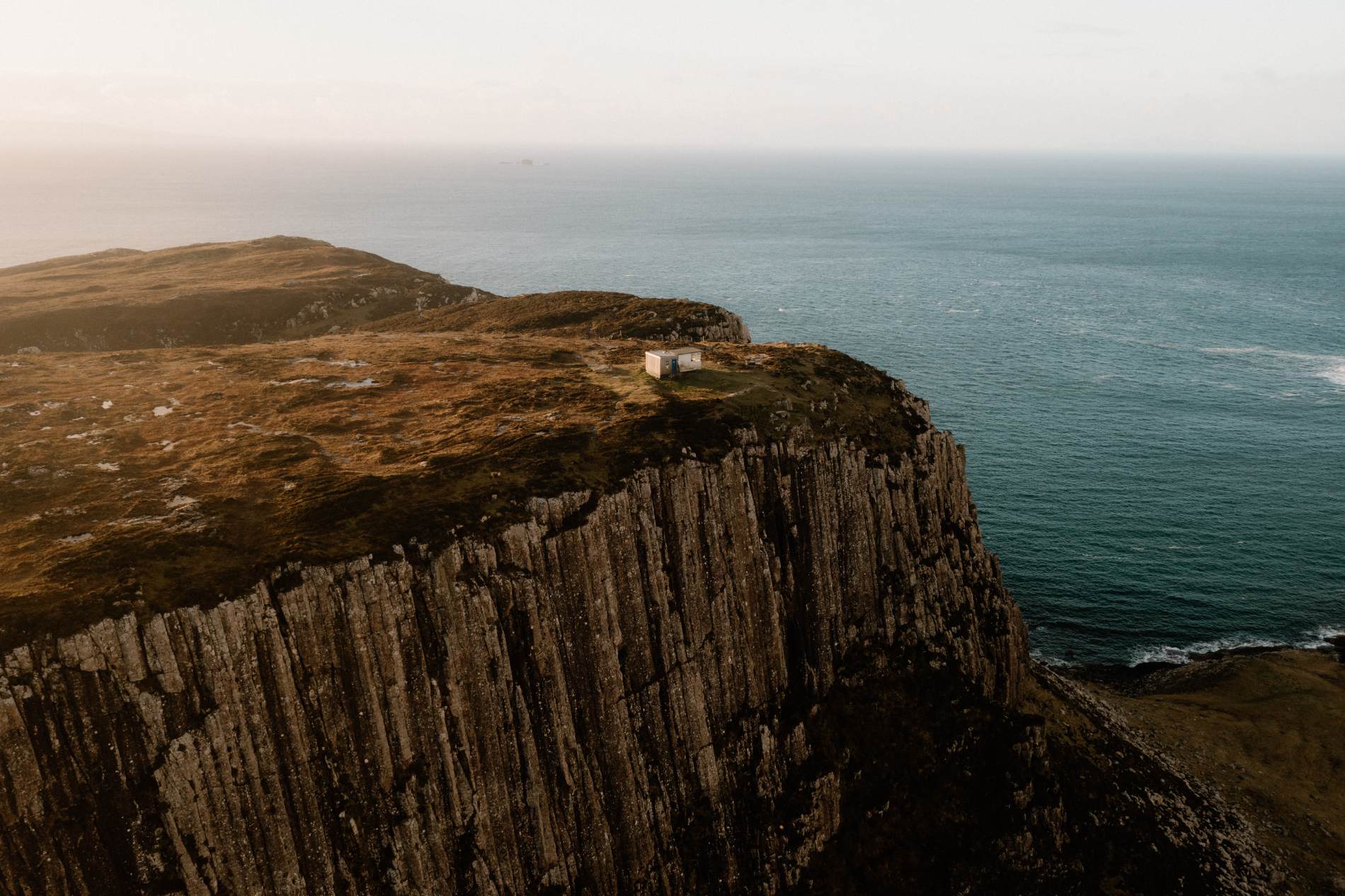
Much of the island’s appeal is down to its devastatingly rugged landscapes – towering ridges, contorted peaks, sheer cliffs and sparkling lochs – with the rocky range of the Cuillin Hills one of many focal points for hikers and climbers. This all makes it a stirring place to spend time, even if you’re only cooing at the scenery from the road, although there’s far more to it than outdoor adventure. Artisans, food producers, crofting museums, castles and a whole range of easy-tolinger pubs and restaurants have helped Skye to evolve into a brilliant all-round destination.
The high-summer crowds can be a little oppressive, so it definitely pays to time your trip well, but this is a sizable destination, and crafting your own island experience is easily done. From its traditional villages to its superb wildlifewatching, and from its shapely beaches to its adventure sports, Skye is the kind of place that not only keeps you busy, but nags at you for a repeat visit. Its Gaelic name is An t-Eilean Sgitheanach, which some say translates as ‘the winged isle’: this is a reference to its shape on a map, which resembles a pair of outstretched wings, but could just as easily refer to its soaring beauty.
What it’s known for
Come for the scenery, which ranges from the dramatic, peak-clustered shorelines of the north to the imposing Cuillin Hills of the south. Come for the world-class walking, the vivid history, the dynamic arts and crafts scene, the luxurious lodges and B&Bs, and the diverse wildlife. Come for the visceral thrill of feeling the wind in your hair, the rocks under your feet and the sound of the sea in your ears. This is Skye, and you need to see it for yourself.
Stay for the quieter moments too—the smoke from a chimney curling over a glen at dusk, the soft slosh of water against a slipway, or the sound of Gaelic on a community radio station playing from behind a café counter. What’s special about Skye isn’t only found on the headline hikes or the front pages of guidebooks. It’s in the hours that pass between places: a pulled-over layby view, a roadside honesty box selling tablet and jam, or a walk through the hush of the moorland before the weather turns.
Skye is a place where everyday life and wild grandeur overlap. For visitors, that can mean days packed with activity—climbing the Black Cuillin, kayaking off the Sleat Peninsula, tracing dinosaur footprints near Staffin—or it can mean something slower, like browsing ceramics in a Waternish workshop, sitting down to a seafood lunch in Stein, or picking your way along the shore in search of otters. The island lends itself to both. It’s vast enough to feel expansive, yet its roads and peninsulas draw you into local scale.
There’s plenty here for those interested in history, from the ruined churches and clan sites scattered across the island to the influence of Jacobite uprisings and crofting culture. Some of this is told through interpretive centres and museums, while some is left to be read in the land itself—in dry-stone walls, disused townships, or place names that speak of another era. You don’t need to search hard to find the past here; it’s built into the geography.
For nature watchers, the island is a stronghold. Golden eagles and white-tailed sea eagles both nest here. Seals haul out on rocks in quiet bays. In the summer months, dolphins and even minke whales are not uncommon sightings from the coast. There’s a sense, especially in the north, that the human presence is still dwarfed by the scale of the place. At points it feels as much Atlantic as it does Scottish.
And then there’s the accommodation and food, which has come into its own in recent years. From Michelin-starred dining to simple croft-to-table cafés, Skye’s food culture is rooted in place. Langoustines, scallops, venison, seaweed and foraged herbs all feature. Even in the busiest months, it’s possible to find somewhere that still feels undiscovered.
Skye draws you in with its drama, but it’s the layered experience that leaves the mark—the feeling of having not just seen it, but of having spent time with it.
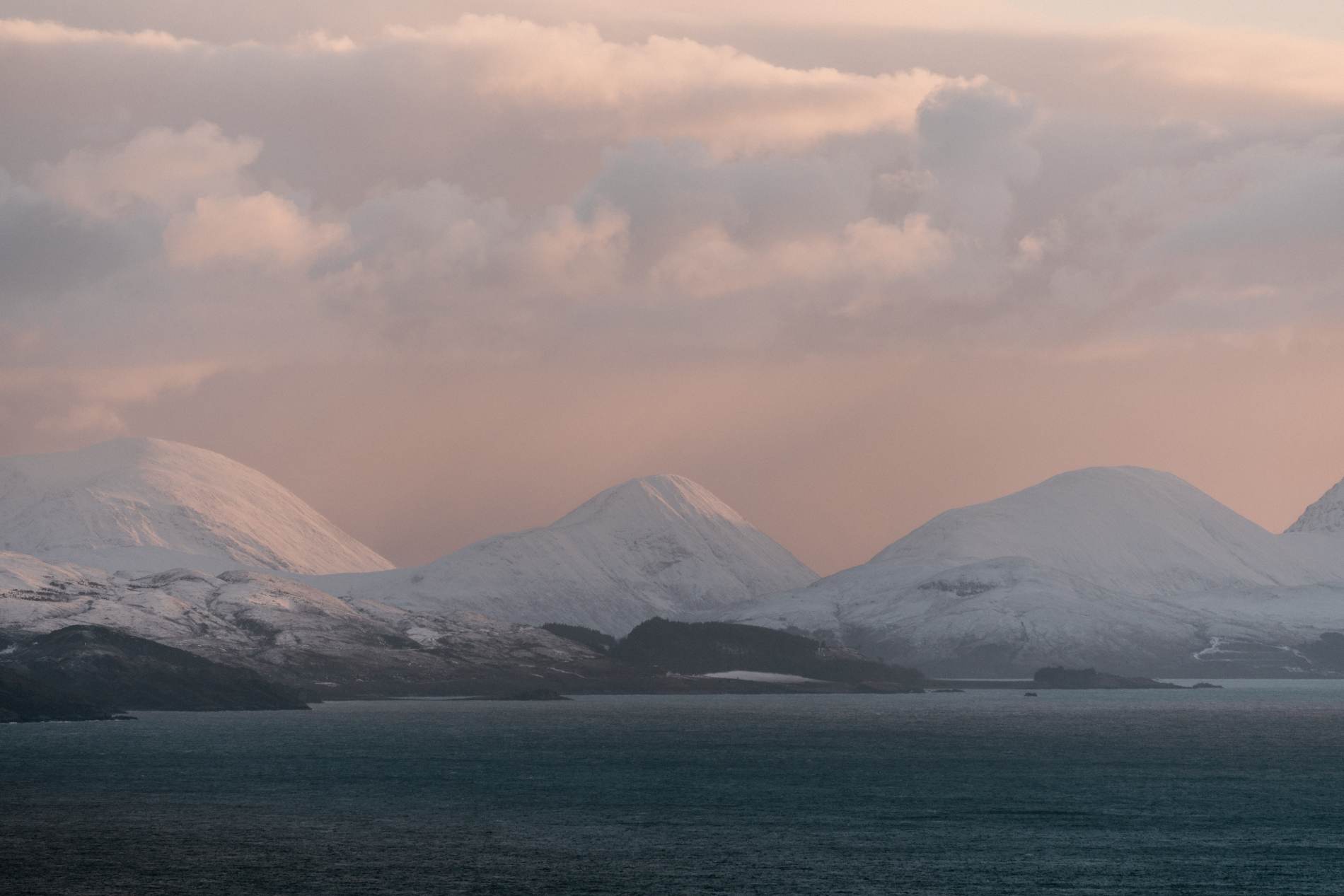
Promoted Post
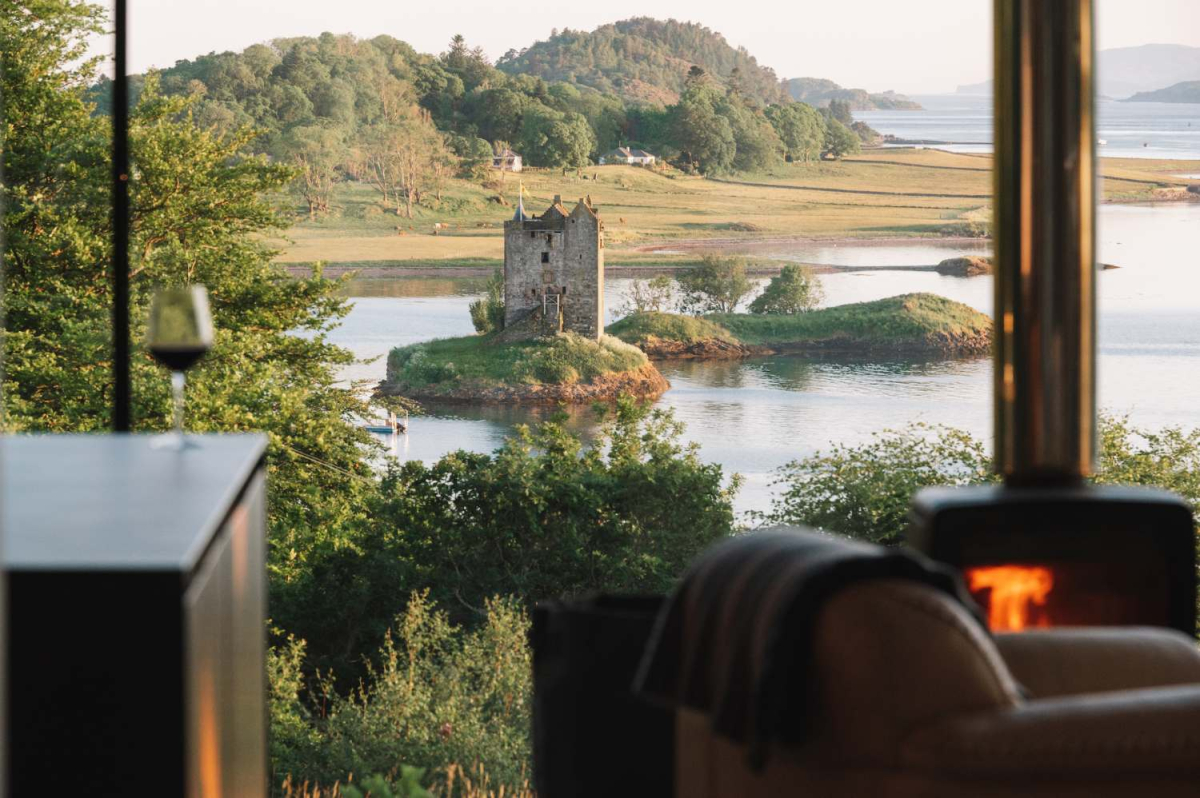
Stormhouse
Escape to the wild, rugged landscape of Scotland’s west coast, perfectly located between mountain and sea






 Sign in with Google
 Sign in with Email