
Scotland’s Quietest Cabins, Bothies and Retreats
Cabins, bothies and treehouses from Skye to the Borders, with wood stoves and patchy signal.
Words by Jack Cairney
Looking for silence? These remote Scottish stays offer real peace and distance: just lochs, hills, and the warmth of a slow-burning stove. From Highland bothies to low-impact cabins, these are places where switching off feels natural.
There are plenty of reasons to get away, but not all escapes are equal. The best ones usually begin with a long drive, patchy reception, and the quiet sense that not much happens here. This list isn't about indulgence or spectacle. It's for those looking for a particular kind of stillness. The kind you find in a pinewood, beside a loch, or up a long hill path where a stone bothy sits waiting. Each place here is chosen for its quiet setting, thoughtful design, and absence of digital distraction. A few are pared back to the essentials: no extras, no noise, no rush. Others offer more comfort: a well-placed window, an outdoor bath, or thoughtful design details that invite you to linger. But they all do one thing well: they leave you alone.
Eagle Brae, Highlands
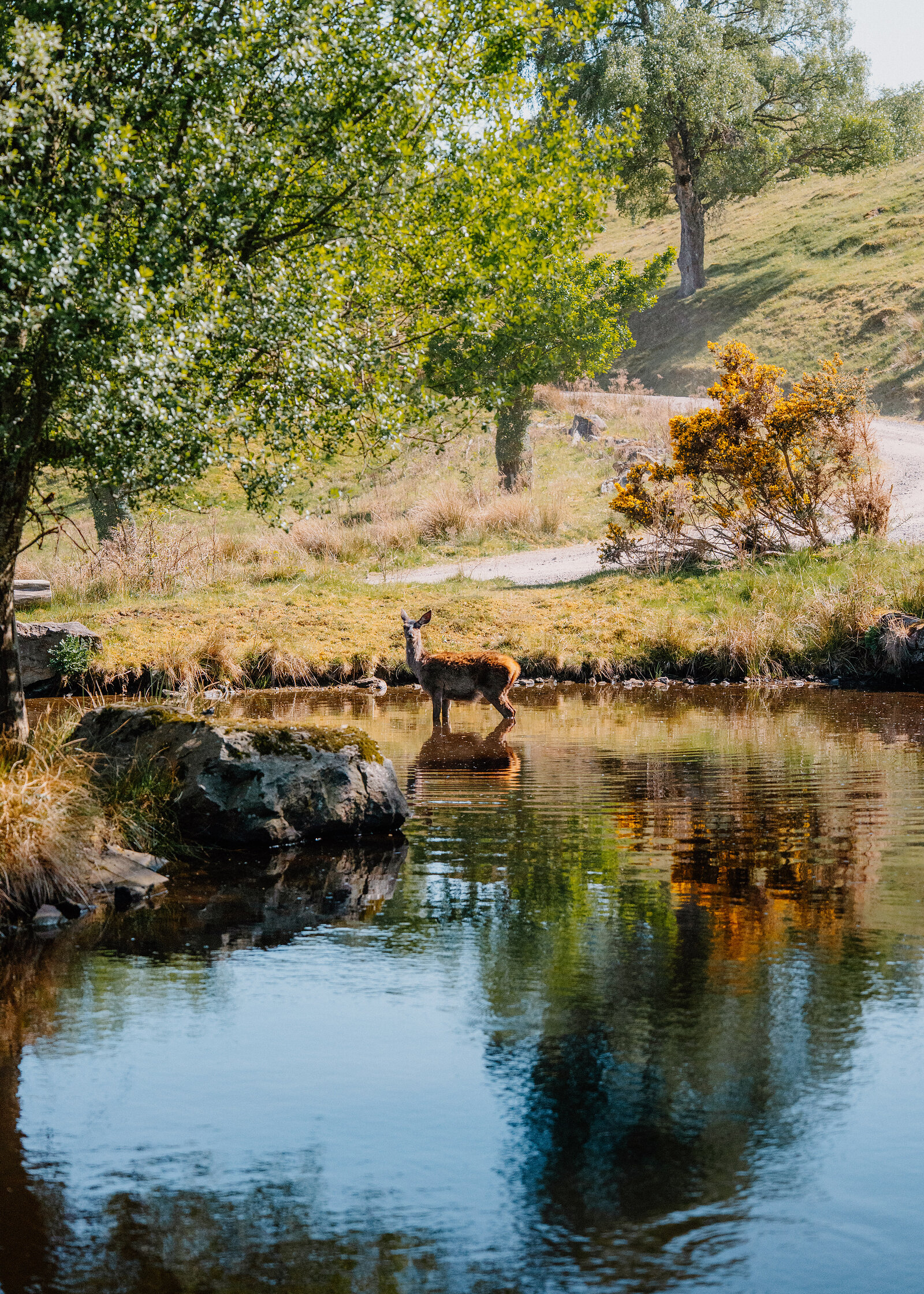
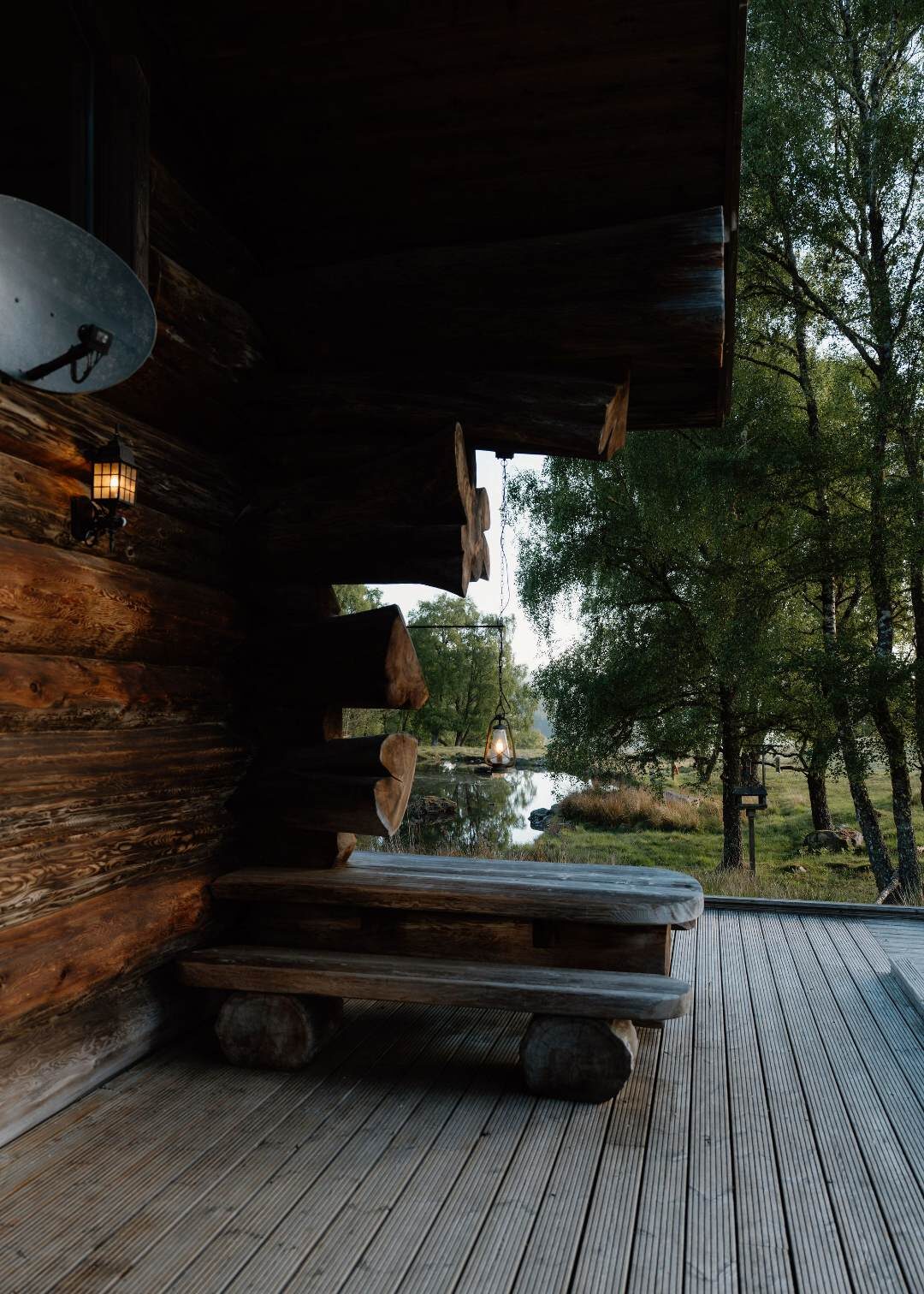
A collection of hand-built log cabins set above Strathglass, surrounded by forest and mountain. Each cabin is made from sustainably sourced cedar and larch, with turf roofs, carved wood interiors, and open outlooks across glen and treeline. They run on hydro and biomass energy, making them as efficient as they are peaceful. Inside, there’s warmth and craftsmanship in every detail, from Harris Tweed throws to custom-carved furniture. Eagle Brae is more than a retreat: it's the realisation of a long-held dream by owners Mike and Pawana Spencer-Nairn. After meeting in the Himalayas and building a life between Jersey and the Highlands, they brought their shared vision to life on Mike’s family estate. The influence of Himalayan hospitality is felt throughout, from the welcome to the woodwork. You wake up to birdsong, light the fire, and settle into a slower rhythm that carries through the day.
Glen Dye Cabins and Cottages, Aberdeenshire
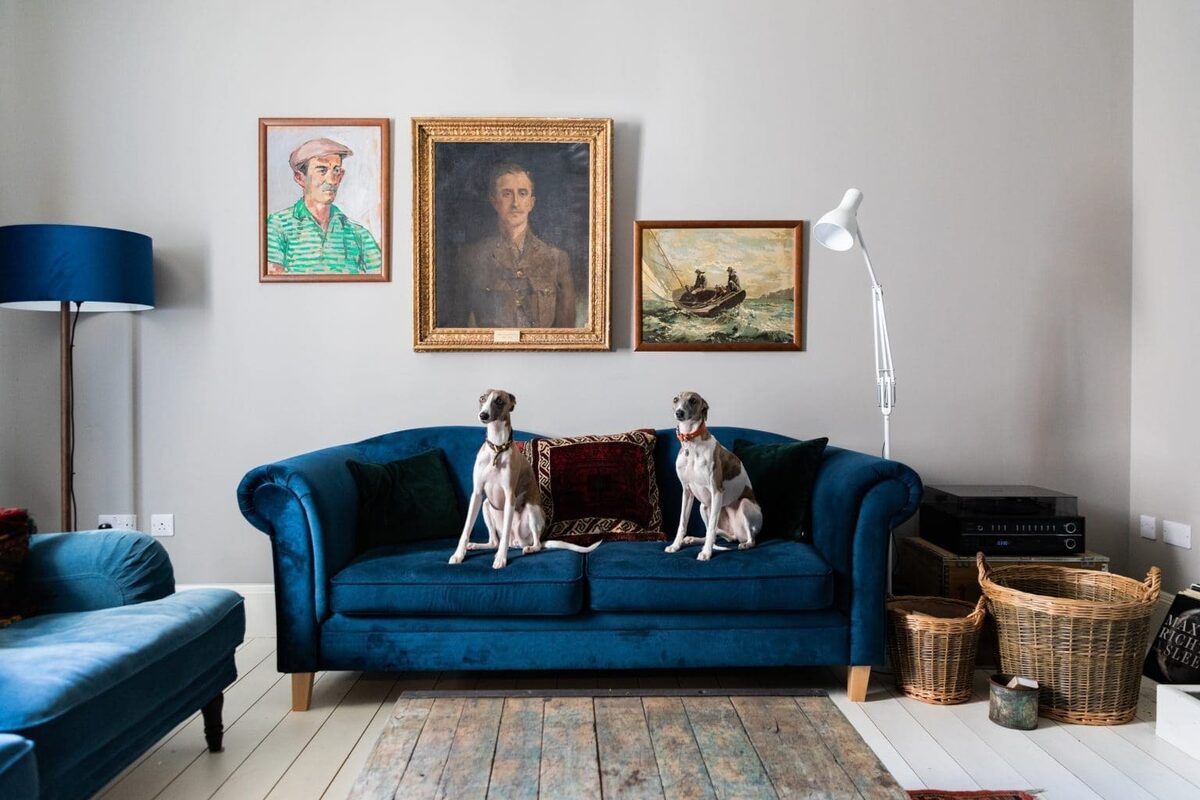
Glen Dye sits on a 30,000-acre estate in Aberdeenshire that has been in the Gladstone family since the 1840s. When Charlie and Caroline Gladstone left South London in 1990 to take it on, the estate was deeply neglected: twenty crumbling houses, derelict farm buildings, and a long list of repairs waiting to be made. But over 25 years, they quietly rebuilt it into something remarkable. Glen Dye today is a patchwork of restored cottages, design-led cabins, and wild woodland with trails, saunas, and wood-fired bathtubs scattered throughout. Stay in a converted sawmill, a river hut with a tin bath, or a pine-sheltered bothy. Interiors mix old and new: sheepskin throws, enamel kettles, stacks of books, and record players beside well-stocked wood burners. It’s not trying to be anything but itself, and it invites you to breathe out and stay a while.
Kabn, Loch Fyne
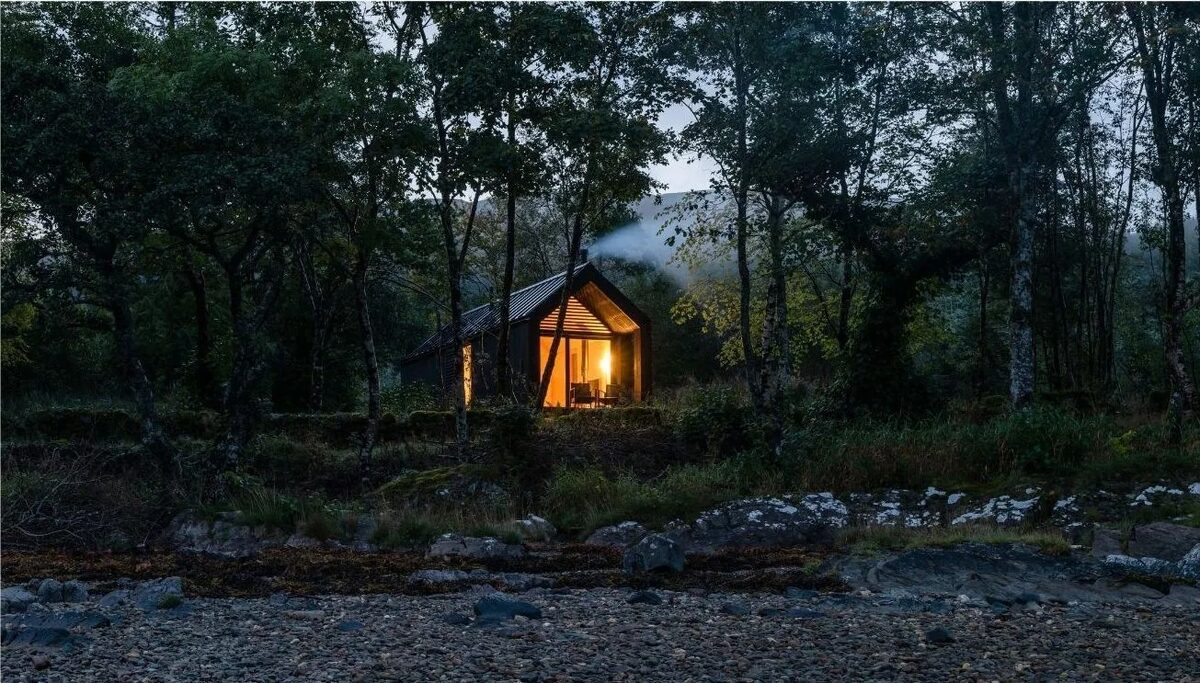
Tucked into a patch of quiet woodland above the western edge of Loch Fyne, Kabn’s two off-grid cabins were designed to offer a slower way to stay. Raised on stilts and built from Scottish larch and glass, they sit lightly in the landscape, pared back but with purpose. Inside, the spaces are warm, minimal and well-made, with wood-burning stoves, natural fabrics, and full-height windows that draw in the morning light. There’s no pressure to do anything at all. Owners Amber Pledge and Charlie Teale left city life to build something quieter, somewhere shaped by the pace of the place, not by screens or schedules.
Stonechat Bothy, Isle of Skye
Stonechat Bothy sits within 9.4 acres of woodland croft on Skye’s Sleat Peninsula. Owners Phil Knott and Laura Cunningham manage the land for biodiversity, not business. Over 85 bird species have been recorded here, alongside rare wildflowers and mammals. The bothy itself is built for simplicity: wood-fired heating, tall windows, and a bed that looks out onto trees and sky. There’s no itinerary and no expectation. You can read by the fire, walk the croft paths, or sit still and see what shows up. It's an invitation to be quiet, on your own terms.
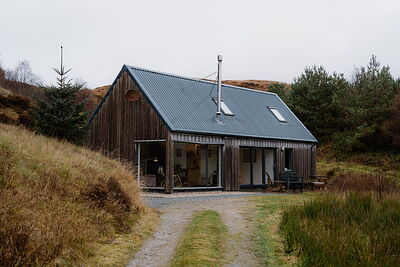
The Lookout, North Berwick
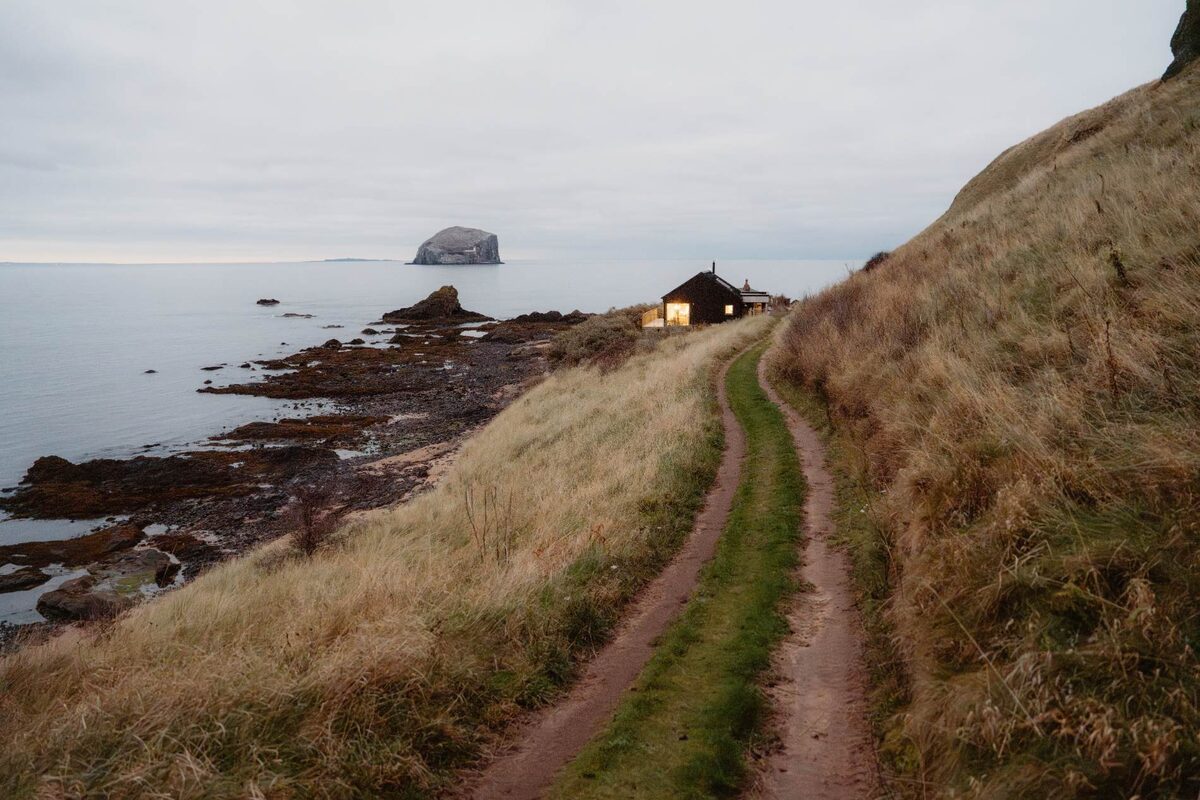
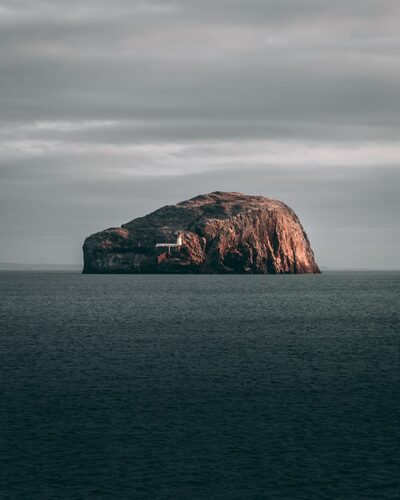
Perched above Canty Bay, The Lookout is a beachside timber house with uninterrupted views to Bass Rock. Just 1.5 miles from North Berwick, it still feels apart, partly because of its location, and partly due to the way the place holds you still. Floor-to-ceiling windows frame the tides, and on quieter days it’s possible to sit for hours without needing anything more than the movement of the sea. There’s a lived-in warmth here: books left for the next visitor, logs stacked for the stove, and a small terrace that looks east towards open water. Even stormy nights feel welcome.
Lochview, Isle of Skye
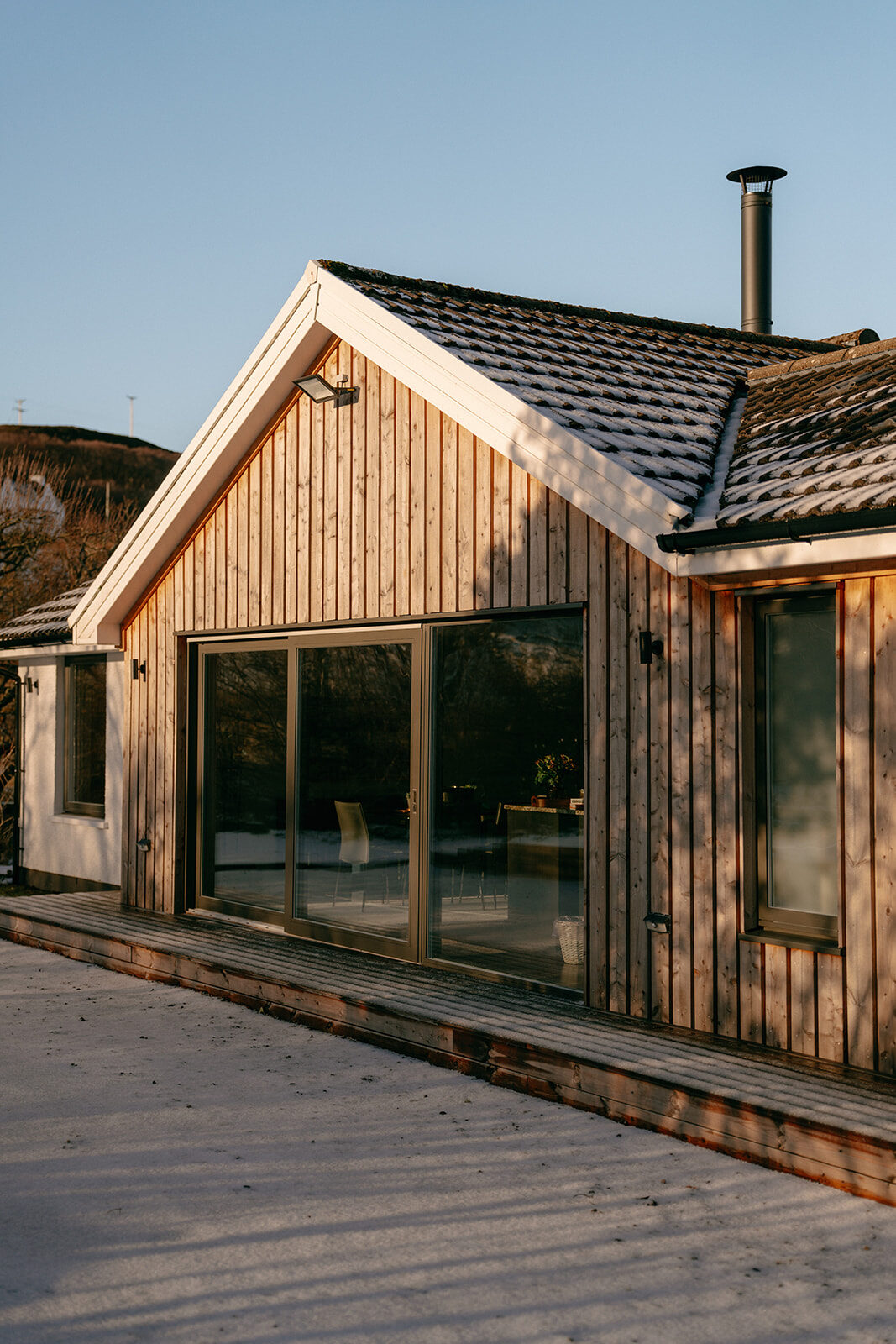
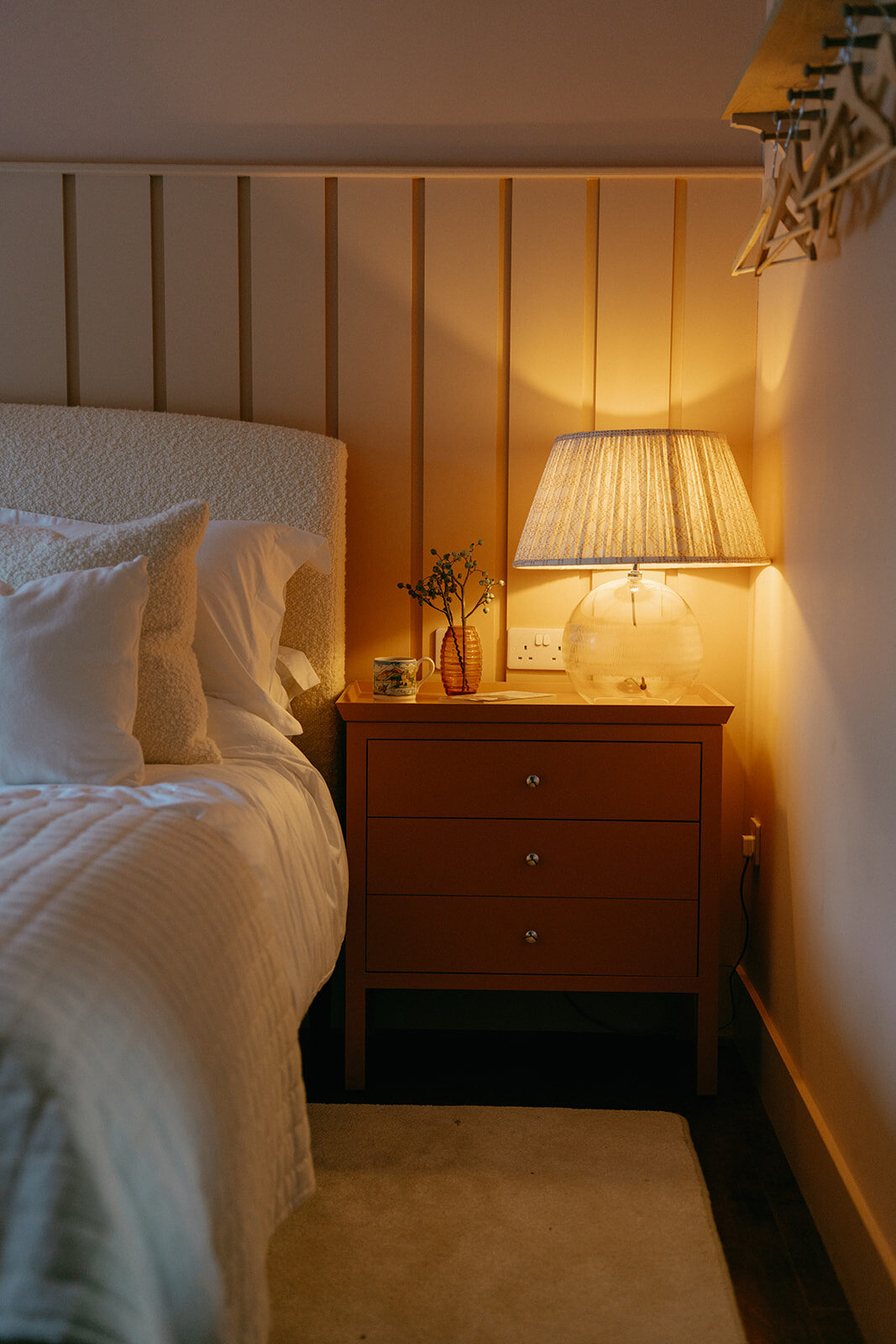
Set on a rise above Loch Dunvegan, Lochview is the kind of place that’s easy to settle into and harder to leave behind. Built as a two-bedroom retreat for couples or small groups, it offers clean architectural lines without feeling stark: oak floors, warm light, and a double-sided stove that anchors the open-plan living space. The mood is calm, not curated. Each window feels considered, drawing your attention outwards to the shifting skies and long, low hills of Skye’s north-west corner.
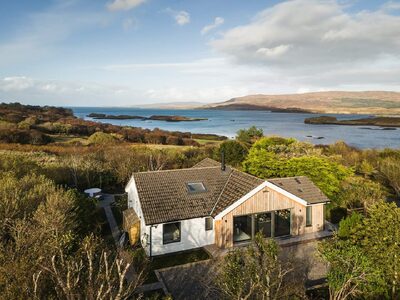
The house sits within a small fenced plot, giving a sense of shelter without cutting off the view. From the outdoor sauna or hot tub, you can watch the weather move across the loch. Evenings stretch longer here, especially in summer, and it’s common to lose track of time: dinner late, books unfinished, the fire still crackling after midnight. There’s a garden lounge for calmer days and a firepit ready when the wind drops.
Inside, the kitchen is fully equipped without being overstuffed, and each of the two ensuite bedrooms is designed for rest: thick mattresses, blackout blinds, soft throws. You wake slowly, to light across the water and the occasional call of a gull or sheep. Though it feels tucked away, The Three Chimneys is a short drive down the road, and Dunvegan’s shops and bakery are close enough for essentials. But most guests tend to stay close. There’s a natural pace to life here that makes even simple things (coffee, walking to the end of the drive, watching the rain) feel easier.
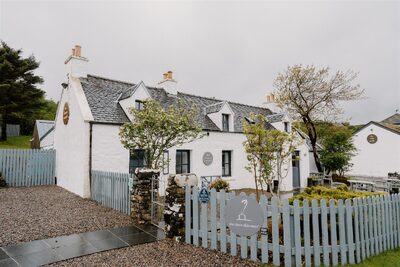
This isn’t a back-to-basics escape, but it is still quiet, with no pressure to fill your time, in a part of Skye that still feels unhurried.
-full-1750069865.jpg)
Bothan Buie, Strath, Highlands
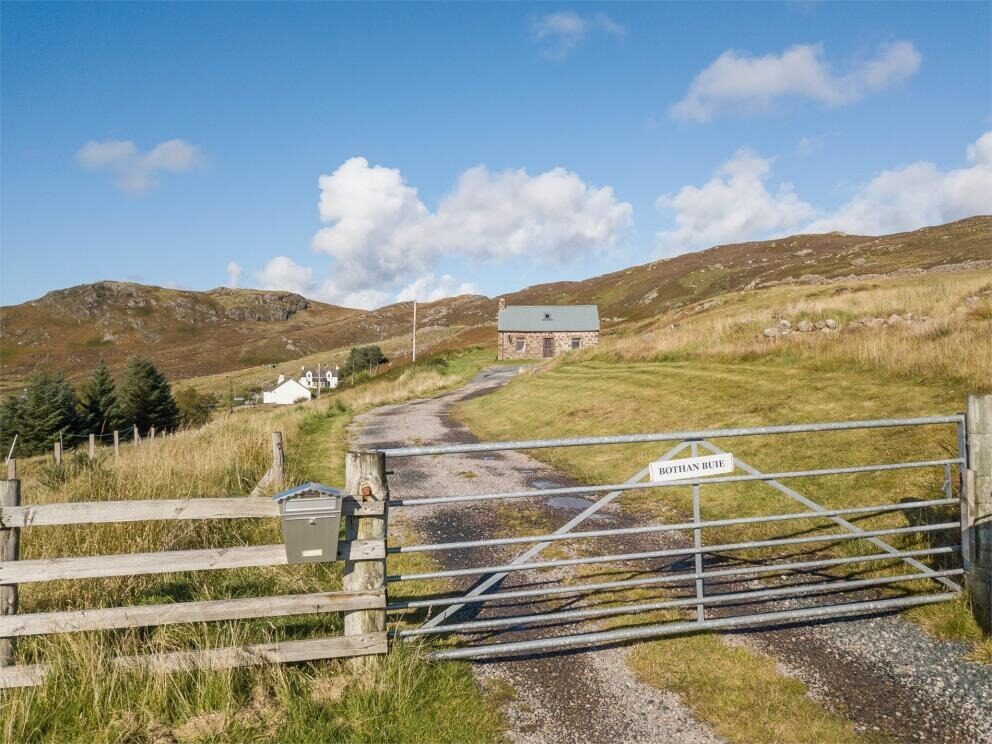
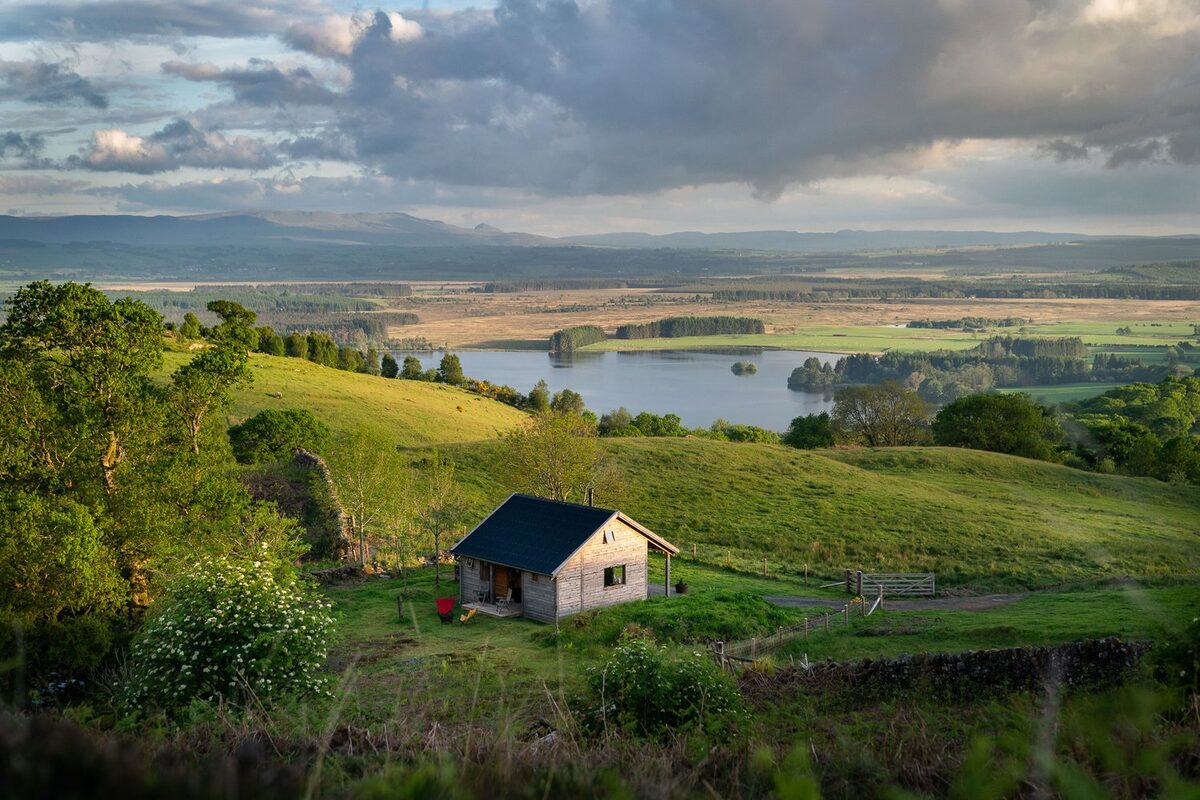
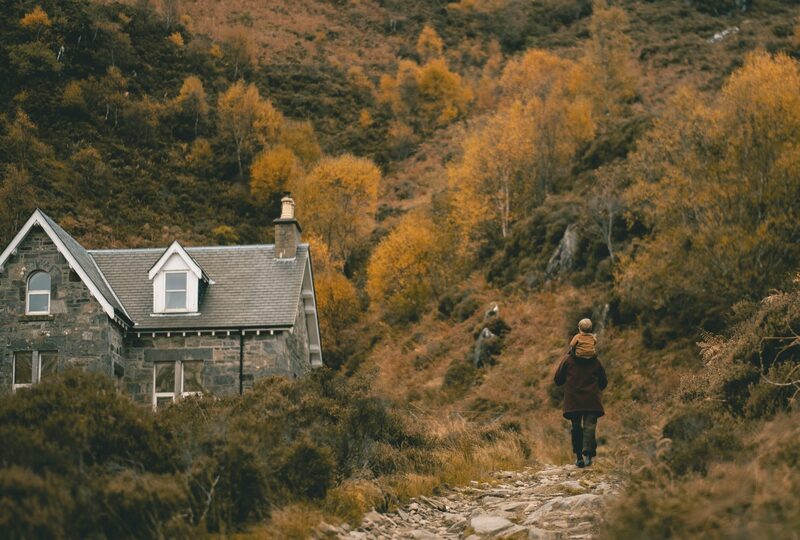
A timber-framed hideaway on a hillside above Strath, Bothan Buie sleeps four people and welcomes two dogs. What makes it stand out is the light: mornings cut through the trees, and dusk settles slowly across the glen. Inside, it’s compact but considered, with wooden walls, soft bedding, and a kitchen built for slow meals. The owners live nearby, and the care they’ve taken is clear in every detail, from the layout to the local tips left on the table. You’re left alone, but not forgotten. It's a place that rewards early nights and long breakfasts.
The Bothy at Nether Glenny Farm, Stirling
Just outside the Trossachs, this self-contained bothy on a working hill farm is surrounded by open fields and forest. It was built for two, with a wood-burning stove, king-size bed, and outdoor terrace looking west. The walk to the top of the farm offers one of the best panoramic views in the area. On a clear day, you can spot Ben Lomond. There’s a focus on slow living here: board games, home baking, and simple walks through the glens. For those looking to reset without a total switch-off, it offers a quiet middle ground.
The Bothy at Inshriach, Cairngorms
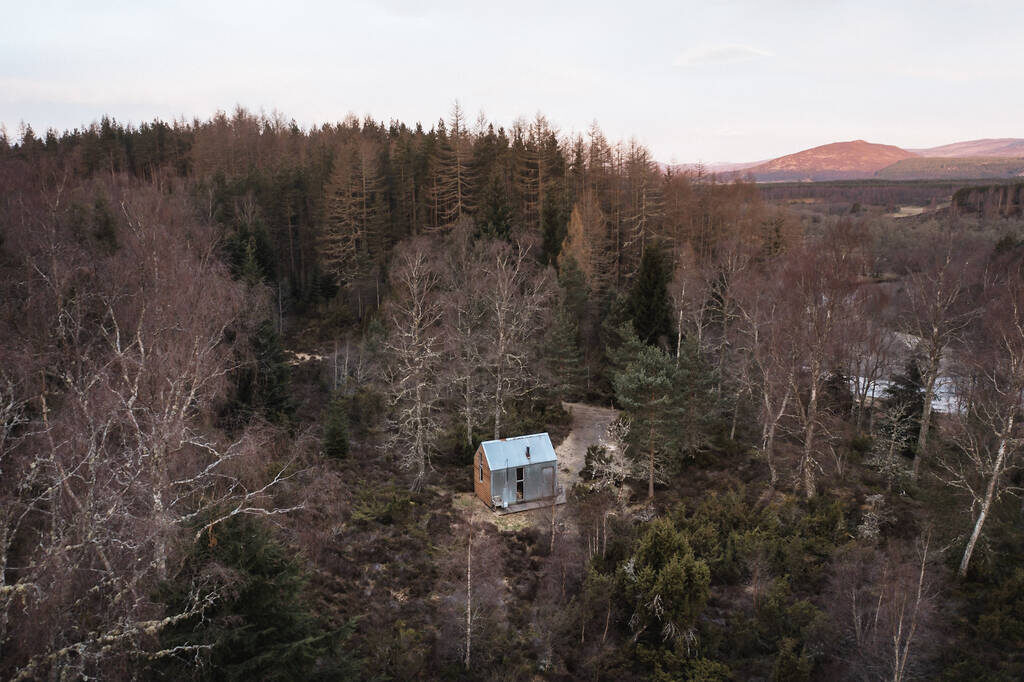
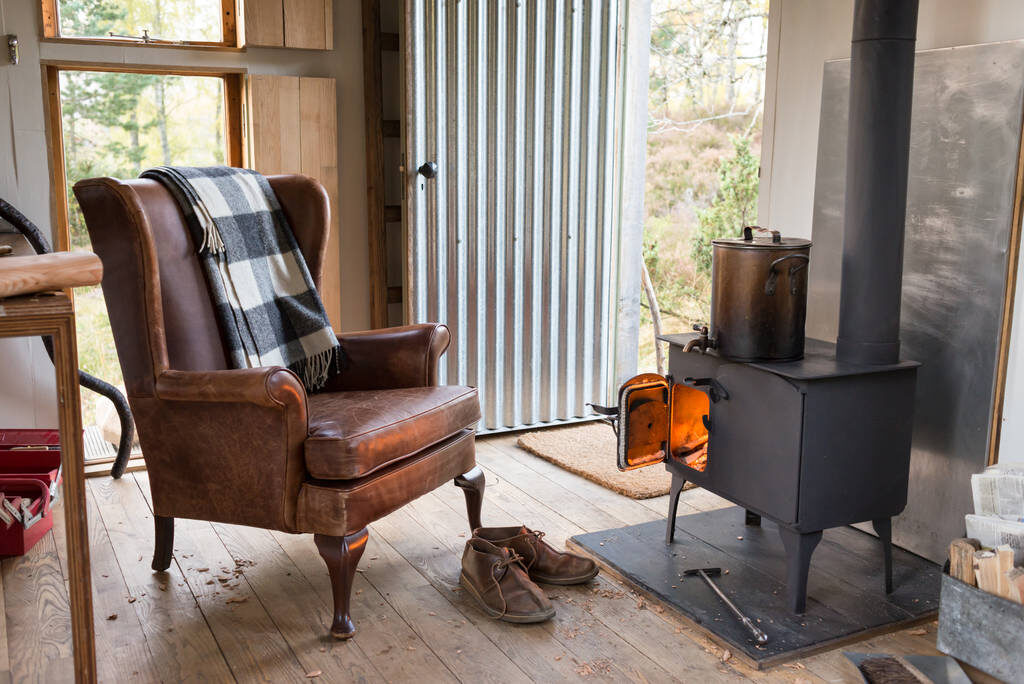
Inshriach is known for doing things differently, and its bothy is no exception. Part cabin, part studio, it sits above the River Spey in a pocket of woodland often missed by visitors heading to Aviemore. Built by hand using reclaimed materials, it’s warmed by a wood stove and lit by candlelight. Outside, there’s a tin bath, a cold plunge, and silence. It’s a favourite for artists and writers needing space to think, but equally welcoming for anyone who doesn’t mind stepping away from modern comforts. The hosts are nearby if needed, but mostly, it’s just you and the trees.
The Treehouses at Lanrick, Doune
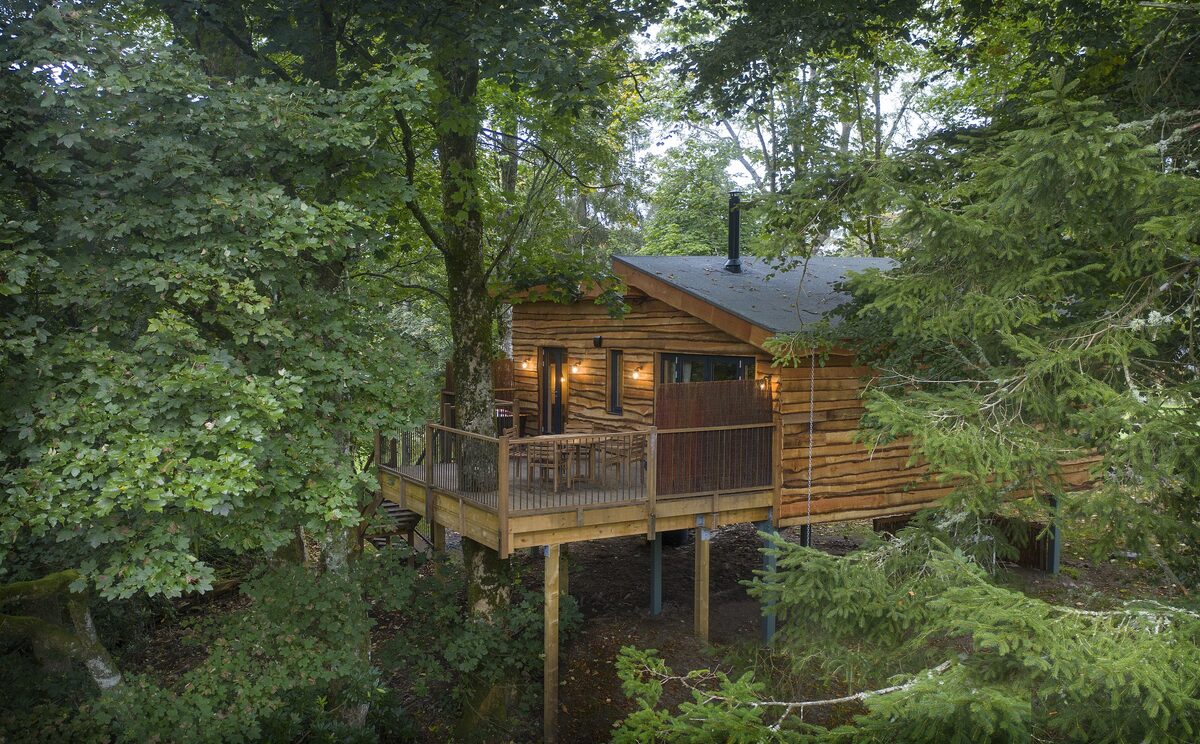
Tucked between the River Teith and woodland near Doune, these treetop cabins offer the sort of retreat that doesn’t need explaining. You arrive, unpack, and slow down. Each treehouse is raised among the branches, with generous windows, timber interiors, and a wood-burning stove to keep things warm in winter. Outside, there’s a private sauna and cold-water plunge beneath the trees, best used early, before coffee. The treehouses were created by husband-and-wife team Simon and Louisa Dickson. Simon grew up on the Lanrick estate and returned with a long-held ambition to build something personal and rooted in place. Louisa, originally from Inverness-shire, brought years of experience designing African lodges, and her attention to detail is seen in every corner. The land has been in the family since 1904, and these spaces feel like a continuation, not a break, from that story. A place where you’re free to do very little, and feel better for it.
Callie Bothy, Glenelg
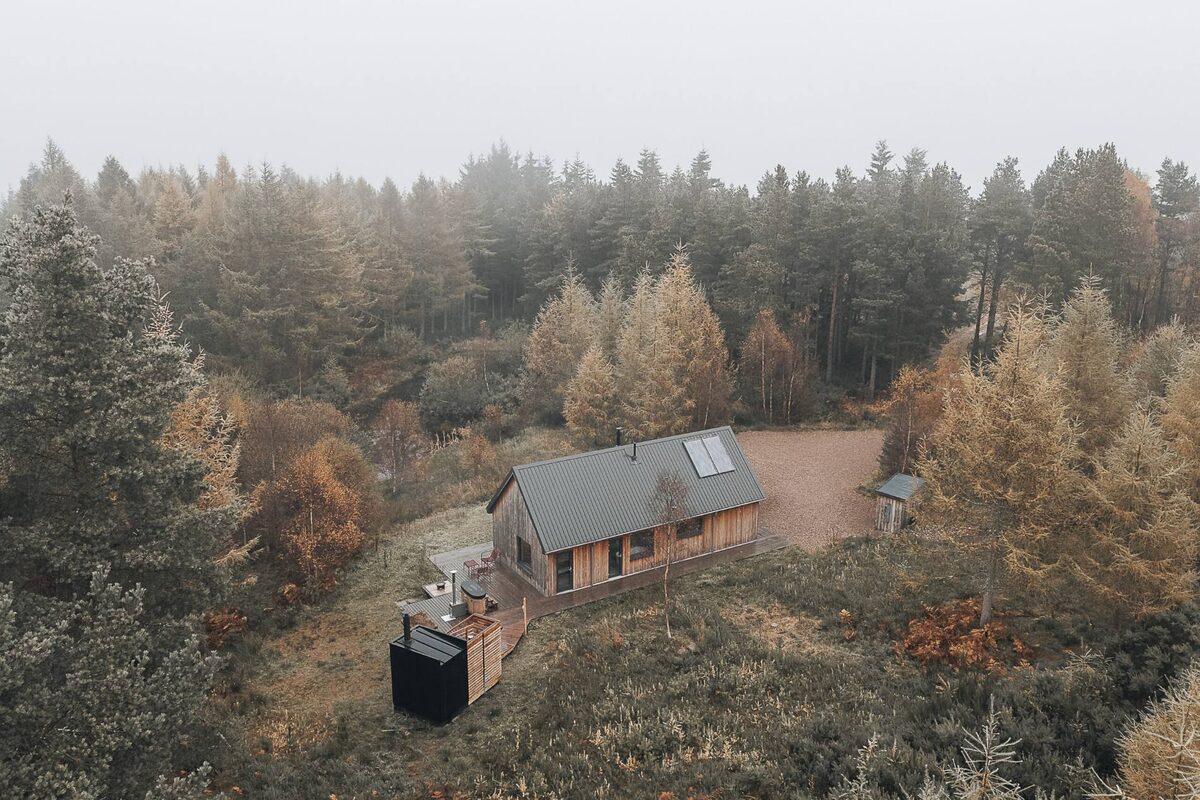
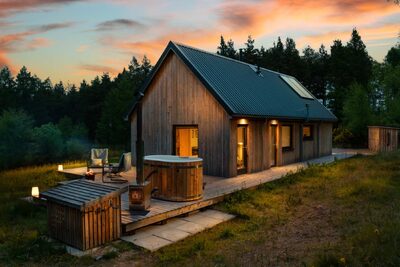
On a quiet stretch above Glenelg Bay, Callie Bothy feels more like a private lookout than a holiday stay. Built with natural materials and heated by a wood stove, it’s small but comfortable: just a double bed, a compact kitchen, and a wood-fired hot tub outside. Views stretch over the Sound of Sleat toward Skye, with no neighbours in sight. It’s owned and run by a small team who clearly care about the experience: everything from the bedding to the bookshelves feels chosen, not supplied. You settle in quickly, then stop noticing the time. That’s the point.
Tiny Home Borders, Scottish Borders
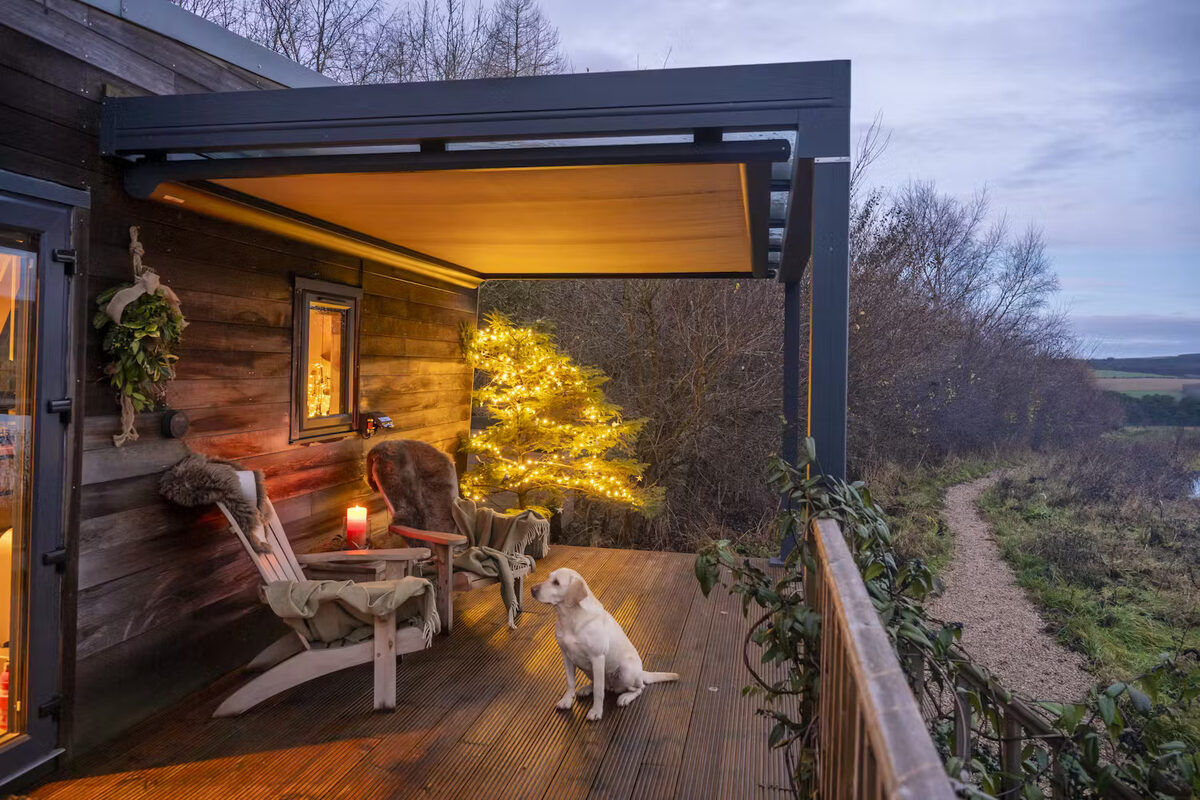
This handcrafted cabin sits quietly on Hallrule Farm, a stretch of regenerative farmland tucked into the Rule Valley. Designed and built by owners Sarah and Richard, the space is compact but thoughtful: mezzanine bed, wood-burning stove, small kitchen, and a warm shower to come back to after a walk through the trees. Outside, the private deck catches the last of the light, with long views across hedgerows and pasture. Hares sometimes cross the path at dusk. The tiny home is off-grid but never uncomfortable. It offers enough to settle in and very little to distract. You get a sense that everything here, inside and out, has been quietly looked after. It’s a good stay for anyone who wants to step back without feeling completely out of reach.
The Fishing Hut, Ballochneck, Stirling
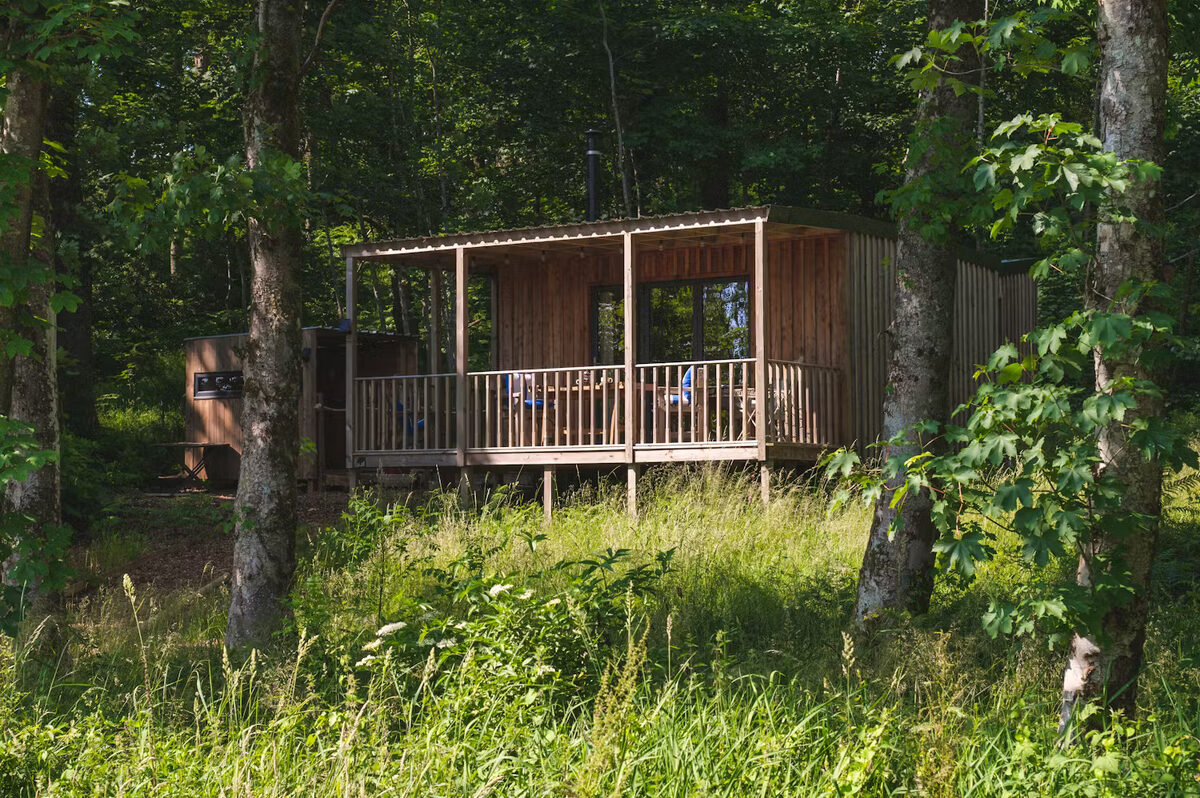
On the edge of the River Endrick, not far from the Trossachs but far enough to feel elsewhere, this old fishing hut has been stripped back and rebuilt into a one-room shelter with just enough. The main space holds a wood burner, a soft chair by the window, and a bed facing the pond. The kitchen and bathroom are in separate timber huts, close by but not connected, keeping the main space quiet and simple. There's a wood-fired bath outside and a wide deck where herons and buzzards are sometimes seen overhead. Mobile signal is patchy and there’s no Wi-Fi, though there is electricity and a solar-powered charger for those who need it. You don’t come here for features. You come to be on your own, hear water moving past the stones, and let things slow right down.
The Daily
Arrives at 5am every day.
A free morning email to see what’s on this week, catch up on what’s happening in Scotland and find somewhere new to go.
The Wilderkin Cabin, Scottish Borders
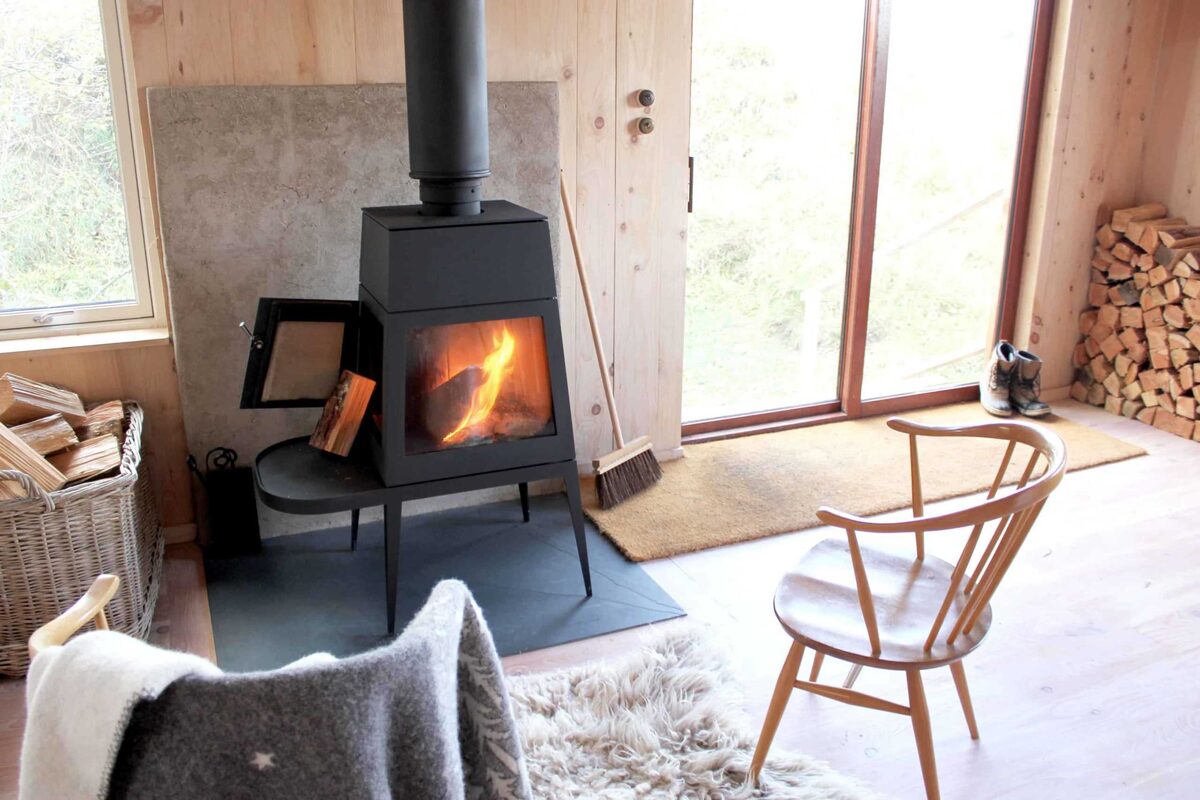
Built by owners Joe and Jules, this off-grid hut still carries the feel of a personal project. It’s tucked on the edge of a working farm, looking out across low hills and open sky. The materials are simple (timber frame, corrugated tin, large windows), but everything is solid and well thought through. There’s a comfortable bed, a wood burner that keeps the space warm, and a kitchen that does what it needs to. Power comes from solar; water from a nearby spring. At night, the stars take over, with nothing nearby to outshine them. No one checks in on you. You arrive, step inside, and let the place set the pace.
Alder Cabin, Venachar Cabins, Stirling
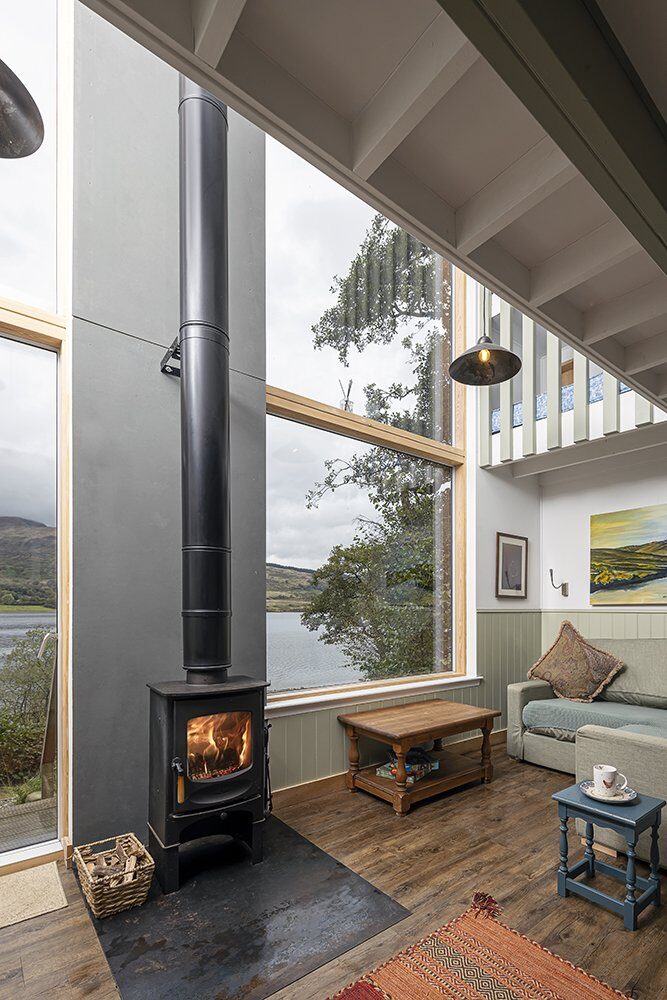
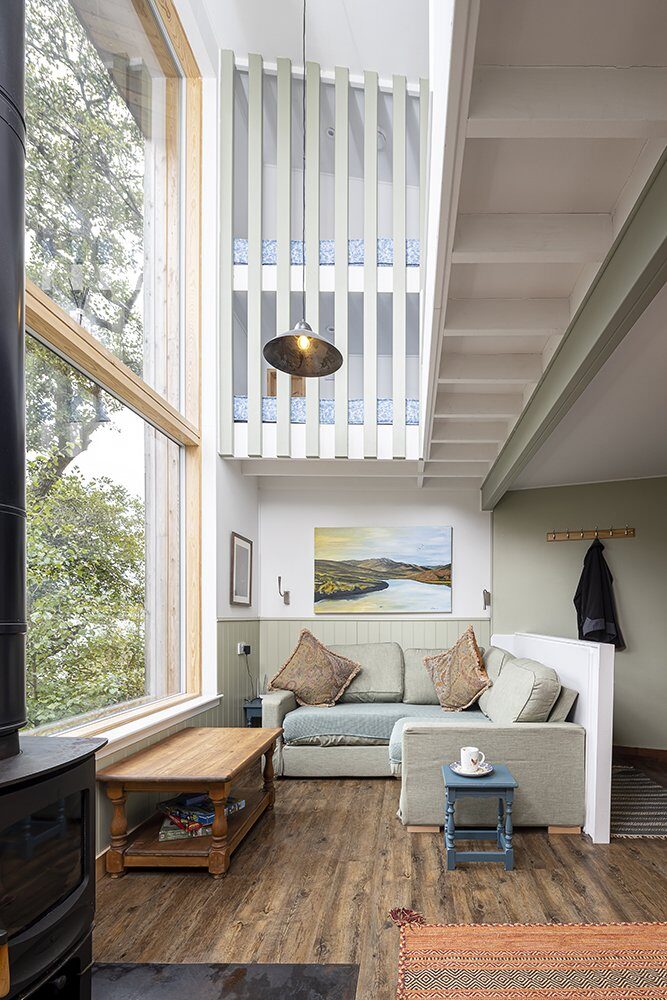
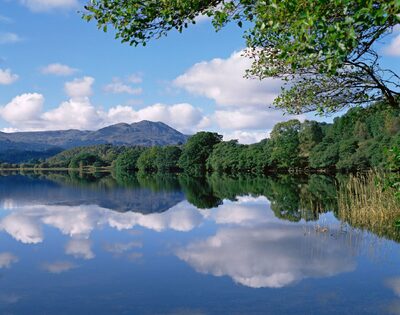
Built on a quiet slope above Loch Venachar, Alder Cabin offers a clear view across water, trees, and sky, with nothing between you and it but glass. It’s one of three handcrafted cabins on site, spaced generously to preserve a sense of privacy. Alder is the most secluded of the three, tucked furthest along the woodland edge, and has a slightly lighter, brighter feel thanks to its white interior and large windows that stretch almost the full height of the building.
Inside, the layout is simple but not sparse. A mezzanine holds a super king bed and two bunks, with views straight onto the loch. Downstairs, the kitchen has enough to stay in and cook a full meal: induction hobs, fridge freezer, and a combi oven. The wood burner warms the whole space in colder months, and outside, hand-carved benches and a fire bowl invite slow evenings in fresh air.
Owners Hugh and Jemima built the cabins on land Hugh grew up exploring, with the help of a local architect and input from the national park. That local knowledge is still felt, through walking suggestions, thoughtful design choices, and the freedom to just be. You’re only just over an hour from Edinburgh or Glasgow, but it doesn’t feel like it. Days pass quietly here. Even when it rains, the view holds you. You wake to light on water, maybe spot an osprey or red squirrel, and end the day with a fire, a book, and no particular plans.
Glen Glack Cabins, Dunkeld, Perthshire
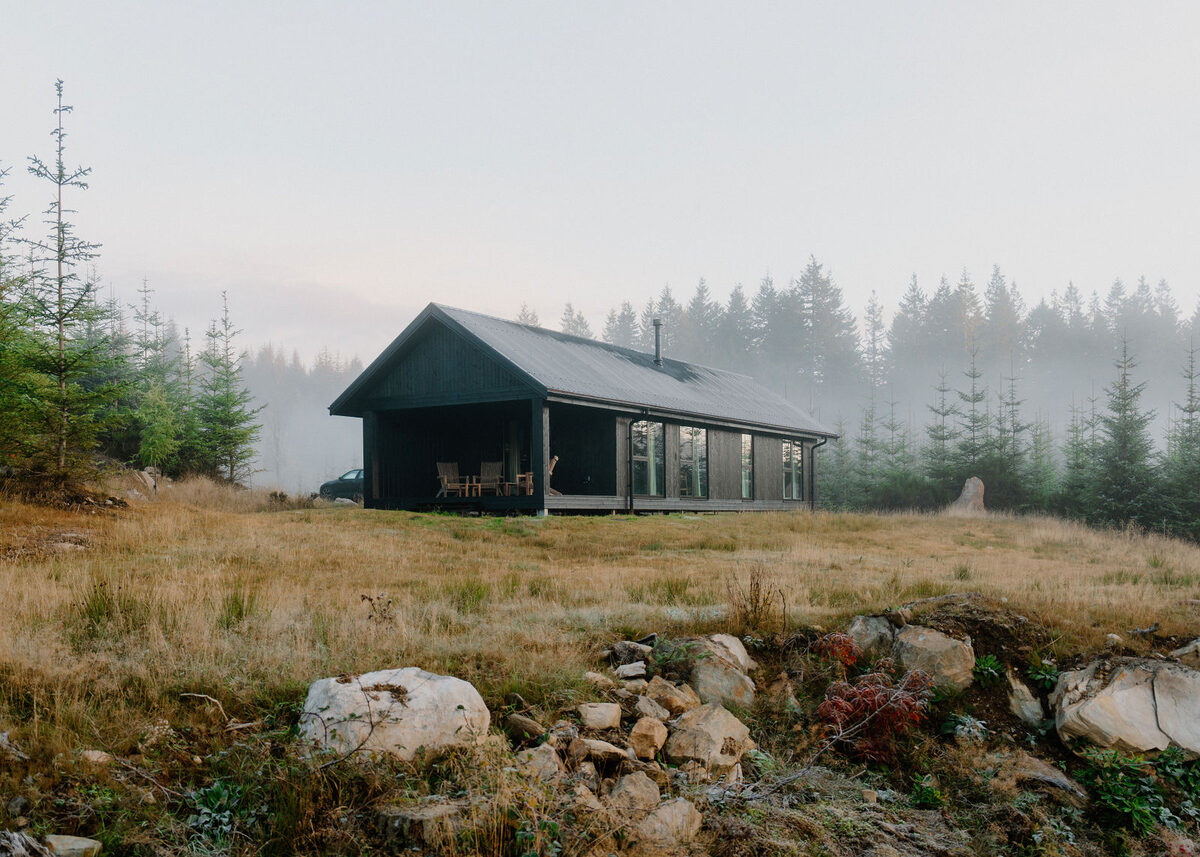
Just beyond Dunkeld, where the road slips into woodland and lochside, five cabins sit quietly at the edge of Cally Loch. They don’t draw attention to themselves (timber-clad, tin-roofed, and low among the trees), but they hold the space well. Built on Atholl Estates land and developed by Claire Spencer-Churchill, whose family have long ties to the estate, Glen Glack was never intended to feel like a hotel. These cabins were designed to feel personal: something between a hideaway and a home, but without the noise of either.
The project came about after Claire’s return from years working in fashion in Paris, bringing with her a sharp eye for design and a feel for detail. Working with architect Alastair Forbes and interior designers Turner Pocock, the cabins were made to reflect the colours and textures of their surroundings: teal, moss, heather, soft timber, and wide glass. Each one has a wood-burning stove, a deck looking out across the loch, and enough space to stretch out, but not disappear.
Four cabins sleep four; one is built for two. Inside, it’s thoughtful but not overstated: wool throws, dark greens and blues, textured walls, and Adirondack chairs set out for watching the light shift across the water. You can walk into Dunkeld in about 20 minutes, or stay put and watch the weather change from the porch.
There’s a sense here that nothing has been rushed. Not the planting, not the layout, not the plans for what’s next. It’s the kind of place that feels established. And when you leave, you’ll probably take a bit of the stillness with you.
Some places ask for your attention; these ones give it back. Each stay here offers a version of the same thing: a chance to stop moving, stop checking, and let time stretch out again. There’s no single kind of quiet, but all of these places hold onto it in their own way. That might mean a fire that takes a while to catch, a window with nothing much in the way, or a walk where you see no one at all. Not every trip has to be busy. Sometimes, the best ones don’t ask anything of you at all.
 Out now
Twice a year, to your door
One hundred and sixty pages of Scotland, every photograph commissioned, every word written by someone who went. Members get both issues posted and everything on screen.
 Wild at Heart
 The Modern Croft