
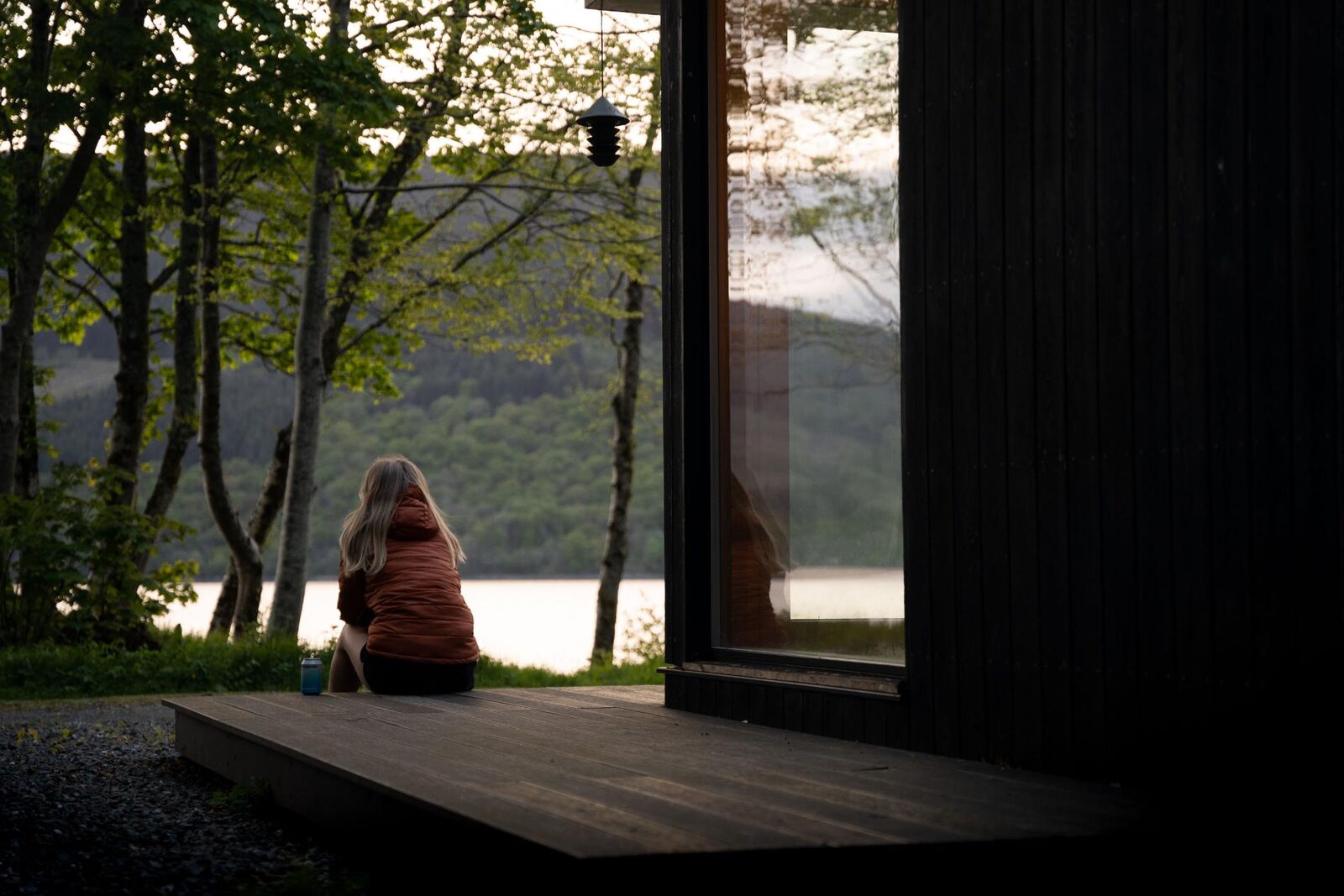
Modern Stays, Wild Places: Design-Led Escapes in Scotland
Architect-designed cabins and modern holiday homes in Scotland, from Harris to the Pentland Hills.
Words by Hidden Scotland
There’s been a quiet shift in how people want to stay in Scotland. Fewer are looking for grandeur or high-end hotels. More are choosing places that feel rooted: homes built with the land in mind, where design isn’t just about style, but about space, light, and how you spend your time. This collection brings together some of those stays.
They’re scattered across the country: some by lochs, some tucked into woodland, others perched by the sea. You’ll find off-grid cabins powered by solar panels, blackened larch buildings that vanish into the trees, and interiors stripped back just enough to let the surroundings do the talking. But these aren’t cold or stark places. They’ve been shaped by the people who built them (many by hand), and that shows. There’s warmth in the wood, thought behind every corner, and a sense that these are homes you return to, not just pass through.
The stays below suit a weekend or a longer escape, and each shows what happens when architecture meets wild ground. Each one offers something a little different, be it a wood-fired hot tub in Argyll, the peace of Harris sands, or walking trails straight out the door in Highland Perthshire.
None of them is remote for the sake of it: each one pays attention to where it stands.
Kabn
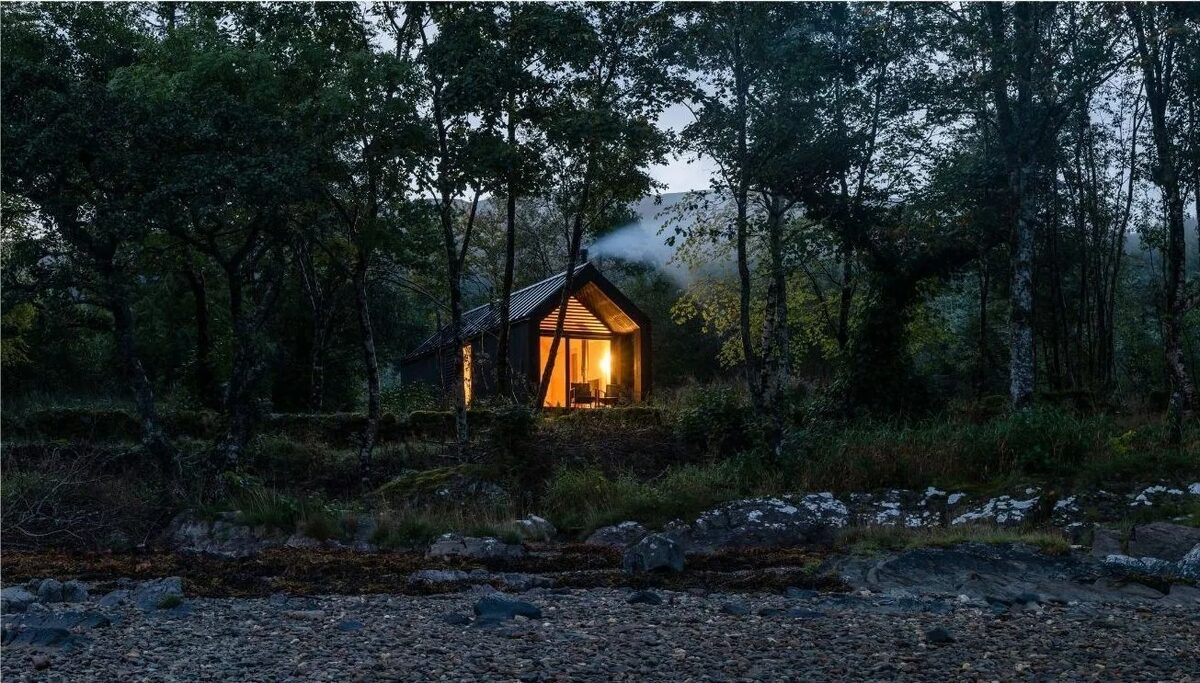
Loch Fyne
Built low into the hillside above Loch Fyne, Kabn offers two architect-designed eco cabins, simple in shape, dark-clad, and opened wide to the water through full-height glass. Each cabin sits on its own stretch of land, well spaced from the other, with views across the loch that shift constantly through the day.
Inside, everything feels deliberate. Pale timber walls, clean surfaces, a soft king-size bed facing the window. There’s a log burner for warmth, a small but efficient kitchen, and a walk-in shower tucked behind the sleeping area. It’s compact, but nothing feels missing. The cabins are off-grid, but well equipped: solar power, running water, and enough comfort to feel at ease in all seasons.
You can sit out on the deck, cook over the firepit, or follow the trail down to the shore with a morning coffee. The water is close enough to swim or paddle, though just watching it is often enough. A small bothy near the site sometimes hosts outdoor dinners or slow-cooked meals over flame, depending on the season.
Kabn isn’t remote, but it feels set apart. It’s the kind of place where time expands a little, where you can read a book cover to cover, watch the sky change colour more than once, and fall asleep without having planned anything at all. It’s built for stillness, and it handles that well.
Glen Dye Cabins and Cottages
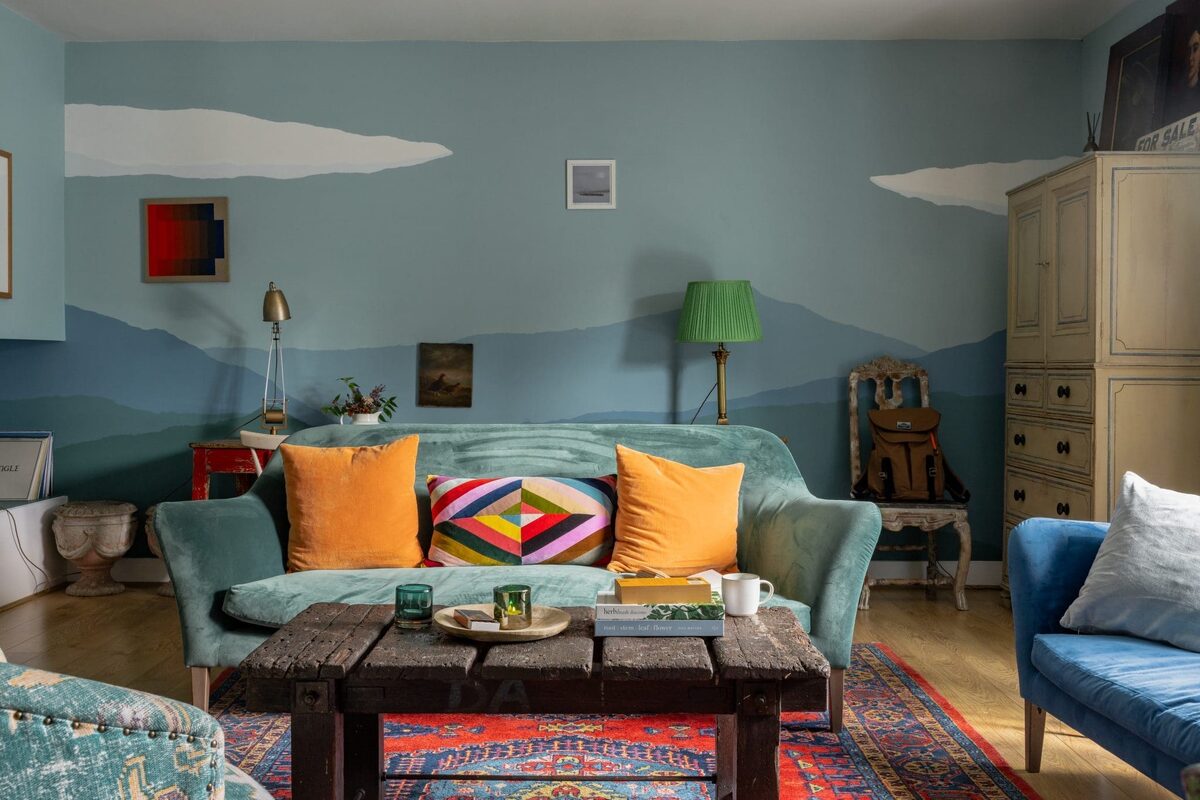
Aberdeenshire
There’s a quiet confidence to Glen Dye. You turn off the road into the forest, and by the time you’ve passed the old sawmill and crossed the bridge over the Dye Water, the rest of the world feels further away than it probably is.
The cabins and cottages are spaced across the estate, each with its own bit of privacy. Inside, they’re simple and solid: wood stoves, stoneware mugs, record players, and throws that actually keep you warm. Some have hot tubs, one has a bothy-style bunkhouse, and nearly all look out onto something that moves: trees, hills, sky.
You don’t really need to go anywhere. There’s a wood-fired sauna near the river, forest trails that lead from your front door, wild swimming spots if you’re brave, and a well-stocked honesty shop with estate produce, beer, and basics. You can cook over fire or settle in for a quiet night indoors. It suits both.
For families, couples, or solo stays, the estate gives you room to roam without needing a plan. And that’s what makes it work. You’re not just staying in a cabin: you’re borrowing a small corner of somewhere that runs at its own pace. It’s the kind of place you could book for two nights and wish you’d stayed for a week.
Solas
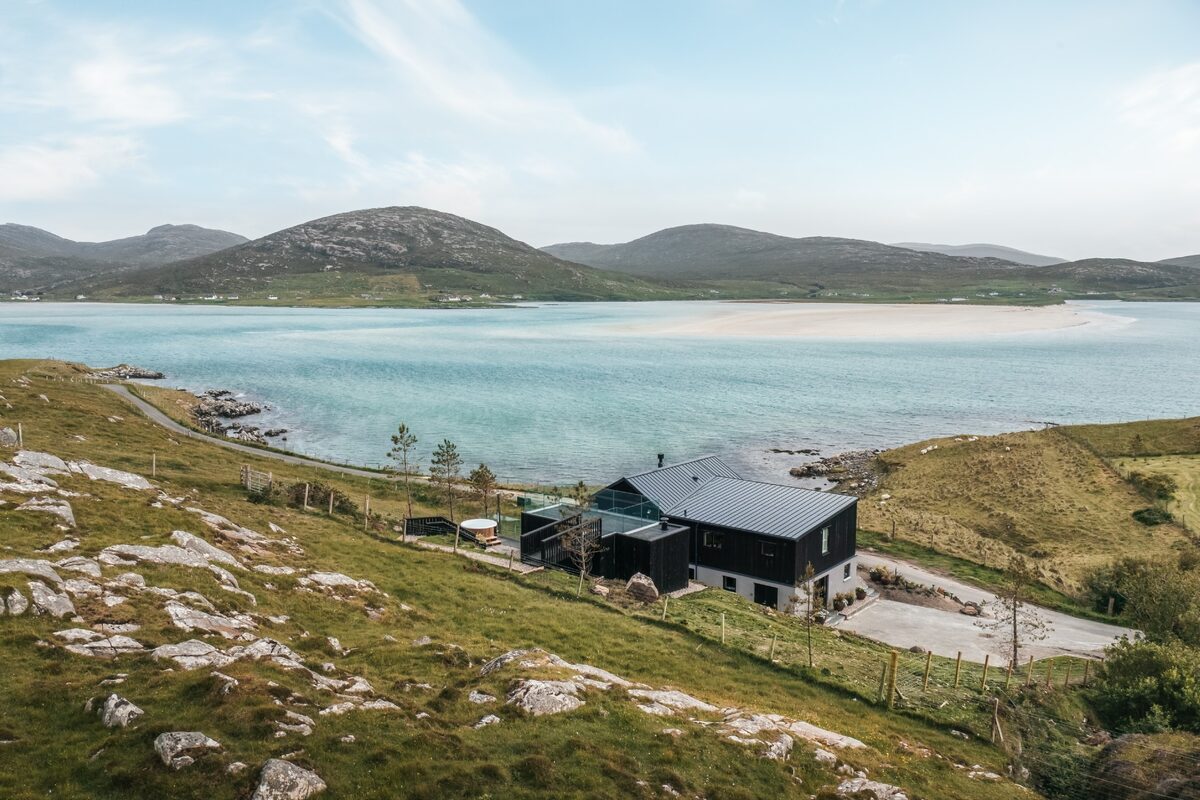
Isle of Harris
Sitting just above Seilebost Beach, Solas feels quietly settled into the land around it. Low, timber-built, and pale against the machair, it looks out across the Sound of Taransay with glass walls that pull the view indoors. The shape is simple. One long line facing west, nothing added that doesn’t need to be there.
Inside, it’s warm and restrained. Clean finishes, soft lighting, and a space that feels like it’s been thought through rather than decorated. There’s a long couch set by the window, an open kitchen with everything close to hand, and a bedroom that catches the last of the evening light. You sleep with the sea in view and wake to clouds moving over the island.
Solas is built for two. There’s no TV, no background music, no distractions beyond the ones you bring with you. The door opens onto dunes and sand, with long walks in either direction and water cold enough to remind you where you are. In summer, the light stays late. In winter, the dark closes in early. Either way, the space holds.
Harris always feels like a destination you’ve had to earn. The roads are long, the crossings often slow. But once you’re here, Solas makes sense. It doesn’t try to compete with the surroundings. It just lets you sit still in the middle of it all. On quiet days, with the windows open, you can hear nothing but the sea and the wind moving through the grass.
Borradill
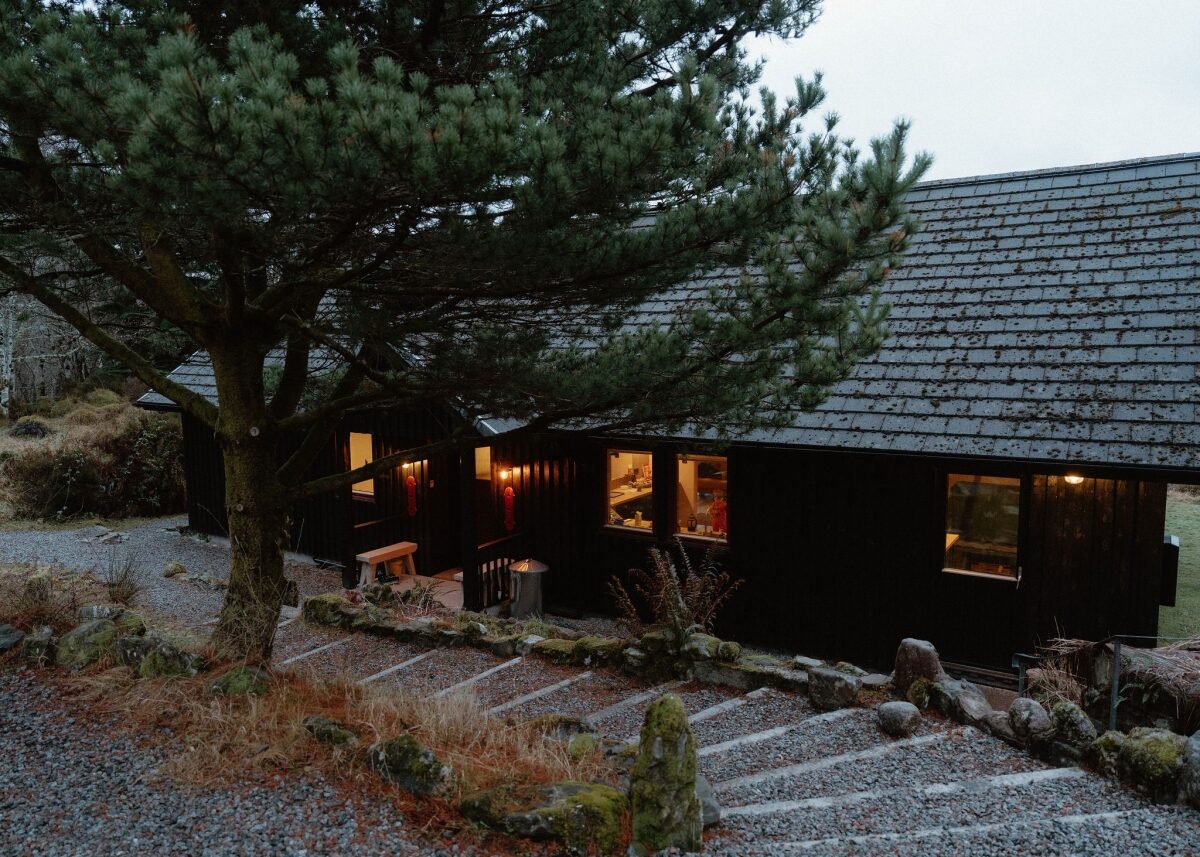
Ardnamurchan
Set in 25 acres of ancient woodland on one of the quietest corners of the west coast, Borradill is a pair of timber cabins designed to reflect the wildness and history of the land around them. You stay in either The House or The Cottage, both surrounded by trees, both looking south across Loch Sunart to the Isle of Carna. From the windows, the landscape feels close: mosses clinging to stone, rain moving through the hills, sea loch catching the light as it shifts.
Inside, there’s a softness that’s immediate. Handwoven textiles, wooden floors, south-facing glass, and shelves filled with books, art, and small details that change from room to room. The interior design brings together Hebridean and Scandinavian influences without forcing the point. There’s a fireplace framed by carved tiles, a snug where a photograph of the Lady of Ballachulish hangs quietly, and corners that feel as if they were shaped more by time than plan.
Trails run through the woods, past oaks and burns, toward rope swings, hidden dens, and the kind of silence that makes you stop and listen. There’s a sense of the old here (burial stories, Viking names, traces of long-settled land), but the cabins don’t lean on that. They offer space, stillness, and a way to take things at the pace this place asks for. Whether you spend your days walking, reading, or watching weather pass over the loch, Borradill holds you without ever needing to explain itself.
The Cartshed
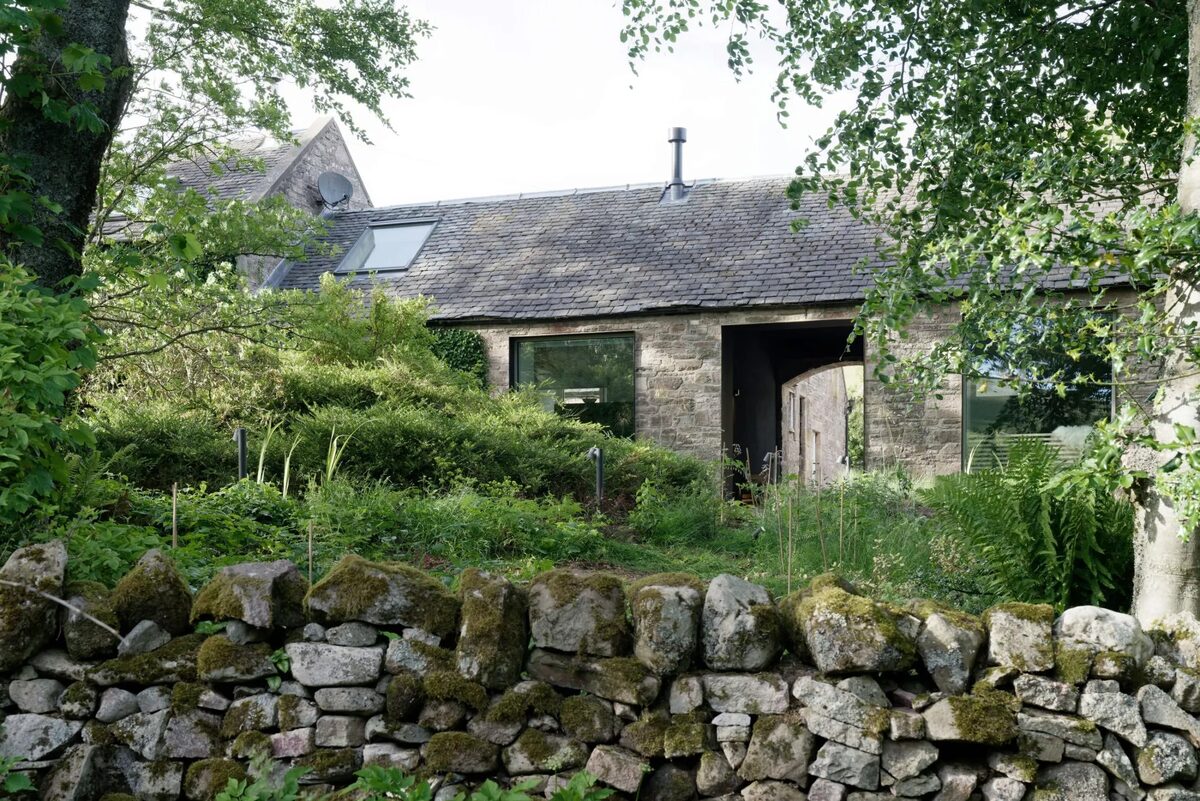
Just south of Edinburgh, where the fields start to lift into the Pentlands, the road turns to track and the buildings thin out. The Cartshed sits low against the slope, part of the Eastside Farm estate, with long stone walls, big sky, and the hills rising just beyond the fence. From the living room you can see open moorland stretching off into the distance, and on clear mornings, the sun moves slow across the ridge.
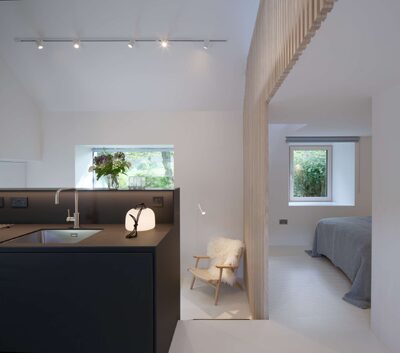
The building is old, but the rework is sharp. Poured concrete floors, pale timber beams, and wide glass doors that open onto a private garden. Inside, it’s simple and solid: an open kitchen that’s easy to use, a fire you actually want to light, and places to sit that face the view without feeling staged. There’s a rhythm to the layout that makes sense the moment you walk in.
You can walk straight out the back and be on the hill in minutes. There’s a short circuit that loops around the estate, or longer routes that take you deep into the Pentlands if you’ve brought boots. Back inside, it’s warm and quiet, with enough space to cook, read, and sit still without needing to move things around.
The Cartshed is close to the city but never feels that way. It works just as well for a weekend away as it does for a slower week. It doesn’t overstate itself. You arrive, the weather does what it likes, and at some point you stop checking the time. Everything is right where it should be, and that’s all it needs.
The Lookout
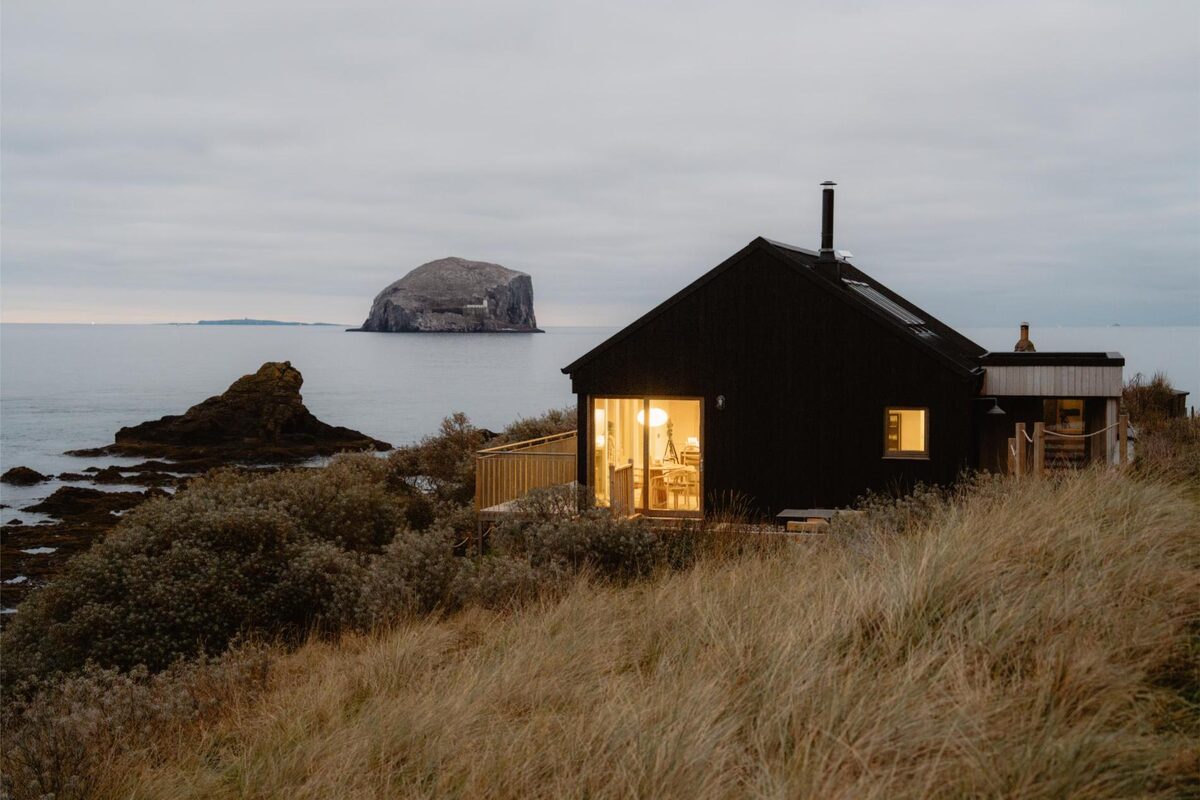
North Berwick, East Lothian
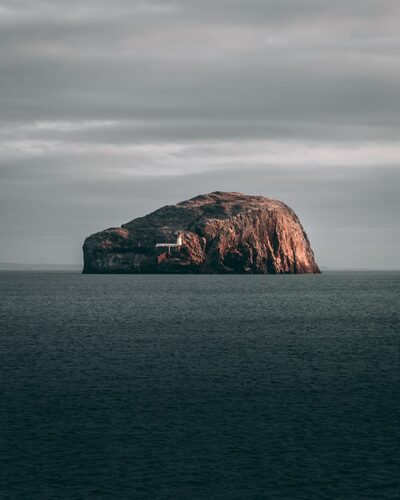
You reach it on foot. A grassy path curves along the edge of the dunes, with the sea on one side and sky wide open above. Then it appears, set back just enough from the beach to feel private, but close enough that you can hear the tide moving. The Lookout is clean-lined, timber-clad, and shaped around the view. From the terrace, you can see right across the bay to Bass Rock, white with gannets and shifting light.
Inside, everything feels settled. There’s warmth in the materials: pale wood, soft fabrics, and a lived-in kind of calm. The living space opens out to the water, with full-height glass that brings the outside in without making a point of it. A well-designed kitchen, a dining space that works whether it’s dinner for two or a slow breakfast, and places to sit without needing to rearrange the room.
The main bedroom faces the sea. You wake to light on the water and seabirds cutting across the view. On still mornings, the tide sits quiet and glassy. In the evening, you can watch the weather move while the pizza oven heats up on the terrace. Everything you need is here, and the town is a short walk if you feel like heading in.
It’s a quiet kind of stay. Thoughtful and well-built, with the sea always just at the edge of your attention. You don’t need to do much. Open the doors, step out onto the terrace, and let the coast keep pace for a while.
Silva
Loch Tay, Perthshire
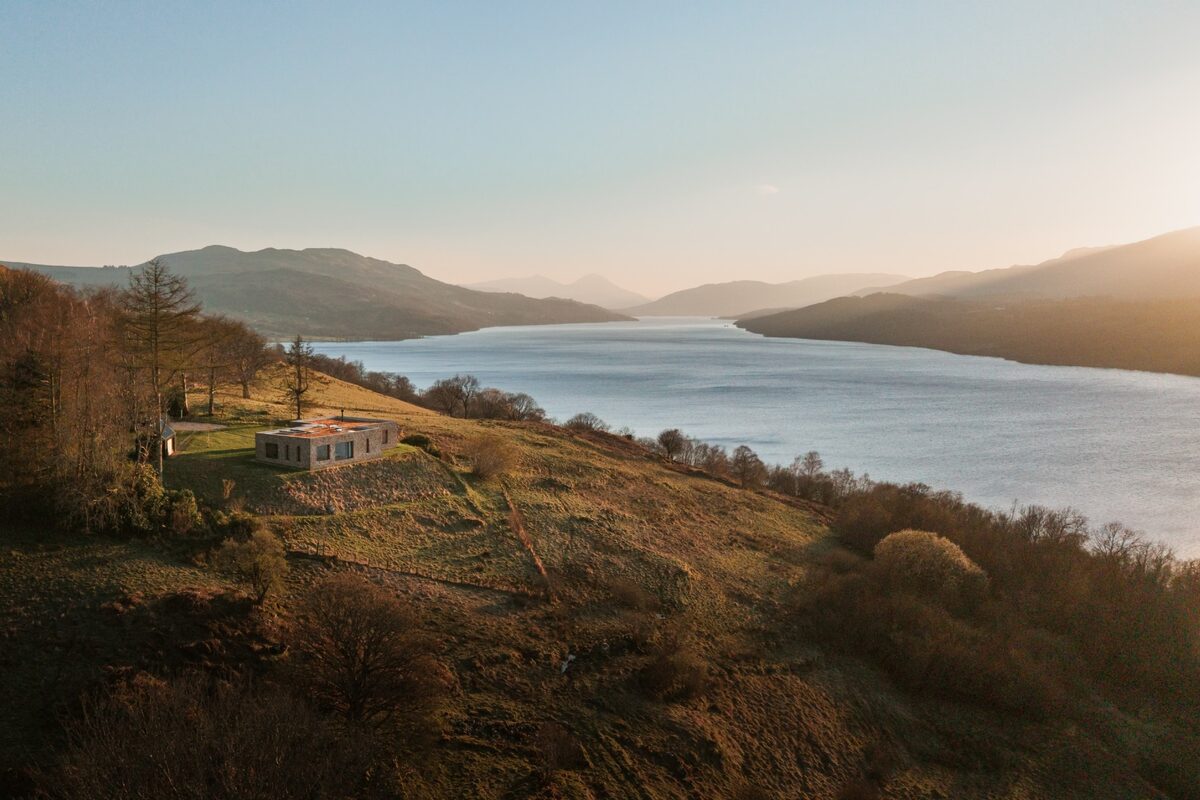
There’s a stillness here that hits you as soon as you arrive. Silva sits just above the southern shore of Loch Tay, with nothing between you and the water but a short stretch of field and reeds. The house is simple in form (glass, timber, and metal), but nothing about it feels stark. It’s warm, well-built, and clearly made with care.
The views are the main draw. From the living room, kitchen, and both bedrooms, you get an open look across the loch to the hills beyond. On grey days the water goes dark and reflective. When the weather clears, the whole place fills with light. Inside, everything is functional but well chosen: wood-burning stove, rainfall shower, underfloor heating, and a kitchen that’s easy to cook in without being overcomplicated.
The loch edge is a short walk down the hill, and there’s enough space on the decking to sit out with a drink or dry off after a swim. A fence separates the property from nearby farmland, but you still get a full sense of privacy. It’s a good base for exploring the area (Killin is nearby, and Ben Lawers isn’t far), but you could easily stay put.
Best for couples or two friends travelling together. The second bedroom is a small double, so it suits a quiet retreat better than a group.
The Daily
Arrives at 5am every day.
A free morning email to see what’s on this week, catch up on what’s happening in Scotland and find somewhere new to go.
Vriskaig
-full-1750069865.jpg)
Set just above the shoreline, Vriskaig looks out across Loch Portree towards the painted harbourfront and the dark shapes of the Cuillins behind. The suite is part of the Cuillin Hills estate but separate from the hotel itself: quiet, self-contained, and designed with care. You reach it by a short path, past low trees and open sky, then step into a space that holds together clean lines, natural textures, and the kind of view that keeps drawing your attention back.
-full-1750187321.jpg)
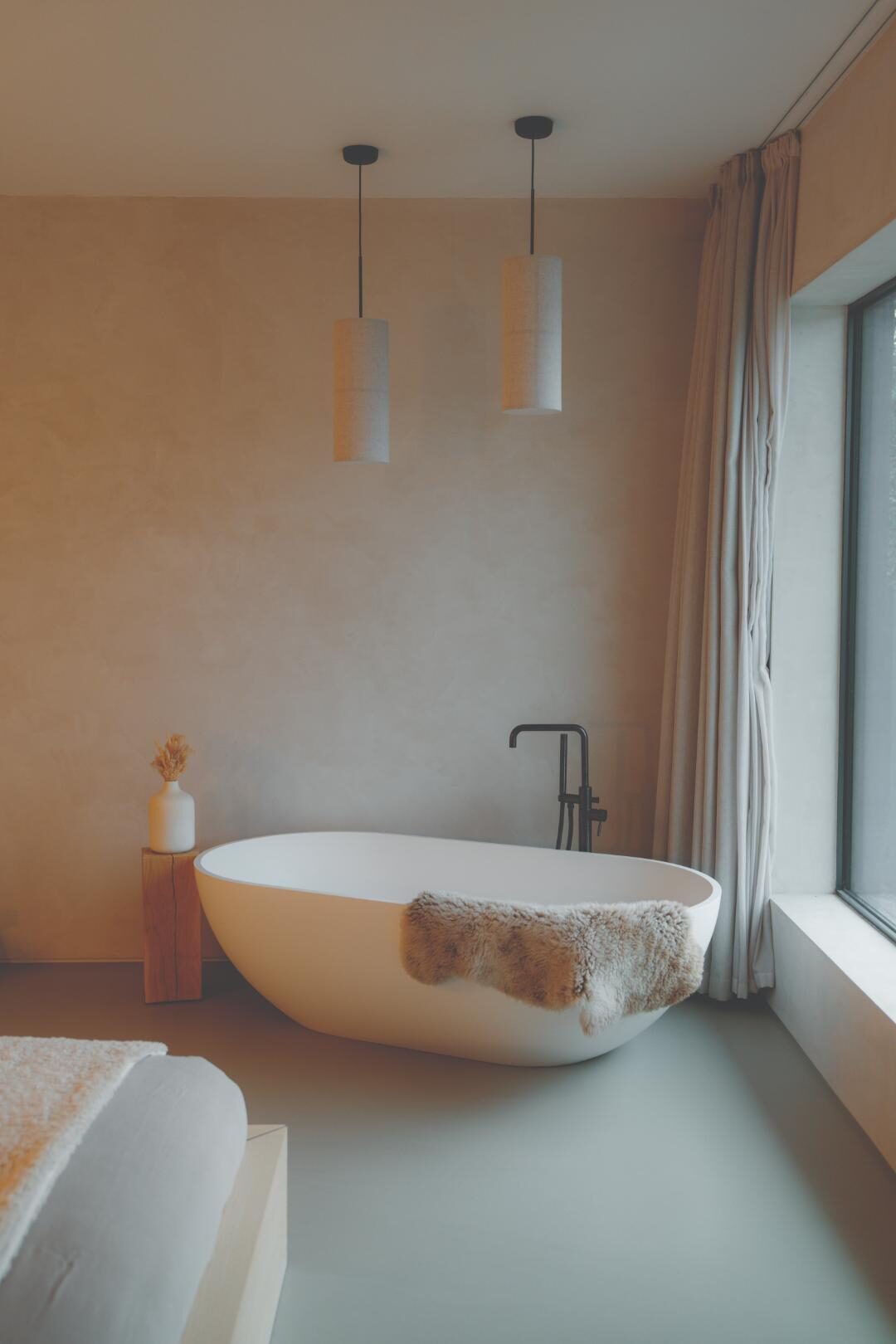
The interior is modern, but not cold. Timber floors, soft light, warm stone. There’s a deep bath placed for the view, and a glass wall opening onto a large private deck with seating and a hot tub facing the water. Every detail feels deliberate: a stocked minibar with local gin and beer, a good coffee setup, blackout blinds, and more storage than you expect from a place this size. It's all thought through, without showiness.
The suite is set at the start of the Scorrybreac Trail, and you can walk straight from the door along the coast, or into Portree in ten minutes if you want a drink or dinner in town. Breakfast is served at the hotel up the hill (a short walk through the trees), with a menu that goes well beyond the usual buffet. Eggs Benedict, coffee with a view, and no need to rush.
It’s an easy place to settle into. Quiet, well-finished, and private, but with support close by if you need it. A good option for couples looking for space to rest between Skye’s long drives and long walks. And for anyone who already knows Skye, it offers a different way to stay.
Black h
Isle of Skye
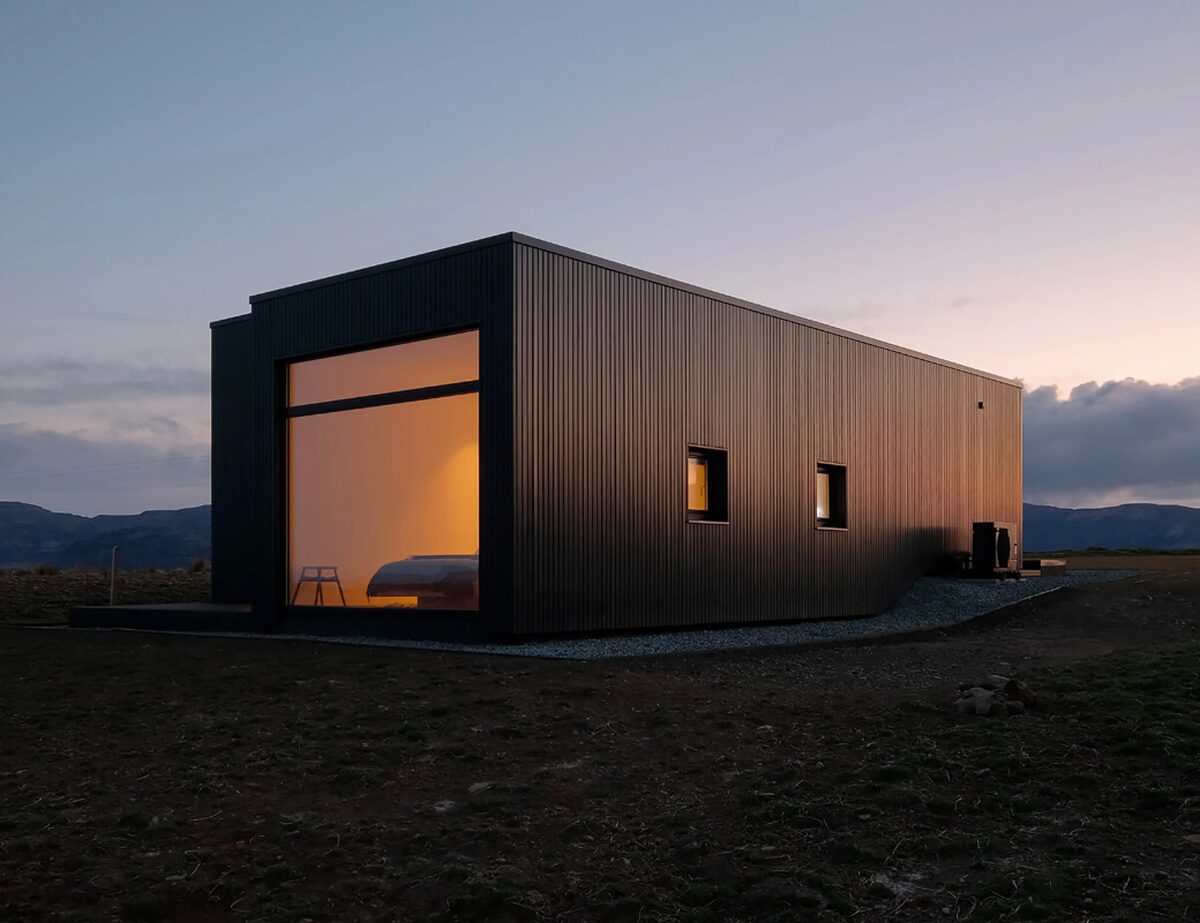
You reach it by a winding single-track road, past scattered crofts and cattle grids, then suddenly it’s there: low, angular, and dark against the open sky. Black h doesn’t push itself forward. It’s set back slightly from the sea, but every window is angled to catch the light and the view. The Cuillins are distant, but visible, and on a clear morning the light breaks across the whole room before you’ve even made coffee.
The cabin is compact but deliberate. Charred timber on the outside, pale wood inside, and long stretches of glass that frame the sky and the shore. The living space is open-plan, with a wood-burning stove and a small but full kitchen. The bed is set to face the window, and the blinds lift with the press of a button, so you can stay under the covers and still watch the weather shift across Loch Bracadale.
It’s designed for two, and it feels like it. Everything has a place. The finishes are clean and unfussy (stone, timber, brushed metal), and the whole building feels quietly insulated from the outside world, even when the wind picks up. There’s Wi-Fi if you need it, but the cabin leans toward stillness. Books, slow meals, a short walk down to the shore and back.
You’re not far from Dunvegan or Orbost, but there’s no reason to leave unless you want to. The view does enough. On the right day, the sky reflects silver in the loch and the mountains sit like a backdrop pulled tight behind it. You find yourself standing still more often than usual.
Loch Venachar Lodges
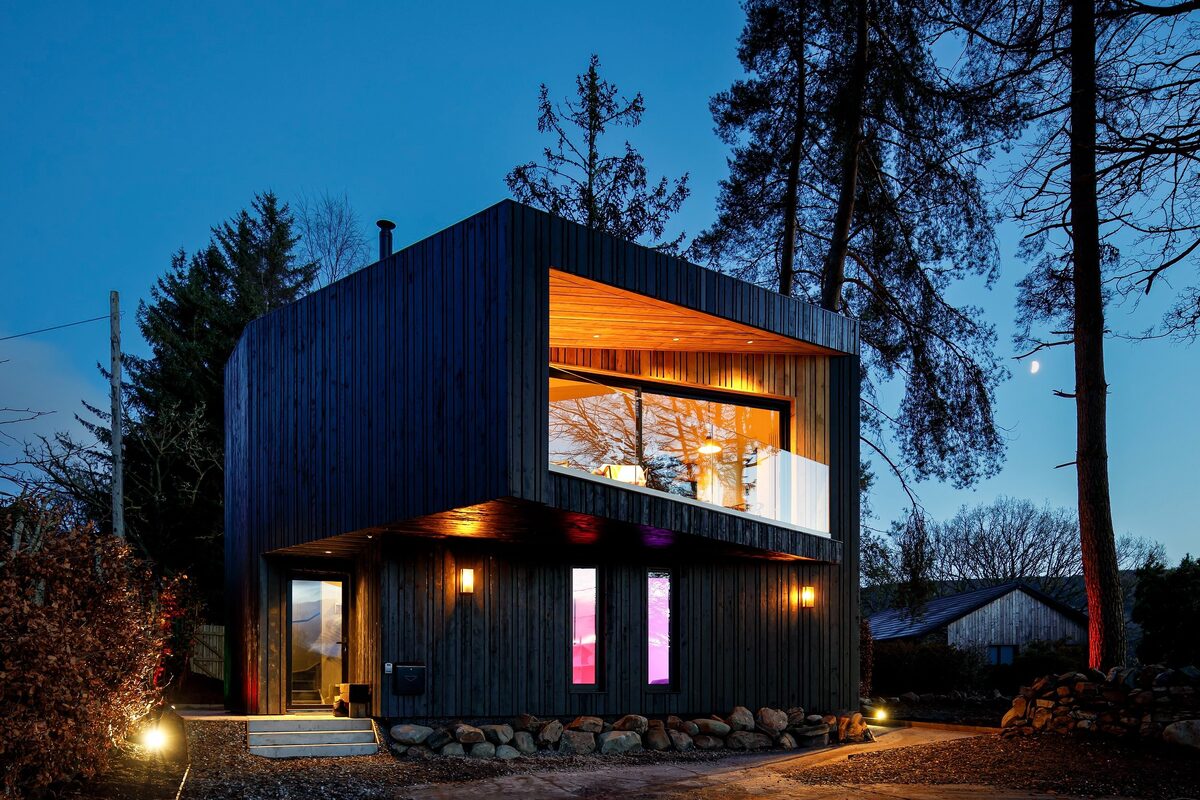
Stirling
Set just back from the shore, with nothing between the glass and the water but a stretch of grass and the occasional pine, Loch Venachar Lodges feel like they’ve been placed, not built. The cabins are low-profile, timber-clad, and oriented so every room faces the loch. You wake up to reflections and go to bed with the hills turning dark across the water.
Inside, it’s warm and well made. Polished concrete floors, clean-lined furniture, and soft lighting that settles in as the day cools off. There’s underfloor heating and a log burner in the main room, a small kitchen that’s built for real cooking, and doors that open wide onto a private deck with a hot tub tucked into the corner. Every space feels thought through. You’ve got blackout blinds, plenty of storage, and enough room for a couple or a small family without stepping on each other.
The cabins sit at the edge of the forest with trails in every direction. You can walk or cycle from the door, down to the water or into the woods, and there’s canoe access too if you’re organised. Callander’s only a short drive, but once you’re here it’s easy to stay put. There’s just enough signal, just enough silence, and just enough space between you and the rest of the world.
It’s the kind of place you settle into without meaning to. You light the stove, stretch out on the sofa, and let the view keep track of the time.
Dun Aliunn
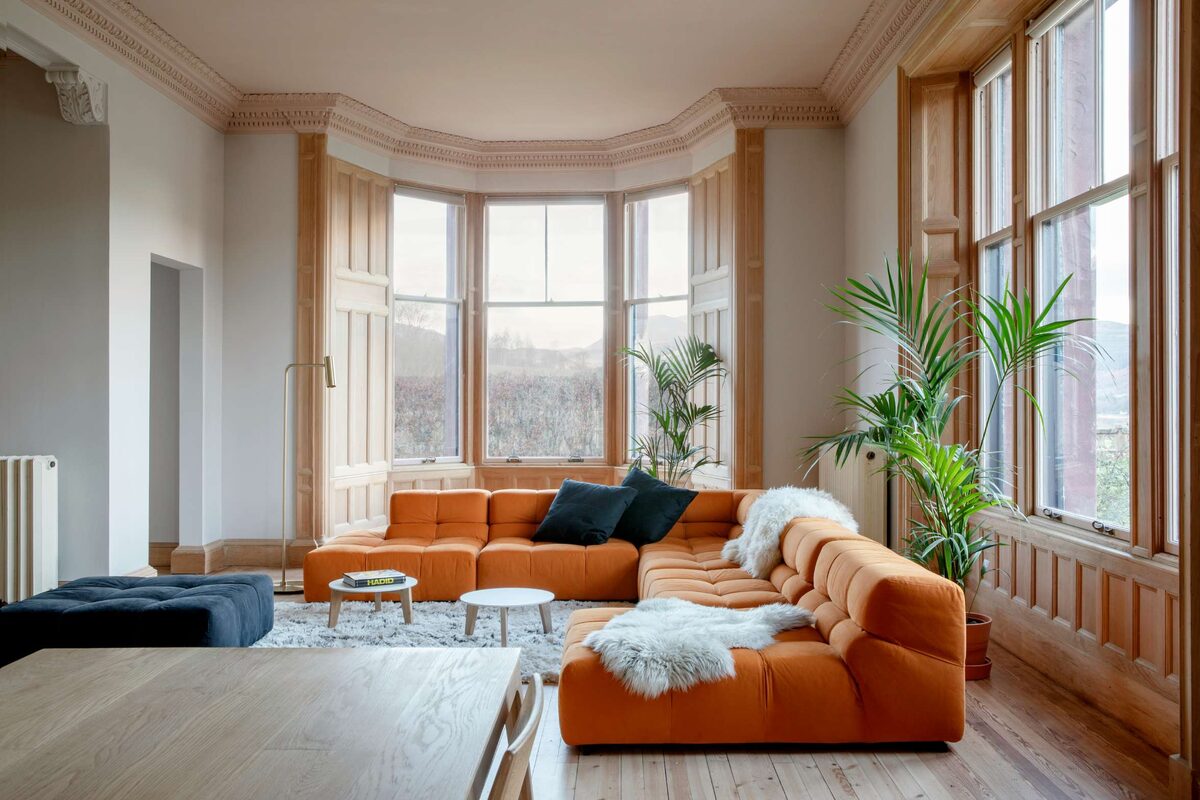
Perthshire
Dun Aliunn makes the most of its spot in Highland Perthshire, pulling the woodland indoors through wide panes of glass. The house is modern in form, with straight lines, dark timber and clean finishes, but softened by warmth in the details. The open-plan living space holds everything together with a kitchen that works well, a wood stove that makes evenings easy, and windows that run the length of the room. Bedrooms are calm, pared back, and bright with morning light. Step out to the terrace and you’re among trees, with enough seclusion to feel private without being far from town. Dunkeld is close, yet the house makes it easy to stay put.
 Out now
Twice a year, to your door
One hundred and sixty pages of Scotland, every photograph commissioned, every word written by someone who went. Members get both issues posted and everything on screen.
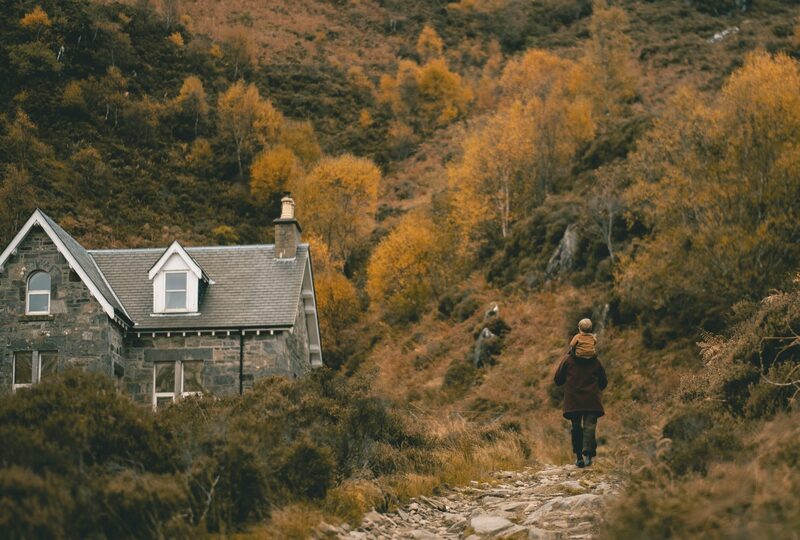
 Wild at Heart
 The Modern Croft