
Getting Around Skye
Reaching Skye takes effort, but that’s part of its appeal. Whether arriving by bridge, ferry, or bus, the journey is slow and scenic—worth keeping in mind once you’re on the move too.
TOUCHDOWN
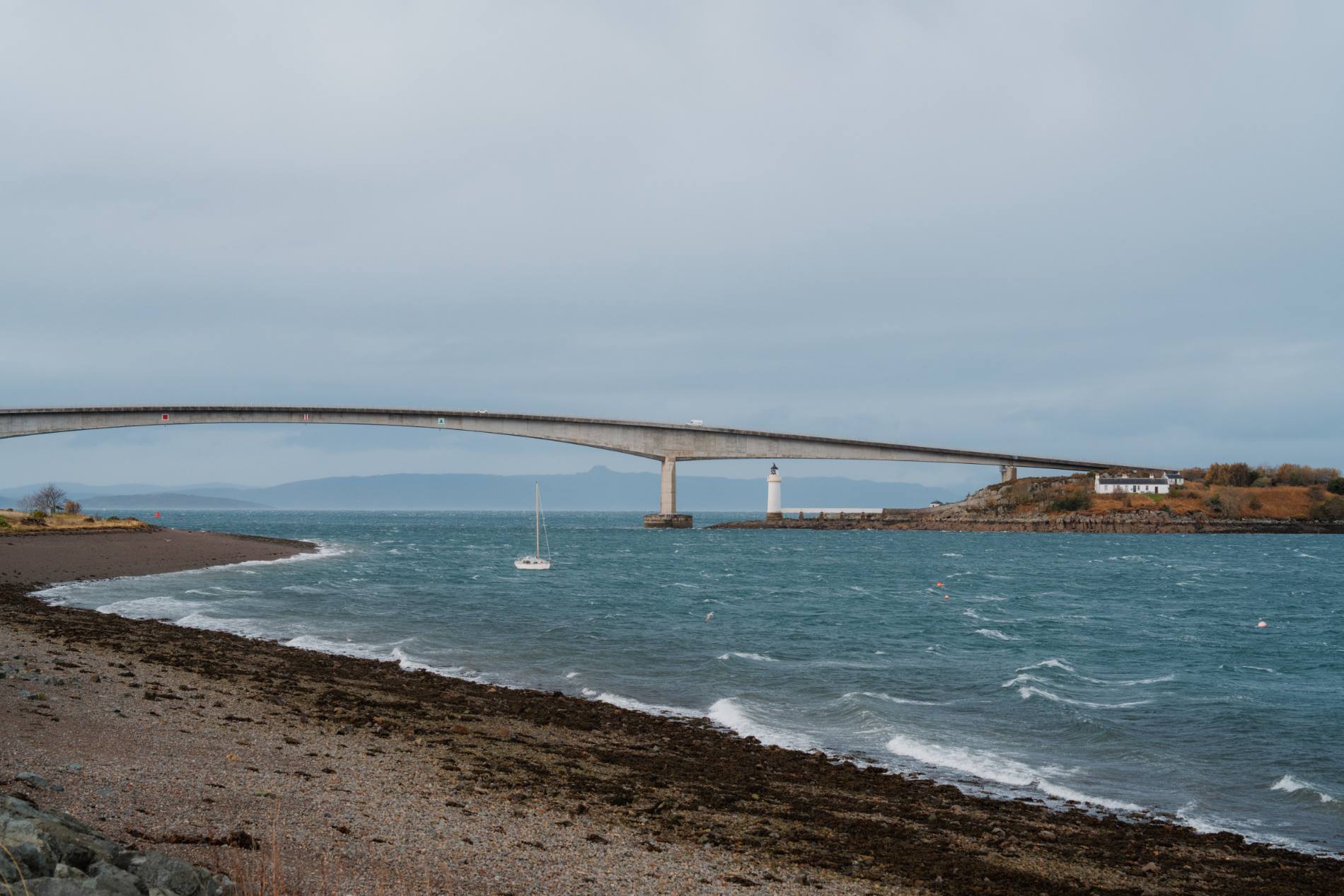
The nearest regional airport to Skye is at Inverness, on Scotland’s northeast coast. From here it’s a road journey of around two hours to the bridge at Kyle of Lochalsh, and a further 50 minutes on the island to reach Portree. By public transport, Citylink runs buses from Inverness to Skye. The nearest international airports to the island are at Glasgow and Edinburgh. Two ferries travel between the mainland and Skye: one from Glenelg to Kylerhea, the other from Mallaig to Aramadale. From the Outer Hebrides, there are sailings into Uig from both Tarbert and Lochmaddy. All ferries need to be booked in advance.
ROUTE MAP
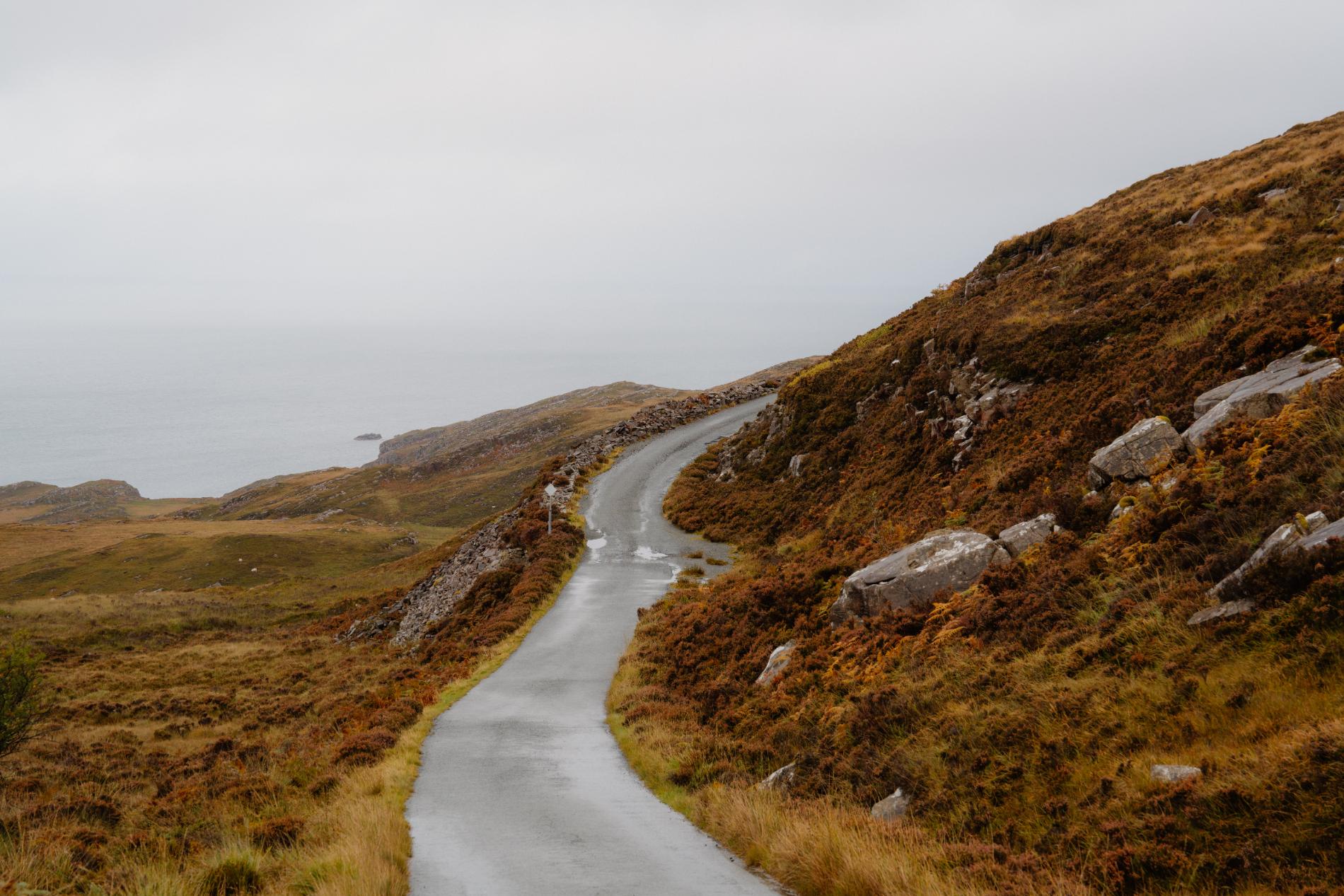
Getting around Skye is a scenic affair, but it can also be time-consuming. Most roads are single-track, with passing places, and certain routes can get busy in peak season. The bus network is reasonably comprehensive and generally reliable, making it possible to explore without your own transport.
Tip: Leave ample time for a journey – the island isn’t conducive to rushing.
Buses
Stagecoach runs the main public transport network on Skye, with services covering the likes of Portree, Broadford, Armadale, Torrin, Elgol, Edinbane, Dunvegan, Uig, the Old Man of Storr, and more. Services are reasonably regular on key routes, but don’t expect anything like city-style frequencies and not all buses run on Sundays, especially in the wintertime.
Tip: Skye DayRider tickets, with unlimited journeys over a day, can work out at good value.
Driving
Having your own vehicle grants you the independence to roam at will, but be aware many (if not most) roads are single-track, with passing places. Take care around free- ranging sheep, allow yourself enough time – driving from Broadford in the south to Dunvegan in the north, for example, takes around an hour – and bear in mind that parking lots can soon fill at popular spots like the Storr and Neist Point.
Passing Places
On Skye's single-track roads, always keep to the left and use marked passing places to let cars pass or overtake. Never cross to the right or drive off the road. If reversing or being let past is necessary, acknowledge with a wave as a polite thank you.
Cycling
Touring Skye by bike can be highly rewarding, and almost all of the island can be reached on two wheels, but bear in mind that you’ll be sharing the roads with car traffic, which can be considerable in high season.
Hiking
Skye can be a walker’s paradise. If you’ve got time (and weather) on your side, the island’s your oyster. Hitch-hiking is often feasible. Tip: For serious hikers, the Skye Trail is an unofficial and challenging 80-mile route across much of the island.
Promoted Post
Eagle Brae
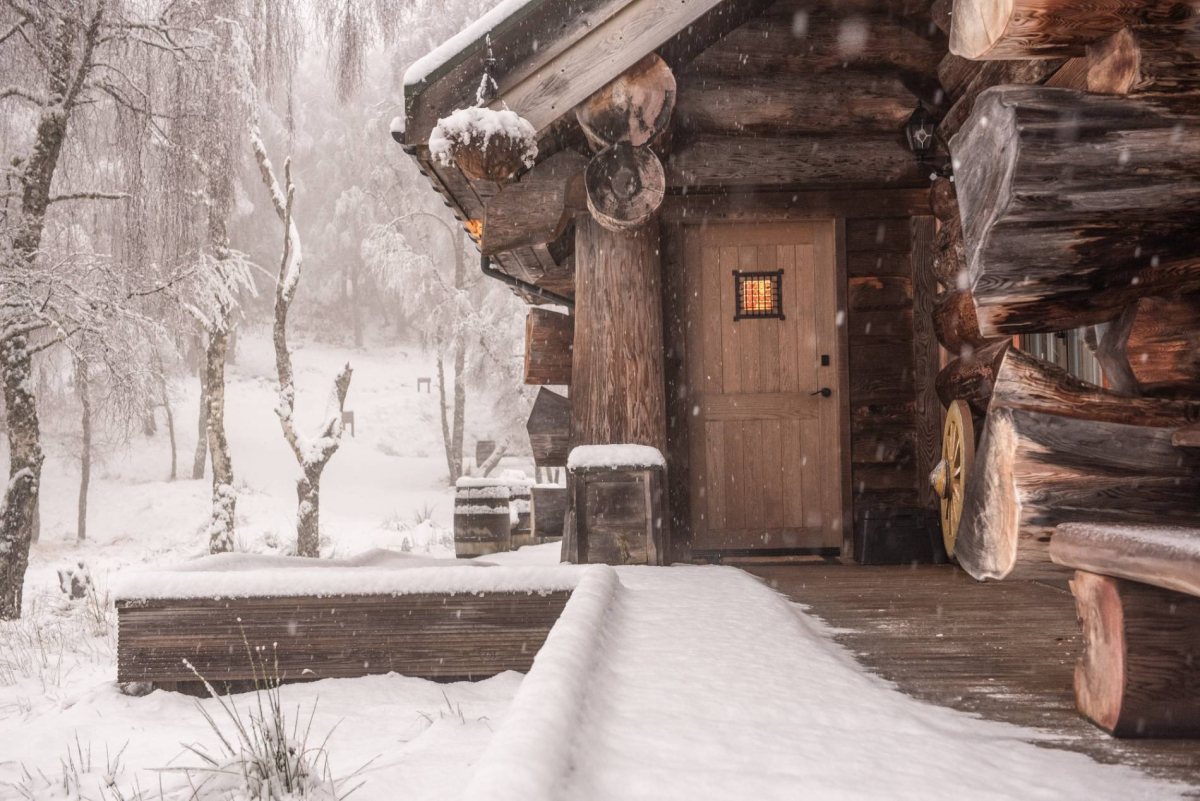
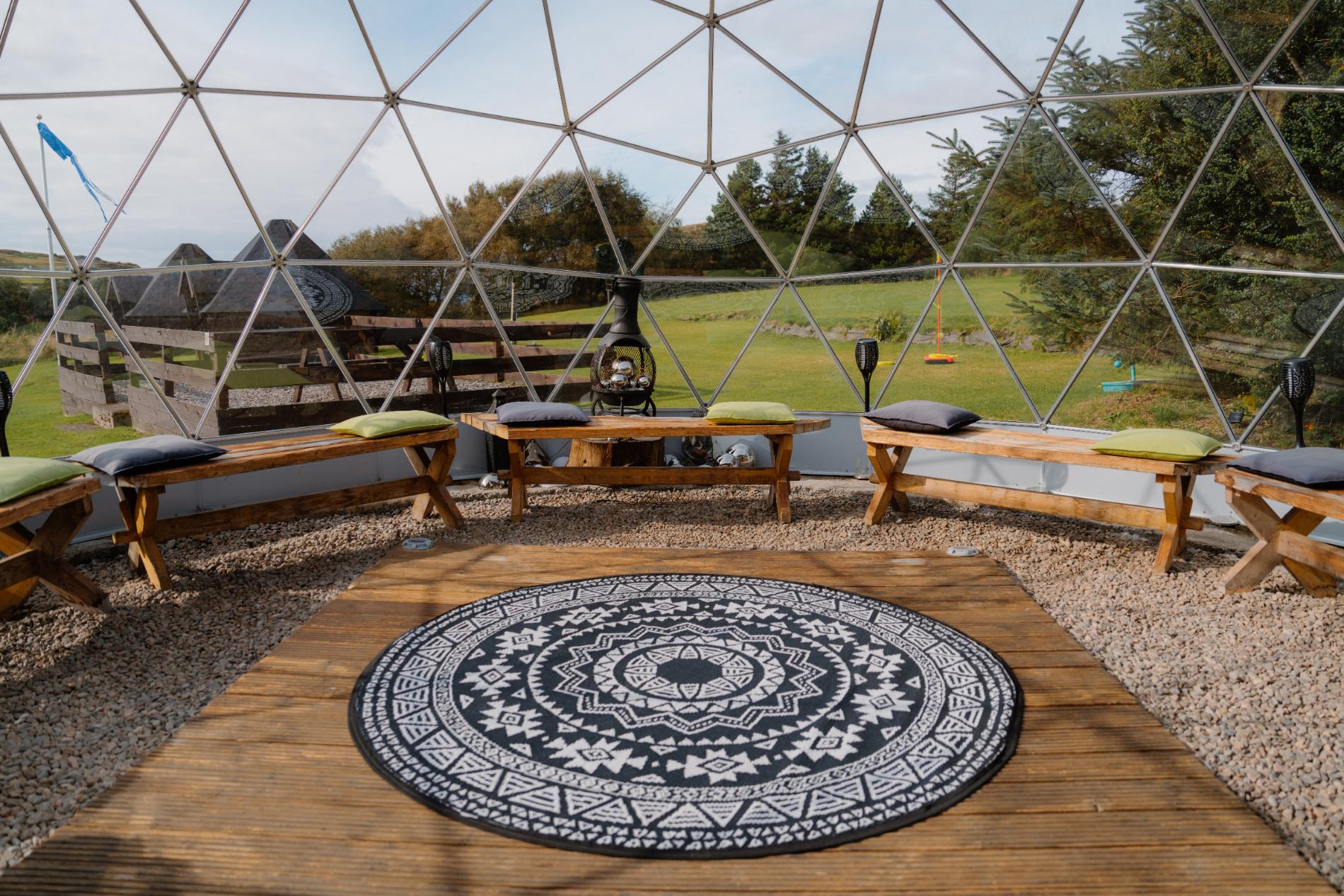
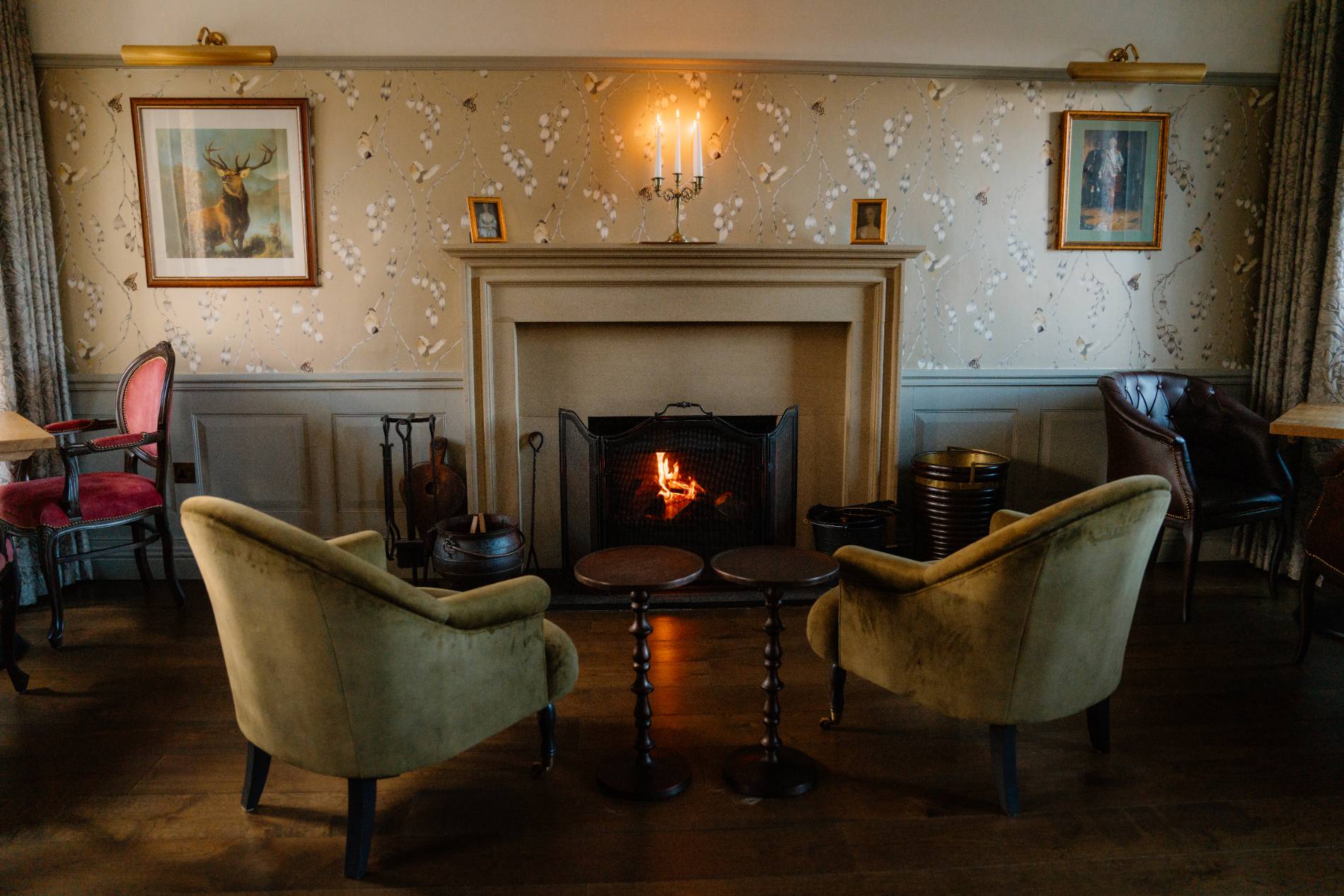
Escape to Eagle Brae, a secluded collection of Highland log cabins near Beauly. Handcrafted cedar, big skies, and deer on the hillside, with a fireside welcome that makes it easy to slow down.









 Sign in with Google
 Sign in with Email